
Rhodes Best Tours 2026: Old Town, Lindos & Wine Tasting
Rhodes’ UNESCO World Heritage medieval Old Town, clifftop Lindos Acropolis, and mountain wine villages create three distinct touring experiences requiring strategic selection among hundreds of 2026 operators offering everything from €15 hop-on-hop-off buses to €200+ private excursions. Navigating this overwhelming choice while matching tour types to personal interests, physical capabilities, time constraints, and budget parameters determines whether visitors experience Rhodes’ highlights superficially through rushed group itineraries or deeply through well-paced explorations allowing genuine engagement with each site’s historical significance and contemporary character.
Key Takeaways for Rhodes Tours in 2026
- Three Core Experience Types: Medieval Old Town walking tours (2-4 hours, €25-90) emphasize Knights Hospitaller history and UNESCO architecture, Lindos day trips (6-9 hours, €30-75) combine Acropolis visits with beach time, while wine tasting excursions (4-8 hours, €42-120) focus on Embonas village wineries and mountain scenery
- Entrance Fees Separate from Tour Costs: Most tours exclude monument entrance fees adding €12-20 per person at Lindos Acropolis, €6-20 at Grand Master’s Palace, and €6-8 at Old Town museums, requiring €30-50 additional cash beyond base tour pricing
- Small Group Premium Worth Paying: Tours limited to 6-15 participants cost €20-40 more than large bus groups (30-50 people) but deliver superior guide attention, flexible pacing, easier Old Town navigation through narrow medieval streets, and skip-the-line benefits at popular sites
- Morning Timing Critical for Lindos: Tours departing Rhodes Town before 09:00 reach Lindos Acropolis by 10:30 before crushing midday heat (35°C+ June-August) and tour bus crowds peaking 11:00-15:00, making early starts essential for comfortable climbing and photography
- Combined Tours Sacrifice Depth: Multi-site packages cramming Old Town + Lindos + wine tasting into single days (10-12 hours, €90-140) spend excessive time driving between distant locations while allowing only 45-60 minutes at each site versus focused single-destination tours enabling 2-4 hour immersive experiences
- Independent Options Viable for Confident Travelers: Self-guided Old Town exploration using free walking tour apps plus public buses to Lindos (€5-7 round-trip) and rental cars to wine country (€35-50 daily) cost 60-70% less than organized tours while maintaining complete schedule flexibility
People Also Ask About Rhodes Tours in 2026
What are the best Old Town walking tours in Rhodes for 2026?
The best Rhodes Old Town walking tours in 2026 balance expert historical interpretation with manageable group sizes, strategic routing through medieval quarters, and inclusion of skip-the-line access to major monuments, with top operators offering 2.5-4 hour experiences priced €25-90 per person. Small-group tours limited to 6-15 participants from companies like Rhodes Experience and Tourtlee provide superior value through knowledgeable local guides (often licensed archaeologists or historians) who navigate efficiently through the UNESCO World Heritage site’s maze of cobblestone streets while avoiding tourist-trap restaurants and aggressive shop vendors that plague independent visitors. These premium tours typically include Jewish Quarter heritage sites, Street of the Knights medieval architecture, Hippocrates Square cultural context, and Archaeological Museum or Grand Master’s Palace visits with skip-the-line entry, though monument entrance fees (€6-20) remain separate from base tour costs. Budget alternatives include free walking tours operating on tip-only basis (€10-15 suggested gratuity) departing main squares 10:00 and 14:00 daily, though these larger groups (20-30 participants) provide less personalized attention and exclude monument interiors. Audio guide apps (€5-8 downloadable) enable complete independence while delivering historical narration at self-determined pace, ideal for travelers preferring solitary exploration without group coordination constraints. The optimal tour selection depends on budget flexibility (€25 small-group versus €80 private), historical interest depth (superficial highlights versus comprehensive context), and physical capability (some tours include extensive stair climbing at palace and museums), with early morning departures (09:00-10:00) recommended for avoiding midday heat and cruise ship crowds overwhelming sites 11:00-16:00 during summer 2026.
How much do Lindos tours cost in 2026 and what’s included?
Lindos tours in 2026 range €30-75 per person for standard group excursions and €80-150 for private experiences, with base pricing typically including round-trip transportation from Rhodes Town, English-speaking guides, and 3-5 hours Lindos village time but excluding the €12-20 Acropolis entrance fee, lunch, and donkey rides (€5-10) up the steep village climb. Budget group tours (€30-45 per person) operate large coaches (40-50 passengers) departing Rhodes Town 09:00-10:00 with scheduled returns 16:00-17:00, providing basic historical commentary during the 50-kilometer scenic coastal drive but minimal personalized attention at destination and fixed lunch stops at predetermined restaurants offering tourist menus rather than authentic local experiences. Mid-range small-group tours (€50-75 per person, 6-15 participants) justify premium pricing through superior guide expertise, flexible scheduling allowing longer Lindos exploration (4-5 hours versus 3 hours for budget tours), skip-the-line Acropolis arrangements during peak season, and freedom choosing independent lunch locations from village’s 20+ tavernas rather than package-tour venues. Private tours (€80-150 per person based on group size, minimum 2-4 participants) deliver maximum flexibility through customizable departure times, routing including stops at Seven Springs or traditional villages, extended Lindos duration accommodating slower-paced Acropolis climbing or additional beach time at St. Paul’s Bay, and hotel pickup/dropoff eliminating Rhodes Town meeting point logistics. All tour categories exclude mandatory Acropolis entrance fees (€12-20 cash only), meaning total costs reach €42-95 for budget tours, €62-95 for small-group experiences, and €92-170 for private excursions after adding monument admission, lunch (€12-20 per person typical), and incidental expenses including bottled water (€2-3) and souvenirs. The steep village topography creates physical considerations—Acropolis access requires climbing 300+ stone steps with minimal shade, making donkey rides (€5-10 one-way, €8-15 round-trip) worthwhile alternatives for elderly visitors or those with mobility limitations, though animal welfare concerns lead some tour operators discouraging this traditional transport option.
Which Rhodes wine tours offer the best value in 2026?
Rhodes wine tours delivering best value in 2026 combine visits to 2-3 authentic family-run wineries in Embonas village (the island’s wine capital) with tastings of 6-10 wine varieties, traditional Greek lunch pairings, and scenic mountain drives through western Rhodes landscapes, priced €42-75 for small-group experiences and €80-120 for private tours offering superior attention and customization. The highest-rated tours visit wineries like Cava Stafylos and Emery where winemaking families personally conduct tastings explaining Rhodian grape varieties including Athiri (crisp whites), Mandilaria (robust reds), and Muscat (sweet dessert wines) while guests sample 6-8 wines plus local honey, olive oil, and traditional spirits (souma, similar to Italian grappa), creating comprehensive introduction to island gastronomy beyond wine alone. Half-day wine tours (4-5 hours, €42-60 per person) typically include 2 winery visits with tastings, mountain village exploration, and return Rhodes Town transfers but exclude lunch, making them budget-optimal for travelers prioritizing wine education over culinary experiences or those planning independent dining at Embonas’ traditional tavernas famous for grilled meats (€12-18 per person). Full-day wine and culture tours (7-8 hours, €70-120) add third winery, traditional Greek lunch with local wine pairings, and cultural stops at Filerimos monastery or Ancient Kamiros archaeological site, justifying premium pricing through comprehensive island immersion though potentially overwhelming casual wine enthusiasts with excessive tasting (12-15 wines across three stops creating late-afternoon fatigue). Private wine tours (€80-120 per person based on group size, 2-6 participants minimum) provide optimal flexibility through customizable winery selection matching personal taste preferences (focusing exclusively on organic producers, natural wines, or specific varietals), adjusted tasting pace accommodating serious wine study versus casual appreciation, and routing incorporating additional interests like Valley of Butterflies or coastal villages. All wine tours require designated drivers or group transportation since Greek drunk driving laws impose strict 0.05% blood alcohol limits with severe penalties, making independent winery visits via rental car legally problematic for those consuming multiple tastings, while tour operators provide experienced drivers navigating mountain roads while guests enjoy tastings worry-free.
Should I book Rhodes tours in advance for 2026 or wait until arrival?
Booking Rhodes tours 2-4 weeks advance for summer 2026 visits (May-October) proves essential for small-group experiences and private tours that sell out during peak season, while winter travelers (November-April) typically find same-week availability for most tour types except specialty experiences requiring minimum participant numbers. The advance booking imperative intensifies for popular tour categories including Lindos small-group excursions limited to 6-15 participants (consistently selling out 1-2 weeks ahead June-September), Old Town medieval walking tours with licensed archaeologist guides (high demand from cruise passengers creating daily capacity constraints), and private wine tours during grape harvest season (August-September when winemakers limit visitor schedules). However, advance booking through international platforms (GetYourGuide, Viator, Tripadvisor Experiences) carries trade-offs including non-refundable deposits (10-20% of tour cost), rigid cancellation policies (24-72 hours notice required for full refunds), and potential pricing premiums (15-25% markup versus booking directly with local operators) that balance against guaranteed availability and secure reservations eliminating arrival uncertainty. Alternative strategies include booking only high-demand experiences advance while leaving flexibility for spontaneous tour decisions after arrival, contacting local operators directly via email/WhatsApp 1-2 weeks before travel for better pricing and flexible terms versus international booking platforms, or arriving Rhodes without reservations but accepting risk that preferred tours may sell out requiring compromise on tour types, departure times, or dates during peak July-August period when island tourism reaches maximum capacity. Winter visitors (November-March) enjoy opposite dynamics with last-minute booking advantages including negotiable pricing when operators compete for limited tourist numbers, flexible schedule changes accommodating weather disruptions common during this season, and opportunities joining “guaranteed departure” tours only running when minimum participant thresholds met (typically 4-6 people), making advance commitments often unnecessary except for specialty experiences like wine harvest tours or off-season Lindos excursions when reduced schedules limit availability. The strategic approach involves advance booking only critical experiences (date-specific requirements, limited availability tours, peak season travel) while maintaining flexibility for supplementary activities bookable upon arrival at hotel concierges, tourist information offices, and local tour operators whose storefronts line Mandraki Harbor and Old Town perimeter offering walk-in same-day availability for many standard tour products.
Extended multi-day tours – 5+ days
Featured Rhodes Multi-Day Tour Packages
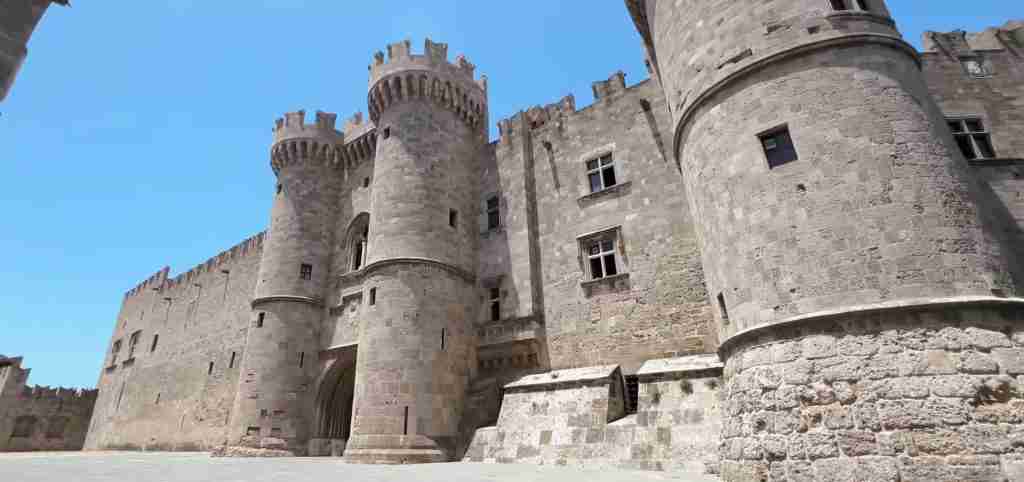
3 days
Rhodes 3-Day Discovery Tour
- ✓ Comprehensive Rhodes experience
- ✓ Expert local guides included
- ✓ All accommodation included
- ✓ Transportation provided
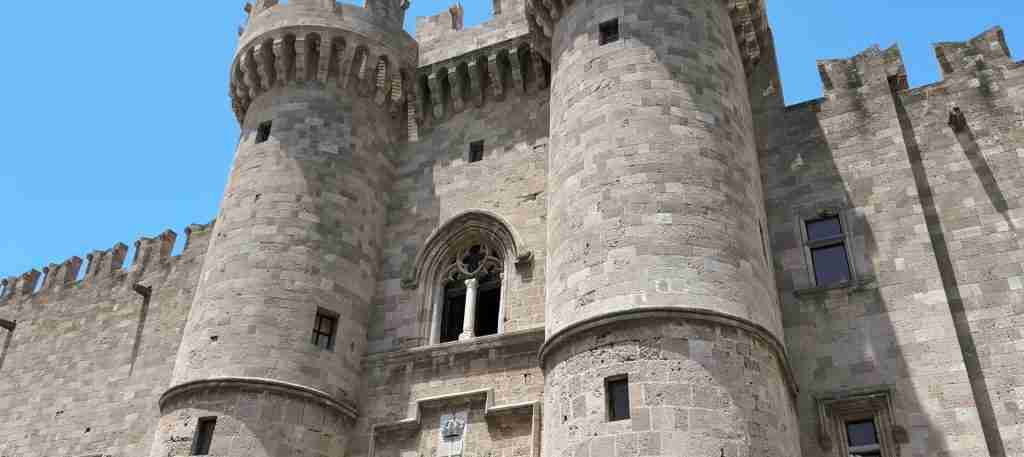
5 days
Rhodes 5-Day Highlights Experience
- ✓ Comprehensive Rhodes experience
- ✓ Expert local guides included
- ✓ All accommodation included
- ✓ Transportation provided
7 days
Rhodes 7-Day Cultural Journey
- ✓ Comprehensive Rhodes experience
- ✓ Expert local guides included
- ✓ All accommodation included
- ✓ Transportation provided

10 days
Rhodes 10-Day Complete Adventure
- ✓ Comprehensive Rhodes experience
- ✓ Expert local guides included
- ✓ All accommodation included
- ✓ Transportation provided
Multi-day tour packages powered by TourRadar. Prices and availability subject to change.
Introduction
Rhodes presents travelers with a fortunate touring problem: three world-class visitor experiences—UNESCO medieval Old Town, ancient Lindos Acropolis, and traditional wine country—each meriting full-day exploration compressed into typical 3-7 day island stays creating difficult prioritization decisions. Unlike destinations where single iconic sites dominate (Athens’ Acropolis, Santorini’s caldera villages), Rhodes distributes its appeal across geographically dispersed attractions requiring strategic tour selection matching personal interests, physical capabilities, available time, and budget parameters to maximize satisfaction from limited vacation days.
The 2026 Rhodes touring landscape evolved significantly from pre-pandemic patterns, with small-group experiences (6-15 participants) increasingly dominating market share previously held by large bus tours (40-50 passengers) as travelers prioritize personalized attention and flexible pacing over cost minimization. This shift created pricing stratification where budget-conscious visitors still access excellent value through €30-45 group tours, while those valuing superior guide expertise and intimate experiences willingly pay €70-120 premiums for boutique operators limiting participant numbers and customizing itineraries around group dynamics rather than rigid schedules.
Understanding tour category distinctions proves essential for making informed selections aligned with personal preferences rather than defaulting to highest-rated TripAdvisor options that may excel for demographics differing from individual circumstances. Walking tours suit history enthusiasts prioritizing medieval architecture and Knights Hospitaller heritage over beach lounging, Lindos excursions appeal to photographers seeking iconic Greek island aesthetics and Instagram-worthy clifftop ruins, while wine tours target culinary travelers interested in agricultural traditions and local gastronomy beyond standard tourist restaurant experiences. Attempting comprehensive coverage through marathon combination tours (Old Town + Lindos + wine tasting condensed into single 10-12 hour days) typically disappoints through superficial exposure sacrificing depth for breadth, whereas focused single-destination tours enabling 3-4 hour immersive experiences consistently generate highest satisfaction ratings.
The practical touring framework for 2026 Rhodes visits involves preliminary research identifying priority experiences (what genuinely interests you versus what guidebooks insist you “must see”), realistic schedule assessment (accounting for jet lag, beach time, spontaneous discoveries, and rest days rather than aggressive daily programming), and strategic booking timing balancing advance reservation security against arrival flexibility. Most successful Rhodes itineraries combine one professionally guided experience per category (ensuring expert interpretation and logistical efficiency for signature highlights) with independent exploration maintaining spontaneity and personal discovery that organized tours inherently limit.
This guide provides comprehensive 2026 tour intelligence across Rhodes’ three core experiences—Old Town walking tours, Lindos excursions, and wine country exploration—enabling informed decisions matching tour types, operators, pricing, and booking strategies to individual circumstances. The focus emphasizes practical considerations including physical requirements, time commitments, actual costs (including excluded entrance fees and meal expenses inflating advertised base prices), and realistic expectations for what each tour category delivers versus marketing promises that occasionally oversell experience quality or understate logistical complexities.
Old Town Walking Tours 2026: Medieval Rhodes Exploration
Rhodes Old Town walking tours in 2026 navigate the UNESCO World Heritage medieval quarter’s intricate maze of cobblestone streets, Byzantine fortifications, and Knights Hospitaller palaces through 2-4 hour guided experiences priced €25-90 per person depending on group size, monument inclusion, and guide expertise. The medieval Old Town’s 3.2-kilometer defensive walls enclose 200 streets and 6,000 residents within architecture spanning 7th century BC Greek foundations through 14th-16th century Knights’ Gothic construction to Ottoman mosque conversions, creating layered historical narrative best understood through knowledgeable local guides rather than independent exploration that risks missing significant details hidden behind unmarked doors and overlooking context essential for appreciating site significance.
Standard small-group walking tours (6-15 participants, €40-70 per person, 2.5-3 hours) follow strategic routing beginning Liberty Gate entrance, proceeding through Jewish Quarter to Kahal Shalom Synagogue and Jewish Museum (€6 entrance if included), continuing via Hippocrates Square to Street of the Knights’ magnificent Gothic façades, culminating at Grand Master’s Palace (€6-20 entrance depending on exhibition access). Superior tours distinguish themselves through licensed archaeological or history-graduate guides providing scholarly depth beyond standard historical facts, strategic timing visiting monuments during less-crowded morning hours (09:00-11:00 starts optimal), and small participant numbers enabling questions and personalized pacing impossible with 25-30 person groups typical of budget operators. These mid-range tours exclude museum entrance fees requiring participants carry €20-30 cash for monuments visited, though some premium operators (€70-90 range) include all admissions in base pricing simplifying budgeting and eliminating entrance queue delays.
Budget walking tour alternatives include free tours operating tip-based model (suggested €10-15 gratuity per person) departing Hippocrates Square and Symi Square at fixed times (typically 10:00 and 15:00 daily), providing acceptable historical overview through enthusiastic young guides (often university students) but sacrificing depth for accessibility and excluding monument interiors to maintain “free” designation. These mass-market tours attract 20-40 participants creating crowd management challenges navigating narrow medieval streets and making personalized questions difficult, though they serve budget travelers and those seeking general orientation before independent exploration. Audio guide apps (€5-8 downloadable to smartphones) enable completely self-paced exploration following GPS-triggered historical narration at major landmarks, ideal for independent personalities resistant to group coordination and travelers visiting outside peak season when professional tour schedules reduce.
Private Old Town tours (€150-300 total for groups up to 6 people, effective €25-50 per person for couples or families) deliver maximum flexibility through customizable focus areas (emphasizing Byzantine, medieval, or Ottoman periods based on interest), adjustable pacing accommodating photography stops or cafe breaks, and scheduling freedom departing convenient times rather than fixed morning slots. Private guides often arrange special access to normally-closed locations including private aristocratic mansions, active churches during non-service hours, and artisan workshops producing traditional crafts, creating exclusive experiences impossible on standard group tours. The private tour premium justifies itself for serious history enthusiasts, photographers requiring extended shooting time at specific locations, and families with children whose energy levels and attention spans necessitate flexible pacing with spontaneous breaks.
Specialized thematic tours targeting niche interests include Jewish heritage walks (1.5-2 hours, €30-50) exploring the once-thriving Ladino-speaking community devastated during Holocaust deportations, Knights Hospitaller military history tours (3 hours, €60-80) emphasizing fortification engineering and 1522 Ottoman siege, and Byzantine art tours (2.5 hours, €50-70) focusing on icon painting, fresco preservation, and ecclesiastical architecture. These specialized experiences appeal to travelers with specific historical interests justifying focused exploration over general coverage, typically operating private or very small group formats (maximum 8 participants) enabling detailed discussions impossible in broader overview tours.
Practical considerations for Old Town walking tours include comfortable footwear essential for uneven cobblestone streets and frequent staircase navigation, sun protection (hats, sunscreen) critical during summer when stone streets intensify heat, and modest clothing respecting religious sites visited (shoulders and knees covered, though provided shawls often available at mosque and church entrances). Tours typically span 2-4 hours requiring moderate fitness for sustained walking though not athletically demanding, with rest stops at strategic cafes or shaded squares. Cash requirements include monument entrance fees (€20-30 total if visiting multiple sites), optional gratuities for excellent guides (€5-10 per person appreciated though not obligatory), and post-tour refreshments at recommended cafes guides suggest. Most tours conclude near starting points enabling easy return to hotels or continuation independent exploration armed with guide-provided orientation and insider recommendations impossible to obtain through guidebook research alone.
Lindos Day Tours 2026: Acropolis and Village Experience
Lindos tours from Rhodes Town in 2026 combine 50-kilometer scenic coastal drives with 3-5 hours village exploration including Acropolis climbing (300+ stone steps, €12-20 entrance), traditional whitewashed street wandering, and optional St. Paul’s Bay beach time, with tour types ranging from €30-45 budget bus groups to €80-150 private experiences delivering vastly different quality levels and visitor satisfaction. The clifftop Acropolis perched 116 meters above azure Aegean waters houses 4th century BC Temple of Athena Lindia, Byzantine fortifications, and Knights Hospitaller castle additions, while the preserved medieval village below features 17th-18th century captain’s houses with elaborate pebble-mosaic courtyards representing Greece’s finest traditional Aegean architecture outside Santorini or Mykonos.
Standard group Lindos tours (€30-50 per person, 35-50 passengers) follow predictable patterns departing Rhodes Town 09:00-10:00 via modern air-conditioned coaches, arriving Lindos approximately 10:30 after coastal drive with brief photo stops at scenic viewpoints, then allowing 3-3.5 hours village time before 14:30-15:00 departure back to Rhodes Town arriving 16:00-16:30. This compressed schedule forces rushed Acropolis visits (90 minutes maximum including 40-minute climb up and down) leaving minimal time for village exploration, lunch, or beach relaxation, though budget pricing remains attractive for travelers prioritizing Lindos exposure over immersive experience. The primary budget tour disadvantages involve large group size creating queue delays at Acropolis entrance (15-30 minutes during peak 11:00-13:00 period when multiple tour buses converge), minimal guide attention once village reached (groups typically “set free” with scheduled meeting time rather than guided Acropolis interpretation), and fixed lunch arrangements at specific tourist restaurants offering mediocre food at inflated prices versus independent taverna selection.
Small-group Lindos tours (€50-75 per person, 6-15 participants) justify premium pricing through extended village time (4-5 hours total), superior guides providing Acropolis historical interpretation rather than simple transportation, flexible scheduling allowing earlier departures (08:00-08:30) beating tour bus crowds to Acropolis, and freedom choosing lunch locations from village’s diverse taverna selection. These mid-range tours typically include strategic stops at Seven Springs natural oasis or traditional pottery workshops en route, adding cultural context beyond simple Lindos delivery and collection. The smaller participant numbers enable personalized attention, easier group coordination navigating village’s narrow stepped streets, and collective decision-making on activity priorities (some groups preferring extended Acropolis exploration while others prioritize beach time at stunning St. Paul’s Bay).
Private Lindos tours (€80-150 per person depending on group size, 2-6 participant minimums) provide ultimate flexibility through customizable departure times (very early 07:00 starts reach Acropolis at 08:30 opening before any crowds), routing incorporating personal interests (ancient Kamiros ruins, wine tasting, traditional villages), and completely open-ended village duration limited only by return time preferences. Private tours prove particularly valuable for photographers requiring specific lighting conditions (early morning or late afternoon golden hours), families with young children needing flexible pacing and spontaneous breaks, and visitors with mobility limitations benefiting from slower climbing speeds without group pressure. The per-person cost decreases substantially with larger private groups—4 people splitting €400-600 total tour cost pay €100-150 each, competitive with small-group tours while maintaining complete control.
Combined Lindos tours incorporating additional stops like Seven Springs, wine tasting at Embonas, or Valley of Butterflies create 8-10 hour experiences (€70-120 per person) appealing to time-constrained travelers attempting comprehensive island coverage during limited stays. However, these marathon tours sacrifice Lindos depth for breadth, typically allowing only 2-2.5 hours village time (barely adequate for rushed Acropolis visit without beach or thorough village exploration) while spending 4-5 hours driving between widely dispersed attractions. The rushed pacing and limited site time consistently generate lower satisfaction ratings compared to focused single-destination tours, making combined experiences advisable only when severe schedule constraints prohibit dedicated Lindos day or when specific bundled attractions (like wine tasting + Lindos) perfectly match interests justifying time trade-offs.
Lindos tour physical requirements demand realistic assessment—the Acropolis climb involves 300+ irregular stone steps with minimal shade, steep inclines, and no elevator alternatives, typically requiring 20-30 minutes ascent for average-fitness adults and 40-50 minutes for elderly or less-active visitors. Donkey rides (€5-10 one-way, €8-15 round-trip) provide traditional alternatives for those unable or unwilling to climb, though animal welfare concerns, uncomfortable seating on basic saddles, and unpredictable animal behavior (occasional stubbornness or unexpected stops) make this option controversial. The Acropolis summit rewards climbing effort with breathtaking 360-degree Aegean views, remarkably preserved ancient temple remains, and Knights’ castle walls, though vertigo-prone visitors should note exposed cliff edges and limited protective barriers at certain viewpoints.
Practical Lindos tour considerations include cash requirements for Acropolis entrance (€12-20, no cards accepted), lunch (€12-25 per person typical taverna costs), optional donkey rides, beach chair rentals (€5-8 if visiting St. Paul’s Bay), and village shopping (traditional ceramics, textiles, jewelry). Summer visitors (June-September) require substantial water (2+ liters per person), high-SPF sunscreen, wide-brimmed hats, and comfortable walking shoes with good grip for stone steps. The village’s pedestrian-only center necessitates comfortable footwear for sustained walking on cobblestones, while beach swimmers should pack towels and swimwear if planning St. Paul’s Bay visits (most tours allow beach time though not all advertise this option). Winter Lindos visits (November-March) find many shops and restaurants closed, reduced tour schedules, and potential Acropolis closures during severe weather, making season verification essential for off-peak travel planning.
Wine Tasting Tours 2026: Embonas and Rhodes Wineries
Rhodes wine tours in 2026 focus primarily on Embonas village, situated 800 meters elevation on Mount Attavyros’ slopes 55 kilometers southwest of Rhodes Town, where family-run wineries produce distinctive wines from indigenous Athiri (white), Mandilaria (red), and Muscat grape varieties cultivated in volcanic soils under intense Mediterranean sun creating concentrated flavors unattainable in cooler European climates. Wine tour options range from €42-75 half-day experiences visiting 2-3 wineries with basic tastings to €90-150 full-day culinary journeys combining wine education with traditional Greek lunch pairings, mountain village exploration, and cultural stops at Byzantine monasteries or ancient archaeological sites creating comprehensive western Rhodes immersion.
Standard small-group wine tours (€50-75 per person, 6-12 participants, 5-6 hours) typically depart Rhodes Town 09:30-10:00, drive scenic mountain routes through pine forests and agricultural valleys to Embonas arriving 11:00, visit two family wineries (Cava Stafylos, Emery cooperative, or similar operations) for guided tastings of 6-8 wine varieties plus local spirits (souma grape pomace distillate), honey, and olive oil, then return Rhodes Town via coastal road with photo stops at dramatic western coastline viewpoints. These mid-range tours include winery entrance fees, all tastings, English-speaking guide wine education, and round-trip transportation but exclude lunch (available as upgrade €15-20 or independently arranged at Embonas tavernas). The wine quality at featured wineries consistently surprises visitors expecting mediocre island productions, with Rhodian Athiri whites showing crisp minerality and citrus notes comparable to Assyrtiko from Santorini, while Mandilaria reds deliver smooth berry fruit and spice complexity rivaling better-known Agiorgitiko from Peloponnese.
Full-day wine and culture tours (€90-150 per person, 7-9 hours) expand basic wine experiences adding third winery visit, traditional Greek lunch with wine pairings at authentic Embonas taverna famous for grilled lamb and local specialties, and cultural stops at Filerimos monastery (Byzantine foundations, Italian restoration, hilltop cross with panoramic island views) or Ancient Kamiros archaeological site (Dorian city ruins). These comprehensive tours justify premium pricing through superior guide expertise (often certified sommeliers or wine educators versus standard tour guides), extended tasting sessions enabling detailed wine education and comparative analysis, and culinary components highlighting Rhodes’ agricultural heritage beyond wine including local cheeses, cured meats, and traditional desserts. The full-day format particularly appeals to serious wine enthusiasts seeking educational depth and food pairing understanding versus casual tasters satisfied with simpler half-day experiences.
Private wine tours (€100-200 total for couples, €300-500 for groups up to 6) provide maximum customization through winery selection matching specific interests (organic producers, natural wines, boutique versus cooperative operations), flexible scheduling accommodating late starts or extended tastings, and routing incorporating personal priorities whether emphasizing wine education, scenic photography, or cultural sites. Private tours enable detailed conversations with winemakers impossible in larger groups, customized tasting sequences based on developing palate preferences during the day, and spontaneous decisions extending particularly enjoyable winery visits or adding unplanned stops at discovered highlights. The private format proves particularly valuable for wine professionals, serious collectors seeking purchasing relationships, and groups with specific dietary requirements necessitating custom lunch arrangements beyond standard taverna menus.
Specialized wine experiences include wine and food pairing workshops (€80-120 per person, 4 hours) combining cooking classes preparing traditional Rhodian dishes with paired wine tastings demonstrating regional food-wine synergies, harvest season tours (late August-September, €90-150) including vineyard grape picking and crush observation, and winemaker dinner experiences (€150-200 per person, evenings) featuring multi-course meals at winery estates with extensive wine flights and owner-hosted conversations about winemaking philosophy. These premium experiences target serious wine enthusiasts willing to invest substantially for authentic behind-the-scenes access and deep wine knowledge versus standard tourist tastings.
Rhodes wine characteristics distinguish island production from better-known Greek wine regions—the volcanic terroir, intense sunshine (300+ annual sunny days), and low rainfall create concentrated fruit flavors and higher alcohol levels (13-14.5% typical) compared to cooler continental regions, while indigenous varietals produce distinctive flavor profiles unavailable elsewhere. Athiri whites show stone fruit, citrus, and herbal notes with crisp acidity perfect for seafood pairings, Mandilaria reds deliver red berry fruit, spice, and smooth tannins complementing grilled meats, and Muscat dessert wines present honeyed apricot, caramel, and nut complexity ideal for dessert courses or aperitif service. Understanding these regional characteristics enhances tasting appreciation beyond simple like/dislike reactions toward informed evaluation and pairing knowledge applicable beyond Rhodes visit.
Practical wine tour considerations include designated driver requirements (Greek drunk driving laws impose 0.05% blood alcohol limits with severe penalties making rental car winery visits legally problematic), comfortable footwear for winery walking and potential vineyard touring, and appropriate clothing for mountain temperatures 5-8°C cooler than coastal Rhodes Town particularly during shoulder seasons. Most tours provide bottled water and light snacks between wineries, though substantial meals require upgrade packages or independent arrangement. Wine purchase opportunities exist at all visited wineries with credit cards accepted and international shipping available (though expensive), enabling acquisition of favorites impossible to source outside Greece. Visitors should pace consumption across multiple wineries—6-8 wines at first stop plus additional tastings at subsequent locations totals 12-18 wine samples creating significant alcohol intake over 4-6 hours, making strategic spitting (provided spittoons at serious wineries) advisable for maintaining palate freshness and avoiding afternoon inebriation.
Combination and Multi-Site Tours 2026
Multi-site combination tours cramming Old Town, Lindos, and wine tasting into single 9-12 hour marathon experiences cost €90-140 per person while delivering rushed superficial exposure sacrificing depth for coverage, typically disappointing travelers seeking meaningful engagement versus those prioritizing photographic evidence of having “seen everything” during limited island stays. These comprehensive packages appeal primarily to cruise passengers facing single-day Rhodes port calls or short-stay visitors (2-3 nights) attempting impossible comprehensive coverage within severe time constraints, though the compressed itineraries and excessive driving time (4-5 hours total between widely dispersed sites) consistently generate lower satisfaction ratings compared to focused single-destination tours enabling leisurely pacing and genuine immersion.
Standard combination tour patterns follow predictable sequences: 08:00 Rhodes Town departure, 08:30-10:00 Old Town walking tour (90 minutes, exterior highlights only without museum visits), 10:30-13:30 Lindos (3 hours including drive time, allowing rushed 90-minute Acropolis visit), 14:00-15:30 wine tasting at single Embonas winery (brief 30-minute tasting versus comprehensive multi-winery experiences), 16:30 return Rhodes Town arrival. This aggressive scheduling sacrifices meaningful exploration for itinerary completion, with participants spending nearly half the day in vehicles traveling between destinations rather than experiencing sites themselves. The brief time allocations prevent depth at any location—Old Town walking remains exterior architectural appreciation without museum context, Lindos visit barely allows Acropolis ascent/descent without village exploration or beach time, wine tasting reduces to quick sampling without educational context or food pairings.
The primary argument favoring combination tours involves efficiency for genuinely time-constrained travelers who physically cannot allocate separate days to each experience due to cruise schedules or brief vacation durations. A 2-day Rhodes visit might reasonably dedicate one day to combination tour covering all highlights and second day to beach relaxation or independent Old Town shopping, achieving baseline exposure to major attractions while accepting depth sacrifices. However, 4+ day visitors gain substantially more satisfaction allocating dedicated days to focused experiences—full day Lindos exploration enabling relaxed Acropolis visit plus village wandering and beach swimming, half-day Old Town tour followed by afternoon independent exploration, separate half-day wine tasting maintaining quality without rush.
Alternative combination strategies yielding better results include pairing compatible geographically-proximate experiences: Old Town morning walking tour (3 hours) plus afternoon Rhodes Archaeological Museum and Monte Smith Acropolis visit (independent or guided) creates cohesive historical day without excessive travel, while Lindos day trip including beach time at nearby Tsambika or Anthony Quinn bays adds variety without cramming unrelated experiences. Wine tasting pairs naturally with western Rhodes cultural sites (Filerimos, Ancient Kamiros, Kritinia Castle) since all occupy same geographic region, creating logical full-day itinerary without backtracking.
Custom private combination tours (€200-400 for groups up to 6) mitigate standard package limitations through flexible scheduling allowing extended time at preferred locations while abbreviating less interesting stops, though even private arrangements cannot overcome the physical reality that comprehensive multi-site coverage requires either marathon days exceeding 12 hours or accepting superficial exposure at each location. The optimal private combination involves selecting two compatible experiences (like Old Town + wine tasting or Lindos + eastern coastal villages) rather than attempting complete coverage, maintaining quality while achieving variety.
Independent Touring Options for 2026
Independent Rhodes exploration in 2026 using public transportation, rental vehicles, and self-guided resources costs 50-70% less than organized tours while maintaining complete schedule flexibility, though requiring research investment, navigation capabilities, and comfort operating without expert interpretation or logistical support that guided experiences provide. The viability of independent touring varies dramatically by destination—Old Town proves ideal for self-exploration given compact pedestrian layout and abundant free/low-cost resources, Lindos remains accessible via reliable public buses despite requiring more planning, while wine country demands rental vehicles making independent visits practical only for drivers comfortable navigating mountain roads.
Old Town independent exploration benefits from UNESCO World Heritage designation ensuring comprehensive free information infrastructure including detailed maps at entrance gates, numbered plaques at major monuments, and downloadable audio guide apps (€5-8) providing historical narration matching professional tour content. The medieval quarter’s compact 1.5-square-kilometer area enables thorough coverage in 3-4 hours of casual walking, while cafe breaks and shopping extend full-day experiences without requiring external transportation. Self-guided visitors purchasing individual monument tickets (Grand Master’s Palace €6-20, Archaeological Museum €8, Jewish Museum €6) spend €20-34 total versus €40-90 for guided walking tours, saving €20-56 per person while sacrificing expert interpretation and skip-the-line benefits but gaining complete schedule flexibility and unlimited time at personally interesting locations.
Public bus service to Lindos from Rhodes Town East Side Bus Terminal (KTEL) operates hourly 07:30-17:00 summer (reduced winter schedule), costs €5-7 per person one-way, and requires 60-75 minutes travel time along scenic coastal route. Independent Lindos visits via bus save €25-40 versus budget group tours (€30-45 tour cost minus €5-7 bus fare) while enabling flexible departure/return times, spontaneous beach swimming at Lindos Bay or St. Paul’s Bay, and independent lunch selection from authentic tavernas versus tourist-trap package tour restaurants. However, bus schedules impose rigid planning constraints requiring strict adherence to departure times (missing last return bus at 17:00-18:00 necessitates expensive taxi back to Rhodes Town costing €60-80), while lack of expert guidance means missing historical context best understood through knowledgeable tour leaders. The independent bus option proves ideal for budget travelers comfortable with self-directed exploration and those desiring extended Lindos time (5-8 hours) impossible on structured tours.
Rental car exploration enables complete Rhodes flexibility including wine country access, remote beach discovery, and traditional mountain village visits impossible via public transportation. Compact cars from local agencies cost €35-50 daily (manual transmission, basic insurance) versus €60-80 from international chains (Hertz, Avis, Europcar), with weekly rentals reducing daily rates to €25-35. Independent wine touring via rental car allows customized winery selection, unlimited tasting time without group pressure, and spontaneous routing incorporating cultural stops at personal interest level. However, designated driver requirements mean one group member abstains from extensive tasting (frustrating for couples where both wish participating), Greek mountain roads challenge nervous drivers with narrow lanes and limited guardrails, and lack of winery context from expert guides reduces educational value versus professional wine tours. The rental car option delivers best value for groups of 3-4 splitting costs, families requiring flexible schedules for children, and confident drivers comfortable navigating without GPS (cellular data) in areas with limited English signage.
Free walking tour apps including Rick Steves Audio Europe, GPSmyCity, and various Rhodes-specific applications provide professional-quality historical narration activated by GPS proximity to monuments, creating guided tour experience without guide costs. These apps range from completely free (Rick Steves) to €5-8 one-time purchases enabling unlimited use, though requiring smartphone with adequate battery life, international data plan or downloaded offline maps, and headphones for quality audio in crowded areas. The app-guided approach suits independent personalities resistant to group dynamics, budget travelers minimizing expenses, and repeat visitors seeking deeper information beyond standard tour coverage.
Hybrid approaches combining selective professional tours with independent exploration often yield optimal results—booking small-group Old Town walking tour for expert medieval history interpretation while exploring Byzantine museums independently, taking guided Lindos tour for Acropolis context then returning independently via bus for extended beach time, or joining wine tour for winery access and education while handling cultural sites (Filerimos, Kamiros) independently via rental car. This strategic mixing captures professional guidance benefits for complex historical content while maintaining independence for straightforward activities, balancing cost control against quality maximization.
Booking Strategies and Tour Selection for 2026
Strategic Rhodes tour booking for 2026 involves matching tour types to personal priorities (history depth versus superficial coverage, physical capability for strenuous climbing, budget flexibility), timing reservations balancing availability assurance against flexible cancellation needs, and selecting operators based on verified quality indicators beyond simplistic TripAdvisor rankings that often reward volume over excellence. The booking decision framework considers four primary factors: tour category fit, operator quality, pricing transparency, and cancellation flexibility, with different weight given each factor depending on individual circumstances (cruise passengers prioritizing schedule certainty while multi-day visitors emphasizing quality and value).
Tour category selection requires honest self-assessment of interests and capabilities—history enthusiasts genuinely fascinated by medieval architecture and Knights Hospitaller military orders gain substantial value from premium Old Town tours with expert guides worth €70-90 investment, while casual visitors satisfied with general orientation achieve adequate coverage through €40-50 standard tours or even free tip-based options. Physical capability assessments prove critical for Lindos tours where 300+ steep stone steps present genuine challenges for elderly, obese, or cardiovascular-compromised visitors, making realistic evaluation essential before booking rather than discovering limitations only upon arrival requiring embarrassing tour abandonment or donkey ride purchases. Wine tour selection depends heavily on genuine wine interest level—serious enthusiasts appreciating terroir discussions and varietal characteristics justify €90-150 full-day educational experiences, while casual tasters seeking pleasant afternoon socializing with light wine sampling achieve satisfaction through €50-70 basic tours without premium features.
Operator quality verification extends beyond TripAdvisor ratings toward investigation of guide credentials (licensed archaeologists, certified sommeliers, university history graduates versus generic tour leaders), group size confirmations (operators claiming “small groups” sometimes run 20-25 participants contradicting reasonable small-group definitions), and monument inclusion clarity (understanding whether entrance fees include in base pricing or constitute separate charges adding €20-40 to advertised costs). Superior operators demonstrate expertise through detailed itinerary descriptions specifying exact routing and time allocations, responsive pre-booking communication answering questions thoroughly, and transparent pricing itemizing included/excluded costs without hidden fees surprising participants upon arrival. Red flags include vague itinerary descriptions, communication delays or generic responses suggesting low engagement, and pricing significantly below market averages likely indicating large groups, rushed schedules, or inferior guide quality.
Booking platform selection involves trade-offs between international aggregators (GetYourGuide, Viator, TripAdvisor Experiences) offering convenient consolidated booking and review access versus direct operator contact providing better pricing and flexible terms. International platforms add 15-25% markup to operator prices while providing payment protection, standardized cancellation policies, and quality guarantees, making them worthwhile for travelers prioritizing transaction security and familiar booking interfaces over cost optimization. Direct operator booking via email or WhatsApp often yields 10-20% discounts, flexible cancellation terms negotiable on individual basis, and customization opportunities unavailable through rigid platform booking systems, though requiring payment via bank transfer or in-person cash raising security concerns for risk-averse travelers. The strategic approach involves using international platforms for initial research and review reading while contacting highly-rated operators directly for booking inquiries, often discovering that same tour costs €60 direct versus €75 through Viator or GetYourGuide.
Advance booking timing depends on season and tour type—summer visitors (May-October) should book small-group tours and private experiences 2-4 weeks ahead ensuring availability, while winter travelers (November-April) find adequate same-week availability for most tours except specialty experiences requiring minimum participant numbers. Peak season (July-August) creates genuine availability constraints for quality small-group tours capping participation at 10-15 people, making advance reservation essential for preferred dates and times. However, excessive advance booking (3+ months ahead) locks travelers into rigid schedules preventing spontaneous adjustments based on weather, energy levels, or unexpected discoveries, arguing for booking only highest-priority must-do experiences early while maintaining flexibility for supplementary activities bookable upon arrival. The balanced approach books one anchor experience per category (guaranteed Old Town tour, confirmed Lindos excursion, reserved wine tasting) while leaving 40-60% of available touring time unscheduled for spontaneous decisions, last-minute additions, or welcomed rest days when needed.
Cancellation policy scrutiny proves essential given Mediterranean weather unpredictability and travel disruption possibilities—superior operators offer free cancellation 24-48 hours advance, partial refunds 3-7 days notice, and weather-related flexible rescheduling protecting customer investments. Restrictive policies demanding 7+ days cancellation notice or imposing 50% penalties for short-notice changes should raise concerns about operator confidence in their product quality and customer service orientation. The cancellation policy importance intensifies for expensive private tours (€200-500) where weather cancellations or personal illness create significant financial exposure versus €40-60 group tours representing manageable losses if circumstances prevent participation.
Special Considerations for Different Traveler Types in 2026
Rhodes tour experiences in 2026 require different approaches for cruise passengers, families with children, elderly visitors, and solo travelers, each demographic facing unique constraints and opportunities demanding customized strategies beyond standard one-size-fits-all recommendations. Understanding these demographic-specific considerations enables optimal tour selection matching personal circumstances rather than following generic “best tours” guidance potentially misaligned with individual needs.
Cruise passengers docking Rhodes for 7-10 hours face severe time constraints demanding efficient tour selection prioritizing port proximity, guaranteed return timing, and comprehensive coverage over depth. The optimal cruise strategy combines private shore excursion (€150-250 per person for Old Town + Lindos combination with port pickup/dropoff guarantees) eliminating public transportation uncertainties and missed-ship anxieties, or independently exploring walkable Old Town (15-minute walk from Mandraki cruise terminal) maximizing port-adjacent time without travel overhead. Cruise passengers booking standard tours must verify “worry-free shore excursion guarantee” ensuring tour operators accept liability for late ship returns, check departure/return timing against ship schedules with minimum 60-minute buffers accounting for unexpected delays, and understand that combination tours attempting Old Town + Lindos + wine tasting within 8-hour port calls deliver superficial rushed experiences sacrificing quality for breadth. The cruise passenger reality involves accepting limited exposure versus attempting unrealistic comprehensive coverage, with many experienced cruisers dedicating entire port call to thorough Old Town exploration supplemented by independent Mandraki Harbor area dining rather than stressful multi-site tours risking late returns.
Families with children require tour adaptations addressing shorter attention spans, physical capability limitations, bathroom access needs, and age-appropriate historical interpretation. Family-friendly tours ideally cap duration at 3-4 hours for young children (under 10) versus 6-8 hour adult-oriented experiences, incorporate activity breaks and interactive elements maintaining engagement beyond passive listening, and provide flexible pacing accommodating unexpected needs. Old Town exploration proves inherently family-friendly given compact distances, abundant gelato shops providing strategic bribes, and visual architectural interest maintaining attention better than museum-heavy content. Lindos tours challenge families through steep Acropolis climbing (300+ steps exhausting for short-legged children) offset by appealing beach swimming opportunities at St. Paul’s Bay rewarding climb completion. Wine tours generally exclude children or prove boring for youth uninterested in tasting rituals, though family-focused variations incorporating farm visits, traditional craft workshops, or honey-tasting appeal to broader age ranges. The family tour selection priority emphasizes flexibility over rigid schedules, visual/active experiences over lecture-heavy content, and shorter duration with activity variety over marathon single-focus experiences.
Elderly visitors and those with mobility limitations require realistic physical capability assessment before booking tours advertising “moderate walking” or “some stairs” that often understate demands. The Grand Master’s Palace and Archaeological Museum involve significant staircase navigation without elevator access, while Lindos Acropolis demands 300+ irregular stone steps with steep inclines and minimal rest points proving genuinely strenuous for many seniors. Elderly-appropriate tour options include hop-on-hop-off bus circuits (€15) enabling Old Town and Rhodes highlights viewing with minimal walking, private tours providing patient flexible pacing without group pressure, and bus-based island tours emphasizing scenic viewing and cultural stops over intensive walking sites. Accessible alternatives to standard tours include drive-only Lindos experiences parking at village upper entrance enabling limited village exploration without Acropolis climbing, photography-focused scenic tours capturing coastal landscapes from vehicle viewpoints, and cultural experiences (wine tasting, pottery workshops) emphasizing sitting activities over physical exertion. Tour operators should be contacted directly about specific mobility concerns, requesting detailed physical requirement descriptions beyond generic difficulty ratings and inquiring about wheelchair accessibility, rest stop frequency, and alternative activity options if full itinerary proves too demanding.
Solo travelers face different calculation frameworks emphasizing per-person costs (where “per group” private tour pricing becomes prohibitive), social interaction opportunities versus solitude preferences, and safety considerations particularly for solo female visitors. Budget-conscious solo travelers gain substantial value from small-group tours (€40-70 per person) enabling social interaction with fellow travelers while maintaining manageable costs versus private tour expenses (€150-300 total for single person). Free walking tours provide social mixing opportunities with typically younger international travelers, while activity-based experiences (cooking classes, wine tastings) naturally facilitate conversation around shared interests. Solo female travelers report Rhodes as generally safe with respectful local culture, though standard precautions apply including avoiding isolated areas after dark, booking reputable tours through established operators, and trusting instincts when situations feel uncomfortable. The solo traveler advantage involves complete schedule flexibility and spontaneous decision-making impossible when coordinating with travel companions, enabling last-minute tour additions, extended stays at particularly appealing locations, and instant plan changes based on weather or discovered opportunities.
Frequently Asked Questions About Rhodes Tours in 2026
Do Rhodes tour prices include entrance fees and lunch in 2026?
Most Rhodes tours advertise base prices excluding monument entrance fees (€12-20 at Lindos Acropolis, €6-20 at Grand Master’s Palace, €6-8 at Old Town museums) and lunch costs (€12-25 per person typical), requiring participants budget an additional €30-60 per person beyond quoted tour rates for complete day costs. This pricing structure allows operators advertising lower base rates appearing more competitive in search results while actual total costs match or exceed competitors offering all-inclusive packages. Superior tour operators transparently itemize excluded costs in booking confirmations and pre-departure communications, while less scrupulous operators minimize mention of additional expenses creating arrival surprises when participants discover entrance fees and meal costs totaling nearly as much as the tour itself. Travelers should carefully review “what’s included” and “what’s not included” sections in tour descriptions before booking, calculating realistic total costs by adding expected entrance fees (€20-30 if visiting multiple monuments), lunch for full-day tours (€15-25 per person), and potential additional expenses including bottled water (€2-3), gratuities for excellent guides (€5-10 suggested though not obligatory), and souvenir purchases. All-inclusive tour alternatives exist at premium pricing (typically €30-50 more than exclude-everything baseline tours) bundling entrance fees, quality lunches with wine, and comprehensive services into single rates simplifying budgeting though costing more than purchasing components separately for budget-conscious travelers willing to pack picnic lunches and selectively choose monument entries. The entrance fee exclusion particularly impacts group tours to Lindos where Acropolis admission (€12-20 per person) combined with lunch (€15-25) and potential donkey rides (€8-15) adds €35-60 to advertised €30-45 tour base rates, effectively doubling total costs versus initial pricing impressions. Cash requirements remain important since most monuments accept only cash payment for entrance fees despite tours accepting credit cards for base booking, necessitating ATM withdrawals before departure or risk missing monument access when cash depletes.
What is the best time of day to take Rhodes tours in 2026?
Morning tour departures between 08:00-09:30 deliver optimal experiences in 2026 by reaching destinations before midday heat peaks (35°C+ June-September), avoiding afternoon tour bus crowds that overwhelm sites 11:00-15:00, and enabling cooler comfortable exploration during early hours when energy levels remain high and photography benefits from softer lighting. Early-starting Old Town walking tours (08:30-09:00 departures) encounter quiet medieval streets before tourist masses arrive 10:30 onward, find Grand Master’s Palace and museums operating with minimal queues during opening hours, and complete before lunch enabling afternoon beach time or independent exploration during hottest period. Lindos tours departing Rhodes Town 08:00-08:30 reach the village by 09:30-10:00, allowing Acropolis climbing before temperature soars above 30°C and enabling completion by early afternoon when return drive coincides with lunch timing rather than losing prime beach hours to transit. Wine tours benefit from mid-morning starts (09:30-10:00) positioning winery arrivals at 11:00-12:00 for tastings preceding traditional late Greek lunches at 13:30-14:30, maintaining logical meal timing while avoiding afternoon heat during vineyard walking or outdoor tasting areas. The morning preference particularly intensifies during peak summer (July-August) when afternoon temperatures regularly exceed 35°C creating physically exhausting conditions for walking tours, staircase climbing, and extended outdoor exposure, though shoulder season visitors (April-May, September-October) enjoy more flexible timing with moderate temperatures maintaining comfort throughout day. Afternoon and evening tours present distinct advantages for specific experiences—sunset wine tours (departing 15:00-16:00) culminate with golden-hour coastal photography during return drives, while evening Old Town food tours (starting 18:00-19:00) capture atmospheric nighttime medieval ambiance with illuminated monuments and bustling restaurant scene impossible during daytime visits. The timing decision ultimately depends on personal energy patterns (morning people versus night owls), heat tolerance (particularly relevant for elderly or heat-sensitive visitors), and schedule constraints (cruise passengers limited by ship docking hours, families working around children’s nap requirements), though most travelers find morning departures deliver superior overall experiences combining comfortable temperatures, manageable crowds, and logical daily flow.
Can I visit Rhodes Old Town, Lindos, and wine country independently without tours in 2026?
Independent visits to all three Rhodes highlights remain viable throughout 2026 using combination of walking, public buses (€5-7 per trip), and rental cars (€35-50 daily), saving 40-60% versus organized tours while maintaining complete schedule flexibility, though sacrificing expert historical interpretation, logistical convenience, and social interaction that guided experiences provide. Old Town proves ideally suited for independent exploration given UNESCO pedestrian zone layout, abundant free maps and information panels, downloadable audio guide apps (€5-8 providing professional narration), and compact size enabling thorough coverage within 3-4 hours of casual walking plus museum visits (Grand Master’s Palace €6-20, Archaeological Museum €8, Jewish Museum €6). Self-guided Old Town visitors purchasing monument tickets individually spend €20-34 total versus €40-90 for walking tours, capturing substantial savings while accepting loss of expert guide context and skip-the-line benefits, though gaining unlimited time at personally interesting locations without group schedule pressure. Public buses to Lindos depart Rhodes Town East Side Bus Terminal hourly 07:30-17:00 summer (reduced winter schedule), cost €5-7 one-way, require 60-75 minutes scenic coastal travel, and enable complete independent control over village duration from quick 3-hour Acropolis-only visits to leisurely 6-8 hour days incorporating beach swimming, village wandering, and extended taverna lunches impossible on rigid tour schedules. The independent Lindos approach saves €25-40 versus budget group tours (€30-45 tour cost minus €10-14 round-trip bus fare) though demanding strict adherence to bus departure times (missing final 17:00-18:00 return necessitates expensive €60-80 taxi to Rhodes Town) and accepting lack of historical interpretation that knowledgeable guides provide about Acropolis archaeology and medieval village development. Wine country exploration requires rental vehicles since public buses don’t serve Embonas wineries, with compact cars costing €35-50 daily enabling customized winery selection, unlimited tasting time, and spontaneous routing incorporating Filerimos monastery or Ancient Kamiros ruins according to personal interest level. However, independent wine touring faces designated driver requirements (Greek drunk driving laws impose 0.05% blood alcohol limits with severe penalties), navigation challenges on mountain roads with limited English signage, and loss of expert sommelier guidance providing varietal education and terroir context enriching tasting appreciation. The hybrid strategy combining selective professional tours with independent exploration often yields optimal results—booking small-group Old Town tour for medieval history expertise while handling museums independently, taking Lindos tour for Acropolis interpretation then returning independently via bus for extended beach time, or joining wine tour for winery access and education while managing cultural sites independently via rental car. This strategic mixing captures professional guidance benefits for complex content while maintaining independence for straightforward activities, balancing cost control against quality maximization based on individual confidence navigating foreign environments without support structure organized tours provide.
Are Rhodes tours accessible for visitors with disabilities in 2026?
Rhodes tour accessibility for visitors with disabilities in 2026 varies dramatically by site and tour type, with Old Town’s medieval cobblestone streets, Lindos’ steep cliff-top Acropolis, and wine country’s rustic winery facilities presenting substantial barriers for wheelchair users and mobility-impaired visitors, though adapted experiences exist enabling modified participation for those with realistic expectations and advance planning. Old Town accessibility challenges include uneven cobblestone pavement throughout pedestrian zones, significant elevation changes via staircases connecting different quarter levels, and medieval building architecture predating accessibility standards creating narrow doorways and step entries at most museums and monuments. The Grand Master’s Palace, Rhodes’ premier Old Town attraction, offers partial ground-floor wheelchair access via ramps at main entrance though upper floor exhibitions require staircase climbing impossible for wheelchair users, while the Archaeological Museum features similar limitations with ground-floor galleries accessible but upper levels inaccessible. However, Old Town’s compact layout enables substantial visual architectural appreciation from wheelchair-accessible streets even without building interior access, and specialized accessible tours using electric mobility scooters or adapted vehicles navigate cobblestones more successfully than standard wheelchairs. Lindos presents severe accessibility limitations given the Acropolis requires climbing 300+ irregular stone steps with no elevator alternative, effectively excluding wheelchair users and many mobility-impaired visitors from the site’s primary attraction, though the village lower section remains partially accessible via paved streets enabling traditional architecture appreciation and sea views without Acropolis access. Accessible Lindos alternatives include drive-only tours parking at village upper entrance for limited exploration, photography-focused experiences capturing clifftop views from accessible roadside viewpoints, or beach-oriented programs visiting nearby accessible beaches (Tsambika, Faliraki) with wheelchair-friendly facilities replacing strenuous Acropolis climbing. Wine tour accessibility depends on specific winery facilities—some modern operations feature accessible tasting rooms with level entries and accessible bathrooms, while traditional family wineries occupy historic buildings with step entries and limited facilities, making advance inquiry about accessibility essential before booking. Accessible tour options in 2026 include private tours customizable to mobility requirements through vehicle-based sightseeing emphasizing drive-by viewing and accessible stop selection, hop-on-hop-off bus circuits (€15) providing wheelchair-lift equipped vehicles touring Rhodes highlights with minimal walking requirements, and specialized accessible tour operators offering adapted vehicles and guides experienced accommodating diverse mobility needs. Visitors requiring accessibility accommodations should contact tour operators directly before booking, explicitly describing mobility limitations and required adaptations (wheelchair dimensions for vehicle access, rest stop frequency, accessible bathroom needs, standing endurance limits), requesting detailed accessibility information beyond generic website descriptions, and verifying guides understand and accept responsibility for delivering advertised accessible experiences rather than discovering arrival limitations requiring embarrassing tour abandonment. The realistic accessibility approach involves accepting that certain iconic sites (Lindos Acropolis, upper Grand Master’s Palace, Old Town elevated quarters) remain genuinely inaccessible without extraordinary measures, while focusing on achievable alternatives delivering satisfying Rhodes experiences within individual capability parameters—coastal scenic drives replacing mountain hiking, accessible museum collections substituting for inaccessible monument climbing, and adapted cultural experiences (cooking classes, wine tastings at accessible facilities) providing authentic engagement without physical barriers that archaeological sites inherently present.
How do I choose between small-group and private Rhodes tours in 2026?
The small-group versus private tour decision for Rhodes 2026 visits hinges on budget flexibility (private tours cost 50-100% more than small-groups though decrease per-person with larger parties), desired customization level (private enables complete itinerary control versus small-group fixed routing), and social preference (group interaction versus exclusive experience), with different optimal choices depending on traveler demographics and priorities. Small-group tours (6-15 participants, €40-90 per person depending on tour type and duration) deliver best value for solo travelers and couples prioritizing cost efficiency while accepting limited customization, providing social interaction opportunities with fellow travelers from diverse backgrounds and enabling economies of scale for expensive inclusions like museum skip-the-line access and quality guide services. The small-group sweet spot involves operators truly limiting participation to 10-12 maximum (versus those advertising “small groups” then running 18-20 participants), ensuring adequate guide attention, manageable group coordination navigating Old Town’s narrow streets or village shops, and sufficient flexibility accommodating reasonable individual requests without rigid large-bus tour constraints. Private tours (€150-500 total depending on tour type, effective €25-125 per person based on group size 2-6) justify premium pricing through complete itinerary customization matching specific interests (emphasizing Byzantine art over Ottoman architecture, focusing on wine education versus casual tasting, allocating extended time at personally fascinating locations), flexible scheduling with convenient departure times and duration adjustments, and exclusive guide attention enabling detailed questions and personalized pacing impossible with group dynamics. The private tour advantages intensify for families with children requiring flexible bathroom breaks and activity variety maintaining engagement, elderly visitors needing patient slower pacing without group pressure, serious photography enthusiasts demanding extended shooting time at optimal lighting conditions, and groups with specific interests (wine collectors, architecture students, military history buffs) benefiting from customized focus. Cost calculations favor private tours for larger groups—four friends splitting €400 private tour cost pay €100 each, competitive with €70-90 premium small-group rates while gaining exclusive experience, though couples paying €200+ each for private experiences versus €60-80 small-group rates face substantial premiums requiring budget justification. The decision framework involves honest assessment of customization importance (do you have specific must-see requests or standard highlights suffice?), social preference (enjoy meeting fellow travelers or prefer exclusive experience?), budget constraints (can you justify 2x spending for private flexibility?), and group size economics (larger parties making private cost-effective while solo travelers find prohibitive per-person expense). Hybrid approaches enable strategic mixing—booking small-group Old Town walking tour for cost-effective historical introduction while splurging on private wine tour delivering customized winery selection and flexible tasting pace, or taking group Lindos tour for budget efficiency while hiring private guide for specialized interests like Byzantine churches or photography instruction. The optimal strategy matches tour type to personal priorities rather than defaulting to all-small-group or all-private approaches, recognizing that different experiences justify different investment levels based on individual interest intensity and desired depth.
What should I bring on Rhodes tours in 2026?
Essential Rhodes tour items for 2026 include comfortable walking shoes with good traction for cobblestone streets and stone staircases, sun protection (SPF 30+ sunscreen, wide-brimmed hat, sunglasses) critical for Mediterranean intensity, adequate cash (€50-80 per person covering monument entrance fees, lunch, incidentals since many locations don’t accept cards), refillable water bottles (1-1.5 liter capacity minimum for summer tours when dehydration risk intensifies), and modest clothing respecting religious sites visited (shoulders and knees covered, though provided shawls usually available at mosque and church entrances). Summer tours (June-September) demand enhanced sun protection given 35°C+ temperatures and minimal shade at archaeological sites, with light breathable clothing in natural fabrics (cotton, linen) preventing heat exhaustion, while small packable umbrellas provide shade during extended outdoor exposure or unexpected brief rain showers. Footwear selection proves critical—closed-toe shoes with non-slip soles and ankle support navigate Old Town’s uneven cobblestones and Lindos’ irregular stone steps safely, while fashionable sandals or heels create injury risks from slips or ankle twists on ancient staircases, though comfortable walking sandals with grip soles suffice for less demanding wine tours focusing on vehicle-based exploration. Cash requirements include monument entrance fees (€6-20 per site, cards rarely accepted), lunch for full-day tours (€15-25 per person at authentic tavernas versus €25-40 at tourist-trap package tour restaurants), bottled water purchases (€2-3 when personal supplies deplete), optional donkey rides at Lindos (€8-15 if choosing traditional transport versus staircase climbing), and gratuities for exceptional guides (€5-10 per person appreciated though not obligatory in Greek culture). Technology essentials include smartphone with adequate battery life for photography and potential navigation needs (portable charger recommended for full-day tours), downloaded offline maps for areas with limited cellular coverage particularly wine country mountain regions, and camera equipment matching photography interest level from simple smartphone to serious DSLR gear with telephoto lenses for architectural details. Small backpacks or crossbody bags (avoiding large purses or shoulder bags creating navigation difficulties in crowded medieval streets) carry essentials including water, snacks for energy maintenance between meals, prescription medications, and layers for air-conditioned coach comfort versus outdoor heat. Tour-specific additions include swimwear and towels if Lindos tours include beach time at St. Paul’s Bay (most allow though not all advertise), light jacket for wine country where mountain elevations create 5-8°C cooler temperatures than coastal Rhodes Town particularly during shoulder seasons, and notebook/pen for wine tours if serious tasting notes desired beyond simple enjoyment. Items to leave behind include valuable jewelry or electronics creating theft targets and worry about loss or damage, excessive cash beyond daily requirements (hotel safes better storage than carrying), and bulky luggage or shopping bags preventing agile movement through narrow medieval streets or crowded tour buses. The packing philosophy emphasizes functional comfort over fashion, protection against Mediterranean elements (sun, heat, occasional rain), and carrying only essentials enabling unencumbered movement rather than over-preparation creating burden throughout day. Most tour operators provide bottled water on coaches and during wine tastings, though personal supplies ensure adequate hydration between provided refreshments, while strategic cafe stops during Old Town tours enable bathroom access and rest breaks without requiring tour-provided facilities.
Can I combine Rhodes tours with visits to nearby islands in 2026?
Rhodes’ strategic Dodecanese position enables feasible day trips to nearby islands including Symi (1 hour ferry, €20-40 round-trip), Lindos-accessible islet swimming, and potential Kos visits (2.5 hours ferry, €35-60 round-trip), though combining island-hopping with comprehensive Rhodes touring within typical 4-7 day vacations creates rushed itineraries sacrificing depth for coverage. Symi day trips represent the most popular and practical island addition, with daily ferries departing Rhodes Mandraki Harbor 09:00-10:00, arriving picturesque Symi Town (famous for neoclassical architecture and natural harbor) 10:00-11:00, allowing 4-5 hours island exploration before 15:30-16:30 return departures reaching Rhodes by evening. Organized Symi tours (€40-70 per person) bundle ferry transportation with guided village walks and optional Panormitis Monastery visits, while independent travelers purchasing ferry tickets separately (€20-40 round-trip) maintain complete schedule flexibility and restaurant selection freedom. However, Symi day trips consume entire days leaving no time for Rhodes activities, making them strategic only for 5+ day visits or when specifically prioritizing multi-island experiences over comprehensive single-island exploration. The Rhodes-Symi-Rhodes ferry schedule (approximately 2.5 hours total transit) plus 4-5 hours Symi exploration totals 7-8 hours committed to island-hopping versus potential allocation to comprehensive Lindos day including beach time, full-day wine tasting with cultural stops, or combined Old Town plus western Rhodes touring. Kos visits prove more challenging given 2.5-hour each-way ferry transit totaling 5 hours transportation for single day trips, leaving minimal island exploration time and creating exhausting marathon days inappropriate except for visitors specifically targeting multi-island Dodecanese coverage or those with 7+ day Rhodes stays allowing dedicated island-hopping days without sacrificing Rhodes highlights. Alternative island experiences include boat trips to Anthony Quinn Bay and Ladiko Beach combining swimming, snorkeling, and coastal exploration without extensive ferry transit, half-day coastal cruises visiting swimming coves and islets near Rhodes without overnight stays, or sunset sailing tours providing romantic Aegean experiences supplementing land-based touring. The strategic island-hopping approach involves realistic assessment whether multi-island coverage genuinely interests you (do you want collecting multiple island stamps or prefer deep single-island immersion?), adequate vacation duration (5+ days Rhodes minimum before considering island additions), and acceptance that each island day reduces Rhodes exploration time requiring priority trade-offs. Most first-time Rhodes visitors gain greater satisfaction dedicating available days to comprehensive Rhodes coverage—dedicated Lindos day with beach time, full Old Town exploration with museums, wine country immersion, perhaps beach resort relaxation day—versus splitting time between Rhodes surface coverage and Symi/Kos additions delivering additional breadth without additional depth. Repeat Rhodes visitors or those with extended stays (7-10 days) naturally accommodate island day trips without sacrificing main island highlights, while short-stay visitors (3-4 days) should generally prioritize Rhodes focus over multi-island ambitions requiring week+ durations for non-rushed execution.
How do weather and seasons affect Rhodes tour experiences in 2026?
Rhodes tour experiences vary dramatically by season throughout 2026, with peak summer (July-August) delivering guaranteed sunshine and full operational services but crushing crowds and potentially dangerous heat, shoulder seasons (April-May, September-October) offering optimal weather-crowd-price balance, and winter (November-March) presenting quiet authentic experiences offset by reduced schedules, cooler temperatures, and potential weather disruptions. Summer tours (June-September) operate at maximum frequency with daily departures for all tour types, though midday temperatures frequently exceeding 35°C create physically exhausting conditions for walking tours and staircase climbing at Lindos Acropolis, while UNESCO Old Town’s stone streets intensify heat through radiation making early morning (08:00-10:00) or late afternoon (16:00-18:00) departures essential for comfortable experiences. Peak summer crowds overwhelm popular sites particularly 11:00-15:00 when tour buses converge creating entrance queues at Grand Master’s Palace (15-30 minute waits), packed conditions diminishing Old Town atmospheric appeal, and Lindos Acropolis congestion where narrow staircases become bottlenecks during ascent/descent. However, summer advantages include guaranteed weather eliminating rain-related cancellations, longest daylight hours (sunrise before 06:00, sunset after 21:00) enabling extended touring days, all restaurants and shops fully operational, and warmest sea temperatures (24-26°C) perfect for combining Lindos tours with beach swimming. Shoulder season tours (April-May, September-October) deliver arguably optimal Rhodes experiences combining pleasant 20-28°C temperatures ideal for comfortable all-day walking without heat exhaustion risk, substantially reduced crowds versus summer peak (30-40% fewer tourists), and moderate pricing with tour operators offering 15-25% discounts from July-August peaks. April-May presents wildflower blooms adding visual appeal to wine country landscapes and archaeological sites, while September-October features grape harvest season enabling authentic winery visits observing production processes and slightly cooler refreshing temperatures after summer intensity. However, shoulder season weather proves less predictable with occasional rain days (5-8 monthly versus 2-3 summer) potentially disrupting tours, earlier sunset times (18:00-19:00 versus 21:00 summer) limiting extended evening activities, and reduced operational hours at some attractions. Winter tours (November-March) offer authentic low-season experiences with minimal tourist crowds enabling intimate site access and personal guide attention impossible during summer, significantly discounted pricing (30-50% below summer rates) for budget-conscious travelers, and genuine local interaction as Rhodes reverts to resident-focused life versus tourist-driven summer character. However, winter challenges include reduced tour schedules with many operators running limited departures requiring advance confirmation of availability, cooler temperatures (12-18°C) and increased rainfall (10-15 wet days monthly) necessitating warm layers and rain gear, shorter daylight hours (09:00 sunrise, 17:00 sunset) compressing viable touring windows, and potential attraction closures for seasonal maintenance with wine tours particularly affected as many wineries reduce visitor hours November-March. The seasonal tour selection framework involves prioritizing weather reliability (summer) versus comfortable temperatures and manageable crowds (shoulder seasons) versus budget savings and authentic experiences (winter), with different optimal seasons for different traveler types—families with school-age children constrained to summer despite heat and crowds, flexible retirees targeting optimal shoulder season conditions, and budget backpackers accepting winter trade-offs for substantial cost savings. Spring (April-May) arguably delivers best overall balance for first-time visitors combining reliable weather, comfortable temperatures, manageable crowds, and full operational services, while autumn (September-October) offers similar benefits with slightly warmer sea temperatures and harvest season wine country appeal. Tour operators increasingly offer dynamic seasonal pricing with identical tours costing €40-50 winter, €60-80 shoulder season, and €80-120 summer peak, making season selection significant budget factor beyond weather and crowd considerations alone.