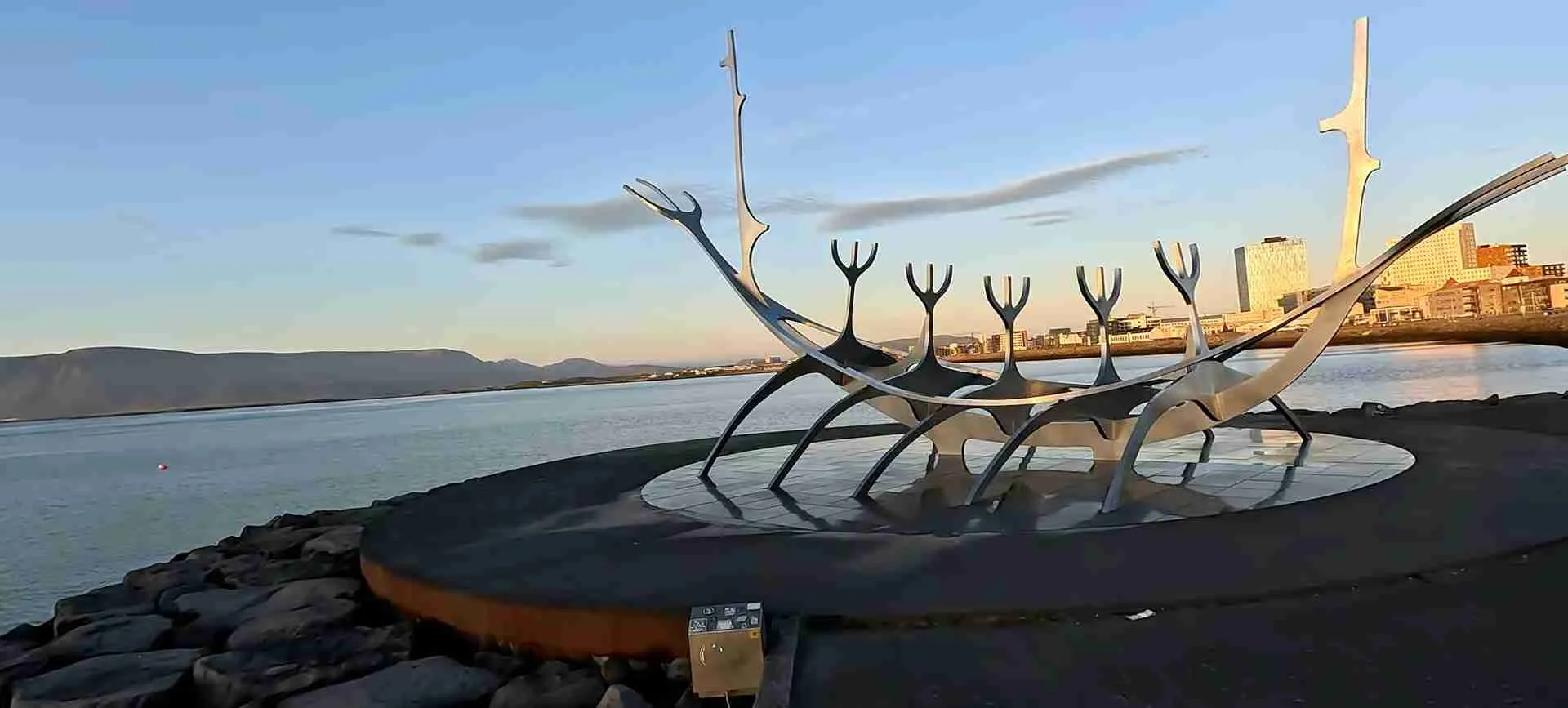
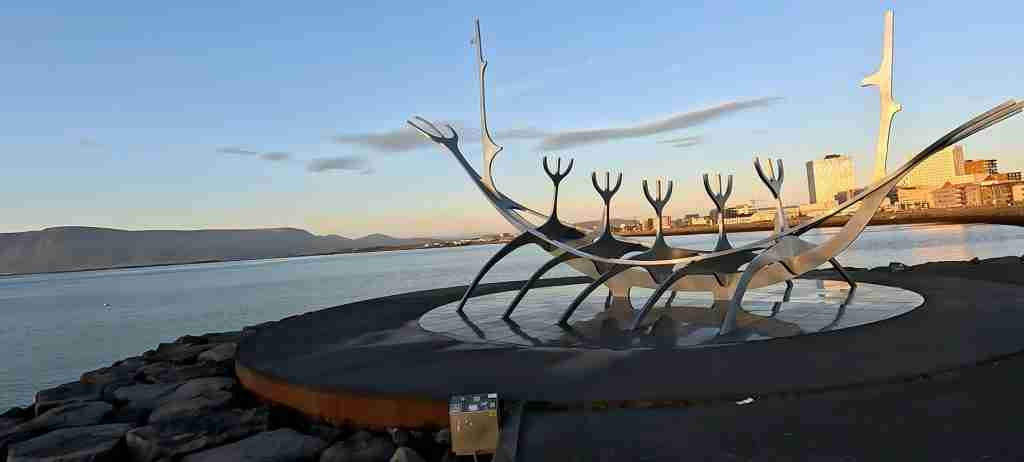
Reykjavik Travel Guide 2026: Complete Planning Resource
Reykjavik, Iceland’s compact capital positioned on the edge of the North Atlantic, combines dramatic natural beauty with Nordic design sensibility and vibrant cultural energy. As the world’s northernmost capital city and gateway to Iceland’s otherworldly landscapes, Reykjavik offers travelers geothermal pools, innovative museums, colorful architecture, and the unique opportunity to witness the 2026 solar eclipse on August 12—the first total solar eclipse visible from the city in nearly 600 years.
Key Takeaways
- Solar Eclipse 2026: Reykjavik will experience a total solar eclipse on August 12, 2026, creating exceptional demand for accommodation and tours during this period—book lodging and experiences at least 6-9 months in advance for eclipse dates.
- Budget Planning 2026: Expect minimum daily costs of 20,000-30,000 ISK ($150-225) for budget travelers including accommodation, rising to 35,000-45,000 ISK ($260-340) for mid-range experiences, with Iceland remaining one of Europe’s most expensive destinations.
- Geothermal Culture: Visiting local geothermal pools represents essential Icelandic cultural immersion—Sky Lagoon offers oceanfront infinity pools 10 minutes from downtown at 9,900-16,990 ISK ($75-130), while neighborhood pools like Laugardalslaug provide authentic local experiences at 1,430 ISK ($11).
- Cashless Society: Iceland operates as a completely cashless society with Strætó buses discontinuing cash payments in June 2025—bring contactless payment cards with no foreign transaction fees as credit cards work everywhere including vending machines and public restrooms.
- Day Trip Access 2026: Reykjavik serves as the base for Iceland’s most famous natural attractions including the Golden Circle (Þingvellir, Geysir, Gullfoss), South Coast waterfalls, and glaciers, all accessible via organized tours or self-drive options year-round.
- Seasonal Advantages: Winter months (September-April) offer northern lights viewing opportunities and lower accommodation prices, while summer (May-September) provides near-24-hour daylight, warmer temperatures, and easier road conditions for independent exploration.
People Also Ask About Reykjavik 2026
How much does a trip to Reykjavik cost in 2026?
A trip to Reykjavik in 2026 costs 20,000-30,000 ISK ($150-225) daily for budget travelers, 35,000-45,000 ISK ($260-340) for mid-range visitors, and 65,000+ ISK ($500+) for luxury experiences. Accommodation represents the largest expense at 11,000-20,000 ISK ($80-150) nightly for budget options, 17,000-32,000 ISK ($130-245) for mid-range hotels, and 26,000+ ISK ($200+) for premium properties. Meals add 5,000-10,000 ISK ($40-75) daily, transportation 1,900-5,900 ISK ($15-45) for public transit passes, and attraction entry fees 2,000-10,000 ISK ($15-75) per site. Iceland remains one of Europe’s most expensive destinations, but strategic planning including grocery shopping at Bónus supermarkets, utilizing free attractions like neighborhood geothermal pools, and booking accommodation far in advance reduces costs significantly.
What is the best time to visit Reykjavik in 2026?
The best time to visit Reykjavik in 2026 depends on your priorities: May through September offers the warmest temperatures (10-15°C/50-59°F), near-24-hour daylight for extended sightseeing, and easiest road conditions for self-drive exploration, though accommodation prices peak during these months. September through April provides northern lights viewing opportunities, dramatically lower hotel rates (30-40% cheaper than summer), fewer crowds at major attractions, and authentic winter experiences including ice caves and glacier hiking. August 12, 2026, presents a once-in-a-lifetime opportunity as Reykjavik experiences its first total solar eclipse in nearly 600 years, creating exceptional demand requiring bookings 6-9 months in advance. Shoulder seasons (May and September) offer the best balance of reasonable weather, moderate prices, possible northern lights, and manageable crowds.
Is Reykjavik worth visiting for a weekend in 2026?
Reykjavik is absolutely worth visiting for a weekend in 2026, offering a concentrated blend of cultural attractions, geothermal wellness, and natural beauty accessible within a compact city center. A 2-3 day itinerary covers major highlights including Hallgrímskirkja church tower (1,400 ISK/$11 for panoramic city views), Harpa Concert Hall, the vibrant Laugavegur shopping street, and either Sky Lagoon or Blue Lagoon geothermal experiences. Weekend visitors can add one Golden Circle day tour to witness Þingvellir National Park, Geysir geothermal area, and Gullfoss waterfall, returning to Reykjavik for evening dining and nightlife. The city’s walkable downtown, efficient public transportation, and proximity to Keflavík International Airport (45 minutes via Flybus) make it ideal for short breaks. Weekend accommodation costs 35,000-65,000 ISK ($260-500) total for two nights mid-range lodging, with full weekend experiences ranging 65,000-130,000 ISK ($500-1,000) per person including flights, meals, attractions, and one day tour.
Do you need a car in Reykjavik in 2026?
You do not need a car in Reykjavik in 2026 as the compact city center remains fully walkable and efficient public transportation via Strætó buses covers all major neighborhoods and attractions. The Reykjavik City Card (5,900 ISK/$45 for 24 hours) includes unlimited bus access plus free entry to museums and geothermal pools, providing excellent value for city exploration. Major attractions including Hallgrímskirkja, Harpa, Perlan Museum, and Sky Lagoon are accessible via public transit or short taxi rides (approximately 2,600 ISK/$20 for typical downtown-to-suburb journeys). However, renting a car becomes valuable for exploring Iceland beyond Reykjavik—self-drive access to the Golden Circle, South Coast waterfalls, Snæfellsnes Peninsula, and other natural attractions provides flexibility unavailable on organized tours. Car rental rates in 2026 range 7,800-19,500 ISK ($60-150) daily depending on vehicle type and season, with winter driving (October-April) requiring 4WD vehicles and careful attention to road conditions.
Extended multi-day tours – 5+ days
Featured Reykjavik Multi-Day Tour Packages
3 days
Reykjavik 3-Day Discovery Tour
- ✓ Comprehensive Reykjavik experience
- ✓ Expert local guides included
- ✓ All accommodation included
- ✓ Transportation provided

5 days
Reykjavik 5-Day Highlights Experience
- ✓ Comprehensive Reykjavik experience
- ✓ Expert local guides included
- ✓ All accommodation included
- ✓ Transportation provided
7 days
Reykjavik 7-Day Cultural Journey
- ✓ Comprehensive Reykjavik experience
- ✓ Expert local guides included
- ✓ All accommodation included
- ✓ Transportation provided

10 days
Reykjavik 10-Day Complete Adventure
- ✓ Comprehensive Reykjavik experience
- ✓ Expert local guides included
- ✓ All accommodation included
- ✓ Transportation provided
Multi-day tour packages powered by TourRadar. Prices and availability subject to change.
Introduction to Reykjavik
Reykjavik stands as a study in contrasts—a city of just 130,000 inhabitants that serves as Iceland’s cultural, economic, and political heart, where colorful corrugated-iron houses meet sleek Nordic architecture, and ancient Viking heritage coexists with contemporary art installations. The city’s name, meaning “smoky bay,” derives from the geothermal steam early Norse settlers observed rising from hot springs, those same geothermal resources that today heat every building and provide the foundation for Iceland’s distinctive bathing culture. As the world’s northernmost capital city, Reykjavik experiences dramatic seasonal variations from near-total winter darkness perfect for aurora viewing to summer’s midnight sun enabling round-the-clock exploration.
The city functions as Iceland’s essential gateway, with virtually all international visitors arriving through nearby Keflavík International Airport before discovering Reykjavik’s concentrated cultural offerings. Within the compact downtown area, travelers find the soaring Hallgrímskirkja church dominating the skyline, the striking glass facade of Harpa Concert Hall reflecting ocean light, innovative restaurants reimagining traditional Icelandic cuisine, and museums revealing 1,200 years of settlement history. The Old Harbor district has transformed from working waterfront into a hub for whale-watching tours, seafood restaurants, and maritime museums, while Laugavegur street provides Scandinavia’s most concentrated shopping and dining experience.
Beyond urban attractions, Reykjavik’s strategic position enables day-trip access to Iceland’s most celebrated natural wonders. The Golden Circle route—encompassing Þingvellir National Park (a UNESCO World Heritage site), Geysir geothermal area, and Gullfoss waterfall—sits just 45 minutes from the city, while the dramatic waterfalls and black sand beaches of the South Coast lie within two hours’ drive. Blue Lagoon’s milky-blue geothermal waters occupy a volcanic landscape 20 minutes from the airport, and the newer Sky Lagoon offers infinity-pool ocean views 10 minutes from downtown Reykjavik. This combination of sophisticated urban culture and immediate access to raw natural beauty creates Reykjavik’s unique appeal.
Planning a Reykjavik visit in 2026 requires understanding Iceland’s high costs, cashless payment systems, and weather unpredictability. The city operates on a completely cashless basis with credit cards accepted everywhere and cash increasingly refused, while prices for accommodation, dining, and activities rank among Europe’s highest. Weather patterns change rapidly with the local saying “if you don’t like the weather, wait five minutes” reflecting Reykjavik’s volatile North Atlantic climate—layers, waterproof outerwear, and flexible itineraries prove essential. The August 12, 2026 solar eclipse creates unprecedented demand for this period, requiring advance bookings for accommodation and eclipse-viewing experiences.
This comprehensive guide provides verified 2026 pricing, practical planning strategies, neighborhood breakdowns, seasonal timing advice, day trip options, and budget frameworks for experiencing Reykjavik whether visiting for a weekend getaway or using the capital as a base for broader Icelandic exploration. From understanding the local geothermal pool culture to navigating the Strætó bus system, from choosing between Sky Lagoon and Blue Lagoon to timing your visit for northern lights or midnight sun, this resource equips travelers with the current information needed for successful Reykjavik planning.
Understanding Reykjavik’s Neighborhoods and Districts 2026
Reykjavik divides into distinct neighborhoods each offering different character, accommodation options, and proximity to attractions, with downtown areas providing maximum walkability while outlying districts require public transportation or driving.
Downtown Reykjavik (101 District)
The 101 postal code defines Reykjavik’s beating heart, encompassing Laugavegur shopping street, Hallgrímskirkja church, Harpa Concert Hall, and the densest concentration of restaurants, bars, and hotels. This compact area of approximately 1 square kilometer contains Reykjavik’s main cultural attractions, with everything accessible on foot within 15-20 minutes. Accommodation in 101 commands premium pricing at 17,000-32,000 ISK ($130-245) nightly for mid-range hotels due to central location, but proximity to attractions, dining, and nightlife eliminates transportation costs and maximizes time efficiency. The neighborhood’s colorful corrugated-iron houses, boutique shops featuring Icelandic design, and vibrant street life create the quintessential Reykjavik experience.
Key landmarks include Hallgrímskirkja, whose 73-meter tower offers 360-degree city views for 1,400 ISK ($11), and Harpa Concert Hall, an architectural masterpiece with honeycomb glass panels that change color with sky and ocean reflection. Laugavegur street provides concentrated shopping from traditional Icelandic wool sweaters to contemporary Nordic design, interspersed with cafes serving Icelandic specialties and international restaurants. Evening brings transformation as the area’s bars and clubs activate Reykjavik’s famously energetic nightlife, with locals typically beginning their nights around 11 PM and continuing until 4-5 AM on weekends.
Old Harbor (Grandi)
Reykjavik’s Old Harbor has evolved from industrial waterfront into a thriving dining and cultural district just 10-15 minutes’ walk west of downtown. This area serves as the departure point for whale-watching tours, puffin-viewing excursions, and fishing trips, with several maritime museums including Whales of Iceland Exhibition providing educational experiences. Restaurants here specialize in fresh seafood, with establishments like Grandi Mathöll food hall offering diverse options from traditional fish and chips to contemporary Icelandic cuisine.
Accommodation in Grandi typically costs 15-20% less than 101 district hotels while maintaining walking distance to downtown attractions. The Kolaportið Flea Market operates weekends at the harbor, offering vintage Icelandic goods, local food products, and secondhand treasures. Views across Faxaflói Bay to Mount Esja create picturesque backdrops for waterfront walks, with the area’s former fish processing buildings now housing art galleries, microbreweries, and design studios representing Reykjavik’s creative economy transformation.
Laugardalur
Laugardalur, meaning “hot spring valley,” occupies Reykjavik’s eastern area and contains the city’s largest geothermal swimming complex, botanical garden, zoo, and national sports stadium. This primarily residential neighborhood offers authentic local experiences away from tourist concentrations, with Laugardalslaug geothermal pool (1,430 ISK/$11 entry) providing the genuine Icelandic bathing culture in facilities locals use daily. The pool complex includes multiple outdoor pools maintained at different temperatures, hot pots, steam rooms, and waterslides, with mandatory naked showering before entry strictly enforced.
Accommodation here costs 30-40% less than downtown hotels at 11,000-20,000 ISK ($85-155) nightly for equivalent quality, though accessing downtown attractions requires bus #14 or #15 (approximately 15 minutes). The botanical garden offers free entry year-round, displaying Arctic and sub-Arctic plant species adapted to Iceland’s harsh climate. Families appreciate the small zoo featuring Icelandic farm animals, arctic foxes, seals, and reindeer, charging minimal admission and providing outdoor activities for children.
Vesturbær (West Town)
Vesturbær extends west of downtown along the seafront, encompassing residential streets, the University of Iceland campus, and several smaller geothermal pools. This quiet neighborhood provides local atmosphere with lower accommodation costs than central 101 district while remaining within 20-minute walk of major attractions. Vesturbæjarlaug swimming pool serves neighborhood residents with less tourist presence than Laugardalslaug, offering authentic community bathing experiences.
The area’s proximity to Seltjarnarnes Peninsula provides coastal walking paths with ocean views, bird-watching opportunities, and the Grótta lighthouse accessible at low tide. Accommodation options include guesthouses, small hotels, and vacation rentals at 13,000-23,000 ISK ($100-175) nightly, offering residential character and local grocery stores for self-catering budget management.
Transportation in Reykjavik 2026
Reykjavik operates an efficient public transportation system centered on Strætó buses, while the compact downtown area remains fully walkable for accessing major attractions, hotels, and restaurants.
Strætó Public Bus System 2026
Strætó buses serve Reykjavik and the greater capital region with comprehensive route coverage operating daily from early morning until midnight on most lines. Single rides cost 550 ISK ($4.25) when purchased via the Strætó mobile app or Klappið payment card, with paper tickets no longer accepted as buses stopped accepting cash in June 2025. The day pass at 1,900 ISK ($15) provides unlimited rides within 24 hours and represents the best value for visitors making 4+ bus journeys daily, purchased through the mobile app or at Strætó ticket offices.
Key tourist routes include bus #14 connecting downtown with Laugardalur geothermal pool and bus #18 serving Perlan Museum. All buses feature USB charging ports, free WiFi, and digital displays announcing upcoming stops in Icelandic and English. Route planning utilizes the Strætó mobile app or straeto.is website, with Google Maps integration providing real-time bus tracking and journey planning. Buses operate with Scandinavian precision, adhering closely to published schedules except during severe weather when routes may experience delays or cancellations.
Reykjavik City Card 2026
The Reykjavik City Card provides unlimited Strætó bus rides plus free entry to Reykjavik’s major museums and geothermal pools, offered in 24-hour (5,900 ISK/$45), 48-hour (8,200 ISK/$62), and 72-hour (9,700 ISK/$73) versions. Check current official rates as pricing may vary. Card benefits include free admission to National Museum of Iceland (normally 2,500 ISK/$20), Perlan Museum observation deck, all municipal geothermal pools including Laugardalslaug, and most city museums. The card pays for itself when visiting 2-3 paid attractions plus using public transit, while also providing discounts on whale-watching tours, Sky Lagoon admission, and select restaurants.
Purchase locations include Reykjavik Tourist Information Center at Aðalstræti, major hotels, and online via visitreykjavik.is with mobile card delivery. The card activates upon first use and counts consecutive hours rather than calendar days, maximizing value by beginning late morning for 24-hour cards to span two partial days. Families benefit from children under 18 receiving free pool and museum entry regardless of card ownership, requiring only adults to purchase cards.
Airport Transportation 2026
Keflavík International Airport sits 47 kilometers (29 miles) from downtown Reykjavik, connected by Flybus and airport direct services operating in coordination with all arriving and departing flights. Flybus costs approximately 3,900 ISK ($30) one-way, 6,500 ISK ($50) round-trip when booked in advance online (airport purchases cost approximately 15% more). Buses depart the airport 30-45 minutes after each arrival, with the 45-minute journey terminating at BSI Bus Terminal downtown or offering hotel drop-off for additional charge.
Return airport service requires advance booking with specific time slot selection as buses fill during peak periods, particularly for early morning flights. Booking 2-3 days before departure ensures availability. Private taxis cost approximately 22,000-26,000 ISK ($170-200) for the airport route, accommodating up to 4 passengers with luggage, worth considering for groups where per-person cost approaches bus fares. Rental car pickup at the airport provides immediate access for travelers planning broader Icelandic exploration beyond Reykjavik.
Taxis and Ride-Sharing in Reykjavik 2026
Reykjavik taxis operate via app-based booking (Hreyfill is the largest provider) or traditional phone dispatch, with street hailing uncommon outside major hotels and nightlife areas. Typical downtown rides cost 2,600-3,900 ISK ($20-30) with fares increasing evenings, weekends, and during peak demand periods. Credit cards work in all taxis as cash is rarely accepted, with contactless payment the standard transaction method.
Iceland does not permit international ride-sharing services like Uber or Lyft, with traditional taxi companies holding exclusive licensing. Tips are not expected as service charges include in metered fares. Journey from downtown to Sky Lagoon costs approximately 2,600 ISK ($20) each way, while trips to Blue Lagoon require approximately 22,000 ISK ($170) as it sits near the airport rather than Reykjavik. Walking remains the most practical downtown transportation, with distances between major attractions rarely exceeding 15-20 minutes on foot.
Major Attractions and Entry Fees 2026
Reykjavik’s cultural attractions blend natural history, architectural landmarks, contemporary art, and Iceland’s unique geological phenomena, with entry fees ranging from free church access to premium geothermal spa experiences.
Hallgrímskirkja Church and Tower
Hallgrímskirkja dominates Reykjavik’s skyline with its 73-meter expressionist tower designed to evoke Iceland’s basalt column formations found at waterfalls like Svartifoss. Entering the church is free, allowing visitors to admire the minimalist white interior and massive pipe organ containing 5,275 pipes installed in the early 1990s. Tower access costs 1,400 ISK ($11) for adults and 200 ISK ($1.50) for children aged 7-14, with an elevator carrying visitors to the observation deck for 360-degree panoramic views across Reykjavik to surrounding mountains and ocean. Check official site for current rates.
The tower opens daily 10:00-16:30 with last entry 30 minutes before closing, though hours extend during summer high season (May-September) to 20:00. Lines form during midday peak hours (11:00-15:00), with early morning or late afternoon visits encountering minimal waits. The church hosts regular organ concerts and religious services, with concert schedules available on the official website. The surrounding area’s colorful houses and central location make Hallgrímskirkja the natural starting point for Reykjavik exploration.
Perlan Museum – Wonders of Iceland
Perlan Museum occupies a distinctive glass dome building atop Öskjuhlíð Hill, originally constructed as hot water storage tanks now housing Iceland’s premier natural history exhibition. Admission costs 6,990 ISK ($50) for adults and 5,490 ISK ($40) for children aged 6-17, with children under 6 entering free. Check official website for current official rates as pricing may vary. Entry includes access to the Wonders of Iceland exhibition featuring an authentic indoor ice cave built from 350 tons of natural snow and ice, the Áróra Northern Lights planetarium show utilizing cutting-edge projection technology, interactive exhibits on volcanoes and geothermal energy, and the 360-degree observation deck rivaling Hallgrímskirkja’s tower views.
The museum operates daily 9:00-21:00 with recommended visit duration of 2-3 hours for thorough exploration of all exhibitions. The ice cave maintains -10°C temperature requiring warm clothing (ponchos provided), while other exhibition areas remain comfortably heated. Bus #18 from downtown Hlemmur terminal stops at Perlan, or the walk from city center takes 30-40 minutes through wooded parkland. The onsite Út í Bláinn restaurant serves lunch and dinner with panoramic views, though prices reflect museum dining premiums. Advance online booking recommended during summer and around the August 2026 solar eclipse.
National Museum of Iceland
The National Museum of Iceland traces Icelandic history from 9th-century Viking settlement through modern independence, displaying archaeological artifacts, medieval manuscripts, traditional costumes, and contemporary cultural objects. Adult admission costs 2,500 ISK ($20) with free entry for visitors under 18 and persons with disabilities, also granting access to the Culture House containing the National Library and Archives. The museum operates daily 10:00-17:00 with the onsite café serving from 11:00-16:00.
The permanent exhibition “Making of a Nation” follows chronological progression through Iceland’s development with English descriptions accompanying all displays. Free smartphone audio guides provide additional context and storytelling, downloadable via the museum’s WiFi network. The museum shop sells books on Icelandic culture, Viking history, and handcrafted souvenirs by local artisans. Located on Suðurgata just south of downtown, the museum sits within 15-minute walk from Laugavegur or accessible via multiple bus routes.
Harpa Concert Hall and Conference Centre
Harpa’s distinctive honeycomb glass facade designed by artist Olafur Eliasson creates one of Reykjavik’s most photographed buildings, with panels reflecting changing colors based on sky conditions and ocean light. Entering the building and exploring the ground floor is free, including viewing the glass art installation and harbor-view spaces. Guided architecture tours operate several times daily for approximately 2,900 ISK ($22) providing behind-scenes access to concert halls and design explanations.
The building hosts Iceland Symphony Orchestra performances, Icelandic Opera productions, and various international artists with ticket prices varying by performance from 3,900-13,000 ISK ($30-100) depending on event and seating. Free lunchtime mini-concerts occur periodically, announced on Harpa’s website and social media. The onsite restaurants and cafes welcome visitors without performance tickets, offering harbor-view dining though at premium downtown prices. Location on the waterfront provides easy access from downtown hotels via 5-10 minute walk.
Settlement Exhibition (Reykjavík 871±2)
The Settlement Exhibition presents archaeological remains of a Viking longhouse dated to 871 CE plus or minus 2 years through volcanic ash layer analysis, discovered during downtown construction in 2001. This underground museum reconstructs life during Iceland’s settlement period with the preserved foundation visible beneath glass walkways. Admission costs approximately 2,400 ISK ($18) for adults with reduced rates for students and seniors.
The exhibition includes multimedia presentations depicting 10th-century daily life, interactive displays explaining archaeological methods, and artifacts recovered from the excavation site. Visit duration typically spans 45-60 minutes for thorough exploration. Located on Aðalstræti in the heart of downtown, the museum combines easily with walking tours of historic Reykjavik. Audio guides available in multiple languages provide detailed explanations of Viking settlement history and archaeological significance.
Geothermal Bathing Culture and Lagoons 2026
Iceland’s geothermal bathing culture represents an essential social tradition and wellness practice, with Reykjavik offering both world-famous destination spas and authentic neighborhood pools where locals gather daily.
Sky Lagoon – Oceanfront Geothermal Experience
Sky Lagoon opened in 2021 as Reykjavik’s closest premium geothermal spa, located just 10-15 minutes from downtown in Kársnes Harbor, Kópavogur. The facility features an infinity-edge lagoon extending to the North Atlantic Ocean, offering dramatic coastal views particularly stunning during sunset and twilight hours. Entry packages include the Pure Pass at 9,900-11,990 ISK ($75-90) providing lagoon access, towel, and basic changing facilities, while the Saman Pass at 13,990 ISK ($115) adds the signature 7-Step Skjól Ritual incorporating cold plunge, sauna, steam room, body scrub, and mist experience. Check official website for current rates. The Sér Pass at 16,990 ISK ($140) includes all Saman benefits plus private changing suites featuring individual showers.
The 7-Step Ritual follows traditional Icelandic bathing culture: warm water soak, cold plunge pool, sauna, cooling mist, body scrub application, steam room, and final lagoon immersion completed with Icelandic crowberry juice. The experience emphasizes relaxation and mindfulness with no phones permitted in ritual areas, enforced silence creating meditative atmosphere. Advance booking essential particularly during summer months and around the August 2026 eclipse, with online reservations offering better rates than walk-up purchases. Taxi from downtown costs approximately 2,600 ISK ($20) each way, or Reykjavik Excursions operates shuttle service bookable when purchasing lagoon tickets. Plan minimum 2 hours for thorough enjoyment, 3-4 hours for complete relaxation.
Blue Lagoon – Iceland’s Iconic Geothermal Spa
Blue Lagoon sits approximately 20 minutes from Keflavík Airport and 45-50 minutes from Reykjavik, positioned within dramatic black lava fields creating otherworldly volcanic landscape. The milky-blue geothermal water results from mineral-rich silica suspended in seawater naturally heated by underground volcanic activity. Comfort package entry starts around 9,990 ISK ($80) including lagoon access, silica mud mask, towel, and one drink, with Premium package around 13,000-14,000 ISK ($100-110) adding bathrobe, slippers, two extra masks, and second beverage. Check official site for current rates as pricing may vary. Signature and Retreat Spa packages escalate to 20,000-40,000+ ISK ($155-310+) with private suites and luxury amenities.
Blue Lagoon operates via timed entry slots requiring advance online booking, with slots frequently selling out weeks ahead during summer and around the 2026 eclipse. Recent facility upgrades added massage waterfalls, enhanced sauna and steam rooms, cold plunge pool, and expanded changing facilities. The lagoon functions perfectly for layover visits with luggage storage available (large bags incur small additional fee), making it ideal for arrival-day or departure-day experiences. Combining Blue Lagoon with Golden Circle day tours creates popular full-day itineraries. The onsite Lava Restaurant offers fine dining requiring separate reservations, while the more casual Café provides lighter meals included with premium packages.
Laugardalslaug – Authentic Local Geothermal Pool
Laugardalslaug represents Reykjavik’s largest public geothermal swimming complex, utilized primarily by locals rather than tourists, providing authentic Icelandic bathing culture. Entry costs just 1,430 ISK ($11) for adults and 220 ISK ($1.70) for youth aged 16-17, with children under 16 entering free. The facility includes main 50-meter outdoor pool maintained at 29°C, multiple smaller pools at varying temperatures, several hot pots (40-44°C), steam rooms, waterslides for children, and outdoor sunbathing areas.
Mandatory shower rules strictly enforced require naked pre-swim washing with laminated signs indicating specific body areas requiring soap and water. This hygiene protocol maintains water quality allowing geothermal pools to operate without heavy chlorination, preserving the natural mineral content. Changing rooms offer basic but clean facilities with coin-operated lockers (bring 100 ISK coins or use card payment). The complex operates Monday-Friday 6:30-22:00 and weekends 8:00-22:00, with early morning and late evening periods attracting serious lap swimmers while midday draws families. Bus #14 from downtown provides direct access, or the walk from Laugavegur takes 30-35 minutes through residential areas. Free entry included with Reykjavik City Card.
Choosing Between Geothermal Experiences
Selecting appropriate geothermal experiences depends on budget, time constraints, and desired atmosphere. Sky Lagoon offers the best balance of luxury amenities, stunning ocean views, and proximity to Reykjavik, ideal for visitors with 2-3 hours available and willingness to spend 13,990-16,990 ISK ($115-140) for complete experiences. Blue Lagoon provides the most internationally recognized brand and photogenic milky-blue waters but requires longer travel time and costs similar to Sky Lagoon, best suited for airport layovers or travelers specifically desiring the iconic Blue Lagoon experience. Laugardalslaug delivers authentic local culture and dramatic cost savings at 1,430 ISK ($11) with functional rather than luxurious facilities, perfect for budget-conscious travelers and those seeking genuine Icelandic daily life immersion.
Combining options provides comprehensive geothermal tourism: visit Laugardalslaug for authentic local experience plus either Sky Lagoon for ocean views or Blue Lagoon for iconic atmosphere. All three require advance planning during summer and the August 2026 eclipse period, with Sky Lagoon and Blue Lagoon booking 2-4 weeks ahead recommended, while Laugardalslaug accepts walk-in visitors except during peak afternoon hours (15:00-18:00) when locals arrive after work.
Accommodation Costs and Options 2026
Reykjavik accommodation ranges from hostel dormitories to luxury design hotels, with costs representing travelers’ largest daily expense in one of Europe’s most expensive cities.
Budget Accommodation (11,000-15,000 ISK / $80-115 Per Night)
Budget accommodation in Reykjavik centers on hostels offering dormitory beds from 5,200-7,800 ISK ($40-60) per bed and private rooms from 11,000-15,000 ISK ($85-115) nightly. Kex Hostel on Skúlagata combines industrial-chic design with social atmosphere including ground-floor bar and restaurant attracting local clientele, while Loft Hostel on Bankastræti occupies downtown location with rooftop lounge providing city views. Most hostels include basic breakfast, free WiFi, guest kitchens for self-catering, and common areas facilitating traveler connections. Private ensuite bathrooms in hostel rooms remain rare with most accommodations featuring shared facilities.
Guesthouses represent the next budget tier at 13,000-19,500 ISK ($100-150) for double rooms, often operated within residential neighborhoods providing local atmosphere. These typically include private bathrooms, simple breakfast, and more personal service than larger hostels. Budget hotels like Icelandair Hotel Reykjavik Natura and Storm Hotel offer compact rooms from 15,000-20,000 ISK ($115-155) with basic amenities, convenient locations, and consistent quality standards. All budget accommodation requires advance booking particularly during summer (May-September) and around the August 12, 2026 solar eclipse when prices increase 20-40% and availability becomes severely constrained.
Mid-Range Accommodation (17,000-32,000 ISK / $130-245 Per Night)
Mid-range hotels dominate Reykjavik’s accommodation market, offering comfortable rooms, convenient downtown locations, and amenities including breakfast, WiFi, and often access to hot tubs or small spas. Center Hotels operates multiple properties across price points, with Plaza and Laugavegur locations providing 3.5-star comfort from 17,000-23,000 ISK ($130-175) nightly. Alda Hotel Reykjavik features modern design with rooftop hot tub, sauna, and harbor views at 20,000-26,000 ISK ($155-200) per night, while Hotel Reykjavik Centrum occupies restored historic buildings with spa facilities from 22,000-28,000 ISK ($170-215).
These properties include breakfast buffets showcasing Icelandic specialties including skyr yogurt, smoked salmon, rye bread, and local cheeses, eliminating morning meal costs. Rooms feature comfortable beds, work desks, flat-screen TVs, and ensuite bathrooms with reliable hot water from geothermal sources. Location in the 101 district provides walking access to restaurants, nightlife, museums, and attractions, while properties in Vesturbær or near Old Harbor offer 15-20% cost savings with slightly longer walks downtown. Booking 2-3 months ahead secures reasonable rates, while last-minute bookings during high season face severely limited inventory and inflated prices.
Luxury Accommodation (26,000-52,000+ ISK / $200-400+ Per Night)
Luxury hotels provide elevated design, premium locations, extensive amenities, and personalized service justifying rates from 26,000 ISK ($200) to well exceeding 65,000 ISK ($500) nightly. The Reykjavik EDITION opened as the city’s first true luxury hotel, offering 253 rooms with contemporary Scandinavian design, full-service spa, multiple restaurants, and harbor views from 32,000-52,000 ISK ($245-400). Hotel Borg, an Art Deco landmark facing Austurvollur square, combines historic character with modern luxury from 28,000-45,000 ISK ($215-345) including elegant rooms, gourmet breakfast, and central position for cultural attractions.
ION Adventure Hotel sits 40 minutes from Reykjavik in dramatic countryside, providing Northern Lights views, geothermal spa, and design-forward aesthetic from 32,000-58,000 ISK ($245-445) particularly appealing to travelers combining Reykjavik with nature experiences. These properties offer concierge services arranging tours, dining reservations, and special experiences, spa facilities with saunas and hot tubs utilizing geothermal water, and often include breakfast with premium ingredients. Eclipse period (August 10-14, 2026) sees luxury hotel rates increase 40-60% with many properties fully booked 6-9 months in advance requiring early planning.
Alternative Accommodation Options
Vacation rentals via Airbnb and similar platforms provide alternatives ranging from shared rooms (7,800-13,000 ISK/$60-100 nightly) to entire apartments (19,500-39,000 ISK/$150-300+ per night), offering kitchens enabling grocery shopping and self-catering for budget management. Central 101 district apartments command premium pricing while residential neighborhoods like Vesturbær or Laugardalur offer better value with public transport access. Reykjavik regulations require all short-term rentals to register with authorities, with legitimate listings displaying registration numbers ensuring legal operation.
Camping represents the absolute budget option during summer months (mid-May through mid-September) with Reykjavik Campsite in Laugardalur charging approximately 2,100 ISK ($16) per person nightly including access to shower facilities, cooking areas, and laundry. The site sits adjacent to Laugardalslaug geothermal pool with bus connections to downtown. Winter camping closed as facilities require moderate temperatures for operation. All accommodation types require understanding Iceland’s cashless society with credit cards the exclusive payment method and booking platforms the standard reservation system rather than phone or email bookings.
Food and Dining Expenses 2026
Reykjavik dining costs rank among Europe’s highest, though the city offers diverse options from budget-friendly cafeterias to innovative restaurants reimagining Icelandic ingredients and international cuisines.
Budget Dining Options and Strategies
Budget meals in Reykjavik cost 2,000-3,500 ISK ($15-25) for substantial portions at bakeries, cafeterias, and fast-casual restaurants. Noodle Station serves generous Asian noodle bowls for 1,900-2,400 ISK ($14-18), while Icelandic street food offers traditional meat soup and fish soup from 1,600 ISK ($12). Bæjarins Beztu Pylsur, the famous hot dog stand by the harbor, sells Icelandic hot dogs topped with crispy onions, sweet mustard, and remoulade for just 650 ISK ($5), providing authentic local experience and minimal cost.
Grocery shopping at Bónus supermarkets (identified by pink pig logo) dramatically reduces food costs, with the chain offering Iceland’s lowest prices approximately 20-30% cheaper than convenience stores. A day’s groceries including bread, cheese, lunch meat, fruit, and beverages costs 2,600-3,900 ISK ($20-30) per person, compared to 7,800-13,000 ISK ($60-100) for equivalent restaurant meals. Bónus operates limited hours (typically 11:00-18:30 weekdays, 10:00-18:00 weekends), requiring planning around store schedules. Krónan and Hagkaup supermarkets offer longer hours with slightly higher pricing but greater convenience.
Bakeries provide excellent breakfast value with fresh pastries, sandwiches, and coffee from 1,300-2,100 ISK ($10-16) total. Sandholt Bakery, Brauð & Co, and Reykjavik Roasters combine quality baked goods with specialty coffee in comfortable settings. Many accommodations include breakfast buffets potentially worth 2,600-3,900 ISK ($20-30) per person daily, significantly impacting overall food budget when calculating total accommodation value.
Mid-Range Dining Experiences
Mid-range restaurants serve lunch for 2,900-4,500 ISK ($22-35) and dinner mains from 4,500-7,800 ISK ($35-60) before beverages. Fish & Chips Vagninn offers fresh Icelandic fish with hand-cut fries from 2,900 ISK ($22), while Grái Kötturinn (The Grey Cat) provides traditional Icelandic fare including lamb dishes and seafood from 3,500-5,200 ISK ($27-40). Icelandic craft beer costs 1,300-1,600 ISK ($10-12) per pint, wine by glass 1,600-2,100 ISK ($12-16), with alcohol representing significant expense due to Iceland’s high taxation.
Reykjavik restaurants increasingly embrace New Nordic cuisine utilizing local ingredients including lamb, seafood, skyr, rye bread, and foraged herbs. Lunch specials offered at many restaurants provide identical food to dinner menus at 30-40% reduced pricing, making midday the strategic time for upscale dining experiences. Sunday brunch culture thrives in Reykjavik with many restaurants offering extensive buffets from 4,500-6,500 ISK ($35-50) including unlimited coffee, creating social gathering opportunities for locals and visitors.
Tipping remains optional in Iceland as service charges include in prices, though rounding up bills or adding 5-10% for exceptional service proves increasingly common in tourist areas. Restaurants accept credit cards exclusively with cash refused at most establishments following Iceland’s cashless transition. Reservations recommended for popular dinner spots particularly on weekends, bookable via restaurant websites or dining platforms.
Fine Dining and Special Experiences
Fine dining in Reykjavik reaches international standards at restaurants like Dill (Iceland’s first Michelin-starred restaurant), Grillmarkaðurinn, and Matur og Drykkur, with tasting menus ranging 13,000-26,000 ISK ($100-200) per person before wine pairings adding 7,800-15,000 ISK ($60-115). These establishments showcase Icelandic ingredients through innovative techniques, often incorporating fermented fish, wild game, foraged plants, and geothermal-baked bread. Advance reservations essential, particularly during summer when tables book 4-6 weeks ahead.
Traditional Icelandic food experiences include tasting plates featuring hákarl (fermented shark), dried fish, smoked lamb, and brennivín (Icelandic schnapps) available at specialty restaurants from 3,900-6,500 ISK ($30-50). The Old Iceland Restaurant and Café Loki near Hallgrímskirkja specialize in traditional preparations, offering adventurous eaters authentic Icelandic cuisine tourists either love or find challenging. Fish restaurants focusing on fresh catch prepare cod, haddock, Arctic char, and langoustine showcasing Iceland’s fishing heritage with mains from 5,200-9,100 ISK ($40-70).
Beverages and Alcohol Costs
Coffee culture thrives in Reykjavik with specialty coffee shops charging 650-900 ISK ($5-7) for espresso drinks, while tap water remains free at all restaurants and perfectly safe to drink as Iceland possesses some of the world’s purest water supplies. Beer costs 1,300-1,600 ISK ($10-12) in bars and restaurants, wine by glass 1,600-2,600 ISK ($12-20), and cocktails 2,100-2,900 ISK ($16-22) reflecting Iceland’s high alcohol taxation and state monopoly on sales above 2.25% ABV.
Vínbúðin state-owned liquor stores provide the only legal source for wine, spirits, and strong beer purchases, operating limited hours (typically Monday-Thursday 11:00-18:00, Friday 11:00-19:00, Saturday 11:00-18:00, closed Sundays) with locations concentrated downtown. Purchasing alcohol at Vínbúðin for consumption at accommodation costs 30-50% less than restaurant pricing, though restaurants prohibit bringing outside beverages. Reykjavik’s famous nightlife scene features expensive drinks but compensates with vibrant atmosphere and Icelandic band performances at many venues, with bars typically activating after 11 PM and continuing until 4-5 AM weekends.
Day Trips from Reykjavik 2026
Reykjavik’s strategic position enables day-trip access to Iceland’s most celebrated natural attractions via organized tours or self-drive options, with experiences ranging from geothermal areas to glaciers and waterfalls.
Golden Circle Route
The Golden Circle represents Iceland’s most popular day tour, encompassing three major sites within a 300-kilometer loop from Reykjavik: Þingvellir National Park (UNESCO World Heritage site), Geysir geothermal area, and Gullfoss waterfall. Organized bus tours cost 9,100-15,600 ISK ($70-120) for full-day experiences departing 8:30-9:00 AM and returning 17:00-18:00, including transport, English-speaking guide, and site visits but excluding meals. Small-group tours (maximum 12-19 passengers) command premium pricing at 13,000-19,500 ISK ($100-150) offering more personalized experience and flexibility.
Þingvellir holds historical significance as the site of Iceland’s original parliament established in 930 CE, while geological significance stems from the visible North American and Eurasian tectonic plate boundary creating a rift valley. Visitors walk between continents along marked paths with no entry fee. Geysir geothermal area features Strokkur geyser erupting every 5-10 minutes shooting water 15-20 meters high, plus steaming hot springs, mud pots, and colorful mineral deposits, also with free access. Gullfoss waterfall cascades in two tiers into a deep canyon with walking paths providing multiple viewpoints of the thundering 32-meter drop.
Self-drive Golden Circle requires rental car (7,800-13,000 ISK/$60-100 daily for economy car) and 5-6 hours allowing stops at each major site plus potential additions including Kerið volcanic crater (550 ISK/$4.25 entry), Secret Lagoon geothermal pool near Flúðir (5,500 ISK/$42 entry), and Friðheimar greenhouse restaurant specializing in tomato-based dishes. Winter self-drive requires 4WD vehicle and careful attention to road conditions, with organized tours providing safer option November through March. Route 1 (Ring Road) and Routes 35, 36, 37 composing Golden Circle remain paved and maintained year-round though winter driving demands experience with snow and ice.
South Coast Waterfalls and Black Sand Beaches
South Coast day tours showcase Iceland’s dramatic coastal scenery including Seljalandsfoss and Skógafoss waterfalls plus Reynisfjara black sand beach, covering approximately 400 kilometers round-trip. Full-day bus tours cost 13,000-19,500 ISK ($100-150) departing early morning (7:00-8:00 AM) and returning evening (19:00-20:00), necessary due to distances involved. Seljalandsfoss allows walking behind the 60-meter water curtain via a trail (when not iced over in winter), while Skógafoss impresses with its 25-meter width and persistent rainbows in spray.
Reynisfjara black sand beach features dramatic basalt column formations, powerful waves creating dangerous undertow requiring careful attention to warning signs, and offshore sea stacks (Reynisdrangar) according to folklore representing trolls caught by sunlight. The nearby village of Vík offers Iceland’s southernmost point, dramatic clifftop church providing photo opportunities, and restaurants serving lunch. Some tours extend to Sólheimajökull glacier tongue allowing ice-walking experiences (additional cost approximately 11,700 ISK/$90 for glacier hike). Winter tours may include northern lights viewing if conditions permit, while summer tours benefit from extended daylight enabling leisurely site exploration.
Snæfellsnes Peninsula
Snæfellsnes Peninsula, known as “Iceland in Miniature” for containing diverse landscapes including glaciers, volcanic craters, fishing villages, and coastal cliffs within compact area, requires full-day commitment at 12-14 hours. Organized tours cost 15,600-22,100 ISK ($120-170) covering highlights including Kirkjufell mountain (featured in Game of Thrones), Arnarstapi coastal rock formations, black church at Búðir, and Djúpalónssandur black pebble beach where historic ship anchor chains test visitor strength.
The peninsula’s Snæfellsjökull glacier-capped volcano inspired Jules Verne’s “Journey to the Center of the Earth” and provides backdrop to numerous sites. Shark museum in Bjarnarhöfn offers controversial hákarl (fermented shark) tasting included in some tours, while seal-watching opportunities arise along coastal areas. Self-drive allows overnight stays in peninsula villages providing sunset and sunrise photography opportunities over Kirkjufell, though day-trip tours from Reykjavik remain most common given 2.5-hour each-way drive time.
Blue Lagoon and Reykjanes Peninsula
Combining Blue Lagoon with Reykjanes Peninsula geological sites creates compelling day experiences particularly suitable for arrival or departure days given proximity to Keflavík Airport. Tours cost 16,900-26,000 ISK ($130-200) including Blue Lagoon Comfort admission (9,990 ISK/$80 value), transport, and stops at Bridge Between Continents (symbolic tectonic plate boundary), Gunnuhver geothermal area with powerful steam vents, and Reykjanesviti lighthouse. The peninsula’s barren lava fields, geothermal activity, and coastal scenery provide introduction to Iceland’s volcanic geology.
Independent Blue Lagoon visits combine Flybus airport transfer (6,500 ISK/$50 round-trip) with lagoon admission, though dedicated Blue Lagoon buses offer direct service from Reykjavik (approximately 5,200 ISK/$40 one-way). Booking Blue Lagoon entry 2-4 weeks ahead essential during summer and around August 2026 eclipse as timed slots fill rapidly. The lagoon’s silica mud masks, drink service, and changing facilities provide complete spa experience whether part of guided tour or independent visit.
Whale Watching and Puffin Tours
Whale-watching tours depart Reykjavik’s Old Harbor year-round though summer months (April-September) provide highest success rates for minke whales, humpback whales, white-beaked dolphins, and harbor porpoises. Standard tours cost 11,700-14,300 ISK ($90-110) for 3-hour excursions aboard traditional oak boats or modern vessels, while express RIB speedboat tours charge 16,900-19,500 ISK ($130-150) for more active 2-hour experiences. Success rates vary 85-95% during summer dropping to 60-70% winter, with companies offering free return trip if no cetaceans spotted.
Puffin tours operate late April through mid-August when Atlantic puffins nest on offshore islands, with combination whale-and-puffin tours maximizing wildlife viewing at 13,000-16,900 ISK ($100-130) for 3.5-hour excursions. Puffins arrive late April, lay eggs May, raise chicks June-July, and depart mid-August, making July optimal for viewing maximum numbers. Tours approach nesting islands allowing closeup observation without disturbing colonies, with knowledgeable guides explaining puffin biology and conservation. Warm clothing essential even summer as ocean temperatures and wind create cold conditions aboard boats regardless of air temperature.
Understanding Reykjavik Weather and Seasonal Planning 2026
Reykjavik experiences dramatic seasonal variations creating distinct advantages and challenges across the calendar year, with optimal timing depending on desired experiences and weather tolerance.
Summer Season (May-September)
Summer brings Reykjavik’s mildest temperatures averaging 10-15°C (50-59°F) with occasional warm spells reaching 18-20°C (64-68°F), though rain remains common requiring waterproof layers. June and July feature the midnight sun with only 2-3 hours of semi-darkness, enabling extended sightseeing and outdoor activities continuing late into evening. This extended daylight particularly benefits photography enthusiasts and hikers, while dinner reservations commonly occur 20:00-21:00 taking advantage of lingering light.
Summer represents peak tourism season creating higher accommodation costs (30-50% above winter rates), fully booked hotels requiring 2-3 months advance reservations, and crowded conditions at major attractions like Hallgrímskirkja and Golden Circle sites. Tours and activities operate maximum schedules with daily departures for all major destinations, rental car availability remains good though pricing peaks, and restaurants fully staffed compared to reduced winter operations. Highland roads open late June through September enabling F-road exploration to remote areas inaccessible remainder of year.
Winter Season (October-April)
Winter transforms Reykjavik with short days (November-January seeing just 4-5 hours daylight), temperatures averaging 0-5°C (32-41°F), and frequent storms bringing wind, rain, and occasional snow. These challenging conditions create dramatic advantages: northern lights viewing opportunities from September through April with peak season October-March, accommodation costs dropping 30-40% below summer rates, minimal tourist crowds at attractions, and authentic winter experiences including ice cave tours and glacier hiking.
December darkness brings cozy café culture, Christmas markets, New Year’s Eve fireworks displays (Reykjavik residents spend approximately 7 million USD on fireworks creating spectacular city-wide show), and opportunities for winter activities. January-February offer lowest prices and smallest crowds but shortest daylight and highest storm risk potentially disrupting tours. March-April provide transitioning conditions with increasing daylight, possible northern lights, and spring’s first signs while maintaining winter pricing advantages. Winter self-drive requires 4WD vehicles for safety, with many visitors opting for organized tours eliminating driving concerns.
August 2026 Solar Eclipse
August 12, 2026 brings total solar eclipse visible from Reykjavik, the first total eclipse visible from the city in approximately 600 years and creating unprecedented tourism surge. Totality lasts approximately 2-3 minutes during late morning hours (exact timing depends on location within city), with partial eclipse phases extending 2+ hours. This rare astronomical event drives exceptional demand for accommodation with hotels reporting bookings 6-12 months in advance and prices 60-100% above normal August rates.
Specialized eclipse viewing tours will operate from Reykjavik and surrounding areas, with exact offerings and pricing to be announced as event approaches. The eclipse occurs during typically favorable August weather though cloud cover remains possible affecting viewing—having flexibility in location helps maximize clear sky chances. Travelers planning eclipse visits should book accommodation and transportation immediately, consider backup viewing locations if Reykjavik experiences clouds, and prepare for significantly elevated costs across all services during August 10-14 window.
Northern Lights Viewing Strategy
Aurora borealis viewing requires several conditions: solar activity, clear skies, darkness, and distance from light pollution. September through April provides necessary darkness with peak viewing October-March when nights lengthen and solar activity typically increases. Reykjavik’s compact size allows reaching dark viewing areas within 15-30 minute drive to coastal areas or countryside surrounding the city.
Northern lights tours from Reykjavik cost 7,800-11,700 ISK ($60-90) for evening excursions departing 20:30-21:00 and returning 00:30-01:00, driving to locations with minimal light pollution based on weather forecasts and aurora predictions. Success rates vary considerably—winter months average 60-70% success while shoulder seasons (September, April) drop to 40-50%. Most companies offer free return trip if no aurora visible. Independent viewing requires rental car, aurora forecast monitoring (websites like vedur.is provide real-time predictions), and patience as displays vary dramatically in intensity from faint green wisps to dancing curtains of color.
Understanding that northern lights viewing never guarantees success prevents disappointment—solar activity and weather create unpredictable factors beyond anyone’s control. Staying multiple nights increases likelihood of successful viewing, while accepting that nature operates on its own schedule maintains realistic expectations for this bucket-list experience.
Sample Daily Budgets and Cost Breakdowns 2026
Comprehensive daily budget planning for Reykjavik 2026 requires accounting for accommodation, meals, transportation, attractions, and incidental expenses across different travel styles.
Budget Daily Costs (20,000-30,000 ISK / $150-225 Per Day)
Budget daily costs for Reykjavik in 2026 total approximately 20,000-30,000 ISK ($150-225) per person daily excluding flights. Accommodation in hostel dormitories costs 5,200-7,800 ISK ($40-60), private hostel rooms or budget guesthouses 11,000-15,000 ISK ($85-115). Groceries from Bónus supermarket for breakfast, lunch, and snacks total 2,600-3,900 ISK ($20-30), one budget restaurant dinner 2,000-3,500 ISK ($15-25). Strætó bus day pass 1,900 ISK ($15), one free attraction (Hallgrímskirkja church, harbor walk, Tjörnin pond), one paid attraction like Laugardalslaug geothermal pool 1,430 ISK ($11). Total: 11,000 + 2,600 + 2,000 + 1,900 + 1,430 = 18,930 ISK low end; 15,000 + 3,900 + 3,500 + 1,900 + 1,430 = 25,730 ISK high end, approximately 19,000-26,000 ISK ($145-200) per day for listed items, with additional margin for coffee, snacks, or incidentals bringing total to the 20,000-30,000 ISK ($150-225) range.
Budget strategies maximizing value include booking hostel beds or shared rooms rather than private accommodations, grocery shopping for majority of meals with occasional restaurant dinner, utilizing free attractions including Hallgrímskirkja interior, harbor area, and walking tours, purchasing Reykjavik City Card if visiting 2+ paid attractions plus using buses, and visiting neighborhood geothermal pools instead of premium lagoons. Staying minimum 4-5 nights allows one day tour (Golden Circle 9,100-15,600 ISK/$70-120) spreading cost across multiple days. Budget travel in Reykjavik remains challenging given Iceland’s high costs but proves manageable through strategic choices.
Mid-Range Daily Costs (35,000-45,000 ISK / $260-340 Per Day)
Mid-range daily costs in Reykjavik 2026 reach approximately 35,000-45,000 ISK ($260-340) per person. Accommodation in mid-range hotel with breakfast included costs 17,000-26,000 ISK ($130-200), with breakfast value of 2,600-3,900 ISK ($20-30) reducing meal costs. Lunch at mid-range restaurant 2,900-4,500 ISK ($22-35), dinner 4,500-7,800 ISK ($35-60) plus beverages 1,300-2,100 ISK ($10-16). Transportation via Reykjavik City Card 5,900 ISK ($45) for 24 hours or Strætó day pass 1,900 ISK ($15). Attractions including Perlan Museum 6,990 ISK ($50), Hallgrímskirkja tower 1,400 ISK ($11), or organized day tour 9,100-15,600 ISK ($70-120).
Mid-range travelers can include Sky Lagoon Saman Pass 13,990 ISK ($115) as signature experience, visit 2-3 museums utilizing City Card benefits, dine at quality restaurants while controlling alcohol consumption, and participate in one major day tour during multi-day stay. A typical 3-day mid-range Reykjavik trip totals approximately 105,000-135,000 ISK ($800-1,050) per person covering comfortable downtown hotel, restaurant meals, geothermal spa experience, and Golden Circle tour, representing balanced quality-value approach.
Luxury Daily Costs (65,000+ ISK / $500+ Per Day)
Luxury daily budgets exceed 65,000 ISK ($500) per person easily, with accommodation alone consuming 32,000-52,000 ISK ($245-400) at premium hotels like The Reykjavik EDITION. Fine dining experiences 13,000-26,000 ISK ($100-200) for tasting menus, quality wine 5,200-10,400 ISK ($40-80), cocktails at hotel bars 2,100-2,900 ISK ($16-22) each. Private guided tours cost 32,500-65,000 ISK ($250-500) for personalized experiences, Blue Lagoon Premium or Signature packages 13,000-20,000+ ISK ($100-155+), helicopter tours of volcanic landscapes 52,000-78,000 ISK ($400-600).
Luxury travelers typically book suites, utilize hotel spas and amenities, hire private guides for customized itineraries, dine at Michelin-starred restaurants, and participate in exclusive experiences like glacier helicopter landings or private northern lights photography sessions. Multi-day luxury Reykjavik experiences easily exceed 195,000-260,000 ISK ($1,500-2,000) daily per person when including premium accommodation, fine dining, private transportation, and exceptional activities.
Multi-Day Trip Cost Examples
A 3-day budget Reykjavik trip costs approximately 50,000-65,000 ISK ($385-500) per person: hostel accommodation 15,600-23,400 ISK ($120-180) for two nights, groceries plus two restaurant meals 10,400-15,600 ISK ($80-120), transportation 9,700 ISK ($73) for 72-hour City Card, attractions 5,200-7,800 ISK ($40-60), Golden Circle tour 9,100 ISK ($70). Calculation: 15,600 + 10,400 + 9,700 + 5,200 + 9,100 = 50,000 ISK low end; 23,400 + 15,600 + 9,700 + 7,800 + 9,100 = 65,600 ISK high end, rounded to 50,000-65,000 ISK. This provides comfortable budget experience covering essentials without luxury.
A 5-day mid-range Reykjavik trip totals approximately 175,000-230,000 ISK ($1,345-1,770) per person: mid-range hotel 68,000-104,000 ISK ($525-800) for four nights, restaurant meals 52,000-78,000 ISK ($400-600), transportation 9,700 ISK ($73) for 72-hour City Card, museums and attractions 15,600-26,000 ISK ($120-200), Golden Circle and South Coast tours 22,100-32,500 ISK ($170-250). Using moderate mid-range choices: 70,000 + 55,000 + 9,700 + 18,000 + 24,000 = 176,700 ISK low end; 95,000 + 70,000 + 9,700 + 23,000 + 30,000 = 227,700 ISK high end, rounded to 175,000-230,000 ISK. This enables quality experiences without constant budget concern.
A weekend 2-day luxury Reykjavik trip reaches 140,000-205,000 ISK ($1,075-1,575) per person: luxury hotel 64,000-104,000 ISK ($490-800) for one night, fine dining 26,000-52,000 ISK ($200-400), private Golden Circle tour 32,500 ISK ($250), Sky Lagoon Sér Pass 16,990 ISK ($130). Calculation: 64,000 + 26,000 + 32,500 + 16,990 = 139,490 ISK low end; 104,000 + 52,000 + 32,500 + 16,990 = 205,490 ISK high end, rounded to 140,000-205,000 ISK. This compressed timeline focuses on premium experiences and maximum convenience. These calculations exclude international flights, focusing solely on Reykjavik ground costs.
Practical Planning Tips and Essential Information 2026
Successful Reykjavik travel requires understanding local customs, cashless payment systems, packing strategies, and safety considerations specific to Iceland’s unique environment.
Money and Payment Systems
Iceland operates as a completely cashless society with Strætó buses discontinuing cash acceptance in June 2025, joining most retailers, restaurants, and services already refusing physical currency. Credit and debit cards with contactless payment capabilities work everywhere from vending machines to public restrooms, with Visa and Mastercard universally accepted while American Express sees limited acceptance. Cards with no foreign transaction fees (like Charles Schwab, Capital One, or travel-focused credit cards) eliminate costly conversion charges that otherwise add 3% to every purchase.
Contactless payment limits reach 7,500 ISK ($57) for single transactions and 15,000 ISK ($115) total before requiring PIN entry. Cash becomes genuinely unnecessary even as backup, though ATMs exist for emergency situations. Mobile payment apps like Apple Pay and Google Pay work widely. Tipping remains optional as service charges include in prices, though rounding up or adding 5-10% for exceptional service occurs increasingly in tourist-oriented establishments.
Essential Packing for Reykjavik
Reykjavik’s unpredictable weather demands layered clothing strategy regardless of season. Base layer merino wool or synthetic moisture-wicking garments, insulating mid-layer fleece or down, waterproof windproof outer shell jacket and pants create versatile system adapting to changing conditions. Icelandic saying “there’s no bad weather, only bad clothing” reflects necessity for proper gear even during summer when temperatures remain cool and rain arrives without warning.
Waterproof hiking boots provide necessary traction and weather protection for walks around the city and day tours, while comfortable walking shoes suffice for purely urban exploration. Warm hat, gloves, and scarf prove essential September through May with winter requiring heavier versions. Swimsuit and towel (though many pools and lagoons provide towel rental) enable geothermal pool visits. Reusable water bottle saves money as Iceland’s tap water ranks among world’s purest, with free refills available at fountains, restaurants, and hotels. Camera batteries drain faster in cold weather requiring spares, while waterproof phone case or dry bag protects electronics from Iceland’s frequent precipitation.
Safety and Health Considerations
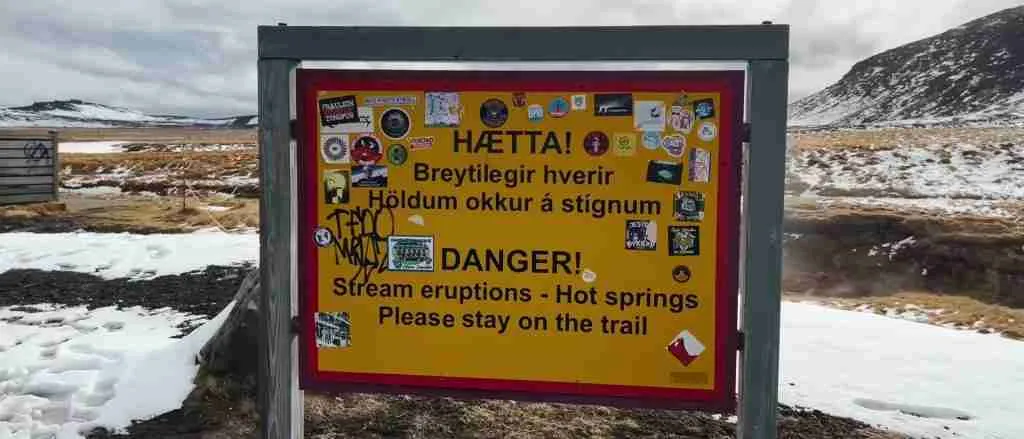
Reykjavik ranks as one of the world’s safest cities with minimal violent crime, though travelers should maintain standard urban awareness regarding belongings and surroundings. The primary safety concerns involve natural hazards rather than human threats: powerful ocean waves at beaches like Reynisfjara create dangerous undertow killing tourists who ignore warning signs, geothermal areas contain scalding water causing severe burns if safety barriers ignored, and winter weather creates slippery conditions on Reykjavik sidewalks and roads.
Iceland’s healthcare system provides excellent emergency care through Landspítali University Hospital, though travel insurance proves essential as medical costs for non-EU citizens reach substantial amounts without coverage. Pharmacies (apótek) sell over-counter medications though stronger medicines require prescriptions, with limited Sunday opening hours requiring planning for medication needs. Emergency number 112 connects to police, fire, and medical services, while tourist information provides non-emergency assistance.
Language and Communication
Icelanders speak exceptional English with near-universal fluency particularly in Reykjavik, making language barriers virtually non-existent for English speakers. Younger Icelanders often speak multiple languages including German, Danish, or Norwegian, while tourism industry workers utilize English as standard operating language. Attempting basic Icelandic phrases like “takk” (thank you) and “góðan daginn” (good day) shows respect though Icelanders will immediately switch to English upon detecting foreign accents.
Free WiFi operates throughout Reykjavik in hotels, cafes, restaurants, and many public spaces, while cellular coverage reaches excellent quality even in remote areas. International mobile plans with Iceland coverage eliminate need for local SIM cards, though purchasing Icelandic prepaid SIM from Síminn or Vodafone provides unlimited data options for 2,600-3,900 ISK ($20-30) weekly useful for navigation, booking, and real-time information. Most signage includes English translations, menus provide English versions, and restaurant staff speak English fluently.
Environmental Responsibility
Iceland maintains strict environmental protection requiring visitors to respect marked trails, never enter restricted areas around geothermal features or nesting bird colonies, pack out all trash from natural sites, and avoid disturbing wildlife. Icelandic nature appears rugged but vegetation grows slowly in harsh climate, with damage taking decades to repair making trail adherence critical for preservation. Marked parking areas at natural attractions require use rather than pulling off roads, which damages fragile vegetation and creates visual pollution.
Reykjavik operates comprehensive recycling systems with separate bins for paper, plastic, glass, and organic waste in accommodation and public spaces. Iceland’s geothermal energy provides carbon-free electricity and heating making it one of the world’s most sustainable destinations, though air travel to the island creates significant carbon footprint visitors should consider offsetting. Supporting local businesses, minimizing single-use plastics despite Iceland’s excellent recycling, and respecting natural sites ensures sustainable tourism benefiting Iceland’s environment and communities.
Frequently Asked Questions
Do I need a visa to visit Iceland in 2026?
Visa requirements for Iceland depend on nationality and stay duration. Citizens of the United States, Canada, Australia, New Zealand, and EU countries can visit Iceland visa-free for up to 90 days within any 180-day period for tourism purposes. Iceland participates in the Schengen Agreement meaning visits to other Schengen countries count toward the 90-day limit. Passports must remain valid at least three months beyond intended departure date. Citizens of countries outside the visa-free list should check Icelandic Directorate of Immigration website for specific requirements, as some nationalities require Schengen visa applications through Icelandic consulates before travel. Business travelers, students, and those staying longer than 90 days require appropriate visas or permits regardless of nationality.
What is the drinking age in Reykjavik?
Iceland’s legal drinking age is 20 years for purchasing or consuming alcohol, with strict enforcement in bars, restaurants, and state-run Vínbúðin liquor stores requiring photo identification regardless of apparent age. Establishments face severe penalties for serving minors creating vigilant ID checking of anyone appearing under 30. Beer was illegal in Iceland until 1989, with March 1 celebrated as “Beer Day” commemorating legalization. The legal age for purchasing lower-alcohol beverages (under 2.25% ABV) available in grocery stores is 18. Drunk driving laws impose extremely strict limits at 0.05% blood alcohol content with severe penalties including heavy fines, license suspension, and potential imprisonment, making taxi or bus usage essential after consuming any alcohol.
Can I see northern lights from Reykjavik in 2026?
Northern lights are visible from Reykjavik during dark months (late August through April) when conditions align: clear skies, strong solar activity, and darkness. Urban light pollution reduces visibility within city center, but traveling 15-30 minutes to coastal areas or surrounding countryside significantly improves viewing chances. Success rates vary considerably from 40-70% depending on month, weather patterns, and solar activity cycles. Organized northern lights tours (7,800-11,700 ISK/$60-90) transport visitors to optimal viewing locations based on real-time weather forecasts and aurora predictions, with most companies offering free return trip if no aurora visible. Independent viewing requires monitoring aurora forecast websites, driving to dark locations, and patience as displays vary from brief faint glows to spectacular dancing curtains. Northern lights never guarantee appearance regardless of season, tour quality, or location, making realistic expectations essential.
How far in advance should I book Reykjavik accommodation for 2026?
Booking timeline for Reykjavik accommodation depends heavily on travel dates and desired property type. Summer season (June-August) and the August 12, 2026 solar eclipse require 3-6 months advance booking for mid-range and luxury hotels, 6-9 months for eclipse window specifically as this rare event creates unprecedented demand. Budget hostels and guesthouses fill 2-3 months ahead during summer. Winter months (November-March excluding holidays) offer more flexibility with 4-8 weeks typically sufficient, though Christmas and New Year periods require 2-3 months advance planning. Shoulder seasons (April-May, September-October) provide reasonable availability 6-8 weeks ahead. Last-minute bookings during summer often face severely limited options and inflated pricing, while winter allows occasional deals for flexible travelers. Reykjavik’s limited hotel inventory relative to demand makes early booking beneficial regardless of season, securing better rates and preferred locations.
Is tap water safe to drink in Reykjavik?
Tap water in Reykjavik ranks among the world’s purest, sourced from ancient glacial aquifers and geothermal springs requiring zero treatment or additives before delivery. The water is completely safe to drink directly from taps, tastes excellent without chlorine or chemical additives, and eliminates need for bottled water purchases saving money and reducing plastic waste. Some accommodation hot water may smell slightly sulfuric due to geothermal sources, but this poses no health concerns and dissipates quickly when running cold water. Restaurants and cafes provide free tap water upon request rather than automatically serving bottled water as in many countries. Travelers should bring reusable water bottles for refilling throughout the day from fountains, restrooms, and establishments. Purchasing bottled water proves unnecessary and wasteful given Iceland’s exceptional tap water quality.
What currency does Iceland use and where can I exchange money?
Iceland’s official currency is the Icelandic króna (ISK), though tourists rarely need physical currency as Iceland operates as a completely cashless society. Credit and debit cards accepted everywhere including vending machines, parking meters, and public restrooms, with Strætó buses refusing cash entirely since June 2025. Currency exchange services exist at Keflavík Airport and Reykjavik banks, but exchanging money proves essentially unnecessary given universal card acceptance. ATMs provide króna cash for rare situations requiring it, though most travelers complete entire Iceland visits without withdrawing any cash. Credit cards with no foreign transaction fees eliminate 3% conversion charges, while contactless payment cards simplify transactions. The ISK floats against major currencies with exchange rates fluctuating daily, though travelers using credit cards automatically receive competitive interbank rates rather than tourist exchange rates.
What should I do if I get sick or injured in Reykjavik?
Iceland provides excellent healthcare through Landspítali University Hospital in Reykjavik for emergency situations, accessible by calling 112 for ambulance service. European Health Insurance Card (EHIC) holders from EU countries receive subsidized care under reciprocal agreements, while others face full private rates making comprehensive travel insurance essential. Pharmacies (apótek) sell over-counter medications for minor ailments, with several locations in downtown Reykjavik including Lyfja chain pharmacies, though limited Sunday hours require planning. For non-emergency medical issues, health clinics (heilsugæsla) provide general practitioner services with private payment or insurance billing. Travel insurance should cover medical evacuation, hospital stays, and repatriation as costs without coverage reach substantial amounts. Most hotel staff speak English and can arrange medical appointments or translate if needed. Travelers with prescription medications should bring sufficient supplies as Icelandic pharmacies require local prescriptions for dispensing medicines.
Can I use my mobile phone in Iceland?
Mobile phones work throughout Iceland including Reykjavik with excellent cellular coverage from providers Síminn, Vodafone, and Nova. International visitors can use phones via roaming agreements with home carriers, though roaming charges vary significantly by provider making verification before travel essential. Many international plans now include Iceland in coverage regions at standard rates particularly for North American and European carriers. Purchasing Icelandic prepaid SIM cards from Síminn or Vodafone provides unlimited data packages from 2,600-3,900 ISK ($20-30) weekly, useful for navigation, booking, and real-time information access. SIM cards available at airport, downtown stores, and gas stations with passport required for purchase. Free WiFi operates throughout Reykjavik in accommodation, cafes, restaurants, and many public spaces reducing reliance on cellular data. Unlocked phones required for using Icelandic SIM cards, with locked phones limited to home carrier roaming or WiFi only operation.
What is Reykjavik like for solo travelers in 2026?
Reykjavik ranks as an exceptionally safe, welcoming destination for solo travelers with minimal safety concerns, friendly locals, and excellent infrastructure. Hostels facilitate meeting fellow travelers through common areas and organized social activities, while day tours create opportunities for connecting with others sharing similar interests. The city’s compact walkable downtown, efficient public transportation, and universal English fluency eliminate common solo travel challenges. Women traveling alone report feeling entirely comfortable walking Reykjavik streets at any hour, with Iceland consistently ranking as one of world’s safest countries. Solo dining proves common and socially acceptable without stigma, with many cafes and restaurants welcoming individual diners. Costs represent the main challenge for solo travelers as accommodation single supplements and inability to split meals or tours creates higher per-person expenses than couples or groups. Joining group tours reduces costs while providing social interaction and shared experiences. Iceland’s small population and strong community culture creates welcoming atmosphere for solo visitors seeking adventure, culture, or northern lights experiences.
Is Reykjavik family-friendly for traveling with children in 2026?
Reykjavik offers excellent family-friendly travel with safe streets, numerous child-appropriate attractions, and welcoming attitude toward families. Perlan Museum provides interactive exhibits engaging children while educating about Icelandic nature, Laugardalur features family park with zoo showcasing Icelandic animals, and multiple geothermal pools offer waterslides and play areas. Most restaurants accommodate children with high chairs and kid menus, while grocery stores stock familiar international brands for picky eaters. Public transportation operates strollers easily with low-floor buses, and most hotels welcome families often providing cribs or rollaway beds (request when booking). Summer’s extended daylight allows flexible schedules maintaining late bedtimes matching children’s energy, while winter darkness creates cozy indoor experiences. Children under 18 receive free entry to most museums and geothermal pools significantly reducing attraction costs for families. Day tours to Golden Circle and South Coast accommodate families though long driving times may challenge young children, with private tours offering more flexibility. Iceland’s outdoor-focused culture encourages family exploration with numerous parks, playgrounds, and nature access throughout Reykjavik.