
Best Day Trips from Reykjavik 2026: Best Excursions & Planning
Reykjavik serves as the perfect base for exploring Iceland’s most spectacular natural wonders, with the country’s most famous attractions accessible within 1-3 hours of the capital. The Golden Circle route delivers geysers, waterfalls, and tectonic rifts in a single 6-8 hour journey, while the South Coast showcases glacier tongues, black sand beaches, and towering cascades along Iceland’s dramatic southern shoreline. In 2026, day trip planning requires balancing seasonal considerations—summer’s midnight sun and accessible highland roads versus winter’s northern lights and ice cave opportunities—with booking timelines driven by the August 12 total solar eclipse creating unprecedented demand for tours during that week. Most guided day trips from Reykjavik cost 9,000-20,000 ISK ($70-155) for standard experiences, with small-group tours, private options, and adventure add-ons reaching 30,000-80,000 ISK ($230-615).
Key Takeaways: Reykjavik Day Trips 2026
- Golden Circle Dominance: Iceland’s most popular day trip visits Þingvellir National Park, Geysir geothermal area, and Gullfoss waterfall in 6-8 hours, with standard tours costing 9,000-15,600 ISK ($70-120) and combination packages including Secret Lagoon or snowmobiling reaching 25,000-55,000 ISK ($190-420).
- South Coast Spectacular: Full-day South Coast tours cover Seljalandsfoss and Skógafoss waterfalls, Reynisfjara black sand beach, and Sólheimajökull glacier for 13,000-19,500 ISK ($100-150), with summer puffin viewing and winter ice cave options creating seasonal variations in itineraries and pricing.
- Eclipse Impact 2026: The August 12, 2026 total solar eclipse visible from Reykjavik drives exceptional tour demand during August 10-14, requiring 6-9 months advance booking for all day trips during eclipse week, with operators offering specialized eclipse viewing tours to optimal locations along Iceland’s west coast.
- Seasonal Route Access: Highland F-roads including routes to Landmannalaugar and Þórsmörk open only late June through September requiring 4×4 vehicles, while winter months (September-April) enable northern lights tours 7,800-11,700 ISK ($60-90) and ice cave expeditions 19,500-32,500 ISK ($150-250) impossible during summer.
- Self-Drive Economics: Rental cars cost 7,800-15,600 ISK ($60-120) daily for compact vehicles, 15,600-26,000 ISK ($120-200) for SUVs, plus fuel approximately 3,900-6,500 ISK ($30-50) for typical day trip distances, making guided tours more economical for solo travelers while groups of 3-4 save money driving independently.
- Booking Timeline Strategy: Summer day trips (June-August) require 4-8 weeks advance booking to secure preferred dates and tour types, eclipse week (August 10-14) demands 6-9 months advance planning, while winter months (November-March excluding holidays) offer reasonable availability 2-4 weeks ahead with occasional last-minute deals for flexible travelers.
People Also Ask About Reykjavik Day Trips 2026
What is the best day trip from Reykjavik in 2026?
The Golden Circle remains Iceland’s most popular and accessible day trip from Reykjavik in 2026, covering approximately 300 kilometers in a loop that visits three world-class natural attractions in 6-8 hours. Þingvellir National Park showcases the dramatic rift valley where North American and Eurasian tectonic plates pull apart at 2 centimeters annually, creating the only place on Earth where you can walk between continental plates above sea level. The site also holds historical significance as the location of Iceland’s Alþingi parliament founded in 930 AD, making it both geologically and culturally remarkable. The Geysir geothermal area features Strokkur geyser erupting every 5-10 minutes, shooting boiling water 20-30 meters skyward, while the original Geysir that gave its name to all geysers worldwide remains mostly dormant nearby. Gullfoss waterfall concludes the circuit with a double-tier cascade where the glacial Hvítá river plunges 32 meters into a dramatic canyon, creating rainbows in the mist on sunny days.
Standard Golden Circle tours cost 9,000-15,600 ISK ($70-120) including transportation and guide, with hotel pickup in Reykjavik, approximately 6-8 hours duration, and minimal physical demands making them accessible to most fitness levels and age groups. The three main attractions charge no entrance fees (parking fees approximately 500-750 ISK at some locations), though many tours add stops at Kerið volcanic crater (500 ISK admission) or Friðheimar greenhouse restaurant. Combination packages elevate the experience: Golden Circle plus Secret Lagoon 17,000-22,000 ISK ($130-170), Golden Circle plus snowmobiling on Langjökull glacier 32,500-55,000 ISK ($250-420), or Golden Circle plus northern lights viewing 16,900-24,000 ISK ($130-185) during winter months. The route operates year-round with distinct seasonal advantages—summer offers midnight sun and lush green landscapes, while winter provides potential northern lights viewing and dramatic snow-covered scenery contrasting with steaming geothermal areas.
How much do day trips from Reykjavik cost in 2026?
Day trip costs from Reykjavik in 2026 vary significantly based on destination, tour type, group size, and included activities. Standard full-day bus tours covering major routes cost 9,000-20,000 ISK ($70-155) per person including transportation, guide, and hotel pickup. Golden Circle standard tours represent the budget entry point at 9,000-15,600 ISK ($70-120), while South Coast full-day excursions typically range 13,000-19,500 ISK ($100-150) given the longer distances and more stops. Snæfellsnes Peninsula day trips cost 15,600-22,000 ISK ($120-170) for the full peninsula circuit, whale watching tours from Reykjavik harbor charge 11,700-14,300 ISK ($90-110) for 3-hour excursions, and northern lights hunting tours (September-April) cost 7,800-11,700 ISK ($60-90) for evening departures.
Premium small-group tours in luxury minibuses (maximum 12-19 passengers) add 20-40% to standard pricing, typically ranging 15,600-26,000 ISK ($120-200) for the same routes but offering more personalized attention, flexible stops, and comfortable Mercedes-Benz or similar vehicles with Wi-Fi. Private tours for exclusive groups cost significantly more: 90,000-150,000 ISK ($690-1,150) total for Golden Circle private tours accommodating 1-7 passengers, breaking down to competitive per-person rates for groups of 4 or more. Adventure add-ons increase costs substantially: glacier hiking adds 11,700-19,500 ISK ($90-150), ice cave exploration 19,500-32,500 ISK ($150-250), snowmobiling 26,000-45,000 ISK ($200-345), and Silfra snorkeling between tectonic plates 26,000-32,500 ISK ($200-250). Multi-attraction combination tours often provide better value than booking separate experiences: Golden Circle plus Blue Lagoon packages cost 26,000-35,000 ISK ($200-270), less than purchasing each independently.
Can you do a day trip to the South Coast from Reykjavik in 2026?
The South Coast absolutely works as a day trip from Reykjavik, with most tours departing 8:00-8:30 AM and returning 18:00-19:00, covering approximately 300-400 kilometers round-trip along Iceland’s Route 1 ring road. The journey showcases Iceland’s most dramatic coastal scenery within a manageable 10-11 hour timeframe, though the extended duration and multiple stops create a full, active day requiring reasonable mobility for walking to viewpoints and waterfalls. Standard South Coast day trips visit 4-6 major attractions: Seljalandsfoss waterfall where you can walk behind the 60-meter cascade (waterproof jacket essential), Skógafoss waterfall featuring a 60-meter drop and staircase to upper viewpoint (400+ steps), Reynisfjara black sand beach with basalt columns and powerful waves requiring caution, Sólheimajökull glacier tongue for close glacier viewing, and the village of Vík with its clifftop church and dramatic coastline.
Tours cost 13,000-19,500 ISK ($100-150) for standard full-day bus experiences, 15,600-24,000 ISK ($120-185) for small-group luxury minibus options with maximum 12-19 passengers, and lunch stops occur at local restaurants or Vík (meals not included, expect 2,600-3,900 ISK/$20-30 for lunch). Summer departures (May-September) often include puffin viewing opportunities at Reynisfjara or nearby Dyrhólaey promontory where Atlantic puffins nest April through mid-August, while winter departures may offer northern lights viewing if clear conditions develop during the return journey. Some South Coast tours extend to Jökulsárlón glacier lagoon and Diamond Beach, but these longer excursions require 13-15 hours and technically push beyond comfortable day trip territory, often marketed as “South Coast Extended” tours costing 22,000-32,500 ISK ($170-250). The South Coast route operates year-round with weather considerations: summer provides warmest temperatures, longest daylight, and easiest road conditions, while winter offers dramatic snow-covered landscapes, ice formations along black sand beaches, and potential for ice cave add-ons, though weather can cause occasional cancellations or itinerary modifications.
Do I need to book Reykjavik day trips in advance for 2026?
Advance booking proves essential for Reykjavik day trips during summer high season (June-August) and absolutely critical for the August 12, 2026 solar eclipse week. Standard summer day trips require booking 4-8 weeks ahead to secure preferred dates, tour operators, and departure times, particularly for popular routes like Golden Circle and South Coast where daily departures fill to capacity weeks in advance. Small-group luxury tours with limited passenger capacity (12-19 people maximum) sell out faster than large bus tours, often requiring 6-10 weeks advance booking during peak season. The August 10-14, 2026 eclipse period creates unprecedented demand requiring 6-9 months advance booking for any tours during that week, as this once-in-600-years event drives massive tourism surge to Iceland with accommodation, tours, and all services booking far earlier than typical summer patterns.
Winter months (November-March excluding Christmas/New Year holidays) offer more flexibility with reasonable availability 2-4 weeks ahead, and occasional last-minute bookings possible for travelers with flexible schedules, though northern lights tours can fill quickly during clear weather forecasts when operators expect optimal viewing conditions. Shoulder seasons (April-May, September-October) fall between these extremes, with 3-5 weeks advance booking providing good selection and preferred times. Tour operators increasingly implement dynamic pricing where earlier bookings secure better rates, with prices rising 10-20% as departure dates approach and availability diminishes. Some tours offer free cancellation up to 24 hours before departure, making early booking low-risk even for travelers with somewhat uncertain schedules. Walk-up or same-day bookings remain possible during winter and shoulder seasons for less popular tours, but summer visitors attempting last-minute bookings face severely limited options, non-preferred departure times, and higher pricing, making advance planning worthwhile for anyone visiting Reykjavik May through September.
Extended multi-day tours – 5+ days
Featured Reykjavik Multi-Day Tour Packages

3 days
3 Days Self Drive Stopover in Iceland
- ✓ Comprehensive Reykjavik tour
- ✓ Expert local guides included
- ✓ All accommodation arranged
- ✓ Transportation provided
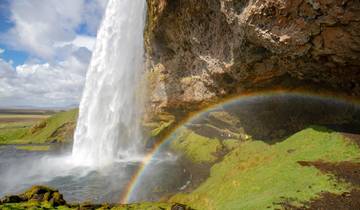
5 days
5 Days Land of Midnight Sun
- ✓ Comprehensive Reykjavik tour
- ✓ Expert local guides included
- ✓ All accommodation arranged
- ✓ Transportation provided
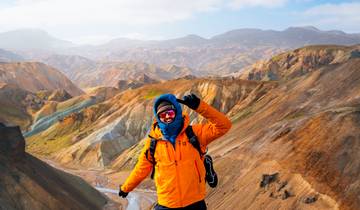
3 days
Hidden Highlands: 3-Day Landmannalaugar & Grænihryggur Hiking Tour
- ✓ Comprehensive Reykjavik tour
- ✓ Expert local guides included
- ✓ All accommodation arranged
- ✓ Transportation provided
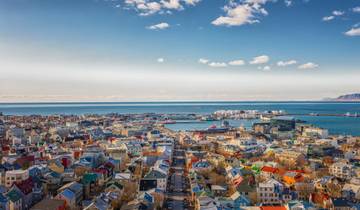
3 days
Three Days in Iceland: Reykjavik & Snæfellsnes Peninsula
- ✓ Comprehensive Reykjavik tour
- ✓ Expert local guides included
- ✓ All accommodation arranged
- ✓ Transportation provided
Multi-day tour packages powered by TourRadar. Prices and availability subject to change.
Introduction: Planning Day Trips from Reykjavik in 2026
Reykjavik’s compact size and central location transform Iceland’s capital into an ideal base for exploring the island’s most spectacular natural wonders, with world-class waterfalls, active geysers, massive glaciers, volcanic beaches, and geothermal lagoons accessible within 1-3 hours of downtown. The country’s limited road network—dominated by Route 1 ring road circling the entire island—creates natural day trip routes radiating from Reykjavik that efficiently connect multiple attractions in logical sequences. Unlike many capitals where urban sprawl extends for hours, Reykjavik’s 130,000 inhabitants occupy a relatively small footprint, meaning tours depart the city center and reach rural landscapes within 30-45 minutes, maximizing time at attractions rather than in transit.
Iceland’s dramatic geology drives the day trip experience: the Mid-Atlantic Ridge runs directly through Iceland, creating the tectonic rift valleys visible at Þingvellir, while volcanic activity and glacial coverage create the waterfalls, hot springs, lava fields, and ice formations that dominate tour itineraries. The Golden Circle and South Coast routes have emerged as Iceland’s most developed and accessible day trips, with excellent road conditions, well-maintained facilities, and dozens of tour operators competing on price and service. Beyond these flagship routes, Snæfellsnes Peninsula offers “Iceland in miniature” with diverse landscapes, while the Reykjanes Peninsula combines Blue Lagoon relaxation with raw volcanic terrain near Keflavík Airport.
The 2026 travel season carries unique considerations: August 12 brings a total solar eclipse visible from Reykjavik, the first total eclipse visible from the city in approximately 600 years, creating massive tourism demand particularly August 10-14 when hotels, tours, and all services face exceptional booking pressure. This astronomical event requires significantly earlier planning than normal summer travel, with 6-9 months advance booking essential for anyone hoping to visit Iceland during eclipse week. Beyond this special event, 2026 follows typical Icelandic seasonal patterns: summer (May-September) provides midnight sun, warmest weather, and full tour schedules but also peak pricing and crowds, while winter (October-April) offers northern lights opportunities, lower prices, and authentic winter landscapes alongside shorter days and challenging weather.
Tour versus self-drive decisions depend on group size, driving comfort, and desired flexibility. Guided tours eliminate navigation concerns, provide expert commentary, include hotel pickup, and often cost less than car rental plus fuel for solo travelers or couples. Self-driving offers complete schedule control, ability to linger at favorite spots, and cost advantages for groups of 3-4 people who can split rental and fuel expenses. Winter driving demands significant experience with snow, ice, and sudden weather changes, making guided tours safer and more practical for most visitors November-March, while summer’s excellent road conditions and long daylight hours favor independent exploration for confident drivers.
Golden Circle Day Trip 2026: Iceland’s Classic Route
The Golden Circle forms Iceland’s most famous day trip route, combining geological drama, historical significance, and convenient logistics in a 300-kilometer loop northeast from Reykjavik. This classic circuit visits three world-class attractions—Þingvellir National Park, Geysir geothermal area, and Gullfoss waterfall—each representing different aspects of Iceland’s volcanic island identity, plus optional stops that extend and enhance the basic route. Standard Golden Circle tours depart Reykjavik 8:00-9:00 AM, visit attractions in logical sequence, and return 16:00-17:00, completing the journey in 6-8 hours depending on tour operator, group size, and included stops. The route operates year-round with distinctly different seasonal characteristics creating unique advantages regardless when you visit.
Þingvellir National Park: Tectonic Plates and Viking Parliament
Þingvellir National Park holds dual UNESCO World Heritage status for both natural and cultural significance, making it unique among Iceland’s protected areas. The park sits directly atop the Mid-Atlantic Ridge where North American and Eurasian tectonic plates diverge at approximately 2 centimeters annually, creating the dramatic Almannagjá rift valley with sheer rock walls up to 40 meters high. Visitors walk literally between continents along well-maintained pathways through the rift, with interpretive signs explaining the geology and plate tectonics that created this remarkable landscape. The Öxará river cascades over Öxarárfoss waterfall within the park, while Þingvallavatn lake—Iceland’s largest natural lake—stretches beyond the rift valley creating expansive views across water toward distant mountains.
Historical significance matches geological drama: Iceland’s Alþingi parliament convened here from 930 AD for nearly 900 years, making Þingvellir one of the world’s oldest continuous parliamentary meeting sites. The Lögberg (Law Rock) marked the location where the Law Speaker recited laws to assembled chieftains, and where major announcements including Iceland’s conversion to Christianity in 1000 AD occurred. Modern Iceland maintains deep cultural connection to Þingvellir, with the site hosting proclamations of independence, national celebrations, and constitutional ceremonies. Tour guides explain both geological processes and historical events, connecting Iceland’s physical landscape with its cultural development. Þingvellir requires 45-90 minutes for thorough exploration including rift walk, waterfall viewing, and historical sites. The park charges no entrance fee, though parking costs approximately 750 ISK (included in guided tours). Silfra fissure within the park offers snorkeling between tectonic plates in crystal-clear glacial water, requiring separate booking and specialized equipment but providing one of the world’s most unique dive sites.
Geysir Geothermal Area: Strokkur’s Regular Eruptions
The Geysir geothermal area provides Iceland’s most accessible and reliable hot spring spectacle, centered on Strokkur geyser that erupts every 5-10 minutes with remarkable consistency. Strokkur shoots boiling water 20-30 meters into the air, occasionally reaching 40 meters during particularly powerful eruptions, creating photographic opportunities as the water dome swells, bursts, and launches skyward with a distinctive roar. The eruption cycle typically builds over 3-5 minutes with bubbling and doming, then explosive release followed by a brief calm before the next cycle begins. Patient visitors capturing multiple eruptions notice variation in height, spray pattern, and timing, with clear weather and wind direction affecting visibility and photography angles.
The original Geysir—from which all geysers worldwide derive their name—sits nearby in semi-dormant state, occasionally erupting during seismic events but generally quiet for decades at a time. The geothermal area extends across several hectares featuring mud pots, fumaroles, smaller hot springs, and steaming vents creating an otherworldly landscape of colorful mineral deposits, sulfur smells, and constant geological activity. Wooden walkways protect both visitors and fragile geothermal features, with warning signs emphasizing danger of boiling water and unstable ground. The on-site Geysir Center includes cafe, gift shop, and restrooms serving as lunch stop for many tours (meals not included in tour pricing, expect 2,000-3,500 ISK for lunch). Geysir requires 30-60 minutes for most visitors: 20 minutes captures several Strokkur eruptions, while additional time allows exploration of other geothermal features and surrounding area. The site charges no entrance fee and provides free parking (included in guided tours).
Gullfoss Waterfall: Iceland’s Golden Falls
Gullfoss waterfall concludes the Golden Circle route with Iceland’s most powerful cascade, where the glacial Hvítá river plunges 32 meters in two dramatic tiers before disappearing into a narrow canyon. The waterfall’s name translates as “Golden Falls,” possibly referencing the golden hue of glacial sediment in the water, the rainbow spray visible on sunny days, or medieval legends of hidden gold. Gullfoss demonstrates Iceland’s hydrological power: the Hvítá carries approximately 140 cubic meters of water per second on average, increasing dramatically during summer glacial melt and storm runoff to create thunderous torrents. The waterfall plunges first 11 meters, then 21 meters, with the two tiers creating complex hydraulics, mist, and thundering sound audible from parking area 100 meters away.
Two viewing platforms provide different perspectives: the upper viewpoint accessible via paved path offers panoramic views of the waterfall’s full scale and surrounding canyon, while the lower viewpoint (accessed via steeper, sometimes muddy trail) brings visitors close to the falls where mist soaks clothing and deafening roar drowns conversation. Summer visitors find both platforms accessible, while winter ice and snow sometimes close the lower trail for safety. Gullfoss nearly fell to hydroelectric development in the early 20th century until saved by environmental activism, with its preservation contributing to Iceland’s conservation movement. The site requires 30-45 minutes for most visitors: 15-20 minutes for quick upper viewpoint photos, additional time for lower trail and longer waterfall viewing. The site charges no entrance fee with free parking (included in guided tours). On-site cafe provides coffee, snacks, and basic meals serving as final stop before returning to Reykjavik.
Golden Circle Tour Options and Pricing 2026
Golden Circle tour options range from basic 6-hour circuits to elaborate multi-day adventures combining the route with additional experiences. Standard Golden Circle classic tours cost 9,000-15,600 ISK ($70-120) per person including transportation in comfortable bus, English-speaking guide, hotel pickup and drop-off in Reykjavik, and visits to all three main attractions plus usually Kerið crater. These tours accommodate 20-50 passengers depending on operator and vehicle size, depart 8:00-9:00 AM with return 15:00-17:00, and provide efficient, economical Golden Circle access perfect for budget travelers or those prioritizing major sights over intimate experiences.
Small-group Golden Circle tours limit passenger counts to 12-19 people, typically using luxury Mercedes-Benz Sprinter minibuses with Wi-Fi, USB charging, and large windows for photography. These tours cost 12,900-19,500 ISK ($95-150) per person, approximately 30-40% more than standard tours but offering more personalized attention, flexible stops, easier questions with guides, and sometimes additional viewpoints or stops bypassed by large buses. Small-group tours prove worthwhile for photographers wanting optimal shooting time, travelers valuing personalized service, or anyone preferring quieter, more intimate group dynamics. Private Golden Circle tours for exclusive groups cost 90,000-150,000 ISK ($690-1,150) total for vehicles accommodating 1-7 passengers, breaking down to approximately 13,000-21,500 ISK ($100-165) per person for four-person groups, making them economical for families or friend groups while providing complete schedule flexibility and customized itineraries.
Combination Golden Circle packages enhance the basic route with add-on activities creating full-day or multi-attraction experiences. Popular combinations include: Golden Circle plus Secret Lagoon geothermal spa 17,000-22,000 ISK ($130-170) adding 1.5-2 hours soaking in natural hot springs near Geysir, Golden Circle plus Kerið crater plus farm visit 13,000-18,000 ISK ($100-140) including volcanic crater swim stop and Icelandic horse or greenhouse tour, Golden Circle plus snowmobiling on Langjökull glacier 32,500-55,000 ISK ($250-420) adding 1-hour glacier snowmobile adventure (summer and winter), Golden Circle plus Silfra snorkeling 39,000-52,000 ISK ($300-400) including full snorkeling equipment and certified guide for swimming between tectonic plates, and Golden Circle plus Blue Lagoon 26,000-35,000 ISK ($200-270) combining the route with Blue Lagoon admission on return to Reykjavik (ideal for arrival or departure day given Blue Lagoon’s location near Keflavík Airport).
Winter-specific Golden Circle combinations add northern lights viewing for evening tours 16,900-24,000 ISK ($130-185), departing afternoon to complete Golden Circle before dark, then continuing to dark-sky locations for aurora hunting. Summer-specific combinations may include longer daylight hours enabling additional stops, horseback riding, or ATV adventures. The Golden Circle route requires minimal physical fitness: all major attractions accessible via short walks on maintained paths, though Gullfoss lower viewpoint involves steeper trail and Þingvellir rift walk includes some uneven ground. Wheelchair accessibility varies: Geysir fully accessible on paved paths, Gullfoss upper viewpoint accessible, Þingvellir partially accessible with assistance.
South Coast Day Trip 2026: Waterfalls, Black Sand, and Glaciers
Iceland’s South Coast delivers the country’s most dramatic coastal scenery in a single day trip, combining towering waterfalls, black volcanic beaches, glacier tongues, and charming villages along Route 1 between Reykjavik and Vík. This route showcases Iceland’s volcanic origins and ongoing geological activity: black sand beaches formed from volcanic basalt ground down by wave action, waterfalls fed by massive glaciers including Eyjafjallajökull and Mýrdalsjökull, and dramatic coastal formations created by millennia of Atlantic Ocean erosion. South Coast day trips operate year-round with seasonal variations affecting accessibility, daylight hours, and featured attractions, creating distinctly different experiences depending when you visit.
Seljalandsfoss Waterfall: Walk Behind the Cascade
Seljalandsfoss waterfall provides the South Coast’s first major stop approximately 90 minutes southeast of Reykjavik, where the Seljalandsá river plunges 60 meters over ancient sea cliffs now located several kilometers inland from today’s coastline. Seljalandsfoss offers Iceland’s most famous interactive waterfall experience: a pathway wraps completely around behind the falls, allowing visitors to walk through the cave-like space behind the water curtain and emerge on the opposite side. This unique perspective creates extraordinary photographic opportunities looking out through the falling water toward the coastal plains, though waterproof clothing proves essential as wind whips spray and mist throughout the behind-the-falls passage. The pathway remains open year-round weather permitting, though winter ice can make it slippery and occasionally impassable, with ice cleats or good traction boots recommended November-March.
Adjacent to Seljalandsfoss, a short trail leads to Gljúfrabúi (sometimes called Hidden Waterfall), a powerful 40-meter cascade partially concealed within a narrow canyon requiring wading through shallow water or carefully hopping on rocks to reach the viewing point inside the rocky chamber. Gljúfrabúi sees fewer visitors than its famous neighbor despite equal beauty, making it a quieter, more intimate waterfall experience for those willing to make the wet trek. Both waterfalls require 30-45 minutes for thorough exploration: 15 minutes for quick Seljalandsfoss circuit, additional time for photography from various angles, Gljúfrabúi side trip, and restroom stop at the on-site facilities. No entrance fee charged, though parking costs approximately 800 ISK (included in guided tours). Summer evening light creates magical conditions with low-angle sun illuminating the falls from behind, while winter snow and ice formations add dramatic contrast to the dark basalt cliffs.
Skógafoss Waterfall: Climb 400 Steps for the View
Skógafoss waterfall stands as the South Coast’s most impressive single cascade, where the Skógá river plunges 60 meters over ancient sea cliffs in a perfectly symmetrical rectangular curtain 25 meters wide. The massive volume of water—substantially greater than Seljalandsfoss—creates perpetual mist and spray that coats everything within 50 meters, producing dramatic rainbows on sunny days and soaking photographers attempting close-up shots. Legend claims Viking settler Þrasi Þórólfsson hid treasure in a cave behind the falls, with modern visitors unable to verify due to the crushing water volume preventing approach to the cliff base. The waterfall’s scale and power make it arguably Iceland’s most photogenic cascade, regularly featuring in tourism marketing, films (including Thor and The Secret Life of Walter Mitty), and Instagram posts.
A staircase of 400+ steps climbs the cliff beside Skógafoss to an upper viewing platform offering panoramic views over the waterfall, river valley, and coastal plains extending to the Atlantic Ocean. The climb takes 10-15 minutes for moderately fit visitors, with the stairs well-maintained but steep requiring reasonable fitness and caution in wet or icy conditions. The upper viewpoint provides completely different perspective: standing level with the waterfall’s top watching water pour over the cliff edge, while the elevated position reveals the Skógá river’s braided channels extending inland toward Eyjafjallajökull glacier. Ambitious hikers can continue beyond the upper viewpoint along the Skógá river trail that leads 25 kilometers inland through a valley containing 20+ additional waterfalls, though this multi-hour or multi-day trek exceeds day trip parameters. Skógafoss requires 30-45 minutes for most visitors: 15 minutes for base viewing and photos, additional time for stair climb and upper viewpoint. No entrance fee charged, free parking (included in guided tours). On-site facilities include restrooms, small cafe, and the Skógar Museum showcasing traditional Icelandic life.
Reynisfjara Black Sand Beach: Basalt Columns and Powerful Waves
Reynisfjara black sand beach represents Iceland’s most famous volcanic coastline, where powerful Atlantic waves crash against jet-black basalt sand creating one of the world’s most dramatic beach settings. The beach formed from volcanic rocks ground down over millennia by wave action and glacial processes, with the pure black color contrasting sharply with white wave foam and grey Atlantic waters. Reynisfjara’s most striking features include hexagonal basalt columns rising from the beach into towering cliff formations called Garðar, created by volcanic lava cooling into geometric crystalline structures. The nearby Hálsanefshellir sea cave features similar basalt column walls creating a cathedral-like interior space, though the cave floods at high tide and should only be explored at low tide with caution.
Offshore, the Reynisdrangar sea stacks rise dramatically from the ocean—three pointed rock formations that Icelandic folklore claims are petrified trolls caught by sunlight while dragging a ship ashore. The sea stacks create iconic silhouettes against sunrise or sunset, and puffins nest on nearby cliffs during summer months (late April through mid-August) providing wildlife viewing opportunities. Reynisfjara requires serious safety attention: powerful “sneaker waves” regularly sweep up the beach catching unaware visitors, with several deaths and injuries occurring from people being dragged into the frigid ocean. Warning signs throughout the area emphasize staying well back from the waterline, never turning your back on the ocean, and immediate retreat if large wave sets approach. Local authorities have increased safety measures including parking lot relocation farther from the beach, additional warning signage, and guide briefings.
The village of Vík sits just beyond Reynisfjara, Iceland’s southernmost village (population ~300) offering restaurants, gas station, grocery store, and the famous Vík church perched on a hill overlooking the coastline providing excellent photo opportunities. Many South Coast tours include Vík lunch stop (meals not included, 2,600-3,900 ISK for lunch) and allow time to explore the village or walk to the church viewpoint. Reynisfjara and Vík together require 45-75 minutes: 20-30 minutes for beach exploration staying safe distance from waves, basalt column viewing, and cave entry if tide permits, plus additional time for Vík village, church viewpoint, or puffin viewing if season allows.
Sólheimajökull Glacier: Accessible Glacier Tongue
Sólheimajökull glacier tongue extends from the massive Mýrdalsjökull ice cap, providing the South Coast’s most accessible glacier viewing with a short walk from parking area to glacier face. This outlet glacier stretches approximately 8 kilometers from the main ice cap to its terminal moraine, where the ice meets glacial lagoon filled with icebergs calved from the glacier face. The glacier demonstrates retreat and climate change impacts: markers show the ice edge’s position in different years, with dramatic recession visible over recent decades as the glacier withdraws up the valley. Dark streaks of volcanic ash layer through the ice, remnants of volcanic eruptions including Eyjafjallajökull’s 2010 eruption that disrupted European air traffic.
A gravel trail leads 800 meters from parking area across the glacial outwash plain to viewpoints near the glacier terminus, taking 15-20 minutes each way on relatively flat terrain. The walk showcases glacial processes: grinding ice creating rock flour that colors meltwater grey-blue, moraines of rock debris deposited by retreating ice, and the raw landscape left behind as ice withdraws. Visitors can walk to within approximately 50 meters of the ice face for excellent photos, though walking onto the glacier without proper equipment and guides proves extremely dangerous due to hidden crevasses and unstable ice. Organized glacier hiking tours use Sólheimajökull as a base for guided ice walks with crampons, ice axes, and safety equipment, requiring separate booking and additional time beyond standard South Coast tours.
Sólheimajökull requires 30-45 minutes for the walk-in, glacier viewing, and photography. No entrance fee, free parking (included in guided tours). The glacier provides excellent year-round viewing though winter snow can obscure the access trail, and summer’s longer daylight enables better photography. Many visitors compare Sólheimajökull favorably to more famous but less accessible glaciers like Vatnajökull, appreciating the easy walk and close approach without specialized equipment for basic viewing.
South Coast Tour Options and Pricing 2026
South Coast day trips cost 13,000-19,500 ISK ($100-150) for standard full-day bus tours departing Reykjavik 8:00-8:30 AM and returning 18:00-19:00 after 10-11 hours including all major stops. Tours typically include transportation, English-speaking guide, hotel pickup and drop-off in Reykjavik, and stops at Seljalandsfoss, Skógafoss, Reynisfjara, Sólheimajökull, and Vík with occasional additional stops at Eyjafjallajökull visitor center or other viewpoints depending on operator. Lunch and meals remain separate (not included in tour price), with Vík offering best food options at 2,600-3,900 ISK ($20-30) for restaurant lunch, or visitors can pack food from Reykjavik supermarkets.
Small-group South Coast tours limit passengers to 12-19 in luxury Mercedes-Benz or similar minibuses, costing 15,600-24,000 ISK ($120-185) approximately 25-35% above standard tours but providing more personalized experience, easier access at crowded sites, and flexible timing at each stop. Private South Coast tours for exclusive groups cost 130,000-195,000 ISK ($1,000-1,500) total for 1-7 passengers, breaking down to economical per-person rates for groups of 5 or more while offering complete customization including extended time at preferred sites, alternative stops, and adjusted itinerary based on weather or interests.
Combination South Coast tours extend the basic route with adventure activities or additional attractions. Popular combinations include: South Coast plus glacier hiking on Sólheimajökull adds 11,700-19,500 ISK ($90-150) and 2-3 hours for guided ice walk with crampons and safety equipment (summer and winter), South Coast plus ice cave exploration 26,000-39,000 ISK ($200-300) total adding dramatic blue ice cave tour inside Mýrdalsjökull glacier (winter only, November-March), South Coast plus Jökulsárlón glacier lagoon extending east to the famous iceberg lagoon and Diamond Beach 22,000-32,500 ISK ($170-250) but requiring 13-15 hours making for extremely long day, and South Coast plus northern lights viewing (winter only) adding evening aurora hunt after South Coast sightseeing 19,500-26,000 ISK ($150-200).
The South Coast route requires moderate physical fitness: walking from parking areas to viewpoints involves some distances and uneven terrain, Skógafoss stairs challenge less fit visitors, and Sólheimajökull glacier walk crosses rough ground. Most attractions offer wheelchair accessibility with limitations: parking areas accommodate mobility needs, but trails to Seljalandsfoss behind-the-falls path, Skógafoss upper viewpoint, and Reynisfjara beach present accessibility challenges. Weather impacts tours year-round: wind and rain common regardless of season, winter snow creates dramatic scenery but occasional road closures, summer provides longest daylight and warmest temperatures but also peak crowds at all stops.
Snæfellsnes Peninsula Day Trip 2026
The Snæfellsnes Peninsula earns its reputation as “Iceland in Miniature” by packing extraordinary landscape diversity into a compact area approximately 90 kilometers long northwest of Reykjavik. The peninsula features nearly every Icelandic landscape type: volcanic craters, lava fields, black sand beaches, fishing villages, bird cliffs, and the glacier-capped Snæfellsjökull volcano dominating the peninsula’s western tip. Jules Verne chose Snæfellsjökull as the entry point for his novel “Journey to the Center of the Earth,” cementing the volcano’s mystical reputation. Snæfellsnes day trips require longer travel time than Golden Circle or South Coast—approximately 2.5 hours each way from Reykjavik—making for full 11-12 hour days, but the route’s variety and fewer crowds compared to more famous routes reward the extra time.
Snæfellsnes tours typically follow a circular route around the peninsula, stopping at Ytri Tunga seal beach where harbor seals haul out year-round, Arnarstapi and Hellnar coastal villages featuring dramatic sea arches and bird cliffs, the black church at Búðir standing alone in lava fields, Djúpalónssandur black sand beach with its pebble beach and rock lifting stones used by fishermen to test their strength, and Kirkjufell mountain—Iceland’s most photographed peak—with its distinctive cone shape and nearby Kirkjufellsfoss waterfall. The Snæfellsjökull National Park encompasses the peninsula’s western tip, though direct glacier access requires separate specialized tours beyond standard day trip parameters.
Snæfellsnes day trips cost 15,600-22,000 ISK ($120-170) for full-day tours including transportation, guide, and hotel pickup from Reykjavik. The route operates year-round with winter offering dramatic snow-covered landscapes and possible northern lights viewing on the return journey, while summer provides midnight sun, puffin colonies on coastal cliffs (May-August), and easier road conditions throughout the peninsula. Tours require moderate physical fitness for coastal walks and viewpoint access, though most stops involve short walks on maintained paths. Snæfellsnes receives significantly fewer visitors than Golden Circle or South Coast despite comparable beauty, making it excellent choice for travelers seeking spectacular scenery with smaller crowds.
Blue Lagoon and Reykjanes Peninsula 2026
The Reykjanes Peninsula southwest of Reykjavik combines Iceland’s most famous attraction—the Blue Lagoon geothermal spa—with raw volcanic landscapes, geothermal areas, and coastal cliffs creating a manageable half-day or full-day excursion. The peninsula sits atop the Mid-Atlantic Ridge where volcanic activity and geothermal heat remain visible throughout the landscape: steaming vents, bubbling mud pots, colorful mineral deposits, and new lava fields from recent eruptions create otherworldly terrain. Reykjanes Peninsula day trips offer the most flexibility for arrival or departure days given the peninsula’s location between Reykjavik and Keflavík Airport, with many travelers incorporating Blue Lagoon visits into their airport transfer.
Blue Lagoon remains Iceland’s single most visited attraction, a massive geothermal spa where milky blue water heated to 38-40°C (100-104°F) fills a lava field lagoon surrounded by black volcanic rock and white silica formations. The lagoon’s distinctive blue color comes from silica and algae suspended in the geothermal seawater, with the silica creating the white mud visitors apply as face masks. Blue Lagoon admission requires advance booking with timed entry slots, costing 9,990+ ISK ($75+) for Comfort package including entry and towel, 13,000-16,000 ISK ($100-125) for Premium package adding robe, slippers, and algae mask, or 20,000+ ISK ($155+) for Signature package with additional amenities and extended access to quieter areas. Visitors typically spend 2-3 hours at the lagoon including changing, bathing, and using sauna and steam rooms.
Reykjanes Peninsula tours beyond Blue Lagoon explore the surrounding volcanic landscape, stopping at Krýsuvík geothermal area with its colorful hot springs and mud pots, the Bridge Between Continents where the American and Eurasian tectonic plates diverge, Gunnuhver geothermal area near Keflavík featuring Iceland’s most powerful mud pools, and coastal cliffs at Reykjanesviti lighthouse with massive waves crashing against volcanic rock. Recent volcanic activity at Fagradalsfjall and Sundhnúkur craters (2021-2024 eruptions) created new lava fields accessible via hiking trails when volcanic activity permits and conditions allow safe approach, though active eruptions prevent access and tour operators monitor volcanic status continuously.
Reykjanes Peninsula day trips cost 7,800-13,000 ISK ($60-100) for basic peninsula tours without Blue Lagoon, or combine with Blue Lagoon admission for packages 22,000-32,500 ISK ($170-250) total including Lagoon Comfort entry. Tours require minimal physical fitness as most stops involve short walks on maintained paths, though volcanic terrain can be rugged at some geothermal sites. The peninsula’s proximity to Reykjavik (35-50 minutes) makes it ideal for short half-day excursions, while combining multiple peninsula attractions with Blue Lagoon creates satisfying full-day experiences.
Whale Watching from Reykjavik 2026
Whale watching tours depart directly from Reykjavik’s Old Harbor, making them the most convenient day trip option requiring no ground transportation beyond walking or short taxi ride to the harbor area. Iceland’s position in the North Atlantic, where cold Arctic waters meet warmer currents, creates rich marine ecosystems supporting diverse cetacean populations. Summer months (April-September) provide highest whale watching success rates at 85-95% for sightings, while winter months (October-March) drop to 60-70% success rates as some species migrate to warmer waters, though winter tours offer potential northern lights viewing and smaller crowd sizes.
Common species sighted on Reykjavik whale watching tours include minke whales (most common, smaller baleen whales 7-10 meters long typically seen individually or in pairs), humpback whales (larger baleen whales 12-16 meters known for breaching and tail flukes), white-beaked dolphins (smaller cetaceans 2-3 meters often traveling in pods of 10-50), and harbor porpoises (smallest cetaceans 1.5-2 meters). Occasional sightings of fin whales, orcas (killer whales), and blue whales occur but remain rare and unpredictable. Tours provide no guarantees—whales are wild animals in vast ocean—though most operators offer free return trip if no cetaceans spotted during the tour.
Standard whale watching tours cost 11,700-14,300 ISK ($90-110) for 3-hour excursions aboard traditional oak boats or modern vessels departing 9:00, 13:00, or 17:00 depending on season and operator. Tours include warm coveralls, expert guide explaining marine biology and whale behavior, and heated indoor cabin for warming up between outdoor whale spotting. Express RIB speedboat tours offer more active experiences, costing 16,900-19,500 ISK ($130-150) for 2-hour high-speed excursions getting closer to whales more quickly but requiring warmer clothing and tolerance for bouncing through waves. Puffin watching combinations add Atlantic puffin viewing on islands near the harbor, costing 13,000-16,900 ISK ($100-130) for combined 3.5-hour whale and puffin tours (puffins present late April through mid-August only).
Whale watching requires minimal physical fitness: boarding boats via gangways presents the main mobility challenge, while ocean conditions can cause seasickness for susceptible individuals (seasickness medication recommended). Tours operate year-round with weather the primary factor affecting departures: wind, waves, and visibility occasionally cause cancellations with full refunds and rebooking options. The Old Harbor location makes whale watching ideal for filling partial days, combining easily with Reykjavik sightseeing, or for travelers with limited time who want memorable wildlife experience without leaving the city.
Northern Lights Tours from Reykjavik 2026
Northern lights (aurora borealis) tours operate September through April when darkness returns to Iceland after the midnight sun of summer, offering one of nature’s most spectacular displays as charged solar particles interact with Earth’s atmosphere creating curtains of colored light dancing across the night sky. Reykjavik’s location at 64°N latitude places it squarely in the auroral oval where northern lights appear regularly, though urban light pollution reduces visibility within the city requiring tours to travel 30-60 minutes to darker locations for optimal viewing. Aurora appearances remain inherently unpredictable: clear skies and strong solar activity must coincide, with success rates varying 40-70% depending on month, weather patterns, and solar cycles.
Northern lights tours cost 7,800-11,700 ISK ($60-90) for standard evening excursions departing Reykjavik 20:30-21:00 and returning 00:30-01:00 after 3-4 hours. Tours include transportation to dark-sky locations based on weather forecasts and aurora predictions, hot chocolate and cookies while waiting for displays, and guides explaining the science behind northern lights while helping identify auroral activity. Operators monitor real-time weather forecasts and aurora predictions, selecting locations with clearest skies and highest probability of viewing, often driving 30-90 minutes from Reykjavik to coastal areas, countryside, or Þingvellir National Park. Most companies offer free return trip if no aurora visible (booking must be used within the same season), though “no viewing” results from weather and solar activity rather than operator performance.
Northern lights intensity varies dramatically: minimal displays appear as faint green wisps barely visible requiring long camera exposures to capture, while strong displays create vivid dancing curtains of green, red, purple, and white visible to the naked eye and creating spectacular photographs with short exposures. Peak northern lights season runs October-March when darkest nights and clearest weather typically coincide, with September and April shoulder months offering some aurora opportunities but shorter darkness windows and lower success rates. Tour operators check aurora forecasts (0-9 scale with 2+ indicating viewing potential) and cloud cover predictions before departing, occasionally canceling tours when conditions appear unfavorable with full refunds.
Small-group northern lights tours with luxury minibuses cost 10,400-14,300 ISK ($80-110), limiting passengers to 12-19 for more personalized experience and easier movement between viewing locations. Photography-focused northern lights tours 13,000-16,900 ISK ($100-130) provide extended time at optimal locations, camera setting assistance, and longer stops enabling multiple compositions. Super Jeep northern lights adventures 19,500-26,000 ISK ($150-200) use 4×4 vehicles to reach remote highland locations inaccessible to standard buses, offering darker skies and potentially stronger auroras away from any light pollution. Combination northern lights and Golden Circle tours 16,900-24,000 ISK ($130-185) visit Golden Circle attractions during afternoon/evening, then continue aurora hunting after dark for full-day experiences maximizing limited winter daylight.
Northern lights viewing requires no physical fitness as viewing occurs from readily accessible locations near tour vehicles. Warm clothing proves essential: temperatures typically range -5°C to 5°C (23-41°F) during aurora season with wind chill making it feel colder, and standing outside for extended periods waiting for displays demands good insulation. Tours provide no guarantees—disappointing evenings with clouds, weak auroras, or no auroras occur frequently—but the possibility of witnessing one of nature’s most extraordinary phenomena makes the attempt worthwhile for most visitors.
Self-Drive Day Trips from Reykjavik 2026
Self-driving day trips from Reykjavik offer complete flexibility, control, and potential cost savings for groups, though requiring comfort with potentially challenging driving conditions, navigation, and taking responsibility for vehicle operation on unfamiliar roads. Iceland’s road system centers on Route 1 ring road circling the entire island with excellent paved surfaces, supplemented by numerous secondary roads ranging from good paved highways to rough gravel tracks. The Golden Circle and South Coast routes follow well-maintained roads suitable for standard cars during summer, while winter driving demands caution with potential ice, snow, and sudden weather changes requiring winter tires (standard September-May) and sometimes 4×4 vehicles for highland routes.
Car rental costs vary significantly by vehicle type, season, and insurance coverage. Compact cars suitable for summer Golden Circle or South Coast drives cost 7,800-15,600 ISK ($60-120) per day for basic vehicles, including mandatory CDW (Collision Damage Waiver) insurance but excluding SCDW (Super CDW) reducing deductibles, gravel insurance covering damage from flying stones on unpaved roads, or sand and ash insurance (SAAP) covering volcanic damage. Mid-size SUVs better suited for Iceland’s conditions cost 15,600-26,000 ISK ($120-200) daily, while proper 4×4 vehicles required for F-roads and highland routes range 26,000-39,000 ISK ($200-300) daily. Fuel costs add approximately 3,900-6,500 ISK ($30-50) for typical day trip distances: Golden Circle 300 km, South Coast 400 km, Snæfellsnes Peninsula 460 km.
Self-drive economics favor groups: two people splitting 15,600 ISK car rental plus 5,200 ISK fuel total 20,800 ISK ($160), or 10,400 ISK ($80) per person, competitive with guided tour pricing while offering flexibility. Four people reduce per-person costs to approximately 5,200 ISK ($40) each, substantially cheaper than any guided tour option. Solo travelers find guided tours more economical: 7,800 ISK rental plus 5,200 ISK fuel totals 13,000 ISK ($100), more expensive than 9,000-15,600 ISK standard tour pricing while lacking guide commentary and hotel pickup convenience.
Self-Drive Advantages and Considerations
Self-driving provides complete schedule control, allowing early morning departures to reach attractions before tour buses arrive (Golden Circle and South Coast major stops see heavy crowds 10:00-15:00), extended time at favorite locations, spontaneous stops at roadside waterfalls or viewpoints, and ability to skip less interesting attractions. Photographers particularly value self-drive flexibility for optimal light conditions, multiple compositions, and patience waiting for perfect moments without group schedules constraining timing. Self-drive enables route combinations and detours impossible on guided tours: side trips to Kerið crater, Friðheimar greenhouse, Þórsmörk, or lesser-known waterfalls create customized itineraries matching specific interests.
Self-drive challenges include navigation responsibility (GPS essential, offline maps recommended as cellular coverage sporadic in rural areas), weather monitoring and route assessment (road.is provides real-time road conditions, weather forecasts, and closure updates), lack of expert commentary about attractions and geology, no hotel pickup requiring downtown parking or taxi to rental location, and complete responsibility for vehicle damage or accidents. Winter self-drive demands significant experience with snow and ice driving, appropriate vehicle with studded winter tires, emergency supplies (blankets, food, water, shovel), and realistic assessment of conditions—rental insurance typically excludes coverage if driving against official warnings or closed roads.
Iceland’s driving rules and road etiquette require attention: speed limits 50 km/h urban, 80 km/h gravel, 90 km/h paved highways (strictly enforced with expensive fines), single-lane bridges require yielding to vehicle approaching from direction marked with priority sign, sheep and horses wander roads particularly in rural areas requiring caution and reduced speeds, and off-road driving strictly illegal with heavy fines and environmental damage prosecution. Fuel stations accept credit cards 24/7 at unmanned stations (PIN-enabled cards required), with stations located regularly along Route 1 but infrequent on minor roads requiring planning for longer drives.
Seasonal Considerations for Reykjavik Day Trips 2026
Iceland’s dramatic seasonal variations create distinctly different day trip experiences depending on travel timing, with advantages and challenges in every season. Summer (June-August) provides warmest weather averaging 10-15°C (50-59°F), near-24-hour daylight enabling flexible timing and extended outdoor time, lush green landscapes contrasting with glaciers and waterfalls at peak flow from glacial melt, and full tour schedules with daily departures for all routes and maximum operator competition. Summer also brings Iceland’s highest prices (accommodation, tours, car rentals all increase 30-50% above winter rates), crowded conditions at major attractions particularly midday when multiple tour buses converge, and booking challenges requiring 4-8 weeks advance reservations for preferred dates and tour types.
Winter (November-March) transforms Iceland with short days (November-January seeing just 4-5 hours daylight), temperatures averaging 0-5°C (32-41°F), and frequent storms bringing wind, rain, and snow. These challenging conditions create dramatic advantages: northern lights viewing opportunities throughout the dark season, accommodation and tour costs dropping 30-40% below summer rates, minimal tourist crowds at attractions making for peaceful visits, authentic winter experiences including ice caves and dramatic snow-covered landscapes, and last-minute booking availability for travelers with flexible schedules. Winter travel demands preparation: proper clothing (waterproof windproof outer layers, warm insulation, good boots), realistic expectations about weather-caused cancellations or itinerary changes, and acceptance that some tours (highland routes, certain hikes) remain completely inaccessible November-May.
Shoulder seasons (April-May, September-October) offer compromise positioning: September provides autumn colors, easier booking than summer, moderate weather, northern lights viewing opportunities returning after summer midnight sun, and lower prices than summer while retaining most tour schedules and road access. May delivers spring awakening, increasing daylight approaching midnight sun, improving weather, and reasonable tour availability though some highland routes remain closed due to snow. Both months experience unpredictable weather mixing summer and winter conditions day-to-day, requiring flexible clothing and attitudes.
The August 12, 2026 total solar eclipse creates unique circumstances: this once-in-600-years event drives massive tourism surge to Iceland, particularly August 10-14 when the eclipse and surrounding days create unprecedented demand. Tours, accommodation, and all services during eclipse week require 6-9 months advance booking, with prices 60-100% above typical August rates. Tour operators offer specialized eclipse viewing tours to optimal locations on the Snæfellsnes Peninsula or west coast, combining day trip sightseeing with eclipse observation. The eclipse occurs during mid-morning hours (exact timing varies by location), with totality lasting approximately 2-3 minutes and partial eclipse phases extending 2+ hours before and after totality.
Tour Booking and Planning Strategy 2026
Successful Reykjavik day trip planning requires understanding booking timelines, operator selection, weather contingencies, and combining multiple trips into coherent itineraries. Summer high season (June-August) demands 4-8 weeks advance booking for standard tours, 6-10 weeks for small-group luxury options with limited passenger capacity, and 2-3 months for highly specialized tours like Silfra snorkeling or glacier ice cave exploration. The August 2026 eclipse week stands apart requiring 6-9 months advance booking for anything during August 10-14 as this rare astronomical event drives exceptional demand beyond normal summer patterns.
Tour operator selection balances price, group size, reviews, and inclusions. Major established operators like Reykjavik Excursions, Gray Line Iceland, and Arctic Adventures offer reliable service, professional guides, and competitive pricing but typically use larger buses (30-50 passengers). Smaller operators like Wake Up Reykjavik, Troll Expeditions, and Iceland Highlights provide more personalized experiences with limited passenger counts (12-19 maximum) at 20-40% price premiums but often earning higher satisfaction ratings. Private tour companies create custom itineraries for exclusive groups, eliminating shared vehicle concerns but requiring significant budget investment. Reviews on TripAdvisor, Google, and Guide to Iceland help identify quality operators, with attention to recent reviews (past 6 months) providing current service assessment.
Tour inclusions vary: virtually all include transportation, guide, and hotel pickup, while meals remain separate except specifically noted. Some tours include entrance fees like Kerið crater or Secret Lagoon, while others list these as optional add-ons. Warm clothing, waterproof outerwear, and sturdy footwear remain visitor responsibility though a few tours provide coveralls or rain gear. Free cancellation policies differ: many operators offer free cancellation 24 hours before departure, while some specialized tours require 48-72 hours notice. Weather-related cancellations always receive full refunds, with operators sometimes offering date changes or alternative tours rather than refunds to retain bookings.
Multi-day trip planning requires strategic sequencing: starting with Golden Circle provides Iceland orientation before attempting longer South Coast trips, while Snæfellsnes Peninsula or Blue Lagoon work well as final experiences before departure. Spacing day trips with rest days or Reykjavik sightseeing prevents exhaustion from consecutive 10-12 hour excursions. Tour operators typically accommodate date changes with advance notice if weather forecasts suggest better conditions different days, and experienced travelers monitor weather and aurora forecasts to optimize northern lights tour timing rather than booking rigid dates weeks ahead.
Combining Day Trips with Reykjavik Stay 2026
Most Reykjavik visitors allocate 5-7 nights in the capital, enabling 2-4 major day trips interspersed with Reykjavik sightseeing, rest, and dining exploration. A well-balanced itinerary typically includes one flagship day trip (Golden Circle or South Coast), one secondary excursion (Snæfellsnes, Blue Lagoon, or whale watching), potentially one specialized experience (northern lights, ice cave, or glacier hiking if season permits), and 2-3 days exploring Reykjavik proper without day trips. This pacing prevents exhaustion while maximizing Iceland experiences, with rest days allowing laundry, shopping, museum visits, and recovery between long excursions.
Sample 5-day Reykjavik itinerary: Day 1 arrival with Blue Lagoon and Reykjanes Peninsula (ideal if arriving afternoon), Day 2 Golden Circle full-day tour, Day 3 Reykjavik sightseeing (Hallgrímskirkja, Old Harbor, museums), Day 4 South Coast full-day tour, Day 5 morning whale watching then afternoon departure. This itinerary hits Iceland’s major highlights while maintaining reasonable pacing and building in flexibility if weather forces tour cancellations or date changes.
Sample 7-day Reykjavik itinerary: Day 1 arrival and Reykjavik orientation walk, Day 2 Golden Circle tour, Day 3 Reykjavik sightseeing and Sky Lagoon, Day 4 South Coast full-day tour, Day 5 rest day with local pools and shopping, Day 6 Snæfellsnes Peninsula or whale watching, Day 7 morning in Reykjavik then departure via Blue Lagoon. Seven nights enables more comprehensive Iceland experience including all major day trips plus adequate rest time, particularly valuable for travelers with children or preferring more relaxed pacing.
Winter itineraries substitute northern lights tours for whale watching, potentially add ice cave excursions, and build in weather contingency days as winter storms occasionally force tour cancellations. Summer itineraries can incorporate more back-to-back touring given longer daylight, warmer weather, and more reliable conditions. Eclipse period visits (August 10-14, 2026) should center around eclipse day timing, with day trips planned before and after the main astronomical event and understanding that all tours during eclipse week will incorporate or discuss the eclipse regardless of primary itinerary.
Practical Information for Reykjavik Day Trips 2026
Day trip preparation ensures comfort and maximizes enjoyment across Iceland’s variable conditions. Clothing follows layering principles: base layer merino wool or synthetic moisture-wicking garments, insulating mid-layer fleece or down, and waterproof windproof outer shell jacket and pants creating versatile system adapting to changing weather throughout the day. Iceland’s weather changes rapidly with sun, rain, and wind often occurring within hours, making waterproof outer layers essential year-round. Good hiking boots with ankle support and waterproof construction handle volcanic terrain, muddy trails, and Icelandic weather better than sneakers or fashion boots. Winter visitors need additional warm layers, insulated boots, gloves, and hat as standing outside viewing attractions in subfreezing temperatures with wind chill demands proper protection.
Pack lightweight backpack with essentials: water bottle (Iceland’s tap water perfectly safe and delicious, no need purchasing bottled water), snacks or packed lunch from Reykjavik supermarkets saving money versus expensive attraction cafes, phone/camera with extra batteries (cold drains batteries quickly), and medications if needed. Sunglasses help year-round: winter sun reflects intensely off snow and ice, while summer’s low-angle midnight sun can blind despite cool temperatures. Sunscreen proves necessary in summer despite cool temperatures as Iceland’s northern latitude and clear air create strong UV exposure. Icelandic króna cash remains largely unnecessary as credit cards accepted everywhere, though some parking areas require coins or only accept Icelandic cards.
Tour departures typically occur from multiple pickup points throughout central Reykjavik, with pickup schedules starting 30-45 minutes before tour departure time to collect passengers from various hotels. Booking confirmations specify exact pickup time and location, with tour operators sometimes calling hotels night before to confirm details. Passengers should be ready at their pickup point slightly ahead of specified time as buses run on schedule and rarely wait for late passengers. Alternative meeting point arrangements available if staying in private apartments or guesthouses—most operators offer BSÍ Bus Terminal as central meeting point for those preferring direct arrival over hotel pickup.
Food and restrooms require planning on day trips: major attractions typically provide restroom facilities (free or small fee), though some stops lack services requiring advance planning. Tour lunch stops occur at designated restaurants where passengers purchase their own meals, with vegetarian and dietary restriction options increasingly available though more limited than urban Reykjavik restaurants. Bringing snacks from Reykjavik supermarkets helps manage costs and ensures food availability regardless of stop timing or restaurant options. Icelandic meal timing differs from some cultures: lunch typically occurs 12:00-13:00, dinner 18:00-20:00, with many restaurants closing between services.
Frequently Asked Questions About Reykjavik Day Trips 2026
Is one day enough for the Golden Circle in 2026?
One day provides ample time for thorough Golden Circle exploration, with the standard circuit requiring 6-8 hours including driving time and stops at all three major attractions plus additional points of interest. The relatively short distances—Reykjavik to Þingvellir 47 km, Þingvellir to Geysir 50 km, Geysir to Gullfoss 10 km, Gullfoss to Reykjavik via Kerið 130 km—create manageable day trip parameters even with thorough site exploration. Standard tours departing 8:00-9:00 AM return 15:00-17:00, while self-drivers gain additional flexibility to start earlier (reaching attractions before tour buses), stay later at favorite spots, or add side trips to Secret Lagoon, Friðheimar greenhouse, or lesser-known waterfalls. Multi-day Golden Circle extensions incorporating extensive hiking, horseback riding, or overnight accommodation in the area remain optional rather than necessary for satisfying experience.
Can I visit the South Coast and Golden Circle in one day from Reykjavik in 2026?
Visiting both South Coast and Golden Circle in a single day proves logistically impossible for quality experience, as each route independently requires 6-10 hours making combined coverage exceed any reasonable single-day timeframe. The routes head different directions from Reykjavik—Golden Circle northeast, South Coast southeast—with no efficient connection enabling circular routing of both circuits. Attempting both would require departing before dawn, skipping most stops or allowing only rushed photos, and returning after dark with exhausted passengers having seen little thoroughly. Some operators offer “South Coast Express” tours visiting only Seljalandsfoss and Skógafoss waterfalls in 5-6 hours, which could theoretically combine with extremely abbreviated Golden Circle, but neither route receives adequate time and the resulting experience disappoints compared to doing each properly. Iceland rewards slow travel: better to thoroughly experience one route per day than rush superficially through multiple attractions trying to check boxes without meaningful engagement.
What is the cheapest way to do day trips from Reykjavik in 2026?
The cheapest day trip approach depends on group size and route selection. Solo travelers find standard large bus tours most economical: Golden Circle 9,000-15,600 ISK ($70-120), South Coast 13,000-19,500 ISK ($100-150), whale watching 11,700-14,300 ISK ($90-110), significantly cheaper than car rental 7,800+ ISK plus fuel 3,900-6,500 ISK totaling 11,700-22,100 ISK ($90-170) plus parking fees and complete navigation responsibility. Couples achieve similar economics with tours remaining competitive against rental costs. Groups of three people reach the tipping point where self-drive costs approximately match guided tour pricing per person, while groups of four or more save substantially self-driving: four people splitting 15,600 ISK rental and 5,200 ISK fuel pay 5,200 ISK ($40) each, less than half typical tour pricing while retaining schedule flexibility.
Do I need a 4×4 vehicle for Golden Circle and South Coast day trips in 2026?
Standard two-wheel-drive cars handle Golden Circle and South Coast routes perfectly during summer months (May-September) as both follow well-maintained paved roads with excellent surfaces. The Golden Circle uses Routes 36, 365, 35, and 37—all paved highways requiring no off-road capability—while the South Coast follows Route 1 ring road, Iceland’s primary highway with year-round maintenance. Winter travel (October-April) changes calculations: while the main routes remain paved and generally accessible, winter conditions including snow, ice, and storms make 4×4 vehicles with studded tires significantly safer and more capable. Rental companies in Iceland mandate winter tires September-May regardless of vehicle type, though 4×4 provides better traction, higher ground clearance for snow, and improved confidence in marginal conditions. Highland F-roads including routes to Landmannalaugar, Þórsmörk, and Askja absolutely require 4×4 vehicles and remain closed except late June through September, but these destinations exceed typical day trip parameters from Reykjavik.
Are day trips from Reykjavik suitable for families with young children in 2026?
Most Reykjavik day trips accommodate families well, though route selection, tour length, and expectations require adjustment for young children. The Golden Circle provides the most family-friendly option: relatively short 6-8 hour duration prevents overtiring young children, attractions feature short walks rather than extensive hiking (Þingvellir rift 15-minute walk, Geysir viewing from parking area, Gullfoss upper viewpoint 5-minute walk), fascinating features like erupting geysers hold children’s attention, and tours include restroom stops. South Coast’s longer 10-11 hour duration challenges young children requiring realistic assessment of whether they can handle the extended day, though attractions remain accessible and dramatic waterfalls plus black sand beach engage children’s imagination. Whale watching excursions risk seasickness for susceptible children and require 3 hours mostly sitting, making it suitable primarily for older children interested in marine life.
What happens if my day trip from Reykjavik gets canceled due to weather in 2026?
Weather-related tour cancellations receive full refunds or alternative date rebooking, with operators making cancellation decisions based on safety considerations, road conditions, and forecasts. Tour companies monitor weather continuously and typically notify passengers of cancellations by phone or email 12-24 hours before departure when forecasts indicate dangerous conditions, though sudden weather deterioration occasionally causes same-day cancellations or mid-tour route modifications. Winter months see highest cancellation rates: South Coast tours face occasional cancellations due to coastal storms with high winds, snow, or poor visibility, while highland routes close entirely October-May. Golden Circle tours rarely cancel even in winter given more protected inland locations and shorter distances from Reykjavik, though icy conditions sometimes limit access to certain viewpoints like Gullfoss lower trail. Northern lights tours handle cloud cover differently: some operators cancel when forecasts show complete overcast skies, while others depart hoping conditions improve, with free return trips if no aurora visible.
Can I see the Northern Lights on a day trip from Reykjavik in 2026?
Northern lights viewing occurs only on dedicated evening tours specifically designed for aurora hunting, not during standard day trip hours as daylight prevents aurora visibility. Northern lights tours operate September-April as dedicated evening excursions departing 20:30-21:00 and returning 00:30-01:00, costing 7,800-11,700 ISK ($60-90) as separate bookings from daytime sightseeing tours. Some winter day tours—particularly longer South Coast or Golden Circle afternoon departures—may offer aurora viewing opportunities if clear conditions develop during the return journey after dark, though this remains secondary bonus rather than primary tour focus with no guarantees. The combination Golden Circle plus northern lights tours specifically structure afternoon Golden Circle visits followed by evening aurora hunting as integrated packages 16,900-24,000 ISK ($130-185), maximizing limited winter daylight by sightseeing during day then continuing for dedicated northern lights viewing after dark.
How far in advance should I book the Blue Lagoon for 2026?
Blue Lagoon requires advance online booking with timed entry slots, demanding 2-4 weeks advance reservation during summer high season (June-August) and eclipse week (August 10-14) when slots fill rapidly, while winter months (November-March excluding holidays) often accommodate 3-7 days advance booking. The lagoon implements capacity limits to prevent overcrowding, with popular time slots (10:00-15:00) selling out first while early morning (8:00-9:00) and evening (18:00-20:00) slots retain better availability. Walk-up admission without reservation rarely succeeds during summer, potentially working only during extreme off-peak winter periods, making advance booking essential for anyone including Blue Lagoon in their Iceland itinerary. Booking combines with specific admission package selection (Comfort, Premium, or Signature), with price differences approximately 3,000-10,000+ ISK depending on package and included amenities. Some day trip tours include Blue Lagoon admission and transport as combination packages, providing convenient integration though often limiting lagoon time to 2-3 hours versus independent visits enabling flexible duration.
Is it worth visiting both Golden Circle and South Coast from Reykjavik in 2026?
Visiting both Golden Circle and South Coast provides comprehensive Iceland day trip experience covering the country’s most famous natural attractions, with each route offering distinctly different landscapes justifying both excursions for travelers with 4+ days in Reykjavik. The Golden Circle emphasizes geological drama and historical significance through tectonic rifts, geysers, and powerful waterfall, representing Iceland’s volcanic heart and Viking heritage. The South Coast showcases coastal grandeur through multiple waterfalls, black sand beaches, glacier tongues, and charming villages, representing Iceland’s dramatic meeting of land and Atlantic Ocean. No significant overlap occurs between routes—each delivers unique attractions and landscapes—making both worthwhile for anyone seeking thorough Iceland introduction. Budget and time constraints drive decisions: travelers with only 2-3 days in Iceland might choose one route (Golden Circle for brevity and convenience, South Coast for dramatic variety), while those spending a week or more in Reykjavik benefit from experiencing both iconic circuits plus potentially additional day trips to Snæfellsnes or specialized activities.
Do Reykjavik day trips include lunch in 2026?
Most Reykjavik day trips do not include lunch in tour pricing, instead scheduling meal stops at designated restaurants where passengers purchase their own food independently. Golden Circle tours typically stop at Geysir Center or nearby locations offering cafeterias with soup, sandwiches, and hot meals 2,000-3,500 ISK ($15-25), while South Coast tours break for lunch in Vík village with several restaurant options 2,600-3,900 ISK ($20-30). Tour guides provide recommendations and time estimates (usually 30-45 minutes for lunch stops) but passengers control their own meal choices and spending. Some premium tours include lunch as part of higher overall pricing, while most standard and small-group tours treat meals as passenger responsibility. Bringing packed lunch from Reykjavik supermarkets (Bónus, Krónan) saves money with sandwiches, snacks, and drinks costing 1,300-2,000 ISK ($10-15) from grocery stores versus 2,600-3,900 ISK restaurant meals, though tour lunch stops provide welcome warm food, restrooms, and social interaction with fellow passengers in heated cafes during cold weather.