
Reindeer Safari in Lapland: Complete Guide from Rovaniemi
Reindeer safaris represent one of the most authentic and magical experiences available in Finnish Lapland, offering visitors the rare opportunity to glide through snow-covered Arctic forests pulled by these iconic animals that have shaped the region’s culture for millennia. Operating from Rovaniemi, the capital of Lapland, these peaceful journeys combine natural beauty, traditional Lappish heritage, and genuine connection with semi-wild reindeer, creating memories that consistently rank among travelers’ most cherished Arctic experiences.
Key Takeaways
- Authentic Cultural Experience: Reindeer safaris connect visitors directly to living Sámi and Lappish traditions that have sustained Arctic communities for thousands of years
- Year-Round Availability: Winter offers traditional sleigh rides through snowy landscapes, while summer provides opportunities to meet reindeer, learn about herding, and experience farm life without extreme cold
- Accessible from Rovaniemi: Multiple farms and operators within 15-30 kilometers of Rovaniemi city center provide convenient access to authentic reindeer experiences
- Family-Friendly Activity: Gentle, peaceful safaris suit all ages and fitness levels, making them ideal experiences for families with young children or travelers seeking relaxed Arctic adventures
- Complete Experiences: Professional tours typically include transportation, Arctic clothing rental, cultural education, hot drinks, and sometimes traditional Lappish meals alongside the actual sleigh rides
- Traditional Lappish Skills: Many safaris offer opportunities to try self-driving reindeer sleds, learn about animal husbandry, and understand the seasonal cycles that govern reindeer herding
People Also Ask About Reindeer Safaris in Lapland
How Long Does a Typical Reindeer Safari Last?
Complete reindeer safari experiences typically span 2-4 hours from pickup to return, though the actual reindeer sleigh ride portion usually lasts 15-30 minutes. A standard safari includes round-trip transportation from Rovaniemi (30-45 minutes each way), arrival at the reindeer farm where guides introduce the animals and explain their significance in Lappish culture (15-20 minutes), the sleigh ride itself through forests and across frozen lakes (15-30 minutes depending on route and package), and time afterward by a campfire with hot drinks and often traditional snacks (30-45 minutes). Some extended experiences last 5-6 hours and include meals, longer rides, or additional activities like ice fishing or northern lights viewing. The relatively short sleigh ride duration reflects both animal welfare considerations and the traditional pace of reindeer travel, which moves slower than modern transportation but provides serene, contemplative experiences that allow proper appreciation of the surrounding wilderness.
What Should You Wear on a Reindeer Safari in Winter?
Proper winter clothing proves essential for comfortable reindeer safari experiences in Lapland’s harsh Arctic conditions. Most reputable tour operators provide Arctic-grade thermal overalls, insulated boots rated to -40°C, thick mittens, and warm hats, ensuring participants remain comfortable even during extended exposure to sub-zero temperatures. Under these provided outer layers, visitors should wear thermal base layers (top and bottom) made from wool or synthetic materials that wick moisture, mid-layer insulation like fleece sweaters, and warm socks. Personal items to bring include hand and foot warmers for additional comfort insurance, sunglasses or goggles to protect against snow glare, neck gaiters or scarves to protect exposed skin, and cameras or phones in zippered pockets close to the body to prevent battery drain from cold. Reindeer sleigh rides involve sitting relatively still under blankets, which feels colder than active pursuits like snowshoeing or skiing, making comprehensive warmth preparation especially important. Tour operators should confirm what equipment they provide when booking to avoid gaps in protection.
Are Reindeer Safaris Ethical and Safe for the Animals?
Ethical reindeer safari operations prioritize animal welfare through carefully managed working conditions, regular veterinary care, and adherence to traditional herding practices that have sustained healthy reindeer populations for millennia. Reputable operators limit working hours for sleigh-pulling reindeer, rotate animals regularly to prevent overwork, maintain appropriate herd sizes that prevent overcrowding stress, provide natural grazing areas and supplemental feeding, and employ experienced herders who understand reindeer behavior and needs. The Lappish reindeer used in safaris are semi-domesticated animals bred specifically for working with humans over centuries—they’re neither fully wild nor factory-farmed livestock, but rather represent a unique human-animal partnership fundamental to Arctic culture. Physical indicators of ethical operations include reindeer that appear calm and healthy with good body condition, clean facilities without overcrowding, and operators who discuss animal welfare openly and demonstrate genuine care beyond commercial concerns. Visitors should choose operators with clear welfare policies, avoid any situations where animals appear stressed or inadequately cared for, and feel comfortable asking questions about how reindeer are housed, fed, and managed throughout the year.
Can You Experience Reindeer Safaris in Summer?
Summer reindeer experiences differ substantially from winter sleigh rides but offer unique opportunities to connect with these animals and Lappish culture. Traditional sleigh rides require snow and operate primarily from December through April when sufficient snow cover exists. However, summer visitors can enjoy alternative reindeer experiences including meeting and feeding reindeer at farms, learning about their annual lifecycle and the calving season when young reindeer are born in spring, observing traditional herding practices, participating in guided forest walks accompanied by reindeer, and understanding the cultural significance of reindeer to Sámi and Lappish communities. Some farms offer cart rides pulled by reindeer on wheels during summer months, providing motion experiences similar to winter sleds but adapted for snow-free conditions. Summer advantages include comfortable temperatures that eliminate the need for extreme cold-weather gear, opportunities to see reindeer in their summer coats which differ dramatically from winter pelage, and the chance to experience the midnight sun phenomenon while visiting reindeer farms. Many families with young children actually prefer summer reindeer experiences as they provide meaningful animal encounters and cultural learning without the challenges of managing small children in Arctic winter conditions.
Extended multi-day tours – 5+ days
Featured Rovaniemi Multi-Day Tour Packages
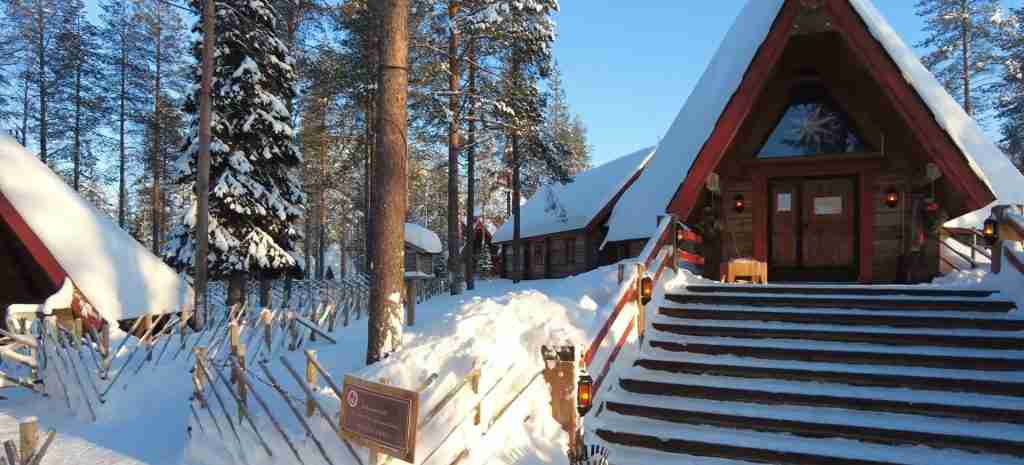
3 days
Rovaniemi 3-Day Discovery Tour
- ✓ Comprehensive Rovaniemi experience
- ✓ Expert local guides included
- ✓ All accommodation included
- ✓ Transportation provided

5 days
Rovaniemi 5-Day Highlights Experience
- ✓ Comprehensive Rovaniemi experience
- ✓ Expert local guides included
- ✓ All accommodation included
- ✓ Transportation provided
7 days
Rovaniemi 7-Day Cultural Journey
- ✓ Comprehensive Rovaniemi experience
- ✓ Expert local guides included
- ✓ All accommodation included
- ✓ Transportation provided
10 days
Rovaniemi 10-Day Complete Adventure
- ✓ Comprehensive Rovaniemi experience
- ✓ Expert local guides included
- ✓ All accommodation included
- ✓ Transportation provided
Multi-day tour packages powered by TourRadar. Prices and availability subject to change.
Introduction: Understanding Reindeer’s Role in Lapland
Reindeer have shaped the identity, culture, and survival of Lapland’s indigenous Sámi people and later Finnish settlers for thousands of years. These remarkable animals adapted specifically to Arctic conditions represent far more than tourist attractions—they remain central to living culture, traditional livelihoods, and the very fabric of life above the Arctic Circle. Understanding this deep cultural significance transforms reindeer safari experiences from simple amusement to genuine cultural immersion.
Archaeological evidence suggests Sámi peoples have practiced reindeer herding in Lapland for at least 3,000 years, with some theories proposing even longer relationships. Unlike caribou in North America or other wild reindeer populations, Lappish reindeer exist in a unique state of semi-domestication. They’re not fully wild—herders maintain ownership, guide migration patterns, and manage breeding. Yet they’re not confined livestock either—reindeer roam freely across vast territories following seasonal food sources and traditional migration routes, much as their wild ancestors did.
This semi-domestication created a sophisticated culture of reindeer herding that required intimate knowledge of animal behavior, weather patterns, seasonal cycles, and wilderness survival. Traditional Sámi culture organized itself around reindeer, with seasonal movements following the herds, specialized equipment for managing animals, elaborate systems for marking ownership, and cultural practices celebrating the relationship between herders and their animals. The Finnish language contains dozens of specific words describing different types of reindeer, their ages, gender, and characteristics—linguistic richness that reveals how central these animals remain to cultural identity.
Modern reindeer herding in Finland continues as both cultural practice and economic livelihood. Approximately 200,000 reindeer roam Lapland today, owned by roughly 4,000 herders who maintain traditional practices while adapting to contemporary challenges including climate change, predator management, and tourism. The herding area encompasses the entire northern third of Finland—a vast territory where reindeer possess legal right to roam freely, even crossing roads and occasionally wandering into settlements.
Reindeer meat remains a staple of Lappish cuisine, featured prominently in traditional dishes and modern restaurants throughout the region. Antlers are harvested annually when they naturally shed and used for handicrafts, tools, and traditional medicine. Hides become leather for clothing, bags, and other products that combine functionality with cultural authenticity. Every part of the reindeer serves purposes, reflecting the resourcefulness that enabled survival in one of Earth’s harshest climates.
Tourism represents a relatively recent addition to reindeer’s economic importance. Over the past several decades, some herding families have opened their farms to visitors, offering cultural experiences that provide supplemental income while sharing traditional knowledge with outsiders. These tourism operations help sustain herding practices by making them economically viable for younger generations who might otherwise abandon traditional livelihoods for urban employment.
For visitors, reindeer safaris offer privileged glimpses into this living culture. Unlike staged performances or museum exhibits, reindeer farms represent working operations where tourism intersects with authentic traditional practices. The herders guiding safaris aren’t actors but genuine professionals whose families have practiced reindeer husbandry for generations, whose livelihoods depend on animal health and wellbeing, and whose cultural identity remains inseparable from their relationship with reindeer.
The Reindeer Safari Experience: What to Expect
A typical reindeer safari from Rovaniemi unfolds as a carefully orchestrated experience designed to maximize both enjoyment and cultural education while respecting animal welfare and environmental sustainability. Understanding the standard progression helps visitors appreciate each component and prepare appropriately for the adventure.
Most safaris begin with pickup from Rovaniemi accommodations or a central meeting point. Tour operators use comfortable heated vehicles equipped for Arctic conditions, transporting participants the 15-30 kilometers to reindeer farms located in quieter areas away from city development. The drive itself offers opportunities to observe Lapland’s landscape transitioning from urban Rovaniemi to the vast forests and frozen lakes that characterize the region’s wilderness.
Upon arrival at the reindeer farm, guides provide Arctic clothing for participants who don’t have adequate personal gear. This typically includes full-body thermal overalls, insulated boots rated for extreme cold, thick mittens, and warm hats. Even visitors who arrive well-dressed often appreciate these additional layers, as sitting relatively motionless in a sleigh feels colder than active winter pursuits. Guides size clothing appropriately and ensure everyone feels comfortable before proceeding.
The initial farm orientation introduces participants to reindeer and explains their significance in Lappish culture. Guides—often from families with multi-generational herding backgrounds—share knowledge about reindeer biology, behavior, seasonal cycles, and traditional management practices. Participants learn fascinating details: reindeer are the only deer species where both males and females grow antlers; they can detect UV light invisible to humans, helping them navigate Arctic darkness; their noses warm air before breathing, preventing lung damage from extreme cold; and their hooves adapt seasonally, becoming sharp-edged in winter to provide traction on ice.
Meeting the actual safari reindeer creates memorable moments of connection with these gentle animals. Reindeer used for sleigh pulling receive specialized training from young ages, becoming accustomed to human interaction, harnesses, and the work of pulling sleds. They remain semi-wild with strong instincts and personalities, but accept human presence calmly. Many participants feel surprised by reindeer size—larger than expected with impressive antlers (when present) and thick winter coats that make them appear even more substantial.
The sleigh ride itself provides the experience’s emotional centerpiece. Traditional Lappish sleds consist of boat-shaped vessels mounted on curved runners, typically accommodating two passengers who sit bundled under thick blankets or reindeer hides. Modern sleds used for tourism maintain traditional designs while incorporating safety features and comfort improvements. Each sled connects to a single reindeer via a harness system that has evolved over centuries to distribute weight evenly without causing discomfort.
Departure begins gently as reindeer start moving at their natural walking pace—slower than most visitors expect but perfect for absorbing the surrounding environment. The pace allows detailed observation of the forest, appreciation for the silence broken only by sleigh runners gliding over snow and the soft sounds of reindeer movement, and genuine relaxation into the rhythmic motion. Some visitors initially wish for faster movement but soon appreciate the contemplative quality that speed would destroy.
Routes typically traverse forest trails, across frozen lakes, and through varied terrain showcasing Lapland’s winter landscapes. Snow-laden pine and birch trees create tunnel-like passages, frozen lake crossings offer expansive views of white emptiness stretching to distant tree lines, and gentle hills provide sledding excitement as reindeer navigate downward slopes. The silence of the Arctic wilderness impresses many visitors—without mechanical sounds, conversation, or urban noise, the environment feels profoundly peaceful.
During rides, guides share additional information about the landscape, point out animal tracks visible in snow, explain traditional navigation methods, and ensure everyone remains comfortable and safe. Some safaris allow participants to try driving reindeer themselves—a surprisingly challenging skill requiring subtle communication through reins and voice commands. Most discover that reindeer possess strong wills and follow their training and instincts more than human direction, revealing the partnership aspect of traditional herding rather than simple control.
Rides conclude back at the farm where the second major component begins—gathering around a campfire. Traditional Lappish fire sites called “laavu” provide shelter from wind while maintaining the open-air connection to nature. Here, participants warm themselves by crackling fires, enjoy hot berry juice or coffee, and often sample traditional snacks like Lappish bread or small pastries. This social period allows conversation with guides, questions about reindeer and traditional life, and camaraderie among participants sharing the experience.
Many safari packages include additional elements during this gathering time. Some provide full meals featuring traditional Lappish cuisine—reindeer stew, salmon soup, or other regional specialties cooked over open fires. Photography opportunities abound as guides help participants capture images with reindeer, dressed in provided Arctic gear, or posed against photogenic backdrops of snow-covered wilderness. Cultural demonstrations might include showing traditional tools, explaining how reindeer antlers are used in handicrafts, or discussing the annual herding cycle.
Before departure, many farms offer opportunities to purchase authentic Lappish handicrafts directly from herders. These items often include products made from reindeer materials—leather goods, antler carvings, or fur items—creating meaningful souvenirs that directly support herding families while providing genuine cultural artifacts rather than mass-produced tourist trinkets.
Return transportation completes the experience, delivering participants back to Rovaniemi accommodations typically 2-4 hours after original pickup. Many visitors report feeling simultaneously energized by the adventure and deeply relaxed by the peaceful time in nature, a combination that makes reindeer safaris particularly restorative experiences amid busy travel itineraries.
Choosing a Reindeer Safari Operator
Selecting the right reindeer safari operator significantly impacts the overall experience quality, animal welfare standards, cultural authenticity, and personal satisfaction. Understanding evaluation criteria helps visitors make informed choices aligned with their values and expectations.
Family-owned and operated farms generally provide the most authentic experiences. Operations like Porohaka Reindeer Farm, Sieriporo Safaris, and Taava Reindeer Farm represent genuine herding families who supplement traditional livelihoods with tourism. These operators offer direct connections to living culture, with guides whose own families have practiced reindeer herding for generations. Their knowledge comes from lived experience rather than training manuals, and their commitment to animal welfare stems from generational relationships with their herds.
Group size substantially affects experience quality. Smaller groups (6-12 participants) allow more personal attention from guides, better opportunities for questions and cultural exchange, more flexible timing, and often more intimate encounters with reindeer. Large commercial tours cramming 30-50 people onto buses create assembly-line atmospheres where individual needs and interests get lost in logistics. While larger tours may cost less, the value diminishes proportionally.
Included services vary significantly among operators and price points. Basic safaris might include only transportation and a short sleigh ride, while premium packages incorporate Arctic clothing rental, extended rides, meals, photography services, and additional activities. Comparing inclusions helps assess actual value—an apparently expensive safari that includes comprehensive clothing, lunch, and 3-4 hours of activities may represent better value than a cheaper option charging extra for clothing rental and providing only minimal time at the farm.
Animal welfare indicators help identify responsible operators. Ethical operations maintain appropriate herd sizes without overcrowding, provide natural grazing areas supplemented with proper nutrition, employ experienced herders who handle animals calmly and knowledgeably, rotate working reindeer to prevent fatigue, schedule rest periods between safari groups, and discuss animal care openly when asked. Red flags include overcrowded facilities, reindeer appearing stressed or in poor condition, reluctance to discuss animal management, or operations prioritizing maximum profit over animal wellbeing.
Cultural authenticity varies among safari providers. Some operations focus heavily on cultural education, explaining traditional practices, sharing family histories, demonstrating traditional tools and techniques, and connecting visitors meaningfully to Lappish heritage. Others emphasize entertainment value with minimal cultural content. Visitors seeking genuine cultural immersion should research operators’ approaches and select those prioritizing authentic experiences over superficial amusement.
Location relative to Rovaniemi affects logistics. Farms 15-20 kilometers from the city provide convenient access with shorter transfer times, while those 30-40 kilometers distant require longer drives but often offer more remote, wilderness-feeling settings. Neither is inherently better—the choice depends on available time, desire for convenience versus remoteness, and whether extended driving constitutes appealing landscape viewing or wasted transit time.
Booking flexibility and cancellation policies merit consideration, particularly during winter when weather can force activity cancellations. Responsible operators maintain flexible policies allowing reschedules when conditions become unsafe, refund deposits if tours cannot operate, and communicate proactively about weather concerns. Strict no-refund policies or resistance to weather-related flexibility suggest operations prioritizing revenue over safety and customer satisfaction.
Reviews and recommendations provide valuable insights but require critical evaluation. Look for detailed reviews mentioning specific aspects like guide knowledge, animal condition, cultural content, and overall organization rather than brief “amazing!” comments. Recent reviews (within 6 months) prove more reliable than older testimonials that may not reflect current operations. Consistent patterns across multiple reviews—either positive or negative—typically indicate accurate assessments.
Seasonal Considerations and Timing
Reindeer safari experiences vary dramatically across seasons, with winter sleigh rides offering completely different encounters than summer farm visits. Understanding seasonal characteristics helps visitors select timing aligned with their preferences and expectations.
Winter safari season typically runs from early December through late April, though exact timing depends on snow conditions. December brings the first reliable snow coverage, creating the classic winter wonderland appearance that defines many visitors’ Lapland fantasies. Early winter (December-January) coincides with peak tourism season around Christmas and New Year’s, bringing largest crowds, highest prices, and most festive atmosphere but also potential booking difficulties and rushed experiences.
Deep winter from January through March offers optimal conditions for reindeer safaris. Snow reaches maximum depth, temperatures stabilize in cold but predictable ranges, and daylight begins increasing noticeably through late winter. This period often provides the best balance of excellent snow conditions, reduced crowds compared to December, and reasonable prices while still offering full winter experiences. Northern lights viewing remains excellent throughout deep winter, with dark evenings providing optimal aurora observation conditions.
Late winter (March-April) presents transitional conditions as temperatures moderate and daylight extends dramatically. March still offers solid winter conditions with reliable snow, while April sees spring’s arrival with warming temperatures, longer days, and sometimes patchy snow coverage. Late winter advantages include substantial daylight hours making photography easier, warming temperatures reducing extreme cold stress, and spring’s approach bringing subtle landscape changes. However, snow quality degrades and some farms begin winding down winter operations.
Summer reindeer experiences (June-August) substitute sleigh rides with alternative activities. Meeting and feeding reindeer, learning about their lifecycle, observing calves born in spring, understanding traditional herding practices, and enjoying the midnight sun phenomenon create summer-specific appeal. Families with young children often prefer summer visits that provide meaningful reindeer encounters without battling extreme cold. Photography enthusiasts appreciate the midnight sun’s unique lighting and opportunities to capture reindeer in summer coats against green landscapes rather than typical snow scenes.
Shoulder seasons (September-November, May) offer compromises between peak experiences and practical considerations. Early autumn brings spectacular fall colors as birch leaves turn golden and low vegetation develops red and orange hues creating the “ruska” phenomenon treasured by Finns. Snow arrives gradually through November, with early winter sometimes providing winter activities but at reduced prices and with smaller crowds. Late spring (May) sees snow melting rapidly, winter activities ending, but summer operations not yet fully established—generally the least ideal time for reindeer experiences.
Time of day affects winter safari experiences significantly. Morning safaris benefit from maximum available daylight during the darkest months, though temperatures typically reach their coldest in early morning. Midday safaris offer warmest conditions and best natural lighting for photography during the limited daylight hours. Evening and night safaris can incorporate northern lights viewing, creating combined experiences where reindeer rides conclude with aurora hunting—these prove particularly popular during peak season.
Booking lead time requirements vary by season. Christmas week and New Year’s period require booking months in advance—often by September or October—to secure spaces at preferred operators. January through February typically need 2-4 weeks advance booking for popular operators. March and April often allow more last-minute booking, though weekends and school holiday periods still fill quickly. Summer experiences rarely require more than a week’s advance booking except during peak July vacation periods.
Understanding Reindeer: Biology, Behavior, and Culture
Deeper understanding of reindeer biology, behavior, and cultural significance enhances safari experiences by revealing the remarkable adaptations and traditional knowledge systems that enabled human-reindeer partnerships in one of Earth’s most challenging environments.
Reindeer (Rangifer tarandus tarandus) represent the Eurasian subspecies of caribou, specifically adapted to Arctic and subarctic conditions through millions of years of evolution. Their physiological adaptations to extreme cold prove extraordinary. Dense two-layered coats consist of hollow guard hairs providing insulation and water resistance, with thick undercoats trapping air for additional warmth. These coats are so effective that reindeer can comfortably endure temperatures below -40°C while expending minimal energy on thermoregulation.
Reindeer hooves demonstrate remarkable seasonal adaptation. Summer hooves develop spongy pads providing traction on wet tundra and soft summer ground. Winter hooves harden, with edges becoming sharp and hoof pads shrinking to expose the hard rim, creating effective ice cleats that enable secure movement across frozen surfaces. This seasonal morphological change happens automatically through metabolic processes triggered by day length and temperature.
Unique among deer species, both male and female reindeer grow antlers, though timing, size, and purposes differ. Males develop larger antlers used primarily for mating competition, which they shed in late autumn after breeding season concludes. Females grow smaller antlers that they retain throughout winter, using them to compete for food access by sweeping aside snow to reach vegetation. This timing creates the amusing reality that Santa’s sleigh team would actually consist entirely of females, as males have shed their antlers by Christmas.
Reindeer vision includes UV sensitivity—an adaptation that proves valuable in Arctic conditions. Snow and ice reflect UV light strongly, making lichen (reindeer’s primary food source) appear dark against white backgrounds when viewed in the UV spectrum. This adaptation helps reindeer locate food sources invisible to predators lacking UV vision. UV sensitivity also helps detect urine trails and other markers useful for navigation and social communication.
The clicking sounds reindeer make while walking come from tendons sliding over bones in their feet—not from joints as commonly assumed. These sounds serve important functions, helping individuals maintain contact with their herd in blizzard conditions when visibility drops to zero, and allowing mothers to identify their calves by subtle individual variations in click patterns. Reindeer herders learn to interpret these sounds, gaining information about herd movement and individual animal conditions.
Reindeer social structure organizes around seasonal migrations and resource availability. Wild reindeer form large herds during migrations, with thousands traveling together to calving grounds, summer pastures, and winter ranges. Semi-domesticated Lappish reindeer maintain similar instincts but under human guidance that shapes migration patterns, breeding management, and resource allocation. Understanding herd dynamics reveals that individual reindeer constantly assess dominance hierarchies, food availability, and social bonds—they’re not passive livestock but active participants in complex social systems.
Traditional Lappish herding knowledge encompasses detailed understanding of reindeer behavior, seasonal cycles, and management techniques developed over millennia. Herders learn to read weather patterns, predict reindeer movements, identify individual animals from hundreds of meters away based on subtle appearance and behavioral cues, and maintain traditional marking systems using unique ear patterns cut into young reindeer to identify ownership. This knowledge passes orally through generations, with children learning by accompanying parents during all herding activities from early ages.
The annual herding cycle structures traditional Lappish life. Spring brings calving season when pregnant females move to traditional calving grounds to give birth. Summer involves monitoring herds in their summer pastures, separating individuals for various purposes, and marking new calves. Autumn roundups gather scattered herds for breeding management and selection of animals for slaughter. Winter requires ensuring herds access adequate food, protecting against predators, and managing the challenges of extreme cold and deep snow.
Modern challenges to traditional reindeer herding include climate change affecting snow conditions and vegetation patterns, predator pressure from increasing wolf and wolverine populations, conflicts with forestry and development, and economic pressures making traditional livelihoods difficult for younger generations. Tourism provides supplemental income that helps sustain herding families, though it creates new challenges around balancing commercial activities with traditional practices and animal welfare.
Additional Arctic Activities to Combine with Reindeer Safaris
Reindeer safaris combine excellently with other Lapland activities, creating comprehensive Arctic experiences that showcase the region’s diverse attractions while maximizing time and travel investments.
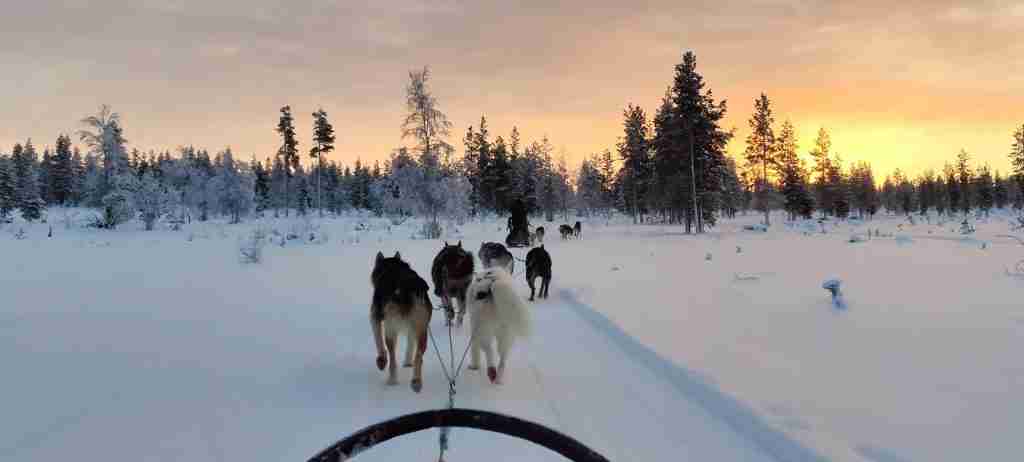
Husky sledding provides thrilling contrast to peaceful reindeer rides. While reindeer move at gentle walking paces encouraging contemplation, husky teams pull sleds at exhilarating speeds requiring active participant involvement in steering and braking. Many operators offer combined packages featuring both reindeer and husky experiences, allowing visitors to appreciate different aspects of traditional Arctic transportation. The energy and enthusiasm of sled dogs contrasts dramatically with reindeer’s calm demeanor, creating balanced experiences that appeal to different moods and preferences.
Snowmobile safaris cover vast distances impossible to reach by reindeer sled, accessing remote wilderness areas, frozen waterfalls, and pristine landscapes far from human development. Guided snowmobile tours range from brief introductory rides to full-day expeditions including ice fishing, wilderness meals, and extensive exploration. Combining a morning reindeer safari with an afternoon snowmobile tour creates action-packed days showcasing both traditional and modern approaches to Arctic winter travel.
Northern lights viewing integrates naturally with evening reindeer safaris. Some operators offer specialized packages where reindeer rides conclude at remote viewing locations away from light pollution, followed by hot drinks and aurora watching. The combination of traditional sleigh travel and spectacular natural phenomena creates profoundly memorable experiences. Success depends on aurora activity and clear skies—neither guaranteed—but even unsuccessful aurora hunts provide magical winter evenings in pristine wilderness.
Ice fishing introduces traditional Arctic survival skills and provides peaceful alternative activities. Guides drill holes through lake ice, provide equipment and instruction, and help participants catch perch, pike, or Arctic char. Many ice fishing experiences include cooking the catch over open fires, combining outdoor skills with delicious fresh meals. The meditative quality of ice fishing complements reindeer safari atmospheres, both emphasizing connection with nature over adrenaline-pumping excitement.
Snowshoeing and cross-country skiing allow self-paced wilderness exploration using traditional transportation methods that predate motorized vehicles. Guided snowshoe hikes access quiet forest areas, teach winter survival skills, and provide opportunities to observe wildlife tracks and winter ecology. The physical activity contrasts with reindeer safari’s passive riding, appealing to visitors seeking exercise alongside cultural experiences.
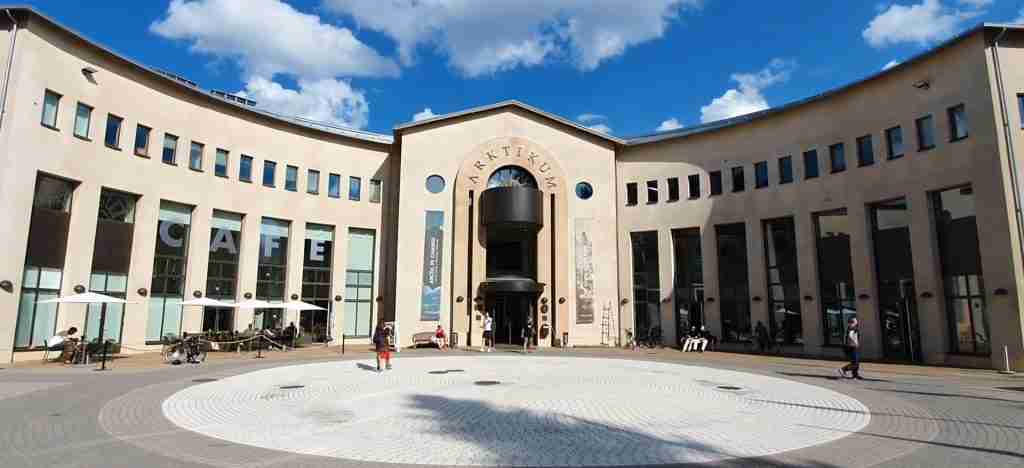
Cultural visits to Sámi museums, cultural centers, and traditional settlements deepen understanding of indigenous heritage that reindeer safaris introduce. The Siida Sámi Museum in Inari (250 kilometers north of Rovaniemi) provides comprehensive education about Sámi culture, history, and contemporary life. Rovaniemi’s own Arktikum museum explores Arctic phenomena and Lappish culture. These educational experiences provide context that enhances appreciation for the living traditions encountered during reindeer safaris.
Santa Claus Village visits represent almost obligatory additions to Rovaniemi itineraries, particularly for families with children. Meeting Santa Claus, crossing the Arctic Circle, and experiencing the Christmas-themed village complement reindeer safaris by extending the magical Arctic atmosphere into different contexts. Many visitors schedule reindeer safaris and Santa Claus Village on the same day, as both sit within easy reach of each other.
Photography on Reindeer Safaris
Reindeer safaris offer exceptional photography opportunities, though Arctic conditions and specific circumstances create both challenges and unique possibilities requiring preparation and technique adaptation.
Camera equipment choices significantly affect photographic success. Smartphone cameras produce acceptable results in good light but struggle with Arctic conditions—cold drains batteries rapidly, touchscreens become unresponsive with gloved hands, and low light performance proves limited. Dedicated cameras with manual controls, optical zoom, and better low-light capabilities capture superior images, particularly during winter’s limited daylight hours. Mirrorless cameras balance image quality with cold weather battery efficiency better than traditional DSLRs, though both work when properly managed.
Cold weather photography requires specific preparation. Batteries discharge much faster in freezing temperatures, making spare batteries essential—store them in interior pockets close to body warmth until needed. Condensation poses serious risks when moving cameras between extreme cold and heated environments. Allow gradual temperature transitions by placing cameras in sealed bags before moving indoors, preventing condensation formation on delicate internal electronics. Memory card writing speeds slow in extreme cold; high-quality cards rated for temperature extremes prevent failures.
Protective measures for equipment include weatherproof camera bags, rain covers adapted for snow, and hand warmers placed strategically to maintain battery temperatures without directly heating camera bodies. Remove any metal camera straps that become painfully cold against bare skin. Consider trigger gloves or fingerless mittens allowing camera operation while protecting hands from frostbite—operating cameras with thick mittens proves nearly impossible.
Compositional opportunities during reindeer safaris span intimate portraits of individual reindeer to expansive landscape shots incorporating sleds, forests, and winter sky. Close-up reindeer portraits benefit from focus on eyes, with shallow depth of field isolating subjects against blurred backgrounds. Capture details like breath condensing in cold air, frost forming on eyelashes and fur, and the texture of thick winter coats. Wide-angle shots can incorporate multiple reindeer, sleds in motion, and the surrounding forest creating context and atmosphere.
Action photography during sleigh rides presents challenges—moving sleds create motion blur unless shutter speeds stay high (1/500 second or faster), yet limited Arctic light often prevents such speeds without raising ISO to levels creating excessive noise. Panning techniques tracking reindeer movement can create intentional motion blur in backgrounds while keeping subjects sharp, producing dynamic images suggesting speed and movement. Burst mode helps capture optimal moments during fast-changing scenes.
Lighting conditions vary dramatically by season and time of day. Winter’s limited daylight creates blue-hour effects throughout midday, with low-angle sun producing warm golden light during brief appearances. Overcast days create soft, even lighting perfect for portraits without harsh shadows. Clear sunny days generate extreme contrast between bright snow and dark forests, challenging camera dynamic range. Experiment with exposure compensation—snow scenes often require +1 to +2 stops overexposure to prevent gray snow in automatic modes.
Northern lights photography during evening safaris demands specific techniques. Use tripods for long exposures (5-30 seconds typical), wide apertures (f/2.8 or wider), and high ISO (1600-6400). Manual focus set to infinity ensures sharp stars and aurora. Include foreground elements like reindeer, sleds, or trees creating composition and scale. Practice these techniques before critical moments, as aurora appears unpredictably and may last only minutes.
Ethical photography considerations respect both animal welfare and participant privacy. Avoid flash photography that may startle reindeer or disturb them during close encounters. Ask permission before photographing other safari participants, particularly children. Respect guides’ instructions about when photography is appropriate versus when attention should focus on experiencing moments rather than documenting them. Balance documentation with presence—some moments deserve full attention without camera mediation.
Post-processing Arctic images often benefits from contrast adjustment to overcome flat lighting, careful exposure recovery in snow highlights and forest shadows, and subtle saturation increases restoring colors that appear muted in raw files. White balance adjustments correct blue casts from snow reflection and twilight conditions. Resist over-processing that creates unrealistic results—Arctic landscapes possess subtle beauty that excessive editing destroys.
Practical Information: Costs, Booking, and Logistics
Understanding practical details about costs, booking procedures, and logistical considerations helps visitors plan reindeer safari experiences effectively and avoid common pitfalls or disappointments.
Typical costs for standard reindeer safaris from Rovaniemi range from €80-140 per adult for basic 2-3 hour experiences including transportation, sleigh rides, and hot drinks by campfire. Extended experiences with meals, additional activities, or longer rides cost €140-200 per person. Private safaris for couples or small groups command premium prices of €200-350 per person but deliver personalized attention and schedule flexibility. Children typically receive 25-50% discounts depending on age, with children under 3-4 often free when sharing sleds with adults. Family packages sometimes offer better value than individual bookings for groups of four or more.
What’s included varies significantly among operators and should be verified when booking. Standard inclusions typically encompass round-trip transportation from Rovaniemi hotels or central meeting points, Arctic winter clothing rental (overalls, boots, mittens, hats), the sleigh ride experience itself, time by campfire with hot drinks, cultural education from guides, and sometimes certificates commemorating the experience. Items often charged extra or not included are professional photography packages, full meals beyond simple snacks, additional activities like snowmobiling, and gratuities for guides. Clarifying inclusions prevents unexpected costs or disappointment about missing expected elements.
Booking procedures recommend advance reservations, particularly during peak winter season from mid-December through early January when popular operators fill weeks or months ahead. Shoulder season (January-February, March-April) typically requires 1-2 weeks advance booking for prime time slots. Last-minute availability exists during quieter periods but limits choice of operators and departure times. Online booking through operator websites or aggregator platforms like GetYourGuide and Viator proves straightforward, though direct bookings sometimes receive better prices or more flexibility.
Cancellation policies merit careful review before booking. Weather-related cancellations occasionally occur when conditions become unsafe for operations—responsible operators reschedule affected participants or provide full refunds. Personal cancellations typically incur fees unless made well in advance (often 24-72 hours before scheduled departure). Travel insurance covering activity cancellations provides peace of mind for expensive bookings, particularly when traveling during seasons with higher weather-related cancellation risks.
Transportation logistics vary by operator. Most provide hotel pickup from Rovaniemi accommodations, though some use central meeting points requiring participants to arrange their own transport. Confirm pickup details including time, location, and any special instructions when booking. Allow buffer time in daily schedules—pickup times listed as 10:00 AM might mean actual departure at 10:15-10:30 once all participants are collected. Return times are estimates that can vary based on conditions and group dynamics.
Group composition affects experience dynamics. Mixed groups with diverse ages and interests create varied social atmospheres—sometimes enriching through diversity, sometimes complicated by conflicting needs. Private bookings eliminate this variable, creating consistent experiences tailored to specific group preferences. Solo travelers joining scheduled group tours should expect social experiences and shouldn’t count on extensive one-on-one guide interaction that private bookings provide.
Physical requirements for reindeer safaris remain minimal—participants need only ability to walk short distances on snow, climb into and out of sleds, and sit comfortably for 15-30 minutes. Operators accommodate most physical limitations with advance notice. Mobility challenges may limit participation in certain activities like self-driving sleds but shouldn’t prevent enjoying guided rides. Weight limits exist for equipment safety—typically 100-120 kilograms per person—though this varies by operator and sled type.
Health and safety considerations include frostbite prevention through proper clothing, hydration despite cold conditions, and awareness of personal limits in extreme temperatures. Guides provide safety briefings and monitor participants for concerning signs. Pregnant travelers should consult healthcare providers before booking, as sleigh rides involve bumpy movement over uneven terrain. Motion sickness rarely affects participants but can occur—those susceptible should take preventive measures.
Language barriers rarely create significant issues, as most Rovaniemi-area operators employ multilingual guides speaking English, Finnish, and often additional languages including German, French, or Mandarin. However, smaller family operations may offer Finnish-language-only experiences—clarify language capabilities when booking if this matters. Many visitors report that limited shared language sometimes enhances experiences by encouraging alternative communication and emphasizing universal connection with nature and animals.
Environmental Impact and Sustainable Tourism
Reindeer safari tourism intersects with environmental sustainability and responsible travel practices in complex ways deserving thoughtful consideration. Understanding impacts and choosing operators committed to minimizing harm helps ensure this magical experience remains available for future generations.
Reindeer herding itself represents sustainable resource use when practiced traditionally. Semi-domesticated reindeer feed primarily on naturally occurring lichen, mosses, and vegetation without requiring cultivated crops or intensive farming inputs. Their grazing patterns, when managed traditionally according to seasonal migrations, maintain ecological balance and prevent overgrazing that would damage fragile Arctic ecosystems. The practice has sustained human populations for thousands of years without depleting resources or causing environmental degradation.
Modern tourism introduces complications to this traditional sustainability. Increased visitor numbers require more working reindeer, potentially expanding herd sizes beyond optimal ecological levels. Infrastructure development for tourism—buildings, parking areas, roads—fragments habitat and alters natural landscapes. Visitor transportation generates emissions and environmental impact proportional to distance traveled and vehicle efficiency. Food service for tourists creates waste and requires resource inputs beyond what traditional operations needed.
Responsible operators minimize tourism’s environmental footprint through multiple strategies. Maintaining appropriate herd sizes that don’t exceed land carrying capacity protects vegetation and ensures animal health. Using traditional grazing lands and migration routes rather than creating artificial feeding areas preserves natural behaviors and ecological functions. Limiting visitor numbers per day prevents overcrowding and excessive stress on both animals and environment. Investing in fuel-efficient or electric transportation reduces emissions from necessary vehicle use.
Waste management practices distinguish ethical operations from less responsible alternatives. Proper disposal and recycling systems for visitor-generated waste, composting organic materials, minimizing single-use plastics, and educating visitors about environmental responsibility all contribute to reduced impact. Facilities should demonstrate visible commitment to sustainability rather than merely paying lip service in marketing materials.
Cultural sustainability requires protecting traditional knowledge and practices from commercialization pressures that prioritize profit over authenticity. Operators who maintain traditional herding methods, pass knowledge to younger generations, balance tourism income with traditional livelihood practices, and resist pressures to maximize short-term profits at culture’s expense contribute to long-term cultural survival. Visitors support cultural sustainability by choosing operators demonstrating genuine cultural commitment over those offering superficial staged experiences.
Visitor behavior significantly impacts environmental and cultural sustainability. Following guide instructions protects both safety and environment. Staying on designated trails prevents vegetation damage. Properly disposing of all waste prevents pollution. Respecting cultural practices and knowledge shared by guides honors living traditions. Purchasing authentic handicrafts directly from herding families supports traditional economics. Being patient with reindeer and accepting natural paces over desires for more exciting experiences respects animal welfare.
Climate change creates increasingly significant challenges for reindeer herding and Arctic tourism generally. Warming temperatures alter snow conditions, affect vegetation patterns, enable new parasites and diseases, disrupt traditional migration timing, and create unpredictable weather patterns that complicate planning. Supporting operators who acknowledge climate challenges and adapt practices sustainably helps build resilience. Minimizing personal carbon footprints through efficient transportation choices and offsetting unavoidable emissions demonstrates commitment to protecting environments that tourism depends upon.
Certification programs like Sustainable Travel Finland identify operators meeting specific environmental and cultural sustainability criteria. While not perfect, these certifications provide useful screening tools. Visitors should look for operators displaying sustainability certifications, ask questions about environmental and cultural practices, and make booking decisions that reward demonstrated commitment to responsible tourism.
Frequently Asked Questions
How Much Do Reindeer Safaris Cost from Rovaniemi?
Standard reindeer safari experiences from Rovaniemi typically cost €80-140 per adult for 2-3 hour tours including round-trip transportation, Arctic winter clothing rental, approximately 15-30 minute sleigh rides, time by campfire with hot drinks, and cultural education from guides (check official operator websites for current rates). Children usually receive 25-50% discounts depending on age, with those under 3-4 often free when sharing sleds with parents. Extended experiences featuring longer rides, traditional meals, photography packages, or additional activities like ice fishing range from €140-200 per person. Private safaris for couples or small groups cost €200-350 per person but deliver personalized attention, flexible scheduling, and intimate experiences without other tourists. Family packages sometimes offer better value than individual bookings. Prices fluctuate seasonally, with peak winter months (December-January) commanding highest rates and shoulder seasons (March-April, September-November) offering discounts. What’s included varies among operators—always verify whether clothing rental, meals, transportation, and other elements are covered in quoted prices or charged separately.
Are Reindeer Safaris Worth the Money?
Reindeer safaris deliver exceptional value for visitors seeking authentic cultural experiences, connection with nature, and understanding of traditional Lappish heritage beyond their immediate entertainment value. The experiences provide genuine encounters with semi-wild animals central to Arctic culture for millennia, education from guides whose families have practiced herding for generations, peaceful time in pristine wilderness environments, and participation in living traditions that connect past and present. For many visitors, reindeer safaris rank as trip highlights they remember years later—the combination of animal encounters, cultural immersion, natural beauty, and the meditative quality of sleigh rides creates powerful memories that photographs and souvenirs can’t fully capture. However, value depends partly on expectations and interests. Visitors expecting fast-paced excitement or extensive wildlife viewing may feel disappointed by the gentle pace and limited ride duration. Those appreciating cultural depth, peaceful nature connection, and authentic traditions consistently report high satisfaction. Families with young children find particular value as reindeer encounters delight kids while remaining accessible regardless of age or physical ability. The cost represents fair compensation for operators maintaining animals year-round, preserving traditional knowledge, and providing quality experiences while sustaining challenging livelihoods in one of Earth’s harshest environments.
What Is the Best Time of Year for Reindeer Safaris?
The best time for reindeer safaris depends entirely on personal preferences regarding weather, activities, and desired experiences. Winter months from December through March offer quintessential Arctic winter wonderland conditions with guaranteed snow, traditional sleigh rides through frozen forests, opportunities to combine safaris with northern lights viewing, and the full magical atmosphere many visitors imagine. However, extreme cold, limited daylight hours, peak-season crowds, and highest prices accompany these advantages. January through February provides optimal balance of excellent snow conditions, increasing daylight hours, moderating temperatures compared to December, and reduced crowds after Christmas rush while maintaining full winter experiences. March and April offer transitional late winter conditions with substantial daylight making photography easier, warming temperatures reducing cold stress, spring’s approach visible in subtle landscape changes, but deteriorating snow quality and some operators beginning to wind down winter operations. Summer (June-August) presents completely different experiences—no sleigh rides but opportunities to meet reindeer, observe calves, learn about herding without extreme cold, and experience the midnight sun phenomenon. Summer particularly suits families with young children who benefit from comfortable temperatures and meaningful animal encounters without battling Arctic winter conditions.
Can Children Participate in Reindeer Safaris?
Reindeer safaris welcome children and actually rank among the most child-friendly Arctic activities available. The gentle pace, passive riding experience, and animal encounters appeal strongly to young children who might find more adventurous activities frightening or physically demanding. Most operators accept children of all ages, including infants, though very young children typically share sleds with parents rather than riding independently. Children aged 4-10 often find reindeer safaris most magical, at ages when belief in Christmas magic and fascination with animals peak while physical capabilities allow comfortable participation. Teenagers may find the relatively tame experience less exciting than snowmobiling or husky sledding but often appreciate the peaceful nature connection and cultural education aspects. Practical considerations include ensuring children have adequate warm clothing—proper sizing of rental gear matters enormously for their comfort and safety. Parents should manage expectations about ride duration, as some children become impatient during the relatively brief 15-30 minute sleigh rides. However, the complete safari experience including meeting reindeer, learning from guides, and time by campfire typically holds children’s attention for the full 2-3 hour program. Most operators provide child-friendly hot chocolate rather than coffee, offer shortened cultural explanations appropriate for young attention spans, and demonstrate patience with children’s excitement or nervousness around large animals.
What Should You Not Do on a Reindeer Safari?
Several behaviors compromise safety, animal welfare, guide effectiveness, and overall group experience during reindeer safaris. Never approach or touch reindeer without explicit permission from guides—despite appearing calm, these remain semi-wild animals with unpredictable responses to perceived threats. Sudden movements, loud noises, or attempts to grab reindeer can startle them, potentially causing injury to animals or people. Never feed reindeer human food or anything not provided by guides—inappropriate food can sicken animals and disrupts their natural feeding patterns. Avoid flash photography that may startle reindeer or disturb their composure during close encounters. Do not attempt to drive sleds aggressively or force faster speeds than reindeer naturally choose—this stresses animals, creates safety risks, and demonstrates disrespect for animal welfare and traditional practices. Never leave the designated sled or wander from established routes without guide permission—Arctic conditions create genuine dangers including getting lost, falling through thin ice, or suffering frostbite. Do not litter or leave any waste—Arctic environments heal slowly from damage, and pollution fundamentally conflicts with the natural beauty that makes safaris special. Avoid excessive alcohol before or during safaris, as impaired judgment in extreme cold creates serious safety risks. Do not ignore guide instructions about safety, timing, or appropriate behavior—guides base their directions on experience and knowledge crucial for positive outcomes. Finally, avoid treating the experience as merely a photo opportunity—while photography provides wonderful memories, constant camera focus prevents genuine presence and appreciation for moments that deserve full attention.
How Cold Is Too Cold for Reindeer Safaris?
Reindeer safaris typically operate in temperatures ranging from 0°C down to approximately -25°C to -30°C, though exact cutoffs vary by operator and conditions. Properly equipped visitors can comfortably enjoy safaris throughout this range when operators provide appropriate Arctic-grade thermal clothing and experiences are structured to limit continuous outdoor exposure. Temperatures below -30°C create serious safety concerns—frostbite risk increases substantially, equipment reliability decreases, and maintaining comfort becomes challenging even with premium gear. Responsible operators cancel or reschedule safaris when temperatures drop to dangerous levels, prioritizing safety over revenue. However, “feels like” temperature matters more than actual thermometer readings—wind chill significantly affects comfort and safety. Calm conditions at -25°C may feel more comfortable than -15°C with strong winds. Operators experienced with Arctic conditions assess multiple factors including temperature, wind, precipitation, and participant preparedness when deciding whether to proceed. Visitors should trust operator judgment about condition safety rather than insisting on proceeding during marginal weather. That said, with proper preparation and clothing, surprisingly cold temperatures become manageable—many visitors successfully enjoy safaris at -20°C to -25°C and report that thick blankets in sleds, limited actual ride duration, and campfire warmth afterward create comfortable experiences. The key lies in realistic expectations, proper clothing, and choosing operators who prioritize safety and provide genuinely adequate cold-weather gear rather than minimal protection.
Do Reindeer Safaris Run in Bad Weather?
Weather management for reindeer safaris involves balancing safety, animal welfare, and visitor experience in an environment where “bad weather” represents normal conditions rather than rare occurrences. Light to moderate snowfall typically doesn’t affect operations—fresh snow actually enhances visual beauty and provides quintessential Arctic atmosphere. Steady temperatures, even very cold ones, allow safaris to proceed when participants have proper clothing. However, certain conditions force cancellations or modifications. Heavy blizzards creating zero visibility present obvious safety concerns making navigation impossible and creating risks of participants becoming separated from groups. Extreme wind chill beyond normal Arctic cold threatens frostbite even with premium protective gear. Ice storms creating treacherous ground conditions risk injuries to both people and reindeer. Unseasonably warm temperatures causing snow to become wet and slushy or revealing bare ground make sleigh rides impossible. Responsible operators communicate proactively about weather concerns, offer flexible rescheduling without penalty when conditions warrant cancellation, and prioritize long-term reputation and safety over short-term revenue from proceeding despite marginal conditions. Visitors should maintain flexible schedules allowing rescheduling if necessary and should trust operator expertise about condition safety. Most operators prefer proceeding when possible—cancellations cost them revenue too—so cancellation decisions typically indicate genuinely unsafe conditions. Understanding that some weather impact is inevitable when visiting the Arctic in winter helps maintain realistic expectations. Travel insurance covering activity cancellations provides financial protection if weather prevents planned experiences during limited vacation windows.
Can Vegetarians or Vegans Enjoy Reindeer Safari Experiences?
Vegetarians and vegans can absolutely enjoy reindeer safari experiences, as the core activity involves sleigh rides, animal encounters, and cultural learning rather than requiring consumption of any animal products. However, traditional Lappish culture centers heavily on reindeer in ways extending beyond simple transportation—reindeer meat forms a cuisine staple, hides become leather for clothing and handicrafts, and virtually every part of the animal serves traditional purposes. This reality means vegetarian and especially vegan visitors may encounter aspects of traditional culture that conflict with their values. Most reindeer safaris include campfire gatherings where guides might serve traditional snacks potentially including reindeer meat, though coffee, berry juice, and often pastries or bread provide vegetarian alternatives. Safari packages including meals may feature reindeer stew or other meat-based traditional dishes—vegetarians should inquire when booking about alternative meal options and clearly communicate dietary requirements. Many operators accommodate dietary restrictions when notified in advance, though options may be limited compared to urban restaurants. The philosophical tension between valuing reindeer as beautiful animals worthy of protection and respect versus traditional cultures that sustainably harvest reindeer for survival creates genuine ethical complexity. Thoughtful vegetarian and vegan travelers often reconcile this by appreciating the fundamental difference between traditional subsistence use honoring animals’ roles in culture and ecosystem versus industrial meat production, recognizing that Lappish reindeer herding represents one of the most sustainable, humane animal husbandry systems humans have developed. Visitors should reflect on their comfort levels with this cultural context before booking, communicate dietary needs clearly, ask questions about how experiences involve animal products beyond riding, and approach cultural differences with respect even when personal values differ.
What Happens If You Fall Out of a Reindeer Sled?
Falls from reindeer sleds occur rarely due to the gentle pace, smooth trails, and traditional sled designs that provide stability, but they can happen when sleds hit unexpected bumps, take sharp turns, or when passengers shift weight inappropriately. Modern sleds used for tourism incorporate safety features including secure seating, restraints or rails preventing slides, and designs that protect passengers even during unexpected movements. The low speeds typical of reindeer travel—usually walking pace, occasionally trotting—mean that falls rarely result in serious injuries, particularly given the soft snow landing surface in winter conditions. However, appropriate concern remains warranted. If a fall occurs, the first priority involves ensuring the passenger isn’t injured and hasn’t landed in positions creating continued risk from following sleds. Guides immediately stop the procession, check on fallen passengers, and assess whether continuing is safe or whether return to the farm is necessary. Passengers typically brush off snow, resume their positions, and complete rides without incident after momentary embarrassment. However, anyone experiencing pain, dizziness, or other concerning symptoms should inform guides immediately rather than attempting to continue. Prevention far exceeds cure—following guide instructions about weight distribution, holding provided handles or straps, avoiding standing or sudden movements, and maintaining awareness of upcoming terrain changes prevents most potential falls. Children riding with adults should be held securely, particularly during any slope descents or turns. Overall, reindeer sled safety records prove excellent, with serious incidents extremely rare when operators maintain equipment properly and provide adequate safety briefings.
Can You Drive the Reindeer Sled Yourself?
Many reindeer safari operators offer opportunities for participants to try self-driving reindeer sleds, though this involves substantially more skill and challenge than most visitors anticipate. Traditional reindeer driving requires subtle communication through reins, voice commands in Finnish or Sámi languages the reindeer understand, body positioning affecting weight distribution, and understanding individual reindeer personalities and behaviors. Reindeer aren’t horses—they possess strong wills, follow training and instincts more than human direction, and respond to guidance rather than accepting absolute control. Self-driving experiences typically begin with guides demonstrating techniques, positioning participants in sleds with reindeer already harnessed, providing basic instruction about rein use and voice commands, then allowing participants to guide reindeer along established trails for short distances while guides walk alongside or follow behind. Success varies dramatically—some visitors quickly develop rapport with their reindeer and manage basic direction changes, while others discover their reindeer completely ignore all attempted commands and follow their own preferred paths. This unpredictability forms part of the authentic experience, revealing the partnership nature of traditional herding rather than simple vehicle operation. Children rarely participate in self-driving due to strength requirements and safety concerns, though teenagers and adults of reasonable fitness can try. The experience provides humbling lessons about traditional skills requiring years to master, appreciation for the knowledge held by herding families, and often hilarious moments when reindeer demonstrate their independence by stopping to eat lichen, refusing to turn when directed, or generally displaying personalities that resist human control. Visitors hoping to self-drive should specifically seek operators offering this option and should approach the experience with humor and humility rather than expectations of mastery.