
Red Rock Canyon Day Trip from Las Vegas 2026: Complete Travel Planning Guide
Red Rock Canyon National Conservation Area offers Las Vegas visitors a dramatic desert escape just 17 miles west of the Strip, where towering sandstone cliffs and vibrant geological formations replace neon lights with natural beauty. This comprehensive planning guide equips you with verified 2026 entrance fees, transportation strategies, hiking trail details, and complete day trip logistics for experiencing one of Nevada’s most spectacular natural landmarks.
Key Takeaways for Red Rock Canyon Day Trip 2026
- Budget Planning 2026: Independent visitors spend $40-85 per person for the day including vehicle rental share, park entrance, and meals, while guided tour participants invest $89-150 per person with transportation and narration included
- Timed Entry Requirement 2026: Advance reservations mandatory October 1 through May 31 between 8am-5pm with $20 vehicle entrance fee plus $2 reservation fee, while summer months (June 1-September 30) require no reservation and allow fee station purchase
- Transportation Distance 2026: The 30-minute drive from Las Vegas Strip covers 17 miles on Charleston Boulevard/State Route 159, making morning departures ideal for avoiding desert heat and securing parking at popular trailheads
- Activity Duration 2026: Most visitors allocate 3-5 hours for the complete 13-mile scenic drive with photo stops and one moderate hike, though serious hikers and climbers often spend 6-8 hours exploring multiple canyon systems
- Seasonal Timing 2026: Fall (September-November) and spring (March-May) deliver comfortable 65-80°F temperatures perfect for hiking, while summer exceeds 100°F requiring early morning visits and winter occasionally brings snow to higher elevations
- Essential Equipment 2026: Bring twice the water you estimate needing (minimum one gallon per person), sun protection including wide-brim hat and SPF 50+ sunscreen, sturdy closed-toe hiking shoes, and downloaded offline maps since cell service remains unreliable throughout the conservation area
People Also Ask About Red Rock Canyon Day Trip 2026
How much does a Red Rock Canyon day trip cost in 2026?
Independent visitors driving their own rental car spend $40-85 per person for a Red Rock Canyon day trip in 2026, while guided tour participants invest $89-150 per person with everything included. The independent option breaks down to $20-35 per person for vehicle rental share (assuming two sharing), $10 per person for park entrance (vehicle fee divided between two), $3-4 per person for fuel, $10-25 for meals and snacks, and $5 for miscellaneous supplies. Guided tours eliminate rental costs and include transportation, park fees, professional narration, and often water and snacks in the $89-150 per person rate.
Do I need a reservation to visit Red Rock Canyon in 2026?
Timed entry reservations are mandatory for Red Rock Canyon from October 1 through May 31 between 8am-5pm in 2026, purchased through Recreation.gov for $20 vehicle entrance fee plus $2 reservation fee. Summer visitors (June 1-September 30) enter without reservations and pay the $20 entrance fee directly at the fee station. Reservation holders select a one-hour arrival window and can remain in the conservation area the entire day after entry, though re-entry requires a new reservation.
Is Red Rock Canyon worth visiting from Las Vegas in 2026?
Red Rock Canyon absolutely justifies the 30-minute drive from Las Vegas in 2026, delivering world-class geological formations, 26 diverse hiking trails, ancient petroglyphs, and complete ecosystem contrast to the urban Strip within a half-day timeframe. The conservation area’s 13-mile scenic drive provides stunning photography opportunities accessible to all fitness levels, while serious hikers access technical slot canyons and summit trails. The destination serves everyone from families seeking easy nature walks to experienced climbers tackling vertical sandstone faces, all within 17 miles of Las Vegas hotels.
What is the best time to visit Red Rock Canyon in 2026?
March through May and September through November represent ideal visiting windows in 2026, delivering comfortable 65-80°F temperatures perfect for hiking without the extreme heat or occasional winter snow. Spring wildflower blooms peak in late March through April, while fall’s golden light enhances already vivid red sandstone colors. Summer visitors (June-August) must depart Las Vegas before 7am to complete hikes before temperatures exceed 100°F, and winter months (December-February) require flexibility for occasional weather closures at higher elevations.
Extended multi-day tours – 5+ days
Featured Las Vegas Multi-Day Tour Packages

3 days
Las Vegas 3-Day Discovery Tour
- ✓ Comprehensive Las Vegas experience
- ✓ Expert local guides included
- ✓ All accommodation included
- ✓ Transportation provided

5 days
Las Vegas 5-Day Highlights Experience
- ✓ Comprehensive Las Vegas experience
- ✓ Expert local guides included
- ✓ All accommodation included
- ✓ Transportation provided

7 days
Las Vegas 7-Day Cultural Journey
- ✓ Comprehensive Las Vegas experience
- ✓ Expert local guides included
- ✓ All accommodation included
- ✓ Transportation provided
10 days
Las Vegas 10-Day Complete Adventure
- ✓ Comprehensive Las Vegas experience
- ✓ Expert local guides included
- ✓ All accommodation included
- ✓ Transportation provided
Multi-day tour packages powered by TourRadar. Prices and availability subject to change.
Introduction to Red Rock Canyon National Conservation Area
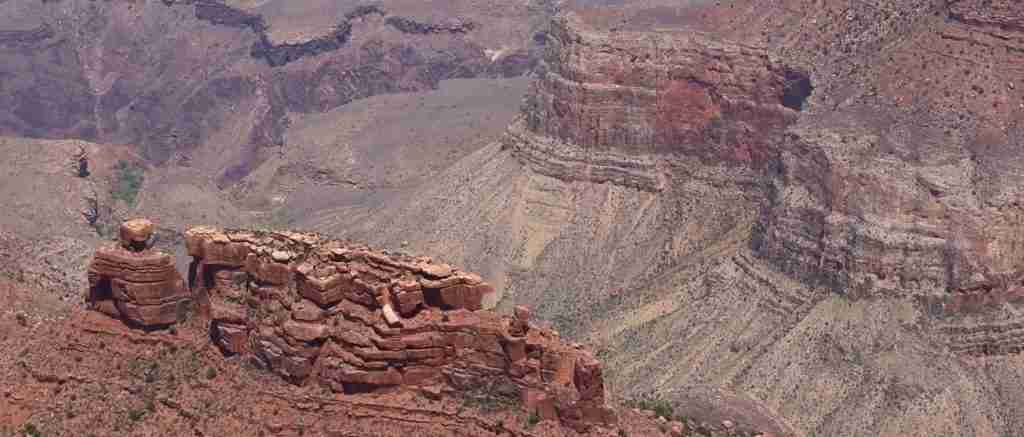
Red Rock Canyon National Conservation Area sprawls across 198,000 acres of Mojave Desert landscape where ancient sand dunes transformed over 180 million years into the towering red and white sandstone escarpments that dominate the western horizon from Las Vegas. Located just 17 miles west of the glittering Strip, this federally protected conservation area delivers dramatic geological contrast through the famous Keystone Thrust fault where 600-million-year-old gray limestone was pushed over younger 180-million-year-old red sandstone, creating the distinctive color bands visible throughout the canyon systems.
Designated as Nevada’s first National Conservation Area in 1990, Red Rock Canyon serves more than 3 million annual visitors who come to experience the 13-mile scenic drive, 26 established hiking trails ranging from easy nature walks to technical slot canyon routes, world-class rock climbing with over 2,000 routes, and ancient Native American petroglyphs documenting human presence spanning millennia. The conservation area’s proximity to Las Vegas makes it North America’s most accessible desert wilderness destination, allowing visitors to transition from casino floors to pristine canyon landscapes within 30 minutes.
The Bureau of Land Management manages Red Rock Canyon in partnership with the Southern Nevada Conservancy, maintaining the visitor center, scenic drive infrastructure, trail systems, and interpretive programs that help guests understand the unique ecosystems where Mojave Desert lowlands meet Spring Mountain highlands. This elevation gradient from 3,600 feet at the visitor center to over 7,000 feet at higher peaks creates habitat diversity supporting desert tortoises, bighorn sheep, wild burros descended from mining-era pack animals, over 100 bird species, and surprising water sources in permanent and seasonal springs feeding riparian oases within otherwise arid terrain.
Day trip visitors discover that Red Rock Canyon functions as both accessible outdoor classroom and serious wilderness destination. Families photograph colorful Calico Hills from roadside pullouts, casual hikers explore Calico Tanks for panoramic Las Vegas views, intermediate adventurers navigate Pine Creek Canyon’s seasonal waterfall, and experienced climbers tackle legendary multi-pitch routes on Whiskey Peak and Rainbow Wall. This range of experiences packed into a compact geographic area, combined with reliable year-round access and professional visitor services, establishes Red Rock Canyon as the Southwest’s premier day trip destination from a major metropolitan area.
Red Rock Canyon Entrance Fees and Reservations 2026
Red Rock Canyon vehicle entrance costs $20 per private vehicle in 2026, with all occupants covered under the single vehicle fee. Check the official Recreation.gov website for current rates as federal recreation area pricing may adjust during the year.
The timed entry reservation system operates October 1 through May 31 annually, requiring all vehicles entering the scenic drive between 8am-5pm to purchase reservations in advance through Recreation.gov. Reservation holders pay $2 per vehicle in addition to the $20 entrance fee, selecting a one-hour arrival window (with 30-minute early arrival allowance) while retaining access to the conservation area for the full day once admitted. Re-entry after exiting requires a new reservation purchase.
Summer visitors enjoy simplified access from June 1 through September 30 when timed reservations are not required. During these months, arrive at the fee station and pay the $20 entrance fee directly without advance booking, though arriving before 9am helps secure parking at popular trailheads as visitation peaks mid-morning through mid-afternoon.
The America the Beautiful annual pass, priced at $80 for the year, covers Red Rock Canyon entrance fees plus admission to all other federal recreation sites including national parks, national forests, and Bureau of Land Management areas across the United States. Frequent visitors to western public lands recover this cost within four visits when compared to individual $20 entrance fees. Pass holders still require timed entry reservations during the October-May mandatory period but select their existing pass type during the Recreation.gov checkout process rather than purchasing a new daily pass.
Active military personnel, veterans, and Gold Star family members receive complimentary lifetime America the Beautiful passes that cover Red Rock Canyon entrance fees. Seniors aged 62 and older qualify for discounted $20 annual passes or $80 lifetime passes, both providing the same entrance fee coverage as standard passes. Fourth grade students obtain free annual passes through the Every Kid Outdoors program. All special pass holders must present appropriate identification at the fee station and still comply with timed entry reservation requirements during the October-May period.
Fee-free days in 2026 waive entrance charges on President’s Day (February 16), Memorial Day (May 25), Theodore Roosevelt’s Birthday (October 27), and Veterans Day (November 11), though timed entry reservations remain mandatory during the October-May period even on fee-free days. Reserve your free timed entry slot through Recreation.gov by selecting the “Fee Free Day” ticket option, as capacity limits still apply and popular time slots fill quickly on these special access dates.
Planning Your Visit to Red Rock Canyon 2026
The Red Rock Canyon Visitor Center opens daily from 8am to 4:30pm in 2026, providing essential orientation resources including detailed trail maps, weather condition updates, geological exhibits featuring the area’s 600-million-year history, live desert tortoise habitats, plant specimen displays, and a bookstore offering field guides and topographic maps. Rangers staff the information desk to recommend trails matching your group’s fitness level and time availability, while outdoor viewing scopes allow close examination of distant cliff features and occasional wildlife sightings.
The 13-mile scenic drive operates as a one-way paved loop departing from the visitor center, with operating hours varying seasonally: 6am-7pm in October and March, 6am-5pm November through February, and 6am-8pm April through September. Bicycles share the scenic drive with vehicles, and cyclists enjoy exclusive access before 8am when vehicle entry begins during peak reservation periods. The drive includes 12 designated parking areas with trailhead access, interpretive signs, vault toilets (no water), and photo viewpoints, though only the visitor center provides flush toilets and water bottle refill stations.
Weather conditions at Red Rock Canyon shift dramatically with elevation and season. Spring months (March-May) deliver comfortable 65-80°F daytime temperatures with occasional spring showers, while fall (September-November) offers similar comfortable ranges with exceptional clarity for photography. Summer temperatures (June-August) regularly exceed 100°F by 11am, requiring hikers to complete activities before mid-morning and carry double their estimated water needs. Winter conditions (December-February) bring cooler 45-65°F temperatures, with higher elevation areas occasionally experiencing snow and ice that can temporarily close sections of the scenic drive.
Cell phone coverage remains unreliable throughout most of Red Rock Canyon, with only intermittent signal near the visitor center and fee station. Download offline maps, trail information, and emergency contact numbers before departing Las Vegas. The nearest medical facilities operate 17 miles away on the Strip, making self-sufficiency essential for backcountry activities. Emergency situations require driving back to areas with cell coverage or walking to the visitor center for ranger assistance.
Parking at Red Rock Canyon fills rapidly during peak visiting hours between 9am-3pm, especially on weekends, holidays, and fee-free days. Arrive before 8:30am to secure spots at popular trailheads like Calico Tanks, Ice Box Canyon, and Pine Creek. Overflow visitors may need to continue driving the scenic loop to find available parking at less crowded trailheads, though all major canyon systems offer rewarding experiences regardless of popularity.
Transportation Options to Red Rock Canyon 2026
Independent Visit: Driving to Red Rock Canyon 2026
Renting a car in Las Vegas costs $40-70 per day for economy to mid-size vehicles in 2026, with compact cars starting around $40 daily and SUVs averaging $60-70 daily from major agencies at Harry Reid International Airport. Dividing this cost between two travelers results in $20-35 per person for the day’s transportation, plus fuel expenses of approximately $5-8 for the 34-mile round trip given current Las Vegas gas prices.
The driving route from the Las Vegas Strip to Red Rock Canyon follows Charleston Boulevard (State Route 159) westbound for approximately 17 miles, requiring 30-40 minutes in normal traffic conditions. Depart the Strip heading west on Charleston Boulevard, continuing straight as the urban landscape transitions to suburban neighborhoods and eventually desert terrain. The visitor center appears on the right side of the road, with the fee station located just before the scenic drive entrance.
Las Vegas rental car locations cluster at Harry Reid International Airport’s consolidated rental car center, accessed via free shuttle from both terminals. Major agencies including Enterprise, Hertz, Budget, Avis, and National operate 24-hour counters, though prime vehicle selection improves during business hours. On-Strip hotel locations from companies like Hertz and Enterprise offer convenience but typically charge higher daily rates than airport locations.
Parking at the Red Rock Canyon visitor center accommodates approximately 100 vehicles, with additional pullouts and trailhead parking areas distributed throughout the 13-mile scenic drive. No parking fees apply beyond the entrance fee, and vehicles can remain parked at any legal spot for the duration of the visit. Oversized vehicles including RVs and buses navigate the scenic drive successfully, though some pullouts have limited maneuvering space.
Guided Tours to Red Rock Canyon 2026
Half-day guided tours from Las Vegas to Red Rock Canyon cost $89-150 per person in 2026, providing round-trip transportation from Strip hotels, professional narration, park entrance fees, and typically bottled water in the rate. Basic van or SUV tours offering scenic drive stops and visitor center access start around $89-110 per person, while premium options including guided hikes, specialized photography instruction, or luxury vehicle upgrades range $130-150 per person.
Guided hiking tours specifically designed for active participants cost approximately $130 per person for half-day experiences, including hotel pickup, transportation, professional guide services, park fees, trail-appropriate equipment like trekking poles if needed, and water. These tours typically select from multiple trail options based on group ability, with guides choosing routes like Calico Tanks, Pine Creek, White Rock/Willow Springs loop, or Ice Box Canyon depending on conditions and participant fitness levels.
Electric bike tours through Red Rock Canyon operate at $140-180 per person for half-day experiences, providing e-bike rental, safety equipment, guide services, park entrance, and the unique opportunity to cover the 13-mile scenic drive at a comfortable pace while stopping for photos and geological interpretation. These tours require basic cycling competence and comfort riding on roads shared with vehicles, though the electric assist makes the mild elevation changes manageable for most fitness levels.
Specialty tours including off-road adventures on Polaris Slingshots or similar three-wheeled motorcycles start around $220 per vehicle (typically accommodating two people), offering high-thrill alternative transportation while covering Red Rock Canyon and surrounding desert areas. These tours require valid driver’s licenses but no motorcycle endorsement for automatic transmission vehicles, appealing to visitors seeking adventure beyond standard van tours.
Tour departure times from Las Vegas hotels typically begin between 7am-9am for morning tours and 1pm-3pm for afternoon options, with morning departures strongly recommended during summer months (June-August) when afternoon temperatures exceed 105°F. Most tours run 3.5-5 hours total including transportation time, allowing participants to return to Las Vegas by early afternoon for morning tours or evening for afternoon departures.
Booking guided tours in advance through platforms like Viator, GetYourGuide, or directly with operators like Pink Jeep Tours and Escape Adventures ensures availability, particularly during peak spring (March-May) and fall (September-November) seasons when tour slots fill rapidly. Last-minute bookings sometimes succeed during summer and winter but risk limited availability or tour cancellations due to insufficient participant numbers.
Hiking Trails and Activities at Red Rock Canyon 2026
Red Rock Canyon offers 26 established hiking trails ranging from easy 15-minute nature walks to strenuous 8-hour canyon expeditions, with trail difficulty levels clearly marked at each trailhead and detailed in visitor center handout maps. Popular beginner trails include the Moenkopi Loop (2 miles, easy, paved sections) circling fascinating geological formations near the visitor center, while moderate favorites like Calico Tanks (2.5 miles round trip, elevation gain 400 feet) deliver spectacular views overlooking Las Vegas through colorful sandstone terrain.
Intermediate hikers gravitate toward Pine Creek Canyon (3 miles round trip, elevation gain 350 feet) featuring seasonal waterfall flows, remnant homestead structures, and shaded canyon corridors, or the White Rock/Willow Springs Loop (4 miles, moderate terrain) passing ancient Native American roasting pits and petroglyphs dating back 800 years. These trails require sturdy closed-toe hiking shoes, ample water (minimum one liter per hour of hiking), and sun protection including wide-brim hats and SPF 50+ sunscreen.
Advanced trails like Ice Box Canyon (2.5 miles round trip, technical scrambling) navigate narrow slot canyon systems with seasonal waterfalls and permanent shade keeping temperatures 15-20°F cooler than surrounding desert, while Turtlehead Peak (5 miles round trip, elevation gain 2,000 feet) challenges fit hikers with steep scrambling sections rewarded by summit panoramas encompassing the entire conservation area and distant Las Vegas skyline.
Rock climbing attracts international enthusiasts to Red Rock Canyon’s 2,000+ established routes spanning all difficulty grades from beginner 5.5 sport climbs to expert 5.14 traditional multi-pitch adventures on legendary walls like Rainbow Wall, Whiskey Peak, and Black Velvet Canyon. Climbing season peaks October through May when comfortable temperatures and dry conditions optimize rock friction, though summer dawn patrols allow early morning climbing before temperatures spike. Climbers must obtain late-exit permits for multi-pitch routes extending past standard scenic drive closing times.
The Calico Hills area offers family-friendly exploration opportunities including easy scrambling on colorful petrified sand dunes, natural water catchment tanks (tinajas) supporting desert wildlife, and numerous photo opportunities among the vibrant yellow, orange, and red layered sandstone. Children enjoy discovering these water pockets where bighorn sheep and other desert animals drink, though visitors must never contaminate these vital water sources or disturb wildlife.
Wildlife viewing opportunities include desert bighorn sheep populations grazing on steep canyon slopes (best spotted early morning or late afternoon), wild burros descended from mining-era pack animals wandering roadside areas, desert tortoises crossing roads during spring months (federally protected, never approach or handle), coyotes hunting rodents across open terrain, and over 100 bird species including golden eagles, peregrine falcons, and seasonal migrant songbirds.
Best Time for Red Rock Canyon Day Trip 2026
Spring months from March through May represent peak visiting season at Red Rock Canyon in 2026, delivering comfortable 65-80°F daytime temperatures ideal for hiking without extreme heat, spectacular wildflower blooms peaking late March through April transforming desert washes with yellow brittlebush, purple lupine, and red Indian paintbrush, and optimal light conditions for photography as the sun angle enhances already vibrant sandstone colors. Spring break periods (mid-March through early April) and Easter weekend bring increased visitation requiring earlier arrival times to secure preferred trailhead parking.
Fall season from September through November offers similarly comfortable temperatures as summer heat subsides, with September maintaining warm 75-90°F conditions transitioning to pleasant 60-75°F ranges by November. Fall’s lower-angle sunlight creates golden-hour conditions lasting longer into morning and starting earlier in afternoon, perfect for photography enthusiasts. Autumn visitation peaks during October weekends when Las Vegas temperatures remain hot but Red Rock Canyon offers refreshing escapes.
Summer visits from June through August demand early morning departures from Las Vegas before 7am to complete hiking activities before temperatures exceed 100°F, typically by 11am-noon. Serious hikers target dawn starts around 6am when the scenic drive opens, completing strenuous trails by 10am before heat becomes dangerous. Summer afternoon visits limit activities to scenic drive touring from air-conditioned vehicles, visitor center exhibits, and short interpretive walks near parking areas. Carry double your estimated water needs during summer, with minimum recommendations of one gallon per person for any hiking activity.
Winter months from December through February bring cooler 45-65°F daytime temperatures comfortable for hiking, though higher elevation areas occasionally experience snow and ice that can temporarily close sections of the scenic drive or make trails hazardous. December and January see occasional winter storms delivering rain and rare snowfall, while February typically offers stable conditions. Winter sunrises around 7am and sunsets near 5pm compress available daylight hours compared to summer’s 5am sunrise and 8pm sunset window.
Weekday visits throughout all seasons encounter significantly lighter crowds than weekends, with Tuesday through Thursday representing optimal days for securing preferred trailhead parking and experiencing trails without congestion. Holiday weekends including Martin Luther King Jr. Day, Presidents Day, Memorial Day, and Labor Day generate peak visitation requiring very early arrival before 7:30am to access popular areas.
Wildflower timing varies annually based on winter rainfall patterns, with abundant December-February precipitation producing spectacular spring displays while drought years yield minimal blooms. Desert marigolds, Mojave asters, and globe mallows typically bloom reliably even in dry years, while more dramatic displays depend on above-average winter moisture. Contact the visitor center at 702-515-5350 for current bloom status when planning spring visits specifically for wildflower photography.
Red Rock Canyon Day Trip Budget 2026
Independent visitors driving their own rental car spend approximately $50-75 per person for a complete Red Rock Canyon day trip in 2026 assuming two people sharing vehicle costs. Vehicle rental contributes $20-35 per person (half of $40-70 daily rate), park entrance adds $10 per person ($20 vehicle fee divided between two occupants), fuel costs approximately $3-4 per person for the 34-mile round trip, packed lunch and snacks from Las Vegas grocery stores run $12-18 per person, and miscellaneous supplies including extra water bottles and sunscreen contribute $5-8 per person.
Guided tour participants invest $89-150 per person for half-day experiences that include all transportation, park entrance fees, professional guide services, and typically bottled water, eliminating rental car costs and parking concerns. Basic scenic drive tours start around $89-110 per person, guided hiking tours run approximately $130 per person, and specialty experiences like e-bike tours or off-road adventures range $140-220 per person. Adding lunch stops at restaurants near the conservation area increases costs by $15-25 per person compared to packed meals.
Budget-conscious visitors minimize expenses by packing lunches, snacks, and beverages purchased from Las Vegas grocery stores rather than dining at limited on-site or nearby restaurant options, booking economy rental cars in advance through comparison sites rather than last-minute airport counter rates, sharing vehicle costs among four passengers instead of two to reduce per-person transportation expenses to $10-18 each, and visiting during June-September when timed entry reservations are not required to save the $2 reservation fee.
Photography enthusiasts should budget additional funds for America the Beautiful annual pass ($80) if planning multiple visits to Red Rock Canyon and other federal recreation sites during 2026, as the pass pays for itself after four visits compared to individual $20 entrance fees. Serious photographers also consider sunrise and sunset visits requiring two separate day trips to capture optimal lighting conditions on different canyon systems.
What to Bring to Red Rock Canyon 2026
Water represents the single most critical supply for Red Rock Canyon visits, with minimum recommendations of one gallon per person for any hiking activity and double that amount during summer months when dehydration risk escalates rapidly in 100°F+ temperatures. Insulated containers keep water cold for hours, while bladder-style hydration packs allow hands-free drinking on technical trails requiring scrambling. The visitor center provides the only water bottle refill stations in the conservation area, making self-sufficiency essential once you depart on the scenic drive.
Sun protection equipment includes wide-brim hats providing face, neck, and ear coverage, SPF 50+ sunscreen applied 30 minutes before sun exposure and reapplied every two hours, UV-blocking sunglasses rated for high-altitude desert environments, and lightweight long-sleeve shirts offering better protection than short sleeves while remaining cool through moisture-wicking fabrics. Desert sun reflects intensely off light-colored sandstone surfaces, creating exposure from multiple angles that defeats typical shade strategies.
Footwear requirements vary by planned activities, with sturdy closed-toe hiking shoes or boots mandatory for any trail exploration beyond paved paths. Trails feature loose sand, sharp rock edges, potential snake encounters in warm months, and uneven terrain requiring ankle support on moderate and strenuous routes. Athletic shoes or trail runners suffice for easy paths like Moenkopi Loop, while technical trails demand hiking boots with aggressive tread and ankle support.
Navigation tools should include downloaded offline maps since cell phone coverage remains unreliable throughout most of the conservation area. The AllTrails app, Gaia GPS, or CalTopo provide detailed trail maps available offline, while paper maps distributed free at the visitor center serve as backup navigation. GPS coordinates for trailheads and emergency contact information downloaded before departing Las Vegas ensures access to critical information without cell connectivity.
Photography equipment benefits from wide-angle lenses for capturing expansive canyon vistas, polarizing filters to manage intense desert light and enhance color saturation in red rocks against blue sky, lens cleaning cloths to remove ever-present dust, and extra batteries since desert heat drains power faster than typical conditions. Sunrise and sunset lighting creates dramatic shadows and color enhancement, with golden hour beginning 90 minutes before sunset for afternoon sessions.
Emergency supplies for desert hiking include first aid kit with blister treatment supplies for unexpected hot spots during longer trails, emergency whistle for signaling in canyon systems where visual contact breaks, emergency shelter like space blanket in case of injury requiring overnight wait for rescue, and fully charged external battery pack for phone use in genuine emergencies even without cell coverage. Rangers recommend informing someone of your planned route and expected return time before starting any hike.
Red Rock Canyon Scenic Drive 2026
The 13-mile one-way scenic drive begins at the fee station just past the visitor center, immediately entering the conservation area through dramatic transitions from desert lowlands to the base of towering escarpments. The paved road ascends gradually through the first three miles, passing Calico Hills viewpoints where petrified sand dunes display vivid yellow, orange, and red stratification created by iron oxide deposits in ancient desert environments.
Twelve designated pullouts and parking areas provide trailhead access and photo opportunities throughout the drive, with each stop featuring interpretive signs explaining geological formations, ecosystem characteristics, or cultural history visible from that location. Major stops include the Sandstone Quarry (mile 2) offering easy access to colorful formations, Calico Hills viewpoint (mile 4) showcasing the area’s most photographed landscapes, High Point Overlook (mile 8) delivering panoramic vistas across the entire conservation area, and Willow Springs (mile 11) preserving ancient Native American petroglyphs and roasting pits.
The drive typically requires 45-60 minutes without stops for visitors simply touring from vehicles, while comprehensive visits including multiple photo stops, short interpretive walks, and picnic breaks extend to 2-3 hours. Cyclists completing the full loop generally require 1.5-2.5 hours depending on fitness level and prevailing winds, with elevation gain totaling approximately 1,000 feet spread across the 13-mile distance.
Wildlife viewing opportunities concentrate during early morning and late afternoon hours when desert animals emerge to feed and access water sources. Bighorn sheep frequent rocky slopes visible from pullouts around miles 5-7, wild burros often wander near the visitor center and later sections of the drive, and patient observers spot desert tortoises crossing roads during spring months particularly after rainfall. Maintain minimum 50-foot distances from all wildlife, as approaching closer stresses animals and violates federal protection regulations.
Interpretive stops along the scenic drive include the Keystone Thrust fault exposure (mile 6) where 600-million-year-old limestone overrides 180-million-year-old sandstone creating the dramatic color contrast between gray upper cliffs and red lower formations, fossilized sand dune demonstrations showing how ancient desert environments transformed into solid rock through mineral cementation, and Wilson Cliffs (mile 5) displaying the tallest continuous escarpment in the conservation area rising 3,000 feet above the valley floor.
Safety Considerations for Red Rock Canyon 2026
Desert heat poses the primary safety threat at Red Rock Canyon, with summer temperatures exceeding 110°F creating life-threatening conditions for unprepared visitors. Early symptoms of heat illness include excessive sweating progressing to stopped sweating (dangerous sign), dizziness, nausea, rapid heartbeat, and confusion. Prevent heat illness by starting hikes before 8am during summer months, carrying minimum one gallon of water per person, taking frequent rest breaks in shade, wearing light-colored loose-fitting clothing, and immediately descending to lower elevations if symptoms appear.
Flash flooding transforms dry canyon washes into raging torrents within minutes during thunderstorms, even when rain falls miles away from your location. Summer monsoon season (July-September) brings afternoon thunderstorm potential, making early morning the safest period for slot canyon exploration. Never enter narrow canyon systems when thunderstorms threaten anywhere in the region, monitor weather forecasts before departing Las Vegas, and immediately evacuate washes and low-lying areas if dark clouds appear or distant thunder sounds.
Wildlife encounters require appropriate responses to ensure both human safety and animal protection. Desert bighorn sheep, wild burros, and coyotes typically maintain distance from humans, though cornered or protecting young animals may act aggressively. Never approach wildlife closer than 50 feet, never feed any animals as this habituates dangerous behaviors, and slowly back away if animals approach you rather than running which triggers chase instincts. Desert tortoises require special protection as federally threatened species—never touch, pick up, or move tortoises encountered crossing roads or trails, as handling triggers stress responses that can prove fatal.
Venomous creatures including rattlesnakes, Gila monsters, scorpions, and certain spider species inhabit Red Rock Canyon ecosystems, though encounters remain relatively rare on established trails. Watch carefully when placing hands on rock surfaces above head height where snakes may rest in shade, shake out shoes before putting them on if left outside overnight, and use trekking poles to probe areas ahead when walking through tall vegetation. If bitten by any snake, remain calm, immobilize the affected limb below heart level, remove jewelry before swelling begins, and immediately drive to Las Vegas emergency facilities 17 miles away rather than waiting for rescue.
Navigation mistakes cause numerous rescue incidents annually at Red Rock Canyon where trail systems branch repeatedly and canyon terrain appears similar in all directions. Stay on marked trails rather than attempting cross-country shortcuts that lead to clifftops requiring technical climbing skills, turn back rather than pushing beyond your group’s weakest member’s ability level, start descent with adequate daylight remaining (minimum 90 minutes before sunset), and carry offline maps plus backup paper maps since cell service cannot be relied upon for GPS navigation.
Nearby Attractions Combined with Red Rock Canyon 2026
Spring Mountain Ranch State Park adjoins Red Rock Canyon approximately 5 miles south on State Route 159, offering historic ranch buildings dating to 1860s, large lawn areas ideal for picnicking, easy walking trails through riparian corridors, and guided tours of the restored ranch house where Howard Hughes once owned the property. Entrance fees of $10 per vehicle (Nevada residents) or $15 (non-residents) add minimal cost to Red Rock Canyon visits, with the ranch providing shaded rest areas particularly welcome during hot weather when Red Rock Canyon’s exposed trails become uncomfortable.
Bonnie Springs Ranch, located adjacent to Spring Mountain Ranch, previously operated as Old West replica town with restaurants, petting zoo, and horseback riding but permanently closed in 2019 with property sold for private development. Travelers researching Red Rock Canyon through older guidebooks should note this attraction no longer operates, though the surrounding area still provides scenic driving routes through desert mountain terrain.
Blue Diamond Village sits 5 miles west of Red Rock Canyon visitor center, offering the only restaurant and limited supplies within immediate vicinity of the conservation area. This small community developed around historic gypsum mining operations still visible on surrounding hillsides, with a convenience store providing emergency water, snacks, and basic supplies for visitors who underestimated their needs before entering Red Rock Canyon.
Mount Charleston recreation area, located approximately 45 miles northwest of Red Rock Canyon via Las Vegas, provides alpine environment contrast at 7,000-11,900 feet elevation where pine and aspen forests replace desert vegetation, summer temperatures remain 20-30°F cooler than valley locations, and winter brings skiing and snow play opportunities. Combining both destinations requires full day commitment, though the dramatic ecosystem transition from Mojave Desert to alpine forest within one-hour drive showcases southern Nevada’s remarkable elevation diversity.
Valley of Fire State Park, situated 55 miles northeast of Las Vegas, delivers equally spectacular red sandstone formations through different geological processes than Red Rock Canyon, with both destinations viable as separate day trips but too distant for effective same-day combination unless visitors limit exploration depth at each location. Valley of Fire’s Fire Wave Trail and White Domes slot canyon complement rather than duplicate Red Rock Canyon experiences.
Red Rock Canyon for Families with Children 2026
Family-friendly activities at Red Rock Canyon concentrate around the visitor center complex and easy trails requiring minimal hiking experience. The visitor center’s outdoor desert tortoise habitat fascinates children who can observe these ancient reptiles (some individuals live 80+ years) in naturalistic enclosures while learning about conservation efforts protecting threatened desert species. Indoor exhibits feature touch-friendly fossil displays, mineral specimens children can examine closely, and interpretive panels explaining how ancient oceans transformed into desert landscapes.
The Moenkopi Loop trail starting adjacent to the visitor center provides ideal first hiking experience for young children, with paved and graded dirt sections totaling 2 miles creating a loop rather than out-and-back route, minimal elevation gain keeping the trail accessible for elementary age kids, and interesting geological features including petrified sand dunes and fossil beds maintaining engagement throughout the walk. Families with toddlers or preschoolers often complete just the first half-mile before returning to the visitor center.
Calico Hills area offers unstructured exploration opportunities where children safely scramble on colorful petrified sand dunes under parent supervision, discover natural water catchment pools (tinajas) supporting desert wildlife, and photograph vivid yellow and red layered rock formations from multiple angles. The relatively open terrain allows parents to maintain visual contact while children explore independently within reasonable boundaries, developing confidence on uneven natural surfaces.
Ranger-led programs scheduled throughout the year particularly during spring and fall peak seasons include guided nature walks focusing on desert ecosystems, geology talks explaining how Red Rock Canyon formed, Junior Ranger programs allowing children to earn badges through completing activity booklets, and occasional evening astronomy sessions when dark skies reveal thousands of stars invisible from Las Vegas. Check the Red Rock Canyon website events calendar before your visit to align with scheduled family programming.
Picnic facilities at the visitor center provide shaded tables where families rest and eat packed lunches while children play on nearby open areas, restrooms with changing tables serve parents with infants and toddlers, and the bookstore offers field guides, activity books, and educational materials helping children learn about desert environments. Bringing entertainment like nature scavenger hunt lists, bird identification guides, and simple geology collection bags keeps kids engaged during rest breaks.
Child safety considerations include constant sun protection through wide-brim hats, frequent sunscreen reapplication, and UV-protective clothing even during brief walks, water consumption monitoring since children often don’t recognize their own dehydration symptoms until advanced stages, rest breaks every 30 minutes during hiking to prevent overexertion, and wildlife distance maintenance as children’s enthusiasm can lead to inappropriately close approaches to animals.
Photography at Red Rock Canyon 2026
Golden hour lighting approximately 90 minutes before sunset transforms Red Rock Canyon’s already vibrant red sandstone into glowing orange and crimson displays impossible to capture during midday harsh light, while sunrise sessions beginning 60 minutes before dawn deliver cool purple and pink tones across eastern-facing canyon walls. Winter months compress golden hour duration but create lower sun angles lasting deeper into morning and starting earlier in afternoon compared to summer’s vertical midday sun.
Calico Hills represent Red Rock Canyon’s most photographed location, where vivid yellow, orange, and red stratified layers create compositions requiring minimal post-processing to achieve striking results. The main viewpoint pullout at mile 4 on the scenic drive provides classic wide-angle perspectives, while hiking 0.5 miles into the hills reveals intimate detail shots of swirling petrified sand patterns, natural archways framing distant vistas, and abstract erosion patterns in multicolored stone.
Wilson Cliffs deliver dramatic vertical compositions where 3,000-foot escarpments rise from desert floor to skyline, best captured from pullouts around mile 5 of the scenic drive where morning light illuminates the eastern face and afternoon sun enhances western exposures. Telephoto lenses (200mm+) compress the perspective making distant cliffs appear closer while isolating interesting geological features, while wide-angle lenses (16-35mm) capture the full scale of these massive formations.
Keystone Thrust fault exposures around mile 6 provide educational photography opportunities where gray 600-million-year-old limestone clearly overlies red 180-million-year-old sandstone, creating the geological anomaly that makes Red Rock Canyon scientifically significant. Interpretive signs at the viewpoint explain the fault mechanics, allowing photographers to create images that communicate both aesthetic beauty and geological story.
Wildflower photography peaks late March through April when winter rainfall produces blooms transforming desert washes with yellow brittlebush, purple lupine, orange globe mallows, and red Indian paintbrush creating color contrasts against red rock backgrounds. Macro lenses (100mm) isolate individual blooms showing intricate petal structures and visiting pollinators, while wide-angle shots incorporate flowers in foreground with dramatic cliff formations in background creating environmental context.
Specialized photography considerations include polarizing filters managing intense desert glare and enhancing color saturation particularly in red rocks against blue sky, lens cleaning cloths constantly removing wind-blown dust that accumulates on front elements, graduated neutral density filters balancing exposure between bright sky and shaded canyon floors, and camera weather protection since occasional windstorms can sandblast unprotected equipment. Early morning and late afternoon sessions avoid the harshest midday light while temperatures remain comfortable for extended outdoor work.
Frequently Asked Questions About Red Rock Canyon Day Trip 2026
Can I visit Red Rock Canyon without a car in 2026?
Visiting Red Rock Canyon without a personal vehicle requires booking guided tours departing from Las Vegas hotels, as public transportation does not serve the conservation area and rideshare services like Uber or Lyft charge $45-65 each way making round-trip costs comparable to tour prices while providing no on-site transportation or interpretation. Guided half-day tours starting around $89-110 per person include round-trip transportation from Strip hotels, park entrance fees, and professional narration, representing the most practical car-free option for accessing Red Rock Canyon.
How long should I spend at Red Rock Canyon in 2026?
Most visitors allocate 3-5 hours for Red Rock Canyon including the complete 13-mile scenic drive with photo stops, visitor center exploration, and one moderate hiking trail like Calico Tanks or Pine Creek Canyon. Casual visitors simply touring the scenic drive from their vehicle complete the experience in 1.5-2 hours, while serious hikers and climbers often spend full 6-8 hour days exploring multiple canyon systems and technical routes. Half-day morning visits departing Las Vegas around 7am and returning by noon work well for summer heat avoidance, while spring and fall allow comfortable all-day exploration if desired.
Is Red Rock Canyon crowded in 2026?
Red Rock Canyon experiences significant crowds during peak hours (9am-3pm) on weekends, holidays, and spring/fall optimal weather periods, with popular trailhead parking often filling by 9:30am requiring visitors to continue driving the scenic loop seeking available spots at less crowded locations. Arriving before 8:30am or after 3pm substantially reduces crowds and ensures parking availability, while Tuesday through Thursday weekdays encounter lightest visitation regardless of season. The conservation area’s 198,000 acres and 26 trail options distribute visitors across large geographic area, so even popular trails like Calico Tanks rarely feel overcrowded compared to urban park experiences.
What should I wear to Red Rock Canyon in 2026?
Wear sturdy closed-toe hiking shoes or boots for any trail exploration beyond paved paths, lightweight moisture-wicking clothing in light colors that reflect rather than absorb heat, wide-brim hat providing face and neck sun protection, and sunglasses rated for high-UV desert environments. Layer clothing for elevation changes and temperature fluctuations, with removable long-sleeve shirts offering better sun protection than short sleeves while remaining comfortable through breathable fabrics. Avoid cotton clothing that retains moisture and dries slowly, instead choosing synthetic or merino wool materials that wick sweat and dry rapidly.
Can I bring my dog to Red Rock Canyon in 2026?
Dogs are permitted in Red Rock Canyon but must remain on leashes maximum 6 feet long at all times and are prohibited from entering marked wilderness areas or backcountry trails, restricting canine access to the scenic drive, visitor center grounds, and developed areas near parking lots. Summer heat poses serious danger to dogs whose paw pads burn on hot pavement and whose heat regulation through panting proves less efficient than human sweating, making winter months the only genuinely safe season for bringing dogs. Many visitors choose to leave pets at Las Vegas hotels rather than subjecting them to desert heat in vehicles while humans hike trails where dogs cannot follow.
Are there restaurants at Red Rock Canyon in 2026?
No restaurants or food service operate within Red Rock Canyon National Conservation Area itself, with the nearest dining approximately 5 miles away in Blue Diamond village offering limited convenience store selections and one small restaurant, making packed lunches, snacks, and beverages purchased in Las Vegas the most practical meal solution for day trips. The visitor center provides shaded picnic tables where visitors consume brought food, while most people pack coolers in their vehicles with sandwiches, fruit, energy bars, and ample beverages to avoid interrupting their Red Rock Canyon exploration for meal breaks.
Can I rock climb at Red Rock Canyon in 2026?
Rock climbing is permitted and extremely popular at Red Rock Canyon’s 2,000+ established routes spanning all difficulty grades from beginner-friendly sport climbs to expert traditional multi-pitch adventures, with the area recognized internationally as one of North America’s premier desert climbing destinations. Climbers must obtain late-exit permits when multi-pitch routes extend beyond standard scenic drive closing times, available free at the visitor center, and should consult route guidebooks or online resources like Mountain Project for detailed climbing beta, approach trail information, and current route conditions. Hiring professional guides through Las Vegas-based climbing services provides instruction for beginners or route finding for visiting climbers unfamiliar with Red Rock Canyon’s specific systems.
What is the elevation at Red Rock Canyon in 2026?
Red Rock Canyon visitor center sits at approximately 3,600 feet elevation, with the scenic drive ranging 3,600-4,700 feet as it climbs toward the escarpment base, while higher peaks including Turtlehead Peak and La Madre Mountain reach 6,300-8,150 feet elevation. This elevation range creates noticeable temperature variations, with higher elevations running 10-15°F cooler than the visitor center area and occasional snow at peaks above 7,000 feet during winter months when valley floors remain clear. Visitors coming from sea level Las Vegas hotels rarely experience altitude-related symptoms at these moderate elevations, though proper hydration remains important.
Is there cell phone service at Red Rock Canyon in 2026?
Cell phone coverage remains unreliable throughout most of Red Rock Canyon with only intermittent signal near the visitor center and fee station, while canyon interiors and backcountry trails typically have zero connectivity across all major carriers. Download offline maps, emergency contact information, and any planned route details before departing Las Vegas, and inform someone of your intended activities and expected return time before starting hikes. The visitor center provides the most reliable location for making emergency calls if needed, though serious medical emergencies require driving back toward Las Vegas until cellular signal returns strong enough for 911 contact.
Can I camp at Red Rock Canyon in 2026?
Red Rock Canyon Campground operates approximately 2 miles east of the visitor center on Moenkopi Road with 71 individual campsites available by advance reservation only through Recreation.gov from September 1 through May 31, while the campground closes entirely June 1 through August 31 due to extreme heat. Sites include picnic tables, fire rings, and nearby vault toilets but no water hookups or dump stations, with potable water available only at the visitor center during operating hours. Camping fees run approximately $20 per night, with the campground providing convenient base for sunrise photography sessions and multi-day exploration of the conservation area’s extensive trail systems.