
Ravenna Day Trip from Bologna 2026: Complete Travel Planning Guide
Ravenna stands 80 kilometers east of Bologna as Italy’s premier mosaic destination, accessible via direct trains departing hourly for €9-15 with journey times under 90 minutes, making it the perfect single-day excursion for travelers seeking UNESCO World Heritage art without overnight commitments. The compact historic center concentrates eight Byzantine monuments within walking distance, enabling comprehensive exploration including the spectacular Basilica of San Vitale, Mausoleum of Galla Placidia, and Sant’Apollinare Nuovo in a carefully planned six to eight-hour visit incorporating transport, sightseeing, and authentic Rom agnolo cuisine.
Key Takeaways
- Direct regional trains connect Bologna Centrale to Ravenna in 60-90 minutes for €9-15 roundtrip, with departures every 30-60 minutes from early morning through late evening
- The 5-monument pass costs €12.50-14.50 in 2026, covering San Vitale, Galla Placidia, Neonian Baptistery, Sant’Apollinare Nuovo, and the Archiepiscopal Museum with seven-day validity
- Timed-entry reservations are mandatory for all major monuments in 2026, particularly Galla Placidia and the Neonian Baptistery which book out hours in advance during peak season
- Strategic departure on 8:00-9:00 AM trains enables pre-crowd monument access at 9:00 AM opening, maximizing viewing quality before tour group arrivals at 10:30-11:00 AM
- Total day trip costs range €35-45 per person for budget travelers, €60-80 for mid-range visitors, and €100-130+ for comprehensive experiences including guided tours and upscale dining
- The historic center operates as a pedestrian zone with all major monuments located within 15-20 minute walks from the train station, eliminating local transportation expenses
People Also Ask About Ravenna Day Trip 2026
Is Ravenna worth a day trip from Bologna in 2026?
Ravenna absolutely merits a full-day excursion from Bologna in 2026, housing the world’s finest collection of early Christian Byzantine mosaics across eight UNESCO World Heritage monuments concentrated in a walkable historic center. The city offers artistic significance rivaling Florence or Venice while avoiding mass tourism crowds and inflated pricing. A single day permits thorough exploration of the essential basilicas including San Vitale’s gold-backed mosaics depicting Emperor Justinian, Galla Placidia’s star-studded ceiling inspiring Cole Porter’s “Night and Day,” and Sant’Apollinare Nuovo’s magnificent nave processions. The 60-90 minute train journey from Bologna Centrale costs just €9-15 roundtrip, making logistics simple and affordable. Travelers interested in Byzantine art, religious architecture, or Italian cultural heritage beyond Renaissance masterpieces find Ravenna indispensable, while those seeking conventional tourist attractions or nightlife entertainment may prefer other destinations.
How much does a Ravenna day trip from Bologna cost in 2026?
A Ravenna day trip from Bologna costs €35-45 for budget travelers, €60-80 for mid-range visitors, and €100-130+ for comprehensive upscale experiences in 2026. Budget allocation includes €9-15 roundtrip regional train tickets, €12.50-14.50 for the 5-monument mosaic pass, €12-20 for lunch (piadina or casual restaurant), €5-8 for coffee/gelato, and €3-5 for incidentals. Mid-range budgets accommodate nicer restaurants (€25-35 lunch), morning cappuccino and pastries (€5-8), afternoon aperitivo (€8-12), and potential audio guide rentals (€5). Luxury experiences add guided tours (€40-60 for private or small-group options), upscale seafood restaurants (€50-70), taxi transfers between station and monuments (€10-15), and specialty bookshop purchases. These costs exclude Bologna accommodation but represent complete day-trip expenses from morning departure through evening return.
Can you visit Ravenna from Bologna without a car in 2026?
Visiting Ravenna from Bologna without a car proves not only feasible but optimal in 2026, as direct regional trains operate 20-40 times daily with consistent 60-90 minute journey times and €9-15 fares. Trains depart Bologna Centrale from early morning (first departure ~6:00 AM) through late evening (final return ~10:30 PM), providing flexible scheduling for various day-trip lengths. Upon arrival at Ravenna station, the historic center sits 15-20 minutes on foot via clearly marked pedestrian routes, while local city buses offer €1.50 connections for travelers preferring not to walk. All eight UNESCO monuments cluster within the compact centro storico (historic center), making exploration entirely walkable once there. Cars prove disadvantageous due to Ravenna’s ZTL (restricted traffic zone) prohibiting non-resident vehicles in the center, limited parking availability (€12-18 daily), and the pedestrian-only layout preventing vehicular access to monuments. Public transport delivers superior convenience, cost-effectiveness, and environmental sustainability for Bologna-Ravenna day trips.
What is the best time to visit Ravenna on a day trip in 2026?
The optimal Ravenna day trip timing in 2026 combines early weekday departures (Tuesday-Thursday) during shoulder seasons (April-May, September-October) to minimize crowds while maximizing monument viewing quality and photographic opportunities. Arriving at Ravenna by 8:30-9:00 AM permits immediate monument entry at 9:00 AM opening before tour group invasions beginning 10:30-11:00 AM, providing 90 peaceful minutes with the most significant mosaics. Weekday visits avoid weekend domestic tourist surges, while shoulder season delivers pleasant 15-25°C temperatures, extended 9:00 AM-7:00 PM monument hours, and manageable visitor volumes. Summer (June-August) brings heat, crowds, and premium pricing but offers longest daylight hours for comprehensive exploration. Winter (November-March) provides smallest crowds and reduced hotel costs but shortened 10:00 AM-5:00 PM monument hours and potential rain disruptions. Spring Easter week and autumn harvest festivals create brief high-season conditions within otherwise moderate periods.
Extended multi-day tours – 5+ days
Featured Emilia Romagna Multi-Day Tour Packages

3 days
Emilia Romagna 3-Day Discovery Tour
- ✓ Comprehensive Emilia Romagna experience
- ✓ Expert local guides included
- ✓ All accommodation included
- ✓ Transportation provided
5 days
Emilia Romagna 5-Day Highlights Experience
- ✓ Comprehensive Emilia Romagna experience
- ✓ Expert local guides included
- ✓ All accommodation included
- ✓ Transportation provided
7 days
Emilia Romagna 7-Day Cultural Journey
- ✓ Comprehensive Emilia Romagna experience
- ✓ Expert local guides included
- ✓ All accommodation included
- ✓ Transportation provided
10 days
Emilia Romagna 10-Day Complete Adventure
- ✓ Comprehensive Emilia Romagna experience
- ✓ Expert local guides included
- ✓ All accommodation included
- ✓ Transportation provided
Multi-day tour packages powered by TourRadar. Prices and availability subject to change.
Introduction
Ravenna emerges as one of Italy’s most underappreciated artistic treasures, harboring the Western world’s finest concentration of early Christian Byzantine mosaics within a compact medieval city just 80 kilometers from Bologna. While Florence celebrates Renaissance painting and Rome showcases Classical sculpture, Ravenna preserves the spectacular gold-backed mosaic artworks of the 5th and 6th centuries when the city served as capital of the Western Roman Empire, then the Gothic Kingdom, and finally the Byzantine Exarchate. Eight magnificent monuments achieving UNESCO World Heritage status in 1996 display breathtaking mosaics depicting emperors, empresses, saints, and biblical narratives in brilliant tesserae (mosaic tiles) that have retained their luminosity across fifteen centuries.
Planning a successful Ravenna day trip from Bologna in 2026 requires understanding transportation logistics, monument ticketing systems, optimal routing through the historic center, and strategic timing to avoid tour group congestion while maximizing viewing quality. The city’s manageable size permits comprehensive exploration of essential sites within six to eight hours, but poor planning results in rushed experiences, long ticket queues, and disappointment at finding the Mausoleum of Galla Placidia booked solid for hours. This guide provides complete information for executing flawless day trips incorporating efficient train connections, advance monument reservations, strategic walking routes, authentic dining recommendations, and realistic budget allocations.
Ravenna distinguishes itself from Italy’s overcrowded artistic capitals through its authentic character as a living city rather than open-air museum. Local residents outnumber tourists even during peak summer months, traditional osterie serve genuine Romagnolo cuisine at reasonable prices, and the relaxed atmosphere encourages leisurely exploration rather than frantic monument-checking. The absence of luxury hotel chains, designer boutiques, and international restaurant franchises preserves Ravenna’s provincial charm while UNESCO monument management maintains impeccable preservation standards preventing the deterioration visible at more touristed Italian sites.
This comprehensive planning guide covers every aspect of Ravenna day trips from Bologna in 2026, from selecting optimal departure trains through navigating monument ticketing complexities, constructing efficient walking routes, identifying superior dining venues, and calculating realistic budgets spanning budget backpacker to luxury traveler categories. Strategic travelers investing modest planning effort discover that Ravenna delivers world-class artistic experiences rivaling any Italian destination at costs significantly below Venice, Florence, or Rome while avoiding the exhausting crowds and commercialization plaguing those cities. The following sections provide all necessary information for planning, executing, and maximizing Ravenna day trips throughout 2026.
Bologna to Ravenna Transportation in 2026
Direct regional trains connect Bologna Centrale to Ravenna stations in 60-90 minutes with fares of €9-15 per person one-way in 2026, operating 20-40 times daily from early morning through late evening. These Trenitalia Regionale services require no advance booking, accept walk-up purchases, and accommodate flexible scheduling ideal for spontaneous day trips. Understanding train frequencies, journey times, and ticket purchasing strategies optimizes transportation logistics while minimizing costs and stress.
Train Schedule and Frequency 2026
Bologna Centrale to Ravenna trains depart approximately every 30-60 minutes throughout the day in 2026, with first morning services around 6:00-6:30 AM and final evening departures near 10:00-10:30 PM. Most trains operate as direct connections taking 60-80 minutes, though some services require single changes at intermediate stations (Faenza or Castel Bolognese) extending journey times to 90-110 minutes. Direct trains prove consistently faster and more convenient than connection options, easily identified in schedules by single-line routing without transfer indicators.
Peak travel periods (7:00-9:00 AM and 5:00-7:00 PM) see increased frequencies accommodating commuters, while midday and evening services thin to hourly intervals. For day trip planning, early departures (7:00-8:30 AM) maximize Ravenna exploration time before monument crowds intensify, while return flexibility permits leisurely afternoon/evening experiences without rushed departures. Weekend schedules maintain similar frequencies to weekdays with occasional time adjustments, confirmed via Trenitalia website or app searches entering specific travel dates.
Ticket Prices and Purchasing Options 2026
Regional train tickets from Bologna to Ravenna cost €9-15 per person one-way in 2026 depending on booking timing and service type. Standard Regionale trains charge €9-11, while faster Regionale Veloce services commanding €12-15 arrive 10-20 minutes quicker through reduced intermediate stops. Unlike high-speed trains, regional fares remain largely consistent whether purchased weeks in advance or minutes before departure, eliminating pressure for early booking though advance purchases permit leisurely planning.
Tickets are purchased through multiple channels including Trenitalia website/mobile app (no booking fees, immediate confirmation), station ticket machines (cash or card, English language options), staffed ticket windows (queues possible during peak hours), and authorized travel agencies. Online/app purchases deliver convenience plus instant mobile tickets eliminating paper voucher requirements, while machine purchases suit travelers without smartphones or internet access. Regional tickets validate before boarding by stamping at platform machines, with failure to validate risking €50+ fines despite legitimate ticket possession.
Station Locations and Connections 2026
Bologna Centrale station occupies the city center 2 kilometers north of Piazza Maggiore, easily reached via 20-minute walks from most central hotels or city buses (€1.50 per ride, frequent service). The massive station complex features clear signage directing to Ravenna-bound platforms (typically platforms 1-8 for regional services), extensive amenities including cafés, newsstands, and luggage storage (€6 per bag for 5 hours), and free WiFi throughout. Arriving 15-20 minutes before departure permits comfortable ticket validation, platform location, and seat selection without rushed chaos.
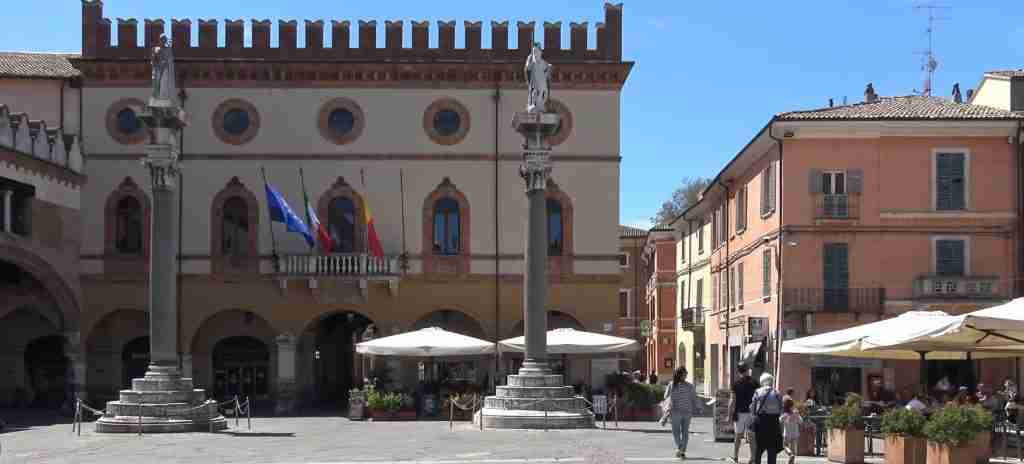
Ravenna station sits approximately 1.5 kilometers east of the historic center’s core monuments, requiring 15-20 minute walks along Via Armando Diaz and Via Cavour to reach Piazza del Popolo. The straightforward route follows clear pedestrian signage with minimal navigation complexity, though travelers with mobility limitations or heavy bags may prefer city bus service (Line 1 or 70, €1.50, 10-minute journey to center) departing from station fronting. The compact station offers basic facilities including ticket windows, waiting areas, and small café but lacks extensive amenities of larger terminals.
Understanding Ravenna’s Mosaic Monument System 2026
Ravenna’s UNESCO mosaic monuments operate under a unified ticketing system in 2026 requiring combined pass purchases rather than individual site admissions, with mandatory timed-entry reservations for all locations preventing walk-up access during peak periods. Understanding pass options, reservation procedures, and site groupings proves essential for successful day trip planning and avoiding frustrating access denials at sold-out monuments.
Monument Pass Options and Pricing 2026
The primary ticketing system in 2026 offers three monument pass levels managed by Opera di Religione della Diocesi di Ravenna. The 2-monument pass costs €10.50 (€9.50 ages 6-18, free under 6) including Basilica of San Vitale and Basilica of Sant’Apollinare Nuovo only, suitable for abbreviated visits prioritizing the two most spectacular mosaic collections. The 4-monument pass expands coverage adding the Archiepiscopal Museum and Neonian Baptistery for €12.50. The comprehensive 5-monument pass, recommended for serious art enthusiasts and day-trippers seeking complete experiences, costs €12.50-14.50 including all previous sites plus the Mausoleum of Galla Placidia, Ravenna’s most intimate and atmospheric monument.
All passes remain valid for seven consecutive days from first use, permitting multi-day visitors to spread monument exploration across extended stays. Day-trippers benefit from this validity when unexpected closures or time constraints prevent seeing all included sites, as unused entries can theoretically be utilized on future visits within the week. Passes grant single entry per monument without re-admission privileges, making strategic routing important to avoid backtracking or missing elements requiring second viewings.
Timed-Entry Reservation Requirements 2026
Timed-entry reservations became mandatory for all major Ravenna monuments in 2026, transforming previously casual walk-up access into structured appointment-based visiting. The Mausoleum of Galla Placidia and Neonian Baptistery impose the strictest capacity controls due to their small interiors (maximum 20-25 visitors simultaneously), with time slots booking out 2-4 hours in advance during peak morning periods April-October. San Vitale and Sant’Apollinare Nuovo accommodate larger crowds but still require time-slot selection when purchasing tickets, though same-day availability typically persists except peak summer weekends.
Reservations are made free of charge when purchasing passes online via the official ravennamosaici.it website or authorized resellers, with buyers selecting preferred entry times for each monument during checkout. Day-trippers should book all time slots before departing Bologna, selecting 60-90 minute intervals between monuments allowing transit time and viewing duration. Last-minute travelers without reservations face unpredictable availability at on-site ticket offices, risking hours-long waits or complete sold-out situations for Galla Placidia. The reservation system replaces previous first-come spontaneity with structured precision requiring advance planning but guaranteeing monument access.
Monument Locations and Walking Distances 2026
Ravenna’s five main mosaic monuments cluster within the compact historic center, all accessible via 5-15 minute walks from central Piazza del Popolo. San Vitale and Galla Placidia occupy adjacent locations 800 meters northwest of the piazza, forming the logical first stop for visitors arriving from the train station. The Archiepiscopal Museum and Neonian Baptistery sit together at Piazza Arcivescovado 400 meters east of Piazza del Popolo. Sant’Apollinare Nuovo stands 600 meters southeast along Via di Roma. This distribution permits efficient circular routing visiting all five sites within 90 minutes walking time plus monument viewing durations.
Additional UNESCO monuments outside the pass system include Basilica of Sant’Apollinare in Classe (5 kilometers south, €5 entry, requires bus or taxi) and the Mausoleum of Theodoric (1.5 kilometers north, €5 entry, 20-minute walk). Day-trippers concentrating on the core five-monument pass typically skip these peripheral sites, though serious Byzantine art enthusiasts may incorporate Sant’Apollinare in Classe via afternoon extension requiring 30-40 minutes each direction plus viewing time.
Optimal Day Trip Itinerary for Ravenna 2026
A strategic Ravenna day trip itinerary in 2026 balances early monument access minimizing crowds, efficient walking routes avoiding backtracking, strategic meal timing, and flexible pacing accommodating individual interests while ensuring comfortable return to Bologna by evening. This proven schedule maximizes artistic experiences within practical time constraints typical of single-day excursions.
Morning Departure and Monument Opening Strategy 2026
Depart Bologna on 7:30-8:00 AM regional trains arriving Ravenna by 8:45-9:30 AM, walking directly to San Vitale/Galla Placidia complex for 9:00 AM monument opening (March-November season, 10:00 AM winter). This timing delivers critical first-admission advantages including empty monument viewing before tour group arrivals typically beginning 10:30-11:00 AM, optimal natural lighting for mosaic photography in morning sun angles, and unhurried appreciation of spatial atmospheres impossible during crowded afternoon periods. Book Galla Placidia time slots for 9:00-9:30 AM and San Vitale for 9:30-10:30 AM when purchasing tickets online, allowing 30 minutes in the intimate mausoleum followed by 60 minutes exploring the larger basilica.
The walk from Ravenna station to San Vitale complex takes 15-20 minutes via Via Diaz and Via San Vitale, arriving monuments precisely at opening. Purchasing monument passes at on-site ticket offices risks 15-30 minute queues even at opening, making advance online purchase with printed/mobile vouchers strongly recommended. The morning-first strategy capitalizes on Ravenna’s UNESCO management allowing advance ticket holders priority entry before walk-up purchasers, creating 30-45 minute windows of near-private viewing impossible to achieve by midday arrivals.
Midday Route and Lunch Planning 2026
After completing San Vitale and Galla Placidia by 10:30-11:00 AM, walk 10 minutes east to Piazza Arcivescovado visiting the Archiepiscopal Museum and Neonian Baptistery with pre-booked 11:00 AM-12:00 PM time slots. These smaller sites require 45-60 minutes combined, concluding major monument viewing before 12:30 PM when hunger and fatigue typically emerge. The central location near Piazza del Popolo positions perfectly for lunch at traditional osterie serving Romagnolo specialties including piadina (flatbread with prosciutto and squacquerone cheese), passatelli in brodo (pasta in broth), or cappelletti (filled pasta).
Lunch timing proves crucial as most restaurants operate strict 12:30-2:30 PM kitchen hours for pranzo (lunch service), with arrivals after 2:00 PM facing limited menu availability or full closures. Budget €12-20 for casual lunch at piadina kiosks or simple trattorias, €25-35 for quality sit-down restaurants with wine, or €40-55 for upscale seafood establishments near the monuments. The 60-90 minute lunch break provides necessary rest after 3+ hours monument viewing while avoiding the hottest afternoon periods in summer months.
Afternoon Completion and Return Flexibility 2026
Post-lunch exploration focuses on Sant’Apollinare Nuovo with 2:30-3:30 PM time slot booking, the final major monument requiring 45-60 minutes viewing its magnificent nave mosaics depicting Christ, saints, and elaborate palace scenes. Completing this by 3:30-4:00 PM leaves afternoon hours for optional activities including wandering the historic center’s medieval streets, visiting Dante’s Tomb (free entry), browsing artisan mosaic workshops selling handcrafted souvenirs, or enjoying aperitivo at Piazza del Popolo cafés (€8-12 for cocktail with complimentary snacks).
Return trains to Bologna depart Ravenna approximately hourly throughout late afternoon and evening, with 5:00-7:00 PM options accommodating various day-trip lengths. Travelers satisfied after monument completion may catch 4:30-5:30 PM trains for early Bologna dinner arrivals, while those desiring extended Ravenna experiences select 6:30-8:00 PM departures permitting relaxed final hours. The flexible return scheduling eliminates rushed departures while maintaining comfortable Bologna arrival times for evening activities or hotel rest.
Essential Monuments: What to See and Expect 2026
Understanding each monument’s artistic highlights, viewing durations, and access considerations enables strategic prioritization when time constraints or energy limitations prevent seeing every site thoroughly. The following profiles guide expectations for Ravenna’s five essential mosaic monuments in 2026.
Basilica of San Vitale: The Masterpiece
San Vitale ranks as Ravenna’s supreme artistic achievement and Italy’s finest Byzantine monument, consecrated in 548 AD featuring breathtaking mosaics covering the apse, presbytery, and walls in elaborate gold-backed compositions. The centerpiece apse mosaics depict Emperor Justinian and Empress Theodora with their retinues bearing gifts to the church, representing rare portraits of Byzantine rulers created during their lifetimes with remarkable detail in clothing, jewelry, and facial features. The octagonal architecture creates dramatic spatial effects with light filtering through alabaster windows illuminating the golden tesserae producing an ethereal glow impossible to convey through photographs.
Plan 45-60 minutes minimum for San Vitale, allowing time to appreciate the intricate Old Testament narrative mosaics in the presbytery (Abraham and the three angels, Abel and Melchizedek offering sacrifices), study the architectural innovations influencing later Byzantine construction, and observe the remarkable preservation enabling close observation of individual tesserae placement techniques. Photography is permitted without flash, with morning light (9:00-11:00 AM) providing optimal illumination for capturing the mosaics’ brilliance. The monument includes gift shop selling quality books and reproductions plus public restrooms, making it logical for extended visits.
Mausoleum of Galla Placidia: Intimate Perfection
The Mausoleum of Galla Placidia, built around 425-450 AD, presents Ravenna’s most intimate mosaic experience in a small cross-shaped building measuring just 13×10 meters. The famous ceiling mosaics depict deep blue backgrounds covered with golden stars creating a night sky effect that allegedly inspired Cole Porter to compose “Night and Day” after his 1920s visit. The lunettes (arched wall sections) display exquisite scenes including Christ as Good Shepherd, Saint Lawrence approaching his martyrdom flames, and elaborate decorative patterns in remarkably preserved colors rivaling modern creations.
Capacity restrictions limit Galla Placidia to 20-25 visitors simultaneously with strict 5-minute viewing limits during peak periods, making advance time-slot reservations absolutely essential. Plan arriving at your exact booked time as late arrivals may forfeit access when subsequent slots fill completely. The intimate scale permits comprehensive viewing in 15-20 minutes including queue time, though serious photographers require 10-15 minutes inside capturing the intricate details. The mausoleum’s unassuming brick exterior contrasts dramatically with the jewel-box interior, creating powerful revelations upon entry.
Sant’Apollinare Nuovo: Procession Perfection
Sant’Apollinare Nuovo displays Ravenna’s most extensive narrative mosaic cycles along the nave walls, featuring two spectacular processions of virgin martyrs and male martyrs advancing toward Christ and Mary enthroned. Built by Ostrogoth King Theodoric around 500 AD, the basilica’s 26 mosaic panels above the processions depict Christ’s miracles and passion scenes while ornamental patterns and architectural representations demonstrate sophisticated 6th-century artistic techniques. The combination of scale (nave length approaching 40 meters), narrative complexity, and preservation quality makes Sant’Apollinare Nuovo essential viewing for Byzantine art appreciation.
Allow 30-45 minutes exploring Sant’Apollinare Nuovo, studying the procession figures’ individual characterizations, examining the architectural representations revealing early medieval urban planning, and appreciating the contrast between Theodoric’s original program and later Byzantine modifications after Ravenna’s reconquest. The basilica’s cylindrical bell tower (campanile) offers city views for additional fees but is not included in standard passes. Natural light varies significantly by time of day, with afternoon sun (2:00-4:00 PM) illuminating the south wall processions most favorably for photography and detailed observation.
Neonian Baptistery and Archiepiscopal Museum
The Neonian Baptistery (Orthodox Baptistery) constructed in the early 5th century features a spectacular dome mosaic depicting Christ’s baptism surrounded by the twelve apostles in procession, creating powerful circular compositions radiating from the central scene. The small octagonal building (baptisteries traditionally used eight-sided plans symbolizing the eighth day of creation and rebirth through baptism) packs extraordinary artistic density into compact space, with every surface decorated in mosaics, stucco, and marble demonstrating early Christian symbolic programs. The adjacent Archiepiscopal Museum houses the Chapel of Sant’Andrea, another jewel-box mosaic environment, plus the famous Throne of Maximian, an ivory masterpiece of Byzantine craftsmanship.
Budget 40-60 minutes combined for the Baptistery and Museum, split approximately 15-20 minutes for the baptistery dome study and 25-40 minutes for museum exploration. The museum’s multiple floors display liturgical objects, ancient manuscripts, and architectural fragments providing context for Ravenna’s religious importance beyond the famous mosaics. The paired sites share location at Piazza Arcivescovado, enabling efficient viewing when time constraints prevent exhaustive exploration of every display case. Both monuments impose capacity limits potentially requiring short queues even with timed-entry reservations during peak summer periods.
Ravenna Dining Guide for Day-Trippers 2026
Ravenna’s dining scene emphasizes authentic Romagnolo cuisine at prices significantly below Florence or Venice, with traditional osterie serving local specialties including piadina, fresh pasta, and Adriatic seafood in atmospheric settings favoring locals over tourists. Strategic restaurant selection enhances day trip experiences while managing costs within overall budgets.
Lunch Options and Pricing 2026
Lunch in Ravenna costs €12-35 per person in 2026 depending on venue and meal complexity. Budget options include piadina kiosks (€5-8 for filled flatbread), pizza by the slice (€3-5), and simple trattorias serving pasta dishes (€10-14) with house wine (€3-5 quarter-liter). These casual venues concentrate around Piazza del Popolo and along Via IV Novembre, offering quick service ideal for day-trippers prioritizing monument time over leisurely dining. Mid-range restaurants charging €25-35 provide full pranzo service with antipasti, primi (pasta), and secondi (meat/fish) courses plus wine, requiring 60-90 minute dining durations but delivering superior culinary experiences.
Signature Romagnolo dishes to sample include passatelli in brodo (breadcrumb pasta in rich broth), cappelletti (small filled pasta similar to tortellini but square-shaped), piadina con squacquerone e rucola (flatbread with soft local cheese and arugula), and grilled Adriatic fish (sea bass, sole, anchovies). These regional specialties prove difficult finding outside Emilia-Romagna, making Ravenna lunch opportunities for authentic local flavors unavailable in tourist-focused Bologna or Florence restaurants. Reservations prove unnecessary at most lunch venues except upscale establishments during peak summer weekends.
Coffee, Gelato, and Aperitivo Culture 2026
Coffee culture follows standard Italian patterns with espresso €1-1.50 at bars, cappuccino €1.50-2.50, and table service adding €1-2 premiums over bar consumption. Multiple historic cafés ring Piazza del Popolo offering prime people-watching positions though charging slight tourist-area premiums (€2-3 espresso, €3-4 cappuccino). Gelato costs €2.50-4.50 for small-medium portions at artisanal gelaterias producing exceptional pistachio, stracciatella, and seasonal fruit flavors using traditional methods without industrial additives.
Aperitivo tradition proves less elaborate in Ravenna than Milan or Turin but still delivers value with €8-12 cocktails or Aperol spritzes accompanied by complimentary snack buffs featuring olives, chips, small sandwiches, and occasional hot dishes. The 6:00-8:00 PM aperitivo period provides pleasant unwinding after monument viewing, particularly at outdoor piazza cafés during warm months. These small purchases accumulate to €8-15 daily for coffee, afternoon gelato, and potential aperitivo, factored into overall budget planning beyond meal costs.
Day Trip Budget Planning for 2026
Comprehensive Ravenna day trip budgets for 2026 incorporate transportation, monument tickets, meals, and incidentals with totals ranging €35-130+ per person depending on comfort preferences and activity selections. Understanding cost breakdowns across categories enables strategic spending allocation matching individual priorities and constraints.
Budget Day Trip: €35-45 Per Person
Budget travelers complete Ravenna day trips for €35-45 per person in 2026 through strategic economies across all categories. Transportation €18-22 (€9-11 each way regional train, second-class seating), monument pass €12.50 (5-monument ticket purchased online), lunch €12-15 (piadina or simple trattoria pasta), coffee/gelato €5-7 (morning cappuccino, afternoon gelato), incidentals €3-5. Total: €50-61 per person including all essential elements.
Budget optimization strategies include purchasing cheapest regional train tickets (avoiding faster Regionale Veloce premium), eating piadina or pizza for lunch rather than sit-down restaurants, skipping aperitivo in favor of direct return trains, and minimizing souvenir purchases. These travelers prioritize monument access over culinary experiences or extended leisure time, spending 5-6 hours in Ravenna focused primarily on UNESCO sites before returning Bologna. The budget approach delivers complete artistic experiences at minimal costs, ideal for students, backpackers, or travelers allocating resources toward accommodation or other Italian destinations.
Mid-Range Day Trip: €60-80 Per Person
Mid-range travelers budget €60-80 per person incorporating quality restaurant meals, leisurely pacing, and minor indulgences while maintaining value consciousness. Transportation €24-30 (€12-15 each way on faster Regionale Veloce services), monument pass €14.50 (5-monument ticket with potential audio guide rental), lunch €25-35 (sit-down restaurant with wine), coffee/snacks €8-12 (morning café, afternoon gelato, potential aperitivo), incidentals €10-15 (bookshop purchases, additional refreshments). Total: €81-106 per person for comfortable experiences.
This budget level enables relaxed 7-9 hour Ravenna visits without constant price-checking, accommodating quality pranzo experiences featuring multiple courses and local wines, afternoon café breaks, and potential souvenir purchases at monument gift shops. Mid-range travelers achieve balance between comprehensive experiences and fiscal responsibility, representing typical comfortable day-trip spending for adult tourists seeking authenticity without luxury premiums. The approach permits spontaneous decisions like extending stays for aperitivo or purchasing artisanal products without budget anxiety.
Upscale Day Trip: €100-130+ Per Person
Upscale day trips cost €100-130+ per person prioritizing comfort, premium dining, guided experiences, and stress-free logistics. Transportation €30-40 (first-class train tickets, potential taxi from Ravenna station €10-15), monument access €50-70 (5-monument pass plus private or small-group guided tour €40-60), upscale lunch €50-70 (refined seafood restaurant with wine), coffee/snacks €15-20 (premium cafés, quality gelato, aperitivo), souvenirs/extras €20-30. Total: €165-230 per person for comprehensive luxury experiences.
Luxury budgets eliminate all trade-offs, enabling private guide hire for personalized monument interpretation, taxi transfers avoiding station-center walks, upscale restaurants featuring fresh Adriatic fish and regional wines, extended aperitivo at premium locations, and unhurried browsing at artisan workshops purchasing quality mosaic reproductions or local crafts. These travelers prioritize experience quality over cost optimization, spending 8-10 hours in Ravenna with flexible schedules accommodating interests as they emerge. The upscale approach suits special occasions, art enthusiasts desiring expert interpretation, or travelers valuing comfort and convenience above budget considerations.
Practical Tips for Ravenna Day Trips 2026
Successful Ravenna day trips require attention to practical details beyond basic itinerary planning, including photography guidelines, dress codes, weather considerations, and strategic timing maximizing experiences while avoiding common pitfalls encountered by unprepared visitors.
Photography and Monument Etiquette 2026
Photography is permitted in all major Ravenna monuments without flash, with handheld cameras and smartphones acceptable while tripods, monopods, and selfie sticks are prohibited. Flash photography damages delicate mosaic surfaces over time, making the prohibition strictly enforced by monument staff who immediately intervene when flashes fire accidentally. Natural light photography proves challenging in dimly-lit interiors like Galla Placidia, requiring ISO 800-3200 settings or smartphone night modes for quality images without blur from slow shutter speeds.
Respectful behavior expectations include silent or whispered conversations (these remain active religious sites hosting daily worship), no eating or drinking inside monuments, modest dress covering shoulders and knees, and respectful distance from other visitors during photography. Group tours receive priority access during reserved time slots, occasionally requiring individual visitors to wait 5-10 minutes at monument entrances. Understanding these protocols prevents embarrassing corrections from guards or fellow visitors while demonstrating cultural sensitivity appropriate for sacred spaces housing priceless artistic treasures.
Weather Considerations and Seasonal Planning 2026
Ravenna experiences hot, humid summers (June-August) with temperatures regularly exceeding 30°C (86°F) and occasional 35°C+ (95°F+) heat waves, pleasant spring/fall conditions (April-May, September-October) averaging 15-25°C (59-77°F), and cool, wet winters (November-March) ranging 5-12°C (41-54°F) with frequent rain. Summer visitors require sun protection (hat, sunscreen), water bottles (refillable at public fountains), and light clothing while accepting reduced mosaic visibility due to bright exterior light overwhelming dim interiors. Shoulder seasons deliver optimal viewing conditions with moderate temperatures, comfortable walking, and balanced lighting enhancing mosaic observation.
Winter day trips face shortened monument hours (10:00 AM-5:00 PM versus 9:00 AM-7:00 PM summer) reducing available viewing time, potential rain requiring umbrellas and waterproof footwear, and occasional exceptional closures for maintenance or restoration works more common off-season. However, winter offers smallest crowds, immediate monument access without timed-entry constraints, and deeply atmospheric experiences enhanced by fewer visitors and muted lighting. Checking extended weather forecasts and monument opening hours via ravennamosaici.it before finalizing day trip dates prevents disappointment from unexpected closures or severe weather disruptions.
Accessibility and Mobility Considerations 2026
Ravenna’s historic center features predominantly flat terrain with pedestrian-friendly streets, though cobblestones and occasional curbs challenge wheelchair users and travelers with mobility limitations. San Vitale and Galla Placidia offer dedicated wheelchair access routes, Sant’Apollinare Nuovo provides mobility-impaired entry, and the Archiepiscopal Museum features accessible rooms including Sant’Andrea Chapel. The Neonian Baptistery accommodates mobility-impaired visitors though its compact octagonal space limits wheelchair maneuvering. All monuments provide rest areas with seating for visitors requiring breaks during viewing.
Travelers with significant mobility limitations should consider taxi services from Ravenna station to monuments (€10-15, advance booking recommended) rather than the 15-20 minute walk, prioritize the 2-3 most important sites over exhaustive five-monument coverage to conserve energy, and schedule generous time allowances between monuments accounting for slower movement speeds. Monument staff assists mobility-impaired visitors with access routes and accommodations, though advance notification via email to [email protected] enables optimal preparation. The relatively compact monument distribution makes Ravenna more accessible than sprawling destinations like Rome or Venice despite medieval infrastructure challenges.
Alternative Ravenna Experiences 2026
Beyond the core five UNESCO monuments, Ravenna offers supplementary attractions and experiences enhancing day trips for visitors with extra time, specialized interests, or return visit flexibility enabling deeper exploration beyond standard tourist circuits.
Basilica of Sant’Apollinare in Classe
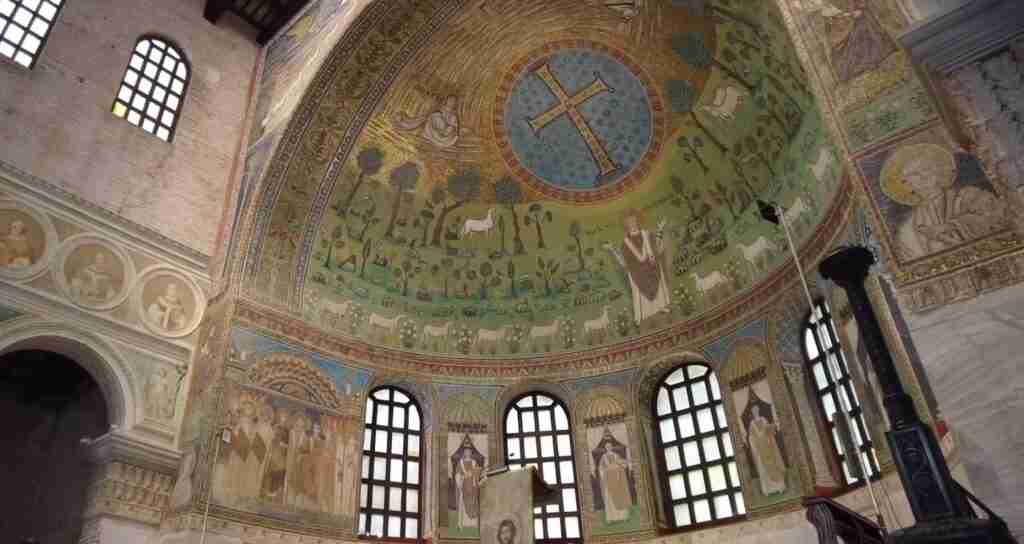
Sant’Apollinare in Classe, located 5 kilometers south of Ravenna’s center, features one of Italy’s most spectacular apse mosaics depicting Sant’Apollinare in a paradisiacal landscape with sheep, flowers, and a magnificent Transfiguration of Christ in the conch. Built in the 6th century when Classe functioned as Ravenna’s major port (now silted and reclaimed), this UNESCO monument rivals the city-center basilicas in artistic significance though its peripheral location reduces visitor numbers substantially. Entry costs €5 with free access first Sunday monthly, requiring 30-40 minutes viewing time.
Reaching Sant’Apollinare in Classe via public transportation involves catching bus Line 4 from Ravenna’s Piazza Farini (€1.50, 15-20 minutes), operating hourly with reduced weekend service requiring schedule verification. Taxis cost €12-18 each way. The journey time and additional expense make this monument best suited for serious Byzantine art enthusiasts, return visitors having completed core city monuments, or travelers with private vehicles enabling convenient access. Day-trippers on tight schedules typically prioritize the five city-center monuments over this peripheral site despite its artistic merits.
Dante’s Tomb and Quiet Zone
Ravenna houses Dante Alighieri’s tomb and maintains the “Zona Dantesca” (Dante Zone) where the exiled poet spent his final years completing the Divine Comedy before his 1321 death. The simple neoclassical tomb mausoleum offers free entry year-round, providing peaceful contemplation space for literary pilgrims honoring Italy’s supreme poet. Adjacent San Francesco Basilica features a flooded crypt with gold mosaic flooring visible through crystalline water, creating ethereal reflections enhanced by coin offerings glinting below the surface. The Dante Museum presents manuscripts, early editions, and contextual materials exploring the poet’s Ravenna period and Divine Comedy’s cultural impact.
These Dante-related sites cluster near Piazza San Francesco 400 meters from the main monument concentration, easily incorporated into walking routes between UNESCO sites without significant detours. Budget 30-45 minutes for comprehensive Dante zone exploration including tomb visit, basilica viewing, and potential museum entry (€3-5 when open). Literary enthusiasts find these sites essential while general tourists may prioritize mosaic viewing over poet commemoration depending on interests and available time.
Artisan Mosaic Workshops and Shopping
Ravenna maintains living mosaic traditions through artisan workshops producing contemporary works using ancient techniques, offering demonstrations, classes, and sales of handcrafted pieces ranging from €20 souvenir coasters to €2,000+ custom artistic commissions. Several workshops welcome visitors for 20-30 minute demonstrations explaining tesserae cutting, composition planning, and installation methods, providing insight into the painstaking craftsmanship required for the UNESCO masterpieces. Purchase opportunities include ready-made small mosaics (€20-100), custom orders of personal designs or photographs rendered in mosaic (€200-2,000+), and mosaic-making kits for home experimentation (€30-80).
Workshop locations concentrate along Via di Roma and streets near San Vitale, marked by window displays showing works in progress and finished pieces. Visiting workshops provides cultural enrichment beyond passive monument viewing while supporting local artisans maintaining centuries-old traditions in an era of machine production. Travelers seeking meaningful souvenirs find authentic handcrafted mosaics superior to mass-produced items sold at monument gift shops, though higher prices reflect genuine craftsmanship and artist signatures. Budget 30-60 minutes for workshop visits plus purchasing time when interested in acquisition.
Frequently Asked Questions About Ravenna Day Trips 2026
How early should I book Ravenna monument tickets for 2026?
Book Ravenna monument tickets 3-7 days in advance during peak season (April-October) and 1-3 days ahead during off-season (November-March) in 2026 to guarantee desired time slots, particularly for the Mausoleum of Galla Placidia and Neonian Baptistery which sell out fastest. Summer weekends and Italian holidays require maximum advance booking (7-10 days) as domestic tourists surge monument capacity. The mandatory timed-entry system implemented in 2026 makes advance online booking through ravennamosaici.it strongly recommended over on-site purchases risking sold-out situations or hours-long wait times for next available slots. Last-minute bookers visiting Tuesday-Thursday off-season often find same-day availability but risk disappointment if traveling specifically for monument viewing without reservation backup plans.
Can I visit Ravenna from Bologna in winter 2026?
Winter Ravenna day trips remain feasible from Bologna in 2026 with adjusted expectations for shortened monument hours (10:00 AM-5:00 PM versus 9:00 AM-7:00 PM summer), potential rain requiring waterproof gear, and occasional exceptional closures for maintenance more common off-season. Trains maintain similar frequencies year-round with reliable service unaffected by weather except extreme conditions. Winter advantages include minimal crowds providing intimate monument experiences, immediate time-slot availability without advance booking pressure, atmospheric lighting in dim interiors enhanced by winter’s muted exterior light, and reduced accommodation costs if overnighting. November-February temperatures averaging 5-12°C (41-54°F) require warm layers and rain preparation but pose no impediment to day trip execution for properly equipped travelers accepting seasonal limitations on hours and weather predictability.
Are Ravenna’s monuments suitable for children in 2026?
Ravenna monuments suit older children (ages 10+) interested in art or history but challenge younger children lacking patience for extended quiet viewing and capacity for appreciating Byzantine artistic significance. The compact monument sizes with 15-30 minute viewing durations prove more manageable than sprawling museums requiring hours of walking, though accumulating five monuments creates fatigue for children unaccustomed to cultural touring. The 5-minute Galla Placidia limit and prohibition on running, loud talking, or monument touching require well-behaved children respecting sacred space protocols. Families with young children (under 10) may prefer limiting visits to 2-3 monuments rather than exhaustive five-site coverage, incorporating playground breaks at public gardens between cultural viewing. Children under 6 enter free while ages 6-18 receive reduced €9.50 pricing on monument passes, making family visits economically reasonable compared to some Italian destinations charging full adult rates for all ages.
What happens if I miss my timed-entry slot in 2026?
Missing your timed-entry slot for Ravenna monuments in 2026 typically results in access denial and forfeited entry, though sympathetic staff may accommodate late arrivals (15-30 minutes) when subsequent time slots show availability rather than full bookings. The strict capacity controls necessary for intimate spaces like Galla Placidia and the Neonian Baptistery prevent flexibility when advance bookings fill all day’s time slots. Travelers arriving late should immediately visit ticket offices requesting next-available access, sometimes waiting 1-3 hours for openings or receiving same-day denial on peak days. This risk makes conservative scheduling essential, allowing 90-minute buffers between booked time slots accounting for extended viewing at previous monuments, navigation confusion, or meal service delays. Setting smartphone alarms 30 minutes before each reservation prevents absent-minded lateness causing admission forfeitures and day-trip disruptions.
Is one day enough for Ravenna or should I stay overnight in 2026?
One day proves sufficient for visiting Ravenna’s five essential UNESCO monuments plus lunch and basic historic center exploration in 2026, though overnight stays enable relaxed pacing, peripheral monument inclusion (Sant’Apollinare in Classe, Mausoleum of Theodoric), and atmospheric evening experiences impossible on rushed day trips. Day-trippers efficiently viewing San Vitale, Galla Placidia, Neonian Baptistery, Archiepiscopal Museum, and Sant’Apollinare Nuovo within 6-8 hours including meals accomplish comprehensive artistic objectives without overnight costs. Overnight visitors gain morning/evening town atmosphere when tourists depart, deeper dining experiences at upscale restaurants, potential sunset beach visits at nearby Adriatic resorts, and stress-free monument touring without rushed train departure pressure. Budget-conscious travelers prioritize day trips maximizing Bologna accommodation investments, while those valuing depth over breadth and comfortable pacing justify overnight stays. Ravenna’s reasonable hotel rates (€70-120 mid-range) make overnighting economically viable compared to day-trip transportation savings, ultimately depending on individual priorities regarding time versus money trade-offs.
Are audio guides available for Ravenna monuments in 2026?
Audio guides are available for rental at major Ravenna monuments in 2026 for €5 per device, offered in Italian, English, French, German, and Spanish with 30-45 minute narrations explaining mosaic iconography, historical contexts, and artistic techniques. San Vitale and Sant’Apollinare Nuovo provide the most comprehensive audio guide content given their extensive mosaic programs requiring detailed explanation. The smaller monuments (Galla Placidia, Neonian Baptistery) offer abbreviated 10-15 minute audio programs matching their compact scales. Audio guides enhance appreciation particularly for visitors lacking Byzantine art background, though serious enthusiasts may prefer guidebooks offering deeper analysis and permanent reference value. Smartphone apps including Rick Steves Audio Europe provide free Ravenna monument commentary, delivering cost savings versus official rentals though potentially less comprehensive or current. Combined monument passes do not include audio guides, making rental an additional €5 expense factored into budget planning for travelers seeking interpretive enhancement beyond self-guided observation.
Can I buy food and drinks inside Ravenna monuments in 2026?
No food or drinks are sold or consumed inside Ravenna monuments in 2026 beyond bottled water permitted in outer courtyards, with all eating and drinking prohibited in mosaic-viewing spaces to protect delicate surfaces from spills and contamination. Monument gift shops sell books, postcards, reproductions, and souvenirs but not refreshments. Visitors requiring food or water during monument viewing must exit to nearby cafés or public areas, with re-entry prohibited on single-use tickets. This makes strategic hydration and snacking important, particularly during summer heat when dehydration risks increase during extended walking and monument touring. Carrying refillable water bottles for filling at public fountains between monuments, consuming substantial breakfast before monument viewing begins, and scheduling strategic coffee/snack breaks at piazza cafés between sites maintains energy without violating monument regulations or requiring special provisions inside sacred spaces.
How crowded is Ravenna compared to Florence or Venice in 2026?
Ravenna experiences dramatically lower tourist crowds than Florence or Venice in 2026, with even peak summer conditions delivering manageable visitor volumes allowing comfortable monument viewing and authentic local atmosphere. San Vitale sees 200-400 daily visitors during summer peaks versus 15,000-20,000 at Florence’s Uffizi Gallery, while Ravenna’s total annual visitors number approximately 600,000 compared to Venice’s 25+ million, creating entirely different crowd dynamics. The mandatory timed-entry system further regulates monument capacity preventing the crushing masses common at uncontrolled mass-tourism sites. Cruise ship excursions occasionally create 90-120 minute surges of 200-300 group tourists at individual monuments, solved by avoiding 10:30 AM-1:00 PM periods when tour groups concentrate. Early morning and late afternoon visits provide near-private experiences impossible at Italy’s overcrowded destinations. The quiet atmosphere, respectful visitor behavior, and manageable numbers make Ravenna refreshing for travelers fatigued by mass-tourism destinations’ chaos and commercialization.
What souvenirs should I buy in Ravenna in 2026?
Authentic Ravenna souvenirs in 2026 include handcrafted mosaic pieces from artisan workshops (€20-500+ depending on size and complexity), mosaic-making kits for home creation (€30-80), quality art books documenting the UNESCO monuments with detailed photography and scholarly analysis (€25-60), local Romagna food products including piadina flour mix, squacquerone cheese, and regional wines (€8-30), and official reproduction postcards or posters of famous mosaics (€2-10). These items deliver authentic connections to Ravenna’s artistic heritage and culinary traditions versus generic “Italy” merchandise mass-produced in Asia. Monument gift shops stock quality selections curated for educational and artistic value, though prices typically run 10-20% higher than independent bookshops or artisan workshops outside monument compounds. Budget €20-100 for meaningful souvenirs balancing quality and affordability, selecting items providing lasting memories and potential gifts conveying genuine cultural authenticity impossible to obtain through mass-market channels.
Is Ravenna safe for solo travelers in 2026?
Ravenna ranks among Italy’s safest cities for solo travelers in 2026, with negligible violent crime, rare pickpocketing or theft compared to major tourist destinations, and welcoming attitudes toward independent visitors regardless of gender. The compact historic center’s pedestrian zones, excellent street lighting, and frequent police presence create secure environments even during evening hours. Standard precautions including monitoring belongings in crowded areas, avoiding displaying expensive jewelry or electronics, and staying in well-lit areas after dark suffice for incident-free visits. Solo female travelers report consistently positive experiences with respectful interactions, absence of aggressive harassment common at some Italian destinations, and comfort walking independently throughout daylight hours. The day-trip structure with regular train connections to Bologna provides additional security knowing return transportation operates reliably through evening hours. Ravenna’s provincial character and genuine local economy focused on residents rather than tourists create authentic atmospheres lacking the opportunistic crime targeting tourists in over-touristed destinations.