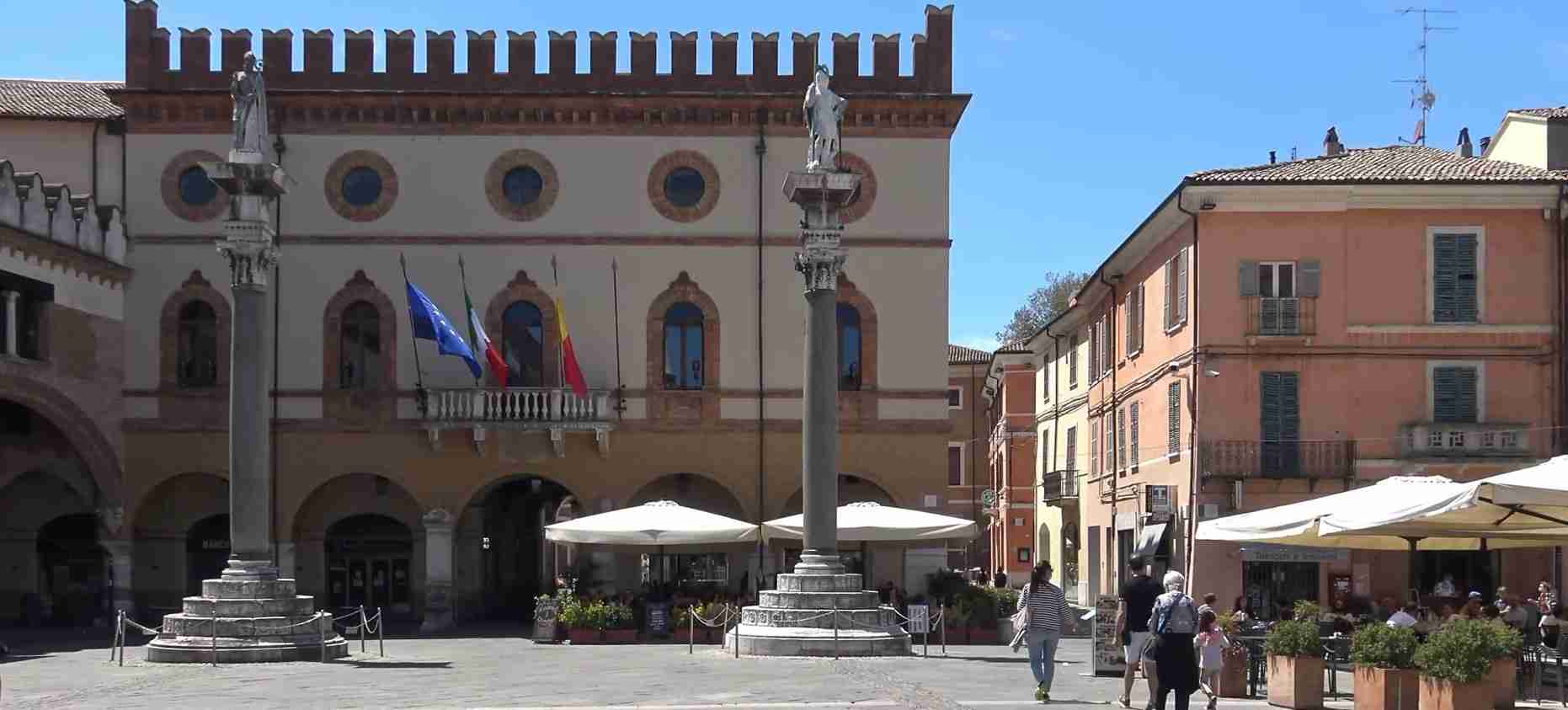
Ravenna Best Tours & Walking Routes 2026: Complete Travel Guide
Ravenna’s eight UNESCO World Heritage Byzantine monuments showcase the world’s finest early Christian mosaics, preserved in basilicas and mausoleums that professional-guided tours decode while self-guided walking routes connect these golden-tiled treasures across a compact historic center easily explored in 2-4 hours. This comprehensive 2026 guide details combination ticket strategies, tour operator pricing, monument access protocols, and walking routes through the medieval streets linking basilicas to help you experience both the sparkling mosaics and the quiet Romagna atmosphere that distinguishes this Adriatic coastal city.
Key Takeaways
- The 5-site combination ticket (€14.50 in 2026) provides access to all major UNESCO monuments including San Vitale, Galla Placidia, Sant’Apollinare Nuovo, Neonian Baptistery, and Archiepiscopal Museum, valid for seven days with mandatory time-slot reservations required for the mausoleum and baptistery
- Guided walking tours cost €50-85 per person for 2.5-3 hour experiences including monument entries and expert mosaic interpretation, while private tours range €200-350 for customized pacing and focus areas
- Monument opening hours extend from 9 AM-7 PM daily during peak season (March 8-November 1, 2026) and reduce to 10 AM-5 PM during low season (November 3, 2025-March 7, 2026)
- Self-guided walking routes cover the historic center’s 1.5-kilometer diameter in 2-3 hours, connecting all eight UNESCO sites plus Dante’s tomb and Piazza del Popolo without requiring transportation between locations
- Day trips from Bologna reach Ravenna in 60-75 minutes by train (hourly departures), making half-day visits feasible though full-day stays allow thorough mosaic appreciation without rushing
- Cruise passengers arriving at Ravenna port find tour operators offering 3-4 hour shore excursions focusing on San Vitale, Galla Placidia, and Sant’Apollinare Nuovo for time-constrained visits
People Also Ask About Ravenna Tours 2026
How much does a guided tour of Ravenna cost in 2026?
Guided walking tours of Ravenna cost €50-85 per person for 2.5-3 hour experiences in 2026, with most tours including entrance to 3-5 UNESCO monuments and expert guide interpretation of the Byzantine mosaics. Small-group tours limiting participants to 8-15 people typically cost €70-85, while larger group tours accommodating 20-25 participants range €50-65. These prices include monument combination tickets (worth €10.50-14.50 separately) and audio headsets for groups over 15 people as required by Ravenna monument regulations. Private tours cost €200-350 for 2-3 hour experiences serving 2-8 participants, with per-person costs decreasing as group size increases.
Do I need to book Ravenna monuments in advance in 2026?
Advance booking is mandatory for the Mausoleum of Galla Placidia and Neonian Baptistery in 2026 due to strict capacity limits protecting the delicate mosaics from crowd damage and climate control requirements. Online reservations through ravennamosaici.it allow time-slot selection avoiding wait times of 30-90 minutes that walk-up visitors face during peak season (April-October). The 5-site combination ticket purchased online includes pre-selected time slots for these two restricted monuments, while the other sites (San Vitale, Sant’Apollinare Nuovo, Archiepiscopal Museum) accept combination ticket holders without time restrictions. Peak season visitors should book 3-7 days ahead, while off-season travelers (November-March) can often book same-day morning for afternoon visits.
What is the best walking route to see Ravenna’s UNESCO sites in 2026?
The optimal walking route visiting all major UNESCO monuments in Ravenna begins at San Vitale and Galla Placidia (adjacent sites sharing entrance access), proceeds 600 meters northeast to the Archiepiscopal Museum and Neonian Baptistery (also adjacent), continues 400 meters north to Sant’Apollinare Nuovo, detours 200 meters west to Dante’s tomb and San Francesco basilica, and concludes at Piazza del Popolo 300 meters southwest. This 2.2-kilometer route requires 2.5-3.5 hours including monument visits (15-20 minutes each for baptistery and mausoleum, 30-45 minutes each for basilicas) and covers Ravenna’s compact centro storico without backtracking. Starting at San Vitale at opening time (9 AM peak season) avoids tour group crowds that typically arrive 10:30 AM-12 PM from cruise ships and Bologna day trips.
Can you visit Ravenna as a day trip from Bologna in 2026?
Ravenna works well as a day trip from Bologna in 2026 with direct trains departing hourly taking 60-75 minutes (fast trains 60 minutes, regional trains 75 minutes). A typical day-trip schedule departs Bologna 8:30-9 AM, arrives Ravenna 9:30-10 AM, explores monuments 10 AM-4 PM, and returns to Bologna 4:30-5 PM, providing 6-7 hours in Ravenna sufficient for visiting 4-5 UNESCO sites plus lunch and independent wandering. Organized day-trip tours from Bologna cost €80-120 per person including round-trip train tickets, guided walking tour, and monument entries, eliminating independent logistics planning. Independent travelers purchasing combination tickets and self-guiding reduce costs to €30-45 (€10-20 round-trip train, €14.50 monument pass, €8-15 lunch) while maintaining schedule flexibility.
Extended multi-day tours – 5+ days
Featured Emilia Romagna Multi-Day Tour Packages
5 days
5 Day Bologna: The Heart of Italy
- ✓ Comprehensive Emilia Romagna tour
- ✓ Expert local guides included
- ✓ All accommodation arranged
- ✓ Transportation provided
4 days
Discovering Bologna
- ✓ Comprehensive Emilia Romagna tour
- ✓ Expert local guides included
- ✓ All accommodation arranged
- ✓ Transportation provided
8 days
Taste of Italy, Emilia-Romagna Culinary Cycling – Classic Self Guided 8day
- ✓ Comprehensive Emilia Romagna tour
- ✓ Expert local guides included
- ✓ All accommodation arranged
- ✓ Transportation provided
4 days
Bologna Gourmet, Good Food and History 4 Days Tour
- ✓ Comprehensive Emilia Romagna tour
- ✓ Expert local guides included
- ✓ All accommodation arranged
- ✓ Transportation provided
Multi-day tour packages powered by TourRadar. Prices and availability subject to change.
Introduction to Ravenna Tours and Monuments 2026
Ravenna presents an unusual Italian travel proposition: world-class UNESCO monuments rivaling Rome and Florence for historical significance combined with manageable tourist crowds and straightforward logistics that allow thorough exploration without advance planning stress or perpetual queues. The city’s eight UNESCO World Heritage sites concentrate within a 1.5-kilometer-diameter historic center where walking suffices for all monument access, creating ideal conditions for both guided tours efficiently contextualizing Byzantine history and self-guided exploration allowing personal pacing and repeated visits to favorite mosaics.
The combination ticket system in 2026 streamlines monument access through a single €14.50 purchase valid for seven days, eliminating separate ticket transactions at each site while providing significant cost savings versus individual entries. This integrated ticketing pairs naturally with Ravenna’s compact layout, where maximum distance between UNESCO monuments measures 800 meters, creating a pedestrian-friendly experience requiring no transportation beyond personal feet and comfortable walking shoes for cobblestone streets.
Tour options in Ravenna divide between mosaic-focused cultural experiences emphasizing Byzantine art history and architectural significance, and broader historical tours incorporating Ravenna’s role as Western Roman Empire capital (402-476 CE), Ostrogothic kingdom seat, and Byzantine Exarchate administrative center. The specialized nature of mosaic interpretation particularly benefits from guided tours where experts explain theological symbolism, political messaging, and artistic techniques invisible to untrained eyes viewing the glittering surfaces without historical context.
Peak season tours (April-October) require booking 3-7 days ahead as tour operators work within monument capacity limits and time-slot restrictions protecting delicate mosaics from excessive visitor traffic and environmental fluctuations. Off-season visitors (November-March) enjoy same-day booking availability and reduced crowds transforming the monument experience from managing queues to contemplative viewing in near-empty basilicas. The trade-off involves shorter daylight hours (sunset 4:30-5 PM in December versus 8-8:30 PM in July) and cooler indoor temperatures in unheated medieval buildings, making layered clothing essential for winter visits.
Understanding Ravenna’s UNESCO Monument System 2026
Ravenna’s eight UNESCO World Heritage monuments comprise five sites included in the standard combination ticket system (San Vitale, Galla Placidia, Sant’Apollinare Nuovo, Neonian Baptistery, Archiepiscopal Museum), two sites requiring separate entry (Sant’Apollinare in Classe 5 kilometers outside the historic center, Arian Baptistery typically closed except special events), and one free-access site (Theodoric’s Mausoleum with exterior viewing only, interior closed for restoration). This division creates practical implications for tour planning, as most guided tours and self-guided routes focus on the five ticketed central monuments providing the most spectacular mosaics and requiring 2.5-4 hours for thorough viewing.
The combination ticket pricing structure in 2026 offers three tiers designed for different visit durations and interests: the 2-site pass (€10.50) includes San Vitale and Sant’Apollinare Nuovo only, the 4-site pass (€12.50) adds Galla Placidia and Neonian Baptistery, and the 5-site pass (€14.50) includes all five central monuments plus the Archiepiscopal Museum and Chapel of Sant’Andrea. Children ages 6-10 receive reduced rates (€2-4 depending on pass type), while children under 6, Ravenna residents, licensed tour guides, and visitors with disabilities plus one companion enter free with appropriate documentation.
Time-slot reservations operate as mandatory rather than optional for Galla Placidia and Neonian Baptistery, reflecting conservation priorities limiting simultaneous visitor numbers to 25 people in the mausoleum and 30 in the baptistery. Online ticket purchasers select specific 30-minute time windows (e.g., 10:00-10:30, 10:30-11:00) when booking, while on-site ticket buyers receive next-available slots that may require 30-90 minute waits during peak morning hours (10-12 AM) when tour groups arrive. The other three monuments (San Vitale, Sant’Apollinare Nuovo, Archiepiscopal Museum) accept combination ticket holders throughout operating hours without time restrictions or capacity-based queuing.
Ticket purchase locations include the online booking system at ravennamosaici.it (recommended for guaranteed time slots and avoiding ticket office lines), on-site ticket offices at Sant’Apollinare Nuovo and the Archiepiscopal Museum (subject to availability and potential queues), and authorized tour operators who include combination tickets in tour pricing. The seven-day validity period allows visitors to spread monument visits across multiple days rather than rushing through all five sites in a single exhausting afternoon, particularly valuable for photography enthusiasts wanting to capture different lighting conditions or travelers balancing monument visits with Ravenna’s food scene and Adriatic beach access.
Guided Walking Tour Options and Pricing 2026
Standard guided walking tours in Ravenna cost €50-85 per person for 2.5-3 hour experiences exploring 3-5 UNESCO monuments in 2026 (verify current rates when booking as operators adjust pricing seasonally). These tours typically begin at Sant’Apollinare Nuovo or San Vitale, proceeding through the historic center with stops at Galla Placidia, Neonian Baptistery, Archiepiscopal Museum, and occasional detours to Dante’s tomb or Piazza del Popolo. Small-group tours limiting participants to 8-15 people cost €70-85 including monument combination tickets, audio headsets for groups over 15 participants, and expert guide commentary, while larger tours accommodating 20-25 people reduce per-person costs to €50-65 through economy of scale.
The standard tour structure emphasizes mosaic interpretation and Byzantine historical context: 15-20 minutes introducing Ravenna’s transition from Roman capital to Byzantine stronghold while walking from meeting point to first monument, 20-30 minutes inside San Vitale analyzing the famous Justinian and Theodora mosaic panels and architectural innovations of the octagonal plan, 10-15 minutes at Galla Placidia explaining the disputed attribution and starry-sky vault mosaics, 15-20 minutes at Sant’Apollinare Nuovo decoding the procession of martyrs and palace imagery, 15-20 minutes at Neonian Baptistery discussing baptismal symbolism and architectural evolution, with walking transitions between monuments providing urban context about medieval street patterns and Ravenna’s relationship to the nearby Adriatic coast.
Monument entry fees factor into tour pricing structures through two models: tours priced €50-65 typically exclude monument entries requiring participants to purchase combination tickets separately (€14.50 additional cost), while tours priced €75-85 include combination tickets in the quoted price. Tour descriptions specify “entrance fees included” or “monument tickets not included” to distinguish these models, with the all-inclusive option providing convenience and eliminating separate ticket transactions while potentially costing €5-15 more than separate purchase depending on group size and operator commission structures. Travelers should verify which pricing model applies when comparing tour options to ensure accurate cost comparison.
Private walking tours cost €200-350 for 2-3 hour experiences serving 2-8 participants, with pricing varying by tour duration, number of monuments visited, and guide expertise level. A basic 2-hour private tour visiting three monuments costs approximately €200-250 for groups up to 4 people, while extended 3-hour experiences covering all five central UNESCO sites plus additional stops like Dante’s tomb or the Domus dei Tappeti di Pietra (ancient Roman house with mosaic floors) range €280-350. These private tours offer significant advantages: flexible start times accommodating train arrival schedules or cruise ship port calls, customized focus areas emphasizing particular artistic periods or architectural elements based on participant interests, ability to adjust pacing for photography needs or energy levels, and elimination of waiting for slower group members at each monument entrance.
Food-inclusive walking tours combine mosaic viewing with Romagna culinary experiences, costing €85-120 per person for 3.5-4 hour experiences including monument visits plus 3-4 food tastings. These hybrid tours typically visit San Vitale and Galla Placidia for mosaic appreciation (60-75 minutes combined), then proceed to piadina shops for the local flatbread specialty (15-20 minutes with tasting), stop at salumerie for culatello and squacquerone cheese samples (15 minutes), and conclude at traditional restaurants for cappelletti pasta or passatelli in brodo soup (30-40 minutes). The food components add cultural dimension beyond pure art history while providing sustenance that standard walking tours lack, though the reduced monument visit time makes these tours better suited to travelers prioritizing Ravenna’s culinary identity over comprehensive mosaic analysis.
Specialized thematic tours addressing specific aspects of Ravenna’s heritage cost €60-95 per person for 2.5-3 hour experiences. Architecture-focused tours emphasize structural innovations in San Vitale’s octagonal design and basilica evolution from Roman to Byzantine building techniques (€70-85). Dante-themed tours combine Ravenna’s role as the poet’s final residence and burial location with literary connections to the Divine Comedy references (€60-75). Byzantine history tours contextualize the mosaics within 6th-century political tensions between Ostrogothic rulers and Byzantine emperors, using mosaic imagery as historical documents rather than purely artistic achievements (€75-95). These specialized tours attract academics, architecture students, and serious history enthusiasts rather than general tourists, with group sizes typically limited to 6-12 participants for detailed technical discussions.
Monument Combination Ticket Strategy 2026
The 5-site combination ticket (€14.50 for adults in 2026) provides access to Basilica San Vitale, Mausoleum of Galla Placidia, Basilica Sant’Apollinare Nuovo, Neonian Baptistery, and Archiepiscopal Museum with Chapel of Sant’Andrea, valid for seven consecutive days from first use allowing flexible visit scheduling. Purchasing this complete pass rather than the limited 2-site (€10.50) or 4-site (€12.50) options makes economic sense for anyone planning to visit more than three monuments, as the €2-4 incremental cost provides access to additional sites that would cost €6-8 individually. The seven-day validity proves particularly valuable for photographers wanting to capture monuments under different lighting conditions or travelers spreading visits across morning and afternoon sessions to avoid midday crowds.
Online ticket purchase through ravennamosaici.it requires advance planning but eliminates three significant frustrations: waiting in ticket office lines that stretch 15-45 minutes during peak season mornings (10-11:30 AM), accepting whichever Galla Placidia and Neonian Baptistery time slots remain available rather than selecting optimal times, and carrying cash as some ticket offices maintain cash-only policies during system outages. The online booking process requires selecting a specific date and time slot for the mausoleum visit (choosing from available 30-minute windows), automatically assigns a baptistery time slot 30-60 minutes after the mausoleum, and provides immediate email confirmation with QR codes valid for monument entry without physical ticket office exchange.
Strategic time-slot selection maximizes monument viewing quality by avoiding tour group peaks and optimizing lighting conditions for mosaic photography. The mausoleum’s optimal viewing occurs 9-10 AM when morning sun illuminates the interior through the entrance door creating dramatic light effects on the blue-and-gold vault mosaics, while afternoon visits (3-5 PM) encounter backlighting that diminishes detail visibility. The baptistery benefits from midday overhead sun (12-2 PM) that illuminates the dome mosaic directly, though this timing coincides with tour group peaks requiring tolerance for crowded conditions. Booking the mausoleum at opening time (9 AM) followed by the baptistery (9:30-10 AM) provides excellent lighting and minimal crowds, though requires early arrival discipline.
The recommended monument visit sequence following combination ticket purchase begins with Galla Placidia at the reserved time slot (assuming 9-9:30 AM booking), immediately proceeds to adjacent San Vitale (no time restriction, 30-45 minutes), walks to the Archiepiscopal Museum (10-15 minutes walking, 20-30 minutes viewing), continues to the Neonian Baptistery for the second reserved time slot (10-15 minutes viewing), and concludes with Sant’Apollinare Nuovo (10 minutes walking, 30-40 minutes viewing). This 3-3.5 hour sequence completes all five monuments in a logical geographic flow without backtracking while respecting the mandatory time slots for capacity-restricted sites.
Alternative strategies for spreading monument visits across multiple days take advantage of the seven-day validity: Day 1 focuses on San Vitale and Galla Placidia (adjacent sites requiring 90 minutes combined), Day 2 covers Sant’Apollinare Nuovo and walking exploration of the historic center, Day 3 completes the Neonian Baptistery and Archiepiscopal Museum. This relaxed approach allows each monument visit to conclude with extended time in nearby cafés or restaurants processing the visual experience before proceeding to additional sites, reducing the sensory overload that compressed single-day marathon visits can create when viewing five different mosaic masterpieces in rapid succession.
Self-Guided Walking Routes Through Ravenna 2026
The Essential UNESCO Loop covers Ravenna’s five major monuments in 2.5-3.5 hours of walking and viewing, beginning at the San Vitale/Galla Placidia complex (Via San Vitale 17), proceeding northeast 600 meters along Via Galla Placidia and Via Roma to the Archiepiscopal Museum (Piazza Arcivescovado 1), continuing north 150 meters to Neonian Baptistery (Piazza Duomo), walking northeast 400 meters via Via Alberoni to Sant’Apollinare Nuovo (Via di Roma 53), and returning southwest 700 meters through the historic center to Piazza del Popolo. This 2.2-kilometer walking route plus monument visits (15-20 minutes each for baptistery and mausoleum, 30-45 minutes each for basilicas) totals 3-4 hours for thorough rather than rushed viewing.
The Dante and Beyond Route combines UNESCO monuments with literary pilgrimage, starting at San Vitale/Galla Placidia (90 minutes combined viewing), walking 800 meters northeast to Sant’Apollinare Nuovo (40 minutes viewing), continuing 200 meters west to Dante’s tomb and Quadrarco di Braccioforte quiet garden (20 minutes), proceeding to adjacent San Francesco basilica with its flooded crypt containing ancient floor mosaics visible underwater (15-20 minutes), and finishing at Piazza del Popolo (5 minutes walk). This 2-2.5 hour route attracts literary travelers interested in Ravenna’s role as Dante’s refuge during his Florentine exile (1318-1321) and final resting place, with the tomb providing a contemplative counterpoint to the spectacular mosaic monuments.
The Complete Eight UNESCO Sites Route extends beyond the central five monuments to include the outlying locations, requiring 5-6 hours including travel time: complete the Essential UNESCO Loop (3-3.5 hours), take bus 4 or 176 from Via Armando Diaz near the train station 5 kilometers south to Sant’Apollinare in Classe (€1.50 ticket, 15-20 minutes), explore the magnificent apse mosaics and expansive basilica interior (45 minutes), return to central Ravenna (20 minutes), walk 1.2 kilometers northwest to Theodoric’s Mausoleum on Via delle Industrie (exterior viewing only, 15 minutes), and conclude at the Arian Baptistery near the train station (typically closed except special events). This comprehensive route appeals to completist travelers determined to visit all eight UNESCO sites rather than settling for the five most accessible monuments.
The Photography-Focused Route prioritizes optimal lighting conditions and camera angles, beginning at San Vitale at opening time (9 AM March-October, 10 AM November-February) when morning sun enters the eastern windows illuminating Justinian and Theodora panels (60 minutes shooting time including tripod setup for serious photographers), proceeding to Galla Placidia while morning light still enters the entrance door (30 minutes), saving Sant’Apollinare Nuovo for late afternoon (4-5:30 PM) when western sun creates dramatic side-lighting on the procession mosaics (60 minutes), and concluding at Piazza del Popolo and surrounding medieval streets for golden-hour architectural photography (6-7 PM in summer, 4-4:30 PM in winter). This route spreads photography across morning and late afternoon sessions with midday break for lunch and editing review.
The Roman Ravenna Route traces pre-Byzantine heritage alongside early Christian monuments, starting at the Domus dei Tappeti di Pietra on Via Barbiani (excavated Roman house with geometric mosaic floors, €5 entry, 30 minutes), walking to San Vitale complex (noting the site’s Roman-era origins as a residential area), proceeding to the National Museum on Via San Vitale (Roman artifacts, Byzantine ivory carvings, €6 entry, 45-60 minutes), continuing to the flooded crypt of San Francesco (Roman-era floor level visible underwater), and finishing at Porta Adriana (Roman gate rebuilt in 1545, exterior viewing). This 2-2.5 hour route provides historical context showing Ravenna’s evolution from Roman provincial city to Byzantine artistic center.
Sant’Apollinare in Classe: The Outlying Basilica 2026
Sant’Apollinare in Classe operates separately from the central monument combination ticket system, requiring individual entry (€6 for adults in 2026) or inclusion in specialized day tours that combine central Ravenna monuments with this outlying basilica. The 5-kilometer distance from Ravenna’s historic center to Classe necessitates transportation via bus 4 or 176 departing from Via Armando Diaz near the train station (€1.50 per ride, 15-20 minutes, hourly departures), bicycle rental (€10-15 per day, 20-25 minutes cycling each direction), or organized tours including transportation. The separate location and access logistics explain why many visitors skip this monument despite its spectacular 6th-century apse mosaics rivaling San Vitale’s quality.
The basilica rewards the travel effort with arguably Ravenna’s most cohesive early Christian interior, where the original 6th-century floor plan, massive Corinthian columns, and apse mosaic program survive essentially intact without later baroque additions that compromised other Ravennate churches. The apse mosaic depicts Sant’Apollinare (Ravenna’s first bishop) standing in a jeweled meadow with arms raised in prayer, surrounded by twelve sheep representing the apostles, with a cross above containing a small portrait of Christ and the hand of God emerging from clouds. The symbolic landscape and hieratic figure style represent pure 6th-century Byzantine aesthetics before later Renaissance and baroque renovations altered other churches’ original atmospheres.
Visit timing considerations for Sant’Apollinare in Classe differ from central monuments due to remote location and separate operating hours (daily 9 AM-7 PM March-October, 10 AM-5 PM November-February, same as central monuments). Planning the visit as an afternoon excursion (2-5 PM) allows morning exploration of central Ravenna monuments followed by early afternoon bus departure, 45-60 minutes viewing the basilica, and return to central Ravenna by 5-6 PM for dinner and evening passeggiata. Alternatively, starting at Classe immediately upon arriving in Ravenna (9-10 AM) provides quiet viewing before tour groups arrive, then proceeding to central monuments for the remainder of the day.
Guided tours including Sant’Apollinare in Classe cost €75-95 per person for 4-hour experiences combining 3-4 central monuments with transportation to Classe and basilica visit (€6 entry included). These extended tours suit travelers prioritizing comprehensive UNESCO coverage over independent exploration flexibility, as the organized transportation eliminates bus schedule dependencies and guide commentary contextualizes how Classe’s mosaics relate to the central Ravenna examples within the broader Byzantine artistic program. Private tours adding Classe to standard itineraries cost €320-380 for groups up to 6 people (approximately 4 hours including transportation), making them economical for families or small groups when per-person costs split to €55-80 each.
Day Trips to Ravenna from Bologna and Venice 2026
Bologna to Ravenna day trips operate via direct regional trains departing hourly from Bologna Centrale station taking 75-80 minutes (€8-12 one-way depending on booking timing and train type) or fast trains reducing travel time to 60 minutes for €12-16 one-way. A typical independent day-trip schedule departs Bologna 8:30 AM (arriving Ravenna 9:30-10 AM), explores monuments and historic center 10 AM-4 PM, and returns to Bologna on trains departing 4:15 PM, 5:15 PM, or 6:15 PM providing 6-7 hours in Ravenna sufficient for visiting 4-5 UNESCO monuments, lunch, and moderate-paced walking. Advanced train booking through trenitalia.com or italotreno.it secures lowest fares (€8-10 versus €12-16 for last-minute purchases) and guarantees seat reservations during peak season weekends.
Organized day tours from Bologna to Ravenna cost €80-120 per person for 6-8 hour experiences including round-trip train tickets, guided walking tour, and monument combination tickets. These all-inclusive tours eliminate independent logistics (buying train tickets, navigating to monuments from Ravenna station, purchasing combination tickets) while providing expert mosaic interpretation unavailable to self-guided visitors. Tour itineraries typically depart Bologna 9-9:30 AM, arrive Ravenna 10:15-10:45 AM, conduct 2.5-3 hour guided visits to San Vitale, Galla Placidia, Sant’Apollinare Nuovo, and Neonian Baptistery, allow 60-90 minutes free time for lunch and independent exploration, and return to Bologna 5-6 PM.
Venice to Ravenna day trips require longer travel times (2.5-3 hours each direction by regional train with one connection in Ferrara, €15-22 one-way) making full-day excursions more challenging but still feasible for determined travelers. The recommended schedule departs Venice Santa Lucia station 7:30-8 AM, arrives Ravenna 10-10:30 AM, explores monuments 11 AM-4 PM, and returns via trains departing 4:30-5 PM arriving Venice 7-7:30 PM. This compressed timeline allows 5-6 hours in Ravenna requiring efficient monument selection (focus on San Vitale, Galla Placidia, Sant’Apollinare Nuovo as the three essential sites) and minimal lunch time rather than leisurely restaurant meals. Alternatively, coordinating Ravenna visits with Venice-Bologna travel legs allows overnight stays eliminating the rushed day-trip pace.
Cruise ship shore excursions from Ravenna port (Porto Corsini, 8 kilometers east of historic center) provide specialized 3-4 hour tours for passengers with limited time between ship docking and departure. These condensed experiences focus on San Vitale and Galla Placidia (the two most spectacular monuments requiring 90 minutes combined) plus Sant’Apollinare Nuovo or Neonian Baptistery depending on ship schedule and time-slot availability, with transportation between port and monuments included. Shore excursion costs range €60-90 per person depending on group size (small groups 8-12 people versus large bus tours 30-40 people) and whether additional stops like Dante’s tomb or Piazza del Popolo supplement the core monument visits.
Food and Culinary Walking Experiences 2026
Guided food tours in Ravenna cost €65-95 per person for 2.5-3.5 hour experiences combining 3-4 food tastings with walking through the historic center in 2026. The standard food tour structure begins at Piazza del Popolo with introduction to Romagna food culture and prosecco or Sangiovese wine, proceeds to a traditional piadina shop for the local flatbread specialty filled with squacquerone cheese and prosciutto (10-15 minutes with tasting), visits a salumeria for culatello (a Parma ham variation), mortadella, and aged Parmigiano-Reggiano tastings (15-20 minutes), stops at a trattoria for cappelletti en brodo (meat-filled pasta in broth) or passatelli (breadcrumb pasta) tasting (20-25 minutes), and concludes with gelato or Ravenna’s traditional torta di riso (rice cake dessert). These tastings collectively substitute for a full lunch, making 1-2 PM departure times logical for meal timing.
The food tour pricing (€65-95) typically includes all tastings, wine pairings, water, and guide fees but excludes monument entries, creating natural combinations with morning self-guided monument visits followed by afternoon food tours or vice versa. Some operators offer combined packages bundling morning mosaic tours with afternoon food experiences (€120-160 per person for 5-6 hours total) providing comprehensive Ravenna coverage addressing both artistic heritage and culinary traditions in a single seamless itinerary. These combination packages save €15-25 per person versus booking separate tours while ensuring compatible guide expertise across both cultural and gastronomic content.
Cooking classes operate as half-day experiences (€90-140 per person, 3.5-4.5 hours) teaching traditional Romagna pasta preparation techniques. The standard format includes morning market visit with chef-instructor selecting seasonal ingredients and discussing local produce varieties (30-40 minutes), transfer to cooking school or restaurant kitchen, hands-on preparation of fresh egg pasta like tagliatelle or garganelli and filled pastas like cappelletti or tortellini (90-120 minutes with individual work stations), lunch featuring the prepared dishes with local wines (60 minutes), and printed recipe cards for home recreation. These classes accommodate 6-15 students with emphasis on actual cooking rather than chef demonstration, providing tactile learning experiences that food tours cannot deliver through tasting alone.
Piadina-making workshops offer shorter culinary experiences (€40-60 per person, 90 minutes-2 hours) focusing on Ravenna’s signature flatbread. Participants learn the simple flour-water-lard dough preparation, hand-rolling techniques achieving the traditional large thin rounds, griddle cooking methods creating the characteristic brown spots, and various filling combinations from traditional (squacquerone cheese, prosciutto, arugula) to modern interpretations. The workshop concludes with eating the freshly made piadine, making these classes substantial snacks or light meals rather than full dinner replacements. The concentrated format suits travelers with limited time or those primarily interested in one specific Romagna culinary technique rather than comprehensive cooking instruction.
Day Trips from Ravenna: Regional Destinations 2026
San Marino day trips from Ravenna require multi-leg transportation (train to Rimini 35-45 minutes, bus from Rimini to San Marino 50 minutes, €10-15 total transportation each direction) making full-day excursions feasible though requiring 8-10 hours total including travel time. The recommended itinerary departs Ravenna 8:30-9 AM, arrives San Marino 10:30-11 AM, explores the mountaintop republic and three fortress towers 11 AM-4 PM, and returns to Ravenna 5:30-6:30 PM. Organized tours from Ravenna to San Marino cost €80-110 per person including private transportation eliminating the train-bus connection logistics, guided city tour, and 90-120 minutes free time for shopping and photography. San Marino rewards the travel effort with dramatic cliff-top views across the Adriatic plain and medieval fortress architecture unavailable in flat coastal Ravenna.
Ferrara day trips operate via direct regional trains departing hourly taking 60-70 minutes (€6-10 one-way), making half-day visits practical for travelers with 2-3 nights in Ravenna. The Renaissance city offers UNESCO-listed Este Castle, medieval street plan, and bicycle-friendly flat topography contrasting with Ravenna’s Byzantine focus. A typical half-day schedule departs Ravenna 9-10 AM, explores Ferrara 10:30 AM-2:30 PM, and returns mid-afternoon allowing evening hours in Ravenna. Ferrara pairs naturally with Ravenna for travelers interested in Renaissance-medieval Italian urban planning variations, though the lack of direct thematic connections means most visitors choose one city over the other rather than visiting both.
Bologna day trips reverse the more common Bologna-to-Ravenna direction, with trains departing Ravenna hourly for the 60-75 minute journey (€8-12 one-way). A typical afternoon departure (1-2 PM) provides evening Bologna exploration including arcaded city center walks, Two Towers viewing, and dinner in university district trattorias before return trains at 9-10 PM. This reverse day-trip pattern works well for travelers staying multiple nights in Ravenna who want Bologna’s urban energy and culinary reputation without changing accommodations, though serious Bologna visits require overnight stays rather than abbreviated evening glimpses.
Rimini beach excursions operate via frequent regional trains taking 35-45 minutes (€4-7 one-way, departures every 30-60 minutes), offering Adriatic seaside alternatives to Ravenna’s cultural focus. Summer visitors (June-September) can combine morning Ravenna monument visits with afternoon beach time, departing Ravenna 1-2 PM for 3-4 hours of swimming and beach club lounging before evening return. Rimini’s nine-kilometer beach contains hundreds of stabilimenti (beach clubs) renting umbrellas and loungers (€15-25 per day) with bar and restaurant service, creating resort atmospheres contrasting sharply with Ravenna’s quiet Byzantine monuments. This combination appeals to travelers wanting both cultural immersion and beach relaxation within a single Emilia-Romagna visit.
Seasonal Considerations and Optimal Timing 2026
Monument opening hours shift seasonally in 2026 between extended summer schedules (9 AM-7 PM daily from March 8 to November 1) and reduced winter hours (10 AM-5 PM daily from November 3 to March 7), with closures only on December 25 and January 1. The summer schedule provides 10 hours of daily monument access allowing leisurely pacing and multiple visit sessions across morning and afternoon, while winter’s 7-hour window requires more compressed schedules and eliminates late-afternoon lighting conditions that photographers value. The March 8 transition to summer hours coincides with increasing tourism as spring weather attracts visitors avoiding peak summer heat, creating a sweet spot of good weather, extended hours, and manageable crowds in April-May.
Peak season tourism (June-September) brings maximum crowds to Ravenna’s compact monument spaces, with Galla Placidia’s 25-person capacity creating wait times of 30-60 minutes even with time-slot reservations as earlier groups exceed their allocated viewing windows. Cruise ship arrivals exacerbate crowding on specific days when 500-800 passengers descend simultaneously on San Vitale and Sant’Apollinare Nuovo between 10:30 AM-1 PM. Checking cruise ship schedules at cruise-ravenna.com before booking visits allows avoiding the most congested days, though summer’s overall high visitor numbers mean some crowding proves unavoidable regardless of specific cruise timing.
Shoulder season visits (March-May and September-November) provide optimal conditions balancing pleasant weather (15-22°C / 59-72°F), reduced tourist numbers compared to summer peaks, and full summer opening hours (9 AM-7 PM). Spring brings occasional rain requiring indoor-focused schedules that monuments provide naturally, while fall delivers reliable weather and harvest-season culinary events featuring regional wines and new-crop produce. Photography particularly benefits from shoulder season’s softer light compared to harsh summer midday sun, with September-October offering particularly photogenic conditions as afternoon sun angles create dramatic architectural shadows unavailable during summer’s overhead illumination.
Winter visits (December-February) face cold unheated medieval buildings (bring layered clothing including warm coat for 45-60 minute monument visits in 10-15°C / 50-59°F interiors), shorter daylight hours (sunset 4:30-5 PM limiting afternoon photography), and potential rain creating slick cobblestone walking conditions. These challenges offset against significant advantages: minimal crowds transforming monument viewing from managing tourist congestion to contemplative solitude, same-day booking availability for time slots, and reduced accommodation costs (30-50% below summer rates). Winter visitors should embrace the season’s meditative quietness rather than expecting summer’s social energy, as Ravenna’s locals-dominated winter atmosphere differs markedly from tourist-filled summer months.
Booking Strategies and Advance Planning 2026
Online combination ticket purchase through ravennamosaici.it requires selecting a specific visit date and Galla Placidia time slot (30-minute windows from 9 AM-6:30 PM during summer hours), with the Neonian Baptistery slot automatically assigned 30-60 minutes after the mausoleum time. The booking process accepts credit cards, provides immediate email confirmation with QR codes, and includes the free digital audio guide app download instructions. Peak season visitors should book 3-7 days ahead to secure preferred morning time slots (9-10 AM for optimal lighting), while off-season travelers can often book same-day morning for afternoon visits. The website occasionally experiences technical issues during high-traffic periods (weekend mornings, cruise ship arrival days), making weekday evening booking sessions more reliable for smooth transactions.
Tour operator booking follows different timeframes depending on tour type and season. Standard small-group walking tours require 3-5 days advance booking during peak season (June-September) as operators limit group sizes to 8-15 participants and multiple daily departures sell out as tour dates approach. Private tours allow shorter booking windows (24-48 hours notice often sufficient) since operators can deploy available guides on flexible schedules, though requesting specific guides with specialized expertise (Byzantine art historians, architecture specialists) may require 5-7 days notice for schedule coordination. Food tours typically accept bookings up to 2-3 days ahead even during peak season, as restaurant and shop capacity exceeds monument limitations creating less constrained availability.
Last-minute booking strategies for travelers arriving in Ravenna without advance reservations include on-site combination ticket purchase at Sant’Apollinare Nuovo or Archiepiscopal Museum ticket offices (risk: next-available time slots may require 1-3 hour waits for mausoleum access), joining next-available group walking tours through hotel concierge arrangements (cost: typically €5-10 markup over direct booking), or converting to self-guided visits using smartphone audio tour apps (Rick Steves Audio Europe, GPSmyCity, Clio Muse offering Ravenna content for €0-8). The self-guided option works particularly well for independent travelers comfortable with art historical content delivered through earbuds rather than live guide interaction, providing immediate access flexibility and unlimited replay capability for complex mosaic imagery requiring multiple explanations.
Combination package bookings bundling accommodation with tours save 10-20% versus separate purchases when booking multi-day Ravenna stays. Hotels partnered with tour operators offer packages including 2 nights accommodation, 5-site combination ticket, and 2.5-hour guided walking tour for €180-280 per person double occupancy depending on hotel category and season, representing approximately 15% savings versus separate component booking. These packages work best for travelers wanting simplified planning and guaranteed tour inclusion, though they reduce schedule flexibility once booked and typically carry stricter cancellation policies (7-14 days notice for refund versus 24-48 hours for separate tour bookings).
Transportation Within Ravenna 2026
Ravenna’s historic center operates as a pedestrian zone where all major UNESCO monuments sit within 800 meters of each other, eliminating transportation requirements beyond comfortable walking shoes and basic wayfinding for cobblestone streets. The flat topography (total elevation change under 10 meters across the entire centro storico) makes walking accessible for most fitness levels including families with children and older travelers uncomfortable with steep hills, creating advantages over hillside cities like Siena or Perugia requiring sustained climbing between monuments. Maximum walking distance for the standard five-monument route measures 2.2 kilometers, achievable in 25-30 minutes of pure walking time before adding monument visit durations.
Bicycle rental provides alternative transportation for travelers preferring wheels over feet, with shops near the train station offering city bikes (€10-15 per day) and e-bikes (€25-35 per day) suitable for flat urban riding. Ravenna’s bicycle infrastructure includes dedicated lanes on major streets and bike-friendly cobblestone routing avoiding the most uneven historic center paving. The bicycle option particularly suits visits incorporating Sant’Apollinare in Classe (5 kilometers from center, 20-25 minutes cycling each direction) where bicycle provides faster and more flexible transportation than bus schedules allow. Bicycle parking at monuments requires using designated racks (widely available at all UNESCO sites) rather than leaning bikes against building facades, as security staff enforce these regulations to prevent facade damage.
Public buses operate limited routes within the compact historic center, with most service connecting the train station to outlying neighborhoods and Sant’Apollinare in Classe rather than central monument-to-monument circulation. Bus 4 and 176 (€1.50 per ride, tickets purchased at tabacchi shops or station ticket office before boarding) provide the primary Classe connection for visitors without bicycles. The historic center’s pedestrian zones prohibit bus penetration to sites like San Vitale or Piazza del Popolo, meaning bus transportation offers limited advantage over walking for central monument visits even for travelers uncomfortable with 20-30 minute walking distances.
Taxi service in Ravenna operates from designated stands at the train station, Piazza Farini, and Piazza Garibaldi, with phone or app-based booking available through local services (Radio Taxi Ravenna, MyTaxi). Taxi fares follow metered rates starting at €4.50 plus €1.20 per kilometer, making short trips within the historic center (€6-9 typical fare) economical for groups of 3-4 people splitting costs but excessive for solo travelers compared to walking. The primary taxi use cases involve luggage transport from train station to hotels (€8-12), late-evening restaurant-to-hotel rides (€8-15), or mobility-impaired travelers requiring door-to-door monument access that walking cannot provide. Taxis cannot enter pedestrian zones, dropping passengers at historic center perimeter points requiring 50-200 meters walking to specific monuments.
Accessibility and Physical Requirements 2026
Ravenna’s flat topography creates accessibility advantages over hillside Italian cities, with the historic center’s maximum elevation change under 10 meters eliminating the steep climbing that characterizes Siena, Assisi, or Perugia monument access. Standard walking tours involve 2-3 kilometers of continuous walking over 2.5-3 hours, manageable for most adults with average fitness but potentially challenging for travelers with mobility limitations, significant knee problems, or cardiovascular conditions requiring frequent rest breaks. Tour operators typically classify Ravenna routes as “easy” difficulty meaning terrain remains flat and distances stay moderate, though the continuous nature requires sustained walking capacity rather than short bursts with extended rest periods.
Wheelchair accessibility in Ravenna’s monuments varies significantly by site. San Vitale provides ramp access through a side entrance allowing wheelchair users to enter the main octagonal space and view the Justinian and Theodora mosaics, though the elevated presbytery and apse remain inaccessible via steps-only access. Galla Placidia lacks wheelchair access entirely due to a 5-step entrance and interior floor level changes, making this monument unavailable to non-ambulatory visitors. Sant’Apollinare Nuovo offers ground-level access for the nave mosaic viewing though some architectural details require climbing to upper viewing levels. The Neonian Baptistery provides limited accessibility with assistance due to narrow entrance doorways and tight interior circulation space. Travelers requiring wheelchair access should contact monument offices directly before visiting to confirm current accessibility status and arrange any available assistance services.
Cobblestone streets throughout Ravenna’s historic center create mobility challenges for wheelchair users, walker users, and travelers with balance difficulties, as the uneven surfaces with gaps between stones differ significantly from smooth modern pavement. The primary routes connecting monuments (Via San Vitale, Via di Roma, Via Galla Placidia) feature better-maintained cobblestones with smaller gaps than secondary streets, but even these improved surfaces require caution and slower navigation speeds. Wheelchair users should expect slower travel times (50-100% longer than walking pace estimates) and increased physical effort compared to modern paved environments, potentially necessitating powered wheelchairs or assistance from companions for sustained pushing across multiple kilometers of cobblestone routing.
Age restrictions do not formally apply to Ravenna tours or monuments, with children of all ages welcome in both guided tours and independent visits. The practical suitability for young children depends primarily on attention span and interest level, as the mosaic imagery and Byzantine historical context hold limited appeal for children under 8-10 years who lack the art historical background for mosaic appreciation. Family-focused tours designed for children ages 6-12 incorporate interactive elements like treasure hunts, costume props, and age-appropriate storytelling (€60-80 per child, €70-90 per adult for 90-minute experiences), making the monuments more engaging than standard adult tours emphasizing theological symbolism and artistic technique. Families with children under 6 find self-guided visits more successful, allowing frequent breaks and flexible pacing rather than adhering to tour group schedules.
Photography Guidelines and Restrictions 2026
Photography policies in Ravenna’s UNESCO monuments permit personal non-commercial photos without flash in all locations, with tripod restrictions varying by site. San Vitale allows handheld photography throughout the interior including the famous Justinian and Theodora mosaic panels, prohibits tripod use without advance permission (obtainable through written request to monument administration 5-7 days ahead, granted for serious photography projects), and requires flash-off settings to prevent cumulative light damage to mosaics. Galla Placidia maintains the same flash-free handheld photography permission with strict tripod prohibition due to the tight interior space where tripod legs would obstruct visitor circulation paths.
The optimal photography times for mosaic capture vary by monument orientation and mosaic location. San Vitale benefits from morning sun (9-11 AM) entering through eastern windows that illuminate the Justinian and Theodora panels on the lateral walls, while afternoon sun (3-5 PM) creates backlighting washing out detail visibility. Galla Placidia requires morning visits (9-10 AM) when sun enters the entrance door creating dramatic lighting on the blue-and-gold vault mosaics, as afternoon visits encounter backlighting from the same entrance door that diminishes the visual impact. Sant’Apollinare Nuovo works well throughout the day due to south-facing nave windows providing consistent illumination on the procession mosaics along both lateral walls.
Technical photography challenges in Ravenna’s monuments include extreme contrast between illuminated mosaics and shadowed architectural elements (requiring HDR bracketing or careful exposure metering), color temperature variation from mixed daylight and incandescent lighting (requiring white balance correction), and low-light conditions in crypts and dimly-lit areas (requiring high ISO settings or image stabilization). DSLR and mirrorless camera users should bring fast lenses (f/2.8 or wider) for handheld low-light shooting, as the tripod restrictions preclude long-exposure techniques. Smartphone photographers benefit from enabling HDR mode and using available light rather than built-in flash to avoid harsh shadows and color distortion on complex mosaic surfaces.
Commercial photography and videography require advance permission from monument administration obtained through written application 10-14 days before intended shooting dates, specifying purpose (publication, educational, documentary, promotional), equipment to be used (cameras, lights, stabilizers), crew size, and proposed shooting schedule. Permission fees range €100-500 depending on project scope and commercial use category, with editorial publications typically charged lower rates than advertising or promotional content. Professional photographers should budget adequate advance planning time for this permission process rather than assuming same-day or walk-up approval, as unauthorized commercial shooting discovered by monument security results in immediate equipment confiscation and photography prohibition.
Combining Tours with Independent Exploration 2026
The optimal Ravenna visit strategy balances guided tours providing expert mosaic interpretation with independent exploration allowing personal pacing and spontaneous discoveries beyond standard tour routes. A successful two-day Ravenna visit might allocate: Day 1 morning for a 2.5-hour guided walking tour (€50-85) establishing historical framework and mosaic symbolism understanding, afternoon for independent revisits to favorite monuments identified during the tour allowing extended viewing and photography without group time constraints, Day 2 morning for self-guided visits to sites not included in the previous day’s tour (Archiepiscopal Museum, Sant’Apollinare in Classe), afternoon for wandering secondary streets discovering neighborhood churches and local markets.
This hybrid approach costs €65-100 in tour and monument fees across two days (€50-85 tour including combination ticket or requiring €14.50 separate ticket purchase, plus €6 Sant’Apollinare in Classe entry) while providing comprehensive Ravenna coverage through both expert-led and self-directed experiences. The guided tour on Day 1 orients visitors to Byzantine artistic conventions and historical context that would remain mysterious without explanation, enabling deeper appreciation during Day 2 independent visits when mosaic viewing builds on previous day’s interpretive foundation rather than confronting unfamiliar imagery without understanding framework.
Independent exploration after tour completion benefits from knowledge acquired through guide commentary about mosaic reading techniques, Byzantine symbolism systems, and architectural evolution from Roman to Byzantine building methods. A visitor who completed an introductory tour understands why San Vitale’s octagonal plan represents innovative Byzantine central-plan church design, recognizes how Justinian and Theodora mosaic panels communicate political authority through visual language of imperial regalia and retinue positioning, and appreciates how Sant’Apollinare Nuovo’s procession mosaics encode theological concepts about martyr saints and heavenly Jerusalem. This contextual foundation transforms subsequent independent viewing from simple aesthetic appreciation to informed cultural analysis.
Evening exploration after monument closing hours (7 PM peak season, 5 PM low season) reveals different Ravenna atmospheres as locals reclaim the historic center for passeggiata strolls and aperitivo rituals. Piazza del Popolo transitions from tourist photography location to neighborhood social space where Ravennese families gather around the two Venetian columns and children play in the open square areas. The illuminated San Vitale exterior (spotlights activate 30 minutes after sunset) emphasizes the brickwork patterns and architectural volumes differently than midday sun, providing photography opportunities unavailable during monument operating hours. These evening experiences complete the Ravenna understanding beyond daytime monument focus, showing how medieval architectural heritage integrates into contemporary Italian urban life rather than existing purely as museum artifacts.
Frequently Asked Questions About Ravenna Tours 2026
How long should I plan to stay in Ravenna in 2026?
Plan 1.5-2 days in Ravenna for thorough monument coverage including the five central UNESCO sites, Sant’Apollinare in Classe, and relaxed pacing allowing extended viewing time at favorite mosaics. A compressed one-day visit covers the essential three monuments (San Vitale, Galla Placidia, Sant’Apollinare Nuovo) plus basic historic center exploration, sufficient for day-trippers from Bologna or cruise passengers with limited time. Two full days allow visiting all eight UNESCO sites, taking a guided tour plus independent exploration time, experiencing a food tour or cooking class, and discovering secondary churches and local neighborhoods beyond the main tourist circuit. Travelers with particular interest in Byzantine art history or photography might extend to three days for multiple visits to monuments under different lighting conditions and deeper exploration of the National Museum’s mosaic and ivory collections.
Are Ravenna’s monuments crowded in 2026?
Ravenna’s monuments experience moderate crowds during peak season (June-September) with concentrated congestion 10:30 AM-1 PM when tour groups from cruise ships and Bologna day trips arrive simultaneously, but overall visitor numbers remain significantly lower than Venice, Florence, or Rome creating manageable viewing conditions even during busy periods. Galla Placidia’s 25-person capacity limit creates the most crowding as groups waiting outside block entrance areas, though the 30-minute time-slot system ensures reasonable interior viewing once inside. San Vitale’s larger interior absorbs crowds more successfully with multiple viewing angles for the Justinian and Theodora panels allowing patient visitors to wait for clear photography moments. Shoulder season (April-May, September-October) and off-season (November-March) reduce crowds dramatically with winter monument visits often providing completely private viewing experiences in near-empty basilicas.
Can I visit Ravenna without a car in 2026?
Ravenna visits work exceptionally well without personal vehicles as the compact historic center (1.5-kilometer diameter) places all central UNESCO monuments within easy walking distance and regular train service connects Bologna (60-75 minutes, hourly departures) and Ferrara (60-70 minutes, hourly) for day-trip access. The only monument requiring transportation is Sant’Apollinare in Classe 5 kilometers from the center, reachable via bus 4 or 176 (€1.50, 15-20 minutes, hourly service) or bicycle rental (€10-15 per day, 20-25 minutes cycling). Ravenna’s train station sits 1 kilometer from the historic center via a direct pedestrian route along Viale Farini (10-15 minutes walking) or short taxi ride (€8-10), making train arrival and departure straightforward without vehicle dependency. The pedestrian-zone restrictions throughout the centro storico actually make car ownership disadvantageous, as paid parking lots sit on the historic center perimeter requiring walks to monuments anyway.
Do I need to speak Italian for Ravenna tours in 2026?
English-language guided tours operate daily during peak season (April-October) and 3-5 times weekly during off-season (November-March), with operators providing multilingual options including French, German, and Spanish by advance request (typically 3-7 days notice required for languages other than English and Italian). Monument audio guides downloaded via smartphone app include English, Italian, French, German, and Spanish versions, providing self-guided interpretation without language barriers for visitors preferring independent exploration. Restaurant and shop interactions in central Ravenna accommodate basic English as tourism represents a significant local industry, though learning essential Italian phrases (greetings, numbers, food terms) enhances interactions and demonstrates cultural respect. Private tours can often arrange guides fluent in less common languages (Portuguese, Russian, Japanese) with 7-14 days advance notice, though these specialized guides may command €20-40 per hour premiums versus standard English or Italian-speaking guides.
Are Ravenna monuments suitable for children in 2026?
Ravenna’s monuments work best for children ages 8+ who maintain attention during 20-30 minute monument visits and possess the art historical background for understanding mosaic imagery, while younger children (ages 4-7) struggle with the static viewing and complex theological symbolism that standard tours emphasize. Family-specific tours designed for children ages 6-12 incorporate interactive elements like treasure hunts searching for specific mosaic animals and symbols, storytelling adapted to child comprehension levels, and shorter durations (60-90 minutes versus 2.5-3 hours for adult tours) matching younger attention spans. These family tours cost €60-80 per child and €70-90 per adult, providing better engagement than attempting to include young children on standard adult-focused tours. Families with children under 6 find self-guided visits more successful, allowing flexible breaks for restroom visits, snacks, and rest periods rather than adhering to tour group schedules that don’t accommodate young children’s needs.
What should I wear when visiting Ravenna monuments in 2026?
Ravenna’s monuments require modest dress covering shoulders and knees (no tank tops, shorts above knee, or short skirts) as these remain active worship spaces where dress codes apply to all visitors regardless of religious affiliation. Comfortable closed-toe walking shoes with good traction prove essential for cobblestone streets throughout the historic center, as sandals or flip-flops provide inadequate ankle support and slip on smooth stone paving during rain. Winter visitors should bring layered clothing including warm coats for 45-60 minute monument visits in unheated medieval buildings maintaining 10-15°C (50-59°F) interior temperatures. Summer visitors should carry light scarves or shawls for shoulder covering when entering monuments after walking in sleeveless tops during hot weather. The flat topography eliminates concerns about specialized hiking footwear, but broken-in comfortable shoes prevent blisters during 2-4 hours of continuous walking across the standard monument route.
Can I take photos inside Ravenna’s monuments in 2026?
Personal non-commercial photography without flash is permitted in all Ravenna monuments including San Vitale, Galla Placidia, Sant’Apollinare Nuovo, and the Neonian Baptistery, with handheld cameras and smartphones allowed throughout while tripod use requires advance written permission obtained 5-7 days before visit dates. Flash photography prohibition protects delicate mosaics from cumulative light damage and maintains contemplative atmosphere for other visitors, enforced by monument security staff who monitor visitors and request flash disabling when violations occur. The optimal photography times vary by monument with morning light (9-11 AM) providing best illumination for San Vitale’s Justinian and Theodora panels and Galla Placidia’s vault mosaics, while Sant’Apollinare Nuovo works well throughout the day due to south-facing windows. Commercial photography and videography require separate permission and fees (€100-500 depending on project scope), distinguishing professional shoots from personal vacation photos that monument staff readily accommodate.
Where should I eat in Ravenna in 2026?
Ravenna’s food scene emphasizes Romagna coastal cuisine featuring piadina flatbread, fresh Adriatic seafood, and handmade pasta distinct from Tuscan or Venetian traditions found in neighboring regions. Traditional restaurants around Piazza del Popolo and Via Cavour serve classic dishes like cappelletti en brodo (meat-filled pasta in broth), passatelli (breadcrumb pasta), and grilled local fish at €12-25 per main course, while piadinerie throughout the historic center offer quick piadina meals (€5-8) filled with squacquerone cheese, prosciutto, and arugula. Lunch timing in Ravenna follows standard Italian patterns with restaurants closing 3-7 PM between lunch and dinner service, making 12:30-2 PM optimal reservation times for sit-down meals. Food tours and cooking classes provide immersive culinary experiences (€65-140 per person) teaching regional specialties and introducing local producers unavailable through independent restaurant visits, particularly valuable for travelers interested in understanding Romagna’s distinct culinary identity within broader Italian food culture.
How do I get from Ravenna train station to the UNESCO monuments in 2026?
Ravenna’s train station (Ravenna Centrale) sits 1 kilometer west of the historic center monuments, connected via a direct pedestrian route along Viale Farini requiring 10-15 minutes walking to Piazza del Popolo and another 5-10 minutes to San Vitale or Sant’Apollinare Nuovo. The walking route follows a straight path northeast on Viale Farini (broad sidewalks, minimal street crossings) making navigation straightforward even for first-time visitors, with signage indicating “Centro Storico” and “San Vitale” at major intersections. Taxi service from the station to monuments costs €8-10 for solo travelers or €2-3 per person when sharing among 3-4 passengers, economical for luggage-burdened arrivals but unnecessary expense for travelers with daypack-only loads comfortable with 10-15 minutes walking. Bus service (€1.50 per ride) operates limited routes serving outlying neighborhoods rather than providing efficient station-to-monument transport, making walking the faster and more direct option for accessing central Ravenna from train arrivals.
Is Ravenna worth visiting compared to other Italian cities in 2026?
Ravenna merits visiting for travelers interested in Byzantine art history, early Christian architecture, or Italian destinations offering world-class monuments without Venice or Florence’s overwhelming tourist crowds and logistical complexity. The UNESCO mosaics represent the finest examples of this artistic tradition outside Istanbul, with San Vitale’s 6th-century masterpieces rivaling the Hagia Sophia for historical significance and aesthetic achievement. Ravenna works particularly well as a 2-3 day destination combined with Bologna, Ferrara, or Rimini creating comprehensive Emilia-Romagna coverage, or as a day trip adding cultural depth to beach-focused Adriatic coastal holidays. Travelers prioritizing Renaissance art over Byzantine heritage, seeking vibrant nightlife and shopping, or expecting dramatic hillside architecture should choose Florence, Siena, or Urbino instead, as Ravenna’s strengths lie specifically in its specialized mosaic collection and quiet scholarly atmosphere rather than offering general-purpose Italian urban experiences.