Raphael Rooms Vatican Guide: Renaissance Masterpieces & Visitor Information
The Stanze di Raffaello comprise four papal reception rooms within the Vatican’s Apostolic Palace, preserving some of Western art’s most celebrated Renaissance frescoes painted between 1508 and 1524. Commissioned by Pope Julius II and executed by Raphael Sanzio and his workshop, these interconnected chambers transform theological, philosophical, and historical narratives into visual programs that defined High Renaissance painting. The School of Athens alone—philosophy’s greatest minds assembled in perfect architectural perspective—represents the Renaissance synthesis of classical learning and Christian faith that positioned Raphael alongside Michelangelo as the Vatican’s supreme artistic visionaries.
Key Takeaways
- Four distinct rooms painted in sequence from 1508-1524 demonstrate Raphael’s artistic evolution from static intellectual compositions to dramatic narrative scenes with theatrical lighting and emotional intensity
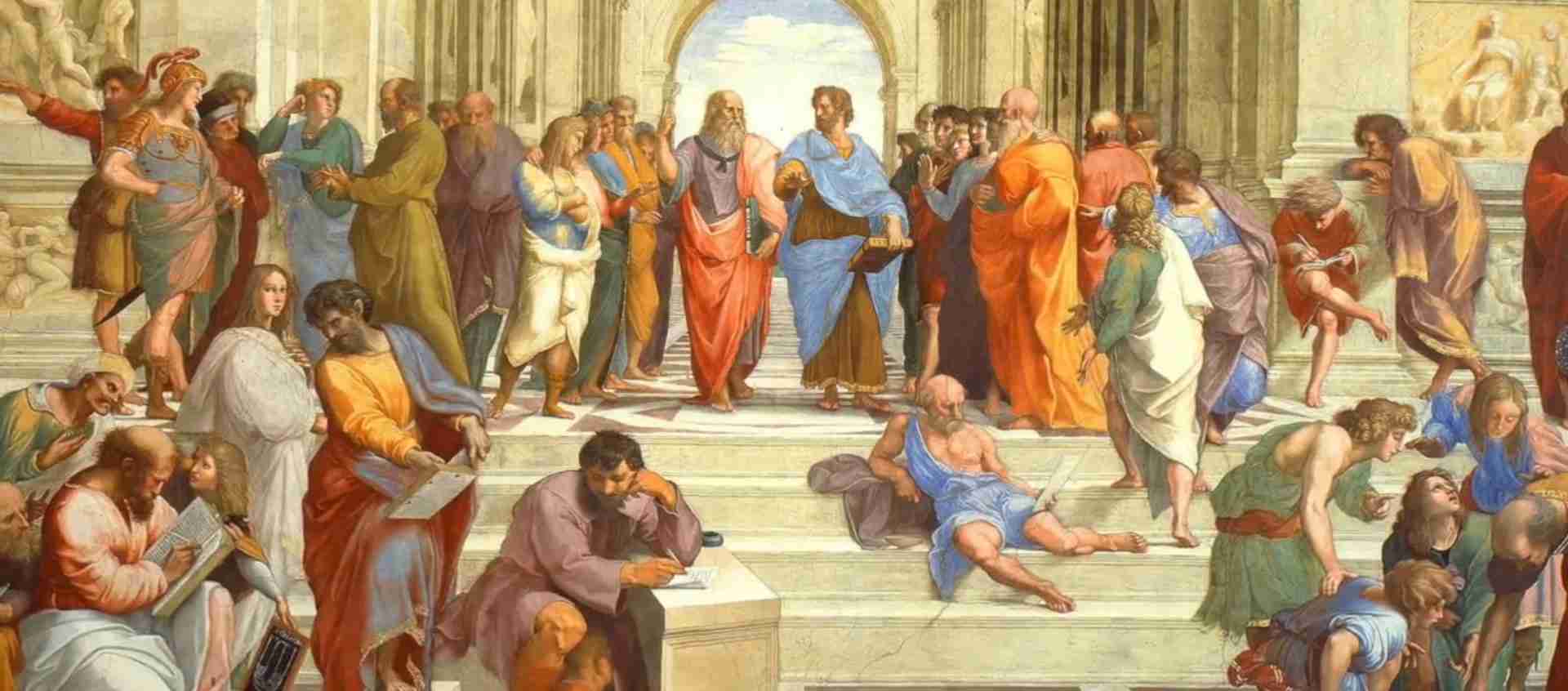
- The School of Athens fresco in the Stanza della Segnatura remains the most iconic work, depicting Plato, Aristotle, and fifty philosophers in an imagined classical temple that showcases perfect linear perspective and Renaissance spatial mastery
- Raphael personally executed the first two rooms (Segnatura and Heliodorus) completely, while the third room (Fire in the Borgo) shows mixed involvement, and the fourth room (Hall of Constantine) was completed entirely by his workshop after his death at age 37 in 1520
- The rooms occupy the second floor of the Apostolic Palace along the standard Vatican Museums route, positioned between the Borgia Apartments and the Sistine Chapel with viewing taking 20-40 minutes for focused examination
- Access requires Vatican Museums general admission ticket at €20 plus €5 online booking fee, with no separate charge for the Raphael Rooms as they form integral part of the museums’ permanent collection
- Each room employs unified iconographic programs—Philosophy, Theology, Poetry, and Justice in Segnatura; Divine Protection of the Church in Heliodorus; Papal History in Fire in the Borgo; Triumph of Christianity in Hall of Constantine
People Also Ask About the Raphael Rooms Vatican
How Many Raphael Rooms Are There in the Vatican Museums?
Four rooms constitute the complete Raphael Rooms suite within the Vatican’s Apostolic Palace. The Stanza della Segnatura, painted first from 1508-1511, contains the School of Athens and represents intellectual pursuits. The Stanza di Eliodoro, completed 1511-1514, depicts divine intervention protecting the Church. The Stanza dell’Incendio del Borgo, finished 1514-1517, illustrates papal history through miraculous events. The Sala di Costantino, executed 1517-1524 largely after Raphael’s 1520 death, celebrates Emperor Constantine’s conversion. These four chambers originally served as Pope Julius II’s private apartments and reception spaces before becoming permanent public galleries within the Vatican Museums.
Did Raphael Paint All Four Rooms Himself?
Raphael executed the first two rooms almost entirely by his own hand, demonstrating his complete mastery from preliminary design through final execution. The Stanza della Segnatura preserves Raphael’s personal brushwork throughout the major frescoes including the School of Athens, Disputation of the Sacrament, Parnassus, and Cardinal Virtues. The Stanza di Eliodoro similarly shows his direct involvement in all principal scenes. The third room, Stanza dell’Incendio del Borgo, reflects mixed workshop participation—Raphael designed all compositions and executed the titular Fire in the Borgo fresco personally, but assistants Giulio Romano and Gianfrancesco Penni painted the remaining walls under his supervision. The fourth room, Sala di Costantino, was completed entirely by Romano, Penni, and Raffaellino del Colle working from Raphael’s preliminary sketches after his unexpected death at age 37 from sudden fever in April 1520.
What Is the Most Famous Fresco in the Raphael Rooms?
The School of Athens in the Stanza della Segnatura represents Raphael’s most celebrated fresco and arguably Renaissance painting’s supreme achievement in compositional balance, perspective mastery, and intellectual synthesis. This massive wall painting measures approximately 500 × 770 centimeters and depicts fifty-eight philosophers, mathematicians, and scientists from classical antiquity assembled in an imagined architectural setting inspired by Bramante’s designs for St. Peter’s Basilica. Plato and Aristotle occupy the compositional center, walking toward viewers beneath monumental barrel vaults that demonstrate perfect linear perspective with vanishing point positioned between their heads. Raphael included contemporary portraits—Leonardo da Vinci as Plato, Michelangelo as brooding Heraclitus, the architect Bramante as Euclid demonstrating geometry, and Raphael himself observing from the far right. The fresco synthesizes classical philosophy, Renaissance humanism, and mathematical perspective into unified visual statement that influenced Western painting for centuries.
Where Are the Raphael Rooms Located Within the Vatican Museums?
The Raphael Rooms occupy the second floor of the Apostolic Palace in the Vatican Museums’ northern wing, positioned along the standard visitor route approximately 15-20 minutes walking distance from the entrance. Visitors following the suggested itinerary pass through the Borgia Apartments before entering the Raphael Rooms suite, then continue to the Sistine Chapel located in an adjacent building. The four rooms connect sequentially—Hall of Constantine leads to Room of Heliodorus, which opens to Room of the Signatura, concluding with Room of the Fire in the Borgo before the route proceeds toward the Sistine Chapel. The chambers sit on the same palazzo level as other papal apartments, with windows offering views over interior Vatican courtyards. Unlike the Sistine Chapel’s singular enclosed space, the Raphael Rooms function as interconnected galleries where visitors move through each chamber in sequence without backtracking.
Extended multi-day tours – 5+ days
Featured Vatican City Multi-Day Tour Packages

5 days
Classical Italy (8 destinations)
- ✓ Comprehensive Vatican City tour
- ✓ Expert local guides included
- ✓ All accommodation arranged
- ✓ Transportation provided
3 days
Advent in Rome: Markets, Churches & Tiramisu
- ✓ Booking needs min. 2 travelers
4 days
Independent Rome City Stay
- ✓ Comprehensive Vatican City tour
- ✓ Expert local guides included
- ✓ All accommodation arranged
- ✓ Transportation provided
4 days
Discovering Rome
- ✓ Comprehensive Vatican City tour
- ✓ Expert local guides included
- ✓ All accommodation arranged
- ✓ Transportation provided
Multi-day tour packages powered by TourRadar. Prices and availability subject to change.
Introduction
When Pope Julius II della Rovere assumed the papal throne in 1503, he inherited not only spiritual authority over the Catholic Church but also temporal control of the Papal States and responsibility for Vatican City’s architectural and artistic programs. Julius, a warrior pope who personally led armies to reclaim rebellious territories and restore papal authority, approached Vatican patronage with similar ambition. Within two years of his election, he commissioned Bramante to demolish Constantine’s fourth-century St. Peter’s Basilica and design a monumental replacement, hired Michelangelo to create his tomb monument and subsequently to fresco the Sistine Chapel ceiling, and summoned the young Raphael Sanzio from Urbino to decorate his private apartments in the Apostolic Palace.
Raphael arrived in Rome in 1508 at age twenty-five, already recognized for graceful Madonnas and skillful portraiture but untested in monumental fresco programs. Julius had initially commissioned multiple artists including Perugino, Luca Signorelli, and Bramantino to decorate his apartment rooms, but after seeing Raphael’s trial frescoes in the Stanza della Segnatura, the pope dismissed the other painters and assigned all four rooms to the Urbino master. This decision proved transformative for both artist and patron—Raphael would spend the next twelve years until his premature death in 1520 creating the Vatican’s supreme Renaissance frescoes, while Julius secured artistic legacy rivaling his military and political achievements.
The four rooms—originally functioning as papal library, private study, and reception spaces—demanded different iconographic programs reflecting their distinct purposes. The Stanza della Segnatura, serving as Julius’s personal library, required visual representation of humanity’s intellectual disciplines: Philosophy, Theology, Poetry, and Justice personified through elaborate wall frescoes depicting classical and Christian exemplars. The Stanza di Eliodoro, used for private audiences, illustrated divine protection of the Church through Old Testament and Christian miracles. The Stanza dell’Incendio del Borgo chronicled papal authority through historical events from various pontificates. The Sala di Costantino celebrated Christianity’s triumph over paganism through Emperor Constantine’s conversion narrative.
Raphael’s achievement in these chambers extended beyond mere technical mastery to establish new standards for narrative painting, spatial construction, and thematic integration. His frescoes synthesized classical antiquity with Christian revelation, demonstrating that Renaissance humanism complemented rather than contradicted religious faith. The School of Athens placed Plato and Aristotle in architectural spaces recalling Bramante’s St. Peter’s designs, creating visual dialogue between philosophical inquiry and Christian architecture that physically manifested humanist belief in reason and faith’s compatibility. This programmatic sophistication, combined with supreme draftsmanship, color harmony, and compositional balance, positioned the Raphael Rooms alongside the Sistine Chapel ceiling as the Vatican’s dual summits of High Renaissance artistic achievement.
Understanding the Raphael Rooms requires grasping both their art historical significance and their practical function within papal life. These were not museum galleries but working apartments where popes signed documents, received ambassadors, conducted private business, and housed their personal libraries. The frescoes served propaganda purposes, projecting papal authority through visual programs asserting the Church’s divine protection, intellectual legitimacy, and historical continuity from Roman Empire to Renaissance papacy. Julius II and his successor Leo X used these decorated spaces to impress visitors with papal cultural sophistication and to legitimate papal political claims through carefully chosen historical and theological references.
This guide provides comprehensive analysis of all four Raphael Rooms, explaining their historical commission, iconographic programs, artistic techniques, and viewing strategies for modern visitors navigating the Vatican Museums. Each room receives detailed examination of its major frescoes, thematic coherence, and position within Raphael’s artistic development. Practical visiting information addresses location within the museums route, optimal viewing times, photography policies, and strategies for meaningful engagement with these masterpieces despite crowd pressures and time constraints common to Vatican Museums visits.
Historical Context and Commission
Pope Julius II’s election in November 1503 inaugurated one of history’s most ambitious papal building programs. Born Giuliano della Rovere, Julius served as cardinal under his uncle Pope Sixtus IV before fleeing Rome during the Borgia papacy. His decade in exile fostered both resentment toward the Borgia family and determination to restore papal prestige through military action and artistic patronage once he secured the papal throne. Julius personally commanded armies that reconquered Bologna, Perugia, and other rebellious Papal States territories between 1506-1510, earning his reputation as the “Warrior Pope” who prioritized temporal power alongside spiritual authority.
Within this political program, artistic patronage functioned as propaganda tool demonstrating papal wealth, cultural sophistication, and divine approval. Julius refused to occupy the Borgia Apartments on the Apostolic Palace’s first floor—where his enemy Pope Alexander VI Borgia had lived—and instead claimed the second-floor rooms that became the Raphael Rooms. The decision carried symbolic weight: new apartments required new decoration, providing opportunity to erase Borgia visual programs and replace them with imagery celebrating della Rovere papal authority and defending Church doctrine against emerging Protestant criticisms.
The commission’s scale matched Julius’s ambitions. Four large rooms required complete fresco programs covering walls and ceilings with unified iconographic schemes. Julius initially hired established masters including Perugino (Raphael’s own teacher), Luca Signorelli, Bramantino, and Lorenzo Lotto to divide the work. However, Raphael’s arrival in Rome during 1508 changed these arrangements. The young artist had been recommended to Julius by the architect Bramante, also from Urbino, who recognized in Raphael’s graceful style and compositional skill the qualities needed for papal apartment decoration.
Raphael began work in the Stanza della Segnatura, Julius’s intended library, in late 1508. The room already contained ceiling decoration by Sodoma and other artists, but Raphael’s initial wall frescoes so impressed the pope that Julius ordered all previous work destroyed and all four rooms assigned exclusively to Raphael. This remarkable vote of confidence—dismissing established masters in favor of a twenty-five-year-old with no prior monumental fresco experience—demonstrated both Julius’s artistic discernment and Raphael’s immediate impact on papal perceptions.
The chronological sequence of execution proceeded: Stanza della Segnatura (1508-1511), Stanza di Eliodoro (1511-1514), Stanza dell’Incendio del Borgo (1514-1517), and Sala di Costantino (1517-1524). Julius II died in February 1513 during work on the second room, but his successor Leo X—Giovanni de’ Medici, who had served as cardinal under Julius—continued the commission without interruption. Leo brought his own iconographic preferences, particularly in the third room where frescoes emphasized Leonine papal achievements rather than continuing Julius’s programs.
Raphael’s increasing responsibilities as the commission progressed forced gradual delegation to workshop assistants. Appointed architect of St. Peter’s Basilica in 1514 after Bramante’s death, Raphael divided time between architectural supervision, papal portrait commissions, private altarpiece projects, and the fresco programs. The first room shows almost entirely Raphael’s personal execution. The second room involves workshop assistance in secondary figures but maintains Raphael’s direct involvement in principal scenes. The third room reflects Raphael designing compositions but relegating much execution to Giulio Romano and Gianfrancesco Penni. The fourth room, begun in Raphael’s final years and completed after his April 1520 death, represents almost entirely workshop production based on Raphael’s preliminary sketches.
This workshop expansion followed standard Renaissance practice where master artists maintained studios of assistants and apprentices who executed designs under varying degrees of supervision. Raphael’s workshop became Rome’s largest and most prestigious, training artists who subsequently spread his compositional principles and figure types throughout Italy and Europe. The Raphael Rooms thus document not only one artist’s development but also the collaborative production methods that characterized Renaissance monumental painting, where individual genius merged with collective workshop execution to produce programs no single painter could complete alone.
Understanding the Four Raphael Rooms
The suite forms a sequential progression through the Apostolic Palace’s second floor, with each chamber serving distinct ceremonial and administrative functions within papal daily operations. Modern visitors following the Vatican Museums’ standard route experience the rooms in roughly reverse chronological order from their execution, entering through the Sala di Costantino (painted last) and proceeding to the Stanza della Segnatura (painted first). This creates inverted narrative where Raphael’s mature workshop production appears before his youthful masterpieces—a viewing sequence that reveals declining personal involvement rather than artistic development.
Each room measures approximately 9-10 meters square with barrel-vaulted or coffered ceilings rising to heights of approximately 8-9 meters. Windows puncture exterior walls providing natural illumination, though modern artificial lighting supplements daylight to ensure even visibility across all wall surfaces. The frescoes occupy lunettes above window and door openings, full wall surfaces between architectural elements, and ceiling compartments divided by decorative frames. This integration of painting with architecture required careful preliminary planning to ensure compositions accommodated existing windows, doorways, and structural elements without awkward truncations or compositional disruptions.
The iconographic programs reflect Renaissance belief in unified knowledge where theology, philosophy, poetry, and secular learning reinforced rather than contradicted each other. This intellectual synthesis—characteristic of High Renaissance humanism—positioned classical antiquity as Christianity’s precursor and philosophical wisdom as faith’s complement. The visual programs made these abstract relationships concrete through specific exemplars: Plato and Aristotle debating beneath Christian architectural forms, David and Solomon flanking theological truths, Apollo presiding over poetic inspiration while Christian revelation occupied opposite walls. The rooms thus functioned as three-dimensional manifestos for humanist Christianity, arguing through visual means for compatibility between classical learning and Catholic doctrine.
Stanza della Segnatura – Room of the Signatura
This room, painted first from 1508-1511, preserves Raphael’s most mature personal execution and contains the suite’s most famous frescoes. Pope Julius II designated the space as his private library, requiring visual programs representing knowledge’s principal disciplines. Raphael responded with four main walls depicting Philosophy, Theology, Poetry, and Justice, transforming intellectual abstractions into populated scenes demonstrating each field’s greatest practitioners and achievements.
The School of Athens – Philosophy Personified
The School of Athens occupies the wall opposite the Disputation of the Sacrament, creating philosophical-theological dialogue across the room’s central axis. This massive fresco depicts approximately fifty-eight philosophers, mathematicians, scientists, and scholars from classical antiquity assembled in an imagined architectural setting of monumental barrel vaults and coffered domes recalling Bramante’s contemporary designs for the new St. Peter’s Basilica. The architectural perspective focuses on Plato and Aristotle positioned in the composition’s exact center, walking toward viewers down broad steps with gestures symbolizing their philosophical differences—Plato pointing upward toward transcendent forms, Aristotle gesturing horizontally toward empirical observation.
Surrounding these central figures, Raphael arranged exemplars representing philosophy’s various branches. On the left foreground, Pythagoras demonstrates mathematical harmonies while students record his teachings. Heraclitus (bearing Michelangelo’s brooding features) sits alone on the steps in melancholic contemplation—a figure Raphael added after seeing Michelangelo’s Sistine Chapel ceiling frescoes, acknowledging his rival’s artistic power. On the right, Euclid (with Bramante’s face) bends over geometric diagrams teaching students compass and straight-edge construction. In the right foreground, Ptolemy and Zoroaster hold celestial and terrestrial globes representing astronomy and astrology.
The fresco’s architectural setting deserves equal attention to its populated figures. Raphael constructed perfect linear perspective with vanishing point positioned between Plato’s and Aristotle’s heads, creating spatial recession that appears to extend the actual room’s architecture into imagined classical antiquity. The coffered barrel vaults, classical statuary in wall niches (Apollo on left, Athena on right), and monumental scale establish this as philosophy’s ideal temple—a space where human reason achieves architectural as well as intellectual perfection. The synthesis of Christian architectural forms (recalling St. Peter’s) with pagan philosophical content visualized Renaissance humanist belief that classical wisdom prepared the way for Christian revelation.
Raphael included contemporary portraits throughout: Leonardo da Vinci served as model for Plato, recognizing the elder master’s universal learning. The architect Bramante appears as Euclid, acknowledging his architectural innovations visible in the fresco’s spatial construction. Raphael himself observes from the far right foreground alongside his fellow painter Sodoma, modestly placing himself among philosophy’s observers rather than central practitioners. These portrait insertions collapsed temporal distance between classical and Renaissance cultures, suggesting continuity where ancient wisdom found worthy successors in contemporary Italian achievement.
Disputation of the Sacrament – Theology Revealed
The opposite wall presents theology through the Disputation Concerning the Blessed Sacrament, showing the Church Triumphant in heaven above the Church Militant on earth, unified through adoration of the Eucharist. The fresco’s semicircular composition mirrors medieval tradition of hierarchical religious imagery but executes it with Renaissance spatial sophistication and naturalistic figure rendering that transform static icons into dynamic sacred narrative.
The upper register arranges divine figures in semicircular formation across clouds: Christ enthroned at center flanked by the Virgin Mary and John the Baptist, with God the Father hovering above and the Holy Spirit descending as dove toward the earthly realm below. Surrounding Christ, the apostles, Old Testament prophets, martyrs, and saints sit on cloud banks forming celestial assembly witnessing earthly worship. The compositional symmetry and frontal poses recall Byzantine and medieval precedents, but Raphael’s naturalistic rendering of individual faces, varied poses, and atmospheric perspective separating foreground from background clouds demonstrate Renaissance transformation of traditional religious iconography.
The lower terrestrial register shows Church Fathers, theologians, popes, and laypeople arranged around an altar bearing the Eucharistic monstrance. These figures engage in animated discussion—gesturing, consulting books, debating interpretations—creating earthly intellectual community contrasting with heaven’s serene consensus. Among the identifiable portraits, Pope Sixtus IV (Julius II’s uncle) kneels at left wearing papal tiara, while Dante appears among the poets acknowledging theology’s poetic dimensions. The earthly setting includes landscape vista visible through side arches and realistic architectural elements grounding theological abstraction in material world where doctrine actually operates.
Parnassus – Poetry and Divine Inspiration
The window wall’s lunette fresco accommodated existing architecture by positioning Mount Parnassus around the window opening, transforming structural constraint into compositional opportunity. Apollo occupies the summit playing a lira da braccio surrounded by the nine Muses, while ancient and modern poets assemble on the mountain slopes recognizing poetry’s continuity across civilizations.
Raphael gathered exemplars from classical antiquity and contemporary literature: Homer (portrayed blind, dictating verses) stands near Dante and Virgil, creating dialogue between epic traditions. Sappho, identified by scroll bearing her name, represents lyric poetry. Petrarch appears among Italian poets. The Muses perform their traditional roles inspiring various poetic genres—Calliope for epic, Thalia for comedy, Melpomene for tragedy—while Apollo’s musical performance unifies the assembly through divine harmony that manifests in human artistic achievement.
The composition’s arrangement around the window demonstrates Raphael’s ability to integrate existing architectural elements into fresco design rather than fighting against structural constraints. The window becomes Mount Parnassus’s sacred grove, with Apollo positioned above the opening and poets distributed across the lunette’s curved field in natural groupings that respect both narrative logic and compositional balance. This solution to architectural limitation influenced subsequent fresco programs where painters similarly incorporated rather than concealed doors, windows, and other structural features.
The Cardinal Virtues and Justice Imagery
The fourth main wall addresses Justice through three distinct but related compositions. The lunette fresco depicts the Cardinal Virtues—Fortitude, Prudence, and Temperance—personified as female figures seated on clouds. Fortitude holds an oak branch (referring to Julius II’s della Rovere family crest featuring oak), Prudence examines her reflection in a mirror symbolizing self-knowledge required for just judgment, and Temperance manages reins representing moderation’s control over passions.
Below this lunette, two smaller frescoes illustrate legal traditions: Justinian Receiving the Pandects (codification of Roman civil law) on the left, and Gregory IX Receiving the Decretals (codification of canon law) on the right. These scenes establish Justice’s dual foundations in secular and ecclesiastical legal systems, both necessary for comprehensive jurisprudence. In the Decretals scene, Raphael portrayed Pope Julius II as Gregory IX, directly connecting contemporary papal authority with historical legal tradition and suggesting Julius’s legitimate succession to power’s ecclesiastical and temporal dimensions.
The ceiling decoration, executed by Raphael to replace earlier work by Sodoma, completes the room’s iconographic program with four roundels personifying Theology, Philosophy, Justice, and Poetry through female figures accompanied by identifying inscriptions and symbolic attributes. These ceiling allegories prepare viewers for the wall frescoes below while maintaining visual hierarchy where abstract virtues occupy upper registers and their earthly manifestations appear at eye level where human activity occurs.
Stanza di Eliodoro – Room of Heliodorus
The second room, painted 1511-1514, shifts from the first room’s intellectual serenity to dramatic narrative action depicting divine intervention protecting the Church from various threats. Pope Julius II, engaged in military campaigns to defend Papal States territories, required visual programs demonstrating God’s active protection of His Church—a message reinforcing Julius’s own political-military actions as divinely sanctioned defense of Christianity against temporal enemies.
The Expulsion of Heliodorus from the Temple
The titular fresco depicts the Old Testament episode from 2 Maccabees where Heliodorus, sent by the Seleucid king to plunder treasure from the Jerusalem Temple, faces divine punishment when angels appear and violently expel him. Raphael transformed this ancient narrative into theatrical spectacle through dramatically lit composition emphasizing action, emotion, and miraculous intervention’s spectacular violence.
The composition’s left side shows the High Priest Onias praying at the altar, surrounded by anxious worshippers witnessing Heliodorus’s punishment. On the right, a miraculous rider on white horse tramples Heliodorus while two angels wield scourges, creating violent diagonal movements contrasting with the left side’s vertical prayer postures. The architecture’s deep perspective creates stage-like setting where miracle unfolds as theatrical performance observed by witnesses arranged in semicircular groupings.
Raphael inserted contemporary portraits transforming biblical past into immediate present: Pope Julius II appears at left carried in his portable chair (sedia gestatoria) by attendants, witnessing the miracle as though present at the original event. This temporal collapse—positioning the contemporary pope within first-century Jerusalem—asserted continuity between Old Testament and Renaissance Church while suggesting Julius’s own enemies would face similar divine punishment if they threatened papal authority. The fresco thus functioned as political propaganda visualizing theological principle: God protects His Church across all historical periods, and current papal temporal power derives from this eternal protection.
The Mass at Bolsena
This fresco commemorates a thirteenth-century miracle that occurred when a Bohemian priest celebrating Mass in Bolsena witnessed the consecrated host bleeding, confirming transubstantiation’s doctrine that bread and wine literally become Christ’s body and blood. The miracle became proof text defending Eucharistic theology against doubters, with the blood-stained corporal preserved as relic in nearby Orvieto’s cathedral.
Raphael depicted the miracle’s moment with the priest kneeling at altar examining the bleeding host while assembled witnesses react with varying degrees of amazement, faith, and awe. On the right, Pope Julius II kneels as witness, again inserting contemporary papal presence into historical event to suggest temporal continuity and papal connection to all Church miracles. Cardinals and Swiss Guards surround Julius, creating portrait gallery of contemporary Vatican court witnessing supernatural confirmation of Catholic doctrine.
The composition accommodated the wall’s window opening by positioning the miracle’s altar above the window and distributing witnesses to left and right, turning architectural constraint into opportunity for asymmetrical composition that increased dramatic tension through unbalanced groupings. The limited palette—dominated by reds, whites, and golds—creates chromatic unity while highlighting the blood’s miraculous appearance through color contrast against white linen and pale consecrated bread.
The Liberation of Saint Peter
This night scene demonstrates Raphael’s mastery of theatrical lighting effects, unprecedented in Vatican fresco programs. The fresco depicts Acts 12:6-11, where an angel frees Saint Peter from Herod’s prison the night before his scheduled execution. Raphael divided the composition into three temporal moments within single space: Peter sleeping between guards at center (before liberation), the angel awakening Peter at left (during liberation), and guards discovering his absence at right (after liberation).
The lighting creates nocturnal atmosphere through three distinct sources: the angel’s supernatural radiance illuminating Peter and prison interior, the moon visible through prison bars casting natural light on guards, and torchlight from soldiers approaching at right creating warm glow contrasting with the angel’s cool divine light. This sophisticated handling of multiple light sources and their interaction with figures and architecture represented technical innovation that influenced later Baroque painting’s dramatic chiaroscuro effects.
The liberation narrative carried personal significance for Pope Julius II, imprisoned himself during earlier political conflicts before his papal election. The fresco suggested divine intervention in Julius’s own release paralleling Peter’s miraculous freedom, reinforcing the pope’s self-identification with Church’s founding apostle and first bishop of Rome whose authority all subsequent popes claimed through apostolic succession.
The Meeting of Leo the Great and Attila
The fourth wall depicts the fifth-century encounter where Pope Leo I convinced Attila the Hun to spare Rome from invasion, demonstrating papal persuasion’s power to protect the city when military force proved insufficient. Raphael originally designed this fresco for Julius II but completed it after Leo X Medici became pope in 1513, subtly modifying the design to flatter the new patron whose papal name echoed the historical protagonist.
The composition divides into two opposing groups: Attila’s mounted Hun warriors at left, characterized as barbarian threats through turbulent poses and exotic costumes, contrast with Leo and his ecclesiastical retinue at right, depicted in calm, dignified postures representing civilization’s order. Above Leo, Saints Peter and Paul appear in vision wielding swords, their supernatural presence explaining Attila’s decision to withdraw—divine intervention again protecting Rome through miraculous means beyond human power.
Raphael portrayed Pope Leo X as the historical Leo I, continuing the pattern established in the Heliodorus room of inserting contemporary popes into historical events. This visual strategy collapsed temporal distance, suggesting all popes participate in continuous sacred history where past miracles remain perpetually present and contemporary papal authority derives from God’s eternal protection of His Church and its Roman center.
Stanza dell’Incendio del Borgo – Room of the Fire in the Borgo
The third room, painted 1514-1517 under Pope Leo X, shifts thematic focus to papal history through episodes from various pontificates, particularly emphasizing Leos—both the ninth-century Leo IV who gives the room its name and the contemporary Leo X whose patronage shaped the decorative program. Raphael’s direct involvement decreased substantially in this room, with assistants Giulio Romano and Gianfrancesco Penni executing much of the actual painting from Raphael’s designs and cartoons.
The Fire in the Borgo
The titular fresco depicts the miracle when Pope Leo IV extinguished a fire threatening the Borgo district near the Vatican simply by making the sign of the cross from his window in the old St. Peter’s basilica. Raphael transformed this miraculous narrative into elaborate theatrical scene demonstrating human responses to disaster: figures flee burning buildings, mothers rescue children, young men climb walls to escape flames, elderly citizens require assistance from stronger neighbors, while the distant figure of Leo IV appears in an upper window blessing the crowd and miraculously extinguishing the conflagration.
The composition’s foreground emphasizes classical nude figures in strenuous action poses recalling ancient sculpture and showing Raphael’s study of anatomy and movement. The muscular young man carrying his elderly father on his shoulders references Aeneas fleeing burning Troy with his father Anchises—a classical parallel suggesting Rome’s legendary foundation story resonates in medieval Christian miracle. This mythological reference typifies the room’s blending of Christian narrative with classical compositional models and figure types derived from ancient art.
The architectural setting includes the old St. Peter’s basilica’s façade at left, documenting the fourth-century building demolished during Julius II’s papacy to make way for Bramante and Raphael’s new design. This historical architecture provides visual record of the earlier structure while positioning Leo IV’s miracle within specifically identifiable Vatican topography, grounding supernatural event in material urban landscape familiar to contemporary viewers.
The Battle of Ostia
This fresco depicts Leo IV’s 849 AD naval victory over Saracen forces threatening Rome’s port, demonstrating papal military as well as spiritual power. The composition shows the battle’s aftermath with defeated Saracen prisoners brought before the victorious pope, who receives them from his throne surrounded by cardinals and military commanders. The scene celebrates papal authority’s temporal dimension—the Church’s right and ability to defend Christian territories through armed force when necessary.
Giulio Romano executed most of this fresco under Raphael’s supervision, and his more dramatic, vigorous style shows in the muscular figures, bold foreshortening, and theatrical gestures that preview the Mannerist tendencies Romano would develop fully in later independent work. The composition’s density—tightly packed figures filling nearly all available space—creates visual complexity that differs markedly from Raphael’s earlier, more spatially generous compositions where figures breathe within ample architectural or landscape settings.
The Coronation of Charlemagne and The Oath of Leo III
These two frescoes complete the room’s papal history program. The Coronation depicts Pope Leo III crowning Charlemagne as Holy Roman Emperor on Christmas Day 800, establishing papal authority to confer imperial dignity and creating precedent for medieval and Renaissance papal claims to supremacy over secular rulers. Raphael portrayed Leo X as the historical Leo III, continuing the pattern of inserting contemporary popes into historical scenes while also commenting on Leo X’s own complex relationship with secular powers including the Holy Roman Emperor and French king.
The Oath of Leo III shows the same pope swearing his innocence of false accusations before Charlemagne and assembled clergy, demonstrating that popes answer only to God rather than earthly judgment. This scene particularly resonated during Leo X’s papacy when emerging Protestant Reformation questioned papal authority and demanded Church reform—the fresco’s historical precedent supported papal claims to divine appointment beyond human jurisdiction or criticism.
Sala di Costantino – Hall of Constantine
The fourth and largest room remained incomplete at Raphael’s death in April 1520 and was finished entirely by his workshop assistants Giulio Romano, Gianfrancesco Penni, and Raffaellino del Colle working from Raphael’s preliminary sketches and designs. The room celebrates Emperor Constantine’s conversion to Christianity and the religion’s subsequent triumph over Roman paganism, providing historical foundation for Christianity’s transformation from persecuted sect to official imperial religion and eventually to papal temporal authority in Rome.
The Vision of the Cross
This fresco depicts Constantine’s vision before the Battle of Milvian Bridge in 312 AD, when the emperor allegedly saw a cross in the sky with the Greek inscription “In this sign, conquer.” The composition shows Constantine on horseback pointing toward the celestial cross while his army assembles below, creating dynamic diagonal composition that emphasizes military action and divine intervention’s martial context. The scene establishes Constantine’s conversion as military necessity— God favors Christian commanders, ensuring victory to those who accept the faith.
Giulio Romano’s execution shows his increasingly independent style diverging from Raphael’s balanced classicism toward more dramatic, emotionally intense Mannerist tendencies. The muscular figures in complex poses, theatrical gestures, and densely packed composition create visual excitement but lose some of Raphael’s spatial clarity and calm monumentality visible in the earlier rooms.
The Battle of Milvian Bridge
The battle fresco shows Constantine’s actual victory over his rival Maxentius, whose forces drown in the Tiber River after the Milvian Bridge collapses. The composition’s violent action—plunging horses, drowning soldiers, military chaos—demonstrates Christianity’s triumph through God’s direct intervention favoring Constantine’s Christian army against Maxentius’s pagan forces. The scene functions as visual proof that accepting Christianity brings not only spiritual salvation but also temporal political and military success.
The fresco includes architectural background showing recognizable Roman landmarks including Castel Sant’Angelo and elements of ancient Rome’s urban fabric, grounding miraculous Christian victory in specific historical geography while also suggesting continuity between Constantine’s fourth-century Rome and the Renaissance papal city visible outside the Apostolic Palace’s windows.
The Baptism of Constantine and The Donation of Constantine
These two frescoes complete Constantine’s conversion narrative. The Baptism shows Pope Sylvester I baptizing Constantine in the Lateran Baptistery, establishing papal authority to convert emperors and signifying Christianity’s official acceptance. Penni portrayed Pope Clement VII (who commissioned the room’s completion after Leo X’s death) as Sylvester I, continuing the tradition of inserting contemporary popes into historical scenes and suggesting unbroken continuity from ancient Church to Renaissance papacy.
The Donation fresco depicts the supposed moment when Constantine granted temporal sovereignty over Rome and the Western Roman Empire to Pope Sylvester—a grant based on the forged Donation of Constantine documents used throughout the Middle Ages to justify papal territorial claims. Though Renaissance scholars including Lorenzo Valla had exposed the Donation as forgery decades before this fresco’s execution, papal authorities continued promoting its legitimacy through visual propaganda. The scene shows Constantine offering Sylvester a golden statuette of Rome while kneeling in submission, visualizing papal claims to temporal authority over secular rulers derived from Constantine’s supposed grant.
Raphael and His Workshop
Understanding the Raphael Rooms requires comprehending Renaissance workshop practice where “Raphael’s work” encompassed varying degrees of personal execution versus supervised delegation to trained assistants. Raphael arrived in Rome in 1508 with small entourage but quickly expanded his bottega into the city’s largest and most prestigious workshop, training artists who subsequently spread his style throughout Italy and northern Europe.
The workshop operated hierarchically. Raphael designed all compositions through preliminary drawings, full-scale cartoons (preparatory drawings transferred to walls through pouncing or incision), and selective personal execution of crucial passages requiring his supreme draftsmanship. Senior assistants like Giulio Romano and Gianfrancesco Penni executed secondary figures and architectural details under Raphael’s supervision, while junior assistants prepared walls, ground pigments, and executed ornamental borders and decorative elements requiring skill but not creative invention.
This division of labor accelerated as Raphael’s responsibilities multiplied. Appointed architect of St. Peter’s Basilica in 1514, he simultaneously managed archaeological surveys of ancient Roman architecture, designed tapestry cartoons for the Sistine Chapel, executed private altarpiece commissions including the Transfiguration, and maintained active portrait practice serving cardinals and wealthy patrons. The Raphael Rooms’ final two chambers show increasing workshop involvement as Raphael’s time divided among competing obligations.
Raphael’s sudden death at age thirty-seven on April 6, 1520—possibly from malaria or pneumonia contracted during archaeological expeditions through Rome’s fever-prone marshes—shocked artistic communities throughout Italy. His funeral in the Pantheon attracted massive crowds, and Pope Leo X publicly mourned losing his favorite artist. The Sala di Costantino remained unfinished, with only preliminary sketches and cartoons guiding Romano and Penni through the final execution completed four years later in 1524.
The workshop’s post-Raphael production demonstrates how thoroughly assistants had absorbed his principles. While individual brushwork and figure types show Romano’s more muscular, dramatic style and Penni’s softer modeling, the overall compositions, spatial construction, and iconographic coherence maintain Raphael’s standards. This successful continuation validated Renaissance workshop practice where collaborative production could approximate individual genius through rigorous training and systematic design transfer methods.
Artistic Techniques and Innovations
Raphael employed true fresco (buon fresco) technique for the Raphael Rooms’ major compositions, requiring careful planning since pigments applied to fresh wet plaster became permanent once dried. Each day’s work (giornata) covered only the area the painter could complete while plaster remained workable, typically 6-8 hours. Modern analysis reveals the giornate boundaries in all rooms, showing how Raphael divided compositions into executable sections and the sequence of their completion.
Preparatory work began with small-scale compositional sketches (bozzetti) establishing overall design, followed by detailed figure studies from live models or antique sculpture. Raphael then created full-scale cartoons on paper matching the final fresco’s dimensions. These cartoons transferred to walls through two methods: pouncing (pricking holes along drawn lines and forcing charcoal dust through to mark the fresh plaster) or incision (pressing a stylus along lines to create grooves in plaster). Both techniques left traces visible in raking light, allowing modern scholars to distinguish Raphael’s personal cartoons from workshop-produced designs.
Raphael’s color palette employed traditional fresco pigments ground from minerals and earth compounds: lapis lazuli for intense blues (expensive, reserved for important robes and skies), earth reds and ochres for flesh tones and architectural elements, green earth for landscape and drapery, and lamp black mixed with whites for modeling shadows. The secco (dry) technique supplemented true fresco for certain effects impossible in buon fresco, particularly gold highlights and intense pigments that required organic binders incompatible with lime plaster chemistry.
Technical innovations distinguishing the Raphael Rooms from earlier fresco programs include sophisticated architectural perspective creating convincing spatial recession, theatrical lighting effects (particularly in the Liberation of Saint Peter’s nocturnal scene), complex multi-figure compositions maintaining individual characterization despite crowd density, and integration of fresco painting with actual architecture through techniques that extend rather than conflict with room geometry.
Iconographic Programs and Symbolic Meanings
Each room’s decoration followed carefully planned iconographic programs serving multiple purposes: celebrating papal authority, defending Catholic doctrine, demonstrating classical learning’s compatibility with Christian faith, and providing visual propaganda supporting papal political positions. These programs required collaboration between Raphael, papal advisors, and possibly humanist scholars who suggested specific subjects, textual sources, and symbolic references embedded in the frescoes.
The Stanza della Segnatura’s program—Philosophy, Theology, Poetry, and Justice—reflected medieval university curriculum’s four faculties while asserting their fundamental unity under divine wisdom. The ceiling roundels personifying these disciplines positioned abstract knowledge above specific historical exemplars on walls below, creating vertical hierarchy from universal principles to particular manifestations. The School of Athens and Disputation of the Sacrament’s facing positions created horizontal dialogue suggesting reason and revelation complement rather than contradict each other—a humanist principle defending classical learning against religious conservatives who viewed pagan philosophy as threat to Christian orthodoxy.
The Stanza di Eliodoro’s divine intervention theme served Julius II’s propaganda needs by suggesting God actively protects His Church and its papal leaders against all threats—whether ancient temple robbers, medieval heresies, barbarian invaders, or contemporary political enemies. Each fresco demonstrated different protection modes: violent angelic intervention (Heliodorus), sacramental miracle confirming doctrine (Bolsena), supernatural liberation from imprisonment (Peter), and papal diplomatic persuasion backed by celestial military force (Leo and Attila). The cumulative message assured viewers that papal authority enjoyed divine protection making it ultimately invincible regardless of immediate political or military challenges.
The Stanza dell’Incendio del Borgo’s emphasis on various Leos—medieval predecessors of Leo X—flattered the Medici pope while establishing his connection to earlier pontificates demonstrating papal power’s temporal and spiritual dimensions. The Fire miracle showed supernatural intervention, the Ostia battle demonstrated military capability, the Coronation displayed authority over emperors, and the Oath proved papal immunity from earthly judgment. Together these scenes constructed idealized papal authority combining all power modes—miraculous, martial, jurisdictional, and sacramental—under single office.
The Sala di Costantino’s conversion narrative provided foundation myth explaining Christianity’s transformation from persecuted minority to official imperial religion and subsequently to papal territorial sovereignty. The Vision and Battle demonstrated divine favor ensuring Christian military victory, the Baptism showed papal authority to convert rulers, and the Donation (though based on forged documents) visualized papal temporal claims over Rome and the Western Empire. This historical sequence legitimized Renaissance papal authority by tracing it to Constantine’s supposed fourth-century grant, conveniently ignoring the Donation’s exposure as medieval forgery.
Navigating to the Raphael Rooms Within Vatican Museums
The Raphael Rooms occupy the Vatican Museums’ standard visitor route approximately 15-20 minutes walking distance from the entrance, positioned between the Borgia Apartments and the Sistine Chapel. Visitors following the suggested museum itinerary naturally encounter the rooms without requiring special navigation or backtracking. The museums’ directional signage and crowd flow guide visitors through the apartment sequence, though first-time visitors may not recognize they have entered the Raphael Rooms without advance knowledge of what to expect.
The route typically proceeds: from entrance through Egyptian Museum, Gallery of Tapestries, Gallery of Maps, into the Borgia Apartments, then ascending to the Raphael Rooms on the second floor. After exiting the final Raphael Room (Stanza dell’Incendio del Borgo), visitors continue to the Sistine Chapel located in an adjacent building. This sequence means the Raphael Rooms function as transition space between other major Vatican attractions rather than terminal destination, creating pressure to move quickly through the chambers to reach the more famous Sistine Chapel.
The four rooms connect sequentially in roughly reverse chronological order from their painting—modern routing enters through the Sala di Costantino (painted last) and proceeds through the Stanza di Eliodoro, Stanza della Segnatura, and finally Stanza dell’Incendio del Borgo before continuing to the Sistine Chapel. This inverted sequence means visitors see Raphael’s mature workshop production before his early personal masterpieces, potentially confusing first-time visitors who expect progressive improvement but instead encounter declining personal involvement as they advance through the suite.
Room identification proves challenging without advance preparation. Unlike the Sistine Chapel’s singular iconic ceiling or the Gallery of Maps’ obviously geographic subject matter, the Raphael Rooms lack immediately distinctive features allowing instant recognition. Plaques on walls provide Italian and English identifications of each room and its major frescoes, but crowd density often obscures these informational panels. Many visitors pass through the rooms without realizing their significance, mistaking them for generic Vatican palace decoration rather than Renaissance painting’s supreme achievements alongside the Sistine Chapel.
Optimal viewing strategy involves intentionally pausing in each room rather than following crowd momentum toward the Sistine Chapel. The rooms receive less tourist attention than they merit precisely because their position between other attractions creates transitional rather than destination status in most visitors’ mental itineraries. Allocating 30-40 minutes for focused examination of all four rooms—approximately 7-10 minutes per chamber—allows meaningful engagement with major frescoes without attempting exhaustive analysis impossible given time constraints and crowd conditions.
Visiting the Raphael Rooms Practical Information
Access to the Raphael Rooms requires Vatican Museums general admission ticket with no separate or additional charge for these specific chambers. Standard adult admission costs €20 when purchased at museum entrance or €25 with online advance booking (€20 base admission plus €5 online reservation fee). The advance booking eliminates ticket office queuing and guarantees entry at specific time slots, particularly valuable during high season (April-October) when same-day tickets may sell out and walk-up lines extend 2-4 hours.
Reduced admission at €8 applies to EU citizens aged 6-18 and students through age 25 with valid International Student Identity Card or university enrollment documentation. Children under age 6 enter free. Online advance booking for reduced tickets costs €13 (€8 admission plus €5 reservation fee). Visitors with certified disabilities (67% or higher invalidity) and one accompanying companion receive free admission obtained at the Vatican Museums’ Special Permits desk upon presenting medical documentation—these free tickets cannot be reserved online.
Free admission occurs on the final Sunday of each month, with the museums open 9:00 AM-2:00 PM and last entry at 12:30 PM. These free Sundays attract extremely large crowds with visitor numbers often tripling normal weekend attendance. Queues for free-day entry frequently exceed three hours, and the shortened operating hours combined with massive crowds create challenging viewing conditions. Visitors prioritizing quality experience over cost savings should avoid free Sundays and instead purchase advance tickets for weekday visits when crowds remain more manageable.
Audio guide rental costs €8 and provides essential context for understanding the Raphael Rooms’ iconographic programs, identifying specific figures in crowded fresco compositions, and explaining historical events depicted in narrative scenes. The Vatican Museums’ audio guide includes dedicated stops for the Raphael Rooms with approximately 15-20 minutes of total commentary covering major frescoes in all four chambers. For visitors without art history backgrounds, the audio guide investment proves worthwhile by transforming visual spectacle into comprehensible narrative.
Photography policies permit non-flash photography throughout the Raphael Rooms, though tripods and selfie sticks are prohibited. The Vatican Museums prohibit video recording in all galleries. Flash photography damages frescoes through light-induced chemical reactions in pigments, making flash prohibition essential for artwork preservation. Modern smartphones and cameras capture acceptable images in the rooms’ natural and artificial lighting without flash assistance, though crowd density often prevents optimal framing.
Optimal Visiting Times and Crowd Avoidance
Vatican Museums operate Monday-Saturday from 9:00 AM to 6:00 PM with seasonal variations and occasional extended hours during summer months (specific schedules announced annually). Last admission occurs two hours before closing (typically 4:00 PM), though this final entry slot creates rushed experience incompatible with meaningful art engagement. Visitors should plan entry between 9:00 AM-2:00 PM to allow sufficient time for comprehensive Vatican Museums exploration including the Raphael Rooms.
Crowd density varies dramatically by day and time. Wednesday mornings experience particularly heavy congestion as visitors time their museum visits to coincide with papal general audiences in St. Peter’s Square, creating double tourist volume combining museum-goers and audience attendees. Weekends attract both Roman visitors and international tourists, with Saturdays particularly crowded. Mondays through Thursdays (excluding Wednesdays) offer relatively better conditions, though “relatively better” still means substantial crowds during high season.
Within each day, early morning entry (9:00-10:00 AM opening time) provides least crowded conditions as museum attendance builds gradually throughout morning and peaks during midday hours (11:00 AM-2:00 PM). Late afternoon (3:00-4:00 PM) also offers reduced crowds as many visitors exit after spending 3-4 hours in the museums, but late entry risks insufficient time for comprehensive viewing before mandatory exit 30 minutes before official closing.
Seasonal variations significantly impact crowd density. April-October represents high season with maximum daily attendance regularly reaching 25,000-30,000 visitors. Peak summer months (July-August) combine tourist volume with oppressive heat in non-air-conditioned galleries, creating physically uncomfortable viewing conditions. November-March shoulder and low seasons reduce daily attendance to 15,000-20,000 visitors, providing more spacious viewing conditions despite shorter winter daylight hours and potential rain affecting comfort during queuing and transit to museums.
The 2025 Jubilee Year (proclaimed by Pope Francis) creates exceptional circumstances with substantially increased visitor numbers throughout the year as Catholic pilgrims from worldwide destinations travel to Rome for jubilee observances. Advance ticket booking becomes essential during jubilee periods, and visitors should expect enhanced security measures, longer queuing times even with reservations, and notably larger crowds throughout all Vatican Museums galleries including the Raphael Rooms. Planning jubilee-year visits requires acknowledging these exceptional conditions and adjusting expectations accordingly.
Viewing Strategies for Meaningful Engagement
The Vatican Museums’ vast scale—approximately 7 kilometers of total exhibition space requiring 4-5 hours for selective viewing—creates temporal pressure affecting Raphael Rooms engagement. Most visitors allocate primary attention to the Sistine Chapel, treating other galleries including the Raphael Rooms as transition spaces requiring minimal time investment. This approach misses opportunities for meaningful engagement with Renaissance masterpieces meriting focused examination rather than cursory glances while flowing toward more famous destinations.
Effective viewing begins with advance preparation. Reading this guide or consulting other art historical resources before visiting establishes mental framework for understanding what you’re seeing—identifying key frescoes, recognizing iconographic programs, distinguishing Raphael’s personal work from workshop production. Without preparation, the rooms appear as generically impressive decorated spaces without specific significance or viewing priorities. Simple advance knowledge—that the School of Athens depicts assembled philosophers, that the room sequence reverses chronological painting order, that Raphael died before completing the fourth room—transforms passive observation into active comprehension.
Room-by-room strategy should prioritize the Stanza della Segnatura’s School of Athens as the suite’s supreme masterpiece meriting longest viewing duration (minimum 5-7 minutes for serious examination versus 30-second glances while passing through). The Disputation of the Sacrament, Parnassus, and Cardinal Virtues in the same room each deserve 2-3 minutes attention. The Stanza di Eliodoro’s four narrative scenes merit 1-2 minutes each, with the Liberation of Saint Peter receiving additional attention for its innovative lighting effects. The latter two rooms, showing decreased Raphael personal involvement, warrant briefer examination unless particular interest in workshop production or specific historical narratives depicted.
Photography decisions significantly impact viewing quality. Attempting to photograph every fresco creates distraction from direct visual engagement and often produces mediocre images due to crowd interference, lighting challenges, and inability to capture frescoes’ scale and detail in single smartphone frames. Selective photography—capturing 2-3 favorite compositions for personal records—balances documentation desires with present-moment engagement that photography obsession can compromise. Consider that professional photographers have thoroughly documented these frescoes, with superior images readily available through web searches, potentially making personal photography redundant for all but memory-trigger purposes.
Audio guide usage improves comprehension but creates pacing challenges. Following audio guide timing recommendations (typically 2-3 minutes per major fresco) while simultaneously observing crowds and navigating room congestion requires attention management balancing listening, looking, and physical positioning. Some visitors prefer reading printed guide descriptions before entering specific rooms, then viewing frescoes without audio distraction, returning to audio guide for detail verification if questions arise. This approach accommodates individual learning styles—some people absorb information better through reading then observing, others prefer simultaneous audio commentary during viewing.
Comparison to the Sistine Chapel
The Raphael Rooms and Sistine Chapel represent complementary Renaissance painting achievements created simultaneously during the Vatican’s early sixteenth-century transformation. Michelangelo began the Sistine Chapel ceiling in 1508—the same year Raphael started the Stanza della Segnatura—and completed it in 1512 just as Raphael finished his first room and began the second. The two artists worked within 100 meters of each other, aware of each other’s progress, creating subtle competition that pushed both toward supreme achievements.
Stylistic differences reflect contrasting artistic temperaments. Michelangelo’s ceiling emphasizes muscular heroic figures in dramatic poses demonstrating superhuman power and emotional intensity. His compositions fill available space densely, creating overwhelming visual complexity requiring multiple viewings to comprehend. Raphael’s approach favors balanced compositions, graceful figures in harmonious arrangements, and spatial clarity allowing immediate comprehension of narrative scenes and their participants. Where Michelangelo overwhelms viewers through sheer power, Raphael convinces through elegant rationality.
Thematic approaches similarly diverge. The Sistine Chapel ceiling presents theological program focused on Creation, Fall, and Redemption through Old Testament narrative scenes, preparatory to Christ’s advent depicted in the earlier fifteenth-century wall frescoes. The Raphael Rooms embrace broader humanist synthesis incorporating philosophy, poetry, justice, and secular history alongside religious subjects, demonstrating Renaissance belief in comprehensive knowledge embracing all human achievement under divine wisdom. Where the Sistine Chapel privileges biblical narrative, the Raphael Rooms celebrate human intellectual and creative accomplishments as compatible with rather than subordinate to religious faith.
Tourist experience differs significantly. The Sistine Chapel operates as singular enclosed space where all visitors concentrate simultaneously, creating dense crowds and enforced silence that transform viewing into quasi-religious experience. Guards constantly enforce no-talking rules and prohibit all photography, creating controlled atmosphere enhancing chapel’s sacred character. The Raphael Rooms function as sequential galleries where visitors disperse across four chambers, conversation continues normally, photography is permitted, and atmosphere remains secular museum environment rather than sacred space. This contrast means the Sistine Chapel receives more reverent attention despite the Raphael Rooms’ comparable artistic achievement.
Viewing duration expectations also contrast. Most visitors allocate 15-30 minutes in the Sistine Chapel, standing with necks craned upward studying the ceiling before guards’ insistence on movement forces exit. The Raphael Rooms receive briefer attention—often 5-15 minutes total across all four rooms—despite containing comparable artistic quality and actually more total painted surface area than the Sistine Chapel ceiling. This disparity reflects the Sistine Chapel’s superior name recognition and its function as the Vatican Museums’ climactic destination rather than transition space between other attractions.
The Raphael Rooms’ Influence on Later Art
The School of Athens alone influenced five centuries of Western painting through its demonstration that complex multi-figure compositions could achieve perfect balance, that classical architecture could be convincingly rendered in two-dimensional perspective, and that intellectual content could be visualized through poses, gestures, and spatial relationships rather than requiring text or symbols. Subsequent history painting—from academic Salon pictures through nineteenth-century murals to twentieth-century pedagogical illustrations—borrowed Raphael’s compositional principles, using architectural settings to organize figure groupings and employing gesture and gaze direction to create narrative comprehension.
The integration of fresco painting with actual architecture pioneered techniques that became standard in Baroque ceiling decoration. Raphael’s solutions for accommodating windows, doors, and irregular wall surfaces influenced Pietro da Cortona, Annibale Carracci, and other seventeenth-century fresco painters who developed ever more elaborate illusionistic ceiling programs transforming architectural constraints into compositional opportunities. The Liberation of Saint Peter’s nocturnal lighting particularly influenced Baroque painters including Caravaggio and the Caravaggisti who made dramatic chiaroscuro effects central to seventeenth-century painting aesthetics.
Workshop practices visible in the Raphael Rooms’ progressive delegation validated collaborative production methods that persisted through the Baroque era and into academic training systems. The successful continuation of Raphael’s style by Romano and Penni in the Sala di Costantino demonstrated that systematic design transfer through cartoons, preliminary drawings, and supervised execution could maintain artistic quality standards across multiple hands. This model influenced academy training programs where students learned through copying master works and executing designs under supervision before developing independent styles.
Nineteenth-century academic painting particularly embraced Raphael as ideal model, with French academic artists studying the Raphael Rooms as supreme examples of drawing, composition, and narrative clarity. The École des Beaux-Arts sent prix de Rome winners to study in the Vatican, making detailed copies of Raphael frescoes and absorbing principles that shaped academic history painting through the century. This veneration positioned Raphael as conservative establishment artist against whom modernist movements including Impressionism and Post-Impressionism rebelled, creating twentieth-century devaluation that only recently has given way to renewed appreciation for his technical mastery and iconographic sophistication.
Frequently Asked Questions
How long should I spend viewing the Raphael Rooms?
Allocating 30-40 minutes allows focused examination of major frescoes in all four rooms without attempting exhaustive analysis impossible given crowd conditions and Vatican Museums’ vast scale requiring additional time for other collections. Visitors with particular Renaissance painting interest may extend viewing to 60 minutes, dedicating 15-20 minutes to the Stanza della Segnatura alone given its concentration of Raphael’s personal masterpieces including the School of Athens. However, most visitors realistically spend 15-25 minutes total across all four rooms, balancing meaningful engagement with competing attractions including the Sistine Chapel. The rooms’ position as transition space between other Vatican Museums galleries creates practical pressure limiting extended contemplation, though arriving during less crowded periods (early morning weekdays) enables more leisurely viewing than midday weekend visits when human density forces constant movement.
Can I take photographs in the Raphael Rooms?
Non-flash photography is permitted throughout all four Raphael Rooms, though tripods, monopods, and selfie sticks are prohibited as they obstruct other visitors’ movement and viewing in already crowded galleries. Modern smartphone and camera sensors capture acceptable images in the rooms’ natural window light supplemented by artificial illumination without requiring flash assistance. However, crowd density often prevents optimal framing, and the frescoes’ elevated positions on walls and lunettes create perspective challenges making satisfactory photography difficult without professional equipment. Video recording remains prohibited throughout Vatican Museums. Visitors should balance photography desires with direct visual engagement—attempting to photograph every fresco creates distraction from present-moment observation and often produces mediocre images inferior to professional photographs readily available through online searches. Selective documentation of 2-3 favorite compositions provides personal memory triggers while preserving attention for direct artistic engagement.
Are the Raphael Rooms less crowded than the Sistine Chapel?
The Raphael Rooms consistently experience lower crowd density than the Sistine Chapel despite comparable artistic significance, primarily because most visitors allocate limited attention and time to the rooms while reserving focus for the more famous chapel. The rooms’ sequential gallery format disperses visitors across four separate chambers rather than concentrating them in single enclosed space as occurs in the Sistine Chapel. Additionally, the rooms’ position along the standard route rather than as terminal destination creates transitional viewing where many visitors pass through relatively quickly rather than lingering for extended examination. During peak summer midday hours, the rooms still contain substantial crowds creating viewing challenges, but the density rarely matches the Sistine Chapel’s packed conditions where visitors stand shoulder-to-shoulder. Early morning entry (9:00-10:00 AM) or late afternoon timing (3:00-4:00 PM) provides least crowded Raphael Rooms conditions, though these same periods also improve Sistine Chapel viewing relatively.
Do I need an art history background to appreciate the Raphael Rooms?
No specialized art historical training is required to appreciate the Raphael Rooms’ visual beauty, compositional mastery, and technical achievement visible through direct observation. The frescoes’ immediate impact—graceful figures, harmonious colors, convincing spatial depth—communicates aesthetically without requiring iconographic interpretation or biographical knowledge. However, understanding enhances appreciation significantly. Knowing that the School of Athens depicts assembled philosophers rather than random figures, that Raphael inserted contemporary portraits including Leonardo and Michelangelo, that the rooms were painted for papal apartments rather than public galleries, that workshop assistants increasingly participated in later rooms—all this contextual information transforms passive observation into active comprehension. Audio guide rental (€8) provides essential context accessible to general audiences without specialized training, explaining who appears in frescoes, what historical events are depicted, and why specific iconographic choices matter. Advance reading of this guide or brief online research before visiting similarly establishes framework for informed viewing exceeding pure aesthetic contemplation.
Why are they called “rooms” when they seem more like museum galleries?
The Raphael Rooms originally functioned as Pope Julius II’s private apartments within the Apostolic Palace, serving practical residential and administrative purposes rather than public museum display. Julius lived, worked, received visitors, signed documents, and housed his library in these chambers from 1507 until his 1513 death. Subsequent popes similarly used the apartment until later centuries when papal residences shifted to other Apostolic Palace sections and eventually to the modern papal apartment. The rooms transitioned to museum galleries only after the Vatican Museums’ nineteenth-century expansion incorporated previously private papal spaces into public exhibition areas. The designation “rooms” preserves their original domestic function even though contemporary visitors experience them as art galleries. The frescoes were commissioned for actual lived environment where their iconographic programs served propaganda purposes impressing visitors, demonstrating papal cultural sophistication, and legitimizing papal authority—functions impossible to replicate in modern museum context where aesthetic appreciation displaces original political and ceremonial purposes.
Which fresco should I prioritize if I have limited time?
The School of Athens in the Stanza della Segnatura merits absolute priority as the Raphael Rooms’ supreme masterpiece and arguably Renaissance painting’s single greatest achievement in compositional balance, perspective mastery, and intellectual synthesis. Allocate minimum 5-7 minutes for focused examination identifying central Plato and Aristotle, observing the architectural perspective’s vanishing point between their heads, recognizing contemporary portraits (Leonardo as Plato, Michelangelo as Heraclitus), and appreciating the fresco’s demonstration that complex multi-figure compositions can achieve perfect harmony. If time permits only one additional fresco, the Disputation of the Sacrament on the Segnatura room’s opposite wall provides theological complement to the School of Athens’s philosophical content, together demonstrating Renaissance humanist belief in reason and revelation’s fundamental compatibility. The Liberation of Saint Peter in the Stanza di Eliodoro deserves third priority for its innovative nocturnal lighting effects unprecedented in Vatican fresco programs. Visitors with only 10-15 minutes total should concentrate entirely on the Stanza della Segnatura, accepting that comprehensive suite viewing requires 30-40 minutes minimum.
How do the Raphael Rooms relate to other Vatican Museums highlights?
The Raphael Rooms occupy intermediate position in Vatican Museums hierarchy below the Sistine Chapel’s supreme fame but equal to or exceeding most other collections in art historical significance. The suggested museum itinerary positions them chronologically and spatially between the Borgia Apartments (decorated with frescoes by Pinturicchio showing late fifteenth-century style) and the Sistine Chapel (Michelangelo’s ceiling representing High Renaissance contemporary with Raphael’s work). This sequence creates art historical progression from early Renaissance through High Renaissance climax in both the Raphael Rooms and Sistine Chapel. The Gallery of Maps, traversed before reaching the Raphael Rooms, provides geographical and cartographic interest but lesser artistic achievement. The Egyptian Museum and Pio-Clementino Museum’s classical sculpture collections offer different artistic mediums and historical periods. Comprehensive Vatican Museums visits should allocate roughly equal time to the Raphael Rooms and Sistine Chapel (30-40 minutes each) as the museums’ dual High Renaissance summits, with remaining time distributed among sculpture collections, map gallery, and other specialized museums based on individual interests.
Were the Raphael Rooms damaged during historical events?
The rooms survived Rome’s turbulent history relatively intact, avoiding catastrophic damage during the 1527 Sack of Rome when German and Spanish troops pillaged the city, though some minor vandalism and graffiti occurred when soldiers occupied the Vatican. Subsequent centuries brought gradual deterioration from humidity, candle smoke, dust accumulation, and previous restoration attempts using inappropriate materials or techniques. Major restoration campaigns in the twentieth century removed centuries of grime, stabilized flaking pigments, and attempted to recover original color intensity obscured by darkened varnishes and environmental deposits. The most recent comprehensive restoration occurred in the 1990s-2000s, employing modern conservation techniques including non-invasive cleaning methods, structural reinforcement of plaster supports, and environmental controls managing humidity and temperature to slow deterioration. Current condition represents the frescoes’ best preservation in centuries, with colors approaching their original vibrancy and compositions visible with clarity impossible during the nineteenth and early twentieth centuries when accumulated dirt substantially darkened all surfaces. Ongoing conservation monitoring continues assessing environmental impacts and planning future interventions as needed to ensure long-term survival.
Can I visit the Raphael Rooms without seeing the entire Vatican Museums?
No direct access to the Raphael Rooms exists independent of Vatican Museums general admission. The rooms occupy the second floor of the Apostolic Palace deep within the museums complex, accessible only after traversing multiple earlier galleries including the Egyptian Museum, Gallery of Tapestries, and Gallery of Maps. The Vatican Museums operate as sequential route rather than independent gallery access, making selective admission to specific collections impossible. Standard admission tickets include all permanent collections including the Raphael Rooms, Sistine Chapel, Pinacoteca (picture gallery), sculpture museums, and specialized collections. Visitors interested primarily in the Raphael Rooms must accept traversing earlier galleries and allocate sufficient time (minimum 2-3 hours total) for comprehensive museums experience rather than isolated room visits. However, this mandatory routing provides opportunity to appreciate the Vatican’s extraordinary collection breadth beyond any single highlight, creating comprehensive art historical education spanning ancient through Renaissance periods across multiple media and cultural traditions.
Why do some frescoes look better preserved than others across the four rooms?
Preservation quality variations reflect multiple factors including original execution techniques, historical damage patterns, environmental exposure differences, and restoration histories. The Stanza della Segnatura generally shows superior preservation because Raphael’s personal execution employed highest-quality materials and most careful technique, these frescoes received priority attention during restoration campaigns due to their fame and art historical importance, and the room’s position within the palace avoided severe humidity problems affecting other areas. Workshop-executed frescoes in the Sala di Costantino show more deterioration partly because assistants may have employed less rigorous techniques than Raphael’s personal standards, and this room’s completion after Raphael’s 1520 death meant delayed execution allowing extended environmental exposure before final fresco application. Specific frescoes suffered individual damage—the Fire in the Borgo sustained water damage from roof leaks, some Heliodorus room sections experienced smoke damage from candles and torches used for illumination before electric lighting, and all rooms accumulated grime from centuries of urban pollution entering through windows. Twentieth-century restorations attempted to equalize appearance across all rooms, but original execution quality differences and cumulative historical damage created preservation variations that remain visible despite conservation efforts.