
Rajasthan 10-Day Itinerary 2026: Complete Royal Circuit
Planning a 10-day journey through Rajasthan in 2026 requires strategic route planning to experience the best of India’s most magnificent royal destinations. This comprehensive itinerary covers nine UNESCO World Heritage Sites, legendary desert fortresses, and vibrant cultural experiences across the state’s most iconic cities, providing the perfect balance of history, architecture, and authentic Rajasthani culture while optimizing travel time and budget.
Key Takeaways
- This 10-day circuit covers Jaipur, Pushkar, Jodhpur, Jaisalmer, Udaipur, and day trips to major UNESCO sites including all six Hill Forts of Rajasthan
- Advance booking 2-3 months ahead ensures better hotel rates ($36-86 per night mid-range) and guaranteed accommodation during peak season (November-March)
- Private car with driver ($50-75 per day) provides maximum flexibility and comfort compared to buses, essential for visiting remote forts like Kumbhalgarh
- Composite tickets in Jaipur (₹500 foreigners, ₹190 Indians for 2 days) save money when visiting multiple monuments within the city
- Total estimated budget ranges $800-1,200 per person (excluding international flights) covering mid-range accommodation, private transport, meals, and attractions
- Best months for this itinerary are October-March when temperatures remain comfortable (15-25°C) for extensive fort exploration and desert activities
People Also Ask About Rajasthan Itinerary 2026
How many days do you need for Rajasthan in 2026?
Ten days provides ideal coverage of Rajasthan’s major royal circuit without rushing. This duration allows 2 days in Jaipur, 1 day in Pushkar, 2 days in Jodhpur, 2 days in Jaisalmer, 2 days in Udaipur, plus 1 buffer day for UNESCO site visits. Shorter 7-day trips must skip either Jaisalmer or Pushkar, while 14-day itineraries can add Bundi, Bikaner, or Ranthambore National Park. The 10-day timeframe balances comprehensive coverage with manageable daily distances, preventing travel fatigue while ensuring sufficient time at each destination for deep exploration of forts, palaces, and cultural experiences.
What is the best route for 10 days in Rajasthan 2026?
The optimal 10-day route follows Jaipur → Pushkar → Jodhpur → Jaisalmer → Jodhpur → Udaipur, creating an efficient loop that minimizes backtracking. Start in Jaipur (easiest international access), move west to the desert cities, then south to Udaipur before returning to Jaipur or Delhi for departure. This routing keeps daily drive times under 5-6 hours, allows strategic positioning for UNESCO site day trips, and follows the natural geographic progression from pink city to blue city to golden city. Alternative routes starting from Delhi or Udaipur work equally well depending on flight connections.
How much does a 10-day Rajasthan trip cost in 2026?
Budget travelers spend $600-800 (₹50,000-65,000) for 10 days using buses, budget hotels ($16-25/night), street food, and group tours. Mid-range travelers pay $1,000-1,500 (₹80,000-125,000) with private car, 3-star hotels ($36-55/night), restaurant meals, and monument entries. Luxury travelers invest $2,500-4,000 (₹200,000-330,000) for heritage hotels ($150-300/night), private guides, fine dining, and exclusive experiences. These estimates exclude international flights but include domestic transport, accommodation, meals, attractions, and activities. Peak season (December-January) adds 20-30% to accommodation costs.
Is private driver or train better for Rajasthan circuit 2026?
Private car with driver offers superior flexibility for the 10-day royal circuit, essential for reaching Kumbhalgarh Fort, Ranakpur temples, and remote desert areas inaccessible by train. Daily rates run $50-75 including fuel and driver accommodation. Trains work well for Jaipur-Jodhpur-Jaisalmer segments (overnight sleepers save hotel nights) but require taxis for local sightseeing and limit spontaneous stops at roadside villages or viewpoints. Hybrid approaches use trains for long overnight segments (Jaipur-Jodhpur, Jaisalmer-Udaipur via Jodhpur) combined with local car hire in each city, balancing cost savings with convenience.
Extended multi-day tours – 5+ days
Featured Rajasthan Multi-Day Tour Packages

3 days
Rajasthan 3-Day Discovery Tour
- ✓ Comprehensive Rajasthan experience
- ✓ Expert local guides included
- ✓ All accommodation included
- ✓ Transportation provided

5 days
Rajasthan 5-Day Highlights Experience
- ✓ Comprehensive Rajasthan experience
- ✓ Expert local guides included
- ✓ All accommodation included
- ✓ Transportation provided

7 days
Rajasthan 7-Day Cultural Journey
- ✓ Comprehensive Rajasthan experience
- ✓ Expert local guides included
- ✓ All accommodation included
- ✓ Transportation provided
10 days
Rajasthan 10-Day Complete Adventure
- ✓ Comprehensive Rajasthan experience
- ✓ Expert local guides included
- ✓ All accommodation included
- ✓ Transportation provided
Multi-day tour packages powered by TourRadar. Prices and availability subject to change.
Introduction: Planning Your 2026 Rajasthan Royal Circuit
Rajasthan’s royal circuit represents one of India’s most spectacular travel experiences, combining nine UNESCO World Heritage Sites with legendary desert fortresses, vibrant bazaars, and authentic cultural encounters across India’s largest state. This 10-day itinerary maximizes your 2026 journey through the Land of Kings, strategically routing through Jaipur’s pink palaces, Jodhpur’s blue city walls, Jaisalmer’s golden desert fort, and Udaipur’s romantic lake palaces while incorporating essential day trips to lesser-visited UNESCO gems like Kumbhalgarh and Chittorgarh.
The circuit covers approximately 1,400 kilometers through diverse landscapes ranging from the Aravalli Hills to the Thar Desert, with daily drives averaging 3-5 hours between destinations. Each city offers distinct architectural styles, culinary traditions, and cultural experiences while maintaining the thread of Rajput valor and artistic excellence that defines Rajasthan’s heritage. Strategic planning ensures you experience the best of each destination without exhausting yourself through constant movement.
This comprehensive guide provides day-by-day routing, accommodation recommendations across all budget levels, practical timing for monument visits avoiding peak crowds, and detailed cost breakdowns for accurate 2026 budget planning. Whether you’re traveling independently with private transport, joining organized tours, or mixing trains and local drivers, this itinerary framework adapts to multiple travel styles while maintaining the core royal circuit experience.
Day 1-2: Jaipur – The Pink City Foundation 2026
Begin your royal circuit in Jaipur, Rajasthan’s capital and India’s first planned city, inscribed as UNESCO World Heritage in 2019. The Pink City serves as the perfect introduction to Rajasthani architecture, providing easy international access through Jaipur International Airport with connections from Delhi, Mumbai, and direct international flights from Dubai, Singapore, and Bangkok. Plan two full days here to cover the major monuments without rushing.
Day 1: Amber Fort and Northern Monuments
Start early at Amber Fort (opens 8 AM), arriving by 8:30 AM to beat tour groups and enjoy cooler temperatures for the hilltop fort exploration. Entry costs ₹550 for foreigners, ₹200 for Indians (check official website for current rates). The fort sprawls across 4 square kilometers with magnificent courtyards, the mirror-work Sheesh Mahal, and panoramic views across Maota Lake. Allow 2-3 hours for thorough exploration including the palace sections, temples, and rampart walks.
Descend to visit Panna Meena ka Kund stepwell (free entry), a stunning 16th-century water harvesting structure with symmetrical stairs creating geometric patterns. Continue to Jaigarh Fort (included in composite ticket or ₹35 separate entry), home to the world’s largest wheeled cannon Jaivana. The fort sits 400 meters above Amber Fort, connected by fortified passages, offering commanding desert views.
Afternoon visit to Nahargarh Fort (₹50 Indians, ₹200 foreigners), perched on the Aravalli Hills with spectacular sunset views over Jaipur. The fort houses the wax museum and Sheesh Mahal additions. Return to city center for evening shopping at Johari Bazaar and Bapu Bazaar, perfect for jewelry, textiles, and handicrafts. Dinner at traditional Rajasthani restaurant like Chokhi Dhani resort (₹800-1,200 per person including cultural performances) or LMB in city center (₹400-600 per person).
Day 2: City Palace, Jantar Mantar, and Central Jaipur
Visit City Palace at opening time (9 AM) to avoid crowds. Entry costs ₹700 for foreigners including museum access, ₹200-300 for Indians depending on sections visited. The vast palace complex includes Mubarak Mahal, Chandra Mahal, textile museum, and weapons gallery. Royal family descendants still occupy portions of the palace. Allow 2-3 hours for comprehensive exploration.
Walk 200 meters to Jantar Mantar (₹50 Indians, ₹200 foreigners), the UNESCO World Heritage astronomical observatory built 1727-1734. The 19 instruments include the world’s largest stone sundial, accurate to 2 seconds. Scientific and architectural marvel requires 1-1.5 hours with guide for proper understanding (₹300-500 for guide service).
Continue to Hawa Mahal (₹50 Indians, ₹200 foreigners), the iconic Palace of Winds with 953 windows. The structure served as screened viewing gallery for royal women. Visit takes 30-45 minutes. Afternoon explore Albert Hall Museum (₹150 Indians, ₹300 foreigners), housing extensive collections of textiles, paintings, and decorative arts in Indo-Saracenic architecture.
Purchase composite ticket (₹500 foreigners, ₹190 Indians) covering Amber Fort, Albert Hall, Jantar Mantar, Hawa Mahal, Isarlat, and Nahargarh Fort valid for 2 days, saving significant money if visiting all these monuments. Evening enjoy rooftop dining with city views at restaurants near Hawa Mahal or traditional dal baati churma at Laxmi Mishthan Bhandar (₹300-500 per person).
Jaipur Accommodation and Costs 2026
Budget hotels: Pearl Palace Heritage ($25-35/night), Arya Niwas ($30-40/night), Karni Niwas ($20-30/night) offering clean rooms, helpful staff, central locations. Mid-range: Alsisar Haveli ($50-75/night), Narain Niwas Palace ($60-85/night), Shahpura House ($70-95/night) providing heritage property experience, pools, and excellent service. Luxury: Rambagh Palace ($200-350/night), Taj Jai Mahal Palace ($180-280/night), Oberoi Rajvilas ($300-500/night) for ultimate royal experience.
Daily Jaipur costs: Accommodation ₹2,000-6,500, monuments ₹500-1,500, meals ₹600-1,500, local transport ₹300-800. Total ₹3,400-10,300 ($40-125) per person excluding accommodation.
Day 3: Jaipur to Pushkar via Ajmer 2026
Depart Jaipur mid-morning for the 150-kilometer drive to Pushkar, stopping in Ajmer to visit the Ajmer Sharif Dargah (free entry, donations welcome), one of India’s most important Sufi shrines. The marble mosque complex attracts pilgrims from across the subcontinent. Respectful attire required (head covering for women). Visit takes 1-1.5 hours including queue time for shrine access.
Continue 15 kilometers to Pushkar, arriving by lunch. This small town built around the sacred Pushkar Lake hosts the annual Pushkar Camel Fair (November) and 400+ temples. Check into hotel near the lake – accommodation ranges from budget guesthouses ($15-25/night) to boutique hotels ($40-75/night). Lake-view rooms cost ₹500-1,000 extra daily.
Pushkar Exploration and Sunset
Walk the 52 ghats surrounding Pushkar Lake, visiting Brahma Temple (₹50-100 donation suggested), one of few temples globally dedicated to Lord Brahma. The temple dates to 14th century with distinctive red spire. Explore the bustling bazaar selling silver jewelry, textiles, miniature paintings, and spiritual items. Bargaining expected and essential.
Climb to Savitri Temple via 1.5-kilometer trek (300 steps) for sunset panoramas across Pushkar Lake, surrounding desert, and Aravalli Hills. Temple sits 750 feet above town. Alternative rope-way (₹100-150 round trip) available for those avoiding the climb. Sunset view attracts crowds, arrive 45 minutes before sunset for good positioning.
Evening attend prayer ceremony (aarti) at lakeside ghats, experiencing the spiritual atmosphere with oil lamps, chanting, and devotional music. Pushkar enforces strict vegetarian and alcohol-free policy throughout town. Dinner at rooftop restaurants overlooking lake (₹400-700 per person) serving excellent vegetarian thalis, pizzas, and international cuisine catering to spiritual tourists.
Daily Pushkar costs: Accommodation ₹1,200-6,000, temple donations ₹200-500, meals ₹500-1,000, activities ₹300-600. Total ₹2,200-8,100 ($25-95) per person excluding accommodation.
Day 4-5: Jodhpur – The Blue City 2026
Depart Pushkar early for the 190-kilometer drive to Jodhpur (4 hours), arriving before lunch. The Blue City spreads below the magnificent Mehrangarh Fort, with indigo-painted houses creating a stunning visual tapestry. Two days allow thorough fort exploration, old city wandering, and day trip to Ranakpur temples.
Day 4: Mehrangarh Fort and Old City
Visit Mehrangarh Fort at opening (9 AM) to avoid midday heat and crowds. Entry ₹600 foreigners, ₹100 Indians including excellent audio guide. This massive fort, built 1459, ranks among India’s most impressive with 500-year-old gates, museum collections, and panoramic city views from 125-meter-high walls. The fort houses palaces with intricate carvings, expansive courtyards, and galleries displaying royal artifacts, textiles, paintings, and weapons.
Allocate 3-4 hours for comprehensive exploration including Moti Mahal (Pearl Palace), Phool Mahal (Flower Palace), Sheesh Mahal (Mirror Palace), and rampart walks. The museum provides context through well-curated exhibits explaining Jodhpur’s history, Rathore dynasty, and fort’s military significance. Views from the ramparts showcase the blue city spreading below.
Descend to explore old city neighborhoods around Clock Tower and Sardar Market. The narrow lanes filled with spice vendors, textile shops, antique dealers, and food stalls create sensory overload. Sample local specialties including mirchi vada (stuffed chili fritters), mawa kachori (sweet pastry), and makhaniya lassi. Shop for antiques, handicrafts, mojari shoes, and textiles.
Afternoon visit Jaswant Thada (₹30 Indians, ₹50 foreigners), the white marble cenotaph built 1899 with intricate lattice work, providing peaceful contrast to the fort’s grandeur. Sunset at fort ramparts offers magical blue city views with golden light. Evening enjoy rooftop dining at restaurants overlooking fort and city (₹600-1,200 per person).
Day 5: Ranakpur Temples Day Trip and Umaid Bhawan
Full-day excursion to Ranakpur Jain Temples (100 kilometers, 2.5 hours drive each way). Depart 8 AM for this stunning marble temple complex built 1439, featuring 1,444 individually carved pillars, each unique. Entry free, camera fee ₹100-200. Modest dress required (shoulders and knees covered). Non-Jains welcome outside prayer times. The main Chaumukha Temple, dedicated to Adinatha, showcases exceptional craftsmanship with intricate ceiling domes and detailed marble carvings.
The temple complex sits in peaceful valley surrounded by Aravalli Hills, providing serene atmosphere for 2-3 hours exploration. Visit the Sun Temple and smaller Jain temples nearby. Simple vegetarian meals available at temple dining halls (₹100-200 per person). Return to Jodhpur by late afternoon.
Evening visit Umaid Bhawan Palace, one of world’s largest private residences completed 1943. The palace houses museum (₹30 Indians, ₹100 foreigners), heritage hotel (rooms $250-500/night), and royal family residence. Museum displays Art Deco interiors, vintage cars, clocks, and royal memorabilia. The yellow sandstone palace took 15 years to build, employing 3,000 workers. Visit takes 1-1.5 hours.
Daily Jodhpur costs: Accommodation ₹2,500-8,000, monuments ₹600-1,000, meals ₹700-1,500, transport ₹800-2,000. Total ₹4,600-12,500 ($55-150) per person excluding accommodation.
Day 6-7: Jaisalmer – The Golden City 2026
Depart Jodhpur early for the 285-kilometer drive to Jaisalmer (5-6 hours), arriving afternoon. The golden sandstone fort rising from Thar Desert creates one of India’s most dramatic cityscapes. Two days provide fort exploration, desert experience, and surrounding monument visits.
Day 6: Jaisalmer Fort and City Exploration
Check into hotel inside fort walls (heritage havelis $40-90/night) or near fort (budget to mid-range $20-60/night). Jaisalmer Fort remains one of few living forts globally with 3,000+ residents, shops, hotels, and restaurants within fortifications. Entry ₹50-100 for fort complex, individual palace sections charge separate fees (₹250-500 combined).
Explore the fort’s narrow lanes, visiting Jain Temples (₹100 Indians, ₹250 foreigners, camera ₹100 extra) dating to 12th-15th centuries with exquisite carvings. The seven interconnected Jain temples showcase Dilwara-style architecture with intricate marble and sandstone work. Raj Mahal (Royal Palace) offers fort history and city views from ramparts.
Walk to Patwon ki Haveli (₹200 Indians, ₹500 foreigners), the city’s most elaborate mansion cluster built 1805 by wealthy merchant family. Five interconnected havelis feature exceptional carved facades, jharokhas (overhanging balconies), and painted interiors. Salim Singh ki Haveli (₹100 entrance) displays distinctive peacock-bracket roof architecture.
Evening visit Gadisar Lake, the historic water reservoir surrounded by temples and ghats. Sunset boat rides (₹100-200 per boat, 30 minutes) offer peaceful fort views. Sunset photography at fort ramparts captures golden hour glow on yellow sandstone. Dinner at rooftop restaurants (₹500-900 per person) serving traditional Rajasthani cuisine with fort views.
Day 7: Desert Safari and Sam Sand Dunes
Morning visit Bada Bagh, the royal cenotaph complex 6 kilometers north of city (₹100 entrance). The sandstone chattris (domed pavilions) of Jaisalmer’s maharajas create atmospheric setting for sunrise photography. Continue to Kuldhara abandoned village (₹100 entrance), the mysterious 19th-century ghost town with legends of overnight evacuation. The archaeological site provides glimpse into traditional village layout and desert settlement architecture.
Afternoon depart for Sam Sand Dunes (45 kilometers, 1 hour), the Thar Desert’s most accessible dune field. Standard desert safari packages (₹2,000-4,000 per person) include camel ride, jeep safari, sunset dune viewing, cultural program, and dinner. Luxury camps (₹8,000-15,000 per person) add comfortable tents, better meals, and enhanced entertainment. Sunset camel ride creates quintessential desert experience, though expect tourist crowds during peak season.
Cultural evening program features Kalbelia dance, puppet shows, and folk music around campfires. Traditional Rajasthani dinner served in desert setting. Overnight desert camping (weather permitting October-March) provides stargazing opportunities away from city lights. Basic camps offer simple bedding, while luxury options include proper beds, attached bathrooms, and climate control. Return to Jaisalmer late evening or stay overnight at camps.
Daily Jaisalmer costs: Accommodation ₹1,500-7,000, monuments ₹400-900, meals ₹600-1,200, desert safari ₹2,000-15,000. Total ₹4,500-24,100 ($55-290) per person excluding accommodation.
Day 8: Jaisalmer to Jodhpur via Osian 2026
Return journey to Jodhpur (285 kilometers) with stop at Osian, the desert oasis town with ancient temples. Located 65 kilometers from Jodhpur, Osian features 8th-11th century Hindu and Jain temples showcasing early medieval architecture. The Sachiya Mata Temple (free entry) and Jain temples (₹50-100) display intricate carvings predating many famous Rajasthani monuments.
The small town provides authentic desert village experience without tourist infrastructure. Visit takes 1-2 hours including temple exploration and village walk. Camel rides available (₹300-500 per hour) for those wanting additional desert experience without Jaisalmer crowds. Continue to Jodhpur, arriving evening. Overnight in Jodhpur before final leg to Udaipur.
Daily costs: Transport ₹1,500-3,000, Osian entry ₹100-200, meals ₹400-800. Total ₹2,000-4,000 ($25-50) per person.
Day 9-10: Udaipur – The City of Lakes 2026
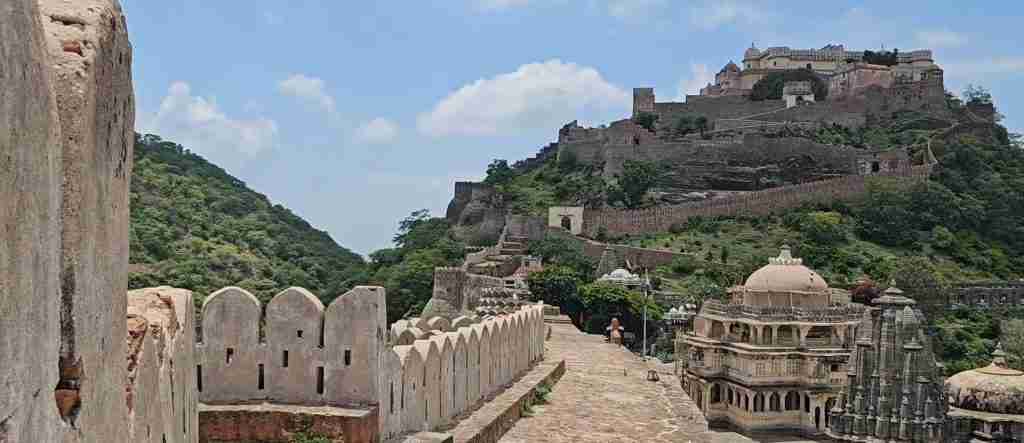
Depart Jodhpur for the 250-kilometer drive to Udaipur (5-6 hours) with stop at Kumbhalgarh Fort (100 kilometers from Udaipur). This UNESCO World Heritage Hill Fort, built 15th century, features 36-kilometer walls (second-longest after Great Wall of China) winding through Aravalli Hills. Entry ₹200 Indians, ₹600 foreigners (check official website for current rates). The remote fort requires 2-3 hours exploration including palace sections, temples, and wall walks with panoramic mountain views.
Continue to Udaipur, arriving afternoon. The City of Lakes, surrounded by Aravalli Hills and centered around Lake Pichola, represents Rajasthan’s most romantic destination. Two days allow comprehensive city exploration and day trip to additional UNESCO sites.
Day 9: City Palace and Lake Pichola
Visit City Palace at opening (9:30 AM) to avoid crowds at this vast lakeside complex. Entry ₹300 Indians, ₹700 foreigners for museum and palace sections. The palace, built over 400 years by successive maharanas, combines Rajasthani, Mughal, European, and Chinese architectural influences. Allocate 2-3 hours for museum galleries, courtyards, and lake views from palace terraces.
Walk to Jagdish Temple (free entry), the large Hindu temple built 1651 with impressive Dravidian-style architecture and intricate carvings. Continue to lake for boat ride (₹500-700 per boat, 1 hour) visiting Lake Palace (now luxury hotel, exterior views only) and Jag Mandir island palace. Sunset boat rides offer magical city views with palace reflections on lake surface.
Evening stroll through old city neighborhoods around City Palace, exploring local markets, art galleries, and miniature painting workshops. Dinner at lakeside rooftop restaurants (₹700-1,500 per person) or Ambrai restaurant at water’s edge (₹1,000-2,000 per person) providing exceptional palace views. Cultural shows at Bagore ki Haveli (₹150-200 entry, 7 PM daily) feature traditional dance and puppet performances.
Day 10: Chittorgarh Fort and Departure Preparations
Full-day excursion to Chittorgarh Fort (115 kilometers, 2.5 hours), the largest fort complex in India and UNESCO World Heritage site. Entry ₹40 Indians, ₹600 foreigners (check official website for current rates). This massive hilltop fort covers 700 acres with 7 gates, numerous palaces, temples, and towers telling stories of Rajput valor and sacrifice.
The fort requires 3-4 hours minimum for major monuments including Vijay Stambh (Victory Tower, 37-meter-high celebrating victory over Malwa), Kirti Stambh (Tower of Fame, Jain tower with intricate carvings), Rana Kumbha Palace, Padmini Palace, and temples. The fort witnessed three major sieges and jauhar (mass self-immolation) ceremonies, central to Rajput history and identity.
Return to Udaipur late afternoon. Depending on departure schedule, evening options include sunset viewing from Monsoon Palace (Sajjangarh, ₹200 entrance), final shopping at Hathi Pol and Bada Bazaar, or relaxing at Lake Pichola gardens. Transfer to Udaipur airport (international connections via Delhi/Mumbai) or overnight train to Delhi/Jaipur for onward connections.
Daily Udaipur costs: Accommodation ₹2,000-9,000, monuments ₹600-1,500, meals ₹800-1,800, boat rides ₹500-700, transport ₹1,500-3,000. Total ₹5,400-16,000 ($65-195) per person excluding accommodation.
Transportation Planning 2026: Choosing Your Mode
Private Car with Driver (Recommended)
Private car offers maximum flexibility, essential for reaching remote UNESCO forts (Kumbhalgarh, Chittorgarh) and allowing spontaneous stops at villages, viewpoints, and roadside attractions. Daily rates run ₹4,500-6,500 ($55-75) for air-conditioned sedan with driver, fuel, and driver accommodation included. 10-day rental total ₹45,000-65,000 ($550-800) split among passengers (2-4 people significantly reduces per-person cost).
Book through reputable operators offering newer vehicles, English-speaking drivers, and clear payment terms. Drivers handle navigation, provide local insights, and recommend authentic dining options. Confirm insurance coverage, fuel policy (usually included), and driver accommodation responsibilities. Tip drivers ₹300-500 daily for good service. Private car transforms long drives into comfortable, scenic journeys with photo stops and flexibility for early starts or late returns.
Train and Local Transport Combination
Indian Railways connects Jaipur-Jodhpur-Jaisalmer with overnight trains saving accommodation costs while covering long distances. Jaipur-Jodhpur overnight sleeper (AC 2-tier ₹1,200-1,800, AC 3-tier ₹900-1,300) departs evening, arrives morning. Jodhpur-Jaisalmer daytime train (5-6 hours, ₹400-800) provides desert scenery. Book 2-3 months ahead through IRCTC website or 12go.asia for foreign travelers.
Hire local cars with drivers in each city (₹2,000-3,500 daily) for sightseeing and day trips. This hybrid approach reduces total transport costs to ₹25,000-35,000 ($300-425) for 10 days while maintaining reasonable flexibility. Challenges include limited spontaneity, fixed train schedules affecting daily planning, and difficulty reaching remote sites like Kumbhalgarh without private transport.
State Buses (Budget Option)
Rajasthan State Road Transport Corporation (RSRTC) operates extensive bus network connecting all major cities. Deluxe/AC buses (₹400-800 for 4-6 hour routes) provide reasonable comfort. Volvo sleepers (₹800-1,500) run overnight routes. Total bus costs ₹6,000-10,000 ($70-120) for 10-day circuit. Buses depart from central bus stands with regular schedules, though delays common.
Budget travelers comfortable with basic conditions save significantly, though lose flexibility for remote site visits, spontaneous stops, and optimal timing control. Combine buses with auto-rickshaws/taxis for local transport in each city (budget ₹500-1,000 daily per destination).
Accommodation Strategies 2026: Booking and Selection
Heritage Properties
Rajasthan’s heritage hotels, converted from former palaces and havelis, provide authentic royal living experience. Mid-range heritage options ($40-90/night) include Alsisar Haveli (Jaipur), Pal Haveli (Jodhpur), Hotel Pleasant Haveli (Jaisalmer), Jagat Niwas Palace (Udaipur). These properties offer period architecture, courtyards, traditional décor, and excellent service while remaining affordable.
Luxury heritage hotels ($150-500/night) include Rambagh Palace (Jaipur), Umaid Bhawan Palace (Jodhpur), Suryagarh (Jaisalmer), Taj Lake Palace (Udaipur). These properties justify higher costs through exceptional service, historical significance, gardens, pools, and fine dining. Book 3-4 months advance for peak season (November-March) heritage properties.
Budget and Mid-Range Hotels
Clean, comfortable budget hotels ($15-35/night) available throughout circuit: Pearl Palace/Karni Niwas (Jaipur), Blue House/Yogi Guest House (Jodhpur), Hotel Renuka/Desert Haveli (Jaisalmer), Nukkad Guest House/Lake Shore Hotel (Udaipur). These provide essential amenities (AC/fan, WiFi, hot water) without luxury touches.
Mid-range hotels ($40-75/night) offer better locations, pools, restaurants, and service: Narain Niwas Palace (Jaipur), Haveli Inn Pal (Jodhpur), Hotel Pleasant Haveli (Jaisalmer), Jaiwana Haveli (Udaipur). Book through Booking.com, Agoda, or directly for best rates and free cancellation policies. Read recent reviews for current property conditions.
Booking Timeline and Strategies
Book accommodations 2-3 months ahead for November-March travel, 4-6 weeks adequate for April-October. Peak weeks (December 20-January 10, Pushkar Fair in November) require earlier booking. Properties near monuments fill first. Compare prices across multiple platforms (Booking.com, Agoda, hotel direct websites) as rates vary significantly.
Request rooms away from streets for quieter sleep, upper floors for views, and ground-floor rooms for easier access with luggage. Confirm included meals (breakfast typically included, verify), check-in/out times, and cancellation policies. Properties often negotiate rates for 2+ night stays, particularly during slower periods.
Budget Breakdown 2026: Complete Cost Estimates
Budget Traveler (₹60,000-80,000 / $700-950 per person)
Accommodation (₹15,000-25,000): Budget hotels/guesthouses ₹1,500-2,500 per night. Transportation (₹8,000-12,000): RSRTC buses between cities, local buses/shared autos, some trains. Meals (₹15,000-22,000): Street food, dhabas, basic restaurants ₹500-700 three meals daily. Attractions (₹8,000-12,000): Monument entries, basic tours, minimal paid activities. Miscellaneous (₹5,000-9,000): Shopping, tips, unexpected costs. Daily average ₹6,000-8,000 ($70-95).
Mid-Range Traveler (₹90,000-140,000 / $1,100-1,700 per person)
Accommodation (₹30,000-50,000): 3-star hotels, heritage properties ₹3,000-5,000 per night. Transportation (₹20,000-30,000): Private car shared among 2-3 people, some trains. Meals (₹25,000-40,000): Restaurant dining, hotel breakfasts, some fine dining ₹800-1,300 three meals daily. Attractions (₹12,000-18,000): All monuments, guided tours, desert safari, boat rides. Miscellaneous (₹10,000-15,000): Shopping, tips, activities. Daily average ₹9,000-14,000 ($110-170).
Luxury Traveler (₹180,000-300,000 / $2,200-3,600 per person)
Accommodation (₹80,000-150,000): Heritage palaces, 5-star hotels ₹8,000-15,000 per night. Transportation (₹50,000-70,000): Private car exclusive use, driver, premium vehicle. Meals (₹50,000-80,000): Fine dining, hotel restaurants, specialty experiences ₹1,500-2,500 three meals daily. Attractions (₹25,000-40,000): Premium tours, private guides, exclusive experiences. Miscellaneous (₹20,000-35,000): Shopping, spa treatments, special activities. Daily average ₹18,000-30,000 ($220-360).
Best Time to Visit Rajasthan 2026
Peak Season: November-February
Ideal weather (15-25°C days, 5-15°C nights) makes this prime touring period. Clear skies, comfortable fort exploration temperatures, and festival season (Diwali early November, Pushkar Fair mid-November). Challenges include 30-40% higher accommodation rates, advance booking essential, crowded monuments, and premium pricing for services. Best for comfort-focused travelers, photographers seeking clear light, and those wanting cultural festival experiences.
Shoulder Season: March-April, September-October
Excellent compromise period with decent weather (March-April warming 25-35°C, September-October cooling 25-30°C), 20-30% lower accommodation rates than peak, and fewer tourists at monuments. March brings Holi festival color, September-October pleasant post-monsoon freshness. Occasional hot days March-April require early morning monument visits. Ideal for budget-conscious travelers and those avoiding crowds.
Monsoon/Summer: May-August
Extreme heat May-June (40-47°C) makes sightseeing challenging despite lowest accommodation rates (40-50% off peak prices). July-August monsoon brings relief (30-35°C) with intermittent showers, lush landscapes, and empty monuments. Risks include closed attractions, limited desert activities, and occasional weather disruptions. Suitable only for extreme budget travelers or those specifically seeking empty sites and deep discounts.
Packing Essentials 2026 for Rajasthan Circuit
Clothing Requirements
Modest clothing essential for temple/mosque visits: shoulders and knees covered, scarves for women’s head covering. Light cotton clothing for warm weather, layers for evening/early morning cool periods (November-February), comfortable walking shoes for fort exploration, sandals for casual wear. Sun protection clothing including wide-brimmed hat, sunglasses, light long-sleeve shirts. Formal outfit for heritage hotel dining if staying luxury properties.
Technical Gear
Universal power adapter (India uses Type C/D/M plugs, 220V), portable charger (essential during long drives), camera with extra batteries/memory cards for extensive photography, smartphone loaded with Google Maps offline, translation apps, headlamp/flashlight for dim fort passages and power outages, portable WiFi device or local SIM card for reliable connectivity.
Health and Comfort
Prescription medications in original containers plus copies of prescriptions, basic first aid kit including bandaids, antiseptic cream, pain relievers, anti-diarrheal medication, rehydration salts, high-SPF sunscreen and lip balm, insect repellent (DEET-based), water purification tablets or bottle with filter, hand sanitizer, tissues, personal toiletries (Western brands expensive in India).
Frequently Asked Questions About Rajasthan 10-Day Circuit 2026
Can you do Rajasthan in 10 days without feeling rushed?
Yes, 10 days provides comfortable pacing for the classic royal circuit covering Jaipur, Pushkar, Jodhpur, Jaisalmer, and Udaipur with strategic UNESCO site day trips. This timeline allows 1-2 days per destination for thorough exploration without marathon daily schedules. The key involves strategic routing to minimize backtracking, early starts for monument visits avoiding midday heat, and accepting you cannot see everything. Skip smaller destinations like Bikaner, Bundi, or Ranthambore to maintain comfortable pacing. Rushing through more destinations creates exhaustion without meaningful experiences. Focus on depth rather than breadth, allowing spontaneous moments and cultural immersion rather than checking boxes.
Is it safe to travel Rajasthan independently in 2026?
Rajasthan ranks among India’s safest states for travelers, with well-established tourist infrastructure and helpful locals accustomed to foreign visitors. Major cities and tourist areas present minimal safety concerns beyond standard precautions. Women travelers should dress modestly (shoulders/knees covered), avoid isolated areas after dark, use reputable transport providers, and stay alert in crowds. Solo travelers easily meet other tourists at hostels and hotels. Scams targeting tourists exist (overpriced tours, commission-seeking guides, gem/carpet export schemes) but knowledge and firm negotiation minimize risks. Keep valuables secure, use hotel safes for passports/cash, avoid displaying expensive items, and trust instincts if situations feel uncomfortable. Overall, independent travel in Rajasthan remains highly feasible and rewarding.
Do I need a guide for monuments or can I self-tour in 2026?
Self-touring works perfectly well for most travelers with guidebooks, apps, and basic research. Major monuments provide information boards, audio guides available at many sites (₹200-300), and fellow travelers sharing experiences. Benefits include flexibility in timing and pace, cost savings (guides ₹500-1,500 per site), and freedom to explore based on personal interests. However, good guides significantly enhance understanding at complex sites like Mehrangarh Fort, Amber Fort, and Chittorgarh Fort, explaining history, architecture, and cultural context invisible to untrained eyes. Compromise approach: hire guides for 2-3 major sites where context matters most, self-tour simpler monuments. Book guides through official tourism counters at monuments rather than aggressive touts outside, ensuring proper credentials and fair pricing.
What are the hidden costs in Rajasthan travel budgets?
Camera fees at monuments (₹100-300 per site, ₹500-1,000 for video) accumulate across 10 days. Tipping expectations for drivers (₹300-500 daily), guides (₹100-200), hotel staff (₹100-200 daily total), and restaurant servers (10% of bill) add ₹500-1,000 daily. Bottled water purchases (₹20-40 per liter, 3-4 liters daily per person) cost ₹800-1,200 over 10 days. Travel insurance (₹2,000-5,000 for 2-week coverage) often overlooked. Laundry services (₹50-150 per item) or hotel laundry (₹300-800 per load). Shopping impulse purchases at markets and handicraft shops. Entry fees for optional attractions beyond main monuments. Vehicle parking fees (₹20-100 per location). Budget extra 15-20% beyond calculated daily costs for these hidden expenses plus unexpected opportunities or emergencies.
How do I handle altitude and heat during fort visits in 2026?
Forts involve significant uphill walking and stair climbing at altitude (Mehrangarh at 125 meters, Jaisalmer Fort on hilltop, Kumbhalgarh at mountain elevation). Build stamina through pre-trip walking, take breaks during climbs, and start slowly acclimatizing. Heat management requires early morning monument visits (8-10 AM) before temperatures peak, carrying 1-2 liters water per person, wearing breathable cotton clothing and sun hats, taking midday breaks during hottest hours (noon-3 PM), and using air-conditioned transport for midday travel. Recognize heat exhaustion symptoms (dizziness, nausea, excessive fatigue) and immediately seek shade, hydrate, and rest. November-February provides most comfortable conditions for extensive walking. May-June requires extreme caution, possible tour restructuring to very early mornings only.
Can vegetarians eat well throughout Rajasthan circuit?
Rajasthan offers India’s most vegetarian-friendly cuisine with majority of restaurants serving exclusively vegetarian food, particularly in Pushkar (100% vegetarian town), Jaipur, and Udaipur. Traditional Rajasthani cuisine emphasizes vegetarian dishes: dal baati churma (lentils with wheat dumplings), gatte ki sabzi (chickpea flour dumplings in curry), ker sangri (desert beans), paneer preparations, and extensive vegetable curries. Tourist restaurants offer diverse vegetarian options including Italian, Chinese, and continental adaptations. Street food provides excellent vegetarian snacks. Even non-vegetarian restaurants maintain separate vegetarian kitchens and extensive veg menus. Challenges include limited fresh salad options (stick to cooked vegetables for food safety), occasional over-oiled preparations, and similar curries across restaurants. Overall, vegetarians thrive in Rajasthan with more variety than omnivorous travelers seeking quality meat dishes.
What’s the WiFi and mobile connectivity situation in 2026?
Most hotels provide WiFi (budget to luxury), though quality varies from excellent in upscale properties to spotty in budget accommodations. Cafes and restaurants in tourist areas offer WiFi with password upon dining. Mobile coverage excellent in cities (4G/5G widely available), moderate in smaller towns, and spotty in desert areas and remote fort locations like Kumbhalgarh. Purchase Indian SIM card (Airtel, Jio, Vi) at airport or city outlets (₹200-500 for tourist plan with 2-4GB daily data, 28-day validity). Requires passport copy and photo, sometimes takes 24 hours activation. Download offline maps (Google Maps, Maps.me), translation apps, and guidebooks before connectivity drops. Backup important information (hotel addresses, booking confirmations, emergency contacts) in offline-accessible formats. Consider portable WiFi device (₹300-500 daily rental) if reliable connectivity essential for work.
How do I respectfully visit religious sites and forts in 2026?
Remove shoes before entering temples (leave outside or with attendants, tip ₹10-20), mosques, and some palace sections. Cover shoulders and knees at all religious sites, head covering for women at mosques and some temples (scarves available at entrances if needed). Photography restrictions vary: some temples prohibit all photography, others allow without flash, always ask or check signage before photographing. Leather items (belts, bags, wallets) prohibited in some Jain temples. Dress conservatively avoiding shorts, sleeveless tops, and revealing clothing. Walk clockwise around religious shrines, avoid pointing feet at religious images, and ask permission before photographing people (particularly women). Silence phones, speak quietly in temple complexes, and follow local customs for offerings or donations (typically voluntary). Respectful behavior ensures warm welcome and authentic cultural interactions throughout journey.