
Udaipur Travel Guide 2026: City of Lakes Complete Guide
Udaipur, known as the “City of Lakes,” stands as one of Rajasthan’s most romantic and picturesque destinations, offering visitors a perfect blend of royal heritage, stunning architecture, and serene waterscapes. From the majestic City Palace overlooking Lake Pichola to the peaceful gardens and cultural experiences, this comprehensive guide provides everything you need to plan an unforgettable journey to this enchanting city in 2026.
Key Takeaways
- City Palace Complex: India’s largest palace complex charges ₹400 for adults (₹150 children) with audio guides available for ₹200, opening 9:30 AM-5:30 PM daily
- Optimal Visit Duration: Plan 3-4 days minimum to explore major attractions including Lake Pichola boat rides, Monsoon Palace sunset views, and day trips to Kumbhalgarh or Ranakpur
- Budget Planning 2026: Daily costs range ₹1,500-2,500 budget travelers, ₹3,000-5,000 mid-range, ₹8,000+ luxury, excluding accommodation which runs ₹800-1,500 budget, ₹2,500-5,000 mid-range, ₹10,000+ luxury hotels
- Best Travel Season: October-March offers pleasant weather (15-30°C), perfect for sightseeing; avoid April-June extreme heat (35-45°C) unless seeking significant hotel discounts
- Transportation Hub: Maharana Pratap Airport 25 km from city center connects to major Indian cities; railway station 3 km from Lake Pichola area provides excellent connectivity across Rajasthan
- Lake Experiences 2026: Sunset boat rides on Lake Pichola cost ₹400-800 per person with advanced booking recommended during peak season; day cruises start ₹300
People Also Ask About Udaipur 2026
How many days do you need in Udaipur in 2026?
Three to four days provides ideal time to experience Udaipur’s highlights in 2026. Day one covers City Palace complex and Lake Pichola boat rides. Day two explores Monsoon Palace for sunset, Saheliyon Ki Bari gardens, and Jagdish Temple. Day three allows for a day trip to Kumbhalgarh Fort (90 km) or Ranakpur Jain Temples (96 km). Day four offers shopping at local markets, visiting Bagore Ki Haveli cultural shows, or relaxing by Fateh Sagar Lake. Travelers with limited time can cover main city attractions in two days, while five to seven days enables deeper exploration including Chittorgarh Fort excursions and immersive cultural experiences.
What is the best time to visit Udaipur in 2026?
October through March represents the optimal window for visiting Udaipur in 2026, offering pleasant daytime temperatures between 15-30°C and cool evenings perfect for lakeside dining and rooftop experiences. November to February brings peak tourist season with comfortable weather ideal for outdoor sightseeing, though accommodation prices increase 30-50% and popular attractions see larger crowds. October and March serve as shoulder months with excellent weather, fewer tourists, and moderate pricing. April and May bring extreme heat (35-45°C) but offer hotel discounts up to 40% for budget-conscious travelers willing to brave the temperatures. Monsoon season (July-September) transforms the landscape with lush greenery and filled lakes, though occasional rain disrupts sightseeing plans.
How much does a trip to Udaipur cost in 2026?
A three-day Udaipur trip in 2026 costs approximately ₹15,000-20,000 for budget travelers, ₹30,000-45,000 for mid-range visitors, and ₹80,000+ for luxury experiences per person. Budget breakdown includes accommodation (₹2,400-4,500 for 3 nights budget, ₹7,500-15,000 mid-range, ₹30,000+ luxury), daily meals (₹600-1,000 budget, ₹1,500-2,500 mid-range, ₹4,000+ luxury), attractions and activities (₹1,500-3,000 total for entrances and boat rides), local transportation (₹500-1,500 for autos/taxis), and shopping allowance (₹2,000-5,000 for handicrafts and textiles). International or domestic flight costs from Delhi (₹4,000-8,000 round-trip) or train tickets (₹800-2,500) add to the total. Day trip excursions to Kumbhalgarh or Ranakpur add ₹2,000-4,000 per person including transport and entry fees.
Is Udaipur expensive for tourists in 2026?
Udaipur falls in the moderate price range compared to other Indian tourist destinations in 2026, more expensive than Jaipur or Jodhpur but significantly cheaper than Mumbai or Goa. Accommodation represents the largest expense, with lakeside heritage hotels commanding premium rates while budget guesthouses in the old city offer excellent value. Food costs remain reasonable with street food and local restaurants serving meals for ₹150-300, while rooftop restaurants charge ₹600-1,200 per person. Attraction entrance fees stay moderate (₹400-600 for major sites), though private guides (₹1,500-2,500 per day) and premium boat experiences (₹800-1,500) increase costs. Shopping for handicrafts, textiles, and miniature paintings offers good value with skilled bargaining. Overall, Udaipur accommodates all budgets from backpackers to luxury travelers through careful planning and smart choices.
Extended multi-day tours – 5+ days
Featured Rajasthan Multi-Day Tour Packages

12 days
Royal Rajasthan with Taj Mahal Tour
- ✓ Comprehensive Rajasthan tour
- ✓ Expert local guides included
- ✓ All accommodation arranged
- ✓ Transportation provided

8 days
8 Days Golden Triangle with Ranthambore Wildlife Safari 4 Star Luxury
- ✓ Comprehensive Rajasthan tour
- ✓ Expert local guides included
- ✓ All accommodation arranged
- ✓ Transportation provided
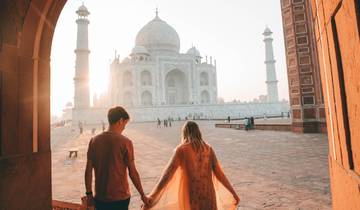
11 days
Colorful India with Taj Mahal & Rajasthan
- ✓ Comprehensive Rajasthan tour
- ✓ Expert local guides included
- ✓ All accommodation arranged
- ✓ Transportation provided
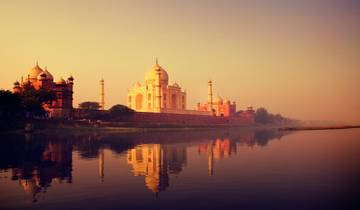
10 days
Heritage luxury hotel Rajasthan tour
- ✓ Comprehensive Rajasthan tour
- ✓ Expert local guides included
- ✓ All accommodation arranged
- ✓ Transportation provided
Multi-day tour packages powered by TourRadar. Prices and availability subject to change.
Introduction to Udaipur 2026
Udaipur, the crown jewel of Rajasthan and India’s most romantic city, beckons travelers with its shimmering lakes, magnificent palaces, and timeless charm. Founded in 1559 by Maharana Udai Singh II as the capital of the Mewar kingdom, this enchanting destination has evolved into one of India’s premier tourist attractions while preserving its rich cultural heritage and architectural splendor.
The city’s defining feature remains its stunning lakes, particularly Lake Pichola with its iconic island palaces rising from the azure waters. The City Palace complex dominates the eastern shore, its cream-colored walls and ornate balconies creating a dramatic silhouette against the Aravalli hills. Beyond the famous landmarks, Udaipur offers intimate experiences through narrow winding streets, vibrant bazaars selling traditional handicrafts, and rooftop restaurants serving authentic Rajasthani cuisine with panoramic sunset views.
Planning a trip to Udaipur in 2026 requires understanding seasonal variations, booking strategies, and logistical considerations that maximize your experience. October through March represents peak season when pleasant weather attracts global visitors, necessitating advance reservations for premium accommodations and popular experiences. The shoulder months of September and April offer excellent value with fewer crowds and comfortable temperatures for exploration.
This comprehensive guide covers everything from must-visit attractions and hidden gems to practical information on transportation, accommodation, dining, and day trip opportunities. Whether you seek romantic lakeside moments, architectural marvels, cultural immersion, or adventurous excursions to nearby forts and temples, Udaipur delivers unforgettable experiences that justify its reputation as the “Venice of the East” and one of the world’s most beautiful cities.
Getting to Udaipur 2026
By Air to Udaipur
Maharana Pratap Airport (UDR), located 25 kilometers east of the city center, serves as Udaipur’s primary air gateway with expanding connectivity in 2026. Direct flights operate from major Indian cities including Delhi (1.5 hours, ₹4,000-8,000 round-trip), Mumbai (1.5 hours, ₹5,000-10,000), Bangalore (2 hours, ₹6,000-12,000), and Jaipur (45 minutes, ₹3,000-6,000). IndiGo, Air India, SpiceJet, and Vistara maintain regular schedules with multiple daily departures from Delhi and Mumbai.
The airport features modern facilities including currency exchange, ATMs, car rental counters, and prepaid taxi services. Transportation from the airport to Lake Pichola area takes 35-45 minutes depending on traffic. Prepaid taxis charge ₹600-800 to city center hotels, while app-based services (Uber, Ola) cost ₹450-650. Many luxury hotels offer complimentary airport pickup for guests, while mid-range properties arrange pickups for ₹500-800. Budget travelers can take local buses (₹50-80) that connect the airport to the main bus stand, though schedules remain limited and journey times extend to 60-90 minutes with stops.
By Train to Udaipur 2026
Udaipur City Railway Station (UDZ) sits approximately 3 kilometers southeast of Lake Pichola, providing excellent rail connectivity across Rajasthan and major Indian cities. The Mewar Express connects Delhi to Udaipur overnight (12 hours, ₹800-2,500 depending on class), departing Delhi around 7 PM and arriving Udaipur morning 7 AM. Jaipur-Udaipur trains run multiple times daily (6-7 hours, ₹400-1,200), while direct services connect to Ahmedabad (5 hours), Indore (6 hours), and Mumbai (16 hours).
The railway station offers modern amenities including waiting rooms, food courts, and prepaid taxi stands. Auto-rickshaws charge ₹80-150 to Lake Pichola hotels, taking 15-20 minutes in normal traffic. Most hotels arrange railway station pickups for ₹200-400. Advance booking remains essential during peak season (October-March) and major Indian holidays, with reservations opening 120 days before departure through the Indian Railways website or mobile app.
By Road to Udaipur
Udaipur’s excellent road network connects to major Rajasthan cities and beyond, making road trips popular among travelers. The journey from Jaipur covers 395 kilometers via NH48 (6-7 hours), from Jodhpur 250 kilometers via NH62 (5-6 hours), and from Ahmedabad 262 kilometers (5 hours). Private taxis for Jaipur-Udaipur cost ₹4,000-6,000 for sedans, ₹6,000-8,000 for SUVs, with many travelers splitting costs in groups of 4-6 people.
Rajasthan State Road Transport Corporation (RSRTC) operates regular bus services from major cities with Volvo AC buses offering comfort for longer journeys. Jaipur-Udaipur Volvo buses cost ₹600-900 per person with departures every 2-3 hours, while Jodhpur-Udaipur services charge ₹450-700. Private operators like IntrCity SmartBus and Zingbus provide premium coach services with WiFi, charging ports, and comfortable seating at competitive rates. Budget travelers opt for ordinary buses (non-AC) costing 40-50% less but taking longer due to multiple stops.
Self-drive car rentals from companies like Zoomcar and Myles enable flexible exploration, costing ₹2,000-3,500 per day for compact cars, ₹3,500-5,000 for sedans, plus fuel (₹100-120 per liter petrol in 2026). Highway conditions remain excellent on major routes, though mountain roads to Kumbhalgarh and Ranakpur require cautious driving. Parking in Udaipur’s old city presents challenges, with most hotels offering parking (₹100-300 per day) while street parking remains limited near Lake Pichola.
Best Time to Visit Udaipur 2026
Winter Season: November to February 2026
Winter represents Udaipur’s peak tourist season, offering ideal weather conditions for sightseeing and outdoor activities. Daytime temperatures range 20-28°C with pleasant sunshine perfect for exploring palaces and gardens, while evenings cool to 10-15°C creating comfortable conditions for rooftop dining and lakeside walks. December and January bring occasional morning fog that burns off by 10 AM, revealing crystal-clear views of the Aravalli hills.
This period sees maximum tourist influx, particularly around Christmas and New Year when international visitors peak. Hotel rates increase 40-60% compared to summer months, with lakeside heritage properties commanding premium prices (₹8,000-15,000 per night). Advance booking becomes essential, especially for rooftop restaurants offering sunset views and popular boat cruise timeslots. Major attractions experience moderate crowds, though arriving at opening time (9:30 AM) at City Palace ensures relatively peaceful exploration before tour groups arrive.
Winter brings vibrant festivals and cultural events enhancing the Udaipur experience. The Udaipur World Music Festival typically occurs in February, attracting international artists and music lovers. Wedding season peaks December-January as couples choose Udaipur’s romantic lakeside venues, though this means certain heritage hotels may host private events limiting public access to restaurants and courtyards.
Autumn and Spring: October, March 2026
October and March serve as excellent shoulder months offering the sweet spot between pleasant weather and manageable tourist numbers. October temperatures range 25-35°C with gradually cooling evenings, while March sees 18-32°C with warming afternoons. Both months provide comfortable sightseeing conditions without extreme heat or cold, making them ideal for travelers seeking value and fewer crowds.
Accommodation prices during these months fall 20-30% below peak winter rates while remaining 30-40% above summer lows, offering good value for mid-range travelers. Availability improves significantly compared to December-January, though booking 2-3 weeks ahead remains advisable for preferred properties. Restaurants and attractions operate normally without the crush of peak season visitors, enabling more intimate cultural experiences and flexible scheduling.
October following monsoon season showcases Udaipur at its greenest, with lakes full and surrounding hills lush. March brings the Gangaur Festival, one of Rajasthan’s most colorful celebrations honoring Goddess Gauri, featuring processions, traditional dress, and cultural performances. These shoulder months particularly suit photography enthusiasts seeking dramatic landscapes without battling crowds for prime viewpoints.
Summer Season: April to June 2026
Summer brings intense heat to Udaipur with temperatures soaring 35-45°C, making outdoor sightseeing challenging during midday hours (11 AM-4 PM). However, this season offers significant advantages for budget-conscious travelers willing to adjust schedules around the heat. Hotel rates drop 40-60% compared to winter, with even luxury properties offering attractive packages (₹3,000-6,000 per night vs. ₹10,000-15,000 in winter).
Successful summer visits require strategic planning. Start days early (6-9 AM) for outdoor attractions when temperatures remain tolerable (28-32°C). Return to air-conditioned hotels during peak heat hours for rest or pool time, then resume sightseeing late afternoon (4-7 PM) when temperatures drop to 32-36°C. Indoor attractions like City Palace museum sections, crystal gallery, and vintage car collection provide comfortable alternatives during hot hours.
Tourist numbers decline dramatically in summer, meaning attractions stay nearly empty and restaurants offer attentive service without waits. Boat rides become especially pleasant during early morning and sunset hours. Local markets prove less crowded, enabling relaxed shopping and better bargaining opportunities. May brings the intense Loo winds, while June sees occasional pre-monsoon showers providing temporary relief from heat.
Monsoon Season: July to September 2026
Monsoon season transforms Udaipur into a lush green paradise as intermittent rainfall (July receiving most precipitation) revitalizes the landscape and fills the lakes to brimming. Temperatures moderate to 25-35°C with high humidity (70-85%), creating muggy conditions but relief from summer’s scorching heat. Rainfall typically occurs in short afternoon bursts rather than all-day downpours, leaving mornings and evenings relatively dry for sightseeing.
This season attracts fewer international tourists but increasing numbers of domestic visitors from hot cities seeking respite from summer heat. Hotel rates remain low (20-30% above summer minimums) with good availability and negotiation possibilities. The monsoon period suits photographers particularly well, as dramatic clouds, rainbow-lit landscapes, and verdant hills create stunning backdrops. Lake Pichola reaches its fullest, with water levels rising to meet palace foundations and creating spectacular reflections.
However, monsoon travel requires flexibility and backup plans. Heavy rainfall may disrupt outdoor activities, boat rides get cancelled during storms, and day trips to Kumbhalgarh or Ranakpur become challenging on mountain roads. Indoor attractions remain accessible, and many travelers find the romantic ambiance of rain-washed marble palaces and mist-shrouded hills compensates for occasional weather interruptions. Pack rain gear, waterproof bags for electronics, and quick-dry clothing while embracing the season’s unique charm.
Top Attractions in Udaipur 2026
City Palace Complex
The City Palace Complex stands as Udaipur’s crown jewel and India’s largest palace complex, offering visitors an extraordinary journey through Mewar royal history spanning four centuries. Built beginning in 1559 by Maharana Udai Singh II and expanded by successive rulers through the 1930s, the complex combines Rajput and Mughal architectural styles with European and Chinese influences creating a unique aesthetic masterpiece.
Entry to the palace complex requires two separate tickets in 2026. The compound entrance costs ₹50 per person, allowing access to courtyards, gardens, and external architecture. The museum ticket costs ₹400 for adults and ₹150 for children, granting entry to palace interiors including Moti Mahal (Palace of Pearls), Sheesh Mahal (Palace of Mirrors), Mor Chowk with its stunning peacock mosaics, and multiple galleries displaying royal artifacts. Audio guides available in English, German, French, and Spanish cost ₹200 providing rich historical context that significantly enhances the experience. Official guides charge ₹400-500 for groups up to 5 people.
The palace opens 9:30 AM-5:30 PM daily, with ticket sales closing at 5 PM. Arriving at opening time ensures cooler temperatures, better photography light, and fewer crowds. The museum route covers approximately 2 kilometers through interconnected courtyards, halls, and galleries, taking 2-3 hours for thorough exploration. Highlights include the Crystal Gallery (additional ₹500 fee) showcasing European crystal furniture and decorative items, the vintage car collection (₹330 extra) featuring Rolls Royces and classic automobiles, and the Durbar Hall with its ornate mirror work and paintings.
The palace terraces provide spectacular panoramic views of Lake Pichola, Jag Mandir, Lake Palace, and the surrounding city. Photography enthusiasts find endless opportunities capturing intricate details like latticed windows, colorful glass work, and architectural elements. The complex also houses several restaurants including Sunset Terrace offering refined dining with lake views, though prices run premium (₹2,000-3,500 per person for full meals).
Lake Pichola Boat Rides
Lake Pichola boat experiences rank among Udaipur’s most romantic and memorable activities, providing unique perspectives of the City Palace, Lake Palace, Jag Mandir, and surrounding ghats. Created in 1362 and expanded by Maharana Udai Singh II in the 16th century, this artificial lake covers approximately 7 kilometers in length and 2.5 kilometers in width when full during monsoon months.
Several boat ride options cater to different preferences and budgets in 2026. Standard shared boat cruises cost ₹400-500 per person for 1-hour daytime trips departing every 30 minutes from 9 AM-6 PM from Rameshwar Ghat. Sunset cruises (5:30-7 PM depending on season) charge premium rates of ₹600-800 per person due to high demand, with advance booking essential during peak season. Private boat charters accommodate 2-8 people costing ₹3,000-5,000 per hour, ideal for couples seeking romantic experiences or families wanting flexibility.
The boat route passes the City Palace waterfront, circles Jag Mandir island (landing allowed with entrance tickets), approaches the iconic Lake Palace (now Taj hotel, exterior viewing only), and returns via the Gangaur Ghat area. The Jag Mandir island palace charges ₹350 for Indian adults and ₹1,000 for foreigners to disembark and explore the island’s gardens, courtyards, and historic structures. The elegant Darikhana restaurant on Jag Mandir offers high-end dining (₹3,000-5,000 per person) with magical lake and palace views.
Photography during boat rides produces stunning results, particularly during golden hour before sunset when warm light bathes the palace facades. Early morning rides (6:30-8 AM, pre-bookable) offer serene experiences with calm waters creating perfect reflections and fewer boats. Visitors should note that boat services suspend during monsoon heavy rains and when water levels drop too low in summer months (typically May-June).
Monsoon Palace (Sajjangarh Palace)
Perched atop the Aravalli hills 944 meters above sea level and 5 kilometers west of city center, Monsoon Palace commands breathtaking panoramic views of Udaipur’s lakes, palaces, and surrounding countryside extending to distant hills. Built in 1884 by Maharana Sajjan Singh as a monsoon retreat and astronomical observatory, the hilltop palace exemplifies royal vision, though the maharana’s premature death left the original plans incomplete.
Entry to Monsoon Palace in 2026 costs ₹80 for Indian adults and ₹300 for foreign nationals, with additional vehicle entry charges of ₹50 for two-wheelers and ₹200 for four-wheelers covering the 5-kilometer access road. The winding ascent takes 15-20 minutes, passing through Sajjangarh Wildlife Sanctuary where occasional wildlife sightings include leopards, crocodiles, and various bird species, though encounters remain rare.
The palace itself offers minimal interior attractions, with empty marble halls and basic architectural features. However, the real draw lies in the extraordinary 360-degree views from the palace terraces and surrounding viewpoints. On clear days, visibility extends 50 kilometers, encompassing five major lakes (Pichola, Fateh Sagar, Rang Sagar, Swaroop Sagar, and Jaisamand), the entire Udaipur cityscape, and the Aravalli mountain ranges stretching to the horizon.
Sunset visits represent the prime time to experience Monsoon Palace, when golden light transforms the landscape and city lights begin twinkling below. Arrive 60-90 minutes before sunset to secure prime viewing positions, explore the palace architecture, and watch the dramatic light changes. The small canteen near the parking area sells basic snacks and drinks (₹50-150). Post-sunset, the illuminated City Palace and Lake Palace create magical views from this elevated vantage point, though the access road becomes dark, requiring careful driving back to the city.
Jagdish Temple
Located 150 meters north of City Palace entrance in the heart of the old city, Jagdish Temple stands as Udaipur’s largest and most significant Hindu temple, dedicated to Lord Vishnu in his Jagannath (Lord of the Universe) form. Built in 1651 by Maharana Jagat Singh I, this Indo-Aryan architectural marvel features three-story structure topped by a 79-foot pyramidal spire adorned with intricate carvings of gods, goddesses, dancers, and celestial beings.
Entry to Jagdish Temple remains free for all visitors, making it an accessible cultural and spiritual experience in 2026. The temple welcomes visitors from 5 AM-1 PM and 4 PM-9 PM daily, following traditional Hindu temple schedules for prayers and rituals. Morning aarti (prayer ceremony) at 5:30 AM and evening aarti at 7 PM offer particularly atmospheric experiences with chanting, bells, and incense creating deeply spiritual ambiance.
The temple’s exterior showcases extraordinary stone craftsmanship, with each surface carved with religious motifs, mythological scenes, and decorative elements. The mandapa (assembly hall) features black stone pillars with detailed sculptures, while the sanctum houses the black stone idol of Lord Jagannath flanked by other deities. Brass images of Garuda (Vishnu’s vehicle) kneel outside facing the deity. Four smaller shrines dedicated to Ganesh, Surya, Shakti, and Shiva surround the main temple, creating a complete temple complex.
Visitors should dress modestly (covered shoulders and knees) and remove footwear before entering. Photography restrictions apply inside the sanctum though exterior photography remains permitted. The temple draws Hindu worshippers throughout the day, with pilgrim numbers peaking during festivals. The surrounding area features numerous small shops selling religious items, flowers, and offerings. The stepped approach to the temple elevation provides excellent photography opportunities of both temple architecture and street life in the lanes below.
Saheliyon Ki Bari (Garden of Maidens)
This ornamental garden complex, constructed in the early 18th century by Maharana Sangram Singh for the royal women’s household, offers peaceful respite from Udaipur’s bustling streets. Located 3 kilometers north of City Palace on Saheli Marg, Saheliyon Ki Bari showcases Mughal garden design elements combined with Rajput architectural features creating a unique aesthetic appeal.
Entry costs just ₹5 per person in 2026, making it one of Udaipur’s most affordable attractions. The garden opens daily 9 AM-6 PM with extended hours (8 AM-7 PM) during peak tourist months. The modest entrance fee belies the garden’s charm, featuring four pools with fountain systems, marble pavilions (kiosks), lush lawns, flowering plants, and a lotus pool creating tranquil atmosphere ideal for leisurely strolls and photography.
The garden’s famous elephant fountains stand as centerpiece attractions, with four marble elephants flanking the main pool spouting water in symmetrical arcs. The fountain system operates periodically (typically every 30 minutes during opening hours), creating dramatic visual effects. Additional fountains include the lotus fountain and the chowk with 48 jets arranged in geometric patterns. A small museum within the complex displays royal artifacts, though the main appeal lies in the outdoor gardens.
Early morning visits (8-9 AM) offer the best experience with cooler temperatures, softer light for photography, and fewer visitors. The gardens attract local families during evenings and weekends, creating livelier atmosphere though potentially crowding prime photography spots. The combination of architectural elements, water features, and landscaping provides excellent subjects for photography enthusiasts. Vendors near the entrance sell local snacks, though no food service exists inside the gardens. Plan 45-60 minutes for a complete visit including the museum.
Fateh Sagar Lake
Fateh Sagar Lake, located 5 kilometers northwest of Lake Pichola, serves as another jewel in Udaipur’s collection of water bodies. This artificial lake, originally built in 1678 by Maharana Jai Singh and rebuilt in 1888 by Maharana Fateh Singh following damage from heavy rains, measures 4 kilometers in length and 2.8 kilometers in width, ranking as Udaipur’s second-largest lake.
The lake features three islands connected by boat services operating 9 AM-6 PM daily. Nehru Park, the largest and most developed island, hosts a restaurant, children’s park, and boat-shaped cafe, with round-trip boat tickets costing ₹210 for adults and ₹110 for children. The second island houses the Udaipur Solar Observatory, one of the best solar observing sites in Asia, though it remains closed to general public. The third smaller island hosts a Nehru Garden with manicured lawns and fountains.
The lakefront promenade offers pleasant walking opportunities with paved pathways extending 3 kilometers along the eastern shore. Early morning walks (6-8 AM) attract fitness enthusiasts and bird watchers, while evenings see families gathering to enjoy lake breezes and sunset views. Street food vendors along the promenade sell local snacks like kachori, samosas, and chai (₹30-80), creating lively social atmosphere.
Boating options include paddle boats (₹150 for 30 minutes) and motorboats (₹250 for 20 minutes) operating from the main ghat. These smaller craft don’t include island stops but allow pleasant cruising on the lake’s calm waters. The lakefront also features the Nehru Garden boat entry point (₹210 round-trip) departing every 30 minutes 9 AM-5:30 PM. The garden island provides family-friendly environment with children’s play areas, fountains, and refreshment stalls.
Accommodation in Udaipur 2026
Luxury Heritage Hotels
Udaipur’s luxury heritage hotels occupy restored royal palaces and havelis, offering guests opportunities to experience maharaja-style living with modern comforts. The Taj Lake Palace, situated on Jag Niwas Island in Lake Pichola, represents the ultimate luxury experience with rates starting ₹35,000-50,000 per night in 2026. This white marble palace-turned-hotel features opulent rooms with lake views, heritage architecture, multiple restaurants, and boat transfers. The property books 3-6 months ahead during peak season, with 30% advance payment required for confirmed reservations.
The Oberoi Udaivilas, spread across 50 acres with private lake frontage, offers comparable luxury at ₹28,000-45,000 per night. Rooms feature private terraces or courtyards, marble bathrooms with sunken tubs, and traditional Rajasthani décor. The property includes multiple pools, spa facilities, fine dining restaurants, and impeccable service standards. Raffles Udaipur (₹25,000-40,000 per night) and The Leela Palace Udaipur (₹22,000-38,000) provide similar ultra-luxury experiences with heritage architecture and world-class amenities.
Mid-tier luxury options include Fateh Garh (₹12,000-18,000), Shiv Niwas Palace (₹10,000-16,000), and Jagat Niwas Palace (₹8,000-14,000), offering heritage experiences at more accessible rates. These properties feature period furniture, traditional architecture, rooftop restaurants with lake views, and personalized service. Booking 60-90 days ahead ensures availability during winter peak season, while summer months (April-June) offer discounts of 40-50% from published rack rates.
Mid-Range Hotels and Guesthouses
Mid-range accommodations in Udaipur balance comfort, location, and value, with rates ₹2,500-6,000 per night in 2026. Properties around Lake Pichola and in the old city lanes provide heritage charm without luxury price tags. Hotel Amet Haveli (₹3,500-5,000) features traditional architecture, rooftop restaurant with stunning lake views, and central location near Gangaur Ghat. Udai Kothi (₹4,000-6,000) offers boutique hotel experience with pool, spa, and terrace dining overlooking City Palace.
Jaiwana Haveli (₹2,800-4,200), Jheel Guest House (₹2,500-3,800), and Mewar Haveli (₹3,000-4,500) occupy converted historic buildings with atmospheric courtyards, traditional décor, and personal service from family owners. These properties typically include breakfast, WiFi, and travel assistance for tour bookings and transportation. Rooms vary in size and amenities, with lake-view rooms commanding 30-40% premium over street-facing options.
The Lal Ghat area hosts numerous mid-range options within walking distance of City Palace, Jagdish Temple, and boat launch points. Kankarwa Haveli (₹3,200-4,800), Lake Pichola Hotel (₹2,800-4,000), and Dream Heaven (₹2,500-3,500) provide convenient bases for sightseeing with rooftop restaurants offering relaxed evening ambiance. Most mid-range properties require 1-2 nights advance payment during peak season, with cancellation policies allowing full refunds for cancellations 7-14 days before arrival.
Budget Accommodations
Budget travelers find excellent value in Udaipur with guesthouses, hostels, and basic hotels charging ₹800-2,000 per night in 2026. The old city lanes near Lal Ghat and Gangaur Ghat host the highest concentration of budget options within walking distance of major attractions. Krishna Ranch (₹1,200-1,800), Nukkad Guest House (₹1,000-1,500), and Moustache Udaipur hostel (₹800-1,200 for dorms, ₹1,800-2,500 for private rooms) offer clean, simple accommodations with helpful owners and social atmospheres.
Zostel Udaipur (₹600-900 dorms, ₹2,000-2,800 private rooms) brings hostel chain reliability with modern facilities, common areas for socializing, and organized activities. The Jugaad Hostel (₹700-1,000 dorms) and Bunkyard Hostel (₹650-950) cater to backpackers with communal kitchens, rooftop terraces, and opportunities to meet fellow travelers. Many budget properties include basic breakfast (toast, eggs, tea/coffee) in room rates.
Paying guest (PG) accommodations with local families offer the cheapest options (₹500-800 per night) with authentic home-stay experiences. These arrangements typically include breakfast and home-cooked dinners (₹150-300 extra) while providing cultural insights and local recommendations. Booking platforms like Airbnb list numerous such options, though verification of cleanliness standards and amenities becomes important.
Budget travelers should note that old city properties often feature narrow staircases (no elevators), basic room amenities (fan rather than AC in cheaper options), and variable hot water availability. However, the trade-off includes unbeatable locations, helpful service, and authentic atmosphere in heritage buildings. Summer season (April-June) sees budget properties dropping rates 30-40%, making luxury locations accessible to budget-conscious visitors willing to brave the heat.
Dining in Udaipur 2026
Rooftop Restaurants with Lake Views
Udaipur’s rooftop restaurants combine spectacular lake and palace views with quality food, creating memorable dining experiences particularly at sunset. Upre by 1559 AD, operated by HRH Hotels, offers refined Rajasthani and North Indian cuisine with prices ₹1,800-2,800 per person for complete meals including appetizers, mains, desserts, and beverages. The restaurant occupies a historic haveli rooftop with direct City Palace views, sunset-timed seating (6:30-8 PM) books weeks ahead during peak season.
Ambrai Restaurant at Amet Haveli lakefront (₹1,500-2,300 per person) provides romantic dining literally on Lake Pichola’s edge with City Palace and Lake Palace illuminated views. Specialties include laal maas (spicy lamb curry), gatte ki sabzi (gram flour dumplings in curry), and dal baati churma (traditional Rajasthani combo). Reservations essential during winter months, with terrace seating preferred over indoor options.
Savage Garden (₹1,200-1,800) combines rooftop setting with eclectic menu spanning Indian, Continental, and Asian cuisines. The multi-level terrace offers varying perspective views of Jagdish Temple and City Palace. Rainbow Restaurant (₹900-1,400) and Jheel’s Ginger Coffee Bar & Bakery (₹800-1,200) provide excellent value with similar ambiance at lower prices. Many restaurants enforce minimum order requirements (₹500-800 per person) during peak sunset hours when demand exceeds capacity.
Traditional Rajasthani Cuisine
Experiencing authentic Rajasthani cuisine represents a cultural highlight of any Udaipur visit. Natraj Dining Hall near Delhi Gate serves unlimited traditional thali meals (₹350-500) featuring dal baati churma, gatte ki sabzi, ker sangri (desert beans and berries), papad, churma (sweet crushed wheat), and seasonal vegetables. The no-frills environment focuses on food rather than ambiance, attracting local families and budget-conscious travelers.
Millets of Mewar (₹600-900 per person) specializes in organic, millet-based traditional dishes showcasing regional ingredients and ancient recipes. The menu rotates seasonally but typically includes jowar roti (sorghum flatbread), bajra khichdi (pearl millet porridge), local vegetables, and house-made chutneys. Charcoal by Carlsson (₹1,400-2,200) offers upscale Rajasthani dining with fusion elements, contemporary plating, and heritage haveli setting.
For authentic street-food experiences, explore the lanes around Jagdish Temple and Clock Tower. Kachori stalls serve fresh fried pastries stuffed with spiced lentils or peas (₹30-50 for 3 pieces) with tangy chutneys. Mirchi vada (stuffed chili fritters, ₹40-60), dal kachori (₹35-50), and samosas (₹25-40) provide delicious snacks throughout the day. Mishrilal Hotel near Clock Tower serves famous lassi (₹40-80) in earthen cups, along with malpua (sweet pancakes, ₹60-90) and other traditional sweets.
International and Contemporary Dining
Udaipur’s growing international tourist base has expanded dining options beyond traditional Rajasthani fare. Café Edelweiss near Gangaur Ghat specializes in European cuisine with German pastries, pizzas, pastas, and Continental breakfasts (₹400-800 per person). The cozy indoor-outdoor setting attracts expats and travelers seeking familiar flavors. Tribute Restaurant (₹900-1,400) offers multi-cuisine menu spanning Indian, Chinese, and Continental with consistent quality and pleasant ambiance.
The Whistling Teal at Trident Hotel (₹1,600-2,400) provides fine-dining experience with international menu highlighting seafood, grilled meats, and contemporary preparations. The poolside setting creates relaxed luxury atmosphere, with Sunday brunch buffets (₹2,200 per person) particularly popular. Sun ‘n’ Snow Pizza Café (₹600-1,000) serves wood-fired pizzas, fresh salads, and homemade desserts in garden setting away from old city bustle.
For health-conscious travelers and vegetarians, Millets of Mewar (₹600-900) emphasizes organic ingredients and traditional cooking methods. Aravali Lakeview Café (₹500-800) offers pure vegetarian menu with vegan options, fresh juices, and healthy grain bowls. Most restaurants clearly mark vegetarian/vegan options, as Udaipur’s strong Jain and vegetarian culture ensures excellent meat-free dining across all price ranges.
Day Trips from Udaipur 2026
Kumbhalgarh Fort
Kumbhalgarh Fort, located 90 kilometers north of Udaipur, ranks among Rajasthan’s most impressive fortifications and makes an excellent full-day excursion in 2026. Built in the 15th century by Rana Kumbha, this UNESCO World Heritage site features the world’s second-longest continuous wall (after the Great Wall of China) stretching 36 kilometers around the hilltop fortress. The journey from Udaipur takes 2-2.5 hours via NH58, passing through scenic Aravalli countryside.
Private taxis charge ₹2,500-3,500 for round-trip including 3-4 hours waiting time at the fort. Shared taxis and jeeps cost ₹500-800 per person with fixed departure times (typically 8 AM and 9 AM) from Udaipur, though these offer less flexibility. The fort entry fee costs ₹200 for Indian adults and ₹600 for foreigners in 2026, with the complex opening 9 AM-6 PM daily. Audio guides (₹150) provide historical context though official guides (₹400-500 for groups) offer deeper insights and help navigate the extensive fort complex.
The fort sprawls across hilltop terrain with seven gates, hundreds of temples, palace complexes, and defensive structures. Highlights include Badal Mahal (Cloud Palace) with its colored frescoes, the birth chamber of legendary warrior Maharana Pratap, and panoramic views from rampart walls overlooking the surrounding countryside. The climb to the highest points involves considerable walking (3-4 kilometers total) with steep sections, so wear comfortable shoes and carry water. The fort’s restaurant serves basic Indian meals (₹300-500 per person) though many visitors prefer packing lunches.
The evening light and sound show (7-8 PM in winter, 7:30-8:30 PM in summer) presents fort history through dramatic narration and illumination, costing ₹100 per person. Visitors choosing to attend the show need to arrange overnight accommodation in nearby hotels (₹1,500-4,000 per night) or extend taxi hire for late return to Udaipur. Combine Kumbhalgarh with the Ranakpur Jain Temple (40 kilometers away) for a full day covering two major attractions, though this requires early departure (7 AM) and full-day taxi hire (₹3,500-4,500).
Ranakpur Jain Temples
The Ranakpur Jain Temple complex, located 96 kilometers from Udaipur in the Pali district, showcases extraordinary marble architecture and ranks among India’s most important Jain pilgrimage sites. Built in the 15th century, the main Chaumukha Temple dedicated to Adinath features 1,444 intricately carved marble pillars, each unique in design, creating an architectural marvel that takes 2-3 hours to properly appreciate.
The journey from Udaipur takes 2.5-3 hours through scenic mountain roads, with private taxis charging ₹2,800-3,800 for round-trip including waiting time. Alternatively, combine Ranakpur with Kumbhalgarh Fort (40 kilometers north of Ranakpur) for a comprehensive day trip costing ₹3,500-4,500 total. The temple complex opens 12 PM-5 PM daily for non-Jains, with entry free though donations encouraged (₹50-100 customary). Photography inside the main temple remains prohibited though courtyard photography is allowed.
Visitors must remove leather items (shoes, belts, bags) before entering, with dedicated cloakroom facilities provided free. Modest dress remains essential with shoulders and knees covered. The temple’s cool marble interiors provide pleasant respite from Rajasthan heat, with the play of light through carved pillars creating ethereal atmosphere. The ceiling domes feature elaborate lotus designs, dancing figures, and geometric patterns showcasing exceptional Jain artistic traditions.
Beyond the main Chaumukha Temple, the complex includes smaller temples dedicated to Neminath and Parsvanath, along with Surya Narayan Temple featuring erotic carvings. The surrounding area offers nature walks through forested hills with occasional wildlife sightings. Basic food facilities near the temple serve simple vegetarian meals (₹150-300), though most visitors bring packed lunches. The combination of architectural splendor, spiritual atmosphere, and natural setting makes Ranakpur an essential Udaipur day trip.
Chittorgarh Fort
Chittorgarh Fort, located 112 kilometers northeast of Udaipur, represents Rajasthan’s largest fort complex and holds deep significance in Rajput history as the former capital of Mewar kingdom. This massive hilltop fortification covers 280 hectares with seven gates, numerous palaces, temples, towers, and monuments commemorating Rajput valor and sacrifice over 1,400 years of history.
The drive from Udaipur takes 2-2.5 hours via NH27, with private taxis charging ₹3,000-4,000 for round-trip including 4-5 hours exploration time. RSRTC buses provide budget alternative (₹150-200 each way) with multiple daily departures, though less convenient than private transport for comprehensive fort exploration. Fort entry costs ₹50 for Indian adults and ₹300 for foreigners, with the complex accessible 9:45 AM-5:15 PM daily.
The fort’s sheer size necessitates vehicle transport between major sites. Auto-rickshaws wait at the main gate offering fort tours (₹400-600 for 3-4 hours) stopping at key monuments. Highlights include Vijay Stambh (Victory Tower), a 37-meter nine-story monument offering panoramic fort views; Kirti Stambh (Tower of Fame) with intricate Jain sculptures; Rana Kumbha Palace ruins; and Padmini’s Palace, associated with legendary queen Rani Padmini whose beauty supposedly triggered Alauddin Khilji’s siege.
The fort also houses Meera Temple dedicated to saint-poetess Meera Bai, Kalika Mata Temple, and Gaumukh Reservoir with sacred spring. The site of three jauhar (mass self-immolation) ceremonies remains deeply significant in Rajput history, commemorated by monuments and explained by guides. Official guides (₹500-700) provide valuable historical context that brings the ruins to life. Plan full-day excursion allowing 5-6 hours total including travel time, with early departure (7-8 AM) recommended to avoid midday heat and allow adequate exploration time.
Shopping in Udaipur 2026
Traditional Handicrafts and Textiles
Udaipur excels in traditional handicrafts reflecting centuries of royal patronage and artistic traditions. Miniature paintings, following the Mewar school style, depict religious scenes, royal processions, and natural subjects on silk, paper, or ivory using natural pigments and fine brushwork. Authentic pieces from established artists cost ₹3,000-30,000 depending on size, detail, and materials, though smaller works and prints start ₹500-1,000.
The Bada Bazaar and Clock Tower area host numerous shops selling bandhani (tie-dye) textiles, block-printed fabrics, and traditional Rajasthani clothing. Bandhani sarees range ₹1,500-8,000 for silk, while cotton versions cost ₹600-2,500. Block-printed bedsheets, tablecloths, and curtains offer excellent value at ₹800-3,000 for quality pieces. Shops like Rajasthali (government emporium) provide fixed prices and quality assurance, though prices run 20-30% higher than negotiable private shops.
Jewelry shopping centers on silver work and traditional Kundan pieces. Silver jewelry prices depend on weight and craftsmanship, typically ₹3,000-8,000 per 100 grams plus making charges (₹500-1,500 per piece). Kundan jewelry with semi-precious stones costs ₹2,000-15,000 for statement pieces like necklaces and earrings. Gemstones, though Udaipur isn’t a major gem center like Jaipur, appear in tourist shops at highly variable prices requiring careful verification and bargaining.
Leather Goods and Mojari
Leather shops throughout the old city specialize in traditional Rajasthani mojari (embroidered leather shoes) and other leather goods. Mojari range from simple designs (₹400-800) to elaborately embroidered versions with mirror work and zari (gold thread) costing ₹1,500-4,000. Quality varies significantly, with genuine leather items outlasting cheaper synthetic versions. Shops near Jagdish Temple and Bada Bazaar stock widest selections.
Leather bags, wallets, and journals appear ubiquitously in tourist areas with prices ₹300-2,000 depending on size and quality. Camel leather items command premium prices due to durability and distinctive texture. Bargaining remains expected and essential, with initial quoted prices typically 40-60% above final negotiated amounts. Examining stitching quality, leather flexibility, and finish helps identify better pieces worth higher prices.
Shopping Strategies and Bargaining Tips 2026
Successful Udaipur shopping requires understanding local market dynamics and bargaining etiquette. Government emporia like Rajasthali, Gangaur, and Handloom House offer fixed prices (no bargaining) with quality assurance and authentic products, ideal for understanding fair market values before negotiating in bazaars. Prices here run 20-30% above best bargained rates but eliminate uncertainty about quality and authenticity.
In private shops and bazaars, expect initial quotes 50-70% above final negotiated prices. Start bargaining at 40-50% of quoted price, gradually increasing while shopkeeper decreases until meeting around 60-70% of original quote. Walking away often triggers final “best price” offers. Shopping in groups provides leverage as bulk purchases justify better discounts. Comparing prices across 3-4 shops before committing helps identify fair rates.
Avoid touts and rickshaw drivers who receive 20-30% commission from shops they recommend, inflating your final costs. Politely decline their “friend’s shop” suggestions and find establishments independently. Peak season (November-February) reduces bargaining flexibility due to high demand, while summer months (April-June) see shopkeepers more willing to negotiate on slow sales days.
Payment in cash often unlocks additional discounts (5-10%) compared to credit cards due to merchant fees. However, verify calculation accuracy and examine products carefully before payment, as returns and exchanges prove difficult. Request proper invoices for high-value purchases (over ₹5,000) for potential customs declarations. Shipping services exist for bulky items (textiles, paintings) though reliability varies, making personal transport preferable for valuable purchases.
Practical Information for Udaipur 2026
Local Transportation
Navigating Udaipur combines walking through the old city’s pedestrian lanes with auto-rickshaws and taxis for longer distances. The compact old city area around Lake Pichola remains largely car-free with narrow lanes accessible only on foot, requiring guests to walk final 100-500 meters to lakeside hotels. Auto-rickshaws serve as primary transport between old city and outer areas like Fateh Sagar Lake, Monsoon Palace, or railway station.
Auto-rickshaw fares follow meter system theoretically, though drivers typically refuse meters preferring fixed negotiated prices. Standard rates in 2026 include ₹80-120 from railway station to Lake Pichola hotels (3 km), ₹150-200 to Fateh Sagar Lake area (5 km), and ₹200-300 to Monsoon Palace base (8 km). City Palace to Jagdish Temple costs ₹30-50 for the short 200-meter uphill ride, though walking takes just 5 minutes. Hiring auto-rickshaws for half-day sightseeing costs ₹600-900 (4 hours), full-day ₹1,200-1,600 (8 hours).
Taxi services through Uber and Ola operate in Udaipur with transparent pricing and convenient app booking. Rates run slightly higher than auto-rickshaws (₹100-150 for short trips, ₹200-350 for medium distances) but offer air-conditioned comfort and luggage space. Private taxis hired through hotels or agencies charge ₹2,500-3,500 per day (8 hours, 80 km) for local sightseeing, ₹3,500-5,000 for outstation trips to Kumbhalgarh or Ranakpur.
Bicycle rentals (₹200-400 per day) suit adventurous travelers exploring at leisurely pace, particularly for Fateh Sagar Lake circuit and outer areas. Several shops near Lal Ghat rent basic Indian bicycles and geared mountain bikes. Motorcycle rentals (₹500-800 per day for 100-150cc bikes) appeal to experienced riders comfortable with Indian traffic, requiring valid driving license and security deposit (₹2,000-5,000).
Money and Banking
Udaipur offers comprehensive banking and money exchange facilities throughout the city. ATMs from major banks (SBI, HDFC, ICICI, Axis) concentrate around Lake Pichola, Clock Tower, and outer commercial areas, dispensing ₹500 and ₹2,000 notes with daily withdrawal limits ₹10,000-40,000 depending on card and bank. Foreign card charges typically include ₹150-300 per transaction plus 2-3% foreign exchange markup.
Authorized money exchange counters at Sukhadia Circle, near City Palace, and in major hotels exchange foreign currency and travelers checks at competitive rates. Government-authorized Thomas Cook and ICICI Bank exchanges provide transparent rates posted daily, typically 1-2% better than hotel exchange counters. Carrying US dollars, Euros, or British pounds ensures easiest exchange, while other currencies face limited acceptance and worse rates.
Credit and debit cards work at most restaurants, hotels, and larger shops, though cash remains essential for street food, local transport, small vendors, and bargaining leverage. Notify your bank about India travel dates preventing card blocks for suspicious foreign transactions. Carry multiple payment options (cards, cash in different locations) as backup against card issues or ATM failures.
Budget ₹200-500 per person daily cash for small purchases, tipping, and vendors not accepting cards. Higher-end restaurants and hotels add 5-10% service charges plus taxes (GST 5-18%) to bills. Tipping remains discretionary though appreciated, with ₹50-100 appropriate for restaurant servers, ₹20-50 for auto-rickshaw drivers on longer trips, ₹100-200 for tour guides, and ₹50-100 per day for hotel staff providing exceptional service.
Health and Safety
Udaipur ranks among India’s safer tourist destinations with low violent crime rates, though standard precautions prevent common issues. Pickpocketing occurs occasionally in crowded markets and bus stations, making money belts or hidden pouches advisable for cash and documents. Avoid displaying expensive jewelry, cameras, or phones in crowded areas. Hotel safes provide secure storage for passports, extra cash, and valuables during sightseeing.
Food safety requires attention to prevent stomach issues. Stick to bottled water (₹20-40 per liter) avoiding tap water even for tooth brushing. Eat at busy restaurants with high turnover ensuring fresh food, avoid raw salads or uncooked items unless in upscale hotels with reliable standards. Street food from popular stalls with visible cooking processes generally proves safe, though conservative travelers may prefer avoiding street food entirely. Hand sanitizer (available everywhere ₹30-80 for 100ml) helps maintain hygiene throughout the day.
Udaipur’s heat (particularly April-June) creates dehydration and heat exhaustion risks. Drink 3-4 liters water daily during hot months, wear sunscreen (SPF 50+), and avoid direct sun exposure 11 AM-3 PM. Heat exhaustion symptoms include dizziness, nausea, and confusion, requiring immediate cooling, hydration, and medical attention if serious. Local pharmacies stock oral rehydration salts (₹10-20 per packet) useful for heat-related issues or stomach problems.
Quality medical facilities exist through Aravali Hospital and GBH American Hospital, offering 24-hour emergency services and English-speaking doctors. Consultations cost ₹500-1,500 for general physicians, ₹1,000-3,000 for specialists. Comprehensive travel insurance covering medical emergencies, hospitalization, and evacuation proves essential, as costs escalate quickly for serious issues requiring advanced treatment or medical transport.
Communication and Internet
Indian SIM cards from providers like Jio, Airtel, or Vi offer affordable mobile connectivity with 4G coverage throughout Udaipur city and most tourist areas. Tourist SIM cards require passport, Indian address proof (hotel can provide), and passport-sized photo, with activation taking 1-24 hours. Prepaid plans cost ₹200-600 for 1-3 month validity with 1-3 GB daily data limits, unlimited calls, and SMS.
Most hotels, restaurants, and cafes offer WiFi, though connection quality varies from excellent in upscale properties to spotty in budget guesthouses. Coffee shops like Café Edelweiss and The Whistling Teal provide reliable WiFi for working travelers. Data-intensive activities (video calls, large file transfers) work best on mobile data networks rather than shared WiFi.
International roaming through home carriers proves expensive (₹300-800 per day for many providers), making local SIM cards strongly advisable for stays exceeding 3-4 days. eSIM services like Airalo offer virtual Indian SIM cards activated digitally without physical SIM exchange, costing $8-25 for 3-30 GB data packages valid 7-30 days.
Budget Planning Udaipur 2026
Sample 3-Day Budget Breakdown
Budget Traveler (₹5,000-7,000 per day):
Accommodation ₹800-1,500 per night in hostels or basic guesthouses. Meals ₹600-1,000 daily including street food breakfast (₹100-150), local restaurant lunch (₹200-300), and budget rooftop dinner (₹300-500). Attractions ₹400-600 daily covering City Palace (₹400), temples (free), and shared boat rides (₹400). Local transport ₹200-400 for auto-rickshaws and walking. Miscellaneous ₹500-800 for water, snacks, shopping. Daily total ₹2,500-4,300, three-day total ₹7,500-13,000 excluding initial transportation to Udaipur.
Mid-Range Traveler (₹10,000-15,000 per day):
Accommodation ₹2,500-5,000 per night in heritage guesthouses or mid-range hotels. Meals ₹1,500-2,500 daily including café breakfast (₹300-500), nice restaurant lunch (₹600-900), and rooftop dinner with views (₹600-1,100). Attractions ₹800-1,200 covering all major sites, audio guides, and private boat rides. Transportation ₹600-1,000 for taxis and comfortable auto-rickshaws. Day trip ₹1,000-2,000 allocated for Kumbhalgarh or Ranakpur excursion (pro-rated). Shopping and extras ₹1,000-2,000. Daily total ₹6,400-12,700, three-day total ₹19,200-38,100.
Luxury Traveler (₹25,000-50,000+ per day):
Accommodation ₹10,000-25,000 per night in heritage palaces or five-star hotels. Dining ₹4,000-8,000 daily at upscale restaurants and hotel properties. Attractions and experiences ₹3,000-6,000 including private tours, special access, cultural performances. Transportation ₹2,000-4,000 for private cars and premium services. Spa and wellness ₹3,000-8,000 for treatments and facilities. Shopping ₹5,000-15,000 for quality handicrafts and jewelry. Daily total ₹27,000-66,000, three-day total ₹81,000-198,000.
Money-Saving Strategies 2026
Visit during shoulder season (March, September-October) capturing 30-40% accommodation savings versus peak winter months while maintaining pleasant weather. Book directly with smaller properties via phone or email, often securing 10-20% discounts versus online booking platforms charging commissions. Negotiate multi-night stays for additional 10-15% reductions, particularly effective in smaller heritage properties.
Eat where locals eat, seeking out popular local restaurants and street vendors away from prime tourist zones. The same meal costs ₹200-300 in local areas versus ₹600-1,000 near Lake Pichola. Lunch specials (thali meals ₹250-400) provide excellent value with unlimited servings. Pack water bottles, snacks, and drinks saving ₹200-400 daily on marked-up tourist area beverages.
Use public transport and shared services where practical. RSRTC buses (₹40-80 per ride) connect major areas cheaply versus taxis (₹150-300). Shared auto-rickshaws on fixed routes cost ₹10-30 per person though require local knowledge of routes. Walk extensively in compact old city areas, providing free transport plus authentic street-life experiences.
Combine day trips efficiently using private taxis for shared costs. Four people splitting Kumbhalgarh taxi hire (₹3,000) pay ₹750 each versus ₹2,500-3,000 individual transport. Tourist information centers and hotel desks help connect travelers for group excursions. Free attractions including Jagdish Temple, Gangaur Ghat area, Fateh Sagar lakefront, and old city exploration provide cultural experiences without entry costs.
Cultural Etiquette and Tips for Udaipur 2026
Temple and Religious Site Protocol
Hindu temples require removing leather items (shoes, belts, bags) before entering, with designated shoe-storage areas provided (₹10-20 tip appropriate for attendants). Dress modestly with shoulders and knees covered, particularly important for women visitors. Headscarves prove unnecessary in most Hindu temples but essential in certain Jain temples and gurudwaras. Photography restrictions vary by temple, with many prohibiting interior photography while allowing exterior shots.
Observe devotees’ prayer rituals respectfully, maintaining quiet during aarti ceremonies and avoiding walking directly in front of people praying. Jain temples enforce strict vegetarianism with inspections for leather, eggs, and certain vegetables. Enter temples with right foot first following Hindu custom. Avoid pointing feet toward deities or sitting with extended legs in temple areas. Accept prasad (blessed food offerings) with right hand, consuming immediately or keeping respectfully rather than discarding.
Photography and Privacy Considerations
Always ask permission before photographing local people, particularly women and children. Many locals, especially in tourist areas, expect payment (₹50-200) for posed photographs. Market vendors may object to photography without purchasing, viewing it as potential competition or disrespect. Heritage hotels and upscale restaurants often prohibit photography of other guests or interior spaces.
Avoid photographing military installations, government buildings, bridges, or railway stations without permission, as security concerns make this illegal in many cases. Respect “no photography” signs at museums and cultural sites, understanding that flash photography damages ancient artwork and artifacts. Drone photography requires official permissions in India, with unauthorized drone use illegal in most urban and heritage areas.
Social Interactions and Communication
Namaste (hands pressed together at chest level with slight bow) serves as appropriate greeting, showing respect and cultural awareness. Handshakes work in business or tourist contexts though remain less common in traditional settings, particularly between genders. Public displays of affection between couples, even married partners, remain culturally inappropriate and may attract unwanted attention or offense.
Use right hand for eating, giving/receiving items, and gestures, as left hand traditionally handles hygiene tasks. When dining with locals, wait for host to begin eating and accept offered food even if declining (politely explain dietary restrictions rather than direct refusal). Bargaining stays expected in markets though remain friendly and respectful, understanding that shopkeepers negotiate livelihood rather than playing games.
English functions widely in tourist areas though learning basic Hindi phrases (namaste, dhanyavaad/thank you, kitna hai?/how much?, bahut sundar/very beautiful) enhances interactions and demonstrates cultural respect. Pointing with full hand rather than single finger shows better manners. Declining offers or requests gently with explanation (“No thank you, not today”) proves more effective than abrupt refusals.
Frequently Asked Questions About Udaipur 2026
What is special about Udaipur?
Udaipur’s uniqueness stems from its stunning lakeside setting, with Lake Pichola and surrounding water bodies creating Venice-like atmosphere rare in India. The city combines natural beauty through Aravalli hills and lakes with magnificent palace architecture, particularly the City Palace complex rising from Lake Pichola’s shore. Udaipur’s romantic ambiance, heritage hotels in royal palaces, rooftop restaurants with sunset views, and well-preserved cultural traditions make it India’s premier romantic destination and a favorite for destination weddings. The city maintains smaller scale and more relaxed pace compared to Jaipur or Jodhpur, offering intimate exploration rather than overwhelming tourist crowds.
How safe is Udaipur for solo female travelers in 2026?
Udaipur ranks among India’s safest cities for solo female travelers, with tourism-dependent economy creating generally respectful attitudes toward visitors. The compact old city area remains walkable during daytime, with many women exploring independently without issues. However, standard precautions apply including avoiding isolated areas after dark, using registered taxis rather than random auto-rickshaws at night, and dressing modestly (covering shoulders and knees) to minimize unwanted attention. Many guesthouses and hotels cater specifically to solo travelers with secure environments and helpful staff. Joining group tours for day trips to remote areas provides additional safety and social opportunities. Female travelers report positive experiences in Udaipur, though maintaining awareness and trusting instincts remains important.
Can vegetarians find good food options in Udaipur?
Udaipur excels for vegetarian travelers, with Rajasthan’s strong Jain and Hindu vegetarian culture ensuring excellent meat-free dining across all price ranges. Traditional Rajasthani cuisine centers on vegetarian preparations including dal baati churma, gatte ki sabzi, and ker sangri. Nearly all restaurants offer extensive vegetarian menus, with many operating as pure-veg establishments serving no meat, eggs, or alcohol. Street food options like kachori, samosas, and sweets remain entirely vegetarian. Even international restaurants feature comprehensive vegetarian sections. Vegan travelers find Udaipur more challenging though possible, as dairy products (ghee, milk, paneer) feature heavily in Indian cuisine. Specify “no milk, no ghee, no butter” when ordering, with staff generally accommodating special dietary requests.
Is it worth staying in a heritage hotel in Udaipur?
Heritage hotel experiences represent quintessential Udaipur attractions, offering opportunities to inhabit royal palaces and historic havelis with authentic period architecture and décor. Mid-range heritage properties (₹3,000-6,000 per night) provide excellent value combining unique atmospheres, rooftop restaurants with views, and personalized service from owner families. The premium location near Lake Pichola, period furniture, and cultural immersion justify costs for many travelers. However, heritage properties involve trade-offs including narrow staircases without elevators, variable room sizes, and sometimes dated bathrooms. Modern comfort seekers may prefer contemporary hotels with standard amenities. Budget one or two nights in heritage accommodation experiencing the ambiance, then switching to modern hotels if preferred.
How do I avoid tourist scams in Udaipur?
Common scams include rickshaw drivers receiving commissions from shops (inflating your costs 20-30%), overcharging foreigners at restaurants through “tourist menus” with inflated prices, and gem/jewelry shops using high-pressure sales tactics with inflated claims about authenticity and value. Avoid these by researching fair prices beforehand, declining rickshaw driver shop recommendations, checking restaurant menus posted outside before entering, and being extremely cautious with expensive jewelry purchases. Fixed-price government emporia provide scam-free shopping for crafts and textiles. Agree on taxi/rickshaw fares before starting journey, using app-based services (Uber/Ola) for transparent pricing. Book hotels and tours directly rather than through touts or random agents claiming “special deals.” Trust instincts when situations feel pressured or too good to be true.
What should I pack for Udaipur trip in 2026?
Pack lightweight, breathable clothing in modest styles (covered shoulders and knees for temple visits). Winter months (November-February) require light jacket for cool evenings (10-15°C) while days stay warm (25-30°C). Summer visitors (April-June) need light cotton clothes, sun protection (wide-brimmed hat, sunglasses, SPF 50+ sunscreen), and strategies for extreme heat. Comfortable walking shoes essential for exploring old city lanes and fort sites, though sandals work for most Udaipur sightseeing. Women should pack dupatta (long scarf) useful for temple visits and sun protection. Bring adapter plugs (Type C, D, M used in India), medications including stomach remedies, water purification tablets or filter bottle, hand sanitizer, and mosquito repellent (dengue and malaria rarely occur in Udaipur but mosquitoes remain present during monsoon months).
Are there good options for families with children in Udaipur?
Udaipur accommodates families well with child-friendly attractions, though some limitations exist compared to more developed tourist destinations. Lake boat rides, City Palace exploration, and sunset viewing from Monsoon Palace appeal to children, while gardens like Saheliyon Ki Bari provide pleasant outdoor spaces. Several hotels feature pools where children can cool off during hot weather. The Under the Sun Aquarium near Fateh Sagar Lake (₹120 entry) showcases marine life in air-conditioned comfort. However, Udaipur lacks dedicated children’s attractions like theme parks or zoos. The compact old city’s pedestrian lanes suit families avoiding car traffic worries. Many restaurants welcome children with familiar options like pizzas and pastas alongside Indian cuisine. Heritage hotels often accommodate families in connecting rooms or suites. Plan shorter sightseeing sessions with breaks for swimming or relaxation preventing child fatigue.
Do I need a guide for Udaipur sightseeing?
Hiring guides proves valuable for City Palace and fort excursions where historical context and architectural details significantly enhance appreciation. Official City Palace guides (₹400-500 for up to 5 people, 1.5-2 hours) provide insights into palace history, royal family stories, and artwork explanations impossible to glean from self-guided visits. Audio guides (₹200) offer alternative for independent travelers wanting information without human guide expense. For general city exploration, wandering old city lanes, boat rides, and temple visits work well independently using guidebooks or online resources. Day trips to Kumbhalgarh or Chittorgarh benefit from guides explaining fort histories and pointing out significant features. Many budget travelers skip guides economizing, though those interested in deep historical and cultural understanding find the modest investment worthwhile. Consider guides for key attractions (City Palace, major forts) while exploring other sites independently.
Can I drink tap water in Udaipur?
Avoid drinking tap water in Udaipur, as local water treatment doesn’t meet international safety standards and unfamiliar bacteria can cause stomach issues even if safe for residents. Stick exclusively to bottled water (₹20-40 per liter) widely available everywhere. Verify bottle seals remain intact before purchasing. Some hotels provide filtered water in rooms or lobbies, which generally proves safe if from reliable purification systems. Use bottled water for tooth brushing and ice in drinks, as contaminated ice causes common issues. Budget-conscious travelers can use portable water filters or purification tablets, though bottled water costs remain low enough that most opt for convenience over weight of carrying filters.
What are the must-try foods in Udaipur?
Essential Udaipur food experiences include dal baati churma (lentil curry with hard wheat rolls and sweet crushed wheat), the signature Rajasthani dish combining savory and sweet. Laal maas (spicy red meat curry) showcases local lamb preparations for non-vegetarians, though most visitors find it intensely spicy. Gatte ki sabzi (gram flour dumpling curry) and ker sangri (desert beans and berries) represent traditional Rajasthani vegetarian specialties. Street food highlights include mirchi vada (stuffed chili fritters), pyaaz kachori (onion-stuffed pastries), and malpua (sweet pancakes). Try lassi in traditional earthen cups, and finish meals with rabri (condensed milk sweet) or ghewar (honeycomb-structured sweet). The Mewar region also produces traditional miniature paintings edible as rice paper art decorating special desserts. Sample royal thali (complete meal platter) at traditional restaurants experiencing multiple dishes in single sitting.
Tags: Udaipur travel guide 2026, City of Lakes, Udaipur tourism 2026, Lake Pichola, Udaipur hotels 2026, City Palace Udaipur, best time visit Udaipur, Udaipur budget travel, Rajasthan travel 2026, romantic Udaipur, heritage hotels Udaipur, Udaipur attractions, Kumbhalgarh day trip, Monsoon Palace, Udaipur shopping