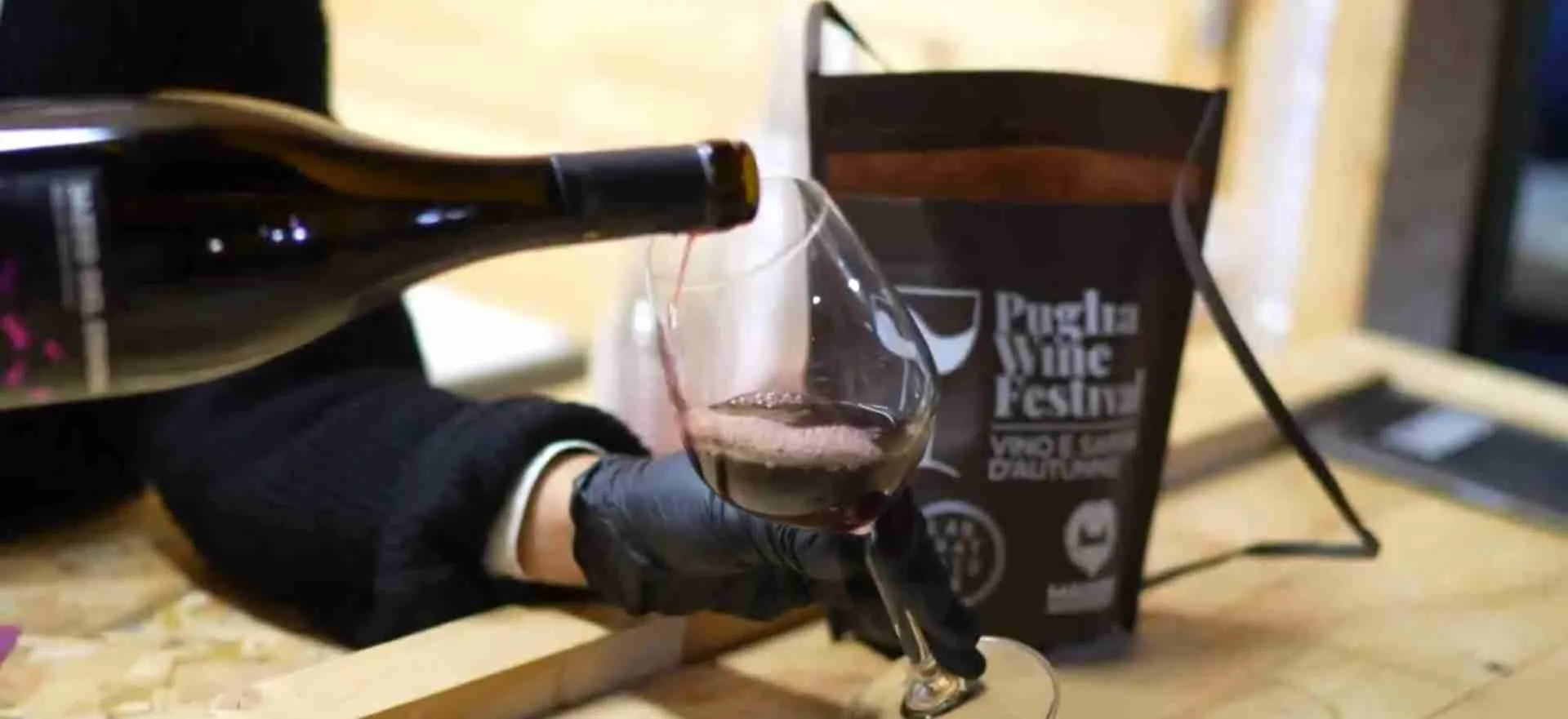
Puglia Wine Tours 2026: Best Tastings & Vineyard Experiences
This comprehensive guide explores Puglia’s wine regions, touring strategies, costs, and practical logistics for 2026 visitors seeking authentic Italian wine experiences beyond mainstream northern Italian destinations. Understanding regional divisions, grape varieties, and touring options helps travelers design wine itineraries matching their interests, budgets, and travel styles.
Key Takeaways
- Puglia produces 17% of Italian wine, focusing on indigenous varieties including Primitivo, Negroamaro, Nero di Troia, and Verdeca across distinct regional zones
- Standard winery tours cost €15-30 per person for basic tastings in 2026, with premium experiences reaching €40-80 for extended vineyard tours and food pairings
- Wine harvest season (late August-October) offers optimal touring conditions with temperatures 20-28°C, active vineyards, and special vendemmia events
- Three main wine regions (Salento, Valle d’Itria, Castel del Monte) each offer distinct grape varieties, architectural settings, and tourism infrastructure
- Book winery visits 2-4 weeks ahead for 2026 high season (April-October), particularly for English-language tours and weekend experiences
- Multi-day wine tours cost €600-1,200 per person for comprehensive 3-4 day experiences including accommodation, transportation, and daily tastings
Introduction to Puglia Wine Tourism for 2026
Puglia, Italy’s southeastern region forming the nation’s heel, represents one of Europe’s most significant wine-producing territories. The region generates approximately 17% of Italian wine production, translating to roughly 9 million hectoliters annually—volume matching entire nations’ outputs. This massive production combines ancient viticultural traditions dating to Greek and Roman colonization with modern winemaking techniques creating quality wines gaining international recognition.
Puglia’s wine landscape centers on indigenous grape varieties thriving in the region’s Mediterranean climate and varied terroirs. Primitivo (genetically identical to California’s Zinfandel) produces powerful red wines in Salento’s sun-drenched vineyards. Negroamaro creates distinctive dark, tannic reds translating literally as “black bitter” but delivering complex fruit and spice notes. Nero di Troia from northern Puglia offers elegant structure. White varieties including Verdeca, Bianco d’Alessano, and Fiano provide refreshing alternatives showcasing Mediterranean minerality and citrus character.
Wine tourism infrastructure developed significantly over the past decade, transforming from basic farm visits to professional tasting rooms, visitor centers, and agriturismo accommodations at major estates. However, Puglia maintains more authentic, less crowded wine tourism compared to Tuscany or Piedmont, with many family-run wineries offering intimate experiences where owners personally conduct tours and tastings. This combination of quality production, developing infrastructure, and authentic character makes 2026 an optimal time for Puglia wine exploration.
The region divides into three primary wine zones, each offering distinct experiences. Salento, the southern peninsula extending from Brindisi to Lecce and down to Santa Maria di Leuca, dominates production with extensive Primitivo and Negroamaro plantings across flat plains and rolling hills. Valle d’Itria, the central trulli district around Alberobello, Locorotondo, and Martina Franca, specializes in white wine production from Verdeca and Bianco d’Alessano on limestone karst terrain. Castel del Monte in northern Puglia near Bari produces refined Nero di Troia and international varieties around the medieval castle commanding UNESCO World Heritage status.
Climate and geography create ideal viticultural conditions. Puglia receives 300+ sunny days annually with hot, dry summers (25-35°C) and mild winters (8-15°C). The Adriatic Sea to the east and Ionian Sea to the south moderate temperatures while consistent breezes reduce disease pressure enabling many organic and sustainable farming operations. Ancient limestone soils (particularly in Valle d’Itria) and varied clay compositions provide excellent drainage and minerality. These conditions enable full grape ripening producing high alcohol, intensely flavored wines characteristic of Pugliese production.
People Also Ask About Puglia Wine Tours 2026
How much do Puglia wine tours cost in 2026?
Puglia winery visits cost €15-30 per person for standard experiences including 3-4 wine tastings with light food pairings (cheese, salumi, breads) in 2026. Premium tours with vineyard walks, barrel room visits, and substantial food pairings reach €40-60 per person. Luxury experiences at high-end estates with multi-course meals and vertical tastings cost €80-120 per person. Full-day organized wine tours with transportation and multiple winery visits range €100-180 per person. Multi-day wine tour packages including accommodation cost €600-1,200 per person for 3-4 day experiences. Check winery websites and tour operator platforms for current official rates as pricing may vary.
What is the best time to visit Puglia wineries in 2026?
Late August through October represents the premium Puglia wine touring season in 2026, coinciding with harvest (vendemmia) when vineyards buzz with activity. Temperatures range 22-28°C providing comfortable conditions without summer’s intense heat. Many wineries host harvest festivals and offer hands-on grape picking experiences during September-October. Spring (April-May) also delivers excellent touring conditions with temperatures 18-24°C, blooming vineyards, and fewer crowds than fall. Summer (June-August) sees high temperatures (28-35°C) less comfortable for vineyard walking but wineries operate full programs with cellar visits offering cool respite. Winter (November-March) experiences reduced winery hours and some closures though serious oenophiles find intimate experiences with minimal tourism distraction.
Do Puglia wineries require advance booking in 2026?
Yes, advance reservations are essential for Puglia winery visits during 2026 high season (April-October). Most professional wine tourism operations require 2-4 weeks advance booking, particularly for English-language tours, weekend visits, and experiences including food pairings. Popular estates near tourist centers (Valle d’Itria, Castel del Monte area) fill quickly during spring and fall. Some smaller family wineries accept walk-ins during quieter periods but advance contact ensures availability and enables preparation of tastings and tours. Low season (November-March) offers more flexibility though many wineries operate reduced schedules. Book online through winery websites, email directly, or arrange through local tour operators and accommodation concierges who maintain winery relationships.
What are the main Puglia wine regions to visit in 2026?
Three primary zones define Puglia wine tourism in 2026. Salento (southern Puglia from Brindisi to Lecce) produces the region’s most famous wines including Primitivo di Manduria, Salice Salentino, and various Negroamaro expressions across extensive vineyard landscapes. Valle d’Itria (central Puglia around Alberobello, Locorotondo, Martina Franca) specializes in elegant white wines from limestone soils with scenic trulli countryside and well-developed tourism infrastructure. Castel del Monte (northern Puglia near Bari) features refined Nero di Troia and Bombino Nero reds around the medieval UNESCO castle with smaller, boutique-focused wineries. Each region offers distinct grape varieties, landscape character, and touring styles, with Valle d’Itria providing easiest access for trulli-region visitors while Salento delivers most extensive production and variety of winery sizes.
Extended multi-day tours – 5+ days
Featured Puglia Multi-Day Tour Packages

3 days
Puglia 3-Day Discovery Tour
- ✓ Comprehensive Puglia experience
- ✓ Expert local guides included
- ✓ All accommodation included
- ✓ Transportation provided
5 days
Puglia 5-Day Highlights Experience
- ✓ Comprehensive Puglia experience
- ✓ Expert local guides included
- ✓ All accommodation included
- ✓ Transportation provided

7 days
Puglia 7-Day Cultural Journey
- ✓ Comprehensive Puglia experience
- ✓ Expert local guides included
- ✓ All accommodation included
- ✓ Transportation provided
10 days
Puglia 10-Day Complete Adventure
- ✓ Comprehensive Puglia experience
- ✓ Expert local guides included
- ✓ All accommodation included
- ✓ Transportation provided
Multi-day tour packages powered by TourRadar. Prices and availability subject to change.
Essential Wine Tour Planning for 2026
Understanding Puglia Wine Regions and Grape Varieties
Puglia’s geographical diversity creates distinct viticultural zones producing varied wine styles from indigenous grape varieties rarely encountered outside the region.
Salento peninsula forms Puglia’s wine heartland, extending from Brindisi 150km south to Santa Maria di Leuca at Italy’s heel tip. The zone encompasses multiple DOC and DOCG appellations including Primitivo di Manduria, Salice Salentino, Copertino, and Nardò. Flat to gently rolling terrain features dark red soils (terra rossa) rich in iron oxide creating distinctive coloring and contributing to wine character. The area receives intense sunshine and minimal rainfall, producing powerful, high-alcohol wines requiring careful viticultural management.
Primitivo dominates Salento red wine production. This early-ripening variety (hence “primitivo”) creates full-bodied wines with 14-16% alcohol, ripe berry flavors, spice notes, and moderate tannins. Primitivo di Manduria DOCG represents the appellation’s highest quality tier, with regulations requiring specific vineyard locations and aging protocols. Styles range from fresh, fruit-forward versions for immediate consumption to complex, oak-aged reserves developing over 5-10 years. Some producers create sweet Primitivo wines (dolce naturale style) showcasing the grape’s natural sugar accumulation capabilities.
Negroamaro produces Salento’s other signature reds, either as single-variety wines or blended with Malvasia Nera. The grape delivers dark color (its name translates “black bitter”), substantial tannins, medium to high alcohol, and flavor profiles spanning dark cherry, plum, tobacco, and Mediterranean herbs. Traditional winemaking created rustic, tannic expressions while modern techniques emphasize fruit purity and balance. Salice Salentino DOC showcases Negroamaro in various styles from young rosatos (rosé) to aged reserves (riserva).
Valle d’Itria occupies central Puglia’s limestone plateau, encompassing the trulli districts of Alberobello, Locorotondo, Martina Franca, and Cisternino. Ancient karst geology creates well-drained soils rich in calcium, producing elegant white wines with pronounced minerality and bright acidity uncommon in southern Italian whites. Elevations of 400-500 meters moderate temperatures compared to coastal and lowland areas, enabling longer hang times maintaining freshness.
Verdeca serves as Valle d’Itria’s primary white variety, creating light-bodied wines with citrus, green apple, and herbal notes. Locorotondo DOC relies heavily on Verdeca, often blended with Bianco d’Alessano for added structure. These wines emphasize freshness and food compatibility rather than power or aging potential, perfect accompaniments to seafood and local cucina povera dishes. Modern winemaking incorporates temperature-controlled fermentation and early bottling preserving delicate aromatics.
Bianco d’Alessano contributes body and texture to Valle d’Itria white blends. Less aromatic than Verdeca, it provides weight and subtle fruit notes creating balance in final wines. Some producers experiment with single-variety Bianco d’Alessano exploring the grape’s potential when treated with care. Bombino Bianco appears in some Valle d’Itria vineyards, creating light, easy-drinking wines for everyday consumption.
Castel del Monte area occupies northwestern Puglia’s Murge plateau surrounding the octagonal medieval castle. The zone features cooler temperatures than southern regions and varied soils supporting refined red wine production. Castel del Monte DOC achieved DOCG status for specific red wines showcasing the region’s quality potential.
Nero di Troia (also called Uva di Troia) dominates Castel del Monte red production. This ancient variety creates medium to full-bodied wines with firm tannins, moderate alcohol, and flavor profiles including red cherry, violet, black pepper, and earthy notes. Nero di Troia offers more elegance and structure than Puglia’s powerful southern reds, comparing favorably to northern Italian varieties when produced carefully. Aging in oak adds complexity though some producers emphasize fresh fruit character in unoaked versions. Castel del Monte Nero di Troia Riserva DOCG represents the appellation’s premium tier with extended aging requirements.
Bombino Nero produces rosé wines (rosato) from this Castel del Monte native, creating fresh, fruity expressions with strawberry and citrus notes. These rosatos provide lighter alternatives to region’s red wines while showcasing local grape varieties. Aglianico appears in some northern Puglia vineyards, particularly near the Basilicata border, though it reaches greater expression in neighboring Vulture region.
Winery Tour Costs and Pricing Structure for 2026
Understanding Puglia winery pricing helps budget wine tourism experiences and select appropriate tasting levels.
Basic tasting experiences cost €15-25 per person at most Puglia wineries in 2026. This entry level includes 3-4 wine samples (typically estate’s main production wines), light accompaniments (local cheeses, salumi, taralli crackers, bread), and basic cellar or vineyard overview. Duration runs 45-75 minutes with presentations often conducted by winery staff. Check individual winery websites for current official rates as pricing may vary. These basic experiences suit travelers seeking introductions to Puglia wine without extended time commitments or premium pricing.
Standard guided tours with tastings cost €25-40 per person, adding vineyard walks and barrel room visits to tasting components. These experiences provide comprehensive winery overviews including viticultural explanations, winemaking process descriptions, aging cellar tours, and expanded tasting lineups (5-6 wines). Enhanced food pairings may include local olive oils, fresh cheeses, and seasonal products. Duration extends to 90-120 minutes with more detailed presentations. Most professional wine tourism operations offer this mid-level experience as their primary package.
Premium experiences reach €40-80 per person at Puglia’s higher-end estates and boutique producers. Premium tours feature extended vineyard walks with viticultural detail, comprehensive cellar tours including barrel tastings, vertical tastings comparing multiple vintages, reserve wine access, and substantial food pairings approaching light meal status. Some include traditional masseria tours, olive oil mill visits, or artisan product presentations. Duration runs 2-3 hours with sommelier-level presentations and small group sizes (maximum 8-12 participants) enabling detailed interaction.
Luxury wine and food experiences cost €80-150 per person, combining extensive tastings with full meals at estates operating restaurants or offering chef-prepared lunches. Multi-course meals pair each course with estate wines, showcasing Pugliese cuisine alongside regional wine production. These experiences occupy half-day time slots (3-4 hours) and often include property tours, cooking demonstrations, and seasonal activities (harvest participation, olive picking). Leading masserie and high-end wineries offer these premium packages targeting serious wine enthusiasts and luxury travelers.
Private tastings and personalized tours cost €100-300 total per group (2-8 people typically), providing dedicated attention from winemakers or estate owners. Private experiences enable flexible scheduling, customized wine selections, technical discussions for serious oenophiles, and access to library wines or unreleased products. These suit couples or small groups seeking intimate, educational experiences beyond standard tourism programs.
Organized multi-winery day tours with transportation cost €100-180 per person from major tourist bases including Alberobello, Lecce, Polignano a Mare, or Ostuni. Full-day tours (8-10 hours) visit 2-4 wineries, include tastings at each location, provide lunch (usually included in price), and handle all transportation via minibus or van. English-speaking guides offer regional context and coordinate logistics. These organized tours provide convenience for travelers without cars or wine region knowledge, though reduce flexibility and focus primarily on tourism-oriented wineries.
Multi-day wine tour packages combining accommodation, daily winery visits, meals, and transportation cost €600-1,200 per person for 3-4 day experiences. Luxury packages at upscale masserie with premium winery access reach €1,500-2,500 per person. These comprehensive programs suit dedicated wine tourists seeking immersive regional experiences without independent planning requirements.
Booking Strategies and Reservation Protocols for 2026
Successful Puglia wine touring requires understanding booking procedures, advance planning requirements, and communication protocols.
Advance booking timelines vary by season and winery type. April-October high season requires 2-4 weeks advance reservations for most professional wine tourism operations, particularly for weekend visits, English-language tours, and experiences including food pairings. Popular estates in Valle d’Itria and near tourist centers (Alberobello, Lecce, Ostuni) fill earliest. September-October harvest season sees heaviest demand requiring earliest possible booking (4-6 weeks). Smaller family wineries may accommodate shorter notice during weekdays but advance contact remains advisable. Low season (November-March) offers flexibility though reduced winery schedules limit options.
Booking channels include direct winery websites with online reservation forms (increasingly common at professional operations), email contact with English-speaking staff at tourism-focused wineries, phone calls to smaller estates (Italian language often required), and arrangements through local tour operators and accommodation concierges maintaining winery relationships. Some wineries list on wine tourism platforms (Wine Tourism Italy, Wine Meridian) consolidating bookings.
Communication considerations account for varying English proficiency. Larger estates and those heavily involved in wine tourism maintain English-speaking staff, while smaller family wineries operate primarily in Italian. Basic Italian wine vocabulary (rosso/red, bianco/white, degustazione/tasting, cantina/cellar, vigna/vineyard) helps communication. Translation apps assist menu and technical term interpretation. Many accommodations offer booking assistance, with property owners contacting wineries on guests’ behalf arranging visits.
Payment protocols vary by winery. Professional operations accept credit cards for tasting fees, while smaller estates prefer cash. Some wineries waive tasting fees with wine purchases (minimum purchase requirements typically €30-50), while others charge regardless of purchases. Clarify payment terms when booking to avoid misunderstandings.
Cancellation policies range from flexible to strict. Professional tourism operations typically allow cancellations 48-72 hours ahead without penalty, while last-minute cancellations or no-shows may incur fees (typically 50-100% of experience cost). Smaller wineries appreciate courtesy calls if plans change but rarely enforce strict cancellation terms. Confirm policies when booking, particularly for expensive premium experiences.
Group size considerations affect experiences significantly. Most wineries accommodate 2-12 participants comfortably in standard tours. Larger groups (12+ people) require special arrangements, may incur minimum charges, and work better with private tour bookings. Solo travelers can often join scheduled group tours at individual rates, though some wineries require minimum participant numbers (typically 4 people) to proceed with experiences.
Best Puglia Wine Regions for 2026 Touring
Salento Wine District: Primitivo and Negroamaro Territory
Salento’s vast vineyard landscapes and powerful red wines create Puglia’s most extensive wine tourism territory with diverse experiences from rustic family farms to modern wine estates.
Primitivo di Manduria zone centers on the town of Manduria 35km west of Lecce. The area features ancient alberello (bush vine) trained vines, some exceeding 50-80 years age, producing low yields of intensely concentrated grapes. Old vine Primitivo creates the zone’s most prized wines, commanding premium prices and critical acclaim. Leading producers include Gianfranco Fino (sophisticated, modern Primitivo), Produttori di Manduria (large cooperative offering accessible wines), and Masseria Li Veli (organic production with agriturismo accommodation). Winery visits showcase traditional viticulture alongside modern winemaking facilities.
The surrounding countryside presents working agricultural landscapes with vineyards interspersed among olive groves and wheat fields. Masserie (fortified farmhouse compounds) dot the territory, with some converted to wineries, accommodations, or restaurants. The area lacks dramatic topography but offers authentic rural character with minimal tourist development beyond wine tourism.
Salice Salentino area 30km south of Brindisi produces Negroamaro-based wines under the Salice Salentino DOC. The town itself offers limited tourist infrastructure but surrounding wineries welcome visitors. Taurino winery, one of Puglia’s most respected producers, operates here creating age-worthy Negroamaro wines. Cantele winery offers modern facilities with professional wine tourism programming including tastings, tours, and restaurant. The area suits serious wine enthusiasts seeking quality producers over scenic touring.
Lecce provides Salento’s primary tourist base with baroque architecture, dining, accommodations, and easy access to surrounding wine zones. The city sits 30-40km from major winery clusters enabling day trip wine touring while maintaining urban amenities. Lecce-based wine tour operators arrange transportation and multi-winery visits for travelers without cars. The city’s position also enables coastal excursions to Adriatic or Ionian beaches between winery visits.
Copertino and Leverano areas west of Lecce produce Negroamaro wines under respective DOC designations. These less touristed zones offer authentic experiences at family wineries with modest facilities but quality production. Visitors seeking off-beaten-path wine exploration find value here, though advance arrangements and Italian language skills help navigation.
Southern Salento from Gallipoli to Santa Maria di Leuca features scattered wineries producing various styles. The area combines wine production with coastal tourism, creating opportunities for beach and wine itineraries. Some wineries near coastal towns offer easier access for beach-based travelers seeking wine experiences without extensive inland travel.
Valle d’Itria: White Wine and Trulli Country
Valle d’Itria combines Puglia’s most distinctive architecture with elegant white wine production, creating the region’s most developed wine tourism infrastructure.
Locorotondo sits at Valle d’Itria’s white wine heart, with the hilltop town surrounded by vineyards producing Locorotondo DOC wines from Verdeca and Bianco d’Alessano. The area’s limestone soils and moderate elevations create ideal white wine conditions. Cantina Locorotondo, a large cooperative representing numerous local growers, operates a professional visitor center with tastings, tours, and extensive wine shop. Smaller estates scattered across countryside offer intimate experiences with owner-winemakers explaining local viticulture and winemaking philosophies.
The scenic trulli countryside between Locorotondo, Alberobello, and Martina Franca provides exceptional touring experiences combining wine with architectural and cultural exploration. Visitors base in trullo accommodations, explore towns on foot, and visit nearby wineries by car throughout their stays. This integration of wine tourism with broader cultural travel makes Valle d’Itria Puglia’s most accessible wine region for general travelers beyond dedicated wine tourists.
Martina Franca anchors Valle d’Itria’s northern edge with baroque architecture contrasting trulli construction. The town’s elevated position (431 meters) and surrounding vineyards produce fresh, aromatic white wines. Several family wineries welcome visitors with advance booking, offering tastings showcasing Valle d’Itria white wine character. The town also features quality restaurants and wine bars enabling regional wine exploration without winery visits.
Cisternino provides another charming base with excellent butcher shops offering fresh grilled meats paired perfectly with Valle d’Itria whites. Wineries near Cisternino maintain lower profiles than Locorotondo operations but offer authentic experiences at small estates. The town’s relaxed character suits travelers seeking quieter alternatives to busier Alberobello.
Albobello, while famous for trulli, isn’t a wine production center. However, its position in Valle d’Itria’s heart makes it convenient base for wine touring. Numerous wineries lie within 15km, enabling easy day trips. Wine shops in Alberobello sell regional production for those preferring independent tastings at accommodations over formal winery visits.
Valle d’Itria’s wine tourism advantages include: developed English-language tourism infrastructure, scenic countryside drives between wineries, integration with architectural and cultural attractions, quality accommodation options, and compact geography enabling multiple winery visits daily without excessive driving. Disadvantages include: fewer big-name producers than Salento, limited red wine production for those preferring reds, and more touristy character versus Salento’s authentic agricultural atmosphere.
Castel del Monte: Northern Puglia Nero di Troia
Castel del Monte area northwest of Bari combines medieval heritage with elegant red wine production from Nero di Troia on the Murge plateau.
The octagonal Castel del Monte castle, built by Holy Roman Emperor Frederick II in the 13th century, dominates the landscape providing UNESCO World Heritage status and tourist draw. Vineyards surround the castle on rolling hills at 400-500 meter elevations with rocky, limestone-rich soils creating ideal Nero di Troia conditions. The castle itself offers no wine experiences (it’s a historical monument) but surrounding wineries leverage its prestigious image and proximity.
Rivera winery, one of Puglia’s oldest and most respected producers, operates extensive vineyards and modern facilities offering professional wine tourism programs. Their property sits within view of the castle, and tastings showcase Nero di Troia expressions from fresh, fruity styles to complex reserves. Rivera’s Il Falcone Riserva represents Castel del Monte’s benchmark Nero di Troia, demonstrating the variety’s potential for elegance and complexity.
Torrevento winery produces both Castel del Monte wines and Castel del Monte Bombino Nero rosatos. Their modern facility welcomes visitors with tastings, tours, and wine shop. The property’s elevated position provides panoramic views across Murge plateau vineyards. Other quality producers include Cantina Santa Lucia, D’Araprì, and Carpentiere, though these smaller operations require advance arrangements.
Minervino Murge town 40km northwest of the castle produces red wines from local cooperatives and family wineries. The area offers authentic agricultural character with less tourism development than castle area. Adventurous wine tourists find value here, though limited infrastructure and Italian-only operations present challenges for international visitors.
Castel del Monte wine touring advantages include: quality wine production comparable to northern Italian regions, scenic elevated landscapes with castle views, less crowded conditions than southern Puglia, and proximity to Bari (50km) enabling easy access. Disadvantages include: smaller number of tourist-oriented wineries, more scattered winery locations requiring careful planning, limited accommodation options in immediate area (most visitors base in Bari or Trani), and less extensive wine tourism infrastructure than Valle d’Itria or Salento.
Transportation and Logistics for 2026 Wine Tours
Independent Wine Touring with Rental Cars
Personal transportation provides maximum flexibility for Puglia wine exploration, enabling countryside discovery and multiple daily winery visits.
Car rental logistics center on Puglia’s three major airports. Bari Karol Wojtyła Airport (BRI) serves northern Puglia with excellent access to Castel del Monte (50km) and Valle d’Itria (55-70km). Brindisi Airport (BDS) sits closer to Salento wine zones (40-60km to major Primitivo areas). Smaller Lecce-Galatina Airport has limited connections. Major international agencies (Hertz, Europcar, Sixt, Avis) operate at Bari and Brindisi with advance booking recommended during April-October high season. Compact cars cost €35-50 per day, with weekly rates (€200-300) providing better value. Insurance costs €15-25 daily unless credit card policies provide coverage.
Driving in Puglia wine regions follows well-maintained provincial and secondary roads. Valle d’Itria features excellent infrastructure with clear signage connecting Alberobello, Locorotondo, Martina Franca, and Cisternino. Salento roads vary from good provincial routes to narrower rural lanes accessing remote wineries. Castel del Monte area roads accommodate comfortable driving with moderate traffic. GPS navigation works reliably, though some wineries require GPS coordinates rather than street addresses. Allow extra time for rural navigation to unfamiliar locations.
Designated driver considerations require planning. Wine tourism involves alcohol consumption, with tastings typically including 4-8 wine samples. Responsible touring demands one person abstaining or limiting consumption significantly. Strategies include: alternating driver duties across multiple days, limiting one person to minimal tasting while others enjoy fuller experiences, or hiring drivers for specific touring days. Attempting to taste extensively while driving creates safety and legal risks inconsistent with responsible tourism.
Parking at wineries ranges from easy to challenging. Most professional wine tourism operations provide dedicated parking lots or clear parking areas. Smaller family wineries may have limited parking requiring careful maneuvering. Valle d’Itria wineries generally offer good parking. Salento estates feature adequate space given rural locations. Confirm parking availability when booking if concerned.
Accommodation location affects wine touring logistics. Basing in Valle d’Itria enables easy access to local wineries plus day trips to Salento (60-90km) or Castel del Monte (70-90km). Lecce provides Salento base with 30-50km drives to major Primitivo and Negroamaro zones. Bari or Trani serve northern Puglia wine touring with quick access to Castel del Monte and reasonable drives to Valle d’Itria. Coastal locations (Polignano a Mare, Monopoli, Ostuni) balance beach access with wine touring potential requiring 30-60 minute drives to major winery clusters.
Organized Wine Tours and Professional Services for 2026
Professional wine tour services provide alternatives for travelers avoiding driving logistics or seeking expert guidance and curated experiences.
Full-day wine tours from major tourist centers cost €100-180 per person including transportation, winery visits with tastings, lunch, and guide services. Tours typically visit 2-4 wineries selected to showcase regional variety, operate in comfortable minibuses or vans with small groups (8-16 people), and include English-speaking guides providing wine education and regional context. Departure points include Bari, Lecce, Alberobello, Polignano a Mare, Ostuni, and other tourist hubs. Tours run 8-10 hours (typically 9 AM-6 PM) and handle all logistics including winery bookings, transportation, and meal reservations.
Valle d’Itria wine tours from Alberobello focus on local white wine production, visiting 2-3 wineries showcasing Locorotondo DOC wines, trulli countryside, and including lunch at traditional trattoria or masseria. These tours appeal to travelers basing in trulli region wanting wine experiences without independent planning.
Salento wine tours from Lecce concentrate on Primitivo and Negroamaro, visiting estates in Manduria or Salice Salentino areas. Tours often combine wine with cultural elements (baroque towns, coastal views) creating comprehensive regional experiences beyond pure wine focus. Some include olive oil mill visits alongside wineries.
Private wine tours cost €300-500 per vehicle (accommodating 2-7 passengers) for full-day experiences. Private tours offer maximum flexibility in winery selection, timing, and itinerary pace. Travelers with specific wine interests, limited mobility, or preferring intimate experiences find private tours worthwhile despite higher per-person costs when traveling solo or as couples. Groups of 4-6 people find private tours competitively priced versus shared tours given per-vehicle pricing.
Professional driver services without guide cost €150-250 per day, providing transportation between self-selected wineries without commentary or wine education. This option suits knowledgeable wine enthusiasts wanting driving services while maintaining independent winery relationships and booking their own experiences. Drivers wait during winery visits then transport to next location.
Multi-day wine tour packages provide comprehensive experiences. Three-day Valle d’Itria wine tours with accommodation in trulli or masserie, daily winery visits, meals, and transportation cost €600-900 per person. Four-day Salento wine tours visiting Primitivo producers, coastal towns, and featuring cooking class cost €800-1,200 per person. Luxury packages at high-end masserie with premium winery access, private experiences, and upscale accommodations reach €1,500-2,500 per person for 3-4 days. These packages suit travelers seeking turnkey wine tourism experiences without independent planning.
Tour operator selection considerations include: group size limitations (smaller groups enable better interaction), winery selection quality (research featured wineries), meal provisions (what’s included), guide expertise (sommelier-level knowledge versus basic tourism), cancellation policies, and seasonal availability. Read reviews from previous participants assessing actual experiences versus marketing descriptions.
Sample 2026 Wine Tour Itineraries
Valle d’Itria Two-Day White Wine Experience
This focused itinerary explores Valle d’Itria’s white wine production combining winery visits with trulli region cultural attractions.
Day 1: Locorotondo Wine District
Morning begins with Cantina Locorotondo visit (book 2-3 weeks ahead). Arrive 10 AM for guided tour starting with vineyard walk explaining local viticulture, limestone soils, and native white grape varieties. Tour continues through cooperative’s modern winemaking facility seeing temperature-controlled fermentation tanks and bottling lines processing wine from numerous member growers. Tasting room session samples 5 wines including standard Locorotondo DOC, premium selections, and sparkling versions. Experience costs €25-30 per person with English-speaking guides available.
Lunch in Locorotondo historic center at local trattoria featuring regional cuisine paired with Valle d’Itria whites (€20-30 per person). Walk circular old town after lunch photographing white-washed buildings and panoramic valley views.
Afternoon drive countryside roads 5-8km seeking smaller family wineries for contrasting experiences. Many boutique producers welcome visitors with advance notice, offering intimate tastings with owners explaining their specific approaches. Alternatively, visit second established winery like Masseria Altemura (premium facility with restaurant and professional tourism programming, tastings €35-45 per person).
Evening return to trullo accommodation. Dinner at countryside masseria restaurant or Locorotondo for additional white wine exploration (€35-45 per person).
Day 1 costs: Cantina tour €25-30, lunch €20-30, second winery €30-40, dinner €35-45, fuel €15. Total day cost: €125-160 per person (excluding accommodation €100-150).
Day 2: Martina Franca and Cisternino Area
Morning explore Martina Franca baroque historic center arriving 9:30 AM. Walk Piazza Roma and surrounding streets admiring rococo architecture before crowds arrive. Visit local wine shop for informal tasting and purchases of regional production (€15-25 for bottles).
Mid-morning winery visit near Martina Franca or Cisternino at family estate offering traditional atmosphere (advance booking required, tours typically €20-30 per person). These smaller operations provide authentic experiences showing how local families maintain generations of winemaking tradition. Tastings showcase estate’s full range with owner commentary on vineyard practices and winemaking choices.
Lunch in Cisternino at butcher shop offering fresh grilled meats perfectly paired with local whites (€20-30 per person). Walk historic center’s charming streets after lunch.
Afternoon optional third winery visit or relaxation at accommodation enjoying trullo’s pool and gardens. If visiting third winery, select one offering different experience (perhaps organic/biodynamic producer or estate with olive oil production alongside wine).
Evening farewell dinner at memorable location, perhaps returning to favorite restaurant or trying final new venue (€35-50 per person).
Day 2 costs: Wine purchases €15-25, winery tour €20-30, lunch €20-30, optional winery €25-35, dinner €35-50, fuel €15. Total day cost: €130-185 per person (excluding accommodation).
Two-Day Total: €255-345 per person (excluding accommodation €200-300)
Salento Three-Day Primitivo and Negroamaro Journey
This immersive itinerary explores Salento’s powerful red wine production across Primitivo and Negroamaro zones.
Day 1: Manduria Primitivo Territory
Morning drive from Lecce base 35km west to Manduria arriving 10 AM. Visit leading Primitivo producer (options include Gianfranco Fino for modern approach or Produttori di Manduria for cooperative perspective, book 3-4 weeks ahead). Tours showcase ancient alberello vine training, old vine viticulture, and modern cellars producing premium Primitivo. Tasting sessions compare vintages and different production styles (€30-40 per person for standard tours, €50-70 for premium experiences with vertical tastings).
Lunch at local trattoria in Manduria or rural masseria featuring traditional Pugliese cuisine with Primitivo pairings (€25-35 per person). Afternoon second Manduria area winery visit contrasting morning’s experience. If morning featured large commercial producer, afternoon might showcase boutique family estate, or vice versa. This comparison demonstrates Primitivo’s range from different producer philosophies.
Evening return to Lecce. Dinner in city’s baroque center with opportunity to taste broader Salento wine range including Negroamaro and blends (€35-50 per person).
Day 1 costs: First winery €30-40, lunch €25-35, second winery €25-35, dinner €35-50, fuel €25. Total day cost: €140-185 per person (excluding accommodation €100-150).
Day 2: Salice Salentino and Copertino Negroamaro
Morning drive 30km north to Salice Salentino area. Visit Taurino winery or Cantele for professional Negroamaro experiences (book ahead, tours €25-40 per person). Tours explain Negroamaro’s characteristics, showcase aging cellars with barrel and bottle storage, and taste estate’s range from fresh young versions to complex reserves. Many producers create both 100% Negroamaro wines and blends with Malvasia Nera showing variety’s versatility.
Lunch at winery restaurant (if available) or nearby town trattoria (€25-35 per person). Afternoon explore Copertino or Leverano areas visiting second Negroamaro producer, perhaps smaller family operation offering intimate experiences (€20-30 per person). These less-touristed zones provide authentic agricultural character with minimal tourist infrastructure beyond actual wine production.
Evening coastal excursion to Adriatic beach towns (Otranto, Santa Cesarea Terme) or return to Lecce. Dinner featuring seafood paired with Negroamaro rosatos (€35-45 per person).
Day 2 costs: First winery €25-40, lunch €25-35, second winery €20-30, dinner €35-45, fuel €30. Total day cost: €135-180 per person (excluding accommodation).
Day 3: Southern Salento and Olive Oil Exploration
Morning drive south toward Gallipoli or Galatina area. Visit winery producing various Salento appellations showcasing regional diversity (€25-35 per person). Include olive oil mill (frantoio) visit if available, as many wine estates also produce olive oil. Combined wine and oil tastings demonstrate Puglia’s two primary agricultural products. Some frantoi charge separate tasting fees (€10-15) while others include olive oil in wine visit pricing.
Lunch at coastal town featuring fresh seafood (€30-40 per person). Afternoon options include: third winery visit in southern Salento, coastal relaxation, or cultural exploration of baroque Galatina or coastal towns. If opting for third winery, select estate offering unique perspective (perhaps organic producer, or winery crafting sweet Primitivo styles, or specialist in lesser-known DOC appellations).
Final evening in Lecce with celebratory dinner reviewing week’s discoveries. Quality wine bar or enoteca enables tasting wines from visited estates alongside those missed (€40-60 per person).
Day 3 costs: Winery visit €25-35, olive oil €10-15, lunch €30-40, optional winery €25-35, dinner €40-60, fuel €30. Total day cost: €160-215 per person (excluding accommodation).
Three-Day Total: €435-580 per person (excluding accommodation €300-450)
Money-Saving Strategies for 2026 Wine Tours
Budget Wine Touring Approaches
Strategic planning enables quality Puglia wine experiences at reduced costs without sacrificing educational value or authentic encounters.
Timing optimization delivers significant savings. Low season (November-March) sees reduced winery tourism hours but those operating offer similar experiences at unchanged prices with enhanced personal attention given minimal crowds. Some wineries provide informal free tastings during quiet periods when purchasing wines (minimum purchases typically €30-50). Weekday visits cost same as weekends but often receive more relaxed, extended attention from winery staff less pressured by weekend tourist volumes.
Free tasting opportunities exist at wine shops and enotecas in major towns. Locorotondo, Martina Franca, Lecce, and Manduria feature specialty wine shops offering complimentary samples when browsing, particularly if showing genuine interest and engaging with staff about regional wines. Purchases aren’t obligatory though courteous after extensive sampling. This approach provides broad regional overview sampling multiple producers without per-person tasting fees.
Accommodation-based wine experiences reduce costs. Many masserie, agriturismi, and even trullo accommodations produce wines or maintain relationships with nearby wineries arranging informal visits for guests. Some properties include wine tastings in nightly rates or offer complimentary bottles from estate production. Choosing wine-producing accommodations or those with strong winery connections creates built-in tasting opportunities without separate tour expenses.
Self-guided wine exploration via retail purchases enables economical tasting programs. Supermarkets, wine shops, and cooperative outlets sell quality Puglia wines for €5-15 per bottle (€8-25 for premium selections). Purchasing diverse wines and conducting informal tastings at accommodations costs €30-50 total versus €75-120 per person for three professional winery visits. While lacking educational components and winery experiences, self-guided tasting surveys regional production economically. Combine with one or two professional winery visits for balance.
Basic tasting tiers at wineries provide entry-level access. Many estates offer €15-25 basic experiences (3-4 wines, simple accompaniments, brief overview) alongside €40-80 premium packages. Basic tiers deliver core educational and tasting value at half the cost. For travelers prioritizing wine consumption over extended tours and elaborate food pairings, basic options provide adequate experiences.
Group travel reduces per-person costs through sharing. Renting cars among 3-4 travelers divides rental and fuel expenses creating minimal per-person transportation costs (€10-15 daily). Private winery tours charging per-vehicle (€100-200 typically) become economical for groups of 4-6 people versus shared tours at €100-180 per person. Shared accommodations (vacation rentals, apartment bookings) dramatically reduce lodging costs when split among multiple travelers.
Lunch optimization saves substantially. Picnic supplies from local markets (bread, cheese, salumi, wine) cost €15-25 total versus €25-35 per person for restaurant meals. Eating lunch in countryside locations between wineries provides authentic experiences at fraction of restaurant costs. Alternatively, lunch menus at trattorias (€12-20 for complete meals) offer better value than dinner service at same establishments.
Advance Booking Benefits and Package Deals for 2026
Strategic advance planning and packaged experiences sometimes provide better value than individual bookings.
Multi-day wine tour packages occasionally deliver better value than independent travel for specific traveler profiles. Packages costing €600-900 per person for 3-4 days typically include accommodation (€80-120 nightly value), daily winery visits (€30-40 per day value), some meals (€25-50 daily value), and transportation (€35-50 daily rental value). Calculating component costs shows packages approaching €180-210 daily value sold for €150-225 daily package price. For travelers valuing convenience and curated experiences, packages provide modest savings alongside significant logistical simplification. However, independent travelers controlling selections and timing often find better value planning independently, particularly when sharing rental cars and accommodations.
Winery membership programs at favorite producers enable cost recovery for repeat visitors or large purchases. Some estates offer club memberships (€50-150 annually) providing discounts on wine purchases (typically 15-25%), free or discounted tastings, and priority access to limited releases. Travelers planning substantial wine purchases (€300+) recover membership costs through purchase discounts. This approach suits wine enthusiasts shipping wines home or visiting wineries multiple times.
Accommodation packages including winery visits provide convenience and sometimes value. Several masserie and upscale agriturismi offer packages bundling nightly accommodation with daily winery visits, meals, and transportation. These suit travelers seeking integrated experiences without independent planning. Compare package pricing against independent booking of same components to verify actual savings versus convenience premium.
Online advance booking through winery websites sometimes offers early reservation discounts, particularly for premium experiences. Discounts typically range 10-15% for bookings made 2+ months ahead during high season. Email winery directly inquiring about advance booking discounts, group rates, or off-season specials unavailable through online systems.
Frequently Asked Questions About Puglia Wine Tours 2026
What makes Puglia wines unique compared to other Italian regions?
Puglia produces distinctively powerful, full-bodied wines reflecting intense southern Mediterranean sunshine, ancient indigenous grape varieties rarely cultivated elsewhere, and traditional viticultural practices. The region’s hot, dry climate creates high-alcohol, fruit-forward wines contrasting with northern Italian elegance. Indigenous varieties including Primitivo, Negroamaro, Nero di Troia for reds and Verdeca, Bianco d’Alessano for whites express terroir unavailable in other regions. Puglia maintains more rustic, authentic wine tourism character compared to commercialized Tuscan or Piedmont wine regions, with many family wineries offering intimate, personal experiences. The combination of distinctive wines, developing quality consciousness, and accessible pricing creates exceptional value for wine tourists seeking alternatives to mainstream Italian wine regions.
Can you visit Puglia wineries without speaking Italian in 2026?
Yes, though Italian language skills enhance experiences. Professional wine tourism operations in Valle d’Itria, around Lecce, and at larger Salento estates maintain English-speaking staff for tours and tastings. Organized wine tour companies provide English-speaking guides handling all winery communication. Smaller family wineries, particularly in less-touristed areas, operate primarily in Italian. However, wine enthusiasm transcends language barriers, with tasting experiences remaining meaningful despite limited verbal communication. Translation apps help navigate menus and read tasting notes. Many winery owners appreciate attempts at basic Italian wine vocabulary. Email wineries in English when booking to assess language capabilities; those responding in English typically offer English-language experiences. Consider hiring English-speaking drivers or guides if concerned about language barriers at desired smaller wineries.
How does Puglia Primitivo compare to California Zinfandel?
Primitivo and Zinfandel are genetically identical varieties (DNA testing confirmed this relationship) yet produce distinctly different wines reflecting terroir and winemaking philosophy differences. Puglia Primitivo tends toward higher alcohol (14-16% common), darker color, and concentrated berry flavors with Mediterranean herb notes, reflecting intense southern Italian sunshine and traditional Italian winemaking. California Zinfandel often shows jammy fruit, spice notes (particularly from American oak aging), and slightly lower alcohol (though high-alcohol Zinfandels exist). Puglia’s ancient bush-trained vines and limestone soils create different expressions than California’s trellised vines and varied California soils. Style variations exist within each region—modern Puglia producers create fresher, less concentrated Primitivo while some California Zinfandel reaches traditional Italian power. Tasting both side-by-side reveals how identical genetics express differently across continents. Zinfandel enthusiasts should definitely explore Primitivo’s Old World expressions.
What food pairings work best with Puglia wines?
Puglia’s powerful red wines pair excellently with the region’s meat-focused cuisine including bombette (meat rolls), brasciole (stuffed meat), grilled sausages, and roasted lamb. Primitivo’s ripe fruit and moderate tannins complement tomato-based pasta dishes and aged cheeses. Negroamaro’s structure and slight bitterness pair with fatty meats and sharp cheeses cutting through richness. Valle d’Itria white wines excel with seafood including octopus, mussels, and local fish preparations. The whites’ bright acidity and minerality complement fried foods including panzerotti and seafood fritto misto. Locorotondo DOC wines pair perfectly with burrata and fresh mozzarella showcasing subtle flavors without overwhelming delicate cheese. Nero di Troia from Castel del Monte suits mushroom dishes, game meats, and aged pecorino. Pugliese cuisine evolved alongside local wines creating natural harmonies when pairing regional foods with regional wines. Most winery tastings include local food products demonstrating these traditional pairings.
Should you buy wines at Puglia wineries or wait for home market availability?
Purchase at wineries for several compelling reasons: access to wines never exported internationally (many small producers sell only in Italy), winery-exclusive selections or library wines unavailable elsewhere, direct producer pricing without importer and retailer markups (though shipping costs may offset savings), and supporting estates visited during travels. Many travelers ship purchases home (wineries arrange international shipping though costs are substantial, typically €50-100+ for case shipments plus customs duties). Alternatively, pack bottles in checked luggage (wine shipping bags protect bottles, most airlines allow 1-2 bottles per checked bag). However, consider: shipping costs and customs duties potentially exceeding wine values for moderately priced bottles, luggage weight restrictions and breakage risks, and increasing international availability of Puglia wines. Well-distributed producers (large cooperatives, exported brands) offer similar selection in home markets, while boutique producers merit winery purchases. Strategy: buy 3-6 special bottles from smaller estates unavailable internationally, skip large producers’ standard offerings available at home wine shops.
What is vendemmia and should wine tourists plan visits around harvest?
Vendemmia (Italian for grape harvest) occurs late August through October in Puglia depending on variety, vineyard location, and vintage conditions. Early-ripening Primitivo harvests begin late August-early September, while other varieties continue through October. Harvest season offers unique wine tourism experiences including active vineyard operations with grape picking, processing facilities running full production, special winery events celebrating harvest, hands-on participation opportunities at some estates, and dramatic countryside transformation as vineyards prepare for winter. Weather during harvest provides comfortable touring conditions (22-28°C) without summer’s intense heat. Disadvantages include: busier winery schedules sometimes limiting extended tours, some estates declining visitors during peak harvest days, and advance booking requirements given increased demand. For wine enthusiasts seeking active vineyard experiences and harvest atmosphere, September-October represents the premium Puglia wine touring period. However, quality experiences remain available year-round for those unable to match harvest timing.
Are Puglia wine tours suitable for non-wine-drinking travelers?
Yes, with appropriate adjustments. Many wineries welcome non-drinking visitors accompanying wine enthusiasts, offering grape juice, water, and food components of tasting experiences. Winery tours showcase agricultural operations, rural architecture, and cultural traditions interesting beyond pure wine focus. The scenic Puglia countryside, particularly Valle d’Itria trulli landscapes and Salento rural character, merits exploration regardless of wine interest. Combined itineraries balance wine experiences with cultural attractions, beaches, historic towns, and culinary experiences satisfying diverse interests within travel groups. Some travelers focus on winery architecture, photography, and cultural aspects while companions concentrate on tasting. However, dedicated wine tour packages and full-day wine-focused excursions suit only those genuinely interested in wine. Consider broader Puglia itineraries incorporating occasional winery visits alongside other attractions rather than wine-intensive programs if some travelers lack wine enthusiasm.
What are the best wineries for first-time Puglia wine tourists in 2026?
First-time visitors benefit from professional operations offering English-language tours, comprehensive regional introductions, and quality wines representing Puglia’s potential. Recommended starting wineries include: Cantina Locorotondo (large Valle d’Itria cooperative providing excellent white wine overview with professional facilities), Produttori di Manduria (major Primitivo cooperative showing large-scale production), Rivera near Castel del Monte (historic estate demonstrating Nero di Troia quality with established tourism programming), Cantele in Salento (modern facilities with restaurant and professional English tours), and Masseria Altemura (upscale Valle d’Itria operation combining wine with masseria architecture and refined experiences). These wineries offer reliability for international visitors through confirmed English availability, professional hospitality, quality wines, and educational focus. After foundational experiences at established operations, second-day visits to smaller family wineries provide contrasting intimate perspectives. Avoid starting at tiny estates with limited infrastructure unless Italian-speaking or accompanied by guides, as language barriers and rustic facilities can confuse rather than educate first-time regional wine tourists.
How much wine can you realistically taste during Puglia winery visits?
Standard winery experiences include 3-6 wine samples per visit. With 2-3 winery visits daily (maximum advised for safe driving and palate fatigue management), daily wine consumption reaches 9-18 samples. Each sample pours 30-50ml (1-1.5 ounces), totaling 270-900ml (9-30 ounces) daily if finishing all samples—equivalent to 1.5-4 standard wine bottles. Most serious tasters practice moderation through: sipping rather than fully consuming samples, using spit buckets provided at tasting rooms (particularly for experienced wine professionals), focusing intently on fewer wines rather than consuming large volumes, drinking substantial water between tastings, eating adequate food accompanying tastings, and limiting daily winery visits to 2-3 maximum. Alcohol accumulation throughout day visits requires designated drivers or alternative transportation (organized tours, hired drivers). Responsible wine tourism balances educational tasting with safe practices, treating experiences as learning opportunities rather than drinking competitions. Puglia’s typically high-alcohol wines (14-16%) require particular respect and moderation.
What credentials should you look for when selecting Puglia wine tour operators?
Quality wine tour operators demonstrate: sommelier-certified guides or staff with formal wine education, established relationships with wineries enabling access beyond standard tourism experiences, small group sizes (maximum 8-16 participants) allowing interaction and questions, transparent pricing clearly stating inclusions, local company registration and proper licensing, positive reviews from multiple verified sources, flexible cancellation policies protecting consumer interests, and communication responsiveness during booking processes. Red flags include: very cheap pricing suggesting quality compromises, very large group sizes reducing educational quality, vague itinerary descriptions without naming specific wineries, operators lacking established winery relationships booking public tours anyone could arrange independently, poor communication before booking suggesting service issues, and absence of verifiable reviews or references. Request references from previous clients, ask about guide credentials, confirm specific wineries in advance, and read multiple review sources before committing. Local Puglia operators often provide better value and authenticity than international tour companies booking Puglia segments of multi-country tours.