
Valle d’Itria Puglia Guide 2026: Complete Planning Resource
This comprehensive guide addresses all practical aspects of planning your 2026 Valle d’Itria visit, from seasonal timing and budget considerations to transportation logistics and accommodation strategies. Understanding the valley’s unique character, architectural heritage, and rural lifestyle helps travelers appreciate this remarkable region’s authentic appeal beyond standard Italian tourism patterns.
Key Takeaways
- Valle d’Itria features three iconic trulli towns (Alberobello, Locorotondo, Cisternino) connected by scenic countryside drives of 10-15km each
- Accommodation costs €80-150 per night for trullo stays in 2026, with luxury masseria properties ranging €200-400 per night
- Spring (April-May) and fall (September-October) offer optimal 2026 visiting conditions with temperatures 18-25°C and fewer crowds
- Daily costs average €120-180 per person including meals, transport, and activities (excluding accommodation)
- Book trullo accommodations and wine tour experiences 3-4 months ahead for summer 2026 visits
- Car rental is essential for Valle d’Itria exploration, costing €35-60 per day with scenic routes connecting all major attractions
Introduction to Valle d’Itria Planning for 2026
Valle d’Itria, the enchanting limestone valley in southern Puglia, represents one of Italy’s most distinctive rural landscapes. Known as the “Valley of the Trulli” for its concentration of traditional conical-roofed buildings, this UNESCO World Heritage region encompasses the celebrated towns of Alberobello, Locorotondo, Cisternino, and Martina Franca, connected by countryside roads lined with ancient olive groves, vineyards, and whitewashed masseria farmhouses.
Planning your Valle d’Itria experience for 2026 requires understanding the region’s unique characteristics. Unlike coastal Puglia destinations, Valle d’Itria offers an inland rural experience combining architectural heritage, wine culture, and authentic agricultural traditions. The valley sits on the Murge plateau at elevations of 400-500 meters, providing cooler temperatures and distinctive microclimates that shape both the landscape and local wine production.
The region extends approximately 400 square kilometers across the provinces of Bari, Brindisi, and Taranto. Alberobello serves as the valley’s most famous destination with over 1,500 trulli structures in its historic districts, earning UNESCO World Heritage status in 1996. Locorotondo and Cisternino offer equally charming historic centers with fewer crowds, while Martina Franca showcases baroque architecture alongside the valley’s traditional building styles.
Transportation infrastructure in Valle d’Itria centers on independent mobility. The nearest major airports are Bari Karol Wojtyła Airport (55km north) and Brindisi Airport (50km southeast), both offering international connections. Train service reaches Alberobello via the FSE (Ferrovie del Sud Est) narrow-gauge line from Bari, but exploring the valley’s countryside attractions, wineries, and smaller villages requires personal transportation. The region’s secondary road network provides excellent access to rural areas, with well-maintained provincial roads connecting all major sites.
Accommodation options reflect the valley’s agricultural heritage and tourism infrastructure development. Authentic trullo stays range from budget-friendly single cone structures to luxury multi-cone properties with modern amenities. Masseria farmhouse conversions offer upscale experiences combining traditional architecture with contemporary hospitality. The region also features conventional hotels, bed and breakfasts, and rural agriturismo properties providing direct connections to local food production.
People Also Ask About Valle d’Itria 2026
How much does it cost to visit Valle d’Itria in 2026?
Valle d’Itria daily costs average €120-180 per person excluding accommodation in 2026. This budget includes meals (€50-80 daily), local transportation (€10-20), wine tastings (€15-30 per experience), and attraction visits (€10-25). Accommodation adds €80-150 per night for mid-range trullo stays or €200-400 for luxury masseria properties. A three-day Valle d’Itria visit costs €440-640 per person total, or €740-1,040 including accommodation. Check official tourism websites and booking platforms for current rates as pricing may vary.
When is the best time to visit Valle d’Itria in 2026?
April-May and September-October represent optimal periods for Valle d’Itria visits in 2026. Spring brings temperatures of 18-22°C with blooming countryside, while fall offers 20-25°C conditions during harvest season. These shoulder seasons provide comfortable weather, manageable crowds, and lower accommodation rates (20-30% below summer peaks). Summer months (June-August) deliver high temperatures (28-35°C) and tourist crowds, particularly in Alberobello. Winter (November-March) sees reduced services and cooler weather (8-15°C) but offers authentic rural experiences with minimal visitors.
Do you need a car to explore Valle d’Itria in 2026?
Yes, personal transportation is essential for comprehensive Valle d’Itria exploration in 2026. The valley’s rural character, scattered wineries, countryside masserie, and small villages require independent mobility. Car rentals cost €35-60 per day from Bari or Brindisi airports, with compact vehicles adequate for provincial roads. Alternative options include private drivers (€150-250 per day) or organized tours (€80-120 per person). Public buses connect major towns but operate limited schedules (3-5 departures daily) unsuitable for flexible exploration. Cycling represents another option for athletic travelers, with bike rentals available in Alberobello (€20-35 per day) for countryside rides between towns.
What are the must-see towns in Valle d’Itria for 2026?
Alberobello ranks as the primary Valle d’Itria destination with its UNESCO-protected trulli districts. Rione Monti contains over 1,000 trulli structures, while Aia Piccola offers a more residential atmosphere. Locorotondo features a perfectly circular historic center with white-washed houses and flowering balconies, providing exceptional panoramic views. Cisternino presents another charming white town with butcher shops offering fresh grilled meats. Martina Franca showcases baroque and rococo architecture contrasting with trulli construction. Each town merits 2-4 hours exploration, with combined visits creating comprehensive valley experiences over 2-3 days.
Extended multi-day tours – 5+ days
Featured Puglia Multi-Day Tour Packages
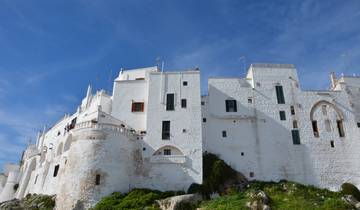
7 days
Taste of Salento-Authentic Culinary Experience
- ✓ Comprehensive Puglia tour
- ✓ Expert local guides included
- ✓ All accommodation arranged
- ✓ Transportation provided

7 days
7-Day Puglia Essence: Alberobello, Otranto and Lecce, Private Tour
- ✓ Comprehensive Puglia tour
- ✓ Expert local guides included
- ✓ All accommodation arranged
- ✓ Transportation provided
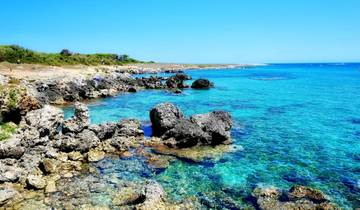
8 days
Highlights of Puglia
- ✓ Comprehensive Puglia tour
- ✓ Expert local guides included
- ✓ All accommodation arranged
- ✓ Transportation provided

8 days
Highilights of Apulia, 8 day Tour from Bari to Bari
- ✓ Comprehensive Puglia tour
- ✓ Expert local guides included
- ✓ All accommodation arranged
- ✓ Transportation provided
Multi-day tour packages powered by TourRadar. Prices and availability subject to change.
Essential Planning Information for 2026
Current Costs and Pricing Breakdown for 2026
Valle d’Itria costs in 2026 vary significantly based on accommodation choices, dining preferences, and activity selection. Understanding detailed pricing helps travelers budget accurately for their rural Puglia experience.
Accommodation represents the largest expense variable. Authentic trullo stays range €80-150 per night for mid-range properties with modern amenities including private bathrooms, kitchenettes, and air conditioning. Luxury trulli with pools, extensive grounds, and premium locations cost €180-300 per night. Masseria farmhouse conversions reach €200-400 per night for upscale experiences including breakfast and property amenities. Budget travelers find conventional hotels in Alberobello (€60-90 per night) or bed and breakfasts (€50-80 per night). Check booking platforms for current rates as pricing may vary seasonally.
Dining costs reflect Puglia’s excellent value proposition. Traditional trattorias charge €25-40 per person for complete meals including local wine, with lunch options typically costing €15-25. Upscale restaurants in historic centers or masseria properties charge €50-80 per person for refined interpretations of Pugliese cuisine. Street food and casual lunch spots offer focaccia, panzerotti, and local specialties for €5-12. Daily meal budgets average €50-80 per person including breakfast (€8-15), lunch (€15-25), and dinner (€25-40) with snacks and beverages.
Wine experiences form essential Valle d’Itria activities. Winery tours with tastings cost €15-30 per person for standard experiences including 3-4 wines and local products. Premium tastings with vineyard tours and food pairings reach €40-60 per person. Many wineries require advance bookings, particularly during high season. Local wine shops sell bottles for €8-25, allowing independent tastings at accommodations.
Transportation costs depend on rental duration and vehicle class. Compact cars rent for €35-50 per day from major agencies at Bari or Brindisi airports, with weekly rates offering better value (€200-300 per week). Fuel costs approximately €1.80-2.00 per liter, with typical daily driving (50-80km exploring valley routes) consuming €15-25 in fuel. Parking in historic centers costs €1-2 per hour or €8-15 per day in municipal lots.
Attraction costs remain modest. The Trullo Sovrano in Alberobello charges €1.50 admission, while the Museo del Territorio costs €3. Most churches and historic centers offer free access. Guided walking tours of Alberobello cost €10-15 per person for 90-minute explorations. Cooking classes range €60-100 per person for half-day experiences including market visits and meals.
Transportation Options and Schedules for 2026
Reaching and navigating Valle d’Itria requires understanding multiple transportation options serving this rural region.
Air access utilizes two regional airports. Bari Karol Wojtyła Airport (BRI) sits 55km north of Alberobello with direct flights from major European cities including London, Paris, Frankfurt, and Amsterdam. Summer 2026 sees expanded connections with budget carriers offering competitive fares (€80-200 return from UK/Northern Europe). Brindisi Airport (BDS) lies 50km southeast with similar European connectivity though fewer daily departures. Both airports feature car rental facilities from major international agencies (Hertz, Europcar, Sixt, Avis) with advance booking recommended during April-October high season.
Train service reaches Alberobello via FSE (Ferrovie del Sud Est) narrow-gauge railway from Bari Centrale station. Trains depart hourly 6:30 AM-8:30 PM with journey times of 90 minutes and fares of €4.90 single. The scenic route passes through countryside villages but seats fill quickly during summer weekends. The Alberobello train station sits 1km from the historic center, requiring taxis (€8-12) or walking uphill to trulli districts. No train service connects other Valle d’Itria towns, limiting rail utility for comprehensive exploration.
Car rental provides optimal Valle d’Itria mobility. Major agencies at both airports offer vehicles from €35 per day (compact) to €60 per day (SUV/larger models), with weekly rates (€200-350) delivering better value. International driving permits aren’t required for EU/EEA license holders, though non-EU visitors should verify requirements. Insurance coverage costs €15-25 per day unless covered by credit card policies. Book 4-6 weeks ahead for summer 2026 availability at competitive rates.
Driving in Valle d’Itria follows well-maintained provincial roads (SP) connecting all major towns. The SP172 links Alberobello, Locorotondo, and Martina Franca with scenic countryside views. Secondary rural roads accessing wineries and masserie require attention to narrow passages and agricultural vehicles. GPS navigation works reliably throughout the region, though paper maps help identify scenic routes and points of interest. Speed limits are 50km/h in towns, 90km/h on provincial roads, though local traffic often proceeds slower.
Parking strategies vary by town. Alberobello features paid parking lots (€1.50 per hour, €12 per day) near the trulli districts, with free parking in residential areas requiring 10-15 minute walks. Locorotondo and Cisternino offer free parking in designated areas outside historic centers. Martina Franca has blue zone metered parking (€1 per hour) and peripheral free lots. Most accommodations include parking, particularly rural properties.
Private driver services offer alternative transportation for non-driving travelers. Full-day private tours cost €200-300 including driver, vehicle, and flexible itineraries visiting multiple towns and wineries. Shared group tours from Bari or coastal resorts cost €80-120 per person for day trips covering Alberobello and one additional town with limited winery visits. These tours provide convenience but reduce flexibility and countryside immersion.
Best Time to Visit Valle d’Itria in 2026
Seasonal Analysis for 2026 Travel Planning
Valle d’Itria’s inland location creates distinct seasonal patterns affecting visitor experiences, costs, and practical considerations for 2026 travel.
Spring (April-May) ranks as the premium Valle d’Itria season. Temperatures range 18-22°C with cool mornings (12-15°C) and warm afternoons (22-26°C), ideal for walking historic centers and countryside exploration. The landscape explodes with wildflowers, blooming fruit trees, and vibrant green vegetation before summer heat arrives. April sees almond and cherry blossoms in countryside groves, while May brings wheat fields turning golden across rolling hills.
Spring accommodation rates remain moderate (€80-120 for mid-range trulli) with good availability except Easter week (April 13-20, 2026) when prices spike 30-40% and advance booking is essential. Wineries operate full schedules with cellar tours and tastings, though harvest activities haven’t begun. Restaurant terraces open for outdoor dining, and local festivals celebrate spring produce. Crowds concentrate in Alberobello on weekends while other towns remain peaceful. Pack layers for temperature variations and light rain gear for occasional April showers.
Summer (June-August) delivers high temperatures and peak tourist activity. June averages 25-30°C with comfortable evenings, while July-August reach 30-35°C with intense midday sun. The countryside transitions to golden hues as vegetation dries under summer heat. Alberobello sees significant crowds, particularly July-August, with cruise ship day-trippers adding to volumes.
Summer accommodation peaks at €120-180 for trulli and €250-400 for luxury masserie, with advance booking essential 3-4 months ahead. Restaurant reservations become necessary for dinner, especially weekends. Early morning (7-10 AM) and evening (6-9 PM) offer comfortable exploration conditions, while midday heat (12-4 PM) suits pool time or indoor winery visits. Local festivals including sagre (food festivals) occur throughout summer in smaller villages. Despite crowds and heat, summer provides longest daylight hours (14+ hours) and full tourism services.
Fall (September-October) equals spring as the optimal visiting period. September maintains warm temperatures (22-27°C) with fewer crowds as Italian school holidays end. October brings cooler conditions (18-23°C) perfect for walking and cycling, with harvest season transforming the valley into an active agricultural landscape. Grape harvest (vendemmia) occurs late September through October, offering unique winery experiences including hands-on participation opportunities.
Fall accommodation rates drop 20-30% from summer peaks (€80-130 for trulli) while maintaining excellent availability except October weekends popular with Italian visitors. Wine tourism intensifies with harvest festivals and special tastings showcasing new vintages. Restaurant menus feature seasonal specialties including mushrooms and chestnuts. The landscape displays autumn colors in olive groves and vineyards. October experiences occasional rain (4-6 days monthly) requiring flexibility in outdoor plans.
Winter (November-March) represents the off-season with reduced tourism infrastructure and authentic rural experiences. Temperatures range 8-15°C with cool, damp conditions and occasional frost. Many seasonal accommodations close November-March, though year-round properties offer excellent rates (€60-90 for trulli). Some restaurants and wineries operate reduced schedules or close entirely.
Winter suits travelers seeking authentic cultural immersion without tourist crowds. Locals conduct daily activities undisturbed by tourism, providing genuine glimpses of Pugliese rural life. Olive harvest (November-December) and pruning activities (January-February) showcase traditional agriculture. Indoor experiences including cooking classes, olive oil mills, and artisan workshops become primary attractions. Pack warm layers and rain gear for unpredictable weather.
Weather Patterns and Crowd Predictions for 2026
Understanding specific weather conditions and visitor patterns helps optimize 2026 Valle d’Itria timing.
Temperature patterns show clear seasonal progression. April averages 18°C (12°C morning, 22°C afternoon), May reaches 22°C (15°C morning, 26°C afternoon). June climbs to 27°C, July-August peak at 30-32°C, September maintains 25°C, October drops to 20°C. Winter months average 10-13°C with occasional cold snaps below 5°C.
Rainfall concentrates November-March with 8-12 rainy days monthly, while summer remains dry with 1-3 rainy days per month. Spring and fall see moderate precipitation (4-6 days monthly) with brief afternoon showers. Total annual rainfall reaches 600-700mm, significantly less than northern Italy.
Crowd levels peak July-August with Alberobello seeing 15,000-20,000 daily visitors on summer weekends, creating congestion in trulli districts between 10 AM-6 PM. Cruise ship groups arrive morning hours (9-11 AM) from Bari port 50km north. Easter week (April 13-20, 2026) brings Italian domestic tourists filling accommodations. June and September maintain moderate crowds (8,000-12,000 daily in Alberobello) with manageable conditions. May and October offer ideal balances of good weather and lighter crowds (5,000-8,000 daily). Winter sees minimal tourism (1,000-2,000 daily).
Weekly patterns show weekend concentration. Friday-Sunday brings Italian tourists and international visitors to Alberobello, with Monday-Thursday offering quieter conditions. Locorotondo, Cisternino, and countryside areas remain relatively peaceful even during peak periods.
Accommodation Strategies for 2026
Trullo Stays and Unique Properties for 2026
Staying in an authentic trullo represents the quintessential Valle d’Itria experience, combining historical architecture with modern comfort.
Budget trullo accommodations (€60-100 per night) offer simple but authentic experiences in converted traditional structures. These properties typically feature one or two trullo cones, basic amenities, shared outdoor spaces, and locations in less central positions requiring 5-10 minute drives to town centers. Many budget trulli maintain original stone interiors, traditional fireplaces, and rustic furnishings while adding modern bathrooms and kitchenettes. Examples include single-cone trulli near Cisternino or small trullo complexes in countryside locations with limited services.
Mid-range trullo properties (€100-180 per night) provide enhanced comfort and better locations. These conversions typically include multiple trullo cones configured as bedrooms, living spaces, and dining areas, with private gardens, pools, and proximity to town centers or major attractions. Mid-range trulli feature air conditioning, modern kitchens, quality furnishings, and WiFi while preserving architectural character. Properties near Alberobello’s trulli districts or Locorotondo’s historic center offer walking access to attractions. Many mid-range trulli include breakfast provisions or on-site breakfast service.
Luxury trullo experiences (€200-400 per night) deliver premium accommodations in meticulously restored properties with exceptional locations, extensive grounds, and high-end amenities. These properties feature designer interiors respecting traditional architecture, private pools, landscaped gardens, outdoor kitchens, and often panoramic valley views. Some luxury trulli offer concierge services, private chefs, wine experiences, and spa facilities. Examples include trullo complexes with 4-6 cones providing multiple bedrooms, entertainment spaces, and resort-level amenities while maintaining architectural authenticity.
Booking trullo stays requires advance planning. Summer 2026 availability (June-August) demands reservations 3-4 months ahead, particularly for properties sleeping 4+ guests. Spring and fall (April-May, September-October) require 2-3 months advance booking for prime properties. Winter availability opens wide with last-minute bookings possible. Minimum stays often apply, with 3-7 night minimums common in high season, 2-night minimums in shoulder seasons.
Location considerations affect trullo experiences significantly. Properties within walking distance of Alberobello’s trulli districts (1-2km) command premium prices but eliminate driving needs. Countryside trulli offering rural immersion and privacy require transportation for town visits and dining. Locorotondo or Cisternino locations provide alternatives to Alberobello’s crowds while maintaining town access. Consider noise levels in central locations versus isolation in rural settings.
Masserie and Alternative Accommodations for 2026
Beyond trulli, Valle d’Itria offers diverse accommodation styles reflecting the region’s agricultural heritage and tourism development.
Masserie farmhouse conversions represent Valle d’Itria’s upscale accommodation category. These fortified farmhouse complexes once served as self-sufficient agricultural estates, now transformed into luxury hotels and resorts. Masserie feature thick stone walls, vaulted ceilings, courtyards, and extensive grounds with olive groves and vineyards. Modern conversions include pools, spas, restaurants, and wine cellars while preserving historical architecture.
Masseria accommodation costs €180-300 per night for standard rooms in mid-range properties, €300-500 per night for luxury masserie offering resort amenities, exceptional locations, and premium services. Many masserie include breakfast, provide dinner options on-site, and offer wine tasting experiences featuring estate production. Properties range from intimate 5-10 room boutique hotels to large 30-50 room resort complexes. Leading masserie include Masseria Torre Maizza near Savelletri, Masseria Torre Coccaro, and Masseria Il Frantoio near Ostuni.
Masserie suit travelers seeking full-service accommodations, culinary experiences, and resort amenities without sacrificing authentic Pugliese character. Most masserie sit in countryside locations requiring transportation for town visits but offering tranquil settings and immersive rural experiences. Many properties offer activities including cooking classes, wine tastings, olive oil production demonstrations, and countryside tours.
Conventional hotels provide alternatives to unique properties. Alberobello features 3-4 star hotels (€80-150 per night) offering standard amenities, central locations, and easy booking procedures. These properties lack trulli authenticity but provide reliable comfort, breakfast service, parking, and reception assistance. Martina Franca and Locorotondo also offer conventional hotels suitable for travelers prioritizing comfort over architectural experience.
Bed and breakfast accommodations (€60-120 per night) combine personal hospitality with lower costs. B&Bs occupy converted trulli, traditional houses, or purpose-built structures, offering 2-5 guest rooms with shared or private bathrooms, breakfast included, and host interaction providing local insights. Quality varies significantly, with better properties maintaining high standards and offering thoughtful amenities.
Agriturismo properties represent working farms offering accommodations and farm-to-table dining. Costs range €70-140 per night with breakfast, with dinner options showcasing farm production. Agriturismi provide authentic agricultural experiences, rural settings, and opportunities to purchase farm products including olive oil, wine, and preserves. These properties suit families and travelers interested in agricultural tourism but require transportation and tolerance for rural conditions including farm animals and agricultural activities.
Apartment rentals offer self-catering flexibility for longer stays. Prices range €500-1,200 per week depending on size, location, and amenities. Apartments in Alberobello’s modern districts or Locorotondo’s historic center provide town living with local market access. Countryside villas with pools suit groups or families seeking privacy and space. Rental platforms including Airbnb, Vrbo, and specialized Italian sites (Italia.it, Casainitaliagroup.com) list diverse options.
Transportation Guide for 2026
Driving Routes and Countryside Navigation for 2026
Valle d’Itria’s greatest appeal lies in countryside exploration between towns, requiring understanding of rural road networks and scenic routing.
The primary route connecting major towns follows provincial road SP172. From Alberobello, the SP172 runs south 9km to Locorotondo (15-minute drive), then continues 5km to Martina Franca (10 minutes). An alternative route from Locorotondo heads east on SP113 for 8km to Cisternino (12 minutes). These main routes feature good pavement, clear signage, and moderate traffic except summer weekends.
Scenic countryside routes offer enhanced experiences. The loop from Alberobello through Locorotondo, Cisternino, and back covers approximately 35km requiring 60-90 minutes driving time without stops. Adding exploration time for photo stops, winery visits, and village walks extends this to a full day. The route showcases trulli scattered across countryside, olive groves, vineyards, and panoramic valley views from elevated positions.
Secondary rural roads (marked with small yellow or white signs) access wineries, masserie, and countryside viewpoints. These narrow lanes (4-5 meters wide) require cautious driving with attention to oncoming traffic, agricultural vehicles, and occasional poor pavement. Many wineries sit along these secondary roads, with GPS coordinates more reliable than street addresses. Allow extra time for rural navigation and potential wrong turns when seeking specific locations.
Navigation tools include GPS apps (Google Maps, Waze, Apple Maps) providing reliable routing throughout Valle d’Itria. However, some countryside destinations lack precise addresses, requiring GPS coordinates (available from accommodation or winery websites). Offline maps help when signal weakens in rural areas. Traditional paper maps from tourist offices show scenic routes and points of interest not highlighted by digital navigation.
Parking strategies vary by location. Alberobello’s largest lot (Largo Martellotta) sits north of the trulli districts, costing €1.50 per hour or €12 per day with 5-minute walks to Rione Monti. Smaller lots near Aia Piccola charge similar rates with closer access. Free street parking exists in residential areas 10-15 minutes from trulli districts. Locorotondo offers free parking in designated lots surrounding the circular historic center, requiring 5-minute uphill walks to the center. Cisternino provides free parking in Piazza Vittorio Emanuele with direct historic center access. Martina Franca has metered blue zones (€1 per hour) in central areas and free lots in peripheral locations.
Driving etiquette and regulations follow Italian standards. Speed limits are 50km/h in towns, 90km/h on provincial roads. Traffic cameras monitor major intersections and town entries, issuing automated fines for violations. Roundabouts are common at major intersections, with drivers already in the roundabout having right-of-way. Passing is frequent on provincial roads but use caution given narrow lanes and limited visibility on curved sections. Agricultural vehicles move slowly on rural roads; patient following is necessary until safe passing opportunities arise.
Public Transport and Alternative Options for 2026
While personal transportation provides optimal Valle d’Itria mobility, alternative options exist for travelers without cars.
Bus service connects Valle d’Itria towns through FSE (Ferrovie del Sud Est) regional buses. Routes link Alberobello, Locorotondo, Martina Franca, and Cisternino with 3-5 departures daily between towns. Single fares cost €2-4 depending on distance, with schedules designed primarily for local commuters rather than tourists. Buses operate reduced schedules on Sundays and holidays. Timetables are available at bus stops, tourist offices, and the FSE website, though schedules change seasonally.
Bus utility for tourists remains limited given infrequent departures and inability to access countryside wineries, masserie, or scenic viewpoints between towns. Budget travelers staying in Alberobello can use buses for day trips to Locorotondo or Martina Franca, but exploration remains constrained to town centers with limited countryside access.
Taxi services operate in Alberobello, Martina Franca, and Locorotondo, though availability varies. Taxis don’t cruise for passengers; call for pickup or find them at designated stands (Alberobello has stands near the trulli districts). Fares follow metered rates with €10-20 charges for town-to-town trips. Multi-hour taxi hire for countryside exploration costs €100-150 per half day. Advance booking is recommended, particularly during high season.
Bicycle rental represents a viable option for athletic travelers. Several Alberobello shops rent road bikes and e-bikes for €20-35 per day. The relatively flat valley terrain between towns suits cycling, with routes from Alberobello to Locorotondo (9km) or Cisternino (15km) manageable for moderate fitness levels. E-bikes ease climbs and extend range. Summer heat limits cycling to morning hours. Some accommodations provide bikes for guest use. Organized bike tours with guides cost €60-90 per person for half-day countryside rides including winery stops.
Organized tours provide comprehensive alternatives for non-driving travelers. Full-day private tours with drivers cost €200-300 and include flexible itineraries visiting multiple towns, wineries, and countryside sites based on passenger preferences. Shared group tours from Bari, Polignano a Mare, or Monopoli cost €80-120 per person for day trips covering Alberobello and one additional town with a winery visit. These tours offer convenience but constrain timing and route choices. Multi-day tour packages combining accommodation and guided experiences cost €400-600 per person for 2-3 day Valle d’Itria explorations.
Money-Saving Strategies for 2026
Advance Booking Benefits for 2026 Visits
Strategic advance planning delivers significant savings for Valle d’Itria experiences without compromising quality.
Accommodation booking timelines directly impact costs. Trullo and masseria properties booked 4-6 months ahead for summer 2026 visits secure lowest rates, with properties offering early booking discounts of 10-20% for reservations made before February 2026. Spring and fall bookings made 2-3 months ahead similarly benefit from lower rates and better selection. Last-minute bookings (within 2 weeks) sometimes yield deals from properties with unsold inventory, but risk limited availability and higher rates during popular periods.
Direct booking through property websites often delivers better rates than third-party platforms. Many small trullo operators avoid commission-based booking sites, offering direct reservation savings of 10-15%. Direct contact also enables negotiation for longer stays, with weekly rates providing 15-25% savings versus nightly rates during shoulder seasons.
Car rental advance booking reduces costs significantly. Booking 4-8 weeks ahead secures rates €5-10 lower per day than last-minute rentals. Weekly rentals deliver best value with rates 20-30% below daily calculations. Comparing multiple providers (Rentalcars.com, Auto Europe, direct agency websites) identifies lowest rates. Declining additional insurance when covered by credit card policies saves €15-25 daily.
Winery tour reservations made in advance sometimes offer lower rates than walk-in visits. Some estates provide online booking discounts or package deals combining tours with wine purchases. Booking multiple wineries creates negotiating opportunities for group discounts when visiting with 4+ people.
Budget Optimization and Off-Peak Advantages for 2026
Timing and strategic choices optimize Valle d’Itria budgets substantially.
Off-peak travel delivers dramatic cost reductions. November-March accommodation rates drop 40-60% from summer peaks, with quality trulli available for €60-90 per night versus €120-180 in summer. Shoulder season (April-May, October) rates fall 20-30% from peak while maintaining excellent weather and full services. Weekend avoidance during shoulder seasons yields additional savings, with Monday-Thursday rates 15-25% below Friday-Sunday.
Self-catering reduces dining costs substantially. Trullo accommodations with kitchens enable market shopping and home cooking, cutting meal expenses 50-70%. Local markets in each town offer exceptional produce, cheeses, meats, and breads for €20-35 daily provisioning versus €50-80 for restaurant meals. Preparing breakfast and lunch while dining out for dinner balances savings with culinary experiences.
Free attractions and experiences dominate Valle d’Itria. Walking historic centers, exploring countryside roads, photographing trulli, visiting churches, and enjoying panoramic viewpoints cost nothing. The Rione Monti and Aia Piccola trulli districts in Alberobello offer unlimited free exploration. Sunset viewpoints in Locorotondo and Cisternino provide memorable experiences without expenses. Town festivals and sagre throughout summer offer local culture and food at minimal cost.
Budget dining strategies include lunch menus (€12-20 for complete meals) offering better value than dinner service. Aperitivo culture provides substantial food with evening drinks (€8-15) serving as light dinner alternatives. Bakeries and specialty shops sell focaccia, panzerotti, and local products for €3-8, perfect for picnic lunches in countryside locations. Shopping at local markets for cheeses, cured meats, wine, and bread creates memorable experiences at fraction of restaurant costs.
Transportation savings come through careful planning. Airport buses to nearby towns (€4-7) followed by local buses or trains to Valle d’Itria (€5-8) cut transfer costs versus private transfers (€80-120). Longer car rentals (weekly) versus daily rates reduce per-day costs 20-30%. Sharing rental cars among 3-4 travelers divides costs dramatically.
Group travel delivers economies of scale. Trullo properties sleeping 4-6 guests cost €120-200 per night total, creating per-person costs of €20-35 versus €80-150 for solo travelers in same properties. Larger vacation rentals and villas provide even better per-person rates. Sharing car rentals and fuel costs similarly reduces individual expenses.
Sample 2026 Itineraries
Three-Day Valle d’Itria Experience for 2026
This comprehensive itinerary provides optimal Valle d’Itria exposure over three days, balancing major attractions with countryside exploration and cultural experiences.
Day 1: Alberobello and Surrounding Trulli Countryside
Morning begins with Alberobello exploration starting 9 AM to avoid crowds. Enter through Rione Monti, the larger trulli district with over 1,000 cone structures now housing shops, restaurants, and small museums. Walk uphill through narrow alleys lined with trulli, noting architectural details including stone construction, conical roofs, and decorative pinnacles. Visit Trullo Sovrano (€1.50 admission), the only two-story trullo open to public, showcasing traditional interiors and construction techniques.
Cross to Aia Piccola, the residential trulli district maintaining authentic neighborhood character with fewer commercial activities. Walk freely through alleys photographing trulli groups and capturing architectural details. The residential nature provides quieter experiences ideal for photography and observation. Spend 2-3 hours total exploring both districts.
Lunch at local trattoria in Alberobello featuring traditional Pugliese cuisine including orecchiette with cime di rapa, bombette (meat rolls), and local wine (€25-35 per person). Afternoon drive into surrounding countryside following secondary roads south toward Locorotondo, stopping at scenic viewpoints photographing trulli scattered across agricultural landscape. Visit a winery for tour and tasting (€20-30 per person with advance booking), learning about local wine production including Verdeca, Bianco d’Alessano, and Primitivo varieties.
Evening check into trullo accommodation, settling into unique lodging. Dinner at countryside masseria restaurant or return to Alberobello for evening meal (€35-45 per person). Evening stroll through illuminated trulli districts provides magical nighttime perspectives.
Day 1 costs: Trullo Sovrano €1.50, lunch €25-35, winery tour €20-30, dinner €35-45, fuel €15. Total day cost: €96.50-126.50 per person (excluding accommodation €100-150).
Day 2: Locorotondo, Cisternino, and Valle d’Itria Villages
Morning drive 9km to Locorotondo (15 minutes), arriving 9:30 AM. Park in designated free lots and walk uphill to circular historic center. Explore pedestrian-only streets lined with white-washed houses featuring balconies overflowing with flowers. Visit Madre Chiesa (Mother Church) and climb to belvedere viewpoints offering panoramic valley vistas encompassing vineyards, olive groves, and scattered trulli. Spend 2 hours photographing and wandering.
Drive 8km to Cisternino (12 minutes) for lunch. This charming white town features medieval character and famous butcher shops offering fresh grilled meats. Select cuts at a macelleria and have them grilled on-site, served with simple sides and local wine (€20-30 per person). Walk historic center after lunch, visiting Torre Normanna and enjoying relaxed small-town atmosphere.
Afternoon countryside drive following scenic routes between Cisternino and Martina Franca, stopping at olive oil mills (frantoi) for tastings and purchases. Visit second winery for different regional wine perspectives (€20-30 per person). Photograph trulli complexes and agricultural landscapes throughout rural routes.
Evening in Martina Franca exploring baroque historic center. Walk Piazza Roma and Piazza Maria Immacolata admiring baroque and rococo architecture contrasting with trulli construction. Aperitivo in elegant town square followed by dinner at local restaurant (€35-45 per person).
Day 2 costs: Lunch €20-30, winery tour €20-30, olive oil tasting €10-15, dinner €35-45, fuel €20. Total day cost: €105-140 per person (excluding accommodation).
Day 3: Masseria Visits and Flexible Exploration
Morning dedicated to masseria experiences. Visit working masseria offering tours of olive oil production, wine cellars, and agricultural operations (€15-25 per person typically). Learn traditional Pugliese agricultural methods, taste estate products, and explore fortified farmhouse architecture. Some masserie offer cooking classes (€80-100 per person if booked), teaching traditional pasta making and regional recipes.
Lunch either at masseria on-site dining or countryside trattoria featuring farm-to-table menus (€25-35 per person). Afternoon options include additional winery visits, more countryside photography, cycling between towns (bike rental €25-35 per day), or relaxation at trullo accommodation enjoying pool facilities.
Final evening return to favorite town for dinner, perhaps Alberobello for last trulli views or Locorotondo for sunset panoramas (€35-45 per person). Evening packing and preparation for departure.
Day 3 costs: Masseria tour €15-25, lunch €25-35, dinner €35-45, fuel €15, optional activities €25-35. Total day cost: €115-155 per person (excluding accommodation).
Three-Day Total Costs: €316.50-421.50 per person (excluding accommodation €300-450)
Extended Five-Day Valle d’Itria Journey for 2026
Five days enables deeper Valle d’Itria immersion, adding coastal excursions, additional wineries, and relaxed rural pacing.
Days 1-3 follow the three-day itinerary structure above, establishing foundation of major towns and countryside exploration.
Day 4: Coastal Excursion to Polignano a Mare and Monopoli
Day trip to Adriatic coast 30-35km east. Drive to Polignano a Mare (35 minutes from Alberobello), arriving 9:30 AM. Explore dramatic clifftop old town, walk along coastal promenade, and visit Lama Monachile beach cove. Morning coffee overlooking sea at terrace cafe. Walk historic center streets and visit Chiesa Madre.
Lunch at seafood restaurant in Polignano featuring fresh fish and coastal specialties (€35-50 per person). Afternoon continue 12km north to Monopoli (15 minutes), another charming coastal town with historic port, castle, and cathedral. Walk harbor areas, explore old town alleys, and enjoy gelato by the sea (€5-8).
Return inland to Valle d’Itria late afternoon. Evening relaxation at accommodation or nearby village dinner (€35-45 per person).
Day 4 costs: Lunch €35-50, gelato €5-8, dinner €35-45, fuel €25. Total day cost: €100-128 per person (excluding accommodation).
Day 5: Deep Dive Winery Experience and Cooking Class
Morning cooking class at masseria or specialized cooking school (€80-100 per person for half-day experience). Learn to make traditional Pugliese pasta including orecchiette and cavatelli, regional sauces, and typical side dishes. Experience includes market visit, hands-on cooking, and shared meal of prepared dishes with wine.
Afternoon premium winery experience (€40-60 per person) including extended vineyard tour, barrel room visit, vertical tasting of estate wines, and paired local products. Learn about Pugliese viticulture, native grape varieties, and Valle d’Itria terroir characteristics.
Evening farewell dinner at selected favorite location from week’s experiences, perhaps returning to memorable restaurant or trying final new venue (€45-60 per person for special meal).
Day 5 costs: Cooking class €80-100, premium winery €40-60, dinner €45-60, fuel €15. Total day cost: €180-235 per person (excluding accommodation).
Five-Day Total Costs: €696.50-784.50 per person (excluding accommodation €400-600)
Booking and Reservations for 2026
Official Resources and Booking Channels for 2026
Securing Valle d’Itria accommodations, experiences, and services requires understanding regional booking infrastructure and reliable sources.
Accommodation booking utilizes multiple channels. Direct property websites offer best rates and terms for many trulli and masserie, particularly smaller independent operators. Email or phone contact enables negotiation and special requests. International booking platforms including Booking.com, Airbnb, and Vrbo list extensive Valle d’Itria inventory with user reviews, secure payment, and booking flexibility. Italian-specific platforms like Italia.it and Casainitaliagroup.com feature curated selections emphasizing authentic properties.
For trullo stays, specialized agencies including Trulli Holiday and Immobiliare represent multiple properties with local expertise and booking assistance. These agencies help match travelers with appropriate trulli based on requirements and preferences. Masseria properties often maintain direct booking systems through property websites with online reservation capabilities.
Winery tour booking varies by estate. Some larger wineries (Cantina Albea, Cantina Locorotondo, Masseria Altemura) maintain professional booking systems with online reservation forms or email confirmation. Smaller family wineries require phone contact in Italian or English depending on staff capabilities. Advance booking is essential April-October, particularly weekends. Book 2-4 weeks ahead for standard tours, 1-2 months for premium experiences or large groups.
Car rental booking follows standard international procedures through major agencies (Hertz, Europcar, Sixt, Avis) with online reservation systems. Comparison sites (Rentalcars.com, Auto Europe) aggregate rates across providers. Book directly through airport locations in Bari or Brindisi for pickup convenience.
Cooking class reservations require advance booking through provider websites or email contact. Popular cooking schools and masseria programs fill 2-4 weeks ahead during high season. Some experiences require minimum participant numbers (typically 4-6 people), while others accommodate individuals joining small groups.
Restaurant reservations become necessary summer evenings, particularly weekends and in Alberobello. Call directly or use TheFork (Italian restaurant booking platform) for online reservations. Many trattorias don’t accept reservations, operating first-come service, but peak dining hours (8-10 PM) see waits.
Tour Operators and Guided Experience Options for 2026
Organized tours provide structured Valle d’Itria exploration with professional guidance, particularly valuable for non-driving travelers or those seeking expert cultural interpretation.
Full-day Valle d’Itria tours from Bari cost €80-120 per person for shared group experiences. These tours typically include Alberobello trulli districts, one additional town (Locorotondo or Martina Franca), a winery visit with tasting, and lunch or lunch time. Tours operate in comfortable minibuses or vans with English-speaking guides, departing Bari 9 AM and returning 5-6 PM. Leading operators include Sitasud, Minitalia, and various local tourism companies advertising through hotel concierges and tourism offices.
Private tours with drivers and guides cost €200-300 per vehicle per day, accommodating 2-7 passengers depending on vehicle type. Private tours offer flexible itineraries customized to passenger interests, with possibilities including multiple wineries, hidden villages, masseria visits, and specialized experiences. Booking through local agencies in Alberobello or Martina Franca, or through accommodation properties offering concierge services, identifies reputable private operators.
Specialized food and wine tours focus intensively on culinary experiences. Full-day wine tours visiting 3-4 wineries with tastings, lunch, and transportation cost €100-150 per person. Food-focused tours including market visits, olive oil tastings, cheese makers, and multi-course lunches reach €120-180 per person. These specialized tours provide deep cultural immersion and expert guidance on regional food and wine traditions.
Walking tours of individual towns operate in Alberobello with 90-minute guided explorations costing €10-15 per person for group tours or €60-100 for private walks. English-speaking guides explain trulli construction, local history, and cultural context while navigating districts.
Multi-day tour packages combining Valle d’Itria with broader Puglia exploration cost €400-800 per person for 2-3 day experiences including accommodation, transportation, guided activities, and some meals. These packages suit travelers seeking comprehensive organized experiences without independent planning requirements.
Planning Your 2026 Valle d’Itria Visit
Practical Logistics and Pre-Trip Preparation for 2026
Successful Valle d’Itria experiences require attention to practical details and appropriate preparation.
Documentation requirements follow standard Schengen zone regulations. US, Canadian, Australian, and UK visitors don’t need visas for stays under 90 days. Valid passports with 6-month validity beyond travel dates are required. No special health documentation is needed. Travel insurance covering medical emergencies is recommended though not required.
Currency and payment systems use euros throughout Valle d’Itria. ATMs exist in all major towns (Alberobello, Martina Franca, Locorotondo) dispensing euros with standard international card compatibility. Credit cards are widely accepted at hotels, restaurants, and larger shops, though smaller establishments and wineries may prefer cash. Budget €200-300 cash for week-long visits covering small purchases, some dining, and rural wineries preferring cash payment.
Language considerations recognize that English proficiency varies significantly. Tourism-dependent Alberobello offers more English speakers in hotels and restaurants, while smaller villages and rural wineries operate primarily in Italian. Basic Italian phrases (greetings, numbers, food terms) enhance interactions and show cultural respect. Translation apps (Google Translate with camera function) help navigate menus and signage. Many accommodation hosts speak functional English for check-in and basic communication.
Mobile connectivity operates on standard European networks. EU visitors use phones without roaming charges under EU roaming regulations. Non-EU travelers should verify international roaming rates (often expensive) or purchase Italian SIM cards at airports or mobile shops (€15-25 for 7-day plans with 10-20GB data). WiFi availability is good in accommodations and town cafes but limited in countryside locations.
Electrical systems use 230V power with Type F plugs (two round pins). North American devices require voltage converters for heat-generating appliances and plug adapters for all devices. USB charging cables work with adapters only.
Packing recommendations emphasize comfortable walking shoes given cobblestone streets and frequent walking in towns. Spring and fall require layering with light jackets for cool mornings and comfortable afternoon temperatures. Summer demands sun protection including hats, sunglasses, and sunscreen. Modest dress for church visits (shoulders and knees covered) shows respect. Photography equipment should include wide-angle lenses for trulli architecture and countryside landscapes.
Health and safety considerations note Valle d’Itria as very safe with minimal crime risk. Standard precautions protect against pickpockets in crowded Alberobello locations. Tap water is safe to drink throughout the region. Pharmacies (farmacie) in each town provide over-counter medications and basic health advice. Emergency medical care is available through the regional hospital in Monopoli (30-35 minutes from most Valle d’Itria locations).
Cultural Etiquette and Local Customs for 2026
Understanding Pugliese culture and social norms enhances interactions and experiences in Valle d’Itria.
Greeting customs follow Italian social norms. Entering shops, accommodations, or restaurants, offer “buongiorno” (morning/daytime) or “buonasera” (evening). Upon leaving, say “arrivederci” (goodbye) or “grazie” (thank you). These courtesies show respect and often prompt warmer interactions. Italians appreciate efforts to speak even basic Italian despite fluent English capabilities of some locals.
Meal timing follows distinctly Italian patterns. Breakfast is light, typically consisting of coffee and pastry between 7-9 AM. Lunch occurs 12:30-2:30 PM as the main daily meal, with restaurants closing 2:30-3 PM. Dinner starts late by international standards, with Italians eating 8-10 PM, though restaurants accommodate earlier foreign dining preferences from 7 PM. Avoid requesting substitutions or heavy menu modifications, which can offend chefs presenting traditional preparations.
Coffee culture follows specific patterns. Order “un caffè” for espresso (never “espresso”), “cappuccino” for morning coffee with milk (avoided after 11 AM by locals), or “caffè americano” for longer coffee. Coffee is consumed standing at bars as quick social ritual rather than extended sitting. Table service doubles prices in most establishments.
Photography etiquette respects private property and residents. While trulli districts welcome photography, avoid entering private property or pointing cameras through open doors without permission. Some residents tire of constant tourist photography; courteous distance and wave requests show respect. Churches prohibit flash photography during services; wait for appropriate times or ask permission.
Shopping customs note that small shops close 1-4 PM for afternoon rest (riposo) and operate limited Sunday hours. Supermarkets maintain longer hours but close Sunday afternoons. Farmers markets occur weekly in each town (Alberobello Wednesday and Saturday mornings, Locorotondo Saturday morning, Martina Franca Thursday and Saturday). Markets offer fresh produce, cheeses, meats, and local products with friendly vendors often offering samples.
Tipping practices differ from American customs. Service charges (“coperto” of €1-3 per person) appear on restaurant bills covering bread and table service. Additional tipping is optional, with rounding up bills or adding €5-10 for exceptional service sufficient. Taxis appreciate rounded fares. Hotel housekeeping merits €2-3 per day. Tour guides receive €5-10 per person for group tours, more for private guides.
Dress codes reflect small-town rural conservatism. While casual dress is acceptable, beachwear and revealing clothing remain inappropriate outside coastal contexts. Churches require covered shoulders and knees; carrying a light shawl enables respectful visits. Evening passeggiata (strolls) see locals dressed smartly, with visitors fitting in better adopting similar standards over extremely casual tourist attire.
2026 Updates and Current Information
Infrastructure Developments and Service Changes for 2026
Valle d’Itria continues evolving its tourism infrastructure to accommodate growing international interest while preserving authentic rural character.
Transportation improvements include upgraded provincial road surfaces on primary routes connecting Alberobello, Locorotondo, and Martina Franca, completed late 2025. These improvements enhance driving comfort and safety on main routes, though secondary rural roads maintain traditional narrow character. Signage improvements throughout countryside routes help navigation to wineries and masserie, with standardized brown tourist signs indicating heritage sites and wine routes.
Parking facilities in Alberobello expanded in 2025 with new peripheral lots designed to reduce traffic in trulli districts. These lots offer shuttle service or easy walking access (10-15 minutes) to Rione Monti and Aia Piccola. Similar parking improvements in Locorotondo provide additional capacity while maintaining traffic-free historic center access.
Accommodation sector continues growing with new trullo conversions and masseria renovations opening throughout 2025-2026. Quality standards improve across all categories, with mid-range properties increasingly offering resort amenities (pools, breakfast service, activity programs) previously limited to luxury properties. Some new developments raise concerns about maintaining authentic rural character versus tourism infrastructure expansion.
Wine tourism infrastructure evolves with more wineries opening professional visitor centers, tasting rooms, and tour programs. Previously closed family estates now welcome visitors with advance bookings, expanding options beyond established wine tourism operators. Several wineries completed new facilities in 2025 enabling enhanced visitor experiences including food pairings, overnight stays, and specialized tastings.
Digital services availability improves throughout the valley. More accommodations offer reliable WiFi, mobile coverage expands to countryside areas previously with weak signals, and online booking systems become standard at wineries and experience providers. However, rural areas still experience occasional connectivity limitations.
Sustainable tourism initiatives launch across the valley, promoting responsible visitation, supporting local agriculture, and preserving trulli heritage. Some properties achieve eco-certifications, wineries adopt organic practices, and local government programs encourage low-impact tourism development. These efforts aim to maintain Valle d’Itria’s authentic character amid growing visitor numbers.
Seasonal Events and 2026 Festival Calendar
Valle d’Itria’s event calendar combines religious festivals, food celebrations, and cultural programs throughout 2026.
Spring events (April-May 2026) include Easter processions in all major towns (April 20, 2026) featuring religious ceremonies and traditional observances. Locorotondo celebrates Festa di San Giorgio (April 23) with processions and special masses. May brings flower festivals as towns compete in balcony decorations, particularly notable in Locorotondo.
Summer (June-August 2026) delivers the densest festival schedule. Valle d’Itria Festival (June-August) presents classical music concerts in unique locations including trulli, churches, and courtyards throughout the valley, with internationally recognized performers attracting music enthusiasts. Check official festival website for 2026 program details and ticketing.
Each town hosts sagre (food festivals) celebrating local specialties. Alberobello features Sagra delle Orecchiette in late July, dedicating several days to the region’s signature pasta with street vendors, cooking demonstrations, and tastings. Cisternino celebrates meat tradition during Sagra della Carne in late July and August, with butcher shops extending service hours and offering special preparations.
Locorotondo dedicates August to wine festival (Festa del Vino Bianco) promoting local white wine production with tastings, entertainment, and regional food. Martina Franca hosts Festival della Valle d’Itria opera festival throughout July, bringing opera performances to the baroque town with productions in Teatro Verdi and outdoor locations.
Fall events (September-October 2026) focus on harvest celebrations. Vendemmia (grape harvest) festivals occur throughout September in wine-producing areas, with many wineries hosting public events combining harvest activities, tastings, and meals. October brings olive harvest beginnings with some mills hosting public demonstrations of traditional oil production.
Martina Franca celebrates San Martino (November 11) with the traditional feast day marking the opening of new wine vintage, featuring tastings and festivities. Christmas season (December 2026) transforms towns with elaborate nativity scenes, holiday markets, and religious celebrations, though this falls outside typical tourist season.
Event timing varies year to year, particularly sagre depending on agricultural calendars. Check local tourism office websites and social media for confirmed 2026 dates closer to travel dates. Many festivals require no advance booking, operating as public celebrations, though some cultural events (classical concerts, opera performances) sell tickets through official channels requiring advance purchase.
Frequently Asked Questions About Valle d’Itria 2026
Is Valle d’Itria worth visiting in 2026?
Valle d’Itria absolutely merits visiting in 2026 for travelers seeking authentic rural Italian experiences, distinctive architecture, and quality wine and food culture. The UNESCO-protected trulli buildings provide unique photographic and cultural interest unavailable elsewhere. The region maintains authenticity despite tourism growth, with working agriculture, traditional lifestyles, and genuine hospitality defining the experience. However, travelers expecting major monuments, museums, or diverse attractions may find Valle d’Itria limited. The appeal centers on rural atmosphere, architectural curiosity, culinary traditions, and countryside beauty rather than conventional sightseeing.
How many days should you spend in Valle d’Itria in 2026?
Three days provides adequate time for comprehensive Valle d’Itria exploration in 2026, covering Alberobello trulli districts, Locorotondo and Cisternino historic centers, countryside drives, and 2-3 winery experiences. Two days suffices for focused visits prioritizing Alberobello and one additional town. Five days enables relaxed pacing, coastal excursions to Polignano a Mare and Monopoli, additional wineries, cooking classes, and deeper countryside immersion. Single-day visits feel rushed given distances between towns and countryside attractions, though possible for travelers based in nearby coastal locations. The valley rewards slower exploration allowing multiple town visits and rural experiences versus brief stops.
Where should you stay in Valle d’Itria for 2026?
Alberobello offers maximum accommodation options, walkability to trulli districts, and dining variety, making it the logical base for many visitors in 2026. However, crowds and tourism concentration reduce authenticity. Locorotondo provides a more peaceful alternative with beautiful historic center, good restaurants, and proximity to other valley towns. Cisternino offers even quieter character with excellent butcher shops and charming atmosphere. Countryside locations (trulli or masserie between towns) deliver maximum rural immersion and privacy but require driving for all meals and activities. Choose urban locations for walking convenience and services, countryside for tranquility and authentic agricultural atmosphere. Consider staying in multiple locations if visiting 4+ days to experience different valley settings.
Can you visit Valle d’Itria without a car in 2026?
Visiting Valle d’Itria without personal transportation is possible but significantly constrained in 2026. Organized day tours from Bari or coastal towns provide access to Alberobello and typically one additional town with a winery visit, costing €80-120 per person. These tours offer convenience but limit flexibility and countryside access. Travelers staying in Alberobello can explore the town thoroughly on foot and use occasional buses to Locorotondo or Martina Franca for day trips, though bus schedules limit timing flexibility. However, accessing countryside wineries, masserie, scenic viewpoints, and smaller villages becomes difficult without transportation. Consider private driver services (€200-300 per day) or e-bike rentals (€25-35 per day) as car alternatives, though both have limitations for comprehensive valley exploration.
What is the best time of day to visit Alberobello trulli districts in 2026?
Early morning (8-10 AM) provides the optimal Alberobello trulli districts experience in 2026. Crowds remain minimal before tour bus arrivals around 10:30 AM, allowing peaceful photography and exploration. Morning light creates beautiful shadows on trulli cones, enhancing photographic conditions. Alternatively, late afternoon/evening (5-8 PM) sees tour groups departing while maintaining good light for photography. Trulli illumination begins at sunset, creating magical nighttime atmosphere for evening strolls. Avoid midday (11 AM-4 PM) during April-October when crowds peak and harsh overhead light creates poor photography conditions. Winter season sees consistent quiet conditions throughout the day. Sunday mornings bring more Italian domestic visitors but fewer international tour groups.
Are trulli stays comfortable and modern in 2026?
Trulli accommodations in 2026 range from basic traditional conversions to luxury properties with full modern amenities. Mid-range and upscale trulli feature air conditioning, modern bathrooms with showers, WiFi, well-equipped kitchens, and comfortable furnishings while preserving architectural character and stone interiors. Most renovated trulli maintain original cone ceilings and stone walls while adding insulation, heating/cooling systems, and updated infrastructure. Budget trulli may lack air conditioning and feature more basic amenities, though even these provide clean, functional accommodations. Luxury trulli rival boutique hotels with designer interiors, pools, outdoor living spaces, and premium finishes. Trullo beds work in cone alcoves created for sleeping areas; ceiling height in cones is limited (1.5-2 meters at peak) but sleeping sections typically have adequate headroom. Read property descriptions carefully regarding amenities; most photos accurately represent conditions.
How much should you budget for wine tastings in Valle d’Itria in 2026?
Wine tasting experiences in Valle d’Itria cost €15-30 per person for standard visits including 3-4 wine tastings with light food pairings (cheese, salumi, bread) in 2026. Premium experiences with extended vineyard tours, barrel room visits, and substantial food pairings reach €40-60 per person. Some wineries offer free informal tastings when purchasing bottles, though this is becoming less common as wine tourism professionalizes. Budget €25-40 per person average for quality tasting experiences. Most wineries require advance booking (2-4 weeks ahead during high season), with some accepting walk-ins during low season. Visiting 2-3 wineries during a 3-day Valle d’Itria trip costs €50-90 per person total. Wine purchases are optional but many visitors buy bottles (€8-25 typical range) to support estates and bring home regional wines unavailable internationally.
What are the best wineries to visit in Valle d’Itria for 2026?
Valle d’Itria features dozens of wineries ranging from small family operations to large commercial estates. Cantina Albea offers professional tours with English-speaking guides, well-organized tastings, and modern facilities, making it accessible for international visitors. Cantina Locorotondo (cooperative) represents local wine traditions with extensive production and educational tours explaining regional viticulture. Masseria Altemura combines upscale wine production with beautiful property and refined tasting experiences. Smaller family wineries including Caramia, Saracino, and Carparelli provide more intimate experiences with owners often conducting tours personally. Wine selection varies by winery with focus on local varieties: Verdeca and Bianco d’Alessano for whites, Primitivo and Negroamaro for reds. Choose wineries based on preferred experience scale (intimate family vs. professional commercial), advance booking availability, and interest in specific wine styles. Most Valle d’Itria tourism offices provide winery lists with contact information for booking.
Is Valle d’Itria suitable for families with children in 2026?
Valle d’Itria suits families with children in 2026, offering safe environments, outdoor spaces, and culturally enriching experiences. Trulli architecture fascinates children with unusual cone structures creating storybook appearance. Countryside drives, picnic opportunities, and rural spaces allow children to expend energy. Many trullo accommodations feature outdoor areas and pools where families can relax. Hands-on cooking classes welcome families, teaching children to make orecchiette pasta. Masseria farm visits show agricultural operations including animal interactions at some properties. However, considerations include: limited playgrounds and child-specific attractions, restaurant dining that may challenge picky eaters, walking on uneven cobblestone streets difficult for strollers, and winery visits unsuited for children (arrange childcare or alternative activities). Families with older children (8+ years) find Valle d’Itria more engaging than those with toddlers. The rural peaceful atmosphere provides change from city tourism but may bore children accustomed to theme parks or beach activities. Car-based exploration enables flexibility for family schedules and needs.
How far is Valle d’Itria from major Puglia coastal destinations in 2026?
Valle d’Itria sits inland from major Puglia coastal areas, positioned centrally for day trips to several beaches and coastal towns. Polignano a Mare lies 30km east (35-minute drive from Alberobello), offering dramatic clifftop old town and small beach coves. Monopoli sits 35km east (40 minutes), featuring working fishing harbor and historic waterfront. The Itria coast beaches near Savelletri and Capitolo are 40-45km east (45-50 minutes) providing sandy stretches less crowded than northern Puglia beaches. Ostuni, the famous “White City” with coastal proximity, is 30km southeast (35 minutes). Castellana Grotte (famous caves) sits 15km north (20 minutes). Matera in Basilicata region lies 60km west (70 minutes), enabling day trip to sassi cave dwellings though this makes for a long day. Lecce, Puglia’s baroque capital, is 90km south (90 minutes), reachable as day trip but requiring full day commitment. These distances make Valle d’Itria excellent base for exploring broader Puglia region while maintaining rural countryside accommodation.