
Puglia Travel Guide 2026: Complete Planning Resource
Key Takeaways
- Puglia offers exceptional value compared to Northern Italy, with mid-range daily costs ranging €120-180 per person excluding accommodation in 2026
- Peak season (July-August) brings perfect beach weather but crowds and premium pricing, while shoulder seasons (May-June, September-October) provide ideal conditions for cultural exploration
- Strategic base locations in Valle d’Itria (Alberobello, Ostuni) and Salento (Lecce, Gallipoli) enable comprehensive regional coverage with efficient day trip logistics
- Early booking for masserie accommodations and popular cooking classes guarantees availability and secures better rates for 2026 summer travel
- Regional cuisine excellence extends beyond orecchiette to include burrata from Andria, Altamura bread, Negroamaro wines, and coastal seafood specialties
- The region’s UNESCO sites, baroque architecture, trulli villages, and pristine coastline create diverse experiences from cultural immersion to beach relaxation
Introduction to Puglia Travel in 2026
Puglia stands as Southern Italy’s most captivating region, stretching along the Adriatic and Ionian coasts with 800 kilometers of dramatic shoreline, UNESCO World Heritage trulli villages, baroque architectural masterpieces, and exceptional culinary traditions. The region combines crystalline beaches rivaling Mediterranean hotspots, historic towns showcasing centuries of Norman, Byzantine, and Spanish influences, and authentic Italian culture untouched by mass tourism. In 2026, Puglia continues offering extraordinary value while maintaining sophisticated infrastructure that makes independent travel straightforward and rewarding.
The region divides into distinct subregions, each providing unique experiences. Valle d’Itria enchants visitors with whitewashed towns, trulli cone-roofed houses, and rolling countryside dotted with ancient olive groves and vineyards. Salento peninsula captivates with pristine beaches, baroque Lecce nicknamed the “Florence of the South,” and traditional pizzica dance culture. Gargano promontory offers dramatic coastal scenery, medieval pilgrimage sites, and the unique Foresta Umbra. The Adriatic coast features dramatic sea caves, historic ports like Trani and Monopoli, and fishing villages preserving maritime traditions.
Planning a 2026 Puglia journey requires understanding seasonal dynamics, strategic accommodation placement, transportation logistics, and the region’s exceptional but dispersed attractions. This comprehensive guide provides detailed planning information covering costs, timing, accommodation strategies, transportation options, regional highlights, culinary experiences, and practical logistics for creating an unforgettable Pugliese adventure.
People Also Ask About Puglia Travel 2026
How much does a week in Puglia cost in 2026?
A week in Puglia costs €840-1,260 per person for mid-range travel in 2026, excluding accommodation. Daily costs break down to €120-180 covering meals (€45-70), activities and entrances (€20-40), local transportation (€15-25), and incidentals (€40-65). Accommodation adds €70-150 per person nightly for mid-range masserie or boutique hotels with double occupancy, bringing total weekly costs to €1,330-2,310 per person. Budget travelers manage on €700-980 weekly excluding accommodation through strategic choices like agriturismi lodging, self-catering some meals, free beach access, and public transportation. Luxury experiences reach €2,100-3,500 weekly excluding accommodation when selecting premium masserie, fine dining restaurants, private tours, and exclusive wine experiences.
When is the best time to visit Puglia in 2026?
May, June, September, and early October provide optimal Puglia conditions in 2026, combining comfortable temperatures (22-28°C), minimal crowds, lower accommodation rates, and fully operational services. May offers wildflower-covered countryside, perfect conditions for cycling and hiking, and the start of swimming season with water reaching 19-21°C. June delivers ideal beach weather, vibrant local festivals, and excellent visibility for photography without peak season crowds. September maintains warm swimming conditions (23-25°C water temperature), harvest season experiences, and pleasant evenings for outdoor dining. Early October provides uncrowded cultural exploration, wine harvest participation, and comfortable hiking temperatures. July-August brings peak beach season with guaranteed sunshine, full beach club operations, and lively atmosphere but requires advance booking and acceptance of higher costs and crowds.
Do I need a car to visit Puglia in 2026?
Renting a car dramatically enhances Puglia exploration in 2026, providing access to remote beaches, countryside masserie, hilltop towns, and flexible scheduling for discovering hidden gems. The region’s dispersed attractions, limited public transportation between smaller towns, and scenic rural routes make driving the most efficient exploration method. Car rental costs €35-65 daily for compact vehicles, €50-90 for mid-size options, with fuel adding €15-25 daily depending on distance covered. Major international rental companies operate from Bari and Brindisi airports with straightforward pickup procedures. However, train connections link major towns (Bari, Lecce, Brindisi, Monopoli), regional buses serve coastal routes, and organized tours provide car-free alternatives for experiencing key attractions. Visitors focusing exclusively on Lecce, Ostuni, or single-base stays manage well without vehicles through strategic accommodation placement and selective tour participation.
What are the must-visit towns in Puglia for 2026?
Eight towns define essential Puglia experiences in 2026. Lecce showcases extraordinary baroque architecture, vibrant street life, excellent restaurants, and serves as perfect Salento base. Alberobello preserves unique trulli architecture as UNESCO World Heritage site with hundreds of cone-roofed houses creating fairytale streetscapes. Ostuni’s whitewashed hilltop old town offers stunning Adriatic views, sophisticated dining, and elegant atmosphere. Polignano a Mare captivates with dramatic clifftop setting, famous beach restaurant cave, and postcard-perfect coastal scenery. Monopoli provides authentic fishing port charm, excellent seafood, beautiful old harbor, and uncrowded beaches. Locorotondo enchants with circular historic center, white-washed architecture, and renowned white wine production. Otranto blends Byzantine history, Adriatic castle, crystal-clear beaches, and strategic gateway position to southern Salento. Gallipoli combines old town island setting, lively beach scene, excellent nightlife, and Ionian coast access.
Extended multi-day tours – 5+ days
Featured Puglia Multi-Day Tour Packages
7 days
Taste of Salento-Authentic Culinary Experience
- ✓ Comprehensive Puglia tour
- ✓ Expert local guides included
- ✓ All accommodation arranged
- ✓ Transportation provided

7 days
7-Day Puglia Essence: Alberobello, Otranto and Lecce, Private Tour
- ✓ Comprehensive Puglia tour
- ✓ Expert local guides included
- ✓ All accommodation arranged
- ✓ Transportation provided
8 days
Highlights of Puglia
- ✓ Comprehensive Puglia tour
- ✓ Expert local guides included
- ✓ All accommodation arranged
- ✓ Transportation provided

8 days
Highilights of Apulia, 8 day Tour from Bari to Bari
- ✓ Comprehensive Puglia tour
- ✓ Expert local guides included
- ✓ All accommodation arranged
- ✓ Transportation provided
Multi-day tour packages powered by TourRadar. Prices and availability subject to change.
Essential Planning Information for 2026
Understanding Puglia Costs in 2026
Puglia maintains exceptional value compared to Northern Italian regions while offering sophisticated experiences and high-quality services. Comprehensive cost breakdown for 2026 planning:
Accommodation Costs: Mid-range masserie and boutique hotels charge €140-300 per double room nightly in peak season (July-August), dropping to €90-200 in shoulder seasons (May-June, September-October). Luxury masserie with pools, spa facilities, and gourmet restaurants range €250-600 nightly. Budget-conscious travelers find agriturismi at €60-120 for doubles, seaside apartments at €70-150 nightly, and guesthouses in historic centers from €50-100. Coastal resort hotels during August command premium rates of €200-450 nightly for beachfront positions with full services.
Dining Expenses: Authentic trattorias serve excellent three-course dinners for €25-40 per person including local wine. Lunch options range from €12-25 for substantial meals at neighborhood restaurants. Aperitivo experiences cost €8-15 with generous food offerings. Street food specialties like focaccia barese, panzerotti, and rustico leccese range €3-6. Fine dining restaurants in Lecce, Ostuni, and Polignano charge €50-90 per person for tasting menus showcasing regional ingredients. Beach club lunches cost €20-35 per person. Breakfast at accommodations or cafes ranges €5-12. Self-catering from excellent local markets significantly reduces costs with superior product quality.
Activity and Entrance Fees: Major attractions charge moderate admission. Castel del Monte entry costs €10 for adults in 2026, Alberobello trulli zone remains free to explore with museum entrances at €3-5. Lecce’s churches and baroque sites offer free access with donation suggestions. Grotte di Castellana caves tours cost €16-25 depending on route length. Cooking classes range €80-150 per person for full experiences. Wine tours at established estates cost €25-50 including tastings. Boat excursions exploring sea caves and coastline range €30-60 per person. Beach club daily access with umbrella and loungers costs €15-35 depending on location and season. Cycling rentals charge €15-25 daily, e-bikes €30-45 daily. Museum passes don’t exist regionally, but individual entrances remain affordable.
Transportation Costs: Check official booking sites for current rates as pricing may vary. Regional trains connect major towns with Bari-Lecce costing €10-18, Bari-Brindisi €7-12, journey times ranging 1-2.5 hours. Local buses serve coastal routes at €2-5 per journey. Intercity buses link smaller towns for €5-15 trips. Taxi transfers from Bari airport to Valle d’Itria towns cost €80-120, to Lecce €150-200. Private transfers offer fixed rates of €100-180 depending on destination and passenger numbers. Car rentals provide greatest flexibility at €35-65 daily for economy vehicles, €50-90 for larger cars, with fuel costs €1.80-2.10 per liter and daily driving consuming €15-30 fuel depending on routes covered.
Climate and Weather Patterns 2026
Puglia enjoys Mediterranean climate with hot, dry summers and mild winters, creating extended travel season from April through October with distinct seasonal characteristics:
Peak Summer (July-August): Temperatures reach 30-35°C with intense sunshine, minimal rainfall, and sea temperatures of 25-27°C perfect for swimming. Beach clubs operate full schedules, coastal towns buzz with activity, and evening temperatures remain warm at 22-26°C enabling comfortable outdoor dining until late. August particularly sees Italian domestic tourism peak, requiring advance reservations and acceptance of premium pricing. Inland Valle d’Itria towns provide relief from coastal heat with slightly cooler temperatures and refreshing evening breezes.
Shoulder Seasons (May-June, September-October): May brings temperatures of 22-26°C, wildflower-covered countryside, and water warming to 19-21°C for adventurous swimmers. June offers ideal 26-30°C temperatures, fully operational beach facilities, and long daylight hours extending to 8:30 PM. September maintains summer warmth at 25-30°C, sea temperatures of 23-25°C, and harvest season activities. October provides comfortable 20-25°C temperatures, uncrowded attractions, and pleasant conditions for cultural exploration and hiking. Occasional brief rain showers refresh the landscape without disrupting travel plans.
Spring (April) and Late Autumn (November): April sees temperatures rising to 18-22°C, blooming almond and cherry trees, Easter celebrations, and awakening tourism infrastructure. November offers mild 15-20°C temperatures, reduced tourist presence, lower accommodation rates, and comfortable conditions for cultural touring. Swimming becomes less appealing with water at 16-18°C, but excellent hiking, cycling, and town exploration conditions prevail. Some coastal facilities operate reduced schedules, but major restaurants and attractions remain open.
Regional Highlights and Destinations 2026
Valle d’Itria: Trulli Country and White Towns
Valle d’Itria captivates visitors with distinctive trulli architecture, whitewashed hilltop towns, rolling countryside dotted with ancient olive groves, and exceptional wine production. The region serves as ideal Puglia base, positioning travelers within 30-60 minutes of major attractions, beaches, and cultural sites.
Alberobello: UNESCO World Heritage site showcases over 1,500 trulli cone-roofed houses creating otherworldly streetscapes. The Rione Monti district contains the highest trulli concentration with narrow streets winding between pristine examples. Trullo Sovrano stands as the only two-story trullo, functioning as museum demonstrating traditional trulli living. Early morning or evening visits avoid day-tripper crowds while capturing magical golden light. Local shops sell artisan products, and several trulli operate as restaurants serving traditional Pugliese cuisine in unique settings.
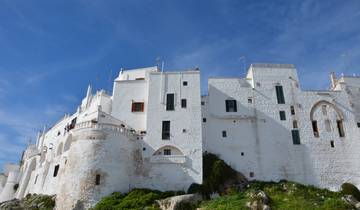
Ostuni: The “White City” crowns a hilltop with dazzling whitewashed buildings, sophisticated restaurants, elegant boutiques, and stunning Adriatic views. The historic center maze of narrow streets rewards wandering with architectural discoveries, hidden piazzas, and artisan workshops. Cathedral and Bishop’s Palace anchor the old town summit. Surrounding countryside features century-old olive trees, luxury masserie accommodations, and proximity to beautiful beaches at Rosa Marina and Costa Merlata. The town provides upscale dining scene with innovative chefs creating modern interpretations of traditional recipes.
Locorotondo: Circular historic center with immaculate white buildings, flower-adorned balconies, and renowned DOC white wine production creates charming atmosphere. The town offers authentic local life experience with limited tourist infrastructure, excellent value restaurants, and spectacular Valle d’Itria panoramas. Local wine cellars welcome visitors for tastings of crisp Locorotondo Bianco. The relaxed pace and architectural beauty reward leisurely exploration.
Martina Franca: Baroque architectural gem showcases ornate palaces, the magnificent Basilica di San Martino, elegant Piazza Plebiscito, and atmospheric historic center. The town hosts summer opera festival in Palazzo Ducale, maintains active local life with excellent markets, and serves authentic cuisine in family-run trattorias. Surrounding countryside produces exceptional capocollo and offers scenic cycling routes through trulli-dotted landscapes.
Salento Peninsula: Baroque Jewels and Pristine Beaches
Salento peninsula stretches south from Brindisi, offering baroque architectural masterpieces, crystal-clear beaches, traditional pizzica music culture, and distinct regional identity. The area combines cultural sophistication with beach relaxation, creating balanced Puglia experiences.
Lecce: The “Florence of the South” dazzles with extraordinary baroque architecture, vibrant street life, excellent shopping, sophisticated dining, and rich cultural calendar. Basilica di Santa Croce represents baroque architectural pinnacle with intricate facade carvings. Piazza del Duomo creates one of Italy’s most beautiful squares with cathedral, bell tower, and Seminary Palace. Roman amphitheater in Piazza Sant’Oronzo demonstrates the city’s ancient foundations. The historic center thrives with artisan workshops producing papier-mâché figures, local ceramics, and traditional crafts. Evening passeggiata fills streets with locals and visitors enjoying aperitivo at elegant cafes. The city serves as perfect Salento base with comfortable train connections, extensive accommodation options, and exceptional restaurant scene.
Otranto: Coastal gem combines Byzantine cathedral with stunning 12th-century mosaic floor, imposing Aragonese castle, charming old town lanes, and beautiful beaches north and south of town. The cathedral’s Tree of Life mosaic covers the entire floor with intricate medieval imagery. Surrounding beaches offer crystal-clear Adriatic waters with several beach clubs providing services. The town maintains authentic fishing port character while offering quality restaurants specializing in fresh seafood. Strategic position enables day trips to southern Salento beaches and inland baroque towns.
Gallipoli: Old town occupies small island connected by bridge to modern district, creating distinctive setting. The historic center features baroque cathedral, castle, atmospheric lanes with seafood restaurants, and evening energy with locals gathering at waterfront cafes. Surrounding coastline offers long sandy beaches with numerous beach clubs, clear Ionian waters, and lively summer atmosphere. The town provides excellent base for exploring western Salento coast and sampling Negroamaro wine from nearby estates.
Galatina: Inland baroque town deserves attention for Basilica di Santa Caterina d’Alessandria with extraordinary 14th-century frescoes covering walls and vaulted ceilings. The town maintains traditional character with excellent morning market, authentic restaurants, and pasticciotto pastry origins. Limited tourism creates opportunities for genuine cultural immersion and excellent value dining.
Adriatic Coast: Fishing Villages and Dramatic Cliffs
Puglia’s Adriatic coast combines working fishing ports, dramatic clifftop towns, fascinating sea caves, and beautiful beaches stretching from Gargano to Salento. The coastline offers diverse experiences from active ports to secluded coves.
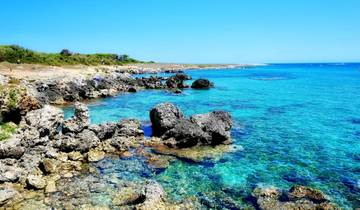
Polignano a Mare: Spectacular clifftop setting creates Instagram-famous scenery with whitewashed buildings perched above turquoise Adriatic waters. Lama Monachile beach nestles between cliffs with dramatic rock arch framing the scene. Historic center preserves medieval character with narrow streets, overlook terraces, and the famous Grotta Palazzese restaurant built into coastal cave. The town attracts significant tourism but maintains charm, offers quality dining, and provides excellent gelato shops. Summer Red Bull cliff diving competition draws international athletes and crowds.
Monopoli: Authentic fishing port maintains working harbor atmosphere with colorful boats, morning fish market, baroque churches, and atmospheric old town lanes. The city offers excellent seafood restaurants, beautiful beaches north and south of center, relaxed pace without excessive tourism, and good value accommodations. Historic center features defensive walls, small museums, and pleasant squares for aperitivo. The town serves as alternative base providing beach access, cultural interest, and good train connections.
Trani: Elegant port city showcases the magnificent Romanesque cathedral built on waterfront, beautiful harbor with fishing boats and yachts, sophisticated atmosphere, and excellent seafood restaurants. The cathedral of San Nicola Pellegrino ranks among Puglia’s most beautiful with distinctive pale stone construction and seafront position. Castle overlooks harbor with impressive medieval fortifications. Evening passeggiata along harbor provides people-watching opportunities while enjoying aperitivo at waterfront cafes.
Vieste (Gargano): Dramatic clifftop position on Gargano promontory offers stunning coastal scenery, beautiful beaches, sea cave boat tours, and gateway to Foresta Umbra. The old town preserves medieval character with steep streets climbing to castle ruins. Surrounding coastline features numerous beaches with clear waters, distinctive rock formations including Pizzomunno monolith, and scenic coastal drives. The town provides summer beach resort atmosphere while maintaining authentic character.
Culinary Experiences and Food Culture 2026
Regional Specialties and Where to Find Them
Puglia’s cuisine celebrates simple preparations showcasing exceptional local ingredients: estate-pressed olive oil, sun-ripened tomatoes, fresh seafood, artisan cheeses, and traditional pasta shapes. Regional specialties vary by area, rewarding culinary exploration:
Orecchiette: Iconic ear-shaped pasta traditionally served with cime di rapa (turnip greens), garlic, and olive oil, or with tomato sauce and cacioricotta cheese. Fresh orecchiette handmade by local women appears in Bari’s old town where vendors sell from doorways along Via Arco Basso. Restaurants throughout the region serve variations with different vegetables, seafood, or meat ragù. The shape’s concave form perfectly captures sauces, creating satisfying texture and flavor.
Burrata: Cream-filled mozzarella originated in Andria, combining stretched mozzarella exterior with stracciatella (creamy filling). The cheese must be consumed fresh, ideally within 24-48 hours of production. Quality burrata served simply with ripe tomatoes, olive oil, and basil showcases the dairy’s sweet creaminess. Caseificio shops sell fresh burrata by weight, local markets offer morning purchases, and restaurants feature it as antipasto or with grilled vegetables.
Focaccia Barese: Pugliese focaccia differs from Ligurian versions with distinctive toppings of cherry tomatoes, black olives, and olive oil creating savory, moist flatbread. Panifici (bakeries) bake throughout the day, selling slices by weight. The bread serves as popular street food, lunch option, or aperitivo accompaniment. Variations include potato focaccia, onion focaccia, and focaccia with local vegetables.
Raw Seafood: Coastal towns specialize in crudi (raw seafood) including sea urchins, oysters, mussels, clams, and red prawns served simply with lemon and olive oil. Taranto’s old town harbors seafood specialists serving incredibly fresh raw preparations. Polignano and Monopoli restaurants offer crudi platters showcasing daily catches. The preparation celebrates seafood quality requiring absolute freshness and skilled cleaning.
Altamura Bread: Protected DOP bread from Altamura uses ancient durum wheat varieties, natural yeast, and traditional long fermentation creating dense, flavorful bread with remarkable shelf life. Large wheels sold by weight maintain freshness for several days. The bread appears on every Pugliese table, used for scarpetta (sauce mopping), bruschetta base, and sandwiches. Altamura bakeries welcome visitors to observe traditional production methods.
Pasticciotto: Traditional pastry from Galatina features sweet shortcrust pastry filled with custard cream, sometimes including sour cherry. Consumed warm for breakfast or afternoon snack, the pastry pairs perfectly with espresso. Lecce’s pastry shops produce exceptional versions, and debate continues over which shop makes the authentic best.
Wine Regions and Tasting Experiences 2026
Puglia produces more wine than any Italian region, with recent quality revolution elevating production standards. Several DOC zones create distinctive wines worth exploring:
Primitivo di Manduria: Rich, powerful red wine from Primitivo grapes (genetically identical to California Zinfandel) creates full-bodied wines with dark fruit flavors, spice notes, and substantial alcohol content. Manduria’s wineries welcome visitors for tastings ranging €25-50 per person, often including vineyard tours and food pairings. The wine ages well and represents excellent value given quality levels.
Negroamaro Salentino: Signature Salento red grape produces wines ranging from easy-drinking rosé (rosato) to structured reds with complex flavors of dark cherry, spice, and Mediterranean herbs. Salice Salentino represents the most important Negroamaro DOC zone. Estates near Leverano, Copertino, and throughout Salento offer tastings showcasing different expressions of the versatile grape.
Locorotondo Bianco: Crisp, refreshing white wine from Verdeca and Bianco d’Alessano grapes perfectly complements seafood and summer dining. The circular hilltop town of Locorotondo hosts several wine bars and cellars for tastings. The light, floral white suits Puglia’s warm climate and coastal cuisine.
Wine Tour Logistics: Organized wine tours from Valle d’Itria or Lecce bases visit 2-3 wineries with transportation, tastings, and often lunch included for €80-120 per person. Self-driving enables flexible winery visits with appointment-only estates requiring advance booking. Most wineries charge €25-50 for comprehensive tastings including estate tour and local cheese/salumi pairings. Harvest season (late August-September) offers special experiences with grape crushing participation and harvest dinners at some estates.
Accommodation Strategies for 2026
Masserie: Traditional Fortified Farmhouses
Masserie represent quintessential Puglia accommodation, offering authentic experiences in restored fortified farmhouses surrounded by olive groves and countryside. These properties range from simple agriturismi to luxury resort masserie with pools, restaurants, and spa facilities:
Luxury Masserie: Premium properties charge €250-600 nightly for double rooms with included breakfast. Features include infinity pools overlooking olive groves, on-site gourmet restaurants showcasing estate-produced ingredients, wine cellars for tastings, spa facilities, and concierge services. These masserie suit travelers seeking peaceful retreats with high-end amenities while experiencing authentic Pugliese architecture and landscapes. Valle d’Itria between Ostuni and Martina Franca hosts the highest concentration of luxury masserie. Advance booking for summer 2026 (July-August) proves essential with many properties fully reserved by March-April.
Mid-Range Masserie: Comfortable restored masserie charge €140-300 nightly for doubles including breakfast. Properties offer pools, attractive grounds, tastefully renovated rooms preserving original architectural elements, and often provide dinner options featuring home-cooked regional cuisine. These masserie deliver authentic experiences with good amenities at reasonable prices. Many operate as agriturismi producing olive oil, wine, or vegetables consumed in meals. Strategic Valle d’Itria or countryside locations enable day trip logistics to beaches and towns within 30-45 minutes’ drive.
Agriturismo Masserie: Budget-friendly working farm masserie charge €60-120 for double rooms with breakfast. These simple, family-run properties provide genuine farm experiences with opportunities to observe olive harvesting, wine production, or vegetable cultivation. Accommodations prove basic but clean with shared or private bathrooms. Dinner often available featuring farm ingredients at €20-30 per person. The authentic cultural immersion and excellent value attract travelers prioritizing experience over luxury amenities.
Historic Center Accommodations
Staying in historic centers of Lecce, Ostuni, Monopoli, or other towns provides walkable access to restaurants, bars, cultural sites, and evening atmosphere:
Boutique Hotels: Converted palaces and noble residences host boutique hotels with stylish contemporary interiors, often preserving original architectural details like vaulted ceilings, stone walls, and courtyards. Lecce’s historic center offers numerous excellent options at €120-280 nightly for doubles. Properties include breakfast, sometimes rooftop terraces, and concierge services. The central locations eliminate driving concerns while providing atmospheric evening ambiance and morning market access.
B&Bs and Guesthouses: Family-run accommodations in historic buildings charge €50-100 for double rooms with breakfast. Hosts often provide local recommendations, assistance with restaurant reservations, and insights into regional culture. Room quality varies but generally maintains good standards with private bathrooms, air conditioning, and comfortable furnishings. These properties suit travelers seeking personal interactions and authentic hospitality at reasonable prices.
Coastal and Beach Accommodations
Beachfront and coastal properties enable swimming and beach club access without driving. Locations near Polignano, Monopoli, Gallipoli, and Salento coast provide direct beach access:
Beach Resort Hotels: Full-service properties with private beaches, pools, restaurants, and activities charge €200-450 nightly for doubles in peak season. These hotels suit families and travelers prioritizing beach time with convenient amenities. Properties operate May-October with reduced rates in shoulder seasons and occasional package deals including meals.
Apartments and Villas: Self-catering options range €70-200 nightly for apartments sleeping 2-4 people. Coastal locations near beaches provide independence for preparing meals, flexible schedules, and often better space for money than hotels. Weekly rentals offer discounts with €490-1,400 weekly costs common. These options suit longer stays, families, or travelers cooking some meals to manage budgets.
Transportation and Getting Around 2026
Arriving in Puglia
Two international airports serve Puglia with good European connections and summer seasonal flights from North America:
Bari Karol Wojtyła Airport (BRI): Primary regional airport located 8 kilometers northwest of Bari city center serves major European cities with year-round flights and summer seasonal routes. Airlines include Ryanair, Wizz Air, Alitalia/ITA Airways, and various European carriers. Airport facilities include car rental desks for all major companies, ATMs, cafes, and tourist information. Transport to Valle d’Itria destinations costs €80-120 by taxi, €100-180 by private transfer, or €16-25 by train requiring bus/taxi connection from city center. Direct buses serve Bari city center for €5 running every 30 minutes.
Brindisi Airport (BDS): Smaller airport 40 kilometers from Lecce serves budget carriers with seasonal European routes. The airport provides convenient Salento access with closer proximity to Lecce and southern beaches. Taxi transfers to Lecce cost €80-100, private transfers €90-130. Regional trains connect Brindisi station (6 kilometers from airport, requiring bus connection) to Lecce in 30 minutes for €4-7.
Alternative Entry Points: Travelers from Naples arrive by train (3.5-4.5 hours to Bari) or drive the scenic coast route (3-4 hours). Ferries from Greece dock at Brindisi and Bari ports providing Adriatic crossings. Rome connections involve high-speed train to Bari (4 hours, €35-75 depending on train class and booking timing) or flights to regional airports.
Regional Transportation Options
Train Network: Trenitalia operates main line connecting Bari-Brindisi-Lecce with modern regional trains running hourly. Bari to Lecce takes 1.5-2 hours at €10-18 depending on service class. Ferrovie del Sud Est (FSE) regional railway serves Valle d’Itria towns, Salento interior, and some coastal destinations with slower but scenic routes. Train schedules reduce on Sundays and holidays. First-class upgrades cost minimal amounts and provide guaranteed seating. Advance booking for long-distance trains ensures availability and sometimes offers discount fares.
Bus Services: Regional bus companies connect smaller towns not served by trains. Marozzi, Marino, and FSE operate coaches linking coastal areas, inland towns, and providing connections to trains. Routes often follow complex schedules with reduced weekend service. Coastal summer routes serve beaches with direct services from major towns. One-way bus fares typically cost €2-15 depending on distance. Tickets purchase at tobacco shops (tabacchi), bus stations, or sometimes aboard from drivers.
Organized Tours: Day tours from Lecce, Bari, or Polignano bases provide car-free access to multiple destinations with expert guides, transportation, and sometimes meals included. Full-day tours typically cost €60-110 per person visiting 2-3 locations. Wine tours including vineyard visits and tastings range €80-150 per person. Food tours in Lecce or Bari exploring markets, street food, and restaurants cost €70-120 per person for 3-4 hour experiences. These organized options suit travelers without vehicles wanting comprehensive experiences with local expertise.
Driving in Puglia
Personal vehicle enables maximum flexibility for exploring Puglia’s dispersed attractions, remote beaches, and countryside masserie. Driving proves straightforward with good road conditions, clear signage, and generally courteous drivers:
Rental Logistics: International rental companies operate from both airports with straightforward booking processes. Reserve vehicles minimum 2-3 months ahead for summer 2026 travel ensuring availability and better rates. Compact cars cost €35-65 daily, mid-size vehicles €50-90 daily, with weekly rentals offering per-day discounts. Insurance coverage ranges from basic included protection to comprehensive zero-deductible options at €15-30 additional daily. Manual transmission remains standard with automatic transmission costing €10-20 more daily and requiring advance specification. Valid driving license and credit card for deposit (€500-1,500 typically) required.
Road Conditions and Navigation: SS (Strada Statale) routes connect major towns with good quality roads and clear signage. Smaller SP (Strada Provinciale) roads access villages and countryside destinations with narrower but generally good pavement. Historic town centers (ZTL zones) restrict vehicle access with electronic monitoring – follow parking signs carefully to avoid fines. GPS navigation or smartphone apps like Google Maps work reliably with cellular data. Download offline maps for areas with weak signal coverage.
Fuel and Parking: Fuel stations appear regularly on major routes with unleaded petrol (benzina) costing €1.80-2.10 per liter, diesel (gasolio) €1.70-2.00 per liter in 2026. Most stations require self-service outside major towns. Credit cards widely accepted at pumps. Parking in towns uses blue line zones requiring payment from meters at €1-2 per hour, white lines indicate free parking, yellow lines reserve spaces for residents. Many towns offer free parking areas within walking distance of centers.
Sample Puglia Itineraries 2026
One Week Valle d’Itria and Coastal Experience
Base: Masseria in Valle d’Itria (between Alberobello and Ostuni)
Day 1 – Arrival and Alberobello: Collect rental car at Bari airport, drive 50 minutes to accommodation. Afternoon visit to Alberobello exploring UNESCO trulli zone, Rione Monti district, Trullo Sovrano museum €3, dinner at local trattoria €30-45 per person. Rental car €50, fuel €8, museum €3, dinner €30-45. Total day cost: €91-106 per person.
Day 2 – Polignano a Mare and Monopoli: Morning drive to Polignano a Mare (40 minutes), explore clifftop town, Lama Monachile beach, lunch at waterfront restaurant €25-35. Afternoon Monopoli visit, historic center walk, beach time, dinner €30-40. Fuel €12, lunch €25-35, beach parking €5, dinner €30-40, gelato €4-6. Total day cost: €76-98 per person (excluding accommodation).
Day 3 – Ostuni and Olive Oil Experience: Morning Ostuni historic center exploration, cathedral visit, white town photography. Afternoon olive oil mill tour and tasting €25-35, evening return to masseria for dinner on property €35-50. Fuel €10, lunch in Ostuni €20-28, oil tour €25-35, dinner €35-50. Total day cost: €90-123 per person (excluding accommodation).
Day 4 – Coastal Exploration: Full day coastal drive exploring beaches: Rosa Marina, Torre Canne, Torre Guaceto nature reserve. Beach club access €20-30, lunch at seaside restaurant €22-32, swimming and relaxation. Evening return for masseria dinner. Fuel €15, beach €20-30, lunch €22-32, dinner €35-50, snacks €8-12. Total day cost: €100-139 per person (excluding accommodation).
Day 5 – Lecce Day Trip: Drive to Lecce (90 minutes), full day exploring baroque center. Santa Croce basilica, cathedral, Roman amphitheater, artisan workshops, aperitivo in Piazza Sant’Oronzo €12-18, dinner at restaurant featuring orecchiette €28-42. Fuel €25, parking €10, lunch €18-26, aperitivo €12-18, dinner €28-42, pasticciotto €2.50. Total day cost: €95.50-123.50 per person (excluding accommodation).
Day 6 – Martina Franca and Locorotondo: Morning Martina Franca exploration, baroque architecture, Basilica San Martino, market shopping. Lunch featuring local capocollo €20-30. Afternoon Locorotondo visit, wine tasting €25-35, evening at masseria. Fuel €12, lunch €20-30, wine tasting €25-35, dinner €35-50, purchases €15-25. Total day cost: €107-152 per person (excluding accommodation).
Day 7 – Departure or Relaxation: Morning relaxation at masseria pool, optional cooking class €100-120, lunch on property, afternoon departure to Bari airport (50 minutes). Fuel €12, cooking class optional €100-120, lunch €15-22. Total day cost: €27-154 per person depending on activities.
One Week Total: €587-896 per person excluding accommodation. Mid-range masseria accommodation adds €980-2,100 for week (double occupancy, €140-300 nightly). Complete week costs €1,567-2,996 per person including accommodation.
Ten Days Comprehensive Puglia
Strategy: Two bases – Valle d’Itria (4 nights), Salento/Lecce area (5 nights)
Days 1-5: Follow Valle d’Itria itinerary above, adding extra days for Castel del Monte visit (90 minutes north), additional beach exploration, or Matera day trip (60 minutes west). Additional daily costs average €85-135 per person for meals, activities, fuel (excluding accommodation).
Day 6 – Transfer to Salento: Morning departure from Valle d’Itria, drive to Lecce area accommodation (90 minutes). Afternoon Lecce exploration, evening settling into new base. Fuel €18, lunch en route €18-26, Lecce walking tour, dinner €28-40. Total: €64-84 per person (excluding accommodation).
Day 7 – Otranto and Southern Coast: Day trip to Otranto (45 minutes), cathedral with mosaic floor, castle, lunch €22-32. Afternoon beach time at nearby Baia dei Turchi or Alimini lakes, return evening for Lecce dinner €30-45. Fuel €20, parking €8, lunch €22-32, beach €15-25, dinner €30-45. Total: €95-130 per person (excluding accommodation).
Day 8 – Gallipoli and Ionian Coast: Drive to Gallipoli (45 minutes), old town exploration, fish market, lunch featuring fresh seafood €28-38. Afternoon beach time, evening back to Lecce. Fuel €22, lunch €28-38, beach parking €5, gelato €4-6, dinner €25-35. Total: €84-106 per person (excluding accommodation).
Day 9 – Wine and Food Experience: Morning Salento wine tour visiting Primitivo and Negroamaro estates €80-120 including tastings and lunch. Afternoon Galatina visit for baroque basilica and pasticciotto sampling. Evening Lecce aperitivo and dinner. Wine tour €80-120 including lunch, pasticciotto €2.50, aperitivo €12-18, dinner €28-40. Total: €122.50-180.50 per person (excluding accommodation).
Day 10 – Final Lecce Morning: Morning market shopping, last historic center walk, lunch €18-28, transfer to Brindisi airport (30 minutes) for departure. Fuel €15, lunch €18-28, shopping €20-40. Total: €53-83 per person.
Ten Days Total: €1,080-1,615 per person excluding accommodation. Accommodation costs add approximately €1,400-2,800 for 9 nights mid-range double occupancy. Complete 10-day trip costs €2,480-4,415 per person.
Practical Travel Tips for 2026
Booking Strategy and Timing
Optimal booking timeline maximizes availability while securing better rates for summer 2026 Puglia travel:
Accommodation Booking: Reserve luxury and popular mid-range masserie for July-August by February-March 2026. June and September dates require booking by April-May. Shoulder season (May, October) allows flexibility with reservations 4-6 weeks ahead generally sufficient. Popular locations like Ostuni, Polignano, and waterfront Lecce properties fill earliest. Budget agriturismi and less-known locations offer better last-minute availability.
Activity and Experience Reservations: Book cooking classes, wine tours, and specialized food experiences 2-3 months ahead for summer dates. These small-group experiences limit participants, creating early sellouts. Boat tours for sea cave exploration accept reservations starting April for summer season. General tours and activities accommodate walk-up participation in shoulder seasons but benefit from advance booking during July-August peak.
Transportation Reservations: Reserve rental cars minimum 2-3 months ahead for summer 2026, ensuring vehicle type availability and better rates. Last-minute rentals face premium pricing and limited options, particularly automatic transmission vehicles. Train tickets for long-distance Trenitalia services benefit from advance purchase (up to 4 months) securing lowest fare options, though regional trains accept purchase anytime without price variations.
Money and Budgeting
Puglia maintains relatively affordable prices compared to Northern Italy, enabling comfortable travel at various budget levels:
Payment Methods: Credit cards widely accepted at hotels, established restaurants, larger shops, car rentals, and tourist attractions. Smaller trattorias, markets, street food vendors, and rural establishments prefer cash. ATMs appear readily in all towns dispensing euros with standard international withdrawal fees. Notify banks of Italy travel dates avoiding card blocks. Carry €100-200 cash for small purchases, markets, and establishments without card readers.
Tipping Practices: Service charges (coperto) appear on restaurant bills as fixed amounts per person (€1.50-3.50) covering bread and table setting. Additional tipping remains optional with small amounts (€2-5) appreciated for good service but not expected. Round up taxi fares or add €1-2. Tour guides appreciate €5-10 per person for excellent experiences. Hotel housekeeping tips of €2-3 daily prove thoughtful but not obligatory.
Cost-Saving Strategies: Shop at local markets for picnic supplies, fruits, cheese, and prepared items creating delicious lunches at fraction of restaurant costs. Aperitivo hour (typically 6-8 PM) provides substantial food buffets with drink purchase (€8-15) replacing dinner inexpensively. Choose beach areas with free access rather than beach clubs where possible. Visit Alberobello early morning or evening avoiding paid parking in lower areas. Lunch represents better value than dinner at quality restaurants often serving similar preparations at lower prices. Fill rental car tank at self-service stations rather than paying attended service premiums.
Cultural Etiquette and Local Customs
Respecting local customs enhances experiences and interactions:
Dining Customs: Italians eat late with lunch typically 1-2:30 PM, dinner starting 8-9 PM or later. Restaurants may appear empty at 7 PM, filling considerably by 9 PM. Coffee customs specify cappuccino only before 11 AM, espresso after meals. Request the bill (il conto) when ready as servers won’t rush payments. Splitting bills by individual items occurs less commonly than equal division among diners or one person paying.
Church Visits: Cover shoulders and knees when entering churches out of respect. Many baroque churches in Lecce allow free entry with donation boxes near entrances. Photography typically permitted without flash. Services take precedence over tourist visits.
Language Basics: English comprehension varies with better understanding in tourist areas, hotels, and younger generations. Learning basic Italian phrases (greetings, please, thank you, excuse me, bill please) enhances interactions significantly. Locals appreciate attempts at Italian even with imperfect grammar. Download translation apps for complex communications.
Beach Etiquette: Beach clubs with umbrellas and loungers require rental fees with servers bringing drinks and food to chairs. Free beaches allow bringing own equipment but offer no services. Topless sunbathing occurs occasionally at remote beaches but remains uncommon at family beach clubs. Swim between staffed areas during beach club hours for safety.
Frequently Asked Questions About Puglia Travel 2026
Is Puglia safe for tourists in 2026?
Puglia maintains excellent safety for tourists with low crime rates, welcoming locals, and well-established tourism infrastructure. Standard travel precautions prove sufficient: secure valuables in accommodations, watch bags in crowded areas, avoid leaving visible items in parked cars. Tourist police (Polizia Turistica) operate in major destinations. Emergency services respond quickly with 112 connecting to police, ambulance, and fire services. Coastal rescue operates at staffed beaches during summer. Women traveling alone report comfortable experiences with respectful treatment and safe evening atmospheres. Traffic requires attention when crossing streets as Italian drivers maintain different customs than Northern European standards.
What should I pack for Puglia in summer 2026?
Summer Puglia requires light, breathable clothing, sun protection, and layers for air-conditioned interiors. Essential items include: broad-brimmed hat and quality sunglasses for intense sun exposure, reef-safe high-SPF sunscreen (50+), light long-sleeve shirt for sun protection during beach days, comfortable walking shoes for historic center cobblestones, sandals for beach and casual wear, light scarf or shawl for church visits and evening air conditioning, swimsuit and beach bag, refillable water bottle for staying hydrated, power adapter for Italian outlets (Type L), basic Italian phrasebook or translation app, photocopies of passport and important documents. Shoulder seasons add light jacket for evenings, slightly warmer layers, and umbrella for occasional rain. Local shops sell forgotten items easily.
Can I visit Puglia without speaking Italian?
English proficiency varies across Puglia but major tourist areas, hotels, popular restaurants, and tour operators manage English interactions successfully. Younger generations and tourism professionals demonstrate better English skills. Remote areas, local trattorias, and smaller towns require more creative communication with limited English. Download translation apps like Google Translate (works offline with downloaded languages), learn basic Italian phrases for courtesy and simple interactions, use restaurant menus with photos or descriptions when possible. Locals appreciate attempts at Italian even with imperfect execution. Patience and gestures bridge communication gaps effectively. Many younger Italians enjoy practicing English, creating friendly exchanges. Overall, language barriers create minor challenges rather than insurmountable obstacles.
Which Puglia beaches are the best for families in 2026?
Family-friendly Puglia beaches offer shallow waters, sand rather than pebbles, beach services including shade and food, and calm conditions. Top choices include: Torre Lapillo (near Porto Cesareo) featuring long shallow waters, soft sand, beach clubs with facilities, and calm Ionian conditions. Punta Prosciutto provides similar advantages with pristine white sand, crystal-clear shallow water, and numerous beach clubs. San Foca offers gentle Adriatic beaches, fishing village atmosphere, local restaurants, and easy parking access. Porto Selvaggio near Nardò combines nature reserve setting with shallow areas, but requires short walk to beach. Polignano’s Cala Porto and Monopoli’s Cala Porta Vecchia provide town proximity, beach clubs, and family atmosphere. Avoid rocky beaches at Polignano’s Lama Monachile and deep-water areas requiring stronger swimming skills.
How many days do I need to see Puglia properly?
Puglia’s size and attraction distribution require 7-10 days for satisfying exploration covering major highlights across different regions. One week allows Valle d’Itria (Alberobello, Ostuni, Locorotondo), key Adriatic coast towns (Polignano, Monopoli), and Lecce with surrounding Salento sampling. Ten days adds comprehensive Salento coverage including Otranto, Gallipoli, additional beaches, wine experiences, and allows more relaxed pacing. Two weeks enables deeper regional immersion, Gargano promontory exploration, more remote beach discoveries, cooking classes, extended masseria stays, and day trip to Matera. Shorter 4-5 day visits necessitate choosing single base (Valle d’Itria or Salento) rather than attempting full regional coverage. Extended stays reward travelers with rhythm understanding, local relationship development, and seasonal experience depth.
What are the best day trips from Lecce in 2026?
Lecce’s central Salento position enables excellent day trip options: Otranto (45 minutes drive) combines Byzantine cathedral with mosaic floor, Aragonese castle, beautiful beaches north and south including Baia dei Turchi and Alimini lakes. Gallipoli (45 minutes) features island old town, baroque architecture, fish market, and excellent Ionian beaches. Galatina (30 minutes) rewards visits for Basilica di Santa Caterina d’Alessandria with extraordinary frescoes covering every surface. Porto Cesareo and Torre Lapillo (40 minutes) provide pristine white sand beaches with shallow turquoise waters. Ostuni (1.5 hours) offers white city architecture and countryside masserie experiences. Santa Maria di Leuca (1 hour) reaches Salento’s southernmost point where Adriatic meets Ionian sea. Nardò (30 minutes) presents elegant baroque center and nearby natural parks. Wine regions around Leverano and Salice Salentino (30-45 minutes) welcome tasting visits.
Is renting a car essential for Puglia or can I rely on public transport?
Car rental dramatically enhances Puglia experiences but public transport enables limited exploration with advance planning and flexibility. With car: access remote beaches, countryside masserie, hilltop towns, spontaneous stops, efficient multi-destination days, and independence from schedules. Cost totals €35-65 daily plus €15-30 fuel. Without car: train connections serve Bari-Brindisi-Lecce corridor efficiently, regional buses reach coastal towns and some interior destinations, organized tours provide car-free access to Alberobello, Valle d’Itria, wine regions, accommodations in walkable towns (Lecce, Ostuni, Monopoli) reduce transport needs. However, limited Sunday service, infrequent rural connections, and time-consuming multi-transfer journeys restrict spontaneity. Compromise approach: combine strategic rail travel between major bases with rental car for 2-3 days exploring countryside and beaches from single base. Car proves most valuable for Valle d’Itria exploration where attractions spread across distances without efficient public connections.
What’s the best base location for a first-time Puglia visit?
First-time visitors benefit most from choosing between two optimal base strategies: Valle d’Itria positioning enables access to trulli villages (Alberobello, Locorotondo), white towns (Ostuni), Adriatic coast beaches, and day trips to both Lecce and Bari regions within 60-90 minutes. Countryside masseria stays immerse visitors in authentic Pugliese landscapes while providing peaceful retreats. This choice suits travelers prioritizing diverse experiences, countryside accommodation, and car-based exploration. Alternatively, Lecce basing provides baroque city immersion, excellent restaurants, walkable historic center, and Salento peninsula access for beaches, coastal towns, and regional exploration within 45-75 minutes. This option suits travelers preferring urban energy, walkable accommodation base, and mixing cultural exploration with beach trips. Avoid spreading across multiple bases during short visits (under 7 days) as packing, checking logistics consume valuable time. Single base with comprehensive day trips creates better experience than rushed base-hopping attempting excessive regional coverage.
When do Puglia beaches open and close their facilities?
Puglia beach clubs (stabilimenti) operate seasonal schedules with full services running June through early September. May sees partial operations with umbrella/lounger rentals available but limited food service and reduced staff presence. June brings full daily operations with restaurants, bars, changing rooms, showers, and complete services. July-August represents peak season with extended evening hours at some locations, full entertainment programs, and maximum crowds. September maintains full operations through mid-month with gradual service reductions as month progresses. Most beach clubs close by early October with only a few remaining open weekends through October. Free beaches allow year-round access independent of commercial operations. Water temperatures support comfortable swimming May through October, with warmest conditions July-September (23-27°C). Spring (April-May) and autumn (October-November) beaches suit walking, sunbathing, and contemplative experiences rather than swimming and full beach club services.
What Puglia experiences are worth splurging on?
Several Puglia experiences justify premium spending for memorable enhancement: Luxury masseria stays (€250-400 nightly) provide transformative accommodation experiences with estate-produced ingredients, wine cellars, spa facilities, infinity pools overlooking ancient olive groves, and architectural restoration showcasing Puglia’s heritage. These properties justify 2-3 nights within longer trips. Private cooking classes at masserie or with local families (€120-150 per person) offer intimate cultural immersion, family recipe learning, market shopping experiences, and meals consumed together creating lasting memories. Helicopter flights over Alberobello and Valle d’Itria (€200-350 per person, 20-30 minutes) provide spectacular aerial perspectives of trulli landscapes impossible to appreciate ground-level. Multi-course tasting menus at acclaimed restaurants like Cielo in Ostuni or Petrò in Lecce (€80-150 per person) showcase innovative Pugliese cuisine elevating traditional ingredients with modern techniques. Private boat tours exploring sea caves, remote beaches, and coastline (€400-700 for 4-6 passengers, full day) create exclusive experiences away from crowds. These splurges enhance overall trips through exceptional experiences justifying costs through quality and uniqueness.