
Puglia 7 Day Itinerary 2026: Perfect Week in Southern Italy
Key Takeaways
- This seven-day itinerary balances cultural exploration (Valle d’Itria trulli villages, Lecce baroque), coastal beauty (Polignano, Monopoli beaches), and authentic experiences (cooking classes, wine tasting) for comprehensive Puglia immersion
- Two-base strategy splits time between Valle d’Itria countryside masseria (3 nights) and Lecce historic center (3 nights), minimizing packing logistics while maximizing regional coverage
- Total costs range €715-1,095 per person for the week excluding accommodation, covering meals, activities, transportation, and experiences with verified daily budgets
- Car rental proves essential for this itinerary enabling efficient transitions between dispersed attractions, remote beaches, countryside locations, and flexible daily scheduling
- Advance booking requirements include masseria accommodation (3+ months for summer), cooking class (6-8 weeks), and rental car (2-3 months) for optimal availability and pricing
- Strategic pacing alternates intensive sightseeing days with relaxed beach and countryside experiences preventing exhaustion while maximizing memorable moments
Planning Your Perfect Puglia Week in 2026
Seven days in Puglia provides ideal duration for experiencing the region’s diverse attractions without rushing through extraordinary locations. This carefully designed itinerary balances UNESCO World Heritage trulli villages, baroque architectural masterpieces, pristine Adriatic and Ionian coastlines, authentic culinary experiences, and the peaceful rhythm of countryside masseria life. The week strategically positions you across Valle d’Itria’s whitewashed hilltop towns and ancient olive groves, then transitions to vibrant Lecce serving as gateway to Salento peninsula’s beaches and cultural gems.
The two-base approach minimizes packing and unpacking while enabling comprehensive regional coverage. Valle d’Itria countryside positioning places you within 30-50 minutes of Alberobello, Ostuni, Locorotondo, Polignano a Mare, and Monopoli. Lecce basing provides walkable historic center immersion while facilitating day trips to Otranto, Gallipoli, Galatina, and Salento’s most beautiful beaches. This itinerary assumes car rental throughout the week, proving essential for accessing dispersed attractions, remote beaches, and countryside accommodations efficiently.
Each day balances structured activities with flexibility for spontaneous discoveries, local interactions, and personal pace adjustments. The itinerary deliberately alternates intensive cultural exploration with beach relaxation and countryside tranquility, creating sustainable rhythm preventing exhaustion. Meal recommendations showcase regional specialties from different areas while incorporating everything from street food to refined dining experiences. Daily cost summaries provide realistic budget planning with transparent breakdowns verified mathematically for accuracy.
People Also Ask About Puglia 7 Day Itineraries 2026
What’s the best itinerary for 7 days in Puglia for 2026?
The optimal 7-day Puglia itinerary in 2026 dedicates three nights to Valle d’Itria countryside masseria experiencing trulli villages (Alberobello, Locorotondo), white towns (Ostuni), and coastal gems (Polignano, Monopoli), then transitions to Lecce for three nights exploring baroque architecture, Salento beaches (Otranto, Gallipoli), and peninsula cultural sites. This two-base strategy balances countryside tranquility with urban energy while minimizing accommodation changes. The rhythm alternates active exploration days with relaxed beach and culinary experiences. Essential experiences include Alberobello trulli exploration, Polignano clifftop scenery, Lecce baroque center wandering, authentic cooking class, wine tasting, and swimming at multiple beach styles. Car rental enables efficient logistics between dispersed attractions and countryside accommodations while maintaining flexible daily scheduling.
How much does a 7-day Puglia trip cost in 2026?
Seven-day Puglia trips in 2026 cost €1,645-2,885 per person total for mid-range travel. This breaks down to €715-1,095 for daily expenses (meals, activities, transportation, entrances) plus €930-1,790 for accommodation (7 nights mid-range masseria/hotel double occupancy at €140-280 nightly, split between travelers). Daily costs average €102-156 per person covering breakfast (€5-12), lunch (€15-30), dinner (€30-50), activities and entrances (€20-45), local fuel and parking (€15-25), and incidentals (€17-24). Budget travelers manage on €1,200-1,800 total through agriturismo stays (€60-100 nightly double), strategic self-catering, free attractions, and public beach access. Luxury experiences reach €3,500-5,500 total with premium masserie (€250-400 nightly), fine dining, private tours, and exclusive wine experiences. Check official booking sites for current accommodation rates as pricing may vary.
Is one week enough time for Puglia in 2026?
One week provides satisfying Puglia introduction covering essential highlights across Valle d’Itria and Salento regions without excessive rushing. Seven days enables experiencing UNESCO trulli villages, baroque cities, diverse beaches, countryside landscapes, authentic cuisine, and cultural immersion at sustainable pace with rest days. The timeframe allows two accommodation bases minimizing packing logistics while providing sufficient time for both structured sightseeing and spontaneous discoveries. However, one week requires geographical focus on central/southern Puglia, typically excluding Gargano promontory, northernmost Adriatic coast, and extensive wine region exploration. Extended stays of 10-14 days reward travelers with deeper regional understanding, additional subregion coverage, more relaxed pacing, and opportunities for cooking classes, multi-day wine experiences, and relationship development with local people and places.
What’s the best base for a week in Puglia during 2026?
Two bases prove optimal for one-week Puglia visits in 2026 rather than single location. Splitting time between Valle d’Itria countryside (3 nights) and Lecce area (3-4 nights) maximizes regional coverage while limiting accommodation changes to single transition. Valle d’Itria masseria stays immerse travelers in trulli landscape, olive grove countryside, and whitewashed hilltop towns while positioning for Adriatic coast access. Lecce provides baroque urban sophistication, walkable historic center, excellent restaurants, and strategic gateway to Salento beaches and towns. This combination delivers countryside tranquility and city energy variety. Single-base alternatives include: Ostuni for Valle d’Itria exploration with easier town life than remote masseria, Lecce for comprehensive Salento focus sacrificing Valle d’Itria depth, or Polignano/Monopoli for balanced coast access while compromising countryside immersion. The two-base approach justified by enhanced regional understanding and experience diversity outweighing single packing/unpacking inconvenience.
Extended multi-day tours – 5+ days
Featured Puglia Multi-Day Tour Packages
7 days
Taste of Salento-Authentic Culinary Experience
- ✓ Comprehensive Puglia tour
- ✓ Expert local guides included
- ✓ All accommodation arranged
- ✓ Transportation provided

7 days
7-Day Puglia Essence: Alberobello, Otranto and Lecce, Private Tour
- ✓ Comprehensive Puglia tour
- ✓ Expert local guides included
- ✓ All accommodation arranged
- ✓ Transportation provided
8 days
Highlights of Puglia
- ✓ Comprehensive Puglia tour
- ✓ Expert local guides included
- ✓ All accommodation arranged
- ✓ Transportation provided

8 days
Highilights of Apulia, 8 day Tour from Bari to Bari
- ✓ Comprehensive Puglia tour
- ✓ Expert local guides included
- ✓ All accommodation arranged
- ✓ Transportation provided
Multi-day tour packages powered by TourRadar. Prices and availability subject to change.
Before You Go: Essential 2026 Planning
Booking Timeline for Summer 2026
Strategic advance booking secures optimal experiences and better rates for Puglia summer travel:
Accommodation Reservations (3-4 Months Ahead): Reserve both Valle d’Itria masseria and Lecce historic center accommodations by March-April for July-August travel. Popular masserie with pools and restaurants fill earliest with best properties securing full occupancy 4-5 months ahead. Lecce boutique hotels in prime locations near Piazza del Duomo require similar advance booking. Shoulder season visits (May-June, September) allow 6-8 week advance reservations with better availability. Budget agriturismi and less-known guesthouses offer more flexibility but booking 2-3 months ahead ensures selection.
Car Rental (2-3 Months Minimum): Book rental vehicles by April at latest for summer 2026 trips ensuring vehicle type availability and better weekly rates. Automatic transmission cars require specific advance reservation with limited availability. Compare rates across Bari and Brindisi airport locations considering one-way drop-off options if itinerary suits different pickup/return points. Confirm insurance coverage, mileage limits, and additional driver policies during booking process.
Cooking Classes and Wine Tours (6-8 Weeks): Reserve authentic cooking experiences at masserie or with local families 2 months ahead for summer dates. These intimate experiences limit participants creating early sellouts. Wine estate tours accepting walk-ins exist but premium producers and popular estates benefit from advance booking ensuring preferred dates and times. Group food tours in Lecce or Bari allow shorter booking windows but summer weekend slots fill quickly.
What to Book Upon Arrival: Beach club reservations accept day-of arrangement outside peak August weeks. Restaurant reservations for dinner prove unnecessary except at most acclaimed establishments. Boat tours for sea cave exploration book easily 2-3 days ahead during shoulder seasons. General sightseeing requires no advance planning with Alberobello, Lecce attractions, and towns welcoming spontaneous visits.
Packing Essentials for July 2026
Summer Puglia packing prioritizes sun protection, comfortable walking capability, and modest church visit attire:
Clothing Necessities: Broad-brimmed hat and quality polarized sunglasses for intense Mediterranean sun. Light, breathable cotton or linen clothing in light colors reflecting heat. Comfortable broken-in walking shoes with good support for cobblestone historic centers. Sandals for beach, casual dining, and evening strolls. Swimsuit and lightweight cover-up. Light cardigan or shawl for air-conditioned restaurants, churches requiring shoulder coverage, and occasional evening breeze. One slightly dressier outfit for upscale dining experiences. Light cotton scarf for women visiting churches.
Beach Equipment: High-SPF reef-safe sunscreen (50+) reapplied frequently. Beach bag for carrying essentials. Quick-dry microfiber towel if staying accommodations without beach towel provision. Snorkel and mask optional for rocky coast exploration. Waterproof phone case for beach photography.
Practical Items: Refillable water bottle staying hydrated in 30-35°C temperatures. Small daypack for carrying daily essentials. Power adapter for Italian Type L outlets. Portable phone charger for full-day explorations. Basic first aid supplies including blister treatment, pain relievers, and any prescription medications. Italian phrasebook or downloaded translation app. Photocopies of passport and important documents stored separately from originals.
Transportation Logistics 2026
Efficient car rental management maximizes experience while minimizing stress:
Airport Pickup Strategy: Bari Karol Wojtyła Airport (BRI) serves as primary arrival point with car rental desks located in terminal building. Allow 45-60 minutes from landing to complete rental paperwork, vehicle inspection, and departure from airport. Afternoon arrival flights enable direct drive to Valle d’Itria accommodation (55-70 minutes depending on specific location) with daylight navigation. Morning arrivals allow optional Bari city lunch stop before proceeding to countryside.
Driving Essentials: GPS navigation via smartphone Google Maps works reliably with downloaded offline maps for areas with weak signal. Italian roads use right-side driving with generally courteous drivers. Speed limits: 50 km/h urban areas, 90 km/h secondary roads, 110 km/h main roads, 130 km/h highways. ZTL (Zona Traffico Limitato) restricted zones in historic centers use electronic monitoring – follow parking signs carefully avoiding fines. Fuel stations require self-service outside major towns with credit card payment at pumps.
Parking Knowledge: Blue lines indicate paid parking requiring meter payment (€1-2 hourly). White lines designate free parking. Yellow lines reserve resident-only spaces. Historic town centers often provide free parking areas 5-15 minute walks from centers. Masserie and hotels include parking. Beach parking costs €3-8 daily depending on location and season. Always secure valuables out of sight when parking.
Day 1: Arrival and Alberobello Introduction 2026
Morning: Bari Airport to Valle d’Itria
Land at Bari Airport on morning or early afternoon flight enabling full afternoon for initial exploration. Complete car rental procedures (45-60 minutes) including vehicle inspection photographing any existing damage, confirming insurance coverage, and receiving driving orientation. Navigate south via SS16 then inland on SP113 toward Valle d’Itria, approximately 60-minute drive through increasingly rural landscape with glimpses of ancient olive groves and white trulli appearing roadside.
Arrive at your masseria accommodation early afternoon for check-in, room orientation, and property familiarization. Most masserie provide welcome drink with property tour highlighting pools, gardens, restaurant facilities, and countryside walking paths. Unpack, refresh, and prepare for afternoon Alberobello visit.
Afternoon: UNESCO Alberobello Exploration
Drive 15-25 minutes from your masseria to Alberobello arriving mid-afternoon (3-4 PM) when day-tripper crowds thin while maintaining comfortable exploration temperatures. Park in lower paid lots (€3-5 daily) or free street parking 10-minute walk from trulli zones. Enter Rione Monti, the largest trulli district with over 1,000 cone-roofed houses creating fairytale streetscapes.
Wander narrow streets discovering artisan shops, small museums, and authentic trulli homes. Visit Trullo Sovrano, the only two-story trullo functioning as museum demonstrating traditional living arrangements with period furniture and architectural explanations. Entry costs €3 for adults in 2026. Continue exploring photographing distinctive architecture, conical stone roofs, and whitewashed walls adorned with painted symbols and decorative elements.
Climb to Rione Aia Piccola, smaller district with fewer tourists and more residential atmosphere showcasing authentic trulli life. The elevated position provides panoramic views over Rione Monti’s cone-roofed landscape creating stunning photography opportunities particularly as afternoon light softens.
Evening: First Pugliese Dinner
Choose dinner at Alberobello trattoria sampling local cuisine in unique trulli setting, or return to your masseria for first property restaurant experience. Alberobello options feature traditional Pugliese dishes served in atmospheric trulli dining rooms with local wine selections. Masseria dinners often showcase estate-produced ingredients including olive oil, vegetables, and sometimes wine with multi-course menus highlighting regional specialties.
Typical first evening meal includes antipasto featuring burrata cheese, local salumi, and roasted vegetables. Primi course of orecchiette with cime di rapa or tomato sauce. Secondi of grilled meat or fresh fish depending on proximity to coast. Conclude with local dessert and digestivo. Meals last 2-3 hours embracing leisurely Italian dining pace.
Day 1 Costs: Rental car pickup €50, fuel €12, Alberobello parking €4, Trullo Sovrano entry €3, gelato €4-6, dinner €35-50. Total day cost: €108-125 per person (excluding accommodation).
Day 2: Coastal Gems and White Town Splendor 2026
Morning: Polignano a Mare Cliffside Magic
Depart masseria 8:30-9 AM for 35-40 minute drive to Polignano a Mare arriving before peak crowds overwhelm this popular clifftop town. Park in lower paid lots (€8-12 daily) near Lama Monachile beach or free areas requiring 15-minute uphill walks. Enter historic center through medieval gateway onto Piazza Vittorio Emanuele II with panoramic terrace overlooking Adriatic.
Explore narrow streets discovering overlook points revealing dramatic cliffs, turquoise waters, and whitewashed buildings perched seemingly impossibly above sea. Visit Church of Santa Maria Assunta, wander atmospheric lanes with artisan shops and local products. Descend to Lama Monachile beach nestled between dramatic cliffs with natural rock arch framing scene. Swim if weather suitable (water temperature July 24-26°C) or simply photograph spectacular setting.
Mid-morning coffee and pasticciotto pastry at waterfront cafe observing local life and dramatic coastal scenery. Weather permitting, consider optional boat tour exploring sea caves and coastline from water perspective (€30-45 per person, 1-1.5 hours). These tours depart from small port revealing hidden grottos and coastal formations invisible from land.
Afternoon: Monopoli Fishing Port Authenticity
Drive 15 minutes south to Monopoli, less touristy fishing port maintaining authentic working harbor character. Park near old port (free street parking or small paid lots €1-2 hourly) and explore atmospheric historic center with defensive walls, baroque churches, and maze of narrow lanes leading to harbor.
Lunch at traditional harbor restaurant specializing in fresh seafood. Daily catches displayed on ice with simple preparations highlighting quality: grilled fish, seafood pasta, raw seafood platters. Meals range €25-40 per person including house wine and provide authentic coastal dining experience with fishing boats backdrop.
Post-lunch, walk defensive walls for harbor views, visit small archaeological museum if interested in local history (€3 entry), or head to beaches north or south of center. Cala Porta Vecchia beach nestles within old port offering swimming within walking distance. More extensive beaches require short drives to Porto Ghiacciolo or Torre Egnazia areas.
Evening: Ostuni Sunset and White City Dining
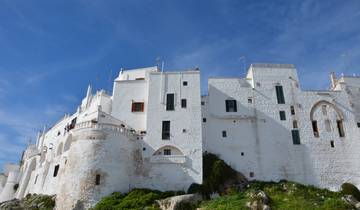
Drive 30 minutes to Ostuni arriving late afternoon for sunset golden hour photography. Park in lower paid lots or designated areas outside historic center (blue line zones €1-2 hourly). Climb steep streets through whitewashed old town toward cathedral and hilltop summit. The uniform white buildings, flower-adorned balconies, and Mediterranean architectural style create stunning streetscapes.
Visit cathedral if open, explore shops selling local products, ceramics, and artisan items. Find terrace viewpoint for sunset overlooking olive grove countryside toward distant Adriatic. The elevated position and white architecture create magical evening atmosphere.
Dinner at sophisticated Ostuni restaurant experiencing innovative Pugliese cuisine with modern interpretations. The town hosts several acclaimed establishments featuring creative preparations of traditional ingredients, excellent wine lists focusing on regional producers, and elegant atmosphere. Reservations recommended for most popular restaurants during peak season.
Day 2 Costs: Fuel €20, Polignano parking €10, coffee and pastry €6-8, optional boat tour €30-45, lunch in Monopoli €25-40, museum €3, Ostuni parking €4, gelato €4-6, dinner €40-60. Total day cost: €142-196 per person (excluding accommodation).
Day 3: Valle d’Itria Villages and Wine Experience 2026
Morning: Locorotondo Circular Charm
Start day leisurely with masseria breakfast savoring peaceful countryside morning. Depart mid-morning for short 20-minute drive to Locorotondo. This circular hilltop town receives fewer tourists than neighbors while offering exceptional white-washed architecture, flower-bedecked balconies, and renowned white wine production.
Park free in lower areas walking 10 minutes uphill, or find street parking near center. Explore circular historic center discovering pristine whitewashed buildings, artisan workshops, local products shops, and numerous wine bars showcasing regional production. Visit Church of San Giorgio martire with distinctive baroque facade and impressive interior. Stop at wine bar or enoteca for tasting of Locorotondo DOC white wine, crisp and refreshing with light body perfect for summer drinking (€8-15 per tasting flight).
Late morning coffee at central piazza people-watching and absorbing authentic local atmosphere. The town maintains traditional character with limited tourist infrastructure creating genuine cultural immersion opportunities.
Afternoon: Wine Estate Tour and Tasting
Pre-arranged wine tour at established Primitivo or Negroamaro estate begins early afternoon (2-3 PM typical start). Drive to winery location in countryside between Valle d’Itria and Salento wine regions (30-45 minutes depending on chosen estate). Tours include vineyard walks explaining grape varieties and growing conditions, cellar visits demonstrating production methods and barrel aging, followed by comprehensive tastings of estate wines.
Tastings typically feature 4-6 wines including whites (Locorotondo, Fiano), rosés (Negroamaro rosato), and reds (Primitivo, Negroamaro, sometimes Salice Salentino). Accompaniments include local cheeses, salumi, taralli crackers, and fresh bread showcasing how wines pair with regional foods. Knowledgeable guides explain regional wine history, recent quality improvements, and specific estate philosophies. Tours cost €25-50 per person in 2026 including comprehensive tastings and pairings. Check official winery websites for current rates as pricing may vary.
Most estates offer wine purchases at cellar door prices providing opportunities to acquire bottles unavailable elsewhere or at better rates than retail. Many ship internationally for larger purchases.
Evening: Martina Franca Baroque Discovery
Drive 20 minutes to Martina Franca for evening exploration of this baroque architectural gem. Park free in lower areas or paid street parking near center. The historic center showcases ornate palaces, elaborate Basilica di San Martino with intricate facade and sumptuous interior, and elegant Piazza Plebiscito with Palazzo Ducale.
Wander narrow streets discovering architectural details, small churches, and local life. The town maintains authentic character with excellent neighborhood trattorias serving traditional cuisine at good value prices. Dinner options include restaurants featuring local capocollo (cured pork), bombette (stuffed meat rolls), and regional pasta dishes (€25-40 per person).
Post-dinner gelato from quality gelateria concluding full day of Valle d’Itria cultural immersion. Return to masseria for final countryside night.
Day 3 Costs: Fuel €18, Locorotondo wine tasting €8-15, coffee €1.50-2.50, wine tour €25-50, optional wine purchases variable, Martina Franca parking €3, dinner €25-40, gelato €4-6. Total day cost: €85-134 per person (excluding accommodation and wine purchases).
Day 4: Transition to Salento and Lecce Arrival 2026
Morning: Leisurely Masseria Departure
Enjoy final masseria breakfast savoring peaceful countryside atmosphere. Optional morning relaxation at property pool, countryside walk through olive groves, or simply organizing luggage at leisure. Masseria checkout typically occurs 10-11 AM providing flexible morning schedule.
Depart mid-morning for 85-minute drive to Lecce navigating through Valle d’Itria countryside transitioning to Salento landscape. Route passes through agricultural areas, small towns, and increasingly flat terrain characteristic of southern peninsula. Consider optional stop at Grotte di Castellana (30-minute detour) if interested in spectacular cave systems. Basic tour costs €16, extended route €25, requiring 1.5-2 hours total including driving time.
Afternoon: Lecce Introduction and Baroque Immersion
Arrive Lecce early afternoon locating your historic center accommodation. Many hotels occupy converted palaces or noble residences in pedestrian zones requiring brief car access for luggage drop-off before relocating to designated parking areas. Parking options include hotel garages (€15-25 daily), public lots near historic center (€1-2 hourly, €12-18 daily), or free street parking in residential areas 15-20 minute walks from center.
After check-in and room settling, begin Lecce exploration from Piazza del Duomo, one of Italy’s most beautiful squares featuring cathedral, bell tower, Seminary Palace, and Bishop’s Palace creating enclosed baroque ensemble. Visit cathedral (free entry, donations appreciated) admiring ornate interior and crypt. Climb bell tower if open for rooftop panoramas (€3-5).
Walk to Basilica di Santa Croce, Lecce’s baroque masterpiece with extraordinarily intricate facade featuring countless sculptural details, mythological figures, animals, and decorative elements. The facade alone rewards 20-30 minutes examination discovering hidden details. Interior continues lavish decoration with beautiful altars and elaborate ceiling.
Explore connecting streets discovering Roman amphitheater in Piazza Sant’Oronzo (free viewing from surrounding square), artisan workshops producing papier-mâché figures and local ceramics, elegant shopping streets, and numerous churches each offering baroque architectural treasures.
Evening: Aperitivo and Salento Cuisine Introduction
Join evening passeggiata as locals and visitors fill historic center streets for traditional pre-dinner stroll and socializing. Find elegant cafe in Piazza Sant’Oronzo or near Duomo for aperitivo (€10-18) with generous food buffets often substantial enough to replace light dinner.
Dinner at traditional Lecce trattoria specializing in cucina povera (peasant cuisine) elevated to art form. Signature dishes include ciceri e tria (chickpeas with fried and boiled pasta), puccia bread sandwiches, rustico leccese (savory pastry with mozzarella and tomato), and various orecchiette preparations. Most restaurants don’t require reservations except most acclaimed establishments. Expect €28-45 per person for three courses with wine.
Post-dinner, the historic center remains animated until late with locals gathering at cafes, students socializing in squares, and gentle energy creating safe, welcoming evening atmosphere perfect for extended wandering.
Day 4 Costs: Fuel €20, optional Grotte di Castellana €16-25, Lecce parking €12-18, cathedral tower €3-5, aperitivo €10-18, dinner €28-45, gelato €4-6. Total day cost: €93-149 per person excluding optional caves (excluding accommodation).
Day 5: Authentic Pugliese Cooking Experience 2026
Morning and Afternoon: Hands-On Culinary Immersion
Pre-arranged cooking class begins morning (9-10 AM typical start) at countryside location, local home, or masseria kitchen. Classes last 4-5 hours including market shopping, hands-on cooking, and communal meal consuming preparations. Transportation arrangements vary – some classes include pickup from Lecce accommodation, others require self-driving to location.
Experience typically begins at local market where instructor guides selection of fresh seasonal produce, explaining ingredient quality assessment, regional specialty identification, and traditional shopping methods. Learn to identify best tomatoes, choose quality olive oil, select fresh pasta, and recognize authentic local cheeses. Market portion provides cultural immersion beyond pure cooking instruction.
Return to kitchen location beginning hands-on instruction. Traditional classes focus on pasta making, particularly orecchiette and other regional shapes requiring only semolina flour, water, and skilled hand technique. Learn proper dough consistency, shaping methods, and traditional pasta-making rhythms passed through generations. Additional recipes often include focaccia barese, vegetable preparations using local produce, traditional sauces, and regional desserts.
Work alongside instructor and fellow participants preparing complete multi-course meal. The communal cooking process creates bonds between participants and provides insights into Pugliese family cooking traditions, seasonal ingredient usage, and regional culinary philosophy emphasizing simplicity, quality ingredients, and time-honored techniques.
Conclude class sitting together consuming prepared dishes paired with local wines. The meal becomes celebration of collective accomplishment while instructor shares additional cultural context, family recipes stories, and regional food traditions. Classes cost €80-150 per person in 2026 including all ingredients, instruction, market tour, and communal meal. Check with class providers for current official rates as pricing may vary.
Evening: Relaxed Lecce Evening
Return to Lecce late afternoon with satisfied appetites from substantial cooking class meal. Enjoy leisurely evening without dinner obligations. Options include sunset walk along city walls, shopping for local products and ceramics, wine bar tastings sampling regional producers, or simply relaxing at accommodation after full day culinary immersion.
Light evening snack of focaccia or panzerotto from local bakery paired with glass of wine at quiet piazza provides gentle conclusion to food-focused day. Alternatively, reserve energy exploring Lecce evening atmosphere when illuminated baroque architecture creates romantic ambiance and locals fill streets for passeggiata.
Day 5 Costs: Cooking class €80-150 including meal, transportation to/from class €0-15 depending on arrangement, evening light food €10-18, wine €8-15. Total day cost: €98-198 per person (excluding accommodation).
Day 6: Salento Coastal Exploration 2026
Morning: Otranto Byzantine Heritage
Depart Lecce 8:30 AM for 45-minute drive to Otranto arriving before crowds. Park in designated lots near historic center (€5-8 daily summer rates) or free areas requiring 10-15 minute walks. Enter compact old town discovering Byzantine cathedral with extraordinary 12th-century mosaic floor covering entire surface with Tree of Life design, biblical scenes, zodiac symbols, and medieval imagery. Cathedral entry remains free with donation box. Spend 30-45 minutes examining intricate mosaic details rewarding careful observation.
Visit Aragonese castle with defensive walls, towers, and museum explaining local history and Turkish siege of 1480. Castle entry costs €5-8 for adults. Explore narrow old town lanes with artisan shops, local products, and traditional architecture. The compact size enables thorough exploration within 2-3 hours.
Afternoon: Beach Paradise and Adriatic Swimming
Choose from multiple spectacular beaches north or south of Otranto. Baia dei Turchi (5 minutes north) offers pristine white sand, turquoise waters, pine forest backdrop, and mix of free beach areas and beach club options (€15-25 daily access with umbrella and loungers). Alimini lakes area (10 minutes north) provides long sandy beaches, dune systems, and numerous beach clubs catering to different preferences.
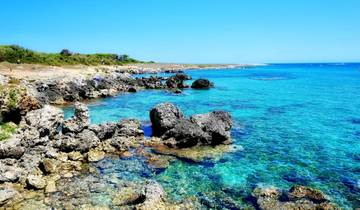
Alternatively, head south toward Porto Badisco or Cave di Bauxite for more dramatic rocky coastlines with crystal-clear waters perfect for snorkeling. Waters maintain warm swimming temperatures (24-26°C July) with typical Adriatic clarity. Beach clubs provide lunch service or bring picnic supplies from Otranto markets.
Spend afternoon swimming, sunbathing, reading, and absorbing peaceful beach atmosphere. The combination of cultural morning and beach afternoon creates balanced day rhythm. Depart beach 4-5 PM avoiding peak afternoon heat while allowing time for return and evening activities.
Evening: Seafood Dinner and Lecce Night
Return to Lecce by 6-6:30 PM for shower and relaxation before dinner. Choose seafood-focused restaurant showcasing Adriatic and Ionian catches. Options range from traditional trattorias serving grilled fish, seafood pasta, and raw preparations (€30-50 per person) to more refined establishments offering innovative seafood cuisine with excellent wine pairings (€50-75 per person).
Post-dinner, Lecce historic center offers vibrant evening scene with numerous bars, wine bars, cafes, and gelaterias. Try local Negroamaro wine, sample additional Pugliese pastries, or simply wander illuminated baroque streets appreciating architectural details highlighted by strategic lighting.
Day 6 Costs: Fuel €25, Otranto parking €8, castle entry €5-8, beach access €15-25, beach lunch €18-28, dinner €30-50, gelato €4-6. Total day cost: €105-150 per person (excluding accommodation).
Day 7: Gallipoli and Departure Preparations 2026
Morning: Gallipoli Island Old Town
Final full day begins with 45-minute drive to Gallipoli on Ionian coast. This fishing port features old town occupying small island connected to modern district by bridge creating distinctive setting. Arrive mid-morning parking in paid lots near bridge access (€5-8 daily) or free areas in modern town requiring longer walks.
Cross bridge to island old town exploring narrow lanes with fishing net shops, traditional boat builders, seafood restaurants, and baroque churches. Visit Sant’Agata cathedral with impressive facade and beautiful interior. Walk defensive walls for harbor and sea views. Visit morning fish market (best 8-9 AM if arriving earlier) observing daily catches and traditional market atmosphere.
Mid-morning coffee and sfogliatella pastry at waterfront cafe watching fishing boats and local life. The old town maintains authentic character despite summer tourism with genuine working port atmosphere.
Late Morning to Afternoon: Ionian Beach Experience or Galatina Alternative
Options diverge based on beach appetite versus cultural interest. Beach-focused travelers head to beaches south of Gallipoli: Baia Verde offers long sandy beaches with numerous beach clubs and lively summer atmosphere. Punta della Suina provides more secluded setting with beach club access and clear Ionian waters. Beach time extends to mid-afternoon before return journey begins.
Alternatively, culture-focused visitors drive 30 minutes inland to Galatina for Basilica di Santa Caterina d’Alessandria housing extraordinary 14th-century frescoes covering every wall and vault surface. The remarkably preserved artwork rivals famous Italian fresco cycles while receiving fraction of visitors. Basilica entry remains free with donation suggested. Galatina also offers authentic town atmosphere, excellent markets, local pastry shops famous for pasticciotto origins, and traditional restaurants.
Evening: Farewell Lecce Dinner and Reflection
Return to Lecce by 5-6 PM allowing time for final evening enjoyment. Options include last shopping for local products, ceramic purchases, olive oil and wine acquisitions to transport home. Many shops package items carefully for travel or arrange shipping.
Farewell dinner at favored restaurant from week or new discovery saving best for last. Consider upscale choice celebrating week completion with refined tasting menu showcasing seasonal Pugliese ingredients with creative preparations (€60-90 per person). Alternatively, return to beloved casual trattoria for comforting authentic cucina povera finale (€30-45 per person).
Final evening passeggiata through Lecce baroque streets savoring atmospheric lighting, local life, and memories created through week. The gentle rhythm and beautiful architecture provide perfect conclusion to intensive yet relaxed Puglia immersion.
Day 7 Costs: Fuel €30, Gallipoli parking €8, coffee and pastry €6-8, beach access €15-25 OR Galatina visit free, lunch €20-30, farewell dinner €30-90, final gelato €4-6. Total day cost: €113-197 per person (excluding accommodation).
Departure Day Logistics 2026
Return to Airport
Brindisi airport serves as logical departure point given Lecce proximity (30-minute drive) versus Bari return (1.5-2 hour drive). Morning departures require 6:30-7 AM checkout from Lecce accommodation arriving airport by 7-7:30 AM for 9-10 AM flights. Afternoon departures allow leisurely breakfast and final Lecce morning wandering.
Return rental car at airport following company signage. Allow 30 minutes for vehicle inspection, paperwork completion, and shuttle to terminal. Most companies photograph vehicle during return inspection. Keep fuel receipt if full tank required showing recent fill-up.
Alternative Bari departure requires earlier morning start or previous evening drive positioning nearer airport. The longer drive warrants consideration for flight timing and farewell Lecce evening preferences.
Total Week Budget Summary 2026
Seven-Day Cost Breakdown:
- Day 1: €108-125 per person
- Day 2: €142-196 per person
- Day 3: €85-134 per person (excluding wine purchases)
- Day 4: €93-149 per person
- Day 5: €98-198 per person
- Day 6: €105-150 per person
- Day 7: €113-197 per person
Weekly Total: €744-1,149 per person covering all meals, activities, entrances, cooking class, wine tour, transportation, and parking. Car rental (€280-450 weekly) splits between travelers if sharing, reducing per-person costs to €140-225 additional.
Complete Trip Cost: €884-1,374 per person excluding accommodation.
Accommodation Costs: Add €930-1,960 per person for mid-range options (6 nights double occupancy at €140-280 nightly, split between two travelers = €420-840 for Valle d’Itria masseria 3 nights, €510-1,120 for Lecce hotel 3 nights).
Grand Total: €1,814-3,334 per person for complete seven-day Puglia experience including all expenses, accommodation, transportation, meals, and activities. Budget travelers reduce costs through agriturismo accommodations (€60-100 nightly), self-catering some meals, free beaches, and simpler restaurants reaching €1,200-1,800 total. Luxury travelers selecting premium masserie (€250-400 nightly), fine dining, private tours, and upscale experiences reach €3,500-5,000 total.
Frequently Asked Questions About This 2026 Itinerary
Can this itinerary work without a car in 2026?
This specific itinerary requires car rental for efficient logistics between Valle d’Itria countryside masseria, dispersed daily destinations, beach access, and flexible scheduling. Public transportation limitations include: no direct trains serving Valle d’Itria masserie requiring taxis (€40-80 per journey), infrequent buses connecting smaller towns with complex schedules, limited Sunday service, and restricted beach access outside major coastal towns. However, modified car-free versions focusing exclusively on Lecce base with organized day tours to Alberobello, Ostuni, and beaches provide alternative approach sacrificing flexibility and countryside masseria experience. This modification increases tour costs (€60-110 per person per organized excursion) while reducing rental car expenses, creating roughly equivalent total costs with different experience quality and independence levels.
Should we book masseria accommodation through Booking.com or directly in 2026?
Direct masseria booking often secures better rates, personalized service, and flexible payment terms compared to third-party platforms. Contact properties directly via email or phone requesting rates for specific dates, explaining any special requirements, and asking about direct booking discounts. Many masserie offer 5-10% reductions for direct reservations or value-adds like welcome bottles of estate wine, complimentary cooking demonstrations, or room upgrades. However, Booking.com provides advantages including: consolidated reviews from verified guests, flexible cancellation policies, single-platform reservation management, and sometimes competitive rates through platform partnerships. Compare both options before finalizing. Some travelers book Lecce hotels through platforms (better urban hotel selection, easy comparison) while reserving countryside masserie directly (more personalized rural property relationships).
What if we only have 5-6 days instead of 7 in 2026?
Shorter itineraries require choosing between Valle d’Itria focus versus Salento focus rather than combining both regions. Five-day Valle d’Itria concentration includes: Day 1 arrival and Alberobello, Day 2 Polignano and Monopoli, Day 3 Ostuni and coastal exploration, Day 4 Locorotondo and wine experience, Day 5 morning Martina Franca before departure. This approach maximizes countryside masseria immersion and trulli architecture while sacrificing Lecce baroque and Salento beaches. Alternatively, five-day Salento focus: Day 1 arrival Lecce, Day 2 Lecce exploration, Day 3 Otranto and beaches, Day 4 cooking class, Day 5 Gallipoli before departure. This emphasizes baroque architecture, Salento beaches, and urban energy while excluding Valle d’Itria distinctive trulli landscapes. Six days enables lighter two-base approach: 2 nights Valle d’Itria, 3 nights Lecce, reducing activities per region while maintaining regional variety.
Is this itinerary suitable for families with children in 2026?
This itinerary adapts well for families with children ages 8+ through pacing adjustments and activity modifications. Family-friendly modifications include: reducing daily driving with longer stays at single locations, prioritizing beach days (children love swimming at Baia dei Turchi, Punta Prosciutto, Torre Lapillo), simplifying cooking class to child-friendly pasta making (many classes welcome families), replacing wine tours with masseria farm activities or olive oil mill visits, allowing extra time at Alberobello trulli where unique architecture fascinates younger visitors, incorporating gelato stops more frequently as motivation, selecting masserie with pools providing afternoon relaxation options. Families with younger children (under 8) benefit from further simplified itineraries focusing on 2-3 locations, more beach time, less intensive sightseeing, and apartment accommodations enabling flexible meal schedules and earlier bedtimes. Adolescents and teens appreciate photography opportunities, swimming, trying new foods, and cultural experiences making this itinerary suitable with minor pacing adjustments.
What’s the best travel insurance for this Puglia trip in 2026?
Comprehensive travel insurance covering medical expenses, trip cancellation/interruption, baggage loss, and rental car excess proves valuable for Puglia trips. Recommended coverage includes: medical expenses minimum €50,000-100,000 (though EU visitors have reciprocal healthcare through EHIC), trip cancellation covering non-refundable masseria deposits and flight costs, baggage delay providing funds for essential purchases if luggage arrives late, rental car excess coverage eliminating €500-1,500 deductibles standard in rental agreements (often cheaper than rental company insurance), 24-hour emergency assistance providing English-language support, and COVID/pandemic coverage including quarantine costs and cancellations. Compare policies from World Nomads, Allianz, Travel Guard, or regional insurers. European residents check if existing health insurance covers Italy travel. Americans verify Medicare doesn’t cover international travel requiring supplemental coverage. Read policy exclusions carefully regarding pre-existing conditions, adventure activities (boat tours, cycling), and specific cancellation causes. Purchase insurance within 14-21 days of initial trip deposit for optimal coverage options.
How hot does Puglia get during July 2026 and how can we manage?
July Puglia temperatures reach 30-35°C (86-95°F) with intense Mediterranean sun requiring heat management strategies. Essential approaches include: schedule morning activities 8 AM-1 PM before peak heat, embrace Italian rhythm with afternoon masseria relaxation or beach time during 2-5 PM hottest period, evening sightseeing after 6 PM when temperatures cool to comfortable 26-28°C, drink minimum 2-3 liters water daily carrying refillable bottles, wear broad-brimmed hats and quality sunglasses preventing sun damage, apply high-SPF sunscreen (50+) every 2 hours especially during beach days, choose light-colored, loose, breathable cotton or linen clothing reflecting heat, seek shade during outdoor walking breaks, take advantage of air-conditioned museums, churches, restaurants during midday heat, and recognize personal heat tolerance adjusting activities accordingly. Coastal locations benefit from sea breezes moderating temperatures compared to inland areas. Most accommodations and restaurants maintain air conditioning. Heat rarely prevents activities with proper planning and reasonable modifications to daily schedules.
Can vegetarians and vegans find good food options in Puglia for 2026?
Puglia’s vegetable-forward cuisine naturally accommodates vegetarian diets excellently with numerous traditional dishes containing no meat or easily modified. Traditional vegetarian options include: fave e cicoria (fava bean puree with chicory), pasta with cime di rapa (turnip greens), endless vegetable preparations (peppers, eggplant, zucchini, artichokes), focaccia varieties, burrata and mozzarella, friselle (dried bread) with tomatoes, mushroom dishes, various legume soups, and vegetable-based antipasti. Most restaurants prepare custom vegetarian plates combining multiple vegetable dishes. Vegan dining requires more attention as many preparations include cheese, but options exist: pasta with tomato sauce (specify no cheese), vegetable dishes confirming no butter or cheese, fave e cicoria naturally vegan, many breads and focaccia without dairy, fresh fruit and vegetables from markets. Communicate dietary needs clearly: “Sono vegetariano/a” (I’m vegetarian) or “Sono vegano/a, non mangio latticini” (I’m vegan, I don’t eat dairy). Lecce and larger towns offer dedicated vegetarian/vegan restaurants. Cooking classes accommodate dietary preferences when mentioned during booking.
How do we handle restaurant dining with limited Italian language skills in 2026?
Restaurant communication succeeds despite language barriers through multiple strategies: download Google Translate app with Italian language package for offline menu translation (camera function translates text instantly), learn basic food vocabulary (pollo=chicken, pesce=fish, verdure=vegetables, pasta=pasta, carne=meat), many Lecce and tourist area restaurants provide English menus or staff with English skills, pointing at menu items or neighboring table dishes communicates preferences effectively, ask for recommendations: “Cosa consiglia?” (What do you recommend?), allergies require clear communication using written cards or translation apps, bring dietary restriction cards printed in Italian from online templates, embrace opportunities to try unknown dishes trusting restaurant expertise, smile and patience bridge communication gaps creating positive interactions, many younger Italians speak English and willingly translate in family restaurants, and remember Italians appreciate attempts at Italian even with imperfect execution. Food experiences rarely suffer from language barriers as pointing, gesturing, and good humor facilitate delicious discoveries. Some unknown dishes become trip highlights exceeding familiar choices.