
Puebla vs Oaxaca 2026: Which Colonial City to Visit?
Key Takeaways:
- Puebla offers superior access from Mexico City (2 hours via toll highway vs 6-7 hours to Oaxaca), making it ideal for shorter trips or as a day trip extension from the capital
- Oaxaca provides deeper indigenous cultural immersion with 16 distinct ethnic groups maintaining active traditions, while Puebla emphasizes colonial Spanish heritage with Talavera pottery and baroque architecture
- Budget travelers find comparable costs in both cities—daily expenses run $60-85 per person in Puebla, $55-80 in Oaxaca for mid-range experiences, with Oaxaca offering slightly better value for food and accommodation
- Puebla excels in architectural grandeur with baroque churches and Talavera-tiled buildings, while Oaxaca showcases artisan crafts including textiles, black pottery, and alebrijes alongside archaeological sites like Monte Albán and Mitla
- Food enthusiasts face difficult choice—Puebla claims mole poblano and chiles en nogada, while Oaxaca offers seven varieties of mole, mezcal culture, and indigenous market cuisine creating Mexico’s most celebrated culinary destination
- First-time visitors to Mexico benefit from Puebla’s proximity to Mexico City enabling combined itineraries, while travelers seeking authentic cultural experiences and willing to invest travel time gain deeper rewards from Oaxaca’s indigenous heritage
Introduction to the Puebla vs Oaxaca Decision
The choice between Puebla and Oaxaca ranks among the most common dilemmas facing travelers planning colonial Mexico exploration, with both cities offering UNESCO World Heritage historic centers, exceptional cuisine, vibrant cultural traditions, and authentic Mexican experiences beyond tourist-focused beach destinations. These colonial jewels emerged during New Spain’s wealth period as important administrative and commercial centers, developing distinctive architectural character, culinary traditions, and cultural identities that persist into the 21st century. The decision involves weighing practical factors including travel time, accessibility, and budget against experiential considerations like cultural depth, culinary preferences, and specific interests in architecture, crafts, or indigenous heritage.
Puebla, located 130 km southeast of Mexico City, developed as a planned Spanish city in 1531 serving as a key stopover on the route between the capital and Veracruz port. Its strategic position fostered prosperity reflected in elaborate baroque churches, Talavera pottery workshops, and refined colonial architecture throughout its UNESCO-protected historic center. The city of 3 million inhabitants maintains proud traditions including the birthplace of mole poblano, intricate architectural tilework, and significant religious heritage attracting pilgrims alongside cultural tourists. Puebla’s proximity to Mexico City creates easy access via 2-hour highway connections or bus service, enabling day trips or short multi-day visits that integrate smoothly with capital-focused itineraries.
Oaxaca, situated 460 km south of Mexico City in a high valley surrounded by mountains, evolved from the Zapotec and Mixtec indigenous civilizations through Spanish colonial rule into contemporary Mexico’s most celebrated repository of indigenous culture and culinary traditions. The city of 700,000 residents serves as capital of Oaxaca state, home to 16 distinct indigenous ethnic groups maintaining active languages, craft traditions, and cultural practices. Oaxaca’s UNESCO historic center features colonial architecture in honey-colored green stone, surrounded by nearby archaeological zones including Monte Albán and Mitla documenting pre-Hispanic civilizations. The city’s reputation as Mexico’s artisan capital stems from black pottery, textiles, wood carving, and other crafts practiced in outlying villages accessible via day trips creating comprehensive cultural immersion opportunities.
The decision framework balances practical constraints with experiential priorities. Limited time or Mexico City-centered trips favor Puebla’s accessibility enabling 1-2 day experiences without extensive travel investment. Travelers seeking deeper cultural engagement, willing to invest 6-7 hours reaching Oaxaca and planning stays of 3-5 days, gain rewards from indigenous heritage, artisan villages, archaeological sites, and culinary depth unavailable elsewhere in Mexico. Budget considerations prove minimal—both cities offer comparable costs with slight advantages to Oaxaca for accommodation and food. Architectural preferences lean toward Puebla for baroque grandeur and Talavera artistry, while craft and textile enthusiasts favor Oaxaca’s artisan villages. Food-focused travelers face genuinely difficult choice between Puebla’s mole poblano heritage and Oaxaca’s comprehensive mole varieties, market culture, and mezcal traditions.
People Also Ask About Puebla vs Oaxaca 2026
Which is better to visit, Puebla or Oaxaca, in 2026?
The “better” choice between Puebla and Oaxaca depends entirely on travel priorities, available time, and specific interests rather than objective superiority of either destination. Puebla excels for travelers prioritizing architectural grandeur, efficient access from Mexico City, Talavera pottery traditions, and refined colonial atmosphere in a manageable 1-2 day timeframe. The city suits visitors with limited time, those combining colonial exploration with Mexico City itineraries, architecture enthusiasts, and travelers who prefer more developed tourist infrastructure with extensive English-language services. Puebla’s 2-hour access from the capital enables day trips or short stays without significant travel investment, making it ideal for adding colonial flavor to capital-focused trips.
Oaxaca rewards travelers seeking deeper cultural immersion, indigenous heritage experiences, comprehensive artisan craft exploration, and Mexico’s most celebrated culinary traditions when planning stays of 3-5 days and willing to invest 6-7 hours travel time each way. The city serves visitors interested in textile arts, black pottery, wood carving, and other traditional crafts practiced in surrounding villages, archaeological enthusiasts exploring Monte Albán and Mitla, food-focused travelers pursuing mezcal culture and diverse mole varieties, and anyone seeking authentic indigenous cultural experiences beyond tourist-oriented presentations. Oaxaca’s relative remoteness creates more concentrated authentic atmosphere with less day-tripper traffic diluting local character.
First-time Mexico visitors benefit from Puebla if time is limited or Mexico City forms the trip foundation, while experienced travelers or those making Mexico a primary destination gain exceptional value from Oaxaca’s depth and authenticity. Ideal solution involves visiting both cities if time allows—a combined itinerary allocating 1-2 days in Puebla and 3-4 days in Oaxaca provides comprehensive colonial Mexico experience showcasing contrasting heritage styles and regional character. For travelers forced to choose just one destination, Oaxaca delivers more distinctive experience impossible to replicate elsewhere, while Puebla’s colonial architecture and cultural offerings, though exceptional, share characteristics with other colonial cities including San Miguel de Allende, Guanajuato, or Querétaro.
How much does it cost to visit Puebla vs Oaxaca in 2026?
Daily costs in Puebla run $60-85 per person for mid-range travel in 2026 including accommodation ($45-65 per night in comfortable hotels or guesthouses), meals ($25-35 daily for three meals plus snacks), local transportation ($5-8 for taxis and buses), and attraction entry fees ($8-12 per day). Check accommodation booking platforms and restaurant websites for current rates as pricing may vary. Budget travelers manage $40-55 daily by staying in hostels ($18-28 per night), eating primarily at markets and casual restaurants ($15-22 daily), and limiting paid attractions. Luxury travelers spending $150-250 daily access upscale hotels ($120-180 per night), fine dining ($60-90 daily), and private transportation.
Oaxaca offers slightly better value with mid-range daily costs of $55-80 per person including accommodation ($40-55 per night in charming colonial hotels or guesthouses), meals ($22-32 daily for three meals plus market snacks), local transportation ($4-7 for taxis and colectivos), and attraction entry fees ($8-12 daily). Budget travelers in Oaxaca manage $35-50 daily through hostel stays ($15-25 per night), market dining ($12-18 daily), and free walking exploration. Luxury travelers spend $140-220 daily for boutique hotels ($110-160 per night), upscale restaurants ($55-80 daily), and private guides. The 10-15% cost advantage in Oaxaca stems from slightly lower accommodation rates, exceptional market food values, and competitive restaurant pricing despite the city’s culinary reputation.
Transportation to reach each city affects total trip costs significantly. Puebla access from Mexico City costs $12-18 for direct ADO bus service (2 hours), $80-120 for private car service, creating minimal transportation investment for short visits. Oaxaca requires $45-65 for overnight ADO bus service (6-7 hours) or $85-110 for daytime buses, alternatively $150-220 for one-way flights from Mexico City. The transportation differential adds $66-140 to Oaxaca trip costs when accounting for round-trip access. For travelers already planning multi-week Mexico trips, this differential spreads across the overall budget making Oaxaca’s added value worthwhile despite higher access costs. Short-trip visitors find Puebla’s accessibility reduces total budget requirements even with comparable daily expenses.
Is Puebla safer than Oaxaca for tourists in 2026?
Both Puebla and Oaxaca maintain strong safety records in their historic tourist zones with violent crime against tourists rare and standard urban precautions proving sufficient for most visitors. Puebla’s larger size (3 million vs 700,000 residents) creates typical big-city safety considerations including avoiding isolated areas after dark, using official taxis or rideshare apps rather than street taxis, and maintaining awareness in crowded areas prone to pickpocketing. The historic center and major tourist zones experience regular police presence and low violent crime rates, with most security issues limited to opportunistic theft preventable through common-sense precautions like securing valuables and avoiding flashy jewelry or electronics displays.
Oaxaca’s smaller scale and concentration of tourism in the compact historic center creates somewhat easier environment for visitor safety management, with walkable dimensions allowing tourist zone navigation without venturing into less-developed neighborhoods. The city’s economic dependence on tourism motivates strong safety focus from local authorities, with tourist police actively patrolling central areas and major artisan villages. Oaxaca experiences occasional political demonstrations and teacher union protests that may temporarily close the Zócalo or block streets, though these events rarely target tourists and advance awareness allows route adjustments to avoid affected areas.
Both cities require standard travel precautions including avoiding excessive alcohol consumption that impairs judgment, using registered taxis or rideshare services particularly at night, securing accommodations in well-reviewed central hotels rather than remote budget options, and maintaining copies of important documents separate from originals. Solo female travelers report comfortable experiences in both cities when following normal safety practices, with cultural norms respecting women and harassment less common than in some Latin American destinations. The safety differential between Puebla and Oaxaca proves minimal and should not drive destination selection—both cities offer secure environments for tourists exercising reasonable caution comparable to urban travel anywhere in the world.
Can I visit both Puebla and Oaxaca in one trip in 2026?
Visiting both Puebla and Oaxaca in a single trip provides comprehensive colonial Mexico experience when allocating sufficient time for meaningful exploration of each city rather than rushed surface-level visits. Minimum combined itinerary requires 5-6 days: 1-2 days in Puebla, 3-4 days in Oaxaca, with travel days between destinations. Ideal allocation spans 7-10 days: 2-3 days in Puebla including Cholula pyramid day trip, 4-5 days in Oaxaca covering the historic center plus artisan villages and Monte Albán, with buffer time for travel and spontaneous discoveries.
Geographic routing affects itinerary efficiency. Travelers arriving in Mexico City benefit from visiting Puebla first (2 hours southeast) before continuing to Oaxaca (6-7 hours farther south), or reversing the sequence depending on flight logistics. Direct bus service connects Puebla and Oaxaca (5-6 hours, $35-48) creating more efficient routing than returning to Mexico City between destinations. Alternative approach involves flying between destinations though limited direct flights make this option less practical and more expensive ($180-250) than bus travel offering scenic route through Mexican highlands.
Budget allocation for combined visits totals $400-700 per person for a week covering mid-range accommodation, meals, local transportation, and attraction fees in both cities, plus $60-110 for inter-city transportation. Two-week itineraries providing deeper exploration including more archaeological sites, artisan villages, and culinary experiences cost $750-1300 per person. The combined approach suits travelers with 10+ days available for this portion of broader Mexico itineraries, first-time visitors seeking comprehensive colonial exposure, and anyone wanting comparative perspective on different expressions of Mexican colonial heritage and contemporary culture. Shorter trips benefit from choosing one destination and exploring it thoroughly rather than fragmenting limited time between two locations.
Which city has better food, Puebla or Oaxaca, in 2026?
The Puebla vs Oaxaca food debate ranks among Mexico’s most passionate culinary discussions, with both cities claiming legitimate positions as Mexican gastronomic capitals through distinctive contributions to national cuisine. Puebla earned fame as birthplace of mole poblano—the complex sauce combining chilies, chocolate, and 20+ ingredients representing Mexico’s most iconic dish—alongside chiles en nogada, the patriotic stuffed pepper dish served during independence celebration season. Puebla’s culinary traditions emphasize refined colonial cuisine, elaborate preparations, and elegant presentations reflecting the city’s historical role serving wealthy Spanish colonists and religious institutions. Contemporary Puebla maintains exceptional restaurants ranging from traditional markets to upscale establishments, with emphasis on historical recipes and sophisticated cooking techniques.
Oaxaca holds stronger claim as Mexico’s ultimate food destination through comprehensive mole culture (seven distinct varieties vs Puebla’s focus on mole poblano), mezcal production and culture creating the most important agave spirit experience in Mexico, vibrant market food traditions serving authentic indigenous and mestizo cuisine, and exceptional regional ingredients including Oaxaca cheese, chocolate, grasshoppers (chapulines), and native chilies. Oaxaca’s cuisine connects directly to indigenous Zapotec and Mixtec traditions, maintaining cooking methods and ingredients unchanged for centuries alongside colonial innovations. The city’s markets including Mercado 20 de Noviembre and Mercado Benito Juárez offer unparalleled authentic eating experiences at accessible prices, while upscale restaurants elevate traditional ingredients through contemporary techniques.
Food-focused travelers gain more from Oaxaca through diversity of mole varieties, mezcal palenque visits unavailable elsewhere, cooking class opportunities learning authentic indigenous techniques, and market culture providing direct connection to food sources and traditional preparations. Puebla satisfies through historical cuisine, refined presentations, and specific dishes (mole poblano, chiles en nogada) worth experiencing in their birthplace. The food question often tips the decision toward Oaxaca for serious culinary travelers, while those with limited time or less intense food focus find Puebla’s offerings adequately satisfying. Ideal solution involves visiting both cities to experience contrasting culinary traditions representing different threads in Mexico’s complex food tapestry.
Extended multi-day tours – 5+ days
Featured Puebla Multi-Day Tour Packages
3 days
Puebla 3-Day Discovery Tour
- ✓ Comprehensive Puebla experience
- ✓ Expert local guides included
- ✓ All accommodation included
- ✓ Transportation provided

5 days
Puebla 5-Day Highlights Experience
- ✓ Comprehensive Puebla experience
- ✓ Expert local guides included
- ✓ All accommodation included
- ✓ Transportation provided
7 days
Puebla 7-Day Cultural Journey
- ✓ Comprehensive Puebla experience
- ✓ Expert local guides included
- ✓ All accommodation included
- ✓ Transportation provided

10 days
Puebla 10-Day Complete Adventure
- ✓ Comprehensive Puebla experience
- ✓ Expert local guides included
- ✓ All accommodation included
- ✓ Transportation provided
Multi-day tour packages powered by TourRadar. Prices and availability subject to change.
Essential Planning Information 2026
Current Costs and Budget Comparison 2026
Accommodation costs in Puebla range $45-65 per night for comfortable mid-range double occupancy in the historic center, with options including colonial-style hotels, boutique guesthouses, and modern business hotels offering good value and central locations. Budget hostels cost $18-28 per night for dormitory beds or basic private rooms, while luxury hotels and boutique properties run $120-180 per night for upscale amenities and historic building conversions. Oaxaca accommodation prices run slightly lower at $40-55 per night mid-range, $15-25 budget hostels, and $110-160 luxury boutique hotels, with the advantage stemming from higher supply relative to demand and slightly lower operating costs in the smaller city.
Restaurant meal costs prove comparable between cities with Puebla breakfast running $6-12 at casual restaurants, $12-18 for lunch, and $15-25 for dinner at mid-range establishments, while upscale dining costs $35-55 per person. Oaxaca prices run $5-10 breakfast, $10-16 lunch, and $12-22 dinner at equivalent mid-range restaurants, with exceptional market food available $3-8 per meal providing budget-friendly alternatives. Street food and market vendors in both cities offer tacos, tamales, and regional specialties $1.50-3.50 per item. Upscale restaurants in Oaxaca cost $30-48 per person, slightly below Puebla’s fine dining prices despite Oaxaca’s stronger culinary reputation creating surprising value for food-focused budgets.
Transportation within cities costs $3-6 per taxi ride in Puebla covering historic center to nearby neighborhoods, with Uber and similar rideshare services offering competitive pricing and English-language app convenience. Local buses cost $0.50-0.80 per ride though tourists use them infrequently given taxi affordability. Oaxaca taxis cost $2.50-5 for central area trips, with colectivo shared taxis running $0.60-1 on fixed routes. Day trips from Puebla to Cholula cost $15-25 via organized tours or $5-8 by local bus, while Oaxaca archaeological sites (Monte Albán $8-12 entry, $5-8 transportation) and artisan villages ($12-20 tour costs or $3-6 collective transportation) create similar day trip expenses. Museum and attraction entry fees range $3-8 per site in both cities, with some churches and smaller museums offering free admission.
Transportation and Access 2026
Puebla access from Mexico City Airport (MEX) takes 2-2.5 hours via toll highway (autopista), with direct ADO bus service departing from Terminal 1 and Terminal 2 every 30-60 minutes 6 AM – 11 PM priced $12-18 per person. Buses arrive at Puebla’s CAPU bus terminal located 20 minutes north of the historic center, requiring taxi ($5-8) or Uber ($4-6) for final transfer to accommodations. Private car services cost $80-120 for door-to-door transfer accommodating 1-4 passengers, offering convenience for groups or travelers with extensive luggage. Rental cars cost $35-55 daily though parking challenges and traffic in central Puebla make cars unnecessary for city exploration, useful only for independent day trips to Cholula or regional destinations.
Oaxaca requires longer access with overnight ADO bus service departing Mexico City 10 PM – 11 PM, arriving Oaxaca 5-6 AM after 6-7 hour journey ($45-65 per person). Daytime buses run hourly 7 AM – 7 PM taking 6-7 hours ($45-55), arriving at convenient times but consuming full travel days. Oaxaca airport (OAX) receives direct flights from Mexico City (1 hour, $85-140 one-way), Guadalajara, Monterrey, and seasonal international service from Houston and Dallas, with airport located 20 minutes south of downtown requiring taxi ($10-15) or pre-arranged shuttle transfer ($8-12 per person).
Inter-city travel between Puebla and Oaxaca via ADO bus takes 5-6 hours with 3-4 daily departures priced $35-48 per person, routing through highland scenery and indigenous villages. This direct connection enables efficient combined itineraries without backtracking to Mexico City. Within each city, compact historic centers encourage walking as primary exploration method, with taxis or rideshare services handling longer distances, evening transportation, or day trip logistics. Puebla’s larger size creates some navigation challenges between distant neighborhoods though tourist areas remain walkable. Oaxaca’s smaller scale allows complete historic center coverage on foot with taxis needed only for outlying neighborhoods, markets, or return trips from restaurants outside the center.
Timing and Seasonal Considerations for 2026
Optimal visiting windows for both cities span October-April dry season offering comfortable temperatures (65-80°F days, 45-55°F nights), minimal rainfall, and clear skies ideal for outdoor exploration and photography. Peak tourism periods run December-January and Easter week (late March-early April) bringing higher accommodation rates, larger crowds at major attractions, and advance booking requirements 4-6 weeks ahead for preferred hotels. Shoulder seasons October-November and February-March provide excellent weather with more manageable tourist levels and better hotel availability, making these months optimal for 2026 visits balancing conditions with affordability and access.
Rainy season June-September brings afternoon thunderstorms to both cities though morning and early afternoon remain clear for sightseeing, with precipitation creating greener landscapes and cooler temperatures. Puebla experiences heavier rainfall than Oaxaca’s drier climate, though both cities function normally during wet season with attractions remaining accessible and tourism infrastructure operating full capacity. Summer months offer significant accommodation discounts (20-35% below high season) and minimal crowds at museums and churches, benefiting flexible travelers willing to plan activities around afternoon storms and carry rain gear.
Cultural events influence timing considerations with Puebla’s Cinco de Mayo celebrations (May 5) creating peak period commemorating the Battle of Puebla victory, featuring historical reenactments, cultural programming, and heightened tourism requiring advance bookings. Oaxaca’s Guelaguetza festival (final two Mondays in July) represents southern Mexico’s premier indigenous cultural celebration with traditional dance performances, regional costumes, and cultural exhibitions attracting visitors worldwide, necessitating reservations 2-3 months ahead. Day of the Dead celebrations (late October-early November) create exceptional experiences in both cities though Oaxaca’s indigenous traditions and elaborate cemetery ceremonies make it particularly significant destination during this period, requiring earliest possible bookings (4-6 months ahead) for accommodation and major events.
Quick Comparison Overview 2026
At-a-Glance Comparison Chart
Location and Access: Puebla sits 130 km (2 hours) from Mexico City via excellent toll highway, enabling day trips or short stays with minimal travel investment. Oaxaca located 460 km south requires 6-7 hour bus journey or 1-hour flights, demanding longer stays to justify access time and cost. Winner for accessibility: Puebla.
Historic Center: Both cities feature UNESCO World Heritage historic centers with colonial architecture, churches, and museums. Puebla showcases grander baroque churches and Talavera-tiled buildings in larger urban grid. Oaxaca offers more intimate scale with honey-colored green stone construction and relaxed pedestrian atmosphere. Winner for architecture: Puebla. Winner for walkability: Oaxaca.
Cultural Experience: Puebla emphasizes Spanish colonial heritage with religious traditions, Talavera pottery, and refined colonial culture. Oaxaca provides deeper indigenous cultural immersion with 16 ethnic groups maintaining active traditions, languages, and crafts. Winner for indigenous culture: Oaxaca decisively.
Food and Cuisine: Puebla claims mole poblano birthplace and chiles en nogada, with refined traditional cuisine. Oaxaca offers seven mole varieties, mezcal culture, indigenous market food, and exceptional regional ingredients. Winner for culinary depth: Oaxaca.
Artisan Crafts: Puebla specializes in Talavera pottery with certified workshops and galleries throughout the historic center. Oaxaca excels in diverse crafts including textiles, black pottery, alebrijes, wood carving across multiple artisan villages. Winner for craft variety: Oaxaca.
Archaeological Sites: Puebla offers Cholula pyramid complex (30 minutes away) featuring largest pyramid by volume in the Americas. Oaxaca provides Monte Albán (15 minutes) and Mitla (1 hour), showcasing Zapotec civilization. Winner for archaeology: Oaxaca for site quality and proximity.
Budget and Value: Both cities offer comparable mid-range costs $55-85 daily per person, with Oaxaca running 10-15% less expensive for accommodation and food. Transportation to Oaxaca costs more than Puebla access. Winner for budget: Oaxaca for extended stays, Puebla for short trips.
Tourism Development: Puebla maintains more developed tourism infrastructure with larger hotel selection, more English-language services, and tour operator variety. Oaxaca offers authentic atmosphere with adequate tourist services but less commercialized environment. Winner for infrastructure: Puebla. Winner for authenticity: Oaxaca.
Overall Recommendation: Puebla suits travelers with limited time, Mexico City-centered itineraries, architecture focus, or preference for developed tourism infrastructure. Oaxaca rewards visitors seeking cultural depth, indigenous heritage, culinary excellence, and authentic experiences when planning longer stays. Best solution: visit both if time allows.
Cultural Experience Comparison 2026
Puebla’s cultural character reflects its origins as a planned Spanish colonial city designed to showcase New Spain’s wealth and religious devotion. The city developed refined European-influenced culture through centuries of prosperity generated by strategic position on trade routes and support from Catholic church institutions. This heritage manifests in elaborate baroque churches including the Puebla Cathedral with its towering bell towers and richly decorated interior, the Chapel of the Rosary in Templo de Santo Domingo covered floor-to-ceiling with gilt stucco creating one of Mexico’s most lavish religious spaces, and numerous monasteries and convents documenting colonial religious life. Puebla’s museums including Museo Amparo and International Museum of the Baroque provide sophisticated presentations of pre-Hispanic artifacts, colonial art, and contemporary collections rivaling Mexico City’s cultural institutions.
The city’s cultural pride centers on Talavera pottery tradition brought from Spain in the 16th century and adapted into distinctively Mexican craft over 400 years of continuous production. Visiting Talavera workshops reveals master artisans maintaining traditional techniques through family lineages, with certified producers operating factories offering tours, demonstrations, and sales of authentic pieces from small decorative tiles to large architectural installations. Puebla’s culinary culture emphasizes historical recipes and refined preparations, with restaurants ranging from traditional markets to upscale establishments celebrating mole poblano, chiles en nogada, and other regional specialties developed during colonial period and maintained through contemporary interpretations.
Oaxaca’s cultural landscape derives from indigenous Zapotec and Mixtec civilizations that dominated the valley before Spanish conquest, creating foundations that persist through contemporary indigenous communities maintaining traditional languages, agricultural practices, and cultural ceremonies. The city serves as nexus for 16 distinct indigenous ethnic groups throughout Oaxaca state, with villages surrounding the capital practicing specialized crafts passed through generations—Teotitlán del Valle produces wool textiles using pre-Hispanic natural dyes and weaving techniques, San Bartolo Coyotepec creates black pottery through distinctive firing methods, San Martín Tilcajete carves whimsical alebrijes (painted wooden creatures), and numerous other communities maintain pottery, basketry, embroidery, and metalwork traditions.
The depth of indigenous culture creates opportunities for authentic engagement beyond tourist-oriented presentations. Market culture in Oaxaca connects directly to agricultural traditions with vendors selling produce from family farms, traditional foods prepared using centuries-old methods, and handicrafts created in home workshops rather than commercial factories. Traditional festivals including Guelaguetza showcase regional indigenous dances, costumes, and music performed by communities rather than professional entertainers. Day trips to artisan villages enable meeting craftspeople in working environments, learning production techniques, and purchasing directly from creators. This authentic indigenous presence distinguishes Oaxaca from colonial cities emphasizing Spanish heritage, providing cultural experiences impossible to replicate in Puebla or other primarily mestizo colonial centers.
Architecture and Historical Sites Comparison 2026
Puebla’s architectural significance stems from extraordinary baroque religious architecture constructed during the city’s 17th-18th century golden age when wealth from trade and agriculture funded elaborate churches demonstrating religious devotion and civic pride. The Puebla Cathedral dominates the Zócalo with towers rising 70 meters, making them the tallest cathedral towers in Mexico, while the interior features altarpieces, paintings, and decorative elements by prominent colonial artists. The Chapel of the Rosary represents Mexican baroque at its most exuberant—the small side chapel in Templo de Santo Domingo covers every surface with gilded stucco sculptures, creating overwhelming visual impact that inspired the phrase “house of gold” among colonial observers.
Talavera pottery distinguishes Puebla’s architectural character through extensive tilework adorning building facades, courtyards, and interiors throughout the historic center. The Casa del Alfeñique displays intricate white stucco facade resembling sugar confections, decorated with Talavera tiles and colonial architectural details. Numerous historic buildings including the Talavera Uriarte museum and former monasteries converted to cultural centers showcase elaborate tile panels, fountains, and decorative elements demonstrating Talavera’s integration into Puebla’s architectural identity. The Biblioteca Palafoxiana contains one of the Americas’ first public libraries, featuring 45,000 historic volumes in floor-to-ceiling wooden shelves within a beautifully preserved colonial reading room.
Puebla’s urban planning reflects Renaissance ideals with regular grid pattern, plaza mayor (Zócalo), and hierarchy of streets radiating from the central core. The organized layout enables efficient exploration of architectural highlights concentrated in the historic center, with walking tours covering major churches, historic buildings, and museums within 2-3 hours. The scale and grandeur of Puebla’s architecture creates impressive visual impact, with multiple baroque churches rivaling or exceeding those in other colonial cities, while Talavera tilework provides unique decorative element unavailable elsewhere in Mexico.
Oaxaca’s architectural character emphasizes green stone construction creating distinctive honey-colored buildings throughout the historic center, with baroque religious architecture on smaller scale than Puebla but equally refined. The Templo de Santo Domingo represents Oaxaca’s architectural masterpiece with elaborate baroque facade, richly decorated interior featuring gold-leaf altarpieces, and genealogical tree ceiling tracing Dominican order history. The former monastery attached to Santo Domingo now houses the Cultural Museum of Oaxaca, displaying extensive collections of Zapotec and Mixtec artifacts including treasures from Monte Albán tomb excavations, pre-Hispanic gold jewelry, and colonial religious art.
Oaxaca’s historic center maintains more unified architectural character than Puebla through consistent use of green stone and lower building heights creating human-scaled streetscapes. The compact urban core enables comprehensive architectural exploration on foot, with pedestrian streets facilitating photography and detailed observation of building details. While individual churches may not match Puebla’s grandest examples in scale or decoration, the overall ambiance and preservation of colonial streetscapes creates appealing environment for architectural appreciation. The integration of contemporary architecture respects colonial character through material and scale requirements, maintaining coherent historic atmosphere.
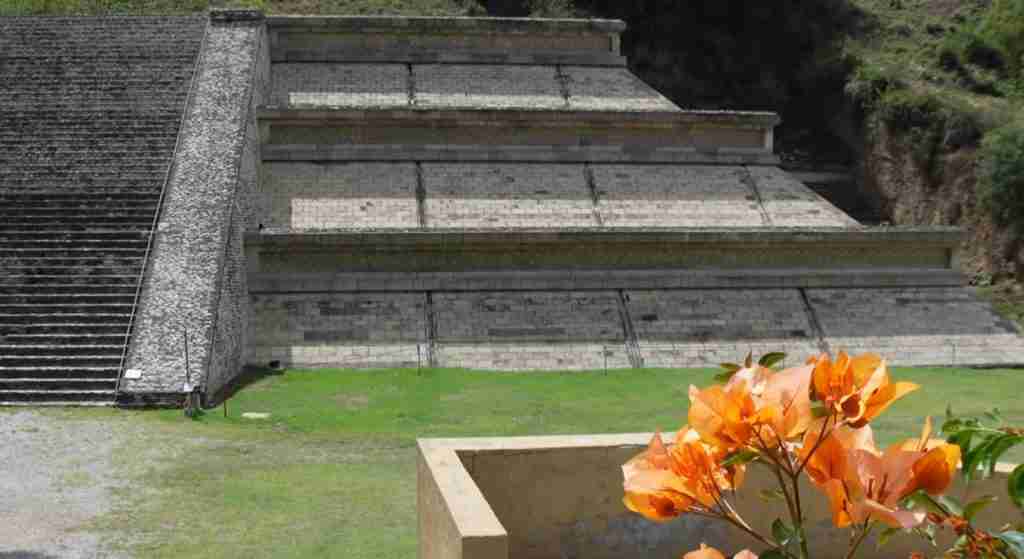
Archaeological significance distinguishes the cities dramatically. Puebla’s nearby Cholula contains the Great Pyramid, the world’s largest pyramid by volume, though much of the structure remains unexcavated beneath the hill crowned by Nuestra Señora de los Remedios church creating unusual layering of pre-Hispanic and colonial architecture. Cholula provides interesting archaeological experience though the unexcavated state limits dramatic visual impact compared to fully revealed pyramid complexes. Oaxaca’s Monte Albán represents one of Mesoamerica’s premier archaeological zones with extensive excavated plazas, ball courts, tombs, and building platforms spread across hilltop position overlooking Oaxaca valley, showcasing Zapotec civilization at its height. Mitla features unique geometric stone mosaics covering building facades in intricate patterns without mortar, demonstrating sophisticated Mixtec architectural and engineering capabilities. The proximity and quality of Oaxaca’s archaeological sites significantly enhances the destination’s historical depth beyond colonial period, providing comprehensive understanding of regional history from pre-Hispanic through colonial to contemporary times.
Culinary Experience Comparison 2026
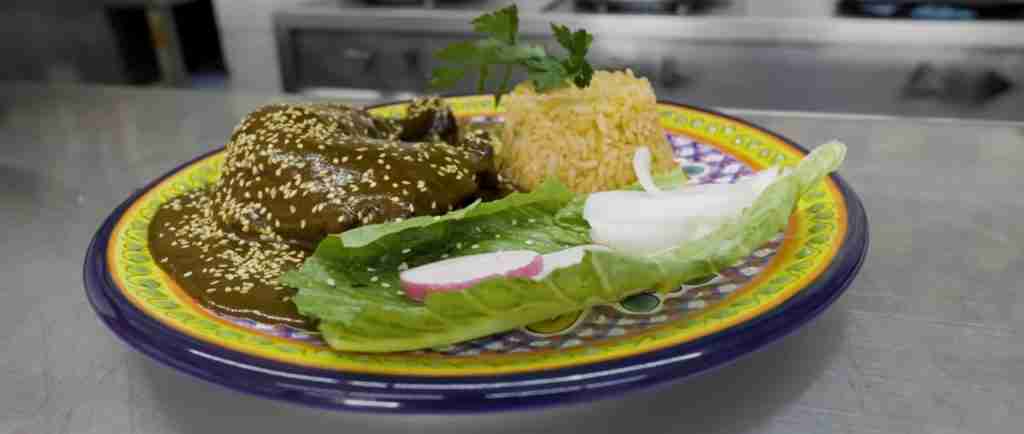
Puebla’s culinary reputation centers on specific iconic dishes that originated in the city and spread throughout Mexico to become national emblems. Mole poblano, the complex sauce combining dried chilies, chocolate, nuts, seeds, spices, and tortillas into rich brown sauce served over turkey or chicken, represents Mexico’s most famous dish internationally. Puebla restaurants ranging from family operations to upscale establishments take pride in preparing authentic versions using traditional recipes requiring 8-12 hours preparation and 20+ ingredients. Chiles en nogada—large poblano peppers stuffed with picadillo (spiced meat and fruit filling), covered with walnut cream sauce, and garnished with pomegranate seeds—embodies Mexican patriotic symbolism through colors mirroring the national flag. The seasonal nature of fresh pomegranates limits authentic preparation to August-September, with restaurants serving this dish during independence celebration season creating special culinary event.
Beyond signature dishes, Puebla offers cemitas (oversized sesame-seed rolls stuffed with breaded meat, avocado, Oaxaca cheese, chipotle, and pápalo herb), chalupas (small crispy corn masa boats topped with salsa, meat, and cheese), and molotes (fried masa pockets filled with potato or other ingredients). The Arab immigrant community introduced tacos árabes—spit-roasted pork served in pita-style bread with chipotle salsa, creating unique fusion reflecting Puebla’s diverse culinary influences. Markets including Mercado La Victoria and Mercado El Parián serve traditional Puebla cuisine at accessible prices $3-8 per meal, while upscale restaurants elevate regional ingredients through refined presentations priced $35-55 per person.
Oaxaca holds strongest claim as Mexico’s ultimate culinary destination through breadth and depth unavailable elsewhere in the country. The seven varieties of mole—negro (black), rojo (red), amarillo (yellow), verde (green), coloradito, manchamantel, and chichilo—create comprehensive sauce tradition showcasing regional chili varieties, spices, and preparation techniques. Each mole requires specific ingredients and methods, with family recipes guarded across generations and regional variations reflecting village traditions. Experiencing multiple mole varieties provides culinary education impossible in single-mole-focused Puebla, revealing complexity and diversity within this fundamental Mexican food category.
Mezcal culture represents Oaxaca’s other culinary pillar, with the valley and surrounding regions producing majority of Mexico’s artisanal mezcal through traditional methods unchanged for centuries. Visiting mezcal palenques (distilleries) in nearby villages reveals agave cultivation, roasting in underground pits, crushing using stone tahona wheels, and distillation in copper pot stills creating complex smoky spirits reflecting terroir and producer techniques. Mezcalerias throughout Oaxaca city offer tasting flights highlighting different agave species, regions, and production styles, with expert bartenders explaining nuances comparable to wine or whiskey appreciation. The depth of mezcal culture—from agricultural practices through production to sophisticated consumption—creates educational experiences unavailable in Puebla or most other Mexican destinations.
Oaxaca’s market culture provides extraordinary culinary access with Mercado 20 de Noviembre featuring comedores (food stalls) serving regional specialties including tlayudas (large crispy tortillas topped with beans, meat, cheese, and vegetables), mole varieties, barbacoa, and chapulines (toasted grasshoppers seasoned with garlic, lime, and salt). Market vendors welcome questions and explanations, creating informal cooking education while eating. Mercado Benito Juárez sells regional ingredients including chocolate, moles, chili varieties, Oaxaca cheese, and handicrafts, enabling ingredient tourism understanding authentic Oaxaca cuisine components. Cooking classes abundant in Oaxaca ($55-85 per person for half-day market tour and hands-on cooking) provide structured culinary education learning traditional techniques from experienced instructors.
Upscale Oaxaca restaurants elevate traditional ingredients through contemporary techniques, with establishments like Casa Oaxaca and Origen creating refined interpretations of regional dishes using heirloom ingredients, artisanal products, and innovative presentations. These restaurants earned international recognition positioning Oaxaca alongside Peru and Mexico City as Latin American culinary capitals, though prices ($30-48 per person) remain lower than equivalent quality in major capitals. The combination of authentic market food, mezcal culture, diverse mole varieties, and sophisticated restaurant scene creates comprehensive culinary experience exceeding Puebla despite that city’s legitimate claims to mole poblano heritage and regional specialties.
Budget Comparison 2026
Accommodation Costs and Value
Mid-range accommodation in Puebla’s historic center costs $45-65 per night for comfortable double occupancy in colonial-style hotels, converted historic buildings, or modern business hotels offering good locations within walking distance of major attractions. Properties in this range feature clean rooms with private bathrooms, WiFi, sometimes breakfast, and helpful staff, though amenities remain basic compared to international chain standards. Hotels along Avenida 5 de Mayo and streets near the Zócalo provide optimal access to restaurants, churches, and museums, commanding slight premiums ($50-65) over equivalent properties 5-10 blocks from the center ($40-50). Budget options include hostels priced $18-28 per night for dormitory beds or simple private rooms with shared bathrooms, concentrated in areas north and west of the Zócalo.
Oaxaca accommodation runs 10-15% less expensive than Puebla for equivalent quality levels, with mid-range colonial hotels and guesthouses costing $40-55 per night in the historic center. The smaller city and higher supply relative to demand creates better value, particularly for charming properties in restored colonial buildings offering courtyards, rooftop terraces, and traditional architectural details. Hostels cost $15-25 per night for dorms or basic private rooms, while luxury boutique hotels converted from colonial mansions run $110-160 per night providing upscale amenities, refined service, and atmospheric settings within historic properties.
Both cities offer significant accommodation savings during low season June-September when rates drop 20-35% below high season pricing. Advance booking 3-4 weeks ahead for peak periods (December-January, Easter week, Day of the Dead in Oaxaca) proves essential for securing preferred properties at best available rates, while shoulder seasons allow flexible booking without substantial advance planning. Online booking platforms provide competitive rates compared to direct hotel booking, with last-minute deals sometimes available during slow periods though reliability decreases when seeking specific property types or locations.
Food and Dining Costs
Restaurant meal costs in Puebla run $6-12 for breakfast at casual restaurants near the historic center, with options including chilaquiles, egg dishes, fresh fruit, and coffee. Traditional Mexican breakfasts at market comedores cost $4-7 for similar dishes in more authentic settings. Lunch represents the main meal with comida corrida (set menu) available $8-14 at casual restaurants providing soup, main course, rice, beans, tortillas, and beverage. Mid-range restaurant lunches cost $12-18 per person for individual menu selections. Dinner at equivalent mid-range establishments runs $15-25 per person, with upscale restaurants charging $35-55 for refined preparations and formal service.
Oaxaca food prices run consistently lower with breakfast $5-10 at casual restaurants, $3-6 at market comedores. Market stalls and street vendors provide extraordinary value—tlayudas cost $3-6, tamales $1.50-2.50, tacos $1-2 each, memelas $2-4, creating budget-friendly eating options without compromising authenticity or quality. Mid-range restaurant lunches cost $10-16, dinners $12-22 per person, representing 15-20% savings compared to Puebla for similar quality. Upscale restaurants run $30-48 per person, slightly below Puebla fine dining despite Oaxaca’s superior culinary reputation creating surprising value for food-focused travelers.
Mezcal costs in Oaxaca vary widely with artisanal bottles from small producers running $25-60 in shops, bars charging $4-8 per pour for quality mezcal, and tasting flights priced $10-20 for 3-5 samples. Mezcalerías provide education alongside consumption, justifying costs through expertise and atmosphere. Coffee culture thrives in both cities with quality cafes charging $2.50-4.50 for espresso drinks, local coffee shops offering simpler preparations $1.50-2.50. Overall food budgets favor Oaxaca by 15-20% for equivalent quality and quantity, with exceptional market values in Oaxaca unavailable in Puebla’s more tourist-oriented food scene.
Sample Budget Breakdowns for 2026
Budget Traveler – Puebla (3 days/2 nights): Hostel accommodation $50 (2 nights at $25), meals $45 (market breakfasts $12, street food lunches $18, casual dinners $15), local transportation $15 (taxis and buses), attractions $20 (museum entries, church donations), snacks and beverages $12. Total: $142 for 3-day visit, or $47 per day excluding transportation to/from Mexico City.
Budget Traveler – Oaxaca (4 days/3 nights): Hostel accommodation $60 (3 nights at $20), meals $48 (market breakfasts $12, street food lunches $15, casual dinners $21), local transportation $18 (taxis and colectivos), attractions $28 (Monte Albán, museums, artisan villages), mezcal tasting $12, snacks $10. Total: $176 for 4-day visit, or $44 per day excluding transportation from Mexico City.
Mid-Range Traveler – Puebla (3 days/2 nights): Hotel accommodation $110 (2 nights at $55), meals $78 (casual restaurant breakfasts $20, mid-range lunches $28, nice dinners $30), local transportation $18 (taxis), attractions $24 (museums, Cholula tour), coffee and snacks $18. Total: $248 for 3-day visit, or $83 per day.
Mid-Range Traveler – Oaxaca (4 days/3 nights): Colonial hotel $150 (3 nights at $50), meals $95 (restaurant breakfasts $24, mid-range lunches $36, nice dinners $35), local transportation $22 (taxis), attractions $40 (Monte Albán, Mitla, museums), mezcal experiences $25, cooking class $65, coffee and snacks $20. Total: $417 for 4-day visit, or $104 per day (higher due to included cooking class and mezcal experiences).
Sample 2026 Itineraries: Experiencing Each City
Puebla: 2-Day Intensive Experience
Day 1 – Colonial Heritage and Talavera: Begin 9 AM with Historic Center walking tour covering Puebla Cathedral (free entry), Zócalo, and Casa de los Muñecos with Talavera-decorated facade. Walk to Biblioteca Palafoxiana ($3 entry, 45 minutes) exploring colonial library before continuing to Chapel of the Rosary in Templo de Santo Domingo ($2 donation, 30 minutes) experiencing Mexican baroque at its most elaborate. Break for lunch 1 PM at traditional restaurant ($12-18 per person) sampling mole poblano. Afternoon 2:30-4:30 PM visit Uriarte Talavera workshop for factory tour ($30 per person) learning production processes and browsing showroom. Return to Historic Center 5 PM for rest and freshen up. Dinner 7:30 PM at upscale restaurant ($35-45 per person) featuring contemporary Puebla cuisine. Walking throughout day supplements with taxis $8-12 total. Biblioteca $3, Chapel donation $2, Uriarte tour $30, lunch $15, dinner $40, taxis $10, snacks $8. Daily total: $108 per person (excluding accommodation $55).
Day 2 – Cholula and Markets: Depart 9 AM via organized tour or collective taxi to Cholula (30 minutes, $15-20 per person including transportation and guide). Explore Great Pyramid complex and tunnels ($5 entry), climb to Nuestra Señora de los Remedios church atop pyramid for valley views, and visit nearby San Francisco Acatepec church famous for Talavera-tiled facade. Return to Puebla 1 PM for lunch at Mercado La Victoria ($6-10 per person) experiencing authentic market food. Afternoon 2:30-5 PM browse Historic Center Talavera galleries and artisan market for shopping, visit Museo Amparo ($4 entry) for pre-Hispanic and colonial art, and explore pedestrian streets around the Zócalo. Evening 6:30-8 PM enjoy casual dinner at cemita specialist ($8-12 per person) trying Puebla’s signature sandwich. Cholula tour $20, pyramid entry $5, lunch $8, museum $4, dinner $10, taxis $8, snacks and beverages $10. Daily total: $65 per person (excluding accommodation).
Oaxaca: 4-Day Comprehensive Experience
Day 1 – Historic Center Introduction: Begin 9:30 AM with Templo de Santo Domingo visit (free entry) exploring baroque church and attached Cultural Museum of Oaxaca ($5 entry, 2 hours) featuring Zapotec and Mixtec artifacts. Walk to Zócalo for late lunch 12:30 PM at portales restaurant ($12-18 per person) overlooking plaza. Afternoon 2-4 PM explore Museo Textil de Oaxaca ($3 entry) understanding regional textile traditions, browse nearby galleries and craft shops, and wander pedestrian streets photographing colonial architecture. Rest 4:30-6:30 PM before evening 7 PM mezcalería visit ($12-18 per person) for tasting flight and education. Dinner 8:30 PM at casual restaurant ($15-22 per person) trying mole negro or tlayudas. Museum entries $8, lunch $15, mezcal tasting $15, dinner $18, taxis $6, snacks $8. Daily total: $70 per person (excluding accommodation $50).
Day 2 – Monte Albán and Cooking Class: Morning 9 AM-1 PM Monte Albán tour ($25-35 per person including transportation and guide, plus $5 site entry) exploring Zapotec archaeological zone with hilltop views. Return to Oaxaca 1:30 PM for quick lunch ($8-12). Afternoon 3-7 PM participate in cooking class ($65-75 per person) beginning with market tour learning about Oaxaca ingredients before hands-on mole or regional dish preparation and group dinner of prepared dishes. Tour and entry $35, lunch $10, cooking class $70, taxis $5, beverages $8. Daily total: $128 per person (excluding accommodation—cooking class includes market tour and dinner).
Day 3 – Artisan Villages and Mitla: Full-day organized tour 9 AM-5 PM visiting artisan villages and Mitla archaeological zone ($45-55 per person tour cost, plus $5-8 entries). Route typically includes Teotitlán del Valle for wool textiles and natural dyes demonstration, Santa María Atzompa for pottery workshops, San Bartolo Coyotepec for black pottery, Tlacolula market (Sunday only, alternative days visit other villages), and Mitla ruins featuring geometric stone mosaics. Tour includes transportation and guide, opportunities to purchase directly from artisans, and insights into traditional craft production. Return to Oaxaca 5:30 PM. Dinner 7:30 PM at mid-range restaurant ($18-25 per person). Tour $50, site entries $8, lunch en route $10-12, dinner $22, craft purchases variable $20-100+, snacks $6. Daily total: $96-176 per person depending on purchases (excluding accommodation).
Day 4 – Markets and Mezcal Culture: Morning 9 AM-12 PM explore Mercado 20 de Noviembre for breakfast and shopping ($5-8 breakfast), browse Mercado Benito Juárez for regional products and handicrafts, visit nearby artisan workshops open to public. Lunch 12:30 PM at market comedores ($6-10 per person) sampling different mole variety than previously tried. Afternoon 2-5 PM optional mezcal palenque tour to nearby village ($35-50 per person including transportation and tastings) learning traditional production methods, or alternative afternoon shopping Historic Center galleries and craft cooperatives. Evening 6-8 PM farewell dinner at upscale restaurant ($35-45 per person) experiencing contemporary Oaxaca cuisine. Breakfast $7, market purchases $20-40, lunch $8, palenque tour (optional) $42, dinner $40, taxis $10, snacks $8. Daily total: $93-135 per person (excluding accommodation, with optional mezcal tour).
Making Your Choice for 2026
Decision Framework Based on Travel Priorities
Choose Puebla if you: Have limited time (1-2 days available), are combining colonial experiences with Mexico City-centered itinerary, prioritize architectural grandeur and baroque churches, want to see authentic Talavera pottery production, prefer well-developed tourism infrastructure with extensive English-language services, are interested in mole poblano specifically or general Mexican cuisine without indigenous focus, appreciate refined colonial culture and elegant presentations, need easy accessibility via short travel times, or are traveling with limited mobility favoring compact historic center with good taxi access.
Choose Oaxaca if you: Can allocate 3-5 days for meaningful exploration, seek deep indigenous cultural experiences and authentic traditions, prioritize comprehensive culinary education including mole varieties and mezcal culture, are interested in diverse artisan crafts across multiple villages, value archaeological sites particularly Zapotec civilization, prefer less commercialized authentic atmosphere over polished tourist infrastructure, are willing to invest longer travel time for unique destinations, want market food culture and indigenous cuisine, appreciate textile arts and traditional crafts, or seek destinations offering experiences unavailable elsewhere in Mexico.
Practical considerations favoring Puebla: Short trips or day trip from Mexico City, travelers with limited Spanish language skills benefiting from better English services, visitors prioritizing architectural photography, families with young children managing better with shorter travel times and more developed facilities, first-time Mexico visitors wanting accessible colonial introduction, business travelers with limited flexibility extending work trips with cultural day.
Practical considerations favoring Oaxaca: Food-focused travelers willing to plan entire trips around culinary experiences, craft and textile enthusiasts, archaeological site aficionados, photographers seeking diverse cultural subjects from markets to indigenous ceremonies, travelers who have visited multiple colonial cities seeking distinctive experience, visitors interested in mezcal education, anyone planning multi-week Mexico journeys including time for more remote destinations.
Combining Both Cities in Single Trip
The ideal solution for travelers with adequate time involves visiting both cities experiencing contrasting expressions of Mexican colonial heritage and contemporary culture. Minimum combined itinerary requires 5-6 days: 1-2 days Puebla, 3-4 days Oaxaca, with travel days integrated. Optimal allocation spans 8-10 days: 2-3 days Puebla including Cholula, 4-5 days Oaxaca covering historic center, archaeological sites, and artisan villages, plus buffer time for spontaneous discoveries and relaxed pacing avoiding excessive rushing.
Routing efficiency favors Mexico City arrival, Puebla visit (2 hours southeast), continuation to Oaxaca (5-6 hours farther south via direct bus), then return to Mexico City for international departure or internal flights to other destinations. Alternative sequencing visiting Oaxaca first, then Puebla closer to Mexico City departure, works equally well depending on flight logistics. The direct Puebla-Oaxaca bus route ($35-48, 5-6 hours) creates efficient connection avoiding backtracking to Mexico City, with scenic highland journey providing additional Mexican landscape exposure.
Budget allocation for combined visits totals $500-800 per person for one week mid-range travel covering accommodation in both cities, meals, local transportation, attraction fees, and inter-city bus fares, with higher end accounting for hands-on experiences like Talavera workshops, cooking classes, and mezcal tours. Two-week itineraries providing more relaxed pacing, additional day trips, and comprehensive craft village exploration cost $900-1400 per person. The combined approach delivers comprehensive colonial Mexico understanding, comparative culinary education, and diverse cultural experiences justifying the additional time and cost investment for travelers making Mexico a primary destination.
Frequently Asked Questions About Puebla vs Oaxaca
How many days should I spend in Puebla vs Oaxaca?
Puebla requires minimum 1-2 days covering the essential historic center highlights including Puebla Cathedral, Chapel of the Rosary, Biblioteca Palafoxiana, and Talavera workshops, with day two allocated for Cholula pyramid excursion and deeper historic center exploration or market visits. The compact scale and concentrated attractions enable comprehensive coverage in this timeframe, particularly for travelers combining Puebla with Mexico City itineraries where Puebla functions as enrichment rather than primary destination. Three days in Puebla provides comfortable pacing with time for multiple Talavera experiences, additional museums, more leisurely dining, and flexibility for spontaneous discoveries without rushing between scheduled activities.
Oaxaca demands minimum 3-4 days for meaningful experience covering historic center exploration (1 day), Monte Albán and cooking class or mezcal experience (1 day), artisan villages and Mitla (1 day), plus market exploration and additional cultural activities (1 day). The dispersion of experiences across the city and surrounding region combined with depth of culinary, craft, and cultural opportunities creates natural pressure for longer stays. Five days in Oaxaca allows more relaxed pacing, multiple mezcal experiences, comprehensive artisan village coverage, and buffer time for rest, unstructured wandering, and pursuing specific interests discovered during the visit. Food-focused travelers or craft enthusiasts benefit from 6-7 days enabling deep dives into cooking classes, multiple market visits, extended artisan village exploration, and comprehensive mezcal education.
The allocation differential reflects each destination’s character—Puebla concentrates major attractions in walkable historic center enabling efficient coverage, while Oaxaca spreads experiences across larger geographic area requiring more time for transportation and village visits. The depth factor also influences duration with Puebla offering excellent but somewhat bounded experiences, while Oaxaca’s layers of indigenous culture, craft traditions, archaeological sites, and culinary complexity create nearly limitless exploration possibilities rewarding extended stays. First-time visitors allocate 1-2 days Puebla, 3-4 days Oaxaca as baseline, extending either or both based on specific interests and total Mexico trip duration.
Can I do a day trip to Puebla from Mexico City?
Day trips from Mexico City to Puebla work successfully given the 2-hour travel time each way, enabling 6-7 hours exploration time in Puebla itself creating feasible if compressed itinerary. Morning departure via 8-9 AM ADO bus from Mexico City Terminal TAPO arriving Puebla 10-11 AM allows full day of sightseeing before evening return bus 6-7 PM arriving Mexico City 8-9 PM. Organized day tours from Mexico City cost $85-120 per person including round-trip transportation, English-speaking guide, and sometimes lunch, handling logistics for travelers preferring structured experiences without independent planning.
Efficient day trip itineraries focus on Historic Center highlights covering Puebla Cathedral, Chapel of the Rosary, and Talavera workshop tour, with lunch at traditional restaurant sampling mole poblano. More ambitious programs add Cholula pyramid visit either before or after Puebla historic center, though combining both Cholula and comprehensive Puebla exploration creates rushed experience compromising enjoyment. The day trip approach works for travelers with very limited time or those using Puebla as introduction before returning for longer stays, though overnight visits provide superior pacing, evening atmosphere in the historic center, better restaurant access, and flexibility for spontaneous discoveries impossible when constrained by bus schedules.
Day trips to Oaxaca from Mexico City prove impractical given 6-7 hour travel time each way consuming entire day without meaningful destination time. While theoretically possible via very early morning flights (6-7 AM departure) and late evening returns (9-10 PM), the cost ($170-280 round-trip airfare plus local expenses), effort, and rushed experience make this approach inadvisable. Oaxaca demands overnight stays for worthwhile visits, with minimum 2 nights (3 days) for essential highlights, preferably 3-4 nights for comfortable exploration.
Which city has better markets for shopping?
Oaxaca dominates market experiences through combination of authentic food markets, comprehensive artisan markets, and nearby craft villages providing unparalleled shopping opportunities. Mercado Benito Juárez and surrounding market complex offers regional products including moles, chocolate, Oaxaca cheese, textiles, black pottery, alebrijes, and traditional crafts from dozens of vendors creating comprehensive one-stop shopping. Mercado de Artesanías adjacent to Santo Domingo focuses exclusively on handicrafts with hundreds of vendors selling textiles, pottery, jewelry, leather goods, and folk art representing Oaxaca state’s diverse craft traditions. Prices prove negotiable with polite bargaining accepted and expected, creating opportunities for good values when purchasing multiple items or larger pieces.
The artisan village day trips from Oaxaca enable purchasing directly from craftspeople in working environments, often at lower prices than city markets while supporting creators directly. Teotitlán del Valle textile shops showcase wool rugs and tapestries with demonstrations of natural dye processes and weaving techniques, San Bartolo Coyotepec pottery workshops sell black pottery directly from makers’ studios, and Arrazola or San Martín Tilcajete villages offer extensive alebrije selections. The combination of comprehensive city markets plus village workshop access creates shopping depth unavailable in Puebla or most other Mexican destinations.
Puebla markets focus more on food than crafts with Mercado La Victoria and Mercado El Parián serving primarily culinary functions alongside limited artisan vendors. For Talavera shopping, certified workshop showrooms and Historic Center galleries provide authentic pieces with documentation, though these represent retail rather than market shopping experiences. The artisan market section of El Parián offers pottery, textiles, and general crafts though selection and quality prove inferior to Oaxaca’s specialized craft markets. Puebla’s shopping strengths lie in Talavera galleries where comparing multiple certified producers enables informed purchasing of authenticated pieces, rather than diverse market environments.
What about language barriers in Puebla vs Oaxaca?
Language dynamics differ between the cities with Puebla’s larger size, greater tourism development, and proximity to Mexico City creating more extensive English-language services throughout hotels, restaurants, tour operators, and major attractions. Historic Center hotels typically employ English-speaking reception staff, major restaurants provide English menus or bilingual servers, and Talavera workshops offer English-speaking tour guides. The developed tourism infrastructure creates comfortable environment for non-Spanish speakers who can navigate efficiently using basic Spanish courtesy phrases combined with available English assistance at key service points.
Oaxaca maintains adequate English language support in tourist-oriented establishments including hotels in the historic center, upscale restaurants, and organized tour operators, though coverage proves less comprehensive than Puebla. Market vendors, smaller family restaurants, and artisan village craftspeople operate primarily in Spanish, requiring more language navigation or translation app assistance. The indigenous cultural character creates additional linguistic layer with some vendors and artisans speaking indigenous languages (Zapotec, Mixtec, others) as primary languages, Spanish as second language, and very limited English.
Practical implications remain minimal for most travelers—essential transactions including hotel check-in, ordering meals, and arranging tours proceed smoothly in both cities using combination of available English support, translation apps, and basic Spanish. Food ordering becomes easier in Puebla’s more tourist-oriented restaurants while Oaxaca market dining benefits from visual food displays enabling point-and-order communication overcoming language gaps. Cultural exchange depth increases with Spanish language skills though enthusiasm, respect, and basic communication attempts enable rewarding interactions in both cities regardless of fluency. The language differential should not drive destination selection as both cities accommodate English-speaking travelers adequately while rewarding those who make efforts to communicate in Spanish.
Are there good day trips from each city?
Puebla offers Cholula pyramid complex as primary day trip destination (30 minutes, $15-25 organized tour or $5-8 independent transport), featuring the Great Pyramid by volume, colonial church atop the pyramid, archaeological tunnels, and nearby San Francisco Acatepec church with spectacular Talavera facade. The easy access and compact site enable half-day visits combining with afternoon Puebla exploration. Cuetzalan, a Pueblo Mágico in the Sierra Norte mountains, provides full-day excursion (2.5 hours, $35-55 organized tour) featuring cloud forest scenery, waterfalls, Sunday indigenous market, and traditional village atmosphere, though distance makes this more suitable for longer Puebla stays. Tlaxcala, the small neighboring state capital (45 minutes), offers colonial architecture and murals in the former government palace.
Oaxaca provides richer day trip diversity with Monte Albán archaeological zone (15 minutes, $25-35 organized tour or $10 independent transport) representing essential excursion for understanding Zapotec civilization and valley history. Artisan village circuits combining Teotitlán del Valle, San Bartolo Coyotepec, and Arrazola or San Martín Tilcajete (full day, $45-55 organized tour or $15-25 independent transport) create craft-focused experiences with workshop visits and purchase opportunities. Mitla ruins (1 hour, included in many artisan village tours or $10-15 independent transport) showcase unique geometric stone mosaics demonstrating Mixtec architectural sophistication.
Hierve el Agua, the petrified waterfall rock formations (1.5 hours, $35-50 organized tour), offers dramatic natural scenery and mineral spring pools creating geological counterpoint to cultural attractions. Mezcal palenque tours visiting traditional producers in villages like Santa Catarina Minas or Santiago Matatlán (half-day, $35-50) provide education about artisanal mezcal production processes and tastings. The variety and accessibility of Oaxaca day trips creates pressure to extend stays enabling multiple excursions, while Puebla’s more limited options make 2-3 days adequate for comprehensive coverage including Cholula.