
Puebla Food Tour 2026: Mole Poblano & Street Food Guide
Key Takeaways:
- Puebla created mole poblano, chiles en nogada, and cemitas – three of Mexico’s most celebrated culinary achievements requiring dedicated tasting
- Food tour budgets range $60-200 per person depending on restaurant selections, street food emphasis, and organized tour participation in 2026
- Authentic mole poblano preparation involves 30+ ingredients and multi-day processes, with traditional restaurants charging $18-28 per plate
- Seasonal availability affects chiles en nogada (August-September only) and other specialties, requiring timing coordination for complete experiences
- Organized culinary tours cost $85-140 including transportation, tastings, and guide services, while independent exploration offers greater flexibility
- Street food specialties like cemitas, chalupas, and molotes provide authentic experiences at $1-10 per item with exceptional quality-to-cost ratios
Discovering Puebla’s Culinary Heritage in 2026
Puebla earned recognition as Mexico’s gastronomic capital through centuries of culinary innovation combining indigenous ingredients, Spanish techniques, and unique regional creativity. The city’s elevation, climate, and agricultural surroundings provided ideal conditions for developing complex flavor profiles that distinguish Puebla cuisine from other Mexican regional traditions. Three signature dishes – mole poblano, chiles en nogada, and cemitas – achieved international fame while remaining deeply rooted in local culture and preparation methods passed through generations.
The historic center concentrates traditional restaurants, street food vendors, markets, and specialty shops within a compact area enabling comprehensive food touring without extensive transportation. Calle de los Dulces showcases traditional sweets production, the Parian market houses multiple food stalls, and countless taquerías, cemita stands, and mole specialists operate along colonial streets. This density creates ideal conditions for guided culinary tours or independent food exploration following strategic routing between tastings.
Understanding Puebla’s food culture requires appreciating the historical context behind signature dishes. Mole poblano allegedly originated in the Santa Rosa convent during colonial times when nuns created the complex sauce for a visiting archbishop, though competing origin stories persist. Chiles en nogada emerged celebrating Mexican independence with ingredients representing the national flag colors – green chiles, white walnut sauce, red pomegranate seeds. Cemitas developed as working-class sustenance, evolving into sophisticated sandwiches with specific bread, cheese, and herb requirements distinguishing authentic versions from imitations.
People Also Ask About Puebla Food Tours 2026
How much does a food tour in Puebla cost in 2026?
Organized culinary tours in Puebla range $85-140 per person for 4-6 hour experiences including transportation, multiple tastings, guide services, and sometimes cooking demonstrations in 2026. Check tour operator websites like Eat Mexico Puebla, Sabores de Puebla, and Puebla en el Paladar for current rates as seasonal pricing and group discounts apply. Premium private food tours with renowned chefs or extended experiences cost $180-250 per person, while budget group tours focusing primarily on street food start around $55-75.
Independent food touring budgets vary dramatically based on dining choices. Conservative street food-focused itineraries cost $25-40 per person covering multiple cemitas, tacos, chalupas, sweets, and drinks throughout the day. Mid-range approaches combining street food with one sit-down mole poblano meal total $60-90, while comprehensive experiences sampling multiple traditional restaurants, specialty items, and upscale establishments reach $120-180 per person. Food enthusiasts pursuing every signature dish and premium ingredients easily spend $200-300 during intensive single-day explorations.
Cooking class costs range $70-120 per person for half-day sessions teaching mole poblano or chiles en nogada preparation, including ingredient shopping at local markets, hands-on cooking, and meals featuring prepared dishes. Multi-day culinary immersion programs with chef-led market tours, multiple cooking sessions, and restaurant visits cost $400-650 per person. These experiences provide deeper understanding of technique and tradition beyond simple tasting tours, appealing to serious food enthusiasts and aspiring home cooks.
What makes Puebla mole poblano special in 2026?
Authentic Puebla mole poblano distinguishes itself through complexity involving 30+ ingredients and multi-day preparation processes creating layered flavors impossible to replicate with shortcuts. The sauce combines multiple dried chile varieties (ancho, mulato, pasilla), chocolate, nuts (almonds, peanuts), seeds (sesame, pumpkin), spices (cinnamon, cloves, black pepper), aromatics (onion, garlic), dried fruits (raisins, prunes), and bread or tortillas for thickening. Each ingredient contributes specific flavor notes – chiles provide base heat and depth, chocolate adds bitterness and richness, nuts create body, spices offer aromatic complexity.
Traditional preparation begins with toasting chiles, nuts, seeds, and spices individually to develop optimal flavors before grinding into paste. The mixture simmers for hours, sometimes overnight, allowing flavors to meld while achieving proper consistency and color – deep reddish-brown indicating successful integration. Experienced cooks balance sweetness, bitterness, heat, and acidity through precise proportioning and timing, with family recipes varying slightly in ingredient ratios reflecting personal preferences and regional micro-traditions.
Puebla’s most respected restaurants maintain traditional methods despite labor-intensive processes. Casa Reyna prepares mole daily following recipes dating to 1956, while El Mural de los Poblanos works with heritage ingredient suppliers ensuring authentic flavors. The difference between properly prepared traditional mole and simplified commercial versions becomes immediately apparent upon tasting – depth, complexity, and finish separate exceptional preparations from adequate ones. Serious food enthusiasts should sample multiple versions comparing restaurant preparations to understand variation within authentic tradition.
When is the best time for Puebla food tours in 2026?
August and September represent peak culinary tourism months in Puebla due to chiles en nogada seasonal availability. This patriotic dish appears only during these months when fresh poblano chiles and pomegranates reach harvest, creating limited windows for tasting this celebrated specialty. Restaurants across Puebla feature chiles en nogada prominently during season, with some establishments taking advance reservations for guaranteed availability. Food enthusiasts specifically timing Puebla visits for chiles en nogada should plan August-September trips despite coinciding with rainy season afternoon showers.
October through November provides excellent general food touring conditions with comfortable weather (18-23°C), reduced rainfall, and full menu availability for most specialties. Markets operate at peak capacity with fall harvests providing maximum ingredient variety, while restaurant terraces and outdoor seating remain pleasant throughout the day. Day of the Dead celebrations in early November add cultural dimensions with traditional pan de muerto (bread of the dead) and special offerings appearing in bakeries and markets.
Spring months (March-May) offer secondary optimal timing with moderate temperatures and vibrant market activity. Easter week brings specific traditional foods including capirotada (bread pudding) and various Lenten preparations reflecting Catholic traditions. Street food vendors operate year-round, making cemitas, chalupas, and tacos consistently available regardless of season, though summer rains (June-August) require flexibility for outdoor market exploration during typical afternoon downpour hours.
Can I take a Puebla food tour from Mexico City in 2026?
Yes, numerous operators offer day-long food tours departing Mexico City and focusing on Puebla’s culinary scene. These tours typically run 10-12 hours including round-trip transportation, guided tastings at 5-8 locations, cooking demonstrations or market visits, and comprehensive cultural context about Puebla’s gastronomic heritage. Tours cost $130-200 per person covering transportation, guide services, most tastings, and sometimes full meals.
Independent travelers can easily create custom food tours using ADO bus transportation ($20-24 round-trip) and following self-guided itineraries hitting multiple food destinations throughout the day. This approach offers maximum flexibility for pacing, location selection, and budget control while requiring more research and planning. Combining organized tour efficiency with independent exploration works well – booking a morning food tour (9 AM-1 PM, $75-95) then spending afternoon independently sampling street food and personal interest restaurants.
Overnight Puebla stays enable more comprehensive food experiences including multiple restaurant meals, evening street food scenes, and unhurried market exploration impossible to compress into day trip timeframes. Food enthusiasts serious about understanding Puebla’s culinary culture benefit significantly from 2-3 day visits allowing cooking classes, extended market tours, visits to surrounding agricultural areas, and meals at various price points and neighborhood locations beyond tourist-focused historic center establishments.
Extended multi-day tours – 5+ days
Featured Puebla Multi-Day Tour Packages

3 days
Puebla 3-Day Discovery Tour
- ✓ Comprehensive Puebla experience
- ✓ Expert local guides included
- ✓ All accommodation included
- ✓ Transportation provided

5 days
Puebla 5-Day Highlights Experience
- ✓ Comprehensive Puebla experience
- ✓ Expert local guides included
- ✓ All accommodation included
- ✓ Transportation provided
7 days
Puebla 7-Day Cultural Journey
- ✓ Comprehensive Puebla experience
- ✓ Expert local guides included
- ✓ All accommodation included
- ✓ Transportation provided

10 days
Puebla 10-Day Complete Adventure
- ✓ Comprehensive Puebla experience
- ✓ Expert local guides included
- ✓ All accommodation included
- ✓ Transportation provided
Multi-day tour packages powered by TourRadar. Prices and availability subject to change.
Essential Planning Information for 2026 Food Tours
Budget Planning for Puebla Food Experiences 2026
Street food represents Puebla’s most accessible and authentic culinary category. Cemitas cost $8-12 at established stands like La Oriental or Las Poblanitas, with each sandwich providing substantial portions satisfying most appetites. Chalupas sell for $1-2 each, requiring 4-6 for light meals totaling $5-10. Tacos árabes cost $2-3 each, molotes (stuffed fried masa pockets) run $1.50-2, and traditional sweet breads start at $1-2. Complete street food-focused days cost $25-40 per person including breakfast, lunch, dinner, and multiple snacks.
Mid-range restaurant dining centers on mole poblano and traditional Puebla preparations. Established restaurants like Casareyna, Fonda La Mexicana, and La Noria serve mole poblano plates at $18-28, chiles en nogada (seasonal) at $22-32, and other specialties at $15-25 per entrée. Including drinks, appetizers, and desserts, expect $35-55 per person for complete restaurant meals. Budget-conscious diners can request half-portions of mole at some establishments, reducing costs to $12-18 while still experiencing authentic preparations.
Upscale dining in restored colonial settings reaches premium pricing. El Mural de los Poblanos, Augurio, and Casona de la China Poblana charge $25-45 for mole poblano and signature dishes, with full tasting menus at $60-95 per person. These establishments emphasize ingredient sourcing, contemporary presentations, wine pairings, and refined atmospheres appealing to culinary enthusiasts seeking elevated experiences. Weekend reservations prove essential for popular upscale venues, particularly during chiles en nogada season when demand peaks.
Cooking class costs include half-day mole poblano workshops at $85-120 per person, covering market ingredient shopping, 3-4 hour hands-on preparation, and meals featuring completed dishes. Multi-day programs combining cooking classes, restaurant meals, market tours, and cultural activities cost $350-600 per person depending on accommodation level and itinerary comprehensiveness. These immersive experiences provide technique training and cultural context impossible to achieve through restaurant dining alone.
Organized Food Tour Options for 2026
Eat Mexico Puebla operates comprehensive culinary tours combining market visits, street food tastings, traditional restaurant meals, and cultural storytelling. Their signature tour runs 5-6 hours covering 8-10 food stops including mole sampling, cemita tasting, sweet shop visits, and market exploration. Tours cost $120-140 per person in 2026, with group sizes limited to 10-12 participants ensuring personalized attention. Check eatmexico.com for current schedules and availability as advance booking 1-2 weeks ahead proves advisable for weekend tours.
Sabores de Puebla focuses on traditional home cooking and family-run establishments beyond tourist circuits. Tours emphasize authentic neighborhood experiences, grandmother-style preparations, and cultural context about ingredient sourcing and cooking traditions. Half-day tours cost $95-110 per person, while full-day experiences including cooking demonstrations reach $140-165. The company specializes in small groups (4-8 people) with bilingual guides providing extensive cultural and historical context alongside food education.
Puebla en el Paladar offers customizable private food tours tailored to specific interests – street food emphasis, high-end dining focus, vegetarian options, or comprehensive overview approaches. Private tours cost $180-220 per person for couples, with per-person rates decreasing for larger groups. These personalized experiences enable deep dives into specific cuisines, visits to particular neighborhoods, or accommodation of dietary restrictions impossible in fixed-itinerary group tours.
Street food-focused budget tours through operators like Free Walking Tour Puebla (tip-based) or Turibus Puebla ($55-75) provide economical introductions to Puebla’s food culture. These tours typically run 3-4 hours covering 5-7 stops emphasizing street vendors and market stalls rather than sit-down restaurants. While lacking the depth and refinement of premium tours, budget options suit travelers prioritizing cost efficiency or seeking overview experiences before independent exploration.
Mole Poblano: Where to Eat in 2026
Traditional Restaurants for Authentic Mole Poblano
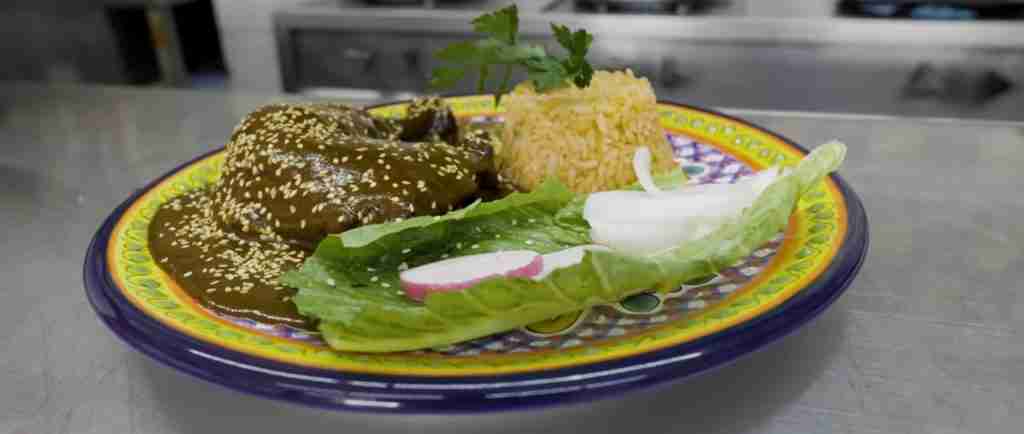
Casareyna remains Puebla’s most celebrated mole specialist, operating continuously since 1956 in an elegant colonial building near the cathedral. The restaurant prepares mole daily following original recipes, with the complex sauce ladled over tender chicken or turkey and accompanied by sesame-sprinkled rice and handmade tortillas. The mole exhibits proper balance between bitter chocolate notes, chile heat, and nutty richness without excessive sweetness – hallmarks of quality preparation. Entrées cost $22-28, with half portions available at $15-18 for lighter appetites. The formal dining rooms and professional service create upscale atmospheres suitable for special meals, while lunch hours (1 PM-3 PM) bring local business diners alongside tourists indicating authentic appeal.
El Mural de los Poblanos combines traditional mole preparation with contemporary plating and ingredient sourcing. The chef-driven approach emphasizes heritage chile varieties, stone-ground chocolate, and specialized nut suppliers while maintaining essential traditional techniques. Mole poblano plates cost $24-30, with optional wine pairings ($12-18) complementing the sauce complexity. The museum-like setting showcasing Puebla’s culinary history adds educational elements to dining experiences, while the location steps from the Zócalo enables convenient inclusion in walking tours.
Fonda La Mexicana offers authentic mole poblano in casual family-run atmosphere at accessible prices ($16-22 per plate). The restaurant attracts local clientele particularly during lunch hours, creating vibrant neighborhood ambiance distinct from tourist-oriented establishments. Portions lean generous with mole sauce richness satisfying smaller appetites through shared plates, while the straightforward approach focuses on food quality over interior design or service formality. Located several blocks from main tourist zones, the restaurant requires short walks or taxi rides but rewards effort with genuine local character.
La Noria specializes in traditional Puebla recipes including exceptional mole poblano prepared using family recipes dating multiple generations. The restaurant occupies a restored colonial building with interior courtyard seating and traditional Talavera decorations creating atmospheric dining environment. Mole plates cost $20-26 with options for duck or pork alongside standard chicken or turkey preparations. The chef occasionally offers mole verde (green mole) and other regional variations, enabling comparative tasting for mole enthusiasts seeking broader understanding of Puebla’s sauce traditions.
Understanding Mole Poblano Variations and Quality Indicators
High-quality mole poblano exhibits specific characteristics distinguishing exceptional preparations from mediocre versions. Proper color ranges from deep reddish-brown to near-black, indicating successful caramelization and ingredient integration. The sauce consistency should coat meat without running excessively thin or clumping too thick, achieved through patient simmering and appropriate thickener proportions. Taste complexity reveals layered flavors – initial sweetness from chocolate and dried fruits, middle notes of toasted nuts and seeds, finish showing chile heat and spice aromatics.
Texture quality depends on proper grinding and straining techniques. Traditional preparation involves grinding ingredients on volcanic stone metates, creating smooth paste that integrates seamlessly during cooking. Lesser preparations using blenders or food processors sometimes produce grainier textures with visible ingredient separation. The best mole achieves silky consistency without grittiness, coating the palate evenly and releasing flavors progressively rather than overwhelming immediately.
Balance represents the ultimate quality indicator – no single ingredient should dominate the complex flavor profile. Excessive sweetness signals too much chocolate or dried fruit, bitter notes suggest burnt chiles or over-roasted seeds, thin watery consistency indicates rushed preparation or improper thickening. Restaurants maintaining traditional multi-day processes produce noticeably superior mole compared to establishments using pre-made pastes or abbreviated methods, justifying price premiums through genuine craftsmanship.
Street Food Guide 2026: Puebla’s Casual Culinary Scene
Cemitas: Puebla’s Iconic Sandwich
Cemitas define Puebla street food culture as intensely as mole defines formal dining, representing the city’s culinary identity in portable, affordable format. Authentic cemitas require specific components: sesame-seed egg bread (cemita rolls) with slightly sweet flavor and substantial size, Oaxacan quesillo cheese (stringy, mild white cheese), avocado, chipotle peppers (pickled or fresh), and pápalo herb (aromatic leaf with cilantro-like qualities). The primary filling – typically breaded meat (milanesa), carnitas, or quesillo alone for vegetarians – determines cemita designation (cemita de milanesa, cemita de carnitas, etc.).
La Oriental near Mercado La Acocota serves exceptional cemitas attracting local workers and food enthusiasts alike. The stand operates from 10 AM-6 PM daily, with peak lunch hours (1 PM-3 PM) creating lines signaling quality and authenticity. Cemitas cost $9-11 depending on filling choice, with generous portions often requiring two hands for proper consumption. The bread arrives freshly baked from nearby panaderías, the milanesa gets pounded thin and fried to order, and the assembly follows traditional proportions creating perfect balance between bread, filling, and condiments.
Las Poblanitas operates multiple locations throughout Puebla’s historic center, offering consistent quality and convenient access. Their cemitas run slightly smaller than La Oriental’s versions at $8-10, making them suitable for travelers wanting to sample multiple street foods without excessive fullness. The locations near the Zócalo and along Avenida Juárez enable easy inclusion in walking tours, while extended evening hours (until 9-10 PM) accommodate dinner timing after early restaurant meals or day trip returns.
Cemita Las Delicias specializes in creative variations alongside traditional preparations, introducing ingredients like ham, pineapple, or additional cheese types while maintaining essential cemita characteristics. These fusion approaches appeal to adventurous eaters seeking novelty, though purists prefer classic preparations emphasizing bread quality, proper pápalo proportion, and carefully fried milanesa. Prices range $10-13 for specialty versions, justified by premium ingredients and creative combinations unavailable at traditional stands.
Chalupas and Molotes: Traditional Puebla Snacks
Chalupas represent quintessential Puebla street food – small oval fried tortillas topped with salsa verde or roja, shredded meat (chicken, pork, or beef), diced onion, and crumbled cheese. The fried tortilla achieves slight crispness while maintaining some pliability, creating textural contrast with moist toppings. Authentic preparation involves lard-based frying contributing distinctive flavor impossible to replicate with vegetable oils, though some vendors now offer vegetable-fried versions for dietary preferences.
Vendors around the Parian market and throughout the historic center sell fresh chalupas for $1.50-2 each, with most customers ordering 4-6 as light meals or snacks. The best chalupas feature freshly made tortillas fried to order, housemade salsas with noticeable chile heat, and properly seasoned meat showing care in preparation. Peak quality appears during lunch and early dinner hours (12 PM-7 PM) when vendor turnover ensures constant fresh production, while late evening or very early morning may reveal pre-made components with diminished quality.
Molotes consist of masa (corn dough) shaped into thick oval pockets, filled with seasoned potato, chorizo, or cheese, then fried until crispy. The exterior achieves golden-brown crunchiness while interiors remain soft and flavorful, creating satisfying textural contrast. Molotes cost $1.50-2.50 each depending on size and filling complexity, with potato versions cheapest and chorizo-cheese combinations reaching upper price ranges.
Market vendors throughout Mercado 5 de Mayo and Mercado La Acocota serve excellent molotes alongside other antojitos (Mexican snacks). Morning hours (8 AM-11 AM) offer molotes as breakfast items paired with fresh fruit juices or atole (warm corn beverage), while afternoon availability continues through early evening. The casual market atmospheres enable cultural immersion alongside food consumption, with locals shopping for groceries while grabbing quick molote snacks creating authentic neighborhood scenes.
Tacos Árabes and Arabic Culinary Influence
Tacos árabes reflect Puebla’s unique culinary history incorporating Lebanese immigration during early 20th century. These tacos feature spit-roasted pork (similar to shawarma) served on thick pita-style flatbread rather than corn tortillas, dressed with chipotle sauce and lime without traditional taco accompaniments. The meat receives Middle Eastern spice treatments before roasting, creating flavor profiles distinct from typical Mexican taco preparations while maintaining Mexican chile heat through chipotle integration.
Tony’s Tacos Árabes operates as Puebla’s most famous purveyor, with the original location on Avenida Juárez attracting constant lines during meal hours. Tacos cost $2.50-3 each, with most customers ordering 3-4 to constitute full meals. The spit-roasted pork shows proper caramelization on exterior while remaining juicy internally, while the flatbread arrives warm from griddle cooking creating ideal meat vehicle. Simple presentation emphasizes meat quality and spice balance without excessive condiment additions.
Los Parados provides strong competition with multiple locations throughout Puebla offering similar quality at comparable prices. Their evening operations (open until 11 PM-midnight) enable late dinner options after museum visits or early evening cathedral illumination viewing. The casual stand-up eating format (parados means “standing”) creates quick-service atmospheres suitable for fast meals or snacks between activities.
Vegetarian tacos árabes variations exist at some establishments, substituting grilled vegetables, mushrooms, or cheese for pork while maintaining pita bread and spice profiles. These adaptations enable dietary-restricted travelers to experience this unique Puebla specialty, though authenticity purists note significant flavor differences from traditional pork preparations. Prices for vegetarian versions range $2-2.50 per taco, slightly lower than meat versions.
Chiles en Nogada: Puebla’s Patriotic Dish
Seasonal Availability and Traditional Preparation
Chiles en nogada appears exclusively during August and September when fresh poblano chiles and pomegranates reach harvest simultaneously. This limited availability stems from agricultural cycles rather than arbitrary tradition, though the timing coinciding with Mexican Independence Day celebrations (September 15-16) adds symbolic significance. The dish’s tri-color presentation – green chiles, white walnut sauce, red pomegranate seeds – intentionally mirrors Mexico’s national flag, created specifically to celebrate independence during 1820s banquets honoring Agustín de Iturbide.
Traditional preparation involves roasting and peeling fresh poblano chiles, stuffing them with picadillo filling combining ground meat (pork and beef), dried fruits (raisins, apples, pears), nuts (almonds, pine nuts), and spices (cinnamon, cloves). The stuffed chiles receive coating of walnut-based cream sauce (nogada) made from fresh walnuts, milk, cream cheese, and subtle spices, then garnish with pomegranate seeds and parsley completing tri-color effect. The dish balances sweet picadillo filling against mild poblano chile flavor and rich creamy sauce, creating complex flavor profiles distinguishing chiles en nogada from simpler stuffed chile preparations.
Quality indicators include fresh seasonal ingredients (old walnuts develop rancidity affecting sauce flavor), proper chile roasting (achieving tender texture without mushiness), balanced filling (avoiding excessive sweetness or spice), and appropriate sauce consistency (coating chiles without pooling excessively). The pomegranate seeds should pop with fresh juice when bitten, while the walnut sauce exhibits smooth texture without graininess indicating proper preparation technique.
Where to Eat Chiles en Nogada in 2026
El Mural de los Poblanos earns particular recognition for chiles en nogada preparation, with the restaurant making this seasonal specialty a signature offering during August-September availability. The chef sources pomegranates from specific regional suppliers and uses heritage walnut varieties producing optimal sauce flavors. Plates cost $28-34, reflecting premium ingredient costs and labor-intensive preparation. Advance reservations prove essential during peak season (mid-August through mid-September) when daily production limits sell out frequently.
Casareyna serves traditional chiles en nogada following recipes dating to the restaurant’s 1956 founding, maintaining historical preparation methods without contemporary modifications. The classic approach emphasizes properly balanced picadillo filling and smooth walnut sauce achieving ideal consistency and flavor. Plates cost $24-30, positioned between budget and premium pricing reflecting established reputation and consistent quality. Weekend reservations require 2-3 days advance booking during season, while weekday walk-ins occasionally find availability during less busy lunch hours.
Fonda de Santa Clara operates multiple Puebla locations serving reliable chiles en nogada at accessible prices ($20-26 per plate). The restaurant caters to local families and tourists alike, creating welcoming atmospheres suitable for casual dining without upscale formality. Quality remains consistent across locations, though the original Centro Histórico restaurant near Santo Domingo church offers most atmospheric setting in restored colonial building with traditional Talavera decorations.
Market fondas (small restaurants within markets) occasionally serve chiles en nogada during season at budget prices ($15-20), though quality varies significantly. These casual options suit adventurous eaters comfortable with basic market dining conditions, while cautious travelers should prioritize established restaurants ensuring proper ingredient sourcing and food safety standards. The dramatic price differences reflect varying ingredient quality, preparation care, and overhead costs rather than simple tourist pricing.
Sample 2026 Food Itineraries
Street Food Intensive: Budget-Friendly Culinary Day
8:30 AM – Begin at Mercado 5 de Mayo for traditional Puebla breakfast. Order chilaquiles with mole sauce ($6-8) and fresh-squeezed orange juice ($2-3) from market fondas, experiencing authentic morning market atmosphere as locals shop for daily groceries. The market environment provides cultural immersion alongside affordable breakfast, with multiple vendor options enabling dietary preference accommodation.
10:00 AM – Walk to Calle de los Dulces (Sweets Street) exploring traditional candy shops producing camotes (sweet potato candies), tortitas de Santa Clara (almond cookies), and macarrones (coconut-peanut sweets). Purchase small quantities of 3-4 varieties ($6-10 total) for snacking throughout the day and potential gifts. Many shops offer free samples enabling taste-testing before purchases, while watching candy production through shop windows adds educational elements.
11:30 AM – Visit Parian artisan market browsing Talavera pottery, textiles, and crafts while observing chalupa and molote vendors preparing fresh snacks. Order 2-3 chalupas ($3-6) as mid-morning snack, sampling different salsa options to experience flavor variations. The market’s covered structure provides comfortable exploration regardless of weather, while casual seating enables relaxed eating and people-watching.
1:00 PM – Lunch at La Oriental cemita stand, ordering their signature cemita de milanesa ($9-11) with all traditional components including pápalo herb. The substantial sandwich provides filling lunch while demonstrating Puebla street food at its finest. Allow 30-45 minutes for ordering (potentially queuing during peak lunch hours) and consumption at stand-up counters or nearby benches.
2:30 PM – Walk to Tony’s Tacos Árabes for 3-4 tacos árabes ($8-12 total) as secondary lunch component or early afternoon snack. The Lebanese-influenced preparation provides contrast to cemita’s traditional Mexican format, illustrating Puebla’s diverse culinary influences. The casual stand-up service enables quick consumption without extended meal commitment.
4:00 PM – Coffee or hot chocolate break at Las Ranas or another historic portal cafe overlooking the Zócalo. Order traditional Puebla hot chocolate ($5-7) with conchas (sweet bread, $1-2), relaxing at outdoor tables while observing afternoon plaza activity. This rest period prevents food fatigue and provides energy for continued exploration.
6:00 PM – Evening market visit to Mercado La Acocota or neighborhood markets beginning dinner service. Sample antojitos (snacks) like sopes, quesadillas, or tamales ($1.50-3 each, 3-4 items totaling $5-10) from market vendors, experiencing authentic dinner atmosphere as local families gather for casual evening meals. Market fondas often serve budget mole plates ($12-16) if craving sit-down dinner format.
7:30 PM – Conclude at a sweet shop or ice cream parlor for dessert. Traditional options include garapiñados (candied nuts, $3-5), nieve de garrafa (hand-churned ice cream, $3-4), or additional Puebla sweets. The evening plaza atmosphere during this hour provides pleasant backdrop for final food experience and reflection on the day’s culinary journey.
Day Cost Summary: Market breakfast $8-11, sweets shopping $6-10, chalupas $3-6, cemita lunch $9-11, tacos árabes $8-12, hot chocolate break $6-9, evening market antojitos $5-10, dessert $3-5. Total day cost: $48-74 per person (excluding accommodation).
Comprehensive Culinary Tour: Restaurant and Street Food Combination
9:00 AM – Start with organized food tour (pre-booked, $95-120) beginning at traditional market for ingredient identification and cultural context. Tours typically include market breakfast, multiple street food tastings, visits to 2-3 restaurants for small plates, sweet shop stops, and comprehensive historical storytelling connecting food to Puebla’s cultural heritage. Morning tours run 9 AM-2 PM, covering 8-10 food stops with substantial tasting portions constituting lunch.
2:30 PM – Return to hotel or find shaded plaza seating for rest period following intensive food tour. The morning’s tastings typically include significant food volume, requiring digestion time before continuing independent afternoon exploration. Use this period for reviewing notes, organizing purchases, or simply relaxing after comprehensive cultural immersion.
4:30 PM – Independent exploration of neighborhoods not covered during morning tour. Visit artisan Talavera workshops in the San Francisco area, browse bookstores along Avenida Reforma, or explore residential neighborhoods observing daily life beyond tourist zones. Light snacking on fresh fruit from street vendors ($2-4) or agua fresca (flavored water, $1-2) maintains energy without excessive food intake.
6:30 PM – Early dinner reservation at upscale mole restaurant like El Mural de los Poblanos or Augurio. Order full mole poblano plate ($24-30) with wine pairing ($12-18) to experience refined preparation contrasting morning’s street food emphasis. The formal dining environment and professional service provide different perspectives on Puebla’s culinary culture, while allowing focused appreciation of mole’s complexity without distraction.
8:30 PM – Evening stroll through illuminated historic center, perhaps stopping for after-dinner coffee or digestif at hotel bar or upscale cafe. The cathedral and main buildings receive evening lighting creating romantic atmosphere ideal for reflecting on the day’s food experiences. Light dessert options like flan ($4-6) or tres leches cake ($5-7) provide sweet conclusions without excessive fullness after substantial dinner.
Day Cost Summary: Organized morning food tour $95-120 (includes breakfast, tastings, guide), afternoon fruit/drinks $3-6, upscale mole dinner $36-48, evening coffee/dessert $6-10. Total day cost: $140-184 per person (excluding accommodation).
Cooking Classes and Culinary Experiences 2026
Hands-On Mole Poblano Cooking Classes
Casa de los Muñecos offers intensive half-day mole poblano workshops teaching traditional preparation from ingredient selection through final plating. Classes begin with market tours (8 AM-9:30 AM) identifying and purchasing fresh chiles, nuts, spices, and produce under instructor guidance, explaining quality indicators and seasonal availability. The cooking session (10 AM-2 PM) covers chile toasting and grinding, ingredient integration, sauce simmering, and proper consistency achievement through patient reduction and stirring.
Classes accommodate 6-10 participants working in pairs or small teams, with English-speaking instructors explaining techniques and cultural context throughout. The hands-on format enables actual cooking experience rather than demonstration observation, with participants preparing components and assembling final dishes consumed as lunch. Classes cost $95-115 per person including all ingredients, equipment use, instruction, and meals featuring prepared mole. Advance booking 1-2 weeks ahead proves necessary, with weekend classes filling earliest.
Sabores de Mi Tierra specializes in home-cooking style classes emphasizing grandmother techniques and family recipe traditions. The intimate setting (4-6 participants maximum) provides personalized attention and deeper cultural exchange than larger commercial cooking schools. Mole classes cost $85-105 per person, with additional sessions available covering chiles en nogada (seasonal), traditional Puebla tamales, or comprehensive multi-day programs sampling various regional specialties.
Market Tours and Ingredient Education
Dedicated culinary market tours without cooking components run 2-3 hours focusing entirely on ingredient identification, vendor relationships, and food culture education. These tours cost $40-60 per person, visiting multiple markets to compare quality, pricing, and product availability while explaining agricultural contexts and seasonal variations. Guides arrange tastings of fresh produce, cheeses, prepared foods, and street snacks throughout tours, accumulating substantial sampling despite absence of formal cooking instruction.
The educational focus suits travelers interested in Puebla cuisine but unable to commit 4-6 hours for full cooking classes, or those seeking ingredient knowledge for recreating dishes at home. Market vendors often provide cooking tips and preparation suggestions when guides explain tourist interest in specific ingredients, creating informal cultural exchanges supplementing formal tour content. Morning timing (8 AM-11 AM) captures peak market activity with maximum vendor availability and product freshness.
Vegetarian and Dietary-Restricted Options 2026
Traditional Puebla cuisine leans meat-heavy with mole poblano served over chicken or turkey, cemitas featuring breaded meat or carnitas, and chiles en nogada containing meat-based picadillo filling. However, vegetarian alternatives exist throughout the city accommodating plant-based dietary requirements. Quesillo cemitas substitute cheese for meat while maintaining traditional components, several restaurants offer vegetable-stuffed chiles en nogada during season, and various antojitos (quesadillas, sopes, tlacoyos) feature beans, cheese, or vegetable fillings.
La Zanahoria and El Vegetariano operate as dedicated vegetarian restaurants providing meat-free versions of traditional Puebla dishes alongside international vegetarian cuisine. These establishments serve vegetarian mole (typically with vegetables or cheese rather than poultry), bean-based tamales, and creative salads using local ingredients. Prices range $8-16 per entrée, making vegetarian dining budget-friendly while ensuring diverse menu options beyond simple bean-and-cheese repetition.
Vegan travelers face greater challenges as traditional Puebla cuisine relies heavily on cheese, cream, and lard-based preparations. However, street food tacos and tostadas can be ordered without cheese, fresh fruit vendors operate throughout the city, and some modern cafes offer plant-based milk options for coffee drinks. Communicating dietary restrictions clearly in Spanish (“soy vegano/a” – I am vegan, “sin productos de origen animal” – without animal products) helps vendors understand requirements, though limited English means translation apps prove valuable for detailed explanations.
Gluten-free dining proves relatively straightforward as corn-based tortillas, tamales, and many traditional preparations avoid wheat entirely. However, cemitas require wheat-based bread and some mole preparations use bread as thickener, necessitating inquiry about specific ingredients. Modern restaurants increasingly understand gluten-free requirements (“sin gluten”), while traditional market vendors may require more detailed explanations. Carrying translation cards explaining gluten intolerance in Spanish prevents miscommunication at casual establishments lacking English-speaking staff.
Puebla Food Souvenirs and Specialty Products 2026
Puebla’s specialty food products make excellent portable souvenirs combining authentic regional character with practical transportation. Dulces típicos (traditional sweets) from Calle de los Dulces include camotes (sweet potato candies in various flavors, $3-6 per box), tortitas de Santa Clara (almond cookies, $4-8), and crystallized fruits ($5-10). These products ship well, resist spoilage, and provide extended taste memories of Puebla visits when consumed weeks or months after travel.
Mole paste preparations enable home recreation of Puebla’s signature dish. Specialty shops and markets sell prepared mole pastes requiring only dilution with broth and simmering to produce authentic sauce. Prices range $8-20 per container depending on size and quality, with artisanal preparations from respected producers commanding premium pricing justified by superior ingredients and traditional methods. Paste stability enables international transport without refrigeration, though checking customs regulations prevents confiscation issues.
Talavera pottery extends beyond decorative items to functional kitchenware including serving bowls, plates, and traditional chocolate whisks (molinillos). Small decorative tiles cost $5-12, larger functional pieces range $25-80, while museum-quality artisan works reach $150-400. Reputable workshops provide authentication certificates and careful packaging for safe transport. The ceramic’s weight requires consideration for air travel baggage limits, though aesthetic and functional value often justifies transport effort for serious collectors.
Mexican chocolate tablets for hot chocolate preparation cost $4-10 per package, featuring coarse-ground cacao mixed with cinnamon, sugar, and sometimes almonds. Traditional brands like Mayordomo and La Abuelita produce tablets optimized for frothing with molinillo whisks, creating thick hot chocolate characteristic of Puebla beverage culture. The tablets travel well and recreate authentic hot chocolate experiences at home, particularly when combined with purchased molinillo whisks ($8-15) creating complete beverage preparation kits.
Safety and Practical Food Touring Tips 2026
Street food safety in Puebla maintains good standards in tourist areas, particularly vendors demonstrating high turnover indicating fresh preparation and local approval. Seeking busy stands with visible food preparation, avoiding items sitting uncovered for extended periods, and observing general cleanliness help identify reliable options. Market fondas operating during peak hours (breakfast 8-10 AM, lunch 1-3 PM, dinner 6-8 PM) typically serve freshly prepared food with rapid customer turnover ensuring quality.
Water safety requires attention as tap water isn’t potable for most international travelers. Bottled water costs $0.50-1 in stores and markets, while restaurants typically provide purified water (agua purificada) or bottled options. Street vendors sometimes offer agua fresca (flavored water) prepared with tap water – cautious travelers should request bottled drinks or accept slight dehydration risk for authentic flavored water experience. Ice cream and popsicles from established vendors using purified water pose minimal risk, though avoiding items from unknown sources prevents potential issues.
Spice tolerance varies significantly among travelers, with some Puebla preparations featuring substantial chile heat beyond typical tourist-oriented Mexican restaurant levels. Requesting “no picante” or “poco picante” (not spicy or little spicy) when ordering helps vendors adjust heat levels, though understanding that some heat represents integral flavor components in traditional recipes. Carrying antacids or digestive aids proves prudent for travelers with sensitive stomachs adjusting to new ingredients, cooking oils, and spice levels.
Payment methods lean heavily cash-based at street vendors, markets, and smaller restaurants. Larger bills ($200-500 peso notes) often create change challenges – carrying small denominations ($20-50 peso notes and coins) facilitates smooth transactions. Credit cards work at upscale restaurants and organized tour bookings, while ATMs cluster around the Zócalo and main streets providing peso access. Budgeting $60-100 daily in cash covers most street food and market purchases plus tips.
Frequently Asked Questions About Puebla Food Tours 2026
Do I need advance reservations for Puebla restaurants in 2026?
Most Puebla restaurants accept walk-in diners during weekdays without reservations, though upscale establishments and weekend lunch times (1 PM-3 PM) benefit from advance booking. Chiles en nogada season (August-September) creates highest reservation pressure as this limited-availability dish attracts specific timing for visits. Calling 1-2 days ahead or using WhatsApp booking services ensures table availability at popular restaurants like Casareyna, El Mural de los Poblanos, and Augurio. Street food requires no reservations with vendors serving customers continuously during operating hours.
Can I find vegetarian food easily in Puebla in 2026?
Vegetarian options exist throughout Puebla though traditional cuisine emphasizes meat preparations. Quesillo cemitas, cheese-based quesadillas, bean-filled tamales, and various market antojitos provide meat-free alternatives at street food level. Dedicated vegetarian restaurants like La Zanahoria serve plant-based versions of traditional dishes, while modern cafes and upscale establishments increasingly accommodate vegetarian requests. Communicating dietary restrictions clearly helps vendors suggest appropriate options or modify standard preparations, with Spanish phrases like “sin carne” (without meat) or “vegetariano” facilitating understanding at establishments lacking English service.
How much should I tip at Puebla restaurants and food stalls in 2026?
Sit-down restaurants expect 10-15% tips based on pre-tax bill totals, with 15% appropriate for exceptional service or upscale establishments. Street food vendors and market stalls don’t traditionally receive tips, though rounding up bills or leaving small change ($5-10 pesos) shows appreciation for exceptional quality or service. Organized food tours include guide tips in the 10-15% range or $10-20 per person depending on tour length and quality. Cash tips prove preferable even when paying bills by card, as direct cash delivery ensures servers receive full amounts rather than dealing with restaurant payment processing.
When can I try chiles en nogada in Puebla in 2026?
Chiles en nogada seasonal availability runs from mid-August through late September when fresh poblano chiles and pomegranates reach harvest simultaneously. Some restaurants begin offering the dish in early August using early-harvest ingredients, while others continue through early October with late-season produce. The peak quality period spans mid-August through mid-September when ingredient freshness reaches optimal levels. Restaurants often announce chiles en nogada availability through social media or websites during season – checking before visits prevents disappointment if specific timing proves critical for experiencing this celebrated dish.
Are Puebla cooking classes taught in English in 2026?
Major cooking class providers offer English-language instruction, particularly programs targeting international tourists. Casa de los Muñecos, Sabores de Mi Tierra, and organized tour operators provide bilingual instructors explaining techniques and cultural context in English. Smaller, more traditional cooking experiences may operate primarily in Spanish with limited English translation – confirming language availability when booking prevents communication issues during instruction. Some classes use demonstration-heavy formats minimizing verbal instruction dependency, enabling participation even with language barriers, though comprehensive cultural education requires English or Spanish proficiency for full benefit.
Can I take a Puebla food tour if I have food allergies in 2026?
Organized food tours can accommodate many food allergies with advance notice during booking. Common allergen concerns (nuts, dairy, gluten, shellfish) receive increasing awareness from professional tour operators who modify itineraries or substitute tastings maintaining experience quality while respecting restrictions. However, extensive or unusual allergies may prove challenging given traditional cuisine’s reliance on specific ingredients and street food vendors’ limited ability to guarantee cross-contamination prevention. Private food tours offer greatest flexibility for complex dietary requirements, enabling completely customized routing avoiding problematic ingredients while maintaining authentic Puebla culinary experiences.
What’s the best way to experience Puebla food culture in one day in 2026?
Organized culinary tours provide most comprehensive single-day experiences, condensing market visits, street food tastings, restaurant meals, and cultural education into efficient 5-6 hour packages. These tours cost $95-140 per person but eliminate planning stress while ensuring diverse sampling across multiple food categories. Independent travelers should prioritize 2-3 signature experiences (mole poblano restaurant meal, cemita from top vendor, market breakfast or lunch) rather than attempting complete coverage, allowing proper appreciation without rushed pacing. Combining morning organized tour with independent afternoon exploration balances efficiency and personal discovery, maximizing limited time while maintaining flexibility.
Do Puebla restaurants serve mole poblano year-round in 2026?
Yes, mole poblano remains available throughout the year at traditional restaurants as this signature sauce doesn’t depend on seasonal ingredients like chiles en nogada. The complex preparation using dried chiles, nuts, chocolate, and spices maintains consistent year-round production, making mole poblano reliable choice regardless of visit timing. Some restaurants prepare large mole batches maintaining consistent flavor across multiple days, while others make fresh daily batches – both approaches produce authentic results when following proper traditional techniques. Seasonal variations affect accompaniments more than the sauce itself, with different vegetables or meat options rotating but the essential mole preparation remaining constant.
Can children participate in Puebla food tours in 2026?
Family-friendly food tours accommodate children though age appropriateness varies by program intensity and duration. Street food-focused tours with frequent stops, varied tastings, and casual atmospheres suit children aged 8+ generally, while intensive culinary tours involving extended walking, market visits, and formal restaurant meals work better for teenagers. Cooking classes welcome children alongside adults when family groups book private sessions, though public group classes maintain age minimums (typically 12-16) ensuring participant maturity for safe kitchen work. Tour operators appreciate advance notification about children’s participation enabling appropriate pacing and tasting selections suitable for younger palates less accustomed to strong flavors or spicy foods.
What should I avoid eating in Puebla for safety reasons in 2026?
Avoiding food sitting at room temperature for extended periods, unpurified water and ice from unknown sources, and items from vendors showing poor cleanliness standards helps prevent food safety issues. Peeled fruits and vegetables washed in unpurified water pose minor risks – cautious travelers should choose fruits with protective peels (bananas, oranges) over exposed items (cut watermelon, pre-washed lettuce). However, Puebla’s tourist area food safety generally maintains good standards, with established vendors, market fondas, and restaurants following proper handling procedures. Most travelers experience no issues, with concerns primarily theoretical rather than based on widespread problems. Starting with smaller portions allows testing individual tolerance before committing to full meals of unfamiliar items.