Puebla Travel Guide 2026: UNESCO Colonial City
Key Takeaways:
- Puebla’s UNESCO historic center features over 1,000 colonial buildings with stunning Talavera-tiled architecture
- Budget travelers spend $40-60 daily while mid-range visitors allocate $80-120 in 2026
- Direct buses from Mexico City cost 175-225 pesos ($10-12.50) for comfortable 2-hour journeys
- Mole poblano, invented by Puebla nuns, ranks among Mexico’s most celebrated national dishes
- The city sits 7,005 feet above sea level with spectacular Popocatépetl volcano views
- Hotels range $26-96 nightly across budget, mid-range, and luxury categories in 2026
Introduction to Puebla’s 2026 Travel Scene
Puebla ranks among Mexico’s most underrated cultural destinations, combining extraordinary UNESCO World Heritage architecture with renowned culinary traditions at remarkably accessible pricing. Located two hours southeast of Mexico City at 7,005 feet elevation, this colonial masterpiece offers visitors immaculate Spanish baroque churches, vibrant Talavera pottery traditions, and the birthplace of mole poblano—Mexico’s iconic chocolate-chili sauce considered a national dish.
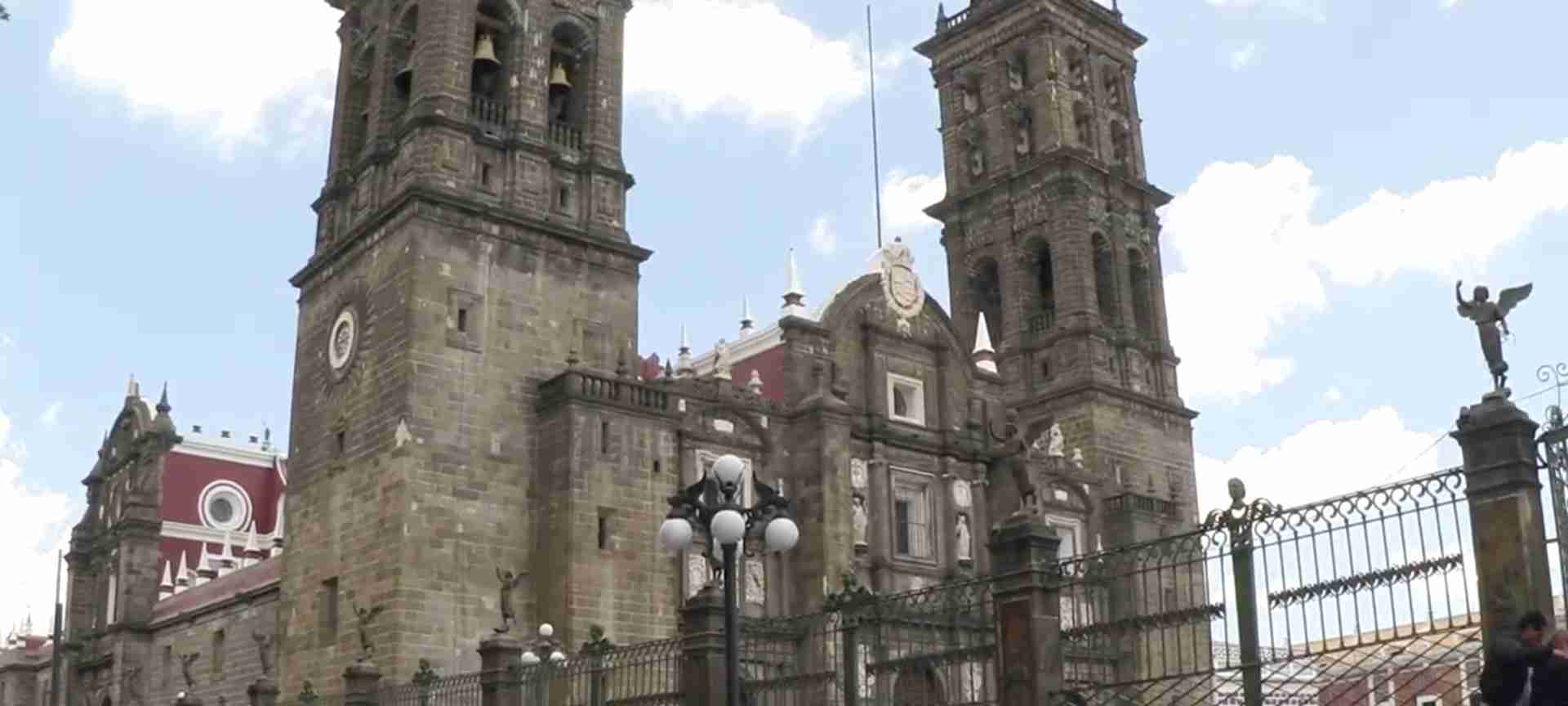
The historic center earned UNESCO designation in 1987 for its exceptional colonial preservation, featuring more than 1,000 buildings from the 16th through 19th centuries. Unlike more touristy colonial cities such as San Miguel de Allende or Oaxaca, Puebla maintains authentic Mexican character while delivering sophisticated cultural experiences. The city’s strategic position on the historic trade route between Mexico City and Veracruz port created architectural wealth visible today in baroque masterpieces like Puebla Cathedral and the ornate Capilla del Rosario.
For 2026 travelers, Puebla presents compelling value propositions across budget categories. Budget visitors allocate $40-60 daily for hostel accommodations, street food excellence, and selective museum admissions. Mid-range travelers budget $80-120 daily including boutique hotels, restaurant dining featuring mole degustations, and comprehensive cultural activities. Luxury visitors spending $200-300+ daily access five-star properties like Banyan Tree Puebla, upscale dining at El Mural de los Poblanos, and private guided experiences.
The destination’s culinary significance cannot be overstated. Puebla created not only mole poblano but also chiles en nogada—the patriotic dish featuring green poblano peppers, white walnut sauce, and red pomegranate seeds representing Mexican flag colors. Local specialties including chalupas, cemitas sandwiches, tacos árabes, and seasonal escamoles (ant larvae) attract serious food enthusiasts. The concentration of exceptional restaurants at accessible prices positions Puebla as Mexico’s premier culinary value destination.
Geographically, Puebla benefits from dramatic natural settings. The active Popocatépetl volcano provides spectacular backdrops for photography, while sister volcano Iztaccíhuatl creates equally impressive vistas. The 10-minute teleférico cable car ride offers panoramic city and volcano views. Nearby attractions including the Cholula pyramid complex, Africam Safari zoo park, and mountain hot springs at Atlixco enable diverse day trip programming.
People Also Ask About Puebla Travel 2026
How much does it cost to visit Puebla in 2026?
Budget travelers need $40-60 daily in Puebla for 2026 covering hostel dormitory beds ($18-25), street food meals ($8-12 total for three meals), local transportation ($2-4), and selective museum admissions ($4-10). Mid-range visitors require $80-120 daily including boutique hotels ($60-90), restaurant dining featuring mole poblano and chiles en nogada ($25-40), mixed transportation including Uber rides ($5-12), and comprehensive cultural activities including museum entries and cooking classes ($10-20). Luxury travelers allocate $200-300+ daily for five-star properties like Banyan Tree Puebla, upscale dining at celebrated restaurants like Augurio and El Mural de los Poblanos, private transportation, and exclusive experiences.
What is the best time to visit Puebla in 2026?
The optimal period for visiting Puebla in 2026 runs October through April when dry weather and comfortable temperatures create ideal sightseeing conditions. November and December attract peak visitor numbers for cultural festivals including Day of the Dead celebrations, resulting in hotel rates 40-60% higher than low season. February through May offers extraordinary culinary timing for sampling escamoles (Mexican caviar made from ant larvae), available only during this seasonal window. August and September provide unique experiences during chiles en nogada season when every restaurant serves this patriotic specialty, though afternoon rainfall increases during these months. Budget-conscious travelers target December and September when accommodation prices drop 30-50% compared to peak periods.
Do you need advance bookings for Puebla attractions in 2026?
Most Puebla attractions accept walk-in visitors without advance reservations in 2026. Museums including Museo Amparo, Biblioteca Palafoxiana (Americas’ oldest library), and Casa de los Muñecos operate on first-come basis with minimal wait times. However, advance booking proves essential for popular dining experiences at El Mural de los Poblanos and Augurio during weekends and holidays. Cooking classes at Cardia Puebla Cooking require reservations 1-2 weeks ahead, particularly for seasonal chiles en nogada instruction. Day trips to Cholula pyramid and Africam Safari benefit from morning departures before tour bus arrivals around 11 AM. Hotel bookings 2-4 weeks ahead secure best rates and selection, especially during November-December peak season and Cinco de Mayo celebrations.
Is Puebla safe for tourists in 2026?
Puebla ranks among Mexico’s safest states for tourism in 2026, having largely avoided narco-violence affecting other regions. The historic center maintains active police presence and experiences minimal petty crime during daylight hours. Standard urban precautions apply: avoid wearing flashy jewelry, stay in populated areas, minimize solo nighttime walking, and use authorized taxis or Uber for late-night transportation. The US State Department maintains general Mexico travel advisories but does not issue specific warnings for Puebla state. Local forums on Tripadvisor report consistently positive safety experiences. Women traveling solo encounter respectful treatment throughout the historic center, though basic awareness remains advisable. The city’s status as conservative religious center and university town contributes to welcoming, family-oriented atmosphere.
Extended multi-day tours – 5+ days
Featured Puebla Multi-Day Tour Packages
2 days
Colonial Adventure: Taxco, Pre-Hispanic Mine, Puebla & Cholula in 2 Days
- ✓ Comprehensive Puebla tour
- ✓ Expert local guides included
- ✓ All accommodation arranged
- ✓ Transportation provided
6 days
Mexico Express 6 Day Tour: Teotihuacan, Xochimilco & Hidden Gems
- ✓ Comprehensive Puebla tour
- ✓ Expert local guides included
- ✓ All accommodation arranged
- ✓ Transportation provided
3 days
Food Tour Puebla: Taste Irresistible Flavors of Cholula and Atlixco
- ✓ Comprehensive Puebla tour
- ✓ Expert local guides included
- ✓ All accommodation arranged
- ✓ Transportation provided
1 days
Mexico Food Tour: Savor Tlaxcala and Puebla Delicious Treats
- ✓ Comprehensive Puebla tour
- ✓ Expert local guides included
- ✓ All accommodation arranged
- ✓ Transportation provided
Multi-day tour packages powered by TourRadar. Prices and availability subject to change.
Essential Planning Information 2026
Entry Requirements and Documentation 2026
International visitors to Puebla enter through Mexico’s visa regulations in 2026. Citizens from EU countries, UK, Australia, Canada, USA, Japan, and New Zealand receive tourist stays up to 180 days without visas. All visitors require FMM (Forma Migratoria Múltiple) tourist cards obtained through airlines for air arrivals (cost included in ticket price) or at land borders with small fees. Processing FMM cards online through Mexico’s INM website or iVisa.com enables advance preparation. Most Latin American countries including Brazil, Chile, and Argentina also enjoy visa-free entry. Travelers should verify specific requirements through Mexican consulates as policies occasionally update.
Current Costs and Pricing Breakdown 2026
Puebla hotel rates in 2026 range $26-96 nightly depending on category, with budget hotels averaging $26, mid-range properties $47, and luxury accommodations $96 (check booking platforms for current rates as pricing varies seasonally). Historic center boutique hotels like Hotel Boutique Casona de la China Poblana and Cartesiano Boutique Hotel occupy beautifully restored colonial mansions at $60-90 nightly. Budget hostels including Hostal Santo Domingo and Hostal Azul Puebla provide dormitory beds $18-25 and private rooms from $35.
Restaurant dining spans wide price ranges. Street food chalupas cost 66 pesos ($3.50) for six pieces, while cemitas sandwiches run 80-120 pesos ($4.50-6.50). Mid-range restaurants charge 190-245 pesos ($10-13) for mole poblano degustations featuring multiple sauce varieties. Upscale establishments like El Mural de los Poblanos and Augurio price signature dishes 200-350 pesos ($11-19). Budget breakfast options start 65 pesos ($3.50) while multi-course dinners at celebrated restaurants reach 500-800 pesos ($28-44) per person.
Museum admissions remain remarkably affordable. Museo Amparo charges minimal fees around 80 pesos ($4.50), Biblioteca Palafoxiana costs 40 pesos ($2.20), and combined museum-restaurant packages at Casa del Mendrugo include free museum entry with dining. Many churches including Puebla Cathedral and Capilla del Rosario offer free admission though donations are appreciated.
Transportation Options and Costs 2026
Public buses within Puebla cost approximately 10 pesos ($0.50) per ride, though routes prove confusing for non-Spanish speakers. Uber provides reliable, inexpensive transportation at $2-6 for cross-city rides, making it the preferred option for tourists. Airport shuttles from Hermanos Serdán International Airport (PBC) to centro histórico run 110 pesos ($6) via Estrella Roja bus service operating every 40 minutes. Private taxis charge 250-450 pesos ($14-25) for the same route depending on timing.
From Mexico City, ADO and AU luxury buses connect TAPO terminal or Mexico City airport to Puebla’s CAPU station in 2 hours. First-class service costs 175-225 pesos ($10-12.50) one-way featuring reclining seats, WiFi, and air conditioning. Buses depart hourly 6 AM-11 PM enabling flexible scheduling. The comfortable coaches make independent travel preferable to organized tours for budget-conscious visitors.
Within the historic center, walking proves most efficient as major attractions cluster within 15-minute radiuses. The compact colonial core spanning approximately 1.5 square kilometers contains Puebla Cathedral, Zócalo plaza, Biblioteca Palafoxiana, Museo Amparo, Los Sapos arts district, and Calle de los Dulces sweets street. The teleférico cable car costs modest fees for 10-minute rides offering aerial city views.
Best Time to Visit Puebla 2026
Seasonal Weather Patterns 2026
Puebla experiences distinct dry and wet seasons affecting travel planning in 2026. The dry period October through May delivers consistently sunny days with temperatures 65-75°F (18-24°C), ideal for walking tours and outdoor photography. Mornings start cool at 7,005 feet elevation, warming to comfortable afternoon highs. Evenings require light jackets year-round due to elevation.
The wet season June through September brings afternoon thunderstorms with 5.9 inches average monthly rainfall in September. Morning hours remain clear for sightseeing before 2-3 PM rainfall typically begins. Temperatures reach 70-80°F (21-27°C) during this period. The increased humidity creates lush conditions though afternoon plans require rain contingencies. Hotels discount rates 30-50% during wet months making it attractive for budget travelers willing to plan around afternoon showers.
Peak vs. Off-Season Timing 2026
Peak season November through December attracts maximum visitors for Day of the Dead celebrations, Christmas markets, and optimal weather. Hotel rates increase 40-60% above baseline with advance bookings essential 3-4 weeks ahead. Restaurants experience longer wait times particularly weekends. However, this period showcases Puebla’s celebration culture at its finest with elaborate altars, special menus, and cultural programming.
Shoulder season March through May offers excellent value with pleasant weather, fewer crowds, and 20-30% reduced accommodation costs. This timing enables escamoles seasonal dining February through May when this “Mexican caviar” delicacy appears on menus. Easter week brings Mexican domestic tourism spikes requiring advance planning.
Low season December (post-holidays) and September present cheapest pricing with 40-50% hotel discounts and minimal tourist presence. Museums, restaurants, and attractions operate normally with immediate availability. September’s rainfall requires flexible scheduling though mornings provide excellent sightseeing windows before afternoon storms.
Festival and Event Calendar 2026
Cinco de Mayo celebrations May 5 commemorate the 1862 Battle of Puebla when Mexican forces defeated French troops. Festivities center on Fuertes de Loreto y Guadalupe hilltop fortresses with military reenactments, traditional music, and special museum programming. This authentic Mexican celebration contrasts with commercial American interpretations.
Day of the Dead November 1-2 transforms Puebla into elaborate remembrance ceremonies. The nearby town of Huaquechula hosts particularly spectacular celebrations with ornate altars drawing cultural enthusiasts. Hotels book solid requiring 4-6 week advance reservations.
Chiles en Nogada season August-September enables tasting this patriotic specialty when pomegranates ripen and walnut sauce preparation becomes possible. Every restaurant features seasonal menus highlighting this dish in numerous interpretations from traditional to contemporary.
Accommodation Strategies 2026
Historic Center Boutique Hotels
The centro histórico offers Puebla’s most atmospheric accommodations in converted colonial mansions. Hotel Boutique Casona de la China Poblana occupies the former home of the legendary China Poblana figure, featuring unique guest rooms with individual character around intimate courtyards. Rates average $60-80 nightly with highly-praised breakfast service included.
Cartesiano Boutique Hotel transforms a historic tile factory into stunning modern retreat featuring smart room technology with automated temperature and lighting controls. The rooftop heated pool and jacuzzi provide relaxation with historic center views. Pricing runs $70-95 nightly positioning it as excellent mid-range value.
L’Hotel Perla Boutique delivers contemporary design in colonial shell with in-room bathtubs and rooftop heated pool. The 3-star property charges $55-75 nightly, offering luxury touches at mid-range pricing. Its location enables walking access to Puebla Cathedral, Zócalo, and major museums within 5-10 minutes.
Budget Accommodations
Hostal Santo Domingo provides clean dormitory beds from $21 nightly with private rooms starting $35. The social atmosphere attracts international backpackers though the hostel maintains quiet hours for rest. Location just blocks from Zócalo enables easy historic center exploration.
Hostal Azul Puebla offers similar budget pricing at $18-25 dormitory beds and $30-40 private rooms. Basic amenities include free WiFi, shared kitchens, and common areas for meeting fellow travelers. The property receives consistent positive reviews for cleanliness and helpful staff.
OYO Hotel Casona Poblana bridges budget and mid-range categories at $34-45 nightly. Private rooms with en-suite bathrooms provide comfort without luxury pricing. The chain property maintains quality standards while delivering value positioning.
Luxury Properties
Banyan Tree Puebla represents the city’s premier five-star accommodation offering world-class service slightly outside centro histórico. The rooftop area provides serene escapes with panoramic skyline views. Rooms feature plush bedding, high-speed WiFi, and modern amenities. Nightly rates start $150-200 positioning it as splurge option for travelers seeking luxury experiences.
Grand Fiesta Americana Puebla Angelópolis combines elegance with business traveler functionality at $130-180 nightly. The 4.5-star property offers premium amenities including coworking spaces, conference facilities, and versatile meeting rooms. Its location in modern Angelópolis district provides contrast to historic center.
InterContinental Presidente Puebla delivers reliable IHG quality at $82-120 nightly. The property’s central location, excellent breakfast service, and loyalty program benefits attract frequent travelers. Weekend rates typically run 20-30% below weekday business traveler pricing.
Transportation Guide 2026
Getting to Puebla 2026
Hermanos Serdán International Airport (PBC) serves Puebla with domestic Mexican flights and limited international connections. The airport sits 40 minutes from centro histórico with Estrella Roja buses providing economical transport at 110 pesos ($6) departing every 40 minutes to CAPU terminal. From CAPU, Uber rides to historic center cost 60-100 pesos ($3-5.50). Direct taxis from airport charge 250-450 pesos ($14-25) depending on negotiation and timing.
Mexico City’s Benito Juárez International Airport (MEX) offers broader international flight options 2.5 hours from Puebla. Luxury ADO and AU buses connect airport directly to Puebla CAPU station for 175-225 pesos ($10-12.50) operating hourly. The comfortable coaches feature reclining seats, WiFi, air conditioning, and generous luggage capacity making them preferred over rental cars for most travelers. From Mexico City’s TAPO terminal, identical bus service operates with higher frequency.
Driving from Mexico City takes 2-2.5 hours via Highway 150D toll road. However, rental cars prove unnecessary for Puebla visits as the compact historic center favors walking and Uber provides efficient local transportation. Parking challenges in colonial streets and confusing one-way systems make cars impractical for centro histórico exploration.
Local Transportation Options 2026
Walking dominates historic center transportation as attractions cluster tightly. Puebla Cathedral to Museo Amparo takes 8 minutes walking. Zócalo to Los Sapos arts district requires 12 minutes. Biblioteca Palafoxiana to Calle de los Dulces spans 6 minutes. The flat terrain and pedestrian-friendly streets make walking pleasant though 7,005-foot elevation may require acclimatization for visitors from sea level.
Uber revolutionized Puebla transportation providing reliable, inexpensive service at $2-6 for typical cross-city rides. English-language app interfaces eliminate communication barriers. Drivers arrive within 5-10 minutes in centro histórico. Cashless payments through app remove tipping confusion and currency exchange hassles. Late-night transportation from restaurants to accommodations costs $3-5, far less than potential taxi overcharging.
Public buses operate extensive routes for 10 pesos ($0.50) per ride though route complexity and Spanish-only information deter most tourists. Budget travelers committed to minimal expenses can navigate the system though time investment seldom justifies modest savings versus Uber convenience.
The free Puebla-Cholula tourist train operates twice mornings and once afternoons on weekdays with increased weekend frequency. The service connects centro histórico (11 Norte esq 18 Poniente) to Cholula pyramid base enabling free day trip transportation. Schedules change seasonally requiring verification through official channels.
Day Trip Transportation 2026
Cholula’s Great Pyramid sits just 20-25 minutes from Puebla centro histórico via Uber costing 100 pesos ($5.50) one-way. Alternatively, the free tourist train provides scheduled service, or colectivo shared vans depart frequently for 10 pesos ($0.50) per person. Independent visitors save significantly versus organized tours charging 450-600 pesos ($25-33) including transportation and guides.
Atlixco hot springs and flower markets located 40 minutes away attract weekend visitors. Uber rides cost 200-300 pesos ($11-16) one-way though ADO buses provide economical alternatives at 50-80 pesos ($2.80-4.50). The charming Pueblo Mágico designation ensures well-preserved colonial architecture and local crafts shopping.
Africam Safari zoo park requires private transportation or organized tours as public transit options prove limited. The 45-minute drive enables self-drive safari experiences or guided bus tours through African animal habitats. Admission costs separate from transportation with package tours bundling both elements.
Culinary Experiences 2026
Signature Puebla Dishes
Mole poblano represents Puebla’s most celebrated culinary contribution to Mexican cuisine. The complex sauce combines 20+ ingredients including chocolate, multiple dried chili varieties (mulato, ancho, pasilla), tomatoes, onions, garlic, spices (cloves, allspice, coriander), nuts, and even charred corn tortillas for color and texture. The resulting sauce delivers deep chocolatey richness with subtle heat, typically served over chicken or turkey with rice and handmade corn tortillas. Origin legends credit nuns at Santa Rosa Convent creating the sauce for visiting bishops during colonial period, though alternative stories attribute invention to Mexican Revolution era. Regardless of origin, mole poblano achieved national dish status representing Mexican culinary sophistication.
Chiles en nogada creates the second iconic Puebla dish featuring patriotic colors. Roasted poblano peppers stuff with picadillo (ground meat, diced fruits including apples and pears, raisins, spices) then drench in creamy walnut sauce and garnish with pomegranate seeds. Green peppers, white sauce, and red pomegranate represent Mexican flag colors. August-September seasonal availability depends on pomegranate harvest and walnut preparation timing. Every restaurant offers interpretations during season though traditional recipes maintain strict ingredient requirements.
Chalupas poblanas differ dramatically from Taco Bell versions. Authentic preparation fries small corn masa discs into crispy bases topped with red or green salsa, chopped onions, and shredded meat (chicken or pork). Six-piece orders cost 66 pesos ($3.50) at casual eateries, providing excellent introduction to Puebla street food culture. Upscale restaurants present refined versions with mole poblano toppings.
Cemitas sandwiches stack impressive heights on sesame seed brioche rolls called cemitas. Fillings typically include breaded chicken or pork cutlet (milanesa), Oaxacan string cheese, avocado, chipotle peppers, papalo herb, and sometimes eggs. The massive sandwiches serve as complete meals costing 80-120 pesos ($4.50-6.50). Mercado del Carmen vendors specialize in cemitas with Cemitas las Poblanitas receiving consistent acclaim.
Tacos árabes reflect Middle Eastern immigration influence featuring spit-roasted pork on pita-style bread rather than corn tortillas. The unique Puebla specialty combines Lebanese cooking methods with Mexican seasonings. Tacos Árabes El Sultan downtown serves definitive versions attracting both locals and tourists.
Restaurant Recommendations by Budget 2026
Budget dining under 150 pesos ($8) per person enables exceptional food experiences. Las Güeras serves humble but delicious chalupas in casual market setting. La Abuelita provides six chalupas for 66 pesos ($3.50) plus tortilla soup at 65 pesos ($3.50), creating complete meals under $8. Street vendors throughout centro histórico offer cemitas 80-120 pesos ($4.50-6.50) and tacos árabes at similar pricing. Mercado del Carmen food stalls deliver authentic local flavors at rock-bottom prices though facilities remain basic.
Mid-range restaurants 200-400 pesos ($11-22) per person deliver exceptional value for money. Casa del Mendrugo charges 190 pesos ($10.50) for mole poblano-pipian verde duo plates including rice and handmade blue corn tortillas. The restaurant occupies historic building featuring free museum access (normally 40 pesos) for diners. Restaurante Casareyna offers mole degustations 245 pesos ($13.50) featuring four varieties (mole poblano, pipian verde, pipian rojo, mole blanco) with chicken or pork, rice, and purple yam puree—sufficient for two people with appetizers. Service at these establishments rivals upscale dining while maintaining accessible pricing.
Upscale dining 400-800 pesos ($22-44) per person showcases Puebla’s culinary artistry at sophisticated levels. El Mural de los Poblanos tops numerous “best restaurants” lists with traditional Poblano dishes featuring seasonal specialties like escamoles (ant larvae) February-May. The restaurant sources ingredients regionally supporting small producers while maintaining multi-generational recipes. Signature mole assortments enable sampling multiple styles. Augurio combines modern presentation with traditional flavors in rooftop setting overlooking Puebla Cathedral and historic center. Beef ribs, shrimp-pork crackling combinations, and creative mole interpretations justify premium pricing with exceptional execution.
Luxury experiences 800+ pesos ($44+) per person include Banyan Tree Puebla’s restaurant featuring contemporary Mexican cuisine with international influences. Moyuelo delivers upscale casual dining at 7 Poniente 312 earning Gourmet Awards recognition. Intro Restaurant provides fine dining at Atlixcáyotl 3246 with innovative tasting menus. These establishments target special occasions and luxury travelers rather than everyday dining.
Cooking Classes and Culinary Tours 2026
Cardia Puebla Cooking offers personalized instruction in traditional Poblano recipes led by Lety Vergara. Year-round options include mole poblano, mole de olla, and chiles rellenos with seasonal chiles en nogada classes July-September. Reservations 1-2 weeks ahead secure preferred dates. Classes cost 800-1,200 pesos ($44-66) per person including ingredients, instruction, and meals of prepared dishes.
Banyan Tree Puebla provides luxury cooking classes with kitchen tours featuring professional chefs. The upscale experience costs 1,500-2,000 pesos ($83-110) per person though delivers restaurant-quality instruction and exclusive access to five-star facilities. Classes accommodate 4-8 participants enabling personalized attention.
Food tours through historic center combine tastings with cultural education. Typical 4-hour walking tours visit 6-8 stops including chalupas vendors, cemitas specialists, mole restaurants, sweet shops on Calle de los Dulces, and traditional beverage makers. Tours cost 600-900 pesos ($33-50) per person including all tastings. English-speaking guides provide historical context connecting foods to Puebla’s colonial heritage and indigenous traditions.
Cultural Attractions 2026
UNESCO Historic Center Highlights
Puebla Cathedral dominates the Zócalo plaza with twin towers rising 230 feet. The baroque masterpiece begun 1575 and completed 1649 features ornate interior decorations, gilded altars, and marble floors. Free admission enables visitors to explore nave, chapels, and architectural details though donations are appreciated. The cathedral hosts religious services daily with Sunday masses attracting local congregations in traditional dress.
Capilla del Rosario inside Santo Domingo Church represents Mexican baroque at its most extravagant. The 17th-century chapel covers every surface in gilded stucco, paintings, and sculptures creating overwhelming visual impact. Entry through Santo Domingo Church costs minimal fees around 40 pesos ($2.20). Photography restrictions apply inside the chapel preserving sacred atmosphere. Most visitors spend 20-30 minutes absorbing the elaborate decorations though art history enthusiasts allocate hours for detailed study.
Biblioteca Palafoxiana claims distinction as Americas’ oldest library, founded 1646 when Bishop Juan de Palafox y Mendoza donated 5,000 books. The collection expanded to 45,000 volumes spanning 15th through 20th centuries. UNESCO recognition acknowledges the library’s exceptional historical significance. Admission costs 40 pesos ($2.20) with guided tours available in Spanish. The reading room maintains original wooden bookcases and ladder systems creating atmospheric time travel experience. Visitors spend 30-45 minutes exploring displays and architectural features.
Los Sapos arts district centers on Plaza de los Sapos featuring weekend antiques markets, Talavera pottery workshops, and bohemian cafés. The neighborhood earned its name (“The Toads”) from fountain sculptures though artistic character defines modern identity. Galleries, craft shops, and mural-covered buildings create Instagram-worthy backdrops. Sunday markets bring expanded vendor selections with furniture, artwork, ceramics, and collectibles attracting serious buyers and casual browsers. The district transitions from daytime shopping to evening dining and drinks as restaurants activate terraces.
Museums and Educational Attractions
Museo Amparo ranks among Mexico’s finest museums featuring pre-Hispanic artifacts, colonial religious art, and contemporary Mexican works across 14 galleries. The permanent collection spans 3,000 years of Mexican cultural production with exceptional Olmec, Maya, and Aztec pieces. Temporary exhibitions rotate quarterly bringing international contemporary artists. Admission charges modest fees around 80 pesos ($4.50) with free admission Sundays. Visitors allocate 2-3 hours for comprehensive visits though focused tours complete in 90 minutes. The museum café provides refreshment breaks with courtyard seating.
Casa de los Muñecos (“House of the Dolls”) earns its unusual name from tile figures decorating the exterior facade. The 18th-century mansion now houses university museum with rotating exhibitions. The distinctive architecture makes it recognizable landmark on major plaza. Free admission enables quick visits appreciating exterior tilework and architectural details.
Museo Casa del Mendrugo combines dining with cultural education. The second-floor museum features Talavera pottery collections and intricately carved human skulls, bones, and seashells estimated 3,500 years old excavated from beneath the building itself. Restaurant diners enter free (normal admission 40 pesos/$2.20). The intimate museum requires 20-30 minutes for complete visit making it ideal pairing with lunch or dinner downstairs.
Fuertes de Loreto y Guadalupe hilltop fortresses commemorate the 1862 Battle of Puebla when Mexican forces defeated French army on May 5—the true significance of Cinco de Mayo. Museums inside the restored forts display military artifacts, dioramas, and historical exhibitions. The spacious park surrounding fortresses offers excellent city views and picnic areas. Admission costs 70-90 pesos ($4-5) with audio guides available. Cinco de Mayo celebrations May 5 feature military reenactments and special programming.
Artisan Traditions and Shopping
Talavera pottery represents Puebla’s most celebrated artisan tradition combining Spanish majolica techniques with Mexican indigenous designs. Authentic Talavera requires certification guaranteeing traditional production methods including natural pigments, hand-painting, and double-firing processes. Talavera Uriarte factory operates tours demonstrating complete production from clay preparation through final firing. Tours cost 50-80 pesos ($2.80-4.50) with factory stores selling certified pieces ranging from small tiles 100-300 pesos ($5.50-16) to elaborate vases and platters 2,000-10,000 pesos ($110-550).
Calle de los Dulces (Sweets Street) at 6 Oriente between Cinco de Mayo and 4 Norte concentrates traditional candy makers creating camotes (sweet potato candy), tortitas de Santa Clara (pumpkin seed sweets), and regional specialties. Shops offer samples enabling taste testing before purchase. Prices run 80-200 pesos ($4.50-11) per kilogram making sweets accessible souvenirs. The colorful shop windows and aromatic streets create sensory experiences beyond mere shopping.
Barrio del Alto neighborhood preserves artisan workshops producing ceramics, textiles, and religious items. Less touristy than Los Sapos, this area attracts serious buyers and cultural enthusiasts. Walking tours explore narrow streets revealing hidden courtyards and family workshops maintaining centuries-old traditions.
Sample 2026 Itineraries
Three-Day Puebla Experience
Day 1 – Colonial Core Discovery: Begin 9 AM at Puebla Cathedral appreciating baroque architecture (free entry), followed by Zócalo people-watching and street photography. 10:30 AM visit Biblioteca Palafoxiana 40 pesos ($2.20) for Americas’ oldest library experience. 12 PM lunch at Casa del Mendrugo for mole poblano-pipian verde duo 190 pesos ($10.50) with free museum access. 2 PM explore Museo Amparo 80 pesos ($4.50) for pre-Hispanic and colonial art collections. 5 PM walk Calle de los Dulces sampling traditional sweets 100 pesos ($5.50). 7 PM dinner at La Abuelita for chalupas and regional specialties 200 pesos ($11). 9 PM evening stroll around illuminated Zócalo. Museum entries 120 pesos ($6.70), meals 390 pesos ($21.50), sweets 100 pesos ($5.50). Total day cost: 610 pesos per person ($33.50, excluding accommodation).
Day 2 – Cholula and Culinary Deep Dive: Uber to Cholula 9 AM 100 pesos ($5.50) for Great Pyramid exploration 85 pesos ($4.70) admission, tunnel tours, and Remedios church climb (see separate Cholula article for details). Return Puebla 2 PM via Uber 100 pesos ($5.50). 3 PM visit Capilla del Rosario 40 pesos ($2.20) experiencing baroque masterpiece. 5 PM Los Sapos district exploration with café stop 80 pesos ($4.40). 7 PM mole degustation dinner at Restaurante Casareyna 245 pesos ($13.50) with appetizers to share. Transportation 200 pesos ($11), Cholula admission 85 pesos ($4.70), chapel 40 pesos ($2.20), café 80 pesos ($4.40), dinner 245 pesos ($13.50). Total day cost: 650 pesos per person ($36, excluding accommodation).
Day 3 – Markets and Fortresses: Morning 9 AM visit Fuertes de Loreto y Guadalupe 80 pesos ($4.40) exploring battle history with panoramic views. Uber 60 pesos ($3.30) returns to centro histórico for 11:30 AM Mercado del Carmen visit sampling cemitas 100 pesos ($5.50). 1 PM Talavera factory tour at Uriarte 70 pesos ($3.85) with shopping time. 3 PM Sunday antiques market at Los Sapos (if timing aligns) browsing crafts and collectibles. 5 PM teleférico cable car ride 60 pesos ($3.30) for aerial city views. 7 PM farewell dinner at El Mural de los Poblanos 400 pesos ($22) experiencing celebrated cuisine. Transportation 120 pesos ($6.60), fortress 80 pesos ($4.40), lunch 100 pesos ($5.50), factory 70 pesos ($3.85), cable car 60 pesos ($3.30), dinner 400 pesos ($22). Total day cost: 830 pesos per person ($46, excluding accommodation).
Three-day total: 2,090 pesos ($115) per person excluding accommodation. Budget hotel adds 720-900 pesos ($40-50) for three nights. Mid-range accommodation adds 1,800-2,400 pesos ($100-130). Total budget traveler spend: 2,810-2,990 pesos ($155-165). Mid-range traveler: 3,890-4,490 pesos ($215-247).
One-Week Comprehensive Exploration
Extending visits to seven days enables deeper cultural immersion, day trips, and unhurried experiences. Add the three-day core itinerary plus:
Day 4 – Cooking Class and Market Tour: Morning cooking class at Cardia Puebla Cooking 1,000 pesos ($55) including market tour for ingredient selection, hands-on mole poblano preparation, and lunch of prepared dishes. Afternoon rest and digestion. Evening casual dining at Stop By Ramen 150 pesos ($8.25) experiencing excellent Japanese food in Mexico.
Day 5 – Atlixco Day Trip: Uber to Atlixco 250 pesos ($14) one-way for this Pueblo Mágico flower market town. Explore colorful markets, colonial architecture, and thermal hot springs. Lunch at local restaurant 200 pesos ($11). Return bus 80 pesos ($4.40). Total: 760 pesos ($42).
Day 6 – Africam Safari: Organized tour including transport and admission 600-800 pesos ($33-44) for drive-through safari experience with African animals. Return afternoon for leisurely historic center walking and shopping.
Day 7 – Relaxation and Specialty Interests: Morning at leisure exploring neighborhoods, shopping for Talavera souvenirs, or visiting specialized museums. Afternoon rooftop bar at Augurio with Puebla Cathedral views. Farewell dinner at Banyan Tree Puebla or other celebration restaurant 600-900 pesos ($33-50).
Extended four-day addition: 3,010-3,310 pesos ($166-182) excluding accommodation. Weekly total: 5,100-5,400 pesos ($281-297) per person excluding accommodation.
Money-Saving Strategies 2026
Accommodation Savings
Booking 2-4 weeks ahead secures lowest rates particularly during shoulder seasons March-May and September-October. Monday-Wednesday arrivals access 20-30% discounts versus Friday-Sunday peak pricing. Extended stays 5+ nights enable negotiation for additional 10-15% reductions. Budget travelers choosing dormitory hostels pay $18-25 versus $60-90 mid-range hotels, saving $40-65 nightly. However, private hostel rooms at $35-45 split differences while maintaining social atmosphere.
December (post-holiday) and September low seasons deliver 40-50% hotel discounts compared to November-December peak. A $80 mid-range hotel November drops to $40-50 September, saving $200-300 weekly for comparable quality. September afternoon rain requires flexible schedules though mornings provide excellent clear conditions for major sightseeing.
Dining Budget Optimization
Street food and market dining slashes costs dramatically versus restaurants. Six chalupas at market vendors 66 pesos ($3.50) versus upscale restaurant presentations 150-200 pesos ($8.25-11). Cemitas at Mercado del Carmen 100 pesos ($5.50) versus sit-down restaurants 180-250 pesos ($10-14). Breakfast at market stalls 50-80 pesos ($2.80-4.40) versus hotel breakfasts 150-250 pesos ($8.25-14).
Lunch menus (comida corrida) at local restaurants 120-180 pesos ($6.60-10) include soup, main course, drink, and dessert—complete meals matching dinner pricing for single items. Eating primary meal midday then light evening snacks reduces daily food costs 30-40% versus traditional dinner-focused budgets.
Sharing mole degustations and large plates between two people cuts costs while enabling menu variety. Casareyna’s 245-peso ($13.50) mole degustation serves two with appetizers, costing $6.75 per person versus $13.50 individual orders. Similarly, chalupa orders designed for sharing spread expenses.
Transportation Efficiencies
Walking maximizes savings as historic center attractions cluster within 15-minute radiuses. Daily Uber budgets under $5 suffice for occasional distant destinations or late-night returns. The free Puebla-Cholula tourist train eliminates day trip transportation costs—200-peso ($11) Uber savings per round trip. Independent Cholula visits via free train save 350-450 pesos ($19-25) versus organized tour transportation-guide packages.
ADO luxury buses from Mexico City 175-225 pesos ($10-12.50) cost identical to basic buses while delivering comfort approaching private transportation. Advance online booking through Busbud occasionally surfaces 10-15% discounts versus terminal purchases. Multiple travelers sharing taxis split costs—airport taxis 350 pesos ($19) divided among 3-4 passengers matches bus per-person pricing while adding door-to-door convenience.
Attraction and Activity Savings
Free attractions include Puebla Cathedral, Zócalo, Los Sapos Sunday markets, and various churches. Sunday museum free admissions at Museo Amparo eliminate 80-peso ($4.40) entry fees. Restaurant dining at Casa del Mendrugo includes free museum access (normal 40 pesos/$2.20) adding value to already-reasonable meals.
Cooking class costs appear expensive at 800-1,200 pesos ($44-66) but include market tours, all ingredients, professional instruction, and complete meals—effectively $30-45 for experiential education plus lunch. Classes replace separate meal expenses while delivering lasting skills.
Self-guided exploration using free historic center maps and online resources eliminates paid guided tour expenses 400-800 pesos ($22-44) per day. Puebla’s compact layout and well-marked attractions enable confident independent navigation. Investing 1-2 hours preliminary research yields comparable education to basic tours.
Practical Tips for 2026 Visitors
Language and Communication
Spanish dominates Puebla with limited English spoken outside major hotels and tourist restaurants. Basic Spanish phrases enhance experiences: “Cuánto cuesta” (how much), “La cuenta por favor” (the check please), “Dónde está” (where is), “No entiendo” (I don’t understand). Restaurant staff at upscale establishments handle English-speaking tourists though menu translations vary. Google Translate app enables real-time camera translation of menus and signs. Learning numbers 1-100 in Spanish facilitates price negotiations and transaction confirmations.
Mexican Spanish pronunciation differs from European Spanish with distinct regional characteristics. Poblanos speak clearly at moderate pace compared to rapid Mexico City speech. Many young people study English in universities though comfort levels vary. Museums provide English placards alongside Spanish descriptions. Hiring bilingual guides 400-600 pesos ($22-33) for day tours solves language barriers while adding cultural context.
Safety and Security Protocols
Historic center maintains active police presence with minimal crime during daylight hours. Standard precautions apply: secure valuables in hotel safes, avoid displaying expensive jewelry or electronics conspicuously, remain aware of surroundings in crowded markets, and maintain separate credit cards in different locations. Petty theft targeting tourists remains uncommon though vigilance prevents opportunistic incidents.
Evening safety follows basic urban guidelines: travel in groups when possible, stick to well-lit main streets, use Uber for late-night transportation rather than walking, and avoid excessive alcohol consumption affecting judgment. Women traveling solo report respectful treatment though modest dress in religious contexts shows cultural sensitivity. Puebla’s conservative Catholic character creates family-oriented atmosphere discouraging aggressive behavior.
Emergency numbers include 911 for police, ambulance, and fire services. Tourist assistance offices at Zócalo provide English-speaking help 9 AM-6 PM daily. Private hospitals accept travel insurance with quality care meeting international standards. Pharmacies stock common medications though prescriptions for certain drugs require Mexican doctor consultations.
Health and Altitude Considerations
Puebla’s 7,005-foot elevation affects some visitors particularly those arriving directly from sea level. Mild altitude sickness symptoms including headaches, fatigue, and slight breathlessness occur frequently during first 24-48 hours. Drinking extra water, avoiding excessive alcohol, and taking afternoon rest periods facilitate acclimatization. Most visitors adjust completely within 2-3 days enabling full activity levels.
Tap water remains unsafe for drinking though hotels provide purified water bottles. Restaurants use purified water and ice cubes though travelers with sensitive stomachs stick to bottled beverages. Street food from busy vendors with high turnover proves generally safe as ingredients stay fresh. Hand sanitizer before eating prevents common traveler illnesses.
Sunscreen and hats prove essential as high elevation intensifies UV exposure. Mornings start cool requiring light jackets though afternoons warm significantly. Layered clothing enables temperature adaptation throughout day. Comfortable walking shoes with good support handle cobblestone streets better than fashion footwear.
Cultural Etiquette
Puebla’s conservative Catholic culture appreciates modest dress particularly when visiting churches. Shoulders and knees covered show respect though enforcement remains minimal. Removing hats inside churches follows traditional protocol. Photography restrictions apply inside Capilla del Rosario and during religious services—always verify permission before photographing.
Greetings follow formal patterns with “Buenos días” (good morning), “Buenas tardes” (good afternoon), and “Buenas noches” (good evening) expected when entering shops and restaurants. “Por favor” (please) and “Gracias” (thank you) demonstrate courtesy. Mexicans value politeness and relationship-building over transactional efficiency—allow time for pleasantries.
Tipping customs include 10-15% at restaurants though service charges sometimes appear on bills. Taxi drivers don’t expect tips though rounding up appreciated. Hotel porters receive 20-40 pesos ($1-2) per bag. Tour guides earn 100-200 pesos ($5.50-11) per day depending on group size and service quality.
Connectivity and Technology
Free WiFi appears throughout historic center in cafés, restaurants, hotels, and public spaces including Zócalo plaza. Connection quality varies though sufficient for basic communications, social media, and navigation. Hotels provide reliable WiFi enabling video calls and work-related activities.
Mexican SIM cards from Telcel, AT&T Mexico, or Movistar cost 100-300 pesos ($5.50-16) with data plans 200-500 pesos ($11-28) providing 2GB-10GB monthly. Tourist SIM cards sold at airports and OXXO convenience stores activate immediately without registration hassles. Data coverage remains excellent throughout Puebla and surrounding areas.
ATMs throughout centro histórico accept international cards dispensing pesos at favorable exchange rates (typically better than currency exchange offices). Withdrawal limits reach 10,000 pesos ($550) per transaction. Using bank ATMs inside branches during business hours adds security versus street-facing machines. Credit cards work at hotels, upscale restaurants, and established businesses though cash remains essential for markets, street vendors, and budget establishments.
Beyond Puebla: Day Trip Options 2026
Cholula Pyramid Complex
The Great Pyramid of Cholula 20 minutes from Puebla ranks as the world’s largest pyramid by volume, exceeding Egypt’s Giza pyramid by 2 million cubic meters despite appearing as grass-covered hill. Admission 85 pesos ($4.70) provides access to archaeological zone, 8 kilometers of tunnels through pyramid interior, and museum explaining 2,500-year construction history across multiple civilizations. The stunning Remedios church crowning pyramid summit creates unique fusion of pre-Hispanic and colonial architecture. Budget 3-4 hours for comprehensive visits including tunnel exploration, museum, and steep church climb rewarding efforts with panoramic views. See dedicated Cholula article for complete coverage.
Atlixco Pueblo Mágico
Atlixco 40 minutes southwest claims Pueblo Mágico designation for exceptional colonial preservation and flower cultivation traditions. The town nestles against Popocatépetl volcano slopes with spectacular mountain vistas. Saturday and Sunday flower markets transform main plaza with spectacular displays. Thermal hot springs in surrounding hills provide relaxation destinations. ADO buses depart Puebla CAPU hourly for 50-80 pesos ($2.80-4.40) one-way or Uber trips cost 200-300 pesos ($11-16). Day trips combine market exploration, lunch at traditional restaurants, and afternoon hot springs visits returning to Puebla by evening.
Cuetzalan Mountain Town
Cuetzalan cloud forest setting three hours from Puebla delivers dramatic geographical contrast to highland valleys. The indigenous Nahua town maintains traditional customs including Sunday markets where locals wear traditional dress. Coffee plantations surrounding town produce excellent beans sold at markets. Waterfalls including Las Brisas and Las Hamacas enable hiking and swimming. Yohualichan archaeological zone features Totonac pyramids similar to El Tajín. Cuetzalan requires overnight stays maximizing experience though ambitious day trips prove feasible departing 6 AM returning 9 PM.
Africam Safari
Africam Safari 45 minutes from Puebla creates African savanna experiences featuring lions, giraffes, rhinos, and elephants in open habitats. Visitors drive personal vehicles through safari zones or board park buses for guided tours. Additional areas include botanical gardens, aviaries, and adventure activities. Admission ranges 250-400 pesos ($14-22) depending on season and package. Organized tours 600-800 pesos ($33-44) bundle transportation and admission simplifying logistics for travelers without cars. Budget full days 9 AM-5 PM for comprehensive experiences.
Planning Your 2026 Puebla Visit
Recommended Visit Duration
Three days suffices for historic center highlights, Cholula day trip, and primary culinary experiences. This minimum enables cathedral visits, museum sampling, mole tastings, Los Sapos exploration, and cultural immersion without excessive rushing. Five days adds cooking classes, additional day trips (Atlixco or Africam Safari), deeper museum visits, and unhurried dining exploration. Week-long stays permit Cuetzalan overnight trips, multiple cooking classes, artisan workshop visits, and true lifestyle immersion.
Puebla works excellently as Mexico City extension given 2-hour proximity. Travelers focusing Mexico City 5-7 days easily add 3-4 Puebla days maximizing limited vacation time. The contrasting environments—Mexico City’s urban intensity versus Puebla’s colonial calm—create complementary experiences. Some visitors prefer Puebla as base making day trips to Mexico City reversing typical patterns.
Booking Timeline Recommendations
Book flights and major hotels 6-8 weeks ahead during shoulder and peak seasons ensuring selection and competitive rates. Last-minute bookings 1-2 weeks out sometimes access deal pricing though choices narrow. Mid-range boutique hotels in historic center sell out 3-4 weeks ahead during November-December peak requiring advance planning.
Restaurant reservations matter primarily at El Mural de los Poblanos and Augurio during weekends and holidays. Weekday visits accept walk-ins though 24-48 hour advance calls secure preferred timing. Cooking classes book 1-2 weeks ahead, particularly seasonal chiles en nogada instruction August-September. Most museums, churches, and attractions operate walk-in basis without reservations.
Bus tickets from Mexico City book same-day or one day ahead outside major holidays. Holiday periods (Easter week, Christmas, Day of the Dead) require 1-2 week advance booking as capacity fills with Mexican domestic travelers. Online booking through Busbud or direct ADO website enables advance planning though unnecessary most periods.
Packing Essentials
Layered clothing handles temperature variations from cool 50°F mornings to warm 75°F afternoons. Light jacket or sweater proves essential for evenings and air-conditioned restaurants. Comfortable walking shoes with good support tackle cobblestone streets better than fashion footwear—visitors walk 5-8 miles daily exploring historic center. Modest clothing for church visits means covering shoulders and knees though enforcement remains minimal.
Sunscreen and sunglasses combat intense high-elevation UV exposure. Wide-brimmed hats provide additional protection. Reusable water bottles reduce plastic waste while ensuring hydration at altitude. Small daypack carries purchases, cameras, and daily essentials during exploration. Travel adapter unnecessary as Mexico uses same electrical plugs as USA/Canada (Type A/B).
Camera equipment captures Puebla’s photogenic colonial architecture, Talavera details, and food presentations. Telephoto lenses enable shots from Zócalo of cathedral details. Wide-angle lenses work beautifully in Capilla del Rosario capturing extensive gilded decorations. Evening low-light capability photographs illuminated buildings around Zócalo.
FAQ Section
Is Puebla worth visiting in 2026?
Puebla absolutely merits inclusion in Mexico itineraries combining exceptional cultural depth, culinary excellence, and remarkable value. The UNESCO historic center contains over 1,000 colonial buildings creating authentic Spanish baroque experiences. The birthplace of mole poblano and chiles en nogada enables definitive tastings of Mexican national dishes. Budget travelers find extraordinary value with $40-60 daily costs including quality accommodations and excellent dining. The proximity to Mexico City (2 hours by bus) facilitates easy access while delivering contrasting colonial calm versus urban intensity. Puebla rewards culture enthusiasts, food lovers, and photographers with experiences rivaling more famous destinations at significantly lower costs.
How many days do you need in Puebla?
Three days covers essential historic center highlights including Puebla Cathedral, Capilla del Rosario, Biblioteca Palafoxiana, Museo Amparo, and Cholula day trip plus mole poblano tastings at celebrated restaurants. Five days enables deeper exploration adding cooking classes, additional day trips to Atlixco or Africam Safari, Los Sapos market browsing, and unhurried dining experiences. Week-long visits permit Cuetzalan overnight trips, multiple museum visits, artisan workshop tours, and lifestyle immersion without rushed schedules. Travelers combining Puebla with Mexico City allocate 3-4 days minimum though food enthusiasts happily extend stays sampling diverse restaurants and culinary traditions.
What is Puebla famous for?
Puebla earned fame primarily for culinary contributions including mole poblano—the complex chocolate-chili sauce featuring 20+ ingredients considered Mexico’s national dish alongside chiles en nogada patriotic specialty. The UNESCO historic center showcases exceptional Spanish colonial architecture with baroque masterpieces like Capilla del Rosario and Puebla Cathedral. Talavera pottery representing Mexico’s finest ceramic traditions continues centuries-old production methods creating distinctive blue-and-white hand-painted tiles and vessels. The Battle of Puebla May 5, 1862 when Mexican forces defeated French army gives authentic meaning to Cinco de Mayo celebrations. The city’s thousand colonial buildings create architectural density unmatched elsewhere in Mexico.
Is Puebla safe for tourists?
Puebla maintains strong safety records ranking among Mexico’s safest states having largely avoided narco-violence affecting other regions. The historic center features active police presence with minimal tourist-targeted crime. Standard urban precautions apply—secure valuables in hotel safes, avoid flashy displays of wealth, remain aware in crowded markets, and use Uber for late-night transportation. The conservative Catholic character creates family-oriented atmosphere with respectful social interactions. Women traveling solo report comfortable experiences though basic awareness remains advisable. International security advisories maintain general Mexico cautions without specific Puebla warnings. Overall, safety concerns prove minimal for tourists exercising reasonable precautions.
What is the best month to visit Puebla?
October through April delivers optimal weather with dry conditions and comfortable 65-75°F temperatures ideal for walking tours and outdoor activities. November and December attract peak visitors for Day of the Dead celebrations and Christmas markets though hotel rates increase 40-60% above baseline. March through May offers excellent shoulder season value with 20-30% reduced accommodation costs, fewer crowds, and pleasant weather. February through May enables escamoles (ant larvae) seasonal dining experiences. August and September provide unique chiles en nogada availability when every restaurant serves this patriotic specialty though afternoon rainfall requires flexible scheduling. Budget travelers target September and December (post-holiday) for lowest pricing with 40-50% hotel discounts.
How do you get from Mexico City to Puebla?
Luxury ADO and AU buses connect Mexico City to Puebla in 2 hours departing from TAPO terminal or directly from Mexico City airport to Puebla’s CAPU station. First-class service costs 175-225 pesos ($10-12.50) one-way featuring comfortable reclining seats, WiFi, air conditioning, and generous luggage capacity. Buses operate hourly 6 AM-11 PM enabling flexible scheduling. From CAPU terminal, Uber rides to centro histórico cost 60-100 pesos ($3-5.50) completing door-to-door journeys. Driving takes 2-2.5 hours via Highway 150D toll road though rental cars prove unnecessary for Puebla visits as historic center favors walking and Uber provides efficient local transportation.
What should I eat in Puebla?
Must-try Puebla dishes include mole poblano featuring complex chocolate-chili sauce over chicken served with rice and handmade tortillas. Chiles en nogada presents roasted poblano peppers stuffed with meat-fruit picadillo drenched in walnut sauce and garnished with pomegranate seeds (August-September seasonal availability). Chalupas poblanas feature crispy corn masa discs topped with salsa, onions, and shredded meat. Cemitas sandwiches stack impressive heights on sesame seed brioche with breaded meat, Oaxacan cheese, avocado, and chipotles. Tacos árabes combine Middle Eastern spit-roasted pork with pita-style bread. Seasonal escamoles (ant larvae) available February-May provide adventurous eating experiences. Traditional sweets along Calle de los Dulces including camotes (sweet potato candy) make excellent desserts and souvenirs.
Where should I stay in Puebla?
The centro histórico (historic center) provides optimal location for first-time visitors positioning within walking distance of Puebla Cathedral, Zócalo, major museums, and restaurant concentrations. Budget travelers choose Hostal Santo Domingo or Hostal Azul Puebla for $18-25 dormitory beds or $35-45 private rooms. Mid-range visitors select boutique hotels like Hotel Boutique Casona de la China Poblana ($60-80), Cartesiano Boutique Hotel ($70-95), or L’Hotel Perla Boutique ($55-75) occupying converted colonial mansions. Luxury travelers book Banyan Tree Puebla ($150-200) for five-star service or Grand Fiesta Americana Puebla Angelópolis ($130-180) for modern amenities. Staying within historic center eliminates transportation costs and enables spontaneous evening strolls around illuminated colonial architecture.
Can you do Puebla as a day trip from Mexico City?
Puebla functions as viable day trip from Mexico City though rushed schedules limit experiences. Early 7 AM bus departures enable 9 AM arrivals providing 8-10 hours before return journeys. This timeline allows Puebla Cathedral visits, Zócalo exploration, mole poblano lunch, one museum visit, and basic historic center walking. However, overnight stays better capture Puebla’s atmosphere enabling evening experiences around illuminated Zócalo, leisurely multi-course dinners, morning market visits, and Cholula day trips. Two-night minimum stays (3 days) deliver satisfying experiences without excessive rushing. Budget-conscious travelers easily spend less daily in Puebla than Mexico City making extended stays financially attractive.
What language is spoken in Puebla?
Spanish dominates Puebla with limited English spoken outside major hotels and upscale tourist restaurants. Staff at boutique hotels handle basic English conversations though fluency varies. Restaurant servers at celebrated establishments like El Mural de los Poblanos and Augurio accommodate English speakers though menu translations remain inconsistent. Museums provide English placards alongside Spanish descriptions. Learning basic Spanish phrases enhances experiences: greetings, numbers, “cuánto cuesta” (how much), “la cuenta” (the check). Google Translate app enables real-time camera translation of menus and signs. Hiring bilingual guides 400-600 pesos ($22-33) for day tours solves language barriers while adding cultural context. Overall, basic Spanish knowledge proves helpful though determined English speakers navigate successfully.