
Palenque Archaeological Site 2026: Complete Visitor Guide
Key Takeaways:
- Palenque archaeological zone opens daily 8 AM – 5 PM with last entry 4:30 PM, requiring 3-5 hours for comprehensive exploration of accessible structures
- Site admission costs 95 pesos ($5-6 USD) in 2026 including museum access, representing exceptional value for one of Mexico’s most significant Maya ruins
- Temple of Inscriptions, the Palace, and Temple of the Cross Group form the essential highlights requiring minimum 2-3 hours for adequate appreciation
- Arriving at 8 AM opening enables cooler exploration, optimal photography light, active wildlife viewing, and minimal crowds before peak visitor hours
- The site encompasses approximately 2.5 square kilometers of cleared area within 1,400 hectare reserve, with only 10% excavated revealing jungle’s archaeological secrets
- Guided tours enhance understanding dramatically through hieroglyphic translation, architectural analysis, and historical context unavailable to independent visitors
Understanding Palenque Archaeological Site in 2026
Palenque represents one of Mesoamerica’s most artistically accomplished archaeological sites, where Classic Maya civilization achieved remarkable architectural and artistic heights between 600-750 CE. The ancient city served as capital of the B’aakal kingdom, controlling trade routes and agricultural zones throughout the Usumacinta River region. Unlike the massive scale of Tikal or Calakmul, Palenque distinguished itself through artistic refinement particularly in stucco decoration, relief carving, and sophisticated construction techniques creating structures of unusual elegance.
The site’s UNESCO World Heritage designation in 1987 recognized both the exceptional architectural achievement and the rich hieroglyphic record documenting Maya royal dynasties, particularly the reign of K’inich Janaab Pakal (Pakal the Great) from 615-683 CE. His tomb discovery in 1952 within the Temple of Inscriptions pyramid ranks among archaeology’s great moments, revealing jade-adorned burial surrounded by elaborate offerings and covered with the famous jade mosaic death mask. This single find transformed understanding of Maya pyramids as mortuary monuments rather than purely ceremonial platforms.
Modern visitors encounter approximately 2.5 square kilometers of cleared and consolidated structures representing the ceremonial and administrative heart of ancient Palenque. However, the protected archaeological reserve extends across 1,400 hectares of dense Chiapas jungle concealing hundreds of unmapped mounds and structures. Archaeologists estimate only 10% of ancient Palenque has been excavated and opened to visitors. This reality creates extraordinary atmosphere where explored temples emerge from jungle vegetation while mystery-shrouded mounds nearby suggest future discoveries waiting beneath forest canopy.
The jungle setting distinguishes Palenque from Yucatan’s more open sites. Massive ceiba trees tower over pyramids, howler monkey troops call from surrounding forest, and morning mist rising from vegetation creates ethereal conditions perfect for photography and atmospheric experience. Heavy rainfall averaging 2,500mm annually supports this lush environment, though it also presents preservation challenges requiring constant conservation work on stucco decorations and limestone structures vulnerable to water damage and vegetation growth.
People Also Ask About Palenque Archaeological Site 2026
What are the main structures to see at Palenque in 2026?
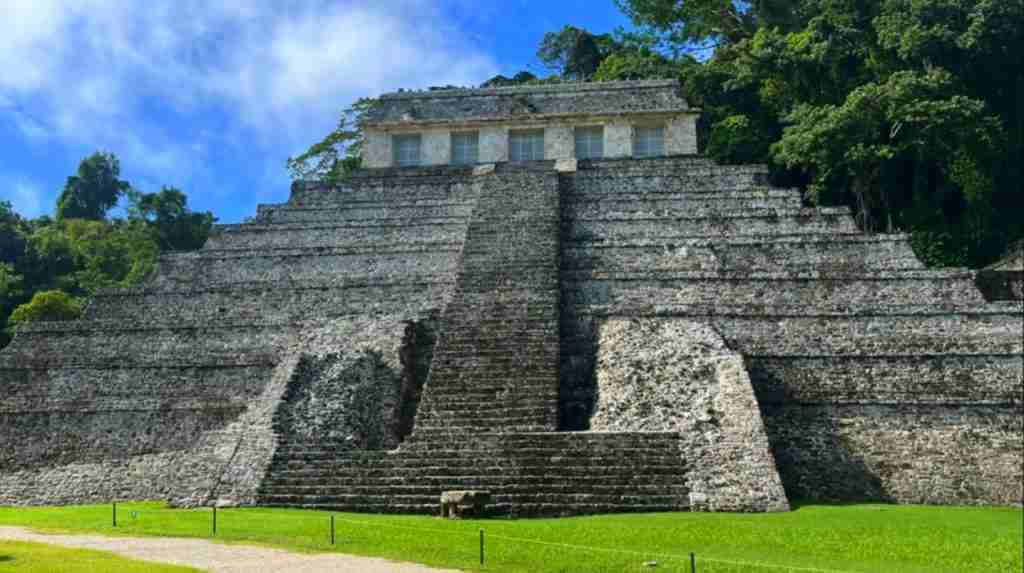
The Temple of Inscriptions stands as Palenque’s signature structure, an eight-level pyramid rising 25 meters with the longest hieroglyphic text in the Maya world covering interior walls. Pakal’s tomb lies deep within the pyramid’s core, though interior access remains restricted to preserve delicate stucco and prevent damage from humidity and human presence. Visitors climb the exterior steps to the upper temple platform when access permits, gaining elevated perspective across the site and appreciation for the pyramid’s mass and proportions.
The Palace complex immediately north of the Temple of Inscriptions represents Palenque’s most extensive structure group. This multi-story administrative and residential complex features multiple courtyards, elaborate stucco decorations, relief sculptures depicting royal activities, and Palenque’s distinctive four-story tower providing 360-degree views. The Palace served as royal residence and administrative center, with different sections constructed and modified across multiple generations demonstrating architectural evolution and increasing sophistication.
The Temple of the Cross Group on elevated platforms east of the Palace includes three major temples forming a plaza: Temple of the Cross, Temple of the Foliated Cross, and Temple of the Sun. These structures feature mansard roofs (characteristic Palenque architectural element), elaborate roof combs, and interior sanctuaries containing magnificent hieroglyphic panels describing creation mythology and royal legitimacy. The climb to this group requires effort but rewards with exceptional architecture and views across the site toward jungle-covered mountains.
Additional significant structures include Temple XIV with well-preserved interior carvings, Temple XIII housing the Red Queen’s tomb discovered in 1994, North Group temples with plaza spaces, and numerous smaller temples and residential platforms throughout the site. The on-site museum displays artifacts including Pakal’s jade death mask replica, ceramic offerings, stone monuments, and detailed information about Maya civilization and Palenque specifically.
How long does it take to visit Palenque archaeological site in 2026?
Minimum meaningful visit requires 2-3 hours covering essential highlights including Temple of Inscriptions, Palace complex, and Temple of the Cross Group with basic photo stops and structure appreciation. This rushed pace suits travelers with limited time or those combining site visit with waterfall trips same day. However, the abbreviated experience necessarily skips outlying structures, sacrifices detailed architectural study, and provides minimal wildlife observation opportunities.
Comprehensive site exploration demands 4-5 hours allowing thorough investigation of all major structure groups, exploration of outlying temples and residential areas, adequate time for photography during optimal light, wildlife observation along jungle paths, and museum visit for artifact appreciation and contextual learning. This fuller experience better serves serious Maya enthusiasts and photographers seeking complete documentation. Starting at 8 AM opening and exploring until 12-1 PM provides ideal timing capturing cool morning hours for physical activity and finishing as heat intensifies.
Specialists including archaeologists, historians, artists, and photographers often spend multiple days at Palenque, returning at different times for varying light conditions, seasonal vegetation changes, and opportunities to study specific architectural details or hieroglyphic texts. The site’s complexity and artistic richness support extended observation revealing details missed during single visits. Most general tourists find 4-5 hours sufficient for satisfying exploration balancing depth with itinerary practicality.
Can you take photos at Palenque archaeological site in 2026?
Photography throughout Palenque archaeological site is permitted for personal use without restrictions or additional fees. Visitors freely photograph all exterior structures, jungle settings, wildlife, and architectural details. Tripods are allowed enabling long-exposure shots and stable compositions. The museum permits photography in most areas, though certain specific artifacts or temporary exhibitions may post no-photo restrictions – observe posted signs and staff instructions.
Commercial photography and video production requires advance permits from INAH (Instituto Nacional de Antropología e Historia) with associated fees and restrictions. Professional equipment including large video cameras, lighting setups, and drone operations requires specific authorization. However, personal cameras including professional-grade DSLRs and mirrorless systems operated for non-commercial purposes need no special permission. The practical distinction focuses on use rather than equipment quality – vacation photography remains unrestricted while professional assignment work requires permits.
Optimal photography timing concentrates in early morning 7-10 AM when softer light illuminates structures without harsh shadows, mist effects create atmospheric conditions, and fewer tourists populate scenes. Late afternoon 3:30-5 PM offers second-best conditions with golden hour light, though heat remains intense and more visitors from earlier arrivals occupy the site. Midday harsh light creates challenging conditions though useful for documenting architectural details and hieroglyphic texts. Rainy season brings dramatic cloud formations and lush vegetation but also unpredictable weather requiring protective gear and flexible shooting schedules.
Is Palenque archaeological site accessible for people with limited mobility in 2026?
Palenque presents significant accessibility challenges for visitors with limited mobility due to site topography and ancient construction characteristics. The main path from entrance to Temple of Inscriptions and Palace complex remains relatively level and paved, making these essential structures theoretically reachable for wheelchair users with strong assistance. However, no structures feature wheelchair ramps, interior access, or accessible facilities. The site was designed 1,300 years ago without modern accessibility considerations, and archaeological preservation priorities limit modification possibilities.
Steep pyramid steps, uneven stone surfaces, and elevated platforms characterize most structures, creating barriers for visitors with mobility limitations. The Temple of Inscriptions requires climbing 75 steep steps to reach upper platform when access permits. Palace complex includes multiple levels connected by stairs. The Temple of the Cross Group necessitates substantial climbing to reach elevated plaza platforms. These physical requirements mean visitors unable to climb steep steps miss access to elevated structures and interior spaces, though they can still appreciate exterior architectural features from ground level.
Visitors with limited mobility can still experience meaningful portions of Palenque. Ground-level appreciation of the Temple of Inscriptions, Palace exterior, and various plaza areas remains possible. The museum provides fully accessible exhibits with ramps, elevators, and level floors displaying many site artifacts. Wheelchairs and walking aids function on main paved paths, though jungle trails and outlying structures prove inaccessible. Visitors considering Palenque with mobility challenges should understand the site’s physical demands and plan realistic expectations focusing on accessible areas while acknowledging that complete site experience requires substantial climbing and walking capabilities.
Extended multi-day tours – 5+ days
Featured Palenque Multi-Day Tour Packages
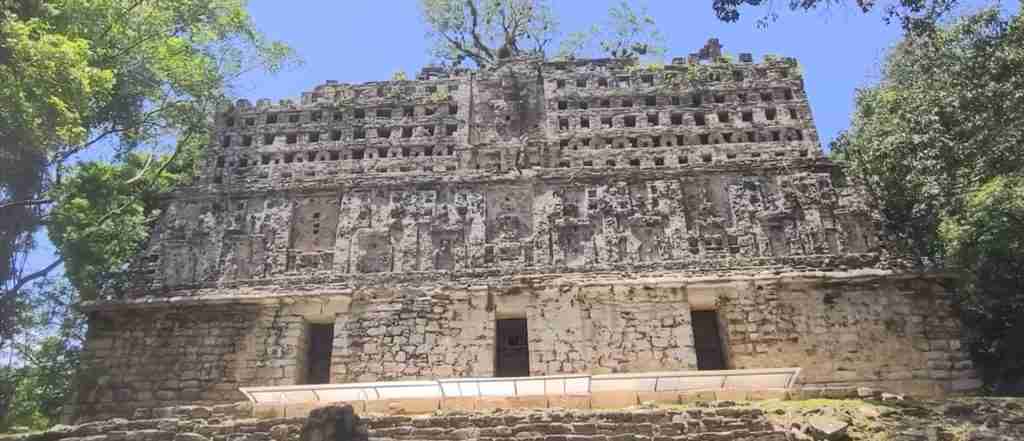
3 days
Palenque 3-Day Discovery Tour
- ✓ Comprehensive Palenque experience
- ✓ Expert local guides included
- ✓ All accommodation included
- ✓ Transportation provided
5 days
Palenque 5-Day Highlights Experience
- ✓ Comprehensive Palenque experience
- ✓ Expert local guides included
- ✓ All accommodation included
- ✓ Transportation provided

7 days
Palenque 7-Day Cultural Journey
- ✓ Comprehensive Palenque experience
- ✓ Expert local guides included
- ✓ All accommodation included
- ✓ Transportation provided
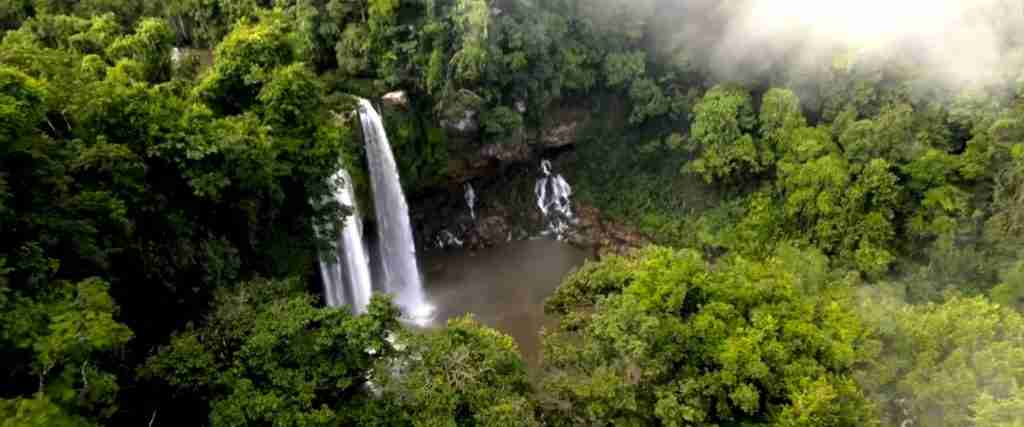
10 days
Palenque 10-Day Complete Adventure
- ✓ Comprehensive Palenque experience
- ✓ Expert local guides included
- ✓ All accommodation included
- ✓ Transportation provided
Multi-day tour packages powered by TourRadar. Prices and availability subject to change.
Essential Visitor Information for 2026 Archaeological Visits
Admission Fees, Hours, and Ticketing Procedures 2026
Palenque archaeological site operates daily 8 AM – 5 PM including holidays, with last entry at 4:30 PM providing final visitors adequate exploration time before closure. The site closes only on January 1st for New Year’s Day. These consistent hours enable reliable planning throughout 2026 without concerns about day-specific closures or reduced schedules during off-season. Early morning arrival at 8 AM opening proves optimal for photography, comfortable temperatures, and wildlife activity.
Admission costs 95 pesos (approximately $5-6 USD) for international visitors in 2026. Check INAH official website for current rates as pricing may vary. This fee grants entrance to both the archaeological zone and on-site museum, representing exceptional value considering site significance and comprehensive access. Mexican nationals and residents pay reduced rates of approximately 75 pesos, while children under 13 enter free. Students with valid Mexican student identification receive discounts. The entrance fee structure aims to make this UNESCO World Heritage site accessible while generating funds for ongoing conservation and research.
Ticket purchase occurs at entrance booth accepting cash in Mexican pesos only – no credit cards or foreign currency. ATMs exist in Palenque town 7-8 km away, requiring cash withdrawal before site visit. The entrance area includes restrooms, a small shop selling drinks and snacks, and information booth with basic site maps. Licensed guides wait near entrance offering services for hire. Beyond these facilities, no food, beverages, or restroom facilities exist within the archaeological zone itself, requiring visitors to carry adequate water and plan accordingly for extended explorations.
Re-entry on same day is not permitted once exiting the site. Visitors planning to leave for lunch or rest must consider that returning requires purchasing new admission. The policy encourages thorough single-visit exploration rather than multiple brief entries. Most visitors find 4-5 hours sufficient for comprehensive site experience, eliminating re-entry need. Those desiring multiple visits across different days for varying photography conditions or deeper study simply purchase admission each day.
Special regulations visitors should observe include staying on marked paths to prevent vegetation trampling and protect unexcavated areas, not touching fragile stucco decorations vulnerable to oil and moisture from hands, avoiding climbing structures marked as closed for conservation or safety concerns, and carrying out all trash as no disposal facilities exist within archaeological zone. Smoking is prohibited throughout the site. Drones require special INAH permits not available to general visitors. These rules protect this irreplaceable cultural heritage while ensuring site remains accessible for future generations.
Preparing for Archaeological Exploration 2026
Physical preparation enhances Palenque archaeological visits significantly. The site demands 3-5 hours of walking, climbing steep pyramid steps, navigating uneven surfaces, and tolerating tropical heat and humidity. Visitors should wear comfortable, well-fitting walking shoes with good traction – running shoes or hiking boots work well, while sandals prove inadequate for steep steps and jungle paths. Closed-toe shoes protect against insects and rough surfaces. Break in new shoes before site visit to prevent blisters from extended walking.
Clothing selection balances sun protection, heat management, and insect prevention. Light-colored, breathable fabrics in long pants and long-sleeve shirts provide optimal combination, though many visitors prefer shorts accepting increased sun and insect exposure for cooler comfort. Wide-brimmed hats protect face and neck from intense tropical sun. Sunglasses reduce glare and eye strain. Bringing light rain jacket during May-November rainy season prepares for afternoon thunderstorms. Layers enable temperature adjustment – early morning coolness gives way to intense midday heat, particularly April-September.
Essential items to carry include minimum 2 liters water per person as no purchase or refill facilities exist within site, sunscreen with high SPF applied before arrival and carried for reapplication every 2 hours, insect repellent against mosquitoes and other insects particularly during rainy season, small daypack distributing weight comfortably during extended walking, camera with extra batteries and memory cards as jungle humidity drains battery life faster, small amount of cash for entrance fee and any pre-site refreshment purchases, and guidebook or downloaded information for structure identification and historical context.
Optional but valuable items include binoculars for wildlife observation enabling howler monkey, bird, and other animal viewing, field guides identifying tropical birds and jungle species abundant around ruins, small first-aid kit with bandages for minor scrapes and blister treatment, portable phone charger maintaining device power for photos and information access, light snacks including energy bars or fruit providing energy during exploration, and small towel for wiping sweat in hot humid conditions. Pack light as everything carried walks for hours, but ensure adequate preparation for comfort and safety.
Photography equipment considerations include protecting cameras from humidity, rain, and jungle conditions. Keep cameras in sealed bags with silica packets when not shooting. Bring lens-cleaning supplies as humidity creates condensation on optics. Extra memory cards ensure adequate capacity for hundreds of architectural photos. Wide-angle lenses (16-35mm) capture impressive structures and jungle context, while mid-range zooms (24-105mm) serve versatile documentation needs. Telephoto lenses (70-200mm or longer) photograph architectural details, hieroglyphic panels, and wildlife. Tripods enable low-light photography and steady compositions though add weight. Consider bringing lightweight travel tripods balancing stability with portability.
Planning Your Archaeological Visit for 2026
Optimal Exploration Strategies and Routing 2026
Entering Palenque archaeological site, the main path leads approximately 200 meters through shaded forest before opening dramatically onto the Temple of Inscriptions rising ahead with the Palace complex visible to the right. This initial view provides powerful first impression of site scale and jungle setting. Strategic routing maximizes experience while managing energy expenditure across extensive site.
Begin exploration immediately at the Temple of Inscriptions taking advantage of early morning light and smallest crowds. Photograph the pyramid from various angles appreciating its proportions and jungle backdrop. Climb the steep exterior steps to upper platform when access permits (occasionally closed for conservation), gaining elevated views across the site and experiencing physical scale of Maya architecture. The climb requires caution on steep steps without handrails. Read interpretive signs explaining Pakal’s tomb discovery and significance, though interior tomb access remains restricted to preserve delicate stucco and control humidity damage.
Progress to the Palace complex immediately north of Temple of Inscriptions, entering through multiple access points into the maze-like structure featuring courtyards, galleries, and the distinctive tower. Allocate 60-90 minutes exploring Palace thoroughly – rush visits miss much of the complex’s richness. Climb the tower for 360-degree views photographing site layout and surrounding jungle. Study the elaborate stucco decorations and relief carvings in various galleries, though many originals reside in the museum with replicas on-site. The Palace rewards patient exploration revealing architectural sophistication through multiple construction phases and integration of administrative, residential, and ceremonial functions.
From the Palace, follow paths east toward the Temple of the Cross Group on elevated platforms. The climb proves moderately strenuous gaining approximately 30 meters elevation via ancient stone stairways and modern concrete steps. Three temples surround the plaza: Temple of the Cross, Temple of the Foliated Cross, and Temple of the Sun. Explore each structure, photographing exterior proportions, distinctive mansard roofs, and elaborate roof combs. Enter accessible sanctuaries viewing replicas of hieroglyphic panels (originals protected in museum). The elevated position provides exceptional views back toward Temple of Inscriptions and Palace, perfect for contextualized photography showing site layout and jungle setting.
After Temple of Cross Group, choices divide based on remaining time and energy. Fit visitors with 4-5 hour plans explore northern structures including Temple of the Count (so-named for 19th-century explorer who occupied it), North Group temples forming plaza complex, and Temple XIV featuring remarkably preserved interior carvings. Jungle paths connect these areas, offering wildlife observation opportunities and quieter experience away from main site concentration. Those with less time or energy prioritize returning to site entrance via main paths, stopping at the museum for comprehensive artifact viewing and contextual education essential for deepening understanding of morning’s physical exploration.
Photography enthusiasts should time structure visits for optimal light: Temple of Inscriptions and Palace photograph well in morning light 8-10 AM, Temple of Cross Group benefits from slightly later morning or early afternoon light, and golden hour 3:30-4:30 PM bathes entire site in warm illumination though heat remains intense and more visitors from earlier arrivals populate the area. Serious photographers visit multiple days capturing structures during different light conditions and from various angles. Single-day visitors prioritize early morning for best overall conditions.
Understanding Site Architecture and Hieroglyphic Significance 2026
Palenque’s architectural distinction manifests through several innovations and refinements that set it apart from other Maya cities. The signature mansard roof design, where upper roof sections step inward creating distinctive profiles, appears throughout the site particularly on temples of the Cross Group. This architectural feature combined strength with aesthetic elegance while reducing weight on supporting walls. Roof combs rising above temples served both functional purposes (increasing interior height and improving ventilation) and symbolic roles (creating vertical emphasis appropriate for sacred spaces and demonstrating architectural ambition).
Stucco decoration reaches extraordinary refinement at Palenque where Maya artists achieved remarkable sculptural detail. The Palace displays elaborate stucco panels depicting seated rulers, captives, and ceremonial scenes. Temple XIII features stunning stucco portraits considered among Maya art’s finest achievements. Stucco offered advantages over stone carving including faster execution, easier modification, and potential for fine detail, though vulnerability to water damage presents ongoing conservation challenges. Modern visitors see many replicas, with original fragile stucco pieces protected in climate-controlled museum conditions.
The hieroglyphic record at Palenque provides unparalleled historical documentation of Maya royal dynasties. The Temple of Inscriptions contains 617 glyph blocks forming the longest pre-Columbian text in Mesoamerica, recording Palenque’s dynastic history from mythical origins through Pakal’s death in 683 CE. The Cross Group tablets document creation mythology and royal succession. Palace structures feature numerous shorter texts recording specific events and royal activities. Decipherment of these inscriptions beginning in the 1970s revolutionized Maya studies, transforming understanding from archaeological patterns to historical narrative with named rulers, specific dates, and political events.
Pakal’s tomb represents architectural and archaeological significance beyond measure. The pyramid construction specifically as mortuary monument challenged previous assumptions about Maya pyramids as purely ceremonial platforms. The burial chamber deep within the pyramid’s core contained Pakal’s remains wearing jade jewelry, surrounded by ceramic offerings, with the famous jade mosaic death mask covering his face. The elaborate tomb entrance featured massive stone slab depicting Pakal’s descent into the underworld, interpreted by early researchers as ancient astronaut in spacecraft though actually showing Maya afterlife mythology. The discovery established pyramids as royal tombs similar to Egyptian practices, though reaching this understanding took decades of research following the 1952 find.
Guided tours with knowledgeable specialists transform appreciation of these architectural and epigraphic elements from aesthetic recognition to historical understanding. Expert guides read hieroglyphic texts explaining specific historical events, identify architectural features demonstrating construction techniques and symbolic meanings, discuss conservation challenges and solutions, and contextualize individual structures within broader Maya civilization development. The investment in quality guided experience ($60-100 for private specialized guides) pays dividends through dramatically enhanced comprehension unavailable to self-guided visitors relying on signage and guidebooks alone.
Budget Planning for 2026 Archaeological Exploration
Comprehensive Cost Breakdown for Site Visits 2026
Transportation from Palenque town to archaeological site 7-8 km away runs 40-60 pesos ($2-3) round-trip via colectivo shared vans, or 200-250 pesos ($10-13) round-trip by taxi. Colectivos depart frequently from near ADO bus terminal on Avenida Juárez, providing economical transport every 10-15 minutes 6 AM-6 PM. Return colectivos run from site entrance until approximately 6 PM. Taxis offer door-to-door convenience from hotels, particularly valuable for very early arrival targeting sunrise photography. Bicycle rental costs 160-300 pesos ($8-15) daily for travelers comfortable with 7-8 km uphill morning rides and prefer independent transport schedules.
Site admission costs 95 pesos ($5-6) per person including museum access. This represents the core archaeological expense delivering hours of exploration and comprehensive artifact viewing. The fee structure makes Palenque remarkably affordable compared to many international archaeological sites where admission costs range $20-40. No additional fees apply for general photography, though commercial permits require separate INAH authorization.
Guided tour costs vary by type and group size. Joining existing group tours at site entrance runs approximately 500-800 pesos ($25-40) per person for 2-3 hour experiences covering major structures with basic historical context. These tours typically operate in English and Spanish depending on group composition. Private guided tours with flexible timing and personalized attention cost 1,200-2,000 pesos ($60-100) for 2-3 hours, worthwhile for serious Maya enthusiasts seeking detailed architectural analysis and hieroglyphic interpretation. Specialized archaeological guides with advanced degrees and publication records command premium rates 2,000-3,000 pesos ($100-150) but deliver graduate-level instruction suitable for scholars and serious students. Independent visits save these costs but miss valuable expert interpretation.
Food and beverage considerations require advance planning as no facilities exist within archaeological zone. Small entrance area shop sells bottled water 25-40 pesos ($1.50-2), sodas 30-50 pesos ($1.50-2.50), and basic snacks 40-80 pesos ($2-4). Most visitors pack water bottles from town at supermarket prices 15-25 pesos ($0.75-1.25) per liter, substantial savings for multi-liter daily requirements. Bringing snacks from town markets or shops – fruit, granola bars, sandwiches – prevents hunger during extended exploration while avoiding expensive entrance area purchases. Budget-conscious travelers pack breakfast and morning snacks completely, eating lunch after returning to town.
Sample budget scenarios demonstrate total costs for various visiting styles. Ultra-budget approach using colectivo transport 40 pesos, site admission 95 pesos, self-guided exploration, packed water and snacks from town 50 pesos totals approximately 185 pesos ($9-10) per person. Mid-range strategy with taxi transport 200 pesos, site admission 95 pesos, group guided tour 500-800 pesos, purchased water and snacks 100 pesos reaches 895-1,195 pesos ($45-60) per person. Premium experience with private guided tour 1,500 pesos, taxi transport 250 pesos, site admission 95 pesos, purchased refreshments 120 pesos totals approximately 1,965 pesos ($98) per person. These figures exclude meals in town restaurants and accommodation costs.
Money-Saving Strategies for Archaeological Visits 2026
Purchasing water and snacks in Palenque town before site visits saves 40-60% compared to entrance area vendors. Town supermarkets sell bottled water 15-25 pesos versus 25-40 pesos at site. Bringing adequate supplies eliminates dependence on limited entrance options at inflated prices. Even budget hotels typically provide guests with complimentary drinking water – fill reusable bottles before departure saving purchase costs entirely.
Combining self-guided exploration with single guided tour maximizes value while controlling costs. Consider engaging guide for initial comprehensive visit providing historical foundation and architectural interpretation, then returning independently on subsequent days for photography during different light conditions and personal contemplation of structures without guide expenses. This approach delivers expert knowledge benefits while allowing budget-conscious extended exploration. Some guides offer reduced rates for repeat clients or partial-site tours focusing on specific structure groups rather than comprehensive coverage.
Transportation cost control comes through strategic choices. Colectivos at 20-30 pesos each way versus taxis at 100-150 pesos saves 120-240 pesos ($6-12) per round trip. For early morning arrival targeting 8 AM opening, arranging shared taxi among 3-4 travelers staying at same hotel or meeting through hostel common areas splits costs making taxis price-competitive with colectivos while providing convenience. Walking proves free for exceptionally fit travelers comfortable with 7-8 km uphill morning walks, though 90+ minute journeys sacrifice exploration time most prefer spending at ruins.
Multi-day museum passes don’t exist, but thorough single-day site visits incorporating museum exploration deliver complete experience without return visit needs for most travelers. Allocate adequate time – minimum 4-5 hours – ensuring comprehensive exploration of archaeological zone plus museum within single admission. Rushing through site in 2-3 hours forces choices between structures, while proper 4-5 hour visits cover all major areas plus museum thoroughly. The integrated approach maximizes single admission value.
Photography equipment considerations affect costs. Quality site documentation doesn’t require expensive camera gear – modern smartphones capture excellent images for memory and social sharing. Travelers without dedicated cameras save equipment costs while still documenting experiences adequately. Those owning cameras should bring them, but purchasing cameras specifically for Palenque visit proves unnecessary unless planning extensive future travel photography. Guidebook purchases aren’t essential – libraries of information exist online for pre-visit research, and site signage provides basic context, though $15-25 quality guidebook investments enhance self-guided understanding substantially for serious students.
Sample 2026 Archaeological Visit Itineraries
Half-Day Intensive Focus (4 Hours)
This efficient itinerary maximizes archaeological experience within limited time while maintaining quality exploration of essential structures. The schedule suits travelers continuing to other destinations or those combining site visit with afternoon waterfall trips.
7:30 AM: Depart Palenque town by colectivo 20-30 pesos or pre-arranged taxi 100-150 pesos, arriving site entrance approximately 8:00 AM at opening time. Purchase admission ticket 95 pesos at entrance booth. Minimal crowds at opening enable unobstructed photography and peaceful exploration. Early light provides softer illumination perfect for architectural documentation. Temperature remains comfortable for physical activity.
8:00-8:45 AM: Temple of Inscriptions exploration. Photograph pyramid from multiple angles including frontal view showing full eight-level facade and angled perspectives revealing jungle backdrop. Climb exterior steps to upper platform when access permits (approximately 75 steep steps requiring caution), experiencing physical scale and gaining elevated views across site toward Palace and surrounding jungle. Read interpretive signs explaining Pakal’s tomb discovery, though interior remains closed. The morning provides optimal conditions for this iconic structure with excellent light and minimal visitor presence.
8:45-10:15 AM: Palace complex comprehensive exploration. Enter through main access points, systematically visiting multiple courtyards, galleries, and the distinctive tower. Climb tower interior steps reaching observation platform with 360-degree views – essential for understanding site layout and capturing contextual photography showing structure relationships. Study elaborate stucco decorations and relief panels throughout various Palace sections. The extensive complex rewards 90-minute allocation revealing architectural sophistication and multiple construction phases. Early morning timing ensures comfortable temperatures for extended Palace exploration before heat intensifies.
10:15-11:30 AM: Temple of the Cross Group visit. Walk east from Palace following paths toward elevated platforms, climbing approximately 30 meters via stone stairways. Explore all three temples – Temple of the Cross, Temple of the Foliated Cross, and Temple of the Sun – photographing distinctive mansard roofs, elaborate roof combs, and characteristic Palenque architectural refinement. View accessible interior sanctuaries containing hieroglyphic panel replicas. The elevated position provides exceptional photography opportunities capturing Temple of Inscriptions and Palace in broader site context with jungle surroundings. Allow adequate time for three temples plus photography from various elevated viewpoints.
11:30 AM-12:00 PM: Museum visit. Descend from Temple of Cross Group returning toward site entrance and museum building. Air-conditioned museum provides midday respite from increasing heat while delivering essential educational content. Examine Pakal’s jade death mask (replica, original in Mexico City), ceramic offerings from various tombs, carved stone monuments, and detailed interpretive exhibits explaining Palenque’s dynastic history and Maya civilization context. Comprehensive museum exploration requires minimum 45-60 minutes for artifact appreciation and information absorption.
12:00-12:30 PM: Exit site, returning to Palenque town via colectivo or taxi. Site admission 95 pesos, round-trip transport 40-60 pesos (colectivo) or 200-250 pesos (taxi). Total cost: 135-155 pesos ($7-8) per person for independent visit, excluding any food/beverage purchases. Add 500-800 pesos ($25-40) if joining group guided tour, or 1,200-2,000 pesos ($60-100) for private guide. The intensive 4-hour morning delivers comprehensive experience of essential structures plus museum while maintaining comfortable pacing and optimal timing for temperature and crowds.
Full-Day Archaeological Immersion (6-7 Hours)
This extended itinerary serves serious Maya enthusiasts, photographers seeking multiple perspective opportunities, and travelers wanting thorough site documentation without time pressure. The relaxed pacing allows detailed study, wildlife observation, and comprehensive photographic coverage.
7:00 AM: Early breakfast at hotel or self-prepared meal. Arrange taxi departure 7:30 AM for pre-opening site arrival, or take colectivo departing 7:40 AM. Arrive entrance area approximately 8:00 AM at opening. Early arrival ensures first entry, providing 15-30 minutes before general crowd arrival for optimal photography conditions.
8:00-9:00 AM: Temple of Inscriptions comprehensive documentation. Photograph from multiple positions including various angles around pyramid base, elevated shots from Palace structure showing Temple of Inscriptions in context, and detail shots of architectural elements. Climb to upper platform for extended photography session capturing morning light evolution, jungle mist effects as vegetation humidity lifts, and panoramic site views. Study interpretive materials thoroughly. The hour allocation allows unhurried appreciation and complete photographic coverage unavailable during rushed visits.
9:00-11:00 AM: Palace complex intensive exploration. Systematically visit every accessible courtyard, gallery, and passage. Photograph architectural details including stucco decorations, relief panels, corbel vaulting, and construction techniques. Climb tower multiple times for photography during evolving light conditions. Read all interpretive signs and guidebook sections about Palace history and functions. Two-hour allocation enables thorough documentation and architectural understanding while maintaining comfortable pacing. Morning temperatures remain manageable for extended physical exploration.
11:00 AM-12:30 PM: Temple of the Cross Group complete investigation. Allocate time for all three temples with comprehensive photography from multiple perspectives. Climb accessible structures for elevated viewpoints. Study hieroglyphic panel replicas and architectural details. Photograph the entire group from various positions showing interrelationships of three temples around plaza. The extended timeframe allows careful documentation and architectural analysis without rushing between structures.
12:30-1:30 PM: Museum thorough exploration. Examine every exhibit, read all interpretive text, study artifacts including Pakal’s death mask, ceramic offerings, carved monuments, and architectural models. The air-conditioned environment provides welcome midday relief during hottest hours. Full hour investment delivers comprehensive education deepening morning’s physical exploration through artifact context and historical narrative.
1:30-2:30 PM: Lunch break. Either return briefly to Palenque town via taxi for restaurant meal, or enjoy packed lunch in shaded areas near entrance maintaining site admission for afternoon return. Town lunch offers comfortable dining at restaurants 150-350 pesos ($8-18) per person, while packed lunches save money and time. Consider this decision based on energy levels, weather conditions, and afternoon exploration priorities.
2:30-4:00 PM: Outlying structures and jungle paths exploration. Visit Temple XIV with exceptional interior carvings, North Group temples forming plaza complex, Temple of the Count where early explorer lived during initial site research, and other less-visited structures scattered throughout site edges. Follow jungle trails connecting structure groups, observing wildlife including howler monkeys, tropical birds, insects, and vegetation. This afternoon segment provides quieter, more contemplative experience after morning’s major structure focus. Afternoon light begins improving as shadows lengthen, creating renewed photography opportunities.
4:00-4:45 PM: Return to major structures for golden hour photography. Temple of Inscriptions, Palace, and Cross Group photograph beautifully in late afternoon light. Warm illumination enhances limestone colors and creates dramatic shadows emphasizing architectural relief. Final photography session captures structures in completely different light than morning documentation, providing varied image collection. By this hour, most visitors have departed, creating uncrowded conditions rivaling early morning for clean compositions without people in frames.
4:45-5:00 PM: Exit site as closing approaches, returning to Palenque town via last colectivos (until approximately 6 PM) or arranged taxi pickup. Full-day costs: site admission 95 pesos, round-trip taxi transport (recommended for timing flexibility) 250-300 pesos, packed lunch and snacks 100-150 pesos. Total: 445-545 pesos ($22-27) per person for independent full-day visit. Add guided tour costs 500-2,000 pesos ($25-100) depending on group vs. private and guide specialization level if engaging morning guide for foundational tour before independent afternoon exploration.
This comprehensive 6-7 hour approach delivers complete site experience including all major structures, outlying temples, museum, wildlife observation, and photography during multiple light conditions. The investment creates thorough documentation and deep appreciation of Palenque’s architectural and artistic achievements while maintaining comfortable pacing throughout extended visit.
Practical Tips for 2026 Archaeological Site Visits
Health, Safety, and Environmental Considerations
Heat management proves critical for comfortable Palenque visits, particularly March through September when temperatures reach 28-35°C with high humidity. Start exploration immediately at 8 AM opening when temperatures remain coolest 20-24°C. Complete physical climbing activities before 11 AM as heat intensifies substantially. Carry minimum 2 liters water per person, drinking regularly rather than waiting for thirst signals indicating early dehydration. Wear light-colored, breathable clothing and wide-brimmed hats reducing heat absorption and sun exposure. Take frequent breaks in shaded areas, particularly under temple overhangs or forest canopy along jungle paths.
Recognize heat exhaustion symptoms including excessive fatigue, dizziness, headache, nausea, and heavy sweating. If symptoms appear, immediately move to shade, drink water slowly, rest until condition improves. Severe cases require medical attention – site staff can assist with emergency situations. Prevention through early morning timing, adequate hydration, sun protection, and realistic pacing prevents problems more effectively than treating symptoms after they develop. Visitors unaccustomed to tropical conditions should plan shorter initial explorations, extending time if comfortable rather than overcommitting to ambitious schedules risking heat illness.
Insect protection requires diligent application of effective repellent containing DEET or picaridin, particularly during rainy season May-November when mosquito populations peak. Apply repellent to exposed skin and clothing before entering site, reapplying every 2-3 hours according to product instructions. Mosquitoes in Chiapas can carry dengue, chikungunya, and Zika viruses, making protection essential beyond mere discomfort avoidance. Long pants and long sleeves provide additional barriers. Check clothing and exposed skin periodically for ticks, removing immediately if found. The jungle environment harbors various insects – maintaining awareness and protection prevents most issues.
Physical hazards include steep pyramid steps, uneven stone surfaces, and slippery conditions after rain. Climb carefully watching foot placement, using handrails where available. Steps worn by centuries of use plus modern tourism present variable heights and depths requiring attention. Rain makes limestone surfaces treacherously slick – avoid climbing wet structures, waiting for surfaces to dry. Twisted ankles and falls represent the most common site injuries, entirely preventable through careful movement and appropriate footwear. Supervise children closely, particularly on elevated platforms and steep stairs where falls could cause serious injury.
Wildlife encounters enhance experiences but require respectful distance. Howler monkeys visible in trees around ruins pose no danger if left undisturbed – never attempt to feed or approach. Their loud roars sound intimidating but serve territorial communication rather than aggression. Tropical birds including toucans, parrots, and motmots frequently appear, perfect for observation and photography from respectful distances. Snakes exist in jungle areas but rarely appear on maintained paths and avoid human contact. Watching where you place hands and feet, particularly on jungle trails away from main structures, prevents rare snake encounters. Report any aggressive wildlife behavior to site staff who can assess and address situations.
Photography Tips and Technical Considerations 2026
Light direction and quality dramatically affect architectural photography results at Palenque. Morning light between 8-10 AM provides soft, even illumination minimizing harsh shadows while bringing out texture in limestone surfaces. The Temple of Inscriptions photographs particularly well with morning front-lighting revealing facade details. The Palace complex benefits from morning and late afternoon light hitting different facades as sun position changes. Temple of Cross Group receives good light from mid-morning through early afternoon given its eastern elevation and orientation.
Golden hour lighting in the 30-45 minutes before sunset (approximately 4:00-4:45 PM during winter, 5:30-6:15 PM summer) bathes structures in warm tones emphasizing colors and creating dramatic shadows. This timing requires strategic planning as site closes at 5 PM, limiting golden hour opportunities particularly during summer months when best light arrives after closure. Arriving early morning captures similar quality light at day’s beginning when site stays open. Consider visiting multiple days timing different structures for optimal light if photography represents primary visit purpose.
Composition strategies leverage Palenque’s jungle setting distinguishing it from more open Maya sites. Frame structures with overhanging tree branches in foreground creating depth and context. Include forest vegetation in wide shots emphasizing integration of architecture with natural environment. Capture contrast between stone permanence and organic jungle growth. From elevated positions on pyramids and platforms, photograph layers of jungle canopy extending to distant mountains. These contextual compositions tell stories about Palenque’s setting unavailable at sites cleared of surrounding vegetation.
Detailed documentation serves educational and artistic purposes. Photograph stucco decorations and relief carvings using appropriate focal lengths – macro lenses or close-focusing capabilities capture intricate details, while medium telephotos (70-200mm) compress perspective photographing relief panels from working distances avoiding distortion. Hieroglyphic texts benefit from careful lighting revealing carved details – slight side-lighting often works better than flat frontal illumination. Architectural elements including corbel vaulting, roof combs, and doorway lintels deserve detail shots documenting Maya construction techniques and artistic achievement.
Technical considerations include protecting equipment from humidity, heat, and potential rain. Keep cameras in sealed bags with silica gel packets when not shooting, preventing moisture infiltration into electronics and optics. Bring lens cleaning supplies as humidity creates condensation on cold glass surfaces. Extra batteries prove essential as heat accelerates power drain – carry at least two spares for full-day shooting. Memory cards should provide ample capacity – expect capturing 300-500 images during comprehensive visits. Tripods enable sharp low-light photography and create stable platforms for careful composition, though portability versus stability requires balancing for 4-5 hour walks carrying equipment.
Drone photography requires special INAH permits unavailable to general tourists. Authorities prohibit unauthorized drone flights over archaeological sites for safety concerns and preservation priorities. Do not attempt unauthorized drone operations regardless of potential image opportunities – confiscation and fines result from violations. Professional photographers requiring aerial documentation must apply through proper INAH channels months in advance, presenting credentials and project justification. General visitors should appreciate ground-level perspectives available through elevated temple platforms providing excellent overview compositions without drone technology.
Frequently Asked Questions About Palenque Archaeological Site 2026
What makes Palenque unique compared to other Maya sites? Palenque’s distinction emerges through multiple factors: exceptional artistic refinement in stucco decoration and relief carving representing Classic Maya achievement at its finest, dramatic jungle setting where temples emerge from dense forest creating atmospheric experiences unavailable at more open sites, rich hieroglyphic record documenting dynastic history transforming archaeological understanding, Pakal’s tomb discovery revealing pyramid functions as royal burial monuments, and distinctive architectural features including mansard roofs and elaborate roof combs. The combination of artistic quality, historical documentation, jungle atmosphere, and archaeological significance creates experiences different from other major Maya cities despite smaller physical scale than Tikal or Calakmul.
Can you go inside the pyramids at Palenque? The Temple of Inscriptions interior containing Pakal’s tomb remains closed to general public access for preservation reasons. Interior humidity, visitor body heat, and physical contact would damage delicate stucco decorations and accelerate deterioration of tomb chamber. Visitors climb exterior pyramid steps to upper platform when access permits, though sometimes even exterior climbing closes temporarily for conservation work. Other structures including Palace complex and various temples allow entry into surface chambers and galleries where architectural features and stucco decorations can be observed directly. The accessibility balance preserves most fragile areas while maintaining extensive public access throughout the majority of structures.
How much walking is involved at Palenque archaeological site? Comprehensive site exploration involves 3-5 hours of continuous walking and climbing covering approximately 3-4 kilometers of paths connecting structure groups, plus vertical climbing equivalent to ascending 15-20 story building via steep pyramid and temple steps. The terrain includes level paved paths, uneven stone surfaces, jungle trails, and numerous stairways requiring physical capability and reasonable fitness. Visitors with limited stamina can focus on essential highlights – Temple of Inscriptions, Palace, and museum – requiring 2-3 hours and less intensive walking while missing outlying structures and elevated Cross Group temples. Most people with average fitness handle the site comfortably when properly paced with adequate breaks, though sedentary individuals may find the climbing and walking challenging particularly in heat.
What is the best season to photograph Palenque? December through April dry season provides most consistent photography conditions with clear skies, minimal rain disruption, and comfortable temperatures. However, each season offers distinct advantages: dry season delivers reliable weather and clearest air but sometimes hazy conditions from regional burning, rainy season (May-November) brings lush green vegetation, dramatic clouds, occasional mist effects, and fewer tourists though afternoon thunderstorms disrupt shooting schedules. Serious photographers visit during both seasons capturing different moods – dry season for reliability and clear light, rainy season for dramatic atmosphere and vibrant jungle. Single-visit travelers prioritize December-March for optimal overall conditions balancing weather reliability with comfortable temperatures and vegetation quality.
Are there restrooms and food available at the archaeological site? Basic restrooms exist at the entrance area before entering the archaeological zone proper. Once past entrance, no restroom facilities exist throughout the extensive site – visitors must return to entrance area for restroom access. No food vendors or cafeterias operate within the archaeological zone itself. A small shop at entrance sells bottled water, sodas, and basic snacks at elevated prices compared to town rates. Visitors should carry adequate water (minimum 2 liters per person) and snacks from town for sustained energy during extended exploration. Plan restroom visits before entering site and budget adequate time – returning from distant structures like Temple of Cross Group requires 15-20 minutes walking to reach entrance facilities.
How crowded does Palenque get during peak season 2026? Peak season December through January and Easter week brings notably higher visitor numbers compared to rest of year, though Palenque never experiences crushing crowds common at Chichen Itza or Machu Picchu. Even during busy periods, the extensive site area distributes visitors effectively preventing overwhelming concentration except briefly at major structures like Temple of Inscriptions. Arriving at 8 AM opening provides 1-2 hours of relatively uncrowded conditions before group tours and general visitors arrive mid-morning. Weekdays prove quieter than weekends when Mexican domestic tourists visit in larger numbers. Rainy season (May-November) sees dramatically fewer tourists, with September-October offering nearly private experiences. For travelers prioritizing solitude, shoulder season (February, March, November) or rainy season provide better conditions than absolute peak weeks.
Do I need a guide or can I explore Palenque independently? The site accommodates independent exploration effectively with clear paths, basic signage, and guidebook information enabling self-guided experiences. However, knowledgeable guides dramatically enhance understanding through hieroglyphic reading, architectural analysis, historical context, and identification of details easily missed by untrained observers. Consider hybrid approach: engage guide for initial comprehensive tour establishing foundational knowledge, then return independently for photography, personal contemplation, and areas of specific interest. Quality guides transform visits from aesthetic appreciation to historical education, particularly valuable given Palenque’s rich epigraphic record unavailable at sites with fewer hieroglyphic texts. Budget travelers manage meaningful independent visits, while serious Maya students benefit substantially from expert guide investment.
What wildlife can you see at Palenque archaeological site? Howler monkey troops inhabit trees throughout and surrounding the site, their distinctive roars echoing across ruins particularly at dawn and dusk. These impressive primates often appear in trees near the Palace and along jungle paths connecting structure groups. Tropical bird species abundant in the area include toucans with massive colorful bills, various parrot species, brilliant motmots, numerous smaller birds, and occasional raptors. Butterflies including spectacular blue morphos and other tropical species flutter along paths and around flowering plants. Insects ranging from leaf-cutter ants carrying vegetation fragments to occasional tarantulas and diverse beetle species demonstrate tropical biodiversity. Early morning visits (8-10 AM) provide best wildlife observation when animals remain most active before midday heat suppresses activity.
Is there shade at Palenque or is it all exposed to sun? Palenque provides significantly more shade than many Maya sites due to forest setting and structure characteristics. Jungle trails connecting different areas pass under forest canopy offering complete shade. Many structures including the Palace and various temples create shaded galleries, courtyards, and passageways where visitors can rest away from direct sun. Massive ceiba and other trees near structures provide natural shade. However, climbing pyramids and exploring exposed plaza areas involves full sun exposure, making sun protection essential including hats, sunscreen, and appropriate clothing. The combination of shaded and exposed areas allows strategic rest breaks maintaining comfortable conditions during hot months when planned effectively.
Can you visit Palenque archaeological site on your own or do you need a tour? Independent visits work perfectly well – no requirement exists for guided tours or group participation. Visitors purchase admission at entrance and explore freely following personal interests and pacing. Site layout proves intuitive with main structures clearly visible and paths connecting all areas. However, organized tours from Palenque town frequently combine archaeological site visits with waterfall trips to Misol-Ha and Agua Azul, creating efficient full-day experiences visiting multiple attractions. These combination tours prove popular for comprehensive regional exploration. Purely archaeological visits manage completely independently, while combination tours offer convenience for visiting waterfalls that present transportation challenges for independent travelers without rental cars.