
Puebla Day Trip from Mexico City 2026: Complete Guide
Key Takeaways:
- Multiple transportation options connect Mexico City to Puebla in 2-3 hours with costs ranging $10-45 each way in 2026
- Day trip budgets range $50-150 per person depending on transportation choices and dining preferences (excluding accommodation)
- UNESCO World Heritage historic center features over 70 churches and 1,000 colonial buildings within walking distance
- Advance bus reservations recommended for weekend travel, while Tuesday-Thursday offers quieter exploration
- Combined Puebla-Cholula itineraries maximize cultural experiences within 10-12 hour day trip timeframes
- Spring and fall provide optimal weather conditions with temperatures 18-25°C for comfortable walking tours
Planning Your Puebla Day Trip in 2026
Puebla stands 130 kilometers southeast of Mexico City, offering one of central Mexico’s most rewarding day trip experiences. This UNESCO World Heritage colonial city combines architectural splendor, culinary excellence, and indigenous heritage within a compact historic center perfect for single-day exploration. The city’s elevation at 2,160 meters provides comfortable year-round temperatures while its proximity to the massive Popocatépetl and Iztaccíhuatl volcanoes creates dramatic natural backdrops.
The historic center concentrates Puebla’s main attractions within a walkable 1.5-kilometer radius, making efficient day trip planning straightforward. Most visitors focus on the cathedral, religious complexes, Talavera pottery workshops, and traditional markets, though extending visits to nearby Cholula adds significant archaeological interest. Transportation infrastructure between the two cities developed significantly over recent decades, with multiple daily bus departures, private shuttle services, and tour operator options catering to different budgets and preferences.
Successful day trip planning balances transportation time (typically 4-6 hours round-trip including connections), exploration time (5-7 hours in Puebla), and realistic pacing. The colonial architecture requires considerable walking on cobblestone streets, while Puebla’s culinary reputation demands time for proper meal experiences. Weather considerations affect comfort levels significantly, as the high-altitude location means cool mornings and evenings even during summer months.
People Also Ask About Puebla Day Trips 2026
How much does a day trip from Mexico City to Puebla cost in 2026?
Budget-conscious travelers spend $50-75 per person for a Puebla day trip using ADO bus transportation ($20-24 round-trip), street food meals ($15-25 total), and free or low-cost attraction entry ($5-10). Check ADO.com.mx for current bus fares as seasonal pricing variations apply. Mid-range day trips cost $100-150 including private shuttle services ($35-45 per person with shared costs), sit-down restaurant meals ($40-60), and guided tour components ($20-30). Premium experiences with private drivers, fine dining, and comprehensive guided tours reach $200-300 per person.
Transportation represents the largest variable cost factor. ADO first-class buses offer the most economical option at $10-12 each way, while luxury bus services cost $15-18 each way with more comfortable seating and onboard amenities. Private car services range $120-180 round-trip for vehicles accommodating 3-4 passengers, making shared costs competitive with bus travel for small groups. Tour packages bundling transportation, guide services, and entrance fees typically cost $85-130 per person depending on itinerary comprehensiveness and group size.
Dining budgets vary dramatically based on choices. Street food tacos and cemitas cost $2-4 each, allowing full meals for $8-12. Traditional restaurants serving mole poblano and chiles en nogada charge $15-25 per entrée, while upscale dining establishments in restored colonial buildings reach $30-50 per person with drinks. Most day trippers allocate $25-45 for meals including breakfast, lunch, and snacks, though food enthusiasts easily spend $60-80 sampling multiple specialties.
Is one day enough to visit Puebla from Mexico City in 2026?
One day provides adequate time to experience Puebla’s historic center highlights, though rushed itineraries sacrifice depth for coverage. Most day trippers successfully visit the cathedral, Biblioteca Palafoxiana, Capilla del Rosario, and several museums while enjoying at least one proper meal and browsing the Parian market. The compact historic center layout enables efficient movement between major sites, with walking times rarely exceeding 15 minutes between attractions.
Extended day trips incorporating Cholula require earlier departures and later returns, typically utilizing 10-12 hours total. This combination allows 3-4 hours in Puebla’s historic center, 2-3 hours in Cholula including pyramid climbing, and necessary transportation time between locations. Travelers prioritizing archaeological sites over colonial architecture find this combination particularly rewarding, as Cholula’s Great Pyramid and church-topped ruins provide contrasting experiences to Puebla’s Spanish colonial heritage.
Overnight stays unlock significant additional experiences including evening illumination of the cathedral and zócalo, sunset views from rooftop restaurants, and unhurried exploration of specialized museums and neighborhoods. Weekend overnight visitors enjoy Friday evening arrival, full Saturday exploration, and Sunday morning departure patterns that eliminate morning rush considerations while adding culinary experiences impossible to fit into day trip timeframes. However, well-planned day trips from Mexico City definitely capture Puebla’s essential character and main attractions.
What’s the best way to get from Mexico City to Puebla in 2026?
ADO first-class buses provide the optimal balance of cost, comfort, and convenience for most day trippers. Departures run every 20-30 minutes during peak hours (6 AM-10 AM and 4 PM-8 PM) from TAPO bus terminal in Mexico City, with journey times ranging 2-2.5 hours depending on traffic conditions and route selections. Direct services use the Mexico-Puebla highway (150D toll road) for faster travel, while stopping services add 30-45 minutes through intermediate towns.
The TAPO terminal location in eastern Mexico City requires consideration for travelers staying in western neighborhoods like Roma, Condesa, or Polanco. Metro connections to TAPO take 45-60 minutes from these areas, while taxis or ride-sharing services cost $8-15 and reduce travel time to 25-40 minutes depending on traffic. Early morning departures benefit from lighter traffic, making 6 AM or 7 AM buses ideal for maximizing Puebla exploration time.
Private car services offer door-to-door convenience with flexible scheduling but cost significantly more at $120-180 round-trip for sedan or SUV vehicles. Groups of 3-4 travelers find private transportation cost-competitive with bus travel when factoring convenience and time savings. Drivers typically wait in Puebla for return trips, though some services offer separate pickup scheduling for greater exploration flexibility. Negotiating wait time limits and additional destination stops (like Cholula) before departure prevents misunderstandings.
Organized tours represent another transportation option, bundling bus travel, guide services, and sometimes meals into $85-130 packages. These tours follow fixed itineraries with limited personal exploration time, making them suitable for first-time visitors seeking overview experiences rather than in-depth cultural immersion. Tour packages handle all logistics including attraction entries and restaurant reservations, eliminating planning stress but reducing spontaneity.
Can you visit Cholula and Puebla in one day from Mexico City in 2026?
Combined Puebla-Cholula day trips require 10-12 hours total but successfully include highlights from both destinations. The 8-kilometer distance between Puebla and Cholula translates to 20-30 minute taxi rides ($8-12) or 45-60 minute local bus connections ($1-2). Most combined itineraries allocate 3-4 hours for Puebla’s historic center, 2-3 hours for Cholula’s archaeological zone and churches, plus transportation time between locations and back to Mexico City.
Early departures from Mexico City (6 AM-7 AM buses) enable arrival in Puebla by 8:30-9:30 AM, providing morning hours for cathedral visits and museum exploration before midday crowds intensify. Cholula visits typically occupy afternoon hours (2 PM-5 PM), taking advantage of better pyramid visibility and cooler temperatures for climbing. Return buses from Puebla to Mexico City run until 10 PM, allowing dinner in either Puebla or Cholula before departure.
Transportation logistics between Puebla and Cholula require planning. Taxis offer the most convenient option at $8-12 for direct 20-minute transfers, while local buses from Puebla’s CAPU terminal provide economical alternatives at $1-2 per person with 45-60 minute journey times including terminal access and waiting. Day trippers prioritizing time efficiency over costs universally choose taxis for inter-city movement, reserving bus travel for the main Mexico City-Puebla segments.
Extended multi-day tours – 5+ days
Featured Puebla Multi-Day Tour Packages
3 days
Puebla 3-Day Discovery Tour
- ✓ Comprehensive Puebla experience
- ✓ Expert local guides included
- ✓ All accommodation included
- ✓ Transportation provided

5 days
Puebla 5-Day Highlights Experience
- ✓ Comprehensive Puebla experience
- ✓ Expert local guides included
- ✓ All accommodation included
- ✓ Transportation provided
7 days
Puebla 7-Day Cultural Journey
- ✓ Comprehensive Puebla experience
- ✓ Expert local guides included
- ✓ All accommodation included
- ✓ Transportation provided

10 days
Puebla 10-Day Complete Adventure
- ✓ Comprehensive Puebla experience
- ✓ Expert local guides included
- ✓ All accommodation included
- ✓ Transportation provided
Multi-day tour packages powered by TourRadar. Prices and availability subject to change.
Essential Planning Information 2026
Current Costs and Pricing Breakdown for 2026
Transportation costs dominate Puebla day trip budgets. ADO first-class buses cost $10-12 each way, with round-trip tickets at $20-24 per person in 2026. Check ado.com.mx for current official fares as seasonal variations and advance purchase discounts apply periodically. Premium ADO Platino services with larger seats and onboard refreshments cost $15-18 each way ($30-36 round-trip), while standard ADO GL services fall between these options at $12-14 each way.
Private transportation ranges $120-180 for sedan or SUV vehicles accommodating 3-4 passengers round-trip. When divided among multiple travelers, per-person costs reach $30-60, becoming competitive with premium bus services while offering door-to-door convenience and flexible scheduling. Private drivers charging hourly rates (typically $25-35 per hour) require 10-12 hour bookings for day trips including waiting time, totaling $250-420 for complete excursions.
Attraction entrance fees remain modest in Puebla. The cathedral requires no entrance fee though donations are welcomed. Biblioteca Palafoxiana charges $5 admission, while the Amparo Museum costs $4 (free on Mondays). Capilla del Rosario inside Santo Domingo church requires no separate fee, and the Parian artisan market offers free browsing. Budget $10-20 per person for attraction entries if visiting multiple paid sites, though many visitors spend less focusing on architectural appreciation and street-level exploration.
Dining represents the most variable budget component. Street food breakfast options (tamales, pan dulce, coffee) cost $4-6, while sit-down breakfast restaurants charge $8-15 per person. Lunch budgets range from $8-12 for street food cemitas or tacos to $20-35 for traditional mole poblano in established restaurants. Dinner costs parallel lunch pricing, with upscale colonial-setting restaurants reaching $35-50 per person with drinks and desserts. Daily food budgets range $25-45 for most travelers, with $60-80 allocations for food-focused trips sampling multiple specialties.
Additional costs include local transportation within Puebla ($5-10 for occasional taxis), Talavera pottery purchases ($15-200 depending on item size and workshop reputation), and optional guide services ($40-60 for 3-4 hour walking tours). Cholula additions require pyramid entrance fees ($5), taxi transfers ($8-12 each way from Puebla), and separate meal budgets if dining in Cholula rather than returning to Puebla.
Transportation Schedules and Booking Strategies for 2026
ADO buses depart TAPO terminal in Mexico City every 20-30 minutes during peak periods (6 AM-10 AM and 4 PM-8 PM), with slightly less frequent service during midday hours. First morning departure leaves at 5:45 AM, enabling arrival in Puebla around 8 AM after 2-2.5 hour journey. Last evening departure from Puebla back to Mexico City typically runs at 10 PM, though confirming schedules during booking prevents missed connections.
Advance reservations become critical during Mexican holiday weekends (Semana Santa, Day of the Dead, Christmas-New Year period) when buses sell out 3-7 days ahead. Regular weekends see moderate booking pressure, with same-day tickets usually available for departures after 9 AM. Tuesday-Thursday travel offers most flexibility with walk-up ticket purchases common even during peak hours. Online booking through ado.com.mx enables seat selection and eliminates terminal queuing, though slight service fees apply.
Return trip timing requires strategic planning. Buses from Puebla’s CAPU terminal to Mexico City run similarly frequent schedules, with 4 PM-8 PM representing peak demand periods. Booking return tickets simultaneously with outbound travel ensures seat availability and locks in daily schedules, though open-dated return tickets provide exploration flexibility at slightly higher costs. Most day trippers target 6 PM-8 PM returns, allowing full-day exploration while avoiding very late Mexico City arrivals.
Private transportation bookings should confirm exact pickup locations in Mexico City, waiting time policies in Puebla, and any Cholula extension costs before finalizing arrangements. Reputable services include written confirmation detailing vehicle type, driver contact information, and total costs to prevent disputes. Weekend private car bookings require 2-3 day advance notice, while weekday reservations often secure same-day or next-day availability.
Best Time to Visit Puebla in 2026
Seasonal Analysis for 2026 Day Trips
Spring months (March-May) provide optimal Puebla day trip conditions with moderate temperatures (18-25°C), minimal rainfall, and vibrant jacaranda tree blooming throughout the historic center. April and early May represent peak spring comfort before summer rains begin, though Easter week (late March or early April depending on calendar) brings intense domestic tourism requiring advance transportation bookings and patience with attraction crowds.
Summer (June-August) introduces afternoon rain patterns typical of Mexico’s rainy season, with brief but heavy downpours occurring 4-5 days weekly between 3 PM-6 PM. Morning activities proceed normally with clear skies and comfortable temperatures, but afternoon museum visits become preferable to outdoor architectural exploration during typical rain hours. Carrying compact umbrellas or rain jackets enables continued sightseeing despite weather, while many locals embrace the refreshing afternoon showers as part of Puebla’s summer character.
Fall (September-November) delivers exceptional day trip weather, particularly October-November when rainy season concludes and temperatures stabilize around 20-23°C. September 15-16 Mexican Independence Day celebrations create festive atmospheres but also booking pressures and crowd intensification. Late October through November offers ideal combinations of pleasant weather, moderate tourist volumes, and authentic local rhythms without major holiday disruptions.
Winter (December-February) brings cool temperatures (12-20°C) with chilly mornings and evenings but comfortable midday conditions. December holiday season through early January sees increased domestic tourism around Christmas and New Year celebrations, while late January-February represents the quietest period with best hotel rates and minimal crowds. Layers become essential for winter visits, with mornings requiring light jackets that can be shed by midday as temperatures rise.
Weekly Patterns and Crowd Management Strategies 2026
Weekend day trips encounter significantly larger crowds in Puebla’s historic center, particularly Saturday afternoons when domestic tourists from Mexico City and regional visitors converge. Sunday mornings see moderate activity with many locals attending mass at the cathedral and major churches, while Sunday afternoons transition quieter as day trippers begin return journeys. Weekend visits work well for travelers seeking vibrant market atmospheres and active street life, but require patience at major attractions and popular restaurants.
Tuesday-Thursday represents the ideal window for crowd-averse travelers. Major attractions maintain full operating hours with minimal queuing, restaurants accommodate walk-in diners easily, and the historic center’s colonial ambiance emerges more clearly without tour group congestion. Photography enthusiasts particularly benefit from midweek visits when capturing cathedral interiors, street scenes, and architectural details proceeds without constant crowd management.
Monday presents mixed conditions. Many museums close Mondays (though Amparo Museum offers free admission this day), while churches and the cathedral maintain normal access. Restaurants and markets operate fully, and street-level exploration encounters minimal crowds. Monday day trips work well for travelers prioritizing architectural appreciation, market visits, and culinary experiences over museum touring.
Timing within the day affects experience quality significantly. Arriving in Puebla by 9 AM enables cathedral visits before tour groups arrive around 10:30-11 AM, while late afternoon (4 PM-6 PM) provides renewed tranquility as day trippers depart and evening light enhances colonial building facades. Scheduling major museum visits during typical lunch hours (2 PM-4 PM) avoids peak morning crowds and afternoon tour group waves.
Transportation Guide 2026: Getting to Puebla from Mexico City
ADO Bus Services: Routes, Classes, and Booking
ADO operates Mexico’s most extensive first-class bus network, with the Mexico City-Puebla route representing one of its highest-frequency corridors. TAPO (Terminal de Autobuses de Pasajeros de Oriente) serves as the primary Mexico City departure point, located in eastern Mexico City accessible via metro Line 1 (San Lázaro station) or taxi/ride-sharing services from any neighborhood.
Three primary ADO service classes operate this route with different comfort levels and pricing. ADO standard first-class buses feature reclining seats, air conditioning, onboard restrooms, and sometimes WiFi, costing $10-12 each way. ADO GL (Gran Lujo) premium service provides larger seats with more recline, guaranteed WiFi, and onboard attendants at $12-14 each way. ADO Platino luxury service offers the widest seats, premium refreshments, and maximum comfort at $15-18 each way, though day trippers rarely find the premium cost justified for 2-hour journeys.
Two route options exist: direct highway services using the 150D toll road (2 hours typical journey time) and stopping services via 150 free highway (2.5-3 hours with intermediate town stops). Direct services depart more frequently and suit day trip schedules better, while stopping services occasionally offer slight cost savings without meaningful benefit given time losses. Confirming route type during booking prevents unexpected journey duration.
Online booking through ado.com.mx enables advance purchase from 30 days ahead to 1 hour before departure. The website interface allows English language selection, accepts major credit cards, and emails confirmation QR codes scannable at terminal kiosks or directly by drivers. Booking fees add approximately $0.50-1 per ticket, while terminal purchases avoid this charge but require physical queuing and offer no seat selection benefits.
TAPO terminal arrival 30-45 minutes before departure allows ticket collection (if purchased in terminal), restroom visits, and snack purchases from various vendors. Security screening involves brief bag x-ray scanning without significant delays. Departure gates (andenes) display on overhead boards approximately 20 minutes before scheduled times, with boarding beginning 10-15 minutes pre-departure. Arriving in Puebla, buses stop at CAPU (Central de Autobuses de Puebla) located 2 kilometers north of the historic center, requiring taxis ($4-6) or local buses ($0.80-1) for historic center access.
Alternative Transportation Options for 2026
Private car services provide door-to-door convenience without terminal transitions or schedule constraints. Sedan services accommodate 3 passengers comfortably with luggage at $120-150 round-trip, while larger SUVs holding 5-6 passengers cost $150-180. Journey times range 2-2.5 hours depending on Mexico City pickup location and traffic conditions, with early morning or late evening travel offering fastest routing.
Reputable private transportation providers include Best Day Transfer, Mexico Lindo Transport, and Amigo Tours, all bookable online with credit card deposits and driver details provided 24 hours before travel. Services include vehicle photos, driver names, and mobile contact numbers for coordination. Discussing Puebla drop-off locations (specific hotel, zócalo, or preferred starting point) and pickup times for return journeys prevents confusion and maximizes exploration efficiency.
Rental car day trips offer maximum flexibility for travelers comfortable with Mexican highway driving and city navigation. Major rental companies (Hertz, Avis, Budget) at Mexico City airport or city locations provide compact sedans starting around $35-50 daily including basic insurance. The 150D toll road requires approximately $12-15 in tolls each direction, while parking in Puebla’s historic center costs $3-6 for day-long parking in commercial lots near the zócalo.
Organized tour packages bundle transportation, guide services, and sometimes meals into comprehensive experiences costing $85-130 per person. Companies like Turismo Contoy, Estacion México, and Amigo Tours offer bilingual guides, comfortable buses, and curated itineraries hitting major highlights. These tours sacrifice personal exploration time and spontaneity but eliminate all logistical planning and provide cultural context many independent visitors miss. Typical tour schedules run 10-12 hours including 6-7 hours in Puebla/Cholula and 4-5 hours transit time.
Sample 2026 Itineraries: Puebla Day Trips
Classic Puebla Highlights: 10-Hour Day Trip
6:30 AM – Depart Mexico City via ADO bus from TAPO terminal, settling into comfortable seats for the 2-hour journey. Use transit time for breakfast from home or TAPO vendors before boarding. Morning departures encounter minimal traffic on the 150D highway, with arrivals in Puebla around 8:30-9 AM.
9:00 AM – Arrive CAPU bus terminal in Puebla, taking taxi to historic center ($4-6, 10-minute ride). Request drop-off at the Zócalo (main plaza) to begin exploration at the city’s geographical and cultural heart. The morning light provides ideal photography conditions for the cathedral’s exterior before crowd build-up.
9:30 AM – Enter the Catedral de Puebla, one of Mexico’s largest and most ornate colonial cathedrals. Admire the baroque altarpieces, onyx and marble decorations, and Manuel Tolsá sculptures in the main nave. Climb to the bell towers if access is permitted for panoramic city views including Popocatépetl volcano on clear days. Spend 60-90 minutes exploring the cathedral complex including side chapels and crypt.
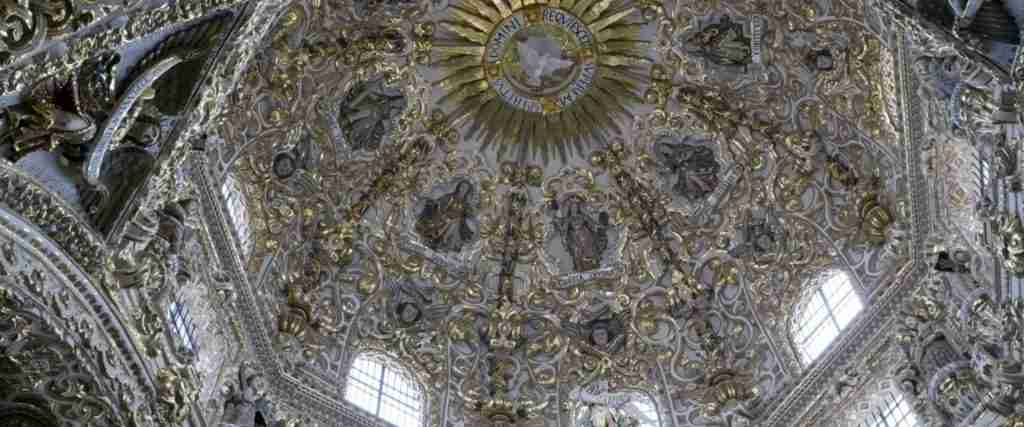
11:00 AM – Walk three blocks northeast to Santo Domingo church to visit the Capilla del Rosario, considered the masterpiece of Mexican baroque architecture. The gilded interior with intricate stucco work, Talavera tile accents, and indigenous artistic elements creates overwhelming visual impact. Photography is permitted without flash, and contemplating the artistic achievement requires 30-45 minutes for proper appreciation.
12:00 PM – Continue to Biblioteca Palafoxiana (admission $5), the oldest library in the Americas and a UNESCO Memory of the World site. The baroque wooden bookcases housing 45,000 historical volumes from the 15th-19th centuries represent extraordinary cultural heritage. Guided tours in Spanish provide context, while informational panels offer English translations. Allow 45 minutes for thorough exploration.
1:00 PM – Lunch at a traditional restaurant in the historic center specializing in mole poblano, Puebla’s iconic sauce. Casareyna, El Mural de los Poblanos, or Fonda La Mexicana serve authentic versions with chicken or turkey, accompanied by rice and handmade tortillas. Expect to spend $18-28 per person including drinks and perhaps chiles en nogada if visiting during season (August-September). Enjoy leisurely 90-minute meal experiencing Puebla’s culinary heritage.
2:45 PM – Walk to Museo Amparo (admission $4, free Mondays), one of Mexico’s finest private collections spanning pre-Hispanic to contemporary art. The restored colonial buildings house excellent archaeological artifacts, colonial paintings, and modern Mexican art across multiple floors. The rooftop terrace provides exceptional views and relaxation space. Budget 60-90 minutes for comprehensive touring or focus on specific collection areas of interest.
4:15 PM – Explore the Parian artisan market adjacent to the Zócalo, browsing Talavera pottery, textiles, onyx carvings, and other regional crafts. Quality varies significantly, so inspecting pieces carefully and negotiating prices when making purchases ensures satisfaction. The market environment offers insights into local commercial culture and artisan traditions. Small Talavera tiles make excellent portable souvenirs at $8-15, while larger decorative plates cost $40-120 depending on workshop reputation and complexity.
5:30 PM – Return to Zócalo for late afternoon coffee or hot chocolate at one of the portal cafes overlooking the plaza. Las Ranas, a historic cafe, serves excellent thick hot chocolate with conchas (sweet bread) for $6-8. Relaxing at outdoor tables while observing evening social patterns provides cultural immersion and rest before return journey.
6:30 PM – Taxi to CAPU bus terminal ($4-6) for return ADO bus to Mexico City. Evening departures between 6:30-7:30 PM arrive in Mexico City by 9-10 PM, allowing reasonable dinner timing upon return or light snacks during journey. Purchase return tickets in advance to ensure seat availability during peak evening hours.
Day Cost Summary: ADO bus round-trip $20-24, Puebla taxis $12-16, attraction entries $14, lunch $18-28, afternoon coffee $6-8, snacks/incidentals $10-15. Total day cost: $80-105 per person (excluding accommodation).
Puebla + Cholula Combined: 12-Hour Archaeological and Colonial Experience
6:00 AM – Depart Mexico City via early ADO bus from TAPO terminal to maximize day trip hours. Bring breakfast items for bus consumption during the 2-hour journey, or purchase from TAPO terminal vendors before boarding. Early departure proves essential for covering both destinations comfortably without rushed pacing.
8:00 AM – Arrive CAPU terminal, taking taxi directly to Cholula (20-25 minutes, $10-12) rather than Puebla historic center. This routing enables morning pyramid visits during cool temperatures and good visibility before afternoon heat and haze reduce experience quality. Request driver drop-off at the Zona Arqueológica entrance.
8:30 AM – Enter the Great Pyramid of Cholula archaeological site (admission $5), the world’s largest pyramid by base volume though largely buried beneath soil and vegetation. Explore the excavated tunnels penetrating the pyramid interior, revealing multiple construction phases and ancient architecture. Climb to the summit where Nuestra Señora de los Remedios church creates dramatic juxtaposition of pre-Hispanic and colonial structures. Panoramic views encompass the Puebla valley and Popocatépetl volcano when weather permits. Budget 90-120 minutes for thorough archaeological exploration and summit visits.
10:30 AM – Walk through Cholula’s historic center (10-15 minutes from pyramid) to the Capilla Real de Naturales, an unusual 16th-century church with 49 domes symbolizing 49 indigenous communities. The mudéjar-influenced architecture reflects cultural syncretism during early colonial period. Visit the vibrant Cholula market adjacent to the main plaza for authentic local atmosphere and street food options.
11:30 AM – Take taxi to Puebla historic center (20-30 minutes, $10-12) for afternoon focus on colonial architecture and museums. Request drop-off at the Zócalo to begin structured exploration of Puebla’s core attractions.
12:15 PM – Enter the Catedral de Puebla for 60-minute exploration, taking advantage of midday when tour groups depart for lunch and lighting conditions highlight the interior artwork. Focus on the main altarpiece, side chapels, and architectural details that establish Puebla’s importance in New Spain religious architecture.
1:15 PM – Lunch at a cemita specialist restaurant to sample Puebla’s iconic sandwich. La Oriental or Las Poblanitas serve authentic versions stuffed with milanesa, quesillo, avocado, pápalo herb, and chipotle sauce on sesame seed rolls. Cemitas cost $8-12 each with sides and drinks adding $4-6. This lighter meal option (compared to full mole plates) preserves energy and budget for continued exploration.
2:15 PM – Visit the Capilla del Rosario at Santo Domingo church, spending 45 minutes absorbed by the baroque masterpiece interior. The chapel’s fame across Latin America justifies focused attention on artistic details, symbolic elements, and architectural innovations that influenced subsequent baroque development throughout Spanish America.
3:15 PM – Walk to Calle de los Dulces (Sweets Street) to explore traditional candy shops selling camotes (sweet potato candies), tortitas de Santa Clara (almond cookies), and other regional sweets. Purchasing small quantities of several varieties ($5-10 total) provides portable gifts and dessert options. The shops’ colonial architecture and traditional preparation methods visible through windows offer cultural insights beyond simple purchases.
4:00 PM – Brief visit to Biblioteca Palafoxiana (admission $5) or Museo Amparo (admission $4) depending on preference for rare books versus comprehensive art collections. Time constraints limit these visits to 45-60 minutes, so focusing on highlights rather than attempting exhaustive touring prevents rushed experiences. Both museums offer gift shops with quality books and replicas making excellent souvenirs.
5:15 PM – Return to Zócalo for final plaza time and perhaps late afternoon hot chocolate at a portal cafe. Observe the cathedral exterior under different lighting and enjoy people-watching as evening social patterns emerge. This relaxation period before travel prevents exhaustion from intense full-day cultural immersion.
6:15 PM – Taxi to CAPU terminal ($4-6) for evening ADO return bus to Mexico City. Boarding 7 PM-7:30 PM buses enables arrival in Mexico City around 9:30-10 PM, late but manageable for most travelers. Evening buses fill quickly, so advance booking ensures seats and preferred departure times.
Day Cost Summary: ADO bus round-trip $20-24, Cholula taxi from CAPU $10-12, Cholula-Puebla taxi $10-12, Puebla taxis $8-12, pyramid entry $5, library OR museum $4-5, lunch $12-18, snacks/coffee $8-12, sweets purchase $5-10. Total day cost: $82-110 per person (excluding accommodation).
Where to Eat in Puebla: 2026 Dining Guide
Traditional Restaurants for Mole Poblano
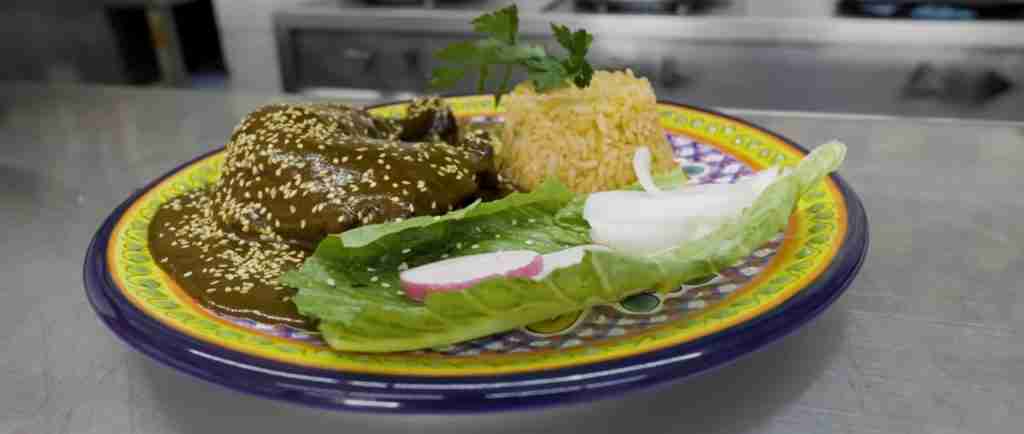
Casareyna operates since 1956 serving classic Puebla cuisine in elegant colonial surroundings. The mole poblano preparation follows traditional recipes with over 30 ingredients including multiple chile varieties, chocolate, spices, and nuts creating the complex sauce. Served over chicken or turkey with rice and handmade tortillas, entrées cost $18-24. The restaurant occupies a restored colonial building near the Zócalo with multiple dining rooms and professional service. Reservations recommended for weekend lunches when capacity reaches quickly. The extensive menu includes other Puebla specialties like chiles en nogada (seasonal August-September, $22-28) and cemitas.
El Mural de los Poblanos combines traditional recipes with contemporary presentations in a museum-like setting showcasing Puebla’s culinary heritage. Mole poblano dishes cost $20-26, while the restaurant also excels at seasonal preparations and lesser-known regional recipes. The chef-driven approach emphasizes ingredient quality and historical authenticity while adapting presentation for modern tastes. Located steps from the cathedral, the convenient location fits day trip schedules perfectly. The bar program features mezcal and pulque alongside Mexican wines and craft beers.
Fonda La Mexicana offers more casual ambiance with equally authentic mole poblano at lower prices ($15-20 per plate). The family-run establishment attracts local diners alongside tourists, creating vibrant atmosphere and genuine cultural exchange. Portions lean generous, with mole sauce richness satisfying smaller appetites with shared plates. The location several blocks from the Zócalo means fewer tourists and more local character, though slightly longer walks from major attractions.
Street Food and Casual Dining Options
Cemita stands cluster around the Mercado 5 de Mayo and throughout the historic center, serving Puebla’s iconic sandwich creation. Authentic cemitas feature sesame-seed egg bread rolls stuffed with breaded meat (typically milanesa or carnitas), quesillo cheese, avocado, chipotle peppers, pápalo herb, and sometimes additional ingredients. La Oriental near Mercado La Acocota serves exceptional cemitas for $8-10, with generous portions requiring hearty appetites or shared consumption.
Chalupas represent another Puebla street food essential – small fried tortillas topped with salsa, shredded meat, and cheese. Vendors around the Parian market and Plazuela de los Sapos sell freshly prepared versions for $1-2 each, making ideal afternoon snacks. Four to six chalupas constitute light meals at $6-10 total, allowing budget-conscious travelers to sample authentic street food while preserving funds for other experiences.
Taco stands throughout the historic center offer regional specialties including tacos árabes (Lebanese-influenced pork tacos on pita-style bread, $2-3 each), tacos de carnitas ($1.50-2 each), and various other preparations. Los Parados and Tony’s Tacos Árabes receive consistent local recommendations. Assembling complete taco meals costs $8-12 per person including drinks, making street food extremely budget-friendly while providing authentic culinary experiences impossible to replicate in formal restaurants.
Accommodation Strategies for 2026 Extended Visits
While most Mexico City visitors complete Puebla as day trips, overnight stays unlock additional experiences and more relaxed pacing. Budget accommodation in Puebla’s historic center starts around $25-40 per night for basic hotels or hostel private rooms. Options like Hotel Imperial and Hotel Colonial maintain central locations with clean, no-frills rooms suitable for travelers prioritizing cost efficiency and location over amenities.
Mid-range hotels occupy restored colonial buildings providing atmospheric stays at $60-95 per night. Hotel Casona de la China Poblana, Mesón Sacristía de la Compañía, and NH Puebla Centro Histórico offer colonial architecture, comfortable rooms, often courtyards or rooftop terraces, and convenient access to major attractions. These properties balance character and comfort while maintaining reasonable pricing for couples or solo travelers seeking quality without luxury rates.
Boutique hotels in the $110-180 range deliver exceptional experiences in carefully restored mansions with upscale amenities. La Purificadora, Mesón Sacristía de Capuchinas, and Rosewood Puebla represent this category with designer interiors, gourmet restaurants, rooftop bars, and sometimes spas or pools. These properties suit travelers treating Puebla as destination rather than day trip, with multi-night stays justifying premium nightly rates through comprehensive resort-style experiences within colonial settings.
Booking strategies for Puebla accommodation parallel general Mexican travel patterns. Tuesday-Thursday offer best availability and sometimes rates 15-25% lower than weekend peaks. Advance booking during Mexican holiday periods (Semana Santa, Day of the Dead, Christmas-New Year) proves essential as properties sell out 4-6 weeks ahead and rates increase 30-50%. Booking.com, Hotels.com, and Airbnb all feature extensive Puebla inventory with user reviews enabling informed decisions.
Booking and Reservations for 2026 Puebla Visits
Transportation Booking Strategies
ADO bus tickets become available 30 days before travel dates through the ado.com.mx website or mobile app. The online system accepts international credit cards, provides English language interface, and emails QR code confirmations scannable at terminals or by drivers. Booking 2-3 weeks ahead for weekend travel ensures preferred departure times, while weekday trips rarely require more than 2-3 days advance purchase unless coinciding with Mexican holidays.
Return ticket booking simultaneously with outbound purchase locks in complete day trip logistics and prevents evening sell-outs during peak periods. Open return tickets cost slightly more ($2-3 premium) but enable flexible scheduling based on actual exploration pacing and energy levels. Most day trippers find fixed return bookings preferable given modest cost differences and certainty of evening transportation.
Private car services require bookings through company websites, WhatsApp, or email with 2-3 day lead times for weekend travel. Requesting written confirmation including vehicle details, driver information, pickup times/locations, and total costs prevents misunderstandings. Reputable companies provide driver contact numbers 24 hours before travel, enabling direct coordination for any last-minute timing adjustments.
Restaurant and Attraction Reservations
Most Puebla attractions require no advance reservations, with walk-in access standard at churches, museums, and cultural sites. The Biblioteca Palafoxiana and Museo Amparo sell admission tickets on-site without capacity issues except during major Mexican holidays. Weekday visits eliminate any queuing concerns, while weekend mornings before 11 AM avoid peak crowds.
Restaurant reservations become valuable for weekend lunch times (1 PM-3 PM) at popular establishments like Casareyna, El Mural de los Poblanos, and Augurio. Calling ahead 1-2 days or using WhatsApp booking services ensures table availability and prevents disappointment. Weekday dining rarely requires reservations except at the most exclusive venues, with walk-in seating readily available at most price points.
Guided walking tours booking through operators like Turibus Puebla, Free Walking Tour Puebla, or private guides found through ToursByLocals enables enriched experiences with cultural context and historical details. Tours cost $40-60 per person for 3-4 hour group experiences, while private guides charge $80-120 for personalized tours accommodating specific interests. Booking 3-5 days ahead ensures guide availability, particularly for English-language services during high tourism seasons.
Money-Saving Strategies for 2026 Puebla Day Trips
Transportation represents the largest discretionary cost component where strategic choices yield significant savings. Standard ADO first-class buses at $20-24 round-trip provide comfort and reliability without justifying premium service upgrades for 2-hour journeys. Traveling Tuesday-Thursday sometimes reveals promotional fares 10-15% below weekend pricing, particularly when booking 2-3 weeks ahead during slower travel periods.
Dining budget optimization requires balancing authentic experiences with cost consciousness. Allocating one sit-down restaurant meal for mole poblano ($18-24) while relying on street food for other meals (cemitas $8-10, tacos $8-12) enables culinary exploration at $35-45 daily food costs rather than $60-80 for multiple restaurant meals. Street food quality in Puebla meets high standards with celebrated specialties like cemitas and chalupas justifying casual dining choices.
Attraction entry fees remain modest with free cathedral access, $4-5 museum admissions, and extensive architectural appreciation possible through street-level exploration. Prioritizing free or low-cost attractions (cathedral, Santo Domingo/Capilla del Rosario, Parian market, historic street wandering) over comprehensive museum touring reduces daily entry costs to $10-15 while maintaining rich cultural experiences. Monday visits to Museo Amparo for free admission exemplify strategic timing for cost savings.
Group travel unlocks private transportation value when 3-4 travelers share $120-150 vehicle costs, reducing per-person expenses to $30-40 while gaining convenience and time efficiency. Couples or solo travelers benefit most from bus services, while groups find private transportation competitive or superior value. Coordinating Puebla day trips with other Mexico City travelers through hostel bulletin boards or online travel forums enables cost-sharing opportunities.
Practical Tips for 2026 Puebla Day Trips
Comfortable walking shoes prove essential for Puebla exploration as cobblestone streets, uneven sidewalks, and multiple staircases characterize the historic center. Breaking in footwear before travel prevents blisters during 6-8 hour walking days. The high elevation (2,160 meters) causes faster fatigue and sun intensity than sea-level destinations, requiring sun protection and moderate pacing.
Weather preparation demands layers regardless of season. Mornings start cool (10-15°C in winter, 15-18°C in summer) requiring light jackets, while midday temperatures rise 10-12°C making layers removable. Carrying compact rain gear during June-September enables continued exploration during afternoon downpours typical of rainy season. Sun hats and sunscreen prevent excessive exposure at high altitude where UV intensity exceeds coastal areas.
Cash remains important in Puebla despite increasing card acceptance. ATMs cluster around the Zócalo and major streets dispensing pesos in various denominations. Carrying $40-60 in cash covers street food, market purchases, tips, and some attraction fees where card processing proves unavailable. Small bills ($20-50 peso notes) facilitate transactions with vendors and taxi drivers who often lack change for larger denominations.
Photography opportunities abound throughout Puebla’s historic center, though respecting restrictions inside churches (often no photography during services, sometimes no flash photography) maintains cultural sensitivity. The cathedral exterior, colorful building facades on streets like Calle de los Dulces, and Talavera-tiled facades create exceptional images throughout the day. Golden hour (5:30-7 PM in summer, 5-6:30 PM in winter) provides warm light enhancing colonial architecture colors.
Language considerations affect Puebla experiences as English proficiency remains limited outside major hotels and tour operations. Learning basic Spanish phrases for ordering food, asking directions, and negotiating taxi fares smooths interactions. Translation apps enable menu comprehension and more complex conversations, while most locals respond graciously to Spanish attempts regardless of proficiency levels. Museum information panels sometimes offer English translations, though guided tours predominantly operate in Spanish.
2026 Updates and Current Information
Puebla’s historic center continues undergoing gradual infrastructure improvements with sidewalk repairs, building facade restorations, and enhanced pedestrian zones around the Zócalo. Recent projects prioritized accessibility improvements with ramps and tactile paving installed at major intersections, though complete accessibility throughout the colonial district remains challenging given historical preservation requirements.
Transportation infrastructure developments include ongoing CAPU bus terminal modernization with improved passenger facilities, digital information displays, and enhanced security screening. The terminal remains fully operational during renovations with minimal service disruptions. Mexico City’s TAPO terminal completed WiFi upgrades and waiting area renovations in late 2025, improving comfort for travelers during early morning departures.
Tourism services expansion saw new guided tour operators entering the market with specialized offerings including culinary tours, photography-focused walks, and artisan workshop visits. English-language guide availability improved significantly, particularly for private tours bookable through online platforms. Audio guide rentals at major museums now include English options via smartphone apps rather than traditional handheld devices.
Puebla’s restaurant scene evolved with several traditional establishments expanding seating capacity and modernizing facilities while maintaining authentic recipes. New openings focused on contemporary Mexican cuisine reinterpretations, though classic mole poblano preparation remains dominant in most popular dining rooms. Vegetarian and vegan option availability increased, with many restaurants now offering plant-based versions of traditional dishes alongside conventional meat preparations.
Safety conditions in Puebla’s tourist zones remain generally favorable with visible police presence around the Zócalo and major attractions. Standard urban precautions (awareness of surroundings, securing valuables, avoiding isolated areas after dark) prove sufficient for most visitors. Tourist-oriented crime focuses on pickpocketing in crowded areas and overcharging by informal transportation operators, both avoidable through basic vigilance and using established services.
Frequently Asked Questions About Puebla Day Trips 2026
Do I need advance tickets for Puebla attractions in 2026?
No advance tickets are required for any Puebla attractions accessible to day trip visitors. The cathedral, Capilla del Rosario, museums, and archaeological sites all sell admission on-site without capacity limitations or sellout concerns. Walk-in access proves standard even during weekends and Mexican holidays, though arriving early (9-10 AM) at major sites avoids crowd build-up. Online booking systems exist primarily for guided tours rather than venue access, with tour reservations beneficial but not essential for most visitors.
Can I do Puebla as a day trip with children in 2026?
Puebla day trips work well for families with children aged 8+, though younger children may struggle with extensive walking, cathedral interior appreciation, and museum visits requiring sustained attention. The historic center layout enables stroller navigation on main streets, though cobblestones and sidewalk irregularities create challenges. Cholula pyramid climbing appeals to adventurous children, while Puebla’s street food culture (particularly candy shops) provides engaging elements beyond pure cultural tourism. Families should pack snacks, allow extra time for rest breaks, and accept modified itineraries focusing on 2-3 major sites rather than comprehensive coverage.
What should I bring for a Puebla day trip in 2026?
Essential items include comfortable broken-in walking shoes, layered clothing adaptable to temperature changes, sun protection (hat, sunscreen, sunglasses), cash for purchases and tips ($40-60 in small bills), fully charged smartphone for photography and translations, and any necessary medications. Optional but valuable additions include a compact umbrella or rain jacket during June-September, small backpack or bag for purchases and layers, water bottle (refillable at restaurants or hotels), and portable phone charger for heavy photography use. Leaving valuables and unnecessary documents in Mexico City accommodation prevents loss concerns and reduces worry during transit and exploration.
Is Puebla safe for tourists in 2026?
Puebla’s historic center maintains good safety conditions for tourists with visible police presence and established security infrastructure. The tourist zones experience lower crime rates than peripheral neighborhoods, with incidents primarily involving pickpocketing in crowded areas, taxi overcharging, and occasional scams targeting obvious tourists. Using established transportation services (ADO buses, registered taxis, reputable tour operators), maintaining awareness in crowds, securing valuables in front pockets or bags, and avoiding isolated areas after dark proves sufficient for most visitors. Solo travelers including women report generally positive experiences, though standard urban caution applies particularly during evening hours.
How much Spanish do I need for a Puebla day trip in 2026?
Basic Spanish phrases covering greetings, ordering food, asking prices, and saying thank you enhance experiences significantly, though complete fluency isn’t required. Translation apps enable menu comprehension and more complex interactions, while many restaurants in tourist areas provide English menus or picture guides. Museum information panels sometimes offer English translations, and guided tour operators provide English-speaking guides when booked in advance. Puebla residents generally respond graciously to Spanish attempts regardless of proficiency, with hand gestures and patience facilitating most necessary communications. Solo travelers uncomfortable with any Spanish should consider joining organized tours with English-speaking guides to maximize cultural context and ease navigation.
Can I visit Puebla and Cholula in one day from Mexico City in 2026?
Yes, combining Puebla and Cholula into single day trips proves manageable with early departures (6-7 AM from Mexico City) and strategic planning. The 8-kilometer distance between cities enables 20-30 minute taxi connections ($10-12), allowing 3-4 hours in Puebla, 2-3 hours in Cholula, and return to Mexico City by 8-9 PM. This combination works best for travelers prioritizing archaeological sites (Cholula pyramid) alongside colonial architecture (Puebla cathedral and Capilla del Rosario) rather than comprehensive museum touring. Itineraries typically start in Cholula for morning pyramid visits when visibility and temperatures prove optimal, then transition to Puebla for afternoon architectural and culinary experiences before evening returns to Mexico City.
What’s the best month to visit Puebla in 2026?
October and November represent optimal Puebla visit months combining pleasant weather (18-23°C), minimal rainfall after rainy season conclusion, moderate tourist volumes, and comfortable exploration conditions. These months avoid extreme heat, daily afternoon rains of summer, and cold morning temperatures of winter while providing clear volcano views and vibrant atmosphere. April and early May offer secondary optimal timing with spring weather and jacaranda blooming, though Easter week brings intense domestic tourism. Travelers seeking absolute minimum crowds should consider late January-February despite cooler temperatures, while those prioritizing chiles en nogada sampling must visit during August-September seasonal availability despite afternoon rain likelihood.
How do I get from Puebla bus terminal to the historic center in 2026?
CAPU bus terminal stands 2 kilometers north of Puebla’s historic center with two primary access methods. Taxis queued at terminal exits charge fixed rates of $4-6 for 10-minute rides to the Zócalo or any historic center location – this represents the most convenient option for day trippers prioritizing time and simplicity. Local buses operate from terminal to historic center at $0.80-1 per person, though routes require some familiarity with city geography and add 25-35 minutes including terminal exit walking, waiting, and stops. Most day trippers choose taxis for outbound trips from CAPU to historic center, then reverse to CAPU by taxi for return bus departures, accepting minimal costs for maximum convenience.
Are Puebla museums open on Mondays in 2026?
Museum Monday closures affect most Puebla institutions with notable exceptions. The Biblioteca Palafoxiana closes Mondays along with many smaller museums, while Museo Amparo offers free admission on Mondays making it an excellent alternative to paid weekday visits. The cathedral, Capilla del Rosario, and churches maintain regular Monday access, and Talavera workshops keep standard hours. Monday day trippers should build itineraries around architectural appreciation, church visits, market exploration, and culinary experiences rather than comprehensive museum touring, or specifically target Museo Amparo for free Monday admission while accepting other museum closures.
Can I buy Talavera pottery in Puebla and transport it back to Mexico City in 2026?
Yes, purchasing and transporting Talavera pottery proves entirely feasible with proper packing precautions. Artisan workshops and shops in the Parian market and along Calle 6 Norte provide bubble wrap and basic packing materials for purchases, though bringing additional wrapping supplies from Mexico City ensures adequate protection. Smaller items like tiles ($8-15), small plates ($15-30), and decorative pieces fit easily into backpacks or day bags with careful padding. Larger pieces require more substantial packaging and consideration of weight during bus travel – ADO allows reasonable personal luggage without restrictions, though very large or fragile pieces might justify private car return transportation. Authentic Talavera pottery from recognized workshops includes certification stamps verifying origin, with quality pieces representing excellent value compared to export prices in international markets.