Predjama Castle Slovenia: World’s Largest Cave Castle Guide
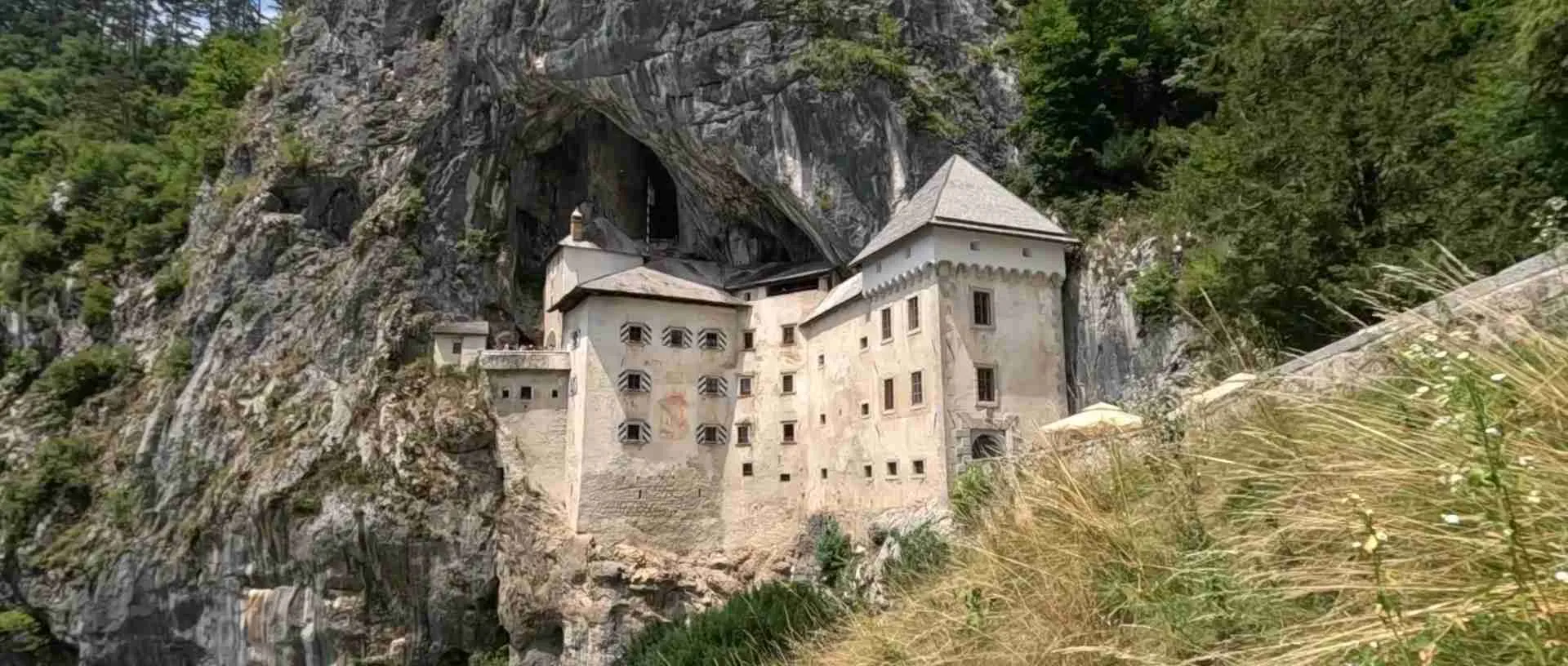
Predjama Castle stands as an architectural marvel embedded halfway up a 123-meter cliff in south-central Slovenia, recognized by Guinness World Records as the world’s largest cave castle. Built dramatically into the gaping mouth of a cavern, this Renaissance fortress seamlessly merges medieval engineering with natural limestone formations, creating one of Europe’s most striking and strategically positioned strongholds. The castle’s extraordinary integration with its cave system has made it both an impregnable medieval fortress and a captivating destination for travelers seeking history, legend, and architectural wonder.
Key Takeaways About Predjama Castle
- Guinness Record Holder: Predjama Castle holds the Guinness World Record as the largest cave castle in the world, built directly into a 123-meter-high cliff face with four stories seamlessly integrated into the natural rock formation. The castle’s strategic position made it virtually unconquerable during medieval times.
- Renaissance Architecture Meets Natural Wonder: While first mentioned in historical records in 1274, the current structure dates primarily from 1570 and showcases Renaissance architectural elements blended with Gothic foundations. The building incorporates natural cave chambers as rooms, using the cliff’s contours to create a fortress that is equal parts human ingenuity and natural formation.
- Legendary Knight Erazem Lueger: The castle’s most famous resident, Erazem Lueger, was a 15th-century robber baron who defied the Habsburg Empire and withstood a year-long siege by using secret underground passages to smuggle supplies. His dramatic story of rebellion, cunning, and ultimate betrayal remains central to the castle’s identity and appeal.
- Extensive Cave System Below: Beneath the castle lies a 14-kilometer network of karst caves, making it the second-longest cave system in Slovenia. Visitors can explore sections of these caves from May through September, walking through the same secret tunnels that Erazem once used to evade his enemies during the historic siege.
- Year-Round Accessibility: Unlike many seasonal attractions, Predjama Castle remains open every day of the year with extended hours during summer months. The main castle is accessible year-round, while the cave system below closes during winter months to protect hibernating bat colonies that inhabit the underground chambers.
- Strategic Location Near Postojna Cave: Positioned just 9 kilometers from the famous Postojna Cave, Predjama Castle forms part of Slovenia’s premier karst region attractions. The proximity allows visitors to experience both the world’s largest cave castle and one of Europe’s most spectacular cave systems in a single day trip from Ljubljana or Slovenia’s coastal region.
People Also Ask About Predjama Castle
What makes Predjama Castle the world’s largest cave castle?
Predjama Castle earns its Guinness World Record designation through its unique construction directly into a natural cave mouth at the base of a 123-meter vertical cliff. The castle’s four stories are built into and around the cave opening, with interior rooms carved from living rock and natural cavern chambers incorporated as functional spaces. This integration extends beyond surface adaptation—the fortress uses the cliff’s natural overhangs for structural support, incorporates cave passages as defensive corridors, and connects to an extensive 14-kilometer underground cave network that served both strategic and survival purposes. No other castle in the world achieves this scale of integration between constructed fortress and natural cave system, making Predjama architecturally unique among medieval strongholds.
Who was Erazem Lueger and why is he legendary?
Erazem Lueger was a 15th-century knight and robber baron who became Slovenia’s Robin Hood figure through his defiance of the Habsburg Empire. After killing Marshal Pappenheim in a disputed duel, Erazem fled to Predjama Castle and allied with King Matthias Corvinus of Hungary against Austrian imperial forces. During a year-long siege by Emperor Frederick III’s troops, Erazem famously mocked his besiegers by showering them with fresh cherries and even a roasted pig, proving he remained well-supplied despite the blockade. His secret lay in the castle’s hidden tunnel system connecting to the cliff’s summit. Legend says he was ultimately betrayed by a disloyal servant who signaled his location while using the castle’s outhouse, allowing enemy forces to fire a fatal cannonball. This dramatic story of rebellion, ingenuity, and ignoble demise has made Erazem central to the castle’s romantic mystique.
Can you explore the caves underneath Predjama Castle?
Visitors can explore sections of the Cave under Predjama Castle through guided tours available from May through September. The tourist route covers approximately 700 meters of the massive 14-kilometer system, including the stables area, main passage, great hall, and the fiženca where natural light enters from above. Tours last approximately 45 minutes and are suitable for children aged six and older. The cave remains closed from October through April to protect resident bat colonies during their hibernation period. Visitors explore without electric lighting—flashlights provided beforehand create an atmospheric experience replicating how Erazem and his men would have navigated these passages. The caves maintain a constant cool temperature year-round, making comfortable clothing and sturdy footwear essential even during summer visits.
How does Predjama Castle relate to Game of Thrones?
Author George R.R. Martin visited Predjama Castle in June 2011 following a book signing event in Trieste, and he documented his experience on his blog, noting the castle as “the most amazing castle, built into the mouth of a huge cave” and stating he would “definitely have to model some castle in Westeros on this one.” Fans have drawn parallels between Predjama and House Stark’s castle design, noting that the castle’s last private owners, the Windisch-Grätz family, featured a wolf on their coat of arms—the same sigil as House Stark. While Martin has not specified which Westeros fortress directly inspired Predjama’s influence, the castle’s dramatic cliff-face setting and impregnable defensive position clearly resonated with the author’s vision of fantasy medieval architecture. The castle has since become a pilgrimage site for Game of Thrones enthusiasts exploring the real-world inspirations behind Martin’s fictional world.
Extended multi-day tours – 5+ days
Featured Slovenia Multi-Day Tour Packages
3 days
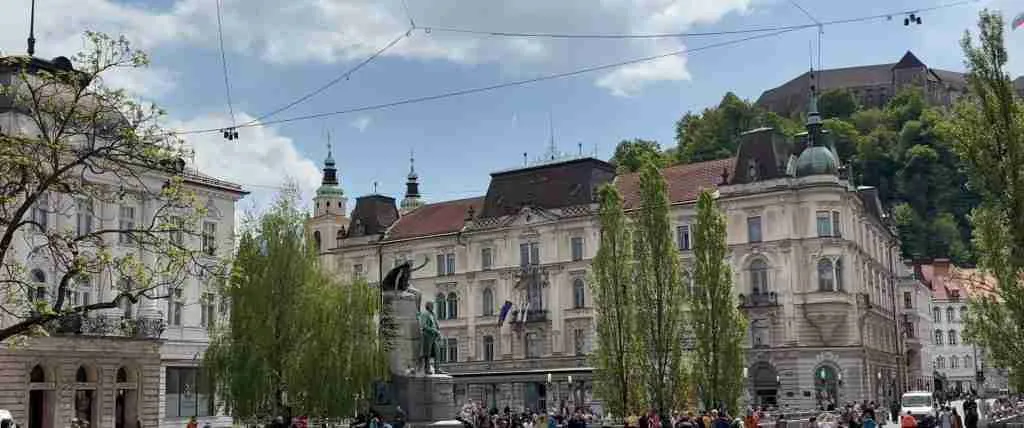
Slovenia 3-Day Discovery Tour
- ✓ Comprehensive Slovenia experience
- ✓ Expert local guides included
- ✓ All accommodation included
- ✓ Transportation provided

5 days
Slovenia 5-Day Highlights Experience
- ✓ Comprehensive Slovenia experience
- ✓ Expert local guides included
- ✓ All accommodation included
- ✓ Transportation provided
7 days
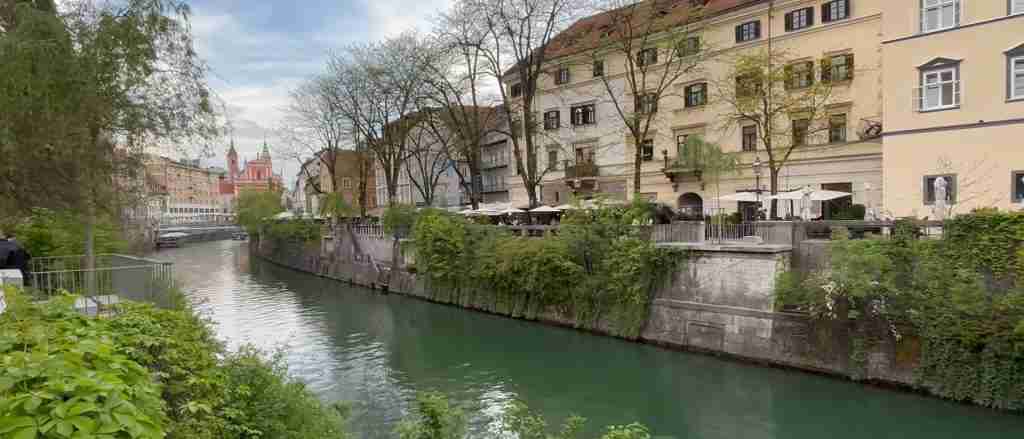
Slovenia 7-Day Cultural Journey
- ✓ Comprehensive Slovenia experience
- ✓ Expert local guides included
- ✓ All accommodation included
- ✓ Transportation provided
10 days
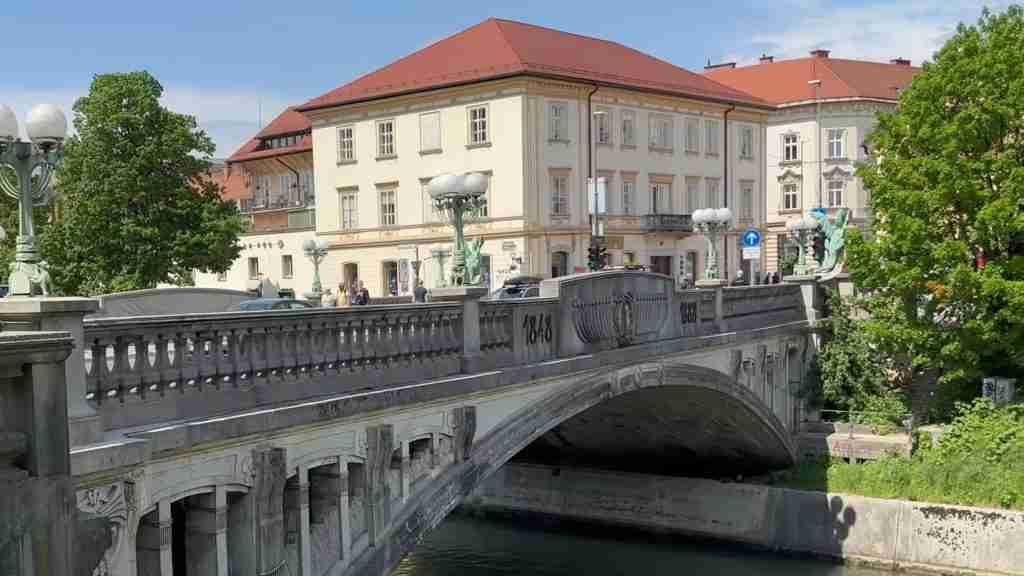
Slovenia 10-Day Complete Adventure
- ✓ Comprehensive Slovenia experience
- ✓ Expert local guides included
- ✓ All accommodation included
- ✓ Transportation provided
Multi-day tour packages powered by TourRadar. Prices and availability subject to change.
Introduction: Slovenia’s Cliff-Face Fortress
In the southwestern corner of Slovenia’s karst region, where limestone cliffs rise dramatically from the Lokva Valley, stands one of medieval Europe’s most audacious architectural achievements. Predjama Castle emerges from the rock face itself, not merely built against the cliff but integrated into its very structure, creating a fortress that appears to grow organically from the mountain. This is not romantic exaggeration but literal reality—rooms carved from living rock, defensive towers using natural stone overhangs, and secret passages leading deep into cave systems that extend 14 kilometers beneath the surface.
The castle’s strategic brilliance becomes apparent upon approach. Hidden by the valley’s contours until the last moment, the fortress reveals itself suddenly and completely, its white Renaissance facade contrasting sharply against dark limestone. Any medieval army approaching would have found themselves under observation long before spotting their target, giving defenders overwhelming tactical advantage. The cliff face eliminates attack routes from above, sides, and rear, forcing any siege force into a narrow frontal assault where defenders could rain projectiles down from a superior position.
Listed by Guinness World Records as the world’s largest cave castle, Predjama represents a unique category in medieval military architecture. While many castles incorporate caves or are built near cliff faces, none achieve Predjama’s scale of integration between natural geological formation and human construction. The fortress functions as both castle and cave simultaneously, with medieval chambers opening into karst caverns, defensive walls merging into cliff faces, and secret tunnels providing connections to the outside world that proved crucial during the famous siege of the 1480s.
First documented in 1274 under the German name “Luegg,” the castle has witnessed eight centuries of ownership changes, architectural evolution, and historical drama. The original Gothic structure gave way to Renaissance renovations in the 1570s following earthquake damage, creating the facade visitors see today. Through centuries of noble families, imperial conflicts, and ultimately transformation into a museum, the castle has maintained its essential character as a fortification where human ingenuity and natural geology collaborate to create something neither could achieve independently.
Today, Predjama attracts visitors not only for its architectural uniqueness but for the legends that permeate its stone corridors. The story of Erazem Lueger, the rebellious knight who defied an empire from within these walls, has elevated the castle beyond mere historical monument into the realm of romantic legend. His year-long resistance against impossible odds, his mockery of besieging forces with fresh produce delivered through secret tunnels, and his ultimate betrayal and undignified death have made Erazem Slovenia’s Robin Hood figure—a folk hero whose spirit seems to inhabit the castle still.
Historical Timeline: From Gothic Origins to National Treasure
Medieval Foundations: 13th Century Gothic Construction
The first documented mention of Predjama Castle appears in records from 1274, when the Patriarch of Aquileia commissioned construction of a Gothic fortress called “Luegg” in the strategic location of a cave mouth. The site’s selection demonstrated sophisticated medieval military thinking—building into the cliff face provided natural protection on three sides while the cave system behind offered potential escape routes and water sources. The original structure utilized the natural rocky arch as a supporting element, with masonry walls extending the cave’s protective overhang into a functional defensive position.
The Luegg noble family, also known as the Knights of Adelsberg (the German name for nearby Postojna), acquired and expanded the castle during the 13th and early 14th centuries. These knights understood the site’s strategic value in controlling the trade and military routes through the karst region of Inner Carniola. The castle’s position allowed monitoring of valley approaches while remaining virtually invisible until attackers came within arrow range. Archaeological evidence suggests the medieval fortress was smaller than today’s structure but already incorporated cave chambers as storage areas and potentially as stables, taking advantage of the natural climate control provided by underground chambers.
The castle served as a frontier fortification during an era when the region faced threats from multiple directions—Turkish raids pushing into central Europe, conflicts between Venetian and Habsburg interests, and local feudal disputes. Its defensive value lay not in size but in position. A small garrison could hold Predjama against a much larger force simply because the cliff face eliminated conventional siege tactics. Attackers could not surround the fortress, could not position siege engines effectively, and faced defenders who enjoyed gravitational advantage for dropping projectiles.
The Erazem Era: 15th Century Rebellion and Siege
Erazem Lueger, also known as Erasmus of Lueg, became lord of Predjama Castle in the 15th century and transformed it from strategic outpost into legend. According to historical accounts, Erazem was appointed baron in 1478 by Emperor Frederick III of Habsburg but later came into fatal conflict with imperial authority. The catalyst occurred when Erazem killed Marshal Pappenheim, commander of the imperial army, in a duel whose legitimacy was disputed by the Habsburgs. Pappenheim had allegedly offended the honor of Erazem’s deceased friend and renowned condottiere Andrej Baumkircher of Vipava.
Fleeing imperial vengeance, Erazem took refuge at Predjama and allied himself with King Matthias Corvinus of Hungary, who was then in conflict with the Habsburgs. From his cliff-face stronghold, Erazem conducted raids against Habsburg estates and towns throughout Carniola, redistributing seized wealth to local poor and earning his reputation as Slovenia’s Robin Hood. His actions were both political rebellion against what he viewed as unjust imperial authority and practical guerrilla warfare taking advantage of the castle’s position and the region’s complex cave systems.
The emperor commissioned Andrej Ravbar, governor of Trieste, to capture or kill Erazem. Ravbar’s forces besieged Predjama for more than a year, attempting to starve the garrison into surrender. This siege became legendary not for its duration but for Erazem’s theatrical defiance of the besiegers. Historical accounts describe him showering the imperial troops with fresh cherries and at one point sending down a roasted pig, demonstrating that far from starving, the castle’s defenders enjoyed abundant supplies. The secret lay in the extensive cave system beneath the fortress—a vertical shaft led from inside the castle to the cliff’s summit 25 meters behind the rock face, allowing supporters to deliver food, water, and supplies without detection.
The siege ended through betrayal rather than military victory. A servant in Erazem’s household, corrupted by imperial promises, agreed to signal when the knight was most vulnerable. According to the famous but historically uncertain legend, the servant lit a candle in a specific window when Erazem visited the castle’s outhouse, which was built on an exterior wall for waste disposal. The besiegers, previously unable to target the interior effectively, fired a cannonball at the marked location, killing Erazem in what history remembers as one of the least dignified deaths of any medieval knight. The imperial forces then occupied the castle, ending the rebellion but ensuring Erazem’s transformation into folk legend.
Post-Medieval Evolution: Renaissance Reconstruction
Following Erazem’s death and the end of the siege, ownership of the heavily damaged original castle passed to the Oberburg family. In 1511, an earthquake destroyed much of the second castle structure built by the Purgstall family in the early 16th century. This natural disaster necessitated extensive reconstruction and provided opportunity for architectural reimagining according to Renaissance principles that had begun spreading through central Europe.
In 1567, Archduke Charles of Austria leased the castle property to Baron Philipp von Cobenzl, who completed purchase after twenty years of payments. The Cobenzl family commissioned the construction project that created the current structure between 1570 and the late 16th century. Working with Renaissance architectural principles, builders created the facade visitors see today while carefully integrating it with the natural cliff face. The reconstruction pressed the new castle against the vertical cliff underneath the medieval fortification ruins, creating a hybrid structure that combined Renaissance aesthetics with the site’s inherent defensive advantages.
The Renaissance renovation transformed Predjama from purely military fortress into a residence that balanced defensive capability with residential comfort. Architectural elements included decorative frescoes, organized living quarters following Renaissance spatial logic, a formal chapel, and more sophisticated internal organization. However, the builders retained and enhanced the cave integration that made the site unique. Natural rock faces became interior walls in several chambers, cave mouths served as stables for horses, and the secret tunnel system was preserved and maintained. The result was a Renaissance castle that looked conventional from the valley floor but revealed its extraordinary nature upon closer inspection.
During the 18th century, the Cobenzl family used Predjama as a summer residence alongside nearby Haasberg Castle. The family included notable figures in Austrian imperial service—statesman and art collector Philipp von Cobenzl and diplomat Count Ludwig von Cobenzl both spent time at the property. The castle’s remote location and natural cooling provided by cave chambers made it attractive during warm months, while the romantic setting appealed to the era’s increasing appreciation for picturesque medieval architecture. The family maintained the structure well, understanding its uniqueness even as military fortifications became obsolete in the age of artillery.
Modern Era: From Private Estate to National Monument
In 1810, inheritance transferred Predjama Castle to Count Michael Coronini von Cronberg. The property changed hands again in 1846 when it was sold to the Windischgrätz family, who would be its last private owners. The Windischgrätz nobles used Predjama primarily as a hunting lodge, taking advantage of the karst region’s forests and game populations. Their coat of arms featured a wolf, a detail that later intrigued fans who noted the similarity to House Stark’s sigil in Game of Thrones after author George R.R. Martin visited and drew inspiration from the castle.
The Windischgrätz ownership ended with World War II’s conclusion. Yugoslav Communist authorities confiscated and nationalized the castle, along with numerous other aristocratic properties, as part of the post-war socialist transformation. Rather than allowing the unique structure to deteriorate, authorities recognized its value as a historical monument and cultural asset. The decision was made to convert Predjama into a museum, preserving its architecture and making its remarkable history accessible to the public.
Throughout the later 20th century, Slovenian authorities invested in conservation, restoration, and visitor infrastructure while maintaining the castle’s authentic character. The integration with Postojna Cave management created a unified tourism complex showcasing both the cave castle and the spectacular karst cave system just nine kilometers away. This coordination has proven successful—Predjama now welcomes approximately 100,000 visitors annually from around the world, all drawn by its unique combination of natural wonder and medieval architecture.
Slovenia’s independence in 1991 confirmed Predjama’s status as a protected national monument. Modern conservation efforts focus on balancing public access with preservation of fragile medieval structures and the sensitive cave ecosystem beneath the castle. The bat colonies that hibernate in the cave system during winter months receive particular protection, with the underground chambers closed to tourists from October through April. The castle itself has undergone careful restoration using period-appropriate techniques and materials, ensuring that 21st-century visitors experience an authentic representation of Renaissance castle life integrated with natural cave environments.
Architectural Marvel: Where Stone Walls Meet Living Rock
The Cliff-Face Integration: Engineering Genius
Predjama Castle’s architectural achievement lies in its seamless fusion with the natural cliff face, creating a structure where built elements and geological formations become indistinguishable. The castle stands at the base of a 123-meter-high vertical limestone cliff, but rather than sitting in front of the rock face, it is embedded within it. The natural cave mouth forms the castle’s rear wall, with masonry construction extending forward from this rocky foundation to create exterior facades and defensive positions.
The engineering approach exploited every advantage the site offered. The natural rocky arch overhead eliminated the need for roof structures across significant portions of the fortress, with the cave’s ceiling serving as a permanent, indestructible cover for interior spaces. Load-bearing walls built from quarried limestone blocks extend from the cliff face, creating the castle’s four-story vertical structure while using the mountain itself as the ultimate supporting foundation. This method allowed builders to construct higher and more securely than would be possible with a freestanding tower of equivalent height.
Temperature regulation represented another architectural benefit of cave integration. The underground chambers and rooms carved partially into cliff rock maintain relatively constant temperatures year-round, significantly warmer than exterior air in winter and noticeably cooler during summer. This natural climate control made the fortress more habitable than conventional castles, where stone structures transmitted seasonal extremes. Living quarters positioned closer to cave sections enjoyed this temperature moderation, while areas built entirely with exterior walls faced more typical medieval castle conditions of drafts and dampness.
Defensive advantages drove the site selection and construction approach. The cliff face protected the castle’s rear and sides absolutely—no siege engine could breach solid rock, no scaling ladder could reach the heights, and no tunneling approach could penetrate through the mountain. Attackers faced a single frontal approach where defenders held elevation advantage, narrow access that prevented massing troops, and positions from which stones, arrows, and boiling liquids could be dropped with devastating effect. The integration with cliff and cave transformed what might have been a modest fortress into a virtually impregnable position using minimal garrison.
Renaissance Facade Meets Gothic Core
The castle exterior visitors see today reflects the Renaissance reconstruction of 1570-1580s, presenting a white-plastered facade with symmetrical window placement, decorative elements, and proportions following Renaissance aesthetic principles. The main entrance features a drawbridge approach leading to a grand doorway, while regular window openings suggest organized interior spaces behind the walls. This conventional Renaissance appearance conceals the building’s extraordinary Gothic core and cave integration, creating architectural surprise as visitors enter and discover rooms carved from living rock.
The Renaissance builders worked within constraints imposed by the cliff face and previous medieval construction. Rather than demolishing the Gothic foundations, they incorporated them into the new design, creating architectural palimpsest where different construction periods coexist. Gothic arches appear in lower-level chambers, while Renaissance decorative elements characterize upper-story spaces. Frescoes in Renaissance style embellish some interior walls, while other walls consist of unworked cave rock displaying the limestone’s natural formations and textures.
The chapel represents one of the finest Renaissance spaces within the castle, featuring a simple but solemn design appropriate to religious function. The altar area and seating arrangement follow period conventions, yet the chamber exists within a cave-adjacent space where natural rock forms parts of the walls. This juxtaposition—refined Renaissance religious art meeting raw geological formations—captures the castle’s essential character as a structure mediating between human civilization and natural wilderness.
The armory, now converted to a museum space, displays medieval weapons including battleaxes, halberds, crossbows, and flails. The collection illustrates the military technology of Erazem’s era, when individual combat still depended on hand weapons and armor rather than artillery. The room’s display cases contain 16th-century chests discovered in the castle cellars in 1991, unearthed treasure that included period artifacts offering insights into daily life during the Renaissance era. These physical objects connect visitors to the castle’s lived history beyond architectural appreciation.
Interior Spaces: From Dungeons to Living Quarters
The castle interior spans four stories carved into and built against the cliff, with each level revealing different aspects of the integration between human construction and natural cave. The lowest level contains utilitarian spaces—storage chambers, dungeons, and areas that served defensive functions during sieges. These spaces embrace their cave nature most fully, with rough rock walls, minimal finishing, and direct connections to the underground cave system. The dungeons remain among the castle’s darkest, dampest spaces, conveying the medieval reality of imprisonment within a cliff-face fortress.
The entrance level features the main hall and reception areas where the castle performed its social and administrative functions. Here Renaissance architecture predominates, with plastered walls, decorative elements, and organized spatial flow guiding visitors through connected chambers. The great hall’s scale impresses despite the overall castle’s modest size compared to major European palaces. Period furniture and artifacts recreate the atmosphere of 16th-century noble residence, helping visitors visualize how the Cobenzl family and earlier owners lived within these unique spaces.
Living quarters occupy middle levels, representing the castle’s attempt to balance defensive requirements with residential comfort. The main bedroom, described as the warmest room in the castle, shows how builders oriented living spaces to maximize the temperature-moderating effects of cave adjacency. Windows provide views across the valley below while natural rock visible in sections of the walls reminds occupants of their cliff-face setting. Period textiles, furniture, and household items in the museum displays illustrate upper-class life in a frontier castle, where luxury coexisted with ongoing military readiness.
The castle’s highest accessible point reaches Erazem’s Nook, an eyrie-like space offering commanding views of the valley approaches. This area served as an observation post where sentries could spot approaching forces well before they came within weapons range. According to tradition, Erazem himself favored this vantage point for watching the valley and perhaps for theatrical gestures toward besieging forces below. The climb to reach this space involves navigating narrow stairs and passages that reinforce the castle’s vertical complexity and the challenges of moving within a structure built into a cliff face.
The Secret Tunnel: Engineering Wonder and Strategic Asset
Central to Predjama’s legend and actual defensive capability is the vertical tunnel system connecting the castle to the cliff’s summit. This natural karst shaft was identified by castle builders and enlarged through centuries of use, creating a covert passageway that proved crucial during the famous siege. The tunnel rises approximately 25 meters through the rock, emerging at the cliff’s top well behind the rock face and completely hidden from valley-level observation.
During Erazem’s siege, this tunnel provided the lifeline that allowed resistance to continue for over a year. Supporters outside the besiegers’ perimeter could climb the cliff’s rear face under cover of darkness, deposit supplies at the tunnel’s upper opening, and depart without detection. Goods were then lowered down through the shaft to castle occupants, ensuring continuous resupply of food, water, ammunition, and messages despite the siege lines surrounding the visible approaches. The tunnel’s existence explains how Erazem could mock his attackers with fresh produce—he genuinely possessed abundance while besiegers assumed starvation was imminent.
The tunnel also functioned as an emergency escape route. If the castle’s defense became untenable, occupants could flee upward through the shaft and emerge on the cliff top, beyond reach of forces invested around the castle’s base. This psychological advantage—knowing escape remained possible—may have strengthened defenders’ resolve during the siege. The tunnel represented both practical military asset and symbol of the castle’s intimate connection with the cave system and mountain that formed its foundation.
Modern visitors cannot access the complete tunnel system due to safety considerations and conservation requirements. However, sections of the cave network including parts of the vertical shaft system are visible during the cave tours offered from May through September. These glimpses into the underground passages help visitors understand the three-dimensional nature of Predjama’s defenses, which extended not just horizontally and vertically above ground but also deep into the mountain’s karst systems.
The Cave System Beneath: Slovenia’s Underground Labyrinth
Geological Formation and Scale
The Cave under Predjama Castle forms part of an extensive karst system extending 14 kilometers through the limestone beneath the castle and surrounding region. This makes it the second-longest cave system in Slovenia, surpassed only by the famous Postojna Cave located nine kilometers away. The two systems belong to the same geological formation, carved over millions of years by underground water courses flowing through soluble limestone, creating the interconnected chambers, passages, and shafts characteristic of karst topography.
The cave system encompasses four distinct floors stacked vertically, with all interconnected except for Erazem’s Hole and Erazem’s Passage on the uppermost level. This vertical complexity resulted from multiple phases of cave development as water levels dropped over geological time, abandoning upper passages and carving new routes at lower elevations. The tourist section accessible during summer months covers approximately 700 meters, representing only five percent of the total system but including the most dramatic and historically significant chambers.
Karst cave formations throughout the system include stalactites descending from ceilings, stalagmites rising from floors, and curtain or drapery formations that resemble folded fabric created by flowing water deposits. The formations visible in the tourist sections are relatively modest compared to Postojna Cave’s spectacular displays, but their presence directly beneath a medieval castle creates unique context. These are not merely geological curiosities but rather the natural chambers that medieval castle residents knew and utilized, the same passages through which Erazem’s supporters smuggled supplies during the siege.
Archaeological evidence indicates human presence in these caves extending back to the Stone Age. Prehistoric peoples recognized the shelter and water sources caves provided, establishing temporary or seasonal occupancy long before any castle construction. Medieval use of the caves as stables, storage, and ultimately as covert supply route represented continuation of human interaction with this karst environment spanning millennia. The discovery of Stone Age artifacts in archaeological excavations confirms that the strategic value medieval builders recognized had been appreciated by humans for thousands of years.
Cave Tours: Walking Through Medieval Secret Passages
Visitors can explore the Cave under Predjama Castle through guided tours operating from May through September. The seasonal limitation protects bat colonies that use the cave for winter hibernation from October through April, when their metabolic rates drop and disturbance could prove fatal. During the open season, tours depart regularly and last approximately 45 minutes, covering the main tourist circuit of 700 meters including stables, the main passage, the great hall, and the fiženca where natural light penetrates from above.
Unlike many commercial cave systems, the Cave under Predjama Castle has no electric lighting installed. Instead, visitors receive flashlights before entering, creating an atmospheric experience closer to how medieval castle residents would have perceived these spaces. The darkness broken only by portable light sources heightens awareness of the cave’s scale and complexity while emphasizing the courage required to navigate these passages during sieges or emergency evacuations. For families, children aged six and older typically handle the tour well, though the darkness and uneven surfaces require parental supervision.
The stable chamber near the entrance demonstrates practical medieval use of cave space. The natural shelter provided temperature-moderated housing for horses and other livestock, protection from weather that would have been valuable during winter months or prolonged sieges. The constant cool temperature—neither freezing in winter nor hot in summer—made these underground stables superior to many above-ground alternatives. Modern visitors standing in this space can visualize horses tethered here during Erazem’s era, perhaps including mounts prepared for quick escape through the secret tunnel if defense failed.
The great hall represents the cave system’s most impressive natural chamber accessible to tourists. Here the scale of karst formation becomes apparent, with ceiling heights reaching significant dimensions and passage widths accommodating groups. This chamber would have served multiple medieval functions—additional storage, potential refuge during attacks, possibly even as gathering space during peacetime. The limestone walls display the characteristic texturing of water-carved cave surfaces, smooth in sections where ancient streams flowed, rough where ceiling collapses or differential erosion created irregular formations.
The fiženca, where the tour reaches its deepest point, features a natural opening to the surface that admits daylight and fresh air. This vertical shaft creates dramatic lighting effects as sunshine penetrates into the underground chamber, illuminating rock formations and creating the boundary between full cave darkness and natural light. The existence of these natural openings contributed to the cave’s strategic value—they provided ventilation, potential water collection from rain, and additional escape routes that complemented the engineered tunnel Erazem used during the siege.
Bat Colonies and Cave Ecosystem
The Cave under Predjama Castle hosts significant bat colonies that roost in the system’s deeper passages during hibernation season. Multiple bat species utilize the caves, taking advantage of the stable cool temperatures and protected environment essential for their winter metabolic slowdown. Conservation awareness has made protection of these colonies a priority, resulting in the October-through-April closure that prevents tourist disturbance during the vulnerable hibernation period.
Bats play crucial roles in karst ecosystems, both within caves and in surrounding forests. As insectivores, they control moth, beetle, and mosquito populations during their active seasons, with single bats consuming hundreds of insects nightly. Their guano deposits provide nutrients supporting cave-dwelling invertebrates, creating food chains that depend on this organic matter input from surface ecosystems. The health of bat populations indicates broader ecosystem health, making their continued presence in the Predjama cave system a positive sign for the region’s environmental condition.
The caves also host other adapted species including specialized invertebrates that live entirely underground. These troglobites have evolved to survive without light, often losing pigmentation and developing enhanced sensory organs to navigate darkness. While less charismatic than bats, these species represent remarkable evolutionary adaptations to extreme environmental conditions and contribute to biodiversity that makes karst regions biologically significant beyond their geological drama.
Modern cave management balances tourism access with conservation requirements. The seasonal closure protects bats during their most vulnerable period, while the no-electric-lighting policy for tourist sections reduces long-term impacts on cave-adapted species that can be disrupted by artificial illumination. The 700-meter tourist route through 14 kilometers of total system means only five percent of the cave network experiences human traffic, leaving extensive areas as undisturbed habitat for cave-dependent species. These management approaches aim to ensure that the extraordinary cave system beneath Predjama Castle remains both accessible to visitors and healthy as a natural ecosystem.
Planning Your Visit: Practical Information and Tips
Location and Accessibility
Predjama Castle stands in the village of Predjama in south-central Slovenia’s Inner Carniola region, approximately 11 kilometers from the town of Postojna. The location places it roughly 50 kilometers southwest of Ljubljana, Slovenia’s capital, making it accessible as a day trip from the city. The castle’s position nine kilometers from Postojna Cave allows visitors to experience both attractions in a single day, representing Slovenia’s premier karst region highlights.
By car, the castle is reached via well-maintained regional roads with clear signage from major routes. Parking is available in a designated area in front of the castle, though the lot accommodates approximately 300 vehicles and can fill during peak summer season, particularly July and August. Early arrival or visiting during shoulder seasons reduces parking challenges. The drive from Ljubljana takes approximately 50 minutes under normal traffic conditions, while coastal cities like Koper or Piran are roughly an hour away, making Predjama accessible for visitors staying anywhere in Slovenia.
Public transportation options exist but require planning. Train service connects Ljubljana to Postojna station, from which taxis provide the final 11 kilometers to the castle. During off-season, advance taxi arrangement is advisable as on-demand service may not be immediately available. During July and August high season, a free shuttle bus operates between Postojna Cave and Predjama Castle for visitors holding combination tickets to both attractions. This shuttle runs every 20 minutes, providing convenient connection without requiring a personal vehicle. The shuttle represents the easiest option for visitors combining both sites during summer months.
Tickets, Pricing, and Combination Options
Castle admission provides access to all interior rooms, courtyards, and viewpoints with an included audio guide app available in 19 languages. Adult castle-only admission costs approximately €22, with reduced rates for students, seniors, and children. Check the official Postojna Cave Park website for current pricing as rates are subject to change. Physical audio guide devices are available for rental at €3 if visitors prefer traditional audio equipment rather than using the mobile app.
Combination tickets offering significant savings cover both Predjama Castle and Postojna Cave, priced around €32 for adults. This represents approximately 35 percent savings versus purchasing separate admissions, making the combination the best value for visitors planning to see both attractions. Combination tickets also include access to related exhibits at the Postojna Cave complex including the Vivarium featuring endemic cave species. The combination ticket remains valid for 30 days, allowing flexibility to visit the two sites on different days if desired, though most visitors complete both within a single day.
Tickets can be purchased online through the official website or at ticket offices located at Postojna Cave Park and at Predjama Castle entrance. Online purchase is recommended during summer months to avoid queue times and ensure admission during desired time windows. Online tickets arrive by email as QR codes that can be displayed on smartphones or printed. Visitors with online tickets still must arrive during their selected time window for Postojna Cave tours, which depart at fixed times, while Predjama Castle access is more flexible with visitors moving through at their own pace using audio guide narration.
Opening Hours and Seasonal Considerations
Predjama Castle operates year-round with hours adjusted seasonally to match daylight availability and visitor patterns. Winter months from November through March see the shortest hours, typically 10:00 AM to 4:00 PM. Spring and fall shoulder seasons extend hours, with April and October generally 10:00 AM to 5:00 PM. Late spring and early fall offer the most comfortable visiting conditions—May, June, and September see hours extend to 9:00 AM to 6:00 PM. Summer peak season during July and August features the longest hours, 9:00 AM to 7:00 PM, accommodating maximum visitor numbers during school holiday periods.
The Cave under Predjama Castle follows a more restricted schedule, open only from May through September when bat hibernation is not occurring. Visitors planning specifically to explore the underground passages must visit during these months, as October through April offers castle access only without cave entry. The seasonal closure protects vulnerable bat colonies from disturbance during winter months when their metabolic rates drop and they cannot afford the energy expenditure of fleeing from human intrusion.
Weather considerations affect the visit experience primarily during extreme conditions. Summer heat makes cave sections refreshingly cool while exposed courtyards and towers can become quite warm. Winter visits offer dramatic atmosphere with potential snow covering the cliff face and valley, though interior spaces lacking heating can be quite cold. Spring and fall generally provide the most comfortable conditions for exploring both indoor and outdoor areas. Rain does not prevent castle visits as most areas are covered, but the approach walkways and some viewing areas can become slippery when wet, requiring caution particularly on stone staircases.
Duration and Tour Experience
Most visitors spend approximately 60-90 minutes exploring Predjama Castle, depending on interest level in historical details and photography priorities. The audio guide app included with admission provides narration for all major rooms and features, with visitors controlling their pace entirely. Quick visits focusing on highlights can be completed in 45 minutes, while thorough exploration examining every chamber and reading all display information may extend beyond two hours. The absence of timed entry or guided tour requirements means visitors never feel rushed and can linger in areas of particular interest.
The tour begins at the castle entrance where visitors access the audio guide app by connecting to the castle’s WiFi network. The app is available in 19 languages including English, and provides professionally narrated information about each numbered location throughout the castle. The audio system strikes a balance between providing historical context and avoiding overwhelming visitors with excessive detail, with most segments running 2-3 minutes per location. The app works well even for visitors not particularly tech-savvy, with clear instructions and intuitive navigation.
Visitors with mobility limitations should note that the castle tour involves numerous staircases, narrow passages, and uneven surfaces inherent to a medieval fortress built into a cliff face. No elevator or lift access exists, and some of the most dramatic viewpoints require climbing multiple flights of stone stairs. The castle is not wheelchair accessible, and visitors with significant walking difficulties may find the tour challenging. Families with strollers face similar obstacles—the castle’s authentic medieval layout was not designed for wheeled access. Children who can walk independently typically enjoy the castle, particularly the “secret passages” and dramatic views, though parental supervision is essential given the numerous stairs and heights without extensive modern safety barriers.
The cave tour, when accessible from May through September, adds approximately 45 minutes to the total visit. Cave tours depart at scheduled times with guides leading groups through the 700-meter tourist circuit. The cave tour complements the castle visit by revealing the underground passages that made the fortress strategically valuable and bringing Erazem’s siege story to life. Comfortable walking shoes with good grip are essential for cave sections, as surfaces can be damp and slippery. Light jackets or sweaters are advisable even during summer as cave temperatures remain cool year-round, typically around 8-10 degrees Celsius.
The Erazem Lueger Legend: Historical Fact and Romantic Embellishment
Historical Context: Knight and Robber Baron
Erazem Lueger occupies that ambiguous medieval category of the robber baron—a nobleman who controlled territory and exercised power outside or in opposition to central authority. During the 15th century when Erazem held Predjama Castle, central Europe was experiencing complex conflicts between the Habsburg Empire, Hungarian Kingdom, Ottoman expansion, and various regional powers. Knights with strategic fortresses like Predjama could play competing powers against each other, offering allegiance to the highest bidder or pursuing independent courses that mixed self-interest with ideological opposition to imperial authority.
The triggering event that drove Erazem to open rebellion was his killing of Marshal Pappenheim, commander of the imperial army. Historical sources indicate the conflict originated in defense of honor—Pappenheim had allegedly insulted or offended Andrej Baumkircher of Vipava, a famous condottiere who was Erazem’s friend. When Baumkircher died, Erazem felt compelled to avenge his honor by challenging Pappenheim. The resulting duel, which Erazem won fatally, might have been considered legitimate under contemporary honor codes. However, Pappenheim’s position in the imperial command structure made his death politically unacceptable to Emperor Frederick III regardless of honor customs.
Facing imperial prosecution for Pappenheim’s death, Erazem fled to his family fortress at Predjama and allied with King Matthias Corvinus of Hungary, who was then in active conflict with the Habsburgs over territorial claims in the region. This alliance transformed Erazem from a knight in trouble over a duel into an agent of Hungarian interests operating within Habsburg territory. His subsequent raids on Habsburg estates and towns served both Hungarian strategic objectives and Erazem’s personal enrichment, while his redistribution of some seized wealth to local population earned popular support and his Robin Hood reputation.
The historical Erazem was likely less purely noble than legend suggests. Robber barons throughout medieval Europe mixed genuine grievances against central authority with straightforward banditry and personal profit motives. Erazem’s raids on Habsburg merchants and estates enriched himself while politically harassing the emperor, making it difficult to separate ideological rebellion from profitable crime. His redistribution to the poor, while real enough to enter historical record, probably represented both genuine magnanimity and calculated strategy to maintain popular support in territory where he operated. Medieval reality rarely fits clean categories of hero or villain—Erazem embodied the complex mixture of both that characterized frontier nobles navigating between competing powers.
The Year-Long Siege: Engineering Triumph Over Force
Governor Andrej Ravbar’s siege of Predjama Castle in the mid-1480s represented conventional medieval siege warfare confronting unusual geography. Siege doctrine of the era assumed attackers could surround a fortress, cut off supplies, and force surrender through starvation after weeks or months. Ravbar’s forces invested Predjama expecting standard results—initial defiance followed by gradual desperation as food stocks depleted and disease took hold. The strategy had succeeded at countless castles throughout medieval Europe and seemed applicable despite Predjama’s unusual cliff-face position.
The siege extended well beyond anticipated duration, with sources indicating it lasted over a year. For a fortress of Predjama’s modest size garrisoned by a small force, this duration suggested either extraordinary stockpiling or continued resupply. The besiegers observed the castle closely but detected no supply caravans or relief forces breaking through their lines. Yet the defenders showed no signs of deprivation. Historical accounts describe Erazem’s theatrical gestures of defiance—showering besieging troops with fresh cherries proving access to recent harvest, reportedly delivering a roasted pig demonstrating meat supplies remained abundant.
The solution to this puzzle lay literally above the besiegers’ heads. The secret tunnel system extending from castle interior to the cliff’s summit behind the rock face created an invisible supply line. Under cover of darkness, supporters could climb the cliff’s rear face, deposit food and supplies at the tunnel’s upper opening, and withdraw without ever appearing in the valley where siege forces were positioned. Goods were then lowered through the vertical shaft to castle occupants, maintaining regular resupply despite the siege perimeter. The tunnel represented not just a defensive feature but an active supply route that completely negated the siege’s fundamental strategy.
This engineering reality elevated Erazem’s defiance from brave last stand into sustainable resistance. With continued access to food, water, ammunition, and communications, the garrison faced no immediate pressure to surrender. The psychological impact on besiegers must have been significant—their presence was obviously known, yet the fortress remained supplied, suggesting either magical assistance or intelligence failures on their part. Erazem’s mockery with delivered food transformed military frustration into personal humiliation for the siege commanders, who appeared incompetent to starve out a small garrison in an isolated fortress.
The siege’s length ultimately worked against the besiegers rather than defenders. Maintaining a siege force for over a year consumed enormous resources in troop pay, supplies, and opportunity costs. The emperor was paying for soldiers to sit in a karst valley watching a castle that showed no signs of surrendering, while those troops could have been deployed elsewhere. Military logic increasingly favored finding alternative solutions—negotiated surrender, offering terms, or simply withdrawing and dealing with Erazem’s raids as they occurred. The fact that victory ultimately came through betrayal rather than military success demonstrates how thoroughly the castle’s engineering advantages negated conventional siege tactics.
The Betrayal and Undignified End: Separating Legend from History
The story of Erazem’s death has become Predjama Castle’s most famous legend, told with varying details but consistent core elements. According to tradition, a servant in Erazem’s household was corrupted by imperial promises of reward for information leading to the knight’s capture or death. After over a year of unsuccessful siege, the servant agreed to signal when Erazem was at his most vulnerable. The chosen signal was a candle lit in a specific window, visible to besiegers positioned in the valley below.
The moment of ultimate vulnerability identified by the treacherous servant was Erazem’s visit to the castle’s outhouse. Medieval castles typically positioned toilets on exterior walls or in overhanging structures to allow waste to drop outside the fortress—primitive but functional sewage disposal that avoided contaminating interior spaces. These outhouses, called garderobes, protruded from castle walls and were structurally vulnerable points, with thinner walls and exposure to exterior attack. During a siege, using such exposed facilities carried obvious risks, but physiological necessity forced even careful defenders to accept this vulnerability periodically.
The legend holds that when the candle signal appeared, imperial gunners fired a single well-aimed cannonball at the marked outhouse, collapsing the structure and killing Erazem instantly. The timing proved fatal—the knight who had defied an empire for over a year, who had mocked besiegers with theatrical gestures of abundance, who had seemed invulnerable within his cliff-face fortress, died not in heroic combat but in the undignified circumstance of using a toilet. This bathetic ending—literally anti-climactic—ensures the story’s memorability. Heroic deaths in battle were common in medieval chronicle; death by cannonball while using an outhouse is unique enough to survive centuries in popular memory.
Historical documentation of Erazem’s actual death is frustratingly imprecise. Contemporary records confirm he died during or shortly after the siege, that imperial forces ultimately occupied the castle, and that his resistance ended in the mid-1480s. The specific details about the outhouse, the candle signal, and the single cannonball shot appear in later traditions rather than contemporary accounts. This pattern is typical of historical legend formation—a documented general event (Erazem’s death, imperial victory) becomes elaborated with memorable specific details that may or may not be factual.
Skeptical historians note several potential problems with the cannonball-in-the-outhouse story. Medieval artillery of the 1480s, while increasingly effective, was not precision instruments capable of single-shot kills at distance on moving targets or temporary exposures. The candle signal itself seems operationally risky—why would besiegers fire on a single signal from a potentially unreliable source without confirmation? Why would Erazem not have changed his routines or positioned guards if he suspected betrayal? The practical difficulties suggest the story may be romantic embellishment rather than literal historical fact.
Yet the legend’s power lies not in its historical provability but in its narrative perfection. Whether factually accurate or embellished, the story captures essential truths about Erazem’s situation. He WAS betrayed by someone in his inner circle—that’s confirmed. He DID die in circumstances that allowed imperial forces to finally occupy the fortress. The undignified toilet death, whether literal or metaphorical, serves as medieval morality tale about the limitations of military cleverness and the vulnerability even the mighty face. The story’s persistence through five centuries demonstrates its resonance—visitors to Predjama don’t remember dates or battle tactics, but they remember the knight killed on the toilet, and in remembering that detail, they remember Erazem Lueger.
Cultural Significance: From Medieval Fortress to Global Icon
Slovenian National Heritage and Identity
Within Slovenian national consciousness, Predjama Castle and the Erazem legend function as powerful symbols of resistance against imperial domination and celebration of clever resourcefulness overcoming brute force. This resonates particularly strongly given Slovenia’s historical position caught between larger powers—Austrian Habsburg Empire, Italian interests, Hungarian kingdom, and later Yugoslav federation. The image of a small fortress using natural advantages and engineering ingenuity to defy overwhelming military power parallels Slovenia’s own historical experience navigating between dominant neighbors while maintaining distinct cultural identity.
The castle appears in Slovenian cultural production across multiple media. Historical novels explore Erazem’s story in various retellings, some emphasizing romantic adventure, others focusing on political rebellion against unjust authority. Visual arts have long been drawn to Predjama’s dramatic cliff-face setting, producing countless paintings, drawings, and photographs that have helped establish the castle as one of Slovenia’s most recognizable landmarks. The annual Erasmus Knight’s Tournament held at the castle each July has become one of Europe’s major medieval festivals, attracting participants and visitors from across the continent for days of period combat demonstrations, medieval craft displays, and historical reenactments.
Educational curricula in Slovenian schools include Predjama and the Erazem legend as components of national history, ensuring generations of Slovenes grow up familiar with both the physical castle and its stories. This educational incorporation solidifies Predjama’s position not merely as a tourist attraction but as a genuine element of national heritage that contributes to Slovenian identity formation. The castle represents tangible connection to medieval past, physical evidence that Slovenian territory has deep historical roots and that Slovenian lands produced notable figures worth remembering.
Since Slovenian independence in 1991, Predjama has taken on additional symbolic weight as a preserved national treasure managed by Slovenians for Slovenes rather than by external imperial powers. The successful development of the castle and Postojna Cave as world-class tourist destinations managed professionally and sustainably demonstrates capability in heritage preservation and cultural tourism. International recognition, including the Guinness World Record designation and frequent appearance in global media, provides national pride that such a small country hosts one of the world’s most unique castles.
International Recognition and Pop Culture
Predjama Castle’s international profile rose significantly through its documented influence on Game of Thrones author George R.R. Martin. His June 2011 visit and subsequent blog post describing the castle as “the most amazing castle, built into the mouth of a huge cave” and stating his intention to use it as inspiration for Westeros locations connected Predjama to one of the 21st century’s most influential fantasy properties. While Martin did not specify which fictional castle drew directly on Predjama, the documented inspiration brought global attention from the series’ massive fanbase.
The castle has served as filming location for multiple productions spanning decades and countries. Jackie Chan’s 1986 martial arts film “Armour of God” featured both Predjama and nearby Brežice Castle’s Knight’s Hall, bringing the location to Asian audiences decades before Game of Thrones. The SYFY channel’s “Ghost Hunters International” investigated the castle for paranormal activity in a 2008 episode, playing into its mysterious atmosphere and introducing it to American audiences interested in haunted locations. Documentary productions frequently feature Predjama when illustrating medieval military architecture or showcasing architectural marvels, with Discovery Channel among multiple networks that have profiled the site.
Travel media consistently ranks Predjama among the world’s most spectacular or dramatic castles in various “top 10” or “must-see” lists. CNN, Lonely Planet, National Geographic, and numerous other major travel publications have featured the castle in articles about unusual architecture, European castles worth visiting, or Slovenia specifically. This media attention creates self-reinforcing cycle—international visitors come because they read about the castle, then share their own photos and experiences via social media, generating additional interest. Instagram and similar platforms have made visually dramatic locations like Predjama especially powerful tourist draws.
Architectural and engineering communities recognize Predjama as a masterwork demonstrating sophisticated understanding of defensive positioning and environmental integration. The castle appears in architectural history texts as example of adaptive design using natural features, in military history as illustration of siege warfare limitations, and in cultural geography as demonstration of how human settlements interact with karst landscapes. This scholarly attention complements popular cultural interest, establishing Predjama as significant from both academic and general public perspectives.
Guinness World Record: World’s Largest Cave Castle
Predjama’s designation by Guinness World Records as the world’s largest cave castle represents official recognition of its unique architectural achievement. The record specifically acknowledges the castle’s integration with the cave mouth at the cliff base, its multi-story construction embedded into the rock face, and the extensive underground cave system that forms integral parts of the fortress. No other castle worldwide achieves comparable scale of integration between built structure and natural cave formations.
Several other castles incorporate caves or are positioned near cliff faces, but none match Predjama’s comprehensive fusion of architecture and geology. Some castles have dungeons carved from rock or cellars cut into hillsides, but retain conventional above-ground construction otherwise. Others perch atop cliffs but sit ON the rock rather than being built INTO it. The distinction matters—Predjama’s cave integration is not incidental but fundamental to its structure, with natural cave chambers serving as functional castle rooms, the cliff face forming structural walls, and underground passages providing strategic capabilities that conventional castles could not replicate.
The Guinness designation carries marketing value for Slovenian tourism while also representing objective verification of the castle’s uniqueness. Claims of being “most” or “largest” or “only” are common in tourist promotion but often lack verification. Guinness World Records maintains standards for evidence and comparison, meaning their recognition of Predjama as largest cave castle worldwide was based on research into comparable structures globally. This verification distinguishes legitimate superlative claims from marketing hyperbole and gives visitors confidence that Predjama genuinely is what it claims to be.
The record also raises awareness about cave castles as a specific architectural category. Most people familiar with castles think of structures like England’s Tower of London, France’s Château de Chambord, or Germany’s Neuschwanstein—impressive structures standing in landscapes but not integrated with specific geological features. Cave castles represent much rarer category, and Predjama’s prominence helps educate the public about this unusual intersection of military architecture and karst geology. The Guinness designation encourages appreciation not just of a single castle but of the broader phenomenon of human construction adapting to and incorporating dramatic natural environments.
Conservation and Preservation: Protecting an Irreplaceable Monument
Structural Challenges of Cliff-Face Architecture
Preserving Predjama Castle presents unique challenges stemming from its cliff-face integration. Unlike freestanding castles where all structural elements can be accessed, inspected, and maintained independently, Predjama includes sections built into or against living rock that cannot be fully separated from the natural cliff. This means structural stability depends partly on geological stability, with any settling, cracking, or erosion in the limestone cliff potentially affecting built structures attached to or embedded within it.
Water infiltration represents a particular concern. Karst landscapes by definition involve water movement through limestone, creating the caves and passages that make the region distinctive. While this geological process occurred over millions of years, ongoing water movement continues, particularly during heavy rainfall or snowmelt periods. Water can penetrate joints between masonry and cliff face, freeze during winter causing expansion damage, or gradually dissolve limestone supporting built structures. Managing this water infiltration without disrupting natural drainage patterns or cave ecosystems requires careful engineering and ongoing monitoring.
The limestone rock itself requires preservation attention. Karst stone is relatively soft compared to harder rock types like granite, making it susceptible to erosion from weather, biological activity like plant root growth, and human touch from thousands of visitors annually. Surfaces where visitors commonly touch or lean can show visible wear over years and decades. Conservation approaches must balance protecting stone surfaces from excessive wear while maintaining the castle’s accessibility—overprotective measures that place everything behind barriers would destroy the experiential value that makes visiting Predjama meaningful.
Seismic activity, while not frequent in Slovenia, poses existential risk to a structure so intimately connected with a cliff face. The 1511 earthquake that destroyed an earlier iteration of the castle demonstrated the vulnerability structures face when attached to moving rock masses. Modern structural monitoring includes seismographic equipment that would provide warning of unusual geological activity, allowing emergency response if needed. The relationship between built fortress and natural mountain means their fates are inseparably linked—preserving the castle requires monitoring and responding to geological conditions as much as maintaining the masonry itself.
Balancing Tourism and Conservation
Predjama welcomes approximately 100,000 visitors annually, creating significant physical impact on medieval structures not designed for such traffic. Stone staircases show wear patterns where countless feet have trodden, door frames bear marks from brushing contact, and surfaces where visitors lean or touch display gradual erosion. The challenge lies in accommodating visitor access that generates revenue supporting conservation while preventing that access from gradually destroying what it seeks to preserve.
Visitor management strategies include capacity limitations during peak periods, designated routes that channel traffic through spaces best able to withstand use while protecting more fragile areas, and physical barriers around particularly vulnerable features. Railings and barriers installed for safety also serve conservation purposes by preventing visitors from touching or leaning against walls and formations. These modern safety additions, while not period-appropriate, prevent far greater damage than their visual impact detracts from historical authenticity.
Education programs attempt to encourage conservation-conscious behavior among visitors. Signage throughout the castle explains fragility of medieval structures and requests visitors avoid touching walls, leaning against balustrades, or otherwise stressing materials. The audio guide narration includes conservation messaging, explaining how visitor actions cumulate into long-term impacts. Staff presence at key locations allows gentle correction when visitors inadvertently engage in damaging behaviors. Most visitors respond well to education-based approaches when they understand rationales behind restrictions.
The winter reduction in visitor numbers, while economically challenging, provides conservation benefits by giving structures recovery periods from intensive use. Lower visitor counts during November through March allow closer inspection of wear patterns, necessary maintenance work without tourist disruption, and reduced stress on heating systems and moisture management. Seasonal tourism patterns that concentrate visits into May-September peak followed by quieter winter months may actually benefit long-term preservation compared to year-round consistent heavy traffic.
Cave Ecosystem Protection
The cave system beneath Predjama requires conservation approaches distinct from architectural preservation. Cave ecosystems are exceptionally fragile, with many species adapted to precise temperature, humidity, and light conditions that human presence can disrupt. The bat colonies represent the most visible conservation concern, but the complete cave ecosystem includes numerous invertebrate species, delicate geological formations, and microbiological communities that all merit protection.
The seasonal closure of the cave system from October through April directly protects hibernating bats from disturbance during their most vulnerable period. Bats in hibernation reduce their metabolic rates dramatically to survive winter without feeding. Any disturbance that causes them to rouse increases energy expenditure that can prove fatal if it forces them to deplete fat reserves before spring arrives and insects become available again. Even a single tourist group entering during hibernation could cause bat deaths, making the seasonal closure non-negotiable from conservation standpoint.
During the May-September open season, cave tours follow strict protocols to minimize impact. Groups are limited in size to prevent crowding that would raise carbon dioxide levels and disrupt cave atmosphere. The no-electric-lighting policy prevents permanent artificial light that would alter cave conditions and potentially allow green plant growth that could fundamentally change cave biology. Visitors are instructed not to touch cave formations, as oils from human skin can disrupt the mineral deposition processes that create stalactites and stalagmites over centuries. These protocols balance reasonable access with conservation requirements.
Long-term monitoring includes regular surveys of bat populations, tracking of cave-adapted invertebrate species, measurement of cave atmosphere conditions like temperature and humidity, and documentation of any changes in geological formations. This baseline data allows detection of negative trends early enough to intervene. If monitoring reveals that current tourism levels are causing decline in bat populations or ecosystem health, management could reduce permitted visitor numbers or restrict access further to ensure conservation takes precedence over economic considerations.
Photography at Predjama: Capturing the Cliff-Face Castle
Exterior Photography: Valley and Cliff Perspectives
Photographing Predjama Castle’s exterior presents opportunities and challenges stemming from its cliff-face position. The classic view approaching from the valley captures the castle emerging from the rock face, with the Renaissance white facade contrasting against dark limestone. This angle emphasizes the improbable nature of the construction, making clear how the fortress integrates with natural geology. Photographers typically favor morning light hitting the cliff face directly, illuminating both castle and rock while avoiding harsh afternoon shadows that can create excessive contrast.
Late afternoon and evening light creates dramatic effects as the sun angles lower, causing the cliff face to glow while the valley falls into shadow. This lighting emphasizes the castle’s elevation and creates atmospheric conditions that evoke medieval mystique. Sunset photography requires careful timing—the brief period when natural light is low enough to be dramatic but still sufficient for handheld photography lasts perhaps 20-30 minutes. Tripods can extend this golden hour but may not be permitted in all areas during tourist season when walkways are crowded.
Seasonal variations dramatically affect exterior photography character. Spring and summer months provide lush green vegetation framing the gray stone, creating color contrast and emphasizing the castle’s emergence from living landscape. Autumn foliage in the valley and on the cliff face itself adds warm colors that complement the stone’s gray tones. Winter photography offers stark beauty, with snow potentially covering the cliff face and collecting on castle roofs and ledges, creating high-contrast scenes that emphasize the fortress’s defensive isolation. Each season tells different visual stories about the castle’s relationship with its environment.
Aerial perspective has become increasingly popular with drone photography, revealing the castle’s integration with the cliff from angles impossible from ground level. Looking down from above shows how the fortress follows the rock face contours and how extensive the cave opening behind the facade actually is. However, drone operation near the castle requires permission and must respect no-fly zones protecting the site and visitor safety. Commercial drone photography requires specific permits, while recreational use may be restricted entirely depending on current regulations and seasonal visitor density.
Interior Photography: Capturing Medieval Atmosphere
Interior photography at Predjama confronts the common challenge of shooting in low-light medieval spaces with modern safety requirements. The castle retains authentic lighting conditions—small windows providing limited natural light, stone walls absorbing rather than reflecting illumination, and chambers that remain dim even at midday. While atmospheric and historically accurate, these conditions challenge photographers seeking sharp images without flash, which can disturb other visitors and often produces unflattering harsh shadows.
Available-light techniques work best in rooms with windows, where natural illumination provides sufficient exposure for handheld shooting with modern camera sensors capable of high ISO performance. Positioning to use window light as key light source, accepting contrast between bright window areas and dark room corners, and shooting multiple exposures for potential HDR processing all help capture interior spaces as human eyes perceive them. The goal is not perfectly lit architectural photography but rather evocative images conveying the atmosphere of inhabiting these medieval spaces.
Detail photography captures elements that tell stories about castle life and construction—the meeting point where masonry wall abuts natural rock face, period artifacts displayed in museum arrangements, weathered stone stairs worn smooth by centuries of footsteps, views through narrow defensive windows onto the valley far below. These detail shots provide visual variety complementing wider architectural views and offer opportunities for strong compositions even in challenging lighting. Close-up work often benefits from window light nearby or from positioning subjects relative to available natural light sources.
Architectural elements like staircases spiraling upward, vaulted ceilings of Renaissance chambers, and framing views through medieval doorways provide compositional opportunities emphasizing the building’s three-dimensional complexity. These structural photographs document the castle’s architectural character while creating visually dynamic images through leading lines, geometric patterns, and spatial depth. The integration of natural rock into architecture provides visual interest absent in conventional castles—the juxtaposition of smooth dressed stone against rough cave wall creates textural contrast that photographs effectively.
Cave Photography: Underground Challenges
Photographing the Cave under Predjama Castle presents technical challenges beyond interior castle shooting. With no electric lighting and only flashlights provided to visitors, photographers face near-darkness punctuated by small areas of portable illumination. The dramatic contrast between flashlight beams and surrounding darkness creates high-dynamic-range situations that camera sensors struggle to capture as human eyes perceive them. Long exposures on tripods would be ideal but are impractical during guided tours with groups moving continuously through passages.
The effective approach involves embracing the darkness and limited light rather than fighting it. Images capturing fellow tourists’ flashlight beams illuminating cave formations tell the story of how visitors experience the cave, conveying the sense of exploration and discovery that flashlight-based touring creates. The beams themselves become compositional elements, drawing eyes toward illuminated subjects while allowing surrounding darkness to provide dramatic context. High ISO capabilities allow hand-held shots capturing these moments without requiring tripods or elaborate lighting setups.
Natural light entering through the fiženca and other openings creates dramatic shaft-of-light effects where daylight penetrates underground chambers. These locations offer best opportunities for effective cave photography without supplemental lighting, as the contrast between sunlit areas and dark surroundings naturally creates dramatic compositions. Positioning to shoot toward or away from the light source, depending on desired effect, and timing visits when sun angle optimizes the light shafts requires some planning but yields memorable images.
Video or smartphone photography may be more practical than still photography in cave sections. Modern smartphones have impressive low-light capabilities, and video capture can record the experience of moving through cave passages with changing perspectives and flashlight illumination in ways that still images struggle to convey. The resulting footage, while perhaps not technically perfect, documents the cave exploration experience more fully than frustrated attempts at magazine-quality cave photography under impossible lighting conditions.
Frequently Asked Questions About Predjama Castle
Is Predjama Castle worth visiting if I’ve already seen Postojna Cave?
Predjama Castle offers completely different experiences from Postojna Cave despite their geographical proximity and managed connection. While Postojna showcases spectacular natural cave formations created by geological processes, Predjama demonstrates how medieval engineering adapted to and incorporated cave systems into military architecture. The castle provides historical narratives about Erazem Lueger’s siege, displays of medieval weapons and artifacts, Renaissance architecture, and strategic perspectives on cliff-face defensive positioning. Visitors interested in history, architecture, legends, or medieval life find substantial value in Predjama beyond the geological interests Postojna satisfies. The combination ticket pricing also makes visiting both attractions economical compared to choosing only one.
Can I visit Predjama Castle in winter or is it seasonal?
The castle itself remains open year-round including winter months from November through March, with adjusted hours typically 10:00 AM to 4:00 PM. Winter visits offer atmospheric experiences with potential snow on the cliff face and valley, fewer crowds than summer peak season, and dramatic lighting conditions. However, the Cave under Predjama Castle closes from October through April to protect hibernating bat colonies, meaning winter visitors see only the castle structures without underground cave access. If cave exploration is priority, plan visits between May and September when the complete experience including underground passages is available. For visitors primarily interested in medieval architecture, history, and the Erazem legend, winter castle-only visits provide full satisfaction.
How physically demanding is touring Predjama Castle?
Predjama Castle touring involves significant stair climbing and navigation of uneven surfaces inherent to authentic medieval fortress architecture. The castle rises four stories embedded into the cliff face, requiring multiple flights of stone staircases to access upper levels and dramatic viewpoints. Narrow passages, low doorways in some sections, and stone floors that can be slippery when damp add to physical demands. No elevator or lift access exists, making the castle inaccessible for wheelchairs and challenging for visitors with significant mobility limitations. Visitors with moderate fitness who can manage multiple flights of stairs comfortably handle the castle tour without difficulty. The pace is self-directed with the audio guide system allowing rest breaks as needed. Families should consider whether children can manage stairs independently and whether elderly family members can handle the climbing without excessive fatigue.
What language options are available for castle information?
The included audio guide app provides narration in 19 languages: Slovenian, Croatian, English, German, Italian, French, Hungarian, Spanish, Portuguese, Dutch, Russian, Polish, Czech, Bulgarian, Romanian, Hebrew, Chinese, Japanese, and Korean. This extensive language selection ensures most international visitors can experience the castle with professional narration in their native or fluent language. The app is accessed via the castle’s WiFi network using visitors’ own smartphones, eliminating need for carrying separate audio devices. For visitors preferring traditional audio guide equipment rather than using personal phones, physical audio guide devices rent for €3 at the ticket office. The audio guide rental provides identical content but through dedicated hardware rather than an app.
Should I visit Predjama Castle before or after Postojna Cave?
Either sequence works depending on arrival time and personal preferences. Postojna Cave requires attendance at scheduled tour times, typically departing hourly, meaning arrival timing must align with available tours. Predjama Castle offers flexible self-paced touring without timed entry restrictions. The practical approach involves scheduling the Postojna Cave tour first, as this dictates arrival timing, then using the free shuttle bus during summer months or driving to Predjama Castle afterward for flexible exploration. Visitors arriving later in afternoon might reverse this, touring Predjama first while daylight provides optimal exterior views and photography opportunities, then attending a later afternoon Postojna Cave tour. Most visitors report no strong preference for sequence—both attractions offer distinct experiences that don’t depend on seeing them in particular order.
Are there facilities like restaurants and restrooms at the castle?
Basic visitor facilities exist at Predjama Castle including restrooms near the entrance and a small shop offering souvenirs, guidebooks, and light refreshments. However, full restaurant services are not available at the castle itself. Visitors planning extended stays or combining with Postojna Cave should plan meals accordingly—lunch options exist in Postojna town nine kilometers away, or many visitors bring picnic supplies for outdoor eating in designated areas. The Postojna Cave complex has more extensive food service including cafeterias and restaurants, making it logical location for meal breaks when visiting both attractions. During peak season, food vendors sometimes operate in the castle parking area offering basic quick-service options, though these are not guaranteed or permanent installations.
Is Predjama Castle suitable for children and families?
Children typically find Predjama Castle highly engaging, with the dramatic cliff-face setting, secret tunnels, medieval weapons displays, and Erazem legend all appealing to young imaginations. The castle tells adventurous stories about knights, sieges, and betrayals that capture children’s interest more effectively than many historical sites. However, constant parental supervision is essential due to numerous staircases, heights without modern safety barriers in some areas, and the cave system’s darkness and uneven surfaces during May-September tours. Children who can walk independently and follow safety instructions handle the castle tour well from approximately age five or six upward. Strollers cannot navigate the castle’s stairs and narrow passages. Families should realistically assess their children’s physical capabilities and attention spans—tired or restless young children may struggle with the touring duration and physical demands even if intellectually interested in the content.
What’s the best time of year to visit Predjama Castle?
Late spring through early fall, particularly May, June, and September, offer optimal visiting conditions combining comfortable weather, full access including cave tours, extended opening hours, and somewhat lower crowds than July-August peak season. May features spring flowers blooming in the valley and moderate temperatures ideal for both interior and exterior exploration. September provides autumn colors and pleasant conditions as summer heat moderates. July and August see longest hours and guaranteed shuttle service from Postojna Cave but also highest visitor numbers, potential parking challenges, and premium accommodation rates if staying overnight in the region. Winter visits from November through March offer atmospheric conditions and minimal crowds but exclude cave access and feature shorter opening hours. October and April represent shoulder seasons with moderate conditions and availability but less predictable weather.
Can I take photographs inside the castle and caves?
Personal photography for non-commercial purposes is permitted throughout Predjama Castle and the associated cave tours. Visitors can photograph castle interiors, displays, views from castle windows, and cave formations during the underground tour. Flash photography that might disturb other visitors or potentially damage sensitive materials should be used considerately. Tripods for extended exposures may be restricted during peak season when narrow passages and staircases accommodate continuous visitor flow—attempting to set up tripods could obstruct traffic and create hazards. Professional photography requiring extensive equipment, models, or commercial usage requires advance permission and potentially permits from site management. Drone photography near or over the castle has restrictions requiring permits and must respect safety zones and privacy of other visitors. The general policy encourages personal documentation while protecting other visitors’ experiences and the site itself.
How does Predjama Castle relate to other famous European castles?
Predjama occupies a unique position among European castles due to its cliff-face integration and cave system, which no other castle matches at comparable scale. While castles like Germany’s Neuschwanstein are more famous due to size and fairy-tale appearance, and France’s Château de Chambord demonstrates Renaissance architectural peak, Predjama offers something neither can—the dramatic fusion of medieval military architecture with karst geology. The Guinness World Record designation as largest cave castle confirms this uniqueness is not merely local pride but verifiable distinction. Compared to major European castle complexes like Prague Castle or Windsor Castle, Predjama is modest in size but extraordinary in position and engineering. Its significance lies not in scale or artistic merit but in successful adaptation to extreme geography, making it architecturally important even alongside Europe’s more celebrated fortresses. For visitors particularly interested in medieval military engineering and how castles exploited natural defensive positions, Predjama offers insights available nowhere else at this combination of drama and preservation quality.