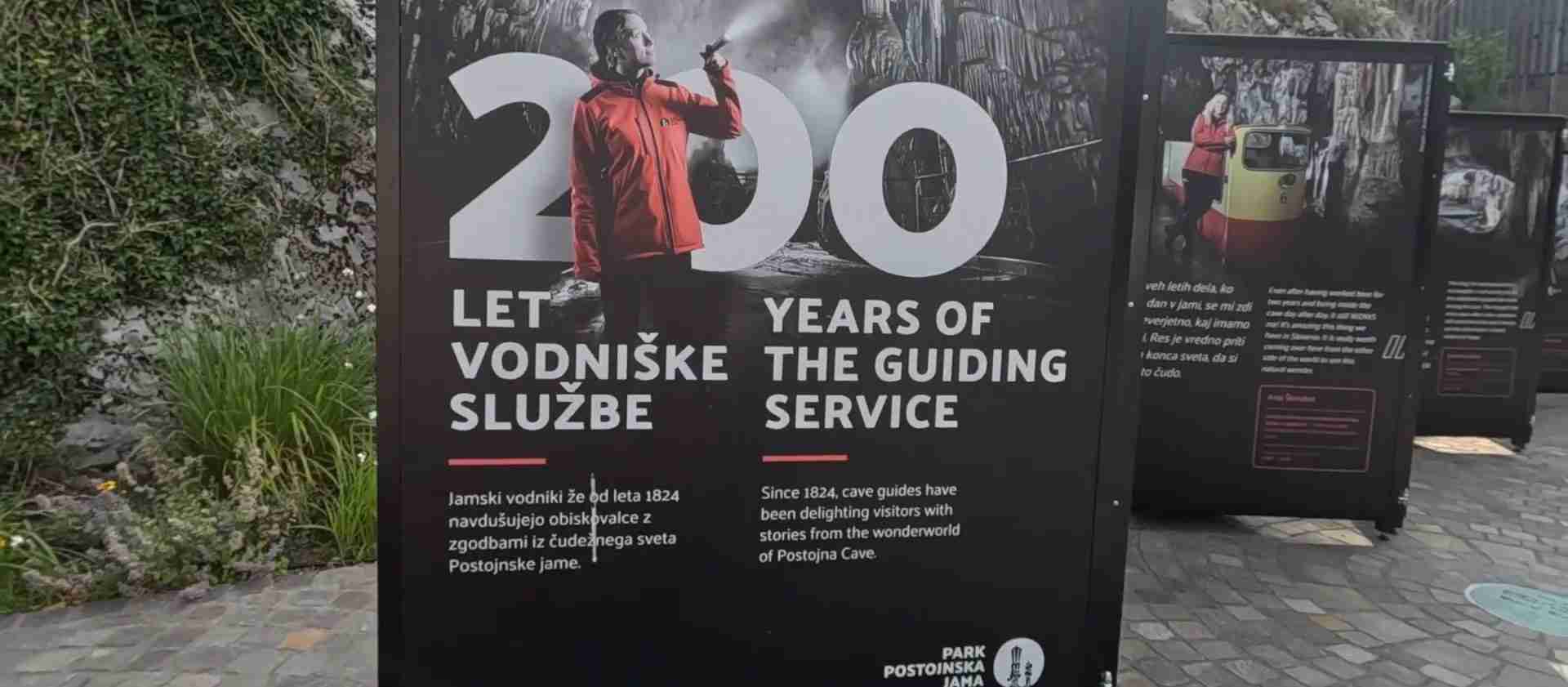
Postojna Cave Day Trip from Ljubljana 2026: World’s Most Famous Cave Tour
Slovenia’s most spectacular underground wonder, Postojna Cave, lies just 50 kilometers southwest of Ljubljana and welcomes visitors into a two-million-year-old karst system featuring dramatic stalactite formations, underground train rides, and the legendary olm salamander. This comprehensive planning guide covers verified 2026 transportation options, ticket prices, tour logistics, and budget breakdowns for independent travelers and organized groups visiting Europe’s most-visited cave system from Slovenia’s capital.
Key Takeaways: Postojna Cave Day Trip 2026
- Budget-Conscious Day Trip 2026: Independent travelers using public buses and combined cave-castle tickets spend €67-77 per person, including round-trip transport from Ljubljana, entrance to both Postojna Cave and Predjama Castle, and lunch in the local area.
- Mid-Range Comfort 2026: Visitors choosing train transport with audio guides and mid-range dining invest €97-125 per person for the complete day trip experience with enhanced comfort and interpretive materials.
- Organized Tour Option 2026: All-inclusive small-group tours from Ljubljana cost €112-155 per person, covering transport, entrance fees, English-speaking guide, and hassle-free logistics with hotel pickup available.
- Cave Tour Experience 2026: The 90-minute guided cave tour combines a thrilling 3.7-kilometer electric train ride through illuminated passages with 1.5 kilometers of walking through spectacular chambers maintained at a constant 10°C year-round.
- Combined Ticket Value 2026: The cave-castle combination ticket costs €40 versus €48 for separate entries, saving approximately 17% when visiting both UNESCO-listed attractions on the same day trip.
- Summer Shuttle Advantage 2026: From June through September, free shuttle buses connect Postojna Cave to Predjama Castle for combined-ticket holders, eliminating the 9-kilometer gap between Slovenia’s most dramatic cave system and its legendary cliff-side fortress.
People Also Ask About Postojna Cave Day Trip from Ljubljana 2026
How much does a Postojna Cave day trip from Ljubljana cost in 2026?
A day trip from Ljubljana to Postojna Cave costs €67-77 per person for budget-conscious travelers using public buses and combined tickets, €97-125 per person for mid-range comfort with train transport and audio guides, or €112-155 per person for organized tours including guide services. Budget travelers spend €12-14 on round-trip bus tickets plus €40 for the combined cave-castle entrance, with €15-23 covering lunch and refreshments. Mid-range visitors invest €30-48 in more comfortable train transport, adding €4 for audio guides and €23-33 for better dining options. Organized tour participants pay all-inclusive rates that cover transportation, entrance fees, and professional English-speaking guides, with only meals and optional extras adding to the base tour cost.
What’s the best way to get from Ljubljana to Postojna Cave in 2026?
Direct buses from Ljubljana’s main bus station to Postojna Cave entrance operate hourly and cost €6-7 each way with 50-60 minute journey times, making them the most economical independent transport option. Trains from Ljubljana station to Postojna town run hourly for €15-24 each way, taking 1 hour 12 minutes, with a 25-minute walk or free shuttle to the cave entrance from the station. Organized tours priced at €84-115 per person include round-trip transport in air-conditioned minivans with hotel pickup available, eliminating navigation concerns and parking fees. For travelers prioritizing cost, buses offer the best value; for those prioritizing comfort, trains provide more spacious seating; for those prioritizing convenience, organized tours handle all logistics including optimal timing between cave and castle visits.
How long should I spend at Postojna Cave and Predjama Castle in 2026?
Budget 4.5-5.5 hours total for visiting both attractions, including the 90-minute guided Postojna Cave tour, 45-60 minutes exploring Predjama Castle’s medieval chambers, and 30-40 minutes for the 9-kilometer transfer between sites plus lunch or refreshment breaks. The cave tour operates on fixed hourly schedules requiring arrival 30 minutes before your reserved time slot, with the electric train boarding 15 minutes before departure. Castle visits are self-paced using the included audio guide app, allowing flexibility to explore the knight’s chamber, Renaissance hall, and secret tunnels at your preferred speed. Day-trippers from Ljubljana departing on morning buses or trains and returning on afternoon transport allocate 9 AM-3 PM for the complete cave-castle experience, or extend to 10 AM-5 PM for more relaxed exploration including lunch at local restaurants.
What should I wear to Postojna Cave in 2026?
Wear closed-toe shoes with good grip and bring a warm jacket or fleece, as the cave maintains a constant 10°C temperature with 95% humidity regardless of outside weather reaching 35°C in Slovenian summer. Walking paths inside the cave include a 200-meter section with 20% gradient requiring sturdy footwear, while damp conditions make slippery surfaces common throughout the 5-kilometer tour route. Layers work best since visitors experience significant temperature shifts moving from summer heat outside to cave chill within minutes of entering the underground system. Avoid wearing flip-flops, sandals, or open-toe footwear that cave regulations prohibit, and skip heavy winter coats that become burdensome to carry during walking sections in the moderate 10°C environment.
Extended multi-day tours – 5+ days
Featured Ljubljana Multi-Day Tour Packages

3 days
Ljubljana 3-Day Discovery Tour
- ✓ Comprehensive Ljubljana experience
- ✓ Expert local guides included
- ✓ All accommodation included
- ✓ Transportation provided
5 days
Ljubljana 5-Day Highlights Experience
- ✓ Comprehensive Ljubljana experience
- ✓ Expert local guides included
- ✓ All accommodation included
- ✓ Transportation provided
7 days
Ljubljana 7-Day Cultural Journey
- ✓ Comprehensive Ljubljana experience
- ✓ Expert local guides included
- ✓ All accommodation included
- ✓ Transportation provided

10 days
Ljubljana 10-Day Complete Adventure
- ✓ Comprehensive Ljubljana experience
- ✓ Expert local guides included
- ✓ All accommodation included
- ✓ Transportation provided
Multi-day tour packages powered by TourRadar. Prices and availability subject to change.
Introduction: Slovenia’s Underground Marvel and Medieval Castle 2026
Postojna Cave represents Slovenia’s single most-visited tourist attraction, drawing visitors into a 24-kilometer karst labyrinth that has evolved over two million years beneath the Karst Plateau southwest of Ljubljana. The cave system’s fame stems from its unique combination of accessibility, scale, and spectacle: an electric underground railway penetrating 3.7 kilometers into illuminated galleries where stalactites and stalagmites create otherworldly formations, followed by guided walking sections through the Concert Hall capable of holding 10,000 people and chambers displaying the famous “Brilliant” stalagmite standing five meters tall in gleaming white calcite. Beyond the geological wonders, Postojna Cave serves as the cradle of speleobiology, housing over 150 cave-dwelling species including the legendary olm or “human fish,” a blind salamander that can survive without food for ten years and lives up to 100 years in the eternal darkness.
The day trip experience extends beyond the cave itself to encompass Predjama Castle, a Renaissance fortress that has clung to a 123-meter vertical cliff face for more than 800 years just 9 kilometers from the cave entrance. This castle holds the Guinness World Record as the largest cave castle on Earth, with secret tunnels connecting its chambers to hidden caves where the legendary knight Erazem of Predjama withstood a year-long siege by Austrian forces in the 15th century. The combination of subterranean natural wonders and medieval cliff-side fortification creates a complete day-trip narrative from Ljubljana that satisfies geology enthusiasts, history buffs, and general tourists seeking Slovenia’s most iconic experiences. The proximity to Ljubljana—50 kilometers via the A1 motorway, accomplished in 35-50 minutes by car or 50-90 minutes by public transport—makes this pairing of cave and castle Slovenia’s most popular half-day or full-day excursion from the capital.
In 2026, Postojna Cave operates with enhanced visitor infrastructure including online booking systems that guarantee specific time slots, multilingual audio guides in 19 languages, improved accessibility features, and summer shuttle services between major attractions. The cave maintains year-round operation with hourly tour departures, while seasonal variations in ticket pricing reward off-peak visitors with lower rates. Transportation options have expanded to include integrated bus-train tickets, direct buses from Ljubljana’s central station to the cave entrance, and a growing selection of organized tours catering to English-speaking international visitors. These logistical improvements mean that planning a successful day trip from Ljubljana requires understanding the trade-offs between independent travel offering maximum flexibility and budget savings versus organized tours delivering convenience and expert interpretation without navigation stress.
Understanding Postojna Cave: Europe’s Largest Tourist Cave 2026
Postojna Cave’s underground passages stretch 24 kilometers through limestone bedrock carved by the Pivka River over geological epochs, making it the second-longest cave system in Slovenia after the Migovec System and one of the most extensive show caves accessible to tourists anywhere in Europe. The distinction “Europe’s largest tourist cave” refers not to total length but to the scale of infrastructure, visitor numbers exceeding 40 million since tourism began in 1819, and the breadth of accessible chambers. Only 5 kilometers of the total 24-kilometer system are incorporated into standard tourist routes, but this accessible section encompasses the cave’s most dramatic formations: the Great Mountain passage rising 45 meters high, the White Passage featuring pristine white calcite formations rarely exposed to human contact, the Beautiful Caves showcasing delicate spaghetti stalactites, and the Winter Hall where ice formations appear during cold months.
The cave’s most famous resident, the olm salamander or Proteus anguinus, represents a biological marvel that captured scientific attention when first discovered in Postojna’s waters in the 19th century. This pale, eyeless amphibian inhabits underground water systems throughout the Dinaric Karst, reaching up to 30 centimeters in length and living in complete darkness where it has evolved heightened senses of smell and electroreception to navigate and hunt small crustaceans. The Postojna Cave Vivarium, included with standard cave tickets or available as a separate attraction, houses live olms in carefully controlled aquariums replicating their natural habitat, offering visitors close observation of creatures that the cave tour itself rarely reveals in the wild. The olm’s remarkable lifespan of up to 100 years and ability to survive a decade without feeding make it one of Earth’s most extreme vertebrate survivors and a symbol of Slovenia’s unique karst ecology.
Temperature stability defines the cave environment, maintaining 10°C year-round with 95% relative humidity regardless of surface conditions ranging from winter freezes to summer heat exceeding 35°C. This constant microclimate results from the cave’s depth and the insulating properties of thick limestone overburden that buffers external temperature swings. For visitors, the temperature constancy means identical preparation requirements whether visiting in January or July: warm layered clothing necessary in summer contrasts sharply with the relief from winter cold, while the humid environment prevents evaporative cooling that would otherwise make 10°C feel more comfortable. The walking portions of the cave tour span 1.5 kilometers and include gradients up to 20%, demanding sturdy footwear on slip-resistant concrete paths that remain perpetually damp from condensation and occasional dripping water.
Transportation Options from Ljubljana to Postojna Cave 2026
Direct Buses from Ljubljana Central Station 2026
Arriva Slovenia and Nomago operate hourly direct buses from Ljubljana’s Avtobusna Postaja central station to Postojna Cave entrance, with tickets costing €6-7 each way and journey times averaging 50-60 minutes depending on traffic conditions. Buses depart from Bay 28 at Ljubljana station beginning at 6:00 AM with the last departure around 9:00 PM, providing flexibility for early-morning cave tours or afternoon visits. The direct service stops within a 10-minute walk of the cave park entrance, eliminating the transfer required when using train transport. Purchase tickets at the station ticket office, from the bus driver with a small surcharge, or via the Arriva Slovenia mobile app that offers slight discounts for advance bookings and displays real-time departure information.
Bus advantages include lower cost than train alternatives, more frequent departures during peak travel hours, and direct delivery to the cave entrance without additional walking or shuttle transfers. The main disadvantages involve less spacious seating than trains, potential crowding during summer high season when tourist groups occupy multiple seats, and slightly longer journey times than private vehicles. For budget-conscious travelers, the bus represents the most economical independent transport option, with the €12-14 round-trip cost enabling day trips for under €70 total including cave and castle combined tickets plus basic meals.
Train Services from Ljubljana to Postojna Station 2026
Slovenske železnice operates hourly trains from Ljubljana’s main railway station to Postojna, with tickets priced €15-24 each way depending on booking timing and fare class, and journey duration of 1 hour 12 minutes on the Vienna-Venice international railway line. Trains offer more comfortable seating than buses, with larger windows showcasing Slovenian countryside, onboard restrooms, and space to stretch during the journey. The trade-off involves arriving at Postojna town railway station rather than the cave entrance, creating a 2.5-kilometer gap that visitors bridge via a 25-minute walk through town, a €5-8 taxi ride, or the free shuttle bus that Postojna Cave Park operates in partnership with Slovenian Railways during peak season.
The Cave Park Package available at any Slovenian Railways ticket counter bundles the round-trip train ticket from any SZ station with the free shuttle transfer directly to the cave entrance, creating an integrated public transport solution priced comparably to standard train fares. This package serves as the “greenest” transportation option, minimizing carbon footprint while maintaining comfort above bus standards. Train passengers prioritizing environmental concerns or seeking more spacious seating accept the longer total journey time and higher cost compared to direct buses.
Organized Tours from Ljubljana 2026
Small-group tours departing Ljubljana operate daily with prices ranging €84-115 per person for half-day excursions covering both Postojna Cave and Predjama Castle, including round-trip transport in air-conditioned minivans, English-speaking driver-guide providing commentary during the journey, and organized timing that maximizes efficiency between attractions. Tours typically depart Ljubljana hotels or central meeting points at 8:00-9:00 AM, reach Postojna Cave by 9:00-10:00 AM for the first tour slot avoiding crowds, allocate 90 minutes for the cave experience, transport participants the 9 kilometers to Predjama Castle for 45-60 minute visits, and return to Ljubljana by 2:00-3:00 PM. The higher per-person cost compared to independent public transport includes the convenience of door-to-door service, professional guide context about Slovenian culture and history during the journey, and optimized logistics handling the cave’s timed-entry requirements and castle-cave shuttle coordination.
Major tour operators including Viator, GetYourGuide, and local Slovenian companies offer variations on the standard half-day format. Some tours include entrance fees in the €84-115 price while others charge entrance separately, requiring careful comparison of what the tour price covers. Tours limiting group size to 8 passengers in small vans provide more personalized experiences but tighter seating, while larger coach tours reduce per-person costs at the expense of individual attention. Hotel pickup adds convenience for travelers staying outside Ljubljana’s compact old town, while central meeting points at landmarks like Prešeren Square suit those already in the historic center. For travelers prioritizing stress-free logistics, organized tours eliminate concerns about missing trains, navigating unfamiliar bus systems, or coordinating optimal timing between cave tour slots and castle visits.
Rental Car and Private Transport 2026
Driving from Ljubljana to Postojna Cave via the A1 motorway covers 50 kilometers in 35-40 minutes under normal traffic conditions, with motorway tolls included in Slovenia’s mandatory vignette system costing €16 for weekly passes. Postojna Cave Park operates paid parking lots charging €6 flat rate for all-day parking, with spaces typically available even during summer peak season except during special events or holiday weekends. Rental cars from Ljubljana companies including Sixt, Europcar, and local agencies cost €35-65 per day for compact vehicles, making car rental economical for groups of 3-4 splitting costs but expensive for solo travelers or couples who pay the full daily rate.
Private transport advantages include complete schedule flexibility, ability to add spontaneous stops at intermediate attractions like Škofljica or Rakek, luggage storage for travelers continuing to coastal destinations, and independence from bus or train timetables. Disadvantages involve parking fees, motorway vignette costs, fuel expenses, and assuming navigation responsibility in an unfamiliar region. For travelers continuing south toward the Slovenian coast or Croatian Istria after visiting Postojna, rental cars make sense as part of multi-day road trip itineraries. For single-day trips returning to Ljubljana, the convenience rarely justifies the cost premium over public transport unless traveling in groups of four or more.
Postojna Cave Tickets and Booking Strategy 2026
Standard Ticket Prices and Seasonal Variations 2026
Postojna Cave entrance tickets cost €31 for adults during high season running June through September, dropping to €28 in low season covering January through mid-June and September through December. Check the official Postojna Cave Park website for current rates as pricing may vary. Students with valid international student cards receive discounts to €25 high season and €22 low season, while children aged 6-15 pay €19 high season and €17 low season. Family tickets covering two adults and up to three children offer approximately 15% savings over individual tickets. Children under 6 enter free with paying adults. The ticket includes the 90-minute guided cave tour with electric train ride, access to the Vivarium featuring live olm specimens, and entry to the Expo Cave Karst exhibition center explaining karst geology.
The combined Postojna Cave and Predjama Castle ticket represents the best value for day-trippers, costing €40 year-round versus €48 for separate cave (€28-31) and castle (€17) tickets purchased individually. This combination ticket saves approximately 17% while granting flexible 30-day validity: visitors must tour Postojna Cave at their reserved time slot but can visit Predjama Castle anytime within 30 days, accommodating those who prefer splitting the attractions across multiple days or need flexibility around weather conditions affecting the castle’s outdoor cliff-side location. The combination ticket includes the Vivarium and Expo Cave Karst exhibition, creating comprehensive value beyond the separate-ticket alternative.
Online Booking Requirements and Advantages 2026
Online advance booking through the official Postojna Cave Park website guarantees specific tour time slots and bypasses ticket office queues that extend 30-45 minutes during July and August peak season. Tours operate hourly from 9:00 AM through late afternoon, with popular 10:00 AM and 12:00 PM departures selling out 2-3 days in advance during summer months. Book a minimum 24 hours before your intended visit during high season to secure preferred timing, or up to several days ahead for maximum choice. Last-minute visitors purchasing tickets on arrival risk settling for less convenient departure times or—on rare peak days—finding all tours sold out for several hours.
The online booking process requires selecting your exact visit date and hour-specific tour time, choosing ticket types, and paying by credit card or PayPal. Tickets arrive via email as QR codes displayable on smartphones or printable on paper, shown at the cave entrance 30 minutes before the reserved tour time. Online ticket changes or cancellations cost €2 per ticket when made 24 hours or more before departure, rising to €5 per ticket for changes made less than 30 minutes before departure at the ticket office only. Full refunds apply for cancellations made more than 24 hours in advance, while same-day cancellations forfeit the ticket cost. This flexibility policy accommodates weather changes or illness while discouraging frivolous reservation changes that block other visitors from sold-out time slots.
Audio Guide and Enhanced Experience Options 2026
Multilingual audio guides available in 19 languages including English, German, Italian, French, Spanish, Japanese, Chinese, and Korean cost €4 to rent and enhance the cave tour beyond the live guide’s commentary delivered in Slovenian, English, German, or Italian depending on group composition. The audio guide provides synchronized narration keyed to specific cave features, explaining the geological processes creating various formations, the cave’s discovery history, and the unique ecology of organisms adapted to perpetual darkness. Travelers whose native language isn’t covered by live guide commentary benefit significantly from audio guide rental, as do those preferring self-paced exploration of specific features that catch personal interest beyond the standard tour’s coverage.
The “Full Park Experience” ticket bundles Postojna Cave, Predjama Castle, Vivarium, Expo Cave Karst, Life Within a Billion Years exhibition, and Butterflies of the World exhibition for €47 during high season. This comprehensive package suits visitors allocating a full day to Postojna Cave Park rather than returning to Ljubljana immediately after the cave-castle core experience. The Full Park Experience makes economic sense for families with children fascinated by the olm salamander and other cave fauna showcased in extended detail at the Vivarium, or for travelers particularly interested in karst geology wanting deeper technical content from the exhibition halls. Most day-trippers from Ljubljana find the standard cave-castle combination sufficient, but those staying overnight at Hotel Jama adjacent to the cave entrance or making Postojna a multi-day base benefit from the expanded ticket accessing all park attractions.
What to Expect During the Postojna Cave Tour 2026
Electric Train Ride Through Illuminated Passages 2026
The Postojna Cave tour begins with a unique 3.7-kilometer electric train journey penetrating deep into the underground network, with visitors boarding open-sided train cars at the cave entrance and traveling through illuminated tunnels at speeds reaching 10 kilometers per hour. This underground railway, first installed in 1872 and electrified in 1959, represents one of the world’s oldest cave railway systems and eliminates the hours of walking that would otherwise be required to reach the most spectacular chambers located kilometers inside the mountain. The ten-minute train ride passes through narrow passages where the tunnel ceiling seems to brush passenger heads, opens into vast halls where darkness swallows the train’s headlamps, and navigates hairpin turns banking the cars sideways as they follow the Pivka River’s ancient course through the limestone.
Passengers sit in rows of bench seating holding 4-6 people across, with no assigned seats and a first-come-first-served boarding process favoring those who arrive at the cave entrance early and position themselves near the front of the waiting area. The open sides allow unobstructed views of passing formations but also expose riders to the cave’s 10°C temperature and high humidity during the journey, making warm jackets essential even in summer. Photography during the train ride proves challenging due to low light levels, motion blur, and the speed at which formations pass, though the most memorable experience often comes from simply watching the underground landscape rush past without the distraction of camera operation. The train returns to the entrance at the tour’s conclusion via a different route, providing fresh formations on the return journey rather than retracing the inbound path.
Guided Walking Section Through Major Chambers 2026
After disembarking from the train at the tour’s midpoint, visitors follow guides on a 1.5-kilometer walking route through the cave’s most spectacular chambers, including the Concert Hall—a vast natural auditorium 40 meters high and 3,000 square meters in area capable of holding 10,000 people for underground concerts—and the Beautiful Caves featuring the famous five-meter “Brilliant” stalagmite glowing pure white under careful illumination. The walking path uses slip-resistant concrete with handrails on inclined sections, but visitors must navigate stairs, uneven surfaces, and two gradient sections reaching 20% slope that require moderate fitness and stable footing. The route accommodates strollers and is conditionally accessible for mobility-impaired visitors who can manage the 200-meter uphill and downhill sections, though wheelchair users receive recommendations to experience only the train portion and skip the walking elements.
Tour guides deliver commentary in Slovenian, English, German, or Italian depending on the predominant group composition, pausing at key formations to explain geological processes, cave history, and ecological significance. The guides maintain a steady pace covering the 1.5-kilometer walking section in approximately 45 minutes including explanation stops, meaning groups must keep together rather than exploring at individual paces. Photography without flash is permitted and encouraged throughout the walking sections, with the cave’s professional lighting system illuminating formations from strategic angles that emphasize textures, colors, and scale. The most photographed features include the Brilliant stalagmite, the massive stalactite curtains in the White Passage where human contact has never discolored the formations, and the underground canyon where the invisible Pivka River carved through the mountain over millions of years.
Cave Climate and Physical Requirements 2026
The constant 10°C temperature with 95% humidity creates a physical experience that surprises summer visitors emerging from 35°C exterior heat into what feels like a refrigerated environment, requiring jackets that seemed absurd when packing them on sunny mornings in Ljubljana. The humidity prevents evaporative cooling from body heat, meaning 10°C feels colder than the same temperature in dry conditions, and damp air conducts heat away from bodies faster than dry air would. Layering with a base shirt plus a fleece or light jacket provides optimal comfort, allowing removal of outer layers during the return train ride if body heat builds from walking. Avoid wearing heavy winter coats that become burdensome to carry, as the cave never warms beyond 10°C but also never feels as cold as freezing outdoor winter temperatures.
Footwear requirements emphasize closed-toe shoes with grippy rubber soles, as slippery conditions from condensation, occasional dripping water, and wet concrete paths make smooth-soled fashion shoes or sandals genuinely dangerous on the 20% gradient sections. The cave management prohibits flip-flops and open-toe footwear for safety reasons, turning away visitors who arrive inappropriately shod and forcing them to purchase shoes at the park gift shop or forfeit their tour. Sturdy walking shoes, trail runners, or hiking boots provide ideal traction and ankle support for the 1.5 kilometers of walking including stairs and slopes. The tour involves approximately 500 individual steps combined between stairs and walking distance, requiring basic fitness but not extraordinary endurance or athletic ability for most healthy adults.
Predjama Castle: Cliff-Side Medieval Fortress 2026
Castle History and Strategic Location 2026
Predjama Castle clings to a 123-meter vertical limestone cliff face in the village of Predjama, 9 kilometers northwest of Postojna Cave, where it has withstood centuries of sieges, reconstruction, and natural disasters while maintaining its dramatic position at the entrance to a cave system connecting to chambers behind the fortress. The current Renaissance structure dates primarily to the 16th century, though archaeological evidence confirms fortifications on this site since the 13th century. The cliff location provided medieval defenders with nearly impregnable natural barriers on three sides, while secret passages through the caves behind the castle enabled defenders to smuggle supplies, conduct surprise raids, and escape during sieges—advantages that made Predjama virtually unconquerable by direct assault despite its small garrison capacity.
The castle’s most famous resident, the knight Erazem of Predjama, entered Slovenian legend during a year-long siege by Austrian forces in the 15th century when he mocked besieging troops by showering them with fresh cherries obtained through the secret tunnels, demonstrating that starvation would never force his surrender. According to legend, Erazem’s eventual death came from betrayal rather than military defeat when a servant marked the castle privy with a signal allowing besiegers to aim a cannon at the most vulnerable moment, killing Erazem and ending the siege. While historians debate the precise details, the story encapsulates Predjama’s reputation as a fortress where geography, architecture, and hidden passages created defensive capabilities far exceeding its modest size.
Interior Rooms and Exhibits 2026
Self-guided tours through Predjama Castle’s accessible chambers include the knight’s room displaying medieval weaponry and armor, the Renaissance dining hall recreating 16th-century aristocratic life with period furniture and tapestries, the torture chamber with implements that demonstrate brutal medieval justice, and the third-floor Renaissance Hall featuring hunting trophies from the castle’s last owner, the Prince of Windischgrätz. An included smartphone app provides audio commentary in multiple languages, explaining each room’s historical context, the castle’s defensive features, and the legends surrounding Erazem’s exploits during the famous siege. The app functions offline once downloaded, requiring no data connection inside the castle where cellular signals are blocked by thick stone walls and the surrounding cliff.
The castle’s most remarkable architectural feature involves its direct integration with the cliff’s natural cave openings, including the Chapel of the Virgin Mary built inside a natural cavern where daylight filters through the rock overhead. Secret passages wind through both constructed corridors and natural cave tunnels, with some sections open to exploration and others sealed for safety or preservation. The highest accessible point offers views across the Lokva River valley toward the Nanos plateau, providing context for understanding why medieval lords chose this specific cliff as the ideal defensive position controlling the valley passage. Total exploration time averages 45-60 minutes for standard visitors examining main rooms and reading plaques, or up to 90 minutes for history enthusiasts exploring every corner and reading complete app commentary.
Cave Under Predjama Castle Seasonal Access 2026
The Cave under Predjama Castle, accessible June through August only due to bat hibernation requirements during other months, extends the castle visit with exploration of the natural cavern system behind the fortress walls. This 700-meter-long cave tunnel follows underground streams through chambers where medieval defenders stored supplies, accessed spring water, and moved through secret passages connecting to exits a kilometer away from the besieged castle entrance. Separate entrance tickets cost €10 or combine with castle admission for €24, with guided tours departing every 30 minutes during the summer operating season. The cave maintains similar temperature and humidity to Postojna Cave, requiring the same warm-jacket preparation despite exterior summer heat.
Tour duration runs 45 minutes covering both upper cave levels, suitable for children aged 6 and older who can manage dim lighting, uneven natural passages without paved paths, and basic climbing over rock formations. The cave illumination preserves darkness in sections between lit areas, contrasting with Postojna Cave’s continuous professional lighting throughout tourist paths. This experience appeals to visitors wanting more authentic cave exploration beyond Postojna’s heavily developed tourist infrastructure, though the shorter length and less spectacular formations mean most travelers prioritize Postojna’s scale and drama over Predjama’s smaller natural cavern. Families with children fascinated by cave biology appreciate seeing bats in natural roosting positions during preparation for the September season opening, though summer operations guarantee bat absence due to their seasonal migration to higher-altitude hibernation sites.
Logistics Between Cave and Castle 2026
Summer Shuttle Service Details 2026
Free shuttle buses connect Postojna Cave entrance to Predjama Castle entrance from June through September for visitors holding combined cave-castle tickets, operating every 30-60 minutes depending on daily visitor volume with journey time of 15-20 minutes covering the 9-kilometer distance. The shuttle schedule aligns with major cave tour departure times, meaning visitors finishing the 90-minute cave experience at 11:30 AM find shuttles departing around 11:45 AM for castle transport. No advance reservation required—combined ticket holders simply present their QR code to the driver and board available shuttle space, with vehicles sized to handle tour completion crowds during peak hours.
The shuttle drops passengers directly at Predjama Castle’s parking area, eliminating the 500-meter uphill walk from the public road to the cliff-side castle entrance required when arriving by private vehicle or taxi. Return shuttles to Postojna Cave operate on similar frequency, allowing flexible scheduling of return transport after castle exploration. Visitors concerned about missing the last shuttle back to Postojna (typically departing the castle around 5:00 PM) check specific daily schedules posted at both locations or ask staff at either site for current timing. The shuttle system eliminates the main logistical challenge of visiting both attractions independently, as taxi rides between sites cost €15-25 each way for travelers lacking combined tickets or visiting outside June-September shuttle season.
Visiting Both Sites Outside Summer Season 2026
During October through May when shuttle buses don’t operate, independent travelers face the challenge of traversing 9 kilometers between Postojna Cave and Predjama Castle without organized transport. Options include taxi services arranged through the Postojna Cave Park ticket office costing €15-25 one-way depending on negotiation and waiting time, rental cars driven independently between the sites and parked at both locations, or organized tours that include transport as part of the package price. Budget travelers visiting off-season make strategic choices between visiting only Postojna Cave and skipping Predjama Castle to avoid taxi costs, or accepting the taxi expense as part of the total day-trip budget justified by seeing both major attractions.
Some off-season visitors reverse the typical cave-first-then-castle sequence by taking a morning taxi directly from Postojna town or Ljubljana to Predjama Castle, exploring the fortress first, then taking a second taxi to Postojna Cave for an afternoon tour departure, and finally returning to Ljubljana via bus or train from Postojna station. This reverse sequence spreads taxi costs across a full day and ensures visitors won’t miss the last convenient return transport to Ljubljana while waiting for infrequent off-season shuttles. The strategy works best for groups of 2-3 splitting taxi fares, making per-person transport costs comparable to organized tour prices while maintaining independent scheduling flexibility.
Complete Day Trip Itineraries from Ljubljana 2026
Budget Independent Itinerary 2026
Depart Ljubljana’s bus station on the 8:00 AM Arriva bus to Postojna Cave costing €7, arriving at the cave entrance by 9:00 AM with time to collect pre-booked tickets at the box office before the 10:00 AM English-language tour departure. Present QR code tickets 30 minutes before tour time at 9:30 AM, board the electric train at 9:45 AM, and complete the 90-minute cave experience exiting around 11:30 AM. Board the free summer shuttle to Predjama Castle departing 11:45 AM, reach the castle by 12:00 PM, and spend 45-60 minutes exploring the medieval fortress chambers using the included audio guide app. Return shuttle to Postojna Cave departs the castle at 1:30 PM, arriving back at the cave entrance by 1:45 PM.
Lunch at Gostilna Avio Pub in Postojna village, a 5-minute walk from the cave entrance, offers authentic Slovenian cuisine with daily specials €12-18 for substantial meals like Dunajski zrezek (Wiener Schnitzel) with sides. Depart Postojna on the 3:30 PM bus back to Ljubljana costing €7 return fare, arriving in Slovenia’s capital by 4:30-4:45 PM with evening free for Ljubljana dinner and city exploration. Total costs for this budget itinerary: bus €14, combined cave-castle ticket €40, lunch €15, coffee €4, totaling approximately €73 per person including minor extras like gift shop purchases or additional refreshments.
Mid-Range Train and Guided Experience Itinerary 2026
Board the 8:00 AM train from Ljubljana’s main railway station to Postojna costing €16, arrive at 9:12 AM, take the free shuttle from Postojna train station to cave entrance arriving 9:25 AM, and collect tickets plus €4 audio guide rental before the 10:00 AM tour departure. The enhanced audio guide experience provides deeper geological and biological context than standard live guide commentary, especially valuable for English speakers when the 10:00 AM tour guide delivers primarily Slovenian or German commentary supplemented by brief English summaries. Complete the cave tour by 11:30 AM, take the 11:45 AM shuttle to Predjama Castle, spend one hour exploring with audio guide, and return via 1:30 PM shuttle to the cave entrance.
Lunch at the cave park’s on-site restaurant offers mid-range cuisine €18-25 for two-course meals with local wines, providing convenience without walking to Postojna village while maintaining quality above basic cafeteria options. Depart on the 3:00 PM train from Postojna station costing €24 for upgraded first-class seating with more comfortable chairs and guaranteed window seats, arriving Ljubljana 4:12 PM. Total costs for this mid-range itinerary: trains €40, combined ticket €40, audio guide €4, lunch €22, refreshments €7, totaling approximately €113 per person for enhanced comfort and interpretive materials beyond the budget approach.
Organized Tour Full-Service Itinerary 2026
Small-group tour pickup from Ljubljana hotel or central meeting point at 8:30 AM, travel to Postojna Cave in air-conditioned 8-passenger minivan arriving 9:30 AM, guide handles ticket collection and directs group to 10:00 AM English-language tour guaranteed for organized groups regardless of individual traveler language distribution. Complete cave experience by 11:30 AM with guide providing context during electric train sections that standard audio guides can’t cover, private van transport to Predjama Castle departing 11:40 AM, castle exploration 12:00-1:00 PM with guide highlighting features that the audio app alone might miss. Return journey to Ljubljana begins 1:15 PM, arriving in the capital by 2:30 PM after stops at scenic viewpoints for photography opportunities that independent travelers using public transport can’t easily access.
Lunch occurs independently during the itinerary either at the cave park between attractions or in Postojna village, with €18-25 per person covering mid-range restaurant meals. Total costs for organized tour approach: tour package €99 including transport and guide services but excluding entrance tickets, combined cave-castle ticket €40, lunch €20, totaling approximately €159 per person. The premium over independent travel buys stress-free logistics, guarantee of optimal timing between attractions without risking transport delays, professional guide commentary providing cultural context beyond geological facts, and elimination of navigation concerns for international visitors unfamiliar with Slovenian public transport systems.
Food and Dining Options Near Postojna Cave 2026
On-Site Cave Park Restaurants and Cafés 2026
The Postojna Cave Park complex includes two primary dining facilities: a self-service cafeteria adjacent to the Expo Cave Karst exhibition offering quick meals €8-15 including sandwiches, soups, and basic hot dishes, and a sit-down restaurant near Hotel Jama providing mid-range Slovenian cuisine €15-25 per entrée with regional specialties like jota stew, žlikrofi dumplings, and grilled Karst sausages. The cafeteria serves as the practical option for travelers on tight schedules between cave tours and shuttle departures, while the restaurant accommodates those allocating extra time for more leisurely dining and wanting to experience authentic Slovenian mountain cuisine rather than international tourist standards.
Coffee bars at the cave entrance and near the Vivarium serve espresso-based drinks €2-4, local pastries €3-5, and ice cream €3-6, providing quick energy boosts and bathroom breaks between attractions. Prices at cave park facilities run approximately 20-30% above Ljubljana restaurant levels, reflecting the captive audience of tourists versus competitive urban dining markets, but remain reasonable by Western European standards. The advantage of on-site dining includes guaranteed proximity to shuttle schedules and tour departures, eliminating rushing between the cave entrance and off-site restaurants in Postojna village located 2 kilometers away along the main road.
Postojna Village Restaurants 2026
Gostilna Avio Pub, located 5 minutes’ walk from the cave entrance in central Postojna village, serves substantial traditional Slovenian meals €12-18 including the famous Dunajski zrezek (Wiener Schnitzel) that fills entire plates, grilled meats, hearty soups, and local draft beer €4-5. This family-run establishment attracts local workers and residents rather than primarily tourists, offering authentic regional cuisine at prices significantly below the cave park’s captive-market rates. The informal atmosphere welcomes casual dress from cave exploration, and the kitchen operates continuously from 11:00 AM through evening service, accommodating flexible meal timing around variable tour and shuttle schedules.
Additional options in Postojna village include Pizzeria Minutka serving wood-fired pizzas €8-12, Gostilna Štangelj offering upscale Slovenian cuisine €18-30 with wine pairings, and several cafés along the main street providing sandwiches, salads, and pastries €6-10. Village restaurants require a 10-15 minute round-trip walk from the cave entrance, meaning visitors must allocate 60-90 minutes total for travel, ordering, eating, and returning to catch specific shuttles to Predjama Castle or buses back to Ljubljana. Budget travelers willing to invest the walking time save €5-10 per person compared to on-site cave park dining, while time-pressed visitors prioritize convenience over modest cost savings by eating within the park complex.
Predjama Castle Area Dining 2026
Limited dining options exist immediately adjacent to Predjama Castle, with a small seasonal café at the castle parking area serving drinks, ice cream, and pre-packaged snacks €3-8 during June-September operating months. The Castle Restaurant, located 500 meters from the castle entrance along the approach road, offers lunch €15-25 and drinks in a rustic setting with outdoor terrace views toward the cliff-mounted fortress. This location serves as the sole sit-down restaurant option near the castle, accommodating tour groups and independent visitors who time their castle visit to coincide with lunch hours between 12:00-2:00 PM. Off-season visitors or those exploring the castle during mid-morning or late afternoon find no substantial food options beyond the parking area’s limited snack selection, emphasizing the importance of planning meal timing around the Postojna Cave park’s more extensive facilities.
Budget Breakdown by Travel Style 2026
Budget-Conscious Independent Travel 2026
Budget travelers minimize costs through strategic choices across all expense categories while maintaining access to both major attractions and quality experiences. Transportation uses direct buses from Ljubljana costing €12-14 round-trip rather than more expensive trains, walking to Postojna village restaurants instead of paying premium prices at cave park facilities, and leveraging the free summer shuttle between cave and castle to avoid taxi fees. The combined cave-castle ticket at €40 provides better value than separate admissions, while foregoing audio guide rental €4 accepts standard live guide commentary as sufficient interpretation. Lunch at authentic village restaurants like Gostilna Avio Pub costs €12-18 for filling traditional meals, with coffee at local cafés €3-4 rather than €4-5 at tourist-oriented cave park coffee bars.
Complete daily budget per person: bus transport €14, combined cave-castle ticket €40, village lunch €15, morning coffee €3, afternoon refreshment €4, totaling approximately €76 with modest buffer for incidentals. This budget achieves full access to Europe’s most famous cave system and medieval cliff fortress while spending roughly half the cost of organized tours, requiring trade-offs in comfort (less spacious bus seating versus private tour vans), convenience (fixed bus schedules versus flexible tour timing), and interpretation (basic guide commentary versus comprehensive cultural context from professional guides). Budget travelers comfortable navigating public transport, comfortable with self-guided exploration using included apps and audio guides, and prioritizing financial efficiency over maximum convenience find this approach delivers exceptional value for the complete day-trip experience from Slovenia’s capital.
Mid-Range Comfort Travel 2026
Mid-range travelers invest in enhanced comfort and interpretive experiences while maintaining independent flexibility rather than joining organized tours. Train transport from Ljubljana costs €30-48 round-trip depending on fare class, providing more spacious seating, onboard restrooms, and larger windows than buses while eliminating the cost premium and fixed scheduling of organized tours. Audio guide rental at €4 adds multilingual interpretation beyond live guide commentary, particularly valuable when tour guides focus on Slovenian or German language groups with limited English summaries. The combined cave-castle ticket at €40 remains the optimal value regardless of budget tier, while lunch at mid-range restaurants either in the cave park or Postojna village costs €18-25 for two-course meals with better ingredient quality and presentation than budget cafeteria options.
Complete daily budget per person: train transport €38, combined cave-castle ticket €40, audio guide €4, mid-range lunch €22, morning coffee €5, afternoon refreshment €6, totaling approximately €115 with buffer for souvenir purchases or upgraded transport classes. This mid-range approach balances independence against comfort, maintaining schedule flexibility while accessing enhanced experiences through quality dining and interpretive materials. Travelers prioritizing environmental concerns choose trains over buses despite higher costs for the lower carbon footprint, while those prioritizing physical comfort accept the financial premium for spacious railway seating during the 1+ hour journey each direction between Ljubljana and Postojna.
Organized Tour Full-Service Travel 2026
Organized tour participants pay €99-115 per person for small-group half-day excursions covering transport, professional English-speaking guide, and optimized logistics, with entrance fees €40 additional bringing the core package to €139-155 before meals and optional extras. The all-inclusive approach eliminates navigation concerns, guarantees optimal timing between cave tours and castle visits through pre-coordinated schedules, provides cultural and historical context beyond basic site interpretation, and includes hotel pickup eliminating navigation from accommodations to departure points. Professional guides share insider knowledge about Slovenian culture, regional history, and practical tips that independent travelers miss without researching extensively, while small group sizes of 8 passengers create personalized attention impossible in large bus tours.
Complete daily budget per person: tour package €107, cave-castle entrance €40, lunch €20, morning coffee €5, afternoon refreshment €6, souvenirs and incidentals €10, totaling approximately €188 for comprehensive service. The premium over independent mid-range travel (approximately €73 additional) buys convenience, interpretation, and stress reduction rather than access to fundamentally different attractions or experiences. Organized tours suit international visitors uncomfortable with foreign public transport systems, travelers prioritizing maximum efficiency in limited vacation time, and those valuing professional guide expertise over the independence and flexibility of self-directed exploration. The efficiency of returning to Ljubljana by mid-afternoon frees evening time for additional capital city experiences rather than spending 4+ hours navigating public transport and waiting for scheduled departures.
Practical Tips for Postojna Cave Day Trips 2026
Optimal Timing and Seasonal Considerations 2026
Visit Postojna Cave during spring (April-May) or autumn (September-October) shoulder seasons for optimal combinations of weather, reduced crowds, and lower ticket prices. Spring offers blooming landscapes during the countryside journey, moderate exterior temperatures contrasting with cave chill without extreme heat shock, and off-peak ticket prices €28 versus summer’s €31. Autumn provides similar advantages plus fall foliage coloring the Karst region’s forests, fewer tour groups from cruise ship passengers concentrated in summer months, and comfortable outdoor temperatures for Predjama Castle exploration where summer heat reflecting off limestone cliffs can exceed 35°C. Winter visits (November-March) deliver the lowest crowds and rock-bottom off-season prices, though shorter daylight hours limit scheduling flexibility and cold exterior conditions mean less dramatic contrast with the cave’s constant 10°C environment.
Summer high season (June-August) brings challenges including crowded tours where groups merge multiple language speakers requiring abbreviated English commentary, sold-out advance time slots forcing suboptimal departure hours for late bookers, and maximum ticket prices. The compensating advantage involves free shuttle service between cave and castle operating only during these months, eliminating the €15-25 taxi expense independent travelers face off-season. Summer visitors booking 3-4 days in advance secure preferred 10:00 AM or 11:00 AM tour times avoiding both early-morning departures from Ljubljana and late-afternoon returns that sacrifice Ljubljana evening time. Early or late summer (June and late September) provide better balance than peak July-August when European family holidays concentrate tourist volumes.
What to Bring and Leave Behind 2026
Essential items for Postojna Cave visits include warm jacket or fleece regardless of summer exterior heat, closed-toe shoes with grippy soles for walking 1.5 kilometers including stairs and 20% gradients, smartphone fully charged for photography and scanning QR code tickets, small backpack holding extra clothing layers, and reusable water bottle. The cave tour includes no water fountains or refreshment opportunities during the 90-minute underground experience, making pre-tour hydration important. Bring basic first-aid supplies including blister plasters for those prone to footwear rubbing during extended walking, though the concrete paths cause fewer problems than natural trail hiking. Predjama Castle requires similar closed-toe footwear and warm layers, as medieval stone chambers maintain cooler temperatures than exterior courtyards and cliff-side winds increase perceived chill.
Leave behind large backpacks, unnecessary valuables, tripods prohibited inside the cave, flash photography equipment not permitted during tours, and pets that cannot enter either the cave or castle facilities. The cave provides free kennels for pets during owner tour times, but kennels operate on space-available basis without guarantees. Expensive camera equipment beyond basic smartphones proves unnecessary, as the cave’s low-light conditions require either high-ISO capability professional bodies possess or acceptance that decent photos come from remembering scenes rather than capturing them technically. Large hiking packs from multi-day travelers continuing to coastal destinations after the cave visit require either storage at Ljubljana accommodations or rental car trunk space, as carrying substantial weight through 1.5 kilometers of cave walking plus castle exploration creates unnecessary burden.
Photography Tips and Restrictions 2026
Photography inside Postojna Cave is permitted without flash or tripods, requiring high-ISO camera settings or smartphone night modes to capture dimly-lit formations without blurring from hand movement. The cave’s professional LED lighting illuminates major features from strategic angles, providing enough light for modern smartphone cameras using computational photography techniques that combine multiple exposures. Focus on the Brilliant stalagmite, stalactite curtains in the White Passage, and the Concert Hall’s vast scale rather than attempting comprehensive documentation of every formation—the walking pace and dim lighting mean quality trumps quantity for memorable images. The electric train ride moves too quickly for sharp photos except during brief stops, making video potentially more successful for capturing the journey’s atmosphere.
Predjama Castle presents fewer photography challenges, with abundant natural light in courtyards and near windows, though interior chambers remain dim requiring similar high-ISO techniques to cave photography. The castle’s most dramatic external shots come from the approach road viewpoint showing the full fortress-cliff integration, or from the parking area capturing the river valley context. Photography from inside the castle looking outward through medieval window openings frames the Lokva valley through historical perspective, combining landscape views with architectural framing. The cave under the castle prohibits all photography to protect delicate bat populations from flash disturbance, even during summer when bats aren’t present—enforcement maintains consistent rules year-round rather than relaxing policies seasonally.
Accessibility Considerations 2026
Postojna Cave accommodates mobility-impaired visitors conditionally, with the electric train portion fully accessible but the walking section including 200-meter gradients reaching 20% slope that wheelchair users and those with significant mobility limitations find impassable. The cave management recommends that wheelchair-bound visitors experience only the train ride portion, boarding at the entrance, traveling the 3.7-kilometer route into the deep cave chambers, and returning via the same train without exiting for the walking section. This abbreviated tour still provides substantial cave experience including the train journey through illuminated passages and brief stops in major halls, though missing the Brilliant stalagmite and other features accessible only via walking routes. Strollers navigate the walking paths successfully on paved concrete surfaces, though parents must manage stair sections and steep gradients requiring strength to control rolling during descents.
Predjama Castle presents greater accessibility challenges, with medieval architecture featuring narrow spiral staircases, uneven stone floors, and steep passages between levels that make wheelchair access impossible beyond the ground-floor entry area. The castle’s dramatic exterior and cliff-face integration remain fully accessible and photographable from the parking area and approach paths, meaning mobility-impaired visitors can appreciate the castle’s visual drama without interior access. The Cave Park’s Vivarium and Expo exhibitions offer full wheelchair accessibility with ramps, elevators, and level floors throughout, providing accessible alternatives for those unable to complete the cave’s walking section or castle’s interior exploration. Visitors with concerns about specific mobility limitations should contact Postojna Cave Park management in advance to discuss accommodation options and alternative experiences suitable for their particular needs.
Alternative Cave Experiences in Slovenia 2026
Škocjan Caves UNESCO World Heritage Site 2026
Škocjan Caves, located 70 kilometers south of Ljubljana near the Italian border, hold UNESCO World Heritage status for exceptional natural significance including a 150-meter-deep underground canyon carved by the Reka River and chambers reaching 120 meters high. The Škocjan experience emphasizes raw natural drama over Postojna’s developed accessibility, with dramatic natural lighting supplementing artificial illumination, fewer tour departures focusing on smaller groups, and suspension bridges crossing underground chasms creating visceral thrills absent from Postojna’s paved comfort. Entry tickets cost €18-24 depending on season versus Postojna’s €28-31, though reduced tour frequency and more remote location create greater logistical challenges for day-trippers from Ljubljana without private vehicles.
Comparison between the two systems reveals complementary rather than competing experiences: Postojna delivers scale, biological significance with the olm salamander, and convenient access via excellent public transport and tourist infrastructure, while Škocjan provides UNESCO recognition, vertical drama with the underground canyon’s exposed heights, and adventure-oriented exploration feeling more authentic to natural cave conditions. Day-trip time constraints typically force choosing between them rather than visiting both, with Postojna winning for ease of access, tour frequency providing scheduling flexibility, and the combination with Predjama Castle creating a complete medieval-natural pairing. Travelers with multiple days in Slovenia and specific interest in caves prioritize Škocjan for its unique UNESCO values, while single-day visitors from Ljubljana default to Postojna’s superior logistics and broader family appeal.
Križna Cave Adventure Tours 2026
Križna Cave offers adventure caving experiences requiring rubber boots, headlamps, and willingness to wade through underground lakes while exploring 8 kilometers of passages filled with emerald-green water. Located 30 kilometers south of Ljubljana in the Bloke Plateau region, Križna operates on advance-reservation-only basis with tours limited to small groups exploring 2-6 hours depending on the selected route’s length and difficulty. The experience targets adventure travelers and serious cave enthusiasts rather than casual tourists, with physical demands including wading chest-deep through cold water, crawling through narrow passages, and navigating rough natural surfaces without paved paths or electric trains. Tickets cost €35-80 depending on tour length, considerably more than Postojna’s developed-site admission due to the required guide-to-visitor ratios and specialized equipment provision.
Križna complements Postojna rather than substitutes for it, serving as Slovenia’s premier adventure caving destination for those seeking active underground exploration beyond passive sightseeing. The trade-off involves genuine physical challenge and direct engagement with raw cave environments versus Postojna’s comfortable access enabling families, elderly visitors, and those without specific caving interest to experience spectacular karst formations. Day-trippers from Ljubljana prioritizing efficient sightseeing choose Postojna for the 50-minute travel time, hourly tour departures accommodating flexible scheduling, and 90-minute tour duration leaving afternoon time for Predjama Castle. Adventurous travelers with Slovenia itineraries spanning multiple days allocate half-day or full-day windows for Križna’s longer tours, treating it as a distinct experience rather than a Postojna alternative or substitute.
Extending Your Day Trip: Nearby Attractions 2026
Snežnik Castle and Forests 2026
Snežnik Castle, located 20 kilometers south of Postojna amid primeval forests, represents one of Slovenia’s best-preserved Renaissance castles with original furnishings, hunting trophy collections, and formal gardens maintained in period style. The castle operates April through October with guided tours €9 for adults departing hourly, showcasing aristocratic lifestyle in the Snežnik family’s 19th-century heyday when the estate served as a hunting retreat for European nobility. The surrounding Snežnik Plateau forest contains old-growth stands with minimal human intervention, offering hiking trails through virgin wilderness and wildlife observation opportunities including brown bears, lynx, and rare bird species. Reaching Snežnik requires private vehicle or organized tour, as public transport connections from Postojna remain limited and impractical for day-trip integration with cave-castle itineraries from Ljubljana.
Combining Postojna Cave, Predjama Castle, and Snežnik Castle creates a full-day cultural triangle emphasizing Slovenia’s medieval and Renaissance heritage against natural settings, though the logistics require rental car or organized tour coordination. Independent travelers using public transport find Snežnik extensions impractical unless devoting two days to the region with overnight accommodation in Postojna town, allowing one day for cave-castle combination and a second day for Snežnik exploration via morning taxi or hired driver. Tour operators occasionally offer extended full-day itineraries incorporating all three sites, though these 10-12 hour days from Ljubljana depart very early morning and return late evening with substantial time spent traveling between dispersed locations rather than sightseeing.
Rakov Škocjan Valley Hiking 2026
Rakov Škocjan Valley, a nature reserve 3 kilometers north of Postojna, offers hiking through a collapsed cave canyon where natural bridges span the Rak River between limestone cliffs up to 100 meters high. The main trail covers 2-3 kilometers through the valley floor, passing the Natural Bridge and Great Natural Bridge formations where cave ceiling collapse left soaring stone arches, plus the Small Natural Bridge where intact cave sections create tunnels through the rock. The valley combines cave topography with forest hiking in a compact area accessible as a 2-hour add-on to Postojna Cave day trips for travelers with private vehicles or willing to arrange taxis for the short 3-kilometer distance from the cave entrance.
Public transport to Rakov Škocjan remains minimal, with the reserve’s entrance requiring walking 2 kilometers from the nearest bus stop along the Ljubljana-Postojna route or arranging private transport from Postojna town. The valley’s hiking trails remain free with no entrance fees, appealing to budget-conscious travelers wanting additional nature experiences beyond the cave’s underground environment. Seasonal considerations favor spring (April-May) when wildflowers bloom throughout the valley and autumn (September-October) for fall foliage colors, while summer heat makes the exposed limestone cliff faces less comfortable for midday hiking. Winter visits remain feasible though trails become muddy and potentially icy depending on weather. The valley serves as an excellent picnic location for travelers carrying packed lunches from Ljubljana rather than paying cave park restaurant prices, with scenic natural bridge viewpoints providing memorable outdoor dining settings.
Frequently Asked Questions: Postojna Cave Day Trips 2026
Can I visit Postojna Cave without booking in advance?
Yes, same-day tickets remain available at the cave entrance ticket office for most tour times except July-August summer peak when popular 10:00 AM and 12:00 PM departures often sell out days in advance. Arriving without advance booking risks accepting less convenient tour times like 8:00 AM requiring very early Ljubljana departure or 4:00 PM leaving insufficient time for Predjama Castle visits before return transport to Ljubljana. The ticket office opens one hour before the first daily tour, with queues extending 30-45 minutes during summer high season when multiple tour groups arrive simultaneously. Advance online booking guarantees your preferred time slot, delivers QR code tickets eliminating box office queues, and costs the same as purchasing on arrival with no premium for advance purchase. The main risk of last-minute ticket buying involves discovering all same-day tours sold out on peak summer weekends, forcing either overnight stays in Postojna to tour the following day or abandoning the cave visit entirely after already investing transport time and cost from Ljubljana.
Is Postojna Cave suitable for young children?
Postojna Cave welcomes children of all ages with appropriate parental supervision, though children under 6 enter free recognizing that the 90-minute tour duration may exceed young attention spans and the walking portions require at least 1.5 kilometers of steady movement without stopping. The electric train ride captivates most children through its novelty and speed, while the walking section’s fairy-tale formations hold interest through natural shapes resembling familiar objects that guides point out during commentary. Strollers navigate the walking paths successfully on paved surfaces, though parents must manage stairs and steep gradient sections where controlling rolling strollers requires physical strength. The constant 10°C temperature means bundling children in warm layers even during summer, though youngsters generally tolerate cold better than adults when engaged with interesting surroundings rather than standing still.
Practical considerations for families include shorter attention spans making the 90-minute tour feel long during less dramatic middle sections, bathroom access limited to the cave entrance with none during the underground tour, and the need to keep children supervised near unguarded cliff edges and water features inside the cave. Predjama Castle’s medieval torture chamber and weapons displays fascinate older children aged 8+ interested in knights and castles, while younger children may find the dark interior chambers and steep stairs intimidating or boring. Many families structure the day trip around the cave as primary attraction with castle as optional addition depending on children’s remaining energy and interest after the 90-minute underground tour. Children aged 6-12 generally engage best with both attractions, while teenagers may find the experience worthwhile but less captivating than younger children experiencing caves for the first time.
What happens if I’m late for my reserved cave tour time?
Missing your reserved tour time due to late arrival or misjudging travel time from Ljubljana results in automatic forfeiture of your ticket slot, with rescheduling to the next available tour time subject to space availability and €5 per ticket change fee paid at the ticket office. The cave operates strict departure schedules with the electric train loading 15 minutes before each hour, meaning arrival even 10 minutes past the official tour time leaves insufficient margin for ticket collection, orientation, and boarding. Tours depart punctually regardless of late arrivals, as delays cascade across the entire day’s schedule affecting hundreds of subsequent visitors in a system processing thousands daily during peak season. The 30-minute advance arrival requirement exists specifically to buffer against minor delays while ensuring organized boarding of 20-30 person tour groups speaking various languages requiring sorting by guide language preference.
Travelers using public transport from Ljubljana should target arriving at the cave entrance 45-60 minutes before reserved tour times to absorb potential bus delays, wrong bus stop exits, or longer-than-expected walking from transport stops to the ticket office. The bus from Ljubljana advertises 50-60 minute journey time but experiences traffic delays during Friday afternoon and Sunday evening peak travel, making 90-minute total travel buffers prudent for tour times critical to completing the full cave-castle day trip. Those choosing 10:00 AM tours should catch buses no later than 8:00 AM from Ljubljana, providing generous margin for transport delays while still sleeping reasonably late. Missing tours due to underestimating travel time wastes both ticket costs and the entire day-trip opportunity if no same-day alternative tours have available capacity.
Can I bring food and drinks into Postojna Cave?
Food and drinks are prohibited inside Postojna Cave to protect the delicate cave ecosystem from organic contamination, crumbs attracting insects, and spills damaging formations. Small water bottles remain acceptable for medical necessity such as required medication, but consuming food or extensive drinking during the 90-minute tour violates cave regulations and draws warnings from tour guides. The prohibition extends beyond environmental protection to practical crowd management, as 20-30 person tour groups cannot accommodate individuals stopping for extended drink breaks or snacking without creating flow blockages in narrow passages. Visitors should eat and drink adequately before the tour begins, as the 90-minute duration without refreshment access poses no health risk for healthy individuals properly hydrated beforehand.
Picnic areas outside the cave entrance provide designated eating spaces where visitors can consume packed lunches before or after tours, with tables, benches, and trash facilities accommodating those carrying food from Ljubljana to save money versus cave park restaurant prices. The same food prohibition applies to Predjama Castle’s interior chambers to protect historical furnishings and stonework, though the castle parking area and approach paths permit eating and drinking in outdoor spaces away from building interiors. Budget travelers allocating all day to the cave-castle combination often pack sandwiches, fruit, and snacks from Ljubljana supermarkets, eating outside between attractions and saving €10-15 per person compared to restaurant meals while maintaining energy through the substantial walking required by both sites.
Are there any age or fitness restrictions for the cave tour?
Postojna Cave implements no age restrictions but requires moderate fitness for the 1.5-kilometer walking section including approximately 500 total steps, stairs, and gradients reaching 20% slope in two sections spanning 200 meters each. Elderly visitors with cardiovascular conditions or those recovering from surgery should consult physicians before committing to the tour’s physical demands, as the uphill gradient section at 20% slope requires continuous exertion without rest stops while maintaining pace with tour groups. The cave provides no benches or rest areas during the walking section, meaning participants unable to maintain the group’s steady walking pace find themselves either struggling to keep up or falling behind and losing guide commentary. Tour guides adjust pace somewhat for obviously elderly or mobility-challenged groups, but cannot slow to accommodate individual stragglers when groups include 20-30 people with varying fitness levels and time constraints.
Wheelchair users and those unable to walk 1.5 kilometers on gradual inclines should opt for the train-only experience boarding at the entrance, traveling the 3.7-kilometer route through illuminated passages, and returning without disembarking for the walking section. This abbreviated tour still provides substantial cave experience while acknowledging realistic physical limitations. Visitors with claustrophobia should consider whether the enclosed passages, darkness between lit formations, and close proximity to rock walls create psychological discomfort, though most claustrophobic individuals tolerate Postojna’s large chambers and wide passages better than tight cave systems requiring crawling. The tour’s fixed 90-minute duration means panic exits remain impossible once the train departs, with no emergency exit routes available until the tour concludes at the entrance where it began. Those with any doubt about physical or psychological capability to complete the tour should discuss specific concerns with ticket office staff before purchasing tickets, as refunds for partial completion remain unavailable once tours begin.
How much does the complete day trip cost per person in 2026?
Budget-conscious travelers using public buses and local restaurants spend €67-77 per person for the complete day trip including round-trip Ljubljana transport €12-14, combined cave-castle ticket €40, lunch in Postojna village €15-18, and coffee or refreshments €5-8. Mid-range travelers choosing trains with audio guides and better dining invest €97-125 per person, while organized tour participants pay €112-155 per person for all-inclusive packages covering transport, guide services, and entrance fees with only meals additional. The budget approach requires navigating public transport, walking to village restaurants, and self-guided castle exploration with included audio apps, while organized tours eliminate navigation concerns and provide professional English-speaking guide interpretation throughout. Individual cost components break down to transport €12-48 depending on bus versus train choice, entrance tickets €40 for the combined cave-castle package, meals €15-25 depending on dining location choice and whether selecting one or two courses, and optional extras like €4 audio guide rental or souvenir purchases €10-20 depending on personal interest.
What’s included in the cave-castle combined ticket?
The €40 combined ticket includes 90-minute guided Postojna Cave tour with electric train ride and walking sections, access to the Vivarium exhibition featuring live olm salamanders and explanations of cave biology, entry to the Expo Cave Karst exhibition explaining regional geology, self-guided Predjama Castle tour with included audio guide app in multiple languages, and free summer shuttle bus between cave and castle during June-September operating months. The combined ticket offers 30-day validity meaning visitors tour the cave at their reserved time slot but can visit Predjama Castle anytime within the following month, providing flexibility for those splitting attractions across multiple days or needing weather-dependent scheduling for the castle’s outdoor cliff-face setting. Audio guide rental for the cave costs an additional €4 beyond the combined ticket price, as does parking at €6, while meals, transport, and souvenirs remain separate expenses added to the baseline entrance fee.
Can I visit in winter and what changes then?
Postojna Cave operates year-round with daily tours throughout winter months November through March, though frequencies reduce from summer’s hourly departures to tours every 1-2 hours depending on anticipated daily visitor volumes. Winter advantages include rock-bottom off-season ticket prices €28 versus summer’s €31, minimal crowds with intimate 8-12 person tour groups versus summer’s 25-30 person masses, and enhanced opportunities to see ice formations in the Winter Hall where freezing temperatures create seasonal displays absent during warmer months. The main disadvantage involves the absence of free shuttle service between cave and castle operating only June-September, forcing winter visitors to arrange €15-25 taxis for the 9-kilometer transfer or visit only the cave while skipping Predjama Castle. Cold exterior conditions reaching -10°C during January-February create less dramatic contrast with the cave’s constant 10°C environment compared to summer’s 25°C+ differential, though warm clothing remains essential for the underground sections.
Winter day-trippers from Ljubljana benefit from reduced tourist infrastructure including lower accommodation prices for those extending visits overnight and less crowded restaurants and facilities, though shorter daylight hours limit scheduling flexibility with sunset occurring by 4:00-4:30 PM December-January. The Cave under Predjama Castle closes October-May for bat hibernation protection, removing one potential extension to the standard castle tour. Winter road conditions occasionally create transport delays or cancellations during severe weather events, though the Ljubljana-Postojna route uses well-maintained motorways receiving priority snow clearing and generally remains passable except during extraordinary blizzards. Visitors from warm climates should pack substantial winter clothing for outdoor portions of the experience while maintaining the warm jacket specifically for cave sections where 10°C feels considerably colder than 25°C summer exterior temperatures despite the identical underground environment year-round.
Are there lockers or luggage storage at the cave?
Free lockers near the cave entrance accommodate small bags, jackets, and personal items visitors don’t want to carry during the 90-minute underground tour, though space limitations mean large suitcases or hiking backpacks exceed available capacity. The lockers operate on first-come-first-served basis without advance reservation, making early arrival advantageous during summer peak season when storage fills before late-morning tour departures. Travelers continuing to coastal destinations after the cave visit or arriving in Slovenia directly from airports face challenges accommodating large luggage, as neither the cave nor Predjama Castle provide dedicated luggage storage services. The practical solution involves storing large bags at Ljubljana bus or train station’s left luggage services for €3-5 per item per day, completing the Postojna day trip with only small daypacks, and retrieving checked bags upon evening return to the capital.
Tour groups often leave luggage on their private buses or vans that remain parked at the cave entrance during tours, while independent travelers using public transport lack this option. The cave’s free kennels for pets during tours also operate on space-available basis without guarantees, making advance contact with cave management advisable for those traveling with animals. Valuable items like passports, wallets, and electronics should remain with visitors during tours despite the locker availability, as the cave’s safety record regarding property remains excellent but personal responsibility for valuables exceeds relying entirely on communal storage facilities. The walking sections of the cave tour create minimal burden from small bags or jacket-carrying once the initial train ride completes, as most visitors simply wear or carry their warm layers rather than renting lockers for items needed inside the cave’s constant 10°C environment.
Which tour time is best for avoiding crowds?
The earliest tour departures at 9:00 AM and latest afternoon slots around 4:00 PM attract the smallest crowds, as most tour groups and independent travelers cluster around convenient mid-morning 10:00 AM and noon times. Early tours require departing Ljubljana no later than 7:00 AM buses to arrive with the necessary 30-minute advance margin, while late afternoon tours risk insufficient remaining daylight for Predjama Castle visits and can force rushing to catch last buses back to Ljubljana departing 5:00-6:00 PM. The optimal strategy balances crowd avoidance against practical timing constraints, typically pointing toward 11:00 AM tours that follow the 10:00 AM peak while still leaving adequate afternoon time for castle exploration and relaxed return transport. Weekday visits (Tuesday-Thursday) encounter lighter crowds than Friday-Sunday when regional visitors and weekend tourists concentrate, though the difference becomes less pronounced during July-August peak season when every day attracts substantial international visitor volumes.
Tour language distribution affects experience quality regardless of total group size, as English-speaking visitors benefit from tours where English dominates requiring full guide attention versus mixed-language groups where guides rotate between Slovenian, German, Italian, and English with abbreviated English commentary. The cave management assigns visitors to specific tour guides based on stated language preferences during ticket purchase, but cannot guarantee pure English groups when simultaneous tour departures serve multiple language cohorts. Summer morning tours tend toward mixed international groups with significant German and Italian presence given those neighboring countries’ proximity to Slovenia, while off-season tours may achieve more consistent English-language focus when international visitors from distant countries arrive in smaller concentrated groups during specific tours rather than spreading across all daily departures.