
Prague Beer Guide: Czech Brewing Culture
Key Takeaways:
- Czech Republic leads global per capita beer consumption with centuries-old brewing traditions dating to medieval monasteries
- Pilsner Urquell revolutionized world brewing in 1842, creating the golden lager style that defines modern beer
- Prague beer halls preserve authentic cultural rituals including table-sharing, beer coaster marking systems, and traditional pub etiquette
- Czech brewing encompasses distinct regional styles from Bohemian Pilsner to Moravian dark lagers and specialty abbey ales
- Beer gardens and historic breweries offer immersive experiences combining architectural heritage with living brewing traditions
- Czech beer culture represents more than consumption—it embodies national identity, social customs, and artisanal craftsmanship
Understanding Czech Beer Heritage and Culture
Prague stands at the heart of global brewing civilization. The Czech Republic consumes more beer per capita than any nation worldwide, with Prague serving as the cultural and historical epicenter of this remarkable tradition. Czech brewing culture extends beyond simple consumption into a sophisticated social institution that has shaped the nation’s identity for over a millennium.
The Czech relationship with beer begins in the medieval period when Benedictine and Cistercian monasteries established the first organized brewing operations. By the 13th century, Czech towns gained royal brewing privileges, transforming beer production from monastic activity into civic enterprise. This historical foundation created the infrastructure and expertise that would eventually revolutionize world brewing.
Czech beer culture operates through distinct social customs and rituals that visitors discover in Prague’s historic beer halls. The practice of shared tables brings strangers together in communal drinking spaces where social barriers dissolve over properly poured Pilsner. The beer coaster system—where servers mark consumption on cardboard coasters—creates an honor-based accounting method that reflects Czech trust and efficiency.
Prague’s brewing heritage manifests physically throughout the city. Ancient breweries occupy Gothic cellars beneath Old Town streets. Art Nouveau beer halls showcase architectural grandeur alongside brewing tradition. Neighborhood pubs maintain family ownership across generations, preserving recipes and serving methods that connect modern drinkers to centuries of brewing evolution.
People Also Ask About Prague Beer Culture
What makes Czech beer different from other beers?
Czech beer distinguishes itself through specific brewing techniques, ingredient choices, and cultural practices that create unique flavor profiles and drinking experiences. The fundamental difference begins with Saaz hops—a noble hop variety cultivated in Czech lands for over 700 years that provides the characteristic spicy, earthy bitterness found in authentic Czech lagers.
Czech brewing methods employ decoction mashing, a labor-intensive process where portions of the mash are removed, boiled separately, and returned to the main mash. This technique develops complex malt flavors and creates the distinctive amber color of Czech dark lagers. The decoction process requires several hours longer than modern brewing shortcuts but produces depth and character that define Czech beer excellence.
Water chemistry plays a crucial role in Czech brewing distinctiveness. Pilsen’s famously soft water enabled the creation of golden Pilsner lager, while Prague’s slightly harder water contributes to the fuller body found in traditional Prague lagers. Brewers understand these mineral compositions intimately, adjusting recipes to complement local water characteristics rather than treating water as neutral liquid.
The serving method further differentiates Czech beer from international counterparts. Czech pubs serve beer in proper glassware at cellar temperature (7-9°C) rather than ice-cold temperatures that numb flavor perception. The pour technique creates dense foam heads—in Czech called “pěna”—that should measure two fingers thick and last throughout drinking. This foam forms a protective layer that preserves carbonation and aroma while adding creamy texture to each sip.
Why is Pilsner Urquell significant in beer history?
Pilsner Urquell represents the single most influential beer in modern brewing history. Created in 1842 in the Bohemian city of Pilsen (Plzeň), this golden lager revolutionized beer aesthetics, taste, and production methods, establishing the template that over 70% of world beer production now follows.
Before Pilsner Urquell, European beers were primarily dark, murky ales that varied dramatically in quality and appearance. The Pilsen brewery hired Bavarian brewmaster Josef Groll who combined Czech ingredients—specifically Moravian barley and Saaz hops—with Bavarian lager fermentation techniques and Pilsen’s exceptionally soft water. The result was a revolutionary clear, golden beer with brilliant clarity, balanced bitterness, and refreshing character.
The timing of Pilsner Urquell’s creation coincided perfectly with technological advances. Glass manufacturing had recently made clear drinking vessels affordable, allowing consumers to appreciate the beer’s golden brilliance for the first time. The railroad expansion enabled rapid distribution throughout the Austrian Empire and beyond, spreading Pilsner’s fame across Europe within years.
Pilsner Urquell established brewing standards that persist globally. The term “Pilsner” became the world’s most copied beer style, though most international versions dilute the original’s character with cheaper ingredients and faster production. Authentic Czech Pilsner maintains strict adherence to original methods including triple decoction mashing, extended lagering periods, and exclusive use of Saaz hops.
What are traditional Czech beer hall customs and etiquette?
Czech beer halls operate through unwritten social codes that govern behavior, ordering, payment, and interaction. Understanding these customs transforms beer drinking from simple consumption into cultural participation that connects visitors to centuries of Czech tradition.
The table-sharing custom represents the most fundamental beer hall practice. Czechs do not reserve entire tables for private parties but join others at communal seating. When entering a crowded pub, approach a table with empty seats and ask “Je tu volno?” (Is this seat free?). Strangers nod acceptance, and you become part of the table community. This practice facilitates social mixing across class, age, and background—democracy in its most liquid form.
The beer coaster system functions as both tracking mechanism and communication method. When you sit, the server places a beer coaster before you. Each beer delivery receives a pencil mark on your coaster. When ready to leave, say “Zaplatím” (I’ll pay) and the server counts marks to calculate your bill. This honor system occasionally leads to disputes when coasters are lost or marks unclear, but Czechs trust the process and resolve disagreements amicably.
The ordering ritual follows specific patterns. When your beer glass is nearly empty—but not completely empty—make eye contact with your server or raise your empty glass slightly. The server approaches and asks “Ještě jedno?” (One more?). Nod or say “Ano” for another beer. When finished drinking, place your coaster atop your empty glass to signal you want no more. Servers respect this signal and leave you undisturbed.
Beer hall etiquette includes the mandatory toast. When drinking with others, make eye contact with each person, clink glasses gently, and say “Na zdraví!” (To health!). Czechs believe toasting without eye contact brings seven years of bad luck—specifically in the bedroom according to tradition. This superstition ensures drinkers acknowledge each companion individually, fostering personal connection over anonymous consumption.
How did Czech brewing evolve from medieval times to modern craft beer?
Czech brewing evolution spans over 1,000 years of continuous development from monastic foundations through industrial revolution to contemporary craft beer renaissance. This progression created the deep brewing knowledge and infrastructure that maintains Czech Republic’s position as global beer authority.
Medieval Czech brewing began in monastery complexes where Benedictine and Cistercian monks applied agricultural expertise and religious discipline to beer production. Breweries at Břevnov Monastery (993 AD) and Strahovský Monastery (1142 AD) established early Czech brewing excellence. These monastic operations preserved brewing knowledge through political upheavals and developed the systematic approaches that would later enable industrial-scale production.
The 13th century brought brewing rights to Czech cities through royal decree. King Wenceslas II granted Pilsen citizens brewing privileges in 1295, establishing the civic brewery tradition that spread throughout Bohemia. Town breweries became economic engines and sources of civic pride. The privilege of brewing beer separated free citizens from serfs, making beer production a marker of social status and urban identity.
The 19th century industrial revolution transformed Czech brewing from local craft to international industry. Mechanical refrigeration enabled year-round production and extended lagering periods that improved quality and consistency. Railway networks distributed Czech beer throughout Europe. The 1842 creation of Pilsner Urquell coincided perfectly with these technological advances, allowing rapid dissemination of the revolutionary golden lager style.
Communist-era centralization consolidated Czech breweries into state enterprises that prioritized quantity over quality but paradoxically preserved traditional recipes and methods. While Western brewing industries simplified processes and reduced costs, Czech brewers maintained decoction mashing, extended lagering, and whole cone hop usage because state planning valued tradition over profit margins. This preservation through political constraint positioned Czech brewing for post-1989 renaissance.
The post-communist craft beer movement emerged in the 2010s as young brewers explored forgotten styles and experimental techniques. Prague now hosts dozens of microbreweries producing IPAs, sour ales, barrel-aged experiments, and historical recreations. This craft renaissance operates in dialogue with tradition rather than rebellion against it—Czech craft brewers respect Pilsner excellence while expanding the national brewing repertoire.
Extended multi-day tours – 5+ days
Featured Prague Multi-Day Tour Packages
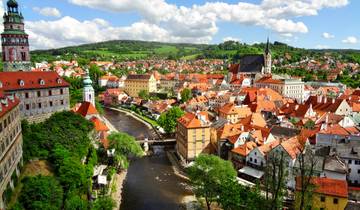
5 days
The Best of Prague in 5 Days
- ✓ Comprehensive Prague tour
- ✓ Expert local guides included
- ✓ All accommodation arranged
- ✓ Transportation provided
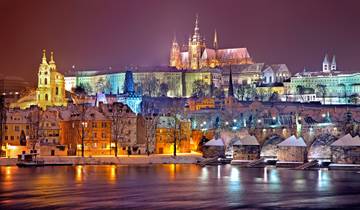
7 days
Fantastic week in Prague all inclusive
- ✓ Comprehensive Prague tour
- ✓ Expert local guides included
- ✓ All accommodation arranged
- ✓ Transportation provided

1 days
Exploration of Prague in one day – Private Tour all day
- ✓ Comprehensive Prague tour
- ✓ Expert local guides included
- ✓ All accommodation arranged
- ✓ Transportation provided
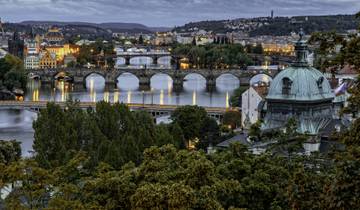
7 days
For Lovers So Romantic 7 days in Prague: Private Tour
- ✓ Booking needs min. 2 travelers
Multi-day tour packages powered by TourRadar. Prices and availability subject to change.
The Pilsner Revolution and World Beer Transformation
The creation of Pilsner Urquell in 1842 represents brewing’s most consequential moment—the event that created modern beer as we know it. Understanding this revolution requires examining the historical context, technical innovation, and global influence that made one Bohemian beer the template for world brewing.
Pre-Pilsner European beers suffered from inconsistency and aesthetic limitations that frustrated both brewers and consumers. Most beers were dark, cloudy ales prone to spoilage and dramatic quality variations. The Pilsen Citizens’ Brewery faced such severe quality problems that in 1838, thirty-six barrels of undrinkable beer were poured into the streets in public protest. This crisis forced fundamental rethinking of brewing approaches.
The brewery hired Josef Groll, a Bavarian brewmaster trained in bottom-fermentation techniques that produced clearer, more stable lagers. Groll arrived in Pilsen with Bavarian yeast strains and lager brewing knowledge but found himself working with distinctly Czech raw materials. The combination proved transformative—Pilsen’s soft water, Moravian barley’s light color, and Saaz hops’ delicate bitterness created entirely new flavor possibilities.
Groll’s innovation centered on applying Bavarian cool fermentation to Czech ingredients while extending lagering time beyond normal practice. The beer fermented in deep cellars beneath Pilsen at consistent cool temperatures, then matured in wooden barrels for extended periods. This patience allowed flavors to mellow and clarity to develop naturally. When poured into newly affordable clear glass, the result stunned contemporary drinkers—brilliant gold liquid, dense white foam, crystalline clarity, and balanced character unlike anything previously experienced.
The success of Pilsner Urquell spread rapidly through Europe and beyond. By 1856, the beer reached Vienna. By 1860s, it had penetrated German markets despite protectionist barriers. American brewers adopted Pilsner techniques, creating the lighter American lager style that dominates New World brewing. Japanese brewing, established in late 19th century, followed Pilsner templates exclusively. Today, estimates suggest 70-90% of global beer production derives from Pilsner Urquell’s original innovation.
The global Pilsner phenomenon created naming conflicts and quality degradation that persist today. The term “Pilsner” became generic descriptor rather than protected origin designation, allowing any brewery to produce pale lagers labeled “Pilsner-style” regardless of ingredient quality or brewing methods. Most international “Pilsners” substitute corn or rice for barley, use hop extracts instead of whole cones, and skip decoction mashing entirely—producing beers that resemble authentic Czech Pilsner only in color.
Authentic Czech Pilsner maintains strict brewing standards that differentiate it from global imitators. Triple decoction mashing develops complex malt character through hours of careful temperature manipulation. Whole Saaz hop cones provide nuanced bitterness and aroma that hop extracts cannot replicate. Extended lagering periods—forty to ninety days compared to industrial beer’s two to three weeks—allow flavors to integrate and mature properly. These traditional methods cost more and take longer but produce the distinctive character that made Pilsner Urquell world-changing.
Czech Beer Styles and Regional Brewing Traditions
Czech brewing encompasses far more than Pilsner despite that style’s global dominance. The Czech beer landscape includes diverse regional styles, historical specialties, and modern innovations that reflect centuries of brewing evolution and geographic variation across Bohemia and Moravia.
Bohemian Pilsner represents the internationally recognized Czech style that established golden lager aesthetics worldwide. This style balances noble Saaz hop bitterness against rich Moravian malt sweetness, creating refreshing yet substantial character. Authentic Bohemian Pilsner displays brilliant gold color, dense white foam, and pronounced hop bitterness (30-45 IBU) that distinguishes it from lighter international lagers. The style remains Czech brewing’s flagship representation globally.
Czech Dark Lager counters Pilsner’s golden brilliance with amber to deep brown coloring and complex malt-forward flavor profiles. These beers employ darker malt varieties and extended decoction mashing to develop caramel, chocolate, and toasted bread characteristics. Czech dark lagers maintain surprising drinkability despite their richness—they finish dry rather than sweet and showcase hop bitterness that prevents cloying heaviness. Prague’s U Fleků brewery has produced its distinctive dark lager continuously since 1499, making it the world’s longest-operating brewing operation.
Półtmavé (semi-dark) beers occupy the middle ground between light and dark Czech lagers. These amber-colored beers combine Pilsner’s refreshing character with dark lager’s malt complexity. The style developed as compromise for drinkers who found Pilsner too light and dark lager too heavy. Półtmavé beers deserve greater international recognition but remain primarily domestic specialty appreciated by Czech beer enthusiasts seeking balanced, sessionable alternatives to mainstream styles.
Czech Premium Lagers—labeled “Ležák” and containing 12-13% original gravity—offer fuller body and higher alcohol content (4.5-5.5% ABV) than standard Czech lagers. These beers extend lagering time beyond normal periods, developing smoother character and more integrated flavors. Premium lagers represent special occasion drinking rather than everyday session beers, occupying the quality tier above standard production.
Historical specialty styles survive in small production quantities maintained by traditional breweries and beer museums. Grodziskie (gratzer) wheat beer—brewed with oak-smoked wheat malt—represents pre-industrial brewing preserved by historical recreations. Medieval-style beers without hops, using herb mixtures called gruit, appear occasionally at beer festivals and historical demonstrations. These specialties connect contemporary drinkers to brewing’s deep past while demonstrating the evolution that created modern Czech beer excellence.
Regional brewing variations reflect geographic and cultural distinctions within Czech lands. South Bohemian breweries like Budweiser Budvar emphasize softer, slightly sweeter profiles compared to Pilsen’s crisp bitterness. Moravian brewing traditions incorporate Austrian and German influences, creating hybrid styles that bridge Central European brewing cultures. Prague breweries maintain urban sophistication and innovation, constantly experimenting while respecting traditional foundations.
Historic Prague Breweries and Beer Production
Prague’s brewing infrastructure combines functioning medieval breweries, industrial-era production facilities, and contemporary craft operations that together tell the complete story of Czech beer evolution. These breweries range from monastery foundations to innovative microbreweries, each contributing distinct elements to Prague’s comprehensive beer culture.
Strahov Monastery Brewery traces continuous brewing operations to 1142 AD, making it one of Europe’s oldest functioning breweries. The Premonstratensian monks established brewing to provide sustenance for the monastery and income from beer sales. The brewery operates in vaulted Gothic cellars beneath the monastery complex, maintaining traditional floor malting and open fermentation methods. Strahov produces both amber lager and dark wheat beer following recipes refined across centuries of monastic brewing tradition.
U Fleků represents Prague’s most famous traditional brewery-restaurant combination. Founded in 1499, U Fleků has produced its distinctive 13° dark lager continuously for over 500 years—the longest single-beer production run in brewing history. The brewery occupies a complex of eight interconnected halls featuring Gothic, Renaissance, and Baroque architectural elements accumulated across centuries. U Fleků’s dark beer showcases the Czech dark lager style perfectly—rich caramel and chocolate malt character balanced by assertive hop bitterness and surprisingly dry finish.
Staropramen Brewery exemplifies Prague’s industrial brewing heritage. Established in 1869 in the Smíchov district, Staropramen grew into one of Czech Republic’s largest brewing operations while maintaining connection to traditional methods. The brewery’s architecture spans late 19th-century industrial design through modern production facilities. Staropramen produces both standard Czech lagers and premium offerings that demonstrate how industrial-scale production can maintain quality when guided by brewing expertise and respect for tradition.
Břevnov Monastery Brewery claims Prague’s oldest brewing heritage with documented beer production from 993 AD. After communist-era closure, the brewery reopened in 2011 following extensive restoration. Břevnov produces Belgian-Czech hybrid styles that reference both monastic brewing traditions and contemporary craft beer innovation. The brewery occupies Baroque cellars designed by legendary architect Kilian Ignaz Dientzenhofer, creating stunning architectural context for beer production and consumption.
Pivovarský Dům (Brewery House) exemplifies Prague’s contemporary craft brewing scene. This brewpub produces rotating specialty beers including nettle beer, cherry beer, coffee beer, and champagne-style beer alongside traditional Czech lagers. The brewery employs both traditional techniques and modern experimentation, creating beer menu that appeals to adventurous drinkers while respecting Czech brewing foundations. Pivovarský Dům demonstrates how innovation and tradition can coexist productively within Czech beer culture.
Beer Hall Architecture and Cultural Spaces
Prague’s beer halls represent more than drinking establishments—they function as cultural institutions where architecture, social practice, and brewing tradition intersect. These spaces range from medieval cellars to Art Nouveau palaces, each architectural style contributing distinct atmosphere to beer consumption experience.
Gothic beer cellars occupy Prague’s oldest drinking spaces. These vaulted underground chambers—often extending beneath multiple buildings—maintain constant cool temperatures ideal for beer storage and service. Low ceilings, stone walls, and dim lighting create intimate atmosphere that encourages conversation and contemplation. Gothic cellars connect contemporary drinkers physically to medieval Prague, drinking in spaces that hosted Czech kings, merchants, and scholars across centuries.
Renaissance beer halls introduced grand ceremonial spaces that elevated beer drinking from necessity to cultural event. These halls feature painted ceilings, carved wooden furniture, and elaborate ceramic stoves that heat large rooms during winter months. The combination of artistic sophistication and functional brewing equipment demonstrates Renaissance Prague’s integration of aesthetic refinement with practical production. Many Renaissance beer halls maintain original furniture and decoration, creating living museums of Czech cultural history.
Baroque beer halls achieve maximum theatrical effect through architectural drama and decorative abundance. Elaborate frescoes depict mythological scenes and brewing allegories. Gilded ornament frames doorways and windows. Monumental staircases lead to upper galleries where different social classes once segregated but now mix democratically. Baroque beer halls created drinking palaces that emphasized beer’s cultural importance and elevated consumption into social spectacle.
Art Nouveau beer halls represent Prague’s peak architectural fusion of modern style and brewing tradition. These early 20th-century establishments feature flowing organic forms, stained glass panels, ceramic tiles, and integrated lighting that creates unified aesthetic experience. The famous Municipal House contains Pilsner Urquell Original Restaurant, an Art Nouveau masterpiece where mosaic floors, painted ceilings, and crystal chandeliers frame traditional beer service. Art Nouveau beer halls demonstrate how Czech culture maintained brewing tradition while embracing international modern style.
Contemporary beer hall design balances historical reference with modern comfort and function. New establishments incorporate elements from historical styles while adding modern lighting, climate control, and accessibility features. Some adopt minimalist aesthetics that let beer quality speak without architectural distraction. Others create theatrical environments that reference historical grandeur through contemporary materials. The best contemporary beer halls respect tradition while acknowledging that cultural continuity requires adaptation to contemporary expectations.
The Beer Garden Tradition and Seasonal Drinking Culture
Prague’s beer garden tradition extends drinking culture beyond enclosed halls into outdoor spaces that transform beer consumption into seasonal ritual connected to weather, landscape, and social gathering. These gardens range from simple benches beneath chestnut trees to elaborate outdoor complexes that host thousands of drinkers during summer months.
The beer garden concept originated from practical brewing necessity rather than leisure planning. Before refrigeration, brewers could only produce beer during cool months. Spring brewing produced beer that needed storage through summer heat. Breweries planted chestnut trees above their storage cellars—the broad leaves provided shade that helped maintain cool temperatures. During summer, breweries opened these shaded areas to public, serving beer directly from underground cellars while protecting it from heat. The chestnut tree became symbolic of beer garden culture, with many gardens maintaining centuries-old trees that anchor the space.
Letná Beer Garden occupies hilltop parkland overlooking central Prague’s historic core. This massive outdoor complex can accommodate over 1,000 drinkers at communal tables beneath mature trees. The garden operates only during warm months—roughly April through October—creating seasonal ritual that marks Prague’s passage from winter isolation to summer conviviality. Letná combines spectacular views, quality beer service, and democratic social mixing that characterizes Czech beer culture at its best.
Riegrovy Sady represents Prague’s neighborhood beer garden tradition. This park garden serves primarily local residents rather than tourists, maintaining authentic social dynamics and pricing. Families bring children, students gather in large groups, and elderly residents meet for afternoon beers—the garden accommodates all ages and social groups simultaneously. The informal atmosphere encourages strangers to share tables and conversation, creating temporary community through beer consumption.
Monastery gardens combine natural setting with historical architecture and brewing heritage. Strahov Monastery’s beer garden overlooks Prague from hilltop vantage while connecting drinkers to 800+ years of monastic brewing tradition. Břevnov Monastery’s garden integrates Baroque architecture, mature landscaping, and contemporary brewing operation. These monastery gardens offer contemplative drinking environment that contrasts with urban beer hall intensity while maintaining connection to Czech brewing foundations.
Seasonal drinking patterns structure Czech beer culture temporally. Winter favors enclosed beer halls where ceramic stoves provide warmth and indoor tables accommodate extended drinking sessions. Spring triggers migration to beer gardens as first warm days bring relief from winter’s cold. Summer belongs entirely to outdoor drinking—Prague’s beer gardens host the majority of urban beer consumption during warm months. Autumn represents transition period where drinking moves gradually indoors as temperatures cool. This seasonal rhythm connects beer culture to natural cycles and creates anticipation for each season’s distinctive drinking character.
Czech Beer Service and the Art of the Pour
Czech beer service elevates pouring technique into respected craft that dramatically affects beer quality, appearance, and flavor. The proper pour—called “čepování” in Czech—requires skill, practice, and deep understanding of beer chemistry, equipment, and temperature management. Czech tapsters take pride in pouring technique that distinguishes professional service from amateur dispensing.
The foam head—”pěna”—represents the most visible element of proper Czech beer service. Czech standards require two-finger thick foam head that maintains density throughout drinking. This foam forms protective layer preventing carbonation escape and oxidation while adding creamy texture to each sip. Proper foam results from correct tap pressure, glass angle, and pouring speed that most bartenders learn only through extended practice under expert supervision.
Czech tapsters employ multiple pouring styles that create distinct drinking experiences from identical beer. The “hladinka” pour creates standard beer with two-finger foam head and full glass of liquid. The “šnyt” (cut) reduces liquid volume to roughly three-quarters while maintaining full foam head, creating foamier, more aromatic experience. The “mlíko” (milk) fills glass entirely with foam containing only small amount of liquid beer—a specialty pour saved for connoisseurs and early morning drinking. Each style serves specific preferences and occasions.
Temperature management fundamentally determines beer quality and flavor perception. Czech standards specify serving temperature between 7-9°C (45-48°F)—significantly warmer than ice-cold temperatures common in many countries. This “cellar temperature” preserves flavor complexity and aroma that extreme cold suppresses. Proper temperature requires sophisticated cooling systems and attentive management—too warm produces flat, unpalatable beer while too cold numbs taste perception and makes beer seem watery.
Glassware selection affects beer presentation and drinking experience. Czech beer glasses feature thick walls that insulate beer from hand warmth, weighted bottoms that prevent tipping, and slightly tapered shapes that maintain foam head density. The half-liter glass—0.5 liters marked exactly—represents standard Czech beer measure. Some specialty beers require specific glass shapes that enhance their distinctive characteristics. Clean glassware is essential—even microscopic soap residue or fat destroys foam formation and creates off-flavors.
The tap system itself requires constant maintenance and expertise. Czech beer travels from cellar keg through cooling lines at precise pressure to tap. Pressure too low produces flat beer; pressure too high creates excessive carbonation and foam. Lines require daily cleaning to prevent bacteria growth and flavor contamination. The tap itself needs regular inspection and replacement of gaskets and seals. Professional tapsters monitor these systems constantly, making subtle adjustments that maintain perfect pouring conditions.
Traditional Prague Beer Halls and Historic Pubs
Prague’s historic beer halls and traditional pubs represent cultural heritage sites where architecture, social custom, and brewing tradition combine into comprehensive beer experience. These establishments range from famous tourist destinations to neighborhood locals that maintain authentic Czech drinking culture away from commercial pressures.
U Zlatého Tygra (The Golden Tiger) achieved legendary status through its association with Czech literary culture and presidential drinking sessions. This small, smoky pub in Old Town served as regular gathering spot for writers including Bohumil Hrabal, whose novels celebrated working-class beer hall culture. President Václav Havel brought Bill Clinton here in 1994, cementing the pub’s international reputation. U Zlatého Tygra maintains deliberately unchanged character—no food menu beyond simple snacks, only Pilsner Urquell on tap, shared tables, and atmosphere that favors serious drinking over tourist photography.
U Parlamentu exemplifies Old Town traditional beer hall that balances tourist accessibility with authentic Czech character. The pub occupies medieval building steps from Charles Bridge but maintains pricing and atmosphere that attract local regulars alongside visitors. Traditional Czech menu accompanies quality beer service. The interior preserves historical elements while accommodating contemporary comfort. U Parlamentu demonstrates how historic beer halls can serve dual function without compromising cultural authenticity.
Lokál chain represents modern attempt to preserve traditional beer hall culture through standardized excellence. These pubs maintain identical menus, identical beer quality, and identical service protocols across multiple Prague locations. Lokál sources directly from small traditional breweries, ensuring freshest possible beer through rapid turnover. The standardization creates reliable quality but sacrifices individual character that makes traditional pubs unique. Lokál’s success demonstrates both Czech appreciation for beer hall tradition and willingness to modernize format for contemporary efficiency.
U Medvídků (The Little Bears) combines brewery, restaurant, and hotel in complex dating to 1466. The brewery produces both standard lagers and specialty strong beer called X-BEER 33—at 12.6% ABV one of world’s strongest lagers. Medieval cellars house brewing equipment and dining spaces. The ground floor restaurant serves traditional Czech cuisine alongside fresh beer. U Medvídků represents brewery-pub integration that characterized Czech beer culture before industrial separation of production and service.
Modern Craft Beer Movement and Innovation
Prague’s contemporary craft beer scene emerged in the 2010s as young brewers explored styles beyond traditional Czech lagers while maintaining respect for brewing heritage. This movement created dialogue between innovation and tradition, experimental techniques and time-tested methods, international styles and Czech identity.
Únětice Brewery represents craft brewing’s traditional wing—small production, quality ingredients, careful technique applied to classic Czech styles. Located outside Prague, Únětice produces unfiltered, unpasteurized lagers using traditional methods. The brewery restored abandoned 19th-century facility, combining historical infrastructure with modern quality control. Únětice’s success demonstrated market demand for authentic traditional brewing executed at small scale with maximum attention to quality.
Matuška Brewery pioneered Czech craft brewing’s experimental approach. Founded in 2009, Matuška introduced American-style IPAs, Belgian-inspired ales, and barrel-aged experiments to Czech market skeptical of non-lager beer styles. The brewery educated Czech drinkers about beer diversity while creating high-quality versions of international styles adapted to Czech ingredients and techniques. Matuška demonstrated that Czech brewing excellence could extend beyond traditional lagers into broader beer universe.
Craft beer bars transformed Prague’s drinking landscape by offering rotating taps featuring domestic and international craft beers. Zlý Časy (Bad Times) pioneered this model, installing 30 taps featuring Czech microbreweries alongside American, Belgian, and British imports. These bars created educational environment where drinkers could compare styles, discover new breweries, and develop sophisticated beer palates. The craft bar concept complemented traditional beer halls by offering choice and experimentation rather than consistency and tradition.
Beer festivals expanded dramatically during the 2010s, with events like Prague Beer Week attracting international breweries and tens of thousands of visitors. These festivals introduced Czech drinkers to global beer culture while showcasing Czech craft innovations to international audience. Festival atmosphere encourages experimentation and conversation impossible in traditional pub settings, creating temporary beer community united by enthusiasm rather than divided by cultural boundaries.
The relationship between craft innovation and traditional brewing remains negotiated terrain in Czech beer culture. Some traditionalists view craft movement as abandonment of Czech brewing identity in favor of international trends. Others celebrate craft brewing as evolution that maintains Czech beer relevance in global market. Most Czech beer enthusiasts maintain dual appreciation—respecting Pilsner excellence while exploring craft innovations, understanding that both approaches contribute to comprehensive beer culture.
Beer and Czech Cuisine Pairing Traditions
Czech cuisine developed in direct relationship to beer culture, creating food traditions optimized for beer pairing rather than wine accompaniment. Understanding these pairings enhances both food and beer appreciation while revealing cultural logic that shaped Czech culinary tradition.
Svíčková—beef sirloin in cream sauce with cranberries and bread dumplings—represents Czech cuisine’s apex dish and ideal Pilsner pairing. The rich cream sauce benefits from beer’s carbonation and hop bitterness, which cut through fat and cleanse the palate. The subtle sweetness from cranberries complements Pilsner’s malt character while contrasting with hop bitterness. The bread dumplings—designed specifically to absorb sauce and beer simultaneously—create textural harmony that makes beer integral to dish rather than mere beverage accompaniment.
Pork knuckle (vepřo-knedlo-zelo)—roasted pork with cabbage and dumplings—demands strong beer pairing to balance intense richness and salt. Czech dark lagers provide caramel sweetness that complements pork’s savory depth while maintaining enough bitterness to prevent cloying heaviness. The cabbage’s acidity interacts with beer’s carbonation, creating refreshing contrast. This dish exemplifies Czech culinary philosophy that rich food requires substantial beer rather than lighter beverages.
Czech cheese—particularly fried cheese (smažený sýr)—created specifically as beer accompaniment rather than standalone dish. The hot melted interior and crispy breaded exterior demand cold beer’s refreshment. The pairing produces satisfying contrast between hot crispy food and cold effervescent drink that defines Czech pub eating. Fried cheese appears on every traditional pub menu, demonstrating beer’s centrality to Czech cuisine concept.
Sausages and grilled meats showcase beer’s versatility across preparation methods. Prague ham pairs with lighter Pilsner that doesn’t overwhelm delicate meat. Spicy klobása requires more assertive beer that matches intensity. Grilled pork benefits from dark lager’s caramel notes. Czech beer culture maintains sophisticated understanding of matching beer strength, bitterness, and character to specific meat preparations.
Traditional Czech desserts incorporate beer directly rather than pairing it separately. Beer marinade tenderizes gingerbread, beer batter creates light fruit fritters, and beer reduction appears in chocolate sauces. These preparations demonstrate Czech comfort with beer as cooking ingredient rather than merely beverage, reflecting cultural integration of brewing into daily life beyond drinking.
The Social Fabric of Czech Beer Culture
Czech beer culture functions as social institution that structures daily life, facilitates community formation, and creates shared identity across class, generation, and geography. Understanding beer’s social dimensions reveals how drinking practice becomes cultural foundation.
The regulars’ table—”stammtisch”—represents beer hall’s social core. Groups of men (traditionally) gather at specific table on specific days, maintaining ritual that structures weekly routines. These regular gatherings create stability and accountability—absent members receive concern and inquiry. The stammtisch provides consistent social contact that combats isolation while maintaining democratic atmosphere where status dissolves into beer consumption equality.
Cross-generational drinking connects youth to tradition through shared beer hall space. Grandparents bring grandchildren to beer gardens, introducing family brewery traditions. Young adults join older regulars at shared tables, absorbing social customs and local knowledge. This generational mixing preserves cultural continuity while allowing evolution—young drinkers maintain tradition while introducing contemporary attitudes.
Beer’s democratic character transcends social barriers that structure other cultural spheres. Factory worker shares table with professor, manual laborer drinks beside office manager, retired craftsman debates with university student. Beer quality matters more than consumer status—appreciation of proper pour and fresh beer creates shared value that unites rather than divides. This democratic function gives beer hall special importance in Czech culture as rare space where social equality operates practically rather than theoretically.
The neighborhood pub functions as community center and informal governance space. Local issues receive discussion and resolution at pub tables. Community news circulates through beer hall conversations. Neighborhood identity forms around shared brewery preference and pub attendance. The pub represents third space between work and home where community life happens organically through voluntary gathering rather than organized programming.
Beer Collecting and Tasting Culture
Czech beer culture includes sophisticated collecting and tasting practices that elevate beer appreciation from casual consumption to serious hobby. These practices range from coaster collecting to systematic brewery tours, beer education programs, and homebrewing communities.
Beer coaster collecting (“pivní tácy”) represents most accessible beer collecting practice. Collectors seek rare historical coasters, complete brewery series, and artistic designs. Serious collectors catalog thousands of coasters, trading internationally and attending specialized collector meetings. The hobby preserves brewing history through advertising ephemera while creating community around shared passion. Many Prague pubs display historical coaster collections that document brewery evolution and Czech graphic design history.
Brewery tourism follows established routes connecting significant brewing sites across Czech Republic. The Bohemian Brewery Trail links major breweries through organized tours that combine historical education with tasting experiences. Beer tourists visit production facilities, explore brewing museums, attend beer festivals, and sample local specialties. This tourism creates revenue for smaller breweries while educating drinkers about production complexity and regional variation.
Beer education programs teach systematic tasting methodology, brewing science, and beer history. The Research Institute of Brewing and Malting in Prague offers professional courses for industry professionals. Consumer-focused programs teach sensory evaluation techniques—identifying aroma compounds, detecting flavor defects, comparing styles. These educational initiatives professionalize beer appreciation while maintaining accessibility for serious enthusiasts rather than credentialed experts exclusively.
Homebrewing communities preserve traditional techniques while experimenting with ingredients and methods impossible for commercial operations. Homebrewers recreate historical beer styles, test innovative hops varieties, and share knowledge through clubs and competitions. Czech homebrewing maintains connection to traditional methods while embracing international craft beer trends, creating hybrid approach that respects heritage while pursuing innovation.
Practical Beer Tourism in Prague
Visiting Prague’s beer culture requires navigating practical considerations from beer hall etiquette to seasonal timing, neighborhood selection to brewery tour booking. Strategic planning transforms casual beer tourism into comprehensive cultural immersion.
Beer hall selection depends on priorities—historical authenticity, tourist accessibility, local character, or beer variety. Historic halls like U Fleků offer architectural grandeur and centuries of tradition but expect tourist crowds and higher prices. Neighborhood pubs like U Parlamentu balance accessibility with authentic atmosphere. Craft beer bars provide variety but sacrifice traditional single-brewery character. Effective beer tourism includes diverse experiences rather than limiting visits to single category.
Timing considerations affect beer hall and garden availability. Summer brings beer garden peak season when outdoor drinking dominates Prague culture. Spring and autumn offer milder weather with smaller crowds. Winter focuses drinking in heated indoor halls where ceramic stoves and warm atmosphere compensate for cold outside. Weekday afternoons find beer halls filled with retired regulars and serious drinkers rather than weekend party crowds.
Brewery tours require advance booking during peak season but offer worthwhile education about production processes. Pilsner Urquell’s Pilsen facility provides most comprehensive brewery tour experience in Czech Republic, including underground cellar tour and unpasteurized beer tasting. Prague breweries like Staropramen offer shorter tours focusing on industrial-era brewing history. Monastery breweries combine architectural tours with brewing demonstrations and tastings.
Beer hall navigation follows unwritten protocols that smooth visitor experience. Enter confidently, scan for empty table spots, approach and ask “Je tu volno?” before sitting. Make eye contact when ordering, nod for another beer, place coaster on glass when finished. Leave cash payment plus small tip (round up to next 10 crowns typically). These simple gestures demonstrate cultural respect and improve service quality.
Beer garden etiquette emphasizes informal communal atmosphere. Bring your own food to many gardens—this tradition allows families to picnic while enjoying commercial beer. Share tables with strangers without extended conversation required. Clean up your area before leaving. Respect closing times even during pleasant weather. These practices maintain beer garden culture as democratic public space rather than commercial transaction.
Prague Beer Photography and Visual Documentation
Photographing Prague’s beer culture presents specific opportunities and challenges that reward technical preparation and cultural sensitivity. Effective beer photography captures both aesthetic beauty and cultural significance while respecting social customs and private space.
Beer hall interiors offer dramatic lighting conditions—often dim ambient light punctuated by hanging lamps or window light. These conditions require wide aperture lenses (f/2.8 or faster) and willingness to increase ISO. The dim atmosphere creates mood but challenges sharp focus and adequate exposure. Available light photography preserves authentic atmosphere better than flash, which destroys ambient character and disturbs other patrons.
The proper beer pour provides dynamic action photography opportunity. Capture the foam formation as tap releases beer, the cascade down glass sides, the foam head development. Fast shutter speed (1/250 second or faster) freezes action while slower speeds (1/30-1/60) create slight motion blur that suggests movement. Position yourself at bar level to capture pour from bartender’s perspective, showing technique and concentration.
Architectural photography documents beer hall design elements from Gothic vaults to Art Nouveau tiles. Wide-angle lenses capture full rooms but create distortion; moderate wide angles (24-35mm) balance coverage with natural perspective. Detail shots of carved wood, painted ceilings, ceramic stoves, and decorative elements tell comprehensive story. Morning visits to empty halls allow unobstructed architectural photography impossible during crowded evening hours.
Beer glass photography requires attention to foam quality, lighting, and background. Position glass against darker background to highlight beer’s golden color and white foam. Use backlight or side light to emphasize carbonation bubbles and foam texture. Clean glass is essential—fingerprints and smudges destroy professional appearance. Shoot from slightly above glass to show foam head thickness. Include enough context (table, pub interior) to situate beer culturally rather than as isolated product shot.
Candid social photography captures beer culture’s human element but demands ethical sensitivity. Photograph groups engaged in animated conversation, toast rituals, or concentrated drinking. Avoid close-up portraits without permission—Czech pub culture values privacy despite public setting. Distance shots showing overall atmosphere respect individual anonymity while documenting social dynamics. Some beer halls prohibit photography entirely; respect these policies absolutely.
Frequently Asked Questions About Prague Beer Culture
What beer should first-time visitors try in Prague?
Start with Pilsner Urquell served fresh from tank beer (“tankové pivo”) locations. This experience showcases Czech brewing’s most influential style in optimal condition—unpasteurized, unfiltered beer served within days of brewing. The fresh tank beer provides fuller flavor and livelier carbonation than bottled versions available internationally.
After experiencing Pilsner, try Czech dark lager at U Fleků or Únětice to understand Czech brewing’s range beyond golden lagers. Dark lagers surprise visitors expecting heavy, sweet stouts by offering dry, bitter-forward character with chocolate and caramel notes. This progression from light to dark demonstrates Czech brewing sophistication and challenges assumptions about lager limitations.
How much does beer cost in Prague beer halls?
Beer prices vary by location and establishment type. Neighborhood pubs charge 40-60 CZK (€1.60-2.40) per half-liter. Tourist-area beer halls charge 60-90 CZK (€2.40-3.60). Craft beer bars pricing reaches 80-120 CZK (€3.20-4.80) for specialty beers. These prices include tax and service—additional tipping beyond rounding up bill remains modest.
Price differences reflect rent costs, target clientele, and beer quality rather than significant serving size variations. The half-liter pour remains standard across establishments. Premium lagers cost slightly more than standard offerings. Specialty beers and strong ales command premium pricing. Beer remains remarkably affordable compared to Western European prices—quality beer costs less than bottled water in many Prague establishments.
When is the best time to experience Prague beer gardens?
Beer gardens operate roughly April through October depending on weather. Peak season runs May through September when gardens operate daily from late morning through evening. The optimal visiting period spans late April-May and September when pleasant weather combines with smaller crowds and lower tourist pressure.
Visit beer gardens during weekday afternoons for authentic local experience with retired residents and neighborhood regulars. Friday and Saturday evenings bring largest crowds and youngest demographics. Sunday afternoons offer family atmosphere with multiple generations sharing tables. Each timing provides distinct social character while maintaining beer garden’s essential communal quality.
Do Prague beer halls accept credit cards?
Traditional beer halls primarily operate on cash basis. Many neighborhood pubs accept only Czech crowns. Tourist-oriented establishments increasingly accept credit cards but often with minimum purchase requirements. ATMs appear throughout Prague with reasonable exchange rates and fees. Carry sufficient cash crowns for beer hall visits to avoid payment complications and service delays.
The cash preference reflects beer hall culture’s historical roots and rapid turnover business model. Small purchases, quick payments, and server efficiency favor cash transactions. Some modern establishments have adopted electronic payment to accommodate international visitors but traditional pubs maintain cash-only policies that preserve operational simplicity.
Can children visit Prague beer halls and gardens?
Czech beer culture welcomes families and children in beer halls and gardens. Beer gardens specifically function as family social spaces where multiple generations gather. Children play together while adults converse and drink. This inclusive approach reflects beer’s integration into daily Czech life rather than segregation as exclusively adult activity.
Beer halls accommodate children during daytime hours but evening crowds and smoke may create less suitable environment. Gardens offer ideal family setting with outdoor space, playground equipment at some locations, and relaxed atmosphere. Czech culture views moderate drinking around children as normal rather than problematic, modeling responsible consumption within family context.
What is tank beer and why does it matter?
Tank beer (“tankové pivo”) flows directly from storage tanks to tap without pasteurization, filtration, or packaging. This unprocessed beer provides maximum freshness, fuller flavor, and livelier carbonation compared to bottled or kegged beer that undergoes stabilization for transport and storage. Tank beer represents Czech brewing at peak quality—consumed within days of brewing completion.
Tank beer installations require specialized equipment and relationship with specific breweries that supply dedicated tanks. Only select Prague establishments serve tank beer because of infrastructure and volume requirements. The effort yields dramatically superior beer that justifies higher prices and attracts serious beer enthusiasts. Tank beer demonstrates Czech commitment to beer quality and willingness to invest in superior serving methods.
How do you identify a quality Czech beer hall?
Quality indicators include proper glass cleanliness, consistent two-finger foam heads, beer served at cellar temperature rather than ice-cold, and knowledgeable servers who monitor consumption and offer refills proactively. The presence of regular customers during off-peak hours signals local approval and consistent quality.
Physical environment quality appears in well-maintained taps, clean tap lines, proper glass washing and drying facilities, and appropriate glassware for different beer styles. Historical beer halls should show preserved architectural elements alongside modern hygiene and comfort. The best establishments balance tradition with cleanliness, character with comfort, authenticity with accessibility.
What is the difference between pub culture in Prague versus other European cities?
Prague beer culture emphasizes communal drinking at shared tables rather than private booth or individual bar seating common elsewhere. The social mixing across ages, classes, and backgrounds creates more democratic atmosphere than British pub culture’s often-segregated social spaces. Czech beer halls prioritize beer quality and proper service over extensive food menus or entertainment programming common in international pub formats.
The server relationship differs significantly—Czech tapsters monitor your consumption actively, bringing new beers when yours empties without requiring flagging for attention. This service style assumes sustained drinking session rather than single beer purchase. The coaster marking system creates honor-based payment that reflects cultural trust levels uncommon in other European drinking cultures.
How has Czech beer culture changed in recent decades?
Post-communist privatization transformed brewery ownership and consolidated production while paradoxically preserving traditional methods through craft brewing revival. International beer imports and craft beer movement introduced style diversity that challenges but doesn’t replace traditional lager dominance. Younger generations embrace both tradition and innovation, drinking Pilsner Urquell alongside American IPAs without perceiving contradiction.
Smoking restrictions implemented gradually reduced beer hall tobacco smoke that once defined atmosphere. Modern hygiene standards and customer service expectations increased cleanliness and professionalism while potentially reducing rough working-class character. Tourism growth concentrated in central Prague creates dual culture—tourist-oriented establishments alongside authentic neighborhood pubs. Czech beer culture maintains core elements while adapting to contemporary expectations and global influences.
What role does beer play in Czech national identity?
Beer functions as cultural touchstone that unites Czechs across political, class, and generational divisions. The phrase “není pivo jako pivo” (there’s no beer like beer) expresses belief that Czech beer surpasses all others—national pride manifested through brewing excellence. Beer appears in literature, film, political discourse, and daily conversation as shared reference point and common cultural denominator.
Czech beer culture survived German occupation, communist rule, and capitalist transformation while maintaining essential character. This continuity across political systems demonstrates beer’s importance beyond economic function—it represents Czech cultural sovereignty and identity preservation through historical disruption. The global success of Czech brewing styles reinforces national pride while creating anxiety about commercialization threatening authentic traditions. Beer remains central to Czech self-conception as sophisticated, cultured people whose contributions to world civilization extend beyond political history into tangible improvements to daily life quality.