Prado vs Reina Sofia vs Thyssen: Complete Madrid Golden Triangle Guide
Madrid’s Golden Triangle of Art represents one of the world’s most concentrated cultural districts, housing three museums that collectively span eight centuries of European artistic achievement. Understanding each institution’s unique character, strengths, and specializations enables strategic planning that maximizes cultural experiences while avoiding museum fatigue and redundant content. This comprehensive comparison reveals how to optimize your Madrid art exploration through informed choices and efficient scheduling.
Key Takeaways
- Art period specialization: Prado covers 12th-19th centuries, Reina Sofía focuses on 20th-21st centuries, Thyssen fills chronological gaps
- Signature masterpieces: Prado’s Las Meninas, Reina Sofía’s Guernica, Thyssen’s Impressionist collection define each museum’s identity
- Paseo del Arte ticket: €32 combo pass (vs €45 individual) provides one-year access to all three with flexible scheduling
- Time allocation strategy: Prado requires 4+ hours, Reina Sofía needs 3+ hours, Thyssen manageable in 2-3 hours
- Complementary experience: Together they create comprehensive journey through 800 years of European art history
Understanding the Golden Triangle Concept
Historical Development and Cultural Significance
Madrid’s Golden Triangle emerged through historical circumstance rather than deliberate cultural planning, as three major art institutions developed within walking distance of each other along the Paseo del Prado. This concentration creates unique opportunities for comprehensive art historical exploration that few cities worldwide can match.
The Prado Museum (1819) established the foundation as Spain’s premier art institution, housing royal collections spanning centuries of Spanish and European masterpieces. The Thyssen-Bornemisza Museum (1992) filled chronological and stylistic gaps with one of the world’s most important private collections, while the Reina Sofía Museum (1992) addresses Spanish modern and contemporary art with international context.
Together, these institutions create narrative continuity from medieval art through contemporary expressions, enabling visitors to trace artistic evolution and cultural development across eight centuries. This comprehensive coverage makes Madrid uniquely valuable for understanding European art history within a concentrated geographic area.
Strategic Location and Urban Planning
The Triangle’s compact geography enables walking between museums in 5-15 minutes, making it feasible to visit multiple institutions within single days or coordinated cultural itineraries. This proximity reduces transportation costs and time while enabling flexible scheduling based on energy levels and cultural interests.
Surrounding cultural infrastructure includes the Retiro Park, Botanical Garden, and numerous restaurants and cafés that support extended cultural exploration. This comprehensive cultural district enables immersive experiences that extend beyond individual museum visits to create holistic Madrid cultural encounters.
The area’s excellent public transportation connections via metro, bus, and taxi services facilitate access from anywhere in Madrid while connecting to broader Spanish and international transportation networks that serve cultural tourists from around the world.
The Prado Museum: Spain’s Crown Jewel
Collection Strengths and Specializations
The Prado Museum houses the world’s finest collection of Spanish art from the 12th through 19th centuries, with unparalleled holdings of works by Velázquez, Goya, and El Greco that provide comprehensive overview of Spanish artistic achievement. The museum’s origins in royal collecting create distinctive character emphasizing emotional and sensual artistic approaches over academic traditions.
International masterpieces complement Spanish works through significant collections of Flemish primitives (van der Weyden, Bosch), Italian Renaissance masters (Titian, Raphael), and Baroque artists (Rubens, van Dyck) that influenced Spanish artistic development and demonstrate cultural exchange across European centers.
The collection’s depth in specific artists enables understanding impossible elsewhere—over 50 Velázquez works trace his complete artistic evolution, while 140+ Goya pieces document his transformation from court decorator to psychological visionary. This comprehensive representation provides scholarly resources alongside popular masterpieces.
Must-See Masterpieces and Essential Experiences
Las Meninas by Velázquez stands as the museum’s most famous work and arguably the most analyzed painting in art history. This complex masterpiece requires extended viewing (20-30 minutes) to appreciate its revolutionary approach to reality, representation, and artistic creation that continues influencing contemporary artists.
Goya’s Black Paintings represent European art’s most psychologically intense works, painted on the artist’s house walls during his final years. These disturbing masterpieces anticipate modern psychological art while documenting personal and cultural trauma that resonates with contemporary audiences.
Bosch’s Garden of Earthly Delights triptych provides one of art history’s greatest enigmas, with symbolic complexity that has puzzled scholars for five centuries. The work’s incredible detail rewards extended examination while raising questions about meaning and interpretation that continue generating scholarly debate.
Additional essential works include The Third of May 1808 (Goya’s revolutionary war painting), The Surrender of Breda (Velázquez’s masterpiece of historical painting), and van der Weyden’s Descent from the Cross (early Flemish painting at its emotional peak).
Reina Sofía Museum: Modern Spanish Expression
Collection Focus and Cultural Mission
The Reina Sofía Museum concentrates on Spanish modern and contemporary art from the late 19th century through the present, providing essential context for understanding how Spanish artists engaged with international modernist movements while maintaining distinctive cultural identity. The collection emphasizes artistic innovation and political engagement that characterizes modern Spanish cultural expression.
Pablo Picasso receives extensive representation through multiple periods and styles that demonstrate his evolution from traditional training through revolutionary innovations that transformed 20th-century art. The collection includes not only famous paintings but also sculptures, drawings, and prints that provide comprehensive understanding of his artistic development.
Spanish Surrealist masters including Salvador Dalí and Joan Miró receive significant coverage that reveals how Spanish artists contributed to international avant-garde movements while developing distinctive approaches rooted in Spanish cultural traditions and psychological sensibilities.
Contemporary Spanish and international artists provide ongoing engagement with current artistic developments while maintaining institutional commitment to supporting innovative artistic expression and cultural dialogue.
Guernica: The Museum’s Defining Masterpiece
Pablo Picasso’s Guernica stands as the Reina Sofía’s most famous work and one of the 20th century’s most important political artworks. This massive painting (11 × 25 feet) depicts the 1937 bombing of Guernica during the Spanish Civil War, creating universal symbol of war’s devastation and civilian suffering.
The painting’s innovative cubist technique combines with powerful emotional content to create artwork that functions on multiple levels—as historical documentation, artistic innovation, and political statement that continues resonating with contemporary audiences facing similar conflicts and violence.
Guernica’s presence at the Reina Sofía attracts international visitors while providing educational opportunities to understand Spanish Civil War history, artistic responses to political violence, and ongoing debates about art’s social responsibilities and political engagement.
Supporting materials including preparatory studies, contemporary documents, and contextual artworks enhance understanding while demonstrating the museum’s scholarly approach to presenting complex historical and artistic subjects with appropriate educational support.
Thyssen-Bornemisza Museum: Filling the Gaps
Private Collection Origins and Unique Character
The Thyssen-Bornemisza Museum houses one of the world’s most important private art collections, assembled by the Thyssen family over three generations with focus on acquiring masterpieces that major museums lacked. This approach created collection with distinctive character that complements rather than competes with neighboring institutions.
The collection’s strength lies in filling chronological and stylistic gaps in Madrid’s artistic coverage, particularly strong holdings of German Renaissance art, Dutch Golden Age painting, Italian primitives, and Impressionist/Post-Impressionist works that provide comprehensive European art historical overview.
American art receives significant representation rare in European museums, with works by artists from the Hudson River School through Abstract Expressionism that demonstrate cultural exchange and artistic development across Atlantic cultural relationships.
The museum’s smaller scale and focused presentation enable more intimate viewing experiences compared to the vast holdings of the Prado and Reina Sofía, making it particularly suitable for visitors seeking manageable cultural encounters without overwhelming scope.
Highlights and Distinctive Strengths
Impressionist and Post-Impressionist collections provide Madrid’s best access to these crucial artistic movements, with works by Monet, Renoir, Degas, Cézanne, and van Gogh that demonstrate development toward modern artistic expression. These holdings complement Spanish collections by providing international context for understanding modern artistic development.
German Renaissance masters including Dürer, Cranach, and Holbein provide rare opportunity to study Northern European artistic traditions that influenced Spanish art through Habsburg cultural connections. These works demonstrate cultural exchange and artistic innovation across European centers.
The collection’s chronological arrangement enables visitors to trace artistic development across centuries within single visits, creating educational experiences that reveal historical continuity and artistic evolution from medieval art through contemporary expressions.
Modern and contemporary holdings by artists like Kandinsky, Klee, Pollock, and Lichtenstein provide international context for understanding 20th-century artistic development while demonstrating continued relevance of private collecting in supporting artistic innovation and cultural development.
Comparative Analysis: Strengths and Specializations
Art Historical Coverage and Chronology
The three museums create comprehensive chronological coverage that spans eight centuries of European artistic development. The Prado dominates medieval through 19th-century periods with unparalleled Spanish holdings plus significant European works, while the Reina Sofía focuses on 20th and 21st-century Spanish and international modern art.
The Thyssen fills crucial gaps in Madrid’s coverage, particularly strong in periods and regions where the other institutions have limited holdings. This includes German Renaissance art, Dutch Golden Age painting, Impressionism, and American art that provide essential context for understanding broader European and international artistic development.
Together, the museums enable visitors to trace artistic evolution from medieval religious art through contemporary expressions, understanding how techniques, subjects, and cultural concerns developed across historical periods while maintaining continuity of human creative expression.
Artistic Movement Representation
Spanish Golden Age art receives definitive treatment at the Prado with world’s finest collections of Velázquez, Goya, El Greco, and other masters that established Spanish artistic identity and influenced international development. This concentration provides unparalleled opportunity for understanding Spain’s contribution to European cultural achievement.
Modern artistic movements receive comprehensive coverage at the Reina Sofía, with particular strength in Spanish contributions to Cubism, Surrealism, and contemporary expressions. International context enables understanding how Spanish artists engaged with broader European avant-garde movements while developing distinctive approaches.
The Thyssen provides crucial coverage of artistic movements less represented elsewhere in Madrid, particularly Impressionism, Post-Impressionism, and German Expressionism that influenced modern artistic development. American art holdings offer unique European perspective on transatlantic cultural exchange.
Visitor Experience and Practical Considerations
Scale and Time Requirements
The Prado requires most significant time investment, with comprehensive coverage needing 4-6 hours for serious exploration of major holdings. The museum’s vast collections and complex layout demand strategic planning and realistic expectations about coverage possibilities within single visits.
The Reina Sofía typically requires 3-4 hours for comprehensive exploration, with focus on major modern masters and temporary exhibitions that enhance understanding of contemporary artistic developments. The museum’s thematic organization enables efficient routing through essential works and movements.
The Thyssen offers most manageable experience in 2-3 hours, with focused collection and clear chronological organization that enables comprehensive coverage without overwhelming complexity. This makes it ideal for visitors with limited time or those seeking less intensive cultural experiences.
Crowd Patterns and Optimal Timing
The Prado attracts largest crowds due to international recognition and major masterpieces like Las Meninas and Guernica. Weekend mornings and free admission periods see maximum congestion, while Tuesday-Thursday mornings provide optimal viewing conditions for major works.
The Reina Sofía generally experiences moderate crowds with peaks during temporary exhibitions featuring major international artists. Guernica attracts consistent attention, but the museum’s larger galleries accommodate crowds better than the Prado’s more intimate spaces.
The Thyssen typically offers most relaxed viewing experiences due to smaller size and focused collections. This makes it excellent choice for less crowded cultural encounters or when other museums experience peak attendance periods.
Strategic Visit Planning
Single Day vs. Multiple Day Approaches
Ambitious visitors can experience all three museums within single intensive days, though this approach risks cultural overload and prevents deep appreciation of individual masterpieces. Consider focusing on essential highlights from each institution rather than attempting comprehensive coverage.
Multiple day approaches enable proper appreciation of each collection’s depth and character while preventing fatigue that diminishes cultural enjoyment. This strategy allows return visits to favorite works and deeper exploration of personal interests discovered during initial surveys.
Seasonal considerations affect optimal scheduling, with summer heat making indoor cultural activities particularly appealing during midday periods, while pleasant spring and fall weather might encourage breaks in nearby Retiro Park between museum visits.
Thematic vs. Chronological Approaches
Chronological exploration enables understanding artistic development across historical periods by beginning with Prado’s medieval and Renaissance works, continuing through Golden Age masterpieces, and concluding with modern expressions at the Reina Sofía. The Thyssen provides comparative context throughout this historical journey.
Thematic approaches might focus on specific artistic movements, techniques, or cultural themes that span multiple institutions. For example, explore portraiture development from Prado royal paintings through Thyssen modern examples to Reina Sofía contemporary expressions.
Artist-focused visits might trace individual careers across institutions—Picasso’s evolution from traditional training (early works at various locations) through revolutionary innovations at the Reina Sofía, or Goya’s development from court decorator to modern psychological artist entirely within the Prado.
The Paseo del Arte: Maximizing Value
Financial Benefits and Practical Advantages
The Paseo del Arte combination ticket costs €32 compared to €45 for individual museum admissions, providing €13 savings plus enhanced flexibility for scheduling and return visits. The pass remains valid for one year, enabling multiple visits and seasonal coordination with temporary exhibitions.
Advance booking capabilities through the combination pass system eliminate individual ticket purchase requirements and guarantee access during peak periods when individual tickets might be unavailable. This security enables confident travel planning and optimal scheduling flexibility.
The pass includes access to temporary exhibitions at all three institutions, potentially providing significant additional value when major special presentations occur during visit periods. These exhibitions often feature international loans and scholarly presentations unavailable elsewhere.
Strategic Usage and Scheduling
One-year validity enables strategic usage across multiple Madrid visits or extended stays that accommodate proper appreciation of each collection’s depth and character. This flexibility particularly benefits international visitors who might return to Madrid or extend stays based on cultural discoveries.
Seasonal coordination enables visits during optimal weather periods, temporary exhibition schedules, and personal energy levels that affect cultural appreciation. Summer visits might emphasize air-conditioned museum time, while pleasant weather enables park breaks between institutions.
Priority access features and skip-the-line benefits vary by institution and season, though advance ticket holders generally experience reduced wait times during peak periods when walk-up access becomes limited or unavailable.
Complementary Cultural Experiences
Architectural and Historical Context
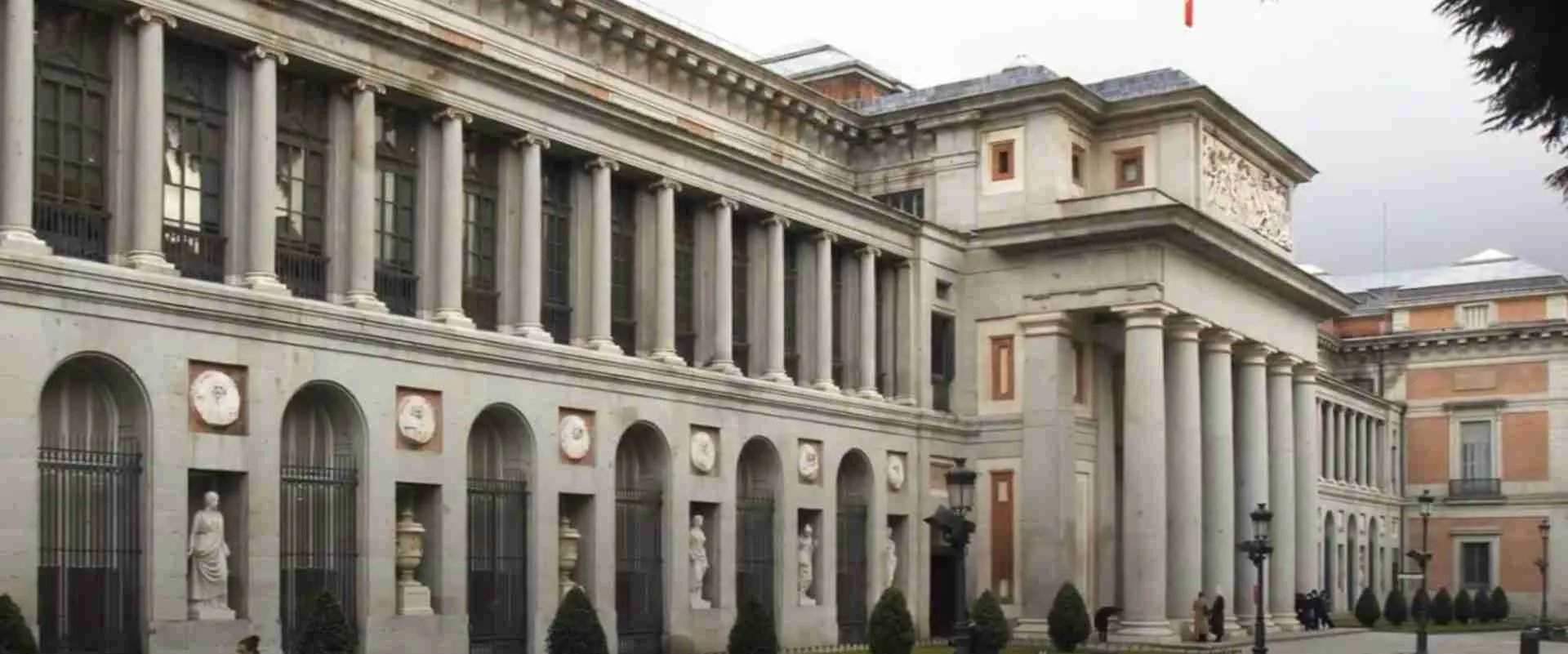
Each museum building provides architectural interest that complements artistic collections—the Prado’s neoclassical Villanueva building, the Reina Sofía’s converted hospital with modern additions, and the Thyssen’s elegant 19th-century palace create diverse architectural experiences that enhance cultural exploration.
Historical contexts surrounding each institution provide educational opportunities to understand Spanish cultural development, royal patronage systems, private collecting traditions, and contemporary cultural policies that shaped these remarkable collections and their public presentation.
Urban planning and cultural district development demonstrate Madrid’s commitment to cultural tourism and public education through art accessibility, creating model for other cities seeking similar cultural development and international recognition.
Dining and Rest Opportunities
Museum restaurants and cafés provide rest opportunities and cultural reflection spaces, with quality dining that enables extended cultural exploration without leaving the Golden Triangle area. These facilities offer international cuisine alongside Spanish specialties that complement cultural experiences.
Surrounding restaurants and cafés provide additional options for breaks between institutions, with outdoor terraces and traditional Spanish establishments that enable cultural immersion beyond museum walls. The area’s concentration of cultural visitors creates cosmopolitan dining atmosphere.
Retiro Park provides free outdoor relaxation and cultural processing space between museum visits, with beautiful gardens, sculptures, and recreational facilities that complement intensive cultural experiences with natural beauty and physical activity.
Making Your Choice: Customized Recommendations
For First-Time Madrid Visitors
First-time visitors with limited time should prioritize the Prado for essential Spanish masterpieces including Las Meninas, Black Paintings, and Garden of Earthly Delights that provide foundation for understanding Spanish cultural achievement. Allow minimum 3-4 hours for essential coverage.
If time permits, add the Reina Sofía for Guernica and modern Spanish art context that demonstrates Spain’s continued cultural relevance and artistic innovation. This combination provides historical continuity from Golden Age through contemporary periods.
The Thyssen serves as excellent third choice for visitors seeking comprehensive art historical coverage or specific interest in Impressionism and international movements less represented at the other institutions.
For Art History Enthusiasts
Serious art students and enthusiasts should plan multi-day comprehensive exploration that enables proper attention to each collection’s depth and scholarly resources. Begin with the Prado’s foundational Spanish works, continue through the Thyssen’s international context, and conclude with the Reina Sofía’s modern expressions.
Coordinate visits with temporary exhibitions and special programming that provide enhanced educational opportunities and scholarly presentations unavailable during regular museum operations. These special events often feature international experts and unique access opportunities.
Consider research access and advanced study opportunities available through each institution’s scholarly resources, educational programming, and professional development initiatives that serve serious cultural students and art history professionals.
For Limited Time or Budget
Visitors with time constraints should choose the single institution that best matches personal interests rather than attempting inadequate coverage of multiple museums. Quality cultural experiences require sufficient time for proper appreciation and reflection.
Budget-conscious visitors should take advantage of free admission periods at each institution, though these times attract larger crowds that may diminish viewing quality. The Paseo del Arte pass provides best value for multiple museum visits.
Consider focusing on specific masterpieces or artists rather than attempting comprehensive coverage, enabling deeper appreciation of selected works rather than superficial survey of entire collections.
Beyond the Golden Triangle
Additional Madrid Cultural Resources
Madrid offers numerous additional museums and cultural sites that complement the Golden Triangle experience, including the Royal Palace, Archeological Museum, Sorolla Museum, and various private galleries that provide broader context for understanding Spanish cultural achievement.
Literary and historical sites related to Golden Age writers like Cervantes provide cultural context that enhances appreciation of contemporary artistic achievement and cultural development during Spain’s most creative periods.
Contemporary cultural spaces and alternative venues demonstrate Madrid’s ongoing cultural vitality and artistic innovation that continues traditions established by historical masters represented in the major museums.
Regional and National Context
Other Spanish cities offer complementary cultural experiences that enhance understanding gained in Madrid, including Barcelona’s Picasso Museum, Bilbao’s Guggenheim, and regional museums that provide broader context for Spanish artistic achievement and cultural development.
International museum relationships and traveling exhibitions create ongoing cultural dialogue that connects Madrid’s collections with global cultural developments and scholarly research that enhances understanding of these remarkable artistic achievements.
Conclusion: Creating Your Perfect Golden Triangle Experience
Madrid’s Golden Triangle represents one of the world’s most concentrated and comprehensive cultural resources, providing unparalleled opportunity to understand European artistic development across eight centuries. Strategic planning that accounts for each institution’s strengths and specializations enables optimal cultural experiences that justify international travel and extended cultural exploration.
Whether focusing on individual museums or attempting comprehensive Triangle coverage, success depends on realistic expectations, strategic timing, and sufficient time allocation that enables proper appreciation of these remarkable artistic achievements. Quality cultural experiences require patience, preparation, and respect for the profound human creativity preserved in these exceptional collections.
The investment in Madrid cultural exploration provides lasting rewards through enhanced understanding of artistic achievement, cultural development, and human creative expression that continues enriching life long after museum visits conclude. These institutions preserve and present humanity’s finest artistic achievements, making their exploration both privilege and responsibility for culturally engaged travelers.
Frequently Asked Questions
Can I see all three Golden Triangle museums in one day?
Possible but not recommended. Each museum deserves 2-4 hours minimum for proper appreciation. A single day creates cultural overload and prevents deep engagement with masterpieces. Consider 2-3 days for comprehensive exploration.
Is the Paseo del Arte combination ticket worth buying?
Yes, if visiting 2+ museums. The €32 combo ticket saves €13 compared to individual admissions (€45 total), plus offers one-year validity for flexible scheduling and return visits.
Which museum should I visit if I only have time for one?
The Prado for essential Spanish masterpieces (Las Meninas, Goya, Bosch). It houses the world’s finest Spanish art collection and most internationally recognized works. Plan 3-4 hours minimum.
What’s the best order for visiting all three museums?
Chronologically: Start with Prado (medieval-19th century), continue to Thyssen (fills gaps, provides context), conclude with Reina Sofía (modern/contemporary). This traces 800 years of artistic development logically.
How do the museums compare in terms of crowds and difficulty?
Prado: Most crowded, complex layout, requires most time. Reina Sofía: Moderate crowds, easier navigation. Thyssen: Least crowded, most manageable in 2-3 hours, clearest organization.
Do all three museums have the same opening hours?
Similar but not identical. All close Mondays, but free admission hours differ. Check each museum’s current schedule as hours can vary seasonally and for holidays.
Which museum has the best temporary exhibitions?
All three host excellent temporary exhibitions. Prado focuses on historical masters, Reina Sofía emphasizes contemporary/modern art, Thyssen offers diverse thematic shows. Check current exhibitions when planning.
Are the museums within walking distance of each other?
Yes, 5-15 minutes walking between any two museums. The compact Golden Triangle area makes museum-hopping feasible, with Retiro Park nearby for breaks between cultural visits.
Which museum is best for children and families?
Thyssen offers most manageable size and clearer organization. However, consider children’s attention spans and art interest levels. The Prado’s masterpieces might engage older children, while contemporary works might appeal to teens.
Can I buy tickets at the museums or should I book online?
Online booking recommended, especially for Prado during peak seasons. Guarantees entry and saves queuing time. Walk-up tickets available but risk sold-out periods during high demand.