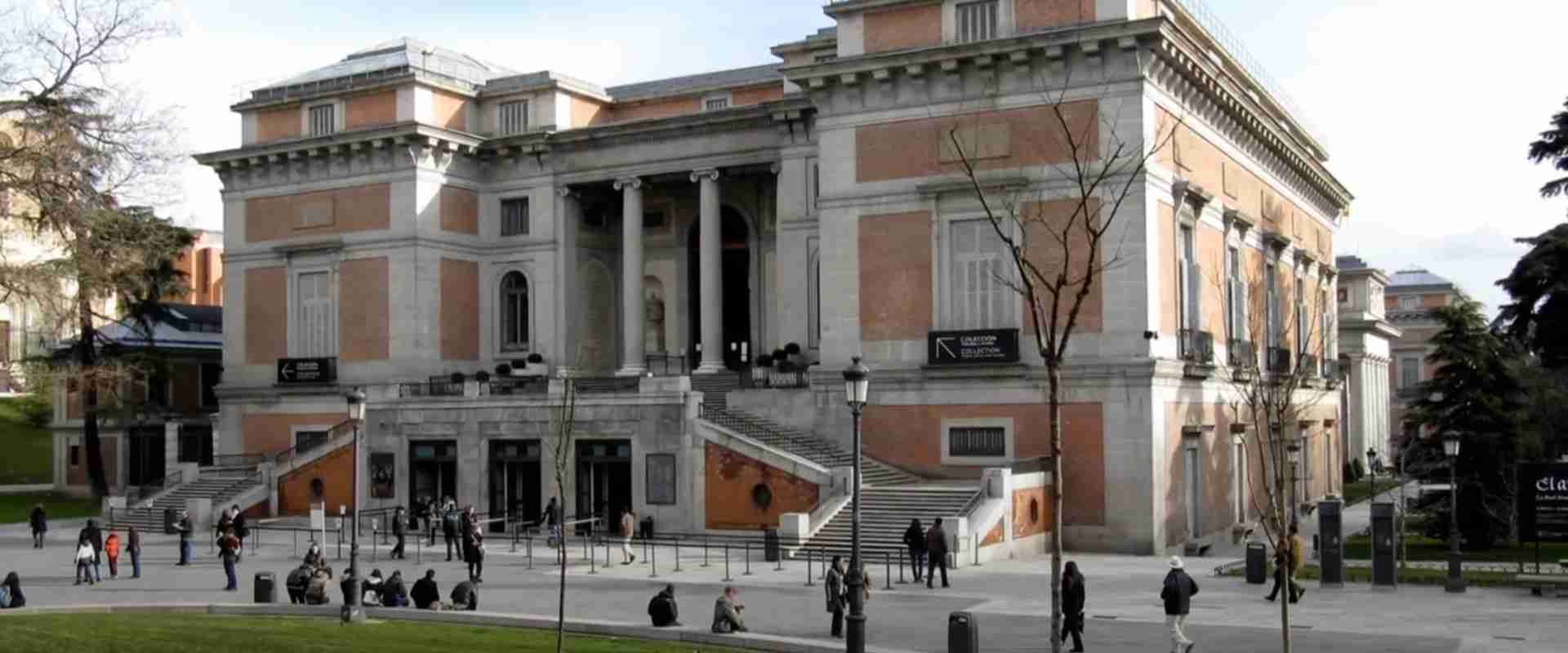
Prado Museum History & Architecture: From Royal Vision to Cultural Icon
The Prado Museum’s transformation from royal natural history project to international cultural icon represents one of institutional history’s most remarkable evolutions. Understanding the museum’s architectural development, historical context, and cultural mission reveals how Spanish monarchy’s collecting passions created an institution that transcends national boundaries to preserve and present humanity’s greatest artistic achievements within a neoclassical masterpiece that itself ranks among Europe’s finest architectural accomplishments.
Key Takeaways
- Royal origins: Built in 1785 as Charles III’s natural history museum, converted to art museum in 1819 by Ferdinand VII
- Neoclassical masterpiece: Juan de Villanueva’s architectural design perfectly balances Spanish tradition with European Enlightenment ideals
- Royal collection foundation: Spanish monarchs’ collecting preferences shaped the distinctive character emphasizing emotional over academic art
- Modern expansions: 21st-century additions integrated historic architecture with contemporary museum needs and accessibility
- Cultural symbol: 200+ year evolution from exclusive royal preserve to international cultural treasure and Spanish identity marker
Origins: Charles III’s Enlightenment Vision
18th Century Scientific Ambitions
The Prado Museum’s story begins in 1785 with King Charles III’s commission for a Royal Cabinet of Natural History, reflecting Enlightenment ideals that emphasized scientific inquiry and public education as foundations of modern governance. This progressive monarch, influenced by European intellectual currents, envisioned an institution that would demonstrate Spanish commitment to rational investigation and cultural advancement.
Charles III selected Juan de Villanueva, Spain’s leading neoclassical architect, to design a building worthy of royal scientific ambitions and international recognition. The monarch’s vision encompassed more than mere specimen display—he sought architectural grandeur that would establish Madrid as a European cultural capital capable of competing with Paris, London, and Rome.
The natural history museum concept reflected contemporary European trends toward public education and scientific demonstration, as enlightened despots sought to modernize their kingdoms through cultural institutions that would elevate public knowledge and demonstrate royal commitment to progress and intellectual development.
Construction proceeded slowly due to political disruptions, economic constraints, and architectural complexities that challenged even Villanueva’s considerable skills. The Napoleonic invasion (1808-1814) halted progress entirely, leaving the building incomplete and vulnerable to war damage that threatened the project’s ultimate completion.
Villanueva’s Architectural Genius
Juan de Villanueva (1739-1811) brought exceptional architectural credentials to the Prado project, having studied in Rome and absorbed Italian neoclassical principles while maintaining distinctively Spanish sensibilities. His design synthesized European architectural sophistication with local building traditions and climatic requirements that created unique architectural character.
The architect’s neoclassical approach emphasized mathematical harmony, classical proportions, and rational organization that embodied Enlightenment values while providing practical solutions for museum functionality. Long galleries with optimal natural lighting, logical visitor circulation, and dignified public spaces demonstrated how architectural excellence could serve educational and cultural missions.
Villanueva’s mastery appears in subtle details that elevate functional requirements into architectural poetry—perfectly proportioned columns, elegant staircases, harmonious room relationships, and sophisticated integration of structural and decorative elements that create unified aesthetic experience throughout the complex building program.
The building’s east-west orientation maximizes northern natural light while minimizing damaging solar exposure, demonstrating the architect’s understanding of museum requirements decades before such considerations became standard practice. This prescient design continues serving contemporary conservation and display needs.
Transformation: From Science to Art
Ferdinand VII’s Cultural Revolution
King Ferdinand VII’s 1819 decision to convert Villanueva’s natural history museum into a royal painting gallery represented one of cultural history’s most significant institutional transformations. This conversion reflected changing royal priorities, available collections, and recognition that Spanish artistic heritage deserved institutional preservation and public presentation.
The transformation required extensive architectural modifications to accommodate paintings rather than scientific specimens, though Villanueva’s original design proved remarkably adaptable to its new cultural mission. Gallery lighting, wall treatments, and visitor circulation patterns needed adjustment while maintaining architectural integrity and classical proportions.
Ferdinand VII’s motivation combined personal passion for art with political calculation that prestigious cultural institutions enhanced royal legitimacy and national prestige following the devastating Napoleonic wars. A world-class art museum would demonstrate Spanish recovery and cultural sophistication to European audiences.
The Royal Museum of Paintings opened November 19, 1819, with 311 works displayed in just three rooms, representing modest beginnings for what would become one of the world’s most important art institutions. Initial public access was limited, reflecting continued royal control over these precious cultural resources.
Early Collection Development
The museum’s founding collection drew primarily from Spanish royal holdings accumulated across centuries of Habsburg and Bourbon patronage, creating distinctive character that emphasized Spanish artistic achievement while including international masterpieces that influenced Spanish cultural development.
Spanish monarchs’ collecting preferences favored emotional, sensual artistic approaches over intellectual academic traditions, creating institutional character that distinguished the Prado from other European museums focused on comprehensive historical coverage. This specialization became the museum’s greatest strength and international distinction.
Early acquisitions included religious works obtained through ecclesiastical disentailment laws that transferred church properties to state control, significantly expanding holdings while raising complex questions about cultural appropriation and institutional ethics that continue influencing museum practice.
The collection’s growth required ongoing architectural modifications and gallery expansions that tested Villanueva’s original design flexibility while maintaining aesthetic coherence. These early adaptations established precedents for balancing historical preservation with evolving institutional needs.
Architectural Analysis: Neoclassical Excellence
Design Principles and Aesthetic Philosophy
Villanueva’s Prado design exemplifies Spanish neoclassicism at its most sophisticated, balancing international architectural sophistication with local building traditions and climatic requirements. The architect’s European training enabled incorporation of contemporary design developments while maintaining distinctively Spanish architectural character.
The building’s monumental scale and classical proportions create dignified setting appropriate for royal cultural ambitions while avoiding overwhelming grandeur that might diminish artwork importance. This careful balance between architectural distinction and functional service demonstrates masterful understanding of museum requirements.
Mathematical harmony governs spatial relationships, with golden ratio proportions appearing throughout gallery dimensions, ceiling heights, and decorative elements that create subliminal aesthetic satisfaction supporting contemplative artwork viewing. These classical principles continue influencing contemporary museum design.
Material selection emphasizes durable Spanish granite and limestone that weathers beautifully while requiring minimal maintenance, demonstrating practical considerations that complement aesthetic achievements. Local materials connect the building to Spanish cultural traditions while achieving international architectural distinction.
Spatial Organization and Visitor Experience
The building’s logical organization enables intuitive visitor navigation while providing flexible gallery spaces that accommodate diverse artwork sizes and installation requirements. Central circulation spines connect thematic gallery sequences that support educational programming and curatorial presentation strategies.
Natural lighting systems utilize carefully positioned windows and skylights that provide optimal illumination for artwork viewing while minimizing ultraviolet damage that threatens painting preservation. This sophisticated lighting design anticipated contemporary conservation requirements by nearly two centuries.
Gallery proportions create intimate viewing environments that encourage contemplative engagement with individual artworks while enabling social cultural experiences that enhance educational and emotional impact. These spatial qualities contribute significantly to the Prado’s reputation for providing profound cultural encounters.
Acoustic design minimizes sound transmission between galleries while maintaining appropriate ambiance for cultural reflection and discussion. Stone construction provides natural sound absorption that enhances visitor comfort during extended cultural exploration.
19th Century Evolution and Expansion
Public Access and Democratic Ideals
Gradual expansion of public access throughout the 19th century reflected evolving concepts of cultural democracy and institutional responsibility that transformed royal art collections into national cultural resources serving Spanish citizens and international visitors seeking cultural education and aesthetic experience.
Admission policies evolved from exclusive royal access through limited public viewing opportunities toward increasingly democratic accessibility that recognized art’s educational and social value for diverse populations. These changes reflected broader political developments toward constitutional monarchy and citizen rights.
Educational programming development included guided tours, public lectures, and educational materials that helped visitors understand artistic techniques, historical contexts, and cultural significance beyond mere aesthetic appreciation. These initiatives established precedents for contemporary museum education practice.
International recognition grew throughout the 19th century as European cultural travelers discovered the Prado’s unique collections and distinctive institutional character, establishing Madrid as essential destination for serious art enthusiasts and cultural tourists seeking comprehensive understanding of European artistic development.
Collection Growth and Curatorial Development
Systematic acquisition policies developed during the 19th century emphasized strengthening existing collection areas while identifying gaps in historical coverage and artistic representation. This strategic approach created comprehensive holdings that support scholarly research alongside public education and aesthetic experience.
Professional curatorial staff replaced court officials in collection management, bringing scholarly expertise and international museum experience that enhanced institutional credibility and cultural programming quality. This professionalization established standards that continue governing contemporary museum practice.
Conservation and restoration programs developed to preserve aging masterpieces while maintaining their aesthetic integrity and historical authenticity. These early conservation efforts pioneered techniques and ethical approaches that influenced international museum conservation standards.
Scholarly publications and research initiatives established the Prado’s academic reputation while disseminating knowledge about Spanish artistic achievement and European cultural development to international scholarly communities and educated general audiences.
20th Century Challenges and Modernization
Civil War and Recovery
The Spanish Civil War (1936-1939) posed existential threats to the Prado’s collections through bombing risks, political instability, and international conflict that endangered cultural heritage alongside human life. Emergency evacuation procedures and protective measures demonstrated institutional commitment to preserving cultural treasures during extreme adversity.
Masterpieces including key works by Goya and Velázquez were evacuated to secure locations, creating complex logistical challenges and international diplomatic negotiations that revealed art’s symbolic importance beyond mere aesthetic value. These experiences influenced contemporary disaster preparedness and cultural protection protocols.
Post-war recovery required extensive building repairs, collection restoration, and institutional reorganization under Franco’s authoritarian regime, which viewed cultural institutions as vehicles for national prestige and political legitimacy. These political pressures created complex relationships between cultural preservation and ideological control.
International isolation during early Franco years limited cultural exchange and scholarly collaboration while creating opportunities for intensive focus on Spanish artistic heritage and institutional development without external political pressures or competitive demands.
Technological Modernization
Mid-20th century technological advances enabled improved climate control, security systems, and lighting technologies that enhanced artwork preservation while improving visitor comfort and safety. These modernization efforts required careful integration with historical architecture and aesthetic sensibilities.
Conservation laboratories and research facilities expanded institutional capacity for scholarly investigation and artwork preservation, establishing the Prado as leader in museum conservation science and art historical research that serves international scholarly communities.
Audio guide systems and educational technologies enhanced visitor experiences while providing multilingual accessibility for international tourism that became increasingly important for Spanish economic development and cultural diplomacy following democratic transition.
Administrative modernization included computerized cataloging systems, professional development programs, and international collaboration initiatives that connected the Prado with global museum communities while maintaining distinctive institutional character and cultural mission.
21st Century Expansion and Contemporary Challenges
Jerónimos Cloister Integration
The early 21st century expansion integrated the historic Jerónimos Cloister with Villanueva’s original building through sensitive architectural intervention that respected historical character while providing essential modern facilities for contemporary museum operation and visitor services.
Architect Rafael Moneo’s expansion design demonstrates sophisticated understanding of historical architecture integration with contemporary institutional needs, creating seamless connections between centuries-old structures and state-of-the-art museum facilities that enhance rather than compromise historical integrity.
Underground construction provides additional exhibition space, storage facilities, conservation laboratories, and visitor amenities without disrupting the historic building’s visual relationships or architectural character. This approach influences contemporary heritage preservation and institutional development strategies.
The expansion doubled the museum’s functional space while maintaining intimate viewing experiences and human-scale architectural relationships that support contemplative cultural engagement rather than overwhelming institutional grandeur.
Digital Age Adaptation
Digital technologies enable virtual collection access, online educational programming, and social media engagement that extend the Prado’s cultural mission beyond physical building limitations while maintaining focus on authentic artistic encounters and educational quality.
Conservation science applications include advanced imaging techniques, materials analysis, and preventive conservation strategies that preserve masterpieces for future generations while enabling contemporary research and discovery that enhances understanding of artistic techniques and cultural contexts.
Visitor services integration incorporates mobile applications, digital guides, and interactive educational resources that enhance cultural experiences while respecting traditional contemplative viewing practices that define quality museum encounters.
International collaboration through digital platforms, traveling exhibitions, and scholarly exchange programs extends the Prado’s cultural influence while maintaining institutional identity and commitment to Spanish artistic heritage preservation and presentation.
Cultural Impact and National Identity
Symbol of Spanish Cultural Achievement
The Prado Museum has evolved into symbol of Spanish cultural sophistication and artistic achievement that demonstrates the nation’s contributions to European civilization and human creative expression. This cultural significance extends beyond tourism to encompass national identity and international cultural diplomacy.
International recognition of the Prado’s collections and institutional excellence enhances Spain’s cultural prestige while attracting millions of visitors who contribute to economic development and cultural exchange. These benefits justify continued public investment and support for institutional excellence.
Educational impact extends throughout Spanish society through school programs, teacher training, and public programming that connects citizens with cultural heritage while inspiring contemporary artistic creation and cultural appreciation. These educational initiatives create lasting cultural benefits.
Research contributions to international scholarship through publications, conferences, and collaborative projects establish the Prado as authoritative source for Spanish art history and broader European cultural development, influencing academic discourse and public understanding.
Global Cultural Influence
The Prado’s masterpieces continue inspiring contemporary artists, writers, musicians, and cultural creators worldwide, demonstrating how historical art maintains relevance for contemporary creative expression and cultural dialogue across national and temporal boundaries.
International exhibition loans and cultural exchanges share Spanish artistic heritage with global audiences while creating reciprocal relationships that enhance the Prado’s collections and scholarly understanding through comparative analysis and collaborative research.
Tourism impact extends beyond economic benefits to cultural understanding and international friendship as visitors from around the world encounter Spanish culture through artistic masterpieces that communicate across linguistic and cultural barriers.
Contemporary relevance appears in ongoing scholarly research, artistic inspiration, and cultural debate that demonstrates how historical institutions continue contributing to contemporary cultural development and international understanding.
Architecture as Cultural Heritage
Villanueva Building as Monument
Juan de Villanueva’s architectural masterpiece deserves recognition alongside the artistic collections it houses, as the building itself represents Spanish neoclassical achievement and architectural sophistication that influenced subsequent institutional and civic architecture throughout Spain and Latin America.
Preservation challenges include maintaining structural integrity, environmental systems, and aesthetic character while accommodating contemporary accessibility requirements, security needs, and visitor services that sometimes conflict with historical architectural principles and spatial arrangements.
Adaptive use demonstrates how historical architecture can serve contemporary institutional needs through sensitive modification that respects original design intentions while enabling functional evolution that ensures continued cultural utility and public service.
Architectural influence extends to contemporary museum design worldwide, as architects study Villanueva’s solutions for natural lighting, visitor circulation, and spatial harmony that remain relevant for current institutional development and cultural building projects.
Integration of Historical and Contemporary Elements
Recent expansions demonstrate possibilities for harmonious integration of historical and contemporary architecture that enhances rather than compromises cultural heritage while providing essential modern facilities and services that support institutional mission and visitor experience.
Technical systems integration includes climate control, security, fire suppression, and accessibility features that require sophisticated engineering solutions to maintain historical architecture while meeting contemporary safety and conservation standards.
Design philosophy balances historical preservation with institutional functionality through collaborative processes that involve architects, conservators, curators, and cultural authorities in decision-making that protects cultural heritage while enabling institutional evolution.
International recognition of the Prado’s architectural achievements influences heritage preservation and museum development projects worldwide, establishing standards for sensitive institutional modernization that respects cultural heritage while serving contemporary needs.
Conservation and Preservation Excellence
Artwork Conservation Leadership
The Prado’s conservation department represents international leadership in artwork preservation, restoration techniques, and preventive conservation strategies that protect masterpieces while maintaining their aesthetic integrity and historical authenticity for future generations of visitors and scholars.
Scientific research applications include advanced imaging technologies, materials analysis, and environmental monitoring that reveal previously unknown aspects of artistic creation while informing conservation decisions and treatment protocols that preserve cultural heritage.
Training programs and international collaboration share conservation expertise with institutions worldwide while advancing the profession through research, publications, and technical innovation that benefits the global museum community and cultural preservation efforts.
Public education about conservation needs and processes helps visitors understand institutional responsibilities and cultural heritage vulnerability while building support for preservation funding and professional recognition of conservation contributions to cultural continuity.
Building Preservation Challenges
Maintaining the historic Villanueva building requires ongoing attention to structural stability, environmental systems, and architectural detail preservation while accommodating increasing visitor numbers and contemporary institutional requirements that challenge historical infrastructure capabilities.
Climate control systems must balance artwork preservation needs with visitor comfort and energy efficiency while working within historical architectural constraints that limit installation options and system integration possibilities.
Security requirements include sophisticated protection systems that safeguard irreplaceable cultural treasures while maintaining welcoming public accessibility and educational mission that serves diverse visitor populations and cultural tourism objectives.
Accessibility improvements demonstrate institutional commitment to inclusive cultural experiences while respecting architectural heritage through sensitive modifications that enhance rather than compromise historical character and spatial relationships.
Educational Mission and Public Engagement
Scholarly Research and Publications
The Prado’s research initiatives contribute to international scholarship through publications, conferences, and collaborative projects that advance understanding of Spanish artistic achievement and European cultural development while maintaining institutional reputation for scholarly excellence and cultural authority.
Curatorial expertise enables authoritative interpretation and presentation of collections while supporting external researchers, graduate students, and cultural scholars who contribute to ongoing discovery and reinterpretation of artistic masterpieces and cultural contexts.
Digital humanities projects utilize contemporary technology to enhance traditional scholarship while making research resources accessible to global audiences and supporting educational initiatives that extend institutional cultural mission beyond physical visitation.
Interdisciplinary collaboration connects art historical research with conservation science, cultural studies, and educational psychology to create comprehensive understanding that serves both scholarly communities and general public cultural education needs.
Public Programming and Cultural Outreach
Educational programs serve diverse audiences from school children through lifelong learners, with specialized offerings that accommodate different interests, knowledge levels, and cultural backgrounds while maintaining quality cultural experiences that inspire continued engagement.
Community outreach initiatives connect the museum with local populations while demonstrating institutional commitment to social service and cultural democracy that extends beyond international tourism to serve Spanish citizens and Madrid residents.
Digital platforms and virtual programming expand educational reach while providing alternative access for visitors who cannot physically visit the museum due to geographic, economic, or accessibility constraints that might otherwise prevent cultural participation.
Collaborative partnerships with educational institutions, cultural organizations, and international museums create networks that share resources and expertise while enhancing cultural programming and educational impact through coordinated initiatives and mutual support.
Future Vision and Institutional Evolution
Sustainability and Environmental Responsibility
Environmental sustainability initiatives address climate change concerns while maintaining conservation requirements that protect irreplaceable cultural heritage from environmental degradation and ensuring institutional operations support rather than compromise global sustainability objectives.
Energy efficiency improvements reduce operational costs while minimizing environmental impact through building system upgrades, renewable energy integration, and sustainable practices that demonstrate cultural institution responsibility for environmental stewardship.
Waste reduction and resource conservation programs eliminate unnecessary consumption while maintaining high standards for visitor services and cultural programming that justify public investment and support while demonstrating fiscal and environmental responsibility.
Green building certifications and sustainability recognition validate institutional environmental commitments while influencing other cultural institutions to adopt similar practices that benefit both cultural preservation and environmental protection objectives.
Technology Integration and Digital Innovation
Emerging technologies including virtual reality, artificial intelligence, and augmented reality applications enhance visitor experiences while providing new tools for conservation, research, and educational programming that expand institutional capabilities and cultural impact.
Digital collection access enables global engagement with Spanish artistic heritage while providing research resources that support international scholarship and cultural understanding that extends institutional influence beyond physical visitation limitations.
Online educational programming and virtual exhibitions reach international audiences while providing cultural experiences that complement rather than replace authentic museum encounters and inspire future physical visits and continued cultural engagement.
Data analytics and visitor research inform institutional decision-making while respecting privacy concerns and ethical considerations that maintain public trust and support for cultural institutions serving diverse public interests and educational objectives.
Legacy and Continuing Relevance
The Prado Museum’s evolution from royal scientific project to international cultural treasure demonstrates how institutional vision, architectural excellence, and cultural commitment can create lasting benefits that transcend their original purposes to serve broader human needs and cultural understanding across centuries of social and political change.
Juan de Villanueva’s architectural masterpiece continues serving its cultural mission while adapting to contemporary requirements through sensitive preservation and thoughtful expansion that respects historical character while enabling institutional evolution and continued public service for future generations of visitors and scholars.
The museum’s collections preserve and present artistic achievements that reveal humanity’s highest creative aspirations while providing educational resources that inspire contemporary cultural creation and foster international understanding through shared appreciation of beauty, skill, and cultural expression that transcends national and temporal boundaries.
As the Prado approaches its third century of public service, its history demonstrates how cultural institutions can evolve while maintaining core missions that serve both scholarly communities and general audiences seeking education, inspiration, and aesthetic experience that enriches individual lives and contributes to broader cultural understanding and human development.
Frequently Asked Questions
Who was Juan de Villanueva and why was he chosen to design the Prado?
Juan de Villanueva (1739-1811) was Spain’s leading neoclassical architect, chosen by Charles III for his European training, technical expertise, and ability to synthesize international architectural sophistication with Spanish cultural traditions and practical requirements.
Why was the building originally designed as a natural history museum instead of an art museum?
Charles III’s 1785 commission reflected Enlightenment ideals emphasizing scientific education and public instruction. The conversion to art museum occurred in 1819 under Ferdinand VII due to available royal art collections and changing cultural priorities.
How did the Spanish Civil War affect the Prado Museum?
The Civil War (1936-1939) threatened collections through bombing risks and political instability. Major masterpieces were evacuated for protection, and post-war recovery required extensive building repairs and institutional reorganization under Franco’s regime.
What makes the Prado’s architecture special compared to other museums?
Villanueva’s design pioneered optimal natural lighting for artwork viewing, intuitive visitor circulation, and harmonious proportions that enhance rather than compete with art display. The building’s neoclassical excellence serves as architectural masterpiece alongside the collections.
How has the museum expanded while preserving historical architecture?
Recent expansions integrated the Jerónimos Cloister through underground construction and sensitive architectural intervention that respects historical character while providing modern facilities, doubling functional space without compromising heritage integrity.
What role did Spanish royal collectors play in shaping the museum’s character?
Royal collecting preferences favored emotional, sensual artistic approaches over academic traditions, creating distinctive institutional character that emphasized Spanish achievement while including international masterpieces that influenced cultural development.
How does the Prado contribute to contemporary scholarship and research?
The museum maintains active research programs, conservation laboratories, and scholarly publications that advance art historical understanding while training international professionals and supporting academic investigation of Spanish and European cultural development.
What conservation challenges does the historic building face?
Preservation requires balancing artwork protection with visitor access, integrating modern systems within historical architecture, maintaining structural integrity while accommodating contemporary accessibility and security requirements.
How has technology changed the Prado’s operations and visitor experience?
Digital innovations enhance conservation research, enable virtual collection access, provide multilingual educational resources, and support international collaboration while maintaining focus on authentic artistic encounters and quality cultural experiences.
What is the Prado’s cultural significance beyond Spain?
The museum represents universal cultural achievement through masterpieces that transcend national boundaries, influences international museum development, contributes to global scholarship, and demonstrates how cultural institutions can serve humanity’s educational and aesthetic needs.