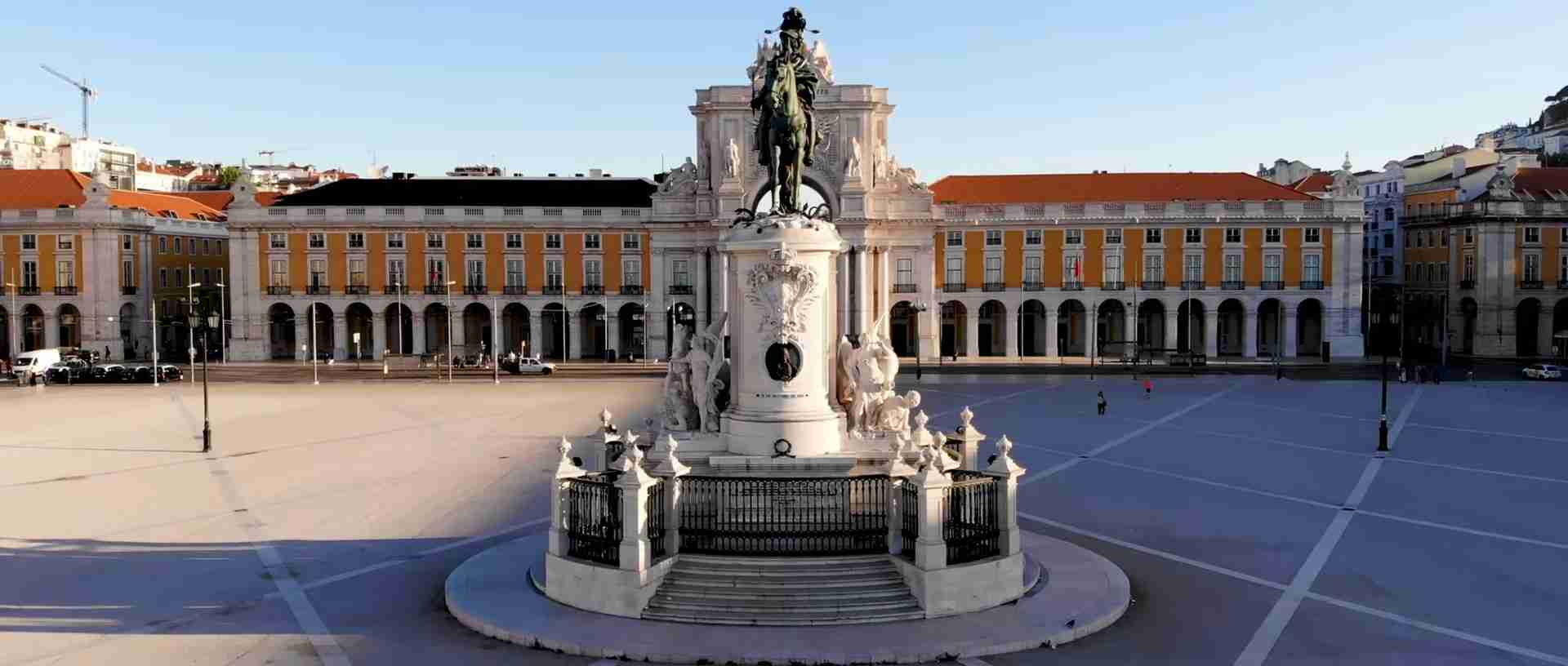
Portugal Travel Tips 2026: Essential Planning & Local Insights
Portugal combines Atlantic coastlines with medieval cities, Moorish architecture with contemporary culture, and exceptional value with world-class experiences. This guide provides practical strategies for navigating Portugal’s regions, from securing entry documentation and managing daily budgets to understanding local customs and avoiding common tourist pitfalls. Whether planning your first visit to Lisbon or returning to explore Porto’s historic quarters, these insights prepare you for confident, informed travel across one of Europe’s most rewarding destinations.
Key Takeaways About Portugal Travel 2026
- ETIAS Authorization Required: Starting late 2026, visitors from visa-exempt countries including the US, UK, Canada, and Australia need ETIAS travel authorization before arrival. Apply online for €20, valid up to 90 days within 180-day period. Traditional 90-day visa-free entry continues until ETIAS launches.
- Transportation Value: Lisbon metro €2 single fare, 24-hour pass €7 covers all public transport. Alfa Pendular express trains Lisbon-Porto €36, Intercidades trains €28. Navegante rechargeable cards offer best value with €2 “zapping” credit deducted per journey versus €2 single tickets.
- Safety Profile: Portugal ranks 7th globally on Global Peace Index with exceptionally low violent crime rates. Primary tourist concern is pickpocketing in crowded areas—Tram 28 in Lisbon, Dom Luis I Bridge in Porto, metro stations, and tourist hotspots. Keep bags zipped, valuables secured, belongings visible.
- Language Realities: English widely spoken in tourist zones, hotels, and restaurants in Lisbon, Porto, and Algarve. Portuguese essential for rural areas and local interactions. Never speak Spanish—it’s perceived as insulting. Basic Portuguese phrases demonstrate respect and improve service.
- Regional Cost Variations: Lisbon and Algarve most expensive, Porto moderately priced, interior regions and smaller cities offer exceptional value. Summer prices July-August rise 40-60% above shoulder season rates. Book accommodation three months ahead for summer, one month for shoulder season.
- Cultural Timing: Portuguese dining schedules: lunch 12:30-2:30 PM, dinner 8-10 PM. Many restaurants close 3-7 PM. Businesses close for lunch in smaller towns. Sunday closures common outside tourist zones. Plan meal times accordingly to avoid frustration.
People Also Ask About Portugal Travel 2026
Do I Need a Visa to Visit Portugal in 2026?
Citizens from 61 countries including the US, UK, Canada, Australia, New Zealand, Japan, and Singapore travel visa-free to Portugal for stays up to 90 days within any 180-day period. Portugal membership in the Schengen Area means this 90-day allowance applies across all Schengen countries combined—time spent in France or Spain counts toward your Portugal limit. Starting late 2026, visitors from visa-exempt countries must obtain ETIAS (European Travel Information and Authorization System) authorization before travel. The online application costs €20 for adults aged 18-70, with travelers under 18 and over 70 exempt from fees. ETIAS approval typically arrives within minutes, though processing can extend to 96 hours for applications requiring additional verification. Once approved, ETIAS remains valid for multiple entries over three years or until passport expiration, whichever comes first. Your passport must be valid for three months beyond your departure date from the Schengen Area.
What’s the Average Daily Budget for Portugal in 2026?
Mid-range travelers spending on hotels, restaurant meals, public transportation, and paid attractions need €95-130 ($100-140) per person daily in Lisbon and Porto, €75-100 ($80-110) daily in smaller cities and interior regions. Budget backpackers using hostels, cooking meals, and prioritizing free activities manage on €45-65 ($50-70) daily. Luxury travelers expecting upscale hotels, fine dining, private tours, and premium experiences require €180-280+ ($190-300+) daily. These ranges assume two travelers sharing accommodation. Summer months July-August cost 40-60% more than shoulder season March-May and September-November. The Algarve matches Lisbon pricing in summer, drops to mid-range levels off-season.
Is Portugal Safe for Solo Travelers in 2026?
Portugal ranks among Europe’s safest destinations for solo travelers, with violent crime rates among the continent’s lowest. Solo female travelers consistently report feeling secure even when exploring alone at night in well-populated central districts. The primary concern for all solo travelers is opportunistic theft—pickpocketing on crowded public transport, bag snatching at outdoor cafés, phone theft in busy tourist areas. Lisbon’s Tram 28, Porto’s Dom Luis I Bridge, metro stations during rush hour, and popular viewpoints attract organized pickpocket teams. Solo travelers should avoid carrying valuables in back pockets, use crossbody bags worn in front in crowds, keep phones secured in zipped pockets, and remain vigilant when backpacks create crowded distractions. A few neighborhoods including Lisbon’s Martim Moniz and Intendente, Porto’s Bairro do Aleixo warrant extra caution after dark—not dangerous but requiring additional awareness. Police presence is strong in tourist areas, emergency services respond quickly, and locals generally assist travelers in distress.
When Should I Book Accommodation for Portugal 2026?
Book Lisbon, Porto, and Algarve accommodation three to four months ahead for July-August travel, as popular properties sell out and remaining options increase prices significantly. Shoulder season travel in May-June and September-October requires one to two months advance booking for best selection and pricing. Winter months November-March offer abundant last-minute availability with substantial discounts, though booking two weeks ahead secures preferred neighborhoods and property types. Religious holidays including Easter Week and local festivals like Santo António in Lisbon (June 13), São João in Porto (June 24), and Carnaval (February-March) demand early booking regardless of season. Coastal properties in the Algarve, especially Lagos and Albufeira, book earliest. Small guesthouses and unique properties fill before chain hotels. Booking platforms show realistic availability—if 80% of properties are unavailable for your dates, you’re booking too late.
Extended multi-day tours – 5+ days
Featured Portugal Multi-Day Tour Packages

8 days
Treasures of Portugal – 8 Days
- ✓ Comprehensive Portugal tour
- ✓ Expert local guides included
- ✓ All accommodation arranged
- ✓ Transportation provided
8 days
Charming Portugal
- ✓ Comprehensive Portugal tour
- ✓ Expert local guides included
- ✓ All accommodation arranged
- ✓ Transportation provided
6 days
Porto & Lisbon City Break – 6 days
- ✓ Comprehensive Portugal tour
- ✓ Expert local guides included
- ✓ All accommodation arranged
- ✓ Transportation provided
9 days
Complete Portugal
- ✓ Comprehensive Portugal tour
- ✓ Expert local guides included
- ✓ All accommodation arranged
- ✓ Transportation provided
Multi-day tour packages powered by TourRadar. Prices and availability subject to change.
Introduction: Essential Context for Portugal Travel 2026
Portugal occupies Europe’s southwestern edge, sharing the Iberian Peninsula with Spain while maintaining distinct cultural identity, language, and traditions. This Atlantic-facing nation of 10 million people stretches from the Minho River bordering Spain to the Algarve’s golden beaches, encompassing medieval cities, UNESCO World Heritage sites, dramatic river valleys, and coastal cliffs. The Atlantic archipelagos of Madeira and the Azores extend Portuguese territory into the mid-Atlantic, each offering unique landscapes and climates.
For travelers accustomed to Western European tourism infrastructure, Portugal delivers familiar comfort—reliable public transport, widespread English in tourist zones, modern amenities, excellent healthcare—at Mediterranean pricing significantly below France, Italy, or Spain. A €8 breakfast in Paris costs €4 in Porto. A €180 Lisbon hotel room offers quality matching €280 accommodations in Rome. This value equation attracts budget-conscious travelers while high-end experiences remain accessible rather than prohibitively expensive.
Portugal’s compact geography enables efficient multi-city itineraries without exhausting travel days. Lisbon to Porto requires three hours by express train. The Algarve coastline lies 2.5 hours south of Lisbon. Medieval Évora, Roman ruins at Conímbriga, and Sintra’s palaces all make comfortable day trips from the capital. This accessibility allows travelers to experience diverse regions—bustling cities, rural wine country, coastal resort towns—within a single visit.
The country’s tourism infrastructure has matured substantially since Portugal’s 2008-2014 financial crisis. International investment renovated historic properties into boutique hotels, restored neglected neighborhoods into vibrant cultural districts, and improved transportation networks. Lisbon’s metro expanded, Porto’s airport upgraded, and high-speed rail connections improved. This development enhances visitor experience without compromising authenticity—traditional bakeries still outnumber chain cafés, neighborhood markets thrive alongside modern shopping centers, and family restaurants maintain multi-generation recipes.
Portugal’s tourism calendar divides into three distinct seasons with dramatic pricing and crowd variations. Summer (July-August) brings peak tourist numbers, highest prices, intense heat in Lisbon and interior regions, and crowded conditions at major attractions. Shoulder season (April-June, September-October) offers ideal weather, manageable crowds, and moderate pricing—most travelers find this optimal. Winter (November-March) delivers significant discounts and empty attractions but includes frequent rain, cooler temperatures, and reduced operating hours at coastal properties and northern region attractions.
Portuguese culture values courtesy, formality in initial interactions, and respect for tradition. Greetings matter—entering shops or restaurants without acknowledging staff is considered rude. Loud behavior in public spaces attracts disapproval. Dinner reservations hold weight—no-shows frustrate restaurateurs in a culture where food preparation represents craft and hospitality. Understanding these social expectations improves interactions and demonstrates respect for local culture beyond superficial tourism.
Currency throughout Portugal is the Euro, which the country adopted in 2002 replacing the escudo. Credit cards function universally in cities and tourist areas, though cash remains necessary for small purchases, public market transactions, and rural establishments. ATMs are abundant and reliable, offering better exchange rates than airport currency exchanges or hotels. Portugal’s banking system is stable, fraud protection robust, and contactless payment widely accepted.
Entry Requirements and ETIAS Authorization 2026
Portugal participates in the Schengen Agreement, which establishes unified entry requirements across 29 European countries. This membership means entry rules, visa policies, and border controls align with broader Schengen standards rather than operating under separate Portuguese requirements. Understanding these requirements and the significant changes taking effect in late 2026 is essential for proper travel preparation.
Current Visa-Free Entry Through 2026
Citizens from 61 countries enjoy visa-free entry to Portugal and all Schengen countries for tourism, business, or family visits lasting up to 90 days within any 180-day period. This includes nationals from the United States, United Kingdom, Canada, Australia, New Zealand, Japan, Singapore, Brazil, Argentina, Chile, Mexico, and most developed economies. The 180-day period rolls continuously—if you enter Portugal on January 1 and stay 90 days, you cannot return until the 180-day window resets, meaning you must wait until April 1 to re-enter.
This 90-day allowance applies cumulatively across all Schengen countries, not individually per country. Time spent in France, Spain, Italy, or any Schengen member counts toward your 90-day limit for Portugal. If you spend 30 days in Spain and 40 days in France before arriving in Portugal, you have only 20 days remaining before you must exit the Schengen Area. Border officials track entry and exit stamps rigorously, and overstaying carries serious consequences including fines, deportation, and future entry bans.
European Union and European Economic Area citizens enjoy unlimited stay rights in Portugal without visas or entry authorization. This includes nationals from all 27 EU member states plus Iceland, Norway, Liechtenstein, and Switzerland. These citizens can live, work, and study in Portugal indefinitely without restrictions.
ETIAS Implementation Late 2026
Starting in the fourth quarter of 2026, the European Union implements the European Travel Information and Authorization System (ETIAS) for all visa-exempt travelers entering the Schengen Area. ETIAS is not a visa—it’s an electronic travel authorization similar to the United States ESTA system. Travelers who currently enter Portugal visa-free will need ETIAS approval before travel, though the 90-day stay allowance remains unchanged.
ETIAS serves as pre-travel screening for security purposes. The online application collects passport information, travel plans, criminal history, and previous Schengen visa refusals. Applicants answer security questions about recent travel to conflict zones and provide contact information. The system cross-references applications against European security databases, immigration records, and international watchlists. Most applications receive instant approval, though some undergo manual review extending processing to 96 hours.
The ETIAS application fee is €20 for adults aged 18-70. Travelers under 18, over 70, and immediate family members of EU/EEA citizens are exempt from the fee though still require authorization. Payment accepts major credit and debit cards. The fee is non-refundable regardless of approval outcome. Processing typically completes within minutes for straightforward applications, though the European Commission recommends applying at least 72 hours before departure.
Once approved, ETIAS authorization remains valid for three years or until passport expiration, whichever occurs first. The authorization permits multiple entries to the Schengen Area during its validity period, each entry subject to the standard 90-day limit within 180 days. Approved travelers receive authorization via email, which they should print or save digitally for presentation at boarding and border control. Airlines verify ETIAS status before boarding flights to Schengen destinations.
ETIAS authorization does not guarantee entry to Portugal or any Schengen country—border officials retain authority to deny entry based on insufficient funds, lack of return ticket, suspicious travel history, or failure to meet standard entry requirements. ETIAS only confirms that travelers passed pre-travel security screening and are authorized to travel to Schengen borders, where final entry decisions rest with border officers.
Passport Validity Requirements
Portugal requires passports remain valid for at least three months beyond your intended departure date from the Schengen Area. Many travelers mistakenly believe passports need only cover their stay duration—this is incorrect. If your passport expires on December 31 and you plan to depart Portugal on December 1, your passport does not meet requirements because it fails the three-month validity rule. Border officials enforce this strictly, and airlines refuse boarding to passengers with insufficient passport validity.
Additionally, passports must have been issued within the previous 10 years. Older passports, even if still technically valid, do not meet Schengen entry requirements. This rule particularly affects travelers who renewed passports before expiration and now hold documents issued more than 10 years ago despite showing future expiration dates.
Travelers without valid passports face immediate deportation to their origin country at their own expense. The U.S. Embassy cannot intervene with Portuguese immigration authorities to permit entry for U.S. citizens lacking proper documentation. This applies to all nationalities—proper documentation is non-negotiable for Schengen entry.
Proof of Onward Travel and Sufficient Funds
Border officials may request proof of onward travel—return flight tickets, confirmed transportation to another country, or travel itineraries demonstrating departure plans within the allowed stay period. While not universally checked, inability to provide this documentation when requested can result in entry denial. Budget travelers planning flexible itineraries should hold refundable return tickets or print confirmation for onward travel even if plans remain tentative.
Proof of sufficient funds for your stay may also be requested. While Portugal does not publish explicit minimum amounts, border officials assess whether travelers can support themselves without working illegally. Credit cards, bank statements, cash, and accommodation confirmations serve as evidence. Entry denial based on insufficient funds is rare for tourists with return tickets and accommodation bookings, but officials retain this authority.
Minor Travelers and Parental Consent
Portuguese immigration law requires minors under 18 traveling without both parents or legal guardians carry written parental consent authorizing travel. This applies to Portuguese citizens and foreign nationals. The authorization must identify the child, specify travel dates and destinations, identify accompanying adults if applicable, and include parent signatures. Notarization is recommended though not always required. Single parents traveling alone with children should carry evidence of parental authority—birth certificates showing sole custody, court documents, or notarized consent from the absent parent. Divorced parents should carry custody documentation.
This requirement responds to child abduction concerns and is enforced more strictly than in many countries. Families should prepare documentation before departure rather than assuming good intentions suffice at borders.
Longer Stays and Residence Visas
Stays exceeding 90 days require Portuguese residence visas obtained through Portuguese embassies or consulates in your home country before travel. Multiple visa types exist depending on purpose: D7 Passive Income Visa for retirees and financially independent individuals, Digital Nomad Visa for remote workers, Student Visas for academic programs, Work Visas for employment, and Golden Visa for significant investment. Each visa type has specific requirements, documentation, and processing timelines. The minimum monthly income requirement for D7 visas is €920 in 2026, matching the Portuguese minimum wage.
Attempting to enter Portugal as a tourist with intentions to apply for residence after arrival is explicitly prohibited and results in application rejection. The system requires visa applications from your country of residence, followed by travel to Portugal only after visa approval. This process typically takes two to six months depending on visa type and consulate workload.
Money and Currency Management in Portugal 2026
Portugal’s monetary system combines the efficiency of modern European banking with practical realities affecting daily tourist transactions. Understanding currency options, payment systems, hidden costs, and money-saving strategies significantly impacts travel budgets and convenience.
Currency and Exchange Rates
Portugal uses the Euro (€), which replaced the Portuguese escudo in 2002. Coins circulate in denominations of 1, 2, 5, 10, 20, and 50 cents plus 1 and 2 euros. Banknotes exist in 5, 10, 20, 50, 100, 200, and 500 euro denominations, though 200 and 500 euro notes are rarely seen and often refused by merchants due to counterfeiting concerns and inconvenience breaking large bills.
Exchange rates fluctuate daily based on market conditions. As of early 2026, approximate rates are $1.05-1.10 USD per euro, £0.85-0.88 GBP per euro, and C$1.45-1.50 CAD per euro. These rates shift continuously—check current rates through financial websites or currency apps before travel rather than relying on dated information.
Currency exchange services exist at airports, hotels, tourist zones, and dedicated exchange offices (casas de câmbio). Airport exchanges typically offer the worst rates with high commission fees—avoid exchanging significant amounts at airports. Hotels provide convenience but rates substantially worse than banks or ATMs. Dedicated exchange offices in tourist areas advertise “no commission” but compensate through unfavorable exchange rates, often 5-8% below market rates.
ATMs and Cash Withdrawal Strategy
ATMs (multibanco in Portuguese) provide the best exchange rates for obtaining euros, typically within 1-2% of interbank rates plus any fees your home bank charges. ATMs are abundant in cities, towns, and even small villages throughout Portugal. They accept international debit and credit cards on Visa, Mastercard, Maestro, and Cirrus networks. Machines offer English language options and dispense cash in denominations convenient for daily transactions.
Withdraw from ATMs affiliated with major Portuguese banks—Caixa Geral de Depósitos, Millennium BCP, Novo Banco, Santander Totta—rather than independent third-party machines which often charge excessive fees. Bank-affiliated ATMs typically charge no fee from the Portuguese side, though your home bank may impose foreign transaction fees and ATM usage charges. Check your bank’s international fee structure before departure.
When prompted, always choose to be charged in euros rather than your home currency. ATMs offer “dynamic currency conversion” allowing you to see the transaction amount in your home currency before confirming. This seems helpful but actually delivers worse exchange rates—the ATM operator sets the conversion rate, which is invariably inferior to your bank’s rate. Declining this option and accepting charges in euros saves 3-5% per transaction.
Withdraw cash in larger amounts to minimize per-transaction fees. Withdrawing €200 once incurs the same fees as withdrawing €50 four times. Balance this against security concerns about carrying cash—withdrawing €200-300 every few days usually offers the optimal fee-to-risk ratio. ATMs limit single withdrawals to €200-400 depending on the machine and card type, though you can typically make multiple consecutive withdrawals if needed.
Credit Card Acceptance and Usage
Credit cards are widely accepted in cities, tourist areas, hotels, and established restaurants. Visa and Mastercard function universally, American Express less commonly, and Discover rarely. Contactless payment technology works throughout Portugal, including public transportation in Lisbon and Porto where you can tap credit cards directly at metro validators and bus readers without purchasing separate tickets.
Despite widespread card acceptance, cash remains necessary for certain transactions: small purchases under €5 at bakeries and cafés, public market vendors, some family restaurants, admission to small museums and historic sites, church donations, public restrooms, tipping, and transactions in rural areas. Budget €20-40 daily in cash even if planning to rely primarily on cards.
Credit card transactions in Portugal require PIN verification rather than signatures. Chip-and-PIN technology is standard—cards without chips are refused, and chip-without-PIN cards may not work at automated payment terminals including transit ticket machines, parking meters, and gas stations. Contact your card issuer before travel to ensure your card has a functioning PIN and verify international usage is activated to prevent declined transactions.
Foreign transaction fees charged by credit card issuers typically range 1-3% per transaction. Many credit cards marketed to frequent travelers eliminate these fees—verify your card’s fee structure and consider obtaining a no-foreign-transaction-fee card before international travel if you don’t already hold one. These fees accumulate quickly, effectively increasing every purchase price by 3%.
Tipping Customs and Expectations
Portugal does not have strong tipping culture compared to the United States, and service charges are typically included in bills. Tipping remains discretionary and appreciated rather than expected or obligatory. Understanding local customs prevents both over-tipping and unintentional rudeness.
In restaurants, leaving 5-10% for good service is customary but not required. Many locals round up bills or leave small change rather than calculating percentages. For a €38 meal, leaving €40 is normal. For exceptional service at upscale restaurants, 10% is generous. Quick service restaurants, cafeterias, and counter-service establishments do not expect tips—paying the listed price is standard.
Taxi drivers appreciate rounding up fares but do not expect tips. For a €7.80 fare, paying €8 is courteous. For longer journeys or help with luggage, rounding up more generously is appreciated but not expected. Uber and Bolt rides in Portugal do not require tips—drivers are compensated through the fare.
Hotels expect small tips for services but not at American levels. Bellhops typically receive €1-2 per bag, housekeeping €2-3 per night, concierge services €5-10 for exceptional assistance like securing difficult reservations. Many travelers leave housekeeping tips at the end of their stay rather than daily.
Tour guides typically receive €5-10 per person for half-day tours, €10-20 for full-day tours depending on group size and quality. Free walking tours, which operate on a tip-only basis, generally see €10-15 per person for satisfactory tours.
Hidden Costs and Tourist Charges
Portuguese restaurants often bring bread, olives, cheese, or other appetizers (couvert) to tables unrequested. These are not complimentary—they carry charges typically ranging €1.50-4 per person. You can refuse these items or send them back without charge if you don’t want them, but once you consume any portion, the charge applies. Read menus carefully as couvert charges must be listed, though they’re often printed in small text.
Tourist tax (taxa turística) applies in many Portuguese municipalities, charged per person per night on accommodation. Lisbon charges €2 per night up to 7 nights, Porto €2 per night up to 7 nights, the Algarve €1-2 depending on municipality. These taxes are paid directly to hotels at checkout, typically not included in online booking prices. Budget an additional €10-20 per person for a week’s stay.
Many hotels in tourist areas, particularly larger properties, add service charges or resort fees to bills beyond the advertised room rate. These can range €5-15 per night and cover amenities like wifi, pools, or gym access. Smaller guesthouses and family-run accommodations rarely charge these fees. Review booking confirmations carefully for additional charges beyond the base room rate.
Museum and attraction pricing sometimes displays “resident” rates prominently while “non-resident” rates, applicable to most tourists, appear in smaller print and cost 50-100% more. Verify which rate applies to you when budgeting for attraction visits. Many Portuguese cultural institutions offer free admission on first Sundays of each month—capitalizing on this saves €10-20 per person on major attractions.
Transportation Strategies and Costs 2026
Portugal’s transportation network combines modern infrastructure in major cities with practical challenges in rural regions. Understanding options, pricing strategies, and navigational realities significantly impacts both trip logistics and daily budgets.
Urban Public Transportation
Lisbon’s public transport system integrates metro, buses, trams, funiculars, and trains under unified ticketing. The Navegante card serves as the foundation—a rechargeable magnetic card costing €0.50 purchased at any metro station. This card stores various ticket types: single fares, 24-hour passes, or “zapping” credit that deducts per journey.
Single metro or bus tickets cost €2 when purchased individually at metro stations. Using zapping credit on a Navegante card reduces this to €2 per journey—not dramatic savings, but convenient. The 24-hour pass costs €7 and includes unlimited travel on metro, buses, trams, and funiculars throughout Lisbon, though it excludes trains to Sintra and Cascais. A €11 24-hour pass includes all transport including suburban trains.
The Lisboa Card tourist pass provides unlimited public transport plus free or discounted admission to major museums and attractions. Cards cost approximately €21 for 24 hours, €35 for 48 hours, €44 for 72 hours. This represents value if visiting multiple paid attractions—calculate whether your planned itinerary justifies the cost versus paying individual fares and admission fees.
Lisbon’s iconic Tram 28, while picturesque, functions as both tourist attraction and practical transport for steep neighborhoods. It’s also pickpocketing central due to crushing crowds, narrow aisles, and frequent stops where thieves dash off after stealing valuables. Ride early morning before 9 AM or late afternoon after 4 PM to avoid worst crowding.
Porto’s integrated Andante system uses rechargeable Andante cards (€0.60) valid across Metro do Porto, STCP buses, and historic trams. Porto’s metro operates on zone-based pricing: 1-2 zones €1.20, 3 zones €1.60, 4 zones €2. Tourist areas fall within 2 zones. The Andante Tour card offers 24 hours unlimited travel for €7 or 72 hours for €15 across all zones—excellent value for visitors using public transport frequently.
Both cities have introduced contactless payment at metro validators and bus readers—you can tap credit cards directly for single fares without purchasing transport cards. This adds flexibility for short stays, though frequent travelers save money using rechargeable cards with zapping credit.
Intercity Train Travel
Comboios de Portugal (CP) operates the national railway network connecting major cities and coastal destinations. Two service classes exist: Alfa Pendular (AP) express trains and Intercidades (IC) standard trains. Understanding the differences impacts both travel time and budgets.
Alfa Pendular trains represent Portugal’s fastest rail service, reaching 220 km/h on upgraded track sections. Lisbon to Porto requires 2 hours 40 minutes on Alfa Pendular versus 3 hours 15 minutes on Intercidades. Comfort levels are comparable—both offer air conditioning, power outlets, wifi, restrooms, and food service. The premium for Alfa Pendular reflects speed rather than luxury.
Lisbon-Porto tickets cost €36 for Alfa Pendular or €28 for Intercidades in 2026. These prices reflect Portugal’s January 2026 fare increase averaging 2.26% across all services. Advance purchase discounts reduce prices 25-40% for Alfa Pendular when booking weeks ahead, though Intercidades tickets rarely discount significantly. Book through CP’s website or app rather than third-party platforms to avoid markup fees.
Key routes include Lisbon-Porto (multiple hourly departures), Lisbon-Coimbra (€18-22), Lisbon-Faro (€24-30), and Porto-Braga (€5-8). Regional trains serve smaller towns at lower fares but significantly longer travel times. The Lisbon-Sintra tourist route costs €2.30 each way, operating every 20 minutes throughout the day—far superior to driving given Sintra’s limited parking and tourist congestion.
Lisbon train stations require attention—different services depart from different stations. Alfa Pendular trains to Porto stop at Oriente and some terminate at Santa Apolónia, while Sintra and Cascais trains depart from different stations (Rossio or Cais do Sodré). Verify your departure station on tickets to avoid missing trains.
The CP Green Rail Pass costs €20 for 30 days unlimited travel on regional and Intercidades trains (excluding Alfa Pendular and Lisbon urban services). This pass remained unchanged in the 2026 price increase and offers exceptional value for extensive travel over several weeks. The pass excludes express trains but covers sufficient routes for most tourist itineraries.
Long-Distance Bus Services
Bus travel provides Portugal’s most economical intercity transportation, with Rede Expressos and FlixBus operating extensive networks. Lisbon-Porto buses cost €8-15 depending on departure time and booking advance, compared to €28-36 for trains. Travel time extends to 3.5 hours versus 2.5-3 hours by train, but budget travelers find this acceptable trade-off.
Buses offer modern comfort—air conditioning, reclining seats, power outlets, wifi, and luggage storage. They lack toilets, meaning scheduled rest stops every 90-120 minutes. Advance online booking secures lowest fares and guaranteed seats, as popular routes and departure times sell out.
Lisbon has two intercity bus terminals: Oriente in Parque das Nações district (served by metro) and Sete Rios in northwestern Lisbon (metro connection at Jardim Zoológico station). Verify your departure and arrival terminal when booking, as they’re not interchangeable and separated by 20-30 minutes transit time. Porto’s bus terminal at Campanhã connects to metro and train services.
Driving and Car Rental
Renting cars in Portugal makes sense for exploring rural regions, the Douro Valley, Alentejo, or creating flexible itineraries outside major cities. Car rental is unnecessary and counterproductive in Lisbon and Porto, where narrow streets, scarce parking, aggressive driving, and excellent public transport make driving more stressful than beneficial.
Rental rates vary dramatically by season and booking advance. Expect €25-40 per day for economy cars in shoulder season, €40-60 daily in summer for the same vehicles. Book directly through rental company websites rather than third-party aggregators to avoid complications with insurance, deposits, and customer service. Major companies (Europcar, Hertz, Avis, Budget) operate at airports and city centers with predictable service despite higher rates. Smaller local companies offer lower prices but variable service quality.
Portugal drives on the right side. International Driving Permits are recommended but not legally required for most nationalities—valid licenses from EU countries, US, Canada, Australia, and UK suffice for tourist stays. Speed limits are 50 km/h in urban areas, 90-100 km/h on national roads, 120 km/h on highways. Speed cameras are abundant and enforcement strict.
Highway tolls are unavoidable for efficient long-distance driving. The A1 expressway connecting Lisbon to Porto charges €22 in tolls, nearly matching train ticket costs. Many expressways operate electronic-only toll collection with no manual toll booths. Rental cars should include a Via Verde transponder (electronic toll payment device) or rental companies charge administrative fees (€5-15) plus tolls when processing electronic toll charges days after return. Verify toll payment options when renting to avoid unexpected charges.
Parking in historic city centers is challenging and expensive. Lisbon and Porto charge €1.50-3 per hour for street parking in central zones, with enforcement until 8 PM or later. Hotels in city centers rarely include free parking—expect €15-25 daily for hotel parking. Tourist destinations like Sintra and Cascais have limited parking that fills completely by 10 AM in summer. Public transport eliminates these hassles entirely.
Taxis and Ride-Sharing
Licensed taxis in Portugal are affordable by Western European standards. Lisbon taxi rates start at €3.25 with €0.47 per kilometer within the city. Airport to central Lisbon averages €12-18 depending on traffic and destination neighborhood. Porto taxis charge similarly, with most in-city trips costing €5-10. Taxis charge 20% more 9 PM-6 AM and on weekends/holidays.
All licensed taxis have meters—always verify the meter activates at trip start. Drivers occasionally claim meters are broken and quote fixed prices substantially above metered rates. Refuse and find another taxi. Unlicensed taxi services, particularly at airports, charge double or triple legitimate rates—only use clearly marked licensed taxis from designated taxi ranks.
Uber and Bolt operate extensively in Lisbon, Porto, and the Algarve with pricing typically 10-20% below traditional taxis. The apps eliminate language barriers, provide transparent pricing, and enable cashless payment. Service quality is generally reliable. These apps particularly benefit tourists unfamiliar with Portuguese street names or concerned about communication difficulties.
Safety and Security in Portugal 2026
Portugal consistently ranks among the world’s safest countries, placing 7th on the 2026 Global Peace Index. Violent crime rates remain among Europe’s lowest, and tourists rarely encounter serious security threats. However, property crime targeting visitors—particularly pickpocketing and theft from vehicles—occurs frequently enough in tourist zones to warrant specific precautions.
Understanding the Actual Risks
The overwhelming majority of security incidents affecting tourists are opportunistic thefts: pickpocketing on crowded public transport, bag snatching at outdoor cafés, phone theft in busy tourist areas, and car break-ins at remote viewpoints or beach parking. These crimes share common characteristics—they target distracted tourists in predictable locations using established techniques. Awareness and simple precautions reduce risk substantially.
Violent crimes including assault, armed robbery, and physical confrontations are statistically rare for tourists. Portugal’s homicide rate ranks among Europe’s lowest. Random violent crime against tourists is exceptionally uncommon. The rare violent incidents typically involve disputes between individuals, bar fights in nightlife districts, or domestic situations not affecting tourists.
Sexual assault rates are low compared to many European destinations, and harassment levels that female travelers report remain minimal in tourist zones. Solo female travelers consistently rate Portugal as safe and welcoming. The caveat applies to nightlife areas and late-night situations—standard precautions apply including staying with groups, watching drinks, using reputable transport, and avoiding isolated areas when alone.
Pickpocketing Hotspots and Techniques
Lisbon’s Tram 28 represents Portugal’s most notorious pickpocketing location. The combination of crushing crowds, narrow aisles, frequent stops, and distracted tourists creates ideal conditions for organized theft teams. Pickpockets work in groups—one creates a distraction or commotion while partners extract wallets, phones, and valuables from bags and pockets. The tram’s frequent stops allow thieves to disappear immediately after theft.
Protection strategies for Tram 28 include riding outside peak tourist hours (before 9 AM or after 4 PM), keeping bags in front of your body with hands covering zippers, avoiding standing near doors where thieves operate most frequently, and leaving valuables at accommodation. Consider alternative routes—Tram 28’s charm is real, but multiple buses cover similar routes with less crowding and theft risk.
Porto’s Dom Luis I Bridge hosts a unique scam-theft combination. Young men gather crowds by jumping from the bridge’s lower level into the Douro River, charging tourists €1-2 to watch. The spectacle is minor—men take 10-15 minutes hyping the crowd before a simple jump. The real purpose is distraction. Pickpockets work the gathered crowd systematically, targeting viewers focused on jumpers. Avoid these crowds entirely or maintain extreme vigilance over belongings if watching.
Metro stations in both Lisbon and Porto see concentrated pickpocketing during rush hours when crowding peaks. Thieves target tourists struggling with ticket machines, managing luggage, or consulting phones for directions. Common techniques include “helpful” strangers at ticket machines who distract while partners steal, aggressive beggars who crowd personal space while extracting valuables, and simple grab-and-run thefts when train doors open.
Restaurant and café outdoor seating attracts bag snatchers who target items on chair backs, under tables, or on adjacent empty seats. Thieves walk past casually, grab bags in motion, and disappear into crowds before victims realize theft occurred. Always keep bags on your lap, loop straps around chair or table legs, or position bags between your body and wall rather than on the open side of seating.
Vehicle-Related Theft
Car break-ins at tourist parking areas occur frequently enough to warrant serious precaution. Thieves target rental cars (identifiable by rental company stickers or out-of-area license plates) parked at scenic viewpoints, beach access areas, trailheads, and remote historic sites. They break windows to access visible luggage, bags, electronics, and valuables within seconds, then disappear before discovery.
Never leave anything visible in parked cars—not luggage, not bags, not phone chargers, not sunglasses. Even empty shopping bags signal valuables might be in the trunk. Store everything in the trunk before arriving at parking locations, as thieves watch parking lots and target cars where drivers transfer items to trunks after parking. Some travelers cover their entire back seat and rear area with dark blankets so thieves cannot assess contents.
GPS units attract thieves even when removed from windshields—the suction cup mark indicates a GPS typically stored in the glove compartment. Remove these marks or avoid using suction-mounted GPS entirely. Park in attended parking lots when available rather than isolated street parking, even if this costs €5-10 daily.
Common Scams Targeting Tourists
Several recurring scams target tourists in Portuguese cities. Petition signers approach tourists with clipboards containing “petitions” for charitable causes or social issues. After signing, they demand “donations” of €10-20 and become aggressive when refused. Never sign street petitions or engage with clipboard carriers approaching tourists.
Gold ring scammers “find” apparently valuable rings on the ground near tourists, then offer to sell them or share the find. The rings are worthless, and the scenario manipulates tourists into giving money. Ignore anyone displaying found jewelry or currency.
Fake drug sellers operate in nightlife districts particularly in Lisbon’s Bairro Alto and Cais do Sodré. Individuals offer hashish, marijuana, or other substances that are actually dried herbs or other worthless materials. These sellers rarely involve police risk—they’re small-time scammers rather than dealers—but they target drunk tourists who won’t realize fraud until too late. Avoid all street drug purchases.
Taxi meter scams involve drivers claiming broken meters and quoting fixed prices double or triple metered rates. This particularly affects airport arrivals. Insist on metered fares or use Uber/Bolt instead. Some drivers take unnecessarily long routes to inflate metered fares—using navigation apps to follow routes discourages this.
Restaurant bill padding appears occasionally at tourist-area restaurants where servers add unrequested items to bills, charge for more drinks than consumed, or apply higher prices than menu-listed. Always review itemized bills before paying rather than glancing at totals. Discrepancies are typically “mistakes” readily corrected when challenged, but unchallenged overcharges remain.
Neighborhoods Requiring Extra Caution
Lisbon’s Martim Moniz and Intendente neighborhoods have higher drug activity and property crime than tourist districts. These areas aren’t dangerous for tourists exercising normal awareness during daylight, but warrant extra vigilance after dark. Avoid walking alone late at night, maintain awareness of surroundings, and consider taking taxis rather than walking through these areas after 10 PM.
Porto’s Bairro do Aleixo and Pasteleira neighborhoods have drug-related activities and higher crime rates than central districts. Local authorities advise tourists to avoid these areas, particularly after dark. The neighborhoods aren’t tourist destinations, so most visitors never encounter them. However, travelers using GPS navigation or exploring beyond central districts should verify routes avoid these areas.
Lisbon’s Cais do Sodré transforms from business district to raucous nightlife zone after dark. While not dangerous, the area attracts very drunk crowds, aggressive promoters for bars and clubs, and opportunistic thieves targeting intoxicated tourists. Exercise elevated caution in this district 10 PM-3 AM, watch drinks, stay with groups, and remain aware of surroundings despite alcohol consumption.
Emergency Services and Police
Portugal’s general emergency number is 112 for police, ambulance, and fire services. Operators typically speak English and dispatch appropriate services. Save this number in your phone upon arrival.
Tourist police stations (PSP Turismo) operate in major tourist zones staffed by English-speaking officers trained in tourist-specific issues. Lisbon stations operate in Rossio Square, Chiado, and at the airport. Porto tourist police serve downtown and the riverfront. These stations handle theft reports, lost passport assistance, and tourist-related problems with greater efficiency and English capability than standard police stations.
Pharmacies (farmácias) are abundant, marked by green crosses, and typically employ English-speaking staff in tourist areas. Many medications available by prescription in the US sell over-counter in Portugal. Pharmacists diagnose and treat minor health issues, providing cost-effective alternatives to hospital visits for common ailments.
Language and Communication
Portuguese is the official language throughout Portugal, spoken by the country’s entire 10 million population. The language differs significantly from Spanish despite Iberian geographic proximity—assuming Spanish works in Portugal ranks among tourists’ most common and offensive errors. Portuguese find Spanish usage insulting, perceiving it as dismissive of their language and culture. When in doubt, use English rather than Spanish.
English Language Reality
English proficiency in Portugal varies dramatically by location, generation, and industry. Tourist-facing businesses in Lisbon, Porto, and the Algarve employ English-speaking staff almost universally. Hotels, restaurants, shops, tour operators, and attractions catering to international visitors operate comfortably in English. Most Portuguese under 40 in urban areas speak functional English, having learned it through school education, international media, and tourism industry demands.
Outside major tourist zones, English fluency drops substantially. Rural regions, small interior towns, local neighborhood restaurants, public market vendors, and municipal offices operate primarily in Portuguese. Older generations learned French or no foreign language in school, predating English’s educational dominance. These populations communicate through gestures, patience, and translation apps rather than English conversation.
The practical impact means English-only travelers navigate Lisbon, Porto, and Algarve resorts without language barriers but face communication challenges in authentic local contexts. This shouldn’t discourage interior region exploration—Portuguese hospitality and willingness to communicate through improvisation overcome language gaps. However, expecting English everywhere represents unrealistic assumptions about Portuguese language obligations.
Essential Portuguese Phrases
Learning basic Portuguese phrases demonstrates respect and improves service quality. Portuguese appreciate even clumsy attempts at their language, recognizing the effort signals cultural respect beyond transactional tourism.
Greetings matter disproportionately in Portuguese culture. “Bom dia” (good morning, until noon), “Boa tarde” (good afternoon, noon to evening), “Boa noite” (good evening/night) should precede every interaction—entering shops, approaching staff, sitting at restaurants. Skipping greetings appears rude. “Olá” serves as informal hello, though less appropriate for formal business interactions than time-specific greetings.
“Por favor” (please) and “obrigado” (thank you, male speakers) or “obrigada” (thank you, female speakers) are essential courtesies. Portuguese use these constantly in ways English speakers might find excessive. Overusing these causes no offense—underusing them signals rudeness.
“Desculpe” (excuse me/sorry) precedes questions, apologies, or requests for attention. “Com licença” (with permission) works when passing through crowds or requesting someone move.
“Fala inglês?” (do you speak English?) shows courtesy before launching into English, allowing Portuguese speakers to indicate comfort levels with English conversation rather than assuming they speak it.
Restaurant vocabulary includes “a conta, por favor” (the check, please), “água” (water), “vinho” (wine), “cerveja” (beer). Numbers for prices: “um” (one), “dois” (two), “três” (three), “quatro” (four), “cinco” (five), “seis” (six), “sete” (seven), “oito” (eight), “nove” (nine), “dez” (ten).
“Não compreendo” (I don’t understand) admits confusion gracefully, prompting Portuguese speakers to slow down, simplify, or try English. “Mais devagar, por favor” (slower, please) requests reduced speaking speed.
Translation Technology
Google Translate app provides free Portuguese-English translation via text input, voice recognition, camera translation of signs and menus, and conversation mode for back-and-forth exchanges. Download Portuguese language files before travel for offline translation when internet unavailable. The camera function particularly helps restaurants—point your phone at Portuguese menus and see real-time English translations overlaid on screen.
Translation quality varies from excellent to comical. Food descriptions, directions, and practical information translate reliably. Nuanced conversations, cultural context, and colloquialisms produce awkward or meaningless translations. Use technology for practical communication—ordering food, asking directions, reading signs—rather than meaningful cultural exchange requiring human judgment.
Spanish Language Controversy
Speaking Spanish in Portugal represents a cultural misstep tourists commit frequently, particularly Americans who studied Spanish in school and assume cross-Iberian intelligibility. Portuguese and Spanish are distinct languages with different pronunciation, grammar, and vocabulary. While some mutual comprehension exists, assuming Portuguese understand and appreciate Spanish equivalates to assuming English speakers appreciate being addressed in German because both are Germanic languages.
Portuguese history includes periods of Spanish rule and ongoing cultural identity distinct from their larger Iberian neighbor. Spanish usage can be perceived as dismissive, implying Portuguese language isn’t worth learning or Portuguese culture is interchangeable with Spanish. Some Portuguese find Spanish outright offensive, others merely annoying, but none appreciate it.
The exception is Spanish tourists and Portuguese-Spanish border regions where practical bilingualism exists. But this doesn’t extend to international tourists using Spanish as a linguistic shortcut in Portuguese contexts.
Weather, Seasons, and Packing for 2026
Portugal’s climate varies substantially from Atlantic-influenced northern regions through Mediterranean southern zones to unique microclimates in the interior. Understanding seasonal patterns, regional variations, and packing requirements prevents discomfort and enables activity planning.
Seasonal Weather Patterns
Summer (June-August) brings warm to hot temperatures across Portugal. Lisbon averages 28°C (82°F) but frequently exceeds 35°C (95°F) during heat waves. Porto reaches 25°C (77°F), the Algarve 30°C (86°F), and interior regions surpass 40°C (104°F). Rainfall essentially ceases June-August, creating drought conditions and wildfire risk. Summer suits beach holidays and outdoor activities, though midday heat in Lisbon and interior regions can be uncomfortable for sightseeing. Coastal areas benefit from Atlantic breezes moderating temperatures.
Shoulder season (April-May, September-October) offers ideal weather for most travelers. Temperatures range 18-25°C (64-77°F), rainfall remains minimal, and tourist crowds thin substantially. September particularly appeals as ocean temperatures peak from summer heating while air temperatures moderate. Shoulder season delivers summer’s outdoor accessibility without extreme heat or peak-season crowding.
Winter (November-March) is mild by northern European standards but wetter and cooler than many tourists expect. Lisbon averages 15°C (59°F) in January, Porto 13°C (55°F). Temperatures rarely approach freezing in coastal cities, though interior mountain regions see occasional snow. Winter’s defining characteristic is rain—November through February each receive 80-100mm rainfall monthly in Lisbon, with Porto receiving even more. Rain falls in intense bursts rather than continuous drizzle. Winter suits budget travelers seeking discounts and avoiding crowds, provided rain contingencies and warmer clothing accommodate cooler temperatures.
Spring (March-May) transitions from winter rain toward summer sunshine. March remains wet with occasional rain, April dries considerably, and May resembles summer conditions. Spring flowers bloom throughout Portugal creating exceptional photography conditions and pleasant rural touring. Easter Week (March or April depending on year) brings domestic travel surges, filling hotels and attractions with Portuguese tourists during school holidays.
Regional Climate Variations
Northern Portugal including Porto receives significantly more rainfall than the south, with Atlantic storms delivering 1200mm annually versus 600mm in Lisbon and 500mm in the Algarve. Northern regions stay greener year-round but experience more cloudy, wet days even in summer. Porto’s summer is pleasant rather than scorching, winter distinctly wetter and cooler than Lisbon.
The Algarve enjoys Portugal’s warmest, driest climate. Winter temperatures remain mild enough for outdoor activities, though ocean temperatures discourage swimming December-May. Summer can be intensely hot, particularly inland from the coast where temperatures exceed 35°C (95°F) regularly. The Algarve suits beach-focused winter escapes and summer holidays.
Interior regions including Alentejo experience continental climate extremes—significantly hotter in summer, colder in winter than coastal areas. Summer interior temperatures regularly exceed 40°C (104°F), making midday sightseeing uncomfortable. Winter nights can approach freezing. These regions suit spring and fall visits when moderate temperatures showcase landscapes without weather extremes.
Madeira, while Portuguese territory, has entirely different climate—subtropical conditions with mild temperatures year-round, frequent local rainfall particularly on north-facing slopes, and stable temperatures rarely exceeding 28°C (82°F) or falling below 15°C (59°F). Madeira suits year-round visitation for hiking and nature-focused tourism.
Packing Essentials by Season
Summer packing emphasizes sun protection and light clothing. Bring sunscreen (expensive in Portugal, cheaper from home), wide-brimmed hat, sunglasses, lightweight breathable clothing in natural fabrics, and comfortable walking shoes that tolerate heat. Portuguese dress relatively formally compared to American casual standards—avoid overly revealing clothing, shorts at religious sites, and beachwear away from beaches. Light sweater or jacket accommodates air-conditioned restaurants and evening coastal breezes. Refillable water bottle reduces costs and plastic waste.
Shoulder season requires layering capability. Temperatures fluctuate between cool mornings, warm afternoons, and cool evenings. Bring light jacket, long pants, short and long-sleeved shirts, closed-toe walking shoes, and sun protection. Light rain jacket accommodates occasional April or October showers. This season offers optimal packing—you need clothing variety but not heavy winter gear or solely summer items.
Winter demands waterproof outer layer, warm clothes, and closed-toe shoes that tolerate wet conditions. Bring waterproof jacket with hood, sweaters or warm layers, long pants, warm socks, and walking shoes that can get wet without ruining. Umbrella is essential—Portugal’s winter rain comes in intense bursts. Portuguese buildings often lack central heating by American standards, meaning indoor spaces can feel cool. Pack warmer than you would for similar temperatures at home.
Year-round essentials include comfortable walking shoes (Portuguese cities involve hills, cobblestones, and extensive walking), power adapter (Portugal uses Type C and F European plugs at 230V), prescription medications in original packaging, photocopies of passport and important documents, and basic first aid supplies. Portuguese pharmacies are excellent, but bringing familiar medications saves time.
Cultural Etiquette and Local Customs
Portuguese culture values courtesy, interpersonal respect, and appropriate public behavior. Understanding social norms prevents unintended rudeness and improves local interactions beyond transactional tourist experiences.
Greeting Protocols and Public Behavior
Portuguese greet everyone they encounter in service contexts—entering shops, restaurants, or offices without acknowledging staff is considered rude. Use “bom dia” (morning), “boa tarde” (afternoon), or “boa noite” (evening/night) before stating requests or beginning conversations. This greeting ritual matters more in Portuguese culture than many others, with skipping it marking tourists as impolite.
Physical greetings between acquaintances involve two cheek kisses (right cheek first, then left) for women greeting women or women greeting men. Men shake hands when greeting other men. These customs apply to social contexts—business meetings, friend introductions, casual encounters with familiar people. Tourist-service interactions don’t require physical greetings beyond verbal acknowledgment.
Portuguese speak more quietly in public than Americans. Loud conversations, phone calls on public transport, or boisterous behavior attracts disapproving looks. This particularly applies to restaurants where Americans’ typical speaking volume often seems jarring to Portuguese diners accustomed to quieter ambiance. Matching local volume levels demonstrates cultural awareness.
Public displays of affection are acceptable but more reserved than in some cultures. Couples hold hands, embrace, kiss briefly without issue. Extended passionate displays draw attention and disapproval, particularly in traditional areas outside major tourist zones.
Dining Customs and Restaurant Etiquette
Portuguese dining operates on Mediterranean schedules later than northern European or American norms. Lunch typically occurs 12:30-2:30 PM, dinner 8-10 PM. Restaurants in tourist areas accommodate earlier dining, but authentic local restaurants may not seat dinner guests before 7:30 PM. Many restaurants, particularly outside major cities, close entirely 3-7 PM between lunch and dinner service.
Couvert (bread, olives, cheese, butter, or other appetizers) appearing on tables without ordering is customary and charged. Portuguese consider these offerings normal rather than traps. Refuse politely if unwanted, or pay the €1.50-4 per person charge if consumed. Some tourists perceive this as a scam—it’s actually standard practice, clearly listed on menus, and part of Portuguese dining culture.
Restaurant service is attentive but not hovering. Servers won’t bring checks unless requested, as rushing diners is considered rude in Portuguese culture. Signal when ready to pay by making eye contact and gesturing for the check—servers deliberately avoid pressuring table turnover, so lingering indefinitely is acceptable but receiving your check requires initiative.
Splitting bills is uncommon in Portuguese restaurants, which generally prefer single payments. Groups should designate one person to pay and settle costs privately. Some restaurants accommodate separate payments if requested politely, though this requires patience and understanding.
Reservations matter more in Portuguese culture than Americans might expect. Restaurants take bookings seriously, and no-shows frustrate owners in a culture where food preparation represents craft. Make reservations for popular restaurants, particularly on weekends, and honor them or cancel with reasonable notice. Walking into full restaurants without reservations and expecting accommodation can disappoint.
Religious and Historic Site Conduct
Portugal is predominantly Catholic, and religious sites remain active places of worship rather than solely tourist attractions. Appropriate dress and behavior in churches, monasteries, and religious monuments demonstrates respect. Cover shoulders and knees—no tank tops, shorts, or revealing clothing in religious contexts. Remove hats indoors. Remain quiet, disable phone ringers, and avoid flash photography during services even if buildings are tourist sites.
Many churches and cathedrals request donations rather than charging admission. The suggested amount is typically €2-5. This donation system relies on visitors’ goodwill and respect for religious institutions, not tickets and enforcement. Tourists skipping donations to religious sites they visit freely is considered disrespectful.
Photography in churches is generally permitted unless specifically prohibited. However, avoid photographing during services, using flash, or photographing people praying. Many monastery cloisters and cathedral interiors prohibit photography due to conservation concerns—respect posted rules.
Business Hours and Closures
Portuguese businesses, particularly outside major cities, close for lunch 1-3 PM. Banks, post offices, and government services maintain limited hours, typically 9 AM-3 PM weekdays only. Plan accordingly for essential business—you cannot assume afternoon or weekend access to banking or administrative services.
Sundays bring widespread closures, particularly in smaller towns and non-tourist areas. Supermarkets open but department stores, boutiques, and many restaurants close. This reflects both tradition and labor laws protecting workers’ rest days. Tourist-focused establishments in Lisbon, Porto, and the Algarve maintain seven-day operations, but authentic neighborhoods revert to traditional Sunday quiet.
August represents Portuguese vacation month when many businesses close for 2-4 weeks as employees take annual holidays. Family restaurants, small shops, and local services close entirely. Tourist services remain operational, but authentic neighborhood spots may be shuttered. This particularly affects Lisbon and Porto where local businesses cater to residents who are themselves on vacation elsewhere.
Technology and Connectivity 2026
Portugal offers robust internet infrastructure, widespread mobile coverage, and modern technology integration throughout urban areas. Understanding connectivity options, costs, and practical technology considerations ensures travelers remain connected affordably and reliably.
Mobile Phone and Data Options
International roaming charges from US, Canadian, and non-EU carriers can be expensive for Portugal travel. Check your carrier’s international rates before departure—some charge $10 per day for international service, others $3 per megabyte for data, creating $100+ daily bills for normal smartphone usage. These rates make alternative solutions financially essential for extended stays.
Portuguese mobile networks operate on GSM bands, meaning most unlocked international phones work with local SIM cards. Major carriers include MEO, Vodafone, and NOS, each offering tourist-friendly prepaid plans. Tourist SIM cards cost €10-25 including 5-20GB data, national calls, and EU roaming for 7-30 days depending on plan. Purchase SIM cards at airport kiosks, carrier stores, or electronics shops. Activation requires passport for registration under Portuguese law.
eSIM services including Airalo, Holafly, and Ubigi offer digital SIM cards activated through apps without physical cards. These services provide data-only plans (no voice calls, though WhatsApp and similar apps work) costing €8-30 for 3-30GB valid 7-30 days. eSIMs work on compatible phones (iPhone XS or newer, recent Android flagship models) without removing physical SIMs, allowing simultaneous use of home numbers for texts/calls and Portuguese data plans for internet. This represents ideal solutions for travelers wanting connectivity without changing physical SIM cards.
Free wifi is nearly universal at accommodations, cafés, restaurants, and tourist attractions in Portugal. Quality varies from excellent to barely functional. Hotel wifi generally works well in common areas, less reliably in rooms particularly at budget properties. Starbucks, McDonald’s, and chain establishments offer reliable free wifi. Public wifi networks should be used with VPN services if accessing sensitive information—unencrypted public networks pose security risks.
Internet Cafés and Business Centers
Internet cafés have largely disappeared in Portugal as smartphone proliferation eliminated demand. However, public libraries in larger cities offer free computer and internet access with passport registration. Libraries typically limit sessions to 30-60 minutes and may have waiting periods during busy times. These serve travelers needing computer access for tasks impossible on phones—printing boarding passes, accessing websites requiring full browsers, or extended work sessions.
Hotels with business centers provide computer access and printing services, though usually at premium prices—€5-15 for basic services. Ask reception about business center hours and pricing before assuming access.
Navigation and Maps
Google Maps functions excellently in Portugal for walking directions, public transport routing, and driving navigation. Download offline maps before travel for areas you’ll visit extensively—offline maps enable GPS navigation without data consumption, useful when wifi-only or managing limited data plans. Maps.me offers alternative mapping app with detailed offline navigation including hiking trails and points of interest not always present in Google Maps.
Public transport apps streamline travel. Lisbon’s official Carris/Metro app provides route planning, real-time arrival information, and service updates. Porto’s Metro do Porto app serves similar purposes. CP’s app enables train ticket purchases, schedule checking, and booking management without station queues. Download these apps before traveling for each region you’ll visit extensively.
Power and Electronics
Portugal uses Type C and F European electrical outlets at 230V/50Hz, incompatible with US devices’ 120V/60Hz requirements. However, most modern electronics (laptops, phone chargers, camera batteries) include dual-voltage power adapters working 100-240V, requiring only physical plug adapters, not voltage converters. Check your device’s power adapter—if it says “INPUT: 100-240V” you need only plug adapters. Hair dryers, curling irons, and heating appliances usually require voltage converters unless specifically dual-voltage.
Universal travel adapters cost €10-20 and work in Portugal plus other countries for future travel. Purchase quality adapters with surge protection rather than cheap models that overheat or fail. Some adapters include USB charging ports, eliminating need for plug adapters for USB-charged devices.
Health and Insurance Requirements 2026
Portugal offers high-quality healthcare infrastructure, modern medical facilities, and well-trained medical professionals. However, understanding healthcare access, insurance requirements, and practical health considerations prevents complications and excessive costs during travel.
Healthcare System and Medical Facilities
Portugal’s healthcare system combines public hospitals (Serviço Nacional de Saúde – SNS) with private clinics and hospitals. Public hospitals provide emergency care to everyone regardless of nationality or insurance, though non-EU citizens receive bills for services rendered. Private facilities offer shorter wait times, English-speaking staff, and comparable quality to Western European standards. Lisbon, Porto, and Faro have excellent medical facilities including specialized care. Rural areas have basic healthcare but serious conditions require transfer to city hospitals.
Emergency services (dial 112) respond promptly in urban areas. Ambulance response times average 10-15 minutes in cities, longer in rural regions. Emergency room (urgência) treatment prioritizes by severity—life-threatening conditions receive immediate care, minor issues face potentially long waits especially at public hospitals during busy periods.
Pharmacies (farmácias) are abundant and accessible, staffed by knowledgeable professionals who diagnose and treat minor conditions. Portuguese pharmacists can prescribe medications for common ailments without doctor visits, offering cost-effective solutions for minor health issues. Many prescription medications in the US sell over-counter in Portugal, including certain antibiotics, stronger pain relievers, and treatments for digestive issues. Pharmacies operate on rotating schedules ensuring 24-hour access—the nearest open pharmacy (farmácia de serviço) is posted on closed pharmacy doors.
Travel Insurance Requirements and Recommendations
Travel medical insurance is not legally required for US, UK, Canadian, or Australian tourists visiting Portugal for stays under 90 days. However, it is strongly recommended and in some cases practically mandatory despite not being legally required. Starting late 2026, ETIAS applications recommend but don’t require travel insurance, though Schengen visa applications for other purposes do require proof of coverage.
Travel insurance serves multiple purposes beyond medical coverage: trip cancellation/interruption protection, lost luggage compensation, travel delay reimbursement, and emergency evacuation coverage. Medical coverage is particularly important because your domestic health insurance likely doesn’t cover international medical care, or if it does, requires upfront payment for services with reimbursement claims submitted later.
Comprehensive travel insurance costs €40-80 ($45-90) for one-week Portugal trips, €70-140 ($75-150) for two weeks, depending on age, coverage limits, and included benefits. Policies should include minimum €50,000 ($55,000) medical coverage, emergency evacuation, repatriation of remains, trip cancellation, and baggage loss. Companies including World Nomads, Allianz Travel Insurance, SafetyWing, and IMG Global offer Portugal-suitable policies.
Pre-existing conditions typically require additional coverage or aren’t covered at all. Travelers with chronic conditions should purchase policies explicitly covering pre-existing conditions and carry sufficient medication for entire trips plus extra in case of delays. Adventure activities including surfing, diving, or extreme sports may require additional coverage—standard policies often exclude these activities.
Vaccinations and Health Precautions
No vaccinations are legally required for Portugal travel from the US, UK, Canada, or Australia. Portugal does not have yellow fever, and COVID-19 vaccination requirements have been eliminated for tourist travel. However, routine vaccinations recommended for all travelers include measles-mumps-rubella (MMR), diphtheria-tetanus-pertussis, chickenpox, polio, and annual flu shots.
Hepatitis A vaccination is recommended for all travelers to Portugal, as transmission can occur through contaminated food or water even in developed countries. Hepatitis B vaccination is advised for travelers who might have sexual contact, receive medical care, or engage in activities risking blood exposure. Rabies vaccination is unnecessary for typical tourists but recommended for extended rural stays or work with animals.
Tap water throughout Portugal is safe to drink and meets EU water quality standards. Some travelers experience temporary digestive adjustment to different water mineral content, but this isn’t contamination. Bottled water is widely available and inexpensive if you prefer, though environmental considerations favor refillable bottles with tap water.
Food safety in Portugal is excellent. Restaurants, cafés, and food vendors operate under strict EU health regulations. Foodborne illness risk is low. Normal precautions apply—avoid food sitting unrefrigerated for extended periods, ensure seafood is fresh, and trust your judgment about establishments’ cleanliness.
Prescription Medications
Bring sufficient prescription medications for your entire trip plus several days extra in case of travel delays. Carry medications in original prescription bottles rather than pill organizers to avoid customs issues. Bring a copy of your prescriptions including generic drug names, as brand names differ internationally. Most common medications are available in Portugal if you run out, though obtaining them requires pharmacy or doctor consultations.
Controlled substances including opioid pain medications, ADHD medications, and certain anxiety medications require extra documentation. Carry your doctor’s letter explaining medical necessity, prescription documentation, and only quantity reasonable for your stay duration. Excessive quantities of controlled medications can be confiscated at borders regardless of legitimate prescriptions.
Regional Differences and Local Insights
Portugal’s regions offer distinct experiences, costs, and practical considerations. Understanding these variations enables informed itinerary planning and realistic expectations about each area’s character and appeal.
Lisbon: Capital City Dynamics
Lisbon combines historic neighborhoods with contemporary culture, serving as Portugal’s political, cultural, and economic center. The city sprawls across seven hills along the Tagus River estuary, creating dramatic viewpoints (miradouros) and steep neighborhood streets. Lisbon’s tram network navigates these hills, though walking requires fitness and appropriate footwear for cobblestones and inclines.
Accommodation costs in Lisbon are Portugal’s highest after the Algarve in summer. Budget hostels cost €20-35 per bed, mid-range hotels €80-140 per room, luxury options €200-400+. These prices double for peak summer weeks and drop 30-40% in winter. Alfama and Bairro Alto offer atmospheric historic settings with noise from nightlife and tourists. Príncipe Real and Santos provide upscale residential character with better value. Belém sits farther from center but near major monuments.
Dining in Lisbon ranges from €8-12 lunch specials at tascas (traditional casual restaurants) to €15-25 mid-range dinners to €40-80+ fine dining. The Mercado da Ribeira (Time Out Market) offers tourist-friendly food hall with quality vendors but tourist prices. Authentic neighborhood restaurants in Graça, Mouraria, and residential areas deliver better value and local atmosphere.
Lisbon’s practicality for tourists is excellent—English widely spoken, extensive public transport, numerous attractions, abundant services. However, the city’s popularity creates crowding at major sites including Jerónimos Monastery, Belém Tower, São Jorge Castle, and Tram 28. Summer crowds significantly impact experience quality. Shoulder season visits offer better balance of weather and manageable tourist numbers.
Porto: Cultural Heart of the North
Porto occupies both banks of the Douro River where it meets the Atlantic, combining medieval riverside quarters with contemporary cultural institutions. The city’s UNESCO World Heritage historic center features narrow cobblestone lanes, azulejo-tiled buildings, and riverside rabelo boats once used for port wine transport. Porto’s hills rival Lisbon’s steepness—expect significant walking and climbing.
Porto costs 10-20% less than Lisbon across accommodation, dining, and attractions. Hostels cost €18-30 per bed, mid-range hotels €60-110, luxury properties €150-300. Ribeira riverside district offers atmospheric lodging but significant noise and tourist crowds. Baixa and Bolhão provide more local character with restaurant and market access. Vila Nova de Gaia across the river delivers port wine cellar proximity with better value accommodation.
Porto dining emphasizes hearty northern Portuguese cuisine including francesinha (massive meat and cheese sandwich), bacalhau (salted cod), and tripas à moda do Porto (tripe stew). Restaurants in Ribeira cater to tourists with inflated prices and variable quality. Better value exists in Cedofeita, Bonfim, and residential neighborhoods where locals dine.
Porto’s appeal includes authentic Portuguese atmosphere less diluted by tourism than Lisbon, though tourism has increased substantially. The city combines impressive architecture, port wine culture, Douro Valley day trip access, and coastal beaches at Foz do Douro and Matosinhos. Porto suits travelers seeking cultural immersion without Lisbon’s crowds and prices.
The Algarve: Southern Coastal Tourism Hub
The Algarve stretches along Portugal’s southern coast from the Spanish border to the Atlantic southwest corner, encompassing golden beaches, dramatic cliffs, and purpose-built tourist resorts. The region divides into distinct zones: the eastern Algarve (Tavira to Faro) offers quieter beaches and traditional fishing villages; the central Algarve (Albufeira, Lagos, Portimão) delivers concentrated tourism development with crowds and nightlife; the western Algarve (Sagres to Odeceixe) presents dramatic coastline with surfing and nature focus.
Algarve costs match or exceed Lisbon during July-August summer peak when hotels quadruple winter prices and restaurants operate at capacity. Budget accommodation is scarce in summer with hostels €30-45 per bed, basic hotels €120-200, resort hotels €200-400+. Shoulder season and winter prices drop dramatically—€60-100 for rooms that cost €200 in August. Dining costs vary by location: tourist restaurant meals €15-30, local tascas €8-15, resort area fine dining €40-80+.
The Algarve suits beach holidays, golf trips, and family vacations rather than cultural tourism. The region offers limited historic monuments or cultural experiences compared to Lisbon or Porto. Instead, appeal focuses on beaches, water sports, coastal hiking, and resort amenities. Winter Algarve attracts northern European retirees and golf tourists, creating year-round tourism unlike most Portuguese regions.
Interior Regions: Alentejo, Douro Valley, and Beyond
Portugal’s interior regions offer exceptional value, authentic culture, and dramatic landscapes without coastal tourism development. Alentejo, occupying Portugal’s southern interior, features cork forests, medieval hilltop towns including Évora and Monsaraz, Roman ruins, and traditional agricultural culture. The Douro Valley, northeast of Porto, is famous for terraced vineyards, port wine production, and scenic river cruises.
Interior region costs are Portugal’s lowest. Accommodation averages €40-70 for comfortable hotels, €80-150 for upscale rural properties. Dining costs €8-15 for full meals at local restaurants. The challenge is accessibility—public transport is limited, making rental cars practically necessary. Driving enables exploring hilltop villages, vineyards, and rural landscapes at your own pace.
Interior regions suit travelers interested in authentic Portuguese culture, wine tourism, rural landscapes, and historic sites without tourist crowds. Summer temperatures are extreme—40°C+ is common—making spring and fall optimal. Winter brings authentic local life but cold temperatures and reduced tourism services.
Hidden Costs and Unexpected Expenses 2026
Beyond accommodation, dining, and transportation, Portugal travel includes numerous smaller costs that accumulate significantly if not anticipated. Understanding these expenses enables accurate budgeting and prevents unpleasant surprises.
Tourist Taxes and Municipal Fees
Most Portuguese municipalities charge tourist tax (taxa turística) separate from accommodation rates. Lisbon charges €2 per person per night up to maximum 7 nights per stay. Porto charges €2 per person per night up to 7 nights. The Algarve varies by municipality from €1-2 per person per night, maximum 5-7 nights depending on location. These taxes apply to all accommodation types including hotels, hostels, vacation rentals, and guesthouses.
Tourist taxes are paid directly to accommodation providers at checkout, not included in online booking prices. Budget €14 per person for week-long Lisbon stays, similar amounts for Porto and the Algarve. Some smaller towns charge minimal or no tourist tax, though enforcement varies.
Attraction Admission Accumulation
Major Portuguese attractions charge €8-15 admission individually. Jerónimos Monastery €10, Belém Tower €6, São Jorge Castle €10, Porto Cathedral €3, Clerigos Tower €6, Sintra palaces €10-15 each. A typical Lisbon itinerary visiting 5-6 major attractions costs €40-70 per person in admission fees alone. Porto attractions total €25-40, Sintra day trips €30-50 depending on palace selections.
Lisboa Card and Porto Card tourist passes bundle unlimited public transport with free or discounted attraction admission. Calculate whether your specific itinerary justifies the pass cost versus paying individual admissions—tourist cards only save money if visiting numerous included attractions. Many travelers purchase passes optimistically then skip enough attractions that individual tickets would cost less.
Food and Drink Beyond Meals
Portuguese café culture encourages frequent coffee, pastry, and drink purchases throughout days. Morning espresso €0.80-1.20, pastéis de nata custard tarts €1.20-1.50, afternoon beers €2-3, evening wine €3-5 per glass. These small purchases accumulate €10-20 daily per person for typical café frequenters. Budget conscious travelers can reduce this by limiting café visits, though experiencing Portuguese café culture represents authentic local experience worth some expense.
Bottled water in restaurants costs €2-4 per bottle despite tap water being free and safe. Some tourists perceive charged water as a scam—it’s standard European practice where table water isn’t customary. Request tap water (água da torneira) if preferring free options, though some restaurants may react awkwardly to this unusual request.
Transportation Hidden Costs
Lisbon and Porto transit cards require €0.50-0.60 purchase before loading with fares or passes. Each traveler needs their own card—cards cannot be shared or passed between people. These small fees add up for families or groups.
Train travel between major cities appears straightforward until factoring luggage complications. Portuguese trains have limited luggage storage, creating difficulties for travelers with full-size suitcases. Overhead racks accommodate carry-on bags, not large luggage. Floor space near seats is limited and blocking aisles invites complaints. Consider luggage size and train storage when planning transportation.
Rental car insurance in Portugal is complicated and expensive. Basic coverage included in rental rates rarely covers tires, windshield, undercarriage, or theft. Full coverage through rental companies costs €15-30 daily, often doubling base rental rates. Credit card rental car insurance may cover Portugal but verify European coverage and specific inclusions before declining rental company insurance. Some credit cards exclude luxury vehicles, specific car types, or certain European countries from coverage.
Souvenir and Shopping Temptations
Portuguese handicrafts, ceramics, port wine, cork products, and gourmet foods tempt travelers into unplanned purchases. Typical tourist spending on souvenirs and gifts averages €50-150 per person for week-long trips. Quality Portuguese items worth purchasing include azulejo tiles and ceramics from Porto and Coimbra, cork products (bags, wallets, coasters), port wine from Vila Nova de Gaia cellars, gourmet foods including olive oil and preserved fish, and Portuguese textiles.
Tourist shop prices significantly exceed local market costs for similar items. Lisbon’s Feira da Ladra flea market, local mercados municipais, and neighborhood shops offer better value than tourist district boutiques. Porto’s Mercado do Bolhão and Lisbon’s Mercado de Campo de Ourique deliver authentic shopping at local prices.
Booking and Planning Strategies for 2026
Strategic booking timing, platform selection, and planning approaches significantly impact both costs and experience quality in Portugal. Understanding booking dynamics, cancellation policies, and planning sequences optimizes travel arrangements.
Optimal Booking Timeframes
Accommodation booking windows depend entirely on season and location. Summer travel (July-August) to Lisbon, Porto, or the Algarve requires booking 3-4 months advance for reasonable rates and property selection. Popular properties sell out, and remaining options increase prices as availability decreases. Booking 6-8 weeks before summer travel finds significantly higher prices and limited choices.
Shoulder season travel (April-June, September-October) allows 1-2 months advance booking with excellent selection and rates. Properties aren’t sold out, and competition for bookings keeps prices moderate. Last-minute shoulder season bookings (1-2 weeks ahead) often find availability but at slightly elevated rates as properties assume higher-paying guests will book soon.
Winter travel (November-March) offers abundant last-minute availability and substantial discounts. Booking 2-4 weeks ahead secures preferred neighborhoods and property types while benefiting from lower winter rates. Some travelers successfully book winter accommodation days ahead, though this risks limited selection in specific neighborhoods.
Holiday periods including Easter Week, Christmas/New Year, and Portuguese festivals (Santo António June 13 in Lisbon, São João June 24 in Porto) require early booking regardless of season. These periods see domestic travel surges filling hotels with Portuguese tourists, creating scarcity despite being outside peak tourist season.
Flights and Air Travel
International flights to Portugal typically reach lowest prices 2-4 months before departure for summer travel, 1-2 months for shoulder season. Last-minute flight deals to Portugal are rare given consistent demand. Lisbon Portela Airport serves as Portugal’s primary international gateway with direct flights from major North American and European cities. Porto’s Francisco Sá Carneiro Airport receives fewer transatlantic flights but connects well within Europe.
Budget European airlines including Ryanair, EasyJet, and Wizz Air fly to Portugal from throughout Europe with competitive pricing. However, budget carrier fees for checked bags, seat selection, priority boarding, and other services often eliminate apparent savings. Calculate total costs including necessary fees before assuming budget carriers are cheaper than traditional airlines.
US flights to Portugal originate primarily from East Coast cities with Newark, Boston, New York JFK, and Washington Dulles offering direct service. West Coast travelers typically connect through East Coast hubs or European cities. Flight times from East Coast are 6-7 hours, making Portugal one of Europe’s closest destinations for North American travelers.
Booking Platforms and Direct Booking
Booking.com dominates Portuguese accommodation booking with extensive property selection, user reviews, and flexible cancellation policies. The platform’s market presence means properties maintain accurate availability and competitive rates. Booking.com’s “free cancellation” filtering identifies properties allowing cancellation until 24-48 hours before arrival, providing flexibility for changing plans.
Airbnb operates extensively in Portuguese cities despite local regulations intended to address housing shortages. Entire apartment rentals often provide better value than hotels for groups or longer stays, though service quality varies. Airbnb’s total pricing including all fees should be compared against hotel rates rather than nightly rates which hide cleaning fees and service charges.
Booking directly through hotel websites occasionally offers better rates than third-party platforms, particularly for higher-end properties. However, this advantage has diminished as hotels recognize third-party platforms drive bookings. Direct booking’s advantage is communication—contacting hotels directly for special requests, room preferences, or questions yields better responses than relaying through booking platforms.
Cancellation Policies and Flexibility
Flexible cancellation policies have become standard at many Portuguese accommodations recognizing travelers’ need for adaptability. Properties offering free cancellation until 24-48 hours before arrival attract bookings and suffer minimal financial risk from last-minute cancellations. These policies enable travelers to book accommodation while refining plans, securing good properties at favorable rates months ahead without commitment risk.
Non-refundable rates typically save 10-20% versus flexible rates. This seems appealing but removes adaptation ability if plans change, better deals emerge, or unexpected circumstances require cancellation. For trips with any uncertainty, flexible cancellation policies justify small price premiums through preserved optionality.
Frequently Asked Questions About Portugal Travel 2026
What Languages Do Portuguese People Speak Besides Portuguese?
Portuguese is the sole official language, spoken by Portugal’s entire population. English serves as the primary foreign language, taught in schools and spoken functionally by most Portuguese under 40 in urban areas. Tourist-facing businesses in Lisbon, Porto, and the Algarve employ English-speaking staff almost universally. Older generations learned French rather than English during their education, making French more useful than English when communicating with Portuguese over 60. Spanish is understood by some Portuguese due to linguistic similarity, but speaking Spanish in Portugal is considered culturally insensitive and potentially offensive. German has limited speakers primarily in tourism-heavy Algarve areas serving German tourists. Rural regions and small towns operate primarily in Portuguese with minimal English proficiency, requiring translation apps or gesture communication.
Can I Drink Tap Water Throughout Portugal?
Yes, tap water throughout Portugal meets European Union water quality standards and is safe to drink everywhere including Lisbon, Porto, the Algarve, and rural regions. Portuguese municipal water systems are modern and well-maintained. Some travelers experience minor digestive adjustment to different mineral content in Portuguese water compared to home water, but this represents adaptation to different mineral composition rather than contamination or safety concerns. Bottled water is widely available and inexpensive (€0.50-1 for 1.5L bottles at supermarkets, €2-4 in restaurants) if you prefer, though environmental considerations favor refillable bottles with tap water. Hotels, restaurants, and public facilities provide drinkable tap water. The only exceptions are remote mountain huts or extremely rural areas where well water quality may vary—these represent rare edge cases for typical tourists.
How Much Cash Should I Carry Daily in Portugal?
Carry €20-40 daily in mixed denominations (€5, €10, €20 bills plus coins) for purchases where cards aren’t practical. Cash remains necessary for small bakery purchases under €5, public market vendors, some family restaurants particularly outside cities, church donations, public restroom fees (€0.50-1), tips, and occasional small shops not accepting cards. Larger purchases, restaurant meals, hotels, and chain stores universally accept cards. Carrying excessive cash creates theft risk without significant utility—ATMs are abundant for withdrawals as needed. Break large bills (€50, €100) at supermarkets or chain stores rather than small businesses where making change for large denominations causes difficulties. Many businesses refuse €100 and larger notes entirely due to counterfeiting concerns. Distribute cash between pockets and bags rather than concentrating it in one location.
Are Portuguese Beaches Safe for Swimming in 2026?
Portuguese Atlantic beaches have powerful waves, strong undertows, and cold water requiring safety awareness. Beaches with lifeguard service (praias vigiadas) display colored flags indicating conditions: green (safe), yellow (caution), red (dangerous, swimming prohibited). Respect flag warnings—Atlantic currents are powerful and drownings occur annually when swimmers ignore red flags. Supervised beaches operate lifeguard services June-September typically 10 AM-6 PM. Outside these hours or at unsupervised beaches, swimming carries increased risk. Portugal’s beaches are generally clean and well-maintained, awarded numerous Blue Flag certifications for water quality and environmental management. However, water temperature is cold—16-18°C (61-64°F) even in summer due to Atlantic influence. Mediterranean beaches are warmer; Atlantic beaches require adjustment. Beaches near river mouths occasionally have water quality issues after heavy rain, though these closures are posted clearly. Algarve beaches inside Ria Formosa lagoon offer calmer, warmer water than open Atlantic beaches. Children should be supervised constantly near water regardless of conditions.
What Should I Do If My Passport Is Stolen in Portugal?
Report passport theft immediately to local police to obtain a police report (essential for replacement). Contact your embassy or consulate to report stolen passport and initiate emergency travel document or replacement passport procedures. US Embassy in Lisbon: +351 21-727-3300; UK Embassy: +351 21-392-4000; Canadian Embassy: +351 21-316-4600; Australian Embassy: +351 21-310-1500. Embassy services include issuing emergency passports (valid for immediate return travel) or full replacement passports depending on circumstances and timeframe. Bring passport photocopies, identification documents, and passport photos if available—these expedite replacement. Emergency passport issuance typically requires 2-3 business days though expedited service exists for genuine emergencies requiring immediate departure. Replacement costs vary by nationality—US emergency passports cost $140, full replacements $130. Visit embassy/consulate websites before travel to understand their specific requirements and emergency contact procedures. Having digital copies of passport photo pages, stored separately from physical passports, significantly simplifies replacement processes.
How Does Portugal’s Weather Compare to Spain’s?
Portugal’s Atlantic coastal position creates cooler, wetter conditions than comparable latitude Mediterranean Spain. Lisbon receives twice the annual rainfall of Barcelona despite similar latitude. Portuguese summers are warm but not extreme along the coast—Lisbon averages 28°C (82°F) in August versus Barcelona’s 30°C (86°F) and Madrid’s 33°C (91°F). Portugal’s Atlantic influence provides moderating maritime climate versus Spain’s more continental extremes. Portugal’s southern Algarve resembles southern Spain climatically with hot, dry summers and mild winters. Porto’s northern location and Atlantic exposure creates significantly more rainfall and cooler temperatures than any major Spanish city—Porto receives 1200mm annual rainfall versus Madrid’s 400mm. Interior Portuguese regions like Alentejo experience similar summer heat to interior Spain, regularly exceeding 40°C (104°F). Generally, Portugal is 2-3°C cooler and considerably wetter than equivalent Spanish locations, making Portugal more comfortable in summer but rainier in winter.
Can I Use My US or UK Driver’s License in Portugal?
Yes, valid driver’s licenses from the US, UK, Canada, Australia, New Zealand, and most developed countries are legally acceptable for driving in Portugal during tourist stays up to 90 days. International Driving Permits (IDP) are recommended but not legally required for most nationalities. IDPs translate your license into multiple languages, potentially easing communication with police or rental companies, though Portuguese police and rental agencies are familiar with US, UK, and Canadian licenses. Obtain IDPs from authorized issuers in your home country before travel (AAA in US, AA or Post Office in UK) rather than online scams claiming to provide IDPs. IDPs cost $20-25 and remain valid one year. Some rental companies request IDPs though most accept licenses alone. EU residents can drive indefinitely with their home country licenses. Non-EU residents staying longer than 90 days must obtain Portuguese driver’s licenses through testing. Always carry physical licenses while driving—digital copies do not satisfy legal requirements. Rental companies require licenses held minimum one year, sometimes two years depending on age and vehicle type.
What Are Portugal’s Busiest Tourist Days to Avoid?
Cruise ship arrival days in Lisbon bring 3,000-5,000 additional tourists to the city’s main attractions within concentrated time windows, creating severe crowding at Jerónimos Monastery, Belém Tower, São Jorge Castle, and city center. Cruise passenger arrivals typically occur 9 AM-6 PM, making early morning visits (before 9 AM) or late afternoon (after 5 PM) strategic for avoiding worst congestion. Check cruise schedules at Lisbon Cruise Terminal website when planning attraction visits. Porto receives fewer cruise ships but experiences similar patterns. Saturdays in summer bring weekend Portuguese tourists to Lisbon and Porto, combining with international tourists for maximum crowding. Tram 28 is least crowded before 9 AM and after 4 PM. Sintra experiences crushing crowds 10 AM-4 PM daily in summer—arrive at 9 AM opening or visit after 3 PM. Pena Palace, Sintra’s most popular attraction, sees lines extending 60-90 minutes midday in July-August. Monday closures at some museums create Tuesday crowding as visitors compress schedules. Restaurant reservations are essential Friday-Saturday evenings year-round in cities, regardless of tourist season.
Do Portuguese Businesses Accept Euros from All Countries?
Yes, all euro banknotes and coins circulate freely throughout the Eurozone regardless of country of origin. Euros issued by Germany, France, Italy, or any Eurozone country are valid tender in Portugal. Each Eurozone country’s coins feature national designs on one side but maintain standard denominations on the other, making them interchangeable. Some elderly or inexperienced cashiers may briefly examine unfamiliar coin designs but must accept them. €500 and €200 notes are often refused by small businesses due to counterfeiting concerns and difficulty making change—these large denominations are impractical for tourism. Banks exchange any €500 or €200 notes you acquire for smaller denominations. Damaged, torn, or defaced euro notes may be refused by businesses though banks exchange them. Some very small shops or market vendors prefer not receiving €50 notes for small purchases as making change depletes their cash reserves, though they cannot legally refuse legal tender. Break large notes at supermarkets, chain stores, or gas stations rather than small family businesses.
How Strict Is Portugal About Smoking Regulations?
Portugal banned smoking in enclosed public spaces including restaurants, bars, cafés, shopping centers, public transport, and workplaces. These restrictions apply nationwide with strong enforcement. Outdoor terraces and open-air spaces permit smoking, leading many Portuguese establishments to emphasize outdoor seating where smokers can continue traditional café smoking culture. Some bars and nightclubs have designated smoking areas with proper ventilation separating them from non-smoking spaces, though these are increasingly rare as full bans become standard. Hotels may offer smoking rooms though non-smoking rooms are standard. Vacation rentals specify smoking policies in listing descriptions. Violating smoking bans incurs fines €50-1000 for individuals, higher penalties for establishments failing to enforce regulations. Smoking near building entrances, bus stops, and outdoor queues is technically prohibited though enforcement is lax. Portuguese smoking rates remain higher than US, particularly among older generations and nightlife participants, though declining substantially among younger Portuguese. E-cigarettes and vaping fall under similar restrictions as traditional smoking.