Portugal 10-Day Itinerary 2026: Lisbon, Porto & Beyond
Portugal’s captivating blend of historic cities, coastal beauty, and cultural richness unfolds perfectly across ten days, allowing travelers to experience Lisbon’s vibrant neighborhoods, Porto’s riverside charm, Sintra’s fairy-tale palaces, and the Douro Valley’s terraced vineyards. This comprehensive itinerary balances iconic landmarks with authentic local experiences, practical transportation logistics with immersive cultural moments, and careful budget planning with unforgettable Portuguese adventures that showcase why this southwestern European gem continues to captivate travelers from around the world.
Key Takeaways for Portugal 10-Day Itinerary 2026
- Budget Flexibility for Every Traveler 2026: Budget travelers experience Portugal for €54-80 per person daily (€540-800 total for 10 days) staying in hostel dormitories and enjoying street food, mid-range travelers spend €137-216 per person daily (€1,370-2,160 total) in comfortable hotels with restaurant meals, while luxury visitors invest €335-565 per person daily (€3,350-5,650 total) for premium accommodations and experiences. All daily costs assume two people sharing hotel rooms with per-person rates calculated after dividing room costs by two.
- Strategic City Split 2026: Divide your 10 days with four nights in Lisbon exploring neighborhoods like Alfama and Belém, three nights in Porto discovering riverside Ribeira and port wine cellars, plus day trips to Sintra’s UNESCO palaces and the Douro Valley’s vineyard landscapes for optimal geographic coverage without excessive packing and unpacking.
- Transportation Efficiency 2026: The Alfa Pendular high-speed train connects Lisbon to Porto in 2 hours 40 minutes for €35.70 in 2nd class (check cp.pt for current official rates as pricing may vary), making train travel faster and more scenic than driving while eliminating parking hassles and toll costs that total €25.05 on the A1 expressway.
- Advance Booking Critical 2026: Reserve Sintra palace tickets, Porto wine cellar tours, and popular restaurants at least 2-3 weeks ahead during peak season to avoid sold-out disappointments and long ticket queues that can consume 60 minutes or more at major attractions like Pena Palace and Quinta da Regaleira.
- Seasonal Timing Impact 2026: Visit during shoulder seasons of April-May or September-October when hotel rates drop 30-40% below summer peaks, temperatures remain comfortable at 18-25°C, and tourist crowds diminish significantly while maintaining ideal weather for walking tours and outdoor exploration of Portugal’s historic districts and coastal areas.
- Hidden Cost Awareness 2026: Budget for tourist taxes of €3 per person per night in Porto, automatic restaurant couvert charges of €1-3 per person that you can decline if unwanted, and A1 expressway tolls of €25.05 if driving between cities—these often-overlooked expenses add €50-80 to total trip costs for two travelers over 10 days.
People Also Ask About Portugal 10-Day Itinerary 2026
How much does a 10-day Portugal trip cost per person in 2026?
A 10-day Portugal trip costs €540-800 per person for budget travelers staying in hostel dormitories with street food and self-catering, €1,370-2,160 per person for mid-range travelers enjoying comfortable hotels and restaurant meals, or €3,350-5,650 per person for luxury visitors choosing premium accommodations and exclusive experiences. These ranges assume two people sharing hotel rooms with accommodation costs divided by two before adding individual expenses for meals, transportation, and attractions. Budget travelers prioritize hostel dormitories at €20-30 nightly, lunch deals at €8-12, and free walking tours, while mid-range travelers select 3-4 star hotels at €140-220 per room, traditional tascas for dinner at €15-20, and paid museum entries at €8-10 each. Luxury travelers invest in boutique hotels at €400-700 per room, upscale seafood restaurants at €30-45 per person, and private wine tours at €100-150 per person.
What is the best 10-day Portugal itinerary covering Lisbon and Porto in 2026?
The best 10-day Portugal itinerary allocates four nights in Lisbon (Days 1-4) exploring Alfama, Belém, and Bairro Alto with a Sintra day trip, three nights in Porto (Days 5-7) discovering Ribeira and port wine cellars with a Douro Valley excursion, then returns to Lisbon or explores coastal Cascais for final nights (Days 8-10). This routing minimizes backtracking while maximizing UNESCO World Heritage sites, culinary experiences, and architectural diversity. Travel between cities via the Alfa Pendular train departing Lisboa Oriente at 9:00 AM and arriving Porto Campanhã at 11:40 AM for €35.70 in 2nd class. Alternative routings extend south to the Algarve’s beaches for Days 8-10, add medieval Évora or university city Coimbra as overnight stops, or concentrate entirely on Lisbon-Porto with more neighborhood immersion and fewer day trips depending on travel pace preferences.
When is the best time to visit Portugal for a 10-day trip in 2026?
Visit Portugal during shoulder seasons of April-May or September-October 2026 for optimal weather-cost balance when Lisbon mid-range hotels cost €120-180 nightly compared to €200-320 in July-August summer peaks, temperatures range comfortably between 18-25°C for walking tours, and tourist crowds thin significantly at major attractions like Jerónimos Monastery and Porto’s Livraria Lello bookstore. Spring months of April-May offer blooming jacaranda trees in Lisbon, mild Douro Valley vineyard weather before harvest heat, and Easter festival celebrations, while fall months of September-October deliver harvest season port wine production viewing, still-warm beach weather in the Algarve, and autumn colors in northern Portugal. Avoid July-August when accommodation costs spike 40-60%, temperatures exceed 35°C creating exhausting sightseeing conditions, and reservation-only policies at popular restaurants become standard practice.
Is 10 days enough time for Portugal including Lisbon, Porto and day trips in 2026?
Ten days provides sufficient time for Portugal’s two major cities plus 2-3 day trips when following a focused itinerary that prioritizes highlights over exhaustive coverage, allocating four nights in Lisbon for Alfama exploration and Sintra excursion, three nights in Porto for Ribeira district and Douro Valley wine tour, and three flexible nights for coastal Cascais, medieval Évora, or extended Lisbon/Porto immersion. This pace allows morning sightseeing, afternoon rest breaks avoiding midday heat, and evening neighborhood wandering without rushed schedules. Travelers seeking comprehensive regional coverage including Algarve beaches, northern Minho villages, and interior Alentejo plains require 14-21 days, while those concentrating solely on Lisbon-Porto corridor without day trips accomplish core experiences in 7-8 days. Balance attraction density with recovery time—Portuguese late dining culture means 10:00 PM restaurant reservations following full sightseeing days create fatigue by Day 5-6 without strategic rest afternoons.
Extended multi-day tours – 5+ days
Featured Portugal Multi-Day Tour Packages

8 days
Treasures of Portugal – 8 Days
- ✓ Comprehensive Portugal tour
- ✓ Expert local guides included
- ✓ All accommodation arranged
- ✓ Transportation provided
8 days
Charming Portugal
- ✓ Comprehensive Portugal tour
- ✓ Expert local guides included
- ✓ All accommodation arranged
- ✓ Transportation provided
6 days
Porto & Lisbon City Break – 6 days
- ✓ Comprehensive Portugal tour
- ✓ Expert local guides included
- ✓ All accommodation arranged
- ✓ Transportation provided
9 days
Complete Portugal
- ✓ Comprehensive Portugal tour
- ✓ Expert local guides included
- ✓ All accommodation arranged
- ✓ Transportation provided
Multi-day tour packages powered by TourRadar. Prices and availability subject to change.
Introduction: Planning Your Perfect 10-Day Portugal Journey 2026
Portugal emerged from relative European obscurity to become one of the continent’s most sought-after destinations, claiming “Europe’s Leading City Destination” at the World Travel Awards for Lisbon in both 2023 and 2024 while welcoming record-breaking visitor numbers that exceed pre-pandemic levels by 15 percent. This Atlantic-facing nation combines 900 years of independent history, UNESCO World Heritage architecture spanning Romanesque to Manueline styles, a culinary tradition emphasizing fresh seafood and regional wines, and geographic diversity from Lisbon’s seven hills to Porto’s Douro riverside to the Algarve’s golden cliffs. Ten days allows travelers to experience Portugal’s dual cultural capitals, venture into fairy-tale palace landscapes at Sintra, explore terraced vineyards in wine country, and still maintain the relaxed pace that defines Portuguese culture without exhausting schedules or constant hotel changes.
The Lisbon-Porto corridor forms the backbone of most Portugal itineraries, connected by efficient rail service and separated by just 314 kilometers that represent distinct cultural identities—Lisbon’s cosmopolitan energy meets Mediterranean warmth, Porto’s traditional authenticity combines with northern European industriousness. Between these bookend cities lie opportunities for day trips and overnight stops: Sintra’s UNESCO-protected palace complex sits 30 kilometers west of Lisbon, the Douro Valley’s wine estates stretch 100 kilometers east of Porto, medieval Évora anchors the Alentejo plains 130 kilometers southeast of Lisbon, and coastal Cascais offers beach relief just 25 kilometers from the capital. Strategic itinerary planning balances these options against travel time, accommodation logistics, and personal priorities—history enthusiasts prioritize Évora’s Roman temple and medieval quarter, wine lovers extend Douro Valley visits to overnight quintas, beach seekers add Algarve days, and architecture fans maximize Sintra palace time.
Seasonal considerations significantly impact 2026 Portugal experiences beyond simple weather patterns. Summer months of June-August deliver guaranteed sunshine and 28-35°C temperatures but also bring hotel rates that spike 40-60 percent, restaurant reservations requiring 2-3 week advance booking, and tourist densities that create 60-minute entry queues at popular sites like Pena Palace. Shoulder seasons of April-May and September-October provide the sweet spot: Lisbon hotels at €120-180 nightly compared to summer’s €200-320, comfortable 18-25°C walking weather, minimal rainfall, and attraction access without advance planning stress. Winter months of November-February offer lowest prices with mid-range Lisbon rooms at €80-120 but include 10-15 rainy days monthly, shorter daylight hours restricting sightseeing time, and some coastal attractions operating on reduced schedules. Spring visits capture jacaranda blooms in Lisbon’s streets during late April-May, while fall timing aligns with Douro Valley grape harvest and port wine production viewing opportunities unavailable other seasons.
Budget planning for 10-day Portugal trips varies dramatically by accommodation standards, dining choices, and activity preferences. Budget travelers manage €540-800 per person total by combining hostel dormitories at €20-30 nightly, lunch specials (prato do dia) at traditional tascas for €8-12, supermarket breakfast items, local transit passes, free walking tours, and selective museum entries. Mid-range travelers investing €1,370-2,160 per person select 3-4 star hotels at €140-220 per room (divided by two for couples), traditional Portuguese restaurants for lunch and dinner at €15-20 per meal, paid attraction entries at €8-10 each, occasional taxis supplementing transit, and one organized tour like Sintra palace circuit or Douro wine tasting. Luxury travelers spending €3,350-5,650 per person choose boutique hotels and pousadas at €400-700 per room, upscale seafood restaurants and Michelin-starred dining at €40-80 per person, private tours at €100-200 per person, and premium experiences like helicopter tours or yacht charters. All ranges assume two travelers sharing accommodation with hotel costs divided before adding individual meal and activity expenses.
Transportation decisions shape Portugal itinerary logistics and daily schedules. The Alfa Pendular high-speed train connecting Lisbon to Porto costs €35.70 in 2nd class for 2 hours 40 minutes travel (check cp.pt for current official rates), departing hourly from Lisboa Oriente with reserved seating, WiFi, and cafe-bar service—faster and more relaxing than driving while eliminating car rental costs, fuel expenses, €25.05 A1 expressway tolls, and parking challenges in historic centers with narrow medieval streets. Intercidades trains offer slightly lower fares at €28.05 with 3 hours 10 minutes journey time making minimal practical difference for most travelers. Local transportation within Lisbon and Porto combines metro systems (€1.65 per ride in Lisbon, €1.30 in Porto), vintage trams including famous Tram 28 at €3 per ride, and ride-sharing services like Bolt for €8-15 across city centers. Day trip logistics to Sintra utilize commuter trains from Lisbon’s Rossio station at €2.30 each way with 40-minute journey time, while Douro Valley tours typically include transportation from Porto hotels.
This comprehensive 10-day itinerary balances must-see landmarks with neighborhood exploration, structured tours with unplanned wandering, culinary experiences with budget consciousness, and practical logistics with spontaneous discoveries that make Portugal travel memorable. The following sections detail day-by-day activities, accommodation recommendations by budget tier, transportation between cities and to day trip destinations, dining strategies from street food to fine dining, money-saving techniques, seasonal variations, and practical tips for navigation, language, safety, and cultural etiquette. Whether you’re first-time visitors seeking Portugal highlights, repeat travelers exploring deeper, couples seeking romantic getaways, or families balancing adult interests with children’s energy levels, this guide provides the framework for customizing your perfect Portuguese adventure.
Day 1-4: Lisbon Exploration and Sintra Day Trip 2026
Day 1: Arrival and Alfama Discovery 2026
Arrive at Lisbon Portela Airport and transfer to your accommodation via metro (Red Line to city center stations, €1.65 per ride, 20-25 minutes) or Bolt ride-sharing service (€12-20 to central neighborhoods, 15-25 minutes depending on traffic). Budget travelers check into hostels like Home Lisbon Hostel in Baixa at €20-30 per dormitory bed, mid-range visitors select hotels like 9Hotel Mercy in Chiado at €140-180 per room, while luxury travelers choose heritage properties like Pestana Palace in Alcântara at €400-550 per room. After settling in, begin exploration with Alfama, Lisbon’s oldest neighborhood where Moorish street layouts survived the 1755 earthquake that destroyed lower districts.
Walk uphill through Alfama’s labyrinthine streets starting from Santa Apolónia station, passing traditional tascas serving grilled sardines, azulejo-decorated facades, and neighborhood laundries hanging between balconies. Reach São Jorge Castle at the summit for panoramic views across Lisbon’s terracotta rooftops to the Tagus River and 25 de Abril Bridge—entry costs €10 (check official site for current rates as pricing may vary) with rampart walks, archaeological museum, and peacocks wandering courtyards. Descend via different routes exploring Alfama’s character: narrow Rua de São João da Praça with traditional shops, terraced Miradouro de Santa Luzia viewpoint with bougainvillea frames, and Fado museum at €5 entry documenting Portugal’s melancholic music tradition. Traditional lunch at tascas like Páteo 13 costs €12-18 for petiscos (Portuguese tapas) including bacalhau à brás (salted cod with eggs), polvo à lagareiro (octopus with olive oil), and vinho verde (young green wine).
Spend afternoon in Baixa, Lisbon’s downtown grid rebuilt after 1755 earthquake with uniform neoclassical facades and pedestrian shopping streets. Walk Rua Augusta from Rossio Square to Praça do Comércio riverside plaza, detour to Santa Justa Lift (€5.50 round trip) for elevated views, and explore Rua da Prata and Rua do Ouro parallel shopping streets. Late afternoon at Cais do Sodré dockside area features Time Out Market food hall (€8-15 per dish sampling Portugal’s top chefs) and ferry terminal for sunset cruises. Evening in Bairro Alto nightlife district begins with drinks at rooftop bars like Park at €6-10 per cocktail before traditional dinner at Bairro Alto restaurants at €18-28 per person. Budget €25-35 for Day 1 excluding accommodation: lunch €15, castle entry €10, dinner €25 at mid-range, or budget €15-20 with picnic lunch and street food dinner.
Day 2: Belém UNESCO Sites and Riverfront 2026
Dedicate Day 2 to Belém district 6 kilometers west of downtown, home to Portugal’s Age of Discovery monuments commemorating 15th-16th century maritime exploration that established trade routes to India, Brazil, and Asia. Reach Belém via vintage Tram 15 from Praça da Figueira (€3, 25 minutes) or metro to Cais do Sodré plus short tram connection. Begin at Jerónimos Monastery, Portugal’s greatest Manueline architectural masterpiece where Vasco da Gama’s tomb lies beneath limestone vaulting decorated with maritime motifs—entry €10 includes monastery and cloisters (check official site for current rates). Queue early for 9:30 AM opening to avoid 45-60 minute waits by 11:00 AM during peak season.
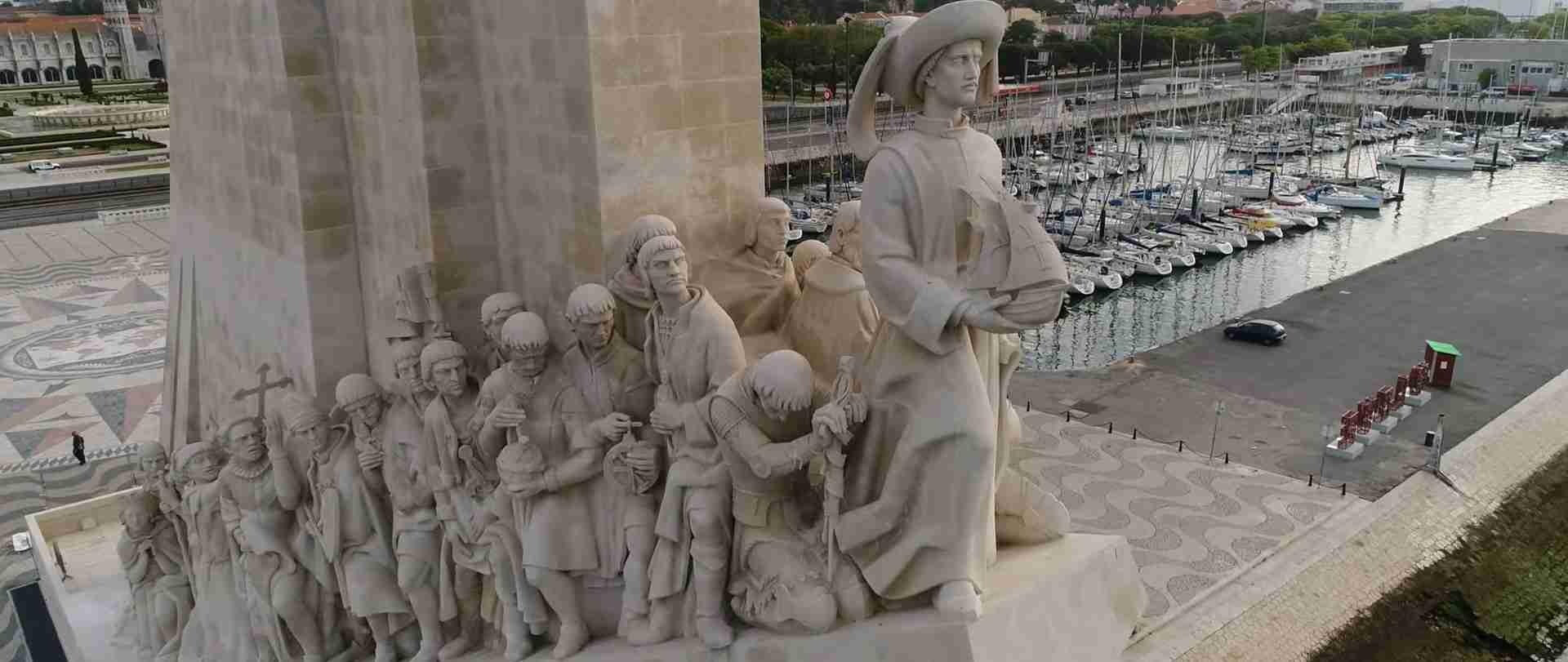
Walk 400 meters west to Belém Tower, the iconic fortress guarding Tagus River entrance with Moorish-influenced turrets and Renaissance loggias—entry €6 or €12 combined ticket with Jerónimos. Climb narrow spiral staircases to rampart views, explore King’s Chamber, and photograph the tower from riverside promenade. Continue to Monument to the Discoveries, the 52-meter limestone caravel-shaped memorial with explorers carved along prows including Henry the Navigator, Vasco da Gama, and Ferdinand Magellan—entry €6 includes elevator to rooftop panorama. Skip monument interior if budget-conscious and photograph from ground level capturing dramatic riverside position.
Lunch at Pastéis de Belém, the legendary 1837 pastelaria where original pastéis de nata custard tarts originated using secret recipe—€1.30 per tart, €8-12 for lunch sandwiches and coffee in azulejo-lined dining rooms always packed with locals and tourists. Afternoon explores MAAT (Museum of Art, Architecture and Technology) at €9 entry featuring contemporary exhibitions in wave-shaped riverside building, Berardo Collection Museum offering free modern art access, and Ajuda National Palace at €10 showcasing royal apartments. Return downtown via same tram connection for evening in Príncipe Real neighborhood with garden square, independent boutiques, and rooftop bars at €6-12 per drink. Day 2 budget €35-50 excluding accommodation and transport: monastery €10, tower €6, lunch €15, optional museums €9-18.
Day 3: Sintra UNESCO Palaces Day Trip 2026
Day 3 ventures to Sintra, the UNESCO World Heritage mountain town 30 kilometers northwest where Portuguese royalty summered amid pine forests and Romantic-era palaces. Catch commuter train from Lisbon’s Rossio station at €2.30 each way (40 minutes, departing every 20 minutes from 6:00 AM, return trains until midnight). Arrive Sintra by 9:00 AM to maximize time before tourist crowds and afternoon heat. Purchase Pena Palace tickets online at least 2-3 weeks advance to avoid sold-out dates and 60-minute ticket office queues—combined palace and park entry typically €14-17 (check parquesdesintra.pt for current rates).
From Sintra train station, either catch bus 434 loop service at €7 round trip connecting palaces, or hire taxi/Uber at €15-20 to Pena Palace entrance. Spend 2-3 hours exploring Pena’s yellow and red Romantic fantasy architecture, royal apartments with preserved 19th century furnishings, and surrounding park with trails to Cruz Alta summit viewpoint. Descend to Sintra town center for lunch at traditional restaurants like Tascantiga at €12-18 per person featuring local queijadas (cheese tarts) and travesseiros (almond pastries). Afternoon visits Quinta da Regaleira, the mystical estate with Initiation Wells spiral staircases, underground grottoes, and symbolic gardens—entry €10 with 2-hour recommended visit time. Alternatively explore Moorish Castle ruins at €8 entry or National Palace of Sintra in town center at €10 if palace-saturated.
Budget-conscious travelers limit Sintra to one paid palace (Pena) plus free town wandering and forest trails, bringing picnic lunch purchased at Lisbon supermarkets. Mid-range visitors add Quinta da Regaleira or second palace with restaurant lunch. Luxury travelers book private tours at €100-150 per person including transportation, skip-the-line entries, and guided commentary. Return Lisbon by evening for dinner in Cais do Sodré or Chiado. Day 3 budget €40-70 excluding Lisbon accommodation: train €4.60 round trip, Pena €17, lunch €15, Quinta €10, local transport €7-15, or budget €25-35 with single palace and packed lunch.
Day 4: Lisbon Neighborhoods and Departure Preparation 2026
Dedicate Day 4 to Lisbon neighborhoods unexplored in Days 1-2 plus trip logistics preparing for Porto transfer on Day 5. Morning in Chiado, Lisbon’s elegant shopping and literary district devastated by 1988 fire and beautifully reconstructed. Visit Livraria Bertrand at Rua Garrett, world’s oldest operating bookstore in Guinness World Records since 1732, browse international chains and Portuguese designers along pedestrian streets, and stop at A Brasileira café where Fernando Pessoa bronze statue sits at outdoor tables—coffee €1.80. Walk to nearby Carmo Convent ruins, the Gothic church left roofless after 1755 earthquake as memorial to disaster—entry €5 includes small archaeological museum.
Continue to LX Factory in Alcântara, the converted industrial complex under 25 de Abril Bridge housing creative studios, vintage shops, bookstores like Ler Devagar with floor-to-ceiling shelves, and lunch spots at €10-18 per person. Afternoon options include Calouste Gulbenkian Museum showcasing 6,000-piece private collection from ancient Egypt to Art Nouveau at €10 entry with beautiful gardens, National Tile Museum tracing Portuguese azulejo tradition at €8 in converted convent, or simply wandering Príncipe Real botanical garden and surrounding streets with independent boutiques and cafes. Evening farewell dinner in Bairro Alto or riverside Time Out Market savoring favorite Portuguese dishes discovered over four days—bacalhau variations, seafood cataplana rice, piri-piri chicken, and vinho verde or Douro red wine.
Reserve Alfa Pendular train to Porto for Day 5 via cp.pt website booking advance promo fares as low as €18-25 versus walk-up prices at €35.70 in 2nd class. Pack bags organizing quick-access items for train journey, check Porto accommodation confirmation, and prepare for departure. Days 1-4 Lisbon total per person approximately €120-180 excluding accommodation: attractions €45-70, meals €50-80, local transport €15-25, Sintra day trip €40-70. Budget travelers spend €80-120 with hostel breakfasts, lunch deals, and selective attractions, luxury travelers invest €200-300 with upscale dining and comprehensive museum access.
Day 5-7: Porto Discovery and Douro Valley 2026
Day 5: Lisbon to Porto Transfer and Ribeira Exploration 2026
Depart Lisbon on Alfa Pendular train from Oriente, Entrecampos, or Santa Apolónia stations with 9:00-10:00 AM services arriving Porto Campanhã by 11:40 AM-12:40 PM after 2 hours 40 minutes journey through central Portugal countryside. Reserved seating in 2nd class costs €35.70, 1st class €48 for additional legroom and complimentary newspapers. Trains feature cafe-bar serving coffee at €1.50, sandwiches at €4-6, and small port wine bottles at €3-5. Store luggage in overhead racks or designated areas, connect to free WiFi, and enjoy panoramic windows showcasing silver olive groves, cork oak forests, and Mondego River valley approaching Coimbra midway stop.
Arrive Porto Campanhã station and transfer to accommodation via metro (Line A toward Senhor de Matosinhos, Line B toward Póvoa de Varzim, or Line D toward Hospital São João depending on hotel location, €1.30 per zone), taxi at €8-15 to downtown, or free suburban train to São Bento station in city center (included with Lisbon-Porto ticket within one hour of arrival). Budget travelers check into Porto hostels like Gallery Hostel in Baixa at €18-28 per dormitory bed, mid-range visitors select riverside hotels like Pestana Vintage Porto at €140-200 per room, luxury travelers choose heritage properties like The Yeatman at €400-600 per room with Douro views and Michelin-starred restaurant.
Spend afternoon exploring Ribeira, Porto’s UNESCO-protected riverside quarter with colorful medieval buildings stacked up hillside from Douro waterfront. Walk Cais da Ribeira promenade lined with outdoor restaurants, traditional rabelo boats (historic port wine transport vessels), and Dom Luís I Bridge’s two-tier iron structure soaring overhead—lower deck for vehicles, upper deck for metro and pedestrians with spectacular bridge-top walks. Cross bridge to Vila Nova de Gaia south bank via upper deck (15-minute walk with vertigo-inducing height) to port wine lodge district where major brands including Taylor’s, Graham’s, Sandeman, and Croft offer cellar tours. Late afternoon tour at Taylor’s costs €15-22 including tastings, Graham’s at €18-25, or smaller lodges at €12-18 with 45-60 minute guided visits through aging cellars, barrel rooms, and tasting rooms.
Return Ribeira for dinner at traditional Portuguese restaurants at €15-25 per person featuring francesinha (Porto’s iconic meat and cheese sandwich), bacalhau varieties, and Douro red wines at €15-25 per bottle. Evening stroll along Ribeira waterfront watching illuminated Dom Luís bridge reflections in dark Douro waters. Day 5 budget €50-70 excluding accommodation: Lisbon-Porto train €35.70, lunch €12-18, wine tour €15, dinner €20-30, or budget €35-45 with packed lunch and skipping wine tour until Day 6.
Day 6: Porto Historic Center and Port Wine Culture 2026
Begin Day 6 at São Bento railway station even without traveling—the entrance hall features 20,000 azulejo tiles depicting Portuguese history scenes in blue-and-white panels covering every wall. Walk up Avenida dos Aliados, Porto’s grand central boulevard flanked by Belle Époque buildings, to City Hall’s 70-meter clock tower. Continue to Clérigos Tower, Porto’s baroque landmark offering 360-degree city views from 75-meter height after climbing 240 steps—entry €6 (check official site for current rates), or €13 combined with Clérigos Church and museum.
Mid-morning at Livraria Lello, the neo-Gothic bookstore inspiring Harry Potter’s Hogwarts library (J.K. Rowling taught English in Porto 1991-1993) with crimson staircase, stained glass skylight, and carved wood bookshelves—entry €8 refundable with book purchase, limiting tourist impact on working bookstore. Arrive when doors open at 9:00 AM or late afternoon after 4:00 PM avoiding midday crowds. Walk to Sé Cathedral at Terreiro da Sé for free exterior views of Romanesque fortress-church and €3 cloister entry with azulejo panels, then descend to riverside via steep medieval lanes.
Lunch at traditional tascas in Bolhão district near historic market hall under renovation—prato do dia at €8-12 with soup, main course, dessert, and drink. Afternoon explores Majestic Café, the 1921 Art Nouveau landmark at Rua Santa Catarina where coffee costs €3-5 in gilded mirrors and marble-topped tables, followed by shopping along pedestrian Rua Santa Catarina with Portuguese chains and international brands. Visit Mercado do Bolhão if renovation complete, showcasing traditional food stalls, flower vendors, and Portuguese specialties. Late afternoon returns Vila Nova de Gaia for second wine lodge tour exploring different production houses than Day 5, or relaxes at Jardim do Morro park on Gaia hillside with panoramic Porto views and evening picnic watching sunset over Douro.
Dinner options include Cais da Ribeira riverside at €18-30 per person, Bolhão neighborhood tascas at €12-20, or splurge at DOC restaurant riverside at €40-70 per person for contemporary Portuguese cuisine. Evening entertainment ranges from traditional Fado shows at €25-35 including drink, live music at Galerias de Paris nightlife zone in Baixa, or simply wandering illuminated city center. Day 6 budget €30-55 excluding accommodation: attractions €15-20, meals €25-40, wine tour €15 optional, or budget €20-30 with picnic lunch and free activities.
Day 7: Douro Valley Wine Region Day Trip 2026
Day 7 explores the Douro Valley, UNESCO World Heritage wine region where steep terraced vineyards cascade to the Douro River 100 kilometers east of Porto producing world-famous port wine and still table wines. Book organized tours departing Porto hotels at 8:00-9:00 AM and returning 6:00-7:00 PM for €80-120 per person including transportation, 2-3 quinta visits, lunch, and multiple wine tastings—convenient option handling logistics and driver requirements. Alternatively, independent travelers catch commuter trains from São Bento or Campanhã to Peso da Régua (€12 each way, 2 hours) or Pinhão (€12.50 each way, 2.5 hours) then arrange taxi tours to nearby quintas at €30-50 for 2-4 hour circuits.
Tour itineraries visit family-owned quintas like Quinta do Bomfim (Dow’s), Quinta de Ventozelo, or Quinta do Crasto for cellar tours at €15-25 per person, vineyard walks explaining terroir and viticulture, and tastings of 4-6 wines including young ports, aged tawnies, and Douro DOC reds. Lunch at quinta restaurants costs €25-40 per person for multi-course traditional meals with wine pairings—grilled meats, regional cheeses, olive oils, and seasonal vegetables. Afternoon explores second quinta or scenic viewpoints like São Leonardo da Galafura miradouro overlooking serpentine river bends and vineyard mosaics. Some tours include short river cruises from Pinhão aboard traditional rabelo boats at €15-20 per person for one-hour journeys.
Budget travelers skip organized tours by taking train to Peso da Régua, visiting free wine museum at Museu do Douro (€6 entry), walking riverside promenade, and purchasing bottles at wine shops for €8-20 to enjoy with picnic lunch at scenic viewpoints before returning Porto on evening train. Mid-range travelers book standard group tours at €80-95 per person with 15-20 participants. Luxury travelers choose private tours at €200-300 per person with exclusive quinta access, gourmet lunch, and flexible itineraries. Day 7 budget €80-140 per person for organized tour including transportation and lunch, or €30-50 independent with train and selective quinta visits, plus accommodation in Porto (already budgeted Day 5-6).
Day 8-10: Flexible Options and Return 2026
Day 8-10 Option A: Extended Lisbon with Coastal Cascais 2026
Return to Lisbon via afternoon Alfa Pendular from Porto (€35.70, departing 2:00-5:00 PM, arriving Lisbon 4:40-7:40 PM) for final three nights exploring neighborhoods missed Days 1-4 plus coastal day trip. Day 8 afternoon arrival allows dinner in unexplored Graça district overlooking Alfama with traditional restaurants and Miradouro da Graça sunset viewpoint, or Alcântara riverside area with modern restaurants and LX Factory evening atmosphere. Day 9 dedicated to Cascais, the aristocratic beach resort 25 kilometers west reached via commuter trains from Cais do Sodré every 20 minutes at €2.30 each way (40 minutes along scenic coastal railway).
Cascais day combines historic center wandering with pedestrian shopping streets, citadel fort overlooking marina, and lunch at seafood restaurants at €18-30 per person. Walk coastal promenade 2 kilometers west to Boca do Inferno (Hell’s Mouth) cliff formation with wave-pounded caves, continue to Guincho beach with Atlantic surf and windsurfing, or explore Cascais Marina with luxury yachts and waterfront cafes. Return Lisbon late afternoon for final evening in Bairro Alto or Cais do Sodré nightlife, farewell dinner at favorite restaurant discovered earlier in trip, and packing for departure. Day 10 dedicates to final Lisbon museums like Gulbenkian collection, National Tile Museum, or simply wandering Príncipe Real gardens and neighborhood cafes before evening flight departure.
Days 8-10 Lisbon extension budget €180-280 per person excluding accommodation: Porto-Lisbon train €35.70, Cascais round trip €4.60, meals €90-150, local transport €15-25, attractions €25-40, or budget €120-180 with hostel accommodation, street food, and free activities.
Day 8-10 Option B: Algarve Beach Region 2026
Alternative routing flies Porto to Faro (Algarve’s main city) via TAP Air Portugal or Ryanair at €40-90 one-way with 1 hour 15 minute flight time, or continues Porto-Lisbon by train then Lisbon-Faro by Alfa Pendular at €28 (4 hours). Base in Lagos, Albufeira, or Tavira for beach-focused final days with golden cliffs, boat tours to caves and grottos, fresh grilled fish at beachfront restaurants, and relaxed coastal atmosphere contrasting Lisbon-Porto urban exploration. Algarve costs align with Lisbon-Porto ranges: mid-range hotels €100-180 per room, seafood restaurants €15-30 per person, boat tours €25-40 per person. Return Lisbon via Faro airport for international departures or domestic connection.
Day 8-10 Option C: Medieval Évora and Alentejo 2026
Third option visits Évora, the UNESCO-protected Alentejo capital 130 kilometers southeast of Lisbon with Roman temple, medieval walls, macabre Chapel of Bones, and wine region surroundings. Reach Évora via bus from Lisbon Sete Rios station at €15 one-way (1.5 hours) with services operated by Rede Expressos. Spend two nights at Évora heritage hotels like Pousada Convento de Évora at €200-300 per room occupying converted monastery, or budget guesthouses at €60-90 per room. Explore Roman Temple of Diana in town center plaza, Cathedral with fortress-like exterior and cloisters, Chapel of Bones decorated with 5,000 human skulls and bones, and Giraldo Square lined with arcaded buildings. Day trip to nearby megalithic sites, cork oak forests, or Alentejo wine estates. Return Lisbon on Day 10 morning for departure flights.
Days 8-10 Évora extension budget €200-320 per person excluding accommodation: bus transport €30 round trip, meals €90-150, attractions €30-50, local tours €40-80.
Accommodation Guide by Budget Tier 2026
Budget Accommodation in Portugal 2026 (€20-30 Per Person Nightly)
Budget travelers choose hostel dormitories and budget guesthouses offering social atmosphere, self-catering kitchens reducing meal costs, and central locations near public transportation and free attractions. Lisbon budget options include Home Lisbon Hostel in Baixa at €22-28 per bed with lockers, shared bathrooms, communal kitchen, and rooftop terrace overlooking Rossio Square, The Independent Hostel & Suites in Baixa at €20-26 with female-only dorms, laundry facilities, and breakfast included, and Living Lounge Hostel near Martim Moniz metro at €18-24 with basic dormitories and self-check-in system. Porto budget selections feature Gallery Hostel in Baixa at €18-25 per bed with artistic decor, shared kitchen, and walking distance to Ribeira, Selina Porto at €20-28 combining hostel dorms with private rooms, coworking spaces, and yoga classes, and Tattva Design Hostel near São Bento station at €22-30 with modern design, female-only option, and included breakfast.
Private rooms in budget guesthouses cost €50-80 per room (€25-40 per person when sharing) offering more privacy than dormitories with private bathrooms, basic furnishings, and minimal amenities. Lisbon private room options include Pensão Londres in Rossio at €60-75 per room with traditional Portuguese decor and central location, Chiado 44 in Chiado district at €70-90 with compact rooms in converted townhouse, and Residencial Florescente in Baixa at €55-70 with 1950s-era vintage charm. Porto budget private rooms feature Residencial Porto Novo near Bolhão market at €50-65 per room, Pensão Favorita in Bolhão at €55-75 with family-run atmosphere, and Grande Hotel do Porto at €65-85 offering basic comfort near São Bento station.
Budget accommodation considerations include reading recent reviews on Booking.com and Hostelworld filtering for cleanliness and security scores above 8.0, understanding checkout times often at 11:00 AM requiring luggage storage planning, booking cancellable rates allowing flexibility during trip, and verifying breakfast inclusion—€3-5 daily per person savings when included. Hostel social spaces, organized pub crawls, and walking tours facilitate meeting fellow travelers creating shared day trip opportunities and dinner cost-splitting. Location priorities favor areas within 15-minute walk or metro connection to major attractions, safe neighborhood reputation for late-night returns, and proximity to supermarkets enabling breakfast and picnic lunch preparation.
Mid-Range Accommodation in Portugal 2026 (€140-220 Per Room)
Mid-range travelers select 3-4 star hotels, boutique properties, and aparthotels offering private bathrooms, air conditioning, daily housekeeping, reception services, and central locations balancing convenience with reasonable pricing. Lisbon mid-range hotels include 9Hotel Mercy in Chiado at €140-180 per room with contemporary design, rooftop bar with views, and walking distance to Bairro Alto nightlife, Hotel da Baixa in downtown at €150-190 offering traditional Portuguese style, complimentary port wine tastings, and proximity to metro, and Hotel Mundial near Rossio at €160-200 with rooftop terrace restaurant, city views, and central location for public transportation. Alternative mid-range options feature Hotel Avenida Palace at €180-220 combining belle époque elegance with modern amenities opposite Rossio station, Hotel Britania near Avenida da Liberdade at €160-200 in restored 1940s Art Deco building, and Vincci Baixa in downtown at €140-180 with contemporary rooms and included breakfast.
Porto mid-range selections include Pestana Vintage Porto on Ribeira at €160-200 per room with river views, traditional Portuguese style, and riverside restaurant, Hotel Infante Sagres in Baixa at €180-240 offering luxury four-star comfort, historic 1950s glamour, and central location, and PortoBay Flores in Flores district at €150-190 combining boutique design with gardens and swimming pool. Additional Porto options feature NH Collection Porto Batalha near São Bento at €140-180 with modern chain reliability, The Rex Hotel in Baixa at €150-200 offering contemporary design and included breakfast, and Carris Porto Ribeira near riverside at €170-220 with four-star amenities and Dom Luís bridge views.
Mid-range accommodation booking strategies include reserving 6-8 weeks advance during peak summer season (June-August) and shoulder season (April-May, September-October) when popular properties sell out, comparing prices across Booking.com, hotel direct websites, and Expedia as direct bookings sometimes include breakfast or upgrades, and selecting properties with flexible cancellation until 1-3 days before arrival allowing reservation changes without penalties. Amenities to verify include air conditioning essential during summer when temperatures exceed 30°C, elevators important in Lisbon and Porto’s hilly terrain with steep neighborhood streets, and soundproofing critical in nightlife districts like Bairro Alto and Ribeira where bars operate until 2:00-4:00 AM. Location considerations balance central positioning near attractions with neighborhood character—Chiado and Baixa offer convenience, Príncipe Real and Graça provide local atmosphere, while Belém and Foz positions sacrifice central access for lower rates and spacious properties.
Luxury Accommodation in Portugal 2026 (€400-700 Per Room)
Luxury travelers choose five-star hotels, converted palaces (pousadas), and heritage properties delivering exceptional service, premium amenities, gourmet restaurants, spa facilities, and distinctive architectural settings. Lisbon luxury hotels include Pestana Palace in Alcântara at €475-600 per room occupying restored 19th-century palace with formal gardens, spa, and Michelin-starred restaurant, Four Seasons Hotel Rioalto in Chiado at €500-700 offering contemporary luxury with river views, rooftop bar, and central location, and Memmo Alfama Hotel at €400-550 combining boutique design with terrace restaurant overlooking Tagus River and historic Alfama neighborhood. Additional Lisbon luxury options feature Bairro Alto Hotel at €450-650 with designer interiors, rooftop bar, and prime nightlife district location, Valverde Hotel in Avenida da Liberdade at €400-550 offering intimate 25-room boutique experience, and EPIC SANA Marquês at €500-700 with urban resort amenities including rooftop pool and acclaimed restaurant.
Porto luxury selections include The Yeatman in Vila Nova de Gaia at €450-700 per room with panoramic Douro views, Michelin two-star restaurant, wine-themed spa featuring vinotherapy treatments, and port wine cellar with 25,000 bottle collection, InterContinental Porto Palácio das Cardosas on Avenida dos Aliados at €400-600 occupying restored 18th-century palace with grand staircase and contemporary luxury amenities, and Torel Avantgarde in Baixa at €380-550 combining intimate boutique atmosphere with rooftop pool, Asian fusion restaurant, and artistic interior design. Alternative Porto luxury options feature Vila Foz Hotel & Spa at Foz do Douro seafront at €500-800 with beachfront position, Michelin-starred restaurant, extensive spa, and Belle Époque architecture, and Hotel Teatro near São Bento at €400-550 occupying converted theater with preserved stage and contemporary design.
Luxury accommodation considerations include booking 8-12 weeks advance for summer season ensuring room category selection (river views command €50-100 premiums over courtyard rooms), joining hotel loyalty programs potentially offering room upgrades, late checkout, or breakfast inclusion, and confirming included amenities as some properties charge separately for spa access, minibar, or parking at €20-30 daily. Heritage properties like pousadas and converted palaces offer architectural distinction and historic atmosphere but sometimes feature smaller rooms and fewer modern amenities than contemporary luxury hotels—guests prioritizing space and facilities versus historic character should tour rooms virtually before booking. Location preferences vary: Chiado and Baixa offer walking convenience to attractions, riverside Ribeira and Cais do Sodré deliver waterfront ambiance with potential late-night noise, while Príncipe Real and Foz do Douro provide quieter residential settings requiring occasional taxis supplementing walking.
Transportation Between Cities and Within Portugal 2026
Lisbon to Porto: Train vs Bus vs Driving 2026
The Alfa Pendular high-speed train represents the optimal Lisbon-Porto connection for most travelers, operating hourly services from 6:00 AM to 8:00 PM covering 314 kilometers in 2 hours 40 minutes at €35.70 in 2nd class, €48 in 1st class (check cp.pt for current official rates as pricing may vary). Trains depart Lisboa Oriente, Entrecampos, Santa Apolónia, and Sete Rios stations with all services calling Oriente 9 minutes after initial departure, providing flexible boarding options depending on accommodation location. Reserved seating assignments eliminate standing concerns, WiFi enables productivity or entertainment during journey, power outlets at every seat maintain device charging, and cafe-bar in car 3 serves coffee at €1.50, sandwiches at €4-6, and alcoholic beverages at €3-8. Arrive Porto Campanhã station with free suburban train connection to São Bento downtown station within one hour of arrival, or transfer via metro Line A/B/D to accommodation areas at €1.30 per zone.
Intercidades trains offer slightly lower fares at €28.05 in 2nd class, €41.50 in 1st class with 3 hours 10 minutes journey time making minimal practical difference—the 30-minute additional travel yields modest €7.65 savings that most travelers consider insignificant. Both Alfa Pendular and Intercidades services provide comfortable seats, air conditioning, clean restrooms, and scenic countryside views through expansive windows. Book tickets at cp.pt website 5-60 days advance accessing promo fares as low as €9.50 in 2nd class when purchased minimum 5 days prior to travel, though standard walk-up prices remain available for spontaneous bookings. Children under 4 travel free, children under 12 receive 50 percent discount, travelers under 25 qualify for 25 percent reduction, and seniors 65+ obtain 50 percent discount with valid ID presentation aboard trains.
Express buses operated by Rede Expressos and FlixBus provide budget alternatives at €15-20 (Rede Expressos) and €8.99-15 (FlixBus) with 3 hours 30 minutes journey time from Lisbon Sete Rios terminal to Porto Campanhã bus station. Buses depart every 30-60 minutes throughout day offering frequency comparable to trains, feature reclining seats with legroom adequate for 3.5-hour journey, include WiFi and USB charging though less reliable than trains, and allow luggage storage in below-coach compartments. Disadvantages include lack of restrooms requiring comfort stops every 90-120 minutes, no walking-around space creating confinement during journey, and potential highway traffic delays during peak commute hours adding 30-60 minutes unpredictably. Budget travelers prioritizing cost savings over comfort select buses when booking advance at lowest fares, while most mid-range and luxury travelers choose trains for superior experience despite higher prices.
Driving the A1 expressway covers 314 kilometers in approximately 3 hours under ideal conditions but total costs exceed train fares when accounting for car rental at €35-60 daily, fuel at €1.80 per liter consuming 25-30 liters (€45-55), and A1 tolls totaling €25.05—combined expenses reach €105-140 before parking fees at €15-30 daily in Lisbon and Porto city centers. Driving advantages include flexibility for stops at intermediate destinations like medieval Óbidos (via A8 junction), university city Coimbra, or coastal Aveiro, ability to carry unlimited luggage without weight restrictions, and convenience for travelers continuing to rural areas requiring car access. Disadvantages encompass Lisbon and Porto’s challenging navigation through narrow historic center streets, limited parking availability in tourist areas, mandatory highway toll collection via electronic devices requiring rental car companies to provide transponders, and driver fatigue from highway monotony versus relaxing train travel. Recommended only for travelers planning extensive exploration beyond Lisbon-Porto corridor justifying rental duration and costs.
Local Transportation in Lisbon 2026
Lisbon’s integrated transportation network combines metro, trams, buses, funiculars, and ferries using rechargeable Viva Viagem card (€0.50 one-time purchase) loaded with Zapping pay-as-you-go credit or day passes. Metro operates four lines (Blue, Yellow, Green, Red) connecting airport, train stations, and major neighborhoods from 6:30 AM to 1:00 AM daily with single journey at €1.65, or purchase 24-hour unlimited pass at €6.80 covering metro, buses, trams, and funiculars within Lisbon city limits. Metro stations feature clean, modern facilities with elevators at most locations, clear multilingual signage, and frequent service every 5-9 minutes during peak hours, 7-12 minutes off-peak.
Vintage trams including famous route 28 provide scenic neighborhood connections through Alfama, Graça, Baixa, Bairro Alto, and Estrela districts using historic yellow streetcars navigating narrow streets impassable to buses. Single tram journey costs €3 when purchased aboard from driver (cash only), or included in day passes and Viva Viagem Zapping at €1.65 per trip. Tram 28 runs from Martim Moniz to Prazeres cemetery traversing Lisbon’s most photogenic streets but suffers chronic overcrowding especially 10:00 AM-4:00 PM when tourists pack cars beyond comfortable capacity—ride early morning before 9:00 AM or evening after 6:00 PM for tolerable conditions and actual seat availability, or choose alternative tram routes (12, 25E, 15) experiencing same vintage charm with fewer crowds.
Three funiculars (Glória, Bica, Lavra) climb Lisbon’s steepest hills connecting lower riverside districts to upper neighborhoods, operating 7:00 AM to 9:00 PM weekdays, shorter weekend hours at €3.80 single trip or included in passes. Buses fill gaps in metro coverage reaching neighborhoods like Belém, Parque das Nações, and suburban areas with frequent service and same €1.65 per trip pricing. Ferries from Cais do Sodré terminal cross Tagus River to Cacilhas at €1.30 per crossing providing scenic 10-minute journeys with Christ the King statue views. Ride-sharing services Bolt and Uber operate throughout Lisbon with rides across central neighborhoods costing €5-12, airport transfers at €12-20, and surge pricing during rush hours or late nights potentially doubling standard rates.
Local Transportation in Porto 2026
Porto’s integrated Andante transportation system covers metro, buses, and regional trains using rechargeable Andante card (€0.60 one-time purchase) loaded with trip credit or day passes. Metro operates six lines (A, B, C, D, E, F) connecting airport, train stations, and city districts from 6:00 AM to 1:00 AM daily with zone-based pricing: Z2 single trip covering central Porto costs €1.30, Z4 including airport costs €2.10, or purchase 24-hour Andante Tour pass at €7 for unlimited metro and bus travel. Metro extends across Dom Luís bridge upper deck to Vila Nova de Gaia port wine cellars making wine lodge visits accessible without taxis, continues north to Matosinhos beaches, and reaches airport on Line E (Violet) in 25-30 minutes from downtown.
Buses supplement metro reaching neighborhoods without rail coverage including steep hillside areas where metro construction proved impractical, operating 6:00 AM to 9:00 PM with same Andante card system and pricing as metro. Historic tram route 1 travels scenic riverside from Infante to Foz do Douro beach neighborhood using vintage wooden streetcars at €3.50 single journey (cash only aboard) or €10 for day pass including heritage tram route 18 and funicular dos Guindais. Funicular dos Guindais climbs from Ribeira riverside to Batalha upper city in 3-minute journey at €2.50 single trip, operating 8:00 AM to 8:00 PM daily and providing wheelchair-accessible alternative to Ribeira’s steep staircases.
Walking remains Porto’s most pleasant transportation for central neighborhoods—São Bento station to Ribeira spans 800 meters mostly downhill through historic streets, Ribeira to Foz beach stretches 4 kilometers along riverside promenade perfect for leisurely walks, and compact Baixa shopping district concentrates attractions within 500-meter radius. Bolt and Uber ride-sharing costs €4-8 for central trips, €8-15 for airport transfers, and €15-25 for Foz beach connections, with pricing consistent throughout day unlike Lisbon’s surge variations. Taxis using meters charge minimum €3.90 plus €0.47 per kilometer with 20 percent surcharge after 9:00 PM and weekends.
Dining Strategies and Portuguese Cuisine 2026
Budget Dining in Portugal 2026 (€5-12 Per Meal)
Budget travelers minimize dining costs through street food, supermarket picnics, lunch specials, and self-catering preparation while still experiencing authentic Portuguese flavors. Breakfast costs €2-4 when purchased at neighborhood cafes rather than hotel buffets: galão (milky coffee) at €1.50-2, toast with butter and jam at €1.50, or pastéis de nata custard tarts at €1.30-1.50 providing sweet breakfast alternative. Supermarkets like Pingo Doce, Continente, and Lidl sell breakfast items at lower prices—packaged pastries €2-3, yogurt €0.60-1, fruit €1-2, instant coffee or tea bags enabling hostel kitchen preparation reducing breakfast to €1-2 per person.
Lunch represents Portugal’s best dining value through prato do dia (dish of the day) offered at traditional tascas between 12:00 PM and 2:30 PM for €8-12 including soup, main course (fish or meat), dessert or coffee, and drink (wine, beer, or soft drink). These working-person’s restaurants serve authentic Portuguese cuisine without tourist pricing: bacalhau à brás (shredded cod with eggs and potatoes), carne de porco à alentejana (pork with clams), arroz de marisco (seafood rice), and grilled fish with boiled potatoes. Quality and portions satisfy substantial appetites—most travelers find lunch their main meal and keep dinner lighter. Supermarket picnic lunches cost €5-8 assembling bread rolls (€0.80-1.20), sliced cheese and meats (€2-3), fresh fruit (€1-2), and bottled water or juice (€1) enjoyed at parks, viewpoints, or beach locations.
Street food provides authentic Portuguese flavors at lowest prices: bifanas (pork sandwiches) at €3-4 from counter service restaurants and market stalls throughout Lisbon and Porto, pregos (steak sandwiches) at €4-5, bolinhos de bacalhau (codfish fritters) at €1-2 each, and piri-piri chicken from rotisseries at €6-8 for quarter chicken with fries. Lisbon’s Time Out Market offers upscale street food at slightly higher prices (€8-15 per dish) showcasing top chef creations in food hall format. Dinner strategies for budget travelers include rotating between light meals using lunch leftovers, street food dinners, or occasional sit-down restaurant meals budgeting €10-18 per person at neighborhood tascas away from tourist centers where pricing remains local-focused.
Mid-Range Dining in Portugal 2026 (€15-30 Per Meal)
Mid-range travelers balance traditional Portuguese restaurants, contemporary bistros, and seafood specialists creating varied culinary experiences without luxury pricing. Typical mid-range lunch at restaurants serving à la carte menus costs €15-22 per person including starter or dessert, main course, and drink—higher than prato do dia but offering menu choice rather than fixed daily option. Lunch locations include riverside restaurants in Ribeira and Cais da Ribeira with Douro views, Chiado bistros serving contemporary Portuguese cuisine, and neighborhood restaurants in Príncipe Real and Graça offering local atmosphere without tourist surcharges.
Dinner represents mid-range travelers’ primary culinary experience with restaurant meals at €20-30 per person featuring multi-course Portuguese specialties and regional wine pairings. Bacalhau (salted cod) appears in dozens of preparations—à Gomes de Sá with potatoes and olives, com natas in cream sauce, or simply grilled with garlic—at €15-20 per portion. Fresh seafood including grilled sardines (€12-15), octopus salad (€14-18), and shellfish cataplana rice (€18-25) showcases Atlantic coastal bounty. Meat dishes feature piri-piri chicken (€12-16), pork tenderloin with Madeira sauce (€16-22), and cozido à portuguesa stew (€14-18) combining meats, sausages, and vegetables in traditional farmhouse style.
Portuguese wine offers exceptional value with Douro reds at €12-25 per bottle in restaurants, Vinho Verde whites at €10-18, and Dão appellations at €15-30 delivering quality matching wines costing double elsewhere in Europe. Half-bottles and wine-by-glass programs enable variety without commitment to full bottles. Dessert traditions emphasize egg-based sweets from convent origins: pastel de nata (custard tart) at €2-3, arroz doce (rice pudding) at €3-4, and queijadas (cheese tarts) at €2.50-3.50. Port wine digestifs at €4-8 per glass provide authentic conclusion to Portuguese meals.
Mid-range dining strategies include lunch at restaurants for better value than dinner at same establishments, researching neighborhood favorites on TripAdvisor filtering for Portuguese cuisine rather than international chains, avoiding restaurants with multilingual menus and photo displays signaling tourist traps, and timing reservations—Portuguese dining occurs later than American schedules with 8:30-9:30 PM reservations standard practice, arriving 7:00-7:30 PM provides walk-in availability at otherwise-full establishments.
Luxury Dining and Fine Dining in Portugal 2026 (€40-80+ Per Person)
Luxury travelers access Portugal’s growing fine dining scene including Michelin-starred restaurants, innovative contemporary Portuguese cuisine, and exclusive wine experiences. Lisbon Michelin two-star Belcanto by chef José Avillez offers tasting menus at €225-295 per person excluding wine pairings showcasing creative interpretations of Portuguese traditions, while Alma (two stars) serves seasonal menus at €185-245 in Chiado’s elegant setting. One-star establishments include Eneko Lisboa at €95-145, Loco at €110-160, and Eleven with panoramic city views at €125-175 per person. Porto’s The Yeatman (two stars) delivers gastronomic excellence at €185-245 with Douro Valley views and extensive port wine cellar, while DOP (one star) presents contemporary Portuguese at €85-125 in downtown heritage building.
Contemporary Portuguese restaurants below Michelin level but maintaining high standards include Time Out Market chef counters at €15-25 per dish enabling upscale sampling without full restaurant commitment, 100 Maneiras in Lisbon at €60-90 for creative tasting menus, and Taberna da Rua das Flores at €40-65 for modern Portuguese small plates. Seafood specialists command premium pricing: Cervejaria Ramiro in Lisbon at €45-75 per person for legendary prawns, clams, and crab, Sea Me in Chiado at €50-80 for sushi and Portuguese seafood fusion, and Porto’s O Gaveto at €50-80 for grilled fish and seafood rice.
Wine experiences include private port wine cellar tours at €100-200 per person featuring rare aged tawnies and vintage ports unavailable public tastings, Douro Valley private quinta visits at €150-300 per person with vineyard walks and wine maker discussions, and Michelin restaurant wine pairings at €60-120 per person curating glasses matching each course. Luxury dining requires reservations 2-4 weeks advance during peak season with earlier booking for Michelin-starred establishments, confirmation 24-48 hours prior, and understanding some fine dining venues operate closed Sundays-Mondays or maintain seasonal schedules reducing availability.
Money-Saving Strategies for Portugal 2026
Timing and Seasonal Savings 2026
Travel during shoulder seasons of April-May or September-October reduces accommodation costs 30-40 percent compared to July-August peaks while maintaining comfortable weather for sightseeing. Lisbon mid-range hotels at €120-180 during shoulder months cost €200-320 in summer, Porto properties at €140-200 rise to €220-300, creating savings of €400-700 per couple over 10 nights. Shoulder season advantages extend beyond pricing: shorter museum queues eliminating 30-60 minute waits at Jerónimos Monastery and Pena Palace, restaurant walk-in availability versus 2-3 week advance reservations, and authentic local atmosphere as Portuguese residents reclaim neighborhoods temporarily dominated by tourists during summer.
Within shoulder seasons, midweek travel (Tuesday-Thursday arrivals, Wednesday-Friday departures) yields additional 10-15 percent savings versus weekend pricing at hotels and airlines. Book flights on Tuesday-Wednesday for statistical lowest airfares, avoid Friday-Sunday travel when business travelers and weekend tourists compete for seats creating artificial demand, and monitor fare tracking apps like Hopper or Google Flights setting price alerts for target routes. Accommodation booking timing balances advance reservations securing lowest rates against flexibility for changing plans: book 6-8 weeks ahead for peak summer, 3-4 weeks for shoulder season, select cancellable rates allowing free changes until 1-3 days prior, and occasionally find last-minute deals via booking apps when hotels discount unsold inventory though strategy risks sold-out properties during popular periods.
Free and Low-Cost Attractions 2026
Many Portugal highlights require no entrance fees: walking Lisbon’s Alfama, Bairro Alto, and riverside neighborhoods costs nothing beyond comfortable shoes, Porto’s São Bento station azulejos and Ribeira waterfront viewing incur zero charges, and Sintra’s historic center exploration with forest trails provides free alternatives to palace admissions. Church visits in Portugal remain mostly free—Lisbon’s Igreja de São Roque with gilded baroque chapel, Porto’s Igreja dos Clérigos exterior (tower climb €6 extra), and numerous azulejo-decorated parish churches throughout both cities welcome visitors without fees during non-service hours.
Portuguese residents access 37 museums, monuments, and palaces free 52 days annually (including weekends and holidays) upon presenting ID and tax number, though tourists pay standard rates of €8-10 per museum. Some attractions offer free or discounted first Sunday monthly or specific time windows—verify current policies at individual sites as programs change. University students under 25 with valid ISIC cards qualify for 50 percent discounts at many state-run museums and monuments. Lisboa Card (€21 for 24 hours, €35 for 48 hours, €44 for 72 hours) and Porto Card (€13 for 24 hours, €20 for 48 hours, €25 for 72 hours) bundle unlimited public transportation with free or discounted museum entries potentially saving money for attraction-heavy itineraries, though calculate break-even point comparing card cost against individual ticket and transport expenses.
Transportation and Dining Savings 2026
Maximize train savings by booking Alfa Pendular advance promo fares at €9.50-18 requiring 5+ days advance purchase versus walk-up €35.70, qualifying for age-based discounts (under 25, seniors 65+) reducing standard fares 25-50 percent, and considering Intercidades trains at €28.05 versus Alfa Pendular €35.70 when 30-minute additional journey time matters little. Local transport savings include purchasing Lisbon 24-hour pass at €6.80 versus €1.65 per trip (breaks even at 5 rides covering typical full-day sightseeing), rechargeable Viva Viagem and Andante cards avoiding single-ticket surcharges, and walking central neighborhoods—Lisbon’s Baixa to Alfama spans 1.5 kilometers, Porto’s São Bento to Ribeira covers 800 meters.
Dining cost reductions emphasize lunch as main meal utilizing prato do dia at €8-12 versus à la carte dinner pricing at €18-30 for similar food quality and portions, self-catering hostel breakfasts at €1-3 versus hotel buffets at €8-15, and supermarket assembly of picnic dinners featuring fresh bread (€1.20), regional cheeses (€3-5), cured meats (€3-4), and wine bottles (€3-8) creating multi-person meals at €8-12 per person enjoyed at miradouros, parks, or accommodation terraces. Wine represents particular value purchasing bottles at supermarkets (€3-12 for quality Douro reds, Vinho Verde whites) versus restaurant markups charging €15-30 for same bottles. Street food provides authentic meals at €5-10 per person—bifanas, pregos, and rotisserie chicken delivering substance without sit-down restaurant overhead.
Seasonal Variations and Weather Patterns 2026
Summer Season in Portugal (June-August 2026)
Summer delivers guaranteed sunshine with temperatures consistently 28-35°C in Lisbon and Porto, minimal rainfall (2-4 rainy days monthly), and longest daylight extending past 9:00 PM enabling extended evening sightseeing and outdoor dining. Atlantic beaches reach comfortable swimming temperatures at 19-21°C, outdoor festivals populate Lisbon’s neighborhoods with music and food events, and rooftop bars maximize terrace seating for sunset views over city landscapes. Disadvantages include hotel rates spiking 40-60 percent above shoulder season levels, tourist crowds creating 60-minute entry queues at popular sites like Pena Palace and Jerónimos Monastery, restaurant reservations requiring 2-3 week advance booking, and afternoon heat exceeding comfortable walking conditions between 1:00-4:00 PM necessitating midday breaks.
Summer travel strategies include booking accommodation 8-12 weeks advance ensuring property and room category availability, reserving Sintra palace tickets online 3-4 weeks ahead avoiding sold-out dates, scheduling sightseeing activities before 11:00 AM and after 5:00 PM escaping peak heat, and embracing Portuguese afternoon rest culture returning to accommodation 1:00-4:00 PM for air-conditioned recovery before evening activities. Pack sun protection including hat, sunglasses, and high-SPF sunscreen, lightweight breathable clothing in natural fabrics, refillable water bottles reducing dehydration risk during walking tours, and evening layers as coastal breezes cool waterfront areas after sunset. Summer suits travelers prioritizing beach access, accepting premium pricing for guaranteed weather, comfortable with tourist density, and willing to navigate advance booking requirements.
Shoulder Season in Portugal (April-May, September-October 2026)
Shoulder seasons provide optimal balance of comfortable weather, reduced costs, and manageable tourist numbers making these months most popular among experienced Portugal travelers. April-May temperatures range 18-25°C perfect for walking tours without excessive heat, rainfall remains modest at 5-8 days monthly, and spring blooms include Lisbon’s purple jacaranda trees along Avenida da Liberdade and Príncipe Real creating photogenic landscapes. September-October maintains 20-26°C warmth with Atlantic swimming still pleasant, grape harvest season in Douro Valley offers unique wine production viewing, and autumn colors emerge in northern Portugal forests. Hotel rates drop 30-40 percent below summer peaks, restaurant reservations become easier securing tables 3-5 days advance versus summer’s 2-3 weeks, and attraction queues diminish to 10-20 minutes versus hour-long summer waits.
Shoulder season disadvantages prove minimal: occasional rain showers require carrying compact umbrellas or light rain jackets, some coastal beaches and Algarve facilities operate reduced schedules or close entirely outside summer season, and Easter week in April creates temporary price spikes and crowd surges at religious sites. Pack versatile layering including light jacket for cool mornings and air-conditioned museums, comfortable walking shoes handling potential wet cobblestones, and mix of short and long sleeves adapting to variable daily temperatures. Shoulder season suits majority of travelers balancing good weather with value pricing, couples and solo travelers avoiding peak tourist density, and anyone prioritizing authentic Portuguese neighborhood atmosphere over beach-focused vacations.
Winter Season in Portugal (November-February 2026)
Winter delivers Portugal’s lowest prices with Lisbon mid-range hotels at €80-120 versus summer’s €200-320, flight deals from North America at $400-600 round trip compared to $800-1200 peak season, and restaurant availability without reservations as locals dominate dining scenes. Temperatures remain mild compared to northern Europe at 10-16°C with Lisbon and Porto rarely experiencing frost, though Atlantic winds create wind chill sensations cooler than thermometer readings. Rainfall increases significantly to 10-15 rainy days monthly particularly November-January necessitating waterproof outerwear and indoor activity backup plans. Daylight hours shorten dramatically with sunset at 5:30 PM limiting afternoon sightseeing and creating challenges for photography golden hours.
Winter travel suits budget-conscious travelers prioritizing cost savings over weather guarantees, visitors seeking authentic local culture without tourist saturation, and anyone combining Portugal with other European destinations during winter months. Pack waterproof jacket and umbrella essential for rain protection, warm layers as hotel heating varies and historic buildings retain dampness, and indoor activity planning including longer museum visits, covered markets, and port wine cellar tours naturally suited to rainy weather. Winter months prove less ideal for beach-focused itineraries as Atlantic temperatures drop to 14-16°C making swimming uncomfortable, but winter serves Portugal’s cities and cultural attractions well with reduced crowds and intimate local atmosphere compensating for occasional wet weather.
Practical Tips and Travel Logistics 2026
Currency, Banking, and Money Matters 2026
Portugal uses the Euro (€) with approximate exchange rate $1.00 = €0.90-0.95 subject to market fluctuations. Withdraw cash from ATMs using debit cards avoiding currency exchange bureaus charging 5-8 percent commissions plus unfavorable rates, notify banks before international travel preventing fraud blocks, and consider high-yield checking accounts or travel credit cards eliminating foreign transaction fees saving 3 percent on all purchases. Major credit cards (Visa, Mastercard) enjoy wide acceptance at hotels, restaurants, and shops, though small tascas, street vendors, and some attractions accept cash only—maintain €50-80 cash reserves for such situations.
Tipping culture in Portugal differs from American standards: restaurants include service charges in bills making tips optional beyond rounding up to nearest euro or adding 5-10 percent for exceptional service, taxi drivers appreciate rounding fare to next euro, hotel porters receive €1-2 per bag, and tour guides earn €5-10 per person for quality experiences. Automatic restaurant couvert (bread, olives, butter brought to tables before ordering) costs €1-3 per person if consumed—decline politely if unwanted avoiding charges for untouched items.
Language, Communication, and Cultural Etiquette 2026
Portuguese remains national language though English proficiency varies by context: tourist-facing businesses, hotels, and restaurants in Lisbon and Porto employ English speakers, younger Portuguese generally speak conversational English, but older residents and rural areas require basic Portuguese phrases or translation apps. Learn essential Portuguese: “Bom dia” (good morning), “Obrigado/Obrigada” (thank you masculine/feminine), “Por favor” (please), “Desculpe” (excuse me), “Quanto custa?” (how much?), “A conta, por favor” (the check, please). Attempts at Portuguese language earn appreciation even when switching to English for complex communication.
Cultural etiquette emphasizes relaxed pace and social engagement: greet shopkeepers upon entering stores, accept offered espresso or wine during business discussions, understand “agora” (now) often means “soon” rather than immediately, and embrace late dining culture with restaurant tables filling 8:30-9:30 PM rather than American 6:00-7:00 PM pattern. Portuguese avoid loud behavior and excessive public displays—speak at moderate volumes in restaurants and public transportation, dress modestly when visiting churches covering shoulders and knees, and respect siesta culture when shops close 1:00-3:00 PM for afternoon rest particularly outside major tourist areas.
Safety, Health, and Emergency Services 2026
Portugal ranks among Europe’s safest destinations with violent crime exceptionally rare and tourist-targeted theft representing primary concern. Pickpocketing concentrates on Tram 28 in Lisbon where crowded conditions enable wallet and phone theft, Alfama’s narrow streets during evening hours, Porto’s São Bento station and surrounding areas, and outdoor restaurant seating where bags on chair backs prove vulnerable. Preventive measures include front-pocket wallets, crossbody bags worn across chest, vigilance on crowded public transportation, and leaving passports in hotel safes carrying photocopies for ID purposes.
Healthcare quality meets high European standards with both public and private systems: European Health Insurance Card holders access public healthcare, travel insurance provides private facility coverage and medical evacuation if needed, and pharmacies (identifiable by green cross signs) dispense many medications without prescriptions that require doctors in other countries. Emergency services dial 112 for police, ambulance, or fire response. Tap water throughout Portugal meets safe drinking standards though bottled water remains inexpensive at €0.50-1 from supermarkets. Summer months require sun protection preventing burns during midday exposure, comfortable walking shoes preventing blisters on cobblestone streets, and hydration maintaining intake during hot weather walking tours.
Customizing Your Portugal Itinerary 2026
Couples and Romantic Travel 2026
Couples prioritize Sintra’s fairy-tale palaces with grounds perfect for romantic wandering, Douro Valley overnight stays at wine estates (quintas) offering couple-focused wine tasting and gourmet dinners, and sunset viewpoints including Lisbon’s Miradouro da Graça and Porto’s Jardim do Morro. Romantic dining emphasizes riverside restaurants in Ribeira and Cais da Ribeira with intimate table settings, rooftop bars for sunset cocktails, and Fado performances in Alfama’s traditional houses creating memorable soundtrack to evenings. Accommodation upgrades to boutique hotels with couples-focused amenities including private terraces, spa services, and special occasion packages celebrating anniversaries or honeymoons enhance romantic atmosphere.
Family Travel with Children 2026
Families balance adult interests with children’s engagement through interactive attractions: Lisbon’s Oceanário featuring Europe’s largest aquarium at €22 adults, €15 children, Belém’s maritime museum with historic vessels, and Parque das Nações modern district with cable car rides. Porto offers port wine lodge tours adapted for families (some quintas provide grape juice tastings for children), riverside parks with playgrounds, and beaches at Foz do Douro and Matosinhos within metro access. Dining considerations include earlier meal times accommodating children’s schedules before Portuguese 9:00 PM standard, restaurants offering children’s menus though often unlisted requiring requests, and street food providing familiar items like rotisserie chicken reducing picky-eater challenges.
Transportation with children emphasizes metro and trains over walking long distances, Bolt ride-sharing for direct hotel-attraction connections avoiding transfer hassles, and Sintra bus 434 loop versus walking steep palace hills. Accommodation priorities feature family rooms or connecting rooms at hotels, apartment rentals with kitchens enabling breakfast and snack preparation reducing meal costs, and neighborhoods with parks or pedestrian areas providing safe spaces for children’s energy release after museum visits. Pack strategies include day bags with snacks, water bottles, sunscreen, compact first aid supplies, and entertainment (tablets, books, small toys) for transportation and restaurant waiting periods.
Solo Travel in Portugal 2026
Solo travelers benefit from Portugal’s safety reputation, hostel social environments facilitating connections with fellow travelers, organized walking tours and pub crawls providing structured group activities, and compact city centers enabling independent navigation without isolation concerns. Accommodation choices emphasize social hostels over private hotel rooms when prioritizing meeting people, though solo travelers seeking privacy balance hostel common areas with occasional private room nights. Single supplement charges at hotels typically add 20-30 percent versus double occupancy pricing—consider apartment rentals or hostels avoiding premiums.
Solo dining strategies include lunch at restaurants where single diners blend naturally, Time Out Market food halls eliminating awkward solo table situations, bar seating at restaurants enabling chef watching and staff conversation, and accepting Portuguese culture’s relaxed approach to solo dining without American stigma. Safety considerations for solo travelers remain minimal: avoid unlit Alfama streets late evening, maintain awareness on crowded Tram 28, inform accommodation of daily plans and expected return times, and use registered taxis or Bolt versus street hails after dark. Solo travelers often report Portugal among their favorite European destinations due to manageable size, English accessibility, friendly locals, and abundant opportunities for both social interaction and peaceful solitude.
Frequently Asked Questions About Portugal 10-Day Itinerary 2026
Should I visit Portugal in June, July, or August 2026?
Visit Portugal June-August 2026 only if guaranteed sunshine justifies premium pricing and tourist crowds, as summer delivers temperatures consistently 28-35°C, hotel rates 40-60 percent higher than shoulder seasons at €200-320 nightly for mid-range Lisbon properties versus €120-180 in spring or fall, and attraction queues reaching 60 minutes at popular sites like Pena Palace and Jerónimos Monastery. Summer advantages include beach weather with Atlantic temperatures at 19-21°C, extended daylight until 9:00 PM enabling evening sightseeing, and outdoor festivals populating Lisbon neighborhoods. Alternative shoulder seasons of April-May or September-October provide comfortable 18-25°C temperatures ideal for walking tours, accommodation costs 30-40 percent lower, manageable tourist numbers with 10-20 minute attraction waits versus hour-long summer queues, and authentic Portuguese atmosphere as locals reclaim summer-dominated neighborhoods. Summer suits travelers prioritizing beach access over cultural immersion, families constrained to school vacation periods, and visitors accepting higher costs for weather certainty.
Can I see both Lisbon and Porto in 7 days instead of 10 days in 2026?
Seven-day Portugal itineraries cover Lisbon-Porto highlights but sacrifice either day trips (Sintra, Douro Valley) or leisurely neighborhood exploration in favor of compressed schedules moving between cities more rapidly. Optimal 7-day routing allocates three nights Lisbon (Days 1-3) including either Sintra day trip or full Lisbon immersion, two nights Porto (Days 4-5) with riverside exploration but limited wine country access, and returns final two nights Lisbon (Days 6-7) for additional city exploration or coastal Cascais. This tighter itinerary requires strategic priorities: focus either palaces (Sintra) or wine (Douro) rather than attempting both, accept less spontaneous wandering, and recognize faster pace creates more exhausting travel versus relaxed 10-day option. Seven days proves sufficient for first-time visitors seeking highlights and planning future return visits for deeper exploration, while 10-14 days better suits travelers seeking comprehensive regional understanding, multiple day trips, and Portuguese cultural immersion beyond tourist attractions.
Is renting a car necessary for a Portugal trip in 2026?
Car rental proves unnecessary for Lisbon-Porto itineraries as efficient train connections (Alfa Pendular at €35.70, 2 hours 40 minutes), local metro systems, and organized day tours handle transportation needs without driving hassles in historic centers with narrow medieval streets, confusing signage, and expensive parking at €15-30 daily. Sintra reaches easily via commuter train at €2.30 each way from Lisbon Rossio, Douro Valley tours include transportation from Porto hotels at €80-120 per person, and local taxis or Bolt ride-sharing provide occasional point-to-point connections at €8-15 per trip. Consider car rental only when extending beyond Lisbon-Porto corridor to rural Alentejo villages, remote Algarve beaches lacking public transit, or northern Minho region where bus frequencies decrease and attraction density requires flexible routing. Car rental costs €35-60 daily plus €1.80 per liter fuel, €25.05 A1 expressway tolls Lisbon-Porto, and parking fees create €80-120 daily total expense exceeding train fares and organized tours for typical 10-day itineraries while adding navigation stress and eliminating wine tasting opportunities (designated driver requirements).
How much should I budget for 10 days in Portugal in 2026?
Budget travelers spend €540-800 per person total for 10 days in Portugal staying hostel dormitories at €20-30 nightly, eating street food and prato do dia lunch specials at €8-12, using public transportation, and selecting free walking tours with occasional museum entries at €8-10 each. Mid-range travelers invest €1,370-2,160 per person selecting 3-4 star hotels at €140-220 per room (divided by two for couples), traditional restaurant meals at €15-25 for lunch and dinner, paid attraction entries, and organized tours like Sintra palace circuit or Douro wine tasting. Luxury travelers spend €3,350-5,650 per person choosing boutique hotels and pousadas at €400-700 per room, upscale Portuguese restaurants and seafood specialists at €40-80 per person, private tours, and premium experiences like Michelin-starred dining or helicopter tours. All ranges assume two travelers sharing accommodation with hotel costs divided by two before adding per-person meal, transportation, and activity expenses. Budget increases include flights ($600-1200 round trip from North America), travel insurance ($50-150), shopping and souvenirs ($100-300), and contingency funds for unplanned expenses ($200-400) recommended as buffer against unexpected costs.
What should I pack for Portugal in spring or fall 2026?
Pack layering clothing for Portugal spring (April-May) or fall (September-October) shoulder seasons when temperatures range 18-25°C with occasional rain showers requiring versatile wardrobe: lightweight rain jacket or compact umbrella essential for 5-8 monthly rain days, comfortable walking shoes with good traction handling cobblestone streets and hilly terrain (budget 15,000-20,000 steps daily during active sightseeing), mix of short and long sleeve shirts allowing temperature adaptation, light sweater or cardigan for cool mornings and air-conditioned museums, one dressier outfit for upscale restaurants or Fado performances, and swimsuit if planning coastal Cascais or Algarve extensions where water remains pleasant in September. Additional essentials include sun protection (hat, sunglasses, SPF 30+ sunscreen) as UV intensity remains strong despite moderate temperatures, day pack for carrying water bottles and daily necessities during sightseeing, power adapter for European outlets (Type F two-pin), portable battery for smartphone navigation and photography, and photocopies of passport stored separately from original document. Consider packing cubes organizing clothing categories enabling quick packing between Lisbon and Porto hotel changes, and leave luggage space for wine and specialty food purchases bringing Portuguese flavors home.
Are Portugal museums and attractions open on Mondays in 2026?
Many Portugal museums and monuments close Mondays including Lisbon’s National Tile Museum, Jerónimos Monastery (closes Mondays October-April, open daily May-September), Belém Tower following same seasonal schedule, and various Porto museums closing Mondays for weekly maintenance. Major exceptions operating daily include São Jorge Castle in Lisbon, Pena Palace in Sintra maintaining daily schedules, and church attractions generally accessible most days during non-service hours. Plan itineraries avoiding Monday arrival days when major museums remain closed, verify current schedules at official attraction websites (many listed at visitlisboa.com and visitporto.travel), and structure Monday activities around open attractions, neighborhoods walks, shopping districts, and local experiences. Sunday schedules also vary with some museums operating shorter hours or offering free entry specific time windows for Portuguese residents—check individual site policies when planning weekend visits. Tuesday-Saturday proves most reliable for comprehensive museum access without closed-day complications.
Can I use credit cards everywhere in Portugal in 2026?
Credit cards (Visa, Mastercard) enjoy wide acceptance at Portugal hotels, chain restaurants, established shops, supermarkets, and tourist attractions enabling cashless travel for major expenses, though limitations exist: small traditional tascas often accept cash only, street food vendors lack card terminals, some local markets and neighborhood shops maintain cash-only policies, and parking meters and public restroom payment requires coins. ATM networks provide convenient cash access throughout Lisbon and Porto using debit cards at Multibanco machines (ubiquitous green-and-blue machines operated by Portuguese banking network) accepting international cards and dispensing euros in €20-50 denominations. Withdraw €100-150 every 3-4 days maintaining cash reserves for small purchases, tips, and cash-only situations without carrying excessive amounts risking loss. Notify credit card companies before Portugal departure preventing fraud locks when international transactions appear, understand foreign transaction fees add 3 percent to purchases unless using travel-optimized cards eliminating charges, and recognize chip-and-PIN standard in Portugal (signature sometimes accepted but chip reader preference creates occasional authorization challenges with US magnetic stripe cards).
Is Lisbon or Porto better for first-time Portugal visitors in 2026?
Lisbon provides more comprehensive first-time Portugal experience combining historic neighborhoods (Alfama), UNESCO monuments (Belém’s Jerónimos Monastery and Tower), easy day trip access to Sintra’s palace complex, diverse dining from street food to Michelin-starred restaurants, vibrant nightlife in Bairro Alto, and larger international airport with more flight options. Porto offers more intimate authentic Portuguese atmosphere with smaller scale facilitating easier navigation, riverside Ribeira charm creating romantic ambiance, port wine culture providing unique regional focus, and fewer tourists creating more genuine local interactions despite increasing popularity. Ideal first-time Portugal itinerary includes both cities (4 nights Lisbon, 3 nights Porto as suggested in this 10-day plan) experiencing contrasting Portuguese identities—Lisbon’s cosmopolitan energy versus Porto’s traditional character. Travelers forced choosing single city for 4-5 day Portugal introduction should select Lisbon for broader Portuguese overview including palace architecture at Sintra, Fado music traditions, and maritime history, reserving Porto for future visits focusing depth over breadth. Porto suits travelers specifically interested in wine tourism, seeking quieter authentic experience, or visiting as extension from Spanish Galicia region across northern border.
Do I need advance reservations for restaurants in Portugal in 2026?
Advance reservations prove essential during summer (June-August) when popular restaurants require 2-3 week booking for dinner service, recommended during shoulder seasons (April-May, September-October) for upscale restaurants and weekend dinners securing 3-5 day advance tables, and optional during winter (November-February) when walk-in availability becomes standard except Fridays-Saturdays. Specific reservation priorities include any Michelin-starred restaurants (Belcanto, Alma, The Yeatman) booking 4-6 weeks ahead, renowned seafood specialists like Cervejaria Ramiro requiring 1-2 week advance, waterfront restaurants in Ribeira and Cais da Ribeira for prime sunset tables booking week ahead during peak season, and traditional Fado houses combining dinner with music performances necessitating advance booking. Reservation methods include calling restaurants directly (English generally spoken at tourist-oriented establishments), booking via TheFork app (Portuguese restaurant reservation platform), or requesting hotel concierge assistance. Casual tascas serving prato do dia lunch specials, neighborhood restaurants away from tourist centers, and food halls like Time Out Market accept walk-ins without reservations. Portuguese dining hours start later than American standards with 8:30-9:30 PM prime reservation times—arriving 7:00-7:30 PM provides walk-in opportunities at otherwise-full restaurants as early service creates initial table availability.
What are hidden costs to budget for Portugal travel in 2026?
Hidden costs adding €50-80 per person to 10-day Portugal budgets include Porto tourist tax at €3 per person per night (€9 total for three Porto nights, though some hotels include in rates), automatic restaurant couvert charges of €1-3 per person for bread, olives, and butter brought to tables before ordering that remain optional if declined politely, and A1 expressway tolls totaling €25.05 for Lisbon-Porto driving creating unexpected car rental expenses. Additional overlooked costs encompass museum audioguides at €3-5 per device improving exhibition understanding but charged separately from admission, luggage storage at train stations at €5-8 daily when arriving before hotel check-in or departing after checkout, tram and funicular rides at €3-4 per trip adding up rapidly compared to metro’s €1.65 standard fare when riding vintage Tram 28 multiple times, and bottled water at tourist sites charging €2-3 versus supermarket prices at €0.50-1. Plan contingency budget adding 10-15 percent to calculated daily costs covering unanticipated expenses: unplanned taxi when exhausted from walking, spontaneous wine purchases at Douro Valley tastings, gift shop items at museums, and occasional splurge meals exceeding typical restaurant budgets. These hidden costs rarely derail budgets but merit awareness preventing surprise when reviewing expenses after trip.