Portugal Responsible Tourism Guide: Sustainable Travel Practices & Eco-Friendly Experiences
Portugal’s diverse landscapes—from Atlantic coastlines to cork forests and ancient vineyards—face increasing pressure from overtourism while simultaneously offering extraordinary opportunities for sustainable travel. Understanding responsible tourism practices transforms visitors from passive consumers into active participants in Portugal’s environmental conservation and cultural preservation, ensuring these treasures remain intact for future generations while enriching your travel experience through authentic connections with local communities and ecosystems.
Key Takeaways: Responsible Tourism Portugal
- Accommodation Impact: Portugal’s eco-certified lodgings span rural agrotourism quintas using renewable energy to urban green hotels with zero-waste programs, offering immersive sustainable stays across all budget ranges while directly supporting environmental conservation and rural economic development.
- Transportation Choices: Portugal’s efficient rail network connects major cities with minimal carbon footprint, while electric vehicle infrastructure expands rapidly across coastal and interior regions, making low-impact exploration practical and economical compared to traditional rental cars or domestic flights.
- Community Support: Purchasing directly from local producers at farmers markets, staying in family-run guesthouses, and choosing locally-owned tour operators channels tourism revenue into Portuguese communities rather than international corporations, preserving traditional crafts, agricultural practices, and cultural heritage.
- Natural Environment Protection: Portugal’s protected areas—including 13 Natural Parks and numerous marine reserves—require visitor adherence to marked trails, wildlife viewing distance protocols, and Leave No Trace principles to prevent ecosystem degradation affecting endangered Iberian lynx, Mediterranean monk seals, and endemic coastal flora.
- Waste Reduction: Portugal’s increasing single-use plastic ban coverage demands travelers carry reusable water bottles, shopping bags, and containers, particularly critical in coastal and island destinations where inadequate waste infrastructure threatens marine ecosystems and seabird populations through plastic pollution.
- Cultural Preservation: Responsible engagement with Portugal’s UNESCO World Heritage Sites, traditional festivals, and historic neighborhoods involves respecting residential areas in tourism hotspots like Lisbon’s Alfama and Porto’s Ribeira, supporting artisan workshops over mass-produced souvenirs, and understanding cultural context before photographing religious ceremonies or private moments.
People Also Ask About Portugal Responsible Tourism
What makes tourism sustainable in Portugal?
Sustainable tourism in Portugal integrates environmental protection, economic benefit to local communities, and cultural preservation through specific measurable actions. Environmentally, this means choosing accommodations with renewable energy systems, water recycling programs, and organic waste composting; using public transportation, bicycles, or electric vehicles instead of conventional rental cars; and participating in tours that follow strict wildlife viewing protocols in sensitive habitats. Economically, sustainable tourism channels money directly to Portuguese families and businesses through locally-owned guesthouses, restaurants sourcing ingredients from regional producers, and artisan workshops rather than international hotel chains or factory-made souvenirs shipped from overseas. Culturally, it involves engaging respectfully with Portuguese traditions, learning basic Portuguese phrases, attending local festivals as observers rather than disruptors, and supporting preservation efforts at heritage sites through entrance fees and mindful behavior that prevents physical damage to centuries-old structures.
How can travelers reduce environmental impact in Portugal?
Travelers reduce environmental impact through transportation choices, accommodation selection, consumption patterns, and activity participation. Transportation represents the largest single carbon footprint component—choosing trains over rental cars for intercity travel cuts emissions significantly, while walking or cycling within destinations eliminates local pollution entirely. Accommodation impact varies enormously: eco-certified properties with solar panels, greywater systems, and local food sourcing generate far less environmental strain than conventional hotels with daily linen changes, imported food, and energy-intensive air conditioning. Consumption choices matter substantially—refilling reusable water bottles from public fountains instead of buying plastic bottles, carrying cloth shopping bags, choosing restaurants that source locally and minimize food waste, and purchasing durable artisan products over disposable souvenirs all reduce resource extraction and waste generation. Activity selection determines ecosystem impact: wildlife watching tours following marine biologist guidelines protect dolphins and whales, staying on marked trails prevents vegetation damage in coastal dunes and mountain parks, and choosing off-season or lesser-visited destinations alleviates overtourism pressure on fragile hotspots.
Which Portuguese regions offer authentic eco-tourism experiences?
Portugal’s interior and rural regions provide the most authentic eco-tourism opportunities, far removed from coastal overdevelopment. The Alentejo region excels in sustainable agrotourism, where working farms and vineyards offer accommodations in renovated historic buildings, organic farming participation, and traditional cork harvesting experiences that sustain Europe’s largest cork oak forests—critical habitats for endangered species. Northern Portugal’s Douro Valley combines terraced vineyard landscapes with small-scale wine production, where family-owned quintas practice organic viticulture and provide immersive experiences in traditional grape harvesting and pressing methods passed through generations. Central Portugal’s Serra da Estrela Natural Park offers mountain eco-lodges practicing traditional shepherd cheese-making, guided walks focusing on endemic flora identification, and winter sports facilities operating with renewable energy and waste reduction protocols. The Azores archipelago represents Portugal’s most developed sustainable tourism model, with stringent whale-watching regulations, geothermal energy utilization, UNESCO-recognized biosphere reserves, and community-based tourism initiatives ensuring volcanic island ecosystems remain protected despite increasing visitor numbers.
What certifications identify responsible tourism operators in Portugal?
Portugal’s responsible tourism operators carry specific certifications verifying environmental and social practices. Green Key certification applies to accommodations and attractions meeting strict environmental criteria including energy and water conservation, waste reduction, staff training, and community engagement—over 200 Portuguese properties hold this internationally-recognized standard. Biosphere certification identifies tourism businesses committed to 17 United Nations Sustainable Development Goals, covering environmental protection, labor rights, cultural preservation, and economic fairness—particularly common among tour operators and destination management companies. EU Ecolabel certification marks accommodations meeting European Union environmental performance standards, including reduced water and energy consumption, chemical minimization, and biodiversity protection. Travelife certification focuses specifically on tour operators and travel agencies, verifying supply chain sustainability, human rights compliance, and environmental management systems. Blue Flag certification identifies beaches and marinas meeting water quality, environmental education, and safety standards—crucial for choosing swimming and water sports locations with minimal ecosystem impact.
Extended multi-day tours – 5+ days
Featured Portugal Multi-Day Tour Packages
3 days
Portugal 3-Day Discovery Tour
- ✓ Comprehensive Portugal experience
- ✓ Expert local guides included
- ✓ All accommodation included
- ✓ Transportation provided
5 days
Portugal 5-Day Highlights Experience
- ✓ Comprehensive Portugal experience
- ✓ Expert local guides included
- ✓ All accommodation included
- ✓ Transportation provided
7 days
Portugal 7-Day Cultural Journey
- ✓ Comprehensive Portugal experience
- ✓ Expert local guides included
- ✓ All accommodation included
- ✓ Transportation provided

10 days
Portugal 10-Day Complete Adventure
- ✓ Comprehensive Portugal experience
- ✓ Expert local guides included
- ✓ All accommodation included
- ✓ Transportation provided
Multi-day tour packages powered by TourRadar. Prices and availability subject to change.
Introduction: Responsible Tourism in Portugal
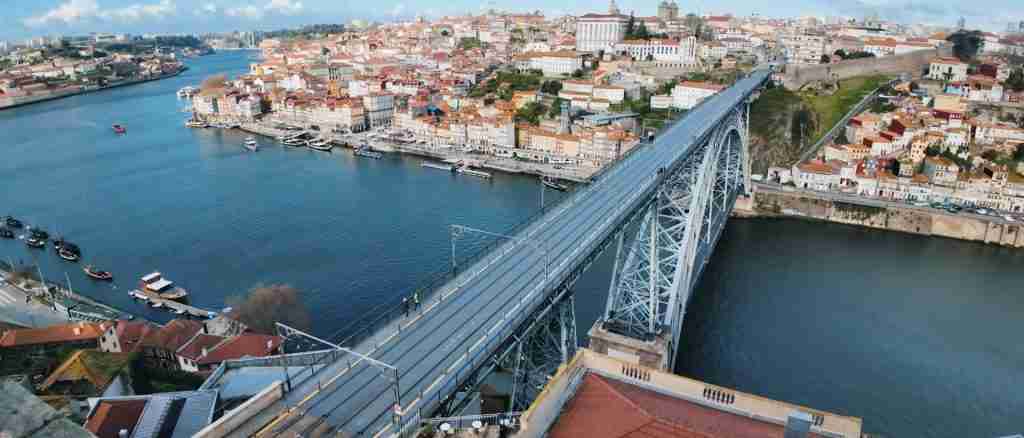
Portugal stands at a critical juncture in its tourism development, experiencing record visitor numbers that simultaneously fuel economic growth and threaten the very attributes that attract travelers. The country welcomed over 26 million international tourists in recent years, generating substantial revenue that supports employment across hospitality, transportation, and cultural sectors. However, this success brings significant challenges: Lisbon’s historic neighborhoods face residential displacement as short-term rentals replace long-term housing, Porto’s riverside district struggles with overcrowding that damages centuries-old streets, Algarve beaches suffer from water scarcity during peak summer months, and Madeira’s levada trails show erosion from excessive foot traffic. The Azores, recently discovered by adventure travelers, grapples with protecting fragile volcanic ecosystems while accommodating growing demand for whale watching and geothermal tourism.
Responsible tourism addresses these tensions by recognizing that visitor choices create direct environmental, social, and economic consequences. Every accommodation selection, transportation decision, dining choice, and activity participation either contributes to or mitigates tourism’s negative impacts. The encouraging reality: sustainable travel in Portugal often costs less than conventional tourism, provides more authentic experiences, and directly supports the communities and landscapes travelers come to experience. Rural agrotourism accommodations typically charge less than urban hotels while offering immersive cultural exchanges with farming families. Train travel costs substantially less than rental cars while eliminating parking stress and enabling work or relaxation during transit. Local restaurants featuring regional specialties price meals more affordably than tourist-oriented establishments while showcasing Portuguese culinary traditions.
Portugal’s geography and infrastructure make responsible tourism remarkably practical. Compact distances enable car-free exploration—Lisbon to Porto requires just three hours by train, while regional rail and bus networks reach even remote villages. The country’s extensive network of marked hiking trails, including the Rota Vicentina coastal route and Trans Serrano mountain path, provides low-impact access to pristine natural environments. Portugal’s leadership in renewable energy, generating over 50% of electricity from wind, solar, and hydroelectric sources, means even conventional hotels and transportation increasingly operate on clean power. The government’s growing recognition of overtourism risks has prompted initiatives protecting vulnerable areas, limiting tour group sizes in sensitive locations, and promoting inland and off-season travel through marketing campaigns highlighting lesser-known regions.
This guide examines specific actions travelers can implement across all aspects of Portugal travel—from pre-trip planning through post-visit engagement. Understanding accommodation environmental standards helps identify truly sustainable lodgings rather than properties merely claiming eco-friendly status. Knowing transportation carbon footprints enables informed choices balancing convenience, cost, and environmental impact. Learning which activities support conservation versus those that exploit wildlife or damage ecosystems prevents inadvertently funding harmful operations. Recognizing the difference between authentic cultural engagement and exploitative tourism ensures interactions benefit rather than burden Portuguese communities. The following sections provide concrete, actionable strategies backed by specific examples, recognized certifications, and measurable outcomes.
Understanding Responsible Tourism Principles in Portugal
Responsible tourism in Portugal operates on three interconnected pillars: environmental sustainability, socio-cultural respect, and economic equity. Environmental sustainability addresses the physical impact of travel on Portugal’s ecosystems, from Mediterranean scrubland and Atlantic coastal zones to cork forests and mountain watersheds. This involves minimizing resource consumption (water, energy, materials), reducing pollution (carbon emissions, plastic waste, chemical runoff), and actively supporting conservation efforts protecting endangered species and habitats. Portugal faces specific environmental pressures including water scarcity in southern regions during summer, coastal erosion accelerated by development and climate change, marine ecosystem degradation from overfishing and pollution, and wildfire risks intensified by tourism pressure in forested areas.
Socio-cultural responsibility recognizes tourism’s profound effects on Portuguese communities, particularly in historic urban neighborhoods and rural villages experiencing rapid tourism growth. This pillar encompasses preserving cultural heritage and traditions, respecting local residents’ daily lives and private spaces, supporting authentic cultural expressions rather than staged performances, and engaging with communities as equals rather than exotic subjects for consumption. Portugal’s challenges include residential displacement in Lisbon and Porto as property owners convert long-term rentals to more profitable short-term tourist accommodations, loss of traditional shops replaced by souvenir stores and chain restaurants, cultural commodification where fado music becomes background entertainment rather than emotional artistic expression, and community resentment when tourist behavior disrupts residential areas through noise, congestion, and disrespect for private property.
Economic equity addresses how tourism revenue distributes across Portuguese society. Conventional tourism often channels profits to international corporations—foreign-owned hotel chains, multinational tour operators, and global booking platforms—while local communities bear tourism’s negative impacts without receiving proportional benefits. Responsible tourism directs spending toward locally-owned businesses, ensuring revenue supports Portuguese families and communities. This involves staying in Portuguese-owned accommodations, eating at restaurants sourcing ingredients from regional producers, purchasing directly from artisans and farmers, choosing locally-based tour operators, and understanding how different business models affect where money ultimately flows.
These three pillars intersect continually. Staying at a rural agrotourism property simultaneously reduces environmental impact (lower resource consumption than large hotels, support for traditional agricultural practices maintaining biodiversity), respects cultural authenticity (direct engagement with farming families, participation in seasonal activities like olive harvest), and ensures economic equity (revenue supports rural families, maintains viable agricultural livelihoods preventing rural abandonment). Conversely, staying at an international all-inclusive beach resort concentrates environmental impact (high water and energy consumption, waste generation), offers limited cultural engagement (staged entertainment, international cuisine), and channels profits abroad while employing local workers at relatively low wages.
Responsible tourism also recognizes the legitimate needs of Portuguese communities for economic development, employment, and improved living standards. The goal is not eliminating tourism but reshaping it into a tool benefiting both visitors and residents. This requires travelers accepting certain trade-offs: slightly higher prices supporting fair wages and sustainable practices, advance planning rather than last-minute convenience, occasionally foregoing popular destinations during peak periods to visit lesser-known alternatives, and accepting that some culturally or environmentally sensitive areas legitimately restrict access to prevent damage.
Sustainable Accommodation Options Portugal
Portugal’s sustainable accommodation sector spans diverse options from urban eco-hotels to rural agrotourism properties, each offering distinct approaches to environmental and social responsibility. Understanding accommodation environmental footprints enables informed choices aligned with sustainability values while often discovering unique experiences unavailable in conventional hotels.
Eco-Certified Hotels and Guesthouses
Green Key certified accommodations throughout Portugal implement comprehensive environmental management systems covering energy efficiency, water conservation, waste management, and sustainable purchasing. These properties install solar panels for hot water and electricity generation, use LED lighting throughout, implement automatic lighting systems in common areas, choose energy-efficient appliances, and display real-time energy consumption monitors encouraging guest awareness. Water conservation measures include low-flow showerheads and toilets, rainwater collection for garden irrigation, greywater recycling systems for non-potable uses, and towel and linen reuse programs that genuinely reduce laundering rather than merely posting environmental messaging while maintaining daily changes. Waste management programs separate organic waste for composting, maximize recycling through clearly labeled bins, partner with local organizations for furniture and equipment donation rather than disposal, and eliminate single-use plastics throughout the property including toiletries, water bottles, and packaging.
Lisbon’s Green Key hotels concentrate in newer districts like Parque das Nações, where modern construction enabled integrated sustainable systems from initial design rather than retrofit compromises. Porto’s certified properties often occupy restored historic buildings where sustainability adaptations balance heritage preservation requirements with environmental improvements—installing efficient heating systems while maintaining original tilework and architectural features. Coastal regions from Cascais to Lagos offer certified beach hotels implementing strict environmental standards particularly crucial in water-scarce areas and sensitive coastal ecosystems.
Rural Agrotourism and Farm Stays
Agrotourism properties across Portugal’s interior regions provide the country’s most sustainable accommodation model, operating within traditional agricultural systems that maintain landscape biodiversity and cultural traditions. These working farms and vineyards offer guest rooms in renovated historic buildings—manor houses, stone cottages, converted barns—while continuing agricultural production including organic vegetable gardens, olive groves, vineyards, cork oak management, livestock raising, and fruit orchards. Guests participate optionally in seasonal activities from grape harvesting and olive pressing to cheese-making and garden maintenance, gaining direct understanding of traditional Portuguese agricultural practices and the labor involved in producing food.
Environmental benefits extend beyond individual property operations. Agrotourism provides economic viability for maintaining traditional agricultural landscapes that would otherwise face abandonment and conversion to monoculture or development. The Alentejo’s montado cork oak forests, among Europe’s most biodiverse agricultural systems, survive economically because agrotourism supplements cork production income. Northern Portugal’s terraced Douro vineyards, designated UNESCO World Heritage landscape, remain hand-cultivated rather than mechanized partly because tourism revenue compensates for lower wine production efficiency. Central region olive groves continue traditional low-intensity management supporting numerous bird species because agrotourism income reduces pressure to convert to intensive industrial agriculture.
Alentejo leads Portugal’s agrotourism development with dozens of properties across the region’s extensive cork forests and wheat fields. The Algarve’s interior mountains offer farm stays far removed from coastal resort development. Northern Portugal’s Minho region specializes in wine-focused agrotourism within the Vinho Verde appellation. Central Portugal’s Beira Interior provides mountain agrotourism combining traditional shepherd practices with hiking and nature observation.
Eco-Lodges and Nature-Based Accommodations
Purpose-built eco-lodges in Portugal’s protected natural areas minimize environmental footprint through sustainable construction, off-grid systems, and integration with surrounding landscapes. Construction uses natural and locally-sourced materials—timber from certified forests, stone from regional quarries, cork insulation, ceramic tiles from Portuguese kilns—rather than energy-intensive concrete, plastic composites, and imported finishes. Building design maximizes passive solar heating and natural ventilation, reducing or eliminating mechanical climate control needs. Water systems incorporate rainwater collection, biological wastewater treatment, and minimal groundwater extraction. Energy comes from solar panels, small-scale wind turbines, and in the Azores, geothermal systems, typically generating surplus power returned to the grid.
These properties typically occupy small footprints within extensive natural areas, providing nature access while concentrating human impact. Serra da Estrela Natural Park eco-lodges serve as bases for mountain hiking, stargazing, and wildlife observation while maintaining strict waste management and energy conservation. Alentejo’s Dark Sky Reserve lodges eliminate light pollution through careful exterior lighting design, enabling astronomy programs. Coastal eco-lodges near Southwest Alentejo and Vicentine Coast Natural Park provide access to Europe’s most pristine Atlantic coastline while implementing rigorous protection of sensitive dune systems and cliff-nesting seabirds.
Community-Based Tourism Accommodations
Small villages across Portugal’s interior offer community-based accommodations where tourism development occurred through collective decision-making, with revenue distributed broadly rather than concentrated among individual property owners. These initiatives typically restore abandoned village houses into guest accommodations, create local employment through property management and tourism services, reinvest profits into community infrastructure and cultural preservation, and maintain village population viability that would otherwise succumb to rural depopulation.
Schist villages in central Portugal exemplify successful community-based models. Twenty-seven historic slate-stone villages implemented coordinated restoration programs converting abandoned houses into tourist accommodations while maintaining architectural integrity and village character. Revenue supports ongoing restoration, infrastructure improvements, and cultural events that benefit both residents and visitors. Alentejo’s rural villages developed similar cooperative tourism initiatives preserving traditional architecture and agricultural practices. Northern Portugal’s aldeia (village) tourism projects combine accommodations with artisan workshops, demonstrating traditional crafts like weaving, basket-making, and pottery.
Urban Sustainable Stays
Lisbon and Porto’s sustainable urban accommodations face distinct challenges balancing tourist demands with residential neighborhood preservation. Responsible urban properties limit total rooms to avoid overwhelming local infrastructure, implement strict noise controls respecting residential neighbors, source breakfast ingredients from neighborhood markets and bakeries, employ local staff at fair wages, and participate in neighborhood associations and cultural preservation initiatives. These accommodations avoid contributing to residential displacement by occupying commercial buildings, partnering with long-term residents rather than displacing them, or operating within designated tourism zones.
Boutique guesthouses in historic neighborhoods like Lisbon’s Mouraria or Porto’s Miragaia demonstrate sustainable urban tourism by restoring deteriorated buildings that might otherwise face demolition, maintaining architectural heritage through appropriate restoration techniques, supporting local businesses through procurement and recommendations to guests, and organizing cultural activities like fado performances or tile-painting workshops that employ local artists. Urban eco-hotels implement intensive environmental programs particularly crucial in water-scarce contexts—comprehensive greywater recycling, rooftop solar panels despite space constraints, elimination of single-use plastics, and partnerships with local environmental organizations.
Eco-Friendly Transportation Strategies Portugal
Transportation choices determine the single largest component of most travelers’ environmental footprint in Portugal. Understanding options, infrastructure, and practical considerations enables significantly reduced impact while often improving travel experience and reducing costs.
Portuguese Rail Network for Sustainable Travel
Portugal’s rail network operated by Comboios de Portugal (CP) provides efficient low-carbon connections between major cities and regional destinations. Alfa Pendular high-speed trains link Lisbon, Coimbra, and Porto in three hours at speeds reaching 220 kilometers per hour, running on electric power increasingly generated from renewable sources. Intercidades trains connect coastal cities from Faro through Lisbon to Porto and extend to interior destinations including Évora, Beja, and Guarda. Regional trains serve smaller towns and rural areas throughout the country, often following scenic routes through river valleys and mountain ranges.
Environmental advantages over rental cars are substantial. Train travel per passenger-kilometer generates approximately 14 grams of CO2 compared to 171 grams for average gasoline cars—a reduction exceeding 90%. This advantage increases when comparing solo car travel to train travel, where multiple passengers share infrastructure and propulsion systems. Trains eliminate parking challenges in historic city centers where medieval street layouts never anticipated automobile traffic, enable productive use of travel time for work or relaxation rather than highway driving concentration, and bypass toll road costs that accumulate quickly on Portugal’s autoestradas.
Practical implementation requires understanding booking procedures and service patterns. CP’s website and mobile app sell tickets typically at lower prices than station purchases, with advance purchase discounts particularly significant for Alfa Pendular services. Regional train frequencies vary dramatically—popular routes like Lisbon-Porto operate hourly or more frequently, while rural lines may have only three or four daily services requiring careful schedule coordination. Some interior destinations require train-bus combinations, where CP coordinates schedules to minimize connection times. Reservations are mandatory on Alfa Pendular and Intercidades but unnecessary on regional services, allowing spontaneous travel flexibility.
Urban Public Transportation Systems
Lisbon and Porto operate comprehensive metro, tram, bus, and funicular systems enabling entirely car-free urban exploration. Lisbon’s metro covers the city with four color-coded lines, while tram 28’s historic yellow carriages climb hills through Alfama, Graça, and Estrela neighborhoods offering both transportation and sightseeing. Porto’s metro extends from downtown to coastal beaches and Porto Airport, while historic trams serve riverfront and hillside routes. Both cities implement unified ticketing—Lisbon’s Viva Viagem card and Porto’s Andante card—valid across all public transport modes, simplifying transfers and providing cost savings over single-trip purchases.
Environmental impact differences between public transport and taxis or ride-sharing services become stark in urban contexts. Metro travel generates approximately 7 grams CO2 per passenger-kilometer compared to 120-140 grams for urban taxi travel, representing emissions reductions exceeding 95%. Buses perform less efficiently than rail but still substantially better than automobiles, particularly modern electric or natural gas buses increasingly deployed in both cities.
Smaller cities rely primarily on bus networks. Coimbra’s comprehensive bus system serves the university city and surrounding areas. Évora’s compact historic center is easily walkable with bus service to outlying areas and regional connections. Algarve coastal towns operate bus routes connecting beaches, though service frequency drops significantly off-season. Understanding these systems requires research—tourist offices provide route maps and apps like Moovit cover Portuguese urban transport networks with real-time information, though Portuguese language proficiency helps navigate smaller city systems lacking English-language materials.
Cycling Infrastructure and Bicycle Tourism
Portugal’s cycling infrastructure developed unevenly, with coastal paths and flat terrain offering excellent facilities while interior mountainous regions remain challenging. Lisbon’s 150-kilometer cycling network includes protected bicycle lanes, shared paths along the Tagus River, and dedicated routes through Monsanto Forest Park. Porto developed extensive riverfront cycling paths and urban bicycle lanes, with particularly scenic routes along the Douro estuary. Both cities operate bicycle-sharing programs with electric-assist options enabling hill navigation without excessive effort.
Long-distance cycling routes cross Portugal north to south. The Ecovia do Litoral follows 340 kilometers of Atlantic coastline from the Minho River at Spain’s border to Cape St. Vincent, Portugal’s southwestern tip, combining dedicated cycling paths with quiet coastal roads. The central interior Ecopista do Dão conversion of abandoned railway lines created 49 kilometers of traffic-free cycling through river valleys and wine country. The Porto-to-Lisbon coastal route covering approximately 300 kilometers combines designated cycling routes with regional roads, requiring route-finding skills but offering extensive Atlantic views and coastal town stops.
Bicycle tourism provides zero-emission local exploration while enabling more intimate landscape engagement than motorized travel permits. The Algarve’s interior mountains offer challenging climbs through cork forests and traditional villages. The Alentejo’s flat terrain and extensive secondary road network suit extended bicycle touring with accommodation in rural villages. The Douro Valley’s terraced vineyards create stunning but strenuous cycling with constant elevation changes rewarded by panoramic valley views.
Electric Vehicle Infrastructure and Usage
Portugal accelerated electric vehicle infrastructure development, installing over 2,000 public charging stations across the country through the Mobi.E network. Charging availability concentrates in coastal urban areas and major highways but extends increasingly to interior regions. Fast-charging stations enable rapid battery replenishment on long-distance routes, though charging times still require 30-45 minutes for significant range additions compared to 5-minute gasoline refueling.
Electric rental cars increasingly available from major airports and cities offer emission reductions compared to conventional vehicles, particularly given Portugal’s high renewable electricity percentage. However, manufacturing environmental costs of battery production, electricity generation sources (Portugal still produces approximately 40% electricity from fossil fuels), and comparative advantages of rail and public transport mean electric vehicles remain less sustainable than rail despite improvements over gasoline cars. Electric vehicles make most sense for rural areas lacking public transport or for travelers requiring flexibility unavailable through fixed transit schedules.
Practical electric vehicle rental requires planning. Range limitations demand charging station awareness and route planning, particularly in interior regions where charging infrastructure thins. Accommodation selection should prioritize properties offering charging facilities or located near public charging stations. Mountain routes with significant elevation changes consume battery power faster than flat coastal driving, necessitating conservative range estimates. Winter heating and summer air conditioning further reduce range compared to manufacturer specifications typically based on optimal conditions.
Avoiding Domestic Flights and Choosing Alternatives
Portugal’s compact size and good ground transportation infrastructure make domestic flights environmentally indefensible for mainland travel. Lisbon-to-Porto flights generate approximately 90 kilograms CO2 per passenger compared to 8 kilograms for train travel—an 11-fold increase for minimal time savings once considering airport security, early arrival requirements, and city-center-to-airport transfers. Flights to Faro from Lisbon similarly cannot justify their environmental cost when direct trains operate daily.
Island destinations—Madeira and the Azores—present legitimate cases where flights remain necessary absent practical maritime alternatives. However, minimizing flight frequency through extended stays rather than brief weekend trips, combining multiple islands in single visits, and choosing direct flights over routes with connections all reduce per-trip emissions. Madeira and Azores accommodations increasingly emphasize sustainability to offset unavoidable transportation impacts, with many properties achieving carbon neutrality through renewable energy generation and reforestation programs.
Supporting Local Communities and Portuguese Businesses
Tourism spending creates dramatically different community impacts depending on business ownership and supply chains. Understanding these distinctions enables directing revenue to Portuguese families and communities rather than international corporations extracting profits abroad.
Locally-Owned Accommodation Impact
Portuguese-owned guesthouses and small hotels retain substantially more tourism revenue within communities than international hotel chains. Family-run properties employ local staff often with multi-generational neighborhood ties, purchase food and supplies from neighborhood shops and markets, contract local artisans for maintenance and renovation, and reinvest profits in property improvements and community development. The accommodation hosts frequently live on-site or nearby, creating genuine personal connections with guests and sharing authentic local knowledge unavailable through standardized corporate hospitality training.
Identifying Portuguese ownership requires research beyond property names and marketing materials. Booking directly through property websites rather than international platforms keeps reservation commission revenue in Portugal rather than flowing to overseas corporations. Asking about ownership during booking inquiries clarifies whether properties operate as family businesses, local partnerships, or subsidiaries of distant companies. Properties emphasized in this guide’s rural agrotourism and community-based tourism sections inherently represent local ownership given their operational models requiring resident participation.
Dining at Portuguese-Owned Restaurants
Portugal’s restaurant landscape divides sharply between establishments serving residents and those targeting tourists, with dramatically different economic impacts. Neighborhood tascas and family-run restaurants source ingredients from local suppliers—produce from regional farms, fish from coastal ports, wine from nearby vineyards, cheese from traditional dairies—creating supply chains supporting Portuguese agricultural and food production. These establishments employ local staff, maintain traditional recipes and preparation methods, and anchor neighborhood commercial life. Tourist-oriented restaurants increasingly source ingredients through international food service distributors, employ seasonal workers from abroad, serve standardized menus replicating international expectations rather than Portuguese cuisine, and occupy spaces displacing businesses serving residential communities.
Identifying locally-oriented restaurants requires observation and research. Establishments with Portuguese-language menus alongside translated versions indicate primary local clientele. Restaurants displaying daily specials on chalkboards reflect market ingredient availability rather than standardized menus requiring consistent ingredient sourcing regardless of seasonal production. Locations on residential side streets rather than main tourist thoroughfares typically serve neighborhood populations. Staff speaking Portuguese among themselves and with regular customers demonstrates local rather than tourist-focused operations. Higher proportions of Portuguese diners to foreign tourists, particularly during weekday lunches, confirms establishments serving residents.
Purchasing from Local Artisans and Producers
Portugal’s traditional crafts face pressure from imported mass-produced souvenirs marketed as Portuguese products but manufactured overseas. Authentic artisan purchases support skilled craftspeople maintaining centuries-old techniques while preserving cultural heritage threatened by industrial competition. Identifying genuine Portuguese handicrafts requires understanding traditional production methods and recognizing quality differences from factory goods.
Portuguese tile (azulejo) painting represents one of the country’s most distinctive crafts, with artisans hand-painting traditional patterns or custom designs on ceramic tiles. Authentic workshops demonstrate production processes, display works in progress, and discuss traditional motifs and historical context. Cork products from Alentejo utilize bark harvested sustainably from cork oaks every nine years without harming trees, creating bags, wallets, accessories, and decorative items. Genuine cork goods display natural texture variations and subtle color differences absent in synthetic products. Northern Portugal’s linen and wool weaving continues traditional patterns and natural dyeing methods, producing textiles with imperfections and variations demonstrating hand production rather than mechanical uniformity.
Farmers markets throughout Portugal connect visitors directly with food producers, eliminating intermediaries and ensuring revenue reaches growing families. Markets sell seasonal produce reflecting Portugal’s agricultural calendar—strawberries in spring, tomatoes and peppers in summer, chestnuts and figs in autumn, citrus and greens in winter—rather than year-round availability requiring global supply chains. Regional cheese varieties, cured meats, honey, olive oil, and wine sold directly by producers allow conversations about production methods, taste comparisons, and relationships between land, climate, and flavor impossible in supermarket environments.
Choosing Portuguese Tour Operators and Guides
Tour operator selection significantly affects how tourism revenue distributes across Portuguese society. International tour companies operating Portugal programs channel profits to overseas headquarters while employing local staff at relatively low wages, using standardized itineraries across multiple destinations that fail to reflect Portuguese specificity, and selecting suppliers primarily on price rather than quality or sustainability. Portuguese-owned operators reinvest profits in business development and employee training, develop specialized programs based on intimate destination knowledge, maintain long-term relationships with local suppliers and communities, and often employ owner-guides whose livelihoods depend directly on tourism quality and sustainability.
Small-scale specialized operators throughout Portugal offer experiences impossible to replicate through large international companies. Wine tourism specialists with winemaker family backgrounds provide insider access to family vineyards and cellars, explaining viticultural decisions and historical developments shaping wine character. Conservation-focused tour operators employ biologists and naturalists delivering wildlife and ecosystem knowledge far exceeding generic nature tour narration. Cultural heritage guides with academic training in Portuguese history and architecture transform castle and monastery visits from superficial sightseeing into educational experiences connecting architectural details to broader historical and social contexts.
Protecting Natural Environments and Wildlife in Portugal
Portugal’s diverse ecosystems—from Mediterranean scrubland to Atlantic coastal zones, montado cork forests, mountain wetlands, and volcanic island landscapes—face pressures from tourism development and visitor behavior. Responsible travelers minimize environmental impact while supporting conservation through specific practices and choices.
Leave No Trace Principles for Portuguese Trails and Parks
Portugal’s extensive hiking trail networks including the Rota Vicentina, Via Algarviana, Grande Rota 22 (Serra da Estrela), and dozens of shorter routes require adherent to Leave No Trace ethics preventing trail degradation and ecosystem damage. Staying on marked paths prevents vegetation trampling and soil erosion, particularly critical in coastal dune systems where plant root networks stabilize sand against wind and wave action, and in mountain areas where off-trail hiking accelerates erosion channeling seasonal rainfall into destructive gullies. Coastal Southwest Alentejo and Vicentine Coast Natural Park implements strict trail marking to concentrate foot traffic, protecting cliff-nesting seabirds and endemic coastal flora vulnerable to disturbance.
Waste removal standards prohibit leaving any materials on trails including organic waste like fruit peels and cores that disrupt nutrient cycles, attract non-native species, and persist for months before decomposing in Portugal’s summer-dry climate. All trash including wrappers, bottles, and food waste must be carried out—trails lack waste bins deliberately to prevent garbage concentration attracting scavengers and requiring regular collection vehicle access damaging trail surfaces. Human waste disposal in backcountry areas lacking facilities requires burying excrement 15-20 centimeters deep at least 60 meters from water sources and trails, with toilet paper packed out rather than buried to prevent delayed decomposition exposing waste.
Campfire prohibitions across most Portuguese natural areas reflect wildfire risk intensified by Mediterranean summer drought, invasive eucalyptus and acacia species accumulating flammable ground litter, and rural land abandonment creating continuous fuel loads. Designated camping areas permit cooking only with portable stoves, while backcountry camping prohibitions in most parks prevent fire risk entirely. Peak wildfire risk during July through September typically coincides with maximum tourism pressure, when even cigarette disposal or glass bottle reflections can ignite vegetation leading to catastrophic fires threatening both ecosystems and rural communities.
Responsible Wildlife Viewing and Marine Tourism
Portugal’s wildlife tourism particularly along the coast and in the Azores requires adherence to strict protocols preventing animal disturbance and habitat degradation. Marine mammal watching in the Azores represents the country’s highest-profile wildlife tourism, with operators offering dolphin and whale encounters in waters hosting over 20 cetacean species including sperm whales, blue whales, common dolphins, and Risso’s dolphins. Responsible operators follow International Whaling Commission guidelines and Azores-specific regulations: maintaining minimum approach distances (50 meters for most dolphins, 100 meters for whales), limiting encounter duration to 30 minutes maximum, approaching from behind or alongside rather than head-on, reducing speed to prevent propeller strikes, prohibiting swimming with animals in most circumstances, and limiting simultaneous boat numbers to prevent surrounding and stressing marine mammals.
Seabird colonies along Portugal’s Atlantic coast face disturbance from photographers and wildlife watchers approaching too close to nesting sites. Responsible viewing maintains distances preventing alarm behavior—birds flying from nests, exposing eggs or chicks to predation and weather, or abandoning sites entirely if disturbance proves persistent. Southwest coast cliff-nesting species including white storks, egrets, and threatened seabirds require particularly careful approach, with binoculars and telephoto lenses enabling observation without encroachment. Breeding season April through July represents the most sensitive period when disturbance causes greatest reproductive failure.
Iberian lynx recovery in southeastern Portugal creates wildlife viewing opportunities with serious conservation implications. This critically endangered species populations increase slowly through reintroduction programs, with only several hundred individuals surviving. Responsible lynx observation requires joining guided programs with trained naturalists who understand lynx behavior and habitat needs, maintaining distances preventing behavioral changes, avoiding flash photography that could startle animals, and never attempting to attract lynx closer through food or sound playback that habituates wild animals to human presence and alters natural behavior patterns.
Beach and Coastal Conservation Practices
Portugal’s 1,794 kilometers of coastline face intense summer tourism pressure concentrating on developed beaches while pristine stretches remain comparatively neglected. Responsible beach use involves choosing Blue Flag certified beaches meeting water quality, environmental management, safety, and services standards; avoiding dune systems where footprints crush specialized plants preventing sand stabilization; disposing of all waste in provided receptacles rather than leaving trash that washes into marine environments; and avoiding peak afternoon hours when possible to reduce overcrowding stress on beach infrastructure and sensitive zones.
Coastal erosion accelerated by climate change sea-level rise and intensified storm activity affects many Portuguese beaches, with dune vegetation playing crucial roles stabilizing sand and protecting inland areas from storm surge. Dune restoration projects throughout the coast plant native marram grass and sea holly creating vegetative networks that trap windblown sand and rebuild protective dune systems. Visitors support these efforts by remaining on designated beach access paths with boardwalks or stairs preventing dune trampling, avoiding shortcuts through vegetation that kill plants and create erosion channels, and participating in volunteer beach cleanups organized by environmental organizations and municipalities.
Marine protected areas including Arrábida Natural Park near Setúbal, Berlengas Islands Nature Reserve off Peniche, and Azores marine parks restrict fishing, diving, and boat traffic in designated zones protecting breeding and feeding areas for fish, marine mammals, and seabirds. Visiting these areas requires respecting zone boundaries, following park-specific regulations available from visitor centers or websites, and choosing tour operators holding required permits demonstrating regulatory compliance and environmental training.
Mountain and Forest Conservation
Portugal’s interior mountain ranges including Serra da Estrela, Serra da Lousã, and Serra de Monchique face pressures from hiking, mountain biking, climbing, and winter sports. Responsible mountain travel involves checking trail conditions before departure particularly after seasonal rains when erosion vulnerability increases, carrying out all waste including organic materials, avoiding wildflower picking that prevents seed production, respecting seasonal closures protecting wildlife breeding periods, and reporting trail damage to park authorities enabling maintenance prioritization.
Cork oak forests (montado) in the Alentejo represent unique cultural landscapes combining agricultural production with exceptional biodiversity—over 130 plant species, numerous bird species including threatened raptors, and mammals from foxes to wild boar. Montado conservation depends on continued cork harvesting providing economic viability for extensive low-intensity land management. Responsible montado visitation involves staying on designated paths preventing soil compaction affecting tree root systems, avoiding disturbing grazing livestock that maintain grassland structure, never carving bark or damaging trees that take years recovering from wounds, and purchasing cork products supporting the industry sustaining these valuable ecosystems.
Reducing Waste and Plastic Use While Traveling Portugal
Portugal implemented progressively stronger single-use plastic regulations, but waste infrastructure varies dramatically between urban centers and rural areas, making visitor waste reduction particularly important in areas lacking adequate collection and processing systems.
Single-Use Plastic Elimination Strategies
Carrying reusable water bottles eliminates plastic bottle waste while reducing expenses—Portugal’s widespread public drinking fountains in town squares, parks, and municipal buildings provide free potable water, though rural areas may require water purification systems or relying on accommodation sources. Lisbon installed over 100 public water fountains throughout the city including historic chafarizes decorated with traditional tilework. Porto’s fountains similarly dot neighborhoods and parks. Smaller towns typically have one or two central fountains though water quality occasionally varies requiring local inquiry.
Reusable shopping bags carried for groceries, market purchases, and miscellaneous shopping prevent accumulating disposable bags during travels. Portugal’s supermarkets charge for bags following EU directives, but many smaller shops still offer free plastic bags creating temptation to accept convenience over sustainability. Collapsible bags occupy minimal luggage space while providing substantial utility throughout trips. Market shopping particularly benefits from sturdy bags accommodating produce, bottles, and jars without risk of tearing.
Refillable containers for toiletries eliminate miniature plastic bottles accumulating across hotel stays, restaurants, and travel necessities. Solid shampoo and soap bars, concentrated liquid products in refillable bottles, and minimal packaging cosmetics all reduce plastic waste while typically lasting longer than constant replacement of travel-size products. Some sustainable accommodations provide bulk dispensers for soap, shampoo, and conditioner rather than individual bottles, though this remains uncommon requiring bringing personal supplies.
Waste Separation and Recycling Systems
Portugal operates color-coded recycling systems with yellow bins for plastic and metal, blue bins for paper and cardboard, green bins for glass, and brown or grey bins for general waste. Urban areas provide these bins throughout streets and public spaces, while rural areas often concentrate recycling facilities at central collection points requiring residents and visitors to transport separated waste. Understanding and utilizing these systems prevents recyclable materials contaminating general waste streams.
Organic waste separation remains less developed than recyclable collection, with composting infrastructure primarily at farm-level rather than municipal systems. Accommodations with garden space sometimes accept vegetable scraps and coffee grounds for composting, particularly agrotourism properties and eco-lodges with demonstrated environmental commitment. Inquiring about compost availability or arrangements enables diverting food waste from landfills where it generates methane while producing valuable soil amendment for gardens.
Refusing Unnecessary Items and Services
Restaurant plastic straws, excessive napkins, plastic utensils with takeaway meals, and complimentary plastic-wrapped toiletries all represent refusable items reducing waste without compromising travel experience. Politely declining straws before beverage service prevents servers automatically providing them by habit. Requesting no plastic utensils with takeaway orders when carrying personal reusable silverware eliminates unnecessary single-use items. Choosing accommodations providing bulk toiletries or room signage systems declining daily housekeeping services when unnecessary reduces towel and linen laundering frequency, saving water and energy while eliminating cleaning product waste.
Souvenir selection focusing on quality durable goods rather than cheaply-made disposable items prevents creating demand for wasteful production. Traditional Portuguese crafts like tiles, cork products, and woven textiles provide lasting useful items rather than plastic trinkets destined for rapid disposal. Edible souvenirs including wine, olive oil, honey, and specialty foods offer authentic Portuguese products with minimal packaging and zero long-term waste generation.
Supporting Waste-Reduction Businesses
Increasing numbers of Portuguese businesses particularly in Lisbon, Porto, and tourist areas implement comprehensive waste reduction programs eliminating single-use items entirely. Zero-waste grocery stores selling products in bulk with customers providing reusable containers, restaurants sourcing locally to minimize packaging waste and composting all organic material, cafes offering discount incentives for customers bringing reusable cups, and shops using only recycled and recyclable packaging materials all deserve preferential support from environmentally-conscious travelers.
Identifying zero-waste businesses requires research before visits or inquiries during travel. Sustainable tourism websites, environmental organization resources, and social media groups focused on low-impact travel provide listings and recommendations. Asking accommodation hosts about local zero-waste options frequently yields recommendations absent from generic travel guides prioritizing convenience over environmental criteria.
Respecting Cultural Heritage Sites in Portugal
Portugal’s historic monuments, UNESCO World Heritage Sites, and culturally significant places face preservation challenges from visitor numbers, inappropriate behavior, and physical wear from tourism activity. Responsible engagement involves understanding conservation needs and adjusting behavior accordingly.
Navigating Historic Neighborhoods Respectfully
Lisbon’s Alfama, Porto’s Ribeira, and similar historic neighborhoods function as residential communities despite heavy tourism presence. Respectful visitation involves maintaining reasonable noise levels particularly during early morning and evening hours when residents wake and sleep, refraining from blocking residential doorways and building entrances for photographs, avoiding dragging wheeled luggage across delicate traditional Portuguese cobblestone pavement (calçada portuguesa) late at night or early morning, and recognizing that residential balconies and windows are private spaces regardless of photogenic qualities.
Overtourism impacts manifest clearly in these neighborhoods: long-term residents displaced by short-term rental conversions pricing locals out of ancestral homes, traditional shops replaced by souvenir stores and tourist-oriented businesses, noise and congestion disrupting daily life, and loss of community cohesion as residential population dwindles. Responsible tourism acknowledges these tensions by spreading visits across less-visited neighborhoods like Lisbon’s Mouraria or Porto’s Fontainhas, choosing accommodations that don’t displace residents, supporting remaining neighborhood businesses serving locals, and engaging with community cultural initiatives like street festivals and markets.
Monument and Museum Conservation
Physical contact with architectural elements, decorative features, and art objects causes cumulative degradation requiring expensive restoration and occasionally irreversible damage. Stone surfaces worn smooth by millions of touching hands, gilded surfaces losing gold leaf from oil transfer, painted surfaces dulled by repeated contact, and structural elements weakened by leaning and climbing all represent preventable conservation challenges. Following posted guidelines prohibiting touching, flash photography damaging light-sensitive materials, and maintaining distance barriers protecting vulnerable features allows continued public access without necessitating closure for restoration.
Visitor volume management through timed entry tickets, capacity limits, and seasonal closures balances public access with preservation requirements. Cooperating with these systems by booking tickets in advance, accepting that some monuments limit daily visitors, and choosing off-peak visitation times when possible all support conservation goals. Understanding that preservation occasionally necessitates restricting access prevents frustration when monuments undergo restoration closing sections to visitors—centuries-old structures require ongoing maintenance ensuring their survival for future generations rather than prioritizing current visitor convenience.
Photography Ethics and Social Media Responsibility
Photography in heritage sites requires balancing personal documentation with conservation needs and respect for other visitors and local residents. Flash photography bans protect textiles, paintings, manuscripts, and other light-sensitive materials from cumulative damage accelerating deterioration. Tripod and monopod restrictions prevent blocking circulation in confined spaces and risking accidental contact with protected surfaces. Selfie stick prohibitions similarly reduce risk of inadvertently striking architectural features or other visitors while maneuvering unwieldy equipment.
Photographing local residents without permission constitutes invasive behavior treating people as exotic subjects for consumption rather than individuals deserving dignity and privacy. This particularly affects elderly residents, traditional craftspeople, and individuals engaged in religious or cultural activities. Requesting permission before photographing people respects their autonomy, while accepting refusals gracefully acknowledges their right to control image use. Street festivals, markets, and cultural events where photography expectation exists differ from photographing individuals going about daily activities in residential neighborhoods.
Social media posting about lesser-known locations can inadvertently create overtourism pressure on previously quiet sites lacking infrastructure to handle sudden visitor increases. Consider whether sharing precise locations of off-the-beaten-path discoveries benefits broader communities or whether keeping some places quieter better serves conservation and local residents. When posting about small villages, remote beaches, or hidden monuments, providing context about responsible visitation requirements, conservation challenges, and community impact helps followers engage appropriately if visiting rather than contributing to degradation.
Sustainable Food and Dining Practices in Portugal
Portuguese cuisine rooted in traditional agricultural practices, seasonal eating patterns, and seafood abundance offers inherently sustainable food systems when approached through appropriate choices and engagement with traditional food culture.
Seasonal and Regional Cuisine Appreciation
Portuguese traditional cooking follows strict seasonal patterns reflecting agricultural production cycles and pre-refrigeration preservation methods. Understanding and embracing seasonality means seeking strawberries only in April and May, peaches in July and August, chestnuts in October and November, rather than expecting year-round availability requiring global supply chains with associated environmental costs. Menus changing with seasons indicate restaurants prioritizing fresh local ingredients over standardized offerings sourcing from industrial food service suppliers regardless of production location or environmental impact.
Regional cuisine variations reflect local agricultural specialties, geography, and historical influences. Northern Portugal’s cooler wetter climate produces distinctive cuisine emphasizing freshwater fish, veal, and cabbage-based dishes contrasting with Alentejo’s pork, game, and bread-focused cooking reflecting hot dry conditions and historical wheat cultivation. Coastal areas feature seafood prominently while interior regions emphasize preserved fish (especially salt cod) supplemented with livestock, game, and foraged ingredients. Appreciating and seeking regional specialties rather than expecting uniform national menus supports local food systems and agricultural diversity.
Choosing Sustainable Seafood
Portugal’s position as Europe’s highest per-capita fish consumer creates intense pressure on marine resources, with numerous stocks overfished and some species severely depleted. Responsible seafood choices involve understanding which species face sustainability concerns and selecting alternatives from well-managed fisheries or aquaculture operations.
Sardines represent Portugal’s most sustainable seafood despite recent catches below historical levels—population assessments show healthy stocks managed conservatively through catch quotas, traditional fishing methods minimize bycatch and habitat damage, and high natural productivity enables population recovery. Mackerel similarly provides abundant sustainable option from well-managed Atlantic stocks. Farmed sea bass and sea bream from Portuguese aquaculture operations increasingly meet organic and sustainability certifications, though environmental performance varies requiring verification.
Species facing sustainability concerns include cod (bacalhau), swordfish, tuna, and various shark species often marketed as generic white fish. Portuguese salt cod consumption relies almost entirely on imports from North Atlantic fisheries, many severely depleted despite recovery efforts. Asking about seafood sourcing, choosing smaller local species over internationally-traded stocks, and consulting sustainable seafood guides from organizations like Marine Stewardship Council all support responsible consumption choices.
Supporting Traditional Food Markets
Municipal markets (mercados municipais) throughout Portugal connect consumers directly with regional food producers, eliminating supply chain intermediaries and supporting small-scale agriculture. These markets sell seasonal produce reflecting local growing patterns, regional cheese and cured meat varieties from traditional producers, fresh fish from nearby ports, and minimally-processed foods lacking the packaging waste characterizing supermarket products.
Lisbon’s Mercado da Ribeira combines traditional market stalls with recent food hall additions, though traditional sections maintain direct producer-consumer connections despite tourist transformation. Porto’s Mercado do Bolhão underwent extensive renovation preserving market function. Smaller city markets throughout the country operate primarily serving local residents with limited tourist presence, offering more authentic experiences and stronger community connections. Market shopping requires flexibility accepting available products rather than seeking specific ingredients regardless of season, Portuguese language skills facilitating vendor interactions and negotiations, and bringing reusable bags for purchases.
Reducing Food Waste
Portuguese traditional cuisine developed extensive preservation and leftover-utilization techniques minimizing food waste—salt cod preservation enabling year-round fish consumption distant from coast, bread-based dishes like açorda and migas transforming stale bread into complete meals, pork butchering utilizing every animal part in diverse preparations, and fruit preserves converting seasonal abundance into year-round availability. Modern restaurant and home cooking often abandons these practices, generating unnecessary waste.
Travelers reduce food waste by ordering appropriate portion sizes rather than over-ordering, taking leftover food for later meals when restaurants permit, choosing accommodations with refrigeration enabling leftovers storage and meal preparation from market ingredients, and selecting restaurants displaying zero-waste commitments through composting, donation of unused prepared food to social services, and menu planning minimizing ingredient spoilage.
Responsible Wildlife and Marine Tourism Experiences
Portugal’s wildlife tourism opportunities range from ethical well-regulated programs supporting conservation to exploitative operations prioritizing profit over animal welfare and ecosystem health. Understanding distinctions enables supporting responsible operators while avoiding harmful activities.
Marine Mammal Watching Standards Azores
The Azores developed some of Europe’s strictest marine mammal watching regulations following tourism industry growth potentially threatening the very wildlife attracting visitors. Responsible operators hold required regional government permits, employ trained naturalist guides providing educational context rather than mere wildlife spotting, follow ACCOBAMS (Agreement on the Conservation of Cetaceans of the Black Sea, Mediterranean Sea and Contiguous Atlantic Area) guidelines for approach distances and durations, limit passenger numbers enabling quality experiences without overwhelming animals, contribute financially to cetacean research and conservation programs, and refuse to guarantee sightings acknowledging wild animals’ unpredictability.
Operator selection requires asking specific questions about regulatory compliance, guide training and experience, group sizes (smaller groups generally indicate more responsible operations), cancellation policies in rough weather when safe viewing becomes impossible, and whether operators participate in scientific data collection programs providing valuable population monitoring information. Reviewing independent sources like environmental organization recommendations rather than relying solely on operator marketing materials provides more accurate assessment of actual practices versus claimed standards.
Seabird and Coastal Wildlife Observation
Portugal’s Atlantic coast and offshore islands host significant seabird populations including threatened species facing breeding colony disturbance from tourism. Responsible observation requires maintaining distances preventing alarm responses, avoiding sensitive breeding areas during April-July nesting season, never using drones near seabird colonies where they trigger mass panic flights potentially causing nest abandonment and chick mortality, and supporting conservation organizations conducting seabird research and protection programs.
The Berlengas archipelago off Peniche represents Portugal’s most significant seabird breeding area, hosting thousands of nesting pairs of gulls, cormorants, and Cory’s shearwaters. Visiting these islands during breeding season requires following strict park service guidelines limiting visitor numbers, restricting access to designated trails and viewing areas, prohibiting camping on main islands where it disturbs nesting birds, and supporting visitor center education programs explaining seabird biology and conservation needs.
Avoiding Exploitative Animal Attractions
Certain animal attractions marketed to tourists exploit wildlife through capture, confinement, training involving stress or harm, or other practices incompatible with animal welfare and conservation. Evaluating these operations requires understanding that wild animals displaying non-natural behaviors (performing tricks, tolerating close contact, remaining calm in confined spaces with crowds) typically result from stress-inducing training or conditions causing behavioral abnormalities.
Swimming with captive dolphins, touching or riding wild dolphins, feeding wild birds or mammals altering natural foraging behavior, and participating in staged performances involving wild animals all represent activities responsible travelers avoid. These operations profit from animal exploitation while often claiming conservation or education missions contradicted by actual practices prioritizing entertainment over welfare. Supporting legitimate conservation programs through entrance fees, guided tours led by researchers and biologists, and volunteer opportunities provides authentic wildlife connection without exploitation.
Water Conservation Practices for Travelers in Portugal
Portugal faces increasing water scarcity particularly in southern regions where Mediterranean climate, low rainfall, and high summer evaporation combine with agricultural irrigation demands and tourism consumption peaks during driest months. Responsible water use becomes critical during summer visits to Algarve, Alentejo, and Lisbon region.
Understanding Portuguese Water Challenges
Southern Portugal receives average annual rainfall between 400-600 millimeters concentrated in winter months, with virtually no summer precipitation from June through September when tourism peaks. Algarve reservoirs supplying potable water frequently drop to concerning levels requiring water use restrictions affecting residents and agriculture. Drought cycles historically recurring every 20-30 years appear increasingly frequent under climate change impacts, with multiple severe droughts occurring within past two decades.
Tourism compounds natural water scarcity through concentrated demand—hotels, pools, golf courses, and landscaped gardens consuming water during periods of maximum scarcity. Golf courses particularly generate controversy, with 18-hole courses requiring 0.5-1 million liters daily during summer, equivalent to residential consumption for hundreds of families. Responsible travelers recognize their water consumption impact and adjust behavior accordingly, particularly during drought periods when restrictions may affect entire regions.
Hotel and Accommodation Water Conservation
Declining daily housekeeping services when unnecessary dramatically reduces water consumption and energy use from laundering towels and linens. Hotels automatically assuming guests want fresh towels daily and complete linen changes after every night waste enormous water quantities—full linen changes require washing sheets, pillowcases, duvet covers, and mattress pads, all requiring hot water and detergent. Towels laundered after single use similarly waste resources when towels hung for drying remain perfectly functional for multiple days. Displaying provided cards or informing housekeeping staff of preference for selective cleaning prevents automatic laundering.
Shower duration directly impacts water consumption, with typical hotel showers flowing 8-12 liters per minute. Ten-minute showers consume 80-120 liters, while five-minute showers halve consumption to 40-60 liters. Shorter showers during summer water scarcity periods represent easily implementable conservation requiring no sacrifice beyond minor time adjustment. Turning water off while soaping and shampooing further reduces consumption without affecting hygiene or experience.
Avoiding Water-Intensive Tourism Activities
Golf tourism represents Portugal’s most water-intensive recreational activity, with courses concentrated in water-scarce southern regions. Choosing alternative activities during summer months—hiking, cycling, beach-going, cultural site visits—eliminates personal contribution to this unsustainable water use. If golfing in Portugal, selecting courses implementing water conservation measures including drought-resistant grass varieties, precision irrigation systems minimizing waste, recycled water use, and demonstrated commitment to environmental management reduces though doesn’t eliminate water impact.
Swimming pool use similarly consumes substantial water through evaporation losses and filtration system requirements, though less dramatically than golf. Staying at accommodations lacking pools or using pools sparingly particularly during drought periods supports conservation goals. Choosing accommodations with saltwater or natural pools requiring less chemical treatment and filtration than conventional chlorinated pools provides swimming access with reduced environmental impact.
Addressing Overtourism and Choosing Lesser-Known Destinations
Portugal’s tourism success creates overtourism pressure in popular destinations while interior and lesser-known regions receive relatively few visitors despite offering comparable cultural and natural attractions. Strategic destination and timing choices help redistribute tourism pressure while providing more authentic experiences avoiding overcrowded hotspots.
Understanding Overtourism Impacts
Lisbon and Porto experience severe overtourism symptoms particularly during summer months and holiday periods: residential displacement through short-term rental conversions pricing locals from traditional neighborhoods, infrastructure strain from crowds exceeding capacity on public transport and at major monuments, environmental degradation from litter and physical wear on historic streets and buildings, loss of neighborhood character as traditional businesses close replaced by tourist-oriented shops and restaurants, and resident quality-of-life decline from noise, congestion, and community disruption.
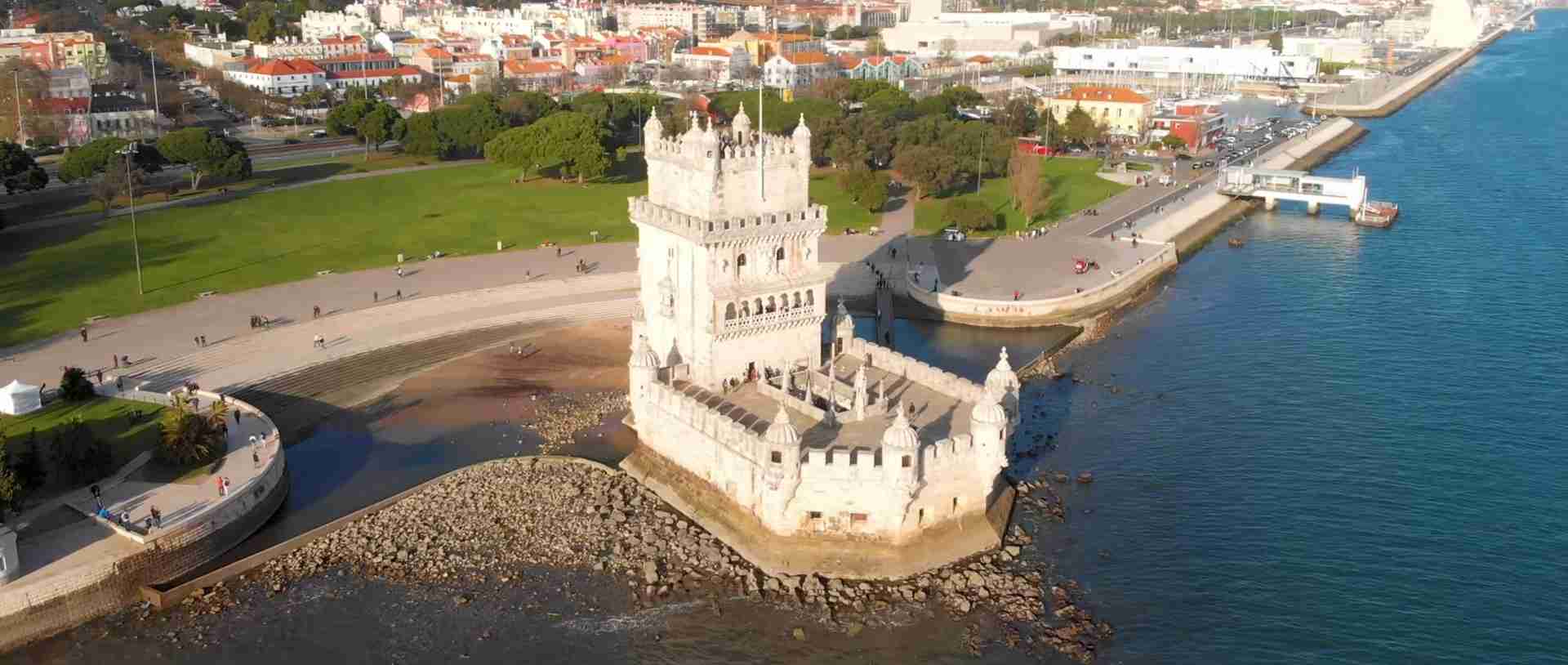
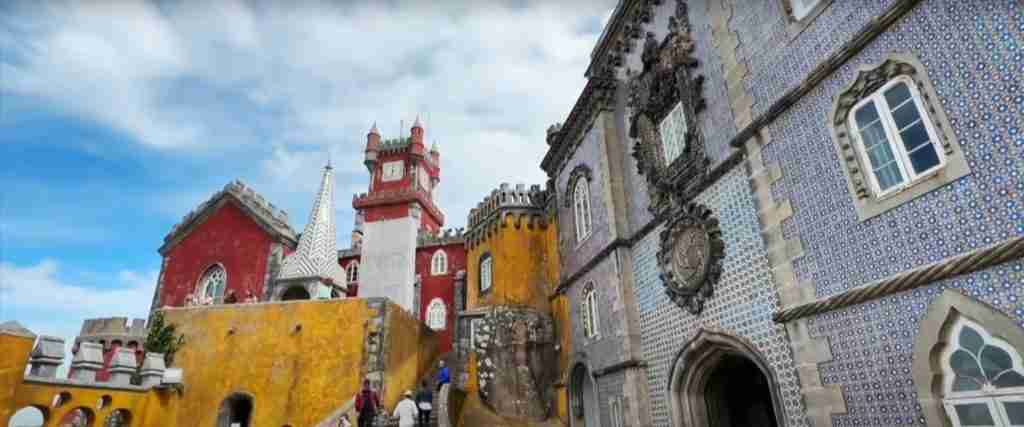
The Algarve coast similarly suffers concentrated summer pressure with beaches overwhelmed by visitors, water resources stressed by peak demand coinciding with maximum scarcity, traffic congestion choking coastal roads, and coastal development degrading natural environments and visual character. Specific sites like Pena Palace in Sintra, Belém Tower in Lisbon, and Livraria Lello bookstore in Porto experience such severe overcrowding that visitor experience quality plummets while conservation challenges from physical wear and crowd management become overwhelming.
Off-Season Travel Benefits
Visiting Portugal during shoulder seasons (April-May and September-October) or winter (November-March) dramatically reduces personal overtourism contribution while providing numerous advantages. Accommodation prices drop 30-50% compared to summer peaks, making quality lodging affordable while better supporting businesses during slower periods. Popular sites become accessible without overwhelming crowds—visiting Pena Palace on winter weekdays means exploring largely empty rooms appreciating architectural details impossible to see when fighting through summer crowds. Public transportation, restaurants, and cultural attractions operate without stress from overcrowding, enabling more pleasant and efficient experiences.
Weather remains generally favorable outside peak summer, with shoulder seasons offering comfortable temperatures ideal for hiking and city exploration, fewer crowds at beaches, and lower wildfire risk in nature areas. Winter brings rain but also dramatic coastlines with Atlantic swells, uncrowded historic sites, and authentic Portuguese life in cities no longer overwhelmed by tourism. Northern Portugal and interior regions particularly suit off-season visits, with milder winter temperatures than northern Europe and landscapes transformed by green vegetation absent during summer drought.
Exploring Interior and Lesser-Known Regions
Portugal’s interior regions offer extraordinary cultural heritage, natural beauty, and authentic Portuguese experiences with minimal tourism presence compared to coastal hotspots. The Alentejo, Portugal’s largest region covering nearly one-third of the country, receives relatively few visitors despite medieval towns like Évora (UNESCO World Heritage Site), Marvão’s spectacular hilltop castle, cork oak forests offering hiking and wildlife observation, megalithic sites predating Stonehenge, and renowned wine country producing full-bodied reds from Borba, Vidigueira, and Reguengos.
Northern Portugal’s interior including Trás-os-Montes and Beiras regions provides dramatically different landscapes and cultural traditions from better-known Douro Valley—granite mountains with traditional schist villages, chestnut forests supporting specialty food products, historic castle towns like Bragança and Guarda, prehistoric rock art sites, and some of Portugal’s most remote and scenic hiking trails. These regions maintain traditional agricultural practices and crafts threatened by rural depopulation that tourism revenue could help sustain.
Central Portugal’s Beira Interior from Serra da Estrela south to Castelo Branco offers Portugal’s highest mountains, historic fortified villages along former Spanish border, Jewish quarter preservation in towns like Belmonte, and shepherding traditions continuing centuries-old practices. The Raia region along the Spanish border combines Portuguese and Spanish influences in architecture, cuisine, and culture while receiving minimal tourism despite fascinating cross-border heritage.
Secondary Cities and Regional Capitals
Portugal’s secondary cities provide urban cultural experiences without Lisbon and Porto’s overtourism challenges. Coimbra, Portugal’s medieval capital and university city, offers extraordinary monuments including one of Europe’s oldest universities with baroque library, monumental monastery complex at Santa Cruz, and Roman ruins at Conimbriga. Braga, northern Portugal’s religious capital, features lavish baroque churches, impressive sanctuary complex at Bom Jesus do Monte, and Roman archaeological site at Bracara Augusta.
Évora provides Alentejo’s most comprehensive historic city, with Roman temple, medieval cathedral, university, bone chapel, and complete city walls enclosing perfectly preserved historic center justifying UNESCO recognition. Guimarães, Portugal’s birthplace as a nation, preserves exceptional medieval architecture and castle complex earning UNESCO designation with far fewer visitors than more accessible sites. Aveiro’s canal network and art nouveau architecture, Viseu’s beautifully preserved historic center, and Setúbal’s seaside location with nearby natural parks all offer rewarding alternatives to overtouristed destinations.
Eco-Certified Tours and Responsible Tour Operators Portugal
Portugal’s tour operator landscape includes both highly responsible companies implementing comprehensive sustainability programs and conventional operators with superficial environmental marketing. Identifying genuinely sustainable operators requires examining specific practices, certifications, and operational approaches beyond marketing claims.
Recognized Sustainability Certifications
Travelife certification represents the most comprehensive tour operator sustainability standard, covering environmental management, working conditions, human rights, supply chain sustainability, customer communication, and child protection. Certified operators demonstrate: systematic environmental impact measurement and reduction programs, verified fair labor practices including contracts, wages, and working conditions, supply chain auditing ensuring accommodation and activity providers meet sustainability standards, transparent communication with customers about destinations and impacts, and financial support for community and conservation programs. Portuguese Travelife-certified operators include several major tour companies and destination management companies focusing on specialized sustainable tourism products.
Biosphere Responsible Tourism certification adapted from UNESCO biosphere reserve principles applies to tour operators, accommodations, and destinations committed to United Nations Sustainable Development Goals. Certified operators implement: carbon footprint measurement and reduction strategies, water conservation programs, waste minimization and recycling systems, local employment prioritization, cultural heritage preservation initiatives, and community development support. This certification increasingly common among Portuguese ecotourism specialists and responsible accommodation providers.
Specialized Sustainable Tour Operators
Small-scale specialized operators throughout Portugal focus specifically on nature conservation, cultural preservation, and community development through tourism. These companies typically: limit group sizes to minimize environmental impact and enhance experience quality, employ knowledgeable guides with specialized training in ecology, history, or cultural heritage, maintain long-term relationships with local communities and suppliers, reinvest portions of revenue in conservation and community programs, and develop unique itineraries avoiding overtouristed sites while supporting lesser-known destinations.
Nature-focused operators specializing in walking holidays through natural parks, wildlife observation, and adventure tourism generally demonstrate strongest environmental commitment given their business dependence on ecosystem health. Cultural heritage specialists emphasizing architectural history, traditional crafts, and Portuguese cultural traditions support preservation efforts through entrance fees, guide expertise, and promoting authentic engagement over superficial sightseeing. Active tourism operators organizing cycling, hiking, kayaking, and climbing adventures typically implement Leave No Trace ethics and environmental awareness as core business practices.
Evaluating Tour Operator Sustainability Claims
Assessing tour operator sustainability requires looking beyond marketing language to specific operational practices and verified outcomes. Questions to ask when selecting operators: Do they hold recognized third-party certifications rather than self-declared sustainability claims? What specific environmental measures do they implement regarding transportation, accommodations, and activities? How do they ensure revenue benefits local communities rather than concentrating in international corporations? What is their maximum group size, and how do they manage environmental impact in sensitive areas? Do they employ local guides and staff at fair wages? What conservation or community programs do they support financially or through volunteer initiatives?
Red flags indicating superficial sustainability claims: vague language about “caring for the environment” without specific practices, exclusive use of international hotel chains rather than locally-owned accommodations, large group sizes (over 15-20 participants) preventing meaningful environmental management or quality experiences, itineraries focusing exclusively on major tourist sites contributing to overtourism, rock-bottom pricing possible only through cost-cutting affecting worker compensation and supplier sustainability, and absence of any third-party certification or membership in recognized sustainable tourism organizations.
Volunteer and Conservation Opportunities in Portugal
Portugal offers numerous volunteer programs connecting travelers with environmental conservation, cultural preservation, and community development initiatives. These programs provide meaningful engagement with Portuguese society and ecosystems while contributing tangible benefits beyond conventional tourism.
Environmental Conservation Programs
Marine conservation organizations throughout coastal Portugal recruit volunteers for beach cleanup programs, marine species monitoring, plastic pollution research, and ocean awareness education. Projects typically require minimum commitment of several days to weeks, though some organizations accept single-day volunteers for specific tasks. Activities include organizing beach cleanups quantifying and categorizing collected waste for research purposes, monitoring sea turtle nesting sites along Algarve and southern Alentejo coasts, conducting underwater surveys documenting marine biodiversity and pollution impacts, and leading educational programs for schools and communities about marine conservation.
Forest and wildfire prevention programs particularly in central and northern Portugal engage volunteers in maintaining firebreaks, removing invasive species, planting native vegetation, and creating community awareness about wildfire risk management. The Mediterranean climate and extensive eucalyptus and pine plantations create severe wildfire risk requiring ongoing landscape management. Volunteer projects operate primarily during non-fire-risk periods in spring and autumn when vegetation management work proceeds safely.
Wildlife conservation focusing on endangered species including Iberian lynx, wolves, and various bird species recruits volunteers for population monitoring, habitat management, and community engagement initiatives. These programs generally require longer commitments (minimum two weeks to several months) and often charge participation fees covering room, board, training, and project costs while ensuring serious volunteer commitment and providing programs financial sustainability.
Cultural Heritage Preservation
Archaeological projects throughout Portugal engage volunteers in excavations, artifact processing, and site conservation at locations ranging from Roman ruins to medieval castles and prehistoric megaliths. Projects typically operate during summer months when university students and archaeology professionals are available, requiring minimum commitments of one to three weeks. Volunteers receive training in excavation techniques, artifact identification, documentation procedures, and archaeological interpretation, providing valuable hands-on experience while advancing research and conservation efforts.
Traditional building restoration programs in historic villages and towns recruit volunteers for preserving vernacular architecture using traditional construction techniques—dry-stone walling, schist masonry, lime mortaring, and tile work. These projects particularly common in central Portugal’s schist villages and northern mountain towns combine practical skills training with preservation of architectural heritage and support for depopulating rural areas. Programs generally require one to three week commitments and may charge modest fees covering materials and instruction.
Community Development and Social Programs
Rural community development programs connecting volunteers with agricultural activities, traditional craft preservation, and community services operate throughout interior Portugal. Projects include assisting with organic farm operations, learning and documenting traditional crafts from elderly artisans, supporting community cultural events and festivals, teaching languages or other skills at community centers, and assisting with social service programs for disadvantaged populations. These programs provide meaningful cultural exchange while supporting rural community sustainability and intergenerational knowledge transmission.
Selecting Responsible Volunteer Programs
Evaluating volunteer program quality and ethics requires asking specific questions about program goals, supervision, volunteer preparation, and impact assessment. Legitimate programs: clearly articulate how volunteer work contributes to specific conservation or social goals rather than vague claims about “helping communities,” provide qualified supervision and training ensuring volunteer work actually benefits rather than burdens projects, charge reasonable fees transparently covering legitimate costs rather than generating profit, maintain long-term presence in communities demonstrating sustained commitment rather than exploitative brief engagements, and evaluate outcomes assessing whether volunteer programs achieve stated objectives.
Red flags indicating problematic programs: emphasis on volunteer experience over program impact, working with vulnerable populations (children, disabled individuals) without proper safeguarding and supervision, very short programs (one to three days) insufficient for meaningful contribution, luxury volunteer tourism focusing on exotic experience over genuine service, and absence of established organizational track record or references from previous volunteers and project partners.
Responsible Photography and Social Media Ethics
Photography and social media posting about travel experiences create impacts on destinations and communities that responsible travelers must consider and address through ethical practices.
Photographing People and Communities Respectfully
Portuguese residents regardless of location deserve the same privacy and dignity considerations anyone expects in their home communities. Photographing individuals without permission constitutes invasive behavior treating people as exotic subjects for tourist consumption rather than individuals with agency and privacy rights. This particularly affects elderly residents, traditional craftspeople, vendors at markets, and individuals engaged in religious or cultural activities. Requesting permission before photographing people respects their autonomy, provides opportunity for explanation about photograph purpose and use, and enables meaningful human connection rather than extractive image capture.
Language barriers complicate permission requests but don’t eliminate the obligation. Learning basic Portuguese phrases for requesting photo permission demonstrates respect and effort at cultural engagement. Pointing to camera while making questioning gesture communicates intent when language fails. Accepting refusals gracefully acknowledges that individuals have legitimate reasons for declining photographs regardless of tourist desires for exotic imagery.
Certain contexts create reasonable photography expectations—street festivals where performers expect documentation, markets where vendors understand merchants attract photographers, and public demonstrations where participants recognize media coverage. However, even in these contexts, avoiding photographs making individuals primary subjects without permission maintains ethical standards. Candid street photography prioritizing architectural or landscape subjects with incidental human presence differs from photographs making individuals recognizable focal points.
Social Media and Overtourism
Social media posting about travel destinations particularly lesser-known locations can inadvertently create overtourism pressure overwhelming communities and ecosystems unprepared for sudden visitor influxes. Geotagging precise locations, posting enthusiastic descriptions encouraging visitation, and creating viral content about previously quiet places all contribute to tourism growth sometimes welcomed by communities but often devastating to environments and residents lacking infrastructure and capacity for managing crowds.
Responsible social media use requires considering whether sharing specific locations benefits broader communities or whether keeping some places quieter better serves conservation and residents. When posting about small villages, remote beaches, or hidden monuments, providing context about responsible visitation requirements, conservation challenges, and community impacts helps followers engage appropriately if visiting rather than contributing to degradation. Avoiding geotags on posts about especially sensitive locations, delaying posts until after departing destinations to prevent real-time crowd concentration, and emphasizing ethical behavior expectations over merely promoting destinations as attractive all demonstrate more responsible social media practices.
Drone Photography Regulations and Ethics
Portugal regulates recreational drone use through licensing requirements, restricted flight zones, and operational limitations. Urban areas particularly Lisbon and Porto prohibit recreational drone flight in most locations to prevent privacy intrusion and safety risks. National parks and protected areas generally restrict or prohibit drone use given disturbance to wildlife, particularly birds interpreting drones as aerial predators triggering panic responses. Cultural heritage sites including castles, palaces, and monasteries typically prohibit drone photography due to safety concerns, privacy considerations, and disturbance to visitors seeking peaceful experiences.
Even where drone use is legally permitted, ethical considerations may argue against flying. Nesting seabirds abandon colonies when drones approach, potentially causing reproductive failure affecting vulnerable populations. Beaches and natural areas where visitors seek tranquility suffer from drone noise and intrusion. Residential neighborhoods where privacy expectations exist experience disturbance from aerial photography capabilities. Responsible drone use requires researching regulations, obtaining required permissions, maintaining safe distances from people and wildlife, avoiding protected areas, respecting privacy, and considering whether drone photography genuinely adds value justifying potential negative impacts.
Frequently Asked Questions: Responsible Tourism Portugal
How much does sustainable travel in Portugal cost compared to conventional tourism?
Sustainable travel in Portugal often costs less than conventional tourism despite perceptions that environmental responsibility requires premium prices. Rural agrotourism accommodations typically charge €50-90 per night for double rooms compared to €100-200 for equivalent urban hotels, while providing more authentic experiences and direct community support. Train travel costs substantially less than rental cars when factoring in rental fees, fuel, tolls, and parking—Lisbon to Porto costs €30-50 by train versus €60-100 in rental car operating costs. Local restaurants serving regional cuisine price meals at €10-20 per person compared to €25-40 at tourist-oriented establishments while offering superior food quality and cultural authenticity. Free or low-cost activities including hiking marked trails, visiting municipal markets, exploring historic neighborhoods on foot, and participating in local festivals reduce entertainment expenses compared to paid tours and attractions. Where sustainable options do cost more—eco-certified accommodations, specialized conservation tours, organic restaurants—price premiums directly support environmental protection and fair labor practices representing value-aligned spending rather than mere cost differences.
What Portuguese language phrases help demonstrate respect for local culture?
Essential Portuguese phrases enabling polite interaction include: “Bom dia” (good morning, used until early afternoon), “Boa tarde” (good afternoon/evening, used afternoon through early evening), “Boa noite” (good night, evening greeting and farewell), “Por favor” (please), “Obrigado/Obrigada” (thank you, male/female speaker), “De nada” (you’re welcome), “Com licença” (excuse me, for getting attention or passing through crowds), “Desculpe” (sorry, for apologies), “Fala inglês?” (do you speak English?), and “Não compreendo” (I don’t understand). Making effort to use these basic phrases even with imperfect pronunciation demonstrates respect and cultural engagement that Portuguese people genuinely appreciate, often responding with patience and encouragement toward language learning. Regional variations exist—northern Portuguese speaks faster with distinct pronunciation while Alentejo Portuguese features notably slower, more melodic speech—but these standard phrases work universally throughout the country.
Which Portuguese beaches implement best environmental practices?
Blue Flag certified beaches throughout Portugal’s coast meet stringent environmental quality, safety, and education standards verified through annual inspections. Criteria include excellent water quality testing through regular bacterial monitoring, environmental management systems including waste collection and recycling programs, environmental education initiatives informing visitors about coastal ecosystems and conservation, accessibility features enabling disabled access, safety equipment and trained lifeguards, and community environmental engagement. Approximately 350 Portuguese beaches and marinas hold Blue Flag status, with particularly high concentrations in Algarve, Lisbon region, and northern coast. However, Blue Flag certification emphasizes developed beaches with facilities, while many pristine remote beaches lack certification not because of environmental deficiencies but due to absence of infrastructure required for certification. Beaches within Natural Parks including Arrábida, Southwest Alentejo and Vicentine Coast, and Litoral Norte automatically implement strict environmental protection regardless of certification status. The most environmentally responsible beach choices prioritize Natural Park beaches during uncrowded periods, Blue Flag beaches during peak times when infrastructure supports visitor numbers sustainably, and avoiding overcrowded beaches where visitor volume exceeds infrastructure capacity regardless of certification.
How can travelers support Portuguese traditional crafts without purchasing mass-produced imports?
Identifying authentic Portuguese handicrafts requires understanding production methods, materials, and quality indicators distinguishing artisan work from factory imports. Traditional Portuguese tiles (azulejos) feature hand-painted designs showing subtle variations, brush stroke evidence, and occasional minor imperfections demonstrating human creation rather than mechanical uniformity—authentic tiles typically cost €15-50 depending on size and complexity compared to €3-8 for printed imports. Portuguese cork products use sustainably harvested cork oak bark showing natural texture variations and color gradations, while synthetic alternatives display artificial uniformity and chemical odors. Traditional textiles including linen and wool weaving show irregular thread thickness and natural dye color variations absent in industrial fabrics. Purchasing directly from artisan workshops and established craft studios rather than tourist shop intermediaries ensures authenticity and channels full purchase price to creators. Regions known for specific crafts provide most authentic purchasing: Caldas da Rainha and Barcelos for pottery and ceramics, Arraiolos for traditional wool carpets, Castelo Branco for embroidered bedspreads, Porto area for filigree silver jewelry, and throughout Alentejo for cork products. Craft demonstration programs where artisans show production processes provide both education and authentic purchasing opportunities while supporting traditional skills transmission.
What are Portugal’s most critical environmental conservation priorities where tourism can help?
Portugal’s highest conservation priorities where tourism support makes meaningful difference include: Mediterranean coastal ecosystem protection where development pressure and visitor impacts threaten remaining pristine dunes, cliffs, and endemic flora—supporting Natural Park entrance fees, choosing eco-certified coastal accommodations, and following beach access restrictions all contribute to conservation. Montado cork oak forest preservation depends on maintaining economic viability of traditional cork production that sustains these biodiversity-rich landscapes—purchasing cork products, staying at cork-region agrotourism properties, and visiting cork museums and interpretation centers provide crucial revenue. Marine ecosystem protection particularly for overfished species and threatened marine mammals requires choosing sustainable seafood, supporting responsible whale-watching operators following strict protocols, and participating in marine conservation volunteer programs. Wildfire prevention through landscape management receives support from volunteer programs, accommodation choices in fire-adapted rural properties, and visitor behavior following fire-risk regulations during summer months. Traditional agricultural landscape preservation in terraced vineyards, olive groves, and sheep-grazing mountains succeeds through agrotourism stays, purchasing products directly from traditional producers, and visiting during shoulder seasons when tourism supplements rather than disrupts agricultural work cycles.
How do I verify that Portuguese tour operators genuinely implement sustainable practices?
Verifying tour operator sustainability claims requires examining third-party certifications, specific operational practices, and independent reviews rather than relying on marketing language. Look for: Travelife or Biosphere certification demonstrating verified sustainability management systems through independent audits covering environmental, social, and economic criteria. Ask operators about maximum group sizes—responsible operators limit groups to 12-16 participants enabling quality experiences and manageable environmental impact, while conventional operators often run 40+ passenger buses. Request information about accommodation selection criteria—sustainable operators prioritize locally-owned properties with environmental certifications over international chains. Inquire about guide qualifications and training—responsible operators employ guides with specialized knowledge (ecology degrees, cultural heritage certification, language skills) rather than minimal training focused solely on logistics. Examine transportation methods—sustainable itineraries maximize rail travel and minimize private vehicle use, while conventional tours default to coaches regardless of environmental cost. Research operator longevity and community relationships—established operators with decade-plus operational history and visible community partnerships demonstrate sustained commitment versus fly-by-night operations exploiting short-term market trends. Review independent assessments from organizations like Responsible Travel, national sustainable tourism associations, and traveler reviews specifically mentioning environmental and social practices rather than merely rating convenience and comfort.
What makes Azores tourism more sustainable than mainland coastal destinations?
The Azores developed sustainable tourism models through several factors: geographic isolation creating awareness that ecosystem degradation cannot be externally compensated, archipelago-wide commitment to UNESCO Biosphere Reserve designation requiring measurable environmental protection, strict marine mammal watching regulations preventing exploitation of cetacean populations, renewable energy leadership with geothermal and wind power providing 80% of electricity eliminating fossil fuel dependence, community-based tourism development ensuring revenue distribution across island populations rather than concentration in foreign-owned resorts, and proactive overtourism prevention through capacity management at popular sites and promotion of lesser-visited islands. These systemic advantages combine with specific operator practices including mandatory guide certification for whale-watching, group size restrictions on hiking trails, prohibition of all-inclusive resort development, requirement for environmental impact assessments on tourism infrastructure, and active promotion of off-season visitation distributing tourist pressure across seasons rather than concentrating in summer peaks. However, increased flight accessibility threatens sustainability—growing visitor numbers strain island infrastructure, accommodation development pressures expand, and mass tourism operational models attempt replicating mainland patterns. Supporting the most responsible Azores operators requires choosing small-scale locally-owned accommodations, selecting certified whale-watching companies despite higher costs, visiting during shoulder seasons, exploring lesser-visited islands beyond São Miguel, and supporting community initiatives preserving traditional practices like cheese-making and festival celebrations.
How can families traveling with children practice responsible tourism in Portugal?
Family responsible tourism involves teaching children environmental ethics and cultural respect through modeling appropriate behavior and age-appropriate education. Environmental practices include involving children in waste reduction by carrying and using reusable water bottles and bags, explaining sorting recycling during waste disposal, choosing family activities with minimal environmental impact like beach days, hiking, and museum visits over high-impact options like water parks and go-kart tracks, and participating in family-friendly conservation programs including beach cleanups and tide pool exploration programs teaching marine ecosystem principles. Cultural respect practices include teaching children to ask permission before photographing people, explaining why historical monuments require gentle treatment and no touching, modeling quiet respectful behavior in churches and religious sites, learning and using basic Portuguese greetings even if imperfectly, and choosing family activities engaging with Portuguese culture—traditional festivals, craft demonstrations, cooking classes—rather than exclusively international entertainment requiring no cultural adaptation. Accommodation choices affect family responsible tourism significantly—choosing apartments or houses over hotels reduces resource consumption through meal preparation from market ingredients, selecting properties with outdoor space enables children outdoor play without disturbing hotel common areas, and staying in residential neighborhoods rather than tourist zones exposes children to authentic Portuguese daily life. Transportation decisions matter—using public transport teaches children sustainable travel practices while providing cultural learning through observing Portuguese families and commuters, while walking and cycling enable slower travel pace appreciating details children notice when not rushed through car-window landscapes.
What seasonal timing provides best balance of sustainable travel and positive experience?
April through May and September through October provide optimal sustainable travel windows in Portugal, balancing reduced tourism pressure with favorable weather and full service availability. Spring visitation April-May offers comfortable temperatures (15-23°C), blooming wildflowers throughout countryside, moderate visitor numbers at major sites enabling quality experiences without overwhelming crowds, lower accommodation prices (30-40% below summer peaks), full operational schedules for attractions and transportation avoiding winter closures, and minimal wildfire risk or water scarcity concerns. Early autumn September-October delivers similar advantages with harvest season atmosphere throughout wine regions and rural areas, warm temperatures (17-25°C) suitable for outdoor activities, reduced but not eliminated beach weather especially early September, and cultural events including harvest festivals and religious celebrations providing authentic Portuguese traditions. Winter November-March represents the most sustainable visitation period given minimal tourism pressure, though trade-offs include rain particularly December-February, cooler temperatures limiting beach activities, and some rural accommodations and attractions operating reduced schedules or closing entirely. However, winter provides advantages for cultural tourism—museum and monument exploration without crowds, authentic city neighborhoods functioning primarily for residents rather than tourists, and dramatic coastal landscapes with Atlantic storm energy transforming familiar scenes. Summer June-August represents least sustainable period combining maximum tourist pressure, peak resource consumption during water scarcity, highest wildfire risk, premium pricing, and overcrowded conditions at popular sites degrading experience quality while straining destinations.
How does Portugal’s cork industry exemplify sustainable tourism opportunities?
Cork oak cultivation represents one of Europe’s most sustainable agricultural systems while providing tourism opportunities supporting its preservation. Cork harvesting occurs every nine years once trees mature, with careful bark stripping requiring skilled workers that never damages trees continuing to live and produce cork for 200+ years. Montado cork forests hosting this traditional practice support exceptional biodiversity—over 130 plant species, numerous threatened birds including Iberian imperial eagles and black storks, mammals from wild boar to endangered Iberian lynx, and insect communities including rare butterflies—creating ecosystem value far exceeding monoculture forest plantations. Traditional extensive management maintaining scattered tree cover with grazing livestock and rotational agriculture preserves cultural landscapes developed over millennia. However, cork forests face abandonment threats as younger generations leave rural areas and imported plastic stoppers replace natural cork in wine bottles, reducing cork economic viability. Tourism supports cork forest preservation through multiple pathways: staying at montado agrotourism properties provides income supplementing cork production, visiting cork interpretation centers and museums educates visitors about cork production environmental benefits, purchasing cork products creates demand maintaining industry viability, and participating in harvest demonstrations (typically July-August) when nine-year cycles align with visitor schedules provides unique cultural experiences while supporting skilled harvester employment. Choosing wine with natural cork closures over screw caps or plastic represents simple everyday action supporting Portuguese cork industry and the extraordinary ecosystems depending on continued montado management.