
Lisbon Museums & Galleries 2026: Ultimate Cultural Guide
Lisbon’s cultural landscape offers an extraordinary fusion of historical collections and contemporary art spaces, from azulejo tile masterworks housed in baroque convents to cutting-edge architecture along the Tagus River. The city’s museum district spans neighborhoods from riverside Belém to urban Parque das Nações, presenting collections that range from royal coaches and maritime artifacts to modern Portuguese art and interactive technology exhibitions, all accessible through strategic planning and the comprehensive Lisboa Card pass system.
Key Takeaways About Lisbon Museums 2026
- Lisboa Card Value: The 72-hour Lisboa Card at €62 provides free entry to 51 museums and unlimited public transport, breaking even after visiting just two major paid attractions while eliminating individual ticket purchases.
- Temporary Closures 2026: Major renovations affect Calouste Gulbenkian Museum (closed until July 2026), National Tile Museum (closed indefinitely for restoration), and Torre de Belém (closed until June 2026), requiring itinerary adjustments for classic Lisbon experiences.
- Belém Cultural Corridor: The Jerónimos Monastery area concentrates six major museums within walking distance, including the National Coach Museum (€15), MAAT (€11), and Maritime Museum, creating efficient full-day cultural immersion opportunities.
- Free Museum Access: Sunday afternoons after 14:00 offer free admission to multiple national museums, while MAAT provides free entry for Lisbon residents on Friday evenings and Sunday mornings, significantly reducing cultural exploration costs.
- Contemporary Art Renaissance: New and renovated spaces including MAAT Gallery (2016), expanded Berardo Collection facilities, and modernized exhibition spaces at CAM Gulbenkian position Lisbon as a rising European contemporary art destination alongside traditional collections.
- Skip-the-Line Strategy: Online ticket purchases and Lisboa Card fast-track access to 12 major museums eliminate peak-season queues at São Jorge Castle, Jerónimos Monastery, and National Coach Museum during summer and holiday periods.
People Also Ask About Lisbon Museums 2026
Which Lisbon museums are closed for renovation in 2026?
The Calouste Gulbenkian Museum remains closed for comprehensive renovation until July 2026, with portions of its collection displayed temporarily at Centro de Arte Moderna (CAM) Gulbenkian. The National Tile Museum (Museu Nacional do Azulejo) is closed indefinitely under Portugal’s Recovery and Resilience Plan with no announced reopening date. Torre de Belém is closed until approximately June 2026 for restoration work. All other major museums including the National Coach Museum, MAAT, Berardo Collection, National Museum of Ancient Art, and Jerónimos Monastery operate normally with standard hours. The Lisboa Card remains valid for all open attractions with no price adjustment for temporary closures.
Is the Lisboa Card worth buying for museum visits in 2026?
The Lisboa Card justifies its cost after visiting two major paid museums combined with public transport use. A 72-hour card at €62 provides free entry to 51 museums and monuments plus unlimited metro, bus, tram, and train travel to Sintra and Cascais. Visiting just the National Coach Museum (€15) and MAAT (€11) plus São Jorge Castle (€15) already exceeds the daily €21 cost of the 72-hour card. The card includes fast-track access to 12 popular sites, eliminating summer queues at Jerónimos Monastery and other peak attractions. Travelers visiting fewer than two museums daily or focusing on free cultural experiences may find individual tickets more economical.
What are the best contemporary art museums in Lisbon 2026?
MAAT (Museum of Art, Architecture and Technology) leads Lisbon’s contemporary scene with its striking Amanda Levete-designed building and rotating international exhibitions in both the modern gallery and converted 1908 power station. Centro de Arte Moderna (CAM) at the Gulbenkian Foundation presents Portuguese modern art from 1900 onwards with works by Amadeo de Souza-Cardoso, Maria Helena Vieira da Silva, and Paula Rego. The Berardo Collection Museum offers one of Europe’s strongest collections of 20th and 21st-century art with works by Warhol, Pollock, and Lichtenstein. Smaller contemporary spaces include MUDE (Museum of Design and Fashion) in downtown Baixa and various galleries in the LX Factory creative district.
Which museums in Lisbon offer free admission in 2026?
Portuguese national museums provide free entry every Sunday from 14:00 until closing time, including the National Museum of Ancient Art, National Coach Museum, Maritime Museum, and Archaeology Museum when they reopen. MAAT offers free admission for Lisbon residents on Friday evenings and Sunday mornings. The Berardo Collection Museum maintains free general admission year-round. Children under 12 enter most museums free regardless of day. The Lisboa Card provides free access to all included museums during its validity period. Some private museums like the Banksy Museum and 3D Fun Art Museum require paid admission without free days.
Extended multi-day tours – 5+ days
Featured Lisbon Multi-Day Tour Packages
3 days
Lisbon 3-Day Discovery Tour
- ✓ Comprehensive Lisbon experience
- ✓ Expert local guides included
- ✓ All accommodation included
- ✓ Transportation provided

5 days
Lisbon 5-Day Highlights Experience
- ✓ Comprehensive Lisbon experience
- ✓ Expert local guides included
- ✓ All accommodation included
- ✓ Transportation provided

7 days
Lisbon 7-Day Cultural Journey
- ✓ Comprehensive Lisbon experience
- ✓ Expert local guides included
- ✓ All accommodation included
- ✓ Transportation provided
10 days
Lisbon 10-Day Complete Adventure
- ✓ Comprehensive Lisbon experience
- ✓ Expert local guides included
- ✓ All accommodation included
- ✓ Transportation provided
Multi-day tour packages powered by TourRadar. Prices and availability subject to change.
Understanding Lisbon’s Museum Landscape in 2026
Lisbon’s museum ecosystem reflects Portugal’s position as a historic maritime empire and modern European cultural capital. The city concentrates approximately 80 museums and cultural institutions across distinct geographic clusters, each offering different thematic focuses and visiting experiences. The Belém waterfront corridor houses the densest concentration of major museums in baroque and contemporary architecture, while downtown Chiado and Baixa neighborhoods feature smaller galleries and specialized collections. The eastern Parque das Nações district adds modern science and oceanographic museums from the 1998 World Expo legacy.
The 2026 cultural calendar operates under ongoing recovery from pandemic closures and accelerated modernization programs funded through the EU Recovery and Resilience Plan. This creates temporary access challenges with three major museums closed for renovation while simultaneously improving long-term visitor experiences through upgraded climate control systems, accessibility features, and digital interpretation tools. Museums have largely eliminated COVID-era capacity restrictions while maintaining online ticket systems that reduce physical queues and enable better crowd management during peak summer months from June through September.
Museum visiting patterns in Lisbon differ from northern European capitals due to climate and local customs. Most museums close one weekday (typically Monday or Tuesday) and maintain reduced winter hours from November through March. Summer extended hours accommodate tourist demand, with some museums remaining open until 19:00 or 20:00. The Portuguese tradition of late lunches means museums experience lower midday crowds between 13:00 and 15:00, creating optimal visiting windows for popular sites that queue heavily in morning hours.
Lisboa Card System and Museum Access 2026
The Lisboa Card functions as Lisbon’s comprehensive museum pass and public transport ticket combined into a single contactless card valid for consecutive 24, 48, or 72-hour periods. Adult cards cost €31 for 24 hours, €51 for 48 hours, and €62 for 72 hours in 2026, with reduced rates of €21, €28, and €35 respectively for children ages 4-15. Children under 4 enter free at most attractions without requiring a card. The system includes free entry to 51 museums, monuments, and cultural sites plus unlimited use of Carris buses, Metro subway, historic trams including the famous Tram 28, funiculars, and CP trains to Sintra, Cascais, and Azambuja.
Card activation occurs upon first use at any museum turnstile or public transport validator, beginning the hour count from that precise moment rather than a calendar day. Purchase online through official Lisboa Card vendors delivers a digital voucher redeemable at eight Ask Me Lisboa collection points including Lisbon Airport (arrivals hall, daily 07:00-22:00), Terreiro do Paço/Praça do Comércio (daily 10:00-19:00), and Palácio Foz at Restauradores Square. Vouchers remain valid for redemption within 28 days of purchase, enabling advance booking without commitment to specific activation dates.
The pass provides fast-track access to 12 major attractions including Jerónimos Monastery, São Jorge Castle, and the National Pantheon, allowing cardholders to bypass general admission queues that extend 30-60 minutes during summer peak periods. Fast-track access does not guarantee immediate entry during maximum capacity periods but significantly reduces wait times compared to ticket office lines. The card delivers additional 10-50% discounts on river cruises, walking tours, fado shows, and 5-10% discounts at participating souvenir shops and restaurants.
Mathematical break-even analysis demonstrates card value. Visiting National Coach Museum (€15) plus MAAT (€11) plus São Jorge Castle (€15) totals €41 in individual admissions. Adding four days of public transport at approximately €6-8 daily reaches €65-73 total cost. The 72-hour Lisboa Card at €62 covers all attractions and unlimited transport for three full days, creating €40-50 savings on a typical tourist itinerary while eliminating individual ticket transactions.
Major Museums Closed for Renovation in 2026
Three significant cultural institutions remain temporarily closed throughout most or all of 2026 due to comprehensive renovation projects. The Calouste Gulbenkian Museum, housing one of Europe’s finest private art collections spanning 5,000 years from Egyptian antiquities to French Impressionism, closed its main building for complete renovation until July 2026. The closure affects approximately 1,000 works normally displayed from founder Calouste Sarkis Gulbenkian’s 6,500-piece collection. Visitors can view selected masterpieces through the temporary “Great Works” exhibition at Centro de Arte Moderna (CAM) Gulbenkian, the museum’s modern art wing that continues operating normally at Avenida de Berna. CAM tickets cost €8 for temporary exhibitions only or €12 for full access including the CAM collection.
The National Tile Museum (Museu Nacional do Azulejo) in the Xabregas district east of downtown remains closed indefinitely for comprehensive restoration under Portugal’s Recovery and Resilience Plan. No official reopening date has been announced as of January 2026. This closure affects access to Portugal’s premier azulejo collection documenting five centuries of ceramic tile art, including the monumental 23-meter panoramic view of pre-earthquake Lisbon from 1700 and the baroque Madre de Deus church with its gilded woodwork. Visitors specifically interested in Portuguese tile tradition can view azulejo works at the National Museum of Ancient Art, Palácio da Ajuda, and numerous churches and palaces throughout Lisbon and Sintra.
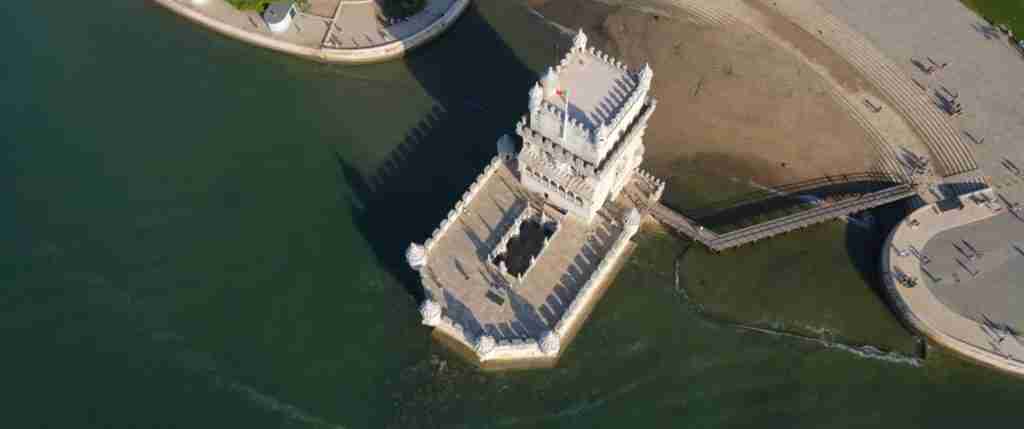
Torre de Belém, the iconic 16th-century fortress and UNESCO World Heritage monument, is closed until approximately June 2026 for structural restoration and conservation work. The closure removes one of Lisbon’s most photographed landmarks from interior touring while the exterior remains visible for photography from surrounding areas. The Lisboa Card remains valid for Torre de Belém upon reopening with no expiration or refund adjustment for the closure period. Visitors can explore alternative Belém attractions including Jerónimos Monastery, the Monument to the Discoveries, and the Maritime Museum to understand Portugal’s Age of Exploration history.
Belém Museum District: National Collections and Maritime Heritage
The Belém waterfront district 6 kilometers west of downtown Lisbon concentrates Portugal’s most significant national museums within a compact pedestrian-friendly area along the Tagus River. This cultural corridor emerged from the historic embarkation point for Portuguese explorers in the 15th and 16th centuries, creating thematic coherence around maritime heritage, royal patronage, and imperial wealth. Museums here operate Tuesday through Sunday from 10:00 to 18:00 with last entry typically 30 minutes before closing, closed Mondays and major holidays (January 1, Easter Sunday, May 1, June 13, December 24-25).
National Coach Museum (Museu Nacional dos Coches)
The National Coach Museum preserves one of the world’s finest collections of royal carriages and ceremonial vehicles from the 16th through 19th centuries. The modern main building designed by Pritzker Prize-winning architect Paulo Mendes da Rocha displays 70 vehicles including the elaborate Coach of the Oceans from 1716, featuring baroque Italian gilded decoration and commissioned by King João V for his embassy to Pope Clement XI. The collection demonstrates the evolution of animal-drawn transportation technology and the artistic expression of power through increasingly ornate designs during Europe’s absolute monarchy period.
Admission costs €15 for adults in 2026 and €8 for seniors over 65, students with valid ID, and visitors ages 13-24, with free entry for children under 12. Check the official website for current official rates as pricing updates annually. The museum operates from two buildings: the modern main pavilion at Avenida da Índia 136 houses the most significant vehicles, while the original Picadeiro Real (Royal Riding School) across Praça Afonso de Albuquerque displays cavalry equipment and additional carriages in an atmospheric 18th-century interior. The Picadeiro Real is temporarily closed from September 29, 2026 onwards for renovation works. Allow 90 minutes to two hours for comprehensive touring of both buildings. The Lisboa Card provides free admission and fast-track entry.
Transportation to the museum includes Tram 15 from downtown (Praça da Figueira or Praça do Comércio) alighting at the Belém stop, or Cascais Line trains from Cais do Sodré station reaching Belém in seven minutes. The museum is 550 meters walking distance from Jerónimos Monastery, enabling efficient combined visits. A small café operates within the museum complex for refreshments between buildings.
MAAT: Museum of Art, Architecture and Technology
MAAT opened in 2016 as Lisbon’s newest major museum, combining contemporary art exhibitions in an undulating Amanda Levete-designed building with industrial heritage in the preserved Central Tejo power station from 1908. The complex occupies riverfront land immediately west of the National Coach Museum, connected by a pedestrian promenade and park extending along the Tagus. The modern MAAT Gallery building presents temporary exhibitions by national and international contemporary artists, architects, and thinkers exploring intersections between artistic practice, technological innovation, and social change. The Central Tejo building houses “The Electricity Factory” permanent exhibition documenting coal-fired electricity generation with preserved machinery, control rooms, and Portugal’s first electric car, the Enfield 8000 from 1975.
Combined admission to both MAAT Gallery and MAAT Central costs €11 for adults, with reduced rates of €8 for visitors ages 13-18, students with valid ID, seniors 65+, and unemployed persons with documentation. Check official rates at time of visit as pricing varies based on temporary exhibitions. The museum opens Wednesday through Monday from 10:00 to 19:00, closed Tuesdays and holidays. Lisbon residents enter free Friday evenings and Sunday mornings. The Lisboa Card provides 15% discount but not free admission, making MAAT one of the pass’s few non-included major attractions.
The MAAT rooftop offers one of Belém’s finest Tagus River panoramas and the building’s distinctive white-tile wave architecture creates dramatic photography opportunities especially at sunset when golden light illuminates the curves. The MAAT Kitchen restaurant and MAAT Café provide dining options with river views. Plan 60-90 minutes for each building depending on current exhibition content. A free public car park operates 500 meters from the museum, with bicycle parking available at the entrance.
Jerónimos Monastery Museum and Cultural Center
The Jerónimos Monastery (Mosteiro dos Jerónimos) functions simultaneously as an active archaeological site, architectural monument, and museum housing the National Archaeology Museum in its western wing. The monastery itself, completed in 1601 in Portuguese Manueline Gothic style, ranks among Portugal’s most magnificent buildings and holds UNESCO World Heritage designation. The Archaeological Museum displays prehistoric, Roman, and medieval artifacts from throughout Portugal and former colonial territories, with particularly strong collections of Roman mosaics and early Christian religious art.
Monastery entrance costs €10 for adults and includes access to the church, cloister, and archaeological galleries. The Lisboa Card provides free admission and limited fast-track access, though queues still develop during peak summer mornings. The monastery opens Tuesday through Sunday 10:00-18:00, closed Mondays and holidays. Combine the monastery visit with the adjacent Maritime Museum (Museu de Marinha) for comprehensive understanding of Portugal’s Age of Exploration. The monastery complex requires 90 minutes to two hours for thorough touring.
National Maritime Museum (Museu de Marinha)
The Maritime Museum occupies the western wing of Jerónimos Monastery, documenting Portugal’s naval history from 15th-century exploration through modern commercial shipping. The collection includes detailed scale models of historic vessels, navigation instruments, nautical charts, and the original royal barge that transported Queen Elizabeth II during her 1957 state visit to Portugal. A separate pavilion displays full-size historic vessels including hydroplanes and fishing boats.
Admission costs €7 for adults, with reductions for children and seniors. The Lisboa Card provides free entry. The museum opens daily 10:00-18:00 except Mondays and holidays. Allow 60-90 minutes for complete viewing. Combine easily with Jerónimos Monastery or Monument to the Discoveries for themed maritime history tours.
Berardo Collection Museum (Museu Coleção Berardo)
The Berardo Collection Museum at the Centro Cultural de Belém presents one of Europe’s most comprehensive modern and contemporary art collections spanning 1900 to present. José Berardo’s private collection includes works by Andy Warhol, Jackson Pollock, Roy Lichtenstein, Paula Rego, Piet Mondrian, and Francis Bacon across movements including Surrealism, Pop Art, Minimalism, and Conceptual Art. The museum occupies dedicated galleries within the larger CCB complex that also houses concert halls, temporary exhibition spaces, and outdoor sculpture gardens.
The Berardo Collection maintains free admission for its permanent collection, with special exhibitions requiring paid tickets typically €5-8. The museum opens daily 10:00-19:00 except Tuesdays, closed Tuesdays and holidays. Free admission combined with high-quality international works makes the Berardo Collection one of Lisbon’s best museum values. Allow 90 minutes to two hours for comprehensive viewing. The CCB complex includes multiple cafés and a bookshop specializing in art and design publications.
Downtown Museums: Chiado, Baixa, and Alfama Cultural Spaces
Lisbon’s historic downtown districts concentrate smaller specialized museums in renovated palaces, churches, and commercial buildings within the compact walkable area from Restauradores Square south to the Tagus River and east to São Jorge Castle. These museums focus on specific aspects of Portuguese culture, decorative arts, and urban history rather than comprehensive national collections.
National Museum of Contemporary Art (Museu Nacional de Arte Contemporânea do Chiado)
The Chiado Museum occupies a renovated 19th-century industrial building in Lisbon’s cultural heart, presenting Portuguese art from 1850 through approximately 1950. The collection bridges Romanticism through early Modernism with works by José Malhoa, Amadeo de Souza-Cardoso, and Maria Helena Vieira da Silva. Temporary exhibitions feature contemporary Portuguese and international artists in dialogue with the permanent collection.
Admission costs €5 for adults, with free entry for children under 12 and visitors over 65. The Lisboa Card provides free admission. The museum opens Tuesday through Sunday 10:00-18:00, closed Mondays and holidays. Location in the Chiado district enables combination with nearby shopping, cafés, and the São Carlos National Theatre. Plan 60 minutes for permanent collection viewing.
Museum of Lisbon (Museu de Lisboa)
The Museum of Lisbon operates across multiple historic buildings documenting the city’s development from prehistoric settlement through modern metropolis. The headquarters at Pimenta Palace in Campo Grande presents archaeological finds, urban planning documents, and decorative arts. Satellite locations include Casa dos Bicos near Praça do Comércio (Lisbon Story Centre and José Saramago Foundation), Santo António Church in Alfama, and the Roman Theatre Museum preserving 1st-century remains.
Individual location admission ranges €3-5, with combined tickets available for multiple sites. The Lisboa Card provides free access to all Museum of Lisbon locations. Each site requires 30-45 minutes for viewing, making sequential visits feasible in a single day. The Casa dos Bicos location offers the most comprehensive introduction to Lisbon’s history with multimedia presentations and interactive displays suitable for families.
Carmo Archaeological Museum (Museu Arqueológico do Carmo)
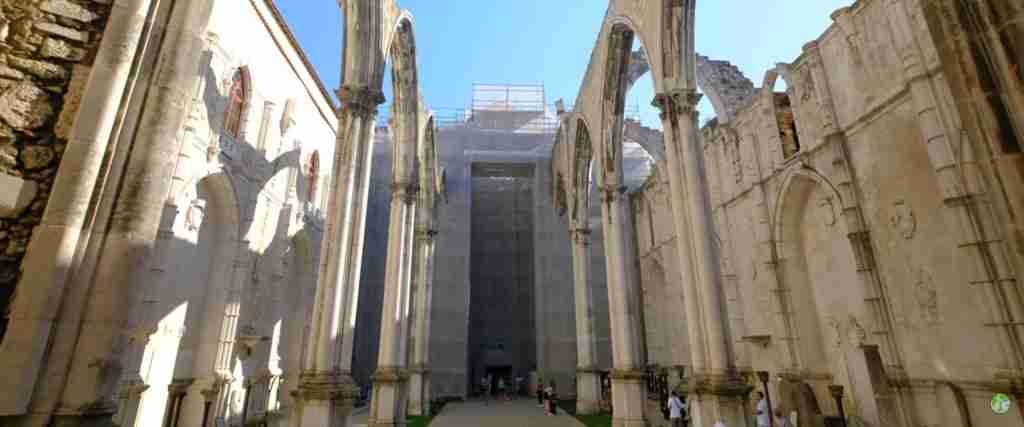
The Carmo Museum occupies the roofless ruins of the Carmo Convent, destroyed in the 1755 earthquake and preserved as Lisbon’s most dramatic earthquake memorial. The Gothic nave open to sky creates an atmospheric setting for medieval and Renaissance sculptures, pre-Columbian artifacts from Portuguese colonies, Egyptian mummies, and archaeological fragments salvaged from demolished Lisbon buildings.
Admission costs €5 for adults. The museum opens Monday through Saturday 10:00-18:00, closed Sundays and holidays. The roofless architecture and stone floors create cold conditions in winter; dress warmly October through March. The museum requires 30-45 minutes for viewing and combines naturally with nearby Chiado shopping district and Santa Justa Elevator viewpoint.
São Jorge Castle and Hilltop Museums
São Jorge Castle crowns Lisbon’s highest hill in the Alfama district, functioning as fortification, archaeological site, and museum complex documenting 2,500 years of settlement from Iron Age through modern times. The castle offers Lisbon’s finest panoramic city views from its ramparts and towers, with the Ulysses Tower camera obscura providing 360-degree projected real-time views of the city below.
Castle admission costs €15 for adults, €8 for children ages 10-17, and free for children under 10. Check official rates as pricing may adjust seasonally. The Lisboa Card provides free entry and limited fast-track access, though summer queues still develop. The castle opens daily 09:00-21:00 from March through October, 09:00-18:00 from November through February. Plan two to three hours for comprehensive touring including ramparts, towers, archaeological site, gardens, and multimedia exhibitions.
Access to the castle requires steep uphill walking from either Alfama’s narrow streets or Tram 28 routes. Taxi or Tuk-tuk services offer easier access for mobility-limited visitors. The castle complex includes a restaurant and café. Photography produces excellent results at sunrise for east-facing views or late afternoon for west-facing views across downtown and the Tagus River.
Modern Art and Contemporary Galleries 2026
Lisbon’s contemporary art scene has expanded significantly since 2010 with new institutions, renovated spaces, and increased international exhibition programming positioning the city as an emerging European contemporary art destination.
Centro de Arte Moderna (CAM) Gulbenkian
The Centro de Arte Moderna at Calouste Gulbenkian Foundation presents Portuguese modern and contemporary art from 1900 through present, with the strongest collection of 20th-century Portuguese art anywhere globally. The permanent collection includes major works by Amadeo de Souza-Cardoso, Almada Negreiros, Maria Helena Vieira da Silva, Paula Rego, and contemporary artists including Julião Sarmento. The museum operates in the original 1983 building designed by Leslie Martin with views over the Gulbenkian Garden, one of Lisbon’s finest green spaces.
While the main Gulbenkian Museum remains closed until July 2026, CAM continues operating normally. Admission costs €8 for temporary exhibitions only or €12 for combined access to permanent collection and temporary exhibitions, with free entry Sunday afternoons after 14:00. The museum opens Wednesday through Monday 10:00-18:00, extended to 21:00 on Saturdays, closed Tuesdays and holidays. The Lisboa Card provides 20% discount rather than free admission.
The current temporary exhibition “Great Works” displays selected masterpieces from the closed main Gulbenkian Museum collection, including paintings by Rembrandt, Van Dyck, and Turner alongside Egyptian, Islamic, and Far Eastern art. This exhibition provides access to Gulbenkian highlights during the main building renovation. Plan 90 minutes to two hours for comprehensive viewing of both permanent and temporary exhibitions.
MUDE: Museum of Design and Fashion (Museu do Design e da Moda)
MUDE occupies a renovated bank building at Rua Augusta in downtown Baixa, presenting rotating exhibitions from Francisco Capelo’s 1,200-piece collection of 20th-century design, fashion, and decorative arts. The collection includes furniture, industrial design objects, fashion garments, and accessories documenting design evolution from 1930s Art Deco through contemporary minimalism.
MUDE maintains free admission for all exhibitions. The museum opens Tuesday through Sunday 10:00-18:00, closed Mondays and holidays. The ground-floor exhibition space features dramatic high ceilings and raw concrete surfaces creating industrial atmosphere. Plan 45-60 minutes for viewing. Location on Rua Augusta enables combination with nearby Praça do Comércio, Lisbon Story Centre, and downtown shopping.
Specialized and Niche Museums 2026
Beyond major national institutions, Lisbon offers dozens of specialized museums focusing on specific aspects of Portuguese culture, industry, and scientific heritage.
Fado Museum (Museu do Fado)
The Fado Museum in Alfama district documents the history and cultural significance of fado, Portugal’s traditional melancholic music style inscribed on UNESCO’s Intangible Cultural Heritage list. Multimedia exhibitions trace fado’s origins in 19th-century Lisbon working-class neighborhoods through its transformation into national cultural symbol. The collection includes instruments, costumes, recordings, and interactive listening stations featuring legendary fadistas including Amália Rodrigues.
Admission costs €5 for adults, reduced for students and seniors. The museum opens Tuesday through Sunday 10:00-18:00, closed Mondays and holidays. An onsite fado restaurant provides live performances separate from museum admission. The museum shop stocks fado recordings and Portuguese music books. Plan 60 minutes for museum viewing. Location in Alfama enables combination with São Jorge Castle, Graça Viewpoint, and Alfama’s historic streets.
National Pantheon (Panteão Nacional)
The National Pantheon at Santa Engrácia Church houses tombs and cenotaphs honoring significant Portuguese figures including presidents, writers, and fado singer Amália Rodrigues. The baroque church building completed in 1966 after 284 years of construction provides rooftop access with 360-degree views over Alfama, the Tagus River, and eastern Lisbon.
Admission costs €4 for adults. The Lisboa Card provides free entry. The Pantheon opens Tuesday through Sunday 10:00-18:00 (until 17:00 October through March), closed Mondays and holidays. Rooftop access requires climbing spiral stairs not suitable for mobility-limited visitors. Plan 45 minutes including rooftop viewing. The Pantheon sits 600 meters uphill from Alfama, accessible by Tram 28 or steep walking.
Electricity Museum (Museu da Electricidade)
While not technically a separate museum, the Electricity Museum function now integrates into MAAT Central (the converted power station portion of MAAT). The permanent exhibition “The Electricity Factory” preserves the original 1908-1972 coal-fired power generation equipment including massive boilers, turbines, and control panels alongside historical documentation of industrial-era Lisbon and Portugal’s electrification.
Access includes in MAAT combined ticket at €11. The industrial architecture and preserved machinery create dramatic photography opportunities with afternoon light entering through tall windows. Engineering and industrial heritage enthusiasts should allocate additional time beyond standard MAAT Gallery viewing. The power station building also hosts contemporary art installations in dialogue with the industrial setting.
Museum Passes, Discount Strategies, and Money-Saving Options 2026
Strategic museum visiting in Lisbon requires understanding the Lisboa Card economics, free admission periods, and alternative discount options to minimize cultural tourism costs while maximizing access quality.
Lisboa Card Break-Even Analysis by Duration
The 24-hour Lisboa Card at €31 requires visiting approximately two major paid museums plus moderate public transport use to justify the investment. Paying individually for National Coach Museum (€15), MAAT (€11), and daily metro/bus rides (approximately €6-8) totals €32-34, marginally exceeding card cost with no fast-track benefits. The 24-hour card suits travelers on tight schedules focusing on Belém attractions in a single intensive day.
The 48-hour card at €51 provides stronger value for multi-day museum touring. A realistic two-day itinerary visiting National Coach Museum (€15), São Jorge Castle (€15), National Museum of Ancient Art (€8), Jerónimos Monastery (€10), plus MAAT (€11) totals €59 in individual admissions plus €12-16 transport costs, reaching €71-75 combined cost. The 48-hour card saves €20-24 while eliminating ticket queues and adding fast-track access at high-traffic sites.
The 72-hour card at €62 delivers optimal economics for comprehensive cultural exploration. Three days of museum touring visiting five to seven major paid attractions easily exceeds €80-100 in individual tickets plus €18-24 transport costs. The card pays for itself by day two, making the third day of unlimited access essentially free. The 72-hour duration supports day trips to Sintra with free train travel, expanding museum access beyond Lisbon proper to Sintra’s palaces and museums.
Free Museum Days and Times
Portuguese national museums observe free admission Sunday afternoons from 14:00 until closing time, applying to National Coach Museum, National Museum of Ancient Art, National Archaeology Museum, Maritime Museum, National Costume Museum (when reopened), and other state-operated institutions. This policy excludes independently operated museums like MAAT, Berardo Collection (already free), and private institutions. Sunday afternoon free access creates crowding at popular museums; arrive at 14:00 opening for optimal experience before crowds build.
MAAT offers free entry for Lisbon residents specifically on Friday evenings and Sunday mornings, requiring proof of residence. Visitors can access the Berardo Collection Museum free year-round, eliminating admission costs entirely for contemporary art enthusiasts. Individual museums occasionally offer free days during European Heritage Days (September) or International Museum Day (May 18), though specific participation varies annually.
Student, Senior, and Family Discounts
Most museums provide reduced admission for students with valid international student ID cards (typically 50% reduction), seniors over 65 (25-50% reduction), and youth ages 12-25 (30-50% reduction). Children under 12 enter free at nearly all museums regardless of day or time. Family tickets bundling two adults plus children under 18 often reduce per-person costs 20-30% compared to individual adult tickets.
The Lisboa Card’s youth pricing (€21 for 24 hours, €28 for 48 hours, €35 for 72 hours for ages 4-15) provides proportionally greater savings than adult cards since youth already receive reduced museum admission. Families with multiple children might find individual reduced tickets more economical than Lisboa Cards if planning minimal transport use or focusing on free museums.
Museum Booking, Ticketing, and Skip-the-Line Strategies 2026
Online advance booking has become standard practice at major Lisbon museums following pandemic-era capacity management systems. Most major institutions now sell tickets exclusively or primarily online, with limited walk-up availability during peak season from June through September.
Online Ticketing Systems and Advance Purchase
Jerónimos Monastery, São Jorge Castle, National Coach Museum, and MAAT all implement timed-entry ticketing requiring advance reservation of specific entry windows (typically 30-minute to one-hour slots). Peak summer slots at Jerónimos Monastery and São Jorge Castle sell out 3-7 days in advance during July and August. Purchase tickets minimum 48-72 hours ahead for summer visits, one week ahead for certainty. Off-season October through April offers same-day or next-day availability for most museums.
Online tickets typically cost the same as walk-up prices with no booking fees, though third-party resellers may add surcharges. Book directly through official museum websites or the Lisboa Card platform to avoid markup. Tickets arrive via email as PDF files or QR codes scannable at museum entrances. Save tickets offline on smartphones or print paper copies as backup against connectivity issues.
Lisboa Card Fast-Track Access Mechanics
The Lisboa Card provides “fast-track” or “skip-the-line” access at 12 major attractions, though implementation varies significantly by site. At Jerónimos Monastery, fast-track cardholders join a separate shorter queue bypassing the general ticket line but still waiting for entry capacity. During maximum attendance, cardholders wait 10-15 minutes versus 45-60 minutes for ticket purchasers. At São Jorge Castle, fast-track access provides more dramatic time savings with dedicated entrance lanes.
Fast-track does not equal immediate entry during peak attendance periods. Fire code capacity limits still apply, creating waits even for pass holders when museums reach maximum occupancy. Arrive at opening time (typically 10:00) for shortest fast-track queues. Afternoon fast-track access generally moves faster as morning crowds disperse. Some smaller museums included in the Lisboa Card lack separate fast-track systems since they rarely queue.
Mobile Tickets, Audio Guides, and Digital Resources
Most major museums now accept mobile tickets scanned directly from smartphones, eliminating printing requirements. Ensure phone battery exceeds 50% charge when relying on mobile tickets; carry backup portable chargers for full-day museum touring. Some museums still require printed tickets or exchange mobile vouchers for physical tickets at service desks before entry.
Audio guides transition from physical device rental to smartphone app downloads. The Gulbenkian Museum, National Coach Museum, and MAAT all offer free audio guide apps downloadable from iOS App Store and Google Play Store. Apps require 200-500MB storage space and function offline after initial download on WiFi. Quality varies from basic recorded commentary to multimedia presentations with music, video, and interactive maps. Physical audio guide rental typically costs €3-5 when available.
Best Times to Visit Lisbon Museums 2026
Museum crowding follows predictable patterns based on time of day, day of week, and season, enabling strategic scheduling to minimize queues and maximize viewing quality.
Daily Timing Strategies
Museum opening time (typically 10:00) creates the first optimal window for popular attractions before tour groups arrive mid-morning. Arriving at 10:00 opening at Jerónimos Monastery, São Jorge Castle, or National Coach Museum provides 60-90 minutes of relatively uncrowded access before 11:30 when organized tours flood in. This morning window works especially well Tuesday through Thursday when day-trip tour operators focus on other destinations.
The midday lull from 13:00-15:00 offers a second optimal window at most museums. Portuguese lunch customs and tour group dining schedules create notably reduced museum traffic during early afternoon. Museums rarely close for lunch (unlike some shops and smaller attractions), maintaining continuous operation through midday. This timing works particularly well at downtown museums like Chiado Contemporary Art Museum or Museum of Lisbon locations.
Final entry slots before closing (typically 17:00-17:30 with 18:00 closing) provide the quietest museum experience but require rushing through exhibitions. This strategy suits visitors who’ve seen the museum previously or who prefer specific sections rather than comprehensive viewing. MAAT’s extended Saturday hours until 21:00 create excellent late evening visiting opportunities with dramatic lighting on the Tagus River.
Weekly Patterns and Day Selection
Tuesday through Thursday represent the quietest museum days, with notably lighter attendance than Friday through Monday when weekend travelers concentrate visits. Museums closed Mondays or Tuesdays (check specific institution schedules) reduce weekly capacity, pushing crowds into remaining days. Plan major museum visits Tuesday through Thursday when feasible, reserving Friday through Sunday for outdoor sightseeing, neighborhoods, and dining.
Sunday afternoon free admission at national museums creates intentional crowding from 14:00 onwards. Visitors prioritizing cost savings over comfort should arrive exactly at 14:00 Sunday opening for free slots. Those prioritizing viewing experience should avoid Sunday afternoons entirely at free-admission museums, visiting paid-admission times instead.
Seasonal Considerations and Annual Calendar
Peak tourist season from June through September generates maximum museum attendance, longest queues, and most restricted availability for timed-entry tickets. July and August represent the absolute peak with families traveling during school holidays. Jerónimos Monastery, São Jorge Castle, and Belém attractions queue 45-90 minutes during summer midday peaks. Book tickets one week ahead minimum for July-August visits; arrive at opening time regardless of advance tickets to beat worst crowding.
Shoulder seasons April-May and September-October provide ideal conditions with moderate temperatures, reduced crowds, and full museum operations before winter hour reductions. These months deliver optimal balancing of pleasant viewing conditions and manageable attendance. Many museums maintain summer extended hours through September.
Winter November through March creates the quietest museum period with shortest or nonexistent queues but faces reduced hours (closing 17:00-18:00 versus 18:00-19:00 summer), occasional strike-related closures, and cold temperatures in unheated spaces like Carmo Archaeological Museum. Winter visiting requires flexibility around occasional unannounced closures and weather-related disruptions. The tradeoff delivers nearly private museum experiences at major attractions.
Museums by Neighborhood: Geographic Clustering Strategies
Efficient museum touring in Lisbon requires understanding geographic clustering to minimize transportation time between sites and create themed neighborhood-focused itineraries.
Belém Corridor Full-Day Itinerary
Belém concentrates six major museums within one kilometer walking distance, enabling comprehensive cultural immersion in a single day. Start at Jerónimos Monastery at 10:00 opening for quiet access before crowds, spending 90 minutes in the church, cloister, and archaeological museum. Walk 550 meters west to National Coach Museum for 90 minutes viewing royal carriages in both modern and historic buildings. Break for lunch at Pastéis de Belém for famous custard tarts or Café MAAT Kitchen for river views and modern Portuguese cuisine.
Afternoon visits include MAAT (60-90 minutes for both gallery and power station) followed by the Berardo Collection Museum at CCB (90 minutes for contemporary art). Optional additions include Maritime Museum adjacent to Jerónimos Monastery (60 minutes) or Monument to the Discoveries for rooftop views (30 minutes). This itinerary covers five to six major cultural sites, requires the 72-hour Lisboa Card for optimal economics and fast-track access, and delivers comprehensive Portuguese cultural context from Age of Exploration through contemporary art.
Transportation to Belém from downtown includes Tram 15 from Praça da Figueira (30 minutes, very crowded), Cascais Line train from Cais do Sodré (7 minutes, most efficient), or Uber/taxi (15 minutes, €8-12 from downtown). The Lisboa Card covers all public transport options free. Return to downtown via the same routes or continue west to Cascais for beach sunset dining.
Alfama Hill Museums and Castle District
The Alfama district climbing to São Jorge Castle creates a natural uphill progression from river level to hilltop castle, combining museums with neighborhood exploration of Lisbon’s oldest quarter. Start at Fado Museum near Santa Apolónia train station, spending 60 minutes understanding Portugal’s traditional music before walking uphill through Alfama’s narrow streets. Stop at Miradouro de Santa Luzia viewpoint for photographs, then continue to National Pantheon (45 minutes).
Climb further to São Jorge Castle at the summit for two to three hours exploring ramparts, towers, archaeological site, and panoramic views. Descend through Alfama’s western side visiting Carmo Archaeological Museum ruins (45 minutes) before reaching Chiado district for shopping and Chiado Contemporary Art Museum (60 minutes). This itinerary requires strong walking fitness due to Lisbon’s steep hills; alternatively, take Tram 28 to castle area, visit downhill, then taxi or Tram 28 return.
Downtown Cultural Triangle: Chiado-Baixa-Rossio
Downtown Lisbon’s flat commercial core from Rossio to Praça do Comércio concentrates smaller specialized museums within compact walkable distance. Start at MUDE Design Museum on Rua Augusta (45 minutes of free admission design exhibitions), walk to Casa dos Bicos Museum of Lisbon location (45 minutes covering city history), then south to Lisbon Story Centre at Praça do Comércio for multimedia history presentation (60 minutes).
Afternoon routing includes Chiado Contemporary Art Museum (60 minutes), Carmo Archaeological Museum ruins (45 minutes), and São Roque Church Museum of Sacred Art (30 minutes). This itinerary totals five cultural sites requiring approximately four hours of viewing time, easily accomplished in a single day with lunch breaks at Chiado cafés or Time Out Market at Cais do Sodré. Most downtown museums charge minimal admission (€3-5) or offer free access, making this route economical without Lisboa Card purchase.
Family-Friendly Museums and Interactive Spaces 2026
Lisbon’s museum offerings for families with children emphasize interactive experiences, outdoor spaces, and engaging content beyond traditional glass-case exhibitions.
Oceanário de Lisboa (Lisbon Oceanarium)
The Lisbon Oceanarium ranks among Europe’s largest aquariums, housing a central 5-million-liter tank viewable from multiple levels creating immersive underwater viewing experiences. Exhibits recreate Atlantic, Pacific, Indian Ocean, and Antarctic marine ecosystems with seahorses, otters, penguins, rays, and sharks. The central tank houses sunfish, manta rays, and sharks swimming together in impressive scale.
Admission costs €25 for adults, €17 for children ages 4-12, free for children under 4. Family tickets (two adults plus two children) cost €65, saving €19 versus individual tickets. The oceanarium opens daily 10:00-20:00 (last entry 19:00), with reduced hours 10:00-19:00 in winter. Located in Parque das Nações 20 minutes by metro from downtown (Oriente station, Red Line), accessible via Lisboa Card free metro. The oceanarium does not participate in Lisboa Card free admission but provides 10% discount for cardholders. Plan two to three hours for comprehensive viewing including outdoor gardens and temporary exhibitions. The oceanarium café serves child-friendly meals, and the gift shop stocks marine life books and toys.
Pavilion of Knowledge (Pavilhão do Conhecimento)
The Pavilion of Knowledge interactive science museum in Parque das Nações presents hands-on physics, biology, and technology exhibits designed specifically for children and family participation. Permanent exhibitions cover topics including human body systems, forces and motion, mathematics, and robotics. Temporary exhibitions rotate quarterly featuring themes like space exploration, dinosaurs, or environmental science.
Admission costs €11 for adults, €7 for children ages 3-17 and seniors over 65. Family tickets reduce costs for groups. The museum opens Tuesday through Friday 10:00-18:00, weekends 11:00-19:00, closed Mondays except school holidays. Located adjacent to Lisbon Oceanarium in Parque das Nações, enabling combined full-day family itineraries. The Lisboa Card does not include free admission but provides small discounts. Plan two to three hours; active children can easily spend half a day engaging with interactive exhibits.
3D Fun Art Museum and Banksy Museum
The 3D Fun Art Museum relocated to Rua Duque de Palmela 25B in January 2026, featuring optical illusion installations designed for interactive photography where visitors become part of three-dimensional artworks. Installations include fantasy scenes, wildlife encounters, and trick perspective setups creating humorous photo opportunities. This museum particularly appeals to teenagers and social media-focused visitors.
The Banksy Museum displays reproductions and documentation of street artist Banksy’s works including “Girl with Balloon” and “Sweep it Under the Carpet.” Original Banksy works rarely travel to traditional museums, making this reproduction-based museum controversial among art purists but popular with families introducing children to contemporary street art concepts. Both museums charge approximately €12-15 admission without Lisboa Card inclusion. Each requires 60-90 minutes for viewing and photography.
Art Galleries and Contemporary Commercial Spaces
Beyond major museums, Lisbon’s commercial gallery scene has expanded significantly since 2015 with new spaces opening in Chiado, Santos, and LX Factory creative district. Contemporary galleries typically maintain free admission for exhibitions, operating Tuesday through Saturday 11:00-19:00 with summer closures August.
LX Factory Creative District
LX Factory occupies converted textile factory buildings under the 25 de Abril Bridge in Alcântara, housing galleries, design shops, restaurants, and creative offices in industrial warehouse spaces. Multiple galleries present rotating contemporary art, photography, and design exhibitions free to public. The complex functions as both cultural destination and trendy commercial district popular with locals and tourists for weekend browsing.
LX Factory galleries maintain irregular hours; visit Thursday through Sunday afternoon for most reliable gallery access. The district requires 90 minutes to two hours for comprehensive gallery viewing plus dining or shopping time. Access via Tram 15 to Calvário stop (uphill walk) or Tram 18 to Santo Amaro (downhill walk), or taxi from downtown Lisbon (15 minutes, €8-10). The Lisboa Card covers tram transport but provides no gallery discounts.
Traditional Gallery Districts: Chiado and São Bento
Chiado’s pedestrian shopping streets between Largo do Chiado and Praça Luís de Camões host established commercial galleries specializing in Portuguese contemporary art, photography, and prints. Galleries cluster on Rua da Misericórdia, Rua do Alecrim, and side streets, requiring walk-by discovery rather than pre-planned visits. São Bento district near Parliament building concentrates antique dealers and traditional art galleries featuring Portuguese paintings from 18th through 20th centuries.
Gallery browsing integrates naturally with Chiado shopping, café culture, and Bairro Alto nightlife exploration. Most galleries welcome browsers without purchase pressure. Gallery visits create ideal rainy-day alternatives to outdoor sightseeing or late afternoon activities after museums close at 18:00.
Museum Dining, Cafés, and Bookshops
Major museums operate restaurants and cafés ranging from basic cafeteria service to destination dining experiences, providing meal options without leaving museum complexes during full-day cultural touring.
Gulbenkian Garden Café and Restaurant
The Gulbenkian Foundation campus includes multiple dining options within its gardens. The main restaurant offers traditional Portuguese cuisine and contemporary dishes in modernist architecture overlooking the gardens. A separate café provides lighter meals, coffee, and pastries. The garden itself functions as public park free to enter regardless of museum attendance, creating peaceful green space in urban Lisbon. The garden café operates daily 10:00-19:00; the restaurant opens lunch and dinner Wednesday through Sunday.
MAAT Kitchen and Café
MAAT Kitchen restaurant at the Museum of Art, Architecture and Technology serves modern Portuguese cuisine with floor-to-ceiling windows facing the Tagus River. The menu emphasizes seasonal ingredients and contemporary plating popular with Lisbon’s design-conscious demographics. Reservations recommended for weekend lunch and any dinner service. MAAT Café on the rooftop level provides coffee, pastries, and light meals with outdoor seating and river views. Café operates museum hours 10:00-19:00 Wednesday through Monday.
Museum Bookshops and Specialty Shopping
Museum gift shops in Lisbon generally exceed typical souvenir quality, stocking art books, design objects, and Portuguese craft items rather than generic tourist merchandise. The Gulbenkian Museum shop specializes in art and architecture publications, Asian decorative arts, and Portuguese designer jewelry and textiles. The Berardo Collection shop at CCB focuses on contemporary art books, posters, and design objects from featured artists.
The National Coach Museum shop sells Portuguese equestrian-themed gifts, reproductions of historic carriage decorative elements, and transportation history books. MAAT shop emphasizes Portuguese contemporary design including ceramics, textiles, lighting, and furniture by studios like Uma Studio and T Touch. Museum shops typically accept credit cards and provide tax-free shopping documentation for non-EU visitors spending over €25.
Museum Accessibility and Practical Information
Lisbon museums have improved accessibility features significantly since 2015 following EU requirements for barrier-free access, though historic building constraints limit full adaptation at some sites.
Wheelchair Access and Mobility Support
Modern museums including MAAT, the new National Coach Museum building, and Berardo Collection provide full wheelchair accessibility with ramps, elevators, accessible restrooms, and designated parking spaces. Historic buildings like Jerónimos Monastery, São Jorge Castle, and Carmo Archaeological Museum face structural limitations with stairs, uneven stone floors, and narrow passages restricting wheelchair access to ground-level areas only.
Most major museums offer free wheelchair loan at entrance service desks on first-come basis (typically two wheelchairs available per museum). Reserve wheelchairs ahead by email or phone for guaranteed availability. Audio guides increasingly include hearing loop compatibility for hearing aids. Large-print gallery text and tactile exhibits appear in newer museum renovations. Service animals receive free admission and full building access.
Photography Policies and Restrictions
Photography policies vary significantly across Lisbon museums. Most national museums permit non-flash photography for personal use in permanent collections while prohibiting photography in temporary exhibitions, typically indicated by signage at exhibition entrances. Flash photography damages artworks and is universally prohibited. Tripods, selfie sticks, and professional camera equipment require advance permission and often incur fees.
MAAT, Berardo Collection, and Gulbenkian museums generally permit photography in most spaces. Jerónimos Monastery allows exterior and cloister photography but restricts images inside the church. São Jorge Castle permits photography throughout including ramparts and viewpoints. Always verify current policy upon entry; guards actively enforce restrictions and can require deleting prohibited images.
Luggage, Coat Check, and Security
Most museums prohibit large backpacks, rolling luggage, and bags exceeding 40x30x20 centimeters dimensions inside exhibition spaces. Free coat check and luggage storage facilities operate at museum entrances accepting bags, coats, and umbrellas. Valuable items should remain with visitors or stored in provided lockers (typically €1-2 coin deposit returned upon locker opening). Museums disclaim responsibility for checked items.
Security screening at museum entrances includes bag x-ray and metal detectors at major sites like Jerónimos Monastery and São Jorge Castle. Food, drinks (except water bottles), and sharp objects face confiscation or coat check requirement. Museums maintain climate control requiring significant heating in winter and air conditioning in summer; carry layers for temperature variation between outdoor temperature and interior exhibition spaces.
Museum Exhibitions and Temporary Shows 2026
Beyond permanent collections, Lisbon museums present rotating temporary exhibitions ranging from three-month gallery shows to year-long special exhibitions. Current 2026 temporary exhibitions require checking individual museum websites for precise dates and themes.
The Gulbenkian Foundation’s “Great Works” exhibition at CAM displays masterpieces from the closed main museum through July 2026 reopening, including Rembrandt paintings, Egyptian sculpture, and Islamic ceramics normally housed in the permanent gallery. This represents rare opportunity to view Gulbenkian highlights in the modern CAM architecture rather than traditional museum setting.
MAAT Gallery rotates major temporary exhibitions every three to four months, typically featuring international contemporary artists exploring technology, society, and environmental themes. Recent exhibitions included works by William Klein, James Turrell, and Dominique Gonzalez-Foerster. Check MAAT’s website for current exhibition programming when planning visits; exhibition quality significantly impacts whether MAAT’s €11 admission justifies cost versus free museums.
The Berardo Collection Museum presents two to three major temporary exhibitions annually in dedicated temporary gallery space separate from permanent collection. Recent shows have featured Basquiat, Anish Kapoor, and other contemporary masters. Free admission to Berardo’s permanent collection applies regardless of temporary exhibition programming.
Beyond Lisbon: Day Trip Museum Options with Lisboa Card
The Lisboa Card’s included train travel to Sintra, Cascais, and other suburbs expands museum access beyond Lisbon proper to historic palaces and regional collections accessible as day trips.
Sintra Palace Museums
Sintra’s concentration of royal palaces and gardens 30 kilometers northwest of Lisbon functions as outdoor museum complex within UNESCO World Heritage Cultural Landscape designation. The Lisboa Card provides free CP train travel to Sintra from Rossio or Oriente stations (40 minutes) but does NOT include free admission to Sintra attractions. Major sites including Pena Palace, Quinta da Regaleira, and Moorish Castle charge €10-15 individual admission; the Lisboa Card provides 10-15% discount but requires purchasing separate tickets.
A realistic Sintra day trip visiting two to three palaces costs €25-40 in admission fees plus local bus transport (Bus 434 circuit route €5). Combined with free Lisboa Card train transport, a Sintra excursion totals €25-40 beyond the card cost. Sintra deserves full-day allocation from morning departure through evening return; rushed half-day visits provide insufficient time for palace touring and garden exploration.
Cascais and Estoril Coastal Museums
Cascais seaside resort town 30 kilometers west of Lisbon offers smaller museums including Casa das Histórias Paula Rego (contemporary art museum dedicated to Portuguese-British painter Paula Rego), Cascais Cultural Centre with rotating exhibitions, and maritime heritage museums. The Lisboa Card provides free train travel to Cascais from Cais do Sodré station (35 minutes) and free admission to some Cascais municipal museums.
Cascais functions better as beach and dining day trip than museum-focused excursion; integrate museum visits into broader coastal exploration including beaches, clifftop walks to Boca do Inferno, and fresh seafood dining. Allocate half to full day for Cascais; the relaxed coastal atmosphere suits slower-paced exploration than Lisbon’s intensive museum touring.
Annual Museum Events and Cultural Festivals 2026
Lisbon’s cultural calendar includes several annual events expanding regular museum programming and creating special access opportunities.
International Museum Day (May 18, 2026)
International Museum Day annually on May 18 brings free admission and extended hours at participating museums, special exhibitions, workshops, and behind-the-scenes tours typically closed to public. Exact programming varies by institution and requires checking individual museum announcements in April-May. Past editions have included curator-led tours, conservation lab visits, and evening concerts in museum spaces. This represents excellent opportunity for accessing museums free outside regular Sunday afternoon slots, though crowding increases with free admission.
European Heritage Days (September 2026)
European Heritage Days over a September weekend (dates vary annually, typically third or fourth weekend) open historic buildings normally closed to public including government palaces, private collections, and restricted palace rooms. Many museums extend hours and offer free admission throughout the weekend. Programming emphasizes Portuguese heritage, traditional crafts demonstrations, and architectural tours. This event attracts significant local and tourist crowds; arrive early at popular sites for manageable access.
Museum Long Night (Late Spring/Early Summer)
Museum Long Night (Noite dos Museus) occurs one evening annually, typically May or June, when dozens of museums remain open until midnight or 01:00 with free admission, live music, special programming, and neighborhood street festivals. This creates festive cultural celebration atmosphere rather than standard museum visiting. Popular museums experience overcrowding making detailed artwork viewing difficult; treat Long Night as cultural sampling and social event rather than serious museum studying. Programming announcements appear on museum websites and tourist office materials in March-April.
Weather and Seasonal Considerations for Museum Visiting
Lisbon’s climate influences museum touring more through outdoor comfort for walking between sites than indoor exhibition conditions, since most museums maintain year-round climate control.
Summer Heat Management (June-September)
Lisbon summer temperatures reach 28-35°C (82-95°F) creating challenging conditions for extended outdoor walking between museums. Plan museum-heavy days during summer, using air-conditioned exhibition spaces as respite from midday heat. Schedule outdoor walking for morning before 11:00 or evening after 18:00. Museums typically maintain comfortable 20-22°C (68-72°F) interior temperatures year-round. Drink water extensively; most museums permit small water bottles inside exhibitions.
Summer crowds peak July-August requiring advance ticket booking and earlier arrival times to beat tour group rushes. Museums in Belém experience maximum crowding summer midday when cruise ship excursions concentrate visits. Consider afternoon museum schedules starting 15:00 after tour groups depart, though reduced hours mean fewer total touring hours available.
Winter Considerations (November-March)
Winter brings mild but wet weather with temperatures 10-15°C (50-59°F) and frequent rain November through February. Museums provide ideal rainy-day activities, creating higher winter attendance on wet days versus sunny periods when visitors prefer outdoor sightseeing. Unheated historic buildings like Carmo Archaeological Museum ruins and certain São Jorge Castle areas feel uncomfortably cold on damp winter days; dress warmly with layers.
Winter reduced hours (museums closing 17:00-18:00 versus 18:00-19:00 summer) compress daily touring windows. Plan maximum two major museums daily winter schedules versus three or more feasible with summer extended hours. Winter offers shortest museum queues and most intimate viewing experiences as tourist volume drops significantly compared to summer peaks.
Museum Etiquette and Cultural Norms
Portuguese museum visiting follows standard European cultural norms with some local variations worth understanding for smooth experiences.
Silence or quiet conversation represents expected museum behavior; loud talking, phone calls, and video recording with sound disrupts other visitors and attracts guard intervention. Mobile phones should remain silenced inside exhibitions. Children must remain supervised; Portuguese museum guards actively enforce parental supervision expectations and will approach families whose children run, shout, or touch displays.
Touching artworks, sculptures, or display cases is strictly prohibited with guards monitoring closely. Even leaning close to artworks or displays can prompt warnings about maintaining distance. Museum guards take protective roles seriously and will correct behavior firmly; comply immediately with any guard instructions regarding behavior, photography, or movement through spaces.
Food and drink prohibitions apply throughout exhibition spaces except designated café areas. Water bottles typically receive exception and may be carried in exhibitions. Eating, chewing gum, or consuming any food inside exhibition galleries faces immediate guard intervention. Use museum cafés or exit buildings for meals and snacks.
Museum-Related Tours and Guided Experiences
Beyond self-guided museum visits, various tour operators offer guided museum experiences, neighborhood walking tours with museum components, and specialized thematic tours focusing on Portuguese art, architecture, or history.
Official Museum Guided Tours
Some museums including the Gulbenkian and São Jorge Castle offer official guided tours in multiple languages (typically Portuguese, English, French, Spanish) included with admission or for small supplements (€3-5). Tours last 60-90 minutes covering collection highlights and museum architecture. Advance booking sometimes required, especially for English-language tours with limited frequency. Check individual museum websites for current tour schedules.
Private Tour Operators and Cultural Guides
Licensed private guides offer customized museum tours bookable through tour companies or directly. Half-day (4 hours) or full-day (8 hours) private tours typically cost €150-250 total for groups up to 6-8 people, not including museum admission fees. Private tours provide personalized pacing, expert art historical context, and VIP access arrangements including reserved entry times. This option suits travelers seeking deep art understanding beyond audio guide commentary or those with mobility needs requiring vehicle transport between museums.
Group walking tours with museum components typically cost €30-50 per person for half-day tours combining neighborhood exploration with one or two museum visits. These tours emphasize cultural context and Lisbon history rather than detailed artwork discussion. Tours often include skip-the-line museum entry as part of package pricing.
Frequently Asked Questions About Lisbon Museums 2026
Do Lisbon museums require advance booking in 2026?
Major museums including Jerónimos Monastery, São Jorge Castle, National Coach Museum, and MAAT strongly recommend or require advance online booking, especially May through September peak season. These institutions implement timed-entry systems with specific 30-minute or one-hour entry windows preventing overcrowding. Summer weekend slots at Jerónimos Monastery and São Jorge Castle sell out three to seven days ahead. Book tickets minimum 48-72 hours before visits during summer, one week ahead for certainty. Off-season October through April offers more flexible same-day or next-day availability. The Lisboa Card provides fast-track access without requiring specific timed reservations at most included museums, though some sites still require cardholders to reserve time slots during peak periods. Smaller museums including Fado Museum, Museum of Lisbon locations, and downtown galleries typically accept walk-up visitors without advance booking year-round.
Can I use the Lisboa Card for museum visits in Sintra?
The Lisboa Card includes free unlimited train travel on CP lines from Lisbon to Sintra (departing Rossio or Oriente stations), but does NOT provide free admission to Sintra attractions. Major Sintra sites including Pena Palace, Quinta da Regaleira, Moorish Castle, and National Palace of Sintra charge separate admission fees ranging €10-15 per site. The Lisboa Card provides 10-15% discount on Sintra attraction tickets when booking through official channels, reducing costs by approximately €2-3 per ticket. A comprehensive Sintra day trip visiting two to three palaces costs €25-40 in admission fees beyond the Lisboa Card’s included train transport. Budget accordingly; the free train travel saves approximately €5-8 round-trip transport costs but Sintra palace admissions still represent significant additional expense.
Which museums in Lisbon are best for contemporary art?
MAAT (Museum of Art, Architecture and Technology) leads Lisbon’s contemporary art scene with major international exhibitions in Amanda Levete’s architecturally striking building plus the converted 1908 Central Tejo power station. Centro de Arte Moderna (CAM) at Gulbenkian Foundation presents the strongest collection of 20th and 21st-century Portuguese art including works by Paula Rego, Maria Helena Vieira da Silva, and contemporary artists. The Berardo Collection Museum offers free admission to one of Europe’s best modern and contemporary collections featuring Warhol, Pollock, Lichtenstein, and major international artists from 1900 onwards. MUDE (Museum of Design and Fashion) provides free contemporary design exhibitions in downtown Baixa. Smaller contemporary spaces include galleries in LX Factory creative district and Chiado commercial galleries. For cutting-edge international contemporary art exhibitions, MAAT offers the most dynamic programming; for comprehensive survey of Portuguese modernism, visit CAM; for international contemporary masters, the Berardo Collection delivers exceptional quality at zero admission cost.
Are photography and videos allowed in Lisbon museums?
Photography policies vary significantly across Lisbon museums with no universal rule. Most national museums permit non-flash photography for personal use in permanent collections while prohibiting photography in temporary exhibitions and special loan shows, typically indicated by signage at exhibition room entrances. Flash photography universally prohibited due to artwork damage risks. Tripods, selfie sticks, monopods, and professional camera equipment (defined as cameras with interchangeable lenses plus external lighting) require advance written permission and sometimes incur fees. MAAT generally permits photography throughout both gallery and power station buildings. The Berardo Collection allows photography in most spaces. Jerónimos Monastery restricts photography inside the church but permits images in the cloister and exterior. São Jorge Castle allows photography throughout including ramparts and archaeological areas. Video recording typically requires stricter permissions than still photography due to commercial use concerns. Museum guards actively enforce photography restrictions; visitors photographing in restricted areas face requests to delete images and possible expulsion for repeated violations. Always verify current policy upon museum entry or at exhibition room entrances.
How much time should I allocate for major Lisbon museums?
Comprehensive viewing times for major Lisbon museums: National Coach Museum 90-120 minutes covering both modern building and historic Picadeiro Real; MAAT 90-120 minutes for both Gallery and Central buildings; Gulbenkian Museum when reopened July 2026 approximately 120-180 minutes for 1,000+ permanent collection works; Centro de Arte Moderna (CAM) 90-120 minutes; Jerónimos Monastery 90-120 minutes including church, cloister, and archaeological museum; São Jorge Castle 120-180 minutes for ramparts, towers, archaeological site, and gardens; Berardo Collection Museum 90-120 minutes for permanent collection; National Museum of Ancient Art 120-150 minutes; Maritime Museum 60-90 minutes. These durations assume moderate-paced viewing reading gallery text and studying major works rather than rushed walk-through or intensive deep study. Adjust times based on personal interest levels; art enthusiasts may spend significantly longer at collections matching their interests. Plan maximum two to three major museums daily when combining with meals, transport time, and other activities. Attempting four or more museums daily creates exhausting rushed experiences with diminishing appreciation quality.
Do Lisbon museums offer reduced admission for students and seniors?
Most Lisbon museums provide reduced admission rates for students with valid international student ID cards (typically 50% discount), seniors over 65 (25-50% discount), youth ages 12-25 (30-50% discount), and children under 12 (free admission). Portuguese national museums maintain standardized discount structures: adult full price, approximately 50% reduction for students and youth 13-25 with ID, free admission children under 12, 25-30% reduction seniors 65+. Private museums including MAAT set their own discount policies which may differ from national museum standards. The Lisboa Card eliminates need for reduced-rate tickets since card provides free admission to included museums regardless of age, though card itself offers youth pricing (ages 4-15) at €21 for 24 hours, €28 for 48 hours, €35 for 72 hours compared to adult rates. Present valid ID when claiming reduced rates; guards verify eligibility especially for student discounts. International Student Identity Card (ISIC) provides most reliable student verification accepted universally; university-specific IDs may face scrutiny or rejection at some museums.
What museums can I visit on Christmas Day or New Year’s Day in Lisbon?
Most Lisbon museums close completely on December 25 (Christmas Day), January 1 (New Year’s Day), Easter Sunday, May 1 (Labour Day), June 13 (Santo António municipal holiday), and December 24 (Christmas Eve) with rare exceptions. These represent official Portuguese public holidays when museums operate with skeleton staffing or close entirely for staff holidays. The Lisbon Oceanarium typically remains open these dates with adjusted hours, though verify specific holiday schedules on official website before visiting. Some private museums including certain contemporary galleries may open holidays though most follow closure convention. Museums observe standard hours December 26 through 31 and from January 2 onwards. Plan December 24-25 and December 31-January 1 around non-museum activities including neighborhood walks, viewpoints, restaurants, and cathedral visits (churches maintain religious services but may restrict tourist access during Christmas masses). The Lisboa Card validity period continues counting hours during museum closure days; activate cards strategically to avoid losing validity hours to closure days. Boxing Day (December 26) and days immediately following New Year’s Day see very light museum attendance creating excellent visiting conditions.
Are Lisbon museums accessible for wheelchair users?
Modern museums including MAAT, the new National Coach Museum building (opened 2015), Berardo Collection Museum, and Gulbenkian Foundation facilities provide full wheelchair accessibility with entrance ramps, elevators to all floors, accessible restrooms, lowered reception desks, and designated wheelchair-accessible parking. These museums comply with current EU accessibility standards. Historic buildings including Jerónimos Monastery, São Jorge Castle, Carmo Archaeological Museum ruins, and National Tile Museum (when reopened) face structural constraints from centuries-old architecture limiting full accessibility. These sites typically provide ground-level wheelchair access through alternative entrances but upper-level galleries, staircases, ramparts, and towers remain inaccessible. Most major museums loan wheelchairs free at entrance on first-come basis (typically two wheelchairs per museum available). Reserve wheelchair availability ahead via email to museum accessibility coordinators for guaranteed access, especially during peak season when wheelchairs loan out early. Service animals receive free admission and full access throughout museums. Audio guides increasingly include hearing loop compatibility and closed-captioning features for hearing-impaired visitors. Large-print gallery text panels appear in major renovations though not universally available. Contact individual museums regarding specific accessibility needs for personalized assistance arrangements.
Can I bring food and drinks into Lisbon museums?
Food and drinks are universally prohibited in museum exhibition galleries and spaces displaying artworks or artifacts, with security guards actively enforcing these restrictions. Small sealed water bottles typically receive exception and may be carried into exhibitions for hydration, though some museums require storing even water bottles in coat check. Museums maintain designated areas for eating including entrance lobbies, outdoor courtyards, and museum cafés where food consumption is permitted. Visitors planning extended museum visits should eat meals in museum cafés or nearby restaurants rather than bringing picnic food into museums. Museum cafés serve varying quality food from basic cafeteria offerings (Maritime Museum, some smaller museums) to destination restaurant experiences (MAAT Kitchen, Gulbenkian restaurants). Most museums allow reentering after stepping outside for meals if presenting same-day tickets at entrance. The Portuguese custom of late lunches (14:00-15:30) means museum cafés experience lighter midday traffic than northern European museums, making lunch breaks more pleasant than fighting crowds. Museums located in areas with strong nearby restaurant options (Belém, Chiado, Alfama) make external lunch breaks more appealing than on-site museum cafés.
How do I get from Lisbon Airport to museum districts efficiently?
Metro Red Line from Lisbon Airport reaches downtown museum areas in 20-30 minutes with connections to other districts. For Chiado-Baixa downtown museums, take Red Line to Alameda station, transfer to Green Line toward Cais do Sodré, exit at Baixa-Chiado station (total journey 25 minutes). For Belém museums, take Red Line downtown to Cais do Sodré, then Cascais Line train to Belém (total journey 40 minutes), or take Aerobus shuttle to Cais do Sodré with direct Belém connection. For São Jorge Castle and Alfama museums, Red Line to Santa Apolónia station, then Tram 28 or taxi uphill (total journey 35 minutes plus uphill transport). The Lisboa Card provides free metro transport from airport immediately upon validation, making card redemption at airport Ask Me Lisboa desk advantageous for travelers heading directly to museums upon arrival. Taxis from airport to downtown cost €15-20, to Belém €20-25, offering faster direct transport for travelers with luggage or mobility constraints. Uber/Bolt rideshare typically costs €10-15 to downtown, though surge pricing during peak arrival times may match taxi rates. Airport Aerobus shuttle (€4 one-way, €6 return) stops at major downtown points including Restauradores, Rossio, and Cais do Sodré, providing middle option between metro economy and taxi convenience.