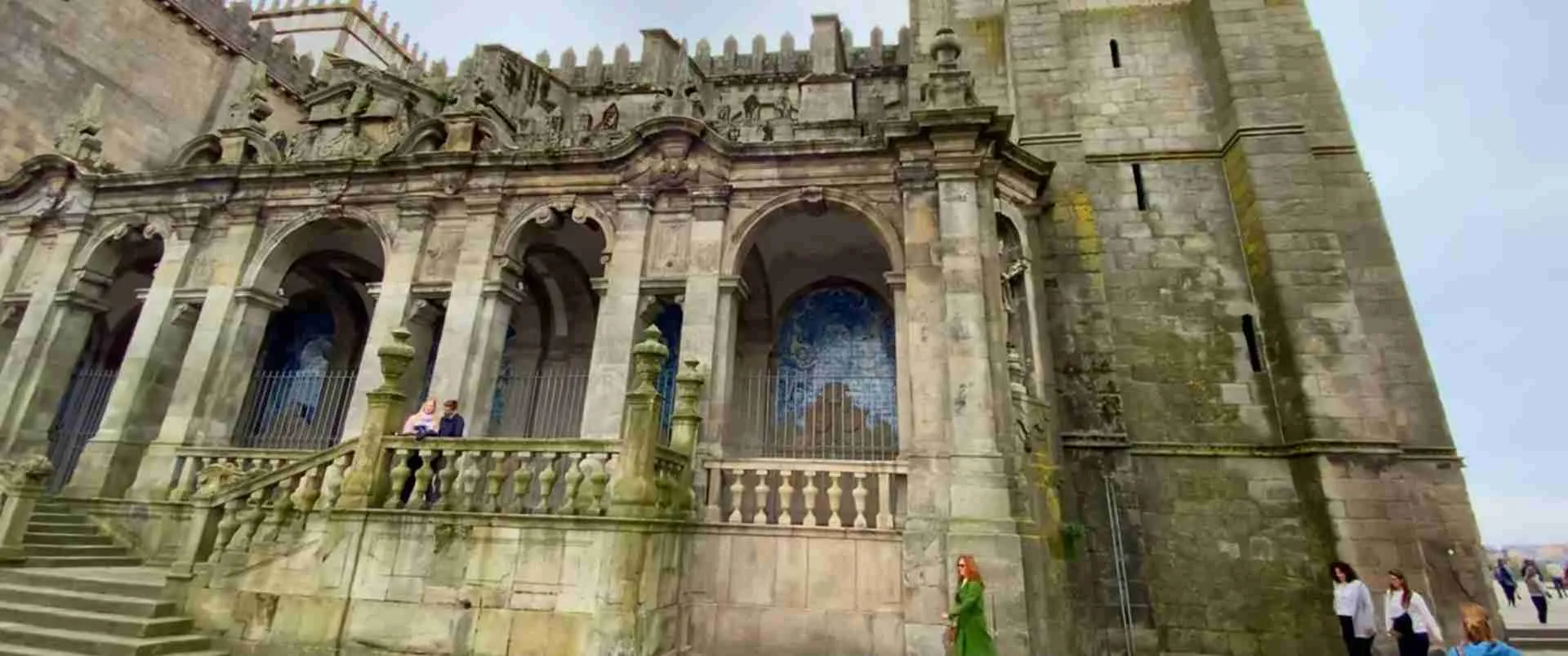
Porto Walking Tours & Routes 2026: Self-Guided Walks
This guide details five comprehensive walking routes covering Porto’s essential districts and landmarks with realistic timing, elevation profiles, and practical logistics for 2026 visitors. Each route integrates historical context with navigation guidance, creating self-guided experiences that rival paid walking tours while maintaining the freedom to adjust pace, add stops, or combine routes across multiple days. The routes accommodate varying fitness levels through alternative paths that reduce steep climbs while maintaining access to key viewpoints and attractions.
Key Takeaways
- Porto offers exceptional self-guided walking routes covering UNESCO heritage, riverside districts, and coastal paths spanning 12-20 kilometers daily
- Most walking routes cost nothing except occasional tram rides (€3.50) and attraction entries (€5-15), making Porto one of Europe’s best walking cities for budget travelers in 2026
- The optimal walking season runs March-June and September-October 2026 when temperatures stay comfortable at 15-24°C and rainfall drops significantly compared to winter months
- Porto’s compact historic center measures just 2 kilometers across, allowing coverage of major landmarks within 4-6 hours while the full coastal walk extends 8 kilometers from Ribeira to Foz do Douro
- Advanced booking for guided walking tours costs €15-35 per person in 2026, though self-guided exploration with detailed maps provides equal access to all major sites and neighborhoods
- Strategic walking planning connects Porto’s six major districts through dedicated pedestrian routes, historic staircases, and scenic riverside promenades with minimal street-level navigation required
Introduction: Walking Porto’s UNESCO Heritage in 2026
Porto rewards exploration on foot like few European cities. The UNESCO World Heritage historic center compacts eight centuries of architectural evolution into walkable neighborhoods where medieval alleys open onto baroque plazas, azulejo-covered churches anchor residential squares, and riverside promenades trace the Douro’s granite banks. Unlike sprawling capitals requiring extensive metro networks, Porto’s 2-kilometer historic core concentrates major landmarks within comfortable walking distance while extended routes reach coastal districts, port wine cellars, and hilltop viewpoints through dedicated pedestrian infrastructure.
The 2026 walking season presents optimal conditions for self-guided exploration. Porto’s maritime climate moderates summer heat while spring and fall deliver extended daylight hours without the winter rainfall that complicates navigation through steep stone staircases and cobblestone lanes. The city’s topography challenges walkers with elevation changes reaching 80 meters between riverside and hilltop districts, yet this vertical geography creates spectacular viewpoints unavailable in flat European capitals while maintaining manageable distances that keep walking times under 90 minutes between major zones.
Self-guided walking offers distinct advantages over bus tours or tuk-tuk circuits in Porto. The historic center’s narrow medieval streets accommodate pedestrians far better than vehicles, with entire quarters like Vitória and Miragaia restricted to foot traffic. Walking pace allows appreciation of architectural details invisible from moving vehicles: the hand-painted azulejo panels covering residential buildings, the wrought-iron balconies characteristic of 19th-century Porto, the carved granite doorways marking merchant houses from the Age of Discovery. Most significantly, walking provides flexibility to deviate from planned routes when discovering unmarked miradouros, neighborhood cafés, or artisan workshops that define Porto’s authentic character beyond guidebook landmarks.
People Also Ask About Porto Walking Tours 2026
How much do walking tours cost in Porto in 2026?
Free walking tours in Porto operate on a tip-based model where guides expect €10-15 per person, while paid walking tours cost €15-35 per person in 2026 depending on duration and specialization. Check portotours.com and getyourguide.com for current rates and availability. Food-focused walking tours range €45-75 per person including tastings, while port wine walking tours cost €30-50 per person with cellar visits. Private walking tours reach €120-180 for groups up to 6 people. Self-guided walking costs nothing except attraction entries (€5-15 per site) and occasional tram rides (€3.50), making independent exploration Porto’s most budget-friendly option for 2026.
What is the best walking route in Porto for first-time visitors in 2026?
The Classic Centro Histórico Route covers Porto’s essential UNESCO heritage in 4-6 hours walking 8 kilometers through Ribeira, Sé Cathedral, São Bento Station, Clérigos Tower, and Livraria Lello with moderate elevation changes totaling 120 meters of climbing. This route concentrates Porto’s most photographed landmarks within comfortable walking distance while providing comprehensive introduction to the city’s architectural styles, historical periods, and characteristic neighborhoods. Alternative routes offer specialized focus: the Ribeira to Foz Coastal Walk emphasizes maritime heritage and Atlantic views, while the Bohemian Quarter route explores contemporary Porto through street art, independent bookshops, and neighborhood restaurants frequented by locals rather than tourists.
How long does it take to walk Porto’s historic center in 2026?
Walking Porto’s compact 2-kilometer historic center takes 4-6 hours including stops at major landmarks, photo opportunities at viewpoints, and brief rest breaks in cafés or gardens. Rushing through without entering attractions reduces walking time to 2-3 hours but misses the architectural details, azulejo panels, and neighborhood character that define Porto’s appeal. Extended walking routes incorporating coastal districts, port wine cellars in Vila Nova de Gaia, or hilltop neighborhoods like Massarelos add 2-4 hours depending on chosen extensions. Most visitors dedicate 2-3 days to comprehensive walking exploration, allowing time for unhurried discovery, spontaneous diversions, and repeated visits to favorite viewpoints at different times of day.
Is Porto a walkable city for visitors with mobility concerns in 2026?
Porto presents significant walking challenges through steep cobblestone streets, historic staircases, and uneven medieval lanes that complicate navigation for visitors with mobility limitations or those using wheelchairs or strollers. The historic center’s vertical topography requires climbing 80 meters elevation between Ribeira riverside and Clérigos hilltop district through streets averaging 8-12% grades with sections reaching 15-18% on historic staircases like Escadas do Codeçal. Alternative routes using modern streets reduce grade percentages while vintage tram 1 (€3.50) provides assistance along riverside districts. The coastal walk from Ribeira to Foz maintains flat terrain ideal for mobility-limited visitors, while modern districts like Boavista offer level sidewalks and accessible metro stations connecting to historic areas.
Extended multi-day tours – 5+ days
Featured Porto Multi-Day Tour Packages

3 days
Porto 3-Day Discovery Tour
- ✓ Comprehensive Porto experience
- ✓ Expert local guides included
- ✓ All accommodation included
- ✓ Transportation provided

5 days
Porto 5-Day Highlights Experience
- ✓ Comprehensive Porto experience
- ✓ Expert local guides included
- ✓ All accommodation included
- ✓ Transportation provided

7 days
Porto 7-Day Cultural Journey
- ✓ Comprehensive Porto experience
- ✓ Expert local guides included
- ✓ All accommodation included
- ✓ Transportation provided

10 days
Porto 10-Day Complete Adventure
- ✓ Comprehensive Porto experience
- ✓ Expert local guides included
- ✓ All accommodation included
- ✓ Transportation provided
Multi-day tour packages powered by TourRadar. Prices and availability subject to change.
Essential Planning Information 2026
Walking Season & Weather Conditions
Porto’s optimal walking season spans March through June and September through October 2026 when average temperatures range 15-24°C with reduced rainfall compared to winter months. Spring delivers longest daylight hours with sunset extending past 8:30 PM in May and June, providing extended walking time without rushing through routes. Fall offers stable weather patterns with September temperatures matching May averages while October brings colorful foliage to riverside gardens and reduced tourist crowds following August peak season.
Summer months from July through August reach 25-28°C maximum temperatures making midday walking uncomfortable through exposed riverside promenades and steep climbs to hilltop viewpoints. Summer visitors should schedule intensive walking for morning hours before 11 AM or evening periods after 5 PM when temperatures drop 4-6°C and Atlantic breezes moderate heat along coastal routes. Winter walking from November through February faces frequent rainfall averaging 12-15 days per month with temperatures dropping to 8-12°C, requiring waterproof layers and careful navigation on wet cobblestones that become slippery during rain.
Microclimate variations affect walking comfort across Porto’s districts. Ribeira riverside maintains cooler temperatures than hilltop neighborhoods during summer through constant Douro breezes, while winter fog concentrates in river valleys before midday burn-off around 11 AM. Coastal walks from Ribeira to Foz face stronger Atlantic winds year-round, requiring windbreaker layers even during mild spring days. Sheltered interior quarters like Vitória and Miragaia provide protection from wind but trap heat during summer making these routes better suited to morning or evening walking schedules.
Cost Breakdown for Self-Guided Walking 2026
Self-guided walking tours in Porto cost €15-45 per person daily in 2026 depending on attraction entries, refreshment stops, and transportation supplements. Check official venue websites for current pricing as rates vary seasonally. The base walking cost remains zero since Porto’s historic streets, viewpoints, gardens, and riverside promenades provide free access, making independent exploration dramatically cheaper than €35 guided tours or €45-75 food walking tours.
Attraction entry costs for comprehensive walking routes include Clérigos Tower €6, Sé Cathedral cloister €3, Livraria Lello €5, São Bento Station free (viewing only), Palácio da Bolsa €10, Igreja de São Francisco €7.50, port wine cellar tours €12-15, and Serralves Museum €10 (check serralves.pt for current rates). Visitors entering all major paid attractions spend €53.50-56.50 per person, though selective choices reduce costs significantly. Porto Card offers unlimited public transport plus discounts on attractions at €13 for 1 day or €20 for 2 days, providing value for visitors planning intensive walking routes with multiple paid entries.
Refreshment costs during walking routes range €8-25 per person depending on choices. Budget-conscious walkers spend €1.30 for espresso at traditional cafés, €2-3 for pastéis de nata at neighborhood bakeries, €6-12 for casual lunch at tascas serving daily specials, and €8-15 for sit-down dinner with wine at local restaurants away from tourist zones. Mid-range walkers allocate €15-20 for lunch at riverside restaurants with Douro views, €4-6 for afternoon refreshments, and €20-30 for dinner at recommended restaurants. Hydration costs remain minimal with public fountains providing potable water for refillable bottles, eliminating €2-3 per bottle costs for disposable water.
Transportation supplements include vintage tram 1 rides at €3.50 for riverside sections, metro tickets €1.30 for connections between distant districts, and Funicular dos Guindais €4 round-trip for steep climbs between Ribeira and Batalha avoiding 15% grade streets. Most walking routes require no public transport beyond initial metro access from accommodation to starting points, though strategic tram use reduces cumulative elevation gain across multi-route days. Uber rides average €5-8 for short distances providing return transportation after exhausting coastal walks or late evening viewpoint visits.
Physical Requirements & Fitness Levels
Porto’s walking routes demand moderate fitness through steep climbs, extended distances, and uneven cobblestone surfaces that require careful footing and steady balance. The Classic Centro Histórico Route accumulates 120 meters of elevation gain equivalent to climbing 40 flights of stairs across 8 kilometers, while coastal walks maintain flat terrain but extend 12-15 kilometers testing endurance over distance rather than vertical challenge. Average walking pace maintains 3-4 kilometers per hour including stops, slower than typical 5 kilometers per hour on flat terrain due to steep sections requiring reduced pace and frequent rest breaks.
Specific physical challenges include the Escadas do Codeçal staircase connecting Ribeira to Batalha with 134 stone steps climbing 20 meters at 15% grade, the Rua das Taipas climb from São Bento to Clérigos gaining 35 meters over 400 meters at 8.5% average grade, and the coastal path sections at Foz where uneven stones and exposed roots require attention to footing. Visitors with cardiovascular concerns should plan frequent rest stops at strategically positioned cafés, gardens, and viewpoints that Porto provides every 400-600 meters along major walking routes. Alternative routes using modern streets with gentler grades exist for most steep sections, though these bypasses sacrifice some historic atmosphere and viewpoint access.
Footwear requirements emphasize closed-toe shoes with excellent grip and ankle support for navigating Porto’s cobblestone streets, uneven medieval lanes, and steep staircases where smooth-soled shoes create slipping hazards during wet conditions. Athletic walking shoes or hiking boots provide optimal support, while fashion sneakers with minimal tread patterns prove inadequate for steep sections. Sandals and flip-flops remain unsuitable for Porto walking routes despite summer heat, as exposed toes face injury risk on uneven cobblestones while lack of ankle support increases fatigue on extended routes. Break in new shoes thoroughly before Porto visit since intensive walking on cobblestones creates pressure points and blisters far more readily than walking on smooth modern sidewalks.
Best Time for Walking Tours 2026
Seasonal Analysis for 2026
Spring walking from March through June 2026 delivers optimal conditions combining comfortable temperatures, reduced rainfall, and extended daylight hours perfect for comprehensive route exploration. March averages 15°C with 11 rainy days requiring flexible scheduling around weather, while April improves to 16°C with only 9 rainy days as Atlantic storm patterns shift northward. May and June provide peak walking conditions at 18-22°C with rainfall dropping to 7-8 days monthly while sunset extends past 8:30 PM allowing evening walking routes without rushing through viewpoints for pre-sunset photography.
Spring advantages include blooming jacaranda trees coloring Porto’s streets purple during May, comfortable climbing temperatures for steep routes to Clérigos and Crystal Palace Gardens, and moderate tourist crowds leaving popular viewpoints accessible without waiting for photo opportunities. Spring disadvantages center on variable weather requiring layered clothing and rain backup plans, higher accommodation costs during Easter week when Portuguese families travel domestically, and occasional Atlantic fog obscuring Foz coastal views during early morning hours before 10 AM burn-off.
Fall walking from September through October 2026 rivals spring for optimal conditions while offering distinct character through autumn colors, harvest season activities, and post-summer crowd reductions. September maintains summer warmth at 22-24°C with rainfall remaining light at 8 days monthly, while October cools to 18-20°C with 12 rainy days requiring rain preparation similar to spring months. Sunset moves earlier from 7:45 PM in September to 6:30 PM in October, compressing available walking hours but creating dramatic late-afternoon light perfect for riverside photography as lower sun angles illuminate azulejo panels and granite building facades.
Fall advantages include wine harvest activities at Douro Valley accessible through day trips from Porto, fewer tourists creating peaceful walking conditions through normally crowded Ribeira lanes, and stable weather patterns with less temperature variability than spring transition months. Fall disadvantages involve shorter daylight hours limiting multi-route days, increased rainfall in late October requiring waterproof layers and flexible schedule adjustments, and earlier restaurant dinner hours as daylight savings ends requiring adjusted meal planning around walking schedules.
Summer & Winter Considerations for 2026
Summer walking from July through August 2026 challenges visitors with peak temperatures reaching 28-30°C during midday hours, intense sun exposure along exposed riverside promenades, and maximum tourist crowds creating bottlenecks at narrow viewpoints and popular landmarks. Summer visitors must schedule intensive walking for early morning periods from 7-11 AM or late afternoon sessions from 5-9 PM when temperatures drop 5-7°C and softer light improves photography conditions. Midday hours suit indoor attractions like São Bento Station, Livraria Lello, and port wine cellars in Vila Nova de Gaia’s climate-controlled underground tunnels.
Summer advantages include guaranteed sunny weather with only 4-5 rainy days monthly, longest daylight hours from 6 AM to 9 PM enabling extended walking days, maximum activity at riverside restaurants and viewpoint cafés creating lively atmosphere, and warmest ocean temperatures at 18-20°C perfect for post-walk swimming at Foz beaches. Summer disadvantages center on uncomfortable midday heat making steep climbs exhausting, premium accommodation costs during August peak season, crowded attractions requiring advance booking and timed entries, and higher restaurant prices in tourist zones along Ribeira waterfront.
Winter walking from November through February 2026 suits visitors seeking authentic Porto without tourist crowds, though weather conditions complicate navigation and reduce comfort levels. Average temperatures range 10-14°C with frequent rainfall averaging 13-15 days monthly, requiring waterproof layers, insulated clothing, and flexible scheduling around storm systems. Daylight hours compress to 8 AM sunrise and 5:30 PM sunset in December and January, limiting walking routes to single intensive morning sessions or requiring artificial lighting acceptance for early evening exploration through illuminated historic districts.
Winter advantages include lowest accommodation and restaurant costs outside Christmas and New Year weeks, empty viewpoints and attractions eliminating waits, authentic neighborhood atmosphere with locals dominating streets rather than tourists, and dramatic Atlantic storm watching from coastal viewpoints at Foz and Castelo do Queijo. Winter disadvantages involve wet cobblestones creating slipping hazards on steep sections, closed or limited-hours attractions reducing indoor backup options during rain, cold Atlantic winds requiring windproof layers even during dry periods, and shortened daylight restricting multi-route days to single intensive morning sessions.
Weekly & Daily Timing Strategies for 2026
Weekday walking from Monday through Thursday delivers optimal conditions for popular routes with reduced tourist crowds, available guided tour slots, and accessible restaurant reservations at recommended establishments. Ribeira riverside maintains manageable pedestrian traffic during weekday mornings, while major attractions like Clérigos Tower and Livraria Lello experience minimal queues before 10 AM opening crush. Weekday mornings also provide better photography light through empty streets before 9 AM when tour groups arrive, allowing clean architectural shots without pedestrians blocking frames at iconic locations.
Weekend walking from Friday through Sunday faces increased tourist crowds and domestic Portuguese visitors from Lisbon and northern cities, creating congestion at popular viewpoints, longer restaurant waits, and fuller metro trains during peak hours. Weekend advantages include extended hours at some attractions, festival activities at riverside areas, and maximum activity at neighborhood restaurants creating lively dinner atmosphere. Strategic weekend walking prioritizes early morning starts before 8 AM to photograph empty streets, midday shifts to less-touristed districts like Massarelos and Paranhos, and late evening viewpoint visits after dinner when daylight crowds disperse.
Optimal daily walking schedules vary by season and chosen routes. Spring and fall walkers start intensive routes at 9-10 AM after breakfast, break for long lunch from 1-3 PM during afternoon heat peak, resume walking at 3-4 PM through gentler evening temperatures, and conclude at viewpoints for sunset photography between 7-8:30 PM. Summer schedules shift to early departures at 7-8 AM before heat intensifies, extended midday breaks from 12-5 PM for indoor attractions and lunch, and resumed walking from 5-9 PM through pleasant evening hours. Winter walking compresses to single intensive morning sessions from 9 AM-2 PM or combines shorter morning and afternoon routes separated by long lunch breaks in warm cafés.
Strategic route sequencing considers sun angles for photography, attraction opening hours, and crowd patterns across the day. East-facing buildings receive optimal morning light from 8-11 AM, while west-facing riverside promenades photograph best during evening golden hour from 6-8 PM. Clérigos Tower opens at 9 AM making it ideal morning destination before crowds arrive, while port wine cellars schedule tours from 10 AM-6 PM allowing flexibility for midday heat avoidance. São Bento Station photographs best during mid-morning hours when natural light illuminates azulejo panels without artificial overhead lighting washing out colors. Livraria Lello requires advance timed entry booking in 2026 (check livrarialello.pt), necessitating route planning around assigned time slots that cannot be changed once purchased.
Classic Centro Histórico Walking Route 2026
Route Overview & Logistics
The Classic Centro Histórico Route covers Porto’s essential UNESCO heritage landmarks through 8 kilometers walking across 4-6 hours including stops at major attractions, viewpoints, and refreshment breaks. This route accumulates 120 meters total elevation gain through steep climbs from Ribeira riverside at 5 meters elevation to Clérigos Tower at 85 meters, creating moderate physical challenge manageable by average fitness levels with strategic rest breaks at positioned cafés and gardens. The route connects Porto’s major architectural styles from medieval Romanesque churches through baroque masterpieces to Art Nouveau residential buildings, providing comprehensive introduction to eight centuries of urban evolution within walkable distances.
The route begins at São Bento Railway Station where 20,000 azulejo tiles illustrate Portuguese history across the entrance hall, proceeds through steep medieval lanes to Sé Cathedral commanding hilltop position above Ribeira, descends through narrow Barredo quarter to riverside promenade, climbs modern streets to Clérigos Tower for panoramic city views, continues to Livraria Lello bookshop and university district, and concludes at Crystal Palace Gardens overlooking Douro River. Alternative extensions add port wine cellars in Vila Nova de Gaia via Dom Luís I Bridge walkway, or continue west through Cedofeita contemporary shopping district toward Casa da Música modern concert hall.
Required advance bookings for 2026 include Livraria Lello timed entry at €5 (book online at livrarialello.pt 2-3 weeks ahead for preferred time slots), Clérigos Tower tickets at €6 available online or at entrance with minimal wait outside peak hours, and port wine cellar tours at €12-15 requiring booking 1-3 days ahead during high season. Sé Cathedral allows free entrance to main church with €3 admission to cloister and museum sections, while São Bento Station maintains free access for viewing azulejo panels without requiring train tickets. Most route segments follow pedestrian streets or wide sidewalks eliminating vehicle traffic concerns, though several street crossings at Avenida dos Aliados and Rua de Clérigos require attention to fast-moving urban traffic.
Detailed Route Sections & Timing
São Bento Station to Sé Cathedral (30-40 minutes, 1.2 kilometers, 60 meters elevation gain): The route starts at São Bento Railway Station vestibule where Jorge Colaço’s 1905-1916 azulejo panels illustrate Portuguese military history, royal processions, and technological advancement through 20,000 hand-painted tiles covering 551 square meters. Photography works best during mid-morning hours from 10 AM-12 PM when natural light through entrance windows illuminates panels without washing out color detail. Exit station via main entrance onto Praça de Almeida Garrett where bronze statue honors the Romantic poet, then climb Rua das Flores historic commercial street featuring restored 18th-century facades, artisan workshops, and traditional businesses.
Continue via Rua de São Bento da Vitória past the baroque monastery commanding hillside position, ascending steep cobblestone lanes through Vitória quarter where residential buildings display characteristic Porto balconies and azulejo-covered facades. The climb gains 60 meters elevation over 700 meters distance at 8.5% average grade with steeper 12-15% sections requiring slow pace and rest stops. Arrive at Sé Cathedral forecourt offering first panoramic views across Ribeira riverside and Dom Luís I Bridge, with Pelourinho pillory marking medieval judicial center. Sé Cathedral interior displays Romanesque architecture from 1110 foundation with gothic and baroque modifications, while €3 cloister admission provides access to azulejo panels illustrating biblical scenes and second-floor windows overlooking historic center.
Sé Cathedral to Ribeira (20-25 minutes, 800 meters, 60 meters descent): Descend via Escadas do Codeçal historic staircase featuring 134 stone steps dropping 20 meters at steep 15% grade with intermittent landings providing rest opportunities and viewpoints framing Douro River through medieval building gaps. Alternative route via Rua de São Miguel offers gentler 8% grade descent through residential quarter, trading atmospheric narrow staircase for easier navigation with heavy backpacks or mobility limitations. The descent passes through Barredo quarter preserving medieval street pattern with 3-4 meter wide lanes, granite doorways marking 16th-century merchant houses, and neighborhood laundries where residents maintain traditional washing customs.
Arrive at Ribeira riverside promenade where colorful building facades create Porto’s most photographed scene, though contemporary reconstruction following 1755 earthquake removed most medieval buildings. Cais da Ribeira extends 400 meters along Douro providing cafe seating, street performers, and handicraft vendors targeting tourists. Photography works best during early morning hours before 9 AM when empty streets allow clean architectural shots, or late afternoon from 5-7 PM when lowering sun illuminates building facades with warm golden light. Cross Douro via Dom Luís I Bridge lower deck for port wine cellar visits or continue walking route along Ribeira toward Alfândega building.
Ribeira to Clérigos Tower (40-50 minutes, 2 kilometers, 80 meters elevation gain): Follow Cais da Ribeira west past Alfândega (Customs House) neo-classical building now housing transport museum, turning inland via Rua de Mouzinho da Silveira climbing toward commercial center. The route crosses Avenida dos Aliados central boulevard where Beaux-Arts buildings house municipal government and commercial headquarters, with central garden providing rest opportunity before continuing climb. Ascend Rua de Clérigos toward the baroque tower commanding hilltop at 85 meters elevation, passing São Pedro dos Clérigos church featuring rococo interior decoration completed in 1763.
Clérigos Tower opened in 1763 as Porto’s tallest structure at 75 meters, requiring climb of 225 steps through narrow spiral staircase to observation platform offering 360-degree views across Porto and Vila Nova de Gaia. The €6 admission (check torredosclerigos.pt for current rates) includes church access and small museum displaying baroque religious art. Photography conditions favor morning hours from 9-11 AM when eastern light illuminates historic center, though sunset visits from May through August provide dramatic evening light across Douro River with city lights beginning illumination as daylight fades. Tower visits take 45-60 minutes including climb, platform viewing, and descent.
Clérigos Tower to Livraria Lello (15-20 minutes, 600 meters, level walking): Descend from Clérigos via Rua das Carmelitas past Igreja do Carmo church featuring spectacular azulejo panel covering entire lateral facade with 1912 religious scenes. Continue to Livraria Lello bookshop where Art Nouveau interior features famous red staircase, stained-glass skylight, and carved wood shelving supposedly inspiring J.K. Rowling’s Harry Potter descriptions though this claim lacks verification. The €5 admission (bookable at livrarialello.pt with timed entry slots) prevents overcrowding while admission credit applies toward book purchases. Photography inside proves challenging with limited natural light, narrow spaces, and constant visitor movement requiring high ISO settings and patience for clear shots.
Livraria Lello to Crystal Palace Gardens (25-35 minutes, 1.8 kilometers, moderate elevation): Walk via Rua de Cedofeita through university district where student-focused restaurants, independent bookshops, and vintage clothing stores reflect Porto’s academic character. Continue to Rua de Dom Manuel II where Crystal Palace Gardens occupy 8 hectares on hilltop overlooking Douro River and Atlantic Ocean approaches. The gardens replace demolished 1865 Crystal Palace with modern sports pavilion but maintain romantic landscape design, exotic tree collections, rose gardens, and multiple viewpoints perfect for photography or rest breaks. Gardens provide free entry from 8 AM-9 PM with cafés offering refreshments and public restrooms. The route concludes here with return options via bus 200/201 to city center, walking descent through Massarelos riverside district, or extended coastal route toward Foz do Douro.
Cost Summary for Classic Route 2026
Clérigos Tower €6, Livraria Lello €5, Sé Cathedral cloister €3, coffee break €2.50, light lunch €8-12, afternoon refreshment €3-5. Total route cost: €27.50-31.50 per person (excluding accommodation). Optional additions include São Bento Station guidebook €3, port wine cellar tour €12-15 if crossing to Vila Nova de Gaia, or sit-down riverside lunch €15-25 replacing light lunch option. Metro ticket €1.30 for return to accommodation from gardens. Budget-conscious walkers eliminate paid attractions and bring packed lunch, reducing route cost to €2.50-5.50 for refreshments only.
Ribeira to Foz Coastal Walk 2026
Route Overview & Character
The Ribeira to Foz Coastal Walk traces Porto’s maritime heritage through 8 kilometers along Douro River and Atlantic coast, maintaining flat terrain ideal for extended distance walking without steep climbing challenges. This route showcases Porto’s relationship with the ocean through historic fishing villages, lighthouse viewpoints, sandy beaches, and modern residential districts, offering dramatic contrast to the medieval character of Centro Histórico routes. Walking time spans 2.5-3.5 hours without stops, extending to 4-6 hours when including beach breaks, refreshment stops at seafood restaurants, and viewpoint photography sessions.
The route begins at Cais da Ribeira following riverside promenade west through Alfândega and Miragaia quarters, continues past Arrábida Bridge and Castelo do Queijo medieval fort, traces oceanfront promenade through Foz do Douro where Douro River meets Atlantic Ocean, and concludes at Felgueiras Lighthouse or Praia de Matosinhos depending on energy and available time. Alternative return routes include vintage Tram 1 from Foz to Ribeira at €3.50 avoiding backtrack walking, bus 500 to city center from multiple stops along coastal route, or Uber rides €8-12 for direct return to accommodation after sunset photography sessions.
Required resources for coastal walking include sun protection through sunscreen, hat, and sunglasses during summer months when ocean reflections intensify UV exposure, windbreaker jacket for Atlantic breezes reaching 20-30 km/h even during calm conditions, and comfortable athletic shoes with good tread for sandy sections where beach walking proves softer on feet than concrete promenade. Bring refillable water bottle as public fountains appear irregularly along route, though numerous cafés provide refreshment opportunities. Swimming suits and towels enable ocean swimming at Foz beaches where water temperatures reach 17-20°C during summer months, significantly cooler than Mediterranean destinations but refreshing after hot weather walking.
Section-by-Section Route Details
Ribeira to Alfândega (15-20 minutes, 1 kilometer): Walk west along Cais da Ribeira riverside promenade where restaurants transition from tourist-focused spaces to local tascas as you progress away from Dom Luís I Bridge. The promenade passes Alfândega neo-classical building housing transport museum worth €4 admission for vintage vehicle collections and Porto commercial history exhibits. Continue along waterfront where granite riverbanks reveal traditional rabelo boats historically transporting port wine barrels from Douro Valley vineyards to Porto cellars, now offering tourist river cruises at €15-25 per hour.
Alfândega to Arrábida Bridge (30-35 minutes, 2 kilometers): The route continues through Miragaia quarter where traditional Portuguese character survives with working-class neighborhoods, neighborhood cafés serving €4-6 lunch specials, and local bakeries offering pastéis de nata at €1-1.30. Pass Igreja de São Pedro de Miragaia 18th-century church with baroque interior, continuing along riverside road as promenade ends and pedestrian walkway shares space with limited vehicle traffic. Approach Arrábida Bridge where 1963 concrete arch spans 270 meters above Douro River, with pedestrian underpasses facilitating safe crossing beneath bridge approaches.
Arrábida Bridge to Castelo do Queijo (40-45 minutes, 2.5 kilometers): Pass under Arrábida Bridge entering coastal section where Douro River widens toward Atlantic Ocean, creating harbor atmosphere distinct from narrow river quarters. The route follows Passeio Alegre gardens providing shaded walking through eucalyptus trees, rose gardens, and historic bandstand hosting weekend concerts during summer months. Exit gardens arriving at Foz do Douro lighthouse marking river mouth where turbulent waters demonstrate tidal force and Atlantic wave action. Continue to Castelo do Queijo medieval fort perched on granite outcrop extending into ocean, now housing small museum displaying defensive architecture evolution. The fort’s name (“Cheese Castle”) derives from its granite boulder base resembling cheese wheel.
Castelo do Queijo to Felgueiras Lighthouse (35-40 minutes, 2.5 kilometers): Walk along Atlantic oceanfront promenade through Foz do Douro’s beach districts where sandy beaches alternate with granite rock formations creating natural tidal pools. The promenade passes Praia do Homem do Leme, Praia dos Ingleses, and Praia da Luz beaches where summer crowds gather for swimming and beach activities while winter months provide dramatic storm watching from protected viewpoints. Seafood restaurants line the promenade offering fresh fish at €15-25 per person for casual lunch, grilled sardines at €8-12, or premium seafood dining at €35-50 per person in established restaurants with ocean views.
Arrive at Felgueiras Lighthouse positioned on granite outcrop 100 meters offshore, connected by stone causeway walkable during low tide but submerged during high tide creating temporary island. Photography conditions excel during sunset hours when orange light illuminates lighthouse against darkening ocean backdrop, creating Porto’s most dramatic coastal images. The lighthouse marks natural conclusion for coastal walk with return options via bus stops along Avenida da Republica or extended walking to Matosinhos beaches 2 kilometers further north where traditional fishing heritage survives through morning fish auctions and beachfront restaurant district.
Cost Summary for Coastal Route 2026
Tram 1 return ticket €3.50, Castelo do Queijo museum €2, lunch at beachfront restaurant €15-25, afternoon ice cream €3-4, refreshment drinks €4-6. Total route cost: €27.50-40.50 per person (excluding accommodation). Budget alternative eliminating tram return and bringing packed lunch reduces cost to €2-4 for refreshments only. Extended route to Matosinhos adds €8-15 for traditional seafood lunch at marisqueiras serving fresh catches, or bus 500 return €1.30 to city center. Uber return from Foz costs €8-12 providing convenient option after sunset photography sessions.
Miradouros & Viewpoints Walking Tour 2026
Strategic Viewpoint Route Planning
Porto’s vertical topography creates exceptional viewpoint opportunities where strategic positioning reveals panoramic vistas across UNESCO heritage districts, Douro River, and Atlantic approaches. This specialized walking route connects Porto’s major miradouros through 7 kilometers covering 4-5 hours including viewpoint stops for photography, orientation, and rest breaks. The route accumulates significant elevation changes totaling 180 meters climbing and equal descent, creating moderate physical challenge rewarded by spectacular photography opportunities unavailable from ground-level exploration.
Strategic viewpoint walking requires timing consideration for optimal light conditions. East-facing viewpoints like Serra do Pilar photograph best during morning hours from 8-11 AM when sunlight illuminates Porto’s historic facades, while west-facing miradouros including Jardim das Virtudes and Crystal Palace Gardens deliver spectacular sunset photography from 6-8:30 PM during summer months. Midday harsh light creates excessive contrast reducing photograph quality, making morning and evening walking schedules essential for serious photography work. Weather forecasting proves critical since cloud cover eliminates dramatic light while morning fog obscures river valley views until midday burn-off.
Required equipment includes camera with wide-angle lens capability for panoramic scenes, tripod for stable long-exposure photography during evening hours, polarizing filter for reducing river glare during sunny conditions, and backup batteries since cold weather and intensive shooting rapidly depletes power. Smartphone photographers benefit from external wide-angle lens attachments, stabilization apps enabling longer exposures, and bracketing apps for HDR processing of high-contrast scenes. All viewpoints allow photography without special permits or fees, though some locations require walking across private residential streets where respectful behavior maintains community relations essential for continued public access.
Essential Viewpoint Sequence & Characteristics
Serra do Pilar (starting point, 85 meters elevation): Cross Dom Luís I Bridge upper deck from Ribeira (pedestrian walkway free access) to Vila Nova de Gaia hillside where Serra do Pilar monastery commands Porto’s most comprehensive panoramic view. The circular church and cloister complex opened in 1538 displays Renaissance architecture and occasionally hosts cultural events, though exterior viewpoint terraces provide best photography positions without entering paid interior spaces. Photography captures Porto’s entire historic center from elevated perspective, with morning sidelight from 8-10 AM creating optimal contrast highlighting building facades and creating shadow depth across steep street topography.
Jardim do Morro (5-minute walk from Serra do Pilar, 75 meters elevation): Descend slightly to public gardens beneath monastery complex where grassy slopes provide casual picnic locations popular with locals and visitors. The viewpoint offers alternative angle on historic center while including Dom Luís I Bridge in foreground, creating layered composition impossible from Serra do Pilar position. Late afternoon light from 4-6 PM illuminates bridge ironwork while warm tones enhance granite building facades. Gardens include small café serving refreshments €2-4, clean public restrooms, and children’s playground making this viewpoint family-friendly unlike some purely observation-focused locations.
Miradouro da Vitória (20-minute walk crossing bridge return to Porto, 65 meters elevation): Return to Porto historic center via Dom Luís I Bridge lower deck or metro connection, climbing through Vitória quarter to rooftop terrace viewpoint at Rua de São Bento da Vitória. This lesser-known miradouro provides intimate perspective across Ribeira’s characteristic architecture with Dom Luís I Bridge and port wine cellars visible across river. The viewpoint terrace includes small bar serving Port wine €3-5 per glass, craft beers €3.50-5, and light tapas €6-10, creating relaxed atmosphere for extended visits. Photography benefits from late afternoon light and sunset conditions when western exposure illuminates scene, though morning hours provide alternate perspective with fewer visitors.
Miradouro da Rua das Aldas (15-minute walk, 60 meters elevation): Walk via steep cobblestone lanes to hidden viewpoint terrace tucked behind residential buildings where locals gather for sunset views across Douro River toward Atlantic Ocean approaches. The viewpoint lacks commercial development maintaining authentic neighborhood character, with simple stone benches providing seating and low walls creating safe photography positions. Access requires navigating narrow residential streets where respectful behavior including quiet conversation and proper trash disposal maintains good community relations. Photography captures western sunset light across river with silhouetted port wine cellars creating dramatic evening compositions.
Jardim das Virtudes (20-minute walk, 55 meters elevation): Descend toward riverside through Virtudes quarter arriving at terraced gardens cascading down hillside in dramatic architectural intervention. The concrete terraces create amphitheater-like seating facing west toward Douro River and Arrábida Bridge, attracting locals during summer evenings for picnics, guitar playing, and sunset viewing. The gardens provide Porto’s most social miradouro atmosphere with students, artists, and neighborhood residents gathering for casual evenings contrasting with tourist-focused viewpoints elsewhere. Photography excels during sunset hours when crowds add human interest element while golden light illuminates river and western districts.
Crystal Palace Gardens – Miradouro (25-minute walk, 75 meters elevation): Climb from Virtudes toward hilltop gardens where multiple viewpoint platforms provide varied perspectives across Douro River, Atlantic Ocean, and surrounding hillsides. The main miradouro terrace near Rosa Mota Pavilion offers comprehensive panoramic spanning 180 degrees, while smaller viewpoints throughout gardens create intimate settings for photography or quiet observation. Gardens include café facilities, public restrooms, and shaded walking paths creating pleasant environment for extended visits. Photography succeeds during morning hours with eastern light, late afternoon with western golden light, and evening blue hour when city lights begin illumination creating twilight atmosphere.
Cost Summary for Viewpoint Route 2026
Metro ticket €1.30 for bridge crossing connection, Miradouro da Vitória bar refreshments €8-15, afternoon ice cream €3-4, light lunch at viewpoint café €10-15. Total route cost: €22.30-35.30 per person (excluding accommodation). All viewpoints provide free access without admission charges, making this specialized route accessible for budget-conscious visitors prioritizing photography and observation over attraction entries. Optional additions include guided photography tour €45-65 per person providing professional instruction and optimal timing advice, or Uber rides €5-8 between distant viewpoints reducing walking distance at expense of atmospheric exploration through connecting neighborhoods.
Port Wine Cellars Walking Route 2026
Vila Nova de Gaia Cellar District Exploration
The Port Wine Cellars Walking Route focuses on Vila Nova de Gaia’s historic lodges where fortified wine production, aging, and tasting defines Portuguese cultural heritage. This specialized 5-kilometer route spans 3-4 hours including cellar tours, tastings, and walking between major producers along steep hillside streets climbing from riverside at 5 meters elevation to hilltop lodges at 65 meters. The route combines walking exploration with structured cellar tours requiring advance booking in 2026, creating hybrid experience that rewards independent navigation while accessing exclusive underground spaces and professional wine education unavailable through unguided exploration.
Port wine cellars cluster along Avenida Diogo Leite riverside promenade and ascending hillside streets where dozens of producers maintain historic lodges displaying company names in large lettering visible from Porto’s Ribeira district. Major producers offering comprehensive tours include Sandeman with distinctive black-caped ambassador imagery and 90-minute tours at €15, Taylor’s hilltop location providing panoramic terrace views and premium tastings at €12-18, Cálem riverside accessibility with multimedia exhibits at €14, and Graham’s family-owned heritage and rooftop restaurant at €12-20 depending on tasting selection. Check individual cellar websites for current tour schedules and rates as pricing varies by tasting quantity and wine quality levels.
Advance booking requirements intensify during peak season from May through September when same-day availability disappears by midday. Book tours 2-5 days ahead through official websites rather than aggregator platforms to ensure authentic experiences and support direct business relationships. Tours run in multiple languages including English, Portuguese, Spanish, French, and German, with English tours departing every 30-60 minutes during peak season. Children accompany parents on tours though tasting participation requires legal drinking age verification. Designated driver considerations prove essential since tastings include 2-4 wine samples totaling 75-150ml alcohol per person, precluding safe driving afterward though walking tour format eliminates vehicle concerns.
Strategic Cellar Selection & Tour Planning
Start at Sandeman (riverside position at Largo Miguel Bombarda): This iconic producer opened its Vila Nova de Gaia lodge in 1814 and maintains spectacular underground cellars where 3,500 oak casks age port wine in consistent temperature and humidity conditions. The €15 tour (check sandeman.com for current rates) includes 90-minute guided experience through production facilities, barrel rooms, and tasting of two port styles plus one table wine. Sandeman’s multimedia presentation and theatrical guide costumes create entertaining introduction to port wine culture suitable for first-time visitors, while knowledgeable guides provide depth for wine enthusiasts seeking technical information. Tours depart every 30 minutes from 10 AM-6 PM during peak season with last departure 5:15 PM.
Walk to Cálem (5-minute walk along riverside, 300 meters): Continue via riverside promenade to Cálem cellars where modern interpretation center combines traditional cooperage workshops with interactive exhibits explaining port wine production, history, and cultural significance. The €14 tour (check calem.pt for current rates) includes interactive museum access, guided cellar tour, and tasting of two port styles. Cálem emphasizes educational approach attracting school groups and wine novices seeking comprehensive understanding rather than premium tastings. The facility includes rooftop terrace bar serving port by the glass €4-8 and light tapas €6-12, creating pleasant rest stop between cellar tours. Tours run every 20-30 minutes from 10 AM-7 PM during summer months.
Climb to Taylor’s (20-minute uphill walk, 1.2 kilometers, 60 meters elevation gain): Ascend steep cobblestone streets via Rua do Choupelo climbing toward Taylor’s hilltop location established in 1692 as Porto’s oldest British port house. The challenging climb rewards visitors with spectacular panoramic terrace overlooking Porto historic center and Douro River, making Taylor’s a combined cellar tour and viewpoint destination. Tours cost €12-18 depending on tasting level (check taylor.pt for current rates), featuring historic cellars, family heritage exhibits, and premium vintage port tastings unavailable at entry-level tours elsewhere. The property includes acclaimed restaurant serving lunch and dinner with wine pairing menus €45-75 per person, reservations essential during peak season. Tours depart every 45 minutes from 10 AM-6 PM with last tour 5:15 PM.
Alternative: Graham’s (15-minute walk from Taylor’s, 800 meters maintaining elevation): Walk via hilltop streets to Graham’s lodge where family-owned heritage and intimate atmosphere contrast with larger commercial operations. The €12-20 tours (check grahams-port.com for current rates) provide smaller group sizes, personalized attention, and access to limited-release port vintages. Graham’s rooftop terrace restaurant rivals Taylor’s for views while serving more casual lunch menus €25-40 per person. The lodge’s traditional character and lack of multimedia presentations suit serious wine enthusiasts over first-time visitors seeking entertainment focus. Tours run every 60 minutes from 10:30 AM-5:30 PM with advance booking strongly recommended during peak season.
Return options include walking descent via same route allowing gravity assistance and stops at smaller producers, vintage Tram 1 from riverside Vila Nova de Gaia stops at €3.50 providing scenic return along Douro, or metro from General Torres station near Taylor’s connecting to Porto network at €1.30. Uber rides cost €6-10 from hilltop cellars direct to Porto accommodation, eliminating downhill walking after afternoon tasting sessions.
Cost Summary for Port Wine Route 2026
Sandeman tour €15, Cálem tour €14, Taylor’s premium tour €18, rooftop lunch €25-40, tram return €3.50, afternoon refreshment €4-6. Total route cost: €79.50-96.50 per person (excluding accommodation). Budget alternative visiting single cellar and bringing packed lunch reduces cost to €12-18 per person. Premium experiences combining Graham’s and Taylor’s tours with restaurant dining reach €100-150 per person including transport. Metro connections €2.60 round-trip provide most economical transport option.
Bohemian Quarter Walking Discovery 2026
Contemporary Porto Through Cedofeita & Miguel Bombarda
The Bohemian Quarter Walking Discovery explores Porto’s contemporary creative culture through neighborhoods where independent boutiques, art galleries, street art murals, and innovative restaurants represent modern Portuguese identity beyond historic preservation zones. This 6-kilometer route spans 3-4 hours through Cedofeita commercial district, Miguel Bombarda gallery quarter, and Bonfim neighborhood where authentic local character survives away from tourist-focused Ribeira waterfront. The route maintains moderate elevation changes totaling 45 meters, significantly easier than steep historic center climbs while revealing Porto’s living culture rather than museum-preserved heritage.
Walking these contemporary districts rewards visitors seeking authentic interaction with Porto’s creative community. Unlike historic center where medieval architecture dominates experience, bohemian quarters showcase contemporary Portuguese design, emerging artistic movements, and neighborhood commerce serving residents rather than tourists. Street art transforms building facades into rotating galleries where political commentary, cultural celebration, and abstract expression create outdoor museum accessible without admission fees. Independent bookshops stock Portuguese literature unavailable in tourist-focused shops, vintage clothing stores offer authentic Portuguese fashion from past decades, and neighborhood restaurants serve modern interpretations of traditional cuisine at prices reflecting local rather than tourist economies.
Optimal visiting days concentrate on Friday and Saturday when Miguel Bombarda galleries coordinate evening openings from 5-10 PM, creating art walk atmosphere with wine receptions, artist discussions, and gallery-hopping crowds. Weekly openings during summer months occur every Friday, while winter season reduces to monthly first Friday events (check bombarda.org for current schedules). Gallery openings provide free admission to dozens of contemporary art spaces simultaneously, creating Porto’s most concentrated contemporary culture experience within concentrated 500-meter radius. Alternative Tuesday through Thursday visits allow unhurried gallery exploration without crowds but sacrifice social atmosphere and evening hours.
Route Through Contemporary Districts
Cedofeita Commercial District (starting point, Avenida da Boavista metro connection): Begin at Boavista metro station proceeding via Rua de Cedofeita, Porto’s historic commercial street where 15th-century merchant tradition continues through independent boutiques, artisan workshops, and specialty food shops. The street extends 1.2 kilometers connecting modern Boavista district to historic university quarter, creating natural walking corridor through residential and commercial zones. Contemporary fashion boutiques sell Portuguese designer clothing at €50-200 per item, significantly cheaper than international designer pricing while maintaining quality construction and innovative design.
Independent bookshops including Livraria Tigre de Papel and Poetria specialize in Portuguese literature, art books, and political philosophy absent from tourist-focused shops near Livraria Lello. These neighborhood bookstores welcome browsing without purchase pressure, maintain comfortable seating for extended reading, and host author events connecting visitors with Porto’s literary community. Artisan food shops offer Portuguese specialties including aged cheeses from Serra da Estrela at €8-15 per 250 grams, hand-wrapped chocolates at €3-5 per 100 grams, and specialty olive oils from Trás-os-Montes at €12-18 per 500ml bottle, providing authentic gifts supporting local producers.
Miguel Bombarda Gallery Quarter (15-minute walk from Cedofeita, 1 kilometer): Turn north from Rua de Cedofeita via Rua de Miguel Bombarda where 30+ contemporary art galleries concentrate within 500-meter radius creating Porto’s primary contemporary art district. Galleries range from established commercial spaces representing internationally recognized Portuguese artists to experimental studios showcasing emerging talents. Admission remains free to most galleries during regular hours Tuesday through Saturday 2-7 PM, extending to 10 PM during monthly coordinated openings. Gallery concentrations allow comprehensive contemporary art survey within 2-3 hours, with rotating exhibitions ensuring fresh content on repeat visits.
Notable galleries include Galeria Fernando Santos presenting established Portuguese painters and sculptors with works priced €1,500-25,000, Módulo – Centro Difusor de Arte focusing on emerging artists and experimental media with accessible pricing €300-2,000, and Quadrado Azul showcasing photography and mixed media. The district also hosts artist studios where creators work publicly, welcoming visitors for informal discussion about techniques, concepts, and Portuguese contemporary art context. These studio visits provide deepest cultural engagement unavailable in formal gallery settings while supporting artists directly through potential purchases, commissions, or simply respectful attention to creative work.
Bonfim Neighborhood (20-minute walk from Miguel Bombarda, 1.5 kilometers): Continue east via Rua de Sá da Bandeira entering working-class Bonfim neighborhood where authentic Porto character survives through traditional commerce, neighborhood restaurants, and residential community. Street art concentrations transform building facades along Rua do Bonfim and parallel streets, with large-scale murals by Portuguese and international artists creating outdoor gallery. The murals address themes including Portuguese colonial history, immigration experiences, labor rights, and environmental concerns, providing political and social commentary absent in tourist-focused districts.
Bonfim’s restaurant scene emphasizes authentic Portuguese cuisine at neighborhood prices. Tascas serve daily lunch specials at €6-9 including soup, main course, drink, and coffee, significantly cheaper than historic center pricing while offering superior quality and authentic preparations. Neighborhood bakeries sell pastéis de nata at €1-1.30, chocolate éclairs at €1.50-2, and traditional breads at pre-inflation prices reflecting local rather than tourist economy. The quarter’s traditional markets including Mercado do Bom Sucesso (15-minute walk via Rua de Gonçalo Cristóvão) provide fresh produce, meats, cheeses, and prepared foods with several restaurants inside market hall serving fresh fish and traditional dishes.
Cost Summary for Bohemian Quarter Route 2026
Metro ticket to starting point €1.30, gallery district coffee €1.50, lunch at neighborhood tasca €8-12, afternoon refreshment €3-5, Bonfim craft beer €3.50-5, light dinner €12-18. Total route cost: €29.30-42.80 per person (excluding accommodation). Gallery visits cost nothing during regular hours or monthly openings. Optional additions include art purchases supporting emerging artists at €50-500 for prints or small works, vintage clothing finds at €15-40 per item, or specialty Portuguese food products €20-50 for gift selection. Metro return €1.30 to city center or accommodation. Route emphasizes cultural engagement over commercial tourism, creating meaningful connection with contemporary Porto while supporting independent businesses and creative community.
Sample 2026 Itineraries
Two-Day Intensive Walking Itinerary 2026
Day 1 combines Classic Centro Histórico Route with evening viewpoint walk creating comprehensive historic center introduction. Start at São Bento Station at 9 AM completing full Classic Route through 2 PM (Clérigos Tower €6, Livraria Lello €5, Sé Cathedral cloister €3, lunch €12-18, refreshments €5-8), then rest during hottest afternoon hours from 2-5 PM at accommodation or indoor attractions. Resume at 5 PM for abbreviated Viewpoint Route visiting Jardim das Virtudes for sunset at 7:30-8 PM, dinner at neighborhood restaurant €20-30, late evening return via metro €1.30. Day 1 cost: €52.30-71.30 per person (excluding accommodation).
Day 2 dedicates morning to Port Wine Cellars Route starting 10 AM with Sandeman tour (€15), continuing to Taylor’s hilltop location (€18), lunch at rooftop restaurant €30-45, tram return €3.50 arriving 3 PM. Afternoon allows Ribeira to Foz Coastal Walk starting 3:30 PM, reaching lighthouse for sunset photography at 7:30 PM, late dinner at Foz seafood restaurant €25-35, Uber return €10-12 to accommodation. Day 2 cost: €101.50-128.50 per person (excluding accommodation). Two-day total: €153.80-199.80 per person (excluding accommodation €240-360 for mid-range hotels).
Three-Day Comprehensive Walking Plan 2026
Extend two-day itinerary adding specialized routes and relaxed pace. Day 1 follows Classic Centro Histórico Route with shorter viewpoint add-on, Day 2 combines Coastal Walk morning with Bohemian Quarter exploration afternoon providing contrast between maritime heritage and contemporary culture. Day 3 dedicates to Port Wine Cellars Route with extended time for multiple tours and hilltop restaurant lunch, concluding with relaxed evening at Jardim das Virtudes viewpoint for sunset people-watching. Three-day pacing allows proper rest between intensive walking sessions, accommodates bad weather flexibility, and provides time for spontaneous diversions when discovering appealing neighborhoods or attractions. Day 3 cost: €75-95 per person. Three-day total: €228.80-294.80 per person (excluding accommodation €360-540 for mid-range hotels).
Five-Day In-Depth Walking Exploration 2026
Comprehensive Porto walking exploration dedicates individual days to major routes while adding alternative experiences. Day 1: Classic Centro Histórico, Day 2: Ribeira to Foz Coastal Walk with extended Matosinhos continuation, Day 3: Port Wine Cellars intensive visiting 3-4 producers, Day 4: Bohemian Quarter full-day exploration including market visits and extended gallery time, Day 5: Viewpoint photography route timed for optimal light conditions or Douro Valley day trip combining walking with wine tourism. Five-day pacing suits photographers requiring multiple visits to locations under different light conditions, enthusiasts seeking deep neighborhood understanding beyond surface tourism, or visitors accommodating mobility limitations requiring frequent rest days between intensive walking sessions. Five-day total: €380-520 per person (excluding accommodation €600-900 for mid-range hotels).
Walking Tour Booking Options 2026
Guided Walking Tour Companies
Porto offers numerous guided walking tour companies providing structured experiences with professional guides, group interaction, and guaranteed coverage of major landmarks within fixed time frames. Free walking tours operate on tip-based compensation expecting €10-15 per person, running daily at 10 AM and 2 PM from São Bento Station with 2.5-3 hour duration covering Ribeira, Sé Cathedral, Clérigos Tower exterior, and Livraria Lello exterior without interior entries. Free tours attract large groups of 20-30 people creating crowd challenges at narrow viewpoints while providing budget access to basic historical information and orientation.
Paid walking tours cost €15-35 per person in 2026 depending on specialization, duration, and group size. Check portotours.com, getyourguide.com, and viator.com for current rates and availability. General historic center tours lasting 3-4 hours cost €20-25 per person with maximum groups of 12-15 participants, providing more personalized attention than free tours while maintaining affordable pricing. Specialized tours focus on themes including azulejo tiles at €25-30, street art at €20-25, food and wine at €45-75 including tastings, or photography techniques at €50-65 with professional instruction. Small-group premium tours limited to 6-8 participants cost €40-55 per person, offering flexibility for questions, adjusted pace, and access to guides’ specialized knowledge.
Private walking tours range €120-180 for groups up to 6 people, providing maximum flexibility for route customization, timing adjustments, and specialized interests. Private tours excel for family groups with children requiring frequent breaks and simplified historical narratives, photography enthusiasts wanting extended time at viewpoints without group pressure to maintain pace, or visitors with specific interests requiring deep-dive focus on particular architectural styles, historical periods, or neighborhood characters. Private tour booking requires 2-7 days advance notice depending on season, with English-speaking guides most readily available and specialized language guides (German, French, Spanish) requiring longer advance booking windows.
Self-Guided Walking Tour Resources
Mobile apps provide structured self-guided walking routes with audio narration, offline maps, and landmark information comparable to guided tour content without group dynamics or fixed schedules. Porto Walking Tours app costs €4.99 one-time purchase including 5 routes with 90+ minutes audio content per route, offline functionality eliminating data charges, and GPS tracking preventing navigation errors. Alternative apps including Rick Steves Audio Europe offer free Porto walking tour content with 75 minutes of commentary covering major historic center landmarks, while Google Maps enables custom route creation using saved locations and waypoints for personalized exploration.
Printed walking tour maps available at tourist information offices provide free basic route suggestions with landmark identifications, though limited detail compared to dedicated guidebooks. Lonely Planet and Rick Steves Porto guidebooks include detailed walking tour chapters with historical context, practical logistics, and restaurant recommendations integrated into route descriptions. Guidebook walking tours typically span longer routes than guided tours since self-paced exploration allows extended time without group schedule constraints. Purchase guidebooks before Porto arrival for pre-trip planning and route familiarization, or buy locally at bookshops including Livraria Lello or specialized travel bookstores.
Combination Strategies for 2026
Optimal walking exploration combines guided tours for orientation and deep-dive topics with self-guided routes for flexible exploration and spontaneous discovery. Start with free or low-cost guided historic center tour on arrival day providing orientation, landmark identification, and initial historical context that informs subsequent independent exploration. Follow with self-guided routes targeting specific interests like photography, food, or neighborhood character where personal pace and timing control proves more valuable than guide expertise. Consider specialized guided tours for complex topics including azulejo art history, port wine technical knowledge, or contemporary architecture where guide expertise adds significant value unavailable through independent research.
Strategic booking timing for 2026 includes advance reservation for specialized tours requiring limited group sizes or exclusive access, particularly food tours visiting small restaurants with capacity constraints or private cellar tours at boutique port producers. General historic center tours typically allow same-day or next-day booking except during peak August season when 2-3 days advance notice prevents sold-out disappointment. Free walking tours require no advance booking but benefit from early arrival at meeting point since group size limits of 30-35 people occasionally result in late arrivals being turned away during high season.
Practical Walking Tips 2026
Navigation & Safety Considerations
Porto’s historic center navigation challenges include inconsistent street signage in medieval quarters, similar-looking cobblestone lanes without distinctive landmarks, and steep elevation changes creating disorientation when ascending or descending through winding staircases. Google Maps offline functionality proves essential for navigation confidence, requiring pre-download of Porto map before arrival when WiFi access exists. The offline map enables GPS positioning without data connection, route planning between locations, and real-time tracking preventing getting lost in medieval quarter maze. Alternative navigation apps including Maps.me provide more detailed pedestrian path information including staircases and narrow alleys absent from Google Maps data.
Safety considerations for Porto walking focus on cobblestone slip hazards during wet conditions, pickpocket risk in crowded tourist areas, and traffic awareness at busy street crossings. Porto maintains low violent crime rates with primary concerns involving opportunistic theft from distracted tourists photographing landmarks or consulting maps in crowded spaces. Practical precautions include front-pocket wallet placement, secured camera straps, locked zippers on backpacks containing valuables, and situational awareness when surrounded by crowds at popular viewpoints or narrow Ribeira lanes. Solo travelers face no unusual risks beyond standard urban precautions, with women reporting comfortable solo walking throughout Porto during daylight hours and well-lit evening routes along major streets and riverside promenades.
Emergency contacts include 112 for police, medical, or fire services with English-speaking operators, Tourist Police at Rua Clube dos Fenianos in city center providing assistance for theft reports and embassy contact for passport issues, and Tourist Information offices at multiple locations offering maps, directions, and local assistance. Pharmacy locations appear frequently with green cross signage, open Monday through Friday 9 AM-7 PM with rotating Saturday duty schedules posted on door displays. Most pharmacists speak functional English and provide over-the-counter medications for common walking issues including blister treatment, pain relief for sore muscles, and anti-inflammatory creams for foot fatigue.
Hydration, Nutrition & Rest Strategy
Porto’s intensive walking routes require strategic hydration planning since public fountains appear irregularly and bottled water costs €1.50-2 at tourist-zone convenience stores. Bring refillable 750ml-1L water bottle filling at accommodation before morning departure and refilling at restaurant bathrooms during lunch stops, reducing plastic waste while maintaining adequate hydration. Dehydration symptoms including headache, fatigue, and reduced concentration appear after 2-3 hours of intensive walking without adequate fluid replacement, with requirements increasing during summer heat and steep climbs that accelerate perspiration rates.
Nutrition timing affects walking energy and comfort levels significantly. Substantial breakfast including protein and complex carbohydrates sustains morning walking sessions through 12-1 PM lunch without mid-morning energy crashes, with typical Portuguese breakfast of toast with cheese or ham, yogurt, fruit, and coffee providing adequate fuel. Avoid large heavy lunches during intensive afternoon walking since digestion redirects blood flow from muscles to digestive system creating fatigue and reducing comfortable walking pace. Instead choose lighter lunch options including salads, sandwiches, or petiscos small plates at €8-15, reserving substantial meals for evening after walking completion when rest period allows proper digestion.
Strategic rest breaks maintain walking endurance and prevent overuse injuries. Plan 10-15 minute seated rest every 90 minutes during intensive walking, using cafés, gardens, or viewpoint benches for relaxation while feet elevated when possible to reduce swelling. Remove shoes briefly during extended breaks allowing feet to expand naturally and air circulation to reduce moisture that creates blister conditions. Afternoon siestas prove valuable during summer months when 2-4 PM heat makes walking uncomfortable, returning to accommodation for 60-90 minute rest before evening route continuation. Listen to body signals including knee discomfort indicating excessive downhill stress, foot pain suggesting developing blisters requiring immediate attention, or overall fatigue necessitating route shortening rather than pushing through injury risk.
Photography Considerations & Etiquette
Porto photography rewards morning and evening light while midday harsh sun creates excessive contrast challenging even advanced camera capabilities. Optimal photography hours span 7-10 AM for east-facing landmarks including São Bento Station azulejos and Ribeira riverside facades, while 5-8:30 PM suits west-facing locations including Crystal Palace Gardens viewpoints and Foz coastal lighthouse. Golden hour light during final 60 minutes before sunset creates warm tones enhancing Porto’s characteristic granite and azulejo surfaces, while blue hour after sunset provides dramatic twilight with building illumination beginning against darkening sky.
Technical considerations for Porto photography include wide-angle lens capability for narrow street compositions and panoramic viewpoint scenes, image stabilization compensating for handheld shooting on uneven cobblestones, and polarizing filter reducing water glare on Douro River shots. Smartphone photographers achieve professional results using external wide-angle lens attachments (€15-30), shooting in RAW format for editing flexibility, and using HDR mode for high-contrast scenes combining bright sky and shadowed building facades. Tripod use remains acceptable at viewpoints and public spaces but draws attention at crowded tourist locations, with small tabletop tripods or beanbag camera supports providing stable platform without bulky equipment.
Photography etiquette maintains respectful interaction with Porto residents who inhabit photographed buildings and navigate streets serving tourist photography. Ask permission before photographing individuals even when they appear incidentally in street scenes, avoid blocking narrow lanes while composing shots, and respect “no photography” signs in churches and some commercial spaces. Drone photography requires permits from Portuguese civil aviation authority with restrictions prohibiting flights over historic center, near airports, and within 50 meters of buildings without owner permission. Violation of drone regulations risks significant fines and equipment confiscation, making ground-based photography the practical choice for Porto visitors.
Money-Saving Strategies for 2026
Zero-Cost Walking Alternatives
Porto’s best walking experiences cost nothing beyond accommodation, creating exceptional value for budget-conscious travelers. Free attractions include São Bento Station azulejo viewing, Ribeira riverside promenade, all major viewpoints and miradouros, Crystal Palace Gardens, public beaches at Foz do Douro, street art viewing throughout city, and exterior appreciation of all major architectural landmarks. Budget walkers avoiding paid attraction entries still access comprehensive Porto experience through extended time at free locations, strategic positioning at viewpoints for city overview, and focus on neighborhood character rather than interior museum visits.
Free walking tours provide historical context and orientation without upfront costs, though expected tips of €10-15 per person create quasi-paid experience. Alternative free guided experiences include Porto Municipal Library hosting occasional cultural walking events, university-organized tours during academic year when architecture students practice guiding skills, and informal meetup groups connecting international visitors for collaborative exploration. Check social media platforms and couchsurfing.com events for spontaneous walking groups forming around specific interests like photography, food discovery, or language exchange while exploring neighborhoods.
Strategic Spending for Maximum Value
Selective paid attraction entries maximize cultural experience while controlling costs. Prioritize unique Porto experiences unavailable elsewhere including Livraria Lello’s distinctive Art Nouveau interior (€5), Clérigos Tower panoramic views (€6), and one port wine cellar tour (€12-15) providing essential wine education. Skip redundant experiences including multiple similar viewpoints, duplicate port cellars after initial comprehensive tour, or paid boat rides showing similar riverside views accessible from free promenade walking. Strategic selection reduces attraction spending from potential €50-70 for everything to €23-26 for highlighted experiences.
Meal cost control requires avoiding tourist-zone restaurants concentrated along Ribeira riverside where markups reach 40-60% over neighborhood establishments. Walk 3-4 blocks inland from major tourist areas finding traditional tascas where lunch specials cost €6-9 versus €15-20 at riverside locations serving identical food quality. Breakfast at accommodation rather than cafés saves €5-8 per person daily, while picnic lunch using supermarket supplies (Pingo Doce, Continente chains) costs €4-6 per person versus €12-18 for restaurant lunch. Dinner at neighborhood restaurants in Cedofeita, Bonfim, or Paranhos districts costs €12-18 per person including wine versus €25-35 in historic center tourist zones.
Transportation & Booking Efficiency
Porto Card provides unlimited public transport plus attraction discounts at €13 for 1 day, €20 for 2 days, or €25 for 3 days. The card pays for itself if taking 10+ metro/bus/tram rides valued at €1.30 each plus visiting 2-3 discounted attractions. However, walking-focused visitors may find the card unnecessary since central routes require minimal public transport beyond initial metro access from accommodation and possible tram rides for coastal routes. Calculate probable transport needs before purchasing since many walking itineraries cost under €5 total for strategic tram or metro supplements.
Advance booking online versus purchasing at entrances saves €1-2 per attraction through promotional rates while guaranteeing access during high season when popular sites sell out daily. Livraria Lello requires advance booking in 2026 with no same-day entry available, while Clérigos Tower and port wine cellars accept walk-up visitors but with potential long waits during peak hours. Book online 2-7 days ahead when firm plans exist, maintaining flexibility for weather-dependent activities like coastal walks or viewpoint photography requiring good conditions for success. Combination tickets bundling multiple attractions occasionally offer marginal savings of 5-10%, though restrictive validity periods and required consecutive use reduce practical value for visitors preferring flexible scheduling.
FAQ: Porto Walking Tours 2026
What should I wear for Porto walking tours?
Comfortable closed-toe athletic shoes or hiking boots with excellent traction for cobblestone streets, breathable clothing in layers for temperature adjustments, sun hat and sunglasses for exposed riverside and coastal routes, lightweight rain jacket even during dry season for sudden showers. Avoid sandals, flip-flops, high heels, or smooth-soled fashion shoes that create slipping hazards on steep cobblestones and uneven medieval lanes. Break in footwear thoroughly before Porto visit since intensive walking on uneven surfaces creates blisters far more readily than flat terrain walking.
Can I do Porto walking tours with young children?
Porto’s steep terrain, extended distances, and cobblestone surfaces challenge families with young children under 6 years old. Strollers prove impractical for steep staircases and narrow lanes throughout historic center, though coastal walk from Ribeira to Foz maintains flat stroller-accessible terrain. Reduce walking routes to 2-3 kilometer sections with frequent rest stops at gardens, playgrounds at Jardim do Morro and Crystal Palace Gardens, and cafe breaks with child-friendly food options. Baby carriers distribute weight better than strollers for steep sections while maintaining mobility through crowded narrow lanes. Time walking during children’s naturally energetic morning hours avoiding afternoon nap conflicts.
Are Porto walking tours wheelchair accessible?
Porto’s historic center presents significant accessibility challenges through steep grades, cobblestone surfaces, narrow medieval lanes, and staircases connecting vertical neighborhoods. Accessible alternatives include flat riverside promenade from Ribeira to Alfândega maintaining paved surfaces, coastal walk from Foz to Felgueiras Lighthouse on wide promenade, and modern Boavista district with level sidewalks and accessible public transport. Vintage Tram 1 offers wheelchair-accessible vintage trams along riverside route providing assisted access to waterfront districts. Port wine cellars vary in accessibility with some offering elevator access to underground spaces while others require stair navigation—confirm accessibility before booking tours.
How much walking is involved in a typical Porto day?
Comprehensive Porto exploration involves 12-18 kilometers daily walking including multiple route sections, attraction visits, and restaurant commutes. The Classic Centro Histórico Route alone spans 8 kilometers before coastal or viewpoint extensions, while specialized routes add 5-8 kilometers each. Visitors with limited walking capacity reduce distances through strategic metro/tram use, focus on single intensive neighborhood exploration rather than city-wide coverage, and dedicate multiple days to comprehensive destination visits allowing reduced daily distances. Fitness trackers typically record 18,000-25,000 steps daily during active Porto walking exploration.
What are the best walking tours for photography in Porto?
The Viewpoints Walking Tour provides maximum photography opportunities connecting major miradouros with optimal light timing for different orientations. Start at Serra do Pilar for morning eastern light across historic center, continue to west-facing viewpoints like Jardim das Virtudes and Crystal Palace Gardens for evening golden hour and sunset photography. Specialized photography walking tours cost €50-65 per person including professional instruction on composition, exposure settings, and optimal timing for iconic Porto shots. Self-guided photographers benefit from reconnaissance visits to preferred locations identifying optimal shooting positions before returning during best light conditions.
Can I combine walking tours with food experiences?
Food-focused walking tours combine neighborhood exploration with culinary education through market visits, traditional bakery stops, wine tastings, and restaurant meals. Tours cost €45-75 per person in 2026 including 4-6 food stops with tastings, historical context, and walking between locations. Check eatporto.com and tasteoflisboafoodtours.com for current offerings. Self-guided food exploration proves equally rewarding through strategic route planning incorporating traditional markets, neighborhood tascas serving daily specials, pastelarias offering Portuguese pastries, and port wine tasting rooms. Budget €35-50 per person for comprehensive self-guided food discovery along walking routes versus €45-75 for structured guided tours.
How do weather conditions affect Porto walking tours?
Rain occurs frequently during Porto’s October through March wet season averaging 12-15 rainy days monthly, requiring waterproof layers, covered shoes, and flexible scheduling around storm systems. Wet cobblestones create serious slipping hazards on steep sections necessitating reduced pace and careful footing. Summer heat from July through August makes intensive walking uncomfortable during 11 AM-5 PM midday hours, shifting optimal walking to early morning or evening periods when temperatures drop 5-7°C. Spring and fall provide most reliable walking weather with comfortable temperatures 15-24°C and reduced rainfall compared to winter months.
What backup plans work for rainy walking days?
Porto offers numerous indoor alternatives when rain prevents comfortable walking. Major covered options include Serralves Museum contemporary art galleries and gardens with covered walkways (€10 admission), São Bento Station azulejo viewing in covered vestibule, port wine cellars in climate-controlled underground spaces (€12-18), covered markets including Mercado do Bolhão post-renovation, and shopping centers like Via Catarina providing climate-controlled environment. Many churches including Sé Cathedral and Igreja de São Francisco offer extended interior exploration during rain. Museums including Museum of Port Wine, World of Discoveries interactive museum, and Museu Nacional Soares dos Reis fine arts collection fill 2-4 hours during weather breaks before conditions improve for walking resumption.
Are guided walking tours worth the cost versus self-guided exploration?
Guided tours provide value through expert historical context, hidden location access, efficient routing saving navigation time, and guaranteed coverage of major landmarks within fixed schedules. Self-guided walking offers flexibility for spontaneous diversions, unlimited time at preferred locations, independent pacing without group schedule pressure, and dramatic cost savings since Porto’s best walking experiences cost nothing except occasional tram rides and attraction entries. Optimal strategy combines initial guided tour for orientation and deep historical context followed by self-guided routes targeting personal interests where guide expertise adds minimal value over independent exploration with quality guidebook or mobile app resources.
How far in advance should I book Porto walking tours for 2026?
Free walking tours require no advance booking though early arrival at meeting point prevents being turned away when groups reach 30-35 person capacity limits during high season. Paid general walking tours allow same-day or next-day booking outside August peak season, requiring 2-3 days advance notice during summer months. Specialized tours including food-focused experiences with restaurant capacity constraints, private tours requiring guide scheduling, or exclusive access experiences like after-hours museum visits require 5-14 days advance booking. Port wine cellar tours need 2-5 days advance reservation during May through September peak season, while winter months allow next-day booking. Check company websites for specific availability and booking windows as policies vary by operator.