Porto Best Tours 2026: UNESCO Heritage & Cultural Experiences
Porto’s 2026 tour landscape offers sophisticated access to UNESCO World Heritage sites, wine country immersion, and cultural experiences spanning budget-friendly walking tours to luxury private excursions. The city’s compact historic center enables efficient exploration while Douro Valley’s terraced vineyards provide unforgettable day-trip experiences combining scenic beauty, wine education, and traditional Portuguese hospitality. Strategic planning—booking Douro tours 4-6 weeks ahead, choosing appropriate seasons for weather and pricing balance, and mixing group experiences with select private or specialized tours—maximizes Porto visit value while managing costs effectively. Whether prioritizing architectural heritage, wine culture, photography, or comprehensive cultural immersion, Porto’s diverse tour offerings ensure memorable experiences appropriate to every travel style and budget level.
Key Takeaways
- UNESCO Heritage Excellence: Porto’s historic center tours provide expert-guided exploration of Ribeira, Clérigos Tower, Livraria Lello, and São Francisco Church with skip-the-line access and deep cultural insights into Portugal’s second city.
- Strategic 2026 Booking: Reserve Douro Valley wine tours 4-6 weeks ahead for peak season (May-September), while walking tours and food experiences can be booked 1-2 weeks in advance with better flexibility and availability.
- Comprehensive Cost Range: Tours range €15-25 for group walking experiences to €450-650 for private full-day Douro Valley excursions, with most popular half-day options falling in the €45-85 range per person.
- Wine Tour Dominance: Douro Valley wine tours represent Porto’s signature experience, combining UNESCO-listed vineyard landscapes with quinta tastings, traditional lunch, and scenic river valley transportation for authentic Portuguese wine culture.
- Multi-Experience Value: Combined tour packages offering walking tours plus wine tastings, or river cruises with city exploration, provide 20-30% savings versus separate bookings while maximizing limited vacation time efficiently.
- Photography-Optimized Timing: Morning tours (9 AM-12 PM) capture optimal light for Ribeira’s colorful facades and Douro hillsides, while evening experiences offer dramatic sunset perspectives from Vila Nova de Gaia viewpoints and river cruises.
Planning Your Porto Tours in 2026
Porto’s tour landscape in 2026 offers sophisticated access to one of Europe’s most architecturally stunning cities and its surrounding UNESCO World Heritage sites. The historic center of Porto earned its World Heritage designation in 1996, recognizing the exceptional urban fabric spanning from medieval through industrial periods. Tour experiences divide into distinct categories serving different traveler interests: UNESCO heritage walking tours exploring the compact historic center, full-day Douro Valley wine expeditions into Portugal’s premier wine region, Six Bridges river cruises showcasing Porto’s engineering heritage, specialized food and wine walks through traditional neighborhoods, and photography-focused experiences capturing the city’s legendary light quality.
The 2026 season brings enhanced tour options with expanded English-language availability, improved sustainable transportation for Douro visits, and sophisticated booking platforms integrating real-time availability across multiple operators. Porto’s geography creates natural tour divisions—the compact walkable center concentrates cultural heritage experiences within 2-3 square kilometers, while Douro Valley tours venture 80-100 kilometers east into terraced vineyard landscapes. This geographic separation means travelers can effectively combine both experiences during multi-day Porto visits, dedicating mornings to urban cultural exploration and afternoons to river valley wine discovery.
Tour quality in Porto maintains exceptional standards across price points. Even budget-friendly group walking tours employ knowledgeable guides with university degrees in history or architecture, while premium private experiences offer specialized expertise in Portuguese azulejo tiles, Port wine production methods, or medieval urban planning. The city’s tourism infrastructure serves approximately 3 million annual visitors, creating competitive pressure that elevates service quality while keeping prices reasonable compared to Western European peers. Language accessibility reaches impressive levels in 2026, with virtually all tours offering English-language options and many providing Spanish, French, or German alternatives for European visitors.
Seasonal considerations significantly impact tour experiences and availability. May through September represents peak season with maximum tour departures, extended operating hours, and warmest weather averaging 20-26°C. This period also brings premium pricing and advance booking requirements, particularly for Douro Valley wine tours where small-group experiences fill 4-6 weeks ahead. The shoulder seasons of March-April and October-November offer compelling alternatives—fewer crowds, 15-30% lower prices, pleasant 15-20°C temperatures, and greater booking flexibility with 1-2 week advance reservations typically sufficient. Winter months (December-February) see reduced tour offerings but create opportunities for intimate experiences and lowest annual pricing, though weather unpredictability requires flexible planning.
People Also Ask About Porto Tours 2026
What’s the best tour in Porto in 2026?
The best Porto tour in 2026 depends on traveler priorities and available time. For comprehensive UNESCO heritage immersion, full-day Douro Valley wine tours (€85-120 per person) combine terraced vineyard landscapes, traditional quinta visits with tastings, regional lunch, and scenic valley transportation. These 9-hour experiences depart Porto 9-9:30 AM, visit 2-3 wine estates, include 6-8 wine tastings, provide traditional Portuguese lunch, and return 6-7 PM. For time-constrained visitors, 3-hour UNESCO historic center walking tours (€15-25 per person) deliver expert-guided exploration of Ribeira waterfront, Clérigos Tower, São Bento Station’s azulejo panels, and hidden medieval alleyways with cultural context impossible to achieve through independent exploration.
Photography enthusiasts find specialized morning photo walks (€45-65 per person) optimal for capturing Porto’s legendary light quality across Ribeira’s colorful facades, dramatic Luís I Bridge perspectives, and Vila Nova de Gaia’s port wine cellars. These 4-hour experiences limit groups to 8-10 participants, provide technical guidance on composition and camera settings, and access viewpoints unavailable to general visitors. Food-focused travelers gravitate toward evening food and wine tours (€65-85 per person) combining tastings at 5-6 traditional establishments—bacalhau restaurants, petisqueiras serving Portuguese tapas, historic cafés, Port wine lodges—with cultural narratives explaining regional culinary traditions and social dining customs.
How much do Porto tours cost in 2026?
Porto tours cost €15-650 in 2026 depending on duration, group size, and experience type. Standard group walking tours range €15-25 per person for 2-3 hours covering UNESCO historic center highlights with groups of 15-25 participants. Half-day Douro Valley wine tours cost €85-120 per person including transportation, 2-3 quinta visits, 6-8 wine tastings, and lunch. Full-day private Douro experiences reach €450-650 per person for exclusive access, customized itineraries, premium quintas, and flexible departure times. Check GetYourGuide and Viator for current official rates as pricing varies by season and availability.
Six Bridges river cruises range €15-20 for standard 50-minute departures to €35-45 for sunset cruises with Port wine service. Food and wine walking tours cost €65-85 per person for 3-4 hour experiences including 5-6 tasting stops. Photography tours range €45-65 per person for specialized 4-hour morning sessions with professional guidance. Multi-day packages combining Porto city tours with Douro overnight experiences cost €280-450 per person including accommodation, transportation, meals, and guided activities. Peak season (June-August) adds 15-25% premiums versus shoulder season pricing, while advance booking often secures 10-15% early bird discounts.
Do you need to book Porto tours in advance for 2026?
Advance booking requirements for Porto tours in 2026 vary significantly by experience type and season. Douro Valley wine tours require 4-6 weeks advance reservation during peak season (May-September) as small-group experiences limited to 8-12 participants fill rapidly. These tours face capacity constraints from limited minibus availability and maximum daily visitors allowed at boutique quintas. Book 6-8 weeks ahead for July-August departures to secure preferred dates and avoid disappointment, though last-minute availability sometimes emerges from cancellations 3-5 days before departure.
UNESCO historic center walking tours offer greater flexibility with 1-2 weeks advance booking typically sufficient even during peak season. Most operators run multiple daily departures (9 AM, 11 AM, 2 PM, 4 PM) with groups of 15-25 participants, creating adequate capacity for demand. River cruises along the Douro accommodate walk-up bookings during shoulder season, though 3-5 days advance reservation secures preferred departure times and avoids sold-out situations during summer weekends. Food and wine tours benefit from 2-3 weeks advance booking to ensure English-language availability and access to popular restaurants requiring reservations. Private tours demand 3-4 weeks notice for customized itinerary planning, guide allocation, and special access arrangements at museums or private estates.
What tours include UNESCO World Heritage sites in Porto 2026?
Multiple Porto tours in 2026 incorporate UNESCO World Heritage sites, led by historic center walking tours covering the 1996-designated protected zone. These 2-3 hour experiences explore Ribeira medieval quarter’s narrow streets and waterfront buildings, Clérigos Tower baroque architecture, São Francisco Church’s gilded interior, Palácio da Bolsa neoclassical chambers, São Bento Station’s 20,000-tile azulejo panels depicting Portuguese history, and Sé Cathedral’s romanesque fortress structure. Specialized architecture tours provide deeper analysis of the urban fabric spanning 12th-century medieval foundations through 18th-century baroque renovations and 19th-century iron construction exemplified by Dom Luís I Bridge.
Douro Valley wine tours venture into Alto Douro Wine Region, recognized as World Heritage Cultural Landscape in 2001 for its 2,000-year winemaking tradition and spectacular terraced vineyards. Full-day experiences travel 100 kilometers east to Pinhão or Régua, passing centuries-old stone terraces, traditional quintas, and riverside villages maintaining viticulture practices dating to Roman occupation. These tours typically include visits to 2-3 wine estates—both family-run quintas and prestigious Port houses—providing tastings of Port, Douro DOC reds, and white varietals while explaining the region’s unique microclimate, schist soils, and traditional foot-treading methods. Some premium tours incorporate scenic train segments on the historic Douro Railway Line, itself a heritage route showcasing 19th-century engineering through 26 tunnels and numerous viaducts carved into steep valley walls.
Extended multi-day tours – 5+ days
Featured Porto Multi-Day Tour Packages

3 days
Porto 3-Day Discovery Tour
- ✓ Comprehensive Porto experience
- ✓ Expert local guides included
- ✓ All accommodation included
- ✓ Transportation provided

5 days
Porto 5-Day Highlights Experience
- ✓ Comprehensive Porto experience
- ✓ Expert local guides included
- ✓ All accommodation included
- ✓ Transportation provided

7 days
Porto 7-Day Cultural Journey
- ✓ Comprehensive Porto experience
- ✓ Expert local guides included
- ✓ All accommodation included
- ✓ Transportation provided

10 days
Porto 10-Day Complete Adventure
- ✓ Comprehensive Porto experience
- ✓ Expert local guides included
- ✓ All accommodation included
- ✓ Transportation provided
Multi-day tour packages powered by TourRadar. Prices and availability subject to change.
Essential Planning Information 2026
Current Costs and Pricing Breakdown
Porto tour pricing in 2026 reflects transparent tier structures based on group size, duration, and experience exclusivity. Budget-conscious travelers access group walking tours at €15-25 per person for 2-3 hours, with operators like Free Walking Tour Porto (tips €10-15 suggested), Porto Walkers (€20 fixed), and Porto Historical Center Tours (€25 including Clérigos Tower admission). These experiences accommodate 15-25 participants, depart multiple times daily, and cover major UNESCO sites with knowledgeable English-speaking guides providing historical context and architectural analysis.
Mid-range half-day experiences cost €45-85 per person, dominated by Douro Valley mini-tours (€85-120) departing Porto 9 AM for 6-7 hour excursions. These include round-trip transportation in air-conditioned minibuses, visits to 2 wine estates with 6-8 tastings, traditional Portuguese lunch (typically cod, pork, regional cheeses), and scenic drive through terraced vineyards. Food and wine walking tours fall into similar pricing (€65-85) for 3-4 hours visiting 5-6 establishments—restaurants, wine bars, bakeries, specialty food shops—with tastings totaling substantial meal replacement value. Six Bridges river cruises cost €15-20 for standard 50-minute departures, €35-45 for 2-hour sunset experiences with Port wine service and live Fado music on premium vessels.
Premium and private experiences reach €200-650 per person depending on customization level and group size. Private full-day Douro Valley tours cost €450-650 per person (minimum 2 persons) including luxury transportation, flexible itinerary, access to prestigious quintas like Quinta do Vallado or Quinta da Pacheca, sommelier-guided tastings of reserve wines, gourmet lunch at vineyard restaurants, and personalized wine education. Photography tours with professional guidance range €45-65 per person for 4-hour sessions, while multi-day packages combining Porto accommodation with Douro overnight stays cost €280-450 per person including hotels, transportation, meals, and daily guided activities. Check official operator websites like GetYourGuide, Viator, and local providers for current rates as pricing varies by season and availability.
Booking Platforms and Reservation Systems
Porto’s 2026 tour booking ecosystem centers on three primary channels offering different advantages. International platforms GetYourGuide and Viator aggregate hundreds of Porto experiences with transparent pricing, verified reviews from thousands of travelers, instant confirmation, and flexible cancellation policies (typically free cancellation up to 24-48 hours before departure). These platforms excel for comparison shopping across multiple operators, reading detailed customer feedback, and securing English-language confirmations with customer service support. Commission structures mean prices run 5-10% higher than direct booking, offset by convenience and booking protection.
Direct operator websites like Living Tours Porto, We Hate Tourism Tours, and Douro Valley Wine Tours offer best-value pricing and greatest flexibility for custom requests. Most provide online booking systems with real-time availability, immediate confirmation emails, and secure payment processing through encrypted gateways. Direct booking enables communication with guides before tours, special dietary accommodation requests, and often 10-15% early-bird discounts for reservations 4-6 weeks ahead. Operators respond to email inquiries within 24 hours, answer specific questions about itineraries, and accommodate requests for private departures or modified schedules.
Local tourism offices and hotel concierge services book tours at standard pricing without markups, providing personalized recommendations based on traveler interests, physical ability levels, and available time. Porto Welcome Center at Rua Clube dos Fenianos 25 maintains comprehensive tour information, while tourist information kiosks at São Bento Station and Ribeira waterfront offer booking assistance and printed materials. Hotel concierges access preferred operator relationships, sometimes securing priority reservations during sold-out periods, though service typically limited to hotels in mid-range categories and above.
UNESCO Heritage Walking Tours 2026
Porto’s UNESCO heritage walking tours represent the most efficient method for comprehending the historic center’s architectural evolution and cultural significance within compact timeframes. The 48-hectare protected zone designated World Heritage in 1996 contains over 1,500 buildings spanning eight centuries, creating density impossible to navigate meaningfully without expert guidance. Standard 2.5-3 hour tours follow optimized routes connecting major monuments while revealing hidden courtyards, medieval streets, and architectural details easily overlooked during independent exploration.
Typical routes begin at São Bento Railway Station where 20,000 azulejo tiles by Jorge Colaço depict Portuguese historical scenes—Henry the Navigator’s expeditions, rural agricultural life, medieval battles. Guides explain azulejo production techniques, symbolic imagery, and the tile art form’s Moorish origins before proceeding downhill through medieval streets toward Ribeira. The descent passes traditional shops selling Portuguese ceramics, cork products, and Port wine, with guides pointing out architectural features like wrought-iron balconies, baroque doorways, and stone coats of arms indicating noble residences from the 16th-17th centuries.
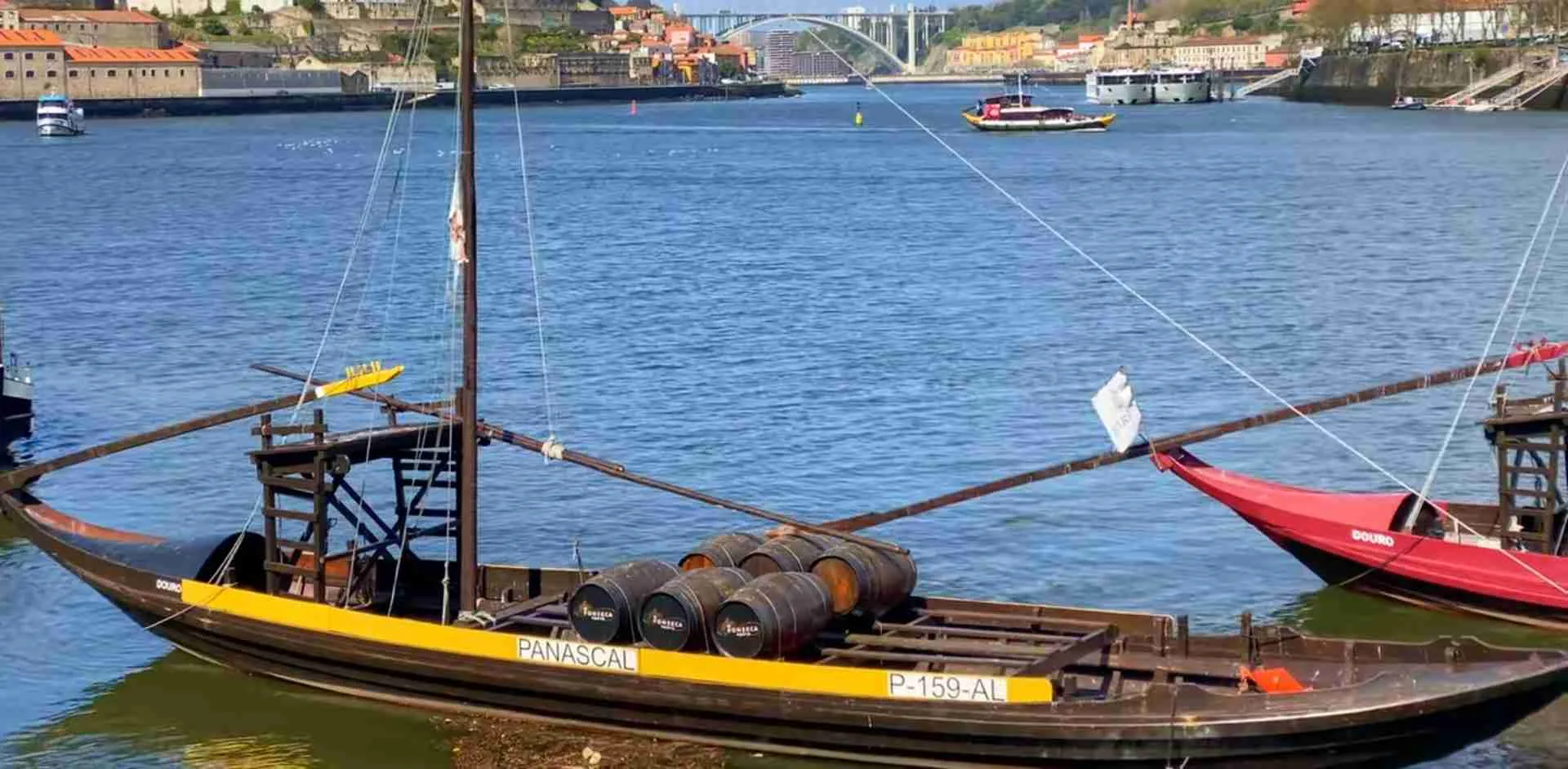
Ribeira waterfront exploration occupies 45-60 minutes covering the UNESCO zone’s heart. Colorful medieval buildings—now housing restaurants, bars, and shops—showcase architectural evolution from romanesque foundations through baroque renovations and 19th-century commercial adaptations. Guides explain the neighborhood’s history as Porto’s commercial center where Port wine barrels loaded onto rabelo boats for transport to Vila Nova de Gaia, the Douro River’s role in city prosperity, and modern gentrification balancing tourism with residential community preservation. Photography opportunities abound with Dom Luís I Bridge creating dramatic backdrops for the photogenic building facades in yellows, oranges, reds, and blues.
Clérigos Tower visits provide Porto’s most iconic landmark experience with 225-step climb rewarding 76-meter panoramic views across red-tiled rooftops toward the Atlantic. The baroque tower completed in 1763 served as navigation landmark for ships approaching Porto’s harbor. Guides detail architect Nicolau Nasoni’s Italian baroque influence, the tower’s bells calling faithful to prayer, and structural engineering allowing the 75-meter granite structure to survive centuries without modern reinforcement. Skip-the-line tour access eliminates 30-45 minute waits during peak season, maximizing sightseeing time efficiency.
São Francisco Church reveals Porto’s most extravagant baroque interior with 200-300 kilograms of gold leaf covering carved woodwork, creating overwhelming visual impact. The gothic church built 1383-1410 received baroque makeover during 17th-18th centuries when Brazilian gold financed elaborate decorations. Guides explain the church’s Franciscan origins, symbolic imagery in sculptures and paintings, and the famous Tree of Jesse—intricate genealogical representation of Christ’s lineage carved in polychrome wood. The adjacent catacombs contain ossuaries holding remains of monks and wealthy patrons, adding macabre historical dimension to visits.
Premium walking tours incorporate additional sites like Palácio da Bolsa’s Arab Room with neo-Moorish plasterwork mimicking Granada’s Alhambra, Livraria Lello bookshop’s art nouveau staircase inspiring J.K. Rowling’s Hogwarts imagery, and Porto Cathedral’s romanesque-gothic architecture with fortress-like exterior protecting the city during medieval conflicts. These extended 4-5 hour experiences cost €45-65 per person but provide comprehensive historic center understanding impossible to achieve through shorter formats.
Douro Valley Wine Tours 2026
Douro Valley wine tours constitute Porto’s signature experience, transporting visitors 80-100 kilometers east into Alto Douro Wine Region—UNESCO World Heritage Cultural Landscape since 2001. These full-day excursions combine spectacular terraced vineyard scenery, traditional quinta visits with wine education and tastings, authentic Portuguese cuisine, and insights into 2,000-year winemaking heritage. The Douro Valley produces both famous Port wines and increasingly acclaimed Douro DOC red and white table wines from indigenous Portuguese grape varieties like Touriga Nacional, Tinta Roriz, and Viosinho.
Standard tours depart Porto 9-9:30 AM in air-conditioned minibuses or vans accommodating 8-16 participants, traveling scenic N222 road voted one of the world’s most beautiful drives. The 1.5-hour journey follows the Douro River upstream, passing through Régua—valley’s commercial center—before reaching Pinhão wine village surrounded by quintas. Guides provide commentary on the region’s geography, schist soils critical for vine health, extreme temperature variations creating wine complexity, and UNESCO recognition criteria emphasizing cultural landscape shaped by human viticulture over two millennia.
First quinta visits occur mid-morning at family-run estates or prestigious Port houses maintaining traditional production methods. Tours explore vineyards explaining the arduous manual labor required for terraced viticulture on slopes reaching 30-40% grades impossible to mechanize. Visitors see ancient stone terraces, some dating to Roman occupation, modern wire-trained systems, and learn about grape varieties suited to Douro’s microclimate. Winery visits reveal Port production processes including fortification with aguardente brandy arresting fermentation to maintain sweetness, barrel aging in temperature-controlled lodges, and blending techniques creating consistent house styles across vintages.
Tastings at each quinta include 3-5 wines spanning white Douro varietals, red table wines, and Port categories—Ruby, Tawny, Late Bottled Vintage, Vintage when available. Sommeliers or estate owners explain tasting techniques, food pairing principles, differences between Port styles, and answer questions about wine production. Total daily consumption reaches 8-10 small pours spread across 2-3 estates and lunch, with water provided and responsible drinking emphasized. Many quintas offer wine sales at estate prices 20-30% below retail, with international shipping available for larger purchases.
Lunch occurs at traditional restaurants or quinta properties, featuring regional cuisine—bacalhau (salt cod) preparations, roasted meats, seasonal vegetables, regional cheeses, and desserts like pastel de nata. Meals paired with house wines showcase local food culture, with guides explaining Portuguese dining customs, regional specialties, and culinary traditions tied to winemaking seasons. Vegetarian and dietary restriction accommodations require advance notice when booking, with most operators happily modifying menus given 48-hour warning.
Afternoon activities vary by tour type. Standard experiences visit second or third quintas for additional tastings and vineyard exploration, while premium tours may include river cruises on traditional rabelo boats, visits to scenic viewpoints like São Leonardo da Galafura, or stops at historic villages like Provesende with preserved manor houses and stone architecture. Tours return Porto 6-7 PM after full-day immersion in wine culture, with most participants noting the experience as trip highlight combining education, scenic beauty, cultural immersion, and gastronomic pleasure.
Half-day Douro options exist for time-constrained visitors, typically departing 2 PM and returning 8-9 PM. These abbreviated experiences visit 1-2 quintas, include 4-6 tastings, skip lunch but provide cheese and charcuterie pairing, and offer sunset views across terraced landscapes. Pricing runs €65-85 per person versus €85-120 for full-day experiences, representing value compromise for those unable to commit 9-10 hours but still desiring authentic Douro immersion.
River Cruise Experiences 2026
Porto’s river cruise experiences showcase the city’s six bridges—engineering marvels spanning 1876-2003—and provide unique waterfront perspectives impossible from land-based vantage points. The Douro River defines Porto’s geography, separating the city from Vila Nova de Gaia’s Port wine cellars and creating natural harbor that enabled centuries of maritime commerce. Standard cruises navigate the 6-kilometer stretch between Foz do Douro (Atlantic mouth) and river sections beneath Dom Luís I Bridge, offering 50-60 minute experiences with multilingual commentary explaining Porto’s maritime history, bridge construction, and riverside architecture.
The Six Bridges cruise (€15-20 per person) operates year-round with departures every 30-45 minutes during peak season from Ribeira docks and Cais da Ribeira piers. Traditional rabelo boats—flat-bottomed vessels historically transporting Port wine barrels from Douro Valley quintas to Vila Nova de Gaia lodges—now serve tourism purposes with covered seating, open-air deck space, and bathroom facilities. Commentary available in English, Portuguese, Spanish, French, and German explains each bridge’s construction date, engineering significance, and role in Porto’s urban development.
Dom Luís I Bridge (1886) dominates views as the most iconic structure, with two-tier wrought-iron design creating dramatic silhouette. Cruise guides detail the bridge’s construction by Théophile Seyrig—partner of Gustave Eiffel—engineering challenges spanning 395 meters across the Douro gorge, and upper deck’s 85-meter height requiring careful structural calculation. The contrast between bridge’s industrial iron construction and Ribeira’s medieval buildings exemplifies Porto’s architectural time-span compressed into single panoramic view.
Arrábida Bridge (1963) represents modernist concrete engineering with 270-meter single-span arch holding 70-meter clearance for ship passage. When completed it ranked as world’s largest concrete arch, showcasing Portuguese engineering excellence during mid-20th century. São João Bridge (1991) displays contemporary cable-stayed design by Edgar Cardoso, while the railway bridge serves high-speed rail connections north to Galicia. Infante Bridge (2003) and Freixo Bridge (1995) complete the sextet, with guides explaining how each structure reflects its construction era’s technological capabilities and aesthetic principles.
Sunset cruises (€35-45 per person) extend standard experiences to 1.5-2 hours, departing 90 minutes before sunset to capture optimal light across Porto’s riverside architecture. These premium options include Port wine service, Portuguese snacks (cheese, charcuterie, olives), and often live Fado music creating atmospheric cultural immersion. The combination of golden hour light illuminating terracotta rooftops, wine lodge buildings reflecting in calm evening water, and traditional Portuguese guitar music proves memorable for romance-seeking couples or cultural enthusiasts. Advance booking recommended 5-7 days ahead during summer, as sunset cruises limit capacity to 50-60 passengers versus 80-100 on standard departures for comfortable seating and optimal viewing.
Private charter options exist for groups 6-30 people, with costs €250-450 for 2-hour experiences including boat rental, captain, Port wine, snacks, and customizable routes. These work well for celebrations, corporate events, or families desiring flexible departure times and personalized commentary. Operators like Douro Azul, Cruzeiros Douro, and Tomaz do Douro offer private charters with 2-3 week advance booking during peak season.
Food and Wine Tours 2026
Porto’s food and wine walking tours immerse participants in Portuguese culinary traditions through guided progression across 5-6 traditional establishments, combining tastings with cultural narratives explaining regional cuisine’s historical development, social dining customs, and contemporary gastronomic renaissance. These 3-4 hour evening experiences (typically 6-10 PM) replace dinner while providing education impossible through independent restaurant visits, as guides explain dish origins, ingredient sourcing, preparation methods, and food’s role in Portuguese family and community life.
Tours begin in neighborhoods like Ribeira, Bolhão, or Cedofeita—areas maintaining authentic character versus tourist-oriented spaces. First stops often feature traditional petisqueiras (tapas bars) serving Portuguese small plates—presunto (cured ham), queijos regionais (regional cheeses from Serra da Estrela or Azores), chouriço assado (flame-grilled sausage), and pão com chouriço (chorizo bread). Guides explain Portuguese snacking culture, the social importance of sharing small plates, regional cheese varieties, and differences between Portuguese and Spanish cured meat traditions despite geographic proximity.
Bacalhau (salt cod) tastings provide insight into Portugal’s most iconic ingredient, with specialized restaurants preparing the fish in traditional methods—bacalhau à brás (shredded cod with scrambled eggs and potatoes), bacalhau com natas (cod with cream), or grilled whole cod portions. Guides recount Portugal’s centuries-long fishing expeditions to Grand Banks of Newfoundland, the 365-recipes myth (one bacalhau preparation for each calendar day), and modern sustainability concerns as cod stocks face depletion. The salt-preservation technique dating to pre-refrigeration era remains culturally important despite modern alternatives, representing culinary tradition maintained across generations.
Wine bars or Port lodges occupy mid-tour positions, offering guided tastings of 3-4 Portuguese wines spanning Douro DOC reds, Vinho Verde whites, Dão varietals, or Port categories from Ruby to Tawny. Sommeliers explain Portugal’s unique indigenous grape varieties (over 250 native varietals versus France’s 210), terroir concepts, and tasting techniques evaluating aroma, body, acidity, and finish. These educational components transform wine service from simple consumption to appreciation of Portugal’s viticultural heritage, with many participants noting increased wine knowledge and confidence as tour highlight.
Pastry stops introduce Portuguese dessert traditions—pastel de nata (custard tarts), travesseiro (puff pastry with almond cream), bola de Berlim (cream doughnuts), or toucinho do céu (almond cake). Historic cafés like Café Majestic showcase belle époque interiors where locals gather for afternoon coffee and conversation, with guides explaining Portuguese café culture, social rituals surrounding coffee consumption, and the tradition of ending meals with strong bica (espresso) clearing palate and aiding digestion.
Final stops often feature ginjinha—traditional Portuguese cherry liqueur served in chocolate cups—or visits to specialty food shops selling Portuguese products unavailable internationally. These provide opportunities for purchasing items like high-quality olive oils, flor de sal (hand-harvested sea salt), tinned fish, or Portuguese ceramics while supporting local businesses. Guides offer recommendations for restaurants, markets, and food shops to visit independently, extending tour value beyond the immediate evening experience.
Food tour pricing (€65-85 per person) includes all tastings, wine pours, and gratuities at establishments, representing excellent value when food quantity equals dinner replacement. Groups limit to 8-12 participants ensuring intimate atmosphere, personalized attention from guides, and ability to ask questions without competing with dozens of other tourists. Dietary restrictions accommodate vegetarian, vegan, and gluten-free needs with advance notice, though modifications limit authentic dish sampling in some cases given Portuguese cuisine’s reliance on seafood, pork, and wheat-based products.
Photography and Cultural Tours 2026
Porto’s specialized photography tours cater to enthusiasts seeking technical guidance while capturing the city’s legendary light quality and photogenic architecture. These 4-hour morning experiences (typically 8 AM-12 PM) limit groups to 8-10 participants, ensuring individualized attention from professional photographer guides who provide instruction on composition, camera settings, and post-processing while navigating optimal shooting locations during golden hour. Pricing ranges €45-65 per person depending on group size and included instruction level.
Tours begin pre-dawn at Jardim do Morro viewpoint on Vila Nova de Gaia hillside, positioning photographers for sunrise light illuminating Ribeira’s colorful facades and Dom Luís I Bridge’s iron structure. Guides assist with tripod setup, recommend focal lengths and aperture settings for architectural photography, explain bracketing techniques for high-contrast scenes, and demonstrate composition strategies using bridge elements as leading lines drawing viewer attention toward medieval buildings. The early timing avoids crowds that overwhelm these viewpoints later in morning, allowing unobstructed perspectives and flexibility experimenting with different angles.
Descent into Ribeira coincides with optimal morning light—soft, warm-toned illumination enhancing building colors and creating long shadows emphasizing architectural details. Guides lead participants through narrow medieval streets, pointing out photographic opportunities in doorways, staircases, azulejo-tiled building exteriors, and street scenes with locals beginning daily routines. Technical instruction covers street photography ethics (respecting privacy, asking permission for close-up portraits), achieving proper exposure in high-contrast urban environments, and using architecture to frame human subjects creating context and narrative in images.
São Bento Station’s tile-covered interior provides practice with indoor photography challenges—managing artificial lighting, avoiding motion blur from moving people, and capturing intricate tile details requiring macro techniques or telephoto compression. The station’s morning light entering through windows creates dramatic illumination across Jorge Colaço’s historical panels, with guides explaining best angles avoiding reflections and tourist congestion while capturing tile artistry’s full splendor.
Clérigos Tower area offers architectural detail photography focusing on baroque ornamentation, stone carving techniques, and the interplay between building surfaces and changing light angles. Guides demonstrate using different focal lengths—wide-angle for entire façades showing context, telephoto for isolating decorative elements, standard for documentary-style street captures. Technical discussions cover depth of field appropriate for architectural work, managing keystoning in urban photography, and post-processing strategies for correcting perspective distortion common when photographing tall structures.
Tours conclude at waterfront locations capturing rabelo boats, bridge reflections, and wide-angle cityscape compositions incorporating foreground elements creating depth. Guides review participants’ images providing constructive critique, post-processing demonstrations using Adobe Lightroom or Capture One, and recommendations for additional Porto photography locations to explore independently. Many tours include digital resources—PDF guides to best shooting locations, recommended camera settings for various Porto scenes, and editing presets optimizing images of Portuguese light and architecture.
Cultural tours without photography focus operate similarly but substitute camera instruction with deeper historical and architectural analysis. Art history specialists lead 3-4 hour experiences exploring Porto’s baroque churches, azulejo traditions, wine lodge architecture, and art nouveau buildings, providing scholarly context and responding to questions about cultural significance, artistic movements, and urban development. These attract travelers interested in Portuguese culture beyond tourist highlights, seeking intellectual engagement with the city’s heritage.
Private and Custom Tours 2026
Private tour experiences in Porto offer maximum flexibility, personalized pace, and customized itineraries accommodating specific interests impossible in group settings. These range from half-day city explorations (€150-250 for 2-4 persons) to multi-day packages combining Porto with Douro Valley, Guimarães, and coastal villages (€800-1,500 per person for 3-day experiences including accommodation, transportation, and meals). Private bookings require 3-4 weeks advance notice for guide allocation, itinerary planning, and special access arrangements at museums, wineries, or private estates.
City-based private tours start with consultation calls or email exchanges where guides interview clients about interests, mobility limitations, photography priorities, culinary preferences, and historical periods generating curiosity. This information shapes customized routes—baroque architecture enthusiasts might spend 90 minutes at São Francisco Church examining gilded woodwork in detail impossible during 15-minute group visits, while wine-focused travelers could visit Port lodges in Vila Nova de Gaia for private cellar tours and reserve tastings unavailable to general public. Flexible pacing means older travelers or families with children adjust schedules around rest breaks, longer meals, or extended time at sites capturing group interest.
Transportation options elevate private experiences beyond walking-only limitations. Luxury vehicles or vintage cars transport clients between neighborhoods, eliminating uphill climbs challenging for some visitors while maximizing sightseeing efficiency. Drivers with local knowledge navigate narrow medieval streets impossible for tour buses, access viewpoints requiring vehicles, and adjust routes around traffic or weather conditions. Some premium options include vintage Mercedes convertibles or classic Portuguese vehicles adding nostalgic atmosphere to explorations.
Private Douro Valley tours represent the pinnacle of wine country experiences, with exclusive visits to prestigious quintas rarely open to group tours. These might include Quinta do Vallado (family-owned since 1716), Quinta da Pacheca (boutique hotel and winery with luxurious accommodations), or smaller family estates producing 10,000-20,000 bottles annually where owners personally lead tours explaining family winemaking traditions spanning generations. Tastings feature reserve wines, vintage Ports, and limited-production bottles unavailable in commercial settings, with flexible timing allowing extended conversation about viticulture, Portuguese wine history, and regional culture.
Multi-day private packages expand beyond Porto into northern Portugal’s UNESCO sites and cultural destinations. Sample 3-day itineraries might combine Porto city exploration (Day 1), full-day Douro Valley with quinta overnight stay including vineyard dinner (Day 2), and Guimarães medieval center plus Braga’s Bom Jesus sanctuary (Day 3). These all-inclusive experiences cost €800-1,500 per person depending on accommodation standard and private versus shared guide arrangements, including hotels, all transportation, daily guided activities, most meals, and entrance fees. Such packages work particularly well for luxury travelers, special occasions (anniversaries, milestone birthdays), or small friend groups valuing quality over budget considerations.
Specialized private tours cater to niche interests—Jewish heritage exploring Porto’s medieval Jewish quarter and modern synagogue, tile art focusing on azulejo history from Moorish origins through contemporary artists, Port wine production with technical emphasis on fermentation chemistry and barrel aging science, or literary walks tracing paths of Portuguese writers like Fernando Pessoa or international authors inspired by Porto’s atmosphere. These require guides with specialized expertise, advanced university degrees in relevant fields, or professional credentials in areas like wine education (WSET certifications) or art history (museum experience), justifying premium pricing €200-300 per person for 4-6 hour experiences.
Budget Tour Options 2026
Budget-conscious travelers access quality Porto experiences through free walking tours, self-guided exploration with audio guides, and carefully selected paid tours offering excellent value. The city’s compact historic center enables independent walking covering major UNESCO sites within 3-4 hours, though lacking cultural context and historical explanation that transforms buildings into meaningful narratives. Strategic budget allocation—spending on one exceptional paid tour while supplementing with free options—balances financial constraints with educational depth and local expertise value.
Free walking tours operate on tips-only model, with guides earning income from participant gratuities averaging €10-15 per person. Several operators including Free Walking Tour Porto, Porto Free Tour, and Feel Porto conduct 2.5-3 hour historic center explorations departing multiple times daily from São Bento Station or Avenida dos Aliados. These cover major landmarks—Ribeira, Clérigos Tower exterior, São Bento tiles, Livraria Lello exterior—with enthusiastic guides providing engaging historical narratives and cultural insights. Quality varies by guide expertise and group size (sometimes reaching 40-50 people), but reviews indicate consistent value with knowledgeable leaders bringing Porto’s heritage to life through storytelling and interaction. The tips-only model democratizes access for budget travelers while incentivizing guides to deliver excellent experiences meriting generous gratuities.
Self-guided audio tours purchased through platforms like Rick Steves Audio Europe (free app) or VoiceMap (€5-8 per tour) provide smartphone-based narration for walking routes covering UNESCO highlights. These work well for independent explorers preferring solo pacing, though lacking the spontaneity, current recommendations, and question-answering capability that live guides provide. The Porto Tourism official app offers free multimedia content about monuments, historical events, and cultural traditions, serving as valuable supplement to physical exploration even without formal tour structure.
Budget-friendly paid tours deliver exceptional value in the €20-30 range. Several operators offer 3-hour walking tours at fixed €20-25 prices with groups limited to 15 people, superior to free walking tours’ variable size and tips-based pressure. These include Clérigos Tower admission (€6 value), São Francisco Church entry (€8 value), and comprehensive historic center exploration, effectively bundling monument access with guide services for lower combined cost than purchasing tickets independently. Small-group guarantee ensures better interaction with guides and improved viewing at crowded sites.
Public transportation provides budget access to sites beyond walking distance. Metro tickets cost €1.35-2.50 depending on zones, with day passes at €7 enabling unlimited travel across Porto and Vila Nova de Gaia. The vintage Tram 1 line (€3.50 single journey) runs scenic route from downtown to Foz do Douro Atlantic coast, providing charming transport experience for fraction of tour costs. Ferry crossings (€1.35) between Ribeira and Vila Nova de Gaia offer river perspectives similar to cruises at minimal expense, though without guided commentary or extended duration.
Wine experiences on budget include independent visits to Vila Nova de Gaia lodges where some offer free basic tastings with cellar purchases, or budget €10-15 for guided lodge tours including 2-3 Port tastings. Graham’s, Taylor’s, and Sandeman conduct excellent value tours explaining Port production history and providing quality tastings for minimal cost compared to full Douro Valley excursions. While lacking terraced vineyard scenery and quinta visits, lodge experiences deliver Port wine education and tasting opportunities accessible to budget travelers unable to justify €85-120 Douro tour costs.
Combination strategies maximize budget efficiency—taking free walking tour for historic center overview, purchasing Clérigos Tower admission independently (€6) for panoramic views, eating lunch at local tascas (€8-12 for daily specials), taking metro to Foz for Atlantic coast exploration (€2.50), and visiting one Port lodge for evening tasting (€12-15). This full day costs €30-40 per person while providing diverse Porto experiences spanning history, architecture, food, coastal scenery, and wine culture. Strategic allocation saves money for one splurge experience like Douro Valley tour or premium river cruise, balancing budget consciousness with trip highlight creation.
Luxury Tour Experiences 2026
Luxury Porto tours in 2026 emphasize exclusivity, expertise depth, and privileged access unavailable through standard experiences. These premium offerings cost €200-650 per person but deliver sophisticated exploration combining five-star service, private transportation, reserve wine tastings, gourmet dining, and cultural immersion impossible in group settings. The luxury market targets travelers valuing quality and uniqueness over cost considerations, seeking memorable experiences with attention to detail, personalized service, and access to Porto’s most exclusive venues.
Private helicopter tours represent ultimate luxury, offering aerial perspectives of Porto’s UNESCO center, Douro Valley terraced vineyards, and Atlantic coastline during 30-60 minute flights costing €250-450 per person (minimum 2-4 persons depending on helicopter capacity). These depart from helipads near Porto airport, fly low over historic center showcasing the architectural density and urban layout impossible to comprehend from ground level, then follow Douro River upstream into wine country. Aerial views reveal the magnitude of human engineering creating thousands of stone terraces on steep hillsides, with flights sometimes including vineyard landings for Champagne service or brief quinta visits before returning to Porto. The combination of dramatic perspectives, luxury transportation, and exclusive access creates bucket-list experiences for special occasions.
Private yacht charters on the Douro provide floating luxury platforms for wine country exploration. Full-day experiences (€400-600 per person, minimum 4-6 persons) include yacht rental with captain and crew, gourmet lunch prepared by private chef, premium wine service featuring vintage Ports and reserve Douro wines, and stops at waterfront quintas accessible only by river. These combine scenic cruising through terraced landscapes, swimming in calm river sections during summer, and vineyard visits without road travel logistics. Some operators offer overnight yacht charters with onboard accommodations, enabling sunset and sunrise experiences in the valley’s heart while avoiding hotel check-ins.
Michelin-starred restaurant tours combine Porto’s emerging gastronomic scene with cultural exploration. These evening experiences (€200-350 per person) include private vehicle transportation, pre-dinner guided tour of select neighborhoods or monuments, and multi-course tasting menus at restaurants like The Yeatman (2 Michelin stars) or Pedro Lemos (1 Michelin star). Wine pairings feature rare Portuguese bottles, with sommelier guidance explaining regional varietals, terroir characteristics, and optimal food matches. The combination of cultural immersion, transportation convenience, and world-class dining creates sophisticated evenings appealing to gourmets seeking Portugal’s culinary excellence.
Bespoke multi-day itineraries designed by luxury travel specialists offer ultimate personalization. Sample 4-day experiences might include: Day 1 – Private Porto city tour with art historian guide plus evening Fado performance at historic venue; Day 2 – Helicopter flight to Douro Valley, private quinta visits with estate owners, gourmet vineyard lunch, overnight at Quinta da Pacheca luxury wine hotel; Day 3 – Morning vineyard walks, cooking class with estate chef, afternoon spa treatments, sunset river cruise with private yacht; Day 4 – Scenic drive to medieval Guimarães, castle tour with architecture specialist, lunch at historic manor, return Porto for farewell dinner at riverside restaurant. These comprehensive packages cost €1,500-2,500 per person including five-star accommodation, private vehicles, guides, activities, most meals, and wine, delivering seamless luxury travel without logistical concerns.
Vintage car tours provide nostalgic luxury combining automotive heritage with cultural exploration. Classic Mercedes, Jaguar, or Portuguese-made vehicles from 1950s-1970s transport clients on scenic routes through Porto neighborhoods and surrounding countryside, driven by uniformed chauffeurs maintaining period-appropriate service standards. Half-day experiences cost €300-450 for 2-4 persons, including vehicle rental, driver, and flexible itinerary accommodating photography stops, coffee breaks, and extended time at sites capturing interest. The combination of stylish transportation, open-air driving, and intimate atmosphere appeals to automotive enthusiasts and travelers seeking distinctive experiences beyond standard tour offerings.
Private wine education experiences with Master Sommeliers or WSET-certified educators provide serious wine study during Porto visits. These 4-6 hour sessions (€150-250 per person) combine theoretical instruction about Portuguese viticulture, blind tastings developing palate discrimination skills, and visits to specialized wine shops or lodges for applied learning. Topics might include grape variety identification, terroir influence on wine character, aging potential assessment, or food pairing principles. Such experiences attract wine professionals, serious collectors, or enthusiasts seeking credential-worthy education beyond typical tourist tastings, with content adjusted to participant knowledge levels from novice to advanced.
Sample 2026 Itineraries
One-Day Cultural Immersion
Morning: Begin with 9 AM UNESCO heritage walking tour (€20), exploring Ribeira medieval quarter, São Bento Station’s azulejo tiles, and Clérigos Tower panoramic viewpoint. Tour concludes 12 PM providing comprehensive historic center understanding and orientation for afternoon independent exploration.
Afternoon: Cross Dom Luís I Bridge via upper deck pedestrian walkway to Vila Nova de Gaia (free), visiting Taylor’s Port Lodge for 2 PM cellar tour and tasting (€12-15). Afterward, explore waterfront promenade and photography viewpoints overlooking Porto’s colorful riverside buildings. Return to Porto via lower bridge deck or cable car (€6) for varied perspective.
Evening: Join 6 PM food and wine walking tour (€75) visiting 5-6 traditional establishments for Portuguese small plates, bacalhau preparations, regional wines, and pastries. Tour concludes 10 PM having replaced dinner with authentic culinary journey and cultural education about Portuguese food traditions.
Day Cost Summary: Walking tour €20, Port lodge visit €15, cable car €6, food tour €75. Total day cost: €116 per person (excluding accommodation).
Two-Day Classic Experience
Day 1 – Porto Exploration: Morning free walking tour (tips €12-15) covering historic center highlights, followed by independent lunch at traditional tasca (€12-18). Afternoon Six Bridges river cruise departing 3 PM (€18), then evening at leisure exploring Ribeira restaurants and bars. Dinner at local restaurant (€25-35).
Day 2 – Douro Valley: Full-day wine tour departing 9 AM (€95) including round-trip transportation, visits to 2-3 quintas with tastings, traditional Portuguese lunch, and terraced vineyard exploration. Return Porto 6:30 PM tired but fulfilled from wine country immersion. Light evening meal near hotel (€15-20).
Two-Day Cost Summary: Day 1 – Tips €15, lunch €18, cruise €18, dinner €35; Day 2 – Tour €95, evening meal €20. Total: €201 per person for two days (excluding accommodation).
Three-Day Comprehensive Discovery
Day 1 – Historic Center Deep Dive: Morning 9 AM architecture-focused walking tour (€25) with specialist guide exploring baroque churches, tile artistry, and medieval urban planning. Afternoon independent visits to Livraria Lello bookshop (€5 entry fee), Mercado do Bolhão food market, and Clérigos Tower climb (€6). Evening sunset river cruise (€40) with Port wine and Fado music. Dinner at riverside restaurant (€35-45).
Day 2 – Douro Valley Luxury: Private full-day Douro wine tour (€480) including luxury vehicle, visits to 3 prestigious quintas with reserve wine tastings, gourmet vineyard lunch, and flexible itinerary accommodating photography and extended conversations with winemakers. Return 7 PM, evening at leisure.
Day 3 – Cultural Immersion: Morning photography tour (€55) capturing Porto’s light and architecture with professional guidance. Afternoon independent exploration of Porto Cathedral, Palácio da Bolsa, and São Francisco Church (combined tickets €25). Evening food and wine tour (€80) visiting traditional establishments for comprehensive Portuguese culinary education.
Three-Day Cost Summary: Day 1 – Tour €25, entries €11, cruise €40, dinner €45; Day 2 – Private tour €480; Day 3 – Photo tour €55, entries €25, food tour €80. Total: €761 per person for three days (excluding accommodation €270-450 for two nights mid-range hotels).
Four-Day Photography & Wine Focus
Day 1: Arrive Porto, evening free walking tour (tips €12) for orientation, followed by casual dinner exploring neighborhood restaurants (€20-25).
Day 2: Sunrise photography session 7 AM at Jardim do Morro viewpoint (self-guided, free), followed by 9 AM morning photo walk (€60) with professional guidance through Ribeira and historic center. Afternoon processing images and independent exploration. Evening sunset cruise (€40) capturing golden hour light from water.
Day 3: Full-day Douro Valley wine tour (€105) with extended photography stops at scenic viewpoints, vineyard landscapes, and traditional villages. Emphasis on wine education balanced with landscape photography opportunities during optimal afternoon light. Return 7 PM.
Day 4: Morning visit to Porto Cathedral and surrounding medieval neighborhoods for architectural detail photography (free), followed by farewell lunch at traditional restaurant (€25-35). Afternoon departure or optional Port lodge visit for final tastings (€12-15).
Four-Day Cost Summary: Day 1 – Tips €12, dinner €25; Day 2 – Photo walk €60, cruise €40; Day 3 – Tour €105; Day 4 – Lunch €35, lodge €15. Total: €292 per person for four days (excluding accommodation €360-540 for three nights).
Booking Strategies for 2026 Season
Strategic booking for Porto tours in 2026 maximizes value while ensuring availability during preferred dates. The interplay between advance planning, seasonal pricing, and tour type creates opportunities for savings and optimal experiences when approached systematically. Understanding operator practices, cancellation policies, and early booking incentives enables travelers to secure best options while maintaining flexibility for unexpected changes.
Advance Booking Timelines
Douro Valley wine tours require longest advance booking—4-6 weeks minimum during May-September peak season. Small-group experiences limit capacity to 8-12 participants, with popular operators like Douro Valley Tours, Living Tours Porto, and We Hate Tourism Tours selling out 6-8 weeks ahead for July-August departures. Begin searching and comparing options 8-10 weeks before travel dates, identifying 2-3 preferred operators, reading reviews thoroughly, and making reservations 6 weeks out to secure first-choice dates. Last-minute availability sometimes emerges from cancellations 3-5 days before departure—worth checking if flexible—though carries risk of complete unavailability requiring backup plans.
Walking tours and river cruises offer greater flexibility with 1-2 weeks advance booking typically sufficient. Multiple daily departures create capacity buffer absorbing demand fluctuations, while groups of 15-25 participants ensure availability even during busy periods. Book 2 weeks ahead for peace of mind and to secure preferred morning versus afternoon departure times. Food and wine tours benefit from 2-3 weeks notice ensuring English-language availability and restaurant reservation coordination at featured establishments.
Private tours demand 3-4 weeks lead time for guide allocation, customized itinerary development, and special access arrangements at museums, wineries, or private estates. Quality guides maintaining full schedules require advance notice for calendar blocking, while premium experiences involving helicopter charters, private yacht rentals, or exclusive quinta visits need coordination with multiple service providers. Contact private tour operators 5-6 weeks ahead describing interests, budget parameters, and mobility considerations, allowing time for proposal development and revision before final booking confirmation.
Early Bird Discounts and Savings
Many operators offer early booking discounts of 10-15% for reservations made 6+ weeks in advance. These incentives offset operators’ planning uncertainty while rewarding travelers who commit early. Look for discount codes on operator websites, compare prices across GetYourGuide, Viator, and direct booking channels to identify best deals, and read fine print regarding cancellation policies—deeply discounted advance purchases sometimes carry stricter cancellation terms reducing flexibility.
Direct booking with operators typically provides lowest prices, avoiding 10-15% commissions charged by aggregator platforms like GetYourGuide or Viator. Email operators directly requesting quotes, mentioning you’re booking direct and asking if any unpublished discounts apply for advance reservations. Many small operators offer 5-10% additional savings for direct bookings, bank transfers versus credit card payments, or multi-day packages combining several tour types.
Group bookings achieve per-person savings when traveling with 4+ companions. Private tour costs amortize across larger groups, making €450 private Douro Valley experiences cost-effective at €90-112 per person when split among 4-5 travelers. Some operators discount group bookings 15-20% for parties of 6+, recognizing reduced per-person service requirements and marketing efficiency booking single large group versus multiple small ones.
Seasonal Pricing Strategies
Peak season (June-August) commands premium pricing 20-30% above shoulder season rates, driven by maximum demand, longest daylight hours, and warmest weather. Budget travelers gain substantial savings visiting April-May or September-October when tours cost €65-85 versus €85-105 for identical experiences. Weather remains pleasant (15-22°C), crowds diminish significantly, and operators often run sales during slower booking periods.
Winter months (December-February) offer deepest discounts—30-40% below peak pricing—though reduced tour frequency, unpredictable weather, and shorter daylight hours create trade-offs. Douro Valley experiences particularly affected by winter conditions as terraced landscapes lose visual drama without green vines and warm golden light characteristic of growing season. City walking tours and Port lodge visits maintain year-round quality, making winter Porto visits viable for urban-focused travelers unbothered by occasional rain and cooler temperatures.
Special events impact availability and pricing. São João festival in late June brings premium rates and advance booking requirements as Porto’s largest annual celebration attracts thousands of visitors. Christmas markets in December create demand spikes, while Easter week combines spring weather appeal with religious tourism influx. Book 2-3 months ahead when traveling during major festivals or Portuguese public holidays.
Cancellation Policies and Flexibility
Most operators offer free cancellation 24-72 hours before departure, with specific timeframes varying by tour type. Standard walking tours typically allow cancellation up to 24 hours prior for full refund, while Douro Valley tours require 48-72 hours notice given coordination with restaurants and quintas. Private experiences often demand 7-day cancellation notice for full refund, with graduated penalties for later cancellations (50% refund within 72 hours, no refund within 24 hours).
Weather cancellation policies protect travelers from non-refundable losses when conditions render tours unviable. River cruises cancel during high winds or dangerous conditions, offering full refunds or alternative date rebooking. Douro Valley tours proceed in light rain but provide alternative indoor programming if weather severely impacts outdoor enjoyment. Clarify weather policies when booking, particularly for expensive multi-day packages where cancellation financial impact proves significant.
Travel insurance with cancel-for-any-reason coverage provides ultimate flexibility, covering 50-75% of prepaid tour costs when canceling for reasons outside standard policy terms. This protects against personal emergencies, travel delays, or changed preferences, though premium costs (8-10% of insured trip value) must weigh against cancellation risk probability. Consider insurance for expensive private tours or multi-day packages, while forgoing for budget walking tours with lenient 24-hour cancellation policies.
Package Deals and Multi-Experience Booking
Operators bundle related experiences at 15-25% discount versus booking separately. Common packages combine walking tour plus wine tasting, river cruise with Port lodge visit, or full-day Douro Valley with overnight quinta stay. These simplified bookings reduce coordination effort while delivering cost savings, making packages attractive for time-constrained travelers prioritizing efficiency over customization.
Multi-day tour packages featuring Porto city exploration combined with Douro Valley overnight, Guimarães medieval center, or Atlantic coast villages provide comprehensive northern Portugal discovery at €280-450 per person. These include accommodation, transportation, daily guided activities, most meals, and entrance fees, representing good value for travelers comfortable with structured itineraries and group settings. Independent travelers preferring flexibility might forgo packages for á la carte booking despite slightly higher combined costs.
Frequently Asked Questions
Do Porto tours include hotel pickup?
Hotel pickup availability varies by tour type and operator. Douro Valley wine tours typically include pickup from central Porto hotels within the historic zone (Ribeira, Baixa, Boavista areas), with specific addresses confirmed 24-48 hours before departure. Walking tours and river cruises use centralized meeting points—usually São Bento Station, Ribeira waterfront, or Avenida dos Aliados—requiring independent travel to starting locations. Private tours generally include hotel pickup regardless of accommodation location, with luxury experiences offering door-to-door service. Clarify pickup arrangements when booking, providing hotel names to confirm inclusion in service areas.
Are Porto tours wheelchair accessible?
Accessibility varies significantly by tour type. Porto’s medieval topography—steep hills, narrow cobblestone streets, uneven surfaces—creates challenges for wheelchair users and travelers with limited mobility. River cruises offer best accessibility with level boarding from waterfront docks and accessible onboard facilities. Some modern tour vehicles accommodate wheelchairs, though vineyard visits in Douro Valley involve uneven terrain, stairs, and slopes difficult to navigate. Contact operators directly describing specific mobility needs, explaining wheelchair type (manual versus electric), and inquiring about accessible alternatives or modified itineraries. Some operators offer private tours with accessible vehicles and itineraries adapted to mobility limitations.
What languages do Porto tour guides speak?
English dominates Porto’s tourism industry with virtually all tours offering English-language options. Spanish-language tours run frequently given Portugal’s proximity to Spain and substantial Spanish visitor numbers. Portuguese, French, and German options exist from major operators, though with fewer daily departures requiring advance booking to confirm language availability. Small-group experiences often accommodate multiple languages simultaneously when guides possess multilingual capabilities. Private tours provide greatest language flexibility, with specialist guides offering Italian, Dutch, Japanese, or Mandarin services for additional fees. Specify language preferences when booking to ensure guide assignment matches linguistic needs.
Can children participate in Porto wine tours?
Children accompany adults on most Porto tours though age restrictions apply to wine-focused experiences. Douro Valley tours welcome families, with operators providing juice and alternative beverages for minors while adults taste wines. Vineyard landscapes, traditional villages, and scenic drives appeal to children comfortable with full-day excursions and vehicle travel. Walking tours accommodate all ages though pace and duration (2.5-3 hours) may challenge very young children. River cruises prove family-friendly with bathrooms, covered seating, and 50-minute duration suitable for short attention spans. Port lodge cellar tours typically require children be accompanied by adults, with tastings restricted to those 18+ though younger participants enjoy historical narratives and production facility tours. Most operators welcome families, offering reduced pricing for children under 12 (typically 30-50% discount) and free admission for very young children under 3-4 years.
What should I wear on Porto tours?
Comfortable walking shoes prove essential for Porto tours given cobblestone surfaces, steep inclines, and 2-3 hours of walking even on driving-based experiences. Sneakers or supportive walking shoes provide adequate traction and comfort, while heels or dress shoes create difficulty navigating uneven medieval streets. Weather-appropriate clothing depends on season—light layers in summer (temperatures 24-28°C), warm jacket in winter (10-15°C), rain jacket year-round as Porto experiences frequent showers. Douro Valley tours benefit from sun protection—hat, sunglasses, sunscreen—as vineyard visits involve extended outdoor time in exposed hillside locations. Modest attire respects Portuguese cultural norms when visiting churches—covered shoulders and knees appropriate for religious sites though not strictly enforced. Bring small backpack or bag for water bottles, cameras, purchased souvenirs, and extra layers.
Do tours include food and drinks?
Food and beverage inclusion varies by tour type. Douro Valley wine tours include lunch—typically traditional Portuguese meal with regional dishes, wine pairings, and dessert—plus 8-10 wine tastings across visited quintas. Food and wine walking tours comprise 5-6 tastings totaling substantial meal replacement value. River cruises include drinks on premium sunset departures (Port wine, soft drinks) but not on standard 50-minute cruises. Walking tours typically exclude food though guides recommend lunch spots and may stop at cafés for brief breaks (purchases at your own expense). Private tours offer customizable food options from simple picnics to Michelin-starred restaurant reservations depending on budget and preferences. Always bring water bottle for tours involving extended walking or outdoor time, particularly during warm summer months when hydration proves essential.
Can I buy wine on Douro Valley tours?
Wine purchases represent highlight of Douro Valley tours, with visited quintas offering estate-direct sales at 20-30% discounts versus Porto retail prices. Most properties provide international shipping services for larger orders, with costs varying by destination and quantity—expect €30-50 shipping fees for 6-12 bottle shipments to European destinations, €60-100 to North America. Payment methods include credit cards and cash, with some smaller family estates preferring cash to avoid card processing fees. Purchase decisions benefit from tasting experiences helping identify preferred wine styles, with guides providing honest assessments of value and drinking windows for different bottles. Remember that liquid weight restrictions apply to checked luggage (typically 20-23 kg allowances quickly exceeded by wine bottles), making shipping preferable for substantial purchases. Some tours allocate time for estate shop browsing, while others integrate purchases into tasting sessions.
What happens if weather is bad on tour day?
Weather policies vary by tour type and severity. Light rain rarely causes cancellations as most experiences proceed with umbrellas and rain gear, though outdoor comfort diminishes during heavy downpours. River cruises cancel during high winds, dangerous conditions, or when river water levels prevent safe passage under bridges—operators provide full refunds or alternative date rebooking without penalties. Douro Valley tours proceed in rain with modified itineraries emphasizing covered winery visits versus outdoor vineyard walks, though heavy fog limiting visibility sometimes prompts cancellations or rescheduling offers. Walking tours proceed unless extreme conditions (heavy rain, storms) make outdoor exploration miserable—operators contact participants 2-3 hours before departure confirming status or offering alternative dates. Check weather forecasts 2-3 days ahead, contact operators regarding policies, and maintain flexible scheduling where possible to accommodate potential weather-related changes. Porto’s climate features frequent brief showers interspersed with sunny periods, so don’t cancel prematurely for light rain predictions—tours often proceed comfortably between showers.
Are gratuities expected on Porto tours?
Tipping practices in Portugal differ from North American norms, with gratuities appreciated but not mandatory. Tour guides appreciate €5-10 per person for half-day experiences, €10-20 for full-day tours when service proved exceptional, though tips remain discretionary rather than expected. Free walking tours operate on tips-only model with €10-15 per person representing standard appreciation for 2.5-3 hour quality experiences. Restaurant servers receive 5-10% tips when not included in bills, though service charges sometimes appear on receipts eliminating need for additional gratuity. Douro Valley tour drivers receive €3-5 when separate from guides. Private tour gratuities scale to experience cost—10-15% of tour price for truly exceptional service, less for standard professional delivery. Cash tips prove most convenient as they go directly to guides without operator deductions, with euros in small denominations (€5, €10, €20 notes) most practical.
Can I book tours upon arrival in Porto?
Last-minute tour booking proves feasible for walking tours and river cruises during shoulder season (March-May, September-November) when demand remains moderate. Visit tourism offices at Porto Welcome Center, São Bento Station, or Ribeira waterfront for same-day or next-day booking assistance. Hotel concierges access operator relationships securing reservations during moderately busy periods, though major hotels charge booking fees while budget accommodations may lack concierge services entirely. Peak season (June-August) arrival booking risks sold-out experiences, particularly for Douro Valley wine tours selling out 4-6 weeks ahead. While some availability exists from cancellations or operators holding last-minute inventory, travelers risk disappointment or settling for less-preferred alternatives. Advance booking provides peace of mind, secures preferred dates and times, and often captures early-bird discounts offsetting minor inconvenience of pre-travel planning. Budget 60-90 minutes for in-person booking processes versus 10-15 minutes for online advanced reservations.