Porto Travel Guide 2026: Ultimate Planning Resource
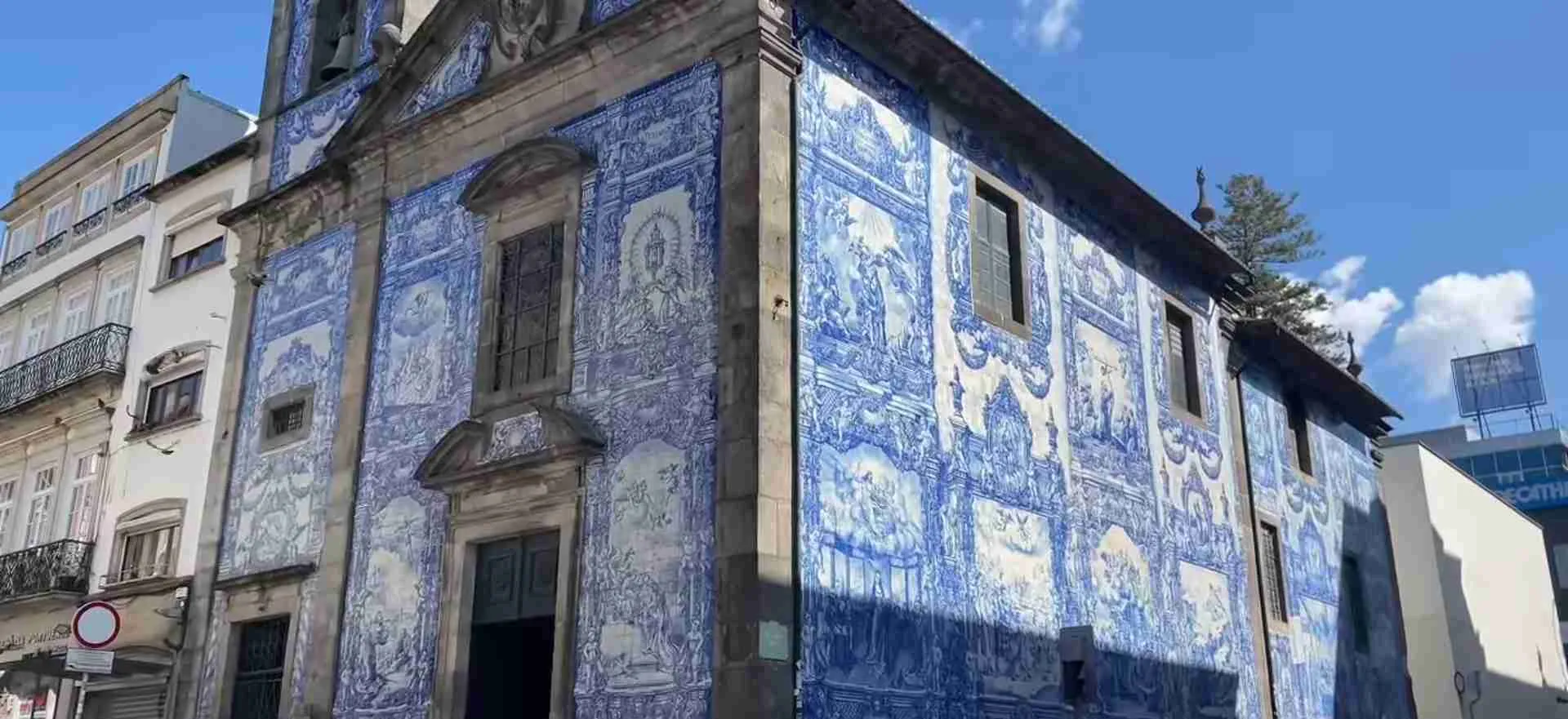
This comprehensive 2026 guide provides everything needed to plan your Porto visit, from detailed cost breakdowns and accommodation strategies to transportation logistics and seasonal timing recommendations. Porto rewards thorough planning with extraordinary experiences ranging from intimate port wine cellars to stunning azulejo-decorated churches, vibrant riverside districts, and exceptional culinary traditions rooted in northern Portuguese gastronomy.
Key Takeaways
- Porto offers exceptional value compared to other European UNESCO destinations, with mid-range travel costs around €80-120 per person daily in 2026 excluding accommodation
- Spring (April-May) and fall (September-October) provide optimal weather and moderate crowds for exploring Porto’s UNESCO historic center in 2026
- The Porto Card provides significant savings on attractions and unlimited public transportation, costing €13-33 depending on duration in 2026
- Advance booking for popular wine cellar tours in Vila Nova de Gaia saves 15-20% compared to walk-in rates during 2026 peak season
- Porto’s compact historic center allows exploring major UNESCO attractions on foot, with most landmarks within 15-20 minutes walking distance
- Budget accommodation in Porto ranges €45-80 per night for hostels and guesthouses, €90-160 for mid-range hotels, and €180-350 for luxury properties in 2026
Planning Your Porto Visit in 2026
Porto stands as one of Portugal’s most captivating UNESCO World Heritage destinations, where centuries of maritime history blend seamlessly with contemporary Portuguese culture along the Douro River. The historic center, recognized by UNESCO in 1996, encompasses magnificent architectural treasures spanning from medieval fortifications to baroque churches and neoclassical monuments. In 2026, Porto continues attracting travelers seeking authentic Portuguese experiences, exceptional port wine traditions, and remarkable value compared to other European heritage cities.
The city’s UNESCO designation covers the medieval Ribeira district, the monumental churches of Clérigos and São Francisco, the neoclassical Stock Exchange Palace, and the iconic Dom Luís I Bridge connecting Porto to Vila Nova de Gaia’s legendary wine cellars. Understanding Porto’s geography, seasonal patterns, and booking strategies ensures maximizing your 2026 visit to this remarkable Portuguese heritage destination.
People Also Ask About Porto 2026
How much does it cost to visit Porto in 2026?
Porto remains one of Europe’s most affordable UNESCO heritage destinations in 2026. Daily costs excluding accommodation range €50-80 for budget travelers, €80-120 for mid-range visitors, and €150-250 for luxury experiences. Accommodation costs €45-80 nightly for hostels and budget guesthouses, €90-160 for mid-range hotels, and €180-350 for luxury properties. A 3-day Porto visit costs approximately €300-500 per person for budget travel, €450-700 for mid-range experiences, and €800-1,400 for luxury trips excluding flights.
Major attraction tickets cost €4-15 each, with popular sites including Clérigos Tower (€6), São Francisco Church (€9), Stock Exchange Palace (€12.50), and port wine cellar tours (€15-35). The Porto Card provides excellent value at €13 for 1 day, €20 for 2 days, and €33 for 4 days, including unlimited public transportation and discounts at major attractions. Dining costs €8-15 for lunch at traditional tascas, €20-35 for dinner at mid-range restaurants, and €50-80 at upscale establishments.
When is the best time to visit Porto in 2026?
The optimal periods for visiting Porto in 2026 are spring (April-May) and fall (September-October), offering pleasant weather with average temperatures of 15-22°C, moderate crowds, and reasonable accommodation rates. Spring brings blooming gardens and comfortable conditions for walking Porto’s hilly historic center, while fall provides harvest season activities in the Douro Valley and fewer tourists than summer months.
Summer (June-August) attracts peak crowds with temperatures reaching 25-28°C, higher accommodation prices, and busy attractions requiring advance bookings. Winter (November-March) offers lowest prices and minimal crowds but brings frequent rain and cooler temperatures of 8-15°C. São João Festival in late June represents Porto’s most vibrant cultural celebration, requiring bookings 3-4 months ahead. September combines excellent weather, manageable crowds, and grape harvest experiences in nearby Douro Valley.
Do you need advance bookings for Porto attractions in 2026?
Advance bookings prove essential for popular experiences during Porto’s high season (June-September) in 2026. Port wine cellar tours at prestigious houses like Graham’s, Taylor’s, and Sandeman sell out 2-3 weeks ahead during summer months. The Stock Exchange Palace’s Arab Room tours have limited capacity and require reservations 1-2 weeks in advance for peak season visits. Clérigos Tower and São Francisco Church accommodate walk-ins during most of the year but experience queues of 30-60 minutes during July-August afternoons.
The Porto Card, offering unlimited transportation and attraction discounts, can be purchased online or at tourist offices without advance booking. Douro Valley day tours and river cruises fill quickly during summer weekends, warranting reservations 2-4 weeks ahead. Restaurant reservations become necessary for popular establishments during dinner service, particularly Thursday-Saturday evenings and throughout high season. Spring and fall visits allow more flexibility with walk-in options at most attractions.
What’s the most efficient way to explore Porto in 2026?
Porto’s compact UNESCO historic center makes walking the most efficient exploration method, with major attractions within 15-20 minutes of each other. The Porto Card provides unlimited access to the metro, buses, and historic tram line for €13-33 depending on duration, eliminating individual ticket purchases. The vintage Tram 1 offers scenic routes along the Douro River from downtown to Foz do Douro, operating every 30 minutes and included in the Porto Card.
Metro Line D (yellow) connects the airport to downtown in 25-30 minutes for €2, while Lines A, B, C, E, and F serve various city districts and suburbs. Public buses cover areas not reached by metro, with single tickets costing €2 and day passes €7. Taxis and Uber provide convenient transportation for evening activities or reaching viewpoints like Serra do Pilar, with typical fares €5-12 within the city center. The Douro River cruises connect Porto to Vila Nova de Gaia and upstream destinations, offering unique perspectives on the UNESCO waterfront.
Extended multi-day tours – 5+ days
Featured Porto Multi-Day Tour Packages
5 days
Gems of Porto & the Douro Valley with Douro River Cruise – 5 Days in Portugal
- ✓ Comprehensive Porto tour
- ✓ Expert local guides included
- ✓ All accommodation arranged
- ✓ Transportation provided
5 days
5 Day Porto Including Aveiro, Costa Nova, Douro Valley Cruise, Braga & Guimaraes
- ✓ Comprehensive Porto tour
- ✓ Expert local guides included
- ✓ All accommodation arranged
- ✓ Transportation provided
2 days
Porto Discovery Tour
- ✓ Booking needs min. 2 travelers
6 days
Wine and Gastronomy in the Heart of Portugal
- ✓ Booking needs min. 2 travelers
Multi-day tour packages powered by TourRadar. Prices and availability subject to change.
Essential Planning Information 2026
Current Costs and Pricing Breakdown
Porto attraction tickets cost €4-15 for major UNESCO sites in 2026, with Clérigos Tower at €6, São Francisco Church €9, Sé Cathedral €3, Stock Exchange Palace €12.50, and Serralves Museum €12 (check official websites for current rates as pricing may vary). Port wine cellar tours range €15-35 depending on tasting options, with basic tours €15-20, premium tastings €25-30, and vintage experiences €30-35. Combined tickets offer savings, with Porto Card holders receiving 10-15% discounts at participating attractions.
Transportation costs remain affordable with single metro/bus tickets €2, Z2 metro day pass €7, and Porto Card providing unlimited transportation plus attraction discounts for €13 (1 day), €20 (2 days), or €33 (4 days). Taxis charge €5-12 for city center trips, with airport transfers €20-30. Douro River cruises cost €15-25 for 50-minute Six Bridges tours and €80-120 for full-day wine region excursions.
Dining expenses vary significantly by venue type. Traditional tascas serve lunch for €8-15 including drink, mid-range restaurants charge €15-25 for mains at dinner, and upscale establishments run €30-50 per person excluding wine. Francesinha, Porto’s signature sandwich, costs €10-15 at traditional venues. Breakfast at cafés runs €5-8, while picnic supplies from markets cost €15-25 for two people. Port wine by the glass ranges €3-8, with full bottles at restaurants €15-50 depending on quality.
Entry Requirements and Documentation
EU citizens require valid passport or national ID card for Portugal entry in 2026, with no visa needed for stays under 90 days. US, Canadian, Australian, and many other nationalities receive 90-day visa-free access to Portugal’s Schengen zone. Passports must remain valid for at least three months beyond departure date. Travel insurance, while not mandatory, provides essential coverage for medical emergencies, with policies costing €30-60 for week-long trips.
No COVID-19 documentation requirements exist for Portugal entry in 2026, though travelers should verify current health protocols on Portugal’s official tourism website before departure. EU citizens with European Health Insurance Cards receive emergency medical care, while non-EU visitors should secure comprehensive travel medical insurance. Porto’s public hospitals provide 24-hour emergency services, with private clinics offering English-speaking doctors for non-emergencies.
Best Time to Visit Porto 2026
Seasonal Analysis for 2026
Spring (April-May) ranks as Porto’s most pleasant season, with average temperatures 15-22°C, minimal rainfall, and blooming gardens throughout the historic center. April brings Easter celebrations and traditional processions, while May offers perfect conditions for walking tours and outdoor dining. Accommodation rates remain moderate at 20-30% below summer peaks, and major attractions operate without summer crowds. Spring provides ideal weather for exploring Porto’s steep streets and riverside districts, with daylight lasting until 8 PM by late May.
Summer (June-August) attracts maximum crowds and highest prices, with average temperatures 22-28°C and occasional 30°C+ heatwaves. June’s São João Festival (June 23-24) represents Porto’s premier cultural event, featuring all-night street parties, grilled sardines, and the famous hammer-tapping tradition. July-August bring peak tourist numbers requiring 2-3 months advance booking for quality accommodation, though ocean breezes keep temperatures comfortable compared to inland Portuguese destinations. Summer evenings provide perfect conditions for riverside dining and sunset views from Vila Nova de Gaia.
Fall (September-October) combines excellent weather with manageable crowds, as temperatures cool to 18-25°C and rainfall remains limited until late October. September coincides with Douro Valley grape harvest, offering unique wine experiences at port houses. Accommodation rates drop 25-35% from summer levels while restaurants and attractions operate full schedules. October brings beautiful autumn colors along the Douro River and perfect temperatures for day trips to Guimarães and Braga.
Winter (November-March) offers significant savings with accommodation rates 40-50% below summer, though rainfall increases substantially with 12-15 rainy days monthly. Average temperatures range 8-15°C, requiring layers and rain gear. December brings Christmas markets and festive decorations throughout Avenida dos Aliados, while January-February represent the quietest months with shortest queues at major attractions. Winter provides authentic experiences of daily Portuguese life, though shorter daylight hours (sunset by 5:30 PM) limit afternoon activities.
Weather Patterns and Crowd Predictions 2026
Porto experiences Mediterranean climate patterns with Atlantic influence, bringing moderate temperatures year-round but significant seasonal rainfall variation. Average temperatures range from 8°C overnight in winter to 28°C during summer afternoons, with ocean breezes moderating heat. Rainfall concentrates November-March with 100-140mm monthly, while June-August brings dry conditions with under 20mm monthly precipitation.
Crowd levels peak during July-August school holidays and São João Festival (late June), when popular attractions experience 60-90 minute waits during afternoon hours. Spring weekends (April-May) and fall (September-October) bring moderate crowds allowing spontaneous visits to most sites. Winter weekdays offer virtually empty attractions, though weather limitations may restrict outdoor activities. Easter week and Christmas-New Year periods see local tourism increases requiring advance accommodation bookings.
Accommodation Strategies 2026
Budget Accommodation Options
Porto’s budget accommodation sector offers exceptional value with clean, well-located hostels and guesthouses throughout the historic center. Hostel dormitory beds cost €18-30 nightly during high season (June-September), €15-22 during spring/fall, and €12-18 in winter. Private rooms in hostels and budget guesthouses range €45-70 for doubles in summer, €35-55 in shoulder seasons, and €28-40 in winter. Top-rated budget options include Gallery Hostel near São Bento station, Pilot Design Hostel in downtown, and Destination Hostel in Ribeira district.
Budget hotels and residenciais (family-run guesthouses) provide private accommodation for €50-80 nightly for doubles during summer, €40-60 in spring/fall, and €35-50 in winter. These properties typically include breakfast, private bathrooms, and central locations near metro stations. Booking 2-3 months ahead secures best availability and rates for summer visits, while spring/fall allows 4-6 weeks planning time. Airbnb apartments cost €40-80 for entire studios in residential neighborhoods, offering kitchen facilities for self-catering.
Mid-Range and Luxury Options
Mid-range hotels in Porto’s UNESCO historic center cost €90-160 nightly for doubles during summer 2026, with properties offering air conditioning, soundproofing, and often rooftop terraces or pools. Notable mid-range options include Carris Porto Ribeira near the river, Hotel Infante Sagres on Praça Filipa de Lencastre, and Pestana Vintage Porto along the Douro. Spring and fall rates drop to €70-120, while winter brings €55-90 rates at the same properties. Breakfast typically costs €8-15 additional per person at mid-range hotels.
Luxury accommodation ranges €180-350 nightly for five-star hotels and boutique properties in renovated historic buildings. The Yeatman in Vila Nova de Gaia offers Douro views and Michelin-starred dining for €250-400 nightly, while InterContinental Porto Palacio das Cardosas occupies a restored palace near Avenida dos Aliados for €200-350. Boutique hotels like Flores Village Hotel & Spa and Casa da Música combine historic architecture with modern amenities for €180-280. Luxury properties include gourmet breakfast, spa access, and concierge services, with 2-3 month advance booking essential for summer dates.
Transportation Guide 2026
Airport Access and Arrival 2026
Porto Airport (Francisco Sá Carneiro) sits 11km northwest of downtown, connected by Metro Line E (violet) with 25-30 minute journey times to Bolhão or São Bento stations in the historic center. Metro single tickets cost €2.00 (€2.15 with reusable Andante card), operating 6 AM-1 AM daily with trains every 20-30 minutes. The airport metro station connects directly to Terminal A via covered walkway, requiring no outdoor exposure.
Taxis and Uber provide direct hotel access for €20-30 to city center locations, with ride-sharing typically 15-20% cheaper than licensed taxis. Private transfer services charge €30-40 for sedan vehicles, offering fixed rates and English-speaking drivers. Airport buses (lines 601, 602, 604) cost €2 and serve specific neighborhoods but require transfers for most accommodations. The metro proves most efficient for travelers with standard luggage, while taxis suit those with heavy bags or arriving late evening when metro frequency decreases.
Public Transportation Options 2026
Porto’s metro system operates six lines (A-F) covering the city and suburbs, with fares based on zone system. Z2 tickets covering downtown Porto cost €1.35 per trip or €7 for day pass, while Z3 tickets including airport cost €2 per trip. The reusable Andante Card costs €0.60 and can be recharged at metro stations, requiring €0.15 validation fee per journey. Metro operates 6 AM-1 AM daily, with extended hours until 2 AM on Friday-Saturday nights.
STCP buses complement the metro with extensive routes throughout Porto, using same Andante Card and pricing structure. Bus single tickets cost €2 when purchased onboard (cash only), €1.35 when using pre-loaded Andante Card. Historic Tram 1 runs along the Douro River from downtown to Foz do Douro and Passeio Alegre, operating every 30 minutes and costing €3.50 for single journey or free with Porto Card. Funicular dos Guindais connects Ribeira riverside district to Batalha upper town, operating daily 8 AM-8 PM for €3.50 round-trip.
The Porto Card provides unlimited transportation on metro, buses, and tram for €13 (1 day), €20 (2 days), €25 (3 days), or €33 (4 days), also including attraction discounts. This proves worthwhile for visitors making 3+ trips daily and visiting multiple paid attractions. Cards activate upon first use and count consecutive 24-hour periods, available at tourist offices, metro stations, and online with instant digital delivery.
Top Attractions and Experiences 2026
UNESCO Historic Center Highlights
The Ribeira district represents Porto’s medieval heart, where narrow lanes descend to the Douro River through colorful buildings with laundry-draped balconies. This UNESCO-protected neighborhood rewards wandering without maps, discovering hidden tascas, azulejo-decorated facades, and riverside cafés where locals gather for imperial beer and petiscos. The riverside Cais da Ribeira promenade stretches beneath Dom Luís I Bridge, lined with restaurants and bars offering stunning sunset views toward Vila Nova de Gaia’s wine cellars.
São Francisco Church (€9 admission) showcases extraordinary baroque gilt woodwork covering virtually every interior surface with an estimated 300-400kg of gold leaf. The 14th-century Gothic structure underwent baroque transformation in 17th-18th centuries, creating one of Europe’s most opulent church interiors. The adjacent catacombs house noble family crypts and connect to former Franciscan monastery cloisters. Plan 45-60 minutes for comprehensive visits including audio guide descriptions.
Clérigos Tower (€6 admission) soars 75 meters above the historic center, requiring climbing 240 steps for 360-degree city views extending to the Atlantic Ocean on clear days. The baroque tower, designed by Italian architect Nicolau Nasoni in 1750s, served as Porto’s tallest structure for centuries, guiding ships entering Douro River. Adjacent Clérigos Church features oval nave and rococo decorations, included in tower admission. Morning visits (9-11 AM) provide best photography conditions with sunlight illuminating city toward river.
Stock Exchange Palace (Palácio da Bolsa) requires guided tours (€12.50) visiting neoclassical chambers culminating in the breathtaking Arab Room inspired by Alhambra’s Moorish decoration. The 19th-century building served Porto’s commercial association, showcasing Portugal’s economic power through elaborate historical rooms. Tours run every 30 minutes in multiple languages, lasting 45 minutes. The building hosts occasional cultural events, so verify visit schedules on official website.
Port Wine Experiences 2026
Vila Nova de Gaia hosts over 50 port wine cellars across the river from Porto, accessible via 10-minute walk over Dom Luís I Bridge upper deck or cable car (€8 round-trip) from Ribeira. Major port houses offer tours with tastings for €15-35, with Graham’s, Taylor’s, and Sandeman providing comprehensive experiences. Graham’s (€18-25 tours) showcases traditional lodge architecture and vast barrel rooms, concluding with terrace tastings overlooking Porto’s UNESCO skyline. Taylor’s (€15-30 tours) occupies historic quinta buildings with museum displays explaining port production, ending at restaurant terrace with exceptional views.
Sandeman (€15-25 tours) features the iconic caped silhouette logo and offers theatrical presentations on port history. Smaller producers like Quinta do Noval and Churchill’s provide intimate experiences with technical depth appreciated by wine enthusiasts. Tours include 2-4 port tastings depending on price tier, with vintage options adding €10-15. Book 1-2 weeks ahead during summer for guaranteed English-language tours at preferred times. Some cellars require advance reservations year-round due to limited group sizes.
Downtown Porto wine bars offer alternative tasting experiences without crossing to Gaia, with Wine Quay Bar near Ribeira and Prova serving 100+ ports by glass (€3-12) in historic cellared settings. These venues allow comparing multiple producers’ styles, with staff providing knowledgeable guidance. Plan €20-35 per person for thoughtful tasting flights with appetizers.
Cultural and Architectural Treasures
Livraria Lello bookshop (€5 admission, redeemable on purchase) ranks among the world’s most beautiful bookstores, featuring neo-Gothic facade, carved wooden interiors, and iconic red staircase. The 1906 building attracts massive crowds, warranting early morning visits (10 AM opening) or advance time-slot reservations to avoid queues exceeding 60 minutes during peak season. The €5 entry fee deters casual browsers while supporting preservation efforts.
Sé Cathedral (€3 admission to cloisters and treasury) crowns Porto’s highest hill in Romanesque-Gothic architectural blend dating to 12th century. The fortress-like exterior gives way to baroque silver altar and azulejo-decorated cloisters offering city views. Treasury displays religious artifacts including jeweled chalices and vestments. Free admission to main church, with cloisters requiring separate ticket. Plan 30-45 minutes for complete visit.
São Bento train station entrance hall displays 20,000 azulejo tiles depicting Portuguese history from Henry the Navigator’s conquests to regional folk life. Created by Jorge Colaço in early 1900s, these blue-and-white tile panels represent Portugal’s premier azulejo artworks. Free admission to station hall, which functions as active railway terminus for regional trains. Best visited early morning or evening when commuter crowds thin.
Serralves Museum (€12 admission, free Sundays before 1 PM) showcases contemporary art in Alvaro Siza-designed building within 18-hectare landscaped grounds. The Art Deco Serralves Villa houses temporary exhibitions, while gardens feature sculpture installations and botanical collections. Located 2.5km west of downtown, accessible via bus 203 or 502 from Boavista. Plan 2-3 hours for museum and extensive gardens.
Food and Wine Guide 2026
Traditional Porto Cuisine
Francesinha represents Porto’s signature dish—a towering sandwich of ham, linguiça sausage, steak, and melted cheese covered in beer-based tomato sauce, served with french fries. Traditional venues like Café Santiago, Brasão, and Side B charge €10-15 for this calorie-dense specialty. The dish originated in 1950s as Portuguese interpretation of French croque-monsieur, evolving into Porto’s most distinctive culinary creation. Best enjoyed at lunch with imperial beer, allowing afternoon digestion time.
Tripas à moda do Porto (Porto-style tripe) reflects the city’s historic nickname “Tripeiros” (tripe eaters), combining beef tripe, white beans, chicken, and chouriço in rich stew. This 15th-century recipe emerged when Porto citizens donated prime meats to Portuguese expeditionary forces, sustaining themselves on tripe. Traditional tascas serve this hearty dish for €9-13, accompanied by white wine and bread. While challenging for some palates, it represents authentic Porto culinary heritage.
Bacalhau (salt cod) appears in countless preparations, with bacalhau à Brás (shredded cod with matchstick potatoes and eggs) and bacalhau com natas (cod with cream and potato gratin) ranking as Porto favorites. Restaurants charge €14-22 for bacalhau dishes, which pair excellently with Portuguese white wines. Quality establishments prepare fresh salt cod requiring 24-hour soaking rather than using pre-prepared versions.
Where to Eat in 2026
Mercado do Bolhão, Porto’s historic market, reopened after extensive renovation providing modern facilities while maintaining traditional character. Ground floor stalls sell fresh produce, cheese, cured meats, and seafood, while upper levels house tasca-style restaurants serving market-fresh dishes for €8-15. The market operates Monday-Saturday 8 AM-8 PM, closing Sundays. Plan morning visits when vendors display full selections and breakfast options include fresh pastéis de nata (custard tarts) for €1-1.50.
Ribeira district concentrates tourist-oriented restaurants along the riverside, where prices run 20-30% above comparable downtown establishments. Better value exists one block inland at traditional tascas like Taberna São Pedro and Taberna dos Mercadores, serving €9-15 lunch menus and €15-25 dinner mains. These venues attract local workers at lunch, guaranteeing authentic preparations and fair pricing.
Casa Guedes near São Bento station specializes in pernil (roasted pork shoulder) sandwiches for €4-6, drawing massive lunch queues of locals and tourists. The no-frills counter service and simple menu ensure rapid turnover. Arrive before noon to avoid peak crowds or accept 15-20 minute waits during lunch rush. Pair sandwiches with Super Bock beer for complete Portuguese lunch experience.
Cantinho do Avillez brings celebrity chef José Avillez’s contemporary Portuguese cuisine to Porto at moderate prices, with lunch menus €15-20 and dinner mains €18-28. The casual bistro format eschews formal reservations except for dinner Friday-Saturday, when booking 1-2 weeks ahead proves essential. Dishes reinterpret Portuguese classics with modern techniques while respecting traditional flavors.
Day Trip Options from Porto 2026
Douro Valley Wine Region
The Douro Valley, UNESCO World Heritage landscape of terraced vineyards producing port wine grapes, lies 100km east of Porto along scenic river valley. Day tours (€80-120 per person) include transportation, two quinta visits with tastings, lunch, and river cruise, operating March-November. Independent travelers take trains from São Bento to Pinhão (€11-15 each way, 2.5 hours), allowing exploration of riverside towns and quintas. The dramatic valley scenery rewards visits even without wine interest, particularly during September-October harvest season and spring bloom.
Guimarães Historic Center
Guimarães, Portugal’s medieval capital and “birthplace of the nation,” sits 55km northeast of Porto with UNESCO-protected historic center. Trains from Porto’s Campanhã station reach Guimarães in 60-70 minutes for €3.50 each way, running hourly throughout the day. The compact medieval center allows 4-5 hour visits covering Guimarães Castle (€3), Palace of the Dukes (€8), and atmospheric old town squares. Combined tickets cost €10 for both major monuments. Day trips cost approximately €25-40 per person including transportation, admissions, and meals.
Braga Religious Heritage
Braga, Portugal’s oldest city and religious capital, features Baroque Bom Jesus Sanctuary and extensive historic center 50km north of Porto. Trains from Porto’s Campanhã reach Braga in 50-60 minutes for €3.50 each way, with departures every 30-60 minutes. Bom Jesus Sanctuary (free admission) crowns hilltop via dramatic baroque staircase or €2 funicular railway, providing panoramic views. Braga Cathedral (€2) represents Portugal’s oldest surviving cathedral, with treasury and choir visits adding €3. Day trips cost approximately €20-35 per person for transportation, admissions, and dining.
Sample 2026 Itineraries
3-Day Porto Introduction Itinerary 2026
Day 1 – Historic Center Discovery: Begin at São Bento station viewing azulejo panels (free), walk to Clérigos Tower (€6), continue through downtown shopping streets to Livraria Lello bookshop (€5), lunch at Mercado do Bolhão (€10-15), afternoon at Stock Exchange Palace (€12.50), evening in Ribeira district with dinner (€20-30). Metro tickets €7 for day pass, São Francisco Church €9. Total day cost: €69.50-84.50 per person (excluding accommodation).
Day 2 – Port Wine and River Experience: Walk to Vila Nova de Gaia across Dom Luís I Bridge (free), morning tour at Graham’s or Taylor’s port house (€18-25), lunch with Douro views (€15-25), afternoon at second port cellar or relaxed tastings at wine bar (€15-20), early evening Six Bridges river cruise (€15), dinner in Gaia or return to Porto (€20-30). Total day cost: €83-115 per person (excluding accommodation).
Day 3 – Cultural Depth and Local Life: Morning at Sé Cathedral and surroundings (€3), explore authentic Sé neighborhood, lunch at traditional tasca (€10-15), afternoon at Serralves Museum and gardens (€12, or free Sunday morning), explore Foz do Douro coastal neighborhood via Tram 1 (€3.50 or Porto Card), beachfront sunset drinks (€5-10), farewell dinner at contemporary Portuguese restaurant (€25-40). Total day cost: €58.50-85.50 per person (excluding accommodation).
3-Day Total: €211-285 per person for activities, meals, and transportation excluding accommodation. Adding mid-range hotel (€90-160 per night for double) brings total trip cost to approximately €480-700 per person for comprehensive Porto experience.
5-Day Porto and Region Itinerary 2026
Days 1-3: Follow 3-day historic Porto itinerary above.
Day 4 – Guimarães Day Trip: Train to Guimarães €3.50, Guimarães Castle admission €3, Palace of the Dukes €8, lunch in historic center €12-18, afternoon exploring medieval streets (free), train return €3.50, simple Porto dinner €15-25. Total day cost: €45-61 per person (excluding accommodation).
Day 5 – Douro Valley Experience: Train to Pinhão €11-15, quinta visit and tasting €15-20, lunch with valley views €15-25, afternoon riverside walking and photography (free), second quinta or relaxed village exploration, train return €11-15, light Porto dinner €15-20. Total day cost: €67-95 per person (excluding accommodation).
5-Day Total: €323-441 per person for activities, meals, and transportation excluding accommodation. Adding mid-range hotel (€90-160 nightly for 5 nights, double occupancy) brings per-person total to approximately €675-1,041 for extended Porto region exploration.
Booking Strategies for 2026
Accommodation Booking Timeline
Book Porto accommodation 3-4 months ahead for peak summer season (June-September) and São João Festival week (mid-late June) to secure best properties at optimal rates. Mid-range and luxury hotels offer early booking discounts of 10-20% when reserving 90+ days in advance, while prime riverside hotels fill completely for festival week by March-April. Spring and fall shoulder seasons allow 6-8 weeks planning time with excellent availability, while winter permits spontaneous bookings 2-3 weeks ahead.
Compare prices across booking platforms including Booking.com, Expedia, hotel direct websites, and local Portuguese platforms like TravelTailors. Many hotels offer 5-10% better rates when booking directly versus third-party platforms, particularly for extended stays. Free cancellation policies provide flexibility for plans, though restricted rates save additional 5-15% for travelers with confirmed dates. Properties in Ribeira district and near São Bento station command 15-25% premiums versus comparable quality in residential neighborhoods served by metro.
Attraction and Tour Reservations
Purchase Porto Card online before arrival for immediate activation upon first metro/bus use, ensuring maximum value from Day 1. The card provides unlimited transportation plus discounts at 15+ attractions, breaking even with 3-4 paid entries daily. Major port houses accept walk-ins outside peak season (October-May) but require advance booking 1-2 weeks for July-August English-language tours at popular producers like Graham’s, Taylor’s, and Sandeman.
Stock Exchange Palace Arab Room tours operate with capacity limits requiring advance booking for summer afternoon slots, available through official website 2-4 weeks ahead. Livraria Lello bookshop now offers time-slot reservations reducing wait times to under 15 minutes versus 60-90 minute queues for unreserved entry during high season. Douro Valley organized tours book 2-3 weeks ahead for peak season weekend departures, while weekday tours maintain better availability.
2026 Updates and Current Information
Recent Developments
Mercado do Bolhão completed extensive renovation in 2020-2022, modernizing facilities while preserving historic architecture and traditional vendor community. The market now combines fresh produce stalls with contemporary restaurant concepts, operating expanded hours Monday-Saturday. New pedestrianization projects continue transforming downtown streets, prioritizing walking and public transportation over private vehicles throughout historic center.
Porto metro expansion projects add new stations and extend existing lines, improving suburban access. The Rosa Mota sports complex renovation creates new cultural space, while riverfront development projects add walking paths and recreational facilities along both Porto and Gaia waterfronts. These improvements enhance visitor experience while supporting sustainable tourism development throughout UNESCO-protected areas.
Digital Resources for 2026
Official Porto tourism website (visitporto.travel) provides current information on events, exhibitions, and attraction schedules. The Porto Card digital version allows smartphone activation and usage tracking, eliminating physical card needs. Google Maps maintains accurate public transportation schedules, walking directions, and business hours for Porto attractions. Download offline maps before arrival for navigation without data usage.
Port wine house websites display current tour schedules, pricing, and reservation systems, with most major producers offering online booking in English. Restaurant reservation platforms like TheFork and Zomato cover Porto establishments, though many traditional tascas operate walk-in only. Weather forecast apps prove essential for planning outdoor activities in Porto’s changeable maritime climate, particularly during spring and fall transition seasons.
Frequently Asked Questions About Porto 2026
Is Porto safe for tourists in 2026?
Porto ranks as one of Europe’s safest cities for tourists, with low violent crime rates and welcoming local population. Petty theft targeting tourists occurs in crowded areas like Ribeira riverside, São Bento station, and popular tram routes, requiring standard precautions with valuables. Avoid leaving bags unattended at outdoor cafés and remain alert in dense crowds, particularly during festivals and evening hours. Porto’s steep streets and uneven medieval cobblestones present the primary physical risk, warranting appropriate footwear and caution when descending to riverside districts.
Do people speak English in Porto?
English fluency varies by generation and profession in Porto. Tourism industry workers (hotels, restaurants, tour operators, attraction staff) generally speak functional English, while younger Portuguese demonstrate strong English skills from school education. Older generations and traditional neighborhood businesses may offer limited English, though pointing and basic courtesy phrases in Portuguese overcome most communication challenges. Learn essential Portuguese greetings and thanks (“bom dia,” “obrigado/obrigada,” “por favor”) to demonstrate cultural respect and facilitate positive interactions.
Can you visit Porto as a day trip from Lisbon?
Porto works as long day trip from Lisbon, though overnight stays allow deeper exploration. High-speed trains connect Lisbon and Porto in 2.5-3 hours for €25-40 each way, departing Lisbon’s Santa Apolónia or Oriente stations from 6 AM. Day trips allow 5-6 hours in Porto for major highlights (historic center walking tour, port wine cellar, Ribeira lunch), catching evening trains back to Lisbon. However, Porto’s rich heritage, evening atmosphere, and excellent value reward 2-3 night stays allowing comprehensive exploration without rushed schedules.
What’s the best way to get from Porto to Lisbon in 2026?
Trains provide the most convenient and comfortable Porto-Lisbon transportation, with Alfa Pendular high-speed services covering 313km in 2.5-3 hours. Tickets cost €25-40 depending on booking timing and flexibility, with advance purchase (7+ days) securing lowest rates. Trains operate hourly throughout the day, departing Porto’s Campanhã station and arriving at Lisbon’s Santa Apolónia or Oriente stations. First-class upgrades (€10-15) provide extra space and complimentary beverages. Buses offer cheaper alternatives (€15-25) but require 3.5-4 hours, while flights (€40-80) involve airport transit time offsetting 1-hour flight duration.
Is Porto Card worth buying in 2026?
Porto Card provides excellent value for visitors planning active sightseeing days with multiple attractions and significant public transportation use. The card costs €13 (1 day), €20 (2 days), €25 (3 days), or €33 (4 days) and includes unlimited metro/bus/tram transportation plus 10-15% discounts at major attractions. Break-even analysis: with €7 public transportation day pass and 2-3 paid attractions (€6-12.50 each), the card saves money while eliminating ticket purchase hassles. Porto Card proves most valuable during compact 2-4 day visits hitting major attractions; longer stays with focused interests may benefit less.
What should I buy as Porto souvenirs?
Port wine represents Porto’s premier souvenir, available directly from Vila Nova de Gaia cellars with expert guidance on selections matching personal taste and budget. Bottles range €8-15 for quality ruby ports, €15-30 for aged tawnies, and €30-100+ for vintage declarations. Portuguese azulejo tiles (decorative ceramics) come in traditional blue-and-white or contemporary designs at specialty shops throughout historic center. Cork products including wallets, bags, and accessories showcase Portuguese craftsmanship using sustainable materials. Sardine tins with colorful vintage-inspired designs combine practicality with artistic appeal, available at specialty shops and Mercado do Bolhão for €3-8 per tin.
How many days should I spend in Porto?
Three full days provides comprehensive introduction to Porto, covering historic center highlights, port wine experiences, and one day trip to Douro Valley, Guimarães, or Braga. Two-day visits allow seeing major UNESCO attractions and sampling port wine culture but require prioritizing most important sights. Five-day stays permit thorough exploration including multiple day trips, relaxed dining experiences, and discovering residential neighborhoods beyond tourist areas. Solo travelers and port wine enthusiasts may extend stays to week-long, using Porto as base for Douro Valley, Minho region, and northern Portuguese exploration.
Is Porto expensive compared to other European cities?
Porto ranks among Western Europe’s most affordable destinations, with costs 30-50% below Paris, Amsterdam, or Barcelona for comparable experiences. Mid-range daily budgets of €80-120 per person provide excellent dining, comfortable accommodation, and comprehensive sightseeing, while luxury travel at €150-250 daily exceeds most European capitals’ mid-range spending. Traditional Portuguese restaurants serve complete meals with wine for €15-25, attraction tickets cost €4-15 versus €15-25+ at major European heritage sites, and quality accommodation exists at half the rates of comparable Western European cities. Only Iberian neighbors Spain and southern Italy offer similar value among Western European UNESCO destinations.
What’s Porto’s signature drink besides port wine?
Vinho Verde (“green wine”) represents northern Portugal’s distinctive wine style—young, slightly sparkling white wine from Minho region with refreshing acidity and 9-11% alcohol. Despite the name, vinho verde is typically white (occasionally rosé or red), served chilled and perfect for warm weather or pairing with seafood. Restaurants charge €8-15 per bottle, with by-the-glass options €2-4. Super Bock and Sagres beers dominate Portuguese beer market, served as “imperial” (draught) for €1.50-3 at traditional tascas. Ginjinha, sour cherry liqueur served in chocolate cups, provides sweet digestif experience at specialty bars throughout historic center.
Can I use credit cards everywhere in Porto?
Credit cards work at most hotels, restaurants, and attractions throughout Porto, though traditional tascas, market vendors, and small neighborhood shops often accept cash only. Visa and Mastercard receive universal acceptance, while American Express works at hotels and upscale restaurants but faces limited acceptance at casual venues. ATMs provide abundant access throughout the city, dispensing euros with reasonable international withdrawal fees. Carry €40-60 cash for small purchases, market shopping, and establishments without card terminals. Contactless payment functions normally throughout Portugal, though signature or PIN entry remains common for transactions exceeding €50.