
Lugo Roman Walls Day Trip 2026: Complete UNESCO Heritage Guide
Key Takeaways
- Direct Bus Access 2026: Regular buses from Santiago de Compostela cost €9-14, departing every 2 hours with 1h 55min journey time
- Free Wall Access: The entire 2.1km circuit is free to walk, with 10 access points and 85 towers providing panoramic views
- Budget-Friendly Day Trip: Complete day trips cost €35-65 per person including transportation, meals, and museum visits
- UNESCO Excellence: The only completely intact Roman wall circuit in the former Roman Empire, designated World Heritage in 2000
- Full-Day Experience: Plan 4-9 hours depending on whether you explore just the walls or include Lugo’s historic center and dining
- Year-Round Destination: The walls remain accessible daily throughout 2026, with spring and autumn offering optimal visiting conditions
Introduction: Planning Your Lugo Roman Walls Day Trip in 2026
The Roman Walls of Lugo stand as one of Spain’s most remarkable UNESCO World Heritage sites and the finest surviving example of late Roman military fortifications in Western Europe. Dating from the 3rd and 4th centuries AD, these magnificent walls represent the only completely intact Roman wall circuit remaining from the entire former Roman Empire—a distinction that makes Lugo an essential destination for history enthusiasts and cultural travelers in 2026.
This comprehensive guide provides everything you need to plan a perfect day trip to Lugo’s Roman Walls in 2026, whether you’re visiting from Santiago de Compostela, A Coruña, or other Galician destinations. The walls encircle Lugo’s historic center, extending 2,117 meters in an oblong rectangle that encloses 34.4 hectares of medieval streets, plazas, and monuments.
Built to defend the Roman town of Lucus Augusti against barbarian invasions, the walls rise 8-12 meters high and measure 4.2-7 meters wide at various points. The entire circuit features 85 external towers, 10 gates (five original Roman gates and five modern openings), and multiple staircases providing access to the elevated walkway. Walking atop these ancient fortifications offers a unique bird’s-eye perspective of both the medieval city within and the modern Galician landscape beyond.
For 2026 travelers, Lugo offers exceptional value as a day trip destination. The walls themselves are free to access and walk, while the city provides authentic Galician dining experiences at prices significantly lower than coastal tourist destinations. Transportation from Santiago de Compostela remains affordable and frequent, with direct buses departing every two hours throughout the day. Whether you’re seeking Roman history, architectural marvels, photography opportunities, or simply a less-crowded UNESCO site, Lugo delivers an unforgettable experience that rewards both brief visits and extended exploration.
People Also Ask About Lugo Roman Walls Day Trip 2026
How much does a day trip to Lugo cost in 2026?
A day trip to Lugo costs €35-65 per person depending on your dining choices and activities in 2026 (check current rates as pricing may vary). Budget travelers spend approximately €35-45 including round-trip bus transportation from Santiago (€18-28), a menú del día lunch (€10-15), and coffee or snacks (€5-8). Mid-range visitors typically spend €50-65 adding tapas tastings (€10-15) and cathedral museum entry (€5-7). The Roman Walls themselves are free to walk, and most viewing points require no admission fees.
Transportation represents your largest expense. Direct buses from Santiago de Compostela to Lugo cost €9-14 each way, with return tickets offering slight savings. Train service via A Coruña costs more (€21-30 one-way) and takes significantly longer (3+ hours vs. 2 hours by bus). Dining in Lugo offers exceptional value—traditional restaurants serve generous menú del día selections for €10-17 including starter, main course, dessert, bread, and beverage. Tapas bars charge €3-8 per tapa, allowing you to sample multiple Galician specialties affordably.
How do you get to Lugo from Santiago de Compostela in 2026?
Direct buses from Santiago de Compostela to Lugo depart every 2 hours from the Estación de Autobuses, with journey times of 1h 55min-2h 10min in 2026. ALSA and MonBus operate the route with modern coaches featuring free WiFi, comfortable seating, and air conditioning. Buses arrive at Lugo’s Estación de Autobuses on Avenida de las Américas, a 10-15 minute walk from the Roman Walls and historic center.
First buses depart Santiago around 7:30-8:00 AM, with regular service throughout the day until approximately 8:00-9:00 PM. Return buses from Lugo follow a similar schedule, providing flexibility for half-day or full-day visits. Advance booking online through ALSA or MonBus websites secures the lowest fares and guarantees seats during busy periods. Train service exists but requires a connection in A Coruña, taking 3h 19min total and costing more than double the bus fare—making it impractical for day trips.
How long should you spend at Lugo Roman Walls in 2026?
Plan 1.5-2 hours minimum to walk the complete 2.1km Roman Walls circuit, with 3-4 hours recommended for a thorough exploration including tower visits, photography stops, and interpretive center visits in 2026. The walls themselves can be circled continuously at a moderate pace in about 90 minutes, but stopping to appreciate architectural details, read information panels, climb tower staircases, and capture photographs easily extends this to 2-3 hours.
Adding Lugo’s historic center—including the Cathedral of Santa María, Plaza Mayor, and old town streets—requires an additional 2-3 hours. A full-day visit (8-10 hours total) allows time for leisurely dining at traditional restaurants, visiting the Provincial Museum, exploring the Roman thermal baths archaeological site, and experiencing Lugo’s authentic Galician atmosphere without rushing. Half-day visits (4-5 hours) work well for travelers prioritizing the walls themselves with a quick lunch in the historic center.
What’s the best time to visit Lugo Roman Walls in 2026?
Spring (April-May) and autumn (September-October) offer optimal conditions for visiting Lugo Roman Walls in 2026, with mild temperatures (15-22°C), lower tourist numbers, and excellent lighting for photography. These shoulder seasons avoid summer heat while providing comfortable weather for the 2+ hour walk atop the exposed walls. Spring brings blooming flowers in the city’s parks and plazas, while autumn delivers golden light perfect for architectural photography and fewer crowds during the popular Camino de Santiago season.
Summer (June-August) attracts peak visitor numbers due to school holidays and Camino pilgrimage season, but Galicia’s Atlantic climate keeps temperatures moderate (20-25°C) compared to southern Spain. Early morning visits (8:00-10:00 AM) beat crowds and heat while providing soft morning light. Winter (November-March) sees fewer tourists and occasional rain, but the walls remain accessible and Lugo’s restaurants offer hearty Galician cuisine perfect for cooler weather. Weekdays consistently provide quieter experiences than weekends throughout 2026.
Extended multi-day tours – 5+ days
Featured Santiago De Compostela Multi-Day Tour Packages
3 days
Santiago De Compostela 3-Day Discovery Tour
- ✓ Comprehensive Santiago De Compostela experience
- ✓ Expert local guides included
- ✓ All accommodation included
- ✓ Transportation provided

5 days
Santiago De Compostela 5-Day Highlights Experience
- ✓ Comprehensive Santiago De Compostela experience
- ✓ Expert local guides included
- ✓ All accommodation included
- ✓ Transportation provided
7 days
Santiago De Compostela 7-Day Cultural Journey
- ✓ Comprehensive Santiago De Compostela experience
- ✓ Expert local guides included
- ✓ All accommodation included
- ✓ Transportation provided

10 days
Santiago De Compostela 10-Day Complete Adventure
- ✓ Comprehensive Santiago De Compostela experience
- ✓ Expert local guides included
- ✓ All accommodation included
- ✓ Transportation provided
Multi-day tour packages powered by TourRadar. Prices and availability subject to change.
Essential Planning Information 2026
Lugo Roman Walls Overview
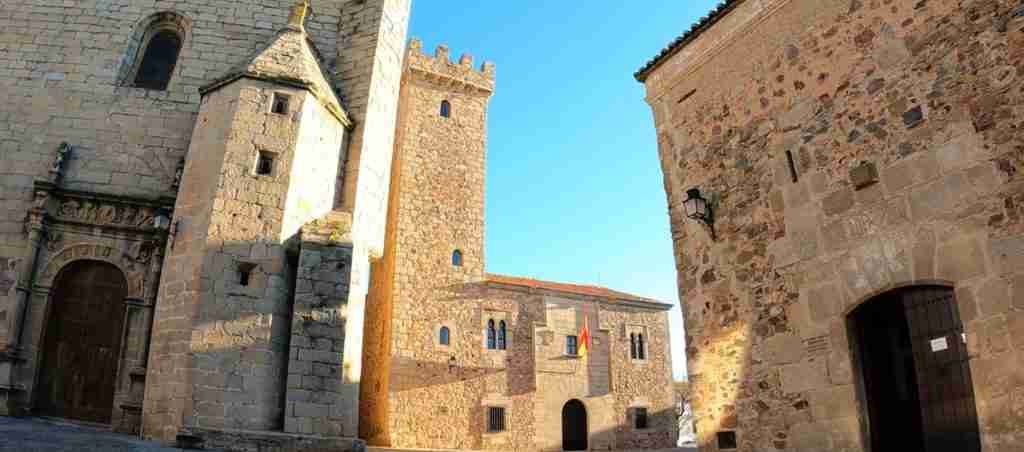
The Roman Walls of Lugo represent late Imperial Rome’s most complete defensive fortification system, constructed between 263-276 AD during a period of increased barbarian threats to Hispania. Built of slate and granite with lime mortar, the walls form an oblong rectangle measuring 2,117 meters in circumference, enclosing 34.4 hectares of urban space. The fortifications rise 8-12 meters high with a walkway width of 4.2-7 meters—substantial enough that locals and visitors can comfortably walk the entire circuit atop the ancient stones.
UNESCO designated the Roman Walls of Lugo as a World Heritage Site in 2000, recognizing them as “the finest surviving example of late Roman military fortifications.” The walls maintain exceptional integrity, preserving more than half their original 85 towers, all original defensive structures, gates, staircases, and moat system. Unlike many European fortifications that survive only in fragments, Lugo’s walls remain intact along their entire perimeter—a unique achievement spanning nearly 1,800 years.
The walls feature 10 gates providing access to the historic center: five original Roman gates (Porta Miña, Porta de Santiago, Porta San Pedro, Porta Nova, and Porta Falsa) and five modern openings created from 1853 onwards to accommodate urban growth. Six staircases and ramps provide access from street level to the elevated walkway, allowing visitors to climb up and walk freely along the circuit. The Centro de Interpretación de la Muralla Romana (Roman Wall Interpretation Center) offers detailed exhibits explaining the construction techniques, historical context, and defensive systems—though exploring the walls themselves provides the most compelling experience.
Current Costs and Pricing Breakdown 2026
Walking the Roman Walls of Lugo is completely free in 2026, with no admission fees for accessing the circuit, towers, or walkway. This makes Lugo one of the most accessible UNESCO World Heritage sites in Spain. However, your day trip will include transportation, dining, and optional museum visits with the following costs (check official sources for current rates as pricing may vary):
Transportation Costs: Direct buses from Santiago de Compostela to Lugo cost €9-14 one-way with ALSA or MonBus. Round-trip tickets cost €18-28, representing your largest single expense. Buses depart Santiago’s Estación de Autobuses every 2 hours with journey times of 1h 55min-2h 10min. Train service via A Coruña costs significantly more (€21-30+ one-way) and takes over 3 hours including the connection—making buses the practical choice for day trips.
Dining Costs: Lugo offers exceptional dining value. Traditional restaurants serve menú del día lunch specials for €10-17, including starter, main course, dessert, bread, and beverage (wine, beer, or soft drink). Tapas bars charge €3-8 per tapa, with most visitors ordering 2-3 tapas plus drinks for €15-25 total. Evening dining at mid-range restaurants costs €20-35 per person for multiple courses. Coffee costs €1.50-2.50, while local wine by the glass ranges €2.50-5.
Cultural Site Costs: Cathedral of Santa María museum entry costs approximately €5-7 for adults, with reduced rates for students and seniors. The Provincial Museum of Lugo charges €3-5 for general admission. The Roman Wall Interpretation Center typically offers free or minimal-cost entry (€2-3). Most churches and plazas remain free to visit.
Transportation Options 2026
Direct bus service from Santiago de Compostela provides the most efficient and economical transportation for Lugo day trips in 2026. ALSA and MonBus operate frequent departures from Santiago’s Estación de Autobuses (Intermodal Station), located next to the train station and easily accessible by local bus or taxi from the historic center. Buses arrive at Lugo’s Estación de Autobuses on Avenida de las Américas, positioned a convenient 10-15 minute walk from the Roman Walls’ nearest access points.
Bus schedules provide flexibility for various trip durations. First departures from Santiago occur around 7:30-8:00 AM, reaching Lugo by 9:30-10:00 AM—perfect for morning wall walks before midday heat. Mid-morning and afternoon departures (10:00 AM, 12:00 PM, 2:00 PM) suit visitors preferring later starts. Return buses from Lugo run until approximately 8:00-9:00 PM, allowing full-day visits with evening dining. The 1h 55min-2h 10min journey passes through scenic Galician countryside with comfortable modern coaches equipped with WiFi, USB charging, air conditioning, and spacious seating.
From A Coruña, direct bus service to Lugo operates multiple times daily with similar journey times (1h 30min-2h) and costs (€8-13 one-way). Travelers based in A Coruña can easily incorporate Lugo into day trip itineraries. From Madrid, high-speed train service reaches Lugo via Ourense in approximately 4-5 hours total—feasible for travelers spending multiple days exploring Galicia but too lengthy for same-day returns to Madrid.
Driving from Santiago de Compostela takes 1h 20min-1h 30min via A-54 and A-6 highways, covering approximately 100 kilometers. Parking in Lugo costs €1-2 per hour in city center zones, with several public parking facilities near the Roman Walls. However, bus transportation eliminates parking concerns, allows travelers to enjoy local wine with meals, and often costs less than fuel and parking combined.
Getting to Lugo in 2026
From Santiago de Compostela
Santiago de Compostela serves as the primary gateway for most Lugo Roman Walls day trips in 2026, with excellent direct bus connections and straightforward logistics. The journey from Santiago’s UNESCO-listed historic center to Lugo’s ancient walls takes approximately 2 hours total including the walk from your accommodation to Santiago’s bus station.
Begin at Santiago’s Estación de Autobuses (Intermodal Station), located on Rúa Uxía de Feijoo about 20-25 minutes’ walk from the cathedral. City buses (lines 6, 6A, C2) connect the historic center to the bus station in 10-15 minutes for €1 per ride. Taxis from the cathedral area to the bus station cost €6-9 and take 10 minutes. The intermodal station combines bus and train facilities, offering cafés, restrooms, and ticket offices.
ALSA and MonBus ticket offices open 30-45 minutes before first departures. Purchase tickets online in advance through company websites to guarantee seats during busy periods and secure lowest fares. Digital tickets sent to smartphones allow direct boarding without ticket office queues. Paper tickets can be purchased at station counters, though online prices often undercut walk-up fares by €1-3. Arrive 15-20 minutes before departure to locate your platform and board comfortably.
Buses arrive at Lugo’s Estación de Autobuses on Avenida de las Américas. Exit the station and walk west along Avenida de las Américas toward the city center. After 10 minutes, you’ll reach Porta Nova—one of the modern gates through the Roman Walls. Staircases near Porta Nova provide access to the elevated walkway where your wall circuit begins. Alternatively, continue 5 more minutes to reach Plaza Mayor and the cathedral area in Lugo’s historic heart.
From A Coruña
A Coruña provides another excellent base for Lugo day trips in 2026, with direct bus service connecting Galicia’s coastal capital to the inland Roman walls. The journey takes 1h 30min-2h depending on route and stops, departing from A Coruña’s Estación de Autobuses on Calle Caballeros.
Bus service operates multiple times daily with ALSA, providing morning, midday, and afternoon departures. First buses leave A Coruña around 8:00-9:00 AM, arriving in Lugo by 9:30-11:00 AM. Return buses run until early evening, enabling full-day visits. Fares cost €8-13 one-way, with online booking recommended during summer and weekends when demand increases from both tourists and local travelers.
The A Coruña-Lugo route travels inland through rural Galicia, passing small towns and agricultural landscapes. Modern coaches offer comfortable seating, WiFi, and air conditioning. A Coruña’s bus station sits approximately 2 kilometers south of the city’s waterfront promenades and historic center, accessible by local bus or taxi from tourist areas. Consider combining a morning in A Coruña with an afternoon Lugo visit, or vice versa, for travelers wanting to experience both coastal and inland Galician culture in a single extended day trip.
From Madrid
Madrid-based travelers can reach Lugo in 2026 via high-speed train connections through Ourense, though the journey requires a full day’s commitment rather than a brief day trip. The total journey takes approximately 4-5 hours each direction, making it suitable for travelers spending several days exploring Galicia or those wanting to visit Lugo as a stopover en route to Santiago de Compostela.
From Madrid’s Chamartín or Atocha stations, take AVE high-speed trains to Ourense (approximately 2.5-3.5 hours depending on service). From Ourense, regional trains connect to Lugo in 45 minutes to 1 hour. Total journey time including connection ranges from 4-5 hours with ticket costs of €40-80+ depending on advance purchase, train class, and travel dates. First departures from Madrid leave around 7:00-8:00 AM, arriving Lugo by noon—allowing afternoon exploration before evening return trains.
For travelers planning multi-day Galicia itineraries, consider visiting Lugo en route between Madrid and Santiago de Compostela. Store luggage at Lugo’s train station (consigna/left luggage facilities), walk the walls and explore the historic center for 4-6 hours, then continue to Santiago by evening bus. This approach maximizes time efficiency while experiencing one of Spain’s most underappreciated UNESCO sites.
Walking the Roman Walls: Complete 2026 Guide
The Complete Circuit Experience
Walking the complete 2,117-meter circuit atop Lugo’s Roman Walls represents the essential experience of any visit in 2026. The elevated walkway runs continuously around the entire perimeter, providing uninterrupted access and eliminating any admission barriers. Most visitors walk counterclockwise, though either direction works equally well since the circuit forms a closed loop.
Begin your walk at Porta Nova or Porta de Santiago—two of the most accessible entry points near the bus station and historic center. Locate one of six staircases or ramps providing access to the elevated walkway. These access points feature clear signage and modern handrails while respecting the ancient structures. Once atop the walls, you’ll find a smooth paved pathway approximately 4-7 meters wide depending on section—easily accommodating walkers, wheelchair users, and the occasional jogger.
Walking at a steady, moderate pace takes 80-100 minutes to complete the circuit without stops. However, pausing frequently for photographs, tower exploration, and architectural appreciation extends this to 2-3 hours for most visitors—and rightfully so. The walls provide constantly changing perspectives: inward views reveal medieval streets, church spires, and Plaza Mayor, while outward views show modern Lugo neighborhoods, distant Galician hills, and the Miño River valley.
The walls maintain remarkable preservation along the entire circuit. Original Roman slate and granite construction remains visible in many sections, while medieval and modern restoration work blends respectfully with ancient stones. Information panels placed at intervals explain construction techniques, historical events, and defensive features in Spanish, Galician, and English. Take time to examine the craftsmanship—interlocking slate slabs, granite corner blocks, and lime mortar that has endured 1,700+ years of Galician weather.
Best Viewing Points 2026
The complete wall circuit offers dozens of remarkable viewpoints, but several locations provide exceptional panoramas worth extended stops in 2026. The eastern section overlooking the Miño River valley delivers sweeping countryside views, particularly beautiful during golden hour when sunlight illuminates the Galician hills. Morning visits (8:00-10:00 AM) provide soft eastward light, while late afternoon (5:00-7:00 PM) bathes the landscape in warm tones.
The southern walls near Porta San Pedro offer the best elevated views of Lugo Cathedral’s towers and the dense medieval quarter. This section also provides interesting contrast between the ancient Roman fortifications and the cathedral’s Romanesque, Gothic, and Baroque elements spanning multiple construction periods. Early morning and late afternoon light enhance architectural photography from these viewpoints.
The northern circuit section near Porta de Santiago provides views toward modern Lugo neighborhoods while showcasing several of the walls’ best-preserved Roman towers. These cylindrical and square towers project outward from the main wall, demonstrating the sophisticated defensive design that made successful assault nearly impossible. Climb down into several accessible tower interiors to appreciate their structural complexity—internal staircases, defensive positions, and solid construction that has withstood centuries.
Western sections near Parque Rosalía de Castro combine wall-walking with park views, offering green spaces and shaded areas pleasant during warm weather. These segments attract fewer crowds, providing peaceful moments for contemplation of the engineering marvel beneath your feet. Look for original Roman gates with preserved stone arches and defensive features—these portals controlled all medieval access to the city and witnessed countless historical events from barbarian sieges to pilgrim passages along the Camino de Santiago.
Tower Access and Features
The Roman Walls contain 85 external towers projecting from the main circuit, though exact numbers vary slightly depending on counting methodology and tower condition. These towers served multiple defensive functions: observation posts monitoring approaching threats, platforms for defensive weapons, and structural buttresses strengthening the walls against assault and natural deterioration.
Approximately 60 towers feature circular designs while 11 utilize square plans, reflecting different construction periods and defensive philosophies. The circular towers date primarily from the original 3rd-century construction, while square towers represent later additions or reinforcements. Original Roman towers rose higher than current heights—medieval and modern interventions reduced some towers while preserving others closer to their ancient elevations.
Many towers remain accessible in 2026, with internal staircases allowing visitors to descend from the elevated walkway into tower interiors. These spaces provide intimate encounters with Roman engineering: examine thick stone walls, defensive arrow slits, and construction techniques unchanged for 1,700 years. Some towers feature information displays explaining their specific functions and historical significance.
Torre de la Mosquera and Torre del Pazo stand among the most impressive accessible towers, offering both architectural interest and excellent photography opportunities. Several towers near Porta San Pedro and Porta de Santiago provide particularly good views combining tower structures with cathedral panoramas. Allow 5-10 minutes per tower for exploration—multiplied across a dozen accessible towers, this significantly extends your wall walk but rewards the investment with deeper understanding of Roman military architecture.
Exploring Lugo’s Historic Center 2026
Cathedral of Santa María
The Cathedral of Santa María de Lugo anchors the historic center immediately inside the Roman Walls, representing 12 centuries of continuous religious architecture from Romanesque origins through Baroque renovations. Construction began in the 12th century atop earlier religious sites, with significant additions and modifications extending through the 18th century. The resulting structure combines Romanesque, Gothic, Renaissance, and Baroque elements in a fascinating architectural palimpsest.
The cathedral’s main façade on the western end showcases Baroque exuberance added in the 18th century, while the eastern apse and side walls preserve Romanesque and Gothic elements. Enter through the main western portal to experience the cathedral’s three-nave interior featuring stone vaulted ceilings, elaborate chapels, and a magnificent coro (choir) with intricate woodwork. The Romanesque Christ statue and Gothic retablo mayor represent particular artistic treasures.
Cathedral access functions as a museum in 2026, with entry fees supporting preservation and maintenance. Adult admission costs approximately €5-7, with reduced rates for students, seniors, and pilgrims carrying Camino credentials. The fee includes access to the main cathedral space, cloister, and occasionally the bell tower depending on restoration schedules. Photography restrictions apply inside—no flash photography and often no photography in certain chapels preserving delicate artworks.
Plan 30-45 minutes for a thorough cathedral visit appreciating architectural details, religious art, and historical context. The cathedral marks an important waypoint on the Camino Primitivo pilgrimage route, and you’ll often encounter pilgrims receiving blessings before continuing toward Santiago de Compostela. Visit during midday (12:00-2:00 PM) to potentially hear organ music or observe services adding spiritual atmosphere to architectural exploration.
Plaza Mayor and Old Town
Plaza Mayor forms Lugo’s social heart, a spacious arcaded square lined with cafés, restaurants, and shops occupying historic buildings. The plaza hosts markets, festivals, and everyday life—locals gathering for coffee, visitors planning their wall walks, and students socializing between classes. Baroque and neoclassical architecture frames the plaza, with the 18th-century town hall (Ayuntamiento) dominating the eastern side.
Surrounding streets radiate from Plaza Mayor into Lugo’s medieval quarter—a compact network of narrow lanes, small plazas, and neighborhood shops largely unchanged for centuries. Rúa Nova, Rúa da Cruz, and Rúa do Progreso contain traditional businesses, local bars serving vermouth and tapas, and family-run shops selling Galician products. These streets reward wandering without fixed itinerary: discover hidden chapels, architectural details, traditional bakeries (panaderías) selling local breads, and neighborhood squares where locals play cards.
Don’t miss the smaller historic plazas: Plaza del Campo preserves medieval character with irregular paving and modest buildings, while Plaza Santo Domingo features the former Dominican convent church now serving as exhibition space. These quieter squares provide respite from Plaza Mayor’s bustle and reveal authentic neighborhood life beyond tourist circuits.
The old town’s compact size (remember, it’s contained within those 2,117-meter walls) makes navigation intuitive. You’ll rarely walk more than 10 minutes in any direction before reaching the Roman Walls or a familiar landmark. This walkability encourages spontaneous exploration—follow intriguing streets, investigate interesting doorways, and trust that the walls provide constant orientation.
Museums and Cultural Sites
The Provincial Museum of Lugo (Museo Provincial de Lugo) occupies a former Franciscan convent complex on Praza da Soidade, combining medieval cloisters with modern exhibition spaces. Collections span Roman artifacts from the walls’ construction period, medieval religious art, Galician folk culture, and contemporary works by regional artists. Highlights include Roman mosaics, sculpture fragments from Lucus Augusti, and detailed displays explaining the walls’ construction and defensive systems.
Museum entry costs €3-5 for general admission, with reduced rates for students and free entry on certain weekdays. Plan 45-60 minutes for a comprehensive visit examining Roman engineering exhibits, medieval treasures, and the museum’s atmospheric cloister spaces. The museum provides essential context for understanding the walls you’ve walked—construction techniques, historical threats the walls defended against, and daily life in Roman Lucus Augusti.
The Roman Wall Interpretation Center (Centro de Interpretación de la Muralla Romana) offers specialized exhibits focusing exclusively on the fortifications. Located near one of the main wall access points, the center features models, archaeological finds, multimedia presentations, and detailed explanations of restoration work. Entry costs typically €2-3 or remains free depending on current policies. Visit before or after your wall walk to enhance understanding of what you’re experiencing.
Archaeological sites dot the historic center, with the Domus del Mitreo (House of Mithraeum) presenting excavated remains of a Roman house featuring a temple to the god Mithras. This small site provides tangible connection to ancient Lucus Augusti’s residents. The Roman baths archaeological site displays preserved thermal bath structures and hypocaust heating systems. Both sites offer free or minimal-cost access and require 15-20 minutes each for thorough exploration.
Sample 2026 Day Trip Itineraries
Half-Day Express Visit (4-5 hours)
This streamlined itinerary suits travelers with limited time or those combining Lugo with other Galician destinations in 2026. Depart Santiago de Compostela on an early bus (7:30-8:00 AM departure), arriving Lugo around 9:30-10:00 AM. Head directly to the nearest wall access point and begin walking the complete circuit clockwise or counterclockwise. Walk at a steady pace with brief photo stops, completing the circuit in 90-110 minutes.
Descend from the walls near Plaza Mayor around 11:30 AM-12:00 PM. Walk through the medieval quarter to the cathedral, spending 20-30 minutes exploring the exterior and main plaza. Continue to a traditional restaurant for menú del día lunch (12:30-2:00 PM), choosing from the abundant options surrounding Plaza Mayor or along Rúa Nova. After lunch, take 30 minutes for coffee and a brief plaza mayor stroll before walking back to the bus station.
Catch a mid-afternoon return bus to Santiago (3:00-4:00 PM departures), arriving back by 5:00-6:00 PM. This itinerary prioritizes the walls themselves—the essential Lugo experience—while sampling the historic center and enjoying one excellent Galician meal.
Half-Day Costs: Bus round-trip €18-28, menú del día lunch €12-17, coffee €2-3, snacks €3-5. Total day cost: €35-53 per person (excluding accommodation).
Full-Day Cultural Experience (8-9 hours)
A full-day itinerary allows thorough exploration of both the walls and Lugo’s cultural sites without rushing in 2026. Take a mid-morning bus from Santiago (9:00-10:00 AM), arriving Lugo around 11:00 AM. Store any bags at your chosen lunch restaurant or the bus station, then walk to the Roman Wall Interpretation Center for 30 minutes of exhibits providing historical context (11:00-11:30 AM).
Access the walls and begin your circuit walk, taking time for tower exploration, photography, and architectural appreciation (11:30 AM-2:00 PM). Complete the circuit with extended stops at key viewpoints, reading information panels and descending into accessible towers. Finish your wall walk near the cathedral around 2:00 PM.
Enjoy a leisurely menú del día lunch at a traditional restaurant (2:00-3:30 PM), embracing Spanish dining culture with multiple courses, local wine, and relaxed conversation. After lunch, visit the Cathedral of Santa María, exploring the interior, cloister, and museum collections (3:45-4:45 PM). Walk through the medieval quarter, discovering small plazas, neighborhood shops, and hidden architectural gems (5:00-6:00 PM).
Visit the Provincial Museum of Lugo to examine Roman artifacts and medieval collections (6:00-7:00 PM). Conclude with evening tapas at a traditional bar—order 2-3 tapas, sample Galician wines, and observe local social culture (7:00-8:00 PM). Walk to the bus station for your return bus to Santiago (8:30-9:00 PM departure), arriving back around 10:30-11:00 PM.
Full-Day Costs: Bus round-trip €18-28, menú del día lunch €15-20, cathedral entry €5-7, Provincial Museum €3-5, tapas and wine €15-25, coffee €2-3. Total day cost: €58-88 per person (excluding accommodation).
Extended Day Trip with Dining (10-12 hours)
For food enthusiasts and those wanting the complete Lugo experience in 2026, this extended itinerary includes both lunch and dinner with ample time for cultural exploration. Depart Santiago on the earliest bus (7:30 AM), arriving Lugo by 9:30 AM. Begin immediately at the Roman Walls, walking the circuit during cool morning hours with optimal photography light (9:45-11:45 AM).
After completing the wall circuit, explore the archaeological sites: Domus del Mitreo and Roman baths complex (12:00-12:45 PM). Visit the Provincial Museum for Roman artifact exhibitions (1:00-2:15 PM). Enjoy a late menú del día lunch at a highly-rated restaurant, selecting premium options showcasing Galician specialties like pulpo (octopus), empanada, and local cheeses (2:30-4:00 PM).
After lunch, visit the Cathedral of Santa María with thorough exploration of interior chapels, cloister, and artistic treasures (4:15-5:15 PM). Walk through the historic quarter at leisure, shopping for local products, visiting artisan shops, and discovering neighborhood character (5:30-6:30 PM). Take a break at a café with Plaza Mayor views, enjoying coffee and observing evening social life (6:30-7:15 PM).
For dinner, choose a traditional Galician restaurant specializing in regional cuisine—order multiple courses including local specialties, paired wines, and traditional desserts (8:00-10:00 PM). After dinner, enjoy a final evening stroll along a illuminated section of the Roman Walls before catching the last bus to Santiago (10:30-11:00 PM), arriving back after midnight.
Extended Day Costs: Bus round-trip €18-28, menú del día lunch €15-20, cathedral entry €5-7, Provincial Museum €3-5, afternoon coffee and pastry €4-6, dinner with wine €25-40, evening coffee €2-3. Total day cost: €72-109 per person (excluding accommodation).
Dining and Galician Cuisine 2026
Traditional Restaurants
Lugo’s traditional restaurants serve authentic Galician cuisine at prices significantly lower than coastal tourist destinations in 2026, making dining a highlight of any day trip. The menú del día—a multi-course lunch menu including starter, main, dessert, bread, and beverage—represents exceptional value at €10-17 depending on restaurant category and location. These daily menus change based on seasonal ingredients and typically include 3-4 choices per course.
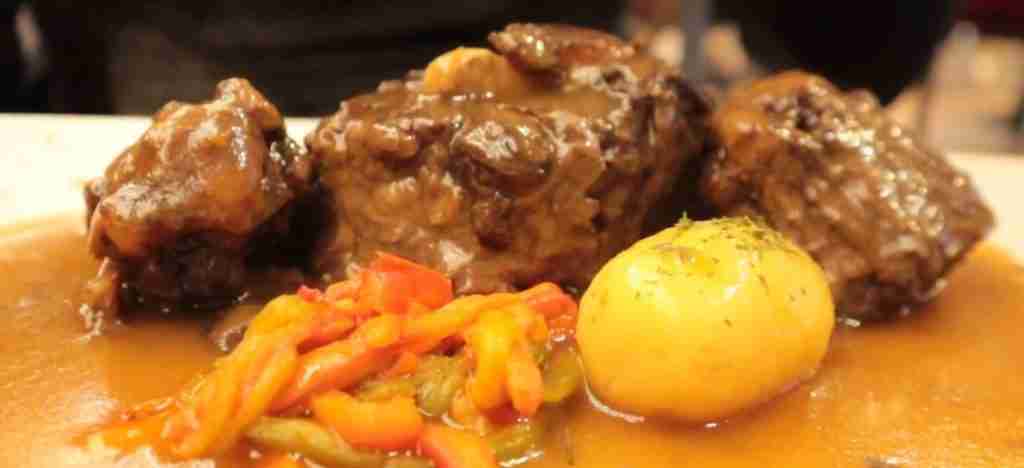
Typical menú del día starters include caldo gallego (hearty Galician soup with greens, potatoes, and chorizo), ensalada mixta (mixed salad), or grilled Padrón peppers. Main courses feature pulpo a la gallega (Galician-style octopus with paprika and olive oil), lacón con grelos (pork shoulder with turnip greens), merluza (hake) prepared various ways, or grilled meats. Desserts range from tarta de Santiago (almond cake) to homemade flan or local cheeses. The included beverage typically offers wine, beer, soft drinks, or water.
Recommended traditional restaurants cluster around Plaza Mayor and Rúa Nova. Arrive between 1:30-2:30 PM for lunch service—Spaniards lunch late, and kitchens serve menús del día from approximately 1:00-3:30 PM. Most restaurants post menus outside, allowing you to review offerings and prices before committing. Don’t hesitate to ask servers for recommendations on regional specialties or dishes unique to Lugo.
For evening dining, traditional restaurants shift to carta (à la carte) service with broader selections and higher prices. Expect €20-40 per person for multi-course dinners with wine. Galician specialties like empanada (savory pies filled with fish, meat, or vegetables), pimientos de Padrón, and regional cheeses make excellent dinner choices. Lugo restaurants take pride in sourcing local ingredients—ask about seasonal products and regional wines from nearby Ribeira Sacra and Monterrei appellations.
Tapas and Wine Bars
Tapas culture thrives in Lugo’s historic center, with numerous bars offering small plates perfect for sampling multiple Galician specialties in 2026. Unlike some Spanish regions where tapas accompany drinks free, Lugo’s tapas bars charge per tapa—with portions and prices (€3-8) offering good value compared to full restaurant meals. Plan on ordering 2-4 tapas plus drinks for a satisfying light meal costing €15-30 total.
Classic Galician tapas include pulpo a feira (festival-style octopus), croquetas (croquettes with ham, cod, or mushrooms), tortilla española (Spanish omelet), pimientos de Padrón, chorizo al vino (chorizo cooked in wine), and razor clams (navajas). Many bars also serve racións—larger portions of tapas dishes meant for sharing among 2-3 people, typically costing €8-15.
Wine by the glass costs €2.50-5 depending on selection, with local Ribeira Sacra wines offering excellent quality at moderate prices. Lugo’s bars stock Mencía reds and Godello whites from nearby appellations—ask servers for recommendations on regional bottles. Beer (caña) costs €1.50-2.50, and vermouth (vermut) served with olives and potato chips remains a popular pre-lunch aperitif.
Popular tapas zones include the streets surrounding Plaza Mayor, particularly Rúa Nova and Rúa do Progreso. Traditional bars feature marble counters, hanging ham legs (jamones), and locals standing at the bar discussing politics or football. Evening hours (7:00-10:00 PM) see the most animated scenes as Lugo residents engage in the Spanish tradition of ir de tapas (going for tapas)—moving from bar to bar, sampling different specialties, and socializing. Join this ritual for authentic cultural immersion beyond tourist experiences.
Local Specialties to Try
Lugo’s cuisine showcases Galicia’s finest products: exceptional seafood from Atlantic coasts, premium beef and pork from inland farms, and vegetables from fertile river valleys. While visiting in 2026, prioritize these regional specialties that restaurants execute particularly well:
Pulpo a la Gallega: Galician-style octopus represents the region’s signature dish—boiled octopus cut into medallions, dressed with olive oil, paprika, and coarse salt, served on wooden plates. Lugo’s restaurants source octopus from Galician ports, preparing it according to traditional methods that produce tender texture and distinctive flavor. Order this as a tapa (€6-10) or full ración (€12-18).
Empanada Gallega: These substantial savory pies filled with tuna, cod, pork, or vegetables represent Galician comfort food at its finest. Empanadas make excellent portable lunches for wall walks or picnics in Lugo’s parks. Bakeries (panaderías) sell empanadas by the slice (€2-4) or whole pies (€8-15), while restaurants serve them as starters. Fillings vary seasonally—summer empanadas often feature fish and peppers, while winter versions include pork and greens.
Caldo Gallego: This hearty soup combines white beans, potatoes, turnip greens (grelos), and pork or chorizo into a warming one-pot meal perfect for cooler weather. Restaurants serve caldo gallego as a menú del día starter or main course. The soup’s simplicity belies its complex flavors developed through slow cooking of quality ingredients—each restaurant’s version reflects family recipes passed through generations.
Lacón con Grelos: Pork shoulder (lacón) boiled with turnip greens, potatoes, and chorizo exemplifies rustic Galician mountain cuisine. This substantial dish appears on winter and spring menus when grelos season peaks. Served family-style on large platters, lacón con grelos feeds 2-3 people generously. The dish pairs excellently with young red wines from Ribeira Sacra.
Tarta de Santiago: This almond cake bearing the cross of Saint James represents Galicia’s most famous dessert. Made primarily from ground almonds, eggs, and sugar—dusted with powdered sugar stenciled in the Cross of Santiago pattern—the tarta combines rich almond flavor with moist texture. Every restaurant and bakery in Lugo offers their version. Order a slice after meals or purchase whole cakes (€12-18) as gifts.
Budget Planning for 2026 Lugo Day Trip
Budget-Friendly Strategy
Budget-conscious travelers can experience Lugo’s Roman Walls and historic center for €30-45 per person in 2026 through strategic choices and timing. Start by booking bus tickets online in advance—early bookings and off-peak travel (weekday departures, avoiding holidays) secure the lowest fares of €9-12 one-way, totaling €18-24 round-trip compared to €28+ for last-minute bookings.
For meals, target excellent-value menú del día options. Restaurants within 2-3 blocks of Plaza Mayor charge €10-15 for complete lunch menus including three courses plus beverage—identical food to what locals eat but priced for daily customers rather than tourists. Arrive early (1:00-1:30 PM) to secure tables at popular spots. Skip expensive tourist restaurants immediately on Plaza Mayor itself, where prices inflate 20-30% for the view.
Bring snacks from Santiago or purchase at Lugo supermarkets near the bus station—breakfast pastries (€1-2), fruit (€0.50-1), and water (€0.80-1.50) cost far less than tourist area cafés. Pack these items for mid-morning and afternoon snacking during your wall walk. Lugo’s public fountains provide free drinking water for refilling bottles.
Cultural sites offering free entry include the Roman Walls walkway (always free), most churches exterior exploration, Plaza Mayor and historic quarter wandering, and often the Roman Wall Interpretation Center. The Provincial Museum charges only €3-5, making it affordable cultural enrichment. Photography itself costs nothing and provides lasting memories equal to any paid experience.
Budget Day Costs: Bus round-trip €18-24 (advance booking), menú del día lunch €10-15, snacks from home €3-5, museum entry €3-5, coffee €1.50-2. Total day cost: €35-51 per person (excluding accommodation).
Mid-Range Experience
Mid-range travelers spending €50-75 per person in 2026 can enjoy Lugo’s highlights with additional comfort, dining variety, and cultural depth. Book bus tickets closer to travel dates at standard prices (€22-28 round-trip) without worrying about advance purchase discounts. Consider morning coffee and pastry at a Santiago café before departure (€4-6) rather than rushing hungry to the bus station.
Choose quality restaurants for your menú del día—establishments charging €15-20 typically offer superior ingredients, more sophisticated preparations, and better wine selections than budget options. These restaurants source products more carefully, prepare dishes with greater refinement, and provide attentive service that enhances your dining experience. The €5-7 price difference delivers substantial quality improvements.
Add tapas tasting to your itinerary—visit 2-3 tapas bars for 1-2 tapas plus drinks at each (€10-15 per stop). This provides variety beyond a single restaurant meal and authentic cultural immersion in Spanish tapeo tradition. Budget €25-35 total for afternoon or evening tapas exploration sampling pulpo, croquetas, Padrón peppers, and local wines.
Include paid cultural sites: Cathedral museum entry (€5-7), Provincial Museum (€3-5), and Roman Wall Interpretation Center if charged (€2-3). These combined entries cost €10-15 but significantly enhance understanding of Lugo’s history and architectural significance. Plan 2-3 hours for cultural sites, integrating them into your day between wall walking and dining.
Mid-Range Day Costs: Bus round-trip €22-28, morning coffee/pastry €4-6, quality menú del día €15-20, tapas and drinks €25-35, cultural sites €10-15, afternoon coffee €2-3. Total day cost: €78-107 per person (excluding accommodation).
Premium Cultural Day Trip
Premium visitors spending €90-140 per person in 2026 can craft an luxurious Lugo experience combining first-class dining, private transportation, and extended cultural exploration. Consider hiring a private driver from Santiago (€120-180 for full-day charter divided among 2-4 people), eliminating bus schedules and providing door-to-door service, luggage storage, and flexible timing.
Upgrade dining to Lugo’s best restaurants featuring creative Galician cuisine, premium ingredients, and extensive wine selections. Budget €35-55 per person for exceptional lunch with wine pairings at establishments like Restaurante Campos or similar highly-regarded options. These restaurants elevate traditional Galician ingredients through modern techniques while respecting regional culinary heritage.
Hire a licensed guide for a private 2-3 hour walking tour of the Roman Walls and historic center (€80-120 total for small group). Expert guides provide historical context, architectural insights, and cultural understanding impossible to gain from self-guided exploration. Tours typically cover wall construction, defensive strategies, medieval city development, and contemporary conservation—transforming the walls from impressive structures to comprehended engineering marvels.
Add premium wine tasting at specialty wine bars featuring curated selections from Galicia’s appellations—Ribeira Sacra, Rías Baixas, Valdeorras (€20-35 per person for guided tasting of 4-6 wines). Conclude with dinner at another top restaurant showcasing seasonal specialties and regional wines (€40-65 per person). Return to Santiago by private car, arriving relaxed and enriched by a culturally immersive day.
Premium Day Costs: Private driver €30-45 per person (split), premium lunch with wine €35-55, private guide €20-30 per person (split), cultural sites €10-15, wine tasting €20-35, dinner €40-65. Total day cost: €155-245 per person (excluding accommodation).
Best Time to Visit Lugo Roman Walls in 2026
Spring Season (March-May 2026)
Spring ranks among the optimal seasons for visiting Lugo Roman Walls in 2026, delivering mild temperatures, blooming landscapes, and relatively few tourists compared to summer peaks. March temperatures range 10-16°C with increasing rainfall as Atlantic weather systems bring showers. April and May warm to 12-20°C with longer daylight hours and more stable weather patterns—perfect for extended wall walks and outdoor dining.
Spring brings Galicia’s famous green landscapes to peak vibrancy. Parks within Lugo’s walls bloom with flowers, and countryside views from the walls showcase rolling hills covered in fresh growth. Photography benefits from clean air after spring rains and dramatic cloud formations characteristic of Atlantic climate transitions. Morning mists often clear by mid-morning, revealing spectacular visibility across the Miño valley.
Tourist numbers remain moderate through April, increasing slightly in May as European travel season begins. This means shorter lines at popular restaurants, easier bus seat availability, and more intimate experiences walking the walls without crowds. Weekdays prove particularly quiet—you might walk entire wall sections encountering only a handful of other visitors. Spring also precedes peak Camino de Santiago pilgrimage season, so Lugo’s albergues and budget accommodations maintain better availability for travelers considering overnight stays.
Pack layered clothing for spring visits. Mornings can be cool (10-14°C) atop the exposed walls, warming to comfortable 16-20°C by afternoon. Bring a light waterproof jacket for occasional showers—Galicia’s spring weather changes quickly. Comfortable walking shoes with good traction prove essential given potential wet conditions on stone walkways.
Summer Season (June-August 2026)
Summer brings peak visitor numbers to Lugo alongside warm but not excessive temperatures characteristic of Galicia’s Atlantic-influenced climate in 2026. June, July, and August average 18-25°C—warm enough for comfortable wall walking in shorts and t-shirts but cooler than inland Spanish destinations suffering July-August heat. Occasional heat waves may push temperatures to 28-32°C for brief periods, but these remain exceptions rather than norms.
Longer daylight hours (sunset around 10:00 PM in June-July) provide extended time for exploration and photography. Morning visits (8:00-10:00 AM) beat crowds and heat while providing excellent eastward light along the walls. Late afternoon and evening visits (6:00-9:00 PM) offer beautiful golden hour light and pleasant temperatures as the day cools. The elevated wall walkway catches breezes that provide natural cooling during warm afternoons.
Summer tourism increases significantly due to school holidays, Camino pilgrimage season, and European vacation traditions. Expect busier restaurants requiring reservations for popular dining times, fuller buses needing advance booking on weekends, and more fellow visitors walking the walls. However, Lugo remains far less crowded than Santiago de Compostela, Barcelona, or other major Spanish destinations—summer crowds here prove manageable compared to true tourist hotspots.
Cultural events animate Lugo summers. The Arde Lucus festival (typically late June) transforms the city into a massive Roman recreation with costumed residents, gladiator demonstrations, Roman market stalls, and ancient food preparations. If your 2026 travel dates align with Arde Lucus, plan for extraordinary atmosphere but also maximum crowds and advance accommodation booking requirements. Check the official Lugo tourism website for exact 2026 festival dates.
Autumn Season (September-November 2026)
Autumn rivals spring as the ideal season for Lugo visits in 2026, offering consistently pleasant weather, dramatic lighting for photography, and significantly reduced tourist numbers after summer peaks end. September maintains summer-like warmth (16-23°C) with improving weather stability compared to spring. October delivers quintessential autumn conditions—15-20°C temperatures, golden foliage in Lugo’s parks, and crystalline air providing exceptional visibility from the walls.
November grows cooler and wetter (10-15°C) as Atlantic winter patterns establish, but the season’s first half often provides stunning weather windows. The angle of autumn sunlight creates particularly beautiful effects on the ancient stones—morning and late afternoon light takes on golden tones that enhance architectural photography. Longer shadows emphasize the walls’ textures and dimensional details invisible in summer’s overhead sun.
Tourist numbers decline sharply in September as families return to school schedules, then decrease further through October-November. This means optimal conditions for contemplative experiences—walk the walls hearing only wind and birdsong, photograph without crowds in your frames, and enjoy restaurants without competing for tables. Bus services maintain regular schedules through autumn, though frequencies may reduce slightly compared to summer peaks.
Autumn showcases Galician harvest season. Restaurants feature seasonal specialties—wild mushrooms, chestnuts, new wines, and game meats. Local markets sell fresh harvest produce, and wine bars promote newly-released wines from recent vintages. October wine harvest (vendimia) in nearby Ribeira Sacra provides opportunities to combine Lugo visits with vineyard experiences if you’re spending multiple days in the region.
Winter Season (December-February 2026)
Winter represents Lugo’s quietest season in 2026, delivering solitude and authenticity along with cooler temperatures and increased rainfall. December through February average 8-14°C with frequent cloudy skies and rain showers characteristic of Galicia’s Atlantic winter. However, the region’s mild maritime climate prevents extreme cold—snow remains rare at Lugo’s 465-meter elevation, and freezing temperatures occur only occasionally.
Winter visits reward hardy travelers with unique advantages. Tourist numbers drop to near-zero, providing the walls entirely to yourself during weekday visits. This solitude creates powerful connections with the ancient fortifications—imagine Roman sentries walking these same circuits 1,700 years ago during similar winter weather. Photography captures moody, atmospheric conditions with dramatic clouds, mist effects, and brooding light that reveals the walls’ defensive purpose more viscerally than sunny conditions.
Restaurants serve hearty winter comfort foods—caldo gallego soup, braised meats, substantial stews, and warming desserts. Prices often decrease slightly compared to summer as establishments compete for limited winter visitors. Many restaurants offer more elaborate menú del día options in winter, knowing local customers frequent their establishments year-round. Indoor dining in traditional establishments with stone walls, fireplaces, and rustic decor provides cozy refuge after wall walks in crisp air.
Pack warm, waterproof clothing for winter visits. Layered wool or synthetic clothing under a waterproof shell handles the damp cold better than heavy cotton. The walls’ elevated position exposes you to wind chill, so bring gloves, hat, and scarf even if Lugo’s base temperature seems moderate. Good waterproof boots with traction prove essential for potentially wet stone walkways. With proper clothing, winter wall walks provide exhilarating experiences connecting you to centuries of defenders who manned these ramparts through Galician winters far harsher than modern conditions.
Booking and Planning Tips for 2026
Advance planning enhances Lugo day trip experiences in 2026 through better prices, guaranteed availability, and reduced logistical stress. Book bus tickets 1-2 weeks ahead for weekend travel or during busy periods (Easter, summer holidays, Arde Lucus festival). Weekday visits rarely require advance booking except during major events. ALSA and MonBus websites offer English-language booking with immediate digital ticket delivery to smartphones—screenshot or download tickets for offline access.
Restaurant reservations prove unnecessary for menú del día lunches except during peak summer weekends or festivals. Simply arrive around 1:30-2:00 PM and choose from available options—most restaurants accommodate walk-in lunch guests readily. However, if you’re targeting a specific highly-regarded restaurant for dinner, calling ahead or making online reservations ensures availability. Many Lugo restaurants accept reservations via phone with limited English, so consider asking your hotel or bus station information desk for assistance making reservations.
Check weather forecasts 2-3 days before your trip, but don’t cancel plans for predicted rain. Galician weather changes rapidly—forecasts often prove inaccurate, and brief showers alternate with sunshine. The walls remain walkable during light rain if you have waterproof gear. Heavy persistent rain may warrant rescheduling if possible, but light to moderate precipitation shouldn’t prevent your visit—you’ll simply share the experience with fewer tourists deterred by weather.
Download offline maps of Lugo to your smartphone before departure. Google Maps, Maps.me, or similar apps allow downloading city maps for use without data connection. This proves invaluable for navigation between bus station, walls, restaurants, and cultural sites. The historic center’s compact size makes getting lost difficult, but offline maps provide confidence and efficient routing.
Bring comfortable walking shoes with good traction—you’ll walk 3-5+ kilometers combining the wall circuit with historic center exploration. The ancient stone walkway remains smooth and accessible, but uneven surfaces, stairs, and potentially wet conditions require proper footwear. Leave heels and dress shoes for other occasions.
Pack layers regardless of season. Mornings start cool, afternoons warm, and the elevated walls expose you to more wind than street level. A light jacket or sweater allows comfortable walking throughout the day without overheating or chilling. Sunscreen and sunglasses prove essential for bright days—the wall walkway provides minimal shade.
Carry cash for small purchases—tapas bars, market vendors, and some smaller restaurants may not accept credit cards. ATMs near Plaza Mayor and throughout the historic center provide access to euros. Most bus tickets, museum entries, and restaurants do accept cards, but €20-40 cash provides flexibility.
2026 Updates & Current Information
The Roman Walls of Lugo maintain their UNESCO World Heritage status throughout 2026 with ongoing conservation efforts ensuring their preservation for future generations. The walls remain open to the public year-round with no admission fees, continuing Lugo’s tradition of freely accessible heritage. Recent restoration projects have stabilized vulnerable tower sections and improved walkway surfaces while respecting historical authenticity.
Transportation services between Santiago de Compostela and Lugo continue expanding in 2026, with bus operators maintaining frequent schedules and increasingly comfortable modern fleets. The region’s investment in sustainable tourism infrastructure includes improved bus stations, better signage in multiple languages, and enhanced digital information resources. Mobile apps from ALSA and MonBus now offer real-time departure information, mobile tickets, and route planning integrated with other Galician transportation.
Lugo’s tourism infrastructure grows steadily without compromising the city’s authentic character. New hotels open in peripheral areas while the historic center maintains its traditional hotel, hostal, and pension mix. Restaurant diversity increases with contemporary bistros and international cuisines supplementing traditional Galician establishments—though the city remains proudly rooted in regional culinary traditions. English-language services improve gradually, though Lugo remains more Spanish/Galician-speaking than coastal tourist destinations.
The 2026 Arde Lucus festival promises to be particularly special as the event continues growing in scope and international recognition. Check the official festival website closer to your travel dates for exact scheduling, special events, and advance booking recommendations if visiting during the festival period. Standard day trips prove impossible during Arde Lucus due to massive crowds—plan overnight accommodation well ahead if attending.
Digital resources continue improving for 2026 travelers. The official Lugo Tourism website (turismo.lugo.gal) offers trip planning tools, accommodation listings, event calendars, and downloadable maps in multiple languages. UNESCO’s World Heritage Centre website provides detailed information about the walls’ historical significance, conservation status, and educational resources. Rick Steves forums and similar travel communities offer recent traveler reports, restaurant recommendations, and practical tips from visitors who’ve recently experienced Lugo.
Stay informed about any temporary closures or special events by checking the Lugo tourism website 1-2 days before your visit. While the walls rarely close completely, specific sections may undergo maintenance, or festivals may alter normal access patterns. Flexibility in your itinerary accommodates any unexpected changes while ensuring you maximize your Lugo experience regardless of minor logistical adjustments.
Frequently Asked Questions
Is walking the Lugo Roman Walls difficult or strenuous?
Walking the complete 2,117-meter Roman Walls circuit requires moderate fitness but presents no technical difficulty in 2026. The paved walkway remains smooth and wide (4-7 meters), making it accessible for most visitors including families with children, seniors with reasonable mobility, and wheelchair users along many sections. The circuit involves minimal elevation change once you’re atop the walls, with the main physical challenge being the 2+ kilometer distance itself.
Accessing the elevated walkway requires climbing staircases or ramps from street level—approximately 3-4 stories’ worth of stairs depending on access point. Six different access points around the circuit mean you can choose shorter stairways or gentler ramps based on your mobility. Once atop, you can walk as much or as little of the circuit as desired—there’s no requirement to complete the entire perimeter.
Can you visit Lugo Roman Walls for free in 2026?
Yes, walking the Roman Walls remains completely free in 2026 with no admission fees, tickets, or reservations required. Access points remain open daily from early morning until after sunset, allowing flexible visit timing. This free access includes the entire 2.1km walkway, all towers, viewpoints, and information panels—making Lugo one of Spain’s most accessible UNESCO World Heritage sites financially.
Additional costs occur only for optional cultural sites: Cathedral museum entry (€5-7), Provincial Museum (€3-5), and interpretation centers (€0-3). Transportation, dining, and accommodation represent your main expenses, but the walls themselves—the primary attraction—cost nothing to experience.
What should I wear when visiting Lugo Roman Walls in 2026?
Wear comfortable walking shoes with good traction as your priority footwear choice—you’ll walk 3-5+ kilometers on ancient stone surfaces. Athletic shoes, hiking boots, or comfortable walking shoes work well. Avoid heels, dress shoes, or sandals with poor support. The elevated walkway exposes you to sun and wind, so dress in layers you can add or remove based on conditions—a light jacket even on warm days proves useful.
Spring and autumn: Base layer plus light jacket, long pants or shorts depending on temperature. Summer: Light clothing, hat, sunglasses, and sunscreen—minimal shade on the walls. Winter: Warm layers, waterproof jacket, gloves, and hat for wind protection. Pack a small daypack for carrying water, snacks, camera, and extra clothing layers.
Are there bathrooms along the Roman Walls circuit?
Public restrooms exist at several locations around Lugo’s historic center, though not directly on the wall circuit itself in 2026. Plan bathroom stops before ascending to the walkway or at cafés and restaurants around Plaza Mayor. The complete circuit takes 90-120 minutes at moderate pace, making pre-walk restroom visits advisable. Most bars and restaurants allow restroom use if you order a coffee or small purchase.
Can I visit Lugo Roman Walls with children or as a family in 2026?
Families with children find Lugo Roman Walls excellent for educational and active visits in 2026. The walls captivate children interested in history, castles, or adventure—walking atop ancient fortifications creates memorable experiences. The wide walkway accommodates strollers along most sections, though narrow staircases at access points may require carrying strollers briefly. Children must be supervised near wall edges, though safety railings exist in many locations.
Plan shorter visits for young children—walk one section (30-45 minutes) rather than the complete circuit. Break up the wall walk with playground visits in nearby parks, ice cream stops, or Cathedral plaza exploration. Many restaurants offer children’s menus or half-portions of menú del día courses. Lugo’s safe, compact historic center allows families to explore comfortably without traffic concerns.
Is Lugo Roman Walls accessible for wheelchair users or people with mobility limitations in 2026?
Large sections of the Roman Walls walkway remain accessible for wheelchair users and visitors with mobility limitations in 2026, though complete circuit access varies by entry point. Several ramps provide gentler access compared to stairs, and the wide paved walkway accommodates wheelchairs once atop. However, some wall sections retain original uneven surfaces requiring assistance, and a few towers remain inaccessible due to narrow stairways.
Contact Lugo’s tourist information office in advance for detailed accessibility maps showing wheelchair-friendly access points and circuit sections. The historic center’s relatively flat terrain aids mobility, and many restaurants and cultural sites meet modern accessibility standards. Overall, visitors with mobility limitations can experience substantial portions of the walls with proper planning.
What’s the best way to photograph the Roman Walls in 2026?
Photograph the Roman Walls from both atop the circuit and from street level for comprehensive coverage in 2026. Morning light (8:00-10:00 AM) illuminates the eastern sections beautifully, while late afternoon (5:00-7:00 PM) provides golden light on western sections. Overcast days create soft, even lighting ideal for stone textures and architectural details without harsh shadows.
From the elevated walkway, photograph inward toward the medieval city (cathedral towers, Plaza Mayor, roofscapes) and outward toward countryside views. Include people in frames for scale—the massive walls’ size becomes more apparent with human figures. Tower interiors and defensive features make excellent detail shots. From street level, capture the walls’ imposing height and length through perspective compositions.
Can I buy local products or souvenirs in Lugo in 2026?
Lugo’s historic center contains numerous shops selling regional products and artisan crafts in 2026. Look for Galician specialties: tarta de Santiago (almond cakes in decorative tins), local cheeses (Arzúa-Ulloa, San Simón da Costa), dried peppers, honey, and craft products. Artisan shops near the cathedral sell handmade ceramics, textiles, and jewelry. Wine shops stock Ribeira Sacra and other Galician wines unavailable outside the region.
Avoid generic tourist shops on Plaza Mayor selling mass-produced items. Instead, explore side streets for authentic businesses serving local customers—these establishments offer better quality and prices. Market days (check locally) feature regional producers selling direct-from-farm products, craft items, and specialty foods.
Is it safe to visit Lugo Roman Walls alone or at night in 2026?
Lugo maintains a safe, low-crime environment making solo visits perfectly comfortable in 2026. The Roman Walls and historic center see regular foot traffic throughout the day, and locals frequently use the walls for jogging, walking, and recreation. Standard travel precautions apply—watch belongings in crowded areas, stay aware of surroundings, and trust your instincts.
Evening and night visits to the walls are feasible during summer’s extended daylight (until 10:00 PM), though walls after dark lack consistent lighting along the entire circuit. The illuminated sections near major gates create atmospheric evening photography opportunities. Solo female travelers report comfortable experiences in Lugo, citing friendly locals, well-lit streets, and minimal harassment compared to larger Spanish cities.
Should I learn Spanish or Galician before visiting Lugo in 2026?
Basic Spanish phrases enhance your Lugo experience significantly in 2026, though the city remains more Spanish-speaking than many Spanish tourist destinations where English predominates. Galician (galego) is the co-official language and native tongue for many residents, but Spanish serves as the universal communication language. Most restaurants, hotels, and cultural sites employ some staff with English capabilities, but fluency remains limited compared to coastal tourist cities.
Learn essential phrases: greetings, food terms, numbers, and polite expressions. Restaurant menus often lack English translations, so familiarizing yourself with common Galician dishes (pulpo, empanada, caldo gallego) aids ordering. Translation apps prove invaluable for menu reading and basic communication. Locals appreciate visitors attempting Spanish even if imperfectly—the effort demonstrates respect and usually elicits helpful, patient responses.