
Porto Getting to 2026: Complete Transportation Guide
Porto’s comprehensive transportation ecosystem enables efficient arrival and exploration through multiple cost and convenience tiers. International visitors access the city via 40+ flight destinations, high-speed Alfa Pendular trains from Lisbon, and extensive FlixBus European network, while regional trains, buses, and rental cars provide northern Portugal exploration mobility. Strategic transportation planning—booking flights 8-12 weeks ahead, using metro for airport transfers, walking the compact historic center, and selecting appropriate modes for Douro Valley and regional destinations—optimizes costs while maintaining desired comfort levels. The combination of efficient public transit, competitive pricing, and flexible options ensures travelers across budget spectrums achieve seamless Porto mobility supporting memorable Portuguese experiences.
Key Takeaways
- Multi-Modal Access Excellence: Porto connects through Francisco Sá Carneiro Airport serving 40+ destinations, high-speed Alfa Pendular trains from Lisbon (2h45m), extensive FlixBus network across Europe, and motorway connections via A1/A3/A4 highways creating comprehensive arrival options.
- Airport Transfer Efficiency: Metro Line E reaches city center in 30 minutes for €2.50, with departures every 20-30 minutes from 6 AM-1 AM, while taxi/Uber costs €20-30 for 20-minute rides providing convenience for luggage-heavy arrivals.
- Strategic Cost Planning: Budget travelers access Porto via FlixBus from Lisbon (€8-15, 3.5 hours) or Ryanair flights from European cities (€20-60), while premium options include TAP Air Portugal direct intercontinental flights and Alfa Pendular first-class comfort (€35-45 versus €25-31 standard).
- Lisbon Connection Dominance: Hourly Alfa Pendular trains connect Portugal’s two largest cities in 2h45m, with 15+ daily departures serving business and leisure travel patterns, making Porto-Lisbon one of Europe’s best-connected city pairs for efficient multi-destination itineraries.
- Regional Exploration Access: Porto serves as northern Portugal gateway with direct trains to Douro Valley (Régua 2 hours, Pinhão 2.5 hours), buses to Guimarães (1 hour), and rental cars enabling Costa Verde coastal exploration and Gerês National Park mountain access.
- Booking Timeline Optimization: Book flights 8-12 weeks ahead for 30-40% savings versus last-minute fares, reserve Alfa Pendular seats 1-2 weeks prior for guaranteed availability during peak summer months, while FlixBus and regional trains allow flexible same-day purchasing without penalties.
Planning Your Porto Transportation in 2026
Porto’s strategic position in northwestern Portugal creates multiple transportation pathways serving international visitors and domestic travelers. Francisco Sá Carneiro Airport (OPO), located 11 kilometers north of the city center, handles 14-16 million annual passengers through connections with 40+ destinations across Europe, North Africa, and seasonal North American routes. The airport expansion completed in 2023 enhanced terminal capacity, improved passenger flow, and added retail options, positioning Porto as increasingly viable alternative to Lisbon for international arrivals exploring northern Portugal or multi-city Portuguese itineraries.
Rail connections define Porto’s domestic accessibility, with Campanhã Station serving as northern Portugal’s primary railway hub. High-speed Alfa Pendular trains connect Porto to Lisbon in 2 hours 45 minutes, operating hourly 6 AM-8 PM with sleek, comfortable rolling stock featuring 220 seats across first and second class configurations. Regional trains radiate from Porto to Braga (1 hour), Aveiro (45 minutes), Coimbra (1h15m), and Douro Valley destinations like Régua and Pinhão, creating comprehensive network serving both urban commuters and tourist exploration. Portugal’s rail infrastructure investment emphasizes sustainability and efficiency, with Alfa Pendular achieving 95%+ punctuality rates and modern stations offering digital ticketing, passenger information systems, and accessibility features.
Road networks provide flexibility for travelers prioritizing independence or visiting destinations beyond rail service. The A1 motorway creates 315-kilometer direct link between Lisbon and Porto in 3 hours, with tolls totaling €20-25 for private vehicles. FlixBus operates extensive international and domestic routes connecting Porto to Spanish cities (Madrid, Seville, Barcelona), French destinations (Paris, Lyon), and Portuguese cities at budget-friendly fares competitive with rail pricing. The company’s modern coaches feature WiFi, power outlets, reclining seats, and bathroom facilities, making long-distance bus travel comfortable alternative to flights or trains for cost-conscious travelers.
Transportation planning for 2026 Porto visits considers seasonal variations affecting flight availability and pricing. Summer months (June-September) bring maximum flight frequencies, direct routes from North American cities (Newark, Toronto, Boston via TAP Air Portugal), and expanded low-cost carrier service from European destinations. This period commands premium pricing with advance booking essential for reasonable fares. Shoulder seasons (April-May, October-November) maintain good connectivity with moderate pricing and greater last-minute availability, while winter (December-February) sees reduced frequencies but deepest discounts for flexible travelers unbothered by occasional rainy weather.
Multi-modal journey planning optimizes cost and convenience. European travelers might fly budget carrier to Lisbon, experience Portugal’s capital for 2-3 days, then take scenic Alfa Pendular train to Porto combining transportation with sightseeing along Atlantic coast and passing through historic university city of Coimbra. North American visitors landing in Lisbon could rent cars for week-long northern Portugal road trips incorporating Porto, Douro Valley, Costa Verde beaches, and Gerês mountains before returning vehicles in Lisbon—comprehensive exploration impossible via public transit alone. Understanding Porto’s transportation ecosystem enables strategic decisions balancing budget, time efficiency, comfort preferences, and desired flexibility throughout Portuguese adventures.
People Also Ask About Getting to Porto 2026
What’s the cheapest way to get to Porto in 2026?
The cheapest Porto transportation in 2026 depends on origin location and booking flexibility. For European travelers, FlixBus offers lowest costs with Madrid-Porto routes from €18-30 (9 hours), Lisbon-Porto from €8-15 (3.5 hours), and Paris-Porto from €55-85 (24 hours including overnight segments). Budget airlines Ryanair, EasyJet, and Wizz Air fly from European cities to Porto from €20-60 when booking 8-12 weeks ahead, with rock-bottom fares from London, Paris, Milan, and Frankfurt during promotional periods. Search flights Tuesday-Wednesday for best deals, avoid summer peak season (July-August), and pack light to skip €15-30 checked baggage fees eroding initial savings.
Lisbon-Porto connections cost least via FlixBus at €8-15 versus Alfa Pendular trains €25-31 standard class, though trains save 45 minutes (2h45m versus 3h30m) and provide superior comfort with WiFi, power outlets, café car, and spacious seating. The €15-20 price difference diminishes to €8-12 per hour saved, making trains excellent value for travelers prioritizing time efficiency. Carpooling platforms like BlaBlaCar connect drivers with passengers for €10-15 Porto-Lisbon rides (3 hours), combining savings with local interaction, though reliability and comfort vary significantly by driver and vehicle condition.
Within Portugal, regional trains offer unbeatable value—Porto-Braga €3.25 (1 hour), Porto-Aveiro €4.15 (45 minutes), Porto-Coimbra €13.80 (1h30m)—making northern exploration extremely affordable. Second-class service delivers comfortable transportation with clean trains, punctual schedules, and scenic routes impossible to experience via highway driving. Combined with Porto’s €7 metro day pass enabling unlimited city transport, budget travelers access comprehensive northern Portugal mobility for €15-25 daily transportation costs.
How do you get from Porto airport to city center in 2026?
Metro Line E (Purple Line) provides fastest and cheapest airport-city center connection, operating 6 AM-1 AM with trains every 20-30 minutes. Purchase Andante Z4 tickets from machines in arrivals hall for €2.50, validate at platform gates, and ride 30 minutes to São Bento Station (Baixa-Chiado area), Bolhão (shopping district), or Aliados (city center). The metro serves multiple central stations enabling arrival at accommodations throughout downtown without transfers. Late-night or early-morning travelers outside metro hours use taxis or rideshare services as alternatives.
Taxis queue outside arrivals charging fixed rates €20-25 to city center (20 minutes depending on traffic), with prices displayed at taxi ranks eliminating negotiation concerns. Uber and Bolt operate reliably with €20-30 typical costs matching or slightly undercutting taxi rates while providing upfront pricing and cashless convenience. Rideshare pickup occurs from designated area outside terminal—follow airport signage to “TVDE” (rideshare vehicles) zone after requesting ride through app. Both options work well for groups of 2-4 splitting costs or travelers with heavy luggage making metro less practical.
Private transfer services cost €30-45 for sedan accommodating 3 passengers with luggage, or €50-75 for minivans serving 4-7 people. These provide meet-and-greet service with drivers holding name signs in arrivals hall, assistance with luggage, and door-to-door delivery to any accommodation. Book through hotel concierges, Welcome Pickups, or GetTransfer 24-48 hours before arrival, providing flight details for arrival monitoring preventing wait time if flights delay. The premium over taxis (€10-20) buys convenience and reliability valuable for first-time visitors, families with children, or travelers arriving after exhausting long-haul flights.
Rental cars available from Hertz, Europcar, Sixt, and local operators at airport locations prove practical for travelers planning regional exploration beyond Porto itself. Daily rates start €25-35 for economy cars, €40-60 for mid-size vehicles, with advance online booking securing 20-30% discounts versus walk-up rates. Porto’s narrow medieval streets and limited parking make cars impractical for city sightseeing, but essential for Douro Valley wine country, Costa Verde beaches, or Peneda-Gerês National Park access requiring personal mobility.
Is there a train from Lisbon to Porto in 2026?
Alfa Pendular trains connect Lisbon to Porto 15+ times daily with 2-hour-45-minute journey times between Santa Apolónia (Lisbon) and Campanhã (Porto) stations. Departures run hourly 6 AM-8 PM covering 315 kilometers at speeds reaching 220 km/h across Portugal’s most important rail corridor. Trains stop at intermediate cities including Coimbra-B (1h30m from Lisbon, 1h15m from Porto), enabling convenient multi-city itineraries exploring Portugal’s third-largest city and historic university en route between capitals.
Alfa Pendular second-class tickets cost €25-31 depending on booking timing and demand, with first-class at €35-45 adding wider leather seats, power outlets at every seat, complimentary newspapers, and quieter carriages with lower occupancy limits. Purchase tickets online through CP (Comboios de Portugal) website or mobile app, at station ticket machines, or staffed counters. Online booking opens 60 days ahead enabling advance purchase, though walk-up same-day tickets remain available except during peak summer weekends when popular departures sell out.
Intercidades trains offer alternative service at lower cost—€20-25 for 3-hour-15-minute journeys—with 6-8 daily departures running older rolling stock but maintaining comfortable seating, WiFi, and café car services. These stop more frequently at intermediate stations, adding journey time versus express Alfa Pendular but serving travelers with flexible schedules prioritizing savings over speed. Both train types feature bicycle storage, wheelchair accessibility, and generous luggage allowances without additional fees, contrasting favorably with budget airline restrictions.
The Lisbon-Porto rail corridor represents one of Europe’s most efficient city-pair connections, with frequent service, consistent schedules, city-center-to-city-center convenience, and scenic Atlantic coast views through Aveiro and surrounding wetlands. Travelers often prefer trains over driving (avoiding A1 motorway tolls, fatigue, parking costs) or flying (eliminating airport security, baggage claim, ground transportation at both ends adding 2+ hours to apparent flight time advantage).
How long does it take to reach Porto from major cities in 2026?
Journey times to Porto vary significantly by origin and transport mode. From Lisbon: 50-minute flights (plus 2 hours airport procedures), 2h45m Alfa Pendular trains, 3 hours driving, 3h30m FlixBus. From Madrid: 1h15m flights, 9 hours FlixBus, 5.5 hours driving. From Paris: 2h30m direct flights, 24 hours FlixBus with overnight segment, 15 hours driving across France and Spain. From London: 2h30m direct flights, 28 hours combined bus/ferry connections, impractical driving given channel crossing. From Barcelona: 1h50m flights, 18 hours bus, 10 hours driving.
North American connections require stops, with typical routing through Lisbon adding 2-4 hours versus hypothetical direct service. Newark-Porto via Lisbon totals 10-11 hours including connection, Toronto routes through 11-12 hours, Boston connections 10.5-11.5 hours. Direct summer seasonal service from Newark (United) and Toronto (Air Transat) to Porto reduces travel to 7-8 hours when available June-September, commanding premium fares but eliminating connection hassle and checked baggage transfer risks.
Regional Portuguese destinations connect quickly—Braga 1 hour by train, Aveiro 45 minutes, Coimbra 1h15m, Guimarães 1 hour by bus. Spanish border cities like Vigo reach in 1h45m by car, 2h15m by bus. Douro Valley wine destinations require 2 hours to Régua, 2h30m to Pinhão by scenic train following Douro River through terraced vineyards. Understanding journey durations enables realistic itinerary planning, avoiding overly ambitious same-day multi-destination attempts that sacrifice quality for rushed quantity.
Extended multi-day tours – 5+ days
Featured Porto Multi-Day Tour Packages

5 days
Gems of Porto & the Douro Valley with Douro River Cruise – 5 Days in Portugal
- ✓ Comprehensive Porto tour
- ✓ Expert local guides included
- ✓ All accommodation arranged
- ✓ Transportation provided
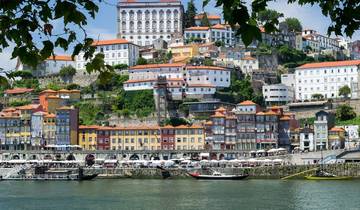
5 days
5 Day Porto Including Aveiro, Costa Nova, Douro Valley Cruise, Braga & Guimaraes
- ✓ Comprehensive Porto tour
- ✓ Expert local guides included
- ✓ All accommodation arranged
- ✓ Transportation provided
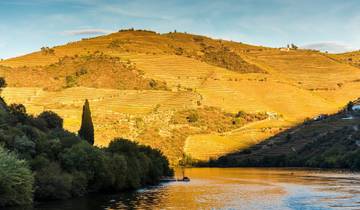
2 days
Porto Discovery Tour
- ✓ Booking needs min. 2 travelers

6 days
Wine and Gastronomy in the Heart of Portugal
- ✓ Booking needs min. 2 travelers
Multi-day tour packages powered by TourRadar. Prices and availability subject to change.
Essential Transportation Planning 2026
Booking Timelines and Advance Planning
Flight booking windows significantly impact Porto transportation costs and availability. International flights see optimal pricing 8-12 weeks before departure, with prices lowest Tuesday-Wednesday-Thursday searches compared to weekend premium rates. Summer high season (June-September) demands earlier booking—12-16 weeks ahead—to capture reasonable fares before peak demand drives prices 40-60% above baseline. Low-cost carriers release promotional fares during slow booking periods (January-February for April-May travel, April-May for September-October shoulder season), with monitoring fare alert services like Google Flights or Skyscanner identifying when target routes drop to favorable levels.
Train reservations open 60 days ahead through CP Portugal railways, with Alfa Pendular seating assignments included in tickets. Book 1-2 weeks before summer weekend travel to guarantee availability, though last-minute same-day purchases remain feasible during shoulder season weekdays. First-class upgrades cost €10-15 extra when booking ahead versus €15-20 at stations, incentivizing advance planning for travelers valuing premium seating. Regional trains lack reservations, operating walk-up basis with sufficient capacity except during major events or Portuguese public holidays when commuter traffic swells.
Bus services through FlixBus, Rede Expressos, and international operators allow flexible booking from months ahead to day-of-departure without penalties. Advance purchase provides seat selection guarantees and modest 10-15% discounts versus walk-up fares, though savings remain small given already-low base pricing. The flexibility proves valuable for travelers with evolving itineraries or uncertain timing, eliminating change/cancellation fees plaguing airline tickets. Purchase online through company websites or apps, with mobile tickets accepted for boarding and eliminating printing requirements.
Rental car reservations 2-4 weeks ahead secure 20-30% discounts versus airport counter walk-up rates, with comparison shopping across Hertz, Europcar, Sixt, Budget, and local Portuguese operators identifying best deals. Automatic transmission vehicles cost €10-15 daily premium over manual, with availability limited to 20-30% of fleet requiring advance booking for guaranteed provision. Insurance options deserve careful evaluation—credit cards offering free collision damage waiver (check policy before relying) versus €15-25 daily comprehensive coverage through rental agencies. One-way rentals between Lisbon and Porto carry €50-100 surcharges, making round-trip bookings or multi-week rentals returned to origin more economical.
Travel Documents and Requirements
EU, EEA, and Swiss citizens enter Portugal using national identity cards or passports without visa requirements, enjoying freedom of movement throughout Schengen Area. US, Canadian, Australian, New Zealand, and many other developed nation citizens receive 90-day tourist visa waivers for Schengen visits, requiring passport validity 6 months beyond departure date and empty passport pages for entry stamps. Non-EU visitors cannot work or study under tourist provisions, with overstaying resulting in fines and future entry bans across entire Schengen Area.
Health insurance coverage proves essential, with EU citizens using European Health Insurance Cards accessing Portuguese public healthcare at reduced costs. Non-EU travelers require private travel insurance covering medical emergencies—minimum €30,000 coverage recommended—as Portugal’s public system provides emergency care but bills international patients at full rates. Comprehensive policies including trip cancellation, lost baggage, and medical evacuation cost 4-8% of total trip value, with providers like World Nomads, Allianz, and Travel Guard offering competitive options.
COVID-19 protocols evolved to minimal requirements in 2024, with Portugal eliminating testing and vaccination mandates for entry. Travelers should monitor official Portuguese government health ministry announcements before departure as protocols could reimpose during disease surges. International vaccination records remain valuable carrying as border agents retain discretion requesting health documentation under exceptional circumstances.
Driver’s licenses from most countries prove valid in Portugal for tourist driving up to 6 months, with International Driving Permits recommended for non-EU visitors though rarely requested by rental agencies or police. Vehicle insurance remains compulsory with rental agencies including minimum coverage, though travelers should verify collision damage waiver inclusion versus costly optional coverage. Speed limits enforce in kilometers per hour (50 km/h urban, 90 km/h rural roads, 120 km/h motorways), with photo enforcement common and fines mailed to rental agencies who charge administrative fees plus actual penalties to driver’s credit card.
Flying to Porto in 2026
Francisco Sá Carneiro Airport (OPO) serves as Porto’s aviation gateway, handling domestic, European, and select intercontinental routes. The airport’s single terminal processes 14-16 million annual passengers through efficient design separating Schengen and non-Schengen zones for EU versus international flights. Check-in counters open 2-3 hours before departures, with online check-in available 24 hours ahead reducing airport time to baggage drop and security screening. Security wait times average 15-25 minutes during peak morning departure waves, extending to 30-45 minutes during summer weekends when charter flights concentrate passenger volumes.
Terminal facilities include 15+ gates served by airbridges or bus boarding, duty-free shopping offering Portuguese products (Port wine, cork goods, azulejo ceramics), international brand boutiques, and dining options spanning quick-service to sit-down restaurants. Free WiFi operates throughout terminal with good speeds and reliable connectivity, while charging stations provide power outlets for device recharging during waits. The airport maintains clean, modern appearance with helpful multilingual staff and clear directional signage in Portuguese, English, and pictograms.
Airlines and Route Network
TAP Air Portugal dominates Porto operations as flag carrier and Star Alliance member, flying to 25+ European cities, Brazilian destinations (São Paulo, Rio, Brasília), North American routes (Newark, Toronto, Boston during summer), and African capitals (Luanda, Maputo). The airline operates Airbus A320/A321 aircraft on European routes and A330/A339 widebodies for intercontinental service, maintaining reputation for punctuality and service quality competitive with European peers. TAP’s Porto hub enables convenient connections across network, with checked baggage transferring automatically and reasonable minimum connection times (60-90 minutes for EU flights, 90-120 minutes international).
Ryanair provides extensive low-cost service to 30+ European destinations from Porto, including London Stansted, Dublin, Paris Beauvais, Brussels Charleroi, Milan Bergamo, and Barcelona El Prat. Base fares start €20-40 one-way when booking 8-12 weeks ahead, though strict policies around carry-on dimensions (40x20x25cm personal item only, larger cabin bags €8-20), checked baggage (€15-30 per bag), and priority boarding (€6-12) add costs to base fares. Ryanair’s punctuality and safety record match industry standards despite bare-bones service—no free food/drinks, no seat assignments without payment, minimal legroom—making the carrier viable option for budget travelers comfortable with stripped-down travel experience.
EasyJet, Wizz Air, Transavia, and Vueling compete in low-cost segment with Porto routes to French cities (Paris, Lyon, Nice), German destinations (Berlin, Munich, Hamburg), Swiss cities (Geneva, Basel), and Eastern European capitals. These carriers maintain similar business models to Ryanair though sometimes with slightly more generous baggage allowances and marginally better seat pitch. Comparing total trip costs including all fees provides accurate pricing versus focusing solely on base fares that exclude inevitable add-ons for typical passenger needs.
Lufthansa, Air France, British Airways, and KLM operate multiple daily Porto flights via respective hubs (Frankfurt/Munich, Paris CDG, London Heathrow, Amsterdam) serving business travelers and providing global network connections. These full-service carriers include checked baggage, seat assignments, onboard meals, and generous change policies in fare structures costing 30-80% more than low-cost alternatives. The premium buys flexibility, comfort, and reliability valuable for complex itineraries or travelers unable to risk budget carrier schedule disruptions affecting tight connections.
Seasonal Flight Patterns and Pricing
Summer season (June-September) brings maximum flight frequencies and direct routes unavailable other seasons. TAP operates Newark-Porto nonstops eliminating Lisbon connections, while charter carriers add vacation routes from Nordic countries, UK regions, and Central Europe serving package tourism. Pricing peaks during July-August school holidays with round-trip European flights costing €150-300 versus €80-180 shoulder season, while transatlantic routes command €800-1,400 summer premiums versus €500-900 spring/fall. Book summer travel 12-16 weeks ahead to capture reasonable fares before peak demand exhausts cheaper fare buckets.
Shoulder seasons (April-May, September-October) deliver optimal value combining pleasant weather (15-23°C), reduced crowds, and moderate pricing with maintained flight frequencies sufficient for flexible scheduling. European routes cost 30-40% below summer peaks, transatlantic flights drop 25-35%, and low-cost carriers run frequent promotional fares (€30-50 range) as they compete for leisure travelers. This period suits budget-conscious visitors prioritizing value over absolutely perfect weather, with rain probability slightly higher than peak summer but still delivering many sunny days for exploration.
Winter months (November-March) see reduced frequencies particularly from northern Europe as beach-oriented tourism declines. Porto’s mild Mediterranean climate (10-15°C) remains comfortable for city exploration, making winter viable for cultural tourists unbothered by occasional rainy days. Flight costs bottom out at annual lows—European routes €60-140 round-trip, transatlantic €450-750—with last-minute deals common as airlines discount unsold seats. Low-cost carriers concentrate service around holiday periods (Christmas, New Year, Easter) when demand persists, reducing frequency during January-February trough.
Airport Transit and Layover Strategies
Passengers connecting through Porto between European and intercontinental TAP flights find efficient processes and reasonable minimum connection times. Schengen to Schengen connections (e.g., Paris-Porto-Lisbon) require only 60 minutes as travelers remain airside without additional security or passport control. Schengen to non-Schengen (e.g., Madrid-Porto-Newark) needs 90 minutes for passport control and separate departure gate access. Non-Schengen to Schengen (e.g., Newark-Porto-Paris) requires 2 hours for immigration, baggage collection, Schengen entry procedures, and outbound security screening before accessing EU departure gates.
Extended layovers (4+ hours) enable brief Porto center visits given airport’s proximity (11km) and efficient metro connections. Travelers with EU passports or pre-cleared Schengen entry can metro downtown (30 minutes), explore Ribeira or São Bento Station (2-2.5 hours sightseeing), and return airport 90 minutes before onward departure for comfortable margin. Non-EU passport holders should budget 30-45 minutes for immigration formalities at both arrival and departure, reducing available exploration time. Store luggage at airport left-luggage facility (€5-8 per bag for 4-8 hours) rather than carrying through city, enabling comfortable walking without burden.
Train Connections to Porto 2026
Portugal’s rail network positions Porto as northern hub with comprehensive connections serving domestic travelers and international visitors exploring multiple Portuguese cities. CP (Comboios de Portugal) operates several service categories—high-speed Alfa Pendular, regional Intercidades, suburban Urbanos—each optimized for different journey lengths, passenger demographics, and pricing strategies. The network’s recent modernization brings WiFi, power outlets, comfortable seating, and improved punctuality to most services, elevating Portuguese rail to competitive standing among European systems.
Campanhã Station functions as Porto’s primary railway hub, located 2 kilometers east of historic center with metro connections (Line A) reaching downtown in 10 minutes. The modern station features 12 platforms, digital information displays, ticket machines accepting credit cards, staffed counters providing assistance, clean bathrooms, and small retail outlets selling snacks and drinks. São Bento Station serves as secondary terminus handling regional trains and providing convenient downtown location amid historic center. The stunning station hall features 20,000 azulejo tiles depicting Portuguese historical scenes, making it attraction in itself worth visiting even without train travel.
Alfa Pendular High-Speed Service
Alfa Pendular represents Portugal’s flagship rail service, connecting Porto to Lisbon, Coimbra, Braga, and intermediate cities with modern tilting trains achieving 220 km/h speeds on upgraded track sections. The sleek trainsets feature 220 seats divided between Turística (second-class) and Conforto (first-class) accommodations, with both offering comfortable ride quality superior to bus travel and competitive with European peers.
Turística second-class provides 2+2 seating configuration with aircraft-style seats, overhead luggage racks, fold-down tray tables, and power outlets at most seats. WiFi operates throughout trains with reliable connections sufficient for email, web browsing, and light work, though bandwidth limitations restrict high-definition video streaming. The café car serves coffee, sandwiches, snacks, and beverages at reasonable prices—espresso €1.20, sandwiches €3-5, bottled water €1.50. Toilets maintain generally clean condition with running water and basic supplies, superior to bus facilities during equivalent journey lengths.
Conforto first-class offers 2+1 seating with wider leather seats, greater recline, guaranteed power outlets, complimentary newspapers, and quieter environment with lower occupancy limits. The €10-15 upgrade from second-class delivers meaningful comfort improvement for longer journeys (2+ hours), though shorter trips see diminishing value as journey duration limits premium amenity appreciation. First-class passengers access dedicated waiting areas at major stations providing comfortable seating, bathrooms, and escape from crowded platforms during peak periods.
Booking Alfa Pendular tickets online through CP website or mobile app provides convenience and advance seat assignment. Prices increase as departure approaches, with lowest fares available when booking 4+ weeks ahead during off-peak periods (Tuesday-Thursday, non-holiday weeks). Flexible tickets allowing changes cost €5-10 more than restricted lowest fares but provide valuable insurance against uncertain itinerary timing. Children under 4 travel free without seat assignment, ages 4-12 receive 50% discounts, while seniors 65+ access 25% reductions on off-peak services.
Regional and Suburban Services
Intercidades trains provide alternative long-distance service at lower fares than Alfa Pendular. Porto-Lisbon Intercidades tickets cost €20-25 versus €25-31 Alfa Pendular, saving €5-10 per person at expense of 30 additional minutes journey time (3h15m versus 2h45m). These trains operate older rolling stock but maintain comfortable standards with adequate legroom, functioning bathrooms, and basic onboard service. The cost savings prove meaningful for budget travelers or groups where accumulated per-person savings offset minimal time difference.
Urban services connect Porto to suburban and regional destinations within 40-80 kilometer radius. These trains serve commuters during morning/evening peaks with hourly off-peak frequency adequate for tourist travel. Notable routes include Porto-Braga (€3.25, 1 hour, hourly), Porto-Aveiro (€4.15, 45 minutes, every 30-60 minutes), and Porto-Coimbra (€13.80 regional service, 1h30m, 10+ daily departures). Walk-up tickets purchase at station machines or counters without advance booking, with seating first-come-first-served and sufficient capacity except during extreme commuter rush (7:30-9 AM, 5:30-7:30 PM weekdays).
Douro Line scenic railway ranks among Europe’s most beautiful train journeys, following Douro River 165 kilometers from Porto to Pocinho through terraced vineyard landscapes. The journey serves both transportation function for valley residents and tourist attraction for visitors experiencing UNESCO World Heritage wine country. Standard service to Régua takes 2 hours (€11.50), continuing to Pinhão in 2h30m (€13.80). Trains operate 4-6 times daily with reduced weekend frequency, requiring schedule consultation and potential advance planning for specific departure coordination with other activities.
Reserved versus unreserved seating varies by service. Alfa Pendular requires reservations included in ticket price, Intercidades long-distance trains include reservations, while regional/suburban Urbanos operate walk-up basis without seat assignments. The distinction matters during peak travel periods—reserved services guarantee seating regardless of demand, while unreserved trains might require standing during sardine-packed Friday evening suburban commutes or major religious holiday travel when entire families journey for celebrations.
Bus Services and Routes 2026
Bus transportation provides Porto access across budget-friendly pricing spectrum, extensive European network, and flexible booking policies making coaches attractive option for cost-conscious travelers. FlixBus dominates long-distance market as pan-European operator with green coaches, consistent service standards, and digital booking platform simplifying reservation processes. Rede Expressos serves Portuguese domestic routes with comprehensive coverage complementing rail network and sometimes undercutting train fares for equivalent journeys.
Porto’s main bus terminal (Terminal Intermodal de Campanhã) operates adjacent to railway station, concentrating ground transportation in single location accessible via metro, city buses, and taxis. The modern facility opened 2016 features climate-controlled waiting areas, clean bathrooms, ticket counters for multiple operators, digital departure boards, and small cafeteria. Security screening doesn’t exist as in airports, with passengers simply boarding coaches at designated platforms after presenting digital or printed tickets. Arrive 15-20 minutes before departure for comfortable boarding margin, though last-minute dashes with 3-5 minute cushions typically succeed given relaxed boarding procedures.
FlixBus Network and Services
FlixBus connects Porto to 50+ European destinations across direct routes and convenient single-transfer connections. Madrid routes operate multiple daily with 9-hour overnight and daytime departures at €18-35. Lisbon service runs hourly during peak periods (9 AM-8 PM) with 3h30m journey times at €8-15, undercutting rail fares by 30-50% for travelers prioritizing savings over speed. Paris connections cost €55-85 requiring 24 hours including overnight segments, appealing to extreme budget travelers comfortable with extended coach travel or those seeking overland European adventure without flight environmental impacts.
Barcelona routes take 18 hours at €45-75 with scenic coastal driving through Spanish Mediterranean, while connections to French cities (Lyon, Bordeaux, Toulouse), German destinations (Munich, Frankfurt, Cologne), and Swiss centers (Geneva, Zurich) operate 2-3 times weekly with 16-28 hour journeys. These ultra-long routes suit specific traveler profiles—extreme budget backpackers, rail pass holders supplementing train travel with strategic bus segments, environmental activists avoiding flying, or adventurous travelers viewing bus journey as experience rather than mere transportation.
Modern FlixBus coaches feature WiFi (reliability varies by route and country infrastructure), power outlets at most seats, air conditioning, reclining seats, onboard bathrooms, and moderate legroom acceptable for 3-6 hour journeys though cramped during 10+ hour overnight segments. Luggage allowance includes one checked bag (50-pound weight limit) stowed in cargo hold and one carry-on stored in overhead bins or under seats. Additional bags cost €9 each when booking online, €15 at departure if space available. Wheelchair accessibility exists on some vehicles though requiring advance notification (48 hours minimum) for operator to assign accessible coach.
Booking through FlixBus mobile app or website provides easy comparison shopping, seat selection for small fee (€1.50-3), and electronic tickets eliminating printing needs. Prices increase moderately near departure—€2-5 inflation during final week—though not reaching airline-style dramatic last-minute premiums. Flexible tickets allowing free changes cost €3-5 extra at booking, while standard tickets charge €5 rebooking fees plus any fare difference. Cancellations receive credit vouchers rather than refunds, valid 12 months for future FlixBus travel.
Domestic Bus Services
Rede Expressos operates extensive Portuguese network with routes to every major city and many smaller towns underserved by rail. Porto-Lisbon express service runs €15-20 taking 3h15m comparable to Intercidades trains, while Porto-Faro southern Algarve coast connections cost €35-45 for 7-8 hour journeys. Regional routes serve northern destinations—Guimarães €5-8 (1 hour), Viana do Castelo €8-12 (1h30m), Braga €4-7 (45 minutes)—with multiple daily departures and walk-up ticket purchase feasible except major holidays.
Coaches maintain good condition with functioning air conditioning, bathrooms, and comfortable seating competitive with rail second-class. WiFi availability varies—newer vehicles reliably equipped, older coaches lack connectivity—while power outlets remain hit-or-miss requiring portable battery packs for device charging during longer journeys. Luggage policies mirror airlines with checked bags stowed underneath and carry-ons secured overhead, though enforcement proves more relaxed than FlixBus international services.
Rural bus services connect Porto to smaller villages and beach towns lacking rail access. Operators like Rodonorte, Transdev, and AVIC provide essential mobility for residents while enabling tourist access to hidden gems difficult reaching otherwise. Routes to Costa Verde beaches (Espinho, Vila do Conde, Póvoa de Varzim), inland medieval towns (Amarante, Lamego), and Gerês National Park gateways operate 2-6 times daily with rock-bottom fares (€3-8 for 30-60 minute journeys) and simple booking—purchase tickets from drivers upon boarding using cash.
Driving to Porto 2026
Road access to Porto provides flexibility for travelers prioritizing independence, visiting rural destinations, or conducting multi-week Portuguese exploration. The A1 motorway creates direct 315-kilometer Lisbon-Porto connection in 3 hours under normal traffic, running parallel to Atlantic coast through flat terrain requiring minimal mountain driving. A3 motorway links Porto to Spanish border at Valença (106 kilometers north) providing 75-minute access to Galicia region. A4 connects Porto eastward to Spanish frontier at Quintanilha, creating scenic route through Douro Valley wine country toward Salamanca.
Portuguese motorways use electronic toll collection requiring rental cars equipped with transponders or pre-paid toll cards. Foreign-registered vehicles use temporary registration at border posts or online through CTT (Portuguese postal service) website before travel. Failure to pay tolls results in fines mailed to vehicle registration addresses with additional administrative penalties—rental agencies charge €30-50 processing fees plus actual fine amounts when foreign renters trigger violations. Verify toll payment methods with rental agency before departing, ensuring vehicle equipped appropriately or understanding alternative payment procedures.
Toll costs from Lisbon to Porto total €20-25 for passenger vehicles, with trucks and vehicles with trailers paying higher rates. Electronic lanes (marked “V” for Via Verde) process transponder-equipped vehicles automatically, while manual lanes accept credit cards and cash at attended booths. Some sections use electronic-only collection without physical toll plazas—cameras photograph license plates and associate charges to accounts—requiring advance registration for foreign vehicles or risk fine accumulation.
Driving Conditions and Navigation
Portuguese motorways maintain excellent condition with smooth pavement, clear signage, and regular rest areas offering fuel, bathrooms, and food services. Speed limits enforce at 120 km/h (75 mph) with photo enforcement common and substantial fines for violations—€60-300 depending on excess speed. Temporary licenses suspend after accumulating multiple violations, though foreign drivers simply face monetary penalties without home license impacts under current bilateral agreements with most nations.
Urban driving in Porto presents challenges including narrow medieval streets, steep hills, aggressive local drivers, limited parking, and confusing one-way systems. Many historic center streets prohibit private vehicle access or restrict to resident permit holders, with enforcement cameras issuing fines for unauthorized entry. Street parking proves extremely difficult in central areas—residents compete for limited spaces, pay parking zones fill quickly, and illegal parking risks expensive towing. Hotel or apartment accommodations providing parking spaces prove valuable for drivers, eliminating daily street parking hunts and associated stress.
Parking garages charge €1.50-2.50 per hour or €15-25 daily rates in central locations. Book parking ahead through apps like Parclick for guaranteed spaces and modest 10-15% discounts versus walk-up rates. Alternatively, park-and-ride facilities on metro lines offer cheap parking (€1-2 daily) with metro connections reaching center in 20-30 minutes—practical for drivers staying suburban areas or prioritizing parking economy over downtown convenience.
GPS navigation proves essential, with rental agencies providing portable units (€8-12 daily) or drivers using smartphone apps (Google Maps, Waze) with Portuguese data plans or offline downloaded maps. Portugal uses standard European road signs—blue directional markers for motorways, green for primary roads, white for local routes—with place names sometimes differing from English spellings requiring phonetic understanding for voice navigation.
Car Rental Strategies
Porto airport hosts all major rental agencies—Hertz, Europcar, Sixt, Budget, Avis—plus Portuguese companies like Centauro, Guerin, and Drive On Holidays offering competitive pricing and comparable service. Book online 2-4 weeks ahead for 20-30% savings versus walk-up counter rates, comparing options across aggregator sites like Rentalcars.com, AutoEurope, and direct company websites. Manual transmission dominates Portuguese rental fleet (70-80% of inventory), with automatic vehicles commanding €10-15 daily premiums and requiring advance booking for guaranteed availability.
Economy cars (Fiat Panda, Renault Clio, VW Polo) cost €25-35 daily with basic insurance, providing adequate transportation for 2 passengers with modest luggage. Mid-size vehicles (VW Golf, Ford Focus, Opel Astra) run €40-55 daily offering better motorway comfort, more powerful engines for mountain driving, and trunk space for 4 passengers’ bags. Larger vehicles, SUVs, and premium brands scale to €80-150 daily though provide minimal practical advantage on Portuguese roads versus consuming more fuel (€1.70-1.85 per liter for diesel, €1.80-1.95 for gasoline) with reduced efficiency.
Insurance complexities require careful evaluation. Rental agencies push expensive collision damage waiver (CDW) and theft protection at €15-25 daily, creating €105-175 weekly charges doubling rental costs. Many premium credit cards provide free CDW when using card for rental payment—verify policy before relying as some exclude Portugal or have claim complexities. Third-party insurance from companies like Insurance4CarHire costs €6-9 daily for comprehensive coverage, undercutting agency rates while providing comparable protection. Read policy exclusions—many exclude tire/wheel damage, undercarriage damage from rough roads, or interior damage requiring separate riders.
Fuel policies vary by agency. Full-to-full requires returning vehicle with identical fuel level as pickup, with photographic proof recommended to avoid disputed fuel charges. Pre-purchase fuel options (pay per tank at pickup) prove expensive compared to independent gas station filling, effectively charging €0.30-0.50 per liter premiums. European vehicles display fuel economy in liters per 100 kilometers rather than miles per gallon—typical economy car achieves 5-6 L/100km (40-47 mpg) while mid-size vehicles consume 6-8 L/100km (30-40 mpg).
Airport Transfer Options 2026
Getting from Porto airport to city accommodations involves weighing cost, convenience, luggage burden, arrival timing, and comfort preferences across multiple options. The 11-kilometer distance separates airport from historic center via direct metro line, efficient highway corridors, and multiple service providers creating competitive marketplace beneficial for travelers.
Metro Line E: Budget Efficiency
Metro’s Purple Line (E) directly connects airport to central stations operating 6 AM-1 AM with trains every 20-30 minutes. Purchase Andante Z4 tickets (€2.50) from machines in arrivals hall using credit cards or euro coins—machines provide English language option and clear instructions. Validate tickets at platform turnstiles before boarding—€100+ fines apply for traveling without validated tickets even if purchased ticket in possession. The 30-minute journey stops at Campanhã (railway station), Bolhão (shopping district near Mercado do Bolhão), Aliados (city hall area), Trindade (central interchange), and São Bento (historic station in Baixa).
Metro proves practical for carry-on-only travelers or those comfortable managing luggage on public transit. Trains feature designated luggage areas near doors, though crowding during peak hours (8-9:30 AM, 5:30-7:30 PM weekdays) makes large bags awkward. Elevators and escalators operate at most stations providing step-free access, though São Bento’s historic station requires navigating stairs if accommodation nearby. The combination of low cost, reliable schedules, and direct routing makes metro optimal for budget travelers arriving during operating hours with reasonable luggage burdens.
Taxis and Rideshare: Convenience Premium
Taxis queue outside arrivals with fixed-rate signage displaying €20-25 typical city center fares. Airport dispatchers direct passengers to available vehicles, with professional drivers operating metered modern sedans accommodating 3-4 passengers plus luggage. The 20-25 minute drive follows highway directly downtown, with exact cost depending on destination neighborhood and traffic conditions. Taxis accept credit cards (verify before departure) and cash, with receipts provided upon request. The €20-25 cost proves reasonable when splitting among 2-3 travelers (€7-12 per person), competitive with metro while eliminating station walks with luggage.
Uber and Bolt operate reliably from designated pickup zones outside terminal—follow airport signage to “TVDE” areas after requesting rides through apps. Typical costs run €20-30 matching or slightly undercutting taxis while providing upfront pricing, cashless convenience, and driver ratings creating accountability. Request rides after collecting baggage and clearing customs to minimize driver wait time—the 5-10 minute pickup area walk gives drivers time to arrive, avoiding surge pricing triggered by high demand-low supply imbalances during simultaneous flight arrivals.
Late-night and early-morning arrivals outside metro operating hours necessitate taxi or rideshare use. Taxis maintain 24-hour airport queue presence, while Uber/Bolt availability persists throughout night at slightly elevated pricing (10-20% surge during 1-5 AM lowest demand period when driver numbers decline). The €25-35 overnight cost provides only viable public-transit-alternative option for flights arriving midnight-6 AM window.
Private Transfers and Shuttle Services
Private transfer services cost €30-45 for sedans (1-3 passengers) or €50-75 for minivans (4-7 passengers), booked through hotel concierges, Welcome Pickups, GetTransfer, or similar platforms. Drivers meet passengers in arrivals hall holding name signs, assist with luggage, and deliver door-to-door to any Porto address. Book 24-48 hours before arrival providing flight details—services monitor flight status automatically adjusting pickup timing if delays occur without passenger intervention required.
The premium over taxis (€10-20) buys personalized service, eliminating taxi queue waits, language barrier concerns for non-English-speaking drivers, and navigation confusion reaching specific accommodations. First-time Porto visitors, families with children, elderly travelers, or those arriving after exhausting long-haul intercontinental flights often value the €10-20 premium for stress-reduction and guaranteed smooth arrival experience. Many services include bottled water, city maps, and brief destination orientation during drives, adding modest value beyond pure transportation function.
Shared shuttle services exist at lower per-person costs (€12-18) through group van transportation visiting multiple hotels. These prove economical for solo travelers or couples versus private transfers, though require patience as shuttles wait for flight arrivals to fill capacity and subsequently visit 4-8 different properties before reaching any individual destination. Total door-to-door timing extends to 60-90 minutes versus 25-minute direct transfers, creating time-cost tradeoff based on individual priorities. Book through airport tourism desks or online before arrival, with scheduled pickup times coordinating with common flight arrival patterns rather than on-demand service.
Inter-City Transportation 2026
Porto serves as gateway for northern Portugal exploration, with efficient transportation links enabling day trips and multi-destination itineraries across culturally rich region. The compact geographic scale concentrates UNESCO sites, medieval towns, coastal attractions, and mountain landscapes within 100-kilometer radius accessible via trains, buses, or rental cars depending on specific destinations and traveler preferences.
Braga: Religious Heritage Access
Braga ranks among Portugal’s oldest cities, founded by Romans and serving as religious capital with archbishops wielding significant influence through Portuguese history. Urban trains connect Porto-Braga in 1 hour (€3.25) with departures every 30-60 minutes from São Bento or Campanhã stations. The frequent service enables easy day trips departing Porto 9-10 AM, exploring Braga’s baroque churches, historic center, and Bom Jesus do Monte hillside sanctuary before returning 5-6 PM. Buses operate similar schedules at comparable fares (€4-7) though trains provide superior speed and comfort for equivalent journey.
Bom Jesus sanctuary sits 5 kilometers outside Braga, reachable via municipal bus (€2, 30 minutes) or taxi (€10-12). The UNESCO World Heritage site features baroque staircase with 573 steps ascending hillside, ornamental fountains, religious chapels, and neoclassical church at summit. Hydraulic funicular (€2 round-trip) provides alternative to climbing stairs, offering both practical ascent and historic transportation experience dating to 1882.
Guimarães: Medieval Portugal Foundation
Guimarães earned recognition as Portugal’s birthplace, where first Portuguese king Afonso Henriques born in 1109 and launched campaigns establishing national independence from León kingdom. The UNESCO World Heritage historic center preserves medieval architecture, castle, and palace creating atmospheric destination for history-focused travelers. Buses connect Porto-Guimarães in 1 hour (€5-8) operating hourly throughout day—trains require changes at Lousado adding complexity and journey time making direct buses preferable option.
Day trip itineraries combine morning departure from Porto (9-10 AM), 4-5 hours Guimarães exploration (castle, palace, historic center, lunch at traditional restaurant), and evening return (5-6 PM) enabling comprehensive site coverage without overnight stays. Consider combining Guimarães with Braga in single long day using rental car or joining guided tours offering two-city combinations.
Aveiro: Coastal Venice Alternative
Aveiro distinguishes itself through canal networks, colorful moliceiro boats, art nouveau architecture, and proximity to Costa Nova beach with striped houses. Trains connect Porto-Aveiro in 45 minutes (€4.15) with departures every 30-60 minutes creating flexible scheduling. The short journey duration enables half-day excursions—depart Porto mid-morning, spend 3-4 hours exploring channels and art nouveau district, enjoy late lunch at seafood restaurants specializing in regional fish stews, return early evening. Alternatively, continue to Costa Nova beach (municipal bus €2.50, 30 minutes from Aveiro) for seaside afternoon before returning Porto.
Coimbra: University City Discovery
Coimbra hosts Portugal’s oldest university (founded 1290) with stunning baroque library, historic university buildings, and vibrant student culture creating intellectual atmosphere distinct from Porto’s commercial energy. Trains connect cities in 1h15m (€13.80 regional, €19-24 Alfa Pendular) with 10+ daily departures enabling day trips or Lisbon-Porto journey break exploring third major Portuguese city. The university’s Joanina Library requires advance booking (€12) with limited daily visitors preserving collection and controlling tourist impacts—book online 1-2 weeks ahead during peak season to secure entry slots.
Day trip timing allows morning Porto departure (8-9 AM), 5-6 hours Coimbra exploration (university, old cathedral, Mondego riverfront, lunch at local restaurants), and evening return (6-7 PM) providing substantial city experience without overnight accommodation costs. Consider Coimbra as stopover during Lisbon-Porto transit rather than pure day trip—drop bags at station luggage storage (€5), explore city 3-4 hours, continue onward journey refreshed with sightseeing accomplished during transit day.
Getting Around Porto 2026
Porto’s compact historic center concentrates major monuments within 2-3 square kilometers walkable in 20-30 minutes end-to-end, though steep hills create physical challenges for some visitors. The integrated public transportation system combining metro, buses, funicular, and historic tram provides mobility options across price points and physical ability levels, enabling efficient exploration beyond immediate downtown core.
Metro System Navigation
Porto Metro operates six color-coded lines (A through F) serving city center and surrounding municipalities through 81 stations across 67-kilometer network. Lines A, B, C, E, and F converge at Trindade interchange enabling transfers between routes, while Line D runs north-south connecting suburban areas. Trains run 6 AM-1 AM with 4-20 minute frequencies depending on time and line—peak hours see 4-6 minute intervals on major routes while late evening extends to 15-20 minutes on outlier branches.
Andante ticketing operates across entire network with zones determining fares. Central Porto falls within Z2 covering historic center, Ribeira, Vila Nova de Gaia, creating €1.35 fare zone for most tourist movement. Airport connections require Z4 tickets (€2.50) while suburban destinations extend to Z12 maximum (€5.50). Purchase tickets from machines at stations using credit cards or coins, with English language options and intuitive interfaces. Validate tickets at turnstiles before boarding—inspectors conduct random checks with €100+ fines for unvalidated tickets even if purchased tickets in possession.
Day passes (€7) provide unlimited travel across all zones for 24 hours from first validation, valuable for visitors making 4+ metro journeys daily or combining metro with regional trains using Andante system. Three-day passes (€15) and weekly passes (€30) scale similarly, though most short-term visitors find per-journey tickets adequate given Porto’s walkability limiting necessary metro use to airport transfers, Campanhã station access, and occasional longer-distance movements to peripheral attractions.
Walking and Hills Management
Porto’s topography creates steep climbs between riverfront Ribeira (sea level) and upper-city areas like Clérigos Tower and University (60-70 meters elevation). Healthy visitors handle climbs through slow pacing and strategic rest stops at cafés, viewpoints, or shaded plazas. The uphill effort rewards with panoramic views impossible from river level, and descent proves easy requiring minimal exertion.
Mobility-limited visitors or those preferring mechanized hill ascent use funicular options. Funicular dos Guindais (€5 round-trip, €3 one-way) connects Ribeira waterfront to Batalha upper area via steep incline covered in 3 minutes, operating 8 AM-10 PM April-October, 8 AM-8 PM November-March. The historic cable cars accommodate wheelchairs and provide river views during ascent, serving both practical transportation and tourist attraction functions simultaneously.
Alternative hill strategies include metro usage—riding from Ribeira area (São Bento) uphill to stations like Bolhão or Campanhã, exploring upper neighborhoods while fresh, then descending via walking through interesting streets, staircases, and viewpoints enjoying downhill ease while discovering hidden corners missed by direct routes. Buses 900, 901, 906 connect waterfront to upper areas for standard €1.35 Andante ticket, providing non-metro mechanized ascent options.
Taxis and Rideshare Within Porto
Taxis operate throughout Porto with metered fares starting €3.25 plus €0.47 per kilometer, creating typical €7-12 costs for cross-city trips. Official taxis display taxi signs, meter visible to passengers, and professional drivers who typically speak limited English but understand major hotel and attraction names. Hail taxis from marked stands throughout city, call dispatch services (Radio Táxis Porto), or use MyTaxi app for electronic booking. Tipping remains discretionary though rounding up to nearest euro or adding €1-2 for helpful service proves customary.
Uber and Bolt compete effectively in Porto market, providing reliable service at prices matching or slightly undercutting taxi rates. Request rides through smartphone apps, with 3-5 minute average wait times in central areas increasing to 8-12 minutes in peripheral zones. Upfront pricing eliminates meter anxiety, cashless payment provides convenience, and driver ratings create accountability uncommon with traditional taxis. Surge pricing remains rare except during major events (São João festival, New Year’s Eve) when demand overwhelms supply.
Regional Transportation 2026
Northern Portugal’s diverse attractions—Douro Valley terraced vineyards, Gerês National Park mountain wilderness, Costa Verde Atlantic beaches, medieval hill towns—require strategic transportation planning matching destinations with appropriate mobility modes. Some locations enjoy excellent public transit while others necessitate rental cars or organized tours for practical access.
Douro Valley Wine Country Access
The scenic Douro Railway Line provides tourist-friendly transportation into wine country, following river 165 kilometers from Porto to Pocinho through terraced landscapes. Trains depart Porto (São Bento or Campanhã) 4-6 times daily reaching Régua in 2 hours (€11.50), Pinhão in 2h30m (€13.80). The journey itself constitutes major attraction as tracks wind alongside river, through tunnels, past quintas clinging to steep hillsides, offering constantly changing vineyard perspectives impossible from roads higher on valley sides.
Independent travelers use trains reaching valley towns, explore on foot or by taxi, visit walk-in quintas offering tours and tastings, then return Porto same day or overnight at valley accommodations. This approach works well for adventurous types comfortable with limited English language encounters at smaller family quintas and willing to walk 2-3 kilometers between stations and vineyard properties. Alternatively, organized tours provide transportation, pre-arranged quinta visits, English-speaking guides, and lunch coordination—practical for travelers prioritizing efficiency and guaranteed experiences over independent exploration spontaneity.
Peneda-Gerês National Park Exploration
Portugal’s only national park occupies mountainous terrain 100 kilometers north of Porto, featuring granite peaks, traditional villages, wildlife including wild horses and wolves, and hiking trails across varied difficulties. Public transportation reaches park gateway villages (Gerês, Campo do Gerês) via AVIC buses from Braga (€5-8, 1h30m), though limited frequency (2-3 daily) and lack of internal park transportation makes rental cars essential for comprehensive exploration. Multi-day packages offered by outdoor tour operators provide 4WD transportation, guided hikes, accommodation, and meals for €150-280 per person including Porto pickup/return.
Costa Verde Beach Access
Atlantic beaches north of Porto—Espinho, Vila do Conde, Póvoa de Varzim—connect via regional trains creating easy summer day trips. Espinho lies 18 kilometers south reaching in 30 minutes (€2.50) with wide beach, boardwalk, and seafood restaurants serving grilled fish. Vila do Conde sits 27 kilometers north with 35-minute train connections (€2.85), combining beach with historic convent, lace-making traditions, and nautical heritage. These coastal towns prove practical car-free destinations for beach days alternating with Porto cultural exploration, operating April-September when weather permits swimming and sunbathing.
Transportation Budget Planning 2026
Strategic transportation allocation optimizes Porto visit costs while maintaining desired comfort and convenience levels. Budget-conscious travelers minimize expenses through public transit and advance booking, while premium travelers prioritize time efficiency and door-to-door convenience regardless of additional costs.
Budget Traveler Transportation Strategy
Ultra-budget approach uses FlixBus European connections (€20-40 from most cities), airport metro transfers (€2.50), walking for most Porto sightseeing, regional trains for day trips (€3-15), and occasional metro rides (€1.35) when hills or distance necessitate. Weekly transportation costs total €25-45 including one Douro Valley train excursion, Braga day trip, and metro/bus as needed for non-walkable distances. This strategy requires physical fitness for walking, tolerance for longer journey times, and advance trip planning around public transit schedules rather than spontaneous flexibility.
Mid-Range Traveler Balance
Moderate budgets fly budget carriers or train from Lisbon (€25-80 transport), use airport taxis or private transfers (€25-35), walk extensively with strategic taxi/Uber for tired evenings or heavy shopping days (€7-12 per ride), book organized Douro Valley tour including transportation (€85-120), and rent car 1-2 days for independent coastal or mountain exploration (€40-60 daily including fuel). Weekly transportation totals €150-250 delivering comfort and efficiency without premium pricing, representing optimal balance for most travelers valuing time but respecting budget constraints.
Luxury Transportation Approach
Premium travelers fly business class or first-class trains (€45-85 versus standard €25-31), book private airport transfers (€40-60), use taxis/Uber liberally without price consideration (€50-80 weekly), join private Douro tours (€450-650 per person), and rent luxury vehicles if driving independently (€100-180 daily). Weekly transportation reaches €600-900 per person, buying maximum convenience, comfort, and time efficiency while eliminating public transit navigation stress or concerns about walking distances and timing constraints.
Frequently Asked Questions
Is Porto airport easy to navigate?
Porto Francisco Sá Carneiro Airport maintains compact single-terminal design easily navigated in 10-15 minutes from arrival gates to baggage claim and exits. Clear bilingual signage (Portuguese/English), helpful staff, and logical layout create stress-free arrival experience for first-time visitors. Security screening averages 15-25 minutes during peak periods, rarely exceeding 30 minutes even summer weekends. Baggage claim operates efficiently with bags appearing 15-25 minutes after arrival for European flights, 20-35 minutes for intercontinental service. Overall airport experience ranks above average among European facilities with modern infrastructure, cleanliness, and passenger-focused design.
Do I need a car in Porto?
Cars prove unnecessary and often counterproductive for Porto city exploration. The compact historic center concentrates attractions within walking distance, narrow medieval streets exclude vehicle traffic, parking costs €15-25 daily in garages, and metro/buses handle peripheral destinations efficiently. Save rental car expenses for Douro Valley, Gerês, or coastal exploration requiring personal mobility beyond public transit networks. Consider car-free Porto city stay (4-5 days) then renting vehicles for subsequent regional touring, returning cars before Lisbon visit or airport departure. This hybrid approach optimizes costs and convenience while avoiding urban driving frustrations and parking headaches.
How reliable are Portuguese trains?
CP trains maintain excellent punctuality with 92-95% on-time performance for Alfa Pendular services and 88-92% for regional trains. Weather disruptions prove rare given moderate climate, though occasional flooding during extreme winter storms delays services temporarily. Infrastructure investment improved reliability significantly 2015-2023 with track upgrades, modern rolling stock, and digital control systems reducing delays. Travelers comfortably book trains as reliable transportation without substantial delay contingencies needed, though maintaining 30-45 minute connection buffers for important onward travel (flights, events) proves prudent.
Can I use credit cards for all transportation?
Credit cards work universally for online booking (flights, trains, buses, rental cars), metro ticket machines, taxi payments in newer vehicles, and rideshare apps. Some older taxis accept cash only—verify before entering to avoid awkward situations at destination. Regional bus drivers on rural routes sometimes accept cash only for ticket purchases, requiring euro coins or small bills as change-making capacity proves limited. Carry €50-100 cash for contingencies—small purchases, tipping, rural transport, or establishments lacking card terminals—though credit suffices for 85%+ of transportation expenses in Porto and major northern Portugal destinations.
Is Uber available throughout northern Portugal?
Uber and Bolt operate reliably in Porto, Vila Nova de Gaia, Matosinhos, and immediate suburbs with 3-5 minute average wait times. Coverage extends to Braga, Guimarães, Aveiro, and other regional cities though with reduced driver availability (8-15 minute waits) and occasional lack of service during off-peak hours (late night, early morning). Rural areas, small villages, and mountain regions lack rideshare coverage entirely, requiring traditional taxis (scarce) or rental cars for mobility. Use rideshare confidently in urban areas while planning alternative transportation for rural destinations beyond app coverage zones.
What’s the best Porto transportation pass?
Andante 24-hour pass (€7) provides unlimited metro and urban bus travel across all zones for visitors making 4+ daily trips or combining airport transfer with city exploration. Single journey tickets (€1.35-2.50) prove more economical for travelers walking extensively with occasional metro use—most visitors take 2-3 metro trips daily (airport, Campanhã station, distant attractions) totaling €4-7.50 making day passes marginal value. Calculate expected daily trips before purchasing passes versus per-journey tickets, though €7 pass cost remains modest enough that convenience and unlimited-ride peace-of-mind often justifies purchase regardless of mathematical optimization.
How early should I arrive at Porto airport for flights?
Schengen flights require 90-minute pre-departure arrival covering check-in, security screening, and gate boarding. Non-Schengen international flights need 2-hour buffers for passport control, security, and potential longer walking distances to non-EU gates. Summer peak season (July-August) or busy travel days (Monday mornings, Friday evenings) warrant adding 15-30 minutes to standard recommendations given security queue extensions and check-in counter crowds. The compact terminal and efficient screening create lower stress margins than major hub airports, though comfortable cushions prevent missed flights from unexpected delays.
Can I take luggage on Porto metro?
Metro allows luggage without size restrictions or additional fees, with designated luggage areas near doors accommodating suitcases. Crowded peak hours (8-9:30 AM, 5:30-7:30 PM weekdays) make large bags awkward as commuters fill trains, though tourist travel typically occurs outside these windows. Elevators and escalators provide step-free access at most stations, though some historic locations (São Bento) require navigating stairs with bags. The combination of luggage accommodation and frequent service makes metro practical for airport transfers despite public transit context, particularly for budget travelers or those comfortable with public transportation regardless of bag burden.
Are taxis safe in Porto?
Licensed taxis prove safe and reliable with professional drivers, metered fares, and dispatch services providing accountability. Vehicle condition maintains good standards with regular inspections, though older models may lack newer comfort features. Drivers speak limited English generally though understand major hotel and attraction names, using smartphone translation apps or gesture communication for complex directions. Scams targeting tourists prove rare—meters operate transparently, receipts generate upon request, and fixed airport fares eliminate negotiation disputes. Overall taxi safety and reliability match or exceed other Southern European destinations, though rideshare apps provide additional transparency and accountability for travelers preferring digital transaction records and upfront pricing.
What’s the cheapest way to reach Douro Valley?
Regional trains provide cheapest Douro Valley access at €11.50 Porto-Régua or €13.80 Porto-Pinhão, combining transportation with scenic journey experience. Travelers walk from stations to nearby quintas (1-3 kilometers), visiting properties offering walk-in tastings, then return Porto same day or overnight valley accommodation. This independent approach costs €23-28 round-trip transport plus tasting fees (€8-15 per quinta), totaling €40-60 for full-day valley experience. The strategy requires comfortable walking distances, navigating Portuguese-language quinta interactions, and researching which properties welcome drop-in visitors versus requiring advance reservations. Organized tours cost €85-120 providing transportation, multiple quinta visits, English guides, and lunch—worthwhile premium for travelers prioritizing efficiency and guaranteed experiences over bare-minimum costs.