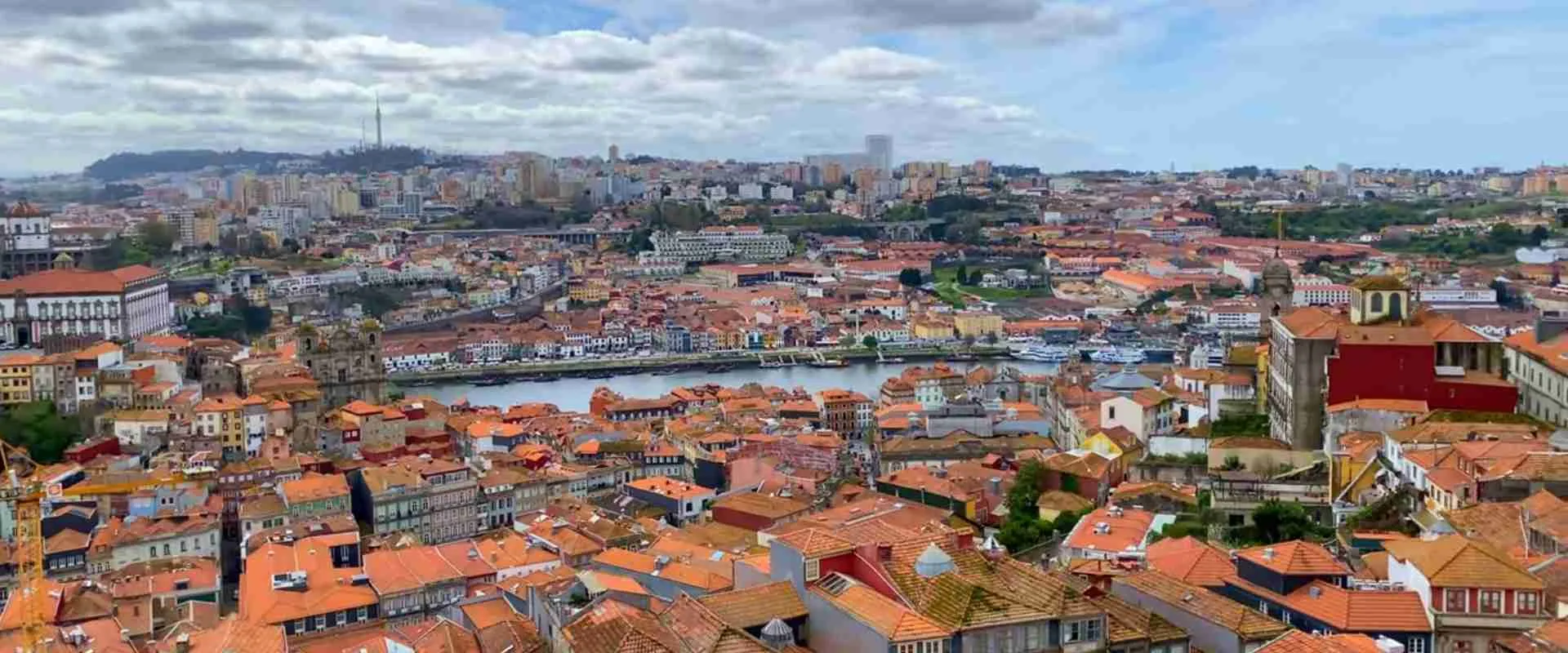
Best Time Visit Porto 2026: Seasonal Planning Guide
This comprehensive seasonal guide details Porto’s conditions month-by-month throughout 2026, analyzing weather patterns, tourist volume, accommodation pricing, cultural events, and practical considerations for each period. The analysis enables informed decision-making based on individual priorities rather than generic “best time” recommendations that ignore traveler diversity. Porto rewards year-round visits when expectations align with seasonal realities—winter’s moody atmospheric provides compelling photography despite rainfall, summer’s vibrant energy justifies crowds and heat for those prioritizing social atmosphere.
Key Takeaways: Porto Seasonal Planning 2026
- May and September-October deliver Porto’s optimal visiting conditions in 2026: comfortable 20-25°C temperatures, moderate rainfall, manageable tourist crowds, and fair accommodation pricing
- Summer peak season (July-August 2026) brings 28-32°C heat, maximum crowds at UNESCO sites, and premium hotel rates €180-280 nightly, requiring advance booking and strategic timing
- Winter months (December-February 2026) offer authentic cultural experiences with minimal tourists and budget rates €80-140 nightly, though accepting 50-60% monthly rainfall probability
- São João Festival (June 23-24, 2026) represents Porto’s premier cultural event but triggers maximum accommodation demand—book 3-4 months ahead or avoid this specific weekend
- Spring shoulder season (March-April 2026) provides excellent value with temperatures rising 15-20°C, decreasing rainfall, and 30-40% lower hotel costs versus summer peak
- Autumn harvest season (September-October 2026) enables Douro Valley wine experiences at peak quality while Porto maintains comfortable 22-26°C temperatures with reduced summer crowds
Introduction: Understanding Porto Seasons in 2026
Porto’s Atlantic coastal position creates distinct seasonal patterns affecting every aspect of visit planning throughout 2026. Unlike Mediterranean destinations with predictable dry summers and wet winters, Porto experiences moderated maritime climate—temperate year-round with rainfall distributed across all seasons, though winter concentrates heaviest precipitation. Understanding these patterns enables strategic timing that aligns personal priorities (weather, crowds, pricing, cultural events) with seasonal realities, transforming Porto visits from merely acceptable to truly optimal.
The concept of “best time” varies by traveler priorities in 2026. Weather-focused visitors prioritize May and September-October when temperatures range 20-26°C with moderate rainfall and extended daylight hours. Budget travelers target November-March when accommodation costs drop 40-60% compared to summer peaks, accepting weather tradeoffs for significant savings. Cultural enthusiasts time visits around specific events—São João Festival (late June), port wine harvest (September), or Christmas markets (December)—regardless of weather or crowds. Photography specialists seek autumn’s atmospheric conditions or spring’s soft light over summer’s harsh midday sun.
Strategic planning extends beyond choosing months to optimizing specific dates within seasons throughout 2026. Visiting mid-September captures summer weather with autumn’s reduced crowds. Early May delivers spring conditions before peak tourist season activation. Mid-week stays (Tuesday-Thursday) throughout summer minimize weekend crowd peaks and occasionally reduce accommodation rates. Understanding these micro-level timing strategies enables fine-tuning Porto visits for maximum satisfaction aligned with specific preferences and constraints.
People Also Ask About Best Time Visit Porto 2026
What’s the best month to visit Porto in 2026?
May and September represent Porto’s optimal visiting months in 2026, balancing excellent weather, reasonable crowds, and fair pricing. May temperatures average 18-22°C with approximately 12 hours daily sunlight, rainfall probability below 40%, and shoulder season accommodation rates €100-160 nightly (30-40% below summer peaks). September maintains summer warmth at 22-26°C while tourist numbers decrease 30-40% after European school year resumption, and hotel rates drop to €120-180 from July-August’s €180-280 range. Both months offer comfortable exploration conditions without extreme heat or cold, manageable visitor volume at major UNESCO sites, and Douro Valley accessibility for wine experiences.
Should you avoid any specific times in Porto during 2026?
Late December through February presents Porto’s most challenging visiting conditions in 2026, with December averaging 140-160mm monthly rainfall (14-16 rainy days), January temperatures of 8-15°C, and early sunset around 5:30 PM limiting afternoon activity hours. These winter months suit only travelers prioritizing budget savings (accommodation 40-60% below summer) and authentic cultural atmosphere over optimal weather. Additionally, São João Festival weekend (June 23-24, 2026) creates maximum accommodation demand and pricing throughout Porto—unless specifically targeting this cultural event, consider visiting the week before or after to avoid inflated rates and fully-booked hotels.
How hot does Porto get in summer 2026?
Porto summers in 2026 reach 28-32°C during July-August peak months, with occasional heat waves pushing temperatures to 35-38°C for 3-5 day periods. Atlantic coastal location moderates extremes compared to interior Portugal—while Lisbon often exceeds 35°C, Porto typically remains 3-5°C cooler due to ocean proximity and afternoon Atlantic breezes. Midday hours (noon-4 PM) prove most intense, making early morning or evening activity timing preferable for temperature-sensitive visitors. Coastal areas like Foz do Douro register 2-3°C cooler than downtown Porto due to direct ocean influence, providing natural heat relief during peak summer conditions.
Does it rain a lot in Porto in 2026?
Porto experiences significant rainfall totaling approximately 1,200mm annually, concentrated heavily in winter months (November-February) but possible year-round. December represents the wettest month with 140-160mm across 14-16 rainy days in 2026, while July-August averages just 20-30mm across 3-5 days. However, Porto’s Atlantic weather pattern brings short rainfall periods rather than all-day rain—typical precipitation lasts 1-3 hours then clears, allowing resumed outdoor activities. Spring and autumn months (March-May, September-November) experience moderate rainfall at 80-100mm monthly across 10-12 days, requiring flexible planning and appropriate rain gear but not preventing comprehensive sightseeing.
Extended multi-day tours – 5+ days
Featured Porto Multi-Day Tour Packages
3 days
Porto 3-Day Discovery Tour
- ✓ Comprehensive Porto experience
- ✓ Expert local guides included
- ✓ All accommodation included
- ✓ Transportation provided

5 days
Porto 5-Day Highlights Experience
- ✓ Comprehensive Porto experience
- ✓ Expert local guides included
- ✓ All accommodation included
- ✓ Transportation provided

7 days
Porto 7-Day Cultural Journey
- ✓ Comprehensive Porto experience
- ✓ Expert local guides included
- ✓ All accommodation included
- ✓ Transportation provided

10 days
Porto 10-Day Complete Adventure
- ✓ Comprehensive Porto experience
- ✓ Expert local guides included
- ✓ All accommodation included
- ✓ Transportation provided
Multi-day tour packages powered by TourRadar. Prices and availability subject to change.
Essential Planning Information for 2026 Seasonal Visits
Understanding Porto’s Climate Patterns in 2026
Porto’s Csb climate classification (warm-summer Mediterranean with significant maritime influence) creates year-round temperate conditions with no extreme seasonal temperature swings. Winter lows rarely drop below 5°C while summer highs seldom exceed 32°C, meaning Porto never experiences harsh winters or scorching Mediterranean summer heat. The Atlantic Ocean moderates temperature extremes—coastal proximity keeps winters milder than interior Portugal and summers cooler than southern regions.
Rainfall distribution follows inverse summer pattern—winter months (November-February) concentrate 60% of annual precipitation while summer (June-August) remains relatively dry with just 15% of yearly totals. This creates distinct wet and dry seasons affecting outdoor activity planning throughout 2026. However, Porto’s rainfall typically arrives in short, intense periods rather than sustained all-day precipitation, meaning rainy days often include several hours of clear weather suitable for sightseeing between showers.
Daylight hours vary significantly across 2026 seasons—summer solstice (June 21) brings approximately 15 hours of daylight with sunset at 9:15 PM, while winter solstice (December 21) provides just 9.5 hours with sunset at 5:30 PM. This dramatic seasonal shift affects activity planning more than temperature variations. Summer’s extended evening light enables comprehensive daily itineraries with sunset viewpoint visits comfortably scheduled after dinner. Winter’s early darkness requires completing major outdoor activities by 4 PM and shifting evening hours toward indoor cultural experiences.
Tourist Volume Patterns Throughout 2026
Porto’s tourist seasons follow European holiday patterns and weather conditions throughout 2026. Peak season (July-August) coincides with European summer holidays when families travel extensively, creating maximum visitor numbers at UNESCO World Heritage sites, popular restaurants, and accommodation facilities. Shoulder seasons (May-June, September-October) attract substantial tourists but at 30-50% lower volumes than summer peaks. Off-season (November-March) sees minimal international tourism with hotels and attractions operating at 40-60% capacity.
Weekend versus weekday patterns intensify during peak season throughout 2026. Summer weekends (Friday-Sunday) experience 40-50% higher tourist density compared to mid-week periods as regional Portuguese visitors supplement international tourists. This creates noticeable crowd differences at major attractions—São Bento Station and Ribeira waterfront feel significantly busier Saturday-Sunday than Tuesday-Thursday. Mid-week summer travel proves strategically advantageous for crowd-averse visitors willing to work around traditional weekend travel patterns.
Cultural event timing creates temporary crowd spikes throughout 2026. São João Festival (June 23-24) brings maximum annual tourism with accommodation fully booked and street festivities drawing hundreds of thousands. Easter week (April 2026) generates increased religious tourism. Christmas markets (December) attract regional visitors. Douro wine harvest (September) brings wine tourism focused on valley estates. Understanding these event-driven patterns enables either strategic participation or deliberate avoidance depending on travel preferences and tolerance for crowds.
Accommodation Pricing Dynamics in 2026
Porto accommodation rates fluctuate 40-60% seasonally throughout 2026, following tourist demand curves. Summer peak (July-August) commands premium rates: budget hotels €80-120 nightly, mid-range €180-280, luxury €350-550. Shoulder seasons (May-June, September-October) reduce rates 20-30%: budget €60-90, mid-range €120-180, luxury €250-380. Off-season (November-March) delivers maximum savings: budget €40-70, mid-range €80-140, luxury €180-300. These ranges reflect central Porto locations near UNESCO heritage areas—peripheral neighborhoods offer 20-30% lower rates across all seasons.
Advance booking windows affect pricing strategy throughout 2026. Summer peak season requires 3-4 month advance booking to secure reasonable rates and preferred locations—waiting until 4-6 weeks before arrival often finds limited availability at inflated prices. Shoulder seasons allow 6-8 week booking windows with good selection and fair pricing. Off-season permits flexible last-minute booking (2-4 weeks) while still accessing budget-friendly rates. São João Festival weekend (June 23-24) demands 4-6 month advance booking due to maximum annual demand concentrating in single weekend.
Alternative accommodation strategies optimize budget throughout 2026. Hostels maintain more stable year-round pricing (€25-35 dorms, €60-90 private rooms) with minimal seasonal fluctuation. Apartment rentals through platforms often provide better value for 4+ night stays, particularly during shoulder and off-seasons when monthly rental market influences short-term pricing. Staying in Vila Nova de Gaia (across Douro River from Porto center) or outer neighborhoods like Boavista reduces costs 25-40% while maintaining metro accessibility to major attractions within 15-20 minutes.
Month-by-Month Porto Planning for 2026
January 2026: Winter Low Season
January represents Porto’s quietest tourism month in 2026, with minimal international visitors and authentic local atmosphere throughout the city. Temperatures average 8-15°C with frequent cloudy conditions and approximately 130mm rainfall across 13-15 rainy days. Sunset occurs around 5:30 PM, requiring early completion of outdoor activities and emphasizing indoor cultural experiences during extended evening hours. The combination of cold, wet conditions and early darkness creates Porto’s most challenging visiting environment, suitable primarily for budget-focused travelers or those prioritizing uncrowded authentic experiences over optimal weather.
Advantages include exceptional accommodation value with rates 50-60% below summer peaks—budget hotels €40-60 nightly, mid-range €80-120, luxury €180-250. Museums and indoor attractions operate without crowds, enabling leisurely appreciation of collections and exhibits. Restaurants welcome walk-in diners without reservations. The authentic winter atmosphere reveals Porto as local residents experience it, free from tourist influence. Traditional Portuguese winter cuisine reaches peak seasonal quality with hearty dishes, rich stews, and warming soups featured prominently.
Practical considerations for January 2026 include packing waterproof outerwear and layered clothing for variable conditions. Plan major outdoor sightseeing for midday hours (11 AM-3 PM) when temperatures peak and rainfall probability decreases. Utilize museums, churches, and covered attractions during morning and late afternoon when weather deteriorates. Accept flexible itineraries adapting to daily weather conditions rather than rigid advance planning. Daily costs remain minimal: accommodation €40-60 budget to €80-120 mid-range, meals €25-35, metro pass €7, enabling comprehensive Porto experiences for €75-120 per person daily.
February 2026: Late Winter Transition
February shows marginal improvement over January throughout 2026, with temperatures rising slightly to 9-16°C and rainfall decreasing to 100-120mm across 11-13 rainy days. Daylight hours extend 30 minutes (sunset 6-6:15 PM by month end) as winter transitions toward spring. Tourist numbers remain minimal, maintaining authentic atmosphere and excellent accommodation value. Weather conditions remain challenging but become manageable for visitors accepting Portugal’s Atlantic winter climate and bringing appropriate clothing.
Cultural advantages in February 2026 include Carnival celebrations (dates vary by lunar calendar, typically late February or early March) bringing traditional Portuguese festivities, street parades, and community events throughout Porto neighborhoods. While less elaborate than Brazilian Carnival, Porto’s version provides authentic cultural participation opportunity. Valentine’s Day (February 14) transforms romantic restaurants and viewpoint locations into special celebration venues, though requiring advance dinner reservations.
February represents ideal timing for indoor cultural deep-dives throughout 2026. Museum visits, port wine cellar tours, traditional fado performances, and architectural appreciation from covered locations suit the weather conditions. Budget travelers benefit from continued low-season pricing: hotels €45-70 budget to €85-130 mid-range, restaurants offering winter set menus €10-15, minimal tourist demand at all venues. Daily costs total €80-130 per person including accommodation, meals, transport, and selective admission fees for museums or wine tours.
March 2026: Early Spring Shoulder Season
March marks Porto’s transition into spring throughout 2026, with temperatures rising to 11-18°C and increasing sunshine hours despite continued rainfall at 90-110mm across 12-14 rainy days. Daylight extends significantly (sunset 7-7:30 PM by month end) enabling evening outdoor activities and viewpoint visits. Tourist numbers begin increasing, particularly during Easter period (Easter Sunday April 5, 2026) when early celebrations and religious tourism elevate crowd levels. Weather remains variable—sunny spring days alternate with Atlantic weather systems bringing rainfall and wind.
Spring flowering begins transforming Porto’s gardens and parks in March 2026. Crystal Palace Gardens showcases early ornamental displays while municipal plantings throughout the city add color to winter’s muted landscape. The combination of increasing warmth and unpredictable weather creates mixed visiting conditions—pack for both spring sunshine and winter rain. Accommodation pricing remains shoulder-season level: budget €55-85, mid-range €95-150, luxury €200-320, representing 30-40% savings versus summer peak while weather dramatically improves compared to winter months.
Strategic March planning in 2026 focuses mid-month visits avoiding Easter crowds. The first two weeks deliver excellent value—improving weather without holiday-driven demand spikes. Early spring creates ideal photography conditions with soft atmospheric light, occasional dramatic clouds, and spring color emergence without summer’s harsh shadows. Daily costs: accommodation €55-85 budget to €95-150 mid-range, meals €28-38, tours/admissions €10-20, transport €7, totaling €100-150 per person for comfortable spring Porto experiences.
April 2026: Prime Spring Season
April delivers Porto’s first truly excellent visiting conditions in 2026, with temperatures reaching 13-20°C, rainfall decreasing to 70-90mm across 11-13 days, and sunshine hours increasing substantially. Daylight extends to sunset around 8-8:15 PM, enabling comprehensive daily itineraries with evening activities. Spring reaches peak intensity—flowers bloom throughout parks and gardens, outdoor cafe culture revives, and pleasant weather enables extended walking without winter cold or summer heat. Tourist numbers increase significantly compared to winter months but remain 40-50% below summer peaks.
Easter period (Easter Sunday April 5, 2026) brings religious tourism and Portuguese holiday travelers, creating the month’s busiest weekend with elevated hotel rates and crowded major attractions. Visiting outside Easter week (April 7-30) provides optimal spring conditions without holiday crowds. Crystal Palace Gardens reaches spectacular flowering displays mid-April through month end when ornamental plantings peak. Douro Valley day trips become highly attractive with spring green landscapes and comfortable temperatures for outdoor exploration and winery visits.
Accommodation rates transition upward in April 2026: budget €60-95, mid-range €110-170, luxury €220-350. The pricing reflects increasing demand as European tourism season activates while remaining 25-35% below July-August peaks. Book 8-12 weeks ahead for Easter period; 4-6 weeks suffices for other April dates. Daily costs increase moderately: accommodation €60-95 budget to €110-170 mid-range, meals €30-40, activities €12-25, transport €7, totaling €110-180 per person representing excellent value for prime spring conditions.
May 2026: Optimal Spring Peak
May ranks among Porto’s two best visiting months in 2026, delivering ideal conditions across all metrics. Temperatures reach comfortable 15-22°C without summer heat, rainfall decreases to 60-80mm across 10-12 days, and daylight extends to sunset around 8:30-8:45 PM enabling long activity days. Weather becomes reliably pleasant—warm afternoons, cool comfortable evenings, minimal rainfall, extensive sunshine. Tourist volume remains moderate at 60-70% of summer peak levels, creating vibrant atmosphere without overwhelming crowds at major attractions.
May’s extended daylight in 2026 enables ambitious daily itineraries combining morning UNESCO site visits, afternoon Douro Valley excursions, and evening riverside dining or viewpoint sunset appreciation—all comfortably scheduled within available hours. Outdoor activities reach optimal conditions: walking tours without temperature extremes, photography with soft spring light and green landscapes, coastal exploration with warming but not hot beach conditions, park visits during peak botanical displays.
Accommodation pricing enters high-season range in May 2026: budget €70-105, mid-range €130-200, luxury €280-420. Rates remain 15-25% below summer peaks while conditions often prove superior to July-August’s heat and crowds. Book 6-8 weeks ahead for preferred locations and fair pricing. São João Festival (June 23-24) proximity creates late-May booking competition for visitors planning multi-week stays bridging months. Daily costs: accommodation €70-105 budget to €130-200 mid-range, meals €32-42, activities €15-30, transport €7, totaling €125-195 per person for premium spring experiences.
June 2026: Early Summer and São João Festival
June 2026 marks summer season arrival in Porto with temperatures rising to 18-25°C, rainfall dropping to 40-50mm across 7-9 days, and sunset extending beyond 9 PM providing maximum daylight hours. Weather becomes predominantly sunny with occasional Atlantic weather systems. Tourist numbers increase substantially, reaching 80-90% of July-August peak by month end. The combination of excellent weather and increasing crowds creates vibrant urban energy while major attractions experience significant visitor volume requiring strategic timing and advance booking.
São João Festival (June 23-24, 2026) represents Porto’s premier cultural event, transforming the city into massive celebration featuring street parties, traditional grilled sardines, fireworks, and festivities continuing through the night. The festival brings maximum annual tourism demand—accommodation books completely 3-4 months ahead at premium rates, restaurants require advance reservations, and streets fill with hundreds of thousands of celebrants. This creates two distinct June experiences: pre-festival (June 1-22) offers excellent early summer conditions with manageable tourism, while festival weekend delivers authentic Portuguese celebration at maximum intensity and cost.
Strategic June planning in 2026 requires deciding whether targeting São João Festival or avoiding it. Festival participation demands booking accommodation by February-March, accepting premium pricing €200-350 nightly even budget options, and embracing crowds as part of authentic experience. Festival avoidance suggests visiting June 1-20 or waiting until July when prices stabilize. Accommodation rates: budget €75-115 pre-festival to €150-250 festival weekend, mid-range €150-220 to €280-450, luxury €320-480 to €500-800+. Daily costs excluding festival weekend: €135-210 per person including accommodation €75-115 to €150-220, meals €35-45, activities €18-35, transport €7.
July 2026: Peak Summer Season
July represents Porto’s warmest month in 2026 with temperatures reaching 20-28°C, occasionally spiking to 32-35°C during heat waves lasting 3-5 days. Rainfall becomes minimal at 15-25mm across 3-5 days, delivering predominantly sunny conditions throughout the month. Sunset occurs 9-9:15 PM enabling extended evening activities and outdoor dining. Tourist volume peaks at maximum annual levels—major attractions experience significant crowds especially weekends, popular restaurants require advance reservations, and beaches fill with summer visitors. The combination of heat, crowds, and premium pricing creates Porto’s most intense tourism environment.
July advantages in 2026 include vibrant summer atmosphere with extensive outdoor activities, festivals, and social energy throughout the city. Beach areas like Foz do Douro and Matosinhos reach optimal conditions with warm weather and water temperatures around 18-19°C suitable for swimming. Evening street life intensifies with outdoor dining, street performers, and relaxed Mediterranean atmosphere extending past midnight. The guaranteed good weather enables reliable planning without weather contingency concerns plaguing other seasons.
Managing July heat requires strategic planning in 2026. Schedule intensive activities early morning (before 10 AM) or late afternoon (after 5 PM) avoiding midday heat. Utilize indoor attractions (museums, churches, São Bento Station) during peak temperature hours 1-4 PM. Coastal areas provide 2-3°C cooler temperatures and Atlantic breezes compared to downtown. Stay hydrated and pace activities recognizing heat impact on physical capacity. Accommodation prices peak: budget €85-130, mid-range €180-280, luxury €380-550. Daily costs: €155-240 per person including premium accommodation, meals €40-50, activities €20-40, transport €7.
August 2026: Continued Peak Season
August maintains July’s summer conditions throughout 2026 with similar temperatures (20-28°C, occasional 30-35°C spikes), minimal rainfall (20-30mm across 3-5 days), and extended daylight (sunset 8:30-9 PM declining through month). Tourist volume remains at maximum annual levels through mid-August, then decreases 20-30% during final week as European summer holidays conclude and schools resume. The late August shift creates distinct experiences—first three weeks mirror peak July intensity while final week transitions toward September’s shoulder season atmosphere.
August represents Porto’s most expensive month in 2026 with accommodation rates matching or exceeding July levels, particularly during first three weeks coinciding with peak European holiday period. Portuguese national holidays in August bring domestic tourism supplementing international visitors, maintaining demand even as some European markets decrease. The intense summer atmosphere peaks mid-month with maximum beach activity, outdoor entertainment, and social energy before gradual shoulder season transition late August.
Strategic August 2026 planning targets late month (August 18-31) when summer weather continues but tourist crowds decrease significantly and accommodation rates begin moderating. This timing delivers summer conditions at emerging shoulder season pricing—budget €75-110, mid-range €160-240, luxury €350-480, representing 15-20% savings versus early August while weather remains excellent. The transitional period combines summer’s advantages (reliable weather, extended daylight, beach conditions) with decreasing crowds creating optimal compromise. Daily costs late August: €145-220 per person including accommodation €75-110 to €160-240, meals €38-48, activities €18-35, transport €7.
September 2026: Optimal Autumn Season
September ranks alongside May as Porto’s best visiting month in 2026, delivering ideal autumn conditions. Temperatures remain summery at 19-26°C especially early month, gradually moderating toward 17-22°C by month end. Rainfall increases slightly to 50-70mm across 8-10 days but remains manageable. Sunset timing shifts from 8:15 PM early month to 7:15 PM by month end, still enabling evening activities. Tourist volume decreases 30-40% compared to August as European schools resume, creating substantially less crowded conditions at major attractions while weather stays excellent.
September 2026 combines summer’s weather advantages with autumn’s practical benefits—comfortable temperatures without July-August heat, manageable crowds enabling quality experiences at UNESCO sites, fair accommodation pricing dropping 25-35% from peak summer, and Douro Valley wine harvest beginning mid-month adding special cultural dimension to visits. The grape harvest season transforms the valley with activity, festivals, and optimal timing for winery visits and wine tourism experiences.
Accommodation rates transition to shoulder season in September 2026: budget €65-95, mid-range €120-180, luxury €250-380. Early September maintains higher rates especially first week while late summer visitors complete holidays, then prices moderate mid-month as shoulder season establishes. Book 4-6 weeks ahead for good selection and fair pricing. Daily costs: accommodation €65-95 budget to €120-180 mid-range, meals €33-43, activities €15-28, transport €7, totaling €120-185 per person representing excellent value for near-summer conditions with reduced crowds and costs.
October 2026: Peak Autumn Conditions
October extends excellent autumn visiting conditions throughout 2026 with temperatures moderating to 16-22°C, increasing rainfall to 100-120mm across 12-14 days, and decreasing daylight (sunset 6:30-7 PM early month, 5:45-6 PM by month end). Weather becomes more variable with Atlantic systems bringing periodic rain and wind, but comfortable temperature conditions and extended periods of sunshine between systems enable comprehensive sightseeing. Tourist numbers decrease further, reaching 40-50% below summer peaks, creating peaceful exploration atmosphere at major attractions.
October photography conditions in 2026 reach annual peak with softer autumnal light angles, dramatic cloud formations from Atlantic weather systems, occasional moody atmospheric conditions, and golden foliage in parks and gardens. The combination of comfortable temperatures, moderate crowds, and photogenic conditions makes October exceptional for photography-focused Porto visits. Autumn harvest continues throughout Douro Valley with wine tourism reaching seasonal climax—winery visits and tastings showcase current vintage at optimal freshness.
Accommodation pricing fully transitions to shoulder season in October 2026: budget €60-85, mid-range €110-160, luxury €220-340. The 35-45% savings versus summer peak combined with excellent autumn conditions creates strong value proposition for flexible travelers prioritizing experience quality over guaranteed summer weather. Daily costs: accommodation €60-85 budget to €110-160 mid-range, meals €30-40, activities €12-25, transport €7, totaling €110-170 per person for comprehensive autumn Porto experiences. Pack layered clothing and rain gear for weather variability while enjoying comfortable exploration conditions.
November 2026: Autumn Transition to Winter
November marks Porto’s shift toward winter conditions throughout 2026 with temperatures declining to 12-18°C, rainfall increasing substantially to 140-160mm across 13-15 rainy days, and early sunset (5:30 PM by month end) limiting afternoon activity hours. Weather becomes predominantly cloudy and wet as Atlantic winter systems establish regular patterns. Tourist numbers reach off-season minimums with international visitors rare outside long weekends. The combination of deteriorating weather and early darkness creates challenging conditions, though budget-focused travelers benefit from low-season pricing and authentic local atmosphere.
November’s advantages in 2026 include exceptional accommodation value with rates dropping 45-55% below summer peaks: budget €50-70, mid-range €90-130, luxury €190-280. Museums and cultural attractions operate without crowds enabling leisurely visits. Traditional Portuguese autumn cuisine features prominently with chestnuts, mushrooms, and hearty seasonal dishes. The moody autumn atmosphere appeals to visitors appreciating atmospheric photography conditions and authentic cultural experiences over optimal weather.
Practical November 2026 planning requires accepting weather limitations and planning flexible itineraries adapting to daily conditions. Focus morning and early afternoon hours (10 AM-3 PM) for outdoor activities when rainfall probability decreases slightly and maximum daylight available. Utilize extensive indoor cultural options—museums, churches, port wine cellars, restaurants, covered shopping galleries—during extended evening hours and poor weather periods. Daily costs: accommodation €50-70 budget to €90-130 mid-range, meals €28-35, activities €10-18, transport €7, totaling €95-140 per person enabling extended Porto stays on minimal budgets.
December 2026: Winter Season and Holiday Markets
December represents Porto’s wettest month in 2026 with 140-160mm rainfall across 14-16 rainy days, temperatures of 9-15°C, and minimal daylight (sunset 5:30 PM, just 9.5 hours total daylight at winter solstice December 21). Weather conditions reach annual challenging peak with frequent rainfall, strong Atlantic winds, and cloudy conditions dominating. Tourist numbers remain minimal except Christmas market period (typically December 1-23) when regional Portuguese visitors supplement rare international tourists. The combination of difficult weather and holiday atmosphere creates unique December character suitable for specific traveler preferences.
Christmas season transforms Porto throughout December 2026 with decorative lighting along Aliados Avenue and major streets, Christmas markets featuring traditional crafts and seasonal foods, holiday musical performances, and festive atmosphere in restaurants and cafes. The cultural experience provides authentic Portuguese holiday traditions beyond generic European Christmas markets. However, many smaller restaurants and shops close December 24-26 for family celebrations, limiting dining and shopping options during actual Christmas period.
Accommodation pricing remains off-season through most of December 2026: budget €45-65, mid-range €85-125, luxury €180-260, though Christmas week (December 20-27) sees 20-30% increases as regional tourism peaks. Book well ahead for Christmas dates; other December periods allow flexible last-minute booking. Daily costs: accommodation €45-65 budget to €85-125 mid-range, meals €25-33, activities €8-15, transport €7, totaling €85-130 per person. December suits budget travelers accepting challenging weather for exceptional savings, authentic atmosphere, and holiday cultural experiences unique to this period.
Special Events and Festivals Planning 2026
São João Festival (June 23-24, 2026)
São João Festival represents Porto’s most significant annual cultural event, transforming the entire city into massive celebration honoring Saint John the Baptist. Festivities begin evening June 23 continuing through dawn June 24 with street parties, live music, traditional grilled sardines, fireworks at midnight over Douro River, and participants hitting each other with plastic hammers (traditional playful custom) while carrying leeks and garlic. The festival attracts hundreds of thousands—Porto’s population effectively doubles during celebration night as visitors flood the historic center.
Strategic São João planning in 2026 requires advance preparation. Book accommodation 3-4 months ahead (by February-March latest) as hotels sell out completely, with premium pricing €200-450 nightly even budget options. Make dinner reservations well ahead or plan purchasing grilled sardines from street vendors (€8-12 per serving) as traditional festival food. Understand public transport suspends normal service during festival night—expect walking significant distances as taxis become unavailable. Security concerns remain minimal despite massive crowds, though keeping valuables secure and maintaining group cohesion proves sensible with hundreds of thousands celebrating in streets.
Festival participation costs in 2026: accommodation €200-350 budget to €350-550+ mid-range (double or triple normal rates), meals/street food €40-60, drinks €20-35, miscellaneous festival items €15-25, transport €7-15. Total daily cost during festival weekend: €280-460 per person representing maximum annual Porto expenses. The authentic Portuguese celebration justifies premium costs for culture-focused travelers, while budget-conscious visitors should avoid June 23-24 entirely rather than attempting festival participation at off-season budgets.
Douro Wine Harvest Season (September 2026)
Douro Valley wine harvest (vindima) occurs throughout September 2026, typically beginning early-to-mid month depending on seasonal weather and grape ripeness. This period represents optimal timing for Douro Valley day trips from Porto as vineyards showcase active harvest, wineries offer special tastings of new vintage, traditional harvest festivals occur in valley towns, and autumn landscapes display golden vine foliage before winter dormancy. The living agricultural process adds cultural depth beyond standard wine tourism experiences.
Harvest season day trips in 2026 cost €80-150 per person including organized tour with transport, winery visits, tastings, and lunch. Alternatively, independent travel via train from Porto to Pinhão (€12-15 round-trip, 2.5 hours each direction) plus taxi/rental car for valley winery access (€40-80 daily) enables self-directed exploration. Some estates require advance reservations for harvest period visits due to increased tourism interest—book 2-4 weeks ahead for guaranteed access. The September timing combines excellent Porto city weather with special Douro Valley cultural experiences creating ideal conditions for comprehensive regional exploration.
Christmas Markets and Holiday Season (December 2026)
Porto’s Christmas season throughout December 2026 features holiday markets, decorative lighting, special cultural programming, and festive atmosphere transforming the historic center. Primary Christmas market locations include Aliados Avenue (main market with crafts, foods, seasonal items), Cathedral district (smaller traditional market), and various neighborhood locations hosting community celebrations. Markets operate daily approximately December 1-23, then close for actual Christmas holidays when Portuguese families celebrate privately.
Holiday season costs in 2026 remain moderate despite festive atmosphere: accommodation maintains off-season rates €45-65 budget to €85-125 mid-range (except Christmas week December 20-27), markets offer reasonably-priced gifts and foods (€5-25 typical purchases), and special holiday performances range free to €15-25 for premium events. The cultural experience provides authentic Portuguese Christmas traditions including traditional sweets (bolo rei), roasted chestnuts (€3-5 per serving), and religious celebrations at various churches. December suits travelers prioritizing cultural authenticity and budget value over optimal weather conditions.
Weather-Specific Planning Strategies for 2026
Hot Weather Management (July-August 2026)
Managing Porto summer heat throughout July-August 2026 requires strategic planning and scheduling adjustments. Begin daily activities early (7-9 AM) when temperatures remain comfortable 18-22°C and major attractions experience minimal crowds. Complete intensive outdoor activities—walking tours, bridge crossing, hilltop viewpoint visits—before 11 AM when heat intensifies. Utilize midday hours (11 AM-4 PM) for indoor cultural experiences including São Bento Station azulejo appreciation, museum visits, church interiors, covered shopping galleries, or lunch at air-conditioned restaurants.
Resume outdoor activities late afternoon (after 5 PM) when temperatures moderate and directional light improves for photography. Evening hours (6-10 PM) provide optimal conditions for Ribeira waterfront dining, sunset viewpoint visits, and neighborhood exploration as locals emerge for their evening social activities. Coastal areas at Foz do Douro register 2-3°C cooler than downtown throughout summer—consider afternoon beach visits or coastal walks for natural temperature relief.
Practical heat management in 2026 includes staying hydrated (purchase large water bottles at supermarkets for €0.50-1 versus €2-3 at tourist kiosks), wearing sun protection (hat, sunscreen, sunglasses), choosing lightweight breathable clothing, and recognizing personal heat tolerance limits—forced marching through Porto in 32°C midday sun diminishes experience quality regardless of determination to see everything. Strategic pacing with rest stops, shaded areas, and realistic daily ambitions creates better summer experiences than attempting comprehensive itineraries without heat considerations.
Rainy Weather Adaptation (November-February 2026)
Maximizing Porto visits during rainy winter months throughout 2026 requires flexible planning and appropriate expectations. Atlantic weather patterns typically bring 2-4 hour rainfall periods followed by clearing, rather than all-day persistent precipitation. Monitor weather forecasts and adapt daily schedules—if morning rain forecast, begin with indoor activities (museums, São Bento Station) then shift to outdoor sightseeing when conditions improve afternoon. Carry compact umbrella and waterproof jacket enabling spontaneous outdoor activity when weather permits between systems.
Winter rain creates photographic advantages for skilled photographers throughout 2026. Wet cobblestone streets reflect light creating dynamic compositions. Dramatic stormy skies over Douro River provide atmospheric backdrops. Post-rain conditions with clearing clouds and directional light showcase Porto architecture dramatically. Moody winter atmosphere appeals to photographers seeking non-tourist aesthetic and authentic seasonal character beyond perfect blue-sky postcards.
Indoor cultural alternatives during heavy rain in 2026 include comprehensive museum exploration (Museu Nacional Soares dos Reis, Museu do Vinho do Porto, World of Discoveries), extended port wine cellar tours with tastings in Vila Nova de Gaia, traditional Portuguese lunch at established restaurants (plan 2-3 hour leisurely meals), attending church services for cultural/religious experience, and covered shopping gallery architecture appreciation. Winter’s early darkness (5:30 PM sunset) shifts evening hours naturally toward indoor activities—fado performances, restaurant dining, hotel relaxation—rather than fighting weather for outdoor sightseeing with limited daylight.
Optimal Light Photography Planning Throughout 2026
Maximizing photography conditions throughout Porto’s 2026 seasons requires understanding light patterns and seasonal advantages. Spring (March-May) provides soft atmospheric light with occasional dramatic clouds, moderate sun angles avoiding harsh shadows, and emerging green landscapes adding color. Summer (June-August) delivers extended golden hour periods (6:30-9 PM) perfect for evening photography, though midday sun creates harsh contrast requiring technical management. Autumn (September-November) offers year’s best photographic light—lower sun angles throughout day, dramatic weather systems creating dynamic skies, golden landscape tones, and soft directional illumination ideal for architectural photography.
Specific Porto locations require timing optimization in 2026. São Bento Station’s eastern-facing entrance showcases best in morning light (7-10 AM). Jardim do Morro viewpoint delivers optimal results during golden hour before sunset (60 minutes pre-sunset year-round). Ribeira waterfront benefits from evening light (summer 7-9 PM, winter 4-6 PM) illuminating colorful building facades. Santo Ildefonso azulejo facade requires overcast conditions or morning light eliminating glazed tile reflections. Dom Luís Bridge photographs well from multiple perspectives throughout day but reaches dramatic peak during blue hour (30 minutes post-sunset) when bridge lighting activates against darkening sky.
Budget Optimization by Season 2026
Maximum Budget Season (December-February 2026)
Winter months deliver Porto’s strongest budget value throughout 2026 despite challenging weather conditions. Accommodation rates drop 50-60% below summer peaks enabling extended stays: budget hostels €25-35 dorms to €40-60 private rooms, budget hotels €40-70, mid-range €80-140. Combined with low-season restaurant pricing and minimal tourist-driven inflation, daily costs reach annual minimums of €70-120 per person including accommodation, three meals, transport, and selective admission fees.
Strategic winter budget optimization in 2026 includes booking apartment rentals for stays exceeding 5-7 nights—weekly and monthly rental rates often discount 20-40% below daily pricing, providing full kitchen access for self-catering that further reduces food costs. Cooking some meals using ingredients from municipal markets and supermarkets cuts dining expenses to €15-25 daily versus €35-50 eating all restaurant meals. The combination of off-season accommodation rates, apartment discounts, and self-catering enables comprehensive Porto experiences under €800-1000 weekly per person including comfortable lodging, adequate food, unlimited transport, and cultural admission fees.
Shoulder Season Value (March-April, October-November 2026)
Shoulder seasons balance improved weather against moderate budget requirements throughout 2026. Accommodation rates position 25-40% below summer peaks while substantially above winter minimums: budget €55-85 to €60-95, mid-range €95-160 to €110-170. Weather improves dramatically versus winter (spring) or maintains excellent conditions before winter deterioration (autumn). Daily costs range €100-160 per person providing comfortable experiences without extreme weather challenges or premium summer pricing.
Shoulder season strategic value in 2026 comes from combination factors: fair accommodation pricing, comfortable weather enabling full-day outdoor activities without heat or cold limitations, moderate tourist volumes creating vibrant atmosphere without overwhelming crowds, and flexibility in activity timing—evening sunset viewpoint visits remain possible April and October (sunset 8 PM) unlike November-March’s early darkness. The balanced conditions justify moderate pricing increases over winter while delivering substantially better overall experiences.
Premium Season Budgeting (June-August 2026)
Summer peak season requires maximum budget allocation throughout 2026 with accommodation commanding premium rates: budget €75-130, mid-range €150-280, luxury €350-550+. Combined with tourist-season restaurant pricing, popular tour demand, and summer activity costs, daily budgets reach €145-250 per person for comfortable experiences. Budget travelers can reduce costs through hostels (€30-40 dorms), self-catering, free activities, and strategic timing, potentially achieving €90-130 daily, though accepting reduced comfort and flexibility versus higher budgets.
Summer budget optimization in 2026 requires advance planning capitalizing on early booking discounts. Hotels booking 3-4 months ahead often offer 15-20% lower rates than last-minute pricing. Consider peripheral neighborhoods (Boavista, Matosinhos, outer areas) where accommodation costs 25-35% less than central historic district while maintaining metro access. Prioritize free activities (Ribeira walks, São Bento Station, viewpoints, bridge crossing) reducing admission spending, and utilize budget dining options (lunch menus €10-15, picnic supplies €8-12) versus tourist restaurants (€25-40 per meal). Strategic summer planning enables experiencing prime season at €120-180 daily versus €200-250+ without careful budget management.
Combining Porto with Regional Travel in 2026
Douro Valley Integration Across Seasons
Douro Valley day trips or multi-day excursions enhance Porto visits throughout 2026, though optimal timing varies seasonally. Spring (March-May) showcases green landscapes and vineyard flowering with comfortable temperatures 18-24°C ideal for outdoor winery visits and valley exploration. Summer (June-August) delivers guaranteed weather and extended daylight enabling comprehensive daily itineraries, though heat (28-32°C) affects physical comfort during midday valley exploration. Autumn (September-October) represents peak Douro conditions with wine harvest activity, optimal tasting experiences of new vintage, comfortable temperatures, and golden vine foliage creating photogenic landscapes.
Winter Douro visits (November-February) prove least appealing with dormant vineyards, limited winery operations, uncomfortable weather, and minimal photographic interest. However, hardy travelers accepting seasonal limitations benefit from minimal tourism and authentic off-season valley atmosphere. Douro day trip costs in 2026: organized tours €80-150 per person including transport, winery visits, tastings, and lunch; independent train travel €12-15 round-trip Porto-Pinhão plus valley ground transport €40-80; overnight stays in valley hotels €60-180 depending on season and comfort level.
Coastal Destinations and Beach Integration
Porto’s Atlantic coast proximity enables beach experiences throughout warmer months in 2026. Nearby Matosinhos (30 minutes via metro Line A) provides extensive sandy beach, seafood restaurants, and coastal promenade suitable for day visits May-September when temperatures support beach activities. Costa Nova and Aveiro (75 minutes south by train, €8-12 round-trip) offer colorful striped houses, canals, and wider beaches attracting summer tourists. More distant Nazaré (2 hours north) delivers dramatic coastal cliffs and famous big-wave surfing October-March (observation only, not swimming season).
Beach season timing in 2026 spans June-September with July-August delivering warmest conditions—air temperatures 25-30°C, water 18-20°C. May and October prove marginal for swimming (water 16-17°C) but work well for coastal walks and seafood dining. Winter months (November-April) offer dramatic Atlantic storm watching and uncrowded beach walks but preclude traditional beach activities. Coastal day trips enhance Porto visits by adding natural landscape diversity to UNESCO cultural heritage focus, particularly appealing during multi-day stays exceeding 3-4 nights when single-city concentration benefits from day-trip variety.
Frequently Asked Questions: Porto Timing 2026
Can you visit Porto year-round or only certain seasons?
Porto welcomes visits throughout all 2026 seasons, though experience quality varies significantly by period. May, September, and October deliver optimal conditions balancing weather, crowds, and costs. June-August provides peak summer experiences accepting heat and tourist volume. March-April offers good spring value with improving weather. November-February suits only budget-focused travelers or those prioritizing authentic atmosphere over comfortable conditions. No season proves completely unsuitable—winter Porto has merit for specific preferences—but timing dramatically affects visit satisfaction and practical logistics.
How many days should you spend in Porto in 2026?
Optimal Porto duration spans 3-5 days in 2026 providing comprehensive city exploration without excessive padding. Three days covers major UNESCO heritage sites, primary neighborhoods, key viewpoints, and essential cultural experiences at comfortable pace. Four days enables adding Douro Valley day trip or deeper neighborhood exploration. Five days allows multiple day trips (Douro Valley, coastal destinations), leisurely museum visits, and discovering hidden corners beyond standard tourist routes. Extended stays exceeding one week suit only slow travelers, digital nomads, or those using Porto as base for extensive regional day trips rather than intensive city focus.
Should you book Porto hotels in advance for 2026?
Advance booking requirements vary seasonally throughout 2026. Peak summer (July-August) and São João Festival weekend (June 23-24) require 3-4 months advance booking for reasonable rates and good location selection. Shoulder seasons (May-June, September-October) benefit from 6-8 weeks advance booking securing preferred hotels at fair pricing. Off-season (November-March) permits flexible last-minute booking 2-4 weeks ahead without significantly affecting rates or availability. Major holiday periods (Easter, Christmas) require 8-12 weeks advance booking. General rule: book earlier for higher-demand periods, remain flexible during off-season when last-minute deals often emerge.
Does Porto get too hot for summer travel in 2026?
Porto summer heat remains manageable for most travelers throughout 2026, reaching 28-32°C typically with occasional 35-38°C spikes during multi-day heat waves. Atlantic coastal location provides moderating influence—Porto stays 3-5°C cooler than interior Portugal (Lisbon, Alentejo) during equivalent summer periods. Strategic planning enables comfortable summer experiences: early morning and evening outdoor activities, midday indoor attractions, coastal area visits for natural cooling, adequate hydration, and realistic pacing. Heat-sensitive visitors or those with medical conditions affected by high temperatures should consider shoulder seasons (May-June, September) delivering warm weather without extreme temperatures.
What’s the rainiest month to avoid in Porto?
December ranks as Porto’s wettest month in 2026 with 140-160mm rainfall across 14-16 rainy days, followed closely by November and January at 130-150mm across 13-15 days. However, “rainy day” statistics mislead—Porto’s Atlantic weather pattern brings short 2-4 hour rainfall periods rather than all-day precipitation. Even wettest months include substantial clear periods between systems suitable for sightseeing. Travelers prioritizing weather should target May-September when monthly rainfall drops below 80mm (May-June, September-October) or becomes minimal (July-August at 20-40mm). Complete rain avoidance proves impossible in Porto—even driest months experience occasional showers—but shoulder and summer seasons minimize wet weather significantly.
Can you see Port wine harvest in Porto city?
Port wine production occurs exclusively in Douro Valley (80-100km east of Porto), not within Porto city limits, throughout 2026. Porto’s historical role involved wine storage and shipping—the riverside wine cellars in Vila Nova de Gaia stored and aged port before export, hence the city’s name association. Witnessing actual grape harvest requires visiting Douro Valley estates during September vindima season through organized day trips (€80-150) or independent travel (train to Pinhão €12-15 plus valley transport). Porto’s wine cellars provide year-round tours explaining production history and offering tastings (€10-25 per person), but harvest observation demands valley excursions. September timing combines Porto city visits with special access to active harvest in producing region.
Are Porto beaches swimmable year-round in 2026?
Atlantic water temperatures restrict comfortable swimming to June-September in 2026 when water reaches 18-20°C. May and October register marginal 16-17°C suitable only for hardy swimmers accustomed to cool water. November-April ranges 13-15°C—technically swimmable but uncomfortable for most visitors, primarily attracting surfers in wetsuits rather than recreational swimmers. Beach season for sunbathing and coastal activities extends May-October with comfortable air temperatures, though swimming proves most pleasant July-September. Winter beaches (November-April) serve coastal walking, storm watching, and seafood dining rather than traditional beach recreation. Year-round beach access remains free, but seasonal weather and water temperatures determine practical activity options.
How does Porto weather compare to Lisbon in 2026?
Porto maintains cooler, wetter climate than Lisbon throughout 2026 due to more northern Atlantic position. Summer temperatures in Porto reach 25-30°C versus Lisbon’s 30-38°C—Porto’s coastal location provides moderating effect Lisbon lacks. Winter remains milder in Lisbon (12-18°C typical) compared to Porto (8-15°C). Porto receives approximately 1,200mm annual rainfall versus Lisbon’s 700-800mm, with winter precipitation particularly heavier in Porto. These differences mean Porto offers more comfortable summer conditions (less extreme heat) but more challenging winter visits (colder, wetter). Travelers prioritizing weather might choose Lisbon for winter trips while Porto proves preferable for summer when heat moderation matters. Spring and autumn conditions prove similar both cities, with Porto marginally cooler and wetter year-round.
Conclusion: Strategic Seasonal Planning for 2026
Porto’s year-round appeal accommodates diverse traveler priorities and seasonal preferences throughout 2026, transforming the question “when to visit” from seeking single answer into understanding personal alignment with seasonal characteristics. May, September, and October emerge as optimal compromise months delivering comfortable weather, reasonable crowds, fair pricing, and comprehensive activity options suitable for broadest traveler demographics. These shoulder/late-shoulder periods capture seasonal sweet spots—spring bloom, harvest season, autumn photography—while avoiding peak summer intensity or winter weather challenges.
However, every Porto season offers legitimate advantages when expectations align with realities throughout 2026. Summer peak (June-August) justifies crowds and costs through vibrant atmosphere, extended daylight, beach access, and guaranteed weather enabling reliable planning. Winter off-season (November-February) rewards accepting weather challenges with exceptional budget value, authentic cultural immersion, and uncrowded UNESCO site access. Spring (March-April) and late autumn (November) serve travelers balancing moderate weather improvement against budget considerations.
Strategic planning extends beyond choosing months to understanding specific week and date optimization throughout 2026. Targeting mid-September captures summer weather with autumn crowds and pricing. Early May delivers spring conditions before peak season activation. Visiting mid-week (Tuesday-Thursday) throughout summer moderates weekend crowd intensity. These micro-timing decisions enhance experiences within chosen seasons, demonstrating that when to visit Porto involves multi-layered decision-making from broad seasonal selection through specific date optimization.
Cultural event timing creates alternative decision framework separate from weather-crowd-cost considerations throughout 2026. São João Festival (June 23-24) represents Porto’s defining cultural moment worth building entire trips around for culture enthusiasts, regardless of premium costs and maximum crowds. Douro harvest season (September) enables unique wine tourism experiences unavailable other months. Christmas markets (December) provide authentic Portuguese holiday cultural immersion. Event-focused planning prioritizes cultural participation over optimal conditions, reflecting travel philosophy valuing authentic experiences above comfort optimization.
Ultimately, Porto’s accessibility across 2026 seasons means no universally “wrong” visiting time exists—only misalignment between traveler expectations and seasonal realities. Understanding detailed seasonal characteristics, honest self-assessment of personal priorities (weather tolerance, budget flexibility, crowd aversion, cultural interests), and strategic planning within chosen periods enables satisfying Porto experiences regardless of calendar dates. The city rewards visitors willing to engage authentically with seasonal characteristics rather than seeking impossible ideal combining summer weather, winter pricing, spring crowds, and autumn photography conditions simultaneously.