Porto Budget Guide 2026: Ultimate Travel Cost Breakdown
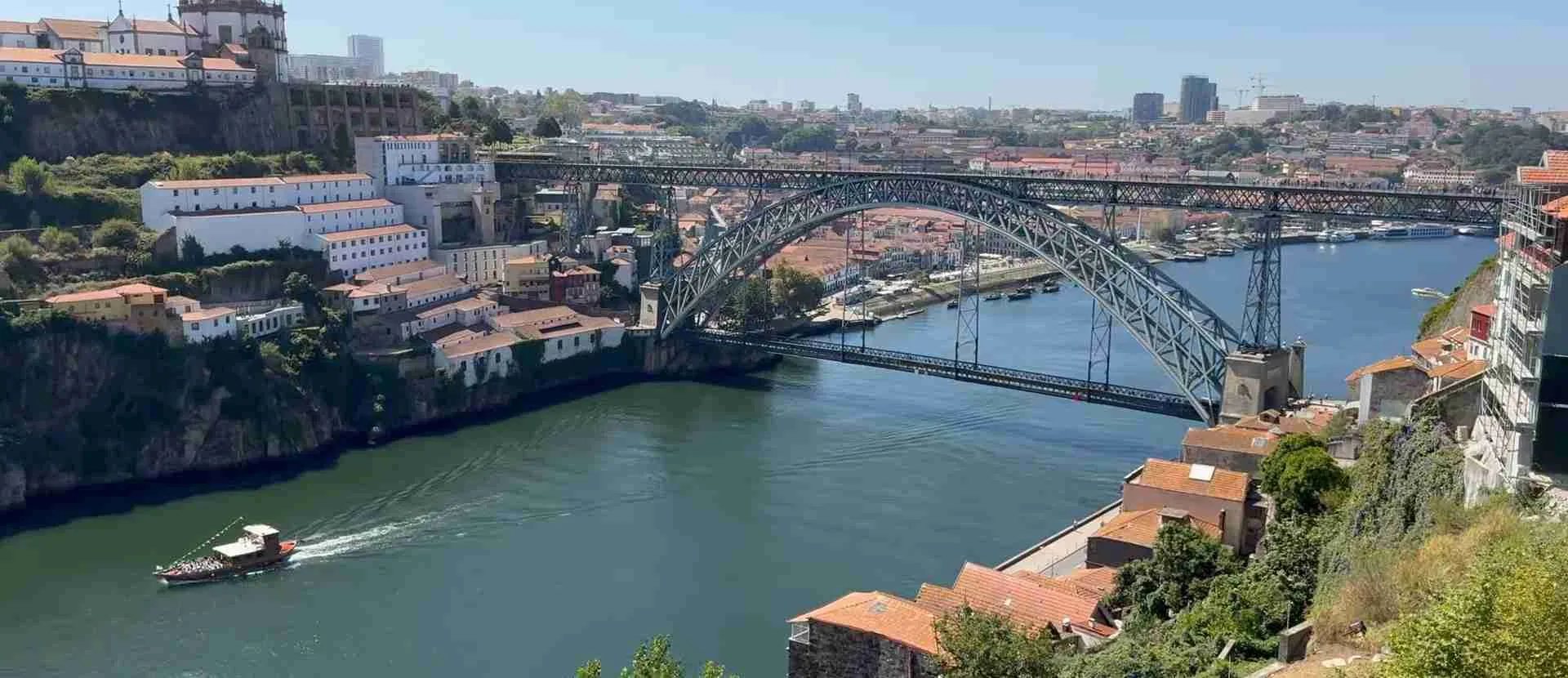
Portugal’s charismatic second city delivers extraordinary value alongside its UNESCO-listed Ribeira district, port wine cellars cascading down granite hillsides, and baroque towers punctuating azure skies. Porto rewards budget-conscious travelers with affordable accommodation, inexpensive yet exceptional dining, and walkable historic neighborhoods where many highlights cost nothing to experience. Understanding Porto’s actual 2026 costs transforms planning from guesswork into confident decision-making.
Key Takeaways:
- Budget Travel 2026: Travelers spending €50-125 per person daily enjoy hostel dormitories or budget guesthouses, traditional taverns serving filling Portuguese meals, free walking exploration of Ribeira and churches, and metro rides between neighborhoods.
- Mid-Range Comfort 2026: Expect €150-245 per person daily for centrally located hotels with private bathrooms, sit-down restaurant meals featuring regional specialties, convenient metro and occasional taxi transport, and paid admission to major attractions like Torre dos Clérigos and palace tours.
- Luxury Experience 2026: Porto delivers refined experiences at €305-550 per person daily, including boutique hotels overlooking the Douro River, tasting menus at Michelin-recognized restaurants, private transfers, and premium port wine cellar experiences.
- Weekly Costs 2026: A week in Porto ranges €350-875 for budget travelers, €1,050-1,715 for mid-range comfort, and €2,135-3,850 for luxury experiences, with hotel rates accounting for the largest expense category across all tiers.
- Money-Saving Strategies: Visit during shoulder seasons (March-May, September-October) when hotel rates drop by 30-40 percent, purchase the Andante Tour Card for unlimited public transport at €7.50 daily versus individual rides, dine at traditional tascas away from Ribeira’s waterfront where lunch menus cost €8-12, and explore free attractions including churches, riverside promenades, and neighborhood markets.
- Transportation Value 2026: Porto’s compact historic center makes walking the primary transport mode, with metro rides costing €1.40 for central zones and the airport connection at €2.30, making public transport remarkably affordable compared to Western European capitals.
People Also Ask About Porto Budget 2026
How much does Porto cost per day in 2026?
Porto costs €50-125 per person daily for budget travelers staying in hostels or budget hotels (two sharing), eating at traditional taverns, and using public transport. Mid-range travelers spend €150-245 per person daily for comfortable hotels (two sharing), restaurant dining, and attraction admissions. Luxury visitors invest €305-550 per person daily for boutique accommodations (two sharing), upscale dining, and premium experiences. Daily costs assume two people sharing hotel accommodation, with room rates divided by two before calculation.
Is Porto cheaper than Lisbon in 2026?
Porto generally costs 15-25 percent less than Lisbon across accommodation, dining, and attractions in 2026. Hotel rooms in Porto’s historic center average €160-250 nightly for mid-range options compared to Lisbon’s €200-320 for equivalent quality. Restaurant meals follow similar patterns, with Porto’s menu do dia lunch specials at €8-15 versus Lisbon’s €12-20. Both cities offer excellent value compared to Western European destinations, but Porto’s smaller scale and less touristy character translates to noticeable savings while maintaining exceptional cultural experiences and culinary quality.
How much money should I budget for a week in Porto in 2026?
Budget €350-875 per person for a week in Porto traveling on a budget tier, €1,050-1,715 for mid-range comfort, or €2,135-3,850 for luxury experiences. These weekly totals assume consistent daily spending patterns with two people sharing hotel accommodation. Budget travelers maximize the week through hostel stays, traditional tavern dining, extensive walking, and free attractions. Mid-range visitors balance comfort hotel stays with diverse dining experiences and comprehensive attraction admissions. Luxury travelers invest in boutique properties, tasting menus, and exclusive wine experiences throughout the week.
What are the biggest expenses when visiting Porto in 2026?
Accommodation represents the largest expense category in Porto, consuming 35-45 percent of daily budgets across all spending tiers. Mid-range hotels charge €160-250 nightly, requiring €80-125 per person when two share a room. Dining follows as the second major expense at 25-35 percent of daily costs, with three restaurant meals totaling €40-65 per person for mid-range dining. Transportation remains minimal in Porto’s walkable center, typically just 5-10 percent of budgets, while attraction admissions account for 15-20 percent when visiting paid monuments and museums. Budget travelers shift proportions dramatically by choosing hostel dormitories and traditional taverns.
Extended multi-day tours – 5+ days
Featured Porto Multi-Day Tour Packages
5 days
Gems of Porto & the Douro Valley with Douro River Cruise – 5 Days in Portugal
- ✓ Comprehensive Porto tour
- ✓ Expert local guides included
- ✓ All accommodation arranged
- ✓ Transportation provided
5 days
5 Day Porto Including Aveiro, Costa Nova, Douro Valley Cruise, Braga & Guimaraes
- ✓ Comprehensive Porto tour
- ✓ Expert local guides included
- ✓ All accommodation arranged
- ✓ Transportation provided
2 days
Porto Discovery Tour
- ✓ Booking needs min. 2 travelers
6 days
Wine and Gastronomy in the Heart of Portugal
- ✓ Booking needs min. 2 travelers
Multi-day tour packages powered by TourRadar. Prices and availability subject to change.
Introduction: Understanding Porto Travel Costs in 2026
Porto’s granite cityscape tumbles toward the Douro River in layers of terra cotta roofs, baroque facades, and azulejo-tiled churches that earned UNESCO World Heritage designation for the Ribeira district. This northern Portuguese city built its reputation on port wine commerce, producing the fortified wine that carries its name from hillside cellars lining the Vila Nova de Gaia waterfront. Today Porto attracts travelers seeking authentic European experiences without Western European price tags, delivering remarkable value across accommodation, dining, and cultural exploration.
The city’s 2026 tourism landscape reflects sustained international interest following pandemic recovery, with visitor numbers approaching pre-2019 levels while maintaining the approachable character that distinguishes Porto from overtouristed Mediterranean destinations. Hotel construction in emerging neighborhoods like Bonfim and Cedofeita expands accommodation options beyond the historic center, creating competitive pricing that benefits travelers across budget tiers. Restaurant scenes flourish in traditional tascas serving regional specialties alongside contemporary establishments reinterpreting Portuguese cuisine for modern palates.
Porto’s compact geography concentrates major attractions within walking distance, eliminating transportation costs that inflate budgets in sprawling capitals. The Ribeira waterfront, São Bento railway station’s azulejo panels, Torre dos Clérigos bell tower, Livraria Lello bookshop, and riverside promenades occupy roughly two square kilometers of the historic center. Travelers comfortable with moderate hills navigate this core area on foot, reserving metro rides for airport connections, beach visits to Matosinhos, or expeditions to outlying neighborhoods. This walkability fundamentally shapes budget calculations, reducing daily transport expenses to negligible amounts compared to cities requiring constant public transit use.
Seasonal pricing patterns significantly impact accommodation costs, with summer months (June through August) commanding premium rates as Northern European visitors escape to Porto’s temperate Atlantic climate. Spring shoulder season (March through May) and autumn (September through October) offer optimal value, delivering pleasant weather with 30-40 percent lower hotel rates than peak summer. Winter months (November through February) present the lowest prices alongside increased rainfall, appealing to travelers prioritizing budget over guaranteed sunshine.
Understanding Porto’s actual 2026 costs requires examining specific pricing across accommodation categories, meal types, transportation modes, and attraction admissions rather than relying on generic daily averages. This guide provides detailed cost breakdowns for three distinct spending tiers, enabling travelers to construct realistic budgets matching their comfort preferences and financial parameters while maximizing Porto’s exceptional value proposition in the European travel landscape.
Accommodation Costs in Porto 2026
Porto’s accommodation spectrum ranges from €25 hostel dormitory beds to €550 nightly luxury boutique suites, with quality and location varying dramatically across price points. The city’s hotel infrastructure concentrates in three primary zones: the UNESCO-protected Ribeira district along the Douro River, the Baixa commercial center surrounding Avenida dos Aliados, and the residential Cedofeita neighborhood near Casa da Música. Understanding neighborhood characteristics and seasonal pricing fluctuations proves essential for optimizing accommodation value.
Budget Accommodation Options (€25-70 Per Person Nightly)
Hostel dormitories provide Porto’s most economical accommodation at €25-45 per night for beds in shared rooms sleeping four to ten guests. Properties like Porto Spot Hostel and The Passenger Hostel occupy renovated historic buildings in the Baixa district, offering included breakfast, communal kitchens, and social common areas. These hostels maintain high cleanliness standards with individual lockers, reading lights, and USB charging ports at each bunk. Female-only dormitories typically cost €3-5 more than mixed-gender options at equivalent properties.
Budget hotels and guesthouses charging €80-140 nightly for double rooms serve travelers seeking private accommodation without luxury amenities. Properties in this tier provide basic private bathrooms, air conditioning, and daily cleaning service without elevators, room service, or breakfast. Hotel da Bolsa near São Bento station and Duas Nações Guest House in Baixa exemplify this category, occupying older buildings with small rooms but excellent central locations. These budget hotels require two guests to achieve per-person rates of €40-70 nightly when sharing the double room.
Location significantly impacts budget accommodation value in Porto. Properties in Ribeira command premium rates due to riverside positions and UNESCO heritage designation, while equivalent budget hotels in Bonfim or eastern Baixa neighborhoods cost 20-30 percent less despite five to ten minute additional walking to major attractions. Budget travelers prioritizing savings over immediate waterfront proximity find superior value in slightly peripheral locations well-served by metro connections.
Mid-Range Hotel Accommodation (€160-250 Per Room Nightly)
Mid-range hotels occupying the €160-250 nightly price tier deliver comfortable private rooms with modern bathrooms, elevators, breakfast options, and professional service without luxury price tags. Properties like Hotel Internacional Porto, Grande Hotel de Paris, and Hotel Aliados cluster around Avenida dos Aliados in Baixa, providing walking access to attractions while avoiding the premium Ribeira waterfront rates. These hotels feature rooms of 18-25 square meters with comfortable beds, work desks, air conditioning, soundproofing, and renovated bathrooms with enclosed showers.
Boutique hotels in converted historic buildings occupy the upper range of this tier at €200-250 nightly, offering distinctive architectural character alongside modern amenities. Properties in Cedofeita and Massarelos neighborhoods attract travelers seeking authentic residential atmospheres away from tourist concentration. These boutique hotels typically include breakfast, providing croissants, fresh fruit, cereals, yogurt, coffee, and sometimes scrambled eggs in pleasant breakfast rooms or courtyard terraces.
When two travelers share mid-range hotel rooms, per-person accommodation costs range €80-125 nightly, forming the foundation for €150-245 daily budget calculations. This spending tier enables comfortable Porto exploration without luxury indulgence, balancing quality sleep environments with value-conscious pricing that leaves budget room for dining experiences and attraction admissions.
Luxury and Boutique Hotels (€300-550 Per Room Nightly)
Porto’s luxury tier encompasses historic palaces, contemporary design hotels, and riverside properties charging €300-550 nightly for superior rooms and suites. Properties like InterContinental Porto, PortoBay Flores, and The Yeatman in Vila Nova de Gaia deliver exceptional service, Douro River views, spa facilities, rooftop terraces, and Michelin-recognized restaurants. These hotels occupy meticulously restored 18th and 19th century buildings or purpose-built contemporary structures with floor-to-ceiling windows maximizing river panoramas.
Rooms in luxury hotels span 30-50 square meters with separate seating areas, premium bedding, marble bathrooms featuring rainfall showers and soaking tubs, Nespresso machines, and curated minibar selections. Many properties provide complimentary port wine upon arrival, turndown service with Portuguese sweets, and concierge assistance arranging private wine tours, restaurant reservations, and cultural experiences. Breakfast at luxury hotels expands beyond continental offerings to include made-to-order eggs, regional cheeses, Iberian charcuterie, fresh-squeezed juices, and champagne.
When dividing luxury hotel rates between two guests, per-person accommodation costs range €150-275 nightly, representing 45-50 percent of the €305-550 daily luxury budget tier. These properties justify premium pricing through exceptional locations, personalized service, architectural distinction, and amenities elevating stays beyond simple accommodation into memorable experiences integral to Porto discovery.
Seasonal Pricing Patterns and Booking Strategy
Porto hotel rates fluctuate dramatically across calendar months, with July and August commanding peak pricing 35-45 percent above shoulder season rates. A mid-range hotel room costing €165 in May increases to €230 in July, while luxury properties escalate from €320 to €475 for equivalent rooms. December through February represents the lowest pricing period, with rates dropping 25-35 percent below annual averages despite occasional rainfall and cooler temperatures.
Booking timing significantly impacts pricing regardless of season. Reservations made three to six months advance for summer travel secure optimal rates before properties implement dynamic pricing increases as occupancy rises. Last-minute bookings within two weeks of arrival often yield discounts at properties with remaining inventory, though selection narrows considerably. Flexible travelers willing to adjust dates by a few days frequently save 15-25 percent by avoiding weekend arrivals when leisure demand peaks.
Properties offering free cancellation until 24-48 hours before arrival provide valuable flexibility for travelers monitoring competitive rates across booking platforms. Major international chains maintain consistent pricing across official websites and third-party aggregators, while independent boutique hotels sometimes offer direct booking discounts of 10-15 percent to avoid commission fees paid to booking platforms. Porto’s accommodation market remains competitive in 2026, rewarding diligent comparison shopping across multiple platforms before confirming reservations.
Food and Dining Costs in Porto 2026
Porto’s culinary landscape delivers exceptional value through traditional tascas serving regional specialties, neighborhood cafes pouring espresso for less than one euro, and Mercado do Bolhão offering fresh produce at local market prices. The city’s dining costs prove notably lower than Lisbon or Western European capitals while maintaining authentic Portuguese character and ingredient quality that rivals more expensive destinations.
Breakfast Costs and Options
Traditional Portuguese breakfast consists of pastries and coffee rather than elaborate morning meals, creating remarkably affordable options throughout Porto. Neighborhood pastelarias charge €1-2 for pastéis de nata (custard tarts), bolas (sweet bread rolls), or croissants paired with café (espresso) at €0.80-1.20 per cup. Manteigaria’s locations in Bolhão and near Clérigos serve warm pastéis de nata at €1.20 each, drawing locals and travelers throughout morning hours.
Budget travelers minimize breakfast expenses at €2-4 daily through pastry and coffee combinations consumed at neighborhood cafes away from prime tourist zones. Mid-range travelers paying €5-8 expand breakfast to include toast with butter and jam, fresh-squeezed orange juice, and cappuccino at cafes offering more extensive morning menus. Luxury hotel breakfasts included in room rates or charged €12-18 separately provide comprehensive buffets with regional cheeses, Iberian ham, made-to-order eggs, fresh fruit, and sparkling wine.
Self-catering travelers purchasing breakfast ingredients at Mercado do Bolhão or neighborhood supermarkets reduce daily breakfast costs to €1-2 per person through bread, cheese, fruit, yogurt, and instant coffee prepared in hostel or apartment kitchens. This approach proves particularly valuable for budget-conscious travelers planning week-long stays where breakfast savings compound significantly.
Lunch Costs: Menu Do Dia and Casual Dining
Lunch represents Porto’s prime dining value opportunity through menu do dia (daily menus) at traditional restaurants serving Portuguese workers on midday breaks. These multi-course lunch specials cost €8-15, including soup, main course with rice or potatoes, dessert or coffee, and sometimes bread with olives. Restaurants near São Bento station and in residential Bonfim neighborhood advertise menu do dia offerings on sidewalk chalkboards, with typical mains featuring bacalhau (salt cod), grilled sardines, pork cutlets, or octopus rice.
Casual lunch at neighborhood tascas without formal menu do dia structure costs €10-18 per person for substantial portions of traditional Portuguese dishes. Casa Expresso near Trindade station and Adega São Nicolau in Ribeira serve generous plates at €5-8 each, designed as half portions (meia dose) suitable for single diners but often sufficient for lighter appetites. Full portions (dose) intended for sharing between two people cost €10-16, creating excellent value when splitting dishes.
Budget travelers spending €8-12 daily for lunch combine menu do dia specials or shared tasca plates with free bread and olives, consuming Porto’s most filling meal at minimal cost. Mid-range diners allocating €15-22 explore diverse restaurants beyond basic tascas, including contemporary Portuguese bistros and international cuisine options. Upscale lunch at refined restaurants costs €30-50 per person for multi-course meals with wine pairings, though most locals reserve such dining for dinner service.
Dinner Costs: Traditional to Fine Dining
Traditional dinner at Portuguese tascas ranges €12-18 per person for main course, side dishes, and house wine, with restaurants like Taberna de Santo António serving regional specialties in convivial neighborhood settings. These establishments maintain authentic character through hand-written menus, family recipes passed through generations, and locals occupying half the tables during evening service. Francesinha, Porto’s iconic sandwich layered with steak, sausage, and melted cheese then drenched in beer sauce, costs €10-14 as a shareable dish between two diners at specialized restaurants throughout Baixa.
Mid-range dinner at contemporary restaurants occupying renovated spaces with modern decor costs €20-35 per person for two courses with wine. Properties like Costumé Bistrô near Congregados and restaurants along Rua Miguel Bombarda reinterpret traditional Portuguese ingredients through contemporary techniques, attracting younger Porto residents and international visitors seeking elevated dining without fine dining formality. These restaurants present carefully plated dishes in stylish environments while maintaining approachable pricing that encourages frequent visits.
Fine dining experiences at restaurants pursuing Michelin recognition or featuring tasting menus range €70-160 per person before wine pairings. Establishments like Euskalduna Studio and Casa de Chá da Boa Nova along the coast deliver multi-course meals showcasing seasonal Portuguese ingredients through refined technique and artistic presentation. Wine pairings add €35-75 to bills, with sommeliers selecting Portuguese wines complementing each course. These exceptional dining experiences justify premium pricing through ingredient quality, culinary skill, and memorable settings overlooking the Atlantic or Douro River.
Beverages, Snacks, and Coffee Culture
Coffee costs remain remarkably affordable throughout Porto, with neighborhood cafes charging €0.80-1.20 for espresso (café) and €1.80-2.50 for cappuccino. Travelers consuming two to three coffees daily budget €3-6 for caffeine expenses, significantly lower than Western European capitals charging €3-5 per coffee. Specialty coffee shops in Cedofeita and near Livraria Lello charge €2.50-3.50 for espresso drinks using single-origin beans and trained baristas, appealing to coffee enthusiasts willing to pay modest premiums.
Wine and beer accompany meals at exceptionally reasonable prices, with house wine at tascas costing €2-4 per glass and craft beer at €2.50-4.50 depending on local versus imported selections. Port wine, Porto’s signature product, ranges €2.50-6 per glass at casual bars and €8-15 at specialized establishments offering premium vintages and vertical tastings. Travelers interested in port wine education visit Vila Nova de Gaia cellars for guided tours costing €12-25 including multiple tastings and detailed explanations of production methods.
Afternoon snacks at pastelarias provide inexpensive energy between meals, with savory options like salgados (pastries filled with meat or cheese) at €1.50-2.50 each. Fresh fruit purchased at Mercado do Bolhão costs €1-3 per serving, while packaged snacks from neighborhood mini-markets range €1-4 for chips, nuts, or chocolate bars. Budget-conscious travelers minimize snacking costs through strategic meal timing and free drinking water from public fountains marked throughout the historic center.
Neighborhood Dining Value Comparison
Ribeira waterfront restaurants command premium pricing due to UNESCO heritage setting and constant tourist foot traffic, with meals costing 30-50 percent more than equivalent quality establishments two blocks inland. A grilled fish dinner at riverside restaurants costs €25-35 per person compared to €15-22 at equally good tascas in Miragaia or Vitória neighborhoods just uphill from the waterfront. Travelers prioritizing value over river views find superior quality-to-price ratios by venturing slightly away from prime tourist corridors.
Bonfim and Cedofeita residential neighborhoods east and west of the historic center respectively offer authentic dining experiences at local prices, with menu do dia lunch at €7-10 and dinner mains at €9-16. These areas attract Porto residents rather than tourists, ensuring genuine Portuguese character and cooking standards maintained for discerning regular customers. Walking five to ten minutes from major attractions to these neighborhoods substantially reduces dining costs while enhancing cultural authenticity.
University district restaurants near Praça da República serve students and young professionals with budget-conscious appetites, offering generous portions at €6-12 per person and daily specials designed to maximize value. These establishments prove particularly valuable for budget travelers seeking substantial meals at minimal cost without sacrificing food quality or hygiene standards.
Transportation Costs and Strategies in Porto 2026
Porto’s compact historic center makes walking the primary transportation mode for most travelers, with major attractions clustered within two square kilometers of manageable hills. Public transport serves specific purposes including airport connections, beach visits, and outlying neighborhood exploration rather than constant daily use required in sprawling capitals. Understanding Porto’s transportation costs enables efficient budget allocation for the limited occasions requiring metro or bus rides.
Metro System Costs and Usage
Porto Metro operates six color-coded lines connecting the historic center with suburbs, the airport, and coastal areas through 81 stations spanning 67 kilometers of track. The system requires an Andante card costing €0.60 as a reusable holder for journey tickets purchased separately. Single journey tickets cost €1.40 for Zone 2 covering the city center, €2.00 for Zone 3, and €2.30 for Zone 4 including the airport connection. Travelers making multiple trips in one direction purchase multi-journey tickets receiving one free ride when buying ten journeys, reducing per-trip costs to approximately €1.27.
The Andante Tour Card provides unlimited metro, STCP bus, and suburban train travel for 24 hours at €7.50, offering superior value versus individual tickets for travelers making four or more journeys daily. This tourist-focused card eliminates zone confusion and validation complexity, automatically covering all zones within the Porto metropolitan area. The card activates upon first validation and expires exactly 24 hours later, maximizing value when purchased morning of intensive sightseeing days rather than evening arrivals.
Most travelers require metro service for three specific journeys: airport to city center upon arrival (€2.30), city center to Matosinhos beach (€1.40), and occasional trips to Vila Nova de Gaia port wine cellars if not walking across Dom Luís I Bridge. Budget travelers spending four days in Porto allocate €8-15 total for public transport, while those purchasing daily Andante Tour Cards spend €7.50 per active sightseeing day. The metro’s efficiency and cleanliness justify occasional usage costs, though extensive walking remains more economical for central destinations.
Bus, Tram, and Funicular Options
STCP buses complement metro service throughout Porto’s 88 routes covering areas without rail connections, using the same Andante card system with identical zone-based pricing. Buses prove particularly valuable for beach neighborhoods along the Atlantic coast and eastern residential areas, though most travelers find limited need for bus travel given metro coverage and walkable central attractions. Bus frequency varies by route and time of day, with major corridors offering service every 10-15 minutes during peak hours.
Historic tram line 1 operates along the riverside from Infante to Passeio Alegre, offering scenic journeys past traditional fishing boats and Atlantic vistas at €4 per ride. This tourist-oriented service provides novelty value rather than transportation necessity, as walking the same route costs nothing and allows flexible stops for photographs. Tram 22 climbs from Carmo Church to Batalha through steep streets lined with azulejo-covered buildings, charging €4 for the brief journey that many travelers walk instead.
The Funicular dos Guindais connects Ribeira waterfront with the Batalha upper city, charging €4 for the 90-second ascent saving a steep five-minute climb. This cable car operates primarily as tourist attraction rather than essential transport, with fit travelers easily managing the stairs alongside the tracks. Budget-conscious visitors skip funicular expenses in favor of walking, reserving transportation budget for metro journeys serving genuine mobility needs.
Taxi, Rideshare, and Car Rental
Taxis charge regulated meters starting at €3.25 with €0.55-0.65 per kilometer depending on time of day, making short trips within the city center cost €5-8 between most origin-destination pairs. Rideshare services Bolt and Uber operate throughout Porto with slightly lower prices than traditional taxis, though surge pricing during peak hours and weekend evenings sometimes eliminates cost advantages. A typical ride from the city center to the airport costs €15-22 depending on traffic and service selected.
Budget travelers minimize taxi and rideshare expenses through walking and metro usage, reserving hired transport for situations like heavy luggage, late-night returns, or rainy weather. Mid-range travelers budget €5-15 daily for occasional convenience rides saving time or energy during intensive sightseeing schedules. Luxury travelers may allocate €25-45 daily for private car service providing door-to-door comfort without public transport logistics.
Car rental proves unnecessary for Porto city exploration given walkability, public transport coverage, and difficult parking in the historic center. Daily rental rates of €35-60 plus parking fees of €15-25 daily in central garages make cars economically illogical for urban tourism. Travelers planning Douro Valley wine tours or northern Portugal road trips rent vehicles for specific excursion days rather than entire Porto stays, picking up cars upon departure and returning them before returning to the city.
Walking Routes and Distances
Porto’s major attractions occupy remarkably compact geography enabling efficient walking itineraries covering multiple sights without returning to accommodation between visits. São Bento railway station to Torre dos Clérigos measures 800 meters, Clérigos to Livraria Lello 300 meters, and Lello to Ribeira waterfront 700 meters downhill. A comprehensive historic center walking route encompassing these highlights plus Palácio da Bolsa, São Francisco Church, and Dom Luís I Bridge spans roughly 4 kilometers completed leisurely in two to three hours with photography and browsing stops.
Porto’s hills present the primary walking challenge, with elevation changes of 40-60 meters between riverside Ribeira and upper neighborhoods around Trindade and Bolhão. Travelers with moderate fitness navigate these inclines without difficulty through strategic route planning that consolidates uphill climbs in morning hours, explores flat riverside areas during hot midday periods, and descends gradually toward Ribeira for late afternoon and evening. The city’s stepped shortcuts called escadinhas connect levels through narrow staircases decorated with azulejo tiles, providing atmospheric direct paths bypassing longer road routes.
Comfortable walking shoes with grip prove essential for Porto’s cobblestone streets and granite sidewalks, particularly during or after rain when surfaces become slippery. Travelers planning extensive daily walking should break in footwear before arriving and carry small adhesive bandages for blister prevention. Porto’s walkable character fundamentally shapes budget calculations by eliminating daily transport costs that consume significant portions of travel budgets in less pedestrian-friendly cities.
Attraction and Activity Costs in Porto 2026
Porto balances free cultural experiences with reasonably priced paid attractions, enabling travelers across budget tiers to engage meaningfully with the city’s history and character. Understanding admission costs and value propositions for major sights allows strategic budget allocation maximizing cultural immersion without overspending.
Free Attractions and Experiences
Porto’s most compelling attractions cost nothing to experience, beginning with the UNESCO-designated Ribeira district where colorful facades climb hillsides above the Douro River. Walking these cobblestone streets, photographing azulejo-tiled buildings, and observing daily life in historic quarters provides hours of engagement without admission fees. Dom Luís I Bridge spans the river with pedestrian walkways on both upper and lower levels, delivering spectacular city panoramas and dramatic architectural perspectives from its iron latticework designed by Gustave Eiffel’s associate.
Porto Cathedral (Sé do Porto) allows free entry to the church interior while charging €3 for cloister access, enabling budget travelers to appreciate the Romanesque-Gothic architecture and river views from the terrace without expense. Numerous churches throughout the historic center including Igreja do Carmo with its azulejo side wall, Capela das Almas covered in blue-and-white tiles, and Igreja de Santo Ildefonso maintain free admission, showcasing baroque interiors and Portuguese tile artistry.
São Bento railway station functions as a working transit hub while simultaneously serving as free museum displaying 20,000 azulejo tiles depicting Portuguese historical scenes across its entrance hall. Travelers spend fifteen to thirty minutes admiring these elaborate panels without purchasing train tickets, making São Bento an essential free stop during any Porto visit. Jardim do Palácio de Cristal provides formal gardens, wooded paths, peacocks, and sunset viewpoints above the Douro River completely free, attracting locals for afternoon strolls and picnics.
Major Paid Attractions and Ticket Costs
Torre dos Clérigos charges €10 for adults and €7 for students, granting access to the baroque church, museum exhibits, and the famous bell tower climb rewarding visitors with 360-degree Porto panoramas from its 76-meter summit. The admission fee includes informative displays explaining the tower’s 18th-century construction and Nicolau Nasoni’s architectural vision. Budget travelers debate whether this expense provides sufficient value given free viewpoints available elsewhere, while most first-time visitors consider the tower experience worth the modest cost.
Palácio da Bolsa requires guided tours costing €11 for adults and €6.50 for students, with 30-minute visits departing every fifteen minutes throughout operating hours. These mandatory guided experiences lead groups through the Neo-Classical building’s ornate rooms culminating in the Arabian Hall, an elaborate Moorish Revival chamber covered in gold leaf inspired by Granada’s Alhambra. The palace’s 19th-century opulence and historical significance as Porto’s commercial heart justify admission costs for travelers interested in architecture and Portuguese economic history.
São Francisco Church charges €8 for adults and €5 for students to access the Gothic church interior covered in baroque gilded woodwork representing one of Portugal’s most elaborate examples of gilt decoration. The admission includes catacombs beneath the church containing bones arranged in ossuaries, adding macabre historical interest to the golden baroque splendor above. This church-museum hybrid appeals to travelers interested in religious art and architectural contrast between austere Gothic exteriors and exuberant baroque interiors.
Livraria Lello bookshop requires €5 entry tickets redeemable against book purchases, managing tourist crowds while maintaining operations as a working bookstore. The Neo-Gothic interior features a central staircase, ornate ceiling, and floor-to-ceiling shelves creating atmospheric reading rooms that attracted international attention through alleged Harry Potter inspiration. Travelers purchasing Portuguese literature or international titles in English apply the €5 entry fee toward book costs, while those simply photographing the interior pay the full admission as viewing fee.
Port Wine Cellar Tours and Tastings
Vila Nova de Gaia’s port wine cellars offer tours ranging €12-25 depending on the number of tastings included and cellar prestige. Basic tours at traditional houses like Graham’s and Sandeman include cellar visits explaining oak barrel aging, blending processes, and port wine categories before concluding with two to three tastings. These standard experiences last 45-60 minutes, providing sufficient education for casual wine enthusiasts without overwhelming palates or schedules.
Premium tours at historic houses like Taylor’s and Cálem cost €18-25, including access to vintage reserves, extended tastings of four to five port styles, and terrace viewpoints overlooking Porto’s skyline. These enhanced experiences appeal to serious wine enthusiasts seeking deeper understanding of vintage classifications, terroir influences, and vertical tastings comparing wines from different years. Some cellars offer pairing experiences combining port wines with Portuguese cheeses and chocolates at €28-35, creating afternoon activities merging cultural education with gastronomic pleasure.
Budget travelers limit port wine expenses to single cellar tours at €12-15, learning fundamentals of port production while tasting representative ruby, tawny, and white styles. Mid-range travelers budget €25-40 for two cellar visits comparing traditional and modern approaches to port production. Luxury visitors may allocate €50-80 for exclusive vintage tastings, private tours, or multiple cellar experiences across different Douro Valley wine houses.
Douro River Cruises and Boat Tours
Traditional rabelo boat cruises departing from Ribeira waterfront cost €15-22 for 50-minute “Six Bridges” tours passing beneath Porto’s iconic river crossings including Dom Luís I Bridge, Maria Pia Bridge, and four contemporary spans. These standard cruises provide river perspectives on both Porto’s north bank and Gaia’s south bank, with multilingual audio commentary explaining architectural and historical significance of landmarks. Departures occur every 30-60 minutes during peak season, with ticket vendors lining the Ribeira promenade offering largely equivalent products at consistent pricing.
Sunset cruises cost €25-30 for similar river routes timed to coincide with golden hour light painting the city’s facades in warm hues. These premium departures often include one glass of port wine or sparkling wine, appealing to couples and photographers willing to pay modest premiums for optimal lighting conditions. Dinner cruises combining two-hour river journeys with three-course meals cost €60-85 per person, representing substantial expenses better allocated toward exceptional restaurant dining on land given limited galley facilities aboard smaller vessels.
Full-day Douro Valley cruises departing Porto early morning and returning late afternoon cost €80-120 including lunch, wine tastings, and vineyard visits at multiple quinta estates along the river. These extended excursions appeal to travelers seeking comprehensive wine country experiences without independent transportation logistics, though multi-day stays in the Douro Valley itself provide deeper immersion for serious wine enthusiasts. Budget travelers skip river cruises in favor of free walking along both riverbanks achieving similar visual experiences without admission fees.
Museums and Cultural Institutions
Museu Nacional Soares dos Reis charges €5 for adults and €2.50 for students, displaying Portuguese painting and sculpture from the 14th through 20th centuries in an elegant 18th-century palace. This national museum provides comprehensive overviews of Portuguese artistic development for travelers interested in fine arts beyond architecture and applied arts. Serralves Museum of Contemporary Art charges €12 for adults and €6 for students, showcasing rotating exhibitions of modern and contemporary Portuguese and international artists within Álvaro Siza Vieira’s purpose-built minimalist structure surrounded by formal gardens.
Casa da Música, Porto’s contemporary concert hall designed by Rem Koolhaas, offers €8 guided tours explaining the building’s innovative acoustic design and dramatic architectural presence. These 45-minute tours provide backstage access and architectural insights appealing to design enthusiasts, though budget travelers content with exterior appreciation skip admission fees. Concert tickets range €12-60 depending on performers and seating locations, with classical music, jazz, and contemporary performances scheduled throughout the year.
Several smaller museums including Casa do Infante (Prince Henry the Navigator’s birthplace), Museu Romântico, and Museu do Papel-Moeda offer free admission on Sunday mornings or reduced rates of €2-4 on other days. These specialized museums appeal to travelers with specific historical interests rather than general audiences, rewarding deep curiosity about Portuguese exploration history, 19th-century domestic life, or monetary systems without requiring substantial admission fees.
Porto Card Walker: Discount Pass Value Analysis 2026
The Porto Card Walker provides discounts on attractions, restaurants, and experiences without public transportation inclusion following changes implemented in March 2026. Understanding whether this discount card delivers value requires examining specific itineraries and spending patterns against upfront card costs.
Porto Card Walker Pricing and Benefits
Porto Card Walker costs €7.50 for one day, €12 for two days, €16 for three days, and €18 for four days, with pricing calculated on 24-hour validity periods from first use rather than calendar days. The card provides free admission to six municipal museums including Casa do Infante, Museu Romântico, Museu do Papel-Moeda, Casa Marta Ortigão Sampaio, Museu do Reservatório, and Extensão do Romantismo. These free museums occupy niche historical interests rather than major attractions, limiting value for general visitors prioritizing mainstream sights.
Discounts of 25 percent apply to Torre dos Clérigos (€10 regular admission reduced to €7.50), Palácio da Bolsa (€11 reduced to €8.25), and several churches including São Francisco. Port wine cellars in Vila Nova de Gaia offer 10-30 percent discounts on tours and tastings, with exact percentages varying by cellar. Douro River cruises provide 20 percent discounts reducing standard €15-22 tickets to €12-17.60. Select restaurants offer 10-15 percent discounts, though participating establishments concentrate in tourist areas rather than best-value neighborhood tascas.
The card’s value proposition hinges on travelers visiting sufficient paid attractions within validity periods to exceed upfront costs through accumulated discounts. A traveler visiting Torre dos Clérigos (saving €2.50), Palácio da Bolsa (saving €2.75), one port wine cellar (saving €3-5), and taking a river cruise (saving €3-4.40) accumulates €11.75-14.65 in savings across one day, justifying the €7.50 card cost. However, travelers visiting just two attractions save €5-6, falling short of break-even thresholds.
When Porto Card Walker Provides Value
First-time visitors planning intensive sightseeing schedules visiting four or more paid attractions daily benefit from Porto Card Walker purchases, particularly when combining major monuments with port wine experiences and river cruises. These comprehensive itineraries accumulate sufficient discounts to offset card costs while providing administrative convenience of presenting one card rather than purchasing individual tickets at each venue.
Multi-day visitors purchasing three or four-day cards maximize value through consistent attraction visiting across extended stays, with the four-day €18 card costing just €4.50 daily. Travelers maintaining similar visiting intensity throughout Porto stays accumulate substantial cumulative savings across multiple days of discounted admissions. The card’s 24-hour validity periods beginning upon first use rather than calendar days enables strategic timing maximizing coverage across actual sightseeing hours.
When Porto Card Walker Lacks Value
Budget travelers prioritizing free attractions including churches, waterfront walks, gardens, and neighborhood exploration find minimal value in Porto Card Walker purchases. These visitors allocate limited funds toward one or two selective paid admissions like Torre dos Clérigos, purchasing individual tickets at full price while avoiding the upfront card cost and pressure to maximize discount usage through visiting multiple paid attractions daily.
Slow-paced visitors spending just two to three hours daily on organized sightseeing while dedicating mornings to cafe culture and afternoons to leisurely meals struggle to achieve break-even discount accumulation justifying card purchases. These travelers enjoy Porto’s ambiance and character without intensive attraction visiting, making individual admission purchases more economical than discount card investments requiring intensive usage to deliver value.
Travelers spending significant time in Douro Valley, at Atlantic beaches, or on day trips to Braga and Guimarães find limited opportunity to utilize Porto-focused discount cards during absent days. These visitors benefit more from purchasing cards covering only active Porto sightseeing days rather than multi-day cards encompassing periods spent outside the city where discounts remain unavailable.
Sample Daily Budget Breakdowns for Porto 2026
Examining specific daily spending scenarios across budget tiers illustrates how accommodation choices, dining patterns, and activity selections combine to create realistic total costs. These sample breakdowns demonstrate practical spending patterns typical for each traveler category.
Budget Traveler Daily Scenario (€50-125 Per Person)
A budget-conscious traveler shares a private room at a budget hotel in Bonfim costing €90 nightly, creating per-person accommodation expense of €45. Breakfast consists of pastéis de nata and coffee at a neighborhood pastelaria for €3, with lunch sourced from a menu do dia at a traditional tasca for €9. Dinner features a shared francesinha and house wine at a local restaurant for €14. Walking covers all transportation needs except one metro ride to Matosinhos beach for €1.40. Activities include free Ribeira exploration, São Bento station tiles, and cathedral exterior viewing, with one paid admission to Torre dos Clérigos at €10.
Total daily costs: accommodation €45, breakfast €3, lunch €9, dinner €14, transport €1.40, attraction €10, miscellaneous €3 equals approximately €85 per person. This mid-range budget scenario illustrates comfortable exploration without hostel dormitories or constant meal compromises, achieving excellent value through strategic neighborhood selection and traditional dining choices while including one major paid attraction.
Mid-Range Traveler Daily Scenario (€150-245 Per Person)
A mid-range traveler shares a comfortable hotel room in Baixa costing €200 nightly, resulting in €100 per-person accommodation. Hotel breakfast costs €8, with lunch at a contemporary Portuguese bistro for €20 and dinner at a recommended restaurant featuring regional specialties and wine for €35. Metro rides to Vila Nova de Gaia port cellars and back cost €3, supplemented by one taxi ride during evening rain for €7. Activities include a paid Torre dos Clérigos visit (€10), port wine cellar tour (€15), and Douro River cruise (€18).
Total daily costs: accommodation €100, breakfast €8, lunch €20, dinner €35, transport €10, attractions €43, miscellaneous €5 equals approximately €221 per person. This comprehensive scenario demonstrates balanced comfort, diverse dining experiences, convenient transportation, and multiple paid cultural activities within mid-range budget parameters while avoiding luxury pricing.
Luxury Traveler Daily Scenario (€305-550 Per Person)
A luxury traveler occupies a riverside boutique hotel suite costing €480 nightly, creating €240 per-person accommodation expense when shared. Included hotel breakfast features champagne and made-to-order eggs, while lunch at a contemporary restaurant overlooking the Douro costs €45. Dinner consists of a tasting menu at a Michelin-recognized establishment with wine pairings for €140. Private car service provides airport transfers and evening restaurant transportation for €40. Activities include a private port wine cellar tour with vintage tastings (€50), sunset river cruise (€30), and Casa da Música concert tickets (€35).
Total daily costs: accommodation €240, lunch €45, dinner €140, transport €40, attractions €115, miscellaneous €10 equals approximately €590 per person. This premium scenario exceeds typical luxury tier ranges through extraordinary dining expenses and exclusive experiences, illustrating how upscale choices in accommodation and restaurants dominate luxury budget allocations in Porto.
Sample Multi-Day Itinerary Cost Breakdowns
Examining complete multi-day itineraries with itemized daily expenses demonstrates how various spending patterns accumulate into total trip costs. These examples provide realistic frameworks for travelers planning complete Porto visits rather than single-day scenarios.
Budget Three-Day Weekend (€200-400 Per Person Total)
Friday arrival features airport metro ride (€2.30), hostel dormitory check-in (€30), light evening meal at a tasca (€12), and free Ribeira evening walk. Saturday includes pastry breakfast (€3), menu do dia lunch (€9), Torre dos Clérigos visit (€10), free afternoon exploring São Bento and cathedral quarter, dinner at traditional restaurant (€15), and evening at neighborhood cervejaria with craft beer (€8). Sunday incorporates pastry breakfast (€3), morning market browsing at Bolhão (free), lunch at budget restaurant (€10), afternoon walk along Foz district beaches (free with metro to Matosinhos €1.40), return to city center for departure preparation, and light dinner near accommodation (€12).
Three-day total: accommodation €60 (two nights), meals €72, transport €4, attraction €10, beverages €8, miscellaneous €6 equals approximately €160 per person. This economical weekend demonstrates effective budget travel through hostel accommodation, traditional dining, extensive free activities, and selective paid admissions maintaining excellent Porto experiences while minimizing expenses.
Mid-Range Five-Day Comprehensive Visit (€900-1,200 Per Person Total)
Monday arrival includes airport metro (€2.30), hotel check-in at mid-range property (€180 room/€90 per person), restaurant dinner (€28), evening port wine at riverside bar (€6). Tuesday features hotel breakfast (€8), morning Torre dos Clérigos (€10) and Livraria Lello (€5), lunch at bistro (€18), afternoon Palácio da Bolsa tour (€11), dinner at contemporary restaurant (€32), transport via metro and one taxi (€8). Wednesday incorporates hotel breakfast (€8), full-day Douro Valley tour with lunch and tastings (€95), light evening meal (€15). Thursday includes hotel breakfast (€8), morning port cellar tour (€15), lunch at traditional tasca (€14), afternoon Serralves Museum (€12), dinner at upscale Portuguese restaurant with wine (€45), transport €6. Friday features hotel breakfast (€8), morning market shopping for souvenirs, metro to airport (€2.30), light lunch before departure (€12).
Five-day total: accommodation €720 (four nights at €180/room for two), meals €325, transport €40, attractions €148, beverages and miscellaneous €70 equals approximately €1,303 total for two people, or €652 per person. This comprehensive scenario demonstrates balanced mid-range travel incorporating diverse experiences from wine country excursions to contemporary art museums while maintaining daily budgets within €150-245 per person range through strategic expense distribution across activity categories.
Luxury Three-Day Refined Escape (€1,000-1,650 Per Person Total)
Friday arrival features private airport transfer (€40 total/€20 per person), boutique hotel check-in with Douro views (€380 room/€190 per person), spa treatment (€80), dinner at Michelin-recognized restaurant with wine pairing (€130), premium port wine nightcap at specialized bar (€15). Saturday includes hotel breakfast with champagne (included), morning private guided walking tour (€120 total/€60 per person), lunch at renowned riverside restaurant (€50), afternoon port cellar private tour with vintage vertical tasting (€50), return to hotel for rest, evening dinner cruise on the Douro (€85). Sunday incorporates hotel breakfast (included), morning Casa da Música guided tour and concert rehearsal access (€20), leisurely lunch at contemporary Portuguese bistro (€40), afternoon private car tour to coastal areas (€100 total/€50 per person), return for hotel spa access, refined farewell dinner with tasting menu (€140), late evening port wine bar visit (€12), private transfer to airport (€40 total/€20 per person).
Three-day total: accommodation €1,140 (two nights at €380/room plus additional night at €380), meals €547, transport €90, activities €330, spa treatments €80, miscellaneous €50 equals approximately €2,237 total for two people, or €1,119 per person. This premium scenario delivers exceptional experiences through boutique accommodation, tasting menu dining, private guided experiences, and exclusive wine tastings while maintaining luxury tier parameters of €305-550 daily per person.
Seasonal Price Variations in Porto 2026
Porto’s costs fluctuate substantially across calendar months, with accommodation representing the primary variable expense while dining and attraction prices remain relatively consistent year-round. Understanding these seasonal patterns enables strategic timing maximizing value without sacrificing experience quality.
Peak Season Pricing (June-August)
Summer months command premium accommodation rates 35-45 percent above annual averages as Northern European visitors escape to Porto’s moderate Atlantic climate. Mid-range hotels charging €160-180 in May escalate to €220-250 in July, while luxury properties increase from €320-380 to €450-550 for equivalent rooms. Budget hostels similarly raise dormitory rates from €30-35 to €42-50 nightly, though private room increases prove more dramatic at traditional hotels maximizing revenue during peak demand periods.
Flight costs to Porto International Airport rise correspondingly during summer months, with connections from London, Paris, and Frankfurt increasing 40-60 percent compared to shoulder season pricing. Early booking three to six months advance secures better flight rates before dynamic pricing algorithms detect rising demand and implement automatic fare increases. Package deals combining flights and hotels sometimes deliver better value than independent booking during peak season as tour operators negotiate volume discounts with accommodation providers.
Restaurant prices remain relatively stable year-round at traditional establishments serving local clientele, though tourist-focused venues in Ribeira may implement seasonal menu pricing or reduce portion sizes during peak traffic periods. Port wine cellars maintain consistent tour pricing regardless of season, as operational costs and staffing remain constant. Douro River cruises occasionally add €2-3 to ticket prices during July and August when boats operate at maximum capacity with departures every thirty minutes rather than hourly.
Shoulder Season Value (March-May, September-October)
Spring and autumn shoulder seasons deliver optimal Porto value through 25-35 percent lower accommodation rates combined with pleasant weather supporting comfortable outdoor exploration. Mid-range hotel rooms costing €220 in July drop to €165-180 in May and September, with similar percentage decreases across budget and luxury tiers. These shoulder months provide substantially improved quality-to-price ratios as travelers access identical properties, neighborhoods, and room categories at significantly reduced nightly rates.
Weather during shoulder seasons remains favorable for tourism, with March through May averaging 15-20°C temperatures and September through October offering 18-23°C warmth without summer’s occasional heatwaves. Rainfall probability increases slightly compared to summer months but rarely disrupts travel plans given Porto’s covered arcades, abundant museums, and indoor wine cellars providing alternatives during wet periods. Many travelers prefer shoulder season conditions to July-August heat, particularly when combined with reduced crowds at major attractions.
Flight availability improves during shoulder seasons as airlines add capacity anticipating steady demand without peak congestion, creating competitive pricing and flexible booking options. Budget carriers like Ryanair and EasyJet offer aggressive promotional fares from European capitals, sometimes achieving sub-€100 roundtrip pricing with advance purchase and flexible travel dates. These transportation savings combine with reduced accommodation costs creating comprehensive value propositions for shoulder season travel.
Low Season Opportunities (November-February)
Winter months present Porto’s lowest accommodation pricing with rates 30-40 percent below annual averages, though increased rainfall and cooler temperatures of 10-15°C require waterproof clothing and indoor activity emphasis. Budget travelers tolerant of wet weather conditions achieve exceptional value, accessing comfortable hotel rooms at hostel-equivalent pricing while enjoying uncrowded attractions and authentic interactions with locals conducting daily business without tourist season intensity.
Restaurant off-season specials and local resident dining patterns create opportunities for budget-conscious food experiences, with traditional tascas offering generous portions at consistent year-round pricing serving primarily Portuguese clientele rather than international visitors. Market vendors at Mercado do Bolhão negotiate more flexible pricing with fewer tourists competing for premium produce, enabling self-catering travelers to secure quality ingredients at local resident rates.
Cultural programming intensifies during winter months as Porto’s concert halls, theaters, and museums target local audiences rather than tourist crowds, creating opportunities to engage with Portuguese arts scene authenticity. Casa da Música concert schedules expand, museums mount major exhibitions, and theaters present Portuguese-language productions rarely accessible during tourist-focused summer seasons. These cultural advantages appeal to travelers prioritizing immersive experiences over guaranteed sunshine.
Hidden Costs and Budget Surprises in Porto 2026
Beyond visible accommodation, dining, and attraction expenses, Porto travel involves supplementary costs that unexpectedly inflate budgets without careful awareness and planning. Identifying these hidden expenses enables more accurate budget construction and financial preparation.
Tourist Tax and Accommodation Fees
Porto implements a tourist tax of €2 per person per night for accommodation stays, charged separately from room rates at check-out. This municipal fee applies to all accommodation types including hotels, hostels, and vacation rentals, with maximum charges capping at seven consecutive nights per stay. A couple spending four nights pays €16 in tourist tax beyond quoted accommodation rates, representing a meaningful supplement to budget calculations especially at economy-tier properties where the fixed fee represents larger percentage increases.
Some hotels charge additional fees for services initially appearing included, such as breakfast supplements of €8-15 when not incorporated in room rates, minibar restocking fees if items are consumed, and safe deposit box usage fees of €2-3 daily. Budget travelers should clarify included amenities during booking confirmation to avoid unexpected charges at checkout, particularly regarding breakfast inclusion which significantly impacts daily food budgets.
Tipping Practices and Service Charges
Portuguese restaurants do not automatically include service charges in bills, with tipping remaining optional rather than obligatory as in North American contexts. Local custom involves leaving 5-10 percent for satisfactory table service at sit-down restaurants, rounding up bills at casual establishments, and leaving small change (€0.50-1) at cafes. Foreign travelers should avoid over-tipping based on home country norms, as 15-20 percent gratuities exceed Portuguese expectations and unnecessarily inflate dining costs.
Taxi drivers expect rounding up to the nearest euro rather than percentage-based tips, with €0.50-1 additions on typical €6-8 central city fares proving adequate. Tour guides for organized excursions customarily receive €2-5 per person depending on group size and tour duration, with private guides warranting higher gratuities of €10-20 for full-day services. Budget calculations should incorporate modest tipping allowances of €5-10 daily for mid-range travelers, with luxury visitors allocating €15-25 for more generous acknowledgment of exceptional service.
ATM Fees and Currency Exchange Costs
International ATM withdrawals in Porto incur fees from both home banks and Portuguese ATM operators, with combined charges of €3-8 per transaction depending on bank agreements and card types. Travelers minimize these expenses through larger infrequent withdrawals rather than multiple small cash acquisitions, though security concerns regarding carrying substantial cash amounts require balanced approaches. Credit cards offering no foreign transaction fees prove valuable for restaurant and shop purchases, reserving cash for small vendors, markets, and tascas preferring cash payment.
Currency exchange kiosks at Porto Airport and central tourist areas impose unfavorable rates with 8-15 percent margins compared to interbank rates, substantially increasing travel costs for visitors converting cash upon arrival. ATM withdrawals at official bank machines provide superior exchange rates despite transaction fees, making direct cash withdrawal preferable to airport exchange services. Credit card purchases at establishments using dynamic currency conversion offering payment in home currency rather than euros similarly incur 5-10 percent premium charges best avoided by selecting euro-denominated transactions.
Baggage Fees and Transportation Supplements
Budget airline fares advertising low headline prices exclude baggage allowances, charging €10-25 for cabin bags and €20-45 for checked luggage depending on booking timing and route. Travelers purchasing initial tickets without carefully reviewing baggage policies encounter unexpected fees at airport check-in, substantially inflating total transportation costs. Advance online baggage purchases reduce fees compared to airport additions, with some savings achieved through booking baggage simultaneously with initial ticket purchases rather than subsequent additions.
Public transport supplements apply for large luggage exceeding standard carry-on dimensions on Porto Metro, though enforcement varies and most travelers with rolling suitcases encounter no issues during airport connections. Tourist-focused services like historic tram line 1 charge full adult fares for children over age four, while standard metro and bus services extend free travel to ages six and under. These age-based pricing differences impact family travel budgets depending on children’s ages and selected transportation modes.
Money-Saving Strategies for Porto 2026
Strategic approaches to accommodation selection, dining choices, and activity timing substantially reduce Porto travel costs without sacrificing experience quality or cultural authenticity. These proven strategies enable travelers across budget tiers to maximize value.
Accommodation Booking Strategies
Booking accommodation three to six months advance for peak season travel (June-August) secures optimal rates before dynamic pricing algorithms detect rising demand and implement automatic increases. Properties offering free cancellation until 24-48 hours before arrival provide flexibility to monitor competitive rates and switch bookings if significantly lower prices appear. Comparison across multiple booking platforms reveals pricing inconsistencies, with direct hotel website bookings sometimes offering 10-15 percent discounts to avoid platform commission fees.
Selecting hotels in residential neighborhoods like Bonfim, Cedofeita, or Paranhos rather than tourist-focused Ribeira or Baixa districts reduces nightly rates by 25-35 percent while providing authentic local atmosphere and excellent metro connections to central attractions. These peripheral locations appeal to travelers comfortable with five to ten minute metro rides or fifteen to twenty minute walks to major sights, trading immediate central convenience for substantial cost savings and quieter evening environments.
Mid-week arrivals (Monday-Thursday) prove more economical than weekend arrivals when leisure demand peaks, with some properties offering 15-20 percent lower rates for stays beginning Sunday through Wednesday. Travelers with flexible schedules maximize savings by avoiding Friday-Saturday arrivals particularly during peak season when business travel subsides and tourist demand concentrates on weekend periods.
Dining Cost Reduction Techniques
Prioritizing lunch as the primary daily restaurant meal capitalizes on menu do dia specials offering multi-course meals with drinks at €8-15, substantially less than equivalent quality dinner service at €18-30. This strategy involves substantial lunch at midday traditional restaurants followed by light evening meals from markets, bakeries, or simple taverns serving snacks and small plates. Budget travelers achieve satisfying daily nutrition through one proper sit-down lunch and two lighter bookend meals at minimal cost.
Shopping at Mercado do Bolhão and neighborhood supermarkets enables self-catering for travelers with hostel kitchens or apartment accommodation, with fresh bread, regional cheeses, cured meats, and fruit creating satisfying meals at €3-6 per person. Preparing breakfast and occasional dinners in accommodation kitchens reduces weekly food costs by 30-40 percent compared to restaurant dining for all meals, particularly valuable during extended stays where daily restaurant expenses compound significantly.
Avoiding restaurants in prime tourist areas like Ribeira waterfront and selecting equivalent establishments two to three blocks inland reduces meal costs by 25-40 percent while often improving food quality as these neighborhood restaurants serve discerning local clientele rather than one-time tourists. Traditional tascas in Miragaia, Vitória, and Bonfim neighborhoods deliver authentic Portuguese cooking at local prices, rewarding travelers willing to walk slightly beyond immediate tourist corridors.
Attraction and Activity Savings
Structuring itineraries around free attractions including churches, riverside walks, São Bento station tiles, and neighborhood markets minimizes admission expenses while providing rich cultural experiences reflecting authentic Porto character. Allocating paid attraction budget to one or two exceptional sites like Torre dos Clérigos or Palácio da Bolsa rather than attempting comprehensive paid admission touring maintains selective quality over exhaustive quantity.
Visiting on Sunday mornings takes advantage of free museum admission at municipal properties including Casa do Infante, Museu Romântico, and several specialized museums, enabling cultural engagement without admission fees. Planning itineraries incorporating Sunday museum visits followed by Monday walking tours and Tuesday paid attractions distributes costs across multiple days while maximizing free access opportunities.
Walking instead of taking Douro River cruises achieves identical visual experiences from riverside promenades and bridges without €15-30 cruise costs, with Jardim do Morro in Vila Nova de Gaia providing exceptional panoramic perspectives completely free. Dom Luís I Bridge upper deck walkway delivers dramatic city views and photography angles surpassing expensive viewpoint admissions at commercial observation decks. Budget travelers prioritizing free viewpoint exploration over paid attraction admissions maintain rich visual experiences while substantially reducing activity expenses.
Transportation Cost Minimization
Extensive walking throughout Porto’s compact historic center eliminates daily public transport costs for most travelers, with comfortable shoes and moderate fitness enabling navigation between all major central attractions without metro or bus requirements. Reserving public transport exclusively for airport connections, beach visits, and outlying neighborhood trips reduces weekly transport budgets to €10-20 per person compared to €30-50 for travelers relying heavily on metro and bus services.
Purchasing Andante Tour 24-hour unlimited cards (€7.50) only for intensive travel days requiring multiple metro journeys proves more economical than buying daily cards for every Porto day including those spent primarily walking central areas. Strategic card purchases for specific high-transport days like airport arrival, Matosinhos beach excursions, or multiple Vila Nova de Gaia winery visits maximizes value while avoiding unnecessary daily card costs during walking-intensive itinerary days.
Sharing taxis or rideshare services between multiple travelers divides costs dramatically, with four people splitting an €8 central city taxi ride paying just €2 each compared to €1.40 individual metro fares. Groups traveling together leverage shared transport economics for occasional convenience rides without substantially inflating individual budgets, making taxis surprisingly competitive with public transport for parties of three or more.
Special Considerations for Different Traveler Types in Porto 2026
Porto’s budget dynamics shift for specific traveler categories including solo visitors, families, and senior travelers, each facing unique cost structures and optimization strategies. Understanding these category-specific considerations enables more accurate budget planning.
Solo Traveler Budget Adjustments
Solo travelers face accommodation cost disadvantages as hotel rooms priced for double occupancy require full payment without sharing benefits, effectively doubling per-person accommodation expenses compared to couples. A mid-range hotel room at €180 nightly costs one solo traveler €180 versus €90 per person for a couple, dramatically increasing daily budget requirements or necessitating downward accommodation tier adjustments. Solo travelers targeting mid-range comfort levels often select upper-tier hostels offering private single rooms at €55-80 rather than paying full double-room hotel rates.
Hostel dormitories provide Porto’s optimal solo traveler accommodation value at €25-45 nightly without single supplements, while simultaneously offering social opportunities through common areas and organized activities. Female solo travelers benefit from women-only dormitory options available at major Porto hostels, providing security comfort and reduced noise compared to mixed-gender dormitories. Private hostel rooms with shared bathrooms at €45-65 nightly deliver compromise solutions for solo travelers seeking privacy without full hotel pricing.
Dining costs for solo travelers match couple per-person expenses as Portuguese restaurants readily serve individual diners without prejudice or minimum spending requirements. Traditional tascas prove particularly welcoming to solo diners, with counter seating and communal tables creating natural conversation opportunities with locals and fellow travelers. Solo travelers dining at lunch counter seats observe kitchen operations and engage with proprietors, enhancing cultural experiences beyond anonymous hotel dining.
Family Travel Cost Considerations
Family rooms sleeping four in hotels cost €180-280 nightly, equating to €45-70 per person including two adults and two children, substantially less than booking separate double rooms. Many Porto hotels offer family room configurations with two double beds or one double plus bunks, accommodating families without requiring adjoining room arrangements at premium pricing. Apartment rentals through vacation rental platforms provide superior family value with full kitchens, washing machines, and living spaces at €120-180 nightly for properties sleeping four to five guests.
Children under age six travel free on Porto Metro and buses, reducing family transportation costs significantly compared to adult-only parties. Many attractions including Torre dos Clérigos offer free admission for children under ten, with student discounts applying to teenagers. These child-focused savings substantially reduce per-person family costs compared to adult couple budgets, with four-person families achieving per-person daily costs of €60-90 in budget tier despite higher absolute total expenses.
Playground-equipped parks including Jardim da Cordoaria and Parque da Cidade provide free afternoon activities for families with young children, reducing pressure to visit paid attractions maintaining children’s engagement. Matosinhos beach accessed via metro offers all-day family entertainment at zero cost beyond €2.80 roundtrip metro fares per adult. Family dining at traditional restaurants with generous portions enables sharing dishes rather than ordering individual plates, reducing meal costs 25-35 percent through Portuguese portion sizes designed for communal consumption.
Senior Traveler Savings Opportunities
Senior travelers over age 65 receive admission discounts of 25-50 percent at major Porto attractions including Torre dos Clérigos, Palácio da Bolsa, and most museums, substantially reducing daily activity costs. Port wine cellars and river cruises similarly offer senior pricing at 15-30 percent below standard adult rates, with valid ID required to claim age-based discounts. These consistent savings enable seniors to maintain comprehensive attraction visiting within moderate budgets, accessing Porto’s cultural offerings without financial strain.
Porto Metro monthly passes become economical for seniors staying three or more weeks, providing unlimited travel at €30-40 monthly versus €7.50 daily for Andante Tour cards. Extended-stay seniors combining apartment rentals with monthly transport passes achieve exceptional per-day costs through volume discounts unavailable to short-term visitors. These longer duration visits enable deeper neighborhood immersion and local relationship development enhancing experiences beyond standard tourist itineraries.
Lunch dining at traditional tascas proves particularly appealing for seniors appreciating authentic Portuguese cooking in convivial atmospheres without contemporary restaurant formality or noise levels. These neighborhood establishments maintain relaxed pacing accommodating leisurely meals, with proprietors often engaging regular customers including international seniors becoming familiar faces through extended stays. Senior travelers prioritizing cultural authenticity over trendy dining scenes find Porto’s traditional restaurant culture exceptionally welcoming and economically accessible.
Day Trip Costs from Porto 2026
Porto serves as an excellent base for exploring northern Portugal’s diverse attractions including Douro Valley wine country, historic Braga and Guimarães, and Atlantic coastal towns. Understanding day trip costs enables comprehensive regional exploration within overall travel budgets.
Douro Valley Wine Country
Organized Douro Valley tours from Porto cost €80-120 per person including roundtrip transportation, winery visits with tastings at two to three estates, and lunch featuring regional specialties. These full-day excursions departing 9 AM and returning 6 PM provide comprehensive wine country experiences without rental car requirements or navigation concerns. Premium small-group tours charging €95-120 limit participation to 8-12 guests in comfortable minivans, while budget options at €70-85 accommodate 30-40 travelers in full-size coaches with less personalized attention.
Independent travelers renting cars explore Douro Valley at €40-60 daily rental costs plus €15-25 fuel, visiting wineries offering walk-in tastings at €8-20 per person. This DIY approach provides flexibility stopping at preferred quintas, lingering at scenic viewpoints, and adjusting schedules spontaneously, appealing to travelers comfortable navigating Portugal’s rural roads. Car rental proves economical for groups of three or four splitting costs, achieving per-person expenses comparable to organized tours while maintaining superior independence.
Train service from Porto’s São Bento station to Peso da Régua costs €11-15 each way with scenic riverside routing, enabling budget day trips for €25-35 per person including roundtrip rail, lunch, and one winery tasting. This approach requires more limited exploration than car-based trips given reliance on regional bus connections between rail stops and wineries, but delivers authentic experiences at fraction of organized tour costs appealing to budget travelers comfortable with independent logistics.
Braga and Guimarães Historic Cities
CP train service connects Porto to Braga in 50 minutes at €3.75 each way and to Guimarães in 70 minutes at €4.50 each way, enabling exceptionally affordable day trips to these historic northern Portuguese cities. Braga’s religious monuments including Bom Jesus do Monte sanctuary accessed via historic funicular at €2 roundtrip provide full-day exploration at total costs under €15 per person including roundtrip train, funicular, lunch, and cathedral admissions.
Guimarães’ UNESCO-listed historic center with medieval castle (€2 admission) and Ducal Palace (€5 admission) combines with traditional restaurants serving regional cuisine at €10-15 for comprehensive day trips totaling €25-35 per person. These provincial cities maintain lower pricing than Porto across dining and attractions, enabling economical cultural immersion in smaller Portuguese urban contexts complementing Porto’s metropolitan character.
Organized tours combining Braga and Guimarães into single-day itineraries cost €50-70 per person including transportation, guided visits to major monuments, and lunch, appealing to travelers preferring structured experiences over independent navigation. These combination tours maximize sightseeing efficiency through direct routing between cities and reserved admissions bypassing ticket queues, though sacrifice flexibility and spontaneous exploration inherent to independent train-based visits.
Coastal Aveiro and Costa Nova
Aveiro, frequently dubbed “Portugal’s Venice” for its canal network and colorful moliceiro boats, sits 75 minutes south of Porto via CP train costing €4-7 each way depending on service type. Moliceiro boat tours through the canals cost €12-15 for 45-minute scenic cruises, with day trip totals including roundtrip train, boat tour, lunch, and ovos moles (traditional egg-based sweet) sampling reaching €40-55 per person. Budget travelers skip boat tours in favor of canal-side walking and beach time at Costa Nova, reducing trip costs to €20-30 per person.
Costa Nova beach accessed via local bus from Aveiro (€2.50 each way) features distinctive striped beach houses photographed extensively for social media, combined with Atlantic shoreline perfect for afternoon beach relaxation. Day trips combining Aveiro canal exploration, Costa Nova beach time, and seafood lunch at coastal restaurants deliver diverse coastal experiences at €45-65 per person depending on dining choices and activity selections.
Independent travelers driving to Aveiro enable stops at intermediate coastal towns including Espinho and Ovar, though driving provides marginal advantages over train service given Aveiro’s compact walkable character and excellent rail connections. Budget-conscious visitors prioritize train travel for Aveiro day trips, reserving rental car expenses for Douro Valley or northern rural destinations poorly served by public transport.
Frequently Asked Questions About Porto Budget 2026
How much cash should I carry daily in Porto?
Carry €40-80 cash daily for Porto exploration, sufficient for traditional tavern meals, market purchases, and small vendors preferring cash while minimizing theft risk from large amounts. Most hotels, contemporary restaurants, and attractions accept credit cards, but neighborhood tascas, Mercado do Bolhão stalls, and some smaller shops operate cash-only. ATMs located throughout the historic center enable convenient withdrawals as needed, with €60 providing comfortable daily spending flexibility covering mixed cash and card purchases across varied establishments.
Is Porto expensive for vegetarians and vegans in 2026?
Porto proves moderately expensive for vegetarians and vegans compared to omnivore dining, as traditional Portuguese cuisine emphasizes seafood and meat with limited vegetable-focused dishes at conventional restaurants. Specialized vegetarian restaurants like Essência charge €10-18 for main courses, comparable to meat-based dishes at equivalent establishments. Supermarkets and Mercado do Bolhão offer excellent produce selection at reasonable prices, making self-catering attractive for plant-based travelers. Contemporary restaurants increasingly accommodate vegetarian requests by modifying traditional dishes, though options remain more limited than in Northern European cities with established vegetarian dining cultures.
Can I visit Porto on €50 daily per person in 2026?
Porto remains accessible at €50 daily per person through hostel dormitory accommodation (€25-35), traditional tavern meals totaling €15-25 daily, extensive free walking exploration, and selective single paid attraction visiting. This budget tier requires prioritizing free experiences over paid admissions, choosing dormitories over private rooms, and dining at budget tascas rather than contemporary restaurants. Travelers comfortable with basic accommodation and traditional Portuguese meals maintain satisfying Porto experiences at the lower end of €50-125 budget tier through strategic choices maximizing value without eliminating cultural engagement or adequate nutrition.
How much does a week in Porto cost for a couple in 2026?
A couple spending a week in Porto at mid-range comfort level budgets €2,100-3,430 total (€1,050-1,715 per person), covering comfortable hotel accommodation (two sharing), restaurant dining featuring diverse establishments, comprehensive attraction admissions, and convenient transportation. This weekly budget enables balanced experiences without constant economizing or luxury indulgence. Budget-conscious couples reduce totals to €1,400-1,750 through hostel private rooms and traditional dining, while luxury-seeking couples invest €4,270-7,700 for boutique hotels and refined dining throughout the week.
Are Porto prices lower than other European capitals in 2026?
Porto costs substantially less than Western European capitals including London, Paris, Amsterdam, and Copenhagen across accommodation, dining, and transportation, with hotel rooms 40-60 percent cheaper and restaurant meals 35-50 percent below equivalent quality offerings in those cities. Porto’s pricing more closely resembles Eastern European capitals like Prague or Budapest while delivering Mediterranean charm and Atlantic coastal proximity. The city maintains exceptional value proposition for international travelers seeking European cultural experiences without London or Paris price tags, though costs exceed developing Southeast Asian or Latin American destinations popular with budget travelers.
What hidden costs should I budget for in Porto 2026?
Budget an additional 10-15 percent beyond visible accommodation, dining, and attraction expenses for Porto’s hidden costs including tourist tax (€2 per person nightly), tipping at restaurants (5-10 percent for good service), ATM withdrawal fees (€3-8 per transaction), and incidental expenses like bottled water, public restrooms, or luggage storage. A couple spending €200 daily should allocate extra €20-30 cushion for these supplementary costs avoiding budget overruns. Travel insurance, baggage fees on budget airlines, and currency exchange margins represent additional expenses calculated separately from daily Porto spending.
Is Porto budget-friendly for families with children in 2026?
Porto delivers excellent family value through children under six traveling free on public transport, reduced or free attraction admissions for young visitors, and family rooms costing less per person than separate double rooms. Restaurant portion sizes accommodate sharing, reducing per-person meal costs when children split adult entrees. Parks, beaches, playgrounds, and free walking areas provide abundant no-cost activities engaging children without constant paid admission requirements. Families of four achieve daily per-person costs of €60-90 in budget tier and €120-180 in mid-range tier, substantially less than Western European family travel destinations like London or Copenhagen.
How much money do I need for a long weekend in Porto in 2026?
Budget €350-750 per person for a three-day long weekend in Porto depending on accommodation and dining preferences, with €350-500 covering budget tier through hostels and traditional dining, €500-650 representing mid-range comfort with hotels and diverse restaurants, and €650-750+ delivering luxury experiences. This range includes accommodation for two nights, nine meals, local transportation, and selective attraction admissions spread across three days. Weekend pricing premiums increase accommodation costs 15-25 percent compared to mid-week visits, particularly during peak season when leisure demand concentrates on Friday-Sunday periods.
What’s the single biggest way to save money in Porto 2026?
Selecting accommodation in residential neighborhoods rather than tourist-focused Ribeira or Baixa districts represents Porto’s single largest money-saving opportunity, reducing hotel costs by 25-35 percent while providing authentic local atmosphere and excellent metro connections. This neighborhood strategy enables travelers to secure higher-quality accommodation at lower absolute cost or maintain equivalent hotel standards while saving €40-80 nightly compared to central tourist district properties. These savings compound dramatically across multi-night stays, potentially funding entire day trips or splurge dining experiences from accommodation cost reductions alone.
Can I use credit cards everywhere in Porto or do I need cash?
Porto’s establishment acceptance of credit cards varies by business type and size, with hotels, contemporary restaurants, chain stores, and major attractions universally accepting cards while traditional tascas, market vendors, small family-run shops, and neighborhood cafes often prefer or require cash. Carry €40-60 cash daily enabling flexible spending across all establishment types, using credit cards for larger purchases at hotels and modern restaurants while paying cash at traditional venues and markets. Notify credit card companies of Portugal travel dates preventing fraud alerts blocking legitimate Porto purchases, and select cards offering no foreign transaction fees avoiding 2-3 percent charges inflating all card purchases.