
Porto Museums & Galleries 2026: Ultimate Cultural Guide
Porto’s cultural landscape extends far beyond port wine cellars, encompassing world-class contemporary art institutions, historic palaces transformed into museums, and innovative galleries that position Portugal’s second city as a serious European cultural destination. From the internationally acclaimed Serralves Foundation to intimate house museums preserving 19th-century bourgeois life, Porto’s museums offer remarkable depth and variety for visitors seeking authentic cultural encounters alongside the city’s famous riverfront charms.
Key Takeaways
- Museum Investment Worth It: Porto houses over 30 significant museums and galleries ranging from €5-24 admission, with the Porto Card offering discounts across most institutions and making multi-museum visits economical
- Serralves Dominates Contemporary Scene: The Serralves Foundation ranks among Europe’s leading contemporary art institutions, combining museum galleries designed by Pritzker Prize winner Álvaro Siza Vieira with 18 hectares of landscaped park and an Art Deco villa masterpiece
- Historic Collections Excel: The Soares dos Reis National Museum, Portugal’s oldest public museum, preserves exceptional Portuguese painting and sculpture from the 16th-20th centuries within the elegant Carrancas Palace setting
- Free Access Opportunities: Many museums offer free admission on Sunday mornings (Soares dos Reis until 2pm, Serralves until 1pm for Portugal residents), plus free entry days throughout the year on International Museum Day and cultural festivals
- Geographic Distribution Matters: Museums cluster in three main zones—central historic district (photography, history), western residential areas (Serralves, Soares dos Reis, Romantic Museum), and Vila Nova de Gaia across the river (World of Wine complex with seven themed museums)
- Beyond Traditional Art: Porto’s museum scene includes football heritage at FC Porto’s Dragon Stadium museum, interactive maritime history at World of Discoveries, former prison photography center, vintage tram collection, and specialized institutions covering port wine, dollhouses, and even sexuality
People Also Ask About Porto Museums & Galleries 2026
How much does it cost to visit Porto museums in 2026?
Individual museum admission in Porto ranges €5-24 in 2026. The Serralves Foundation charges €24 for complete access including museum, park, villa, and treetop walk, representing Porto’s premium cultural experience. The Soares dos Reis National Museum costs €5 for adults with €2.50 reduced rates for students and seniors. Mid-range museums like World of Discoveries (€21), FC Porto Museum (€20), and Clérigos Tower with museum (€12) fill the spectrum between budget and premium options. The Porto Card (€15 for one day, €27 for two days, €32 for three days, €42 for four days) provides free admission to select municipal museums and discounts of 20-50% at major institutions, making it economical for visitors planning to see three or more museums. Many museums offer free admission on Sunday mornings—Soares dos Reis until 2pm and Serralves until 1pm for Portugal residents—plus free access during International Museum Day (May 18) and Museum Night events.
What are the best museums to visit in Porto in 2026?
The Serralves Foundation stands as Porto’s premier cultural institution, combining the Museum of Contemporary Art, Art Deco Serralves Villa, Cinema House Manoel de Oliveira, and 18-hectare park with sculpture installations and pioneering Treetop Walk. The Soares dos Reis National Museum ranks second for comprehensive Portuguese art collections spanning four centuries, housed in the neoclassical Carrancas Palace with intimate gallery rooms and tranquil gardens. The Portuguese Center of Photography occupies a former 18th-century prison building, creating powerful juxtaposition between historical architecture and contemporary photographic exhibitions. The World of Wine complex in Vila Nova de Gaia consolidates seven museums under one roof, including port wine history, chocolate, cork, and drinking vessel collections. FC Porto Museum attracts football enthusiasts with interactive displays and Champions League trophies at the Dragon Stadium. The Romantic Museum recreates 19th-century bourgeois domestic life in the Crystal Palace Gardens, while the Tram Museum preserves Porto’s electric transport heritage with restored vintage cars and original power plant machinery.
Is the Serralves Museum worth visiting in 2026?
Yes, the Serralves Museum justifies its €24 admission through exceptional breadth and quality. The contemporary art exhibitions rotate frequently, featuring major Portuguese and international artists—recent shows included Zanele Muholi photography retrospectives and Joan Miró tributes. The museum building itself, designed by Álvaro Siza Vieira (Pritzker Prize 1992), demonstrates minimalist architectural mastery with natural light integration and seamless indoor-outdoor flow. Beyond galleries, admission includes the Art Deco Serralves Villa from the 1930s with period interiors and decorative arts, the Cinema House with Manoel de Oliveira film archives, 18 hectares of landscaped gardens featuring century-old trees and contemporary sculpture installations, plus the elevated Treetop Walk providing canopy-level perspectives. Budget three to four hours minimum to experience all components properly. The restaurant offers quality lunch options, and the tea house provides peaceful garden refreshment. First Sunday of each month brings free admission until 1pm for Portugal residents. Annual Serralves em Festa festival in early June opens the entire foundation for 72 continuous hours with concerts, performances, and special programming.
Are Porto museums open on Mondays in 2026?
Most Porto museums close Mondays following standard European museum conventions. The Soares dos Reis National Museum closes Mondays entirely, along with major holidays (January 1, Easter Sunday, May 1, June 24, December 25). The Serralves Foundation operates Monday through Friday with slightly reduced hours compared to weekends but remains open, making it the notable Monday exception among Porto’s premier institutions. The Portuguese Center of Photography typically maintains Monday hours. Smaller private museums and galleries follow varied schedules—some close Sundays instead of Mondays, while others maintain daily operations during peak season. The World of Wine museums in Vila Nova de Gaia generally remain open Mondays as part of tourist-focused scheduling. Municipal museums included with Porto Card access typically follow the Monday closure pattern. Visitors planning Monday cultural activities should prioritize Serralves as the flagship option, verify specific museum schedules online before traveling, and consider Monday as ideal for architectural walks, riverfront exploration, and church visits that complement museum-heavy Tuesday through Sunday itineraries.
Extended multi-day tours – 5+ days
Featured Porto Multi-Day Tour Packages
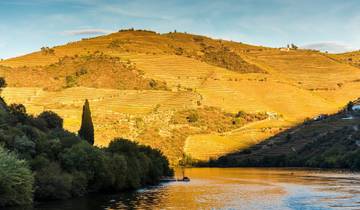
2 days
Porto Discovery Tour
- ✓ Booking needs min. 2 travelers
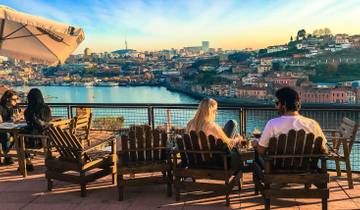
7 days
Best of North Portugal with Porto, Minho and Douro Valley
- ✓ Comprehensive Porto tour
- ✓ Expert local guides included
- ✓ All accommodation arranged
- ✓ Transportation provided
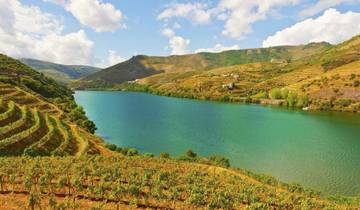
5 days
Gems of Porto & the Douro Valley with Douro River Cruise – 5 Days in Portugal
- ✓ Comprehensive Porto tour
- ✓ Expert local guides included
- ✓ All accommodation arranged
- ✓ Transportation provided
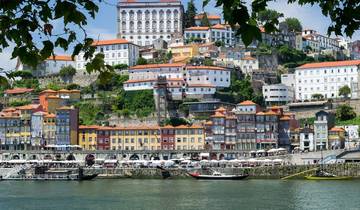
5 days
5 Day Porto Including Aveiro, Costa Nova, Douro Valley Cruise, Braga & Guimaraes
- ✓ Comprehensive Porto tour
- ✓ Expert local guides included
- ✓ All accommodation arranged
- ✓ Transportation provided
Multi-day tour packages powered by TourRadar. Prices and availability subject to change.
Introduction to Porto’s Museum & Gallery Scene 2026
Porto’s evolution from industrial port city to cultural destination accelerated dramatically in the 21st century, with museum development playing central role in urban transformation. The 1999 opening of the Serralves Museum of Contemporary Art marked a watershed moment, establishing Porto as serious contemporary art destination rather than merely historical curiosity. UNESCO’s 1996 designation of Porto’s historic center as World Heritage Site catalyzed broader cultural infrastructure investment, leading to adaptive reuse of historic buildings as museums, galleries, and cultural centers that preserve architectural heritage while serving contemporary functions.
The museum landscape reflects Porto’s multifaceted identity. Historic institutions like the Soares dos Reis National Museum preserve Portugal’s artistic legacy from monarchy through republic, while contemporary venues showcase cutting-edge installation and multimedia work. Maritime and industrial heritage museums document Porto’s commercial foundations—port wine trade, textile manufacturing, electrical transport—connecting present-day cultural tourism to economic history that built the city. Photography, fashion, and design museums demonstrate Porto’s engagement with contemporary visual culture beyond traditional fine arts.
Geographic distribution shapes visitor experience significantly. Central Porto concentrates history-focused institutions accessible on foot from major hotels—the Photography Center, cathedral treasury, Stock Exchange Palace. Western residential districts house the premium cultural offerings requiring dedicated trips—Serralves demands half-day minimum, the Soares dos Reis and Romantic museums pair naturally with Crystal Palace Gardens visits. Vila Nova de Gaia across the Douro River positions the World of Wine complex strategically among port cellars, creating integrated wine-and-culture destination. Outlying neighborhoods hold specialized collections—the Tram Museum in Massarelos, military collections near hospital districts—rewarding curious travelers who venture beyond tourist corridors.
Seasonal considerations affect museum experiences. Summer brings peak crowds to Serralves requiring early morning or late afternoon visits for comfortable viewing, while winter offers quieter galleries but reduced daylight for garden exploration. Spring and autumn provide optimal balance—manageable crowds, pleasant garden weather, full programming schedules. Many museums extend hours during summer months and offer evening programming during Serralves em Festa festival or Museum Night events. Winter travelers benefit from indoor cultural focus when weather limits outdoor sightseeing appeal.
Porto’s museum quality punches above the city’s size, offering depth that rivals much larger European capitals. The combination of world-class contemporary art infrastructure, well-preserved historic collections, and innovative niche museums creates layered cultural experience supporting multiple-day itineraries focused primarily on arts and heritage. Understanding the landscape—pricing structures, geographic clusters, scheduling patterns, quality hierarchies—enables strategic planning that maximizes cultural encounters while managing time and budget constraints inherent in most Porto visits.
Serralves Foundation Museum & Park 2026
The Serralves Foundation dominates Porto’s contemporary cultural scene as Portugal’s most-visited museum and one of Europe’s leading institutions for contemporary art, landscape, and architecture. The 18-hectare estate combines multiple components into comprehensive cultural campus—the Museum of Contemporary Art designed by Álvaro Siza Vieira, the Art Deco Serralves Villa from the 1930s, the Cinema House Manoel de Oliveira, extensive landscaped gardens with contemporary sculpture, pioneering Treetop Walk, and urban farm demonstrating sustainable agriculture.
The Museum of Contemporary Art opened in 1999 after nearly decade-long construction, fulfilling Portugal’s long-standing need for purpose-built contemporary art space matching international standards. Álvaro Siza Vieira, Porto-born Pritzker Prize winner, designed minimalist white building that achieves rare balance—strong architectural statement never overwhelming exhibited artworks. The 4,500 square meters of gallery space emphasize natural light, proportion, and clean lines that adapt to diverse installation requirements. Rotating exhibitions feature major Portuguese artists alongside international names—Helena Almeida, Joana Vasconcelos, Anish Kapoor, Giorgio Griffa, Zanele Muholi—ensuring return visitors encounter fresh programming even years apart.
The Álvaro Siza Wing, newest addition opened in recent years, expands exhibition capacity while maintaining architectural coherence. This extension enables simultaneous multiple exhibitions, increases visitor flow management during peak periods, and provides dedicated space for Portuguese contemporary artists deserving major retrospectives. The museum operates without permanent collection display, instead mounting temporary exhibitions that refresh every few months, creating dynamic program requiring attention to current schedule when planning visits.
Serralves Villa, the estate’s original 1930s mansion, exemplifies Art Deco architecture at its Portuguese peak. Count Carlos Alberto Cabral commissioned French architect Charles Siclis to create modern residence incorporating international Art Deco vocabulary—geometric forms, luxurious materials, integrated decorative arts—adapted to Portuguese context. Interiors preserve period furniture, textiles, and decorative objects including works by René Lalique and Edgar Brandt. The villa hosts smaller-scale exhibitions, often featuring decorative arts, design, or historically-focused shows complementing the main museum’s contemporary program. The pink facade, geometric gardens, and original furnishings transport visitors to interwar luxury that preceded Portugal’s subsequent mid-century political isolation.
Cinema House Manoel de Oliveira occupies converted garage spaces with documentation center and screening room dedicated to Portugal’s most celebrated film director. The permanent exhibition traces Oliveira’s extraordinary career spanning silent era through 21st century, making this essential destination for cinephiles interested in Portuguese cultural history beyond visual arts. The screening program shows Oliveira films alongside international cinema, creating dialogue between Portuguese auteur tradition and global film culture.
The park represents Portugal’s first major artistic garden, designed in 1930s by French landscape architect Jacques Gréber working with Portuguese botanists. The 18 hectares contain formal gardens near the villa transitioning to naturalistic woodland areas, rose gardens, aromatic plant collections, and contemporary sculpture installations integrated into landscape. Walking the full circuit requires 90 minutes minimum, with multiple route options accommodating different interests and fitness levels. Spring displays camellias, roses, and flowering trees at peak beauty, while autumn foliage transforms the northern zones. Contemporary sculpture placements change periodically as temporary exhibitions extend into outdoor spaces, ensuring park exploration offers surprises even for repeat visitors.
The Treetop Walk, opened in recent years, provides elevated perspective through forest canopy on 200-meter wooden walkway reaching 20 meters above ground. This innovative addition allows canopy-level observation of biodiversity—birds, insects, tree structure—while providing unique spatial experience of moving through upper forest layers. The walkway integrates environmental interpretation signage explaining forest ecology and sustainable practices implemented across the estate.
The urban farm demonstrates organic agriculture, traditional Portuguese farming techniques, and educational programming connecting urban residents to food production. Children’s programs teach gardening, animal care, and environmental stewardship, while adults explore heritage vegetable varieties, composting systems, and sustainable practices applicable to home gardens. Farm animals—pigs, donkeys, chickens, sheep—provide direct encounters particularly appealing to families with young children.
Visit logistics require advance planning. Allow minimum three hours for meaningful engagement, four to five hours for comprehensive experience including leisurely park exploration and restaurant meal. Entry costs €24 in 2026 covering all facilities (check official website for current rates as pricing may vary). Park-only tickets cost €15 for visitors focused exclusively on gardens and outdoor spaces. Students, young people aged 12-17, seniors over 65 receive 50% discount with appropriate identification. Children under 12 enter free. Porto Card holders receive 20% discount from standard admission.
Access requires bus journey from central Porto—routes 203, 502, 504 stop at Serralves entrance. Journey time runs 15-20 minutes from Aliados metro station area. Taxis and ride-share services offer direct access with €8-12 typical fare from downtown hotels. Parking available on-site for visitors arriving by car, though spaces fill during peak weekend periods.
Hours vary seasonally. April through September: Monday-Friday 10am-7pm, Saturday-Sunday and holidays 10am-8pm. October through March: Monday-Friday 10am-6pm, Saturday-Sunday and holidays 10am-7pm. The museum closes December 24-25 and January 1, with reduced hours December 31 (closes 4pm). Last admission occurs one hour before closing. First Sunday of each month offers free admission until 1pm for Portugal residents with identification.
Strategic visit timing improves experience substantially. Weekday mornings provide quietest galleries and gardens, ideal for photography and contemplative viewing. Saturday and Sunday afternoons bring family crowds concentrated in park and farm areas, making galleries relatively peaceful while outdoor spaces buzz with activity. Late afternoon visits during summer extended hours allow cooler temperature garden exploration after peak heat passes. Combining Serralves with nearby attractions—Casa da Música architecture, Boavista rotunda, Foz coastal neighborhoods—creates western Porto cultural day distinct from historic center focus.
The annual Serralves em Festa festival in early June transforms the entire foundation into 72-hour cultural marathon with continuous programming—concerts, theatrical performances, art installations, film screenings, workshops, children’s activities—across all indoor and outdoor spaces. Admission includes all programming, attracting tens of thousands of visitors for Portugal’s largest contemporary arts festival. Advance ticket purchase recommended for this popular event.
Restaurant Serralves offers refined lunch and dinner service with terrace overlooking park, featuring contemporary Portuguese cuisine and seasonal menus. Expect €35-50 per person for lunch with wine. The Tea House in park gardens provides lighter refreshment—pastries, sandwiches, coffee—in charming garden setting at €15-25 per person. Museum shop stocks design objects, art books, exhibition catalogs, and Portuguese craft items ranging €10-200, providing quality souvenir options beyond typical tourist merchandise.
Soares dos Reis National Museum 2026
The Museu Nacional Soares dos Reis holds distinction as Portugal’s oldest public museum and Porto’s premier institution for historic Portuguese art, housed in the elegant neoclassical Carrancas Palace that itself contributes substantially to visitor experience. Founded in 1833 during liberal monarchy period, the museum formed part of broader cultural project establishing national identity through art preservation and public access to cultural heritage previously restricted to aristocratic and ecclesiastical circles. The 1942 relocation to Carrancas Palace provided appropriate setting for collections spanning 16th through 20th centuries.
António Soares dos Reis, the Portuguese sculptor for whom the museum was renamed in 1911, represents Portuguese Romanticism at its peak. His masterwork “O Desterrado” (The Exiled) from 1872 depicts seated figure in posture suggesting profound melancholy and alienation, capturing Romantic era’s fascination with individual psychological states and political displacement. This sculpture alone justifies museum visit for sculpture enthusiasts, demonstrating technical mastery and emotional depth rarely achieved in 19th-century Portuguese art. The museum’s substantial Soares dos Reis holdings provide comprehensive introduction to sculptor whose influence shaped subsequent generations of Portuguese artists.
Painting collections emphasize Portuguese naturalist tradition from late 19th and early 20th centuries—Henrique Pousão, António Silva Porto, Marques de Oliveira, Aurélia de Sousa. These artists studied abroad, often in Paris, absorbing Impressionist and naturalist influences adapted to Portuguese subjects—rural landscapes, fishing villages, domestic interiors, working-class figures. The paintings demonstrate sophisticated engagement with European modernist developments while maintaining distinctive Portuguese character in subject matter and emotional tone. International works include Flemish and Dutch masters, though Portuguese holdings comprise majority and primary interest.
Decorative arts collections rival painting and sculpture in quality and breadth. Furniture spanning Renaissance through Art Nouveau demonstrates evolution of Portuguese craftsmanship and decorative vocabulary. Ceramic collections include Portuguese faience, Chinese export porcelain that entered Portugal through maritime trade, and Japanese screens demonstrating early modern cultural exchanges. Gold and silverwork, primarily ecclesiastical commissions, showcases metalworking techniques from medieval through Baroque periods. Glass collections, jewelry, and textile fragments round out decorative arts holdings providing comprehensive material culture documentation.
The Carrancas Palace setting enhances collections through room-scale gallery presentation maintaining domestic proportions rather than monumental museum halls. This intimacy allows closer relationship between viewer and artwork, particularly effective for sculpture viewing where smaller rooms create dialogue between works that vast halls would dissipate. The palace architecture—grand staircase, elaborate plasterwork, original flooring—integrates seamlessly with displayed collections, blurring boundaries between container and contents in ways that enrich overall aesthetic experience.
Two garden areas provide outdoor respite during museum visits. The Camellia Garden, accessed through central courtyard, contains various camellia species in landscaped setting. The Rainha D. Amélia Velodrome Garden, designed by architect Fernando Távora, displays portions of the museum’s lapidary collection—architectural fragments, funerary monuments, inscriptions—alongside material remnants of the 1894 velodrome once occupying the site. These gardens offer pleasant contrast to indoor concentration, particularly valuable during longer visits.
Practical visit information streamlines planning. Admission costs €5 for adults in 2026, €2.50 for students, seniors, and Porto Card holders, €2 for Youth Card holders (check official website for current rates). Free admission Sundays from 10am-2pm benefits budget travelers willing to accept larger crowds during complimentary hours. Hours run Tuesday 2pm-6pm, Wednesday-Sunday 10am-6pm, with last entry 30 minutes before closing. The museum closes Mondays plus January 1, Easter Sunday, May 1, June 24 (São João festival), and December 25.
Location in western Porto near Santo António Hospital and Crystal Palace Gardens positions museum 15-minute walk from central Aliados metro station, manageable on foot for comfortable walkers or quick taxi ride (€5-7 from downtown). Multiple bus routes serve nearby stops—lines 200, 207, 302, 300, 601, 602, 507, 501, 201—providing public transport alternatives. Street parking available though spaces fill quickly weekday mornings near hospital.
Visit duration averages 90 minutes to two hours for general audience covering highlights, extending to three hours for art history enthusiasts engaging deeply with collections. Audio guides available in multiple languages enhance interpretation for visitors lacking Portuguese language skills. The museum shop offers quality reproductions, art books, and Portuguese craft items at €10-60 price points, significantly more affordable than Serralves equivalent while maintaining good taste level.
Strategic combination with nearby attractions maximizes cultural district exploration. The Romantic Museum and Crystal Palace Gardens lie five-minute walk west, creating natural pairing for half-day cultural immersion. Casa da Música, Porto’s contemporary concert hall designed by Rem Koolhaas, sits 20 minutes north for architecture enthusiasts. The Virtudes gardens and Clérigos Tower area extend walking route back toward city center, creating loop itinerary touching multiple cultural landmarks within two-to-three-hour walking circuit.
Educational programming includes temporary exhibitions in dedicated spaces, often featuring contemporary artists in dialogue with historic collections or thematic shows exploring specific periods or techniques represented in permanent holdings. Lecture series, concerts in palace spaces, and guided tours enhance basic admission, though most programming occurs in Portuguese limiting access for international visitors without language skills. School groups visit frequently weekday mornings, creating busier galleries 10am-noon that clear by early afternoon.
Portuguese Center of Photography 2026
The Centro Português de Fotografia occupies one of Porto’s most historically charged buildings—the former Cadeia da Relação prison operating from 1767 until 1975, where political prisoners endured harsh conditions under successive Portuguese regimes. The architectural adaptation preserves original structure including cell blocks, administrative areas, and exercise yards, creating powerful juxtaposition between institutional architecture of confinement and contemporary photography exhibitions exploring freedom, identity, memory, and social justice. Walking through preserved prison spaces while viewing photography creates visceral engagement impossible in purpose-built galleries.
The photography center opened in 1997 under Ministry of Culture patronage, fulfilling need for dedicated Portuguese photography institution preserving historical collections while supporting contemporary photographic practice. Permanent holdings include vintage cameras from António Pedro Vicente collection spanning photography’s technological evolution, historical Portuguese photography documenting 19th and 20th-century social history, and contemporary acquisitions building national photographic archive. Rotating exhibitions feature Portuguese photographers alongside international names, maintaining programming balance between local talent development and global context.
Architecture tells parallel stories through preserved prison elements. Ground floor cells housed poor male prisoners in crowded conditions with minimal light and sanitation. Second floor confined women prisoners with slightly better conditions reflecting gender-based institutional assumptions about female criminality and reform. Third floor provided relative comfort for wealthy prisoners who paid for private cells, better food, and reduced restrictions, demonstrating class stratification even within incarceration. Administrative offices, director’s residence, and guard stations complete institutional ecosystem visible throughout building.
Exhibition spaces adapted from prison architecture retain original features—barred windows, heavy doors, institutional tiles—creating atmospheric backdrop for photographic displays. Curators utilize these historical elements thoughtfully, sometimes creating dialogue between exhibited photographs and spaces they inhabit, other times maintaining neutral presentation that lets photography speak without architectural distraction. The flexibility allows varied curatorial approaches responding to specific exhibition content.
The central courtyard, former prison exercise yard, provides unexpected green respite in urban location. Light wells penetrate building interior bringing natural illumination to spaces designed for supervision and containment, now repurposed for contemplation and aesthetic appreciation. The architectural transformation itself demonstrates democratic values—spaces previously excluding public now welcoming visitors, confinement architecture now housing artistic freedom, institutional control now fostering creative expression.
Practical visit information: admission free, making this excellent budget option for culture-focused travelers. Hours run daily with seasonal variations—typically 10am-6pm though verify current schedule via official website before visiting. Location in São Nicolau parish near riverfront positions center walkable from major hotels and tourist areas, easily combined with Ribeira district exploration, Porto Cathedral visits, or riverside promenades. Metro access via São Bento station (all lines) places center 10-minute walk from primary public transport hub.
Visit duration ranges 45 minutes for quick highlights to 90 minutes for thorough engagement with current exhibitions plus building exploration. Photography enthusiasts and architecture buffs allocate longer periods appreciating both photographic content and spatial qualities of adaptive reuse. The bookshop/reception area stocks photography books, exhibition catalogs, and postcards at €8-40 price range, offering quality takeaways for photography collectors.
Exhibition programming follows regular rotation bringing 4-6 major shows annually. Photography themes vary widely—documentary social projects, conceptual art photography, historical surveys, Portuguese photographers retrospectives, international touring exhibitions. Quality remains consistently high through selective programming and professional curation maintaining center’s reputation as Portugal’s leading photography venue. Website lists current and upcoming exhibitions enabling strategic visit timing for photography enthusiasts interested in specific shows.
Educational programming includes guided tours in Portuguese, occasional English-language tours during major exhibitions, photography workshops for various skill levels, and lectures by photographers and curators. Most programming targets Portuguese-speaking audience though exhibition labels typically include English translation. The center participates in European photography networks, bringing Porto into international contemporary photography discourse and creating exchange opportunities for Portuguese photographers gaining international exposure.
World of Wine Museums Complex 2026
The World of Wine (WOW) complex in Vila Nova de Gaia consolidates seven museums, restaurants, wine bars, and shops into integrated cultural destination opened in 2020, transforming historic port wine warehouse district into tourist-friendly visitor experience. The €100-million private investment created purpose-built museum village exploring Portuguese cultural exports—wine, port, cork, chocolate—alongside global drinking culture, decorative arts, and regional history. Unlike traditional single-subject museums, WOW packages multiple themes into ticketed combinations encouraging multi-hour visits with dining and shopping components maximizing revenue while providing comprehensive Portuguese cultural introduction.
The Wine Experience museum traces Portuguese wine production from geography and grape varieties through winemaking processes, regional wine cultures, and contemporary wine tourism. Interactive displays, video presentations, and tasting components (included in premium tickets) provide sensory education beyond visual information. The museum positions Portuguese wines within global context, acknowledging international competition while celebrating distinctive Portuguese varieties and terroir that differentiates Vinho Verde, Alentejo, Douro, and regional productions from Spanish, French, or New World competitors.
The Planet Cork museum celebrates Portugal’s cork industry dominance—Portugal produces over 50% of global cork supply—exploring cork oak cultivation, harvesting techniques, manufacturing processes, and diverse cork applications from wine stoppers through construction materials, fashion accessories, and aerospace components. The museum demonstrates unexpected versatility of renewable resource often taken for granted, revealing complex supply chains and sustainable forestry practices maintaining Portuguese cork forests as important ecosystems beyond commercial production.
The Chocolate Story museum presents chocolate history from Mesoamerican origins through European colonization spreading cacao globally, industrial chocolate production, and contemporary artisanal chocolate craft. Interactive components allow visitors tasting chocolate samples, observing chocolate-making demonstrations, and learning tempering techniques. The museum positions Portuguese role in chocolate history through colonial connections and contemporary Portuguese chocolate traditions, though primary narrative follows global rather than specifically Portuguese story.
The Porto Region Across the Ages museum documents Porto and Douro Valley regional history from prehistory through contemporary period, emphasizing Roman occupation, medieval Christian consolidation, Age of Discovery maritime expansion, port wine trade development, and modern urban evolution. The museum provides historical context for visitors exploring Porto’s contemporary urban landscape, explaining architectural layers and urban form decisions visible across historic center. Regional focus distinguishes this from national history museums found in Lisbon, maintaining specifically northern Portuguese perspective.
The Art of Drinking museum explores drinking vessels, rituals, and cultural practices across civilizations and time periods. Glassware collections, ceramic drinking vessels, silver wine implements, and ceremonial cups demonstrate material culture of alcohol consumption from ancient times through contemporary design. The museum treats drinking as anthropological phenomenon rather than merely alcoholic consumption, examining social rituals, religious significance, and cultural meaning embedded in communal drinking practices globally.
The Pink Palace museum occupies historic mansion displaying decorative arts, fashion, jewelry, and Portuguese domestic interiors from 19th and 20th centuries. The building itself demonstrates bourgeois domestic architecture and taste, while collections explore Portuguese decorative traditions, international influences entering through maritime trade connections, and evolution of domestic material culture across social classes.
The Bridge Collection complements other museums with additional decorative arts and cultural history displays, rotating exhibitions, and flexible programming spaces hosting temporary shows, educational programming, and special events. This seventh museum component provides variety and keeps return visitors engaged with fresh content beyond permanent displays in other WOW venues.
Visit logistics involve multiple ticketing options. Individual museum tickets cost €10-15 each depending on venue. Multi-museum packages offer better value—three museums €28, full seven-museum passport €42. Premium experiences adding guided tours, wine tastings, and chocolate workshops range €50-120 per person. Hours run daily 10am-7pm with extended summer hours. Location in Vila Nova de Gaia requires river crossing from Porto proper—pedestrians use Dom Luís I bridge upper deck (10-minute walk from Ribeira), while metro Line D runs to Jardim do Morro station adjacent to WOW entrance. Taxis and ride-share services provide direct access from Porto hotels at €7-12 typical fare.
Time allocation depends on selected museums—single museum visit 60-90 minutes, three museums 2.5-3.5 hours, full WOW experience 4-6 hours including dining breaks. The complex design encourages lingering with restaurants, wine bars, shops, and terraces overlooking Porto riverfront creating natural rest points between museums. Strategic visit structure alternates museum viewing with refreshment breaks preventing cultural fatigue during extended stay.
Dining options within WOW range from casual cafes to upscale restaurants. Golden Catch serves seafood with river views at €30-50 per person for lunch. Pink restaurant offers refined Portuguese cuisine at €40-60 per person. Wine bars pour Portuguese wines by glass (€5-12) or bottle (€25-80) encouraging tastings beyond museum exhibits. The commercial integration—some criticize as overly touristy—provides practical convenience during multi-hour visits where leaving complex for external dining then re-entering becomes logistically complicated.
FC Porto Museum & Stadium Tour 2026
Futebol Clube do Porto’s museum at Estádio do Dragão attracts football enthusiasts with comprehensive club history displays, trophy collections, interactive exhibits, and stadium tour components exploring Portugal’s most successful football club after Benfica and Sporting Lisbon. Founded in 1893, FC Porto developed from regional club to European powerhouse winning multiple UEFA Champions League titles, Europa League competitions, and domestic championships that established Porto as serious continental competitor challenging traditional Spanish, Italian, and English dominance.
Museum displays chronicle club evolution through photographs, historical documents, vintage uniforms, and memorabilia documenting key matches, legendary players, and championship seasons. Interactive touchscreens allow visitors exploring player statistics, historical lineup information, and match footage from significant games. Trophy room displays silverware accumulated across 130-year history—league titles, cup victories, European competition trophies including two Champions League titles (1987, 2004) representing Portuguese football’s golden eras.
The stadium tour component extends beyond museum galleries into operational spaces—player tunnel, dugouts, press conference room, locker rooms. Walking through spaces where professional footballers prepare for matches, emerging onto pitch level seeing 50,000-seat stadium from field perspective, creates visceral connection to match-day atmosphere absent from static museum displays. Tour guides share anecdotes about specific matches, player personalities, and stadium operations, adding narrative dimension beyond visual information.
Highlight for many visitors: Champions League trophy appearances during specific periods when club holds trophy before returning to UEFA, providing photo opportunities with actual silverware rather than replicas. The timing varies depending on tournament cycles—verify current trophy availability when planning visits if this represents primary motivation. Even without physical trophy present, museum contains permanent replica displays and multimedia presentations commemorating European victories.
Practical information: admission €20 for combined museum and stadium tour in 2026 (verify current rates via official website). Hours run daily 10am-6pm with last admission 5pm. Tours depart at regular intervals throughout day, with English-language tours available alongside Portuguese commentary. Duration runs 90 minutes covering museum galleries and stadium tour components. Location in Campanhã district east of city center requires metro access—Line D or E to Estádio do Dragão station, placing museum directly at metro exit. Taxis from downtown cost €8-12.
Visit considerations for non-football enthusiasts: the museum assumes basic football knowledge and passion for sport, making experience less compelling for visitors indifferent to football culture. Families with football-mad children find museum engaging and age-appropriate, while cultural tourists seeking art and history may find limited appeal beyond stadium architecture and social history dimensions of Portuguese football culture. The museum shop stocks official FC Porto merchandise, jerseys, scarves, and souvenirs at official club pricing—expect €60-90 for authentic jerseys, €15-35 for scarves and accessories.
Match-day experiences offer alternative to museum visits for timing-flexible travelers. Attending actual FC Porto home match provides authentic football atmosphere impossible to recreate in museum setting—singing supporters, tactical drama, regional rivalry intensity. Tickets range €25-150 depending on opponent quality, seat location, and championship significance. Match schedule follows Portuguese Primeira Liga season August through May, plus European competitions September through May for seasons when Porto qualifies. Purchase tickets via official club website or authorized resellers, avoiding street touts offering potentially fraudulent tickets.
Additional Noteworthy Museums in Porto 2026
The Romantic Museum (Museu Romântico da Quinta da Macieirinha) recreates 19th-century bourgeois domestic life within Crystal Palace Gardens overlooking the Douro River. The museum occupies villa where Charles Albert of Sardinia died in 1849 exile following Italian political upheaval, preserving period furniture, decorative arts, musical instruments, and domestic objects demonstrating Romantic era aesthetic and social customs. The intimate scale and preserved interiors provide tangible connection to historical daily life more effectively than larger institutional museums. Admission €3, free with Porto Card, hours Tuesday-Sunday 10am-6pm. Combine with Crystal Palace Gardens walk and nearby Soares dos Reis Museum for western Porto cultural circuit.
The Tram Museum (Museu do Carro Eléctrico) preserves Porto’s electric tram heritage in former Massarelos power plant, displaying restored vintage trams, original uniforms, machinery, and photographs documenting Porto’s once-extensive electric transport network. Porto operated one of Europe’s significant tram systems from 1895 through late 20th century before automobile dominance and metro construction reduced trams to three tourist heritage lines. The museum demonstrates urban transportation evolution and preserves material culture of working-class Porto when trams provided primary mobility for industrial workers commuting to riverside factories. Admission €8, location in Massarelos riverside district requires bus or tram access—historic Line 1 tram passes museum enabling atmospheric arrival. Hours Tuesday-Sunday 10am-6pm.
The Military Museum (Museu Militar do Porto) contains arms, uniforms, military equipment, and extensive miniature soldiers collections documenting Portuguese military history from medieval period through 20th-century conflicts. The museum occupies 19th-century building with period architecture contributing to overall atmosphere. Collections emphasize Portuguese imperial military history, World War I participation, and regional military traditions specific to northern Portugal. Appeal targets military history enthusiasts rather than general audiences. Admission €3, location near hospital district, hours Wednesday-Sunday 10am-5pm.
World of Discoveries offers interactive maritime museum experience aimed at families with children, combining historical displays about Portuguese Age of Discovery with theme park elements—boat ride through recreated trading posts, audio-visual presentations, hands-on activities. The museum takes educational entertainment approach rather than scholarly museum methodology, making history accessible to children while potentially seeming oversimplified to adult culture seekers. Admission €21, located near Alfândega port area, hours daily 10am-6pm with extended summer hours.
The 3D Fun Art Museum provides Instagram-friendly photo opportunities through optical illusions and three-dimensional paintings allowing visitors becoming part of artwork through forced perspective photography. The museum targets young adults and families seeking entertainment over traditional cultural education—upside-down rooms, dinosaur escape scenarios, mind-bending visual tricks. This represents Porto’s attempt at experiential museum trend successful elsewhere, though cultural tourists may find minimal depth. Admission €12, location in northern city area, advance booking recommended for limited hourly slots.
The Dollhouse Museum offers unexpected depth through extensive dollhouse and miniature collections demonstrating decorative arts, architecture, and domestic life across scales and periods. What initially appears niche special interest reveals sophisticated craftsmanship and historical documentation through miniature form. The museum attracts miniature collectors, crafts enthusiasts, and families with children interested in dollhouses. Admission €12, includes play area for children and cafe, hours daily 9am-6pm.
The Pharmacy Museum traces pharmaceutical history across 4,000 years and multiple civilizations, displaying two complete historical pharmacies—Porto’s Farmácia Eustácio and Islamic pharmacy from Damascus palace—transported in entirety to museum setting. Collections include pharmaceutical instruments, medicine preparation equipment, historical remedies, and decorative arts associated with pharmacy profession. The museum demonstrates medical history through material culture and professional practice evolution. Admission €6, specialized appeal targeting medical professionals, pharmacy students, and medical history enthusiasts. Hours Tuesday-Sunday 10am-6pm.
Porto Museum Pass & Discount Cards 2026
The Porto Card represents official city tourist pass providing museum admissions, transport access, and attraction discounts consolidated into time-based purchase. The 2026 pricing structure offers 1-day card €15, 2-day €27, 3-day €32, 4-day €42 (verify current rates via official sources as pricing may vary). Benefits include free admission to five municipal museums (Casa do Infante, Romanticism Museum, Casa Marta Ortigão Sampaio, Paper Currency Museum, Resistance and Freedom Museum), discounts of 20-50% at major museums including Serralves (20% discount), Palácio da Bolsa (25%), Clérigos Tower (25%), and Cathedral Treasury (25%), free public transport including metro, bus, and suburban train within Porto metro area covering airport access and coastal destinations through Matosinhos.
Card value calculation depends entirely on planned activities. Sample scenarios demonstrate when card pays for itself versus when individual museum tickets prove more economical. Scenario one: visitor planning Serralves (€24 minus 20% = €19.20), Soares dos Reis (€5), Palácio da Bolsa (€15 minus 25% = €11.25), Clérigos (€12 minus 25% = €9), plus airport metro (€4 roundtrip) spends €48.45 individually versus €15 for 1-day Porto Card saving €33.45. Scenario two: visitor seeing only Serralves and Soares dos Reis spends €29 individually versus €15 card price saving €14 but not maximizing card value. The card becomes economical when combining museum visits with public transport usage and multiple attraction admissions within concentrated timeframe.
Card limitations merit consideration. Not all Porto museums accept Porto Card—private museums and independent galleries maintain separate pricing. The card provides discounts rather than free admission at premium museums, reducing but not eliminating costs. Time-based activation means card validity begins first use, requiring strategic planning to maximize 24/48/72/96-hour windows. Purchasing 4-day card for leisurely 6-day visit wastes potential value. The transport component benefits travelers staying outside walking distance from attractions, while centrally-located visitors walking everywhere gain minimal transport value.
Purchase options include advance online purchase via official Porto Card website enabling immediate activation upon arrival, or in-person purchase at airport tourist information (arrivals area, open daily 8am-6:30pm) or Porto Cathedral tourism office (Calçada Dom Pedro Pitões, open daily 9am-7pm). Online purchase provides convenience avoiding arrival delays, while in-person purchase allows final decision based on actual Porto accommodation location and confirmed itinerary. Card arrives as physical product requiring collection at designated locations when purchasing online, or immediate receipt when buying in person.
Alternative money-saving strategies for budget travelers include Sunday morning free admission at Soares dos Reis (10am-2pm) and Serralves (Portugal residents only, first Sunday monthly until 1pm), International Museum Day free admission May 18, Museum Night free evening admission at participating venues, student discounts at most museums (50% typical reduction with valid student ID), and strategic focus on free museums—Photography Center, many churches and ecclesiastical museums, architectural landmarks like São Bento railway station. Prioritizing genuinely compelling museums over completionist tourism approach prevents wasting admission fees on mediocre institutions visited only because included in passes.
Group travel creates additional savings opportunities. Many museums offer group rates for 10+ visitors booking advance, reducing per-person costs by 20-30%. Tour operators packaging museum admissions with transportation and guided commentary sometimes achieve better rates than individual ticket purchase, though this trades flexibility for structure. Family tickets at select museums (Serralves, World of Discoveries) provide reduced per-person costs compared to individual adult tickets when traveling with children.
Planning Your Porto Museum Visits 2026
Strategic itinerary construction maximizes cultural experiences while managing inevitable time and budget constraints. The three-tiered museum hierarchy—essential landmarks demanding priority, valuable secondary options filling available time, specialized niche museums serving specific interests—provides planning framework. Essential tier includes Serralves Foundation and Soares dos Reis National Museum representing Porto’s cultural apex. Secondary tier encompasses Photography Center, World of Wine museums, FC Porto Museum, and Romantic Museum offering quality experiences without absolutely-must-see urgency. Specialized tier contains Military Museum, Dollhouse Museum, 3D Fun Art, and other niche venues appealing to focused interests.
Time allocation reality check: first-time Porto visitors balancing museums with Douro Valley day trips, port cellar tours, historic center exploration, riverside dining, and general urban wandering realistically accommodate 2-3 major museum visits during standard 3-4 day Porto stay. Attempting comprehensive museum survey creates exhausting cultural marathon diminishing enjoyment and retention. Better approach concentrates on 1-2 premium experiences (Serralves, Soares dos Reis) plus 1-2 complementary specialized visits matching personal interests rather than completionist box-checking.
Geographic clustering shapes efficient daily itineraries. Western Porto cultural circuit combines Serralves, Soares dos Reis, Romantic Museum, and Crystal Palace Gardens within walkable (though extended) area serviced by single bus route, creating half-to-full-day cultural immersion distinct from historic center. Central Porto clusters Photography Center with Ribeira district, São Bento station, Clérigos Tower, and Palácio da Bolsa for concentrated walkable cultural morning before afternoon port cellars or riverside relaxation. Vila Nova de Gaia positions World of Wine museums among port lodges enabling integrated wine-culture programming.
Weekday versus weekend patterns affect crowd levels and atmosphere. Weekdays bring school groups to major museums 10am-noon creating busier galleries mid-morning that clear by early afternoon. Weekend mornings attract family crowds especially at Serralves park and World of Discoveries, while Sunday afternoons trend quieter as locals return home. Serralves weekday afternoons provide optimal balance—manageable crowds, full services, adequate time for complete visit before closing. Soares dos Reis mid-afternoon visits benefit from reduced morning school group presence.
Weather integration optimizes outdoor-dependent venues. Rainy days favor entirely indoor museums—Soares dos Reis, Photography Center, World of Wine—saving outdoor-dependent Serralves for clear weather when gardens and Treetop Walk achieve full potential. Summer heat suggests morning Serralves visits while temperatures remain moderate, reserving afternoon for air-conditioned indoor museums or siesta. Winter’s limited daylight prioritizes museums with significant garden components during midday peak light hours rather than early morning or late afternoon when gardens lose visibility.
Dining coordination prevents museum fatigue while supporting efficient itineraries. Serralves on-site restaurant and tea house eliminate departure-for-lunch disruption enabling complete morning-through-afternoon stay. World of Wine’s integrated dining creates similar convenience for multi-museum marathon sessions. Museums lacking food services but near restaurant districts—Soares dos Reis near Virtudes, Photography Center near Ribeira—permit easy lunch breaks without extensive travel. Packing snacks provides emergency backup avoiding €15-20 museum cafe prices or forced departure while still engaged with exhibitions.
Photography policies vary by museum. Serralves generally prohibits photography in temporary exhibition spaces to protect artist rights and discourage social media distraction from genuine engagement, while permitting photography in villa and gardens. Soares dos Reis typically allows non-flash photography in permanent collections. World of Wine museums permit photography for social media sharing. Photography Center ironically restricts photography in exhibitions. Always verify current policy at admission desk rather than assuming universal permission or prohibition, and respect restrictions where posted even when enforcement seems lax.
Language considerations affect museum comprehension levels. Exhibition labels at major museums (Serralves, Soares dos Reis) typically include English translations alongside Portuguese text. Audio guides in multiple languages supplement label information with extended interpretation. Guided tours run primarily in Portuguese with occasional English-language tours during peak season or major exhibitions—verify schedule in advance if guided tour represents desired experience. Smaller museums may offer Portuguese-only labeling requiring either Portuguese language skills or willingness to appreciate visual aspects without full textual understanding.
Contemporary Art Galleries in Porto 2026
Porto’s commercial gallery scene concentrated in Miguel Bombarda arts district offers contemporary art engagement beyond institutional museums, representing living artists through regular exhibition rotations, artist talks, and primary market sales connecting collectors with emerging and established Portuguese artists. The neighborhood clusters approximately 15 galleries within walkable area, creating critical mass supporting gallery-hopping culture rare outside Lisbon within Portugal. First Fridays bring coordinated openings with wine receptions welcoming public attendance, transforming commercial galleries into accessible cultural venues rather than intimidating collector-only spaces.
Galeria Presença, established 1995, represents both Portuguese contemporary artists and international names, maintaining program balancing emerging talent with established reputations. Previous exhibitions featured Helena Almeida, Joana Vasconcelos, Jorge Queiroz alongside international artists Richard Prince, John Baldessari, Catherine Opie. The gallery occupies converted warehouse with high ceilings and flexible exhibition spaces accommodating diverse installation requirements. Gallery hours run Tuesday-Saturday 2pm-7pm with extended Friday hours during coordinated openings.
Fernando Santos operates two adjacent gallery spaces presenting contemporary Portuguese art through solo exhibitions, group shows, and curated projects exploring specific themes or artistic movements. The gallery collaborates with museums organizing exhibitions and publications, positioning itself beyond purely commercial function toward broader cultural contribution. Represented artists include several generations of Portuguese contemporary practitioners providing overview of national scene evolution. Hours Tuesday-Friday 2:30pm-7pm, Saturday 4pm-8pm.
Kubikgallery pursues particularly ambitious programming including performance, video, installation, and experimental practices alongside traditional painting and sculpture. The gallery’s willingness to present challenging or uncommercial work creates vital ecosystem diversity preventing complete domination by market-friendly genres. The space hosts artist residencies, workshops, and public programs extending gallery function beyond exhibition mount-and-sell cycle. Hours vary by programming—verify current schedule via website or social media.
Lehmann + Silva represents younger gallery generation launched in recent years, bringing fresh curatorial perspective and roster of emerging artists not yet established in primary Portuguese galleries. The gallery occupies compact space compensated through concentrated programming and active participation in national and international art fairs raising represented artists’ profiles beyond Porto market. Hours Wednesday-Saturday 3pm-7pm with appointments available.
Galeria Pedro Oliveira near riverfront represents international and Portuguese artists through established gallery program emphasizing blue-chip inventory alongside contemporary exhibitions. The waterfront location and gallery’s reputation attract serious collectors and international visitors, distinguishing it from more experimental Miguel Bombarda venues. Hours Tuesday-Saturday 2:30pm-7:30pm.
Commercial galleries operate free admission making gallery visits excellent budget culture option. Unlike museums charging entry fees regardless of time spent inside, galleries welcome brief visits to see current exhibition without purchase pressure or obligation. This accessibility enables experimental engagement—visiting based on curiosity rather than pre-researched interest, leaving quickly if exhibition fails to engage, returning repeatedly during exhibition run if work rewards extended attention.
Gallery etiquette for non-collectors: entering galleries without purchase intention remains completely acceptable behavior welcomed by galleries seeking public visibility for represented artists. Brief exhibition viewing, taking gallery cards with artist information, politely declining staff engagement beyond greeting demonstrates appropriate visitor behavior. Photography policies vary—ask before photographing, respect any restrictions, never photograph price lists or installation views without permission. Artist talks and public programs genuinely welcome non-collector attendance expanding audience beyond narrow collector base.
First Friday coordinated openings in Miguel Bombarda district typically run 7pm-10pm with wine service and social atmosphere. These events transform galleries into free evening cultural entertainment appealing to budget travelers and locals seeking contemporary art engagement outside museum tickets. The neighborhood assumes festive character with street activity, bar crowds spilling onto sidewalks, and cross-gallery circulation creating genuine arts district energy impossible to replicate during regular Tuesday afternoon gallery hours.
Museum District Accommodations & Dining 2026
Strategic accommodation location near major museums reduces daily transportation requirements enabling spontaneous museum visits, multiple shorter visits across several days, and evening returns to museums offering extended hours or special programming. Western Porto accommodations near Serralves provide quiet residential neighborhood character away from noisy tourist center, though this requires public transport or taxis reaching historic Ribeira district. Central Porto lodging near Aliados metro maintains equal access to all cultural districts via walking or single metro/bus connections, representing optimal base for culture-focused itineraries balancing museums with other Porto attractions.
Boavista rotunda area hotels position guests within 15-minute walk from both Serralves and Soares dos Reis, ideal for museum-intensive itineraries. Expect €80-150 per night for mid-range hotels, €180-300 for upscale properties in this residential zone lacking Ribeira’s tourist density and corresponding price premiums. Casa da Música concert hall proximity adds performing arts dimension for travelers seeking comprehensive cultural immersion beyond visual arts. Local restaurants serve Porto residents rather than tourists, offering authentic neighborhood dining at €25-40 per person versus €35-60 riverfront tourist pricing.
Miguel Bombarda gallery district accommodations place travelers within Porto’s contemporary arts heart, though accommodation options remain limited compared to central tourist zones. Several boutique hotels and apartments serve art-focused visitors willing to prioritize gallery access over immediate proximity to major monuments. Neighborhood character reflects working-class Porto gentrifying through gallery influx, maintaining gritty authenticity alongside art spaces. Dining options mix traditional tascas serving lunch to gallery workers with newer restaurants targeting art crowd, creating interesting culinary landscape €20-45 per person.
Ribeira riverside hotels maximize Porto’s signature views and nightlife access but position guests farther from Serralves and western cultural attractions requiring daily transport investments. Budget trade-offs favor tourist convenience over museum proximity—paying €150-250 nightly Ribeira hotels then spending €20-30 daily in museum-area taxis offsets potential savings from cheaper western Porto lodging closer to cultural attractions. The calculation depends on individual itinerary balance between museums versus general Porto tourism.
Dining near major museums varies by location. Serralves on-site restaurant represents splurge option at €35-50 lunch, while nearby Foz neighborhood offers seafood restaurants at €30-50 per person and casual cafes €15-25. Soares dos Reis museum lacks immediate dining surrounding requiring 10-minute walk to Virtudes neighborhood where traditional restaurants serve €20-35 meals or Cedofeita street’s younger demographic targets trendy €25-45 dining. Photography Center’s central location provides maximum choice ranging from tourist riverside restaurants €30-60 to side-street tascas €15-25 favored by budget-conscious locals.
World of Wine complex solves dining logistics through integrated restaurants eliminating departure for external meals during multi-museum sessions. However, on-site dining extracts premium pricing—Golden Catch seafood €30-50, Pink restaurant €40-60—versus independent Gaia restaurants five minutes’ walk charging €20-40 similar quality. The convenience trade-off proves worthwhile for visitors maximizing museum time, less compelling for budget-conscious travelers willing to interrupt museum sessions for cheaper external meals.
Picnic potential exists at museums with gardens. Serralves technically prohibits outside food inside park areas, though enforcement appears inconsistent and discrete snacking generally tolerated on garden benches away from formal gardens. Soares dos Reis gardens welcome visitors though lack seating encouraging picnics. Crystal Palace Gardens adjacent Romantic Museum provides excellent picnic venue with expansive lawns, river views, and peaceful atmosphere complementing museum cultural focus with outdoor relaxation.
Seasonal Considerations for Museum Visits 2026
Summer season (June-August) brings peak tourist crowds to Porto’s major museums requiring strategic timing and advance planning. Serralves experiences highest visitor density weekend afternoons when domestic day-trippers combine with international tourists, creating congested galleries and crowded gardens diminishing contemplative experience. Solution involves weekday morning visits (10am opening) or late afternoon arrivals after day-tripper departures but before closing. Summer extended hours (open until 8pm weekend evenings) enable sunset garden walks providing magical light quality and reduced crowds compensating for midday congestion. Advance online ticket purchase becomes essential summer weekends avoiding long admission queues.
Temperature considerations affect summer museum strategies. Porto’s Atlantic location moderates heat compared to interior Portugal, but summer afternoon temperatures still reach uncomfortable levels for outdoor museum components. Schedule Serralves gardens exploration early morning or late afternoon avoiding 2pm-5pm peak heat. Prioritize air-conditioned indoor museums (Soares dos Reis, Photography Center, World of Wine) for midday hours when outdoor activities lose appeal. Garden-intensive museums risk diminished experience when heat drives visitors seeking air-conditioned refuge rather than leisurely outdoor wandering.
Spring (March-May) represents optimal museum season combining moderate weather, manageable crowds, and full garden beauty. Serralves gardens display peak spring flowering—camellias, roses, azaleas—creating exceptional visual experience impossible during other seasons. Easter week brings increased domestic tourism but generally smaller crowds than summer peak. Spring weather variability suggests packing layers and rain gear without suffering oppressive heat or bitter cold extremes. Museums maintain regular hours without summer extensions or winter reductions.
Autumn (September-November) provides second optimal season with post-summer crowd reductions, pleasant temperatures, and special programming. Serralves autumn colors transform gardens late October through November, offering different aesthetic than spring flowers but equally compelling seasonal beauty. September maintains summer-like weather without peak tourist density, creating sweet spot for museum visits. Cultural programming intensifies autumn months with new exhibition seasons launching September after summer lull.
Winter (December-February) challenges museum visits through reduced daylight, frequent rain, and limited garden appeal. Benefits include minimal crowds, reduced accommodation costs enabling budget reallocation toward museum admissions and dining, and indoor museum focus aligning naturally with weather conditions discouraging outdoor sightseeing. Serralves winter hours reduce closing times (6pm weekdays, 7pm weekends) limiting afternoon visit options. Museums with significant outdoor components (Serralves gardens, Romantic Museum terraces, Crystal Palace surroundings) lose considerable appeal when rain restricts outdoor exploration and gray skies diminish photographic opportunities.
Christmas period (mid-December through early January) creates mixed museum conditions. December 24-25 closures affect planning, while reduced hours December 31 and January 1 closures complicate year-end visits. However, Christmas markets at Serralves and festive programming at several museums provide unique seasonal experiences impossible other times. New Year period brings domestic tourists to Porto filling hotels and restaurants but generally maintaining reasonable museum crowd levels avoiding summer extremes.
Special events calendar creates strategic visit opportunities. Serralves em Festa (early June, typically first weekend) opens foundation for 72-hour cultural marathon with continuous programming, making this extraordinary value despite premium ticket pricing. International Museum Day (May 18) provides free admission at participating venues. European Heritage Days (September) open normally closed sites and offer special programming. Museum Night (late spring/early autumn depending on year) extends hours with free evening admission, performances, and special activities. Porto specific festivals (São João late June) may affect museum hours and neighborhood accessibility requiring advance verification.
Accessibility & Family Considerations 2026
Wheelchair accessibility varies significantly across Porto’s museum landscape reflecting building age and adaptive reuse challenges. Serralves Foundation maintains comprehensive accessibility—wheelchair-friendly pathways throughout gardens (though some areas feature gravel requiring assistance), accessible museum entrances, elevators between floors, adapted restrooms, and free wheelchair loan service available at entrance. The villa’s historic character limits full accessibility with stairs restricting upper floor access, but ground-level spaces remain accessible. Serralves represents accessibility gold standard among Porto cultural institutions.
Soares dos Reis National Museum faces historic building limitations—the Carrancas Palace’s 18th-century design predates accessibility standards, creating challenges for mobility-limited visitors. Ground floor galleries remain accessible via ramped entrance, but upper floors require stair navigation limiting full collection access for wheelchair users. The museum provides seating throughout galleries benefiting visitors with limited standing endurance. Staff assistance available upon request for visitors requiring accommodation beyond physical infrastructure.
Photography Center’s former prison architecture creates mixed accessibility—main exhibition spaces accessible via ramped entrance, but cell block areas feature stairs and narrow passages limiting wheelchair circulation. The institutional building layout with multiple levels and historical preservation requirements prevents comprehensive accessibility retrofitting. World of Wine museums maintain good accessibility throughout purpose-built spaces designed with contemporary access standards.
Family-friendly museums employ different approaches accommodating children’s interests and attention spans. Serralves excels for families through garden spaces allowing physical activity between gallery visits, urban farm with animals maintaining young children’s engagement, and educational programming designed for various age groups. The Treetop Walk provides novelty experience exciting for children while parents appreciate garden beauty. Serralves cafes and restaurants accommodate families including children’s menu options.
World of Discoveries specifically targets family audiences through interactive displays, boat ride experience, and multimedia presentations maintaining engagement for ages 6-12. The entertainment-focused approach sacrifices scholarly depth valued by adult culture seekers but prevents childhood boredom that derails family museum attempts. Duration approximately 90 minutes matches young attention spans before fatigue sets in.
The 3D Fun Art Museum serves instagram-age children and teenagers through interactive photo opportunities requiring participation rather than passive observation. The upside-down room, optical illusions, and three-dimensional painting scenarios create social media content while parents enjoy watching children’s genuine engagement with exhibition materials. Limited slots per hour require advance booking preventing last-minute family decisions.
The Dollhouse Museum appeals to doll-enthusiast children through miniature displays and dedicated play area, though adult collectors often find greater appreciation for craftsmanship and historical documentation than accompanying children. The cafe and kid-friendly facilities accommodate family needs during extended visits.
Museums presenting challenges for young children include Soares dos Reis (formal historic art collection requiring sustained attention, fragile objects demanding careful behavior), Photography Center (abstract contemporary photography often confusing for children, prison atmosphere potentially disturbing), and commercial galleries (quiet contemplative spaces incompatible with energetic children). Strategic itinerary planning alternates child-friendly venues with adult-focused museums, utilizes partner tag-teaming for separate museum visits while other entertains children elsewhere, or employs childcare services enabling adults pursuing serious cultural engagement.
Nursing mothers find varying accommodation—Serralves provides family restrooms with nursing facilities, while smaller museums often lack dedicated spaces requiring improvisation. Baby changing facilities exist at major museums but may be absent from smaller venues. Stroller access possible at Serralves and World of Wine but challenging at historic buildings with stairs and narrow doorways like Soares dos Reis and Photography Center. Front-pack carriers prove more practical than strollers for museums with accessibility limitations.
Age-appropriate guided tours and workshops enhance family museum experiences when available. Serralves offers family-oriented programming weekends and school holidays including art workshops, garden exploration activities, and storytelling sessions. World of Wine includes interactive elements within exhibitions themselves rather than requiring separate programming. Verify family program availability when planning visits, as most activities require advance registration and may operate Portuguese-language only.
Photography, Architecture & Design Focus 2026
Photography enthusiasts find Porto’s museum offerings particularly strong given the Portuguese Center of Photography’s dedicated focus and Serralves Foundation’s regular photography exhibitions. The Photography Center’s former prison setting creates atmospheric backdrop enhancing contemporary photography appreciation through architectural dialogue between confinement spaces and freedom-exploring imagery. Rotating exhibitions feature Portuguese documentary photographers, conceptual artists using photographic medium, and international touring shows maintaining variety across 4-6 annual programs. The António Pedro Vicente camera collection provides historical technology dimension appealing to equipment enthusiasts beyond image appreciation.
Serralves photography programming rivals specialized photography centers through regular solo exhibitions by major photographers and thematic group shows exploring photography’s relationship with other artistic media. Recent Zanele Muholi retrospective demonstrated Serralves commitment to significant photographic work receiving proper museum-scale presentation. The museum’s contemporary art focus ensures photography appears integrated within broader artistic discourse rather than isolated as separate medium, benefiting photographers understanding their practice’s relationship to installation, video, conceptual art.
Architecture and design enthusiasts discover exceptional material throughout Porto’s museum landscape starting with buildings themselves. Serralves Museum represents Álvaro Siza Vieira’s architectural masterpiece deserving study independent of exhibited artworks—minimalist white volumes, natural light integration, indoor-outdoor relationships, proportion and spatial sequences create architectural experience equaling artistic content. The 1930s Serralves Villa demonstrates Portuguese Art Deco at its finest through building envelope, decorative details, original furnishings by René Lalique and Edgar Brandt.
Soares dos Reis National Museum’s Carrancas Palace provides neoclassical architecture example with grand staircase, elaborate plasterwork, and room proportions characteristic of 18th-century aristocratic taste. The palace-as-museum transformation demonstrates successful adaptive reuse maintaining architectural integrity while accommodating contemporary museum functions. Comparing Carrancas historic architecture with Siza Vieira’s contemporary museum design reveals contrasting approaches to art display environments across centuries.
Casa da Música, while not museum, warrants mention for architecture enthusiasts as Rem Koolhaas OMA-designed concert hall opened 2005. The crystalline white concrete structure challenges concert hall conventions through asymmetric form and unconventional spatial relationships. Public areas accessible without concert attendance enable architectural appreciation, while guided building tours provide access to auditorium and backstage spaces revealing design intentions. Combined Serralves-Casa da Música day creates comprehensive contemporary architecture overview spanning Siza Vieira and Koolhaas approaches.
The World of Wine museums occupy historic port wine warehouses demonstrating industrial architecture adaptive reuse at district scale. The warehouse district transformation preserves exterior brick and granite architecture while gutting interiors for contemporary museum fit-out, creating tension between historical shell and modern interventions visible throughout complex. Urban redevelopment enthusiasts analyze WOW as case study in tourism-driven heritage district regeneration with accompanying gentrification and displacement concerns.
Design collections appear scattered across Porto museums rather than concentrated in dedicated design museum. Serralves hosts temporary design exhibitions exploring 20th-century furniture, product design, and contemporary practice. Soares dos Reis decorative arts collections include furniture design evolution from Renaissance through Art Nouveau, ceramic design, metalwork, and textile arts demonstrating Portuguese design traditions and international influences. World of Wine’s Art of Drinking museum presents drinking vessel design across cultures and periods, treating functional objects as design artifacts worthy of museum consideration.
Photography opportunities vary by museum policy and architectural photogenic qualities. Serralves gardens provide exceptional photography subjects through landscape design, sculpture integration, seasonal plant displays, and architectural backdrops. Villa interiors and museum exteriors create compelling architectural photography when natural light conditions cooperate. Soares dos Reis palace architecture and formal gardens reward patient architectural photographers. The Photography Center’s prison architecture juxtaposed with contemporary photography creates conceptual photography opportunities when permitted.
Frequently Asked Questions
Is the Porto Card worth buying for museum visits in 2026?
The Porto Card proves worthwhile when combining museum visits with public transport usage during concentrated timeframes. Calculate potential value by listing intended museums and their individual admission costs plus transport needs. Sample calculation: Serralves with 20% Porto Card discount (€24 becomes €19.20), Soares dos Reis free with card, Palácio da Bolsa 25% discount, Clérigos Tower 25% discount, plus unlimited metro/bus saving €10-15 transport costs typically totals €30-40 savings on 1-day €15 card. However, visitors seeing only one premium museum without extensive transport may find individual tickets more economical. The card benefits active itineraries visiting multiple paid attractions daily, while leisurely travelers focusing on one museum every other day alongside free churches and architectural walks gain minimal advantage. Purchase makes most sense for 2-3 day Porto stays with museum-intensive programming, less compelling for week-long visits with diversified activities beyond museums.
Can I visit Porto’s main museums in one day?
Visiting multiple major museums in single day creates exhausting cultural marathon diminishing appreciation and retention. Serralves alone warrants minimum three hours for meaningful experience including museum, villa, and gardens—attempting completion in 90 minutes misses essential components and feels rushed. Adding Soares dos Reis (90 minutes minimum) creates 4.5-hour museum commitment before accounting for travel time between locations (30 minutes including waiting for bus) and meals. Physically possible but quality suffers dramatically compared to dedicating separate days to each institution. More realistic approach concentrates one premium museum (Serralves or Soares dos Reis) as morning focal point, then adds complementary lighter museum (Photography Center 60 minutes) or gallery district walk afternoon. This pacing maintains engagement quality while achieving multiple cultural encounters daily. Attempting Serralves, Soares dos Reis, World of Wine, and Photography Center single day guarantees museum fatigue, superficial engagement, and diminished memories of individual experiences blurring together.
What are the best free museums in Porto?
The Portuguese Center of Photography provides Porto’s best entirely free museum experience, combining contemporary photography exhibitions with fascinating prison architecture creating atmospheric cultural venue requiring no admission payment. Sunday morning free hours at Soares dos Reis (10am-2pm) enable budget access to Portugal’s finest historic art museum when willing to accept larger crowds during complimentary period. Serralves first Sunday monthly until 1pm offers free admission for Portugal residents only, excluding most international tourists but benefiting long-term visitors with Portuguese residence documentation. International Museum Day (May 18) brings free admission at participating Porto museums including normally paid venues. Municipal museums included with Porto Card provide free access with card purchase, though card cost must be calculated against potential savings. Many churches and religious sites maintain free admission while housing significant art collections—Porto Cathedral cloister requires ticket, but main cathedral nave enters freely displaying gilded altarpieces and azulejo tile panels. São Bento railway station provides free access to extraordinary azulejo tile panels covering entrance hall walls, creating museum-quality experience without admission charge.
Which Porto museum is best for contemporary art?
Serralves Foundation stands unquestionably as Porto’s premier contemporary art destination, ranking among Europe’s leading institutions for contemporary practice. The museum’s rotating exhibitions feature major international and Portuguese artists with proper museum-scale presentation impossible at smaller venues. Álvaro Siza Vieira’s architectural masterpiece provides exhibition spaces matching international standards for contemporary art display—appropriate scale, excellent natural light, flexible configurations. Recent exhibitions included Zanele Muholi photography, Joan Miró tribute, Giorgio Griffa retrospective, demonstrating programming ambition bringing globally significant artists to Porto. The museum collection, while not permanently displayed, contains important Portuguese contemporary works from 1960s forward ensuring historical depth alongside cutting-edge programming. Beyond main museum, the entire Serralves Foundation—villa, cinema house, park, sculpture installations—creates comprehensive contemporary cultural experience impossible to replicate elsewhere in Porto. Miguel Bombarda commercial galleries provide alternative contemporary art encounters during First Friday coordinated openings, offering artist engagement and intimate scale complementing Serralves institutional presentation. The Photography Center presents contemporary photography exhibitions, though medium specificity creates narrower focus than Serralves multidisciplinary programming.
Are Porto museums crowded in summer?
Summer brings Porto’s highest museum visitor density, particularly July-August when European vacation season peaks and cruise ship arrivals concentrate thousands of tourists in city simultaneously. Serralves experiences most dramatic crowding weekend afternoons combining domestic day-trippers from Porto metropolitan area with international tourists and local families. Gardens become congested with strollers, selfie-takers, and group tours competing for pathways and photo spots. Museum galleries maintain better flow due to limited entry numbers, but popular exhibitions create bottlenecks at signature artworks. Strategic timing mitigates crowds: weekday mornings (10am opening) provide quietest Serralves experience before afternoon arrivals; late afternoon visits after 5pm reduce crowds as day-trippers depart. Soares dos Reis suffers less dramatic crowding due to smaller overall visitor numbers and primarily specialist audience, though guided tour groups occasionally congest galleries mid-morning. Photography Center maintains steady flow without overwhelming crowds even summer peak. World of Wine exhibits typical cruise-ship-driven crowds with particular congestion 10am-2pm when organized tours arrive. Advance online ticket purchase for Serralves becomes essential summer weekends avoiding 30-45 minute admission queues during peak hours.
What museums in Porto are good for kids?
Serralves Foundation serves families exceptionally well through diverse components maintaining varied engagement levels—museum galleries offer visual stimulation in climate-controlled comfort, Art Deco villa provides fancy-house exploration children enjoy, gardens enable running and physical activity between cultural doses, urban farm with animals (pigs, chickens, sheep, donkeys) guarantees young children’s enthusiasm, Treetop Walk provides adventure element appealing across age ranges. Duration flexibility accommodates family rhythm—leaving when fatigue strikes rather than completing prescribed route. World of Discoveries specifically targets family audience through interactive maritime history displays, boat ride experience, and multimedia presentations designed for 6-12 age comprehension levels. The entertainment rather than education focus maintains engagement for children while parents appreciate Portuguese Age of Discovery introduction. 3D Fun Art Museum provides instagram-worthy photo opportunities through optical illusions and interactive paintings requiring participant engagement—children become artwork subjects rather than passive observers. The Dollhouse Museum appeals to miniature enthusiasts with dollhouse collections and dedicated play area, though appeal varies dramatically based on individual child interests. Avoid bringing young children to Soares dos Reis (formal historic art requiring sustained quiet attention), Photography Center (abstract contemporary photography often confusing for children, prison atmosphere potentially disturbing), and commercial galleries (adult-oriented spaces requiring quiet contemplation incompatible with energetic children).
Should I pre-book Porto museum tickets?
Advance online booking proves essential for Serralves Foundation during summer weekends and holidays when admission queues extend 30-45 minutes during peak hours. Pre-booking enables direct entry bypassing ticket purchase lines, critical advantage when traveling with children or during limited daylight winter visits. Serralves accepts online bookings via official website and third-party platforms (GetYourGuide, Tiqets) with immediate confirmation and mobile ticket display. Most other Porto museums do not require advance booking and operate walk-up admission systems processing visitors quickly even during busy periods. Soares dos Reis rarely experiences queuing regardless of season due to smaller overall visitor numbers. Photography Center’s free admission eliminates ticketing entirely. World of Wine museums benefit from advance booking primarily for planning purposes and slight discount on multi-museum packages rather than queue avoidance necessity. FC Porto Museum stadium tours recommend advance booking ensuring English-language tour availability at preferred times. The 3D Fun Art Museum requires advance booking due to limited hourly capacity preventing walk-in access during sold-out time slots. General rule: pre-book Serralves for summer/weekend visits, optional for other museums unless specific timed entry or tour reservation desired.
What is the best time of day to visit Serralves?
Weekday morning arrival at 10am opening provides optimal Serralves experience combining minimal crowds, fresh energy for comprehensive visit, and maximum remaining daylight for garden exploration. Morning light enhances museum galleries through natural illumination while gardens display well under softer morning conditions versus harsh afternoon sun. Completing museum and villa by 1pm allows leisurely lunch at on-site restaurant or tea house before afternoon garden wandering as other visitors depart mid-afternoon. Weekend mornings bring more visitors but still remain less congested than afternoons when day-tripping families arrive. Summer evening visits during extended hours (open until 8pm weekends) provide alternative optimal timing—cooler temperatures benefit garden walks, late afternoon golden light enhances photography, reduced family presence creates quieter atmosphere as children’s bedtime approaches. Avoid midday summer visits (12pm-3pm) when heat diminishes garden appeal and visitor density peaks. Winter visits should arrive early maximizing limited daylight hours for garden visibility rather than late afternoon when 6pm closing approaches and gardens darken significantly. Late afternoon winter visits work better for visitors prioritizing museum and villa over gardens, allowing indoor focus when outdoor spaces lose appeal due to darkness and cold.
How do I get to Serralves from central Porto?
Bus provides most economical public transport reaching Serralves from central Porto. Route 203 departs from São Bento area, Aliados, and Trindade metro station, arriving directly at Serralves entrance in 15-20 minutes depending on traffic. Routes 502 and 504 provide alternative options from different central locations. Single bus ticket costs approximately €2 purchased from driver or via Andante card for integrated metro/bus travel. Bus frequency runs every 15-20 minutes during daytime hours making missed-bus inconvenience minimal. Return journey follows same routes in reverse direction. Metro alone does not reach Serralves—nearest stations (Carolina Michaelis, Casa da Música) require 20-25 minute walk from museum entrance, feasible for comfortable walkers but inconvenient when tired after multi-hour museum visit. Taxis and ride-share services (Uber, Bolt) provide direct door-to-door service at €8-12 from central hotels, worthwhile for groups splitting fare or visitors valuing convenience over economy. Walking from central Porto requires 30-40 minutes covering approximately 3 kilometers, feasible one direction but exhausting roundtrip before even beginning museum visit. Strategic approach: bus outbound enabling fresh arrival, taxi return when fatigued after extensive museum exploration.
Can I take photos in Porto museums?
Photography policies vary significantly across Porto museums requiring specific verification at admission desk rather than assuming universal permission or prohibition. Serralves generally prohibits photography in temporary exhibition galleries protecting artist rights and discouraging social media distraction from genuine artwork engagement, while permitting photography in Art Deco villa, gardens, and Treetop Walk. Flash photography universally prohibited throughout all museums to prevent artwork damage. Soares dos Reis typically permits non-flash photography in permanent collection galleries but may restrict temporary exhibitions depending on loan agreements with artwork owners. Photography Center ironically restricts photography in exhibition spaces despite being photography-focused museum, protecting photographer copyrights and exhibition integrity. World of Wine museums actively encourage photography for social media sharing, recognizing visitor photos as free marketing amplifying museum visibility. Commercial galleries generally permit discreet photography for personal reference but prohibit photographing price lists or installation views without explicit permission—always ask gallery staff before photographing. Museum shops, cafes, and public spaces typically allow photography freely. Selfie sticks and tripods generally prohibited for spatial disruption and visitor safety concerns. Violating photography policies risks ejection from museum without refund, making advance clarification essential rather than assuming permission.