Plovdiv Best Tours & Walking Routes 2026: Roman Theater, Old Town & Wine Tours
Plovdiv’s 8,000-year history unfolds best on foot through Roman ruins, cobblestoned Revival-era lanes, and hillside fortifications that shaped successive civilizations. This guide maps the city’s most rewarding tours and self-guided routes for 2026, from free daily walks through the Old Town to private wine expeditions across the Thracian Valley, showing you exactly where to walk, what to book, and how much each experience costs.
Key Takeaways: Plovdiv Tours & Walking Routes 2026
- Free Daily Walking Tours Available: Free Plovdiv Tour operates year-round with English-language walks departing Monday and Saturday at 11 AM from March 28, 2026 onward, covering the Roman Theater, Old Town architecture, and ancient fortifications over approximately two hours with tip-based compensation for guides
- Roman Theater Admission Costs 8 BGN in 2026: The Ancient Theater of Philippopolis charges 8 BGN ($4.40) for adult entry as of 2026, with combined tickets available for multiple archaeological sites throughout the Old Town reserve at reduced rates compared to individual purchases
- Thracian Valley Wine Tours Range 55-210 BGN Per Person: Half-day wine experiences visiting boutique wineries in the Thracian Valley cost 55-115 BGN ($30-63) for shared small-group tours and 145-380 BGN ($80-210) for private experiences, including five-wine tastings, vineyard tours, and traditional Bulgarian appetizers paired with award-winning Mavrud and Rubin varietals
- Old Town Self-Guided Route Takes 2-3 Hours: The essential Old Town walking circuit from Hisar Kapia Gate through Nebet Tepe fortress to the Roman Theater covers approximately 2 kilometers with moderate elevation gain across cobblestone streets, requiring comfortable walking shoes and allowing time for museum visits and photography stops at Revival-era houses
- Small-Group Guided Tours Cost 45-165 BGN Per Person in 2026: Two-hour professional guided walks through Plovdiv’s historic quarter range 45-90 BGN ($25-50) for small groups of 6-15 participants, while private tours for couples or families average 145-290 BGN ($80-160) total for customized itineraries with personalized pacing and specialized focus areas
- Day Trip Combinations to Bachkovo Monastery Range 160-240 BGN: Half-day excursions from Plovdiv to Bachkovo Monastery and Asen’s Fortress cost 160-190 BGN ($88-105) per person including transport and guide, while full-day tours adding wine tastings or Rhodope Mountains extensions range 170-440 BGN ($93-240) with meals and multiple stops across Bulgaria’s second-largest Orthodox monastery complex
People Also Ask About Plovdiv Tours 2026
What’s the best free walking tour in Plovdiv in 2026?
Free Plovdiv Tour organized by 365 Association operates the city’s most comprehensive free English-language walking experience in 2026, departing Monday and Saturday at 11 AM from March 28 onward after winter private-booking-only months. The two-hour route covers Plovdiv’s essential landmarks including the Roman Stadium fragments, the Ancient Theater overlook, Hisar Kapia Gate, major Revival houses in the architectural reserve, and Nebet Tepe fortress summit with panoramic views across the Rhodope Mountains. Guides work on a tip-basis with no mandatory fee, though participants typically contribute 10-20 BGN ($6-11) per person for quality tours. The organization also offers specialized Graffiti Tours on Sundays at 11 AM exploring Plovdiv’s street art scene through the Kapana creative district, plus Socialist Architecture Tours on Mondays and Saturdays highlighting Communist-era monuments and brutalist structures. Private tours for custom groups book year-round through [email protected] with flexible scheduling and personalized routing options.
How much does the Roman Theater cost to visit in 2026?
Adult admission to Plovdiv’s Ancient Theater of Philippopolis costs 8 BGN ($4.40) in 2026, with reduced rates available for students and seniors presenting valid identification. Combined tickets covering five archaeological sites within the Old Town reserve cost 15 BGN ($8.25), including the Eastern Roman Stadium sector, Bishop’s Basilica, Small Basilica, and Late Antique Irene building, saving approximately 35% versus individual site purchases. The theater opens daily November through March from 9:00 AM to 5:30 PM, extending hours April through October to 9:30 AM to 6:00 PM. Purchase tickets at the entrance near Hemus Street or the main Old Town information center on Konstantin Stoilov Street 57. The theater continues functioning as an active performance venue during summer months with opera, ballet, and concert events requiring separate ticketing through event organizers, where evening performances against illuminated marble rows and Rhodope Mountain backdrop create Bulgaria’s most atmospheric outdoor cultural experiences.
What wine tours operate from Plovdiv in 2026?
Plovdiv serves as the gateway to Bulgaria’s Thracian Valley wine region with approximately 17 tour operators running wine experiences in 2026 across boutique wineries and larger estates. Half-day small-group tours visiting two wineries cost 55-115 BGN ($30-63) per person including transport, guided vineyard walks, fermentation room tours, and five-wine tastings with traditional Bulgarian appetizers, departing morning or afternoon with 4-6 hour durations. Private wine tours for couples or small groups range 145-380 BGN ($80-210) per person with flexible departure times, customized winery selection, extended tasting sessions, and optional additions like picnic lunches in vineyards or rose product workshops. Full-day wine and heritage combinations pairing Thracian Valley tastings with visits to Starosel’s ancient tomb or Bachkovo Monastery range 150-280 BGN ($82-154) per person for small groups. Major wineries in tour rotations include Villa Vinifera, Villa Yustina, Brestovitsa Winery, Dragomir, and Midalidare Estate, each specializing in indigenous Mavrud and Rubin varietals alongside international Cabernet Sauvignon and Merlot plantings.
Can you walk Plovdiv Old Town without a guide in 2026?
Plovdiv’s Old Town architectural reserve welcomes self-guided exploration across compact 1.5 square kilometer historic core connecting three hills with clearly marked pedestrian routes and informational plaques at major landmarks. The essential circuit from Dzhumaya Mosque through Hisar Kapia Gate to Nebet Tepe fortress and down past the Roman Theater covers approximately 2 kilometers requiring 2-3 hours for thorough exploration including museum stops. The terrain involves moderate uphill sections on cobblestone streets with occasional steep staircases between neighborhoods, manageable for average fitness levels wearing comfortable walking shoes. Self-guided audio tours available through GetYourGuide cost 18-25 BGN ($10-14) providing smartphone-delivered commentary at 15-20 numbered stops with offline functionality after download. Free printed maps distributed at the Tourist Information Center on Tsar Simeon Garden’s north edge show primary routes, while offline GPS apps like Maps.me or Google Maps downloaded beforehand ensure navigation reliability. The Old Town’s compact size makes getting lost difficult, with frequent sightline views to the Roman Theater dome and main pedestrian street providing constant orientation references for independent walkers.
Extended multi-day tours – 5+ days
Featured Plovdiv Multi-Day Tour Packages
3 days
Plovdiv 3-Day Discovery Tour
- ✓ Comprehensive Plovdiv experience
- ✓ Expert local guides included
- ✓ All accommodation included
- ✓ Transportation provided
5 days
Plovdiv 5-Day Highlights Experience
- ✓ Comprehensive Plovdiv experience
- ✓ Expert local guides included
- ✓ All accommodation included
- ✓ Transportation provided

7 days
Plovdiv 7-Day Cultural Journey
- ✓ Comprehensive Plovdiv experience
- ✓ Expert local guides included
- ✓ All accommodation included
- ✓ Transportation provided
10 days
Plovdiv 10-Day Complete Adventure
- ✓ Comprehensive Plovdiv experience
- ✓ Expert local guides included
- ✓ All accommodation included
- ✓ Transportation provided
Multi-day tour packages powered by TourRadar. Prices and availability subject to change.
Introduction: Plovdiv’s Tours and Walking Routes in 2026
Plovdiv reveals its 8,000-year inhabitation story through layers accessible only on foot. Built across seven hills where the Maritsa River plain meets Rhodope Mountain foothills, Bulgaria’s second city preserves Thracian fortifications, Roman theaters and stadiums, Ottoman mosques, and nineteenth-century National Revival mansions within a single walkable historic core. The ancient Philippopolis flourished as Roman Thracia’s capital before Byzantine, Bulgarian, and Ottoman periods left successive architectural imprints still visible in Old Town cobblestones and hillside neighborhoods. Today’s visitors discover these epochs through professional guided walks emphasizing historical context, self-routed explorations focusing on architectural photography and personal pacing, or specialized tours extending into surrounding wine valleys and mountain monasteries.
The city’s 2019 European Capital of Culture designation accelerated tour infrastructure development, creating professional English-language guiding standards, improved signage throughout archaeological zones, and expanded tour operator offerings beyond basic Old Town circuits. By 2026, Plovdiv supports approximately 30 tour companies and individual licensed guides offering everything from free daily walks to multi-day regional explorations. The compact 1.5 square kilometer Old Town architectural reserve concentrates most walking activity across Nebet Tepe, Dzhambaz, and Taksim hills, while the Kapana creative district’s dense cafe and gallery network adds contemporary cultural dimensions to historical routes. Wine tourism infrastructure radiating from Plovdiv into the Thracian Valley now rivals established European wine regions with professional tasting rooms, English-speaking sommeliers, and transportation coordination directly from city hotels.
Understanding tour and route options requires recognizing Plovdiv’s dual nature as both compact walkable core and regional base. The Old Town itself demands 6-8 hours minimum for thorough exploration including museum visits, cafe breaks, and photography stops at prime viewpoints. Most visitors allocate 2-3 days for comprehensive city coverage including the Roman Theater, archaeological sites, Revival house museums, Kapana district wandering, and Rowing Canal park. Adding Thracian Valley wine experiences or Rhodope Mountains day trips extends ideal stays to 4-5 days for travelers using Plovdiv as a regional touring base. This guide structures tour options by experience type, starting with Old Town walks, expanding to specialized thematic tours, then covering regional day trip extensions, concluding with practical booking strategies and seasonal planning considerations for 2026 visitors.
Free Plovdiv Walking Tour 2026: Daily Schedule and Route Details
The Free Plovdiv Tour organized by 365 Association runs Bulgaria’s longest-operating donation-based city walk, completing over 1,500 tours annually since founding. From March 28, 2026 onward, the main tour departs Mondays and Saturdays at 11:00 AM from the Roman Stadium Sphendone viewing platform at Knyaz Alexander I Street near Ramada Plovdiv Trimontium hotel. Winter scheduling from January through March 27 operates on private-booking-only basis through [email protected] due to reduced visitor numbers during cold months. The core Old Town route takes approximately two hours covering 2.5 kilometers with moderate uphill sections across cobblestone streets.
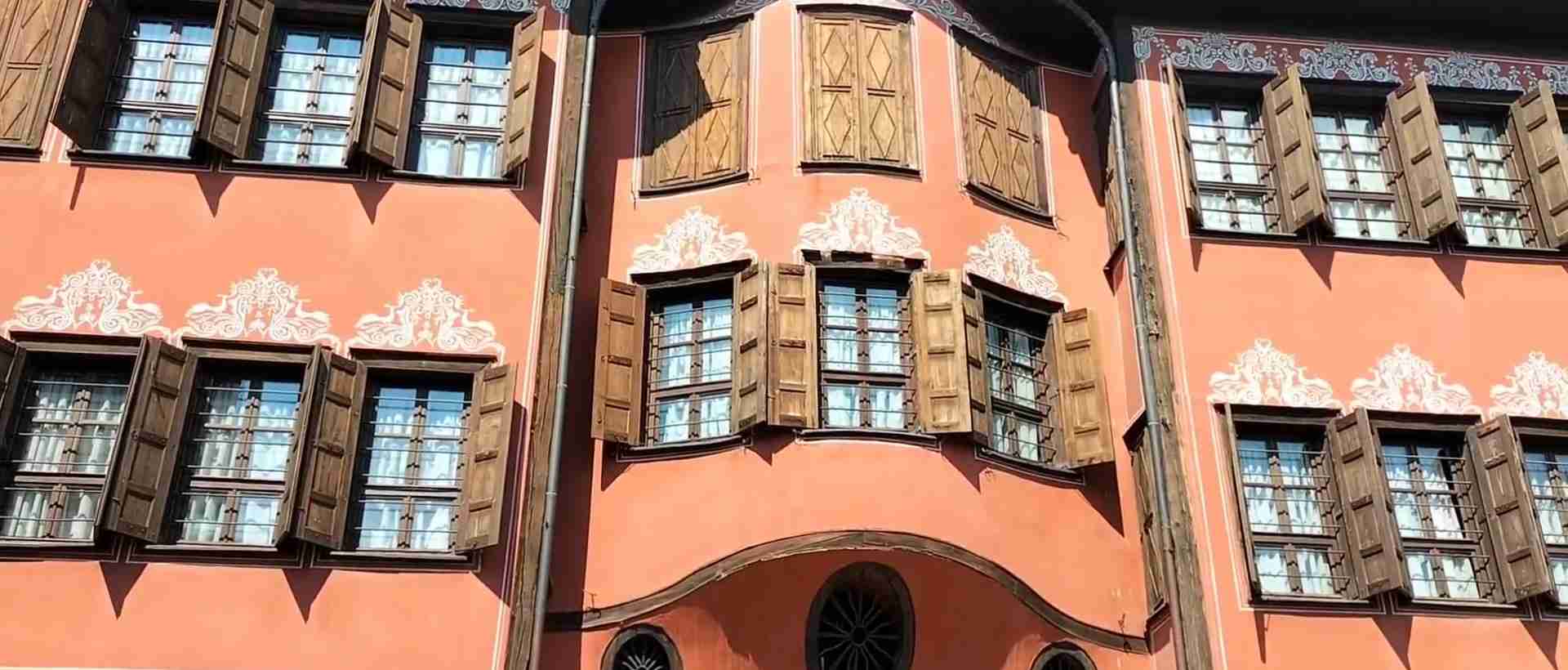
The tour begins at Roman Stadium fragments where guides introduce Plovdiv’s ancient Philippopolis period and the stadium’s original 240-meter length accommodating 30,000 spectators during chariot races and gladiatorial contests. From stadium viewing areas, the route proceeds uphill through the main pedestrian street to Dzhumaya Mosque, explaining Ottoman architectural influence and the city’s role as Filibe during 500 years of Turkish administration. The walk continues into the Old Town proper through Hisar Kapia Gate, the eastern entrance to the ancient fortified acropolis, where nineteenth-century Revival architecture begins dominating streetscapes with overhanging second stories, colorful facades, and ornate wooden balconies characteristic of Bulgarian National Awakening prosperity.
Major stops within the architectural reserve include exterior views of Balabanov House with its symmetrical facade and formal reception halls now housing art exhibitions, Hindliyan House featuring period furniture and ethnographic displays, and Kuyumdzhioglu House preserving merchant family living quarters from 1847. Guides provide historical context about the tanners, dyers, and merchants who built these mansions using wealth from trade networks connecting Mediterranean ports to Central European markets. The Roman Theater viewing platform serves as the tour’s photographic centerpiece, where guides explain the structure’s first-century construction, 1972 landslide rediscovery, and ongoing use for summer opera and ballet performances against Rhodope Mountain backdrop.
The route ascends to Nebet Tepe fortress hill, Plovdiv’s original Thracian settlement site from 5000 BCE, where exposed stone fortification walls demonstrate construction techniques spanning three millennia. From the summit’s panoramic viewpoint 200 meters above the Maritsa River plain, guides point out the six other historic hills, modern Plovdiv’s urban spread, and distant Rhodope peaks forming Bulgaria’s border with Greece. The descent passes additional Revival houses and small neighborhood churches before concluding at the tour’s starting point near the Roman Stadium.
Free Plovdiv Tour operates on voluntary contribution basis with no mandatory payment, though participants typically tip 10-20 BGN ($6-11) per person for quality two-hour experiences. Guides work as independent contractors keeping all tips directly, incentivizing detailed commentary and personalized attention to questions. The organization maintains quality standards through guide training programs and participant feedback systems ensuring consistent English-language proficiency and historical accuracy. Participants should wear comfortable walking shoes suitable for cobblestones and moderate hills, bring water during summer months when temperatures reach 32-35°C, and arrive 10 minutes before departure time as tours leave promptly at scheduled hours.
Specialized Free Tours: Graffiti and Socialist Architecture
Free Plovdiv Tour expands beyond Old Town circuits with two specialized themed walks exploring contemporary street art and Communist-era monuments. The Graffiti Tour operates Sundays at 11:00 AM from March 29, 2026 onward, focusing on Kapana district’s murals, stencil work, and large-scale pieces transforming formerly industrial blocks into Bulgaria’s primary street art concentration. The 90-minute route covers approximately 1.5 kilometers through pedestrian lanes where building facades serve as canvases for Bulgarian and international artists participating in annual festivals and commissioned projects. Guides discuss street art’s role in urban regeneration, explain specific works’ cultural references, and identify prominent artists shaping Plovdiv’s creative identity since the Kapana Creative District initiative began in 2014.
The Socialist Architecture Tour examines Plovdiv’s Communist period monuments and brutalist structures built between 1945-1989 when Bulgaria aligned with Soviet urban planning models. Departing Mondays and Saturdays at 11:00 AM from March 28, 2026, this two-hour walk covers the Fair Plovdiv exhibition grounds with their distinctive modernist pavilions, residential tower blocks exemplifying socialist housing schemes, and public monuments celebrating partisan fighters and revolutionary events. Guides provide historical context about Bulgaria’s Communist regime, explain the architectural philosophy behind socialist realism and brutalism, and discuss ongoing debates about preserving or demolishing these contested heritage structures. The tour appeals particularly to architecture students, Cold War history enthusiasts, and photographers documenting Eastern European modernist buildings before potential demolition.
Both specialized tours operate on the same voluntary contribution system as the main Old Town walk, with private bookings available year-round for groups preferring custom scheduling. Contact [email protected] at least 48 hours before desired tour date with participant numbers and preferred language if requiring non-English guiding.
Paid Old Town Walking Tours 2026: Small Groups and Private Options
Professional tour companies complement free walks with more extensive routes, smaller group sizes, and specialized expertise for travelers preferring structured commercial experiences. Small-group tours typically limit participation to 6-15 people ensuring all members hear guides clearly and can ask questions without disrupting flow. Private tours accommodate couples, families, or friend groups wanting personalized pacing, custom focus areas, or flexible departure times coordinating with other activities.
Small-Group Old Town Tours: Formats and Pricing
City Tour Bulgaria operates Plovdiv’s most established small-group walking program departing daily at 11:30 AM from Ramada Plovdiv Trimontium hotel. The 2-hour guided walk costs 45 BGN ($25) per person for 2026, covering the Roman Stadium, Dzhumaya Mosque, Old Town Revival houses, Roman Theater exterior, and Nebet Tepe fortress with licensed English-speaking guides. Maximum group size of 12 participants ensures intimate atmosphere and clear communication throughout the route. Book directly through citytour.bg at least 24 hours before desired departure date or arrange hotel concierge booking in most Plovdiv accommodations. The tour includes headset audio systems when groups exceed 8 people ensuring all participants hear commentary clearly in outdoor environments and crowded areas.
Alternative operators offering similar small-group formats include Visit Plovdiv running morning and afternoon departures for 50-65 BGN ($28-36) per person, and Plovdiv Walking Tours specializing in photography-focused routes with extended stops at prime viewpoints for 75 BGN ($41) per person. These premium-priced options typically limit groups to 6-8 participants and employ guides with advanced historical credentials or photography expertise providing deeper specialized knowledge than standard overview tours.
Most small-group tours exclude entrance fees for interior museum visits, allowing participants flexibility to enter specific houses based on interest rather than mandating lengthy stops disrupting group pacing. The Roman Theater exterior viewing platform provides sufficient photography and overview without requiring the 8 BGN admission for stage access. Guides point out which houses warrant entry based on individual interests, with Hindliyan House recommended for ethnographic displays and Balabanov House for art exhibitions, each requiring approximately 20-30 minutes for thorough exploration.
Private Old Town Tours: Customization and Cost Structure
Private guided walks allow complete itinerary customization, flexible departure times, and personalized pacing matching your specific interests and physical capabilities. Private Guide Bulgaria operates the most comprehensive private tour program in 2026, charging 290 BGN ($160) flat rate for groups up to 8 people on 90-minute to 2-hour walks. This structure makes private tours economical for 3-4 person groups where per-person cost drops to 75-95 BGN ($41-52) comparable to premium small-group pricing while maintaining complete flexibility. Couples pay higher per-person rates but gain fully customized experiences impossible in fixed-route group tours.
Private tour itineraries adapt to specific interests announced during booking. Architecture enthusiasts request extended time at Revival house exteriors with detailed explanations of construction techniques, decorative elements, and restoration challenges. Photography-focused walks prioritize golden hour scheduling for optimal lighting on building facades and panoramic viewpoints. History specialists delve deeper into specific periods like Roman Thracia, Ottoman Filibe, or National Revival cultural movements beyond overview tours’ broad chronological sweeps. Families with children adjust pacing for shorter attention spans, incorporate playground breaks at Tsar Simeon Garden, and emphasize engaging storytelling over dense historical detail.
Book private tours through privateguidebulgaria.com at least 48-72 hours before desired date, though peak season (April-October) benefits from advance booking two weeks ahead ensuring guide availability. Specify meeting point preferences, mobility considerations, specific interest areas, and desired tour length when booking. Guides meet at any central Plovdiv location including hotels, train station, or specific landmarks. Extended tours beyond 2 hours add 70 BGN ($38) per hour, appropriate for comprehensive coverage including multiple museum interiors, extensive Kapana district exploration, or slower pacing for elderly or mobility-limited participants.
Roman Theater Tours and Entry in 2026
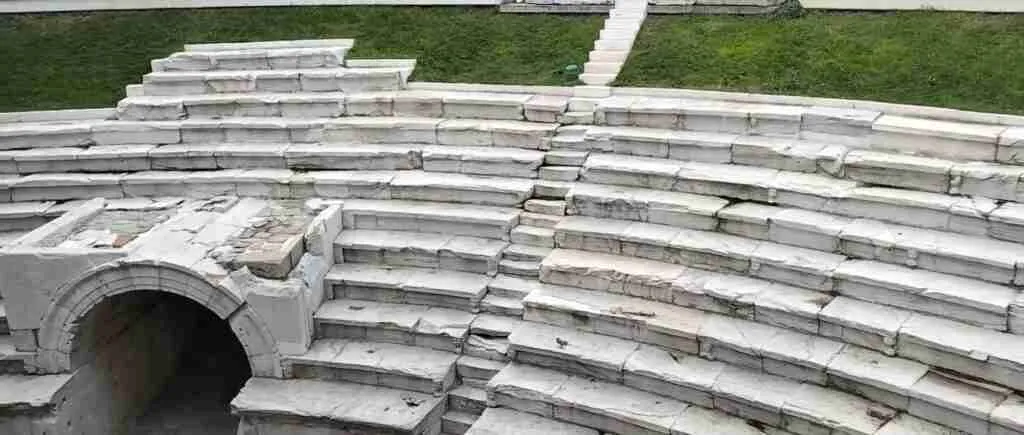
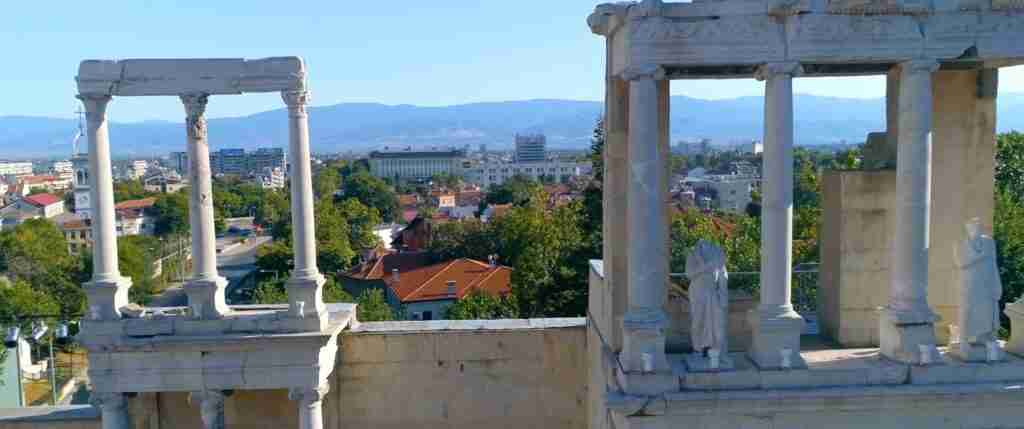
The Ancient Theater of Philippopolis stands as Plovdiv’s most iconic monument and one of the world’s best-preserved Roman theaters. Built during Emperor Trajan’s reign in the late first century CE, the structure accommodated approximately 7,000 spectators across 28 concentric marble rows carved into the natural saddle between Dzhambaz and Taksim hills. Following centuries of burial after earthquake damage, the theater’s 1972 rediscovery during a landslide transformed Plovdiv’s archaeological landscape and tourism industry. Today the monument functions simultaneously as historical site, active performance venue, and city symbol appearing on promotional materials and souvenirs.
Roman Theater Admission and Visiting Details 2026
Adult admission to the Ancient Theater costs 8 BGN ($4.40) in 2026, with reduced tickets available for students and seniors presenting valid identification. Check the official Regional Archaeological Museum Plovdiv website at archaeological-museum-plovdiv.org for current rates as pricing may vary seasonally. The entrance ticket grants access to the entire theater structure including the orchestra semicircular stage area, original marble seating rows, and upper gallery sections offering panoramic views across modern Plovdiv to the Rhodope Mountains 30 kilometers south.
Purchase tickets at the small booth near the theater’s main entrance on Hemus Street or at the Tourist Information Center on Konstantin Stoilov Street 57 in the Old Town core. Combined tickets covering five archaeological sites within the architectural reserve cost 15 BGN ($8.25), including Eastern Roman Stadium sector at Knyaz Alexander I Street 11, Bishop’s Basilica complex, Small Basilica, and Late Antique Irene building. Combined ticket purchases save approximately 35% versus buying individual site admissions separately, valuable for travelers planning comprehensive archaeological exploration beyond the theater alone.
The theater opens November through March Monday through Sunday from 9:00 AM to 5:30 PM, extending hours April through October to 9:30 AM to 6:00 PM for longer daylight and increased visitor traffic. Allow 45-60 minutes for thorough exploration including climbing to upper seating sections for photography, reading informational plaques describing architectural features, and appreciating the stage structure’s ornate marble columns and decorative elements. The site prohibits professional photography equipment requiring tripods or extensive lighting setups without advance permission from site administration, though standard tourist photography with smartphones and compact cameras proceeds unrestricted.
Theater Performance Schedule and Event Attendance
The Ancient Theater maintains active use as Plovdiv’s premier outdoor performance venue during summer months, hosting opera, ballet, classical concerts, and occasional contemporary performances between late May and early September. Major events include the Plovdiv Opera Open festival in June featuring full opera productions with elaborate staging, the International Folklore Festival in July showcasing Bulgarian and Balkan dance ensembles, and the Verdi Festival in August celebrating the Italian composer’s works against appropriate Roman imperial backdrop.
Performance tickets sell separately from daytime site admission through event organizers and ticketing platforms rather than the archaeological museum system. Opera and ballet performances typically cost 40-120 BGN ($22-66) depending on seating section proximity to stage, with premium orchestra-level seats commanding highest prices. Concert tickets range 30-80 BGN ($16-44) for classical performances and folk festivals. Book tickets through eventim.bg or bileti.bg at least 2-3 weeks before popular performances as the theater’s 7,000 capacity often sells out for major productions.
Attending evening performances provides dramatically different experiences compared to daytime archaeological visits. As sunset illuminates marble seating rows and ancient columns against deepening purple skies, modern stage lighting transforms the structure into its original entertainment function. Performances begin after dusk, typically 9:00 PM during summer months, concluding around 11:00 PM-midnight depending on program length. Bring cushions or padded seats as marble rows offer minimal comfort during two-hour performances, dress in layers as hilltop locations cool significantly after sunset despite daytime heat, and arrive 30-45 minutes early for popular shows ensuring entry before capacity closure.
Self-Guided Old Town Walking Routes 2026
Independent exploration allows personal pacing, extended photography stops, spontaneous cafe breaks, and freedom to revisit favorite locations without group schedule constraints. The Old Town’s compact layout, clear sightlines to the Roman Theater dome, and frequent street signs in English and Cyrillic make self-navigation straightforward for confident travelers carrying smartphone maps or printed materials from the Tourist Information Center.
Essential Old Town Circuit: 2-Hour Core Route
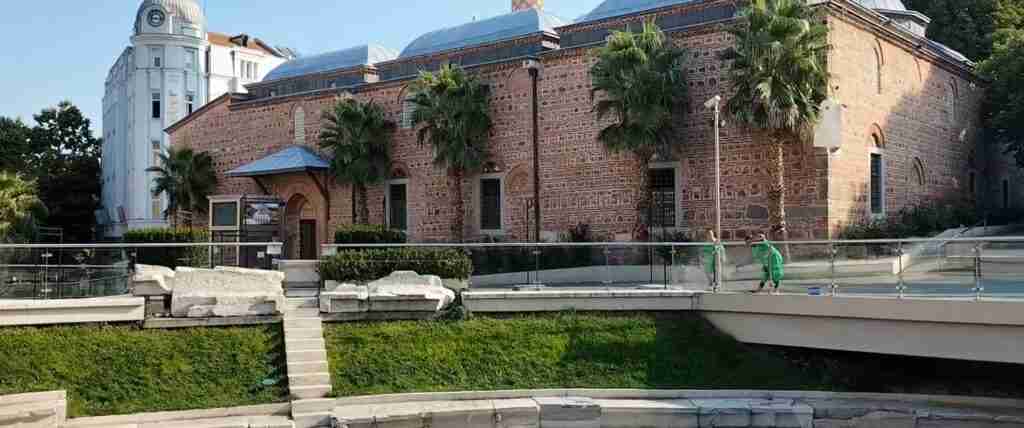
The fundamental self-guided route covers Plovdiv’s most significant monuments across approximately 2 kilometers requiring 2-2.5 hours including brief stops for photographs and orientation checks. Begin at Dzhumaya Mosque in the pedestrian zone where Knyaz Alexander I Street meets Rayko Daskalov Street. The fifteenth-century mosque’s Ottoman architecture contrasts sharply with surrounding Revival houses, providing immediate visual introduction to Plovdiv’s layered cultural history. The mosque opens for interior visits outside prayer times, revealing geometric decorations and original calligraphy, though modest dress codes require covered shoulders and knees for both men and women.
From the mosque, walk north on Saborna Street entering the Old Town proper through subtle elevation gain toward hillside neighborhoods. Turn right on Dr. Stoyan Chomakov Street reaching Hisar Kapia Gate within 300 meters. The ancient eastern gateway preserves original Thracian foundations integrated into later Roman and Byzantine reconstructions, with informational plaques explaining the structure’s evolution across 2,500 years. Pass through the gate into the architectural reserve where cobblestone streets narrow and nineteenth-century Revival houses dominate the streetscape with projecting second stories and decorative timber details.
The route continues uphill on Artin Gidikov Street passing the Ethnographic Museum housed in Kuyumdzhioglu House. Entry costs 6 BGN ($3.30) providing access to period-furnished rooms showcasing Bulgarian folk costumes, traditional crafts, and merchant family living arrangements from the National Revival period. Skip the interior if time-limited, as the exterior architecture and street context provide sufficient visual understanding. Turn left on Mitropolitska Street for 200 meters reaching the Roman Theater viewing platform where a small square provides photography angles capturing the entire structure against urban backdrop and distant mountains.
From the theater, climb Hemus Street’s steep cobblestone path toward Nebet Tepe fortress. The 400-meter ascent gains approximately 50 meters elevation over uneven surfaces requiring 10-15 minutes for average fitness walkers. The summit plateau exposes Thracian fortification walls constructed from irregular stones using techniques predating mortar development, with later Byzantine additions visible in dressed stone sections. The panoramic viewpoint offers 360-degree views identifying Plovdiv’s other historic hills, the Maritsa River’s meandering course through the plain, and Rhodope Mountain ridges defining the southern horizon.
Descend via Hemus Street’s continuation past additional Revival houses and small neighborhood churches, eventually connecting back to Dr. Stoyan Chomakov Street. Turn right returning to Hisar Kapia Gate and exiting the Old Town toward the pedestrian zone. The circuit concludes at the starting point near Dzhumaya Mosque, though many walkers extend exploration into the Kapana creative district immediately west of the main pedestrian street for contemporary cafes, galleries, and street art concentrations.
Extended Old Town Route: 4-Hour Comprehensive Coverage
Thorough Old Town exploration expands the basic circuit to approximately 4 hours covering secondary hills, additional museums, and quieter residential streets revealing daily neighborhood life beyond tourist concentration zones. Begin with the essential circuit described above, then extend exploration from Nebet Tepe to Dzhambaz Hill and Taksim Hill for additional fortress sections and alternative viewpoints.
From Nebet Tepe’s western edge, follow narrow paths descending toward Dzhambaz Hill where the Roman Theater’s upper seating sections curve around the hillside. These lesser-visited fortress walls offer solitude and photography angles impossible from main tourist routes, though paths become less maintained requiring careful footing on loose stones and erosion channels. The western slopes provide sunset photography positions where golden light illuminates the Old Town’s tile roofs and Revival house facades during the hour before dusk.
Return to the Old Town core via Tsanko Lavrenov Street, stopping at Balabanov House for interior visits if art exhibitions interest you. The house functions as municipal gallery space hosting rotating contemporary exhibitions, photography displays, and occasional craft fairs requiring separate admission typically 5-8 BGN ($3-4) per person. The formal reception rooms with painted ceilings and period furniture demonstrate wealthy merchant lifestyle during the 1830s when Plovdiv’s textile trade connected Ottoman markets to European manufacturing centers.
Continue north on Hristo Ganchev Street toward the Roman Stadium’s northern section where Knyaz Alexander I Street 11 houses the Eastern Stadium sector within a modern commercial building’s basement level. The preserved stadium curve with original stone seating and racing track floor provides underground archaeological experience contrasting sharply with the theater’s open-air monumentality. Entry requires the combined 15 BGN ticket purchased at the theater or separate 5 BGN stadium-only admission at the site entrance. A 3D cinema presentation in the adjacent Sphendone viewing hall recreates the stadium’s original appearance during gladiatorial contests and chariot races through computer-generated reconstructions.
The extended route concludes with Kapana district exploration west of the main pedestrian street. This dense network of narrow lanes formerly housed small workshops and light industry before twenty-first century artistic regeneration transformed decrepit buildings into cafes, galleries, craft shops, and street art galleries. Wander without specific route through interconnected streets discovering murals, small museums like the Natural History Museum or City Art Gallery, and numerous cafes serving traditional Bulgarian coffee and banitsa pastries. Kapana’s compact three-block area prevents getting lost, with frequent exits onto main pedestrian streets providing constant orientation references.
Self-Guided Audio Tours and Navigation Apps
Smartphone audio tours combine self-pacing flexibility with professional historical commentary and navigation guidance. GetYourGuide’s Plovdiv Old Town Self-Guided Audio Tour costs 18 BGN ($10) providing 90 minutes of narration across 18 stops with accompanying PDF map downloaded to your device. Purchase and download content before arrival ensuring offline functionality independent of mobile data connections. The audio activates automatically at each numbered stop using smartphone GPS location, delivering 3-5 minute commentary segments explaining historical context, architectural details, and cultural significance.
Alternative audio platforms include GPSmyCity’s Plovdiv Introduction Walking Tour offering similar functionality with different routing emphasis and Voicemap’s narrator-driven storytelling approach personalizing historical information through first-person narratives. These platforms typically charge 15-25 BGN ($8-14) per tour with permanent access to downloaded content allowing review at home or future visits.
Free navigation relies on Google Maps offline download covering Plovdiv city center including all Old Town streets with searchable landmark names and current GPS positioning. Download the Plovdiv region map while connected to WiFi at your accommodation, then enable offline mode ensuring continuous access throughout the day without consuming mobile data. Maps.me provides alternative offline mapping with similar functionality and slightly more detailed hiking trail information useful for extended fortress explorations beyond maintained tourist paths. Both apps display current location accuracy within 5-10 meters sufficient for distinguishing specific streets and buildings in dense urban environments.
Thracian Valley Wine Tours from Plovdiv 2026
Plovdiv anchors Bulgaria’s most significant wine region where the Thracian Valley’s southern plains benefit from Rhodope Mountain protection creating Mediterranean-influenced microclimate supporting viticulture since ancient Thracian civilization 4,000 years ago. Modern Bulgarian winemaking renaissance began in the 1990s following collective farm privatization, with boutique wineries now producing internationally competitive wines emphasizing indigenous Mavrud, Rubin, and Melnik varietals alongside traditional Cabernet Sauvignon and Merlot plantings. Wine tourism infrastructure developed substantially following Plovdiv’s 2025 European Wine Capital designation, establishing professional tasting standards, English-speaking staff, and coordinated transportation from city hotels.
Half-Day Small-Group Wine Tours: Formats and Pricing
Standard half-day wine experiences visit two wineries across 4-5 hours including round-trip transport from Plovdiv hotels, guided vineyard walks, fermentation facility tours, and five-wine tastings with traditional Bulgarian appetizers. Small-group tours limit participation to 6-12 people sharing comfortable air-conditioned vans for the 40-minute drive from Plovdiv into surrounding wine valleys. Tours depart morning (9:00-9:30 AM) or afternoon (2:00-2:30 PM) coordinating with winery operating schedules and optimal tasting conditions before or after lunch.
Leading operators include Plovdiv Wine Tours charging 105 BGN ($58) per person for morning departures visiting Villa Vinifera and Brestovitsa Winery, Bulgaria Wine Experience offering afternoon combinations of Villa Yustina and Dragomir estates for 95 BGN ($52), and Thracian Valley Wine Adventures running flexible routing to smaller boutique wineries for 115 BGN ($63) per person. Prices include all transport, guide services in English, vineyard tours with viticulture explanations, tastings of five different wines at each location typically spanning white, rosé, red, and dessert categories, plus accompanying cheese, salami, and bread platters traditional to Bulgarian wine service.
The wine tasting process follows professional sommeliers’ guidance through each variety’s characteristics, production methods, and food pairing recommendations. Bulgarian wineries emphasize indigenous grapes unfamiliar to international visitors, particularly Mavrud producing deep red wines with berry and spice notes, Rubin creating lighter fruit-forward expressions, and Melnik offering full-bodied tannin structure suited to extended aging. Tastings typically include two-three indigenous varietals alongside international Cabernet or Merlot bottles for comparison, demonstrating Bulgarian winemaking capabilities across traditional and modern styles. Most tours permit purchasing bottles at winery shop prices typically 15-40 BGN ($8-22) per bottle below restaurant markups, though luggage space limitations affect practical purchase quantities for international travelers.
Private Wine Tours: Customization and Premium Experiences
Private wine tours accommodate couples, families, or friend groups wanting flexible scheduling, customized winery selection, extended tasting sessions, and personalized service impossible in fixed-route small-group formats. Private half-day experiences cost 290-380 BGN ($160-210) per person for two-person minimum bookings, dropping to 145-190 BGN ($80-105) per person for groups of four or more. This pricing structure makes private tours practical for 3-4 person groups where per-person costs approach premium small-group rates while maintaining complete itinerary control.
Private tour flexibility allows selecting wineries by specific interest areas. Architecture enthusiasts request visits to Midalidare Estate with its contemporary facility design and sculpture garden, history specialists choose Starosel Winery incorporating archaeological sites and reconstructed Thracian temple complex, and serious wine collectors prioritize Edoardo Miroglio’s premium boutique production with limited-release bottles unavailable in retail channels. Some private tours incorporate picnic lunches in vineyard settings with gourmet preparations sourced from local producers, though this addition increases total costs by 40-60 BGN ($22-33) per person depending on menu complexity.
Extended private tours spanning full days visit three-four wineries with lunch breaks at traditional mehana restaurants serving authentic Bulgarian cuisine paired with regional wines. Full-day private experiences cost 360-440 BGN ($198-242) per person for two-person bookings, decreasing to 240-290 BGN ($132-160) for four-person groups. These comprehensive tours allow comparing diverse production philosophies from family operations bottling 10,000 bottles annually to larger estates producing 500,000+ bottles for domestic and export markets. Book private tours through Plovdiv Wine Tours at plovdivwinetours.com, Bulgarian Wine Experience at bulgarianwine.com, or luxury travel agencies in Sofia coordinating multi-day wine itineraries across Bulgaria’s wine regions beyond Thracian Valley alone.
In-City Wine Tasting Experiences
Travelers with limited time or mobility constraints preventing countryside excursions access Bulgarian wines through city-center tasting lounges and specialized shops. Bulgarian Wine Tasting Experience operates a professional tasting room at 4 Tsar Ivaylo Street hosting 90-minute sessions featuring eight different wines with expert sommelier guidance. Sessions cost 50 BGN ($28) per person including all tastings, appetizers, and educational materials explaining Bulgarian wine regions, indigenous grape characteristics, and food pairing principles. Book at least 24 hours ahead through their website bulgarianwinetasting.bg or walk-in during operating hours Monday through Saturday 11:00 AM to 8:00 PM.
Wine & Dine Plovdiv on Gladston Street offers alternative format focusing on wine-food pairing courses where each of five courses matches Bulgarian wines to traditional dishes like shopska salad, banitsa pastries, kebapcheta grilled meats, and baklava desserts. The 2-hour experience costs 75 BGN ($41) per person for comprehensive introduction to Bulgarian culinary culture through wine context rather than pure tasting-room format. This option suits food enthusiasts equally interested in regional cuisine as wine itself, providing broader cultural immersion beyond specialized oenology focus.
Day Trip Tours from Plovdiv 2026: Monasteries and Mountains
Plovdiv’s central location within Bulgaria makes it ideal base for day excursions to Rhodope Mountain monasteries, ancient Thracian sites, and mountain villages preserving traditional architecture and lifestyles. Most tours include round-trip transport, English-speaking guides, entrance fees, and lunch at traditional restaurants, returning to Plovdiv hotels by early evening.
Bachkovo Monastery and Asen’s Fortress Tours
The most popular day trip from Plovdiv visits Bachkovo Monastery, Bulgaria’s second-largest Orthodox complex, and Asen’s Fortress medieval stronghold 30 kilometers south in Rhodope foothills. Half-day tours operate 4-5 hours departing 9:00 AM or 2:00 PM, costing 160-190 BGN ($88-105) per person for small groups of 6-12 participants. Private versions cost 290-360 BGN ($160-198) for two-person bookings, 180-220 BGN ($99-121) per person for four-person groups.
Founded in 1083 by Georgian nobles serving Byzantine Emperor Alexios I Komnenos, Bachkovo Monastery preserves extraordinary fresco cycles in its main church and refectory depicting Christian scenes, donor portraits, and Byzantine court imagery painted between the twelfth and seventeenth centuries. The monastery’s miraculous icon of Virgin Mary dated to 1310 attracts pilgrim veneration alongside architectural appreciation, with the icon displayed in gilded frames surrounded by devotional candles and ex-voto offerings from petitioners seeking intercession. Guides explain Orthodox monasticism’s role in preserving Bulgarian culture during Ottoman centuries, the monastery’s survival of multiple Turkish raids, and ongoing monastic community maintaining traditional spiritual practices while accommodating tourist visits.
Asen’s Fortress crowns a sheer rock outcrop 100 meters above Asenitsa River providing strategic control over passes between Rhodope valleys and Thracian plains. The medieval stronghold features preserved towers, defensive walls, and small church built directly into cliff faces by Bulgarian Tsar Ivan Asen II during the thirteenth century. The fortress offers dramatic photography opportunities with vertiginous drop-offs framing views across forested valleys to distant mountain ridges. The site maintains minimal infrastructure with uneven stone paths and limited railings requiring caution near cliff edges, inappropriate for young children or mobility-limited visitors.
Tours typically allocate 90 minutes at Bachkovo Monastery allowing thorough church visits, refectory viewing, and grounds exploration including the monastery shop selling religious items, handmade crafts, and locally-produced wine and brandy. Asen’s Fortress receives 45 minutes sufficient for climbing to the highest tower, photographing the views, and exploring the church interior. Some tour versions add stops at Red Wall Nature Reserve for short forest walks or traditional restaurant lunches extending total duration to 6-7 hours and adding 30-50 BGN ($16-28) per person for meal costs. Book through City Tour Bulgaria at citytour.bg, Plovdiv Walking Tours, or GetYourGuide platform aggregating multiple operator options with customer reviews and instant confirmation.
Rhodope Mountains and Wonderful Bridges Tours
Full-day Rhodope Mountains excursions travel deeper into Bulgaria’s largest mountain range visiting natural bridge formations, traditional villages, and remote mountain landscapes preserving centuries-old agricultural practices. The Wonderful Bridges natural rock arches formed through limestone erosion create spectacular geological formations where mountain streams disappear into underground channels before reemerging kilometers downstream. Tours departing 8:30-9:00 AM return 6:00-7:00 PM covering approximately 170 BGN ($93) per person for small groups including transport, guide, entrance fees, and traditional lunch at mountain mehana restaurants.
The route passes through mountain villages like Zabardo where traditional stone houses with slate roofs demonstrate Rhodope architectural vernacular adapted to heavy winter snowfall and summer temperature extremes. Some tours incorporate visits to local families producing rose oil, herbs, and dairy products using methods unchanged for generations, with opportunities purchasing directly from producers at lower prices than Plovdiv retail shops. The traditional lunch typically features local specialties like patatnik potato dish, chomlek stewed meats, and mountain yogurt-based drinks consumed outdoors at scenic viewpoints weather permitting.
Hiking options at the Wonderful Bridges range from easy 20-minute walks viewing the bridges from observation platforms to moderate 2-hour circuits through surrounding forests and geological formations requiring sturdy footwear and average fitness. Tour operators accommodate varying activity levels by offering multiple route options at each stop rather than mandatory group hiking forcing all participants to match the slowest walker’s pace. Inform guides about fitness capabilities and hiking interests during booking ensuring appropriate pacing and stop selections.
Combined Wine and Heritage Tours
Multi-focus day trips blend wine tasting with cultural heritage visits creating comprehensive regional experiences beyond single-purpose winery or monastery tours. Popular combinations include Starosel Thracian Tomb and winery visits, where Bulgaria’s largest tomb complex dating to the fifth century BCE includes underground temple chambers, drainage systems, and architectural details demonstrating ancient engineering sophistication. The adjacent Starosel winery incorporates archaeological themes into modern facility design with tasting rooms overlooking vineyards planted around tomb mounds. Tours cost 150-190 BGN ($82-105) per person including tomb entry, guided archaeological explanations, winery tour, five-wine tasting, and traditional lunch.
Alternative combinations pair Bachkovo Monastery with Thracian Valley wineries, or Asen’s Fortress with rose oil distilleries in Kazanlak region north of Plovdiv during May-June rose harvest season. These fusion tours typically operate as private experiences allowing flexible time allocation between heritage sites and wine-food components based on participant interests. Expect costs around 240-290 BGN ($132-160) per person for comprehensive full-day programs with lunch, tastings, and multiple stops requiring 9-10 hours total duration. Book combination tours through specialized agencies like Bulgaria Wine Experience or Thracian Valley Heritage Tours rather than individual winery operators whose offerings typically focus exclusively on wine components without heritage expertise.
Kapana District and Street Art Walking Routes 2026
The Kapana creative district emerged during the 2010s as Plovdiv’s primary contemporary cultural zone transforming formerly industrial blocks immediately west of the main pedestrian street into dense concentration of cafes, galleries, craft shops, and street art. The neighborhood’s name translates as “The Trap” referencing its maze-like network of narrow lanes where visitors intentionally wander without destination, discovering unexpected murals, small cultural venues, and neighborhood cafes serving local communities alongside tourists. The area’s compact three-block size prevents genuine disorientation while maintaining exploratory atmosphere distinct from the Old Town’s monument-focused tourism.
Self-Guided Kapana Exploration
Kapana requires no guided tours or structured routes, instead rewarding meandering exploration at personal pace with frequent stops for coffee, gallery visits, and photography. Begin at the intersection of Knyaz Alexander I Street and Otets Paisiy Street near the Dzhumaya Mosque, entering Kapana’s northern edge where Hristo Dyukmedzhiev Street immediately presents characteristic narrow lanes with buildings painted in bright colors hosting ground-floor cafes and shops. Continue south through interconnected streets without following specific route, as the district’s compact dimensions ensure circling back to familiar corners within 15-20 minutes of walking.
Notable landmarks providing orientation references include One Gallery at 3 Zlatarska Street hosting contemporary art exhibitions in renovated factory space, the Natural History Museum at 11 Hristo Danov Street displaying regional flora-fauna specimens and geological collections, and numerous named murals like Stamboliyski Boulevard’s large-scale pieces visible from multiple angles throughout the district. Small specialty shops sell locally-designed jewelry, ceramics, textiles, and graphic prints emphasizing Bulgarian artistic identity over generic tourist souvenirs found in Old Town shops.
Cafe culture dominates Kapana’s daily rhythm with dozens of venues ranging from specialty coffee shops featuring Bulgarian roasters to traditional cafes serving Turkish coffee and Bulgarian pastries alongside craft beer bars and natural wine lounges. Kotka i Mishka at 16 Kiril Nektariev Street functions as neighborhood anchor with outdoor seating, board game library, and frequent cultural programming including acoustic music nights and poetry readings. Expect coffee prices 4-7 BGN ($2-4), craft beer 6-9 BGN ($3-5), and light meals like salads or sandwiches 12-18 BGN ($7-10) at mid-range venues.
Organized Graffiti and Street Art Tours
The Free Plovdiv Tour’s Graffiti Tour described earlier provides best introduction to street art context and artist backgrounds through guided walking. Alternative organized options include Plovdiv Street Art Tour by Urban Adventures running 2.5-hour evening walks emphasizing social and political dimensions of public art in post-Communist Bulgaria. The tour costs 85 BGN ($47) per person departing 5:00 PM from Kapana’s central plaza, limited to 8 participants ensuring intimate discussions about controversial works, censorship debates, and street art’s role in urban regeneration. The evening schedule captures optimal lighting for photographing murals as setting sun creates dramatic shadows and highlights on building facades.
Photographers seeking detailed street art documentation beyond casual exploration benefit from specialized photography tours led by professional photographers familiar with Kapana’s best walls, hidden pieces in courtyard spaces, and seasonal works appearing during annual street art festivals. Photo-focused tours cost 95-120 BGN ($52-66) per person for 3-hour sessions including technical guidance on composition, lighting management for outdoor murals, and permissions for photographing specific protected works where artists retain image rights. Book photography tours through Plovdiv Photo Adventures or individual photographers advertising services at plovdivphotography.bg and similar platforms.
Roman Stadium and Archaeological Sites Tours 2026
Beyond the Ancient Theater’s theatrical monumentality, Plovdiv preserves extensive Roman infrastructure including stadium facilities, forum spaces, bath complexes, and domestic structures demonstrating urban planning sophistication during Philippopolis’s peak as provincial capital. Archaeological sites scatter throughout the modern city with most concentrated in and around the Old Town pedestrian core, connected through combined ticketing systems encouraging comprehensive exploration beyond single-monument visits.
Roman Stadium Complex: Eastern Sector and Sphendone
The Ancient Stadium of Philippopolis originally stretched 240 meters accommodating approximately 30,000 spectators for athletic competitions, gladiatorial contests, and chariot races during Roman imperial period. Modern construction buried most of the structure beneath Knyaz Alexander I pedestrian street and surrounding buildings, with only fragments visible at street level indicating the stadium’s massive original scale. The best-preserved section lies beneath a commercial building at Knyaz Alexander I Street 11 where the Eastern Stadium sector reveals original curved seating rows, racing track floor surface, and supporting architectural elements.
Entry costs 5 BGN ($3) as standalone admission or forms part of the 15 BGN combined ticket covering five archaeological sites. The underground chamber provides climate-controlled environment preserving original stone surfaces vulnerable to weather deterioration affecting open-air monuments. Informational panels explain stadium construction techniques, sporting event formats, and audience segregation practices reflecting Roman social hierarchies. A 3D cinema presentation in the adjacent Sphendone viewing hall uses computer reconstructions showing the stadium’s original appearance during full-capacity events with animated crowds, racing chariots, and architectural details now buried or destroyed.
The Sphendone viewing platform above ground level provides perspectives on the stadium’s northern curve preserved as partial arc visible from street level. This outdoor space requires no admission charge, allowing quick appreciation of the structure’s scale without underground entry. Scheduled guided tours combining stadium visits with other Roman sites operate through City Tour Bulgaria and alternative operators, though independent exploration with signage and informational materials proves sufficient for non-specialist visitors primarily interested in seeing preserved structures rather than detailed archaeological context.
Forum, Basilicas, and Domestic Structures
The Bishop’s Basilica complex at 6 Saborna Street represents the largest excavated early Christian church in Bulgaria, constructed during the fourth-fifth centuries when Philippopolis served as significant Christian center. The preserved floor plans, column bases, and mosaic fragments demonstrate basilica architectural form adopted across Roman Empire following Christianity’s establishment as state religion. Entry costs 5 BGN standalone or combines with other sites through the 15 BGN multi-site ticket. The site opens November-March 9:00 AM to 5:30 PM, April-October 9:30 AM to 6:00 PM matching Roman Theater’s seasonal scheduling.
The Small Basilica on Hemus Street near the Roman Theater preserves another early Christian structure in more compact form appropriate for neighborhood parish use rather than episcopal cathedral functions. Original floor mosaics display geometric patterns and Christian symbols including chi-rho monograms and peacock imagery representing resurrection themes. Combined visits to both basilicas reveal scale hierarchies in early Christian architecture from grand ceremonial spaces to local worship facilities, demonstrating urban organization during the transition from Roman paganism to Christian dominance.
Archaeological sites continue opening as downtown construction uncovers new Roman structures. The Late Antique Irene building discovered during 2000s construction work preserves domestic architecture with original floor heating systems, painted wall fragments, and storage facilities showing everyday life in late Roman Philippopolis. Future excavation plans target areas near the central post office and train station where ground-penetrating radar identified additional structures, though opening dates remain uncertain pending funding allocations and construction coordination with modern infrastructure projects.
Food Walking Tours Plovdiv 2026
Bulgarian cuisine emphasizes grilled meats, fresh vegetable salads, dairy products, and baked goods reflecting Mediterranean-Balkan culinary crossroads influenced by Ottoman traditions, Slavic ingredients, and regional production capabilities. Food tours introduce these flavors through restaurant visits, market walks, and tasting sessions explaining cultural context behind dishes unfamiliar to international visitors.
Traditional Food Walking Tours: Formats and Costs
Plovdiv Food Walk operates the city’s most established culinary tour program, running 3-hour evening walks through Kapana district and Old Town periphery visiting six-seven food stops. Tours depart 5:30 PM daily from Tsar Simeon Garden’s main entrance, costing 95 BGN ($52) per person including all tastings, guide services in English, and historical-cultural explanations connecting food traditions to Bulgarian identity. Maximum group size of 12 participants maintains intimate atmosphere allowing questions and detailed discussions impossible in larger tour formats.
The tasting sequence typically begins with meze small plates at traditional mehana featuring shopska salad (tomatoes, cucumber, peppers, onion, white cheese), tarator cold soup (yogurt, cucumber, garlic, walnuts), and lukanka dried sausage with regional variations. The tour proceeds to banitsa pastry shops where guides explain the layered phyllo dough preparation techniques and various fillings from white cheese to pumpkin, spinach, or meat combinations consumed as breakfast or snack throughout Bulgaria. Main course stops feature kebapcheta grilled minced meat fingers, kyufte spiced meatballs, and shopsko-style oven-baked dishes demonstrating Ottoman influence on Bulgarian culinary evolution.
Dessert tastings include baklava phyllo pastries with walnuts and honey syrup, Bulgarian yogurt with fruit preserves and walnuts, and seasonal fruit kompot drinks preserving summer harvests for winter consumption. The tour concludes with rakia fruit brandy tasting where guides explain the grape or plum distillation traditions, regional variations in production methods, and social customs surrounding rakia consumption at family celebrations and religious holidays. Each food stop provides sufficient quantity for satisfying tasting without overwhelming participants with excessive portions preventing appreciation of subsequent stops.
Market Tours and Cooking Classes
Alternative food experiences emphasize ingredient sourcing and cooking techniques rather than restaurant tasting circuits. Market tour and cooking class combinations begin at Kapana’s small farmers market where guides explain seasonal Bulgarian produce, introduce regional cheese varieties, demonstrate rose product selection, and negotiate purchases with vendors in Bulgarian while translating conversations for participants. The market portion typically costs 45-60 BGN ($25-33) per person for 90-minute guided walks including tasting samples but not full purchases, though participants often buy items for personal use at vendors’ regular prices rather than inflated tourist rates charged in Old Town shops.
Following market visits, cooking classes at Bulgarian family homes or professional cooking studios teach preparation methods for traditional dishes selected during morning marketing. Classes last 3-4 hours producing full meals consumed afterward with wine pairings and cultural conversations about Bulgarian domestic life, holiday traditions, and generational food knowledge transmission. Complete market-cooking-lunch experiences cost 130-165 BGN ($71-90) per person for comprehensive programs including all ingredients, instruction, meal consumption, and recipe materials for recreating dishes at home. Book combination food experiences through Bulgarian Food Culture at bulgarianfoodculture.com or Plovdiv Culinary Adventures specializing in private small-group classes limited to 4-6 participants ensuring hands-on participation rather than demonstration-only formats.
Photography Walking Tours Plovdiv 2026
Plovdiv’s photographic subjects span Roman monuments, Revival architecture, Orthodox churches, Ottoman mosques, Soviet-era monuments, contemporary street art, mountain backdrops, and daily neighborhood life creating comprehensive visual documentation opportunities across historical periods and architectural styles. Photography tours optimize lighting conditions, explain technical camera settings for specific subjects, provide compositional guidance, and access locations less obvious to casual visitors unfamiliar with the city’s visual geography.
Golden Hour Architecture Photography Tours
Sunrise and sunset photography tours maximize optimal natural lighting for architectural subjects, emphasizing Revival house facades, Roman Theater marble details, and panoramic city viewpoints during the hours bracketing dawn and dusk. Morning tours depart one hour before sunrise (varies seasonally from 5:30-7:30 AM) reaching Nebet Tepe fortress summit as first light illuminates the Rhodope Mountains and casts dramatic shadows across Old Town rooftops and church domes. The 2.5-hour route continues to the Roman Theater as expanding daylight reveals marble column details and stage structure ornamentation impossible to capture during harsh midday lighting.
Sunset tours reverse the sequence, beginning at lower elevation neighborhoods as afternoon sun creates warm tones on building facades before ascending to hilltop viewpoints as dusk approaches. The changing light conditions during the hour before sunset provide diverse photography opportunities from detail shots in narrow streets to wide-angle panoramas from fortress viewpoints capturing the entire city’s urban pattern against mountain silhouettes. Tours cost 95-120 BGN ($52-66) per person limited to 4-6 participants ensuring all photographers access optimal positions without crowding tripod setups or blocking others’ compositions.
Street Photography and Documentary Approaches
Documentary photography tours emphasize candid moments, neighborhood daily life, market activities, and street scenes beyond monument-focused architectural coverage. Guides lead participants through residential areas, morning markets, workshop districts, and local cafes where ordinary Bulgarian life provides authentic subjects contrasting with tourist-oriented Old Town presentations. These tours teach observation techniques for anticipating decisive moments, ethical considerations for photographing people in public spaces, and compositional strategies for environmental portraiture incorporating context around human subjects.
Morning departures 7:30-8:00 AM capture market opening activities as vendors arrange produce displays, elderly shoppers examine selections with critical appraisal, and neighborhood regulars exchange gossip at corner cafes before tourist crowds arrive. The soft morning light provides flattering illumination for portrait photography while early timing ensures authentic daily routines unfold naturally without performative awareness of tourist observation. Tours last 3 hours returning to hotels by late morning, costing 85-110 BGN ($47-60) per person for small groups receiving individualized instruction beyond generic technical settings explanation.
Multi-Day Tour Packages from Plovdiv 2026
Extended regional tours using Plovdiv as base or waypoint expand single-day excursions into comprehensive Bulgarian cultural immersion experiences visiting remote monasteries, mountain villages, Thracian archaeological sites, and wine regions across Central Bulgaria. Multi-day packages include all accommodation, transport, guide services, most meals, and entrance fees in total prices ranging 520-950 BGN ($286-523) per person for 3-4 day programs depending on accommodation standards and group sizes.
Three-Day Plovdiv and Rhodope Mountains Package
Standard three-day regional tours combine Plovdiv city exploration with Rhodope Mountains monastery visits and traditional village stays. Day one covers Plovdiv’s Roman Theater, Old Town walking route, and Kapana district exploration with professional guided walks and free evening for independent dining. Day two departs for Bachkovo Monastery morning visit, lunch at traditional mountain mehana, afternoon exploration at Wonderful Bridges natural formations, and overnight in Rhodope mountain village guesthouse experiencing rural Bulgarian hospitality. Day three returns via Asen’s Fortress and wine tasting at Thracian Valley estate, concluding at Plovdiv train station or Sofia transfer depending on departure logistics.
Small-group packages for 6-12 participants cost 520-650 BGN ($286-358) per person including two nights accommodation (one Plovdiv hotel, one mountain guesthouse), daily breakfast and two lunches, all transport in air-conditioned vehicles, English-speaking guide throughout, and entrance fees for monuments and tastings. Private packages for 2-4 person groups cost 750-950 BGN ($413-523) per person with upgraded accommodation, more flexible scheduling, and private guide attention impossible in larger group formats. Book three-day packages through Bulgaria Travel operators like Traventuria, Odysseia-In, or international platforms like Intrepid Travel offering Bulgaria itineraries including Plovdiv segments.
Four-Day Plovdiv, Rose Valley, and Thracian Sites
Extended four-day programs add the Rose Valley’s UNESCO-protected rose oil production traditions and Thracian tomb complexes near Kazanlak to standard Plovdiv-Rhodope itineraries. This combination operates primarily May-June during rose harvest season when distilleries demonstrate traditional steam extraction methods producing Bulgaria’s famous rose oil exported for perfume and cosmetic industries. Tours visit rose fields during early morning harvesting, witness the distillation process at working facilities, and explore museums explaining the Valley of Roses’ cultural-economic significance for Bulgarian identity and export economy.
Thracian tomb complexes at Kazanlak and Starosel represent Bulgaria’s most significant archaeological treasures from ancient Thrace’s golden age before Roman conquest. The tombs’ painted interiors, architectural sophistication, and astronomical alignments demonstrate advanced civilization predating classical Greek culture despite limited written records. Combined itineraries exploring both rose traditions and ancient archaeology cost 720-890 BGN ($396-490) per person for small groups including three nights accommodation across Plovdiv, Kazanlak region, and Rhodope areas, all meals except two dinners left flexible for independent choice, comprehensive transport, and specialized guides switching between rose production experts and archaeologists providing deep knowledge in their respective fields.
Seasonal Tour Planning and Weather Considerations 2026
Plovdiv’s continental climate with Mediterranean influences creates distinct seasonal patterns affecting tour availability, pricing, and optimal activity scheduling throughout 2026. Understanding these variations ensures appropriate planning for weather-dependent activities like mountain hiking, outdoor wine tastings, and extended Old Town walking requiring comfortable temperatures and dry conditions.
Spring Season Tours: March Through May 2026
Spring brings mild temperatures averaging 12-20°C during March-April increasing to 18-26°C by May, with unpredictable precipitation patterns requiring flexible rain backup plans. The season marks tour operators’ transition from winter reduced schedules to full operations, with free walking tours resuming regular daily departures from March 28 and wine tours expanding weekend-only winter availability to daily departures by mid-April. Early spring provides uncrowded monument access and lower accommodation costs compared to summer peak, though colder evenings and occasional rain showers complicate outdoor dining and sunset photography sessions.
May represents optimal spring touring with comfortable temperatures, blooming gardens in Old Town courtyards, and Rose Valley experiences during harvest season coinciding with late May-early June depending on weather patterns. Book rose-related tours specifically for late May and first two weeks of June, as the brief harvest window determines when distilleries operate and fields display the signature pink roses photographed for tourism promotions. May 24 national holiday celebrating Saints Cyril and Methodius creates local celebration atmosphere with street festivals, though increased domestic tourism during the long weekend raises accommodation prices and monument crowds requiring advance planning.
Summer Season Tours: June Through August 2026
Summer establishes peak tourism season with temperatures averaging 26-32°C, occasional heat waves reaching 35-38°C, and predominantly sunny conditions enabling reliable outdoor activity planning. All tour operators run full schedules with maximum departure frequencies, though popular wine tours and specialized photography experiences require advance booking 3-5 days ahead during July-August peak. The Roman Theater hosts summer performance season with opera and ballet events providing unique evening experiences impossible during other seasons, though ticket prices increase 30-50% above shoulder season rates and popular productions sell out weeks ahead.
High temperatures necessitate morning scheduling for intensive walking tours, with 9:00-11:00 AM departures avoiding midday heat that makes climbing to Nebet Tepe fortress and extended Old Town circuits uncomfortable. Wine tours benefit from afternoon departure times when temperatures moderate and evening approaches, creating pleasant vineyard ambiance for outdoor tastings. Carry water bottles, wear sun protection, and dress in light breathable fabrics for summer touring as limited shade exists on hilltop fortress exposures and Roman Theater marble seating radiates accumulated heat during afternoon visits.
Autumn Season Tours: September Through November 2026
Autumn rivals spring as optimal touring season with comfortable temperatures declining from 22-28°C in September to 12-18°C by November, reduced crowd levels after summer tourist departure, and harvest-season wine experiences emphasizing fresh grape processing and new vintage tastings. Wine tours during September-October provide education about fermentation processes, barrel aging decisions, and blending techniques as winemakers actively work with newly-pressed juice rather than simply presenting finished bottled wines stored in cellars. Thracian Valley wineries celebrate harvest with festivals, open house events, and special tastings of previous vintages being released for sale.
November marks transition toward winter operations with some tour operators reducing departure frequencies, though mild autumn temperatures often persist into early November enabling continued comfortable outdoor activities. Free walking tours maintain regular schedules through November before switching to winter private-booking-only operations, while wine tours continue year-round as winter cellar visits provide comfortable climate-controlled environments. Autumn foliage in Rhodope Mountains creates spectacular colors during October for day trip photography, though leaf fall concludes by early November as deciduous forests transition to winter dormancy.
Winter Season Tours: December Through February 2026-2027
Winter brings cold temperatures averaging 2-8°C with occasional snow affecting mountain road access and limiting outdoor activity comfort. Free walking tours switch to private-booking-only operations requiring advance contact through [email protected] as regular scheduled departures pause until March resumption. Paid walking tours continue with reduced frequency, typically operating every 2-3 days rather than daily departures, with morning schedules preferred to maximize limited winter daylight hours. The Old Town’s cobblestone streets become slippery during ice and snow, requiring appropriate footwear with good traction for safe hilltop fortress access.
Wine tours operate year-round as indoor cellar visits provide comfortable environments independent of outdoor weather, though vineyard walks shorten to brief outdoor segments before returning to tasting rooms. Winter represents ideal time for focused oenology experiences emphasizing wine education over countryside scenery, with winemakers’ schedules allowing extended conversations impossible during busy harvest season. December Christmas markets in Plovdiv’s central pedestrian zone add festive atmosphere appealing to cultural tourism beyond monument-focused itineraries, though cold weather limits extended outdoor browsing requiring frequent warm-up stops at cafes and indoor venues.
Booking Strategies and Advance Planning for Plovdiv Tours 2026
Maximizing tour quality and value while ensuring availability during preferred dates requires understanding booking windows, cancellation policies, group size tradeoffs, and coordination between multiple tour types during limited Plovdiv stays. The city’s accessibility from Sofia creates day-visitor traffic affecting tour availability, while international visitors often combine Plovdiv with multi-city Bulgarian itineraries requiring careful scheduling coordination.
Booking Windows and Advance Reservations
Free walking tours require no advance booking as they operate on walk-up first-come basis, though arriving 10-15 minutes before scheduled departure ensures securing position before tours reach capacity limits. Small-group paid tours typically require 24-48 hours advance booking ensuring operators confirm sufficient participants for tour operation, with most companies enforcing 4-person minimums where single bookings risk cancellation if additional participants don’t materialize. Peak season July-August benefits from 3-5 day advance booking ensuring first-choice departure times, while shoulder seasons permit more spontaneous planning with next-day or same-day booking often possible.
Private tours demand longer advance notice ensuring guide availability, particularly during peak season when popular guides book out weeks ahead. Book private walking tours 5-7 days ahead, private wine tours 7-10 days ahead accounting for winery coordination requirements, and specialized photography tours 10-14 days ahead given limited photographer-guide availability in this niche market. Winter season reduces pressure on advance booking with 2-3 days notice typically sufficient even for private experiences, as reduced tourist traffic creates more guide availability.
Multi-day tour packages require earliest booking given accommodation coordination across multiple locations. Book 3-4 day regional packages 4-6 weeks ahead during peak season ensuring availability of preferred guesthouses in Rhodope villages where capacity limitations prevent accommodating large visitor numbers simultaneously. Shoulder season reduces required advance booking to 2-3 weeks for multi-day experiences, while winter bookings often confirm within one week given minimal demand for extended mountain touring during cold months.
Cancellation Policies and Weather Contingencies
Most tour operators implement 24-hour cancellation policies permitting full refunds for cancellations received one day before scheduled departure, with later cancellations forfeiting partial or complete payment depending on operator-specific terms. Free walking tours involve no payment requiring cancellation notifications, though courtesy emails to organizers help them predict tour sizes for guide assignment decisions. Private tours often implement stricter 48-72 hour cancellation windows recognizing guides’ lost income from last-minute cancellations preventing reassignment to alternative bookings.
Weather cancellation policies vary significantly by tour type and operator. Walking tours generally proceed regardless of weather conditions unless extreme circumstances like heavy snow or dangerous ice make movement hazardous, with participants expected to dress appropriately for predicted conditions. Wine tours typically proceed regardless of weather as wineries provide indoor environments, though severe storms occasionally force road closure requiring alternative date scheduling. Multi-day packages include weather contingency planning with alternative indoor activities replacing outdoor hiking or photography sessions canceled due to rain, snow, or dangerous conditions.
Solo Traveler Considerations and Group Joining
Solo travelers face per-person premiums when booking private tours designed for couple or small-group pricing structures. Most private walking tours charge flat rates assuming 2-4 person groups, making solo private bookings economically disadvantageous compared to joining small-group tours at per-person rates without customization benefits justifying the cost differential. Evaluate whether private tour customization genuinely enhances your experience versus accepting small-group fixed routes at 40-60% cost savings. Private wine tours better justify solo premiums as personalized winery selection, flexible scheduling, and intimate sommelier conversations create substantially different experiences than regimented small-group timelines.
Some operators offer solo traveler matching services connecting individual bookings into shared private tours splitting costs among participants while maintaining semi-private benefits of smaller groups and flexible routing compared to large commercial tours. Inquire about matching possibilities when booking private tours, particularly for wine experiences where couples often seek cost-sharing arrangements with other couples creating 4-person groups at more reasonable per-person costs than 2-person private bookings. Match arrangements typically require flexible date willingness as operators need time finding compatible participants available on overlapping dates.
Combining Multiple Tours During Limited Stays
Visitors allocating 2-3 days for Plovdiv exploration optimize time through strategic tour sequencing avoiding redundant coverage while maximizing diverse experiences. Day one focuses on Old Town orientation through morning walking tour (free or paid), afternoon Roman Theater visit, and evening Kapana district independent wandering establishing geographic familiarity and historical context. Day two dedicates to specialized deep-dive experiences like half-day wine tours departing morning or afternoon, allowing opposite time block for independent exploration, shopping, or museum visits not included in walking routes.
Three-day stays add regional day trips to Bachkovo Monastery and Rhodope Mountains on day three, returning to Plovdiv evening for final dinner and potential departure next morning. This sequencing builds from urban core to regional context, preventing day-trip fatigue before thoroughly understanding Plovdiv itself. Alternatively, reverse the sequence placing day trips on day one while fresh, then spending days two-three at leisurely pace exploring city details with accumulated questions from initial regional exposure providing context for deeper Old Town appreciation.
Avoid scheduling multiple full-day experiences consecutively as marathon touring creates fatigue preventing full appreciation of each activity’s unique offerings. Intersperse intensive guided tours with independent exploration mornings, extended cafe sessions, or simple walking circuits without guides allowing mental processing of accumulated information. Plovdiv rewards unhurried engagement more than comprehensive monument-checking focused on quantity over quality, particularly in the Old Town’s atmospheric lanes where spontaneous discoveries often exceed planned itinerary highlights.
Transportation to Tour Departure Points in Plovdiv
Most walking tours depart from central pedestrian zone locations easily reached on foot from anywhere in Plovdiv’s compact downtown. Wine tours and day trips provide hotel pickup services eliminating independent navigation to departure points, particularly valuable for accommodations located outside immediate center. Understanding transportation options between hotels, tour meeting points, and return dropoff locations ensures smooth logistics preventing missed departures or confused arrivals.
Walking Distances from Central Accommodations
Hotels in Plovdiv’s central zone within 1 kilometer of the main pedestrian street reach standard tour departure points within 5-15 minutes walking. The Roman Stadium Sphendone viewing platform where Free Plovdiv Tour departs sits immediately adjacent to Ramada Plovdiv Trimontium hotel at the pedestrian zone’s northern entrance, requiring literally seconds’ walk from this central landmark. Accommodations on parallel streets like Gladston Street, Patriarch Evtimiy Boulevard, or Tsar Boris III Obedinitel Boulevard require 8-12 minutes’ walks to reach the stadium area from typical midpoint locations.
Old Town accommodations in guesthouses and boutique hotels require 10-20 minutes’ walks descending from hilltop locations to central departure points, with return journeys adding 5-10 minutes climbing back uphill on cobblestone streets. Some walking tours offer alternative meeting points within the Old Town itself for participants staying in architectural reserve accommodations, eliminating duplicate walking by starting tours from Hisar Kapia Gate or the Roman Theater area rather than requiring participants to descend and immediately retrace steps. Confirm alternative meeting point possibilities when booking if staying in Old Town locations.
Hotel Pickup Services for Wine and Day Tours
Wine tours and multi-site day trips routinely include hotel pickup service in base tour prices, with drivers collecting participants directly from accommodation lobbies eliminating independent transportation requirements. Provide exact hotel name and address when booking, arriving in hotel lobby 5-10 minutes before scheduled pickup time as drivers typically maintain tight schedules collecting multiple participant groups across different accommodation locations before departing Plovdiv. Most operators provide mobile phone contact numbers allowing communication if confusion about pickup location or timing occurs.
Pickup services typically cover accommodations within Plovdiv’s central 3-kilometer radius including downtown hotels, Old Town guesthouses, and near-center business hotels. Accommodations beyond this zone in residential neighborhoods or near the train station may incur additional pickup charges 10-20 BGN ($6-11) per booking or require participants to reach central meeting points independently. Clarify pickup coverage during booking if staying at peripheral locations, as some operators simplify logistics by designating single central meeting points rather than attempting scattered pickups across extended urban areas.
Public Transportation to Tour Meeting Points
Plovdiv’s public bus network provides backup transportation for reaching tour departure points from more distant accommodations or for coordinating independent arrival timing. Central bus stops at the main post office on Tsar Boris III Obedinitel Boulevard and Tsar Simeon Garden serve numerous routes converging on downtown from residential neighborhoods and peripheral zones. Single bus tickets cost 1.60 BGN ($0.90) purchased from automated machines at major stops or drivers aboard buses, with exact change helpful though not mandatory as machines provide change.
Routes 7, 20, and 26 serve the Old Town area with stops near the South Tunnel station providing access via steep staircases directly to the Roman Theater and upper Old Town neighborhoods. Buses 1, 7, 14, and 120 serve the central pedestrian zone near the Roman Stadium area where most walking tours depart. Bus route maps and real-time arrival information display at major stops and through mobile apps like Moovit providing English-language interfaces for non-Bulgarian speakers navigating the system independently.
Essential Practical Information for Plovdiv Tours 2026
Beyond booking logistics and itinerary planning, successful tour experiences depend on understanding practical details about appropriate clothing, hydration needs, photography permissions, tipping customs, and communication considerations ensuring comfortable, respectful, and rewarding participation in guided and independent exploration activities.
Appropriate Clothing and Footwear for Walking Tours
Plovdiv’s Old Town cobblestone streets and hilltop fortress paths demand sturdy comfortable walking shoes with good ankle support and grippy soles preventing slips on uneven stone surfaces. Avoid fashion-oriented footwear like sandals, flip-flops, or thin-soled casual shoes that provide inadequate protection and support for 2-3 hours of continuous walking across terrain ranging from smooth pedestrian zones to rough cobblestones and steep staircases. Athletic shoes, hiking boots, or substantial walking shoes ensure comfort and safety throughout extended tours.
Dress in layers accommodating temperature variations between sunny exposed hilltops and shaded narrow lanes, particularly during spring and autumn when morning coolness gives way to midday warmth before evening temperatures drop again. Summer tours require light breathable fabrics, wide-brimmed hats, and sunscreen as limited shade exists on fortress hills and Roman Theater marble surfaces reflect intense heat. Winter touring demands warm jackets, gloves, and weatherproof outerwear as tours proceed regardless of cold temperatures and wind exposure on hilltop viewpoints.
Religious sites including Orthodox churches and mosques require modest dress covering shoulders and knees for both men and women. Carry a light shawl or long-sleeve shirt for covering bare shoulders when entering churches even during hot summer weather, as site staff enforce dress codes refusing entry to inappropriately dressed visitors regardless of tour operator requests for exceptions. Some organized tours provide loaner wraps, though this practice varies by operator.
Photography Permissions and Restrictions
Most outdoor monument photography proceeds unrestricted for personal non-commercial purposes using standard tourist cameras and smartphones. The Roman Theater, Old Town streets, fortress viewpoints, and Revival house exteriors welcome photography supporting tourism promotion through social media sharing and personal travel documentation. Some museum interiors prohibit photography or charge supplementary fees 5-10 BGN ($3-6) for camera permits allowing interior photography of exhibitions and artifacts where copyright, conservation, or security concerns apply.
Orthodox churches typically prohibit photography during religious services and restrict flash photography at all times to prevent damage to centuries-old frescoes and icons sensitive to intense light exposure. When photography is permitted, maintain respectful quiet behavior avoiding disruption to worshippers and clergy conducting services or private devotions. Monasteries like Bachkovo permit exterior and courtyard photography but restrict or prohibit interior photography in main churches where miraculous icons and sacred spaces demand reverential behavior from visitors regardless of religious affiliation.
Professional photography using tripods, reflectors, or external lighting equipment may require advance permissions from site administration and payment of commercial photography fees. Contact Regional Archaeological Museum Plovdiv managing the Roman Theater and Old Town archaeological sites at archaeological-museum-plovdiv.org for professional photography permit applications submitted at least 2 weeks before planned shoots. Street photography of individuals requires sensitivity to Bulgarian social norms where many people prefer not being photographed, particularly elderly residents in traditional neighborhoods. When photographing people, seek permission through eye contact and gesture rather than surreptitiously capturing candid moments that might cause discomfort or offense.
Tipping Customs for Guided Tours
Free walking tours operate entirely on voluntary tipping with guides’ income depending exclusively on participant contributions. Appropriate tips range 10-20 BGN ($6-11) per person for quality two-hour experiences providing detailed commentary, answering questions thoroughly, and maintaining engaging presentation throughout the walk. Leave tips in cash handed directly to guides at tour conclusion rather than advance payment or online transfer, as guides work as independent contractors keeping full tip amounts directly supporting their livelihoods in tourism sector.
Paid tours with fixed prices don’t mandate additional tipping, though supplementary gratuities of 5-10% total tour cost recognize exceptional service exceeding standard expectations. Guides providing particular attention to individual questions, extending tours beyond scheduled durations, or offering valuable local recommendations for restaurants and activities merit additional appreciation beyond contracted base fees. Wine tours include optional tips for guides and winery staff, with 10-15 BGN ($6-8) per person appropriately recognizing quality service in half-day experiences.
Private tours justify larger tip amounts given personalized attention and customized routing benefiting small groups. Consider 15-20% of total private tour cost as appropriate gratuity for exceptional private guides whose extensive knowledge and engaging presentation enhance experiences substantially beyond self-guided alternatives. Multi-day tour packages typically include gratuities for guides and drivers in base pricing, though supplementary appreciation for exceptional service remains welcome using same percentage guidelines applied to daily tour components.
Language Considerations and Communication
English-language tours ensure non-Bulgarian speakers access Plovdiv’s historical and cultural context through professional guides with advanced English proficiency. Free Plovdiv Tour operates exclusively in English as do most commercial tour operators targeting international tourism market. Bulgarian-language tours exist primarily for domestic tourism and school groups, with separate departure times distinguishing language options clearly in promotional materials and booking systems.
Other language availability varies by operator with larger companies offering German, French, and Russian tours on request with advance booking allowing guide assignment. Private tours accommodate specific language requests more easily than fixed-schedule small-group formats where guides commit to particular departure times regardless of individual participant language preferences. Contact operators directly via email inquiring about non-English language availability when booking, providing at least two weeks’ notice for rare language requests requiring freelance guide contracting beyond regular staff.
Self-guided exploration relies on English signage at major monuments, though comprehensive information exists only in Bulgarian at many secondary sites. Carry translation apps like Google Translate providing camera-based text translation for reading plaques and informational materials beyond tourist-oriented English content. Most restaurant staff in central Plovdiv speak basic English sufficient for ordering meals, though neighborhood establishments in residential areas require pointing at menu items or using translation apps for communication.
Frequently Asked Questions About Plovdiv Tours 2026
Are Plovdiv walking tours accessible for people with mobility limitations?
Plovdiv’s Old Town presents significant accessibility challenges for wheelchair users and people with substantial mobility limitations due to steep cobblestone streets, irregular stone surfaces, and staircases connecting different elevation levels across the three-hill architectural reserve. The Roman Theater’s seating rows involve climbing multiple steep steps without railings, while Nebet Tepe fortress requires ascending uneven paths gaining 50 meters elevation over 400 meters distance. Most walking tours explicitly state they involve moderate to difficult terrain inappropriate for wheelchair users or people unable to walk 2-3 kilometers over uneven surfaces with periodic steep sections. Some operators offer modified walking tours focusing on lower-elevation areas with smoother pavement, though these abbreviated routes necessarily exclude the hilltop fortresses and upper Old Town neighborhoods containing significant historical content. Private tours provide most flexibility for adapting routes to specific mobility capabilities through advance communication about limitations and expectations.
Can children participate in Plovdiv walking tours?
Children participate in family-friendly walking tours with routes adapted for shorter attention spans, simpler historical explanations, and more frequent rest stops compared to adult-oriented standard tours. Free Plovdiv Tour welcomes families with children though the two-hour duration and detailed historical commentary may exceed young children’s attention capabilities, with recommended minimum age around 10-12 years for full appreciation. Private family tours customize content and pacing for children’s needs, incorporating playground stops at Tsar Simeon Garden, ice cream breaks in Kapana district, and storytelling approaches emphasizing legends and dramatic historical events over architectural analysis and political history details appealing more to adults. Children under 12 typically participate free in small-group tours, while teenagers pay reduced rates usually 50-75% of adult pricing depending on operator policies. Wine tours exclude children from tasting components though family-friendly versions visiting wineries with playground areas or offering grape juice alternatives exist for families wanting countryside experiences without alcohol focus.
How physically demanding are wine tours from Plovdiv?
Wine tours involve minimal physical exertion compared to walking tours, as participants travel by vehicle between wineries and most activity consists of standing during vineyard walks and sitting during tastings rather than extended hiking or climbing. Vineyard tours at most estates cover 300-500 meters walking on relatively flat terrain through grape rows on packed earth or gravel paths, manageable for average fitness levels and elderly participants wearing appropriate footwear. The primary physical challenge involves standing periods during fermentation room explanations where winery tours typically lack seating as groups move through production facilities before reaching tasting rooms with chairs for the extended sitting portions. Heat during summer vineyard tours requires adequate hydration and sun protection as limited shade exists between grape rows, though most tours schedule afternoon departures when temperature moderates and winery buildings provide regular cooling breaks between outdoor segments. Elderly participants and people with minor mobility issues successfully complete wine tours using walking aids like canes or walkers, though wheelchairs face difficulties with narrow winery doorways and occasional stairs between different building levels at older estates lacking modern accessibility modifications.
What’s the best day of the week for joining walking tours?
Walking tour quality and availability remain consistent across weekdays and weekends, as Plovdiv’s year-round tourism flow creates steady demand supporting daily operations unlike seasonal destinations with erratic scheduling. Free Plovdiv Tour operates Monday and Saturday departures from March 28, 2026 onward, making these days optimal for travelers prioritizing free experiences over paid alternatives. Small-group commercial tours typically run daily with morning and afternoon departures during peak season, allowing flexibility in scheduling walking tours around other planned activities like wine excursions or museum visits. Weekdays generally provide smaller group sizes compared to weekends when domestic tourism from Sofia increases participant numbers, though this difference matters more for small-group tours approaching capacity limits than for private experiences with pre-determined group composition. Monday represents ideal weekday choice for walking tours as museums and some attractions close Mondays in Bulgaria, making guided outdoor exploration the primary activity option on days when interior cultural venues remain inaccessible.
Should I book tours before arriving in Plovdiv or upon arrival?
Pre-booking ensures securing preferred dates and departure times particularly during peak season July-August when popular tours fill weeks ahead, though spontaneous booking upon arrival remains practical during shoulder seasons and winter when reduced tourist numbers create abundant availability. Walking tours require minimal advance booking with 24-48 hours sufficient for most paid options and zero advance needed for free tours operating on walk-up basis. Wine tours benefit from 3-5 days pre-booking coordinating winery schedules and ensuring vehicle availability, particularly for private experiences requiring dedicated guide and driver assignment. Multi-day packages demand longest advance booking given accommodation coordination across multiple locations, with 4-6 weeks recommended during peak season ensuring preferred mountain guesthouses remain available. The advantage of pre-booking extends beyond availability to include price research, review reading, and detailed itinerary comparison impossible during rushed on-ground decision making, though pre-booking reduces flexibility for adapting plans based on weather, energy levels, or interests developing during initial Plovdiv exploration. Consider hybrid approach pre-booking one-two essential experiences like specific wine tours or multi-day packages while leaving daily walking and independent exploration flexible for spontaneous decisions based on weather and personal pacing preferences emerging during actual visit.
Do Plovdiv tours operate during winter months?
Walking tours continue year-round though with modified schedules and reduced frequencies during December-February winter season. Free Plovdiv Tour switches to private-booking-only operations requiring advance contact through [email protected] rather than walk-up participation at scheduled departure times. Commercial walking tours maintain operations with reduced frequency typically every 2-3 days rather than daily departures, and morning scheduling maximizes limited winter daylight hours. Wine tours operate year-round as indoor cellar visits provide comfortable climate-controlled environments independent of outdoor weather conditions, with winter focusing on oenology education and finished wine tastings rather than vineyard walks emphasizing agricultural processes visible during growing seasons. Day trips to Rhodope Mountains monasteries continue weather permitting, though snow occasionally closes mountain roads requiring tour postponement or route modification to lower-elevation alternatives. Multi-day regional packages largely cease operations December through February as reduced demand makes regular departures economically unfeasible and guesthouse closures in mountain villages eliminate accommodation availability, though private custom packages arrange winter itineraries for travelers specifically requesting off-season experiences.
Can I customize a private tour to focus on specific interests?
Private tours provide complete customization accommodating specific interests ranging from architectural photography to Jewish heritage sites to socialist-era monuments beyond standard Old Town overview routes. Communicate detailed interest areas when booking private experiences, as guides prepare specialized content and route modifications matching requested themes. Photography-focused private tours allocate extended time at optimal viewpoints, schedule departures for golden hour lighting, and provide technical guidance for camera settings and composition beyond generic “photo stops” inserted into standard routes. Architecture specialists examine construction techniques, restoration challenges, and stylistic evolution across historical periods in greater detail than overview tours’ chronological narratives. Family tours adjust pacing for children’s attention spans, incorporate playground breaks, and emphasize storytelling over detailed dates and political contexts. Jewish heritage tours visit former synagogue locations, Jewish quarter neighborhoods, and memorial sites documenting Plovdiv’s Sephardic community history largely absent from standard overview content. Socialist architecture tours explore Communist-era monuments, residential blocks, and public spaces representing contested heritage debated within contemporary Bulgarian society. Specialty interest tours often cost 10-20% more than standard private rates reflecting additional guide preparation time and specialized expertise beyond conventional historical knowledge, though pricing varies by operator and specific customization complexity requested during booking communications.
Are food and drinks included in tour prices?
Walking tours typically exclude food and drinks allowing participants flexibility for personal meal timing and budget allocation rather than mandating restaurant stops disrupting tour pacing. Wine tours include tasting portions and accompanying appetizers in base prices, with “tasting” defined as 50-75ml pours per wine insufficient for intoxication but adequate for evaluation and appreciation. Full meals rarely feature in half-day wine tours unless specifically marketed as “wine and lunch” combinations where meal costs clearly itemize in total pricing. Day trips to monasteries and mountains typically include lunch at traditional restaurants in base prices eliminating payment confusion at remote locations where credit card acceptance remains limited and participants might lack sufficient cash. Multi-day tour packages include daily breakfast through hotel accommodation and specify which other meals feature in base prices versus optional participant payment, with most programs including 50-75% of meals allowing some independent dining choices experiencing local restaurants without complete group regimentation. Clarify meal inclusions during booking particularly for full-day and multi-day experiences where unexpected meal expenses substantially increase actual total costs beyond advertised base prices.
What happens if weather conditions are bad during scheduled tours?
Most walking tours proceed regardless of weather conditions except extreme circumstances like heavy storms, dangerous ice, or flooding making movement unsafe. Light rain typically continues tours with participants expected to carry umbrellas or rain jackets, as covered sections and indoor stops at museums provide periodic shelter during inclement weather. Tours emphasize participants’ responsibility for appropriate weather preparation rather than operators canceling due to forecasted poor conditions, as weather unpredictability makes advance cancellation decisions difficult and many visitors maintain limited flexible scheduling for tour rescheduling. Wine tours proceed in all but severe weather conditions as wineries provide primarily indoor experiences independent of outdoor conditions, though vineyard walking components shorten or skip when heavy rain creates muddy conditions. Day trips occasionally cancel or postpone due to dangerous mountain road conditions during heavy snow or flooding, with operators contacting participants morning of departure communicating cancellation and offering alternative date rescheduling or full refund options. Multi-day packages include weather contingency planning substituting indoor museum visits, additional wine tastings, or urban cultural activities for canceled mountain hikes or outdoor photography sessions when conditions prevent originally planned activities. Operator-initiated cancellations due to severe weather qualify for full refunds under most companies’ standard policies, while participant-initiated cancellations due to forecasted poor weather typically forfeit payments under standard 24-hour advance cancellation windows requiring notifications before weather conditions materialize.
Are tour guides licensed professionals in Plovdiv?
Bulgaria requires professional tour guides working commercially to hold licensing from the Ministry of Tourism demonstrating historical knowledge, foreign language proficiency, and first aid certification through formal examination processes. Licensed guides display official badges during tours and maintain insurance coverage protecting participants during emergencies or accidents occurring under professional supervision. Free Plovdiv Tour employs both licensed professional guides and trained enthusiast volunteers working under organizational supervision, with quality maintained through training programs and feedback systems rather than individual licensing requirements applying to commercial operations. Most commercial tour operators exclusively employ licensed guides ensuring consistent quality and legal compliance, though some smaller operators contract freelance guides whose licensing status varies. Private guides advertising services through independent websites and social media require particular scrutiny regarding licensing credentials, as less-regulated marketing channels enable unlicensed operators avoiding professional oversight. Request guide licensing information during booking for commercial operators and private individuals, with legitimate guides readily providing license numbers and credentials documentation. Licensed guides command premium prices reflecting their professional training and legal authorization, with unlicensed guides offering lower rates but potentially inadequate knowledge, liability coverage, and legal protection for participants if incidents occur requiring emergency response or insurance claims.