
Piran Travel Guide 2026: Slovenia’s Venetian Coastal Gem
Piran stands as Slovenia’s most enchanting coastal treasure, where Venetian Gothic architecture cascades down a narrow peninsula into the crystalline Adriatic Sea. This medieval gem offers travelers an authentic Mediterranean experience combining centuries-old heritage with modern accessibility, all within walking distance of Italy and Croatia. Whether you seek cultural immersion, seaside relaxation, or budget-friendly European exploration, Piran delivers an unforgettable 2026 destination just 90 minutes from Ljubljana.
Key Takeaways for Piran 2026
- Budget Planning: Daily costs range €65-95 for budget travelers staying in hostels, €140-205 for mid-range visitors sharing hotels, and €245-370 for luxury experiences. A week in Piran costs approximately €455-665 budget, €980-1,435 mid-range, or €1,715-2,590 luxury per person.
- Best Travel Window 2026: May through June and September offer the ideal combination of warm Mediterranean weather, fewer crowds than peak summer, and moderate accommodation prices. July-August brings peak tourism with highest prices but guaranteed beach weather.
- Car-Free Medieval Center: Piran’s historic core prohibits vehicles, requiring visitors to park at peripheral garages like Fornače (€2.90 per hour) and use free electric shuttles running every 15 minutes to Tartini Square.
- Bilingual Coastal Culture: Slovene and Italian coexist naturally throughout Piran, with menus, signage, and conversations flowing between languages reflecting centuries of Venetian influence along Slovenia’s 47-kilometer coastline.
- Direct Ljubljana Connection: Arriva Slovenia operates hourly buses from Ljubljana to Piran for €10-14, covering the 73-kilometer journey in two hours, making car-free coastal visits perfectly feasible.
- Free Attractions Dominate: Wandering Venetian Gothic streets, climbing to panoramic viewpoints, exploring Tartini Square, and enjoying public beaches cost nothing, while paid attractions like the City Walls (€2) and Aquarium (€7) remain remarkably affordable.
People Also Ask About Piran 2026
How much does a trip to Piran cost per day in 2026?
Daily costs in Piran range €65-95 per person for budget travelers staying in hostel dormitories, €140-205 for mid-range visitors sharing hotels, and €245-370 for luxury experiences with upscale dining and premium accommodations. Budget travelers utilize hostels at €35-45 per person, eat at local bakeries and trattorias for €25-38 daily, and focus on free attractions. Mid-range visitors stay in old town hotels for €75-110 per person (two sharing), dine at waterfront restaurants for €50-67 daily, and visit paid attractions. These figures assume two people sharing hotel rooms, with accommodation costs divided by two before adding individual expenses.
What is the best time to visit Piran in 2026?
May through June and September represent the optimal visiting periods for Piran in 2026, offering Mediterranean temperatures between 20-26°C, significantly fewer crowds than July-August peak season, and hotel rates 30-40% below summer pricing. Spring brings wildflower blooms along coastal trails, while early autumn delivers warm sea temperatures perfect for swimming without the peak tourist intensity. July-August guarantees hot beach weather and the longest daylight hours (up to 16 hours daily) but brings the highest accommodation prices and crowded squares. Winter (December-February) offers the most intimate experience with temperatures around 5-10°C and dramatically reduced visitor numbers, though some seasonal restaurants close.
Is Piran worth visiting compared to other Adriatic coastal towns?
Piran delivers exceptional value compared to Italian and Croatian coastal alternatives, costing 30-40% less than equivalent towns across the border while maintaining authentic Venetian architecture and bilingual Mediterranean culture. Unlike heavily touristed destinations, Piran’s compact peninsula allows visitors to explore the entire medieval core within hours on foot, with major sites concentrated around Tartini Square. The town’s UNESCO-worthy Venetian fortifications, car-free historic center, and position between Lake Bled’s alpine beauty and Istrian wine country make it Slovenia’s most distinctive coastal destination. Travelers seeking authentic Adriatic charm without Dubrovnik’s crowds or Venice’s expense find Piran’s combination of accessibility, affordability, and architectural integrity compelling in 2026.
How many days should I spend in Piran in 2026?
Three days allows comprehensive exploration of Piran’s historic core, coastal trails, and nearby attractions without feeling rushed. A three-day visit accommodates walking the City Walls, ascending St. George’s Church bell tower, relaxing on Portorož Beach, exploring the Sečovlje Salt Pans, dining at multiple waterfront restaurants, and enjoying sunset from Punta Lighthouse. Day-trippers from Ljubljana can experience Tartini Square, the main churches, and harbor areas in five to six hours. Week-long stays enable deeper regional exploration including Lipica Stud Farm, Škocjan Caves, Istrian hill towns, and day trips into Italy or Croatia. Most travelers book three-night stays, which statistical data from booking platforms indicates represents the average duration for visitors maximizing Piran without exhausting the compact town’s offerings.
Extended multi-day tours – 5+ days
Featured Slovenia Multi-Day Tour Packages
8 days
Stunning Slovenia
- ✓ Comprehensive Slovenia tour
- ✓ Expert local guides included
- ✓ All accommodation arranged
- ✓ Transportation provided

8 days
Walking in Slovenia
- ✓ Comprehensive Slovenia tour
- ✓ Expert local guides included
- ✓ All accommodation arranged
- ✓ Transportation provided

7 days
Slovenia: Hike, Bike & Raft
- ✓ Comprehensive Slovenia tour
- ✓ Expert local guides included
- ✓ All accommodation arranged
- ✓ Transportation provided
5 days
5 Day Zagreb Including Ljubljana & Lake Bled
- ✓ Comprehensive Slovenia tour
- ✓ Expert local guides included
- ✓ All accommodation arranged
- ✓ Transportation provided
Multi-day tour packages powered by TourRadar. Prices and availability subject to change.
Introduction: Discovering Piran’s Venetian Heritage in 2026
Piran emerges from the northern Adriatic like a painted stage set, its terracotta roofs and cream-colored facades climbing steep hillsides above harbor waters that have witnessed seven centuries of maritime commerce. This former Venetian stronghold, occupying a slender peninsula jutting into the Gulf of Trieste, preserves Slovenia’s most intact example of Gothic-Mediterranean urban architecture. The town’s 4,500 residents maintain traditions linking them equally to Italian and Slavic heritage, creating a distinctive bilingual culture rare along the modern Adriatic coast.
In 2026, Piran balances UNESCO-caliber historical preservation with contemporary tourist infrastructure, offering travelers an authentic medieval experience without sacrificing modern conveniences. The car-free old town encourages pedestrian exploration through labyrinthine alleys barely wide enough for two people to pass, opening unexpectedly onto sun-drenched piazzas where Venetian Gothic palaces frame views of the sea. Unlike larger coastal cities overwhelmed by cruise ship tourists, Piran’s modest scale and limited accommodation capacity prevent mass tourism from diluting its intimate character.
Geographic positioning enhances Piran’s appeal as a 2026 destination. Located just 45 minutes from Trieste, Italy, and 90 minutes from Ljubljana’s airport, the town serves as an accessible base for exploring Slovenia’s entire 47-kilometer coastline, the Karst wine region, and northwestern Croatia. This connectivity, combined with Slovenia’s efficient public transportation and growing reputation as Central Europe’s greenest destination, positions Piran as an ideal introduction to Adriatic coast travel for visitors seeking alternatives to overcrowded Italian rivieras.
The town’s compact geography concentrates attractions within a 15-minute walking radius, eliminating the transportation logistics that complicate visits to sprawling coastal cities. Tartini Square anchors the commercial and cultural center, while St. George’s Church crowns the peninsula’s highest point, offering panoramic views across three countries on clear days. Medieval fortifications encircle the old town, their stone ramparts providing elevated walkways above residential quarters where laundry still hangs from balconies and elderly residents converse in Venetian-accented Italian.
Piran’s evolution from Roman salt-trading port through Venetian Republic naval station to modern tourist destination created layered historical depth evident in every architectural element. Byzantine, Gothic, and Baroque influences blend seamlessly, while 19th-century Habsburg-era additions introduced Austrian neoclassical elements that somehow harmonize with earlier Venetian styles. This architectural palimpsest rewards close observation, revealing construction techniques and decorative details spanning 1,500 years of Mediterranean civilization.
The 2026 visitor finds Piran at an interesting crossroads. European Union membership and Schengen Area access have increased international awareness while Slovenia’s relatively late tourism development means infrastructure remains human-scaled. Hotel construction faces strict preservation regulations protecting the old town’s character, naturally limiting accommodation capacity and preventing the overdevelopment plaguing other coastal destinations. This regulatory framework, though constraining growth, preserves the intimate atmosphere that makes Piran special—a living medieval town rather than an open-air museum.
Climate advantages extend Piran’s practical travel season beyond traditional summer months. Mediterranean weather patterns deliver mild winters rarely dipping below 5°C and summers cooled by sea breezes that moderate temperatures seldom exceeding 30°C. This temperate range makes spring and autumn particularly appealing for visitors preferring active exploration over beach lounging. The coastal location also protects Piran from the temperature extremes affecting inland Slovenia, where alpine winters bring heavy snow and summer heat can become oppressive.
Economic accessibility remains one of Piran’s strongest 2026 advantages. Daily expenses run substantially below comparable Italian coastal towns, with restaurant meals, accommodations, and attraction fees reflecting Slovenia’s moderate cost structure rather than Western European tourist pricing. Budget travelers discover that hostels, local bakeries, and free attractions allow extended stays without financial strain, while mid-range visitors enjoy hotel quality and dining experiences that would cost considerably more across the Italian border. This value proposition, combined with Slovenia’s safe, well-organized travel infrastructure, makes Piran particularly attractive to independent travelers and families watching budgets.
Accommodation Options and Costs in Piran 2026
Piran’s accommodation landscape reflects its dual identity as working coastal town and emerging tourist destination. The car-free old town concentrates most lodging options within Venetian-era buildings converted into boutique hotels, apartments, and guesthouses. These historic properties offer authentic atmosphere with thick stone walls, arched windows, and proximity to major attractions, though elevator access and modern amenities may be limited in older structures. Newer hotels cluster along the periphery near parking areas, trading historic ambiance for contemporary facilities and easier vehicle access.
Budget accommodations in Piran range €69-90 per night for hostel dormitories, translating to €35-45 per person in shared rooms. Hostel Piran, located 300 meters from Punta Piran Beach, provides air-conditioned six-bed and eight-bed dormitories with shared bathrooms, communal kitchens, and complimentary WiFi. Private rooms in budget guesthouses cost €80-120 nightly, offering ensuite bathrooms and basic furnishings without luxury amenities. These properties typically include breakfast, occupy residential buildings within the old town, and require navigating stairs with luggage. Booking three months ahead secures the best budget rates, particularly for May-September travel when demand peaks.
Mid-range hotels span €150-220 per night for double occupancy, positioning per-person costs at €75-110 when sharing. Hotel Piran, a four-star property 100 meters from Tartini Square, exemplifies this category with 103 rooms featuring air conditioning, flat-screen televisions, minibars, safes, and private bathrooms. Rooms offer either old town views toward narrow streets or sea-facing balconies overlooking the Adriatic. Art Hotel Tartini, completely renovated in 2018 with artwork by prominent Slovenian artists, charges similar rates for elegantly designed rooms in the heart of the main square. These mid-range properties include breakfast buffets, 24-hour reception, and concierge services assisting with tour bookings and restaurant reservations.
Barbara Piran Beach Hotel represents the luxury tier at €300-450 per night (€150-225 per person sharing), situated along the quietest stretch of coastline with direct beach access. The property features a full-service spa offering hot stone massages and body wraps, multiple restaurants serving Mediterranean cuisine, rooftop terraces with sunset views, and complimentary beach umbrellas and loungers. Rooms include premium bedding, espresso machines, luxury toiletries, and most offer private balconies facing the sea. The hotel’s beachfront location removes it from old town crowds while providing shuttle service to Tartini Square. Luxury visitors seeking maximum authenticity sometimes choose boutique hotels like Vila Piranesi, where historic building conversions deliver contemporary comfort within genuine Venetian Gothic architecture.
Apartment rentals provide alternatives to traditional hotels, particularly appealing to families and extended-stay visitors. Studios accommodating two people rent for €90-150 nightly, while two-bedroom apartments housing four cost €180-280. These self-catering options reduce dining expenses through access to kitchens, allow flexible meal schedules, and often provide more space than hotel rooms at comparable prices. Properties like Apartments Stella and Blue Pearl Elite Apartments offer sea views, WiFi, and proximity to markets where fresh ingredients cost less than restaurant meals. Minimum stay requirements (typically three to five nights) apply during summer peak season.
Seasonal pricing variations significantly impact accommodation budgets. July-August rates peak 40-60% above shoulder season levels, with mid-range hotels climbing from €150 to €220+ nightly. September and May-June offer optimal value with rates 25-30% below peak while maintaining excellent weather. Winter months (November-March) deliver the lowest prices, sometimes 50% below summer rates, though some seasonal properties close entirely. Early booking discounts of 10-15% reward travelers reserving three to six months ahead, while last-minute deals occasionally appear when occupancy runs below expectations.
Location within Piran creates price differentials. Old town properties command premiums for historic character and walking proximity to attractions, despite lacking parking and requiring luggage transport through pedestrian-only streets. Hotels near Fornače parking garage charge 10-15% less while offering easier vehicle access and modern amenities. Portorož, Piran’s larger neighboring resort town 3 kilometers away, provides additional options at slightly lower prices with regular bus connections to Piran’s old town. Budget-conscious travelers sometimes base themselves in Portorož, enjoying its extensive hotel infrastructure and beach facilities while visiting Piran for day trips.
Accommodation booking strategies for 2026 emphasize advance planning balanced with flexibility. Peak season (July-August) requires three to four months advance booking to secure preferred properties and reasonable rates. Shoulder season (May-June, September-October) allows two months notice, while winter bookings can often be made weeks ahead. Direct hotel bookings sometimes yield better rates than third-party platforms, particularly for extended stays where managers may negotiate discounts. Package deals combining accommodation with tours or activities occasionally offer value, though travelers should verify total costs against à la carte booking.
Tourist tax adds €3.13 per person nightly to all accommodation types in Slovenia, payable directly to properties. This mandatory fee supports tourism infrastructure and destination marketing. Some hotels include the tax in quoted rates while others itemize it separately at checkout. Cash payment for tourist tax remains common even at properties accepting credit cards for room charges. Travelers should budget an additional €22-44 per person weekly for this tax regardless of accommodation tier chosen.
Dining Costs and Culinary Experiences in Piran 2026
Piran’s culinary scene reflects its position at the crossroads of Italian, Slavic, and Mediterranean influences. Fresh Adriatic seafood dominates menus, with daily catches grilled simply and served alongside vegetables, polenta, and local olive oil. Venetian traditions remain strong in pasta preparations, risottos featuring squid ink or shellfish, and the use of truffles from Istria’s interior. Slovenian elements appear in hearty stews like jota (bean and sauerkraut) and homemade bread accompanying meals. This fusion creates distinctive flavors unavailable in purely Italian or Croatian coastal towns.
Budget dining in Piran centers on bakeries, pizzerias, and casual konoba-style eateries. Local bakeries sell fresh burek (savory pastries filled with cheese, meat, or spinach) for €3-5, providing substantial quick meals. Breakfast of coffee and pastries costs €5-8 at cafes around Tartini Square, where Caffe Teater offers excellent espresso and croissants for under €10. Pizza slices run €4-6, with full pizzas priced €8-12. Budget lunch consisting of pasta or risotto at casual restaurants costs €8-12, while dinner selecting grilled fish or meat dishes reaches €12-18. Daily food expenses for budget travelers total €25-38, combining bakery breakfast, pizza or pasta lunch, and modest dinner at local eateries away from prime waterfront locations.
Mid-range dining emphasizes waterfront restaurants serving fresh seafood with table service and wine pairings. Gostilna Pavel 1, positioned directly on the waterfront, exemplifies this tier with grilled fish and shellfish priced €18-30 per main course. Three-course dinners including appetizers, mains, and desserts run €35-50 per person before wine. Restaurant Neptun near Tartini Square serves authentic Istrian minestrone and truffle dishes for €15-25 per main course. Lunch at mid-range establishments costs €20-30, while dinners average €35-50. Including breakfast at hotels (often complimentary), mid-range travelers spend €50-67 daily on food. Restaurant reservations prove essential for popular waterfront locations during dinner service, particularly July-August when tables fill quickly.
Luxury dining options in Piran focus on innovative preparations highlighting premium local ingredients. High-end restaurants charge €50+ per person for multi-course tasting menus, with wine pairings adding another €30-50. Ladja Podlanica, a boat restaurant with daily-changing menus based on fresh catches, represents this category despite its humble appearance—the quality and preparation justify premium pricing. Hotel restaurants like those at Barbara Piran Beach Hotel serve refined Mediterranean cuisine in elegant settings for €60-90 per person. Luxury travelers investing in exceptional dining experiences spend €70-100 daily, often selecting lunch at more casual venues while reserving elaborate dinners for evening highlights.
Specific dishes command attention for quality and value. Grilled calamari appears on virtually every menu for €12-18, prepared simply with olive oil, garlic, and lemon. Sea bass and sea bream, caught locally and grilled whole, cost €20-28 depending on market prices. Scampi (langoustines) prepared various ways run €25-35 per portion. Black risotto made with cuttlefish ink delivers rich flavors for €15-20. Truffle pasta, utilizing Istrian white truffles when in season (October-December), commands €18-28. These signature preparations showcase Adriatic ingredients while remaining accessible to mid-range budgets.
Wine selection enhances Piran dining without excessive expense. Slovenian wines remain remarkably affordable, with excellent local bottles priced €15-25 in restaurants, roughly 50-60% below comparable Italian labels. Istrian Malvazija, a crisp white wine perfect for seafood, costs €12-18 per bottle. Refošk, the region’s signature red, runs €15-22. House wines served by carafe cost €8-12 per liter, offering decent quality for casual meals. Wine tastings at nearby estates like Vinakoper provide education about local viticulture while sampling premium selections unavailable in restaurants, typically charging €10-15 for guided tastings of five to six wines.
Self-catering reduces daily food costs significantly for budget-conscious travelers. Markets near Tartini Square sell fresh produce, bread, cheese, and cured meats suitable for picnic lunches costing €8-12 per person. Mercator and Tuš supermarkets offer complete grocery selections including pasta, olive oil, and local wines at retail prices 40-50% below restaurant markups. Breakfast supplies (coffee, milk, bread, jam, cheese) cost €15-20 for three days. Self-catering two meals daily while dining out once reduces food expenses from €50-67 to €30-40 for mid-range travelers, multiplying savings over extended stays.
Gelato shops (gelaterias) cluster around Tartini Square and waterfront promenades, serving excellent Italian-style ice cream for €2-4 per portion. Coffee culture remains strong, with espresso costing €1.50 at local cafes—substantially less than Northern European prices. Pastry shops sell traditional Slovenian desserts like potica (nut roll) and kremšnita (cream cake) for €3-5 per portion. These affordable treats allow budget travelers to experience local food culture without straining finances.
Tipping practices in Piran follow Central European customs rather than American expectations. Rounding up bills or adding 5-10% demonstrates appreciation for good service without being mandatory. Many restaurants add service charges to bills, making additional tipping unnecessary. Card payments dominate in tourist areas, though some smaller establishments prefer cash. Carrying €20-50 in small bills ensures ability to pay at markets, bakeries, and casual eateries where cards may not be accepted.
Transportation and Getting Around Piran 2026
Piran’s compact medieval core measures just 800 meters from Tartini Square to Punta Lighthouse, making walking the primary and most practical transportation mode within the old town. Narrow streets prohibit vehicles entirely, with pedestrian-only regulations strictly enforced. This car-free status preserves the town’s intimate character while occasionally challenging visitors with steep cobblestone alleys and stairs connecting different elevation levels. Comfortable walking shoes prove essential for navigating uneven surfaces that date back centuries.
Arriving from Ljubljana via public bus provides the most economical and straightforward connection. Arriva Slovenia operates hourly direct buses departing Ljubljana’s main bus station and arriving at Piran’s terminal after approximately two hours. Tickets cost €10-14 when purchased online in advance, with slight premiums for last-minute bus station purchases. Buses feature comfortable seating, WiFi, and luggage storage. Four daily departures spread throughout daytime hours accommodate various arrival schedules. The bus terminal sits 500 meters from Tartini Square, a 10-minute walk through residential areas or quick connection via free electric shuttle.
Alternative bus services include GoOpti shared shuttles offering door-to-door service from Ljubljana for €13-25 per person when booked ahead. These minivans provide faster travel times (90 minutes) and direct hotel drop-offs, though schedules are less frequent than Arriva’s regular routes. FlixBus and Nomago also serve the Ljubljana-Piran route with comparable pricing and journey times. Advance online booking through comparison platforms like Omio often reveals promotional fares 20-30% below walk-up rates.
Driving to Piran requires understanding the town’s parking infrastructure. Private vehicles cannot enter the historic center, making peripheral parking mandatory. Fornače Garage (Garažna hiša Fornače) represents the most convenient option at €2.90 per hour or €29 daily, located just outside the car-free zone with free electric shuttle buses departing every 15 minutes to Tartini Square. Arze Garage charges €2 per hour with similar shuttle service. July-August sees these garages fill to capacity by late morning, necessitating early arrival or use of overflow lots further from town. Street parking exists in limited residential areas but requires understanding Slovenian parking regulations and availability remains unpredictable during peak season.
Regional bus connections link Piran to other Slovenian coastal destinations. Portorož lies 3 kilometers away with buses departing every 20-30 minutes throughout the day for €1.50. Koper, Slovenia’s largest coastal city, connects to Piran hourly for €2-3 with 30-minute journey times. These local routes enable day trips exploring the entire 47-kilometer Slovenian coastline without private vehicles. Buses serve Sečovlje Salt Pans, Lipica Stud Farm, and other regional attractions, though frequency decreases outside main towns. Schedules are available at Piran’s tourist information center and online through Arriva’s website.
Bicycle rental provides another exploration option, though Piran’s hills and stairs limit practicality within the old town itself. Coastal paths connecting Piran to Portorož and surrounding areas suit cycling, with rentals available from shops near the waterfront for €12-18 daily. Electric bike rentals cost €25-35 daily, making hilly terrain more manageable. The Parenzana Trail, a converted railway line running 123 kilometers from Trieste through Slovenian and Croatian Istria, offers outstanding cycling with dedicated bike paths and gentle gradients. Joining the trail requires pedaling or busing to access points outside Piran proper.
Taxi services exist for transportation needs beyond walking and buses. Local taxis charge approximately €10-15 for trips within greater Piran-Portorož area, €80-120 for Ljubljana transfers, and €50-70 for Trieste Airport connections. Uber does not operate in Piran as of 2026, requiring traditional taxi bookings through hotels or phone calls. Most hotels maintain relationships with reliable taxi services and assist guests with arrangements. Pre-arranged airport transfers often cost less than street-hailed taxis for longer journeys.
Walking tours organized by local guides provide cultural context while covering significant ground efficiently. Two-hour guided walks cost €15-25 per person, explaining architectural details, historical events, and local traditions difficult to appreciate without expert interpretation. Self-guided audio tours available through smartphone apps offer budget alternatives for €5-8, though they lack the interactive elements and insider recommendations that human guides provide. The tourist information center distributes free maps highlighting major attractions and marking the most photogenic viewpoints.
Getting to Piran from major airports requires planning connections. Ljubljana Jože Pučnik Airport lies 135 kilometers away with no direct buses to Piran, necessitating transfers through Ljubljana city. The most practical route combines airport shuttle to Ljubljana bus station (€9, 45 minutes) followed by Arriva’s direct Piran service. Total travel time spans three to four hours with transfer waiting time. Trieste Airport in Italy sits just 45 kilometers from Piran, offering shorter access though requiring cross-border coordination. GoOpti and similar shuttle services operate Trieste Airport to Piran transfers for €25-40 per person, completing the journey in about one hour.
Walking within Piran requires orientation to the town’s geography. The peninsula’s highest point at St. George’s Church sits 60 meters above sea level, with streets radiating downward toward the harbor. Main pedestrian routes follow the waterfront promenade and several parallel streets threading through the old town. Stairs and steep alleys create shortcuts between levels, sometimes requiring navigation through residential courtyards. First-time visitors often get pleasantly lost in the maze-like layout, though the small area prevents serious disorientation—walking persistently in any direction reaches the seafront within five to ten minutes.
Top Attractions and Activities in Piran 2026
Tartini Square (Tartinijev Trg) forms Piran’s cultural and social epicenter, an oval-shaped piazza measuring 60 by 40 meters and named for Giuseppe Tartini, the famous 18th-century violinist and composer born in Piran. The square’s current form dates to 1894 when Austrian authorities filled in the inner harbor basin that previously occupied this space. Venetian Gothic palaces surround the perimeter, their ground floors hosting cafes, restaurants, and shops beneath ornate facades adorned with stone balconies and Gothic arched windows. The white marble statue of Tartini dominates the center, erected in 1896 and serving as the natural meeting point for visitors and residents alike.
St. George’s Parish Church crowns the peninsula’s summit, visible from every approach to Piran. Construction began in the 12th century with major expansions through the 17th century, creating a blend of Gothic, Baroque, and Renaissance elements. The church follows Venetian architectural traditions, its interior featuring elaborate altarpieces, ceiling frescoes, and marble columns. The highlight for most visitors is the campanile (bell tower) modeled on Venice’s famous Campanile di San Marco. Climbing the tower’s 146 steps delivers panoramic views spanning the Gulf of Trieste, encompassing Slovenia, Italy, and Croatia on clear days. Small admission fees apply to tower access, while the church interior remains free to enter. The baptistery houses an octagonal baptismal font from the 16th century and 14th-century frescoes partially restored in recent decades.
Piran’s City Walls date to the 7th century with major reconstructions during the 15th and 16th centuries when Venetian authorities fortified defenses against Ottoman threats. Seven fortified towers punctuate the northern ramparts, each topped with decorative battlements. The walls stretch 600 meters along the hillside above the old town, offering elevated walking paths and exceptional photography angles. Two gates survive intact: the Gate of Rašpor and the Gate of Marciana, the latter featuring Venetian lion carvings and Latin inscriptions. Admission costs €2 for access to the towers and wall walks. The preserved sections provide tangible connections to centuries of military history when Piran served as a strategic Venetian outpost protecting maritime trade routes.
The Sergej Mašera Maritime Museum occupies the 17th-century Gabrielli Palace on Tartini Square, documenting Piran’s maritime heritage through ship models, navigational instruments, historical maps, and artifacts recovered from shipwrecks. Exhibits chronicle the evolution of Mediterranean sailing vessels, Adriatic fishing traditions, and the salt trade that formed Piran’s economic foundation for centuries. The museum’s collection includes archaeological materials from underwater excavations along the Slovenian coast and photographs depicting harbor life during the 19th and 20th centuries. Admission runs approximately €5 for adults with reduced rates for students and families. Multilingual displays accommodate international visitors, though English translations sometimes lag behind Slovenian and Italian text.
The Aquarium Piran showcases 140 marine species inhabiting the Adriatic Sea, including starfish, brittle stars, eels, seahorses, moray eels, octopi, and numerous fish varieties. Located near the harbor, this compact facility emphasizes local biodiversity rather than attempting to compete with major oceanariums. Educational exhibits explain Mediterranean ecosystems, fishing practices, and conservation challenges facing the Adriatic. Children particularly appreciate the touch tanks allowing supervised interaction with sea cucumbers and small crabs. Admission costs €7 for adults with family discounts available. The aquarium represents an excellent rainy-day activity requiring 60-90 minutes for thorough exploration.
The Magical World of Shells Museum houses one of Central Europe’s most extensive shell collections, featuring over 4,000 specimens from global sources. Beyond mollusk shells, displays include crabs, sea urchins, corals, and pearls. Highlights include the world’s largest clam (Tridacna gigas) and rare shells historically reserved for Pacific island chiefs. The museum occupies a historic building near the waterfront, its compact three-room layout navigable within 45 minutes. While niche in focus, shell enthusiasts and families with curious children find the collection engaging. Standard admission applies with discounts for combined tickets covering multiple Piran museums.
Punta Lighthouse stands at the peninsula’s westernmost tip, marking the entrance to Piran Bay. The current structure dates to 1872 when Austrian authorities constructed the 12-meter tower guiding vessels through these historically treacherous waters. Walking to the lighthouse from Tartini Square takes 20 minutes along the coastal promenade past residential neighborhoods. The route passes small beaches where locals swim during summer months. While the lighthouse itself cannot be entered (it remains operational), the surrounding area provides unobstructed sunset views and serves as a peaceful retreat from old town crowds. No admission fee applies.
The Church of St. Francis sits in a quieter corner of the old town, built during the 13th century and expanded through subsequent centuries. Gothic cloister arcades surround a peaceful courtyard planted with Mediterranean vegetation. The church interior displays Baroque altarpieces and organ works from the 17th and 18th centuries. Compared to St. George’s, this church receives fewer visitors, offering a more contemplative atmosphere for appreciating religious art and architecture. The adjacent Minorite Monastery now houses cultural exhibitions and concerts during summer festival seasons. Free entry allows casual visits without time pressures.
Piran’s beaches lack the sandy expanses of major resort destinations but offer intimate coves and concrete platforms for swimming and sunbathing. Punta Beach near the lighthouse features pebbles and direct sea access with shade from pine trees. Portorož Beach, 3 kilometers away and accessible via regular buses, provides Slovenia’s largest developed beach with sandy areas, lounger rentals, beach bars, and water sports facilities. July-August sees all coastal areas crowded with domestic and international tourists. May-June and September offer warmer water temperatures and significantly more space. The Adriatic’s clarity allows excellent visibility for snorkeling around rocky outcrops along the coastline.
Walking tours capturing Piran’s most photogenic angles include the elevated path following the city walls, streets climbing toward St. George’s Church with views over terracotta roofs, and the waterfront promenade where fishing boats bob in the harbor. Dawn and dusk deliver optimal lighting conditions for photography, when golden light enhances the warm tones of Venetian facades. The covered passage connecting Tartini Square to the harbor creates dramatic framing opportunities. Residential alleys decorated with potted plants and hanging laundry add authentic local character unavailable in more sanitized tourist zones.
Day Trips and Regional Exploration from Piran 2026
Sečovlje Saltpans Nature Park lies 8 kilometers south of Piran, preserving centuries-old salt production traditions and hosting unique halophytic (salt-tolerant) ecosystems. The 750-hectare reserve operates as a working salt pan using medieval techniques where seawater evaporates in shallow pools to crystallize salt. Guided tours explain the labor-intensive production process and ecological significance of these wetlands supporting migratory bird populations. Walking paths traverse dikes separating evaporation ponds, passing restored salt workers’ houses that demonstrate historical living conditions. Summer visits offer salt-harvesting demonstrations. Regular buses from Piran reach the park entrance in 20 minutes for €2-3, with admission to the park costing €6 adults. Full exploration requires two to three hours including museum visits and nature trails.
Lipica Stud Farm, birthplace of the famous Lipizzaner horses, sits 30 kilometers inland from Piran. Founded in 1580 by Archduke Charles II of Austria, the facility has bred these distinctive white horses for over four centuries. Visitors observe training sessions where horses learn the classical dressage movements performed at Vienna’s Spanish Riding School. Guided tours cover stables, breeding facilities, and pastures where foals graze. Classical riding performances showcase the horses’ athletic abilities and intelligence, scheduled regularly during tourist seasons. The estate also features a hotel, restaurants, and 9-hole golf course. Direct buses from Piran run infrequently, making rental cars or organized tours more practical. Tour packages including transportation from Piran cost €45-65 per person.
Škocjan Caves represent one of Slovenia’s three UNESCO World Heritage Sites, located 50 kilometers from Piran. This extraordinary karst cave system features the largest known underground canyon, where the Reka River disappears into a subterranean gorge 150 meters deep. Guided tours lasting 90 minutes navigate illuminated paths beside underground waterfalls, through cathedral-like chambers, and across a 45-meter-high bridge spanning the chasm. The cave maintains constant 12°C temperatures year-round, requiring jackets even during summer visits. Scientific significance stems from unique geological formations and rare cave-dwelling species. Tour admission costs €25 adults. Bus connections from Piran require transfers through Koper or Divača, consuming three to four hours round-trip. Organized day tours from coastal towns simplify logistics for €60-80 per person including admission and transportation.
Trieste, Italy lies 30 kilometers north across the border, offering Austrian-influenced architecture, grand coffee houses, and waterfront promenades distinct from Slovenian coastal towns. The Habsburg legacy dominates Trieste’s urban landscape through neoclassical palaces, expansive Piazza Unità d’Italia facing the Adriatic, and literary connections to James Joyce and Italo Svevo who lived here during the early 20th century. Miramare Castle perches dramatically on a cliff 8 kilometers from the city center, its white stone turrets surrounded by 22 hectares of botanical gardens. Direct buses from Piran to Trieste operate hourly via coastal routes, charging €6-8 for the 45-minute journey. Day trips allow lunch at historic Caffè San Marco, exploration of the Roman theater, and browsing antique bookshops without overnight accommodation.
Postojna Cave, Slovenia’s most visited attraction, lies 65 kilometers from Piran requiring organized tours or rental cars for practical access. This massive 24-kilometer cave system features train rides through illuminated chambers filled with stalactites, stalagmites, and translucent drapery formations. One-hour guided tours cover 5 kilometers combining the electric train and walking sections. The adjacent Predjama Castle, built into a 123-meter cliff face, adds medieval drama to the excursion. Combined tickets for both attractions cost approximately €40 adults. Day tour packages from Piran including round-trip transportation and guided visits run €75-95 per person, departing mid-morning and returning early evening.
Istrian hill towns across the Croatian border present alternatives for day exploration. Rovinj, 55 kilometers south, mirrors Piran’s Venetian architecture on a larger scale with a picturesque harbor and St. Euphemia’s Church dominating the skyline. Motovun crowns a 277-meter hilltop surrounded by truffle-rich forests and vineyards producing Istrian Malvazija wine. These Croatian destinations require crossing the Slovenia-Croatia border, straightforward for EU citizens though requiring passport checks. Bus connections exist though private transport offers more flexibility. Organized wine tours visiting multiple Istrian wineries with tastings cost €65-90 per person from Piran.
Ljubljana, Slovenia’s charming capital, lies 135 kilometers inland connected to Piran via frequent bus services. The compact riverside city warrants full-day visits for Ljubljana Castle, Tivoli Park, Dragon Bridge, and pedestrian-friendly old town featuring works by architect Jože Plečnik. Round-trip bus tickets cost €20-28 purchased in advance. Departing Piran at 7 or 8 AM allows eight to nine hours exploring Ljubljana before evening return buses. The capital’s Central Market sells artisanal foods perfect for gifts, while riverside cafes provide lunch venues watching kayakers navigate the Ljubljanica River. Day trips avoiding overnight costs make Ljubljana accessible even on budget-conscious itineraries.
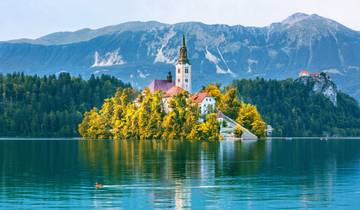
Lake Bled, Slovenia’s alpine icon, sits 160 kilometers from Piran requiring early morning departures for full-day visits. The glacial lake surrounding a tiny island church and overlooked by a clifftop castle creates postcard-perfect scenery. Renting traditional wooden boats (pletnas) to reach the island costs €15 per person round-trip. Swimming, hiking trails around the 6-kilometer shoreline, and sampling kremšnita cream cake at designated cafes fill pleasant summer days. Direct buses from Piran reach Bled via Ljubljana, totaling three to four hours each direction. Multi-day itineraries combining Piran’s coast with Bled’s mountains showcase Slovenia’s remarkable geographic diversity within compact borders.
Wine country around Brda and Vipava Valley extends east from Piran into Slovenia’s premier viticultural regions. Boutique wineries produce excellent Rebula (Ribolla Gialla), Zelen, and Pinela white wines alongside robust red Refošk. Organized wine tours visiting three to four estates with tastings and traditional Slovenian lunches cost €80-120 per person from Piran. Independent exploration via rental car allows flexible scheduling though eliminates drinking opportunities. Harvest season (September-October) offers festival atmospheres with grape-picking celebrations and new wine tastings. These regions remain significantly less touristy than Italian or French wine areas while producing comparable quality wines at lower prices.
Seasonal Considerations and Weather Patterns in Piran 2026
Piran’s Mediterranean climate divides the year into distinct seasons affecting both practical travel logistics and atmospheric character. Understanding these patterns helps visitors align trips with weather preferences, crowd tolerance, and budget constraints. The coastal location moderates temperature extremes compared to inland Slovenia, delivering milder winters and sea-breeze-cooled summers creating year-round accessibility.
Spring (March-May) brings gradual warming as winter transitions to summer. March sees temperatures ranging 8-15°C with frequent rain showers and variable conditions. April increases to 12-18°C as wildflowers bloom along coastal paths and outdoor cafe seating becomes comfortable. May delivers ideal touring weather at 17-23°C, warm enough for light clothing yet cool enough for active sightseeing without discomfort. Rainfall decreases through spring though occasional showers persist. Daylight extends from 12 hours in March to 15 hours by May, allowing full-day exploration without artificial lighting. Tourist numbers remain moderate, particularly March-April, allowing comfortable access to attractions and restaurants without summer crowds. Accommodation prices run 20-30% below July-August peaks while maintaining good availability.
Summer (June-August) represents peak season with highest temperatures, longest days, and maximum tourist density. June averages 22-28°C, delivering excellent beach weather without July’s intense heat. The summer solstice brings 16 hours of daylight, extending pleasant evening hours for dinner and waterfront strolls. July-August temperatures reach 25-30°C, occasionally exceeding 32°C during heat waves though sea breezes typically moderate coastal temperatures compared to inland areas. Rainfall becomes rare, with drought conditions sometimes developing by late August. These months attract the most visitors, particularly July when European school holidays coincide with optimal weather. Tartini Square fills with tourists, restaurants require advance reservations for dinner, and beaches reach capacity by midday. Prices peak 40-60% above shoulder season rates. Despite crowds, summer guarantees swimming conditions, open-air concerts, seafood festivals, and vibrant evening atmospheres.
Autumn (September-November) reverses spring’s progression, beginning warm and gradually cooling. September maintains summer warmth at 20-25°C while tourist numbers decrease dramatically after Italian school terms resume. Sea temperatures remain comfortable for swimming through September and into early October. This combination of good weather and reduced crowds makes September arguably the optimal visiting month, offering summer conditions without summer stress. October cools to 15-20°C as rain frequency increases. November turns definitively autumnal at 10-15°C with gray skies and persistent rainfall. Accommodation prices drop 30-40% below summer peaks in September-October, falling further in November. Many seasonal restaurants and hotels close for renovations after October, though the old town maintains sufficient services for off-season visitors.
Winter (December-February) transforms Piran into a quiet local town after tourist seasons conclude. Temperatures range 5-10°C, rarely dropping below freezing due to maritime influence. Snow occurs occasionally but rarely accumulates, melting quickly when it falls. Rain and overcast conditions dominate, with the Burja wind occasionally bringing clear cold days with exceptional visibility across the gulf. Daylight shrinks to 8-9 hours, limiting afternoon touring time. The intimate character emerges strongest in winter when residential neighborhoods resume normal rhythms without tourist foot traffic. Prices reach annual lows, sometimes 50-60% below summer rates, though some accommodations close entirely. Visitors seeking solitude, dramatic winter light for photography, and authentic local experiences appreciate this season despite weather limitations. Christmas markets and New Year celebrations add festive elements, while cultural venues host concerts and exhibitions appealing to winter audiences.
The Burja wind deserves special mention as it significantly impacts coastal conditions. This cold northeasterly wind funnels through mountain gaps, reaching gale force velocities that can turn calm days into challenging conditions within hours. Clear blue skies often accompany Burja episodes as the wind sweeps away clouds and humidity. While visually spectacular, strong Burja makes outdoor activities difficult and forces cancellation of boat services. The wind occurs throughout the year but peaks during winter and early spring. Checking weather forecasts before planning outdoor activities helps avoid Burja disruptions.
Seasonal events punctuate the calendar. Tartini Festival in July-August presents classical music concerts in churches and squares. September’s Salt Festival celebrates traditional salt harvesting with cultural performances. Christmas markets occupy Tartini Square in December. These events enhance visitor experiences while occasionally increasing accommodation demand and prices during specific weekends. Tourist information centers publish annual event calendars assisting trip planning around preferred activities.
Optimal timing for specific interests varies: beach activities require July-September, photography benefits from soft spring and autumn light, budget travel advantages peak November-March, crowd avoidance necessitates April-June or September-October, and cultural immersion flourishes year-round but particularly outside July-August. The ideal visit depends on balancing these priorities against personal weather tolerance and flexibility.
Budget Planning and Money-Saving Strategies for Piran 2026
Comprehensive budget planning for Piran requires calculating accommodation, meals, transportation, attractions, and miscellaneous expenses across three traveler categories. These breakdowns assume two people sharing hotel rooms where applicable, with accommodation costs divided equally before adding individual expenses to reach per-person daily totals.
Budget travelers need €65-95 per person daily staying in hostel dormitories, eating at bakeries and casual eateries, walking everywhere, and focusing on free attractions. Accommodation in shared dormitories costs €35-45 per person nightly. Meals total €25-38 daily: bakery breakfast €5-8, pizza or pasta lunch €8-12, and budget restaurant dinner €12-18. Local transportation remains minimal at €0-5 since walking covers the old town while occasional buses to Portorož or regional destinations add small costs. Attraction expenses run €5-7 daily, covering one or two paid sites like City Walls (€2) or Aquarium (€7) while emphasizing free activities including beaches, Tartini Square, coastal walks, and sunset viewpoints. A week costs approximately €455-665 per person.
Mid-range travelers spend €140-205 per person daily staying in three-star or four-star hotels, dining at waterfront restaurants, using occasional taxis or parking, and visiting multiple paid attractions. Hotel accommodation at €150-220 per night translates to €75-110 per person when two share the room. Meals cost €50-67 daily: hotel breakfast (often complimentary), lunch €20-30 at mid-range restaurants, and dinner €35-50 at quality seafood establishments. Transportation adds €5-10 for parking fees, occasional taxis, or rental car costs. Attractions and activities run €10-15 daily covering museums, guided tours, and entertainment. A week totals approximately €980-1,435 per person.
Luxury visitors invest €245-370 per person daily in four-star or five-star beachfront hotels, upscale dining, private transportation, and premium experiences. Luxury hotels charging €300-450 nightly work out to €150-225 per person sharing. Dining at high-end restaurants costs €70-100 daily including elaborate dinners, wine pairings, and gourmet lunches. Transportation expenses reach €10-20 for taxis, premium parking, or private transfers. Activities and attractions consume €15-25 daily for guided tours, spa treatments, and special experiences. Weekly costs range €1,715-2,590 per person.
Strategic money-saving approaches reduce expenses across all categories. Advance booking of accommodation two to four months ahead secures discounts of 10-20%, particularly for shoulder season travel. Package deals occasionally combine hotels with tours or activities at bundled savings. Comparing prices across booking platforms (Booking.com, Hotels.com, direct hotel websites) reveals rate variations worth investigating. Early bird or last-minute deals appear irregularly, rewarding flexible travelers monitoring multiple sources.
Self-catering slashes food costs dramatically. Renting apartments with kitchens allows preparing breakfast and lunch from market purchases, reducing meal expenses by 40-50%. Mercator supermarket near the bus station stocks full grocery selections at retail prices. The market in Tartini Square sells fresh produce, cheese, bread, and local specialties several mornings weekly. Preparing two meals daily while dining out once maintains culinary enjoyment while cutting costs. Budget travelers utilizing self-catering can reduce daily food expenses from €25-38 to €15-25, savings that compound over extended stays.
Free activities dominate Piran’s appeal for budget-conscious visitors. Exploring Venetian Gothic streets, climbing to panoramic viewpoints, lounging on public beaches, watching sunsets from Punta Lighthouse, and photographing the harbor cost nothing. Walking the city walls technically requires tickets though the best views often come from free vantage points around town. Church interiors (except bell tower access) remain free to enter. Tourist information centers distribute complimentary maps and brochures explaining historical context without paid guides.
Shoulder season travel (May-June, September-October) delivers the most favorable value proposition, combining pleasant weather with reduced prices and manageable crowds. Accommodation costs drop 25-35% compared to July-August peaks while maintaining excellent conditions for sightseeing. Restaurants offer better value and easier reservations. Beaches provide space without the sardine-packed conditions of midsummer. This timing sacrifices guaranteed hot weather but gains overall superior travel experiences for budget-conscious and quality-focused visitors alike.
Public transportation costs significantly less than private vehicles when factoring parking fees, fuel, and rental charges. Bus passes covering multiple trips within the Piran-Portorož-Koper region cost less than individual taxi rides. The Ljubljana-Piran bus route at €10-14 competes favorably against rental car expenses including highway tolls, parking, and fuel totaling €50-70 round-trip. Visitors basing themselves in Piran without extensive regional exploration rarely need vehicles given the town’s pedestrian scale and adequate bus connections.
Combined museum tickets sometimes offer marginal savings when visiting multiple institutions, though most travelers find Piran’s paid attractions individually affordable enough that bundling provides limited financial benefit. Tourist cards offering attraction discounts exist for Slovenia nationally but rarely justify purchase costs for short Piran-focused visits. Evaluating specific itineraries against card benefits prevents overspending on passes delivering minimal value.
Lunch specials at restaurants provide the same quality cuisine as dinner menus at 20-30% lower prices. Many establishments offer fixed-price lunch deals including appetizers, mains, and drinks for €12-18 per person. Taking primary meals at midday rather than dinner stretches dining budgets without sacrificing food quality. Evening meals can then consist of lighter, less expensive options like pizza slices or market-purchased ingredients prepared in apartments.
Tourist tax at €3.13 per person nightly adds meaningful costs over extended stays. While unavoidable, budgeting for this separately prevents surprise expenses at checkout. Weekly stays incur approximately €22-44 per person in taxes depending on nightly accommodation choices. Some online booking platforms include these taxes in displayed rates while others itemize them separately, requiring careful comparison of total costs rather than headline prices.
Practical Travel Tips and Local Insights for Piran 2026
Currency and payment systems in Slovenia use the euro as legal tender, simplifying transactions for travelers from other eurozone countries. ATMs cluster around Tartini Square and main streets, dispensing euros at standard international withdrawal rates. Credit and debit cards work at most hotels, restaurants, and shops catering to tourists, though smaller establishments and markets sometimes prefer cash. Carrying €50-100 in small bills (€5, €10, €20 notes) ensures ability to pay at bakeries, parking meters, and casual eateries. Currency exchange offices exist but offer worse rates than ATM withdrawals using cards with favorable foreign transaction policies.
Language skills facilitate smoother interactions though are rarely essential. Slovenian serves as the official language, with Italian enjoying co-official status in coastal areas. Most tourism professionals speak English fluently, while older residents may communicate in Italian or German. Learning basic Slovenian courtesies (prosim for please, hvala for thank you, dober dan for good day) demonstrates respect appreciated by locals. Menu translations appear in English at tourist-oriented restaurants. Pointing, gestures, and smartphone translation apps bridge gaps when language fails, though communication rarely poses serious obstacles in Piran’s well-established tourism environment.
Slovenia joined the European Union and Schengen Area, eliminating border controls for travelers arriving from other Schengen countries. Starting 2025, the ETIAS (European Travel Information and Authorization System) requires visa-exempt visitors from countries like the United States, Canada, Australia, and United Kingdom to complete online pre-travel authorization before arriving in the Schengen Zone. This electronic screening costs approximately €7, remains valid three years, and takes minutes to complete online. Travelers should not confuse ETIAS with visas—it simply pre-screens low-risk visitors before arrival. Failing to obtain ETIAS authorization risks denied boarding by airlines.
Safety levels in Piran rank among Europe’s highest, with violent crime virtually nonexistent and petty theft rare. Normal precautions suffice: watching belongings in crowded spaces, securing valuables in hotel safes, and maintaining awareness in poorly lit areas at night. Emergency services respond quickly, with police, ambulance, and fire services reachable via the European standard 112 emergency number. Medical facilities in Portorož and Koper provide care for minor injuries or illnesses, while serious cases transfer to Ljubljana. Travel insurance covering medical emergencies remains advisable for non-EU citizens whose home health coverage may not extend to Slovenia.
Electrical outlets follow European standards with 230V/50Hz power and Type C or Type F plugs (two round prongs). Travelers from countries using different systems require plug adapters and should verify their devices handle 230V input before connecting. Most hotels provide adapters on request, though bringing personal adapters ensures availability for multiple devices simultaneously. USB charging ports appear increasingly common in newer hotels though cannot be assumed in historic properties.
Internet connectivity reaches excellent standards throughout Piran. Most accommodations include complimentary WiFi, as do cafes and restaurants in tourist areas. Public WiFi hotspots operate in Tartini Square and along the waterfront promenade. Mobile data speeds support navigation apps, translation software, and communication needs. EU residents benefit from roaming agreements allowing domestic data plans throughout Slovenia. Non-EU travelers should verify international roaming costs with home carriers or purchase local SIM cards from Telekom Slovenije, A1, or T-2 providers offering tourist-friendly prepaid data plans.
Piran’s compact size paradoxically complicates luggage handling more than sprawling cities with developed transportation infrastructure. The car-free old town requires carrying bags across cobblestones and up stairs from parking areas or the bus terminal. Accommodations in Venetian-era buildings often lack elevators, necessitating hauling luggage up narrow staircases. Traveling light dramatically improves mobility—a single carry-on per person allows navigating streets without struggling with multiple heavy bags. Hotels sometimes arrange porter assistance or luggage transfers from parking areas, services worth requesting when booking if traveling with substantial baggage.
Drinking water from taps throughout Piran meets European Union safety standards and tastes perfectly acceptable. Purchasing bottled water represents unnecessary expense and environmental impact given Slovenia’s excellent municipal water quality. Carrying reusable water bottles reduces plastic waste while ensuring hydration during walking tours. Fountains dispense free drinking water in several public locations around the old town.
Appropriate clothing depends on seasonal timing and planned activities. Summer requires light breathable fabrics, sunscreen, hats, and sunglasses for protection against intense Mediterranean sun. Comfortable walking shoes prove essential year-round given cobblestone streets and hilly terrain. Spring and autumn necessitate layers allowing adjustment as temperatures fluctuate throughout days. Light rain jackets handle occasional showers. Winter demands warm waterproof outerwear, particularly during Burja wind episodes. Modest clothing serves fine for everyday touring, though revealing beachwear should stay at beaches rather than worn into churches or traditional restaurants.
Photography opportunities abound throughout Piran, though optimal lighting requires strategic timing. Golden hour shortly after sunrise and before sunset bathes Venetian facades in warm tones perfect for architectural photography. Midday sun creates harsh shadows less flattering for buildings though works well for seascapes. Overcast days produce soft even lighting reducing contrast challenges. Elevated positions from St. George’s bell tower and city walls deliver superior compositional options compared to street-level shots. Respecting residents’ privacy when photographing streets includes avoiding intrusive camera angles into private apartments and securing permission before closeup portraits.
Environmental consciousness forms core Slovenian identity, reflected in Piran’s sustainability initiatives. The country ranks among Europe’s greenest destinations with extensive forest cover and protected natural areas. Visitors support these values through simple actions: refusing single-use plastics, using refillable water bottles, properly sorting recycling from trash in marked bins, respecting marked trails and protected areas, and choosing walking over driving when practical. Local businesses increasingly emphasize sustainability, with restaurants sourcing ingredients from regional producers and hotels implementing water conservation and waste reduction programs.
Tipping customs follow Central European norms rather than American expectations. Rounding up restaurant bills or adding 5-10% demonstrates appreciation for exceptional service without being mandatory. Many restaurants add service charges making additional tips unnecessary. Taxi drivers appreciate rounding to the next euro. Hotel porters warrant €1-2 per bag when assisting with luggage. Tour guides receive €3-5 per person for particularly engaging tours. Checking whether service is included before adding tips prevents double-paying.
Market shopping at the weekly Tartini Square market (typically operating mornings several days weekly) provides opportunities purchasing local products directly from producers. Fresh produce, regional cheeses, cured meats, honey, olive oil, and handcrafted items appear at reasonable prices below restaurant markups. Bargaining is not customary—posted prices represent final costs. Bringing reusable shopping bags demonstrates environmental awareness while avoiding plastic bag charges.
Sample Itineraries for Piran 2026
Three-day budget itinerary focuses on free attractions, self-prepared meals, and walking exploration. Day one begins with bakery breakfast (€5) before climbing to St. George’s Church for panoramic views, wandering through medieval streets to the harbor, and exploring Tartini Square. Pack a picnic lunch from market purchases (€8) to eat at Punta Lighthouse. Afternoon includes the City Walls (€2) and beach time. Budget restaurant dinner costs €12-18. Day two takes the bus to Sečovlje Salt Pans (€6 admission, €6 round-trip bus), returning afternoon for self-prepared dinner using market ingredients (€10). Day three visits the Aquarium (€7), walks coastal trails, and reserves evening for sunset photography. Total costs approximately €195-285 per person including €105-135 accommodation (three nights hostel dormitory), €75-110 meals, €15-40 activities and transport.
Five-day mid-range itinerary balances paid attractions with leisure time. Day one checks into a mid-range old town hotel (€150-220 nightly) before afternoon exploring Tartini Square, Maritime Museum (€5), and dinner at Gostilna Pavel (€35-50). Day two ascends St. George’s bell tower, walks the City Walls, lunches at a cafe (€20-30), and takes the bus to Portorož Beach. Day three books an organized wine tour to Istrian vineyards (€80-90 including lunch and tastings). Day four visits Trieste via bus (€6-8 one-way), exploring Piazza Unità, Miramare Castle, and dining in Italy before returning evening. Day five explores local beaches and shops for souvenirs before departure. Total costs approximately €700-1,025 per person including €375-550 accommodation (five nights mid-range hotel for two sharing), €250-335 meals, €75-140 activities and transport.
Three-day luxury itinerary emphasizes premium experiences and comfort. Day one arrives by private transfer from Ljubljana Airport (€120-150 for two), checks into Barbara Piran Beach Hotel (€300-450 nightly), enjoys spa treatments (€60-90), and reserves dinner at the hotel’s fine dining restaurant (€60-80 per person). Day two books a private guided tour combining Škocjan Caves and Lipica Stud Farm (€200-250 for two including luxury vehicle and guide), returning for sunset drinks on the hotel terrace. Day three relaxes with morning beach time, afternoon exploring Piran’s old town with a private local guide (€80-100 for two hours), and farewell dinner at Ladja Podlanica (€70-90 per person with wine). Total costs approximately €1,470-2,220 for two people including €900-1,350 accommodation (three nights luxury hotel), €420-600 meals and drinks, €150-270 activities and private transportation.
One-day express itinerary for travelers on tight schedules prioritizes must-see highlights. Morning bus from Ljubljana (€10-14, departing 7-8 AM) arrives mid-morning. Walk directly to Tartini Square, climb to St. George’s Church and bell tower (1.5 hours including admission €3-5), descend through old town streets to the harbor. Quick lunch at a pizzeria (€10-15) followed by a walk along the City Walls (€2). Mid-afternoon explores the waterfront promenade to Punta Lighthouse. Late afternoon coffee in Tartini Square before catching the 6-7 PM return bus to Ljubljana. Total costs approximately €32-56 per person including €20-28 round-trip bus, €10-15 lunch, €2-5 coffee, and €5-7 admission fees. This compressed schedule sacrifices beach time and leisure but delivers core cultural experiences.
Week-long regional circuit combines Piran with other Slovenian highlights. Days one and two follow the three-day mid-range itinerary above for Piran. Day three buses to Ljubljana (€10-14), spending afternoon and evening exploring the capital before overnight accommodation (€70-120). Day four continues to Lake Bled (€10-12 bus), checking into lakeside hotel (€100-160) for two nights. Day five hikes around the lake, takes the pletna boat to the island, and visits Bled Castle. Day six returns to Piran via Ljubljana (€20-26 total buses), resuming coastal exploration. Day seven focuses on Piran’s beaches and final restaurant meals before departure. This circuit showcases Slovenia’s diversity from alpine lakes to Adriatic coast within one week, costing approximately €980-1,540 per person including €560-880 accommodation (seven nights mid-range hotels for two sharing), €350-470 meals, €70-190 transportation and activities.
Frequently Asked Questions About Piran 2026
Do I need a car to visit Piran?
No, cars prove unnecessary and often inconvenient for visiting Piran. The medieval old town prohibits private vehicles entirely, requiring visitors with cars to park in peripheral garages (€2.90 per hour at Fornače) then walk or take free shuttles into the center. Direct buses from Ljubljana operate hourly for €10-14, reaching Piran in two hours without parking hassles. Once arrived, Piran’s compact 800-meter peninsula makes walking the natural transportation mode. Regional buses connect to Portorož, Koper, and other coastal destinations for €1.50-3 per trip. Cars become useful only for extensive regional exploration visiting multiple inland destinations lacking convenient public transport, situations affecting relatively few visitors focused primarily on Piran itself.
Is Piran crowded in summer 2026?
Yes, July and August bring peak tourist crowds to Piran, with Tartini Square filling with visitors, restaurants requiring advance dinner reservations, beaches reaching capacity by midday, and popular hotels booking months ahead. However, crowds remain moderate compared to major Italian coastal destinations, and early mornings or late evenings offer quieter exploration even during peak season. May through June and September provide optimal balances of excellent weather and significantly reduced visitor numbers. Piran’s small size means that even modest crowd increases feel more pronounced than in larger cities, making shoulder season timing particularly advantageous for visitors preferring intimate experiences over guaranteed hot beach weather.
What currency does Piran use and can I use credit cards?
Piran uses the euro as Slovenia joined the eurozone in 2007. Credit and debit cards work at most hotels, restaurants, and tourist-oriented shops, though smaller establishments, markets, and casual eateries sometimes prefer cash. ATMs throughout the old town dispense euros at standard international rates. Carrying €50-100 in small bills (€5, €10, €20 notes) ensures payment capability at all venues. American Express acceptance lags behind Visa and Mastercard. Contactless payment technology appears increasingly common in 2026, though chip-and-PIN remains standard. Notify your bank of travel plans to prevent fraud blocks on international transactions.
How many days should I spend in Piran?
Three days allows thorough exploration of Piran’s old town, coastal areas, and one or two nearby attractions without feeling rushed. This duration accommodates walking all major sites, relaxing on beaches, dining at multiple restaurants, and experiencing both daytime and evening atmospheres. Day-trippers from Ljubljana can see primary highlights (Tartini Square, St. George’s Church, harbor area) in five to six hours but miss the intimate morning and evening periods when the town reveals its most authentic character. Week-long stays suit travelers using Piran as a base for regional day trips to Trieste, Škocjan Caves, Ljubljana, and Istrian destinations. Most visitors find three nights represent the optimal balance between comprehensive coverage and efficient itinerary planning.
Is Piran safe for solo travelers?
Yes, Piran ranks among Europe’s safest destinations with exceptionally low crime rates affecting tourists. Solo travelers, including women traveling alone, navigate the town confidently day and night without significant safety concerns. The compact size means you’re rarely isolated in truly deserted areas, while the car-free center eliminates traffic dangers. Standard precautions suffice: watching belongings in crowded spaces, avoiding excessive alcohol consumption, and maintaining general awareness. Locals and tourism professionals assist visitors readily. Emergency services respond quickly via the 112 European emergency number. The intimate scale actually enhances solo travel, as striking up conversations with fellow travelers or residents occurs naturally in cafes and on walking streets.
What language do people speak in Piran?
Slovene serves as the official language, with Italian enjoying co-official status throughout coastal Slovenia reflecting centuries of Venetian rule and ongoing Italian minority populations. Many residents, particularly older generations, speak Italian fluently and naturally code-switch between languages mid-conversation. English proficiency runs high among tourism professionals, younger residents, and anyone working in hotels, restaurants, or shops catering to international visitors. German also appears frequently as Slovenia’s Habsburg history created lasting linguistic connections. Practically, English-speaking travelers encounter no serious communication barriers in Piran’s tourist infrastructure, though learning basic Slovenian courtesies (prosim, hvala, dober dan) demonstrates respect appreciated by locals.
Can I swim in Piran’s beaches?
Yes, several beaches in and around Piran accommodate swimming from May through September when water temperatures reach 18-25°C. Piran’s beaches consist primarily of concrete platforms, pebbles, and small rocky coves rather than sand, requiring beach shoes for comfortable entry. Punta Beach near the lighthouse offers intimate swimming with natural shade from pine trees. Portorož Beach, 3 kilometers away via regular bus service (€1.50), provides Slovenia’s largest developed beach with sandy areas, loungers, changing facilities, and water sports. Water quality meets European Union standards with regular monitoring. July-August sees all beaches crowded with domestic and international tourists, while May-June and September offer warmer water and more space. Winter swimming occurs only among hardy locals and cold-water enthusiasts.
Are there good restaurants in Piran?
Yes, Piran’s culinary scene punches above its small-town size with excellent fresh seafood, Venetian-influenced pasta and risotto, Istrian truffles, and quality Slovenian wines. Waterfront restaurants like Gostilna Pavel 1 serve grilled fish and shellfish for €18-30 per main course with authentic atmosphere and direct sea views. Restaurant Neptun specializes in traditional Istrian preparations including truffle dishes. Budget options include pizzerias, bakeries selling burek, and konoba-style taverns offering hearty portions for €8-18. High-end dining appears at select establishments and hotel restaurants where multi-course meals run €50-90 per person. The bilingual Italian-Slovenian culture means cuisine quality mirrors northern Adriatic standards while prices remain 30-40% below equivalent Italian coastal restaurants across the border.
What is the best time to visit Piran for photography?
May through June and September offer optimal photography conditions combining excellent light, manageable crowds, and varied weather creating atmospheric conditions. Spring and early autumn deliver soft golden-hour light ideal for architectural photography without the harsh midday summer sun. May brings wildflowers along coastal paths adding color to landscape shots. September’s occasional morning mist creates ethereal harbor scenes. Dawn and dusk provide the most dramatic lighting regardless of season, when golden light enhances warm-toned Venetian facades. Elevated positions from St. George’s bell tower and the City Walls deliver superior compositional angles best captured during these magic hours. Winter photography appeals to specialists seeking dramatic skies, empty streets, and moody maritime atmospheres, though weather unpredictability requires flexible scheduling.
How expensive is Piran compared to other European coastal destinations?
Piran costs 30-40% less than equivalent Italian coastal towns and 15-25% below popular Croatian islands while maintaining comparable quality accommodations, dining, and experiences. Mid-range hotel rooms run €150-220 nightly versus €220-300+ in Italian rivieras. Restaurant meals cost €15-30 for quality seafood mains compared to €25-45 across the border. This value proposition reflects Slovenia’s moderate cost structure and later tourism development preventing the price inflation affecting long-established destinations. Piran delivers better value than Western European alternatives while remaining slightly more expensive than Eastern European emerging destinations. The combination of authentic Venetian architecture, bilingual Mediterranean culture, and accessible pricing positions Piran among the Adriatic’s best value destinations for 2026.