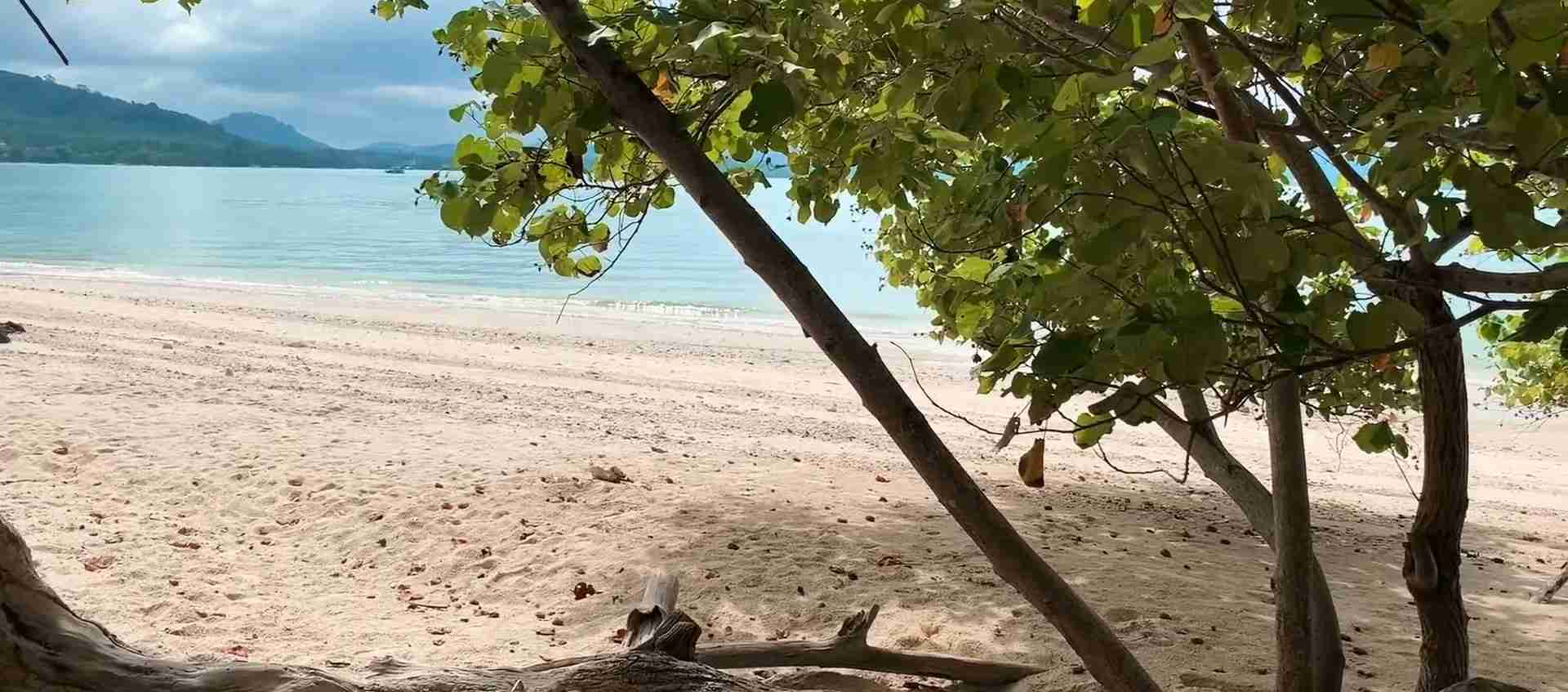
Phuket Best Beaches: Hidden Gems, Secret Spots & Lesser-Known Treasures
Beyond Phuket’s famous tourist beaches lies a collection of secluded coves, pristine bays, and tranquil shorelines that remain largely undiscovered by mass tourism. These hidden gems offer powdery white sand, crystal-clear waters, and the peaceful atmosphere that vanished from Patong and Kata decades ago, accessible to travelers willing to venture beyond the well-trodden coastal paths.
Key Takeaways: Phuket’s Hidden Beach Treasures
- Access Varies Dramatically: Phuket’s secret beaches range from boat-only destinations like Freedom Beach to easily accessible gems like Nai Thon, with some requiring hikes through jungle trails or navigation of steep rocky paths
- Monsoon Season Transforms Conditions: The southwest monsoon (May-October) brings rough seas and strong currents to west-facing hidden beaches, while protected eastern bays like Ao Sane remain swimmable year-round
- Facilities Are Minimal By Design: These lesser-known beaches typically offer basic amenities at most—simple beach clubs, minimal restaurants, no jet skis or banana boats—preserving the tranquil atmosphere that makes them special
- Timing Determines Solitude: Arrive before 10 AM or after 3 PM to experience even relatively known hidden beaches in near-isolation, as most visitors cluster during midday hours
- Snorkeling Quality Exceeds Tourist Beaches: Protected coves like Ao Sane, Laem Singh, and Banana Beach feature healthy coral formations and abundant marine life absent from developed shorelines
- Local Knowledge Unlocks Hidden Access: Many secret beaches lack clear signage or marked paths, requiring directions from local residents, resort staff, or detailed navigation apps to locate successfully
People Also Ask About Phuket Hidden Beaches
What is the Most Secluded Beach in Phuket?
Freedom Beach ranks as Phuket’s most secluded major beach, accessible only by longtail boat or a challenging 30-minute jungle trek down a steep hillside. Located south of Patong Beach, this 300-meter stretch of pristine white sand remains largely empty except during peak midday hours, as the difficult access deters casual visitors. The beach features crystal-clear turquoise water, excellent snorkeling around rocky outcrops on both ends, and a single small beach club offering refreshments. The boat journey from Patong costs 200-400 baht round trip depending on negotiation skills, while the hiking route begins near the southern end of Patong and requires sturdy footwear and reasonable fitness. Morning arrivals before 10 AM often find the beach completely deserted, creating an almost private island experience just minutes from Phuket’s busiest tourist area.
Which Phuket Beaches Have the Best Snorkeling?
Ao Sane Beach offers Phuket’s finest easily accessible snorkeling, with healthy hard and soft coral gardens visible just 10-20 meters from shore. Located on the island’s southern tip near Nai Harn, this small rocky bay features exceptionally clear water, minimal current during calm season, and abundant tropical fish including parrotfish, angelfish, and occasional sea turtles. The rocky substrate protects coral from anchor damage, while the bay’s protected position shields it from boat traffic. Laem Singh Beach and Banana Beach also provide excellent snorkeling conditions, with coral formations around rocky headlands and diverse marine life, though Laem Singh experiences stronger currents during monsoon season. Paradise Beach features decent snorkeling near its northern rocks, while Ya Nui Beach offers good conditions when seas are calm. Serious snorkelers should bring their own equipment, as rental quality at hidden beaches varies considerably and availability cannot be guaranteed.
How Do You Reach Phuket’s Hidden Beaches Without a Car?
Reaching Phuket’s hidden beaches without personal transportation requires combining local songthaews (shared pickup trucks), motorcycle taxis, longtail boat services, and strategic timing. Nai Thon Beach connects to Phuket’s public transport network via songthaews from Phuket Town and Thalang, with motorcycle taxis covering the final stretch from main roads. Freedom Beach and Paradise Beach offer longtail boat services from Patong Beach, eliminating the need for land transport. For beaches requiring road access like Laem Singh and Banana Beach, hiring a motorcycle taxi from nearby tourist areas like Kamala or Surin provides the most practical solution, with drivers typically waiting for return trips or arranging pickup times. Grab and Bolt ride-hailing apps function throughout Phuket, offering affordable transport to most hidden beaches with return pickup on-demand. Budget-conscious travelers can use public songthaews to reach nearby major beaches, then hire motorcycle taxis for the final approach to hidden coves, significantly reducing transport costs while maintaining flexibility.
Are Phuket’s Secret Beaches Safe for Swimming?
Swimming safety at Phuket’s hidden beaches varies dramatically by season, beach orientation, and individual water conditions on any given day. West-facing beaches including Freedom Beach, Paradise Beach, Laem Singh, and Banana Beach experience strong currents, powerful waves, and dangerous undertows during the May-October southwest monsoon season, with no lifeguards present at most hidden locations. These beaches become genuinely hazardous during monsoon conditions, claiming lives annually among swimmers who underestimate the ocean’s power. Conversely, protected bays like Ao Sane and Ya Nui remain relatively calm year-round, their eastern or southern orientation shielding them from southwest swells. During the November-April high season, west-facing hidden beaches typically offer safe swimming conditions with gentle waves and clear visibility. Red flag warnings at nearby major beaches indicate dangerous conditions affecting hidden beaches as well. The absence of lifeguards, limited beach traffic meaning fewer potential rescuers, and often difficult emergency access make conservative judgment essential—when in doubt about conditions, observe the water for 10-15 minutes, look for local swimmers as indicators of safety, and avoid entering the water if waves break forcefully on the shore or visible currents run parallel to the beach.
Extended multi-day tours – 5+ days
Featured Phuket Multi-Day Tour Packages
3 days
Khao Sok Discovery, Small Group Tour (On Request)
- ✓ Booking needs min. 2 travelers
3 days
Khao Sok Discovery, Private Tour
- ✓ Comprehensive Phuket tour
- ✓ Expert local guides included
- ✓ All accommodation arranged
- ✓ Transportation provided

7 days
7 Day Amazing Phuket Trip with Krabi from Phuket
- ✓ Comprehensive Phuket tour
- ✓ Expert local guides included
- ✓ All accommodation arranged
- ✓ Transportation provided
7 days
7 Days in Phuket Island Enjoy the Most Attractive Sights.
- ✓ Comprehensive Phuket tour
- ✓ Expert local guides included
- ✓ All accommodation arranged
- ✓ Transportation provided
Multi-day tour packages powered by TourRadar. Prices and availability subject to change.
Introduction: Discovering Phuket’s Hidden Coastal Treasures
Phuket’s reputation as Thailand’s premier beach destination rests largely on its famous west coast stretches—Patong’s neon-lit chaos, Kata’s family-friendly shores, Karon’s long golden sweep. These beaches serve millions of visitors annually, their sand packed with beach chairs, their waters buzzing with jet skis, their atmospheres anything but tranquil. Yet within this same island exists an entirely different coastal world: hidden coves accessible only by boat or jungle trail, quiet bays known primarily to local residents, pristine beaches where footprints in the sand disappear with each tide because so few feet create them.
These secret beaches represent Phuket as it existed before tourism transformed the island—before development crowded every viable shoreline, before beach clubs colonized every stretch of sand, before the concept of “beach space” became a commodity measured in sunbed rentals per square meter. They survive through geographical isolation (steep cliffs protecting access), limited infrastructure (no roads reaching the shore), challenging accessibility (requiring boats, hikes, or local knowledge to find), or simply fortunate obscurity (never achieving critical mass for development).
The value of discovering these hidden beaches extends beyond Instagram-worthy photographs or bragging rights about “secret spots.” These locations offer genuine opportunities for solitude, natural beauty uncompromised by commercialization, authentic interactions with Phuket’s marine environment, and the simple pleasure of experiencing a tropical beach as it was meant to be experienced—as a natural space, not a tourist attraction. The coral still grows close to shore because anchors don’t scrape it daily. The water clarity exceeds developed beaches because fewer boats churn the sediment. The atmosphere remains peaceful because no sound systems compete for auditory dominance.
Accessing these hidden gems requires more effort than walking from a beachfront hotel or hailing a taxi to Patong. Some demand physical fitness for steep jungle descents. Others require negotiating longtail boat fares with local captains. Many lack clear signage, their access routes known primarily through word-of-mouth or careful map study. This friction serves as a natural filter, ensuring that visitors who reach these beaches have invested enough effort to appreciate what makes them special.
This guide details Phuket’s most remarkable hidden beaches—their locations, access methods, characteristics, optimal visiting times, and what makes each unique. The focus remains on genuinely lesser-known beaches, not simply “quieter sections” of famous stretches. These are beaches where arriving at 9 AM on a Tuesday in February might find you alone on the sand, where development consists of perhaps a small family-run beach club rather than a wall of resorts, where the experience centers on natural beauty rather than amenities.
Understanding Phuket’s seasonal patterns proves essential for planning hidden beach visits. The November-April high season brings calm seas, gentle waves, and ideal swimming conditions to west-facing beaches, though increased tourist numbers mean “hidden” becomes relative—expect solitude at dawn rather than all day. The May-October monsoon season transforms these same beaches into hazardous zones with strong currents and powerful waves, while protected eastern bays remain swimmable. This seasonal dynamic means the definition of “best beach” shifts with the calendar—a gloriously empty cove in May might be genuinely dangerous for swimming, while a crowded-looking beach in January offers perfect conditions if you time your visit wisely.
The tension between sharing information about hidden beaches and preserving their hidden nature cannot be ignored. Every guidebook, blog post, or social media share potentially contributes to the discovery and eventual development of these special places. This guide attempts to balance that tension by providing information that helps conscious travelers find and enjoy these beaches responsibly, while emphasizing the importance of leaving no trace, respecting private property when accessing beaches through adjacent land, supporting small local businesses rather than bringing everything from 7-Eleven, and maintaining the quiet, respectful atmosphere that keeps these beaches from becoming the next Patong.
Northern Hidden Beaches: Quiet Shores Beyond the Tourist Trail
Nai Thon Beach: Quiet Northwest Sanctuary
Nai Thon Beach occupies Phuket’s northwestern corner, a kilometer-long crescent of fine white sand backed by casuarina trees and flanked by rocky headlands. This beach remains genuinely quiet despite reasonable accessibility, its relative isolation from major tourist areas and lack of aggressive development preserving a peaceful village atmosphere. The beach faces northwest, receiving beautiful sunsets and remaining somewhat protected from the southwest monsoon’s full force, though conditions still become rough during peak monsoon months.
The sand quality at Nai Thon exceeds most Phuket beaches—fine, powdery, and brilliantly white, sloping gently into clear turquoise water. During high season, the shore remains clean and the water clarity excellent, with visibility extending 10-15 meters on calm days. Small coral formations around both rocky headlands support snorkeling, though the coral quality doesn’t match more protected bays like Ao Sane. The northern end of the beach offers better snorkeling conditions, with rocky outcrops creating habitat for tropical fish visible in waist-deep water.
Development at Nai Thon consists primarily of small guesthouses, a handful of beachfront restaurants, and minimal infrastructure. No jet skis disturb the peace. No beach clubs blast music. The atmosphere remains distinctly local, with Thai families picnicking under the casuarina trees and a small but authentic village community visible just inland. A small temple sits on the headland at the southern end, offering panoramic views of the bay and serving as a peaceful spot for sunset viewing.
Accessing Nai Thon requires navigating narrow, winding roads through Phuket’s hilly interior. From Phuket Airport, the beach sits just 15 minutes away, making it an ideal first or last beach destination for travelers. From major tourist areas, expect 45-60 minutes by car or scooter. Public songthaews run infrequently between Phuket Town and Nai Thon, with the journey taking approximately 90 minutes including connections. Motorcycle taxis from the nearest main road cost 50-100 baht. The access road terminates directly at the beach, with parking available under the trees for motorcycles and cars.
Optimal visiting times shift with the season. During November-April high season, weekday mornings before 11 AM offer the greatest solitude, though the beach never becomes crowded by Phuket standards even during peak afternoon hours. Weekends bring more Thai families, particularly Sundays, creating a pleasant local atmosphere rather than overwhelming crowds. The May-October monsoon season sees far fewer visitors, with the beach sometimes completely empty during weekdays, though swimming conditions become challenging with waves, currents, and reduced visibility.
Facilities at Nai Thon remain basic but adequate. Several beachfront restaurants serve fresh seafood, Thai standards, and cold drinks at reasonable prices. A small convenience store near the beach entrance sells snacks, beverages, and basic supplies. Public restrooms exist but maintain variable cleanliness. Umbrella and chair rentals operate during high season, though at modest rates compared to tourist beaches. Mobile phone coverage remains strong. The nearest ATM sits approximately 2 kilometers inland, making cash withdrawal before arrival advisable.
The beach’s orientation and protection create interesting wave patterns. The northern section remains calmer due to headland protection, making it preferable for families with young children. The central section receives the best sand quality and most gradual depth progression. The southern section, near the temple headland, experiences slightly stronger currents but offers better snorkeling around the rocks. During monsoon season, the northern corner provides the only reasonably safe swimming area, though caution remains essential.
Nai Thon functions best as a full-day destination rather than a quick beach-hopping stop. The distance from other beaches makes combining visits impractical unless traveling by car or scooter. The peaceful atmosphere, good restaurants, and decent snorkeling justify spending an entire day, arriving mid-morning, enjoying lunch at a beachfront restaurant, swimming during the afternoon, and potentially staying for sunset. Several excellent seafood restaurants operate at both ends of the beach, offering fresh catches grilled to order with Thai spices.
Banana Beach: Tranquil Coral Bay Retreat
Banana Beach (also known as Banana Rock) sits hidden below steep cliffs on Phuket’s west coast between Kamala and Surin beaches, accessible only by longtail boat or a challenging descent down metal stairs and rocky paths. This 200-meter crescent of soft sand remains remarkably peaceful despite proximity to developed tourist areas, the difficult access creating a natural barrier that filters out casual beachgoers and maintains an exclusive, secluded atmosphere.
The beach takes its name from the curved banana-like shape of the bay, though some locals call it Banana Rock after the distinctive rock formation at the northern end. Fine golden sand slopes gently into exceptionally clear turquoise water, with the bay’s protection creating calm conditions during high season. Coral formations around both rocky headlands support healthy fish populations, making Banana Beach one of western Phuket’s better snorkeling destinations. Visibility typically reaches 10-15 meters during calm conditions, with colorful tropical fish visible even from the shallows.
Access from the ocean requires hiring a longtail boat from either Kamala Beach or Surin Beach, with captains familiar with Banana Beach making regular runs during high season. Expect to pay 500-800 baht for a round-trip boat journey including waiting time, though prices vary based on negotiation, group size, and captain’s mood. The boat journey takes just 10-15 minutes from either beach, cruising along the dramatic coastline with views of jungle-covered cliffs plunging directly into the Andaman Sea. Boats drop passengers directly on the sand and return at an agreed time, typically allowing 2-4 hours for beach time.
The land access route begins from the main road between Kamala and Surin, marked by a small, easily missed sign pointing down a narrow concrete path. A steep staircase—over 200 steps—descends through jungle before transitioning to a rocky, uneven path requiring careful footing. The descent takes 15-20 minutes and demands reasonable fitness and appropriate footwear (flip-flops are manageable but not ideal). The climb back up requires significantly more effort and time, particularly in afternoon heat. This challenging access means most visitors arrive by boat, keeping visitor numbers low even during high season.
A single beach club operates at Banana Beach, offering beach chairs, umbrellas, refreshments, and simple Thai food. The setup remains tasteful and low-key, with traditional Thai sala-style structures providing shade and an atmosphere far removed from Patong’s beach club scene. Prices reflect the location’s exclusivity—expect to pay 300-400 baht for chair and umbrella rental, with food and drink prices approximately 50% higher than mainland restaurants. The beach club provides the only facilities, including restrooms and freshwater showers, making patronage practically mandatory for comfort during extended visits.
Snorkeling around Banana Beach’s rocky headlands reveals the bay’s real attraction. The northern rocks support the healthiest coral, with hard coral formations hosting sergeant majors, butterflyfish, damselfish, and parrotfish. The southern headland offers deeper water and occasional sightings of larger fish, though currents can be stronger. The best snorkeling occurs during incoming tides when fish activity increases and visibility peaks. Bring personal snorkeling equipment, as the beach club’s rental selection remains limited and quality variable.
Optimal timing for Banana Beach visits depends on arrival method and tolerance for company. For boat arrivals, the 10 AM-2 PM window sees the most traffic, with longtails shuttling visitors between Kamala and the beach. Arriving before 10 AM or after 2 PM dramatically increases solitude, though securing early/late boat transport requires advance arrangement with captains. For visitors willing to hike, weekday mornings offer the greatest chance of finding the beach nearly empty, though the stair climb in morning coolness proves more pleasant than afternoon heat.
Monsoon season transforms Banana Beach from tranquil bay to potentially dangerous swimming area. The southwest-facing orientation exposes the beach to the full force of monsoon swells, creating strong currents, powerful waves, and hazardous conditions. The beach club typically closes during monsoon months (May-October), and boat services become unreliable or unavailable. Attempting the land access route during heavy rain creates genuine danger, as the stairs and rocky path become extremely slippery. This beach functions exclusively as a high-season destination.
Banana Beach works best for travelers seeking a full half-day or day experience rather than a quick beach stop. The combination of boat journey or challenging hike, remote setting, and excellent snorkeling justifies at least 3-4 hours on location. Many visitors time their visit around lunch, arriving mid-morning, snorkeling during the midday calm, eating at the beach club, then departing mid-afternoon. The beach’s small size means it feels crowded with just 30-40 people, making early or late visits essential for experiencing the tranquil atmosphere that defines this hidden gem.
Western Hidden Beaches: Secluded Coves Along the Tourist Coast
Freedom Beach: Pristine Southern Escape
Freedom Beach represents Phuket’s most paradoxical hidden beach—located just south of Patong, the island’s busiest tourist center, yet remaining remarkably secluded and pristine. This 300-meter stretch of brilliant white sand backed by jungle-covered hills experiences limited visitor numbers despite its proximity to mass tourism, the combination of boat-only access and challenging jungle trek filtering out casual beachgoers and preserving an almost untouched atmosphere.
The beach itself delivers on every tropical paradise expectation: powdery white sand so fine it squeaks underfoot, impossibly turquoise water graduating from pale aquamarine in the shallows to deep blue beyond the reef line, and surrounding cliffs covered in dense tropical vegetation creating a sense of complete isolation from the developed world just kilometers away. The bay faces southwest, receiving excellent sun exposure throughout the day and spectacular sunset views during the dry season. Water clarity exceeds virtually all other west-facing Phuket beaches, with visibility regularly reaching 15-20 meters during calm conditions.
Accessing Freedom Beach requires choosing between two distinctly different approaches, each with advantages and challenges. The longtail boat option from Patong Beach offers the easiest physical access—a 10-minute boat ride from Patong’s southern end drops passengers directly on Freedom Beach’s sand. Multiple boat operators work this route, with fares typically ranging from 200-400 baht per person round trip depending on negotiation skills, group size, and season. Boats depart when they have sufficient passengers or by pre-arranged schedule, returning at agreed times typically allowing 2-4 hours on the beach.
The jungle trek alternative begins near the southern end of Patong Beach, where a small, easily missed trailhead leads into the hills. This route requires good physical fitness, appropriate footwear (hiking shoes or sturdy sneakers, not flip-flops), and approximately 30-40 minutes of moderately strenuous hiking down a steep, sometimes slippery jungle path. The descent proves manageable for reasonably fit adults, but the return climb demands significantly more effort, especially in afternoon heat and humidity. The trail passes through genuine jungle—dense vegetation, occasional wildlife, and atmospheric lighting filtering through the canopy—creating an adventure that enhances the arrival at the pristine beach below.
A single beach club operates at Freedom Beach, providing beach chairs, umbrellas, basic food and drinks, and essential facilities including restrooms and freshwater showers. The setup remains relatively low-key compared to Patong’s beach club scene, though prices reflect the location’s exclusivity and limited competition. Chair and umbrella rental costs 200-300 baht for the day, with food and beverage prices approximately 30-50% higher than typical Patong restaurants. The beach club effectively monopolizes the limited facilities, making patronage necessary for comfortable multi-hour visits.
Snorkeling at Freedom Beach ranks among Phuket’s west coast best, with healthy coral formations visible around rocky outcrops at both ends of the bay. The northern rocks host the most accessible snorkeling, with coral gardens starting just 15-20 meters from shore in water shallow enough for standing. Sergeant majors, butterflyfish, damselfish, and parrotfish patrol the coral, while the occasional blue-spotted stingray rests on sandy patches. The southern end features deeper water and potentially larger fish, though currents can be stronger and swimming distance from shore greater. Serious snorkelers should bring their own equipment, as beach club rentals remain limited and quality variable.
Timing dramatically affects the Freedom Beach experience. The window between 11 AM and 3 PM sees peak visitor numbers, with longtails making regular runs from Patong and the beach sometimes hosting 50-100 people—still uncrowded by Phuket standards but far from the deserted paradise of early morning. Arriving before 10 AM or after 3 PM transforms the experience, with the beach often hosting fewer than 20 people and sometimes achieving complete solitude. Early morning visits offer the calmest water, best snorkeling visibility, and coolest hiking conditions for those choosing the jungle trek. Late afternoon provides beautiful lighting for photography and the possibility of staying for sunset, though arranging boat return transport becomes more complicated.
Monsoon season (May-October) renders Freedom Beach significantly less appealing and potentially dangerous. The southwest-facing orientation exposes the beach to the full force of monsoon swells, creating rough seas, strong currents, and poor visibility. The beach club closes during the worst monsoon months, and boat services become unreliable or cease entirely. The jungle trek becomes genuinely hazardous when wet, with slippery rocks and mud creating fall risks on the already steep path. This beach functions primarily as a high-season destination, with the November-April window offering optimal conditions.
Freedom Beach works exceptionally well for travelers staying in Patong who want to experience a pristine beach without traveling far from their accommodation. The proximity makes half-day visits practical—depart Patong mid-morning, spend 3-4 hours on Freedom Beach swimming and snorkeling, return to Patong for late lunch and afternoon activities. The beach also suits Phuket tour itineraries, offering a dramatic contrast to the developed tourism areas and providing excellent photography opportunities with the stunning jungle-backed coastline.
One significant consideration: Freedom Beach’s popularity has increased in recent years as word spread through social media and travel blogs. While still “hidden” compared to major tourist beaches, it no longer qualifies as genuinely secret or unknown. Peak season midday visits might encounter 80-100+ people on the sand—a far cry from Patong’s thousands, but also far from complete solitude. The beach’s relatively small size means it reaches capacity quickly. Travelers seeking absolute isolation should target early morning visits (before 9 AM), late afternoon sessions (after 4 PM), or visit during shoulder season (October-November or April-May) when tourist numbers decrease but weather remains reasonable.
Paradise Beach: Secluded West Coast Hideaway
Paradise Beach lies tucked into a small cove south of Patong Beach, its steep hillside access and relatively hidden location creating a peaceful retreat from the tourist chaos just minutes away. This compact beach stretches approximately 150 meters, offering fine white sand, clear turquoise water, and a well-developed beach club atmosphere that balances seclusion with comfort—a more accessible alternative to Freedom Beach’s extreme remoteness with better facilities than Banana Beach’s basic setup.
The beach’s defining characteristic remains its beach club rather than pristine natural state. Paradise Beach Club developed the location thoughtfully, creating an upscale casual atmosphere with comfortable loungers, good restaurants, attentive service, and facilities approaching resort standards while maintaining the cove’s natural beauty. The setup attracts a specific clientele—travelers who want a hidden beach experience without sacrificing comfort, who appreciate good food and cold cocktails with their swimming, and who don’t mind paying beach club prices for the privilege.
Access requires navigating a steep, winding road descending from the main highway between Patong and Karon. The narrow concrete road twists through jungle and residential areas, eventually reaching a guarded entrance where visitors pay an entry fee (separate from beach club charges) currently set at 200 baht per person. This entrance fee effectively limits visitor numbers while funding road maintenance and security. The final descent reaches the beach club parking area, with the sand visible just meters away. Motorcycle access works well, while cars face tight corners and steep grades that challenge nervous drivers.
The beach club operates a tiered pricing system reflecting Thailand’s increasing beach club sophistication. Basic beach chairs and umbrellas start around 300 baht, while premium front-row daybeds with shade and service cost 1,500-2,500 baht depending on season and day of week. Food and beverage prices align with upscale Phuket restaurants—expect to pay 300-500 baht for main courses and 150-250 baht for cocktails. Minimum spending requirements apply to premium daybed rentals. The quality justifies the prices for travelers accustomed to beach club culture, with properly trained staff, well-maintained facilities, good Western and Thai food, and professional service that differs dramatically from budget beach shacks.
Swimming conditions at Paradise Beach remain good during high season, with the small bay offering protection from the strongest currents and waves. The sand slopes gradually into the water, creating safe swimming for most abilities. Snorkeling opportunities exist around the rocky northern headland, though coral quality doesn’t match more protected bays and the area sees enough boat traffic to limit fish populations. The beach works better for swimming, sunbathing, and relaxing than serious marine exploration.
The beach club atmosphere creates both advantages and limitations. Families appreciate the good facilities, safe swimming area, quality food options, and attentive service. Couples enjoy the romantic sunset views and upscale ambiance. Solo travelers find the scene less appealing, as the beach club vibe encourages groups and couples over individual beach readers. The atmosphere remains distinctly Western and tourist-oriented rather than authentically Thai or local, with English-speaking staff, Western music, and an international menu catering to varied palates.
Optimal visiting times depend on priorities. Peak midday hours (11 AM-3 PM) see the beach at capacity during high season, with virtually all daybed spaces occupied and the water crowded with swimmers. Arriving before 10 AM secures better seating choices and quieter swimming, though the beach club’s breakfast service doesn’t start until 9 AM. Late afternoon visits (after 3 PM) offer excellent sunset viewing, cooler temperatures, and often available seating as earlier arrivals depart, though kitchen service may be limited. Weekdays prove consistently quieter than weekends, when Bangkok residents and expats drive up visitor numbers.
Monsoon season affects Paradise Beach less dramatically than more exposed west coast beaches, though swimming conditions still deteriorate significantly. The beach club remains open year-round, operating with reduced capacity and services during monsoon months. The protected cove provides some shelter from southwest swells, occasionally allowing reasonable swimming when nearby beaches experience dangerous conditions. However, water clarity decreases, waves and currents increase, and the overall experience diminishes compared to high season perfection.
Paradise Beach serves a specific niche in Phuket’s beach ecosystem—travelers who want a hidden beach experience without extreme access challenges, who appreciate good facilities and service, and who don’t mind paying premium prices for a curated experience. The beach works well for half-day visits from Patong or Karon, offering a dramatic change of atmosphere from those crowded tourist beaches while remaining geographically close. Full-day visits justify the entry fee and minimum spending requirements, allowing time for swimming, lunch, afternoon relaxation, and sunset viewing.
The beach’s evolution illustrates the tension in “hidden beach” development. Paradise Beach was genuinely secret two decades ago, known primarily to locals and adventurous travelers willing to navigate the rough access road. Professional development transformed it into a beach club destination, losing some authenticity while gaining comfort and accessibility. Whether this represents progress or loss depends on individual priorities—the beach no longer offers solitude or natural simplicity, but provides a quality experience unavailable at fully developed tourist beaches like Patong. For many travelers, this balance proves ideal.
Laem Singh Beach: Hidden Rocky Cove
Laem Singh Beach occupies a small protected cove between Kamala and Surin beaches, sheltered by dramatic rocky headlands and accessible via a steep stairway descent that deters casual beachgoers. This petite beach—just 150 meters long—combines soft golden sand, striking rock formations, clear turquoise water, and a peaceful atmosphere that feels disconnected from the developed tourist zones flanking it on both sides.
The beach’s most distinctive feature remains the massive boulders dotting the shoreline and shallow water, creating a visually dramatic landscape unlike Phuket’s typical straight sandy beaches. These granite rocks provide natural shade, interesting swimming obstacles for adventurous swimmers, and excellent photography subjects with waves washing around their bases. The rock formations continue underwater, creating habitat for fish and supporting decent snorkeling around the headlands, though the rocky substrate makes entry and exit more challenging than beaches with pure sand.
Access begins from the main coastal road between Kamala and Surin, marked by a small sign and parking area often filled with cars and motorcycles during peak hours. A concrete stairway descends approximately 200 steps through coastal vegetation, offering increasingly spectacular ocean views as elevation drops. The descent takes 5-10 minutes and requires minimal fitness, though the return climb demands significantly more effort, particularly in afternoon heat. The stairs remain in reasonable condition with railings, making access safer and easier than Banana Beach’s route but still sufficient to filter out travelers seeking effortless beach access.
Beach facilities remain basic but adequate. Several small beachside restaurants operate simple Thai kitchens serving fresh seafood, rice dishes, noodles, and cold drinks at reasonable prices (100-200 baht for main courses). Beach chair and umbrella rentals operate at 100-150 baht for the day, significantly cheaper than beach club destinations while still providing shade and comfort. The restaurants include basic restrooms and freshwater showers, though cleanliness varies and expectations should remain modest. Mobile phone coverage works well. The compact beach means facilities cluster together, making everything easily accessible without walking long distances.
Swimming conditions vary dramatically based on tides and seasons. High tide brings water up to the rocks, reducing swimming area but creating interesting rocky pools and channels between boulders. Low tide exposes more sand and creates a gentler swimming area with easier water entry, though the bottom remains rocky in places requiring water shoes for comfort. During calm season (November-April), the protected cove offers gentle waves and safe swimming for most abilities. Monsoon season brings stronger currents, larger waves breaking on the rocks, and potentially hazardous conditions—this beach becomes genuinely dangerous during peak monsoon swells due to currents and the rocky environment.
Snorkeling around Laem Singh’s headlands reveals the bay’s underwater character. The southern rocks host the better coral and fish populations, with hard coral formations supporting sergeant majors, butterflyfish, damselfish, and wrasses. Water depth increases quickly near the rocks, creating habitat for larger fish occasionally passing through. The northern headland offers shallower snorkeling but fewer fish. Visibility typically reaches 8-12 meters during calm conditions, decent but not exceptional. The rocky bottom creates interesting topography for exploration, with small caves and overhangs providing fish shelter. Bring reef-safe water shoes, as the rocky substrate makes barefoot snorkeling uncomfortable.
Optimal visiting times follow typical hidden beach patterns. Weekday mornings before 11 AM offer the greatest solitude, with the beach sometimes hosting fewer than 10 people and providing almost private beach conditions. The noon-3 PM window sees peak visitor numbers, with the small beach reaching capacity at just 40-50 people—still uncrowded by tourist beach standards but feeling busy given the limited space. Late afternoons (after 3:30 PM) see many visitors departing, creating a second quiet period ideal for swimming and sunset viewing. The southwest-facing orientation delivers spectacular sunsets when weather cooperates.
The beach’s rock formations create an interesting social dynamic. Boulders provide natural privacy barriers, allowing couples or small groups to claim semi-private spaces between rocks away from the main swimming area. Families cluster near the central sand section where water entry proves easiest. Snorkelers gather near the headlands where coral grows. This natural segregation by activity and preference prevents overcrowding even during busier periods, as beachgoers distribute throughout the available space rather than competing for identical prime positions.
Laem Singh works well for half-day visits from nearby Kamala or Surin accommodations, offering a dramatic change of atmosphere and excellent swimming conditions within 10-15 minutes drive. The beach also suits island tour itineraries as a lunch stop, with the small restaurants providing authentic Thai food in a scenic setting and the beach itself offering good photography opportunities. Full-day visits prove less common given the limited facilities and small size, though serious swimmers and snorkelers might enjoy spending entire afternoons exploring the underwater areas and swimming between rock formations.
The beach’s increasing popularity represents both validation and threat. Laem Singh appeared in various travel guides and social media posts over recent years, raising awareness among tourists seeking alternatives to major beaches. Peak season midday visits now regularly encounter 40-60+ people, a dramatic increase from the near-empty conditions of a decade ago. The beach risks reaching a tipping point where popularity destroys the peaceful atmosphere that makes it special. Early morning visits remain the best strategy for experiencing Laem Singh’s hidden beach character, arriving before Instagram photographers and tour groups transform it into just another beach destination.
Southern Hidden Beaches: Pristine Bays and Intimate Coves
Ao Sane Beach: Snorkeling Haven
Ao Sane Beach occupies a rocky bay on Phuket’s southern coast near Nai Harn Beach, offering the island’s finest easily accessible snorkeling in exchange for minimal sandy beach area and challenging ocean entry. This small cove attracts snorkeling enthusiasts who prioritize marine life over sunbathing space, with healthy coral gardens visible just meters from shore and abundant tropical fish compensating for the rocky substrate and limited facilities.
The beach itself consists primarily of rocks and boulders with small sandy patches, creating a dramatically different profile from typical tourist beaches. Most visitors perch on rocks rather than sprawl on sand, using the beach primarily as a staging area for snorkeling rather than traditional beach lounging. The rocky environment creates natural tide pools at low tide, offering interesting exploration for families with children and revealing small fish, crabs, and other marine life trapped by the receding water.
Snorkeling conditions at Ao Sane exceed most Phuket locations, with extensive hard and soft coral gardens beginning just 10-20 meters from shore. The rocky bay bottom creates complex habitat supporting diverse marine life including parrotfish, angelfish, butterflyfish, damselfish, wrasses, and sergeant majors. Sea turtles occasionally visit the area, particularly during early morning hours, while the deeper sections beyond the bay entrance host larger fish including occasional reef sharks. Visibility regularly reaches 15-20 meters during calm conditions, with the protected bay orientation shielding water clarity from storm runoff affecting west coast beaches.
Access requires following signs from the main road between Rawai and Nai Harn, navigating narrow lanes through residential areas to reach a small parking area above the bay. A concrete path and stairs descend to the water level, passing the small beach club that operates the site. The approach remains straightforward for cars, motorcycles, and taxis, with ride-hailing apps working well for visitors without personal transport. The final descent to water level takes just 2-3 minutes, significantly easier than most hidden beach approaches.
The small beach club provides essential facilities including changing rooms, freshwater showers, basic Thai food, cold drinks, and snorkeling equipment rental. Beach chair and umbrella rental proves limited given the rocky terrain, with most visitors using the club’s seating area or claiming flat rocks for their base. The club maintains reasonable prices (100-200 baht for equipment rental, 80-150 baht for simple Thai dishes), supporting operations without gouging the captive audience. Restroom facilities exist though cleanliness varies. Mobile phone coverage works well.
Ocean entry at Ao Sane requires planning and appropriate footwear. The rocky bottom demands reef-safe water shoes or sturdy dive booties, with sharp rocks and sea urchins in some areas making barefoot entry inadvisable. Several established entry points offer the safest access, marked by worn paths through rocks and slightly deeper water channels. Most snorkelers enter at the northern section where a small sandy channel provides easier access, though the southern rocks host healthier coral once swimmers navigate the entry challenge. Fins prove essential given the distances covered while snorkeling, though they complicate rocky entry and exit—many snorkelers carry fins into knee-deep water before donning them.
Optimal snorkeling times correlate with tides and sun position. Incoming tides bring increased fish activity and clearest water, with the period two hours before high tide through high tide itself offering peak conditions. Morning light (8 AM-11 AM) illuminates the coral gardens better than afternoon’s steeper sun angle, enhancing fish colors and photographic quality. The bay’s eastern orientation protects it from afternoon sun glare that affects west coast snorkeling sites. Weekday mornings provide the least crowded conditions, though the site rarely feels overcrowded even during peak hours given that most visitors swim rather than cluster on shore.
The protected bay orientation creates unique seasonal dynamics. Unlike west-facing beaches that become dangerous during monsoon season, Ao Sane remains relatively calm year-round, its southeastern orientation shielding it from the worst southwest monsoon swells. Swimming and snorkeling continue throughout the year, though water clarity decreases during heavy monsoon rains due to runoff, and occasional strong southwest swells during peak monsoon months (August-September) can create hazardous surge conditions near the rocks. The November-April high season offers optimal conditions, but determined snorkelers can enjoy the site year-round with appropriate attention to daily conditions.
Marine life diversity makes Ao Sane Phuket’s premier shore snorkeling destination. The coral gardens support typical Andaman Sea species in healthy numbers, with some individual coral formations reaching impressive size indicating years of undisturbed growth. The rocky habitat creates territories for territorial fish species including damselfish aggressively defending their patches of coral. Parrotfish scrape algae from rocks with distinctive crunching sounds audible underwater. Schools of fusiliers sometimes pass through the deeper sections. The occasional octopus hides in rocky crevices during daylight hours. Sea turtles visit unpredictably, with early morning snorkelers having the best chances of encounters.
Ao Sane functions best as a focused half-day snorkeling destination rather than a traditional beach visit. Serious snorkelers should allow 2-3 hours minimum for adequate exploration of the coral gardens, rest periods between snorkeling sessions, and potentially waiting for optimal tide conditions. Non-snorkelers might find the site less appealing given the limited sandy beach and emphasis on underwater activities, though the tide pools offer some entertainment and the coastal scenery provides good photography subjects. Combining Ao Sane with nearby Nai Harn Beach creates an excellent day itinerary—serious snorkeling at Ao Sane in the morning, then traditional beach relaxation at Nai Harn’s beautiful sand during the afternoon.
The beach club’s low-key operation preserves Ao Sane’s character while providing essential services. No loud music disrupts the natural atmosphere. No jet skis or banana boats disturb the peace. The focus remains squarely on snorkeling and marine environment appreciation rather than beach party scenes. This makes Ao Sane popular with families, nature enthusiasts, and travelers who prioritize experiencing Phuket’s underwater world over social beach scenes. The site attracts a noticeably different demographic than party beaches, creating a respectful, quiet atmosphere unusual for tropical beach destinations.
Ya Nui Beach: Intimate Southern Gem
Ya Nui Beach occupies a tiny cove on Phuket’s southern tip between Nai Harn Beach and the Windmill Viewpoint, offering an intimate beach experience with soft sand, clear water, and a peaceful atmosphere enhanced by limited space that naturally restricts visitor numbers. This compact beach—barely 100 meters long—provides excellent swimming conditions in a scenic setting, functioning as a perfect escape for travelers who find even Nai Harn too crowded but want better beach facilities than rocky Ao Sane.
The beach’s small size creates both its appeal and limitation. The crescent of fine golden sand fills quickly with even 30-40 people, creating a cozy atmosphere when visitors remain respectful but feeling crowded when numbers increase. This natural capacity limit means Ya Nui never experiences the overwhelming crowds of major tourist beaches, but it also means arriving during peak hours might find limited space for setting up beach belongings. The compact area creates a community atmosphere, with beachgoers necessarily aware of and interacting with neighbors in a way that larger beaches don’t encourage.
Swimming conditions at Ya Nui rank among Phuket’s best year-round, the protected southeastern orientation shielding the bay from most monsoon season swells while still offering decent wave activity during high season for boogie boarding and body surfing. The sand slopes gradually into clear turquoise water, creating safe swimming for all abilities including young children. The bay’s protection from strong currents makes Ya Nui one of few Phuket beaches where parents can relax while children play in the shallows without constant vigilance. Water clarity typically exceeds nearby west-facing beaches, with visibility reaching 10-15 meters on calm days.
Snorkeling opportunities exist around the rocky headlands on both ends of the beach, though conditions prove more variable than dedicated snorkeling sites like Ao Sane. The southern rocks host sparse coral formations and modest fish populations, worthwhile for casual snorkelers but not justifying dedicated snorkeling trips. Water depth increases quickly near the rocks, requiring confident swimming ability for exploration. The northern headland offers shallower conditions but even fewer fish. Ya Nui works better as a swimming beach with optional snorkeling rather than a primary snorkeling destination.
Access requires navigating narrow roads from either Rawai or Nai Harn, following signs to “Ya Nui Beach” through residential areas with limited parking near the beach. A short steep road descends to a small parking area accommodating perhaps 10-15 motorcycles and 5-8 cars—when full, visitors must park along the access road and walk down. The final approach to the sand requires descending 30-40 steps, manageable for most visitors though potentially challenging for people with mobility limitations. Taxis and ride-hailing apps work well for access, though arranging return pickup requires advance planning given limited mobile signal in the bay area.
Beach facilities consist of two small restaurant-bars operating simple Thai kitchens, beach chair and umbrella rentals, and basic restroom facilities. The restaurants serve fresh seafood, Thai standards, cold drinks, and beer at reasonable prices (100-200 baht for main courses, 60-100 baht for drinks). Beach chair and umbrella rental costs 100 baht for the day, with the restaurants essentially operating the beach services. Food quality proves decent if not exceptional, appropriate for casual beach dining rather than gourmet experiences. The restaurants include basic changing facilities and freshwater showers, though cleanliness varies. The limited facilities mean no wifi, inconsistent mobile coverage, and basic rather than resort-standard amenities.
Optimal visiting times dramatically affect the Ya Nui experience given the beach’s tiny size. Weekday mornings before 10 AM offer the greatest chance of finding the beach nearly empty, sometimes with fewer than 10 people creating an almost private beach atmosphere. The noon-2 PM window sees peak visitor numbers, with the beach reaching capacity and finding available chair space becoming challenging. Late afternoons (after 3 PM) see crowds diminish as day visitors depart, creating a second quiet period ideal for swimming and watching sunset from the headland. Weekends bring more visitors, particularly Sundays when Thai families from Phuket Town drive down for beach outings.
The beach’s southern location positions it perfectly for sunset viewing from the rocky southern headland, where a small viewpoint offers panoramic views across the Andaman Sea to Nai Harn, Promthep Cape, and the offshore islands. Many visitors time their Ya Nui visits around sunset, arriving mid-afternoon for swimming, staying for sunset viewing, then departing as darkness falls. The restaurants remain open after sunset, offering cold beers and simple dinners with the sound of waves as entertainment.
Monsoon season affects Ya Nui less dramatically than west-facing beaches, the protected orientation maintaining swimmable conditions even when nearby Kata and Karon experience rough seas and red flag warnings. The beach remains open and accessible year-round, though water clarity decreases during heavy monsoon rains and occasional large southwest swells create surge conditions that limit safe swimming areas. The restaurants continue operating year-round with reduced hours during monsoon months. Weekday visits during monsoon season might find the beach completely empty, offering genuine solitude for travelers unconcerned with perfect weather conditions.
Ya Nui works well for half-day visits from anywhere in southern Phuket, offering a peaceful alternative to busier beaches while remaining easily accessible by car, motorcycle, or taxi. The beach also suits afternoon visits, arriving around 2-3 PM to miss midday crowds, enjoying late afternoon swimming, watching sunset, and having early dinner at one of the beach restaurants before departing. Full-day visits prove less common given the limited facilities and lack of shade beyond umbrella rentals, though dedicated beach lovers might appreciate the intimate atmosphere and excellent swimming conditions enough to justify spending entire days.
The beach’s evolution remains relatively stable compared to rapidly developing areas elsewhere in Phuket. Ya Nui’s tiny size and limited access prevent major development, while local residents maintain resistance to commercial expansion that would destroy the area’s character. The beach appears destined to remain a small, intimate cove rather than transforming into another beach club destination or mass tourist beach. This stability preserves Ya Nui’s appeal for travelers seeking authentic small-beach experiences, though it also means facilities will likely remain basic rather than improving toward resort standards.
Visiting Hidden Beaches Responsibly: Essential Guidelines
Environmental Protection Practices
Hidden beaches maintain their pristine character partly through limited visitor numbers and partly through visitor responsibility. Every plastic bottle left on the sand, every cigarette butt buried in the beach, every piece of coral broken by careless snorkelers contributes to environmental degradation that transforms special places into damaged areas. Responsible visiting requires bringing all trash back to populated areas with proper disposal facilities, using reef-safe sunscreen to protect coral systems, avoiding touching or standing on coral while snorkeling, and minimizing plastic use through reusable water bottles and bags.
The trash challenge proves particularly acute at boat-access beaches like Freedom Beach and Banana Beach, where limited facilities mean waste accumulation creates environmental hazards if visitors don’t pack out everything they bring. Many hidden beaches lack regular municipal trash collection, relying on small beach clubs or local residents to manage waste. Leaving trash behind—even in provided bins that might overflow or blow into the ocean—demonstrates disrespect for the environment and local communities. The simple practice of bringing a small bag for trash and carrying it out ensures hidden beaches remain pristine for future visitors.
Coral protection requires active attention during snorkeling. Standing on coral kills living organisms that take years or decades to grow. Breaking coral for souvenirs destroys habitat supporting entire ecosystems. Even touching coral can damage protective mucus layers or transmit harmful substances from sunscreen-covered hands. Responsible snorkelers maintain neutral buoyancy, control fin kicks to avoid coral contact, never stand or rest on coral formations, and use reef-safe sunscreen (products without oxybenzone and octinoxate that damage coral systems). The stunning coral gardens at places like Ao Sane exist because enough visitors have protected them through conscious behavior.
Respecting Local Communities and Property
Many hidden beaches require accessing through private property, residential areas, or paths maintained by local communities. Paradise Beach charges an entry fee partly because private landowners control access. The hiking trail to Freedom Beach crosses private land where owners tolerate hikers despite having no legal obligation to do so. Residents near Laem Singh and Ya Nui endure increased traffic, parking challenges, and noise from beach visitors. Respectful visiting requires acknowledging these impacts and minimizing disruption to local communities.
Parking remains a contentious issue at hidden beaches with limited designated spaces. Blocking residential driveways, parking across access roads, or leaving motorcycles where they obstruct local traffic creates genuine hardship for residents and fosters resentment toward tourists. Arriving early to secure proper parking spaces or paying for designated parking—even if it costs more than street parking—demonstrates respect for communities hosting beach visitors. When parking spaces fill, the responsible choice involves waiting for space to become available, paying for motorcycle taxi transport, or visiting a different beach rather than creating parking problems for residents.
Noise control matters particularly at intimate hidden beaches where natural quiet forms part of the appeal. Bluetooth speakers broadcasting music, loud phone conversations, and boisterous groups destroy the peaceful atmosphere that defines these locations as special. The travelers who hike 30 minutes down jungle trails or hire longtail boats to reach secret beaches typically seek tranquility rather than party scenes. Respecting that shared preference through moderate volume and awareness of sound impacts ensures these beaches remain attractive to conscious travelers rather than becoming extensions of Patong’s noise culture.
Supporting Local Businesses Appropriately
The small restaurants and beach clubs operating at hidden beaches provide essential facilities while maintaining the delicate balance between access and preservation. These family-run operations often represent primary income sources for local residents, while their presence prevents complete commercialization by establishing existing businesses that resist larger development. Supporting these operations through food purchases, chair rentals, and drink orders helps maintain the economic viability of small-scale beach management rather than forcing consolidation or outside investment that might transform character.
The pricing at hidden beaches often exceeds nearby mainland restaurants, reflecting transportation challenges, limited customer volume, and the premium nature of exclusive beach locations. Complaining about prices or attempting aggressive bargaining undermines the economic model that keeps these beaches functioning with minimal development. Travelers willing to spend thousands on Phuket vacations can reasonably pay 150 baht for beach chairs or 200 baht for lunch at a remote beach without creating hostile price negotiations that force businesses to raise prices for everyone to compensate for difficult customers.
Bringing outside food and drinks to beaches with existing restaurants represents a complex ethical question. Some beaches like Ao Sane specifically prohibit outside food to protect the beach club’s economic viability. Others lack such restrictions but still operate under the expectation that visitors will patronize available services. The balanced approach involves purchasing something from beach restaurants—cold drinks, snacks, or meals—while potentially supplementing with personal supplies for all-day visits. Complete free-riding, where visitors use beach facilities and space without supporting local businesses, creates unsustainable models where beaches either close to public access or transform through outside development that prioritizes profit over character preservation.
Safety Considerations for Hidden Beach Visits
Water Safety and Swimming Conditions
The absence of lifeguards at hidden beaches places complete responsibility for swimming safety on individual visitors, requiring honest assessment of personal swimming ability, current ocean conditions, and environmental hazards. The annual drownings at Phuket beaches occur disproportionately at locations without lifeguard supervision, where people underestimate conditions or overestimate abilities in environments where rescue assistance remains distant. Conservative judgment about entering water—when in doubt, don’t go—proves essential for safe hidden beach experiences.
Reading ocean conditions requires observation and knowledge many casual beach visitors lack. Large waves breaking forcefully on shore indicate strong surge that can knock swimmers off their feet and drag them into deeper water. Whitecaps beyond the break zone suggest wind and current conditions that challenge even strong swimmers. Visible currents running parallel to shore indicate rip current formation that can carry swimmers away from safety. Water appearing unusually murky or brownish suggests runoff containing debris and potentially dangerous organisms. Taking 10-15 minutes to observe ocean behavior before entering water, watching how waves break, noting any visible currents, and assessing water clarity provides critical safety information.
Monsoon season fundamentally transforms swimming conditions at west-facing beaches, creating genuinely hazardous environments where even experienced swimmers face serious risks. The May-October southwest monsoon brings powerful waves, strong currents, and undertows capable of drowning competent swimmers who would handle normal conditions easily. Red flag warnings at nearby major beaches indicate dangerous conditions affecting hidden beaches as well—perhaps more so given the lack of lifeguards and emergency access. The prudent approach during monsoon season involves limiting swimming to protected eastern bays like Ao Sane and Ya Nui, avoiding west-facing beaches regardless of how appealing they appear from shore, and respecting local warnings about conditions.
Medical and Emergency Considerations
Medical emergencies at remote beaches face complicated response challenges compared to developed tourist areas where hospitals and clinics operate minutes away. Freedom Beach and Banana Beach, accessible primarily by boat, require water transport to reach land-based medical facilities. The hiking trail to Freedom Beach presents serious challenges for evacuating injured or ill visitors. Limited mobile phone coverage at some hidden beaches complicates emergency communication. These realities require visitors to assess personal medical conditions and physical fitness before attempting hidden beach visits, particularly those involving strenuous access or remote locations.
The nearest hospital to most hidden beaches lies 20-45 minutes away by car, with ambulance response times potentially longer given navigation challenges on narrow roads. Basic first aid kit items—adhesive bandages, antibiotic ointment, pain relievers, antihistamines for allergic reactions—prove invaluable for treating minor cuts, coral scrapes, jellyfish stings, and other common beach injuries without requiring evacuation. Travel insurance covering emergency medical transport becomes particularly important for visitors planning extensive hidden beach exploration, given the potential costs of emergency boat transport, ambulance service, and hospital care for injuries or illnesses occurring in remote locations.
Marine hazards at Phuket beaches include jellyfish stings (particularly Portuguese man-of-war during certain months), sea urchin encounters in rocky areas, stingray injuries for those walking on sandy bottoms, and rare but serious box jellyfish during November-March. Proper water shoes protect against urchins and sharp rocks. Shuffling feet rather than stepping normally when walking on sandy bottoms reduces stingray encounter risk. Vinegar application helps neutralize jellyfish stings from most species. Serious envenomation from box jellyfish requires immediate emergency medical care. Awareness of these hazards and appropriate preventive measures reduces injury risk while allowing safe enjoyment of Phuket’s marine environment.
Personal Security and Valuables Protection
Limited beach traffic and absent security at hidden beaches creates both appealing solitude and potential vulnerability for theft. Leaving valuables unattended while swimming or snorkeling invites opportunistic theft, with the small number of potential witnesses and quiet atmosphere enabling quick grab-and-run thefts. Waterproof bags allowing swimmers to carry phones, cash, and room keys while in the water eliminate this vulnerability. Alternatively, leaving minimal valuables on the beach—enough cash for food and transport, no expensive phones or cameras—limits potential losses if theft occurs.
The hiking trails to beaches like Freedom Beach present additional security considerations, with the isolated jungle paths offering opportunities for robbery that would attract immediate attention on busy tourist streets. Solo hikers, particularly women traveling alone, face higher risk than groups. The statistics don’t suggest epidemic-level crime on these trails, but isolated incidents occur occasionally. Hiking with companions, using the trail during busy daylight hours when other hikers provide natural security, and carrying minimal valuables reduces risk to acceptable levels for most travelers. The boat access alternative to Freedom Beach eliminates hiking trail security concerns entirely.
Vehicle security at hidden beach parking areas deserves attention, particularly for scooters and motorcycles where handlebar locks provide minimal theft deterrence. Parking in well-lit, visible areas during daylight hours, using wheel locks on motorcycles, and removing any loose items from baskets or storage compartments reduces theft risk. The reality remains that opportunistic theft occurs less frequently at hidden beaches than major tourist areas simply due to lower traffic volume, but the isolation means detection and pursuit of thieves becomes more difficult if incidents occur.
Seasonal Patterns and Optimal Timing
High Season Dynamics (November-April)
Phuket’s high season brings optimal weather conditions for beach visits—calm seas, gentle waves, clear water, minimal rain, and pleasant temperatures—but also significantly increased visitor numbers that transform the hidden beach experience. The November-April window sees European winter escapees, Chinese New Year travelers, and Southeast Asian holiday makers converging on Phuket, pushing previously quiet hidden beaches toward capacity during peak midday hours. The definition of “hidden” becomes temporal rather than spatial during high season—these beaches remain hidden from mass tourism compared to Patong, but achieving genuine solitude requires strategic timing rather than simple location selection.
Weather perfection during high season means every day offers excellent beach conditions, eliminating the need to plan around rain forecasts or rough seas. West-facing beaches receive calm seas and gentle waves ideal for swimming, snorkeling, and water activities. Water clarity peaks, with visibility regularly exceeding 15 meters at protected bays. Temperatures remain comfortable—hot but not oppressive, with sea breezes moderating afternoon heat. The consistent excellent conditions mean visitors can confidently plan hidden beach visits days in advance without weather contingencies.
Beach accessibility improves during high season, with boat services running regular schedules to destinations like Freedom Beach and Paradise Beach, hiking trails maintained in good condition, and increased traffic keeping access roads in better repair. The commercial activity at beach clubs and restaurants increases, offering better food quality, more consistent service, and longer operating hours compared to monsoon season operations. This improved infrastructure makes hidden beach visits more convenient for travelers without extensive experience navigating remote areas independently.
The strategic timing required for solitude during high season creates planning challenges but remains achievable with early mornings or late afternoons. Arriving before 9 AM at most hidden beaches finds them empty or nearly so, with the first hour or two offering private beach conditions before other visitors arrive. The trade-off involves rising early and potentially missing hotel breakfasts, but the reward of experiencing truly empty hidden beaches justifies the sacrifice for many travelers. Late afternoon visits after 3:30 PM similarly avoid peak crowds, offering excellent sunset opportunities and pleasant swimming temperatures in water warmed throughout the day.
Monsoon Season Reality (May-October)
The May-October southwest monsoon fundamentally transforms Phuket’s beach environment, bringing regular afternoon rainfall, rough seas, strong currents, and limited visibility that renders west-facing beaches significantly less appealing while creating opportunities for genuine solitude at beaches that remain swimmable. The monsoon season doesn’t mean constant rain—many days feature beautiful morning weather with rain arriving mid-afternoon—but the overall conditions shift toward challenging rather than perfect, requiring flexibility and appropriate expectations.
West-facing hidden beaches including Freedom Beach, Paradise Beach, Laem Singh, and Banana Beach experience the most dramatic monsoon impact, with powerful southwest swells creating dangerous swimming conditions, strong currents, and waves that eliminate the calm, clear water defining high season appeal. These beaches transition from premier destinations to genuinely hazardous environments requiring extreme caution or complete avoidance. Red flag warnings appear regularly, indicating conditions unsafe for swimming regardless of visitor swimming ability. Some beach clubs close entirely during peak monsoon months, eliminating facilities and services.
Protected eastern and southern bays including Ao Sane and Ya Nui maintain reasonable swimming conditions throughout monsoon season, their orientation shielding them from the worst southwest swells. These beaches become monsoon season refuges for travelers determined to swim despite imperfect conditions, offering acceptable water quality and manageable waves when west-facing beaches turn dangerous. Water clarity decreases during and after heavy rains due to runoff, and occasional large swells affect even protected bays, but overall these locations remain functional beach destinations year-round.
The dramatic decrease in visitor numbers during monsoon season creates opportunities for genuine solitude even at relatively well-known hidden beaches. Weekday visits during monsoon months might find you completely alone on beaches that host dozens of visitors daily during high season. The trade-offs involve accepting imperfect weather, limited facility operations, and restricting swimming to protected bays, but for travelers prioritizing solitude over perfect conditions, monsoon season offers unique appeal. Photography benefits from dramatic cloud formations, moody lighting, and deserted beaches creating atmospheric images impossible during crowded high season.
Shoulder Season Advantages (Late October-November, Late April-May)
The transitional shoulder seasons flanking high season offer perhaps the best balance between good weather and limited crowds, with conditions improving or remaining decent while visitor numbers stay well below peak levels. Late October through November sees monsoon patterns weakening, seas calming, and weather improving toward high season perfection, yet tourist arrivals remain moderate until December’s surge. Late April through May experiences the opposite pattern—high season crowds departing while weather remains excellent before monsoon onset, creating a brief window of good conditions without peak crowds.
Pricing advantages emerge during shoulder seasons, with accommodation rates dropping 20-40% compared to peak December-February highs while weather and ocean conditions remain quite good. Beach clubs and restaurants operate full services with high season quality but moderate crowds, creating ideal conditions for travelers who want facilities without fighting for space. The overall island atmosphere relaxes as the tourist masses thin, allowing more authentic interactions with local communities and service providers less overwhelmed by constant customer volume.
Weather during shoulder seasons requires more flexibility than high season’s consistent perfection. Occasional rain showers occur, though prolonged downpours remain less frequent than monsoon season proper. Cloud cover appears more regularly, creating variable lighting conditions rather than endless sunny days. Ocean conditions vary more day-to-day, requiring checking current conditions before committing to specific beach plans rather than assuming every day offers perfect swimming. This variability demands flexible itineraries, but the payoff of significantly fewer crowds at stunning hidden beaches makes the uncertainty worthwhile for adaptable travelers.
Frequently Asked Questions About Phuket Hidden Beaches
Can You Reach Hidden Beaches Using Public Transportation?
Reaching most Phuket hidden beaches using public transportation requires combining multiple transport modes rather than single direct routes, as the island’s public bus network primarily serves major roads connecting towns and popular beaches rather than accessing remote coastal coves. Nai Thon Beach connects reasonably well to public songthaews (shared pickup trucks) running between Phuket Town, the airport, and northern beaches, making it the most accessible hidden beach via public transport. For other hidden beaches, the practical approach involves using songthaews to reach nearby major beaches or towns, then hiring motorcycle taxis for the final approach to hidden locations. Freedom Beach and Paradise Beach offer boat access from Patong, effectively using public boat services to bypass land transport needs. Beaches like Laem Singh, Banana Beach, and Ya Nui require either motorcycle taxi services from nearby areas or using ride-hailing apps like Grab and Bolt that function throughout Phuket. Budget travelers without personal transport can successfully visit most hidden beaches by combining public songthaews for long-distance travel with motorcycle taxis or ride-hailing for final approaches, though the process requires patience, local knowledge, and acceptance of irregular schedules compared to having personal vehicles.
How Much Does It Cost to Visit Phuket’s Hidden Beaches?
The cost of visiting Phuket’s hidden beaches varies dramatically based on beach selection, access method, and facility usage, ranging from essentially free (hiking to Freedom Beach, bringing own supplies) to relatively expensive (Paradise Beach entry fee plus beach club charges). Boat access beaches like Freedom Beach and Banana Beach typically cost 200-800 baht for round-trip longtail boat service, with Freedom Beach boats generally cheaper (200-400 baht) and Banana Beach commanding higher rates (500-800 baht) due to longer journey. Beach entry fees apply only to Paradise Beach (200 baht per person currently), with most other hidden beaches remaining free to access. Beach chair and umbrella rentals range from 100-150 baht at basic beaches like Ya Nui and Laem Singh to 300-400+ baht at beach club destinations like Banana Beach and Paradise Beach, with premium daybeds at Paradise Beach reaching 1,500-2,500 baht. Food and beverage costs reflect location isolation, with simple Thai meals costing 100-200 baht at most hidden beaches (approximately 30-50% above typical Phuket restaurant prices) and drinks priced 60-100 baht. Snorkeling equipment rental, where available, typically costs 100-200 baht per day. Transportation to hidden beaches via motorcycle taxi runs 50-100 baht for short distances from main roads, while Grab or Bolt rides from major tourist areas cost 150-300 baht depending on distance. A budget day at a hidden beach accessing via hiking or public transport, bringing own snacks and water, using minimal facilities might cost 0-300 baht total. A comfortable day using boat access, renting chairs, eating lunch at the beach restaurant, and hiring transport each way typically totals 800-1,500 baht per person. Upscale beach club experiences at Paradise Beach with premium daybeds, full meals, and drinks easily reach 2,000-3,500+ baht per person.
Which Hidden Beach Is Best for Families With Young Children?
Ya Nui Beach ranks as the best overall hidden beach for families with young children, offering the optimal combination of safe swimming conditions, gradual depth progression, protected bay orientation minimizing strong currents, adequate facilities including restaurants and restrooms, and reasonable access via stairs rather than challenging hikes. The small beach size allows parents to maintain visual contact with children playing anywhere on the sand or in the shallows, while the southeastern orientation protects the bay from dangerous monsoon season swells affecting west-facing beaches. The gentle slope into clear water creates an ideal environment for introducing children to ocean swimming, with depth increasing slowly enough that young children can play safely in shallows while parents relax nearby. The two beach restaurants provide child-friendly Thai food options and cold drinks, eliminating the need to pack elaborate picnic supplies. The beach’s intimate size prevents children from wandering far out of sight, and the generally quiet atmosphere attracts families over party-oriented beach crowds. Nai Thon Beach offers a secondary option for families seeking longer beaches with more space, providing good swimming conditions, reasonable facilities, and a local atmosphere, though the larger size makes supervision slightly more challenging. Paradise Beach appeals to families who prioritize facilities over natural quiet, offering resort-standard amenities, attentive service, and good food, though the beach club atmosphere and higher prices may not suit all family preferences. Beaches requiring boat access (Freedom Beach, Banana Beach) or featuring rocky substrates with challenging ocean entry (Ao Sane, Laem Singh) prove less suitable for families with young children, though older children (age 8+) with good swimming skills can enjoy these locations safely with appropriate supervision.
Do Any Hidden Beaches Have Shade or Do You Need to Rent Umbrellas?
Natural shade availability varies dramatically among Phuket’s hidden beaches, with some offering significant tree cover while others require umbrella rental for sun protection. Nai Thon Beach provides the best natural shade among hidden beaches, with extensive casuarina tree lines backing the beach and creating dappled shade areas throughout the day where visitors can escape direct sun without rental equipment. The trees support hammock hanging and create genuinely comfortable all-day beach conditions without umbrellas. Laem Singh Beach offers limited natural shade among its dramatic boulder formations, with some rocks casting shadows during different times of day and creating semi-shaded pockets between formations, though umbrella rental proves more reliable for sustained shade throughout a full beach day. Freedom Beach, Banana Beach, and Paradise Beach provide minimal natural shade, their open sand expanses backed by steep vegetated cliffs that don’t extend shadows to beach level during midday hours when shade matters most—umbrella rental becomes essentially mandatory for comfortable multi-hour visits. Ao Sane’s rocky character creates some shade among boulder formations, particularly near the beach club area, but serious sun protection requires umbrellas or the beach club’s covered seating areas. Ya Nui Beach lacks natural shade on the sand itself, though the small restaurants provide covered seating areas offering shade for those willing to remain near facilities rather than spread out on open sand. The general pattern holds that larger, more developed hidden beaches like Nai Thon offer better natural shade through tree preservation, while smaller coves and boat-access beaches provide minimal natural protection requiring rental equipment. The practical recommendation for all-day hidden beach visits involves budgeting for umbrella rental (100-300 baht typically) rather than depending on natural shade that may prove limited or poorly positioned based on sun angles during your intended beach time. Bringing beach umbrellas proves impractical given access challenges at most hidden beaches, making rental the functional solution for visitors requiring sun protection.
Are Phuket’s Hidden Beaches Clean or Do They Have Trash Problems?
Cleanliness at Phuket’s hidden beaches generally exceeds major tourist beaches like Patong and Karon, primarily because limited visitor numbers and absence of jet ski operations, banana boat services, and massive beach club infrastructure reduce the trash volume generated daily. However, cleanliness varies significantly by individual beach, season, and recent weather patterns. Freedom Beach maintains excellent cleanliness during high season thanks to the single beach club’s active maintenance and the filtering effect of boat/hiking access limiting visitor numbers, though monsoon season brings ocean-borne debris that accumulates without regular cleaning. Paradise Beach stays quite clean given the beach club operation’s vested interest in maintaining pristine conditions for premium-paying customers. Nai Thon Beach experiences variable cleanliness—the local community maintains the beach reasonably well during high season, but occasional trash accumulation occurs near the village end where public use concentrates. Smaller beaches like Ya Nui, Laem Singh, and Banana Beach generally remain clean, their limited size and small restaurant operations enabling basic maintenance by local businesses with vested interests in cleanliness. Ao Sane maintains good cleanliness given its rocky nature limits trash-generating picnic activities. The monsoon season (May-October) significantly impacts cleanliness across all beaches, as heavy rains wash trash into the ocean from Phuket’s interior, with currents depositing plastic bottles, bags, and debris on beaches. The worst post-monsoon trash occurs during September-October when currents shift, creating massive debris accumulation on some beaches requiring community cleanup efforts. Ocean-borne trash from distant sources—fishing nets from Myanmar, plastic bottles from Malaysia, general ocean garbage—affects even pristine hidden beaches periodically, creating situations where an otherwise clean beach suddenly hosts disturbing trash volumes after specific current and weather patterns. The responsible traveler response involves two actions: first, bringing a small bag to collect personal trash and any nearby debris for proper disposal (practicing “leave it better than you found it”), and second, supporting beach clubs and restaurants whose operations include beach maintenance as part of their business model. The reality remains that Phuket’s hidden beaches stay cleaner than developed tourist beaches but still experience periodic trash challenges requiring community vigilance and visitor responsibility to maintain quality.
What Should You Bring to Phuket Hidden Beaches?
Proper preparation for hidden beach visits requires packing beyond typical beach resort needs, as limited facilities and remote locations demand self-sufficiency regarding supplies, safety equipment, and practical essentials. Water tops the essential items list—bring at least 2 liters per person for half-day visits and 3-4 liters for full days, as dehydration occurs quickly in tropical heat and hidden beach restaurants sometimes run out of bottled water or charge premium prices for small quantities. Reef-safe sunscreen (products without oxybenzone and octinoxate that damage coral) proves essential, both for personal protection and environmental responsibility at beaches with healthy coral systems like Ao Sane. A small first aid kit containing adhesive bandages, antibiotic ointment, antihistamine tablets for allergic reactions, and pain relievers handles common minor injuries from coral scrapes, sea urchin encounters, jellyfish stings, and general beach mishaps. Waterproof bags or dry bags protect phones, cameras, cash, and other valuables from water damage while allowing transport during swimming or snorkeling. Cash remains essential, as card payment acceptance at hidden beaches stays limited—bring 1,000-2,000 baht for transportation, chair rentals, food, and drinks to cover all contingencies. Appropriate footwear matters significantly—reef-safe water shoes or dive booties enable safe ocean entry at rocky beaches like Ao Sane and Laem Singh, while sturdy sneakers or hiking sandals prove necessary for trails like the Freedom Beach jungle descent. Personal snorkeling equipment—mask, snorkel, and fins—provides better fit and hygiene than rental equipment at beaches where rentals exist, while enabling snorkeling at locations lacking rental services. A lightweight sarong or beach towel serves multiple purposes: sitting surface, sun protection wrap, modest changing cover, and shade provider when draped over beach bags. For all-day visits, pack supplementary snacks (trail mix, protein bars, fruit) beyond restaurant meals to maintain energy levels during swimming and snorkeling activities. Dry clothes for the return journey prove invaluable, as wet bathing suits create uncomfortable motorcycle taxi rides or vehicle seats. A hat with retention cord prevents wind loss during boat journeys or on exposed beaches. Biodegradable soap allows freshwater showering at beaches with basic facilities while minimizing environmental impact. A waterproof phone case enables underwater photography and protects expensive devices from sand and saltwater. For seriously remote beaches or monsoon season visits when risks increase, consider packing a basic emergency whistle for attracting attention if swimming difficulties arise beyond the sight of other beachgoers. The general principle holds: bring more than you think necessary, as hidden beaches lack the convenience stores, rental services, and infrastructure of developed tourist areas where forgotten items can be purchased easily.
Can You Snorkel at Hidden Beaches Without a Tour?
Independent snorkeling at Phuket’s hidden beaches works excellently without organized tours, often providing superior experiences compared to crowded tour boat operations visiting the same general areas with time constraints and large groups. Ao Sane Beach offers the most accessible and rewarding independent snorkeling, with healthy coral gardens visible just meters from shore requiring only basic swimming ability and personal snorkeling equipment to explore extensively. The shore entry eliminates boat dependency, while the protected bay orientation creates safe conditions for confident swimmers throughout most of the year. Laem Singh Beach and Banana Beach provide good independent snorkeling around rocky headlands, though accessing the best coral requires swimming 50-100 meters from shore and navigating stronger currents that demand stronger swimming skills. Freedom Beach offers decent snorkeling at both ends of the bay, accessible to independent snorkelers willing to swim moderate distances from shore. Ya Nui Beach features limited but acceptable snorkeling around rocky areas suitable for beginners practicing skills in safe, shallow conditions. The key independent snorkeling requirement remains bringing personal equipment—mask, snorkel, fins—as rental availability at hidden beaches varies dramatically, with some locations offering nothing, others maintaining limited worn equipment, and rental quality generally inferior to personal gear properly fitted to individual faces. Serious snorkelers should invest in purchasing quality equipment in Phuket Town or major tourist areas before attempting hidden beach snorkeling, ensuring proper fit and reliable performance. The safety considerations for independent snorkeling demand attention: always snorkel with a buddy rather than alone, inform someone on shore of your snorkeling location and expected return time, avoid snorkeling in rough conditions or strong currents, maintain awareness of boat traffic near shore, stay within comfortable swimming distance of shore based on personal fitness, and exit the water immediately if feeling tired or experiencing equipment problems. The advantages of independent snorkeling versus tours include freedom to snorkel at optimal times (early morning when visibility peaks and fish activity increases), unlimited time exploring specific coral areas without group schedules, ability to return to particularly interesting spots multiple times during single beach visits, and avoiding crowded conditions when 20-30 tour participants simultaneously snorkel the same small coral area. The disadvantages involve carrying equipment to beaches, lacking guide knowledge about best snorkeling spots and marine life identification, assuming personal responsibility for safety without guide oversight, and potentially missing optimal locations that locals or guides know but casual visitors don’t discover independently. The balanced approach for serious snorkelers involves researching each beach’s snorkeling areas before visiting (online forums, Google Maps satellite view, and guidebooks provide good information), bringing quality personal equipment, arriving early for best conditions, spending time exploring to discover the best coral areas, and respecting personal safety limits while enjoying the freedom and flexibility independent snorkeling provides.
Which Hidden Beach Offers the Best Sunset Views?
The best sunset views among Phuket’s hidden beaches depend on defining “best” as either dramatic west-facing sunset perspectives showing the sun dropping directly into the Andaman Sea, or scenic viewpoint locations offering panoramic sunset vistas with beaches as foreground elements. For direct sunset viewing into the ocean, Laem Singh Beach ranks first among hidden beaches, the southwest orientation positioning the sun’s descent directly over the water with dramatic rock formations creating striking silhouettes during the final sunset minutes. The beach’s elevation changes and rocky headlands offer multiple vantage points for sunset photography, with the northern rocks providing particularly spectacular perspectives combining sunset, sea, and rock formations. Nai Thon Beach provides excellent northwest-facing sunset views across the full bay expanse, with the casuarina tree line creating atmospheric foreground elements and the beach’s length offering numerous viewing positions. Freedom Beach delivers beautiful southwest sunset perspectives when weather cooperates, though cloud patterns common during many evenings can obscure the final sunset moments—the truly spectacular sunsets occur perhaps 40-50% of evenings rather than daily. Paradise Beach offers good west-facing sunset views, though the beach club atmosphere with music and chatter diminishes the natural contemplative sunset experience compared to quieter beaches. For viewpoint sunset experiences combining ocean vistas with elevated perspectives, Ya Nui Beach’s southern rocky headland ranks supreme, a short scramble above the beach reaching a scenic overlook with panoramic views across Nai Harn, Promthep Cape, and the surrounding ocean perfect for sunset watching. This viewpoint attracts photographers specifically for sunset shots, creating a small social scene around the sunset ritual. Banana Beach offers limited sunset visibility due to the high cliffs blocking western horizon views, while Ao Sane’s eastern orientation eliminates direct sunset viewing entirely. The practical sunset viewing strategy involves checking sunset time (approximately 6:00-6:45 PM depending on season), arriving at chosen beaches 60-90 minutes before sunset to secure good viewing positions and enjoy late afternoon swimming, watching the sunset event itself, then departing as darkness falls (within 20-30 minutes post-sunset). The color show begins 20-30 minutes before actual sunset when pastel colors start developing, peaks during the 10-15 minutes surrounding sunset itself when dramatic oranges and reds appear, then continues for 20-30 minutes post-sunset as alpenglow creates beautiful pink and purple atmospheric effects. Photography enthusiasts should arrive early to scout optimal angles, plan compositions incorporating foreground elements like rocks or trees, bring tripods for low-light post-sunset shots, and be prepared to work quickly during the brief window of optimal light. Cloud cover dramatically affects sunset quality—completely clear skies often produce less spectacular sunsets than optimal partial cloud conditions that catch and diffuse sunset colors, while heavy cloud banks typically obscure sunsets entirely. The reality remains that sunset viewing involves considerable luck regarding atmospheric conditions, but choosing beaches with good western exposure and interesting foreground elements maximizes chances of witnessing and photographing spectacular tropical sunsets when conditions align favorably.
How Crowded Do Hidden Beaches Get During Peak Season?
The definition of “crowded” at Phuket’s hidden beaches requires recalibration compared to major tourist beaches—a hidden beach hosting 40-50 people might feel busy by its standards while remaining blissfully empty compared to Patong’s thousands of daily visitors or even Kata’s hundreds. Peak season crowds at hidden beaches vary dramatically by specific location, day of week, and time of day. Nai Thon Beach handles the highest absolute numbers among hidden beaches due to larger size and reasonable accessibility, with peak season weekends potentially seeing 100-150 people distributed across the kilometer-long beach—noticeable crowds but still plenty of space for establishing personal beach areas. Weekday visits to Nai Thon might find 30-60 people even during high season, maintaining a relaxed, uncrowded atmosphere. Freedom Beach experiences the greatest variability, with the 11 AM-3 PM window during peak season potentially bringing 80-120 people concentrated on the relatively small 300-meter beach, creating genuinely crowded conditions where finding open beach space becomes challenging. However, morning visits before 10 AM or late afternoon arrivals after 3 PM at Freedom Beach often encounter fewer than 20 people, essentially private beach conditions. Paradise Beach reaches capacity during peak season weekends, with all daybed spaces occupied and the beach club operating at maximum, though “capacity” means perhaps 60-80 people total given limited physical space—busy for a beach club but far from overwhelming. Smaller beaches including Ya Nui, Laem Singh, and Banana Beach feel crowded with just 30-40 people given their compact size, and these numbers occur regularly during peak December-February midday hours. Ao Sane rarely feels crowded even during busy periods because most visitors swim and snorkel rather than clustering on the limited rocky shore area, distributing people throughout the underwater space rather than competing for beach territory. The general pattern holds that strategic timing—early mornings before 9:30 AM or late afternoons after 3:30 PM—reduces perceived crowding by 60-80% even during absolute peak season. Weekday visits prove consistently quieter than weekends across all hidden beaches, as Bangkok residents and Thai domestic tourists typically visit Phuket over weekends while international tourists distribute more evenly across the week. The monsoon season (May-October) transforms crowd dynamics entirely, with many hidden beaches hosting single-digit visitor counts daily during weekdays—genuinely private beach experiences become possible, though swimming conditions at west-facing beaches deteriorate significantly. The shoulder season months (late October-November, April-early May) offer perhaps the ideal balance, with crowds well below peak levels (typically 30-50% reduction) while weather and ocean conditions remain quite good. The practical recommendation for travelers seeking minimal crowds involves visiting during shoulder seasons if schedule permits, targeting weekday visits over weekends, arriving early morning or late afternoon rather than midday, and maintaining flexible itineraries allowing shifts to alternative beaches if arriving to find one unexpectedly busy—the advantage of having multiple hidden beach options lies precisely in this flexibility to seek the quietest available option on any given day.
Are There Any Completely Secret Beaches Left in Phuket?
The concept of truly secret beaches accessible to casual travelers has largely vanished from Phuket given widespread internet connectivity, Google Maps satellite imagery revealing every coastal cove, travel blog proliferation sharing “secret” spots, and social media’s instant distribution of discovery posts reaching thousands of potential visitors. However, categories of lesser-known beaches still exist beyond the typical hidden beach circuit covered in guidebooks. Some tiny coves on the eastern coast facing Phang Nga Bay remain genuinely obscure, lacking road access and requiring local knowledge plus longtail boat hire arranged directly with fishermen rather than tourist boat operators—these qualify as secret in practical terms though they offer limited appeal given mangrove environments, muddy substrates, and minimal facilities. Certain beaches on Phuket’s northeast coast near the Sarasin Bridge connecting to mainland Thailand receive almost no tourist visits despite road accessibility, primarily because the east coast orientation creates mediocre swimming conditions and less scenic settings compared to west coast Andaman Sea beaches. Some private beaches belonging to exclusive resorts remain technically accessible via public beach rights but practically secret to budget travelers lacking resort guest status to walk through properties. Rocky headlands and tiny pocket beaches between better-known stretches occasionally reward explorers willing to scramble over rocks and investigate every accessible cove—these micro-beaches might host a half-dozen people maximum and rarely appear on maps or guidebooks, though finding them requires physical exploration rather than internet research. The island of Koh Sirey connected to Phuket’s eastern shore by bridge contains quiet local beaches seeing perhaps 5-10 visitors daily, genuinely unknown to tourists though offering modest appeal. The practical reality remains that Phuket’s easily accessible beautiful beaches have all been “discovered” multiple times over, with information spreading through travel networks ensuring no pristine cove stays secret long once found. The beaches detailed in this guide represent the most reliably good hidden beaches balancing natural beauty, acceptable access, and relative quiet—they’re “hidden” compared to mass tourism beaches rather than genuinely secret in the sense of known only to locals. Travelers seeking truly secret beach experiences in Thailand should look beyond Phuket entirely to islands like Koh Lipe, Koh Kood, or Koh Mak where development remains limited and tourism infrastructure hasn’t fully penetrated every coastline. Within Phuket itself, the search for “secret” beaches has largely become a search for “less crowded” beaches, with success depending more on timing visits strategically than discovering unknown locations. The evolution from secret to discovered to developed represents the inevitable lifecycle of tourism destinations—what makes current hidden beaches special isn’t their secrecy but rather their preservation of natural character despite being known, a quality maintained through challenging access, limited facilities, and visitor communities that value and protect what makes these places worth visiting.