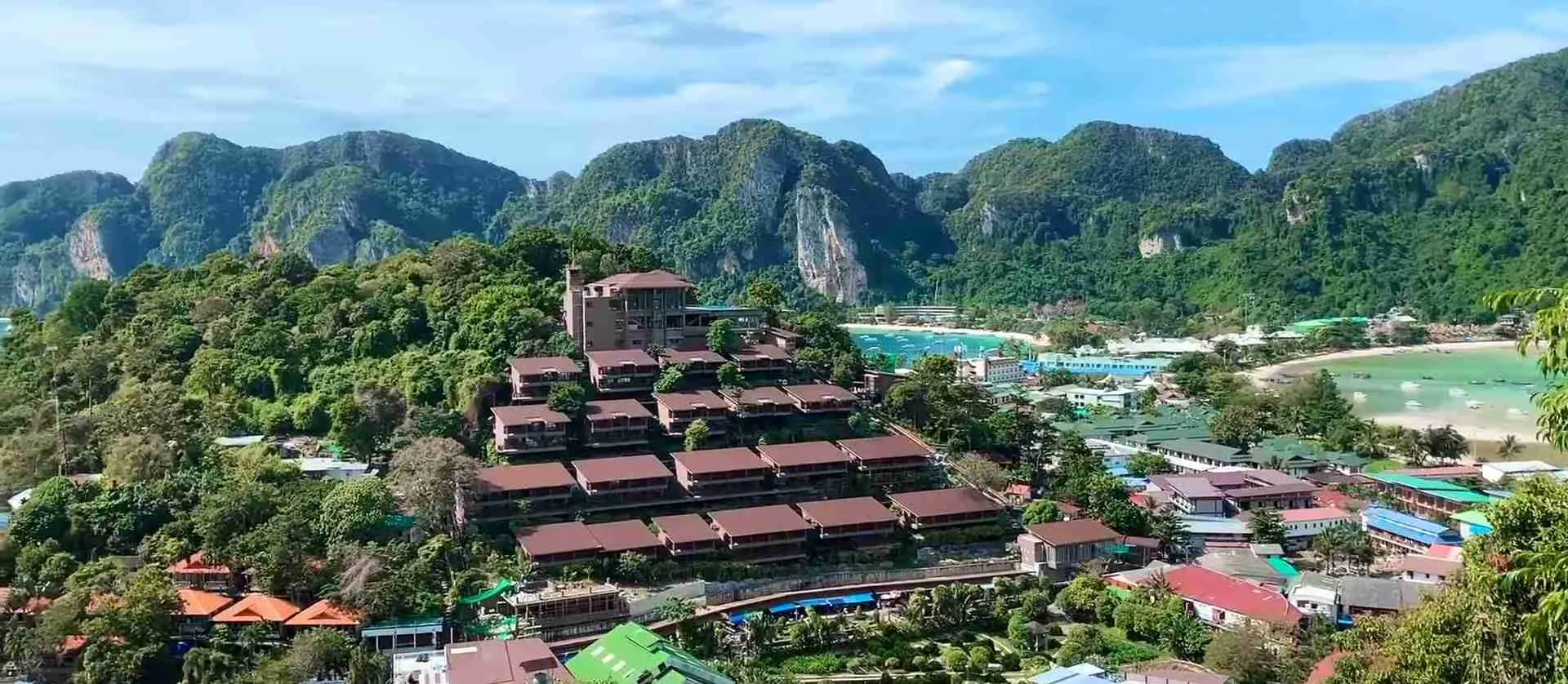
Phuket Budget Guide 2026: Complete Cost Breakdown & Money-Saving Strategies
Phuket accommodates every budget tier in 2026, from backpackers spending ฿1,100-1,500 ($31-42) daily covering hostel dormitories, street food meals, and public transport, to mid-range travelers allocating ฿2,500-4,000 ($70-112) for comfortable hotels and restaurant dining, and luxury visitors exceeding ฿8,000 ($224) with beachfront resorts and premium experiences. Thailand’s largest island combines free activities including 15+ beaches with world-class sand, Buddhist temple visits to Wat Chalong and Big Buddha, Old Town architecture exploration, and sunset viewpoints, with paid attractions like island-hopping tours (฿1,200-4,500) and cultural shows creating flexible spending options. Strategic planning selecting accommodation away from premium beach zones, eating Thai cuisine at local restaurants rather than Western tourist venues, and using Grab ride-hailing or rented scooters instead of tuk-tuks can reduce daily costs by 40-60% while maintaining quality experiences.
Key Takeaways: Phuket Budget Planning 2026
- Daily budget ranges ฿1,100-8,000+ ($31-224+) depending on travel style, with budget backpackers managing ฿1,100-1,500 including ฿400-800 hostel beds, ฿300-500 food, ฿200-300 transport; mid-range travelers spending ฿2,500-4,000 on ฿1,500-3,000 hotels, ฿800-1,200 restaurant meals, ฿400-600 transport; and luxury visitors exceeding ฿8,000 for ฿5,000+ resorts, ฿2,000-3,000 fine dining, and private tours
- Accommodation costs ฿400-25,000+ ($11-700+) nightly across all categories: hostels ฿400-800 for dormitories and ฿600-1,200 private rooms in Phuket Town/Patong, mid-range hotels ฿1,500-3,500 near beaches with pools and breakfast, boutique properties ฿3,000-6,000 with upgraded amenities, and luxury beachfront resorts ฿8,000-25,000 offering premium service and direct beach access
- Food expenses ฿60-1,500+ per meal with dramatic price variations: street food and local markets ฿60-120 for pad thai, fried rice, or noodle soups; Thai restaurants ฿150-300 for complete meals with drinks; tourist-zone venues ฿400-800 per person for Western and Thai fusion; and fine dining establishments ฿1,200-3,000+ for tasting menus and wine pairings at Michelin-level restaurants
- Transportation daily costs ฿150-600 through mixed strategies combining scooter rental ฿200-300 providing unlimited daily travel, Grab/Bolt rides ฿50-250 per journey for point-to-point transfers, Phuket Smart Bus ฿50-100 per trip along west coast routes, and avoiding expensive tuk-tuks charging ฿200-400 for short distances that alternatives cover for ฿50-100
- Free activities dominate best experiences including 15+ world-class beaches (Patong, Kata, Karon, Freedom Beach, Kata Noi, Bang Tao, Surin, Kamala, Nai Harn), temple visits to Wat Chalong and Big Buddha viewpoint, Phuket Old Town Sino-Portuguese architecture walks, Promthep Cape and Karon Viewpoint sunsets, night market browsing at Naka Weekend Market and Sunday Walking Street, and Mai Khao Beach plane spotting
- Seasonal timing affects costs 25-40% with high season November-April commanding premium pricing for accommodation and tours but delivering optimal weather, while low season May-October offers discounts of 25-35% on hotels and 30-40% on tours despite monsoon conditions and higher cancellation rates creating tradeoffs between budget savings and weather reliability
People Also Ask About Phuket Budget 2026
How much money do I need per day in Phuket in 2026?
Daily budget requirements in Phuket 2026 range ฿1,100-8,000+ ($31-224+) depending on travel style and accommodation choices. Budget backpackers manage ฿1,100-1,500 daily covering hostel dormitory beds ฿400-800 in Phuket Town or Patong, street food and local restaurant meals ฿300-500 (breakfast ฿60-100, lunch ฿80-150, dinner ฿120-200), local transportation via Phuket Smart Bus or Grab ฿150-250, drinking water and snacks ฿50-100, and one budget activity or beach day. Mid-range travelers allocate ฿2,500-4,000 daily including comfortable hotels ฿1,500-3,000 near beaches with pools and breakfast, restaurant dining ฿800-1,200 (lunch ฿200-400, dinner ฿400-600, drinks ฿200), mixed transportation using Grab and occasional scooter rental ฿300-500, and one paid tour or activity ฿500-1,000. Luxury visitors spend ฿8,000+ daily on beachfront resort accommodation ฿5,000-12,000, fine dining and premium restaurants ฿2,000-3,000, private transportation and tours ฿1,500-2,500, plus spa treatments and shopping. These estimates exclude major one-time expenses like flights, comprehensive travel insurance, and expensive equipment rentals (jet skis, diving gear), but include typical daily living costs. Solo travelers face higher per-person costs due to single supplement charges on accommodation lacking price reduction for solo occupancy, while couples and groups achieve economies splitting hotel rooms and private tour costs across multiple people reducing individual daily budgets by 20-35%.
Is Phuket expensive compared to other Thailand destinations in 2026?
Phuket ranks as Thailand’s most expensive island destination in 2026, with costs 20-40% higher than Krabi, 30-50% above Koh Samui, and 40-60% more than less-developed islands like Koh Lanta or Koh Chang, though comparable to Bangkok for accommodation and food with Phuket’s beach resort premium offsetting Bangkok’s capital city pricing. The expense differential stems from Phuket’s mature tourism infrastructure attracting premium hotel brands, international restaurant chains, and luxury developments catering to high-spending visitors, combined with island logistics increasing supply costs for imported goods, limited land availability driving real estate prices upward, and strong year-round demand supporting premium pricing even during low season months. Specific cost comparisons show mid-range hotels averaging ฿2,500-3,500 nightly in Phuket versus ฿1,800-2,800 in Krabi and ฿1,500-2,500 in Koh Lanta, while restaurant meals cost ฿400-600 per person in Phuket tourist zones versus ฿300-450 in equivalent Krabi locations and ฿250-380 on smaller islands. Transportation represents Phuket’s largest premium with tuk-tuk monopolies charging ฿200-400 for short journeys costing ฿100-200 in other destinations and metered taxis scarce compared to Bangkok’s abundant meter taxis and Chiang Mai’s ubiquitous songthaew shared trucks charging fixed ฿30-40 routes. However, Phuket delivers superior value through free world-class beaches exceeding most Thai islands in sand quality and water clarity, extensive free temple and cultural attractions, and competitive tour pricing for day trips to Phi Phi Islands and James Bond Island matching or undercutting equivalent tours from Krabi departure points. Budget travelers minimize Phuket’s cost premium by selecting Phuket Town or Rawai accommodation over Patong/Kata premium zones (30-40% savings), eating exclusively at Thai restaurants avoiding Western tourist venues (40-50% food cost reduction), using Grab and scooters exclusively rather than tuk-tuks (60-70% transport savings), and prioritizing free beach and temple activities over paid attractions.
What are the best free things to do in Phuket?
Phuket’s best free activities center on 15+ world-class beaches offering swimming, sunbathing, and water activities without entrance fees, with highlights including Kata Noi Beach providing intimate cove setting ideal for couples and photography, Freedom Beach accessible via longtail boat (฿100 round-trip) or hiking trail offering pristine sand and excellent snorkeling, Nai Harn Beach in southern Phuket combining calm swimming conditions with beachfront restaurants and yoga studios, Bang Tao Beach extending 6 kilometers with luxury resort backdrop but fully public access, and Mai Khao Beach near airport featuring plane-spotting opportunities as aircraft descend meters above sunbathers during landing approaches. Temple exploration delivers cultural immersion without cost including Wat Chalong (Phuket’s largest and most important Buddhist temple with ornate architecture, golden spires, and historical monk statues), Big Buddha viewpoint on Nakkerd Hill offering panoramic island views despite current interior closure for renovations, Wat Phra Thong housing the famous half-buried golden Buddha legend, and numerous neighborhood temples throughout Phuket Town and Rawai providing authentic local religious experiences. Phuket Old Town walking tours self-guided through Sino-Portuguese architecture along Thalang Road, Dibuk Road, Ranong Road showcasing 19th-century shophouses with colorful facades, street art murals, quirky cafes, and Sunday Walking Street Market (Sunday evenings) featuring handicrafts, street food, and live performances create Instagram-worthy exploration. Sunset viewpoints include Promthep Cape at Phuket’s southern tip (island’s most famous sunset location with lighthouse, elephant shrine, clifftop restaurant), Karon Viewpoint overlooking three beaches simultaneously (Karon, Kata, Kata Noi) from elevated roadside pullout, and Windmill Viewpoint near Nai Harn offering 360-degree coastal panoramas. Night market browsing without obligatory purchases provides entertainment at Naka Weekend Market (Saturday-Sunday in Phuket Town with hundreds of food stalls, clothing vendors, live music), Chillva Market (nightly except Sunday with hipster vibe, container architecture, craft beer), and various neighborhood markets throughout the island offering authentic local atmosphere and people-watching opportunities.
How can I save money in Phuket 2026?
Money-saving strategies in Phuket 2026 combine accommodation location selection, food sourcing tactics, transportation optimization, and activity prioritization for potential savings of 40-60% versus standard tourist spending patterns. Accommodation savings of 30-50% come from choosing Phuket Town or Rawai over Patong/Kata/Karon premium beach zones (identical room quality ฿1,200 in Phuket Town versus ฿2,500 in Patong), booking directly with hotels rather than online travel agencies for 10-15% discounts and room upgrades, traveling during low season May-October securing 25-35% rate reductions, and extending stays negotiating weekly or monthly rates reducing nightly costs 15-25% compared to daily pricing. Food cost reductions of 50-70% require eating exclusively at Thai restaurants and street food vendors avoiding Western tourist restaurants (complete Thai meal ฿80-150 at local venue versus ฿400-600 at tourist restaurant for comparable portion sizes), shopping at local markets (Banzaan Market in Patong, Talad Tai Rod in Phuket Town) for fresh fruit and snacks at ฿50-80/kg versus ฿150-200/kg at hotel shops or 7-Eleven, drinking tap water after filtering or buying 6-liter bottles ฿25 at supermarkets rather than individual ฿20 bottles at convenience stores, and utilizing hotel breakfast inclusions or self-catering capabilities in apartment-style accommodations. Transportation optimization saves 60-75% through renting scooters ฿200-300 daily for unlimited travel versus individual tuk-tuk trips ฿200-400 each (breakeven at 1-2 rides daily), using Grab or Bolt ride-hailing apps instead of tuk-tuks or unmetered taxis (typical journey ฿80-150 via Grab versus ฿300-400 tuk-tuk for same route), purchasing Phuket Smart Bus multi-day passes (฿300 for 1-day unlimited, ฿499 for 3-day pass versus ฿100 per individual ride), and walking between nearby locations rather than defaulting to paid transport for sub-2km distances. Activity cost management involves prioritizing free beaches and temples over paid attractions (unlimited beach days versus ฿1,500-4,500 island tours), booking tours directly at beach operators or through local agencies rather than hotel concierges (20-30% savings), joining group tours instead of private tours (฿1,500-2,400 group speedboat versus ฿15,000-25,000 private charter), and visiting during shoulder seasons when tour operators offer 15-25% promotional discounts to fill capacity.
Extended multi-day tours – 5+ days
Featured Phuket Multi-Day Tour Packages
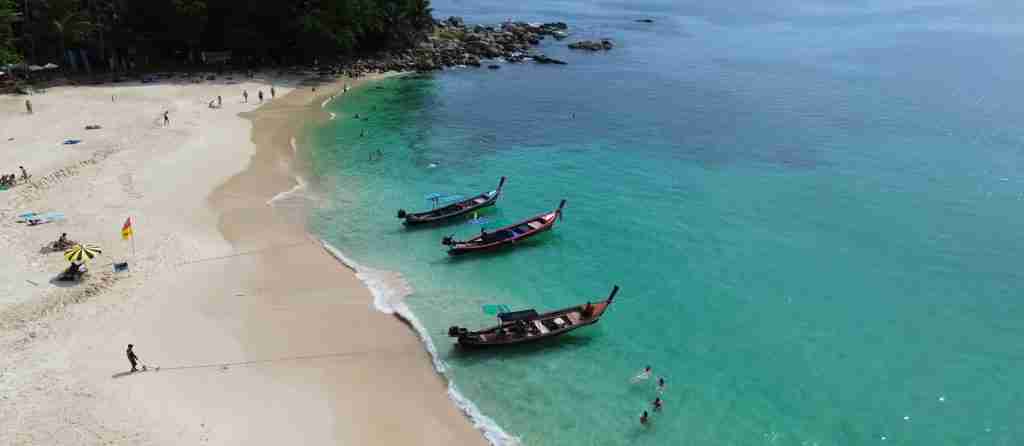
3 days
Phuket 3-Day Discovery Tour
- ✓ Comprehensive Phuket experience
- ✓ Expert local guides included
- ✓ All accommodation included
- ✓ Transportation provided
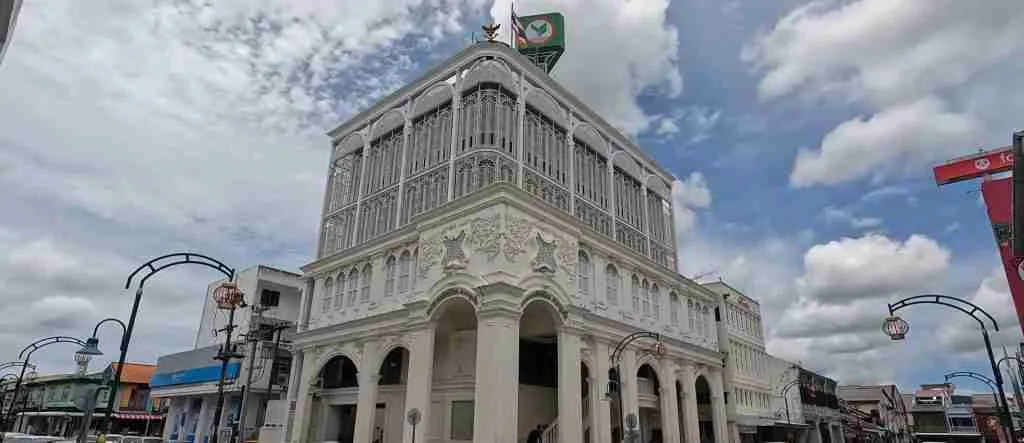
5 days
Phuket 5-Day Highlights Experience
- ✓ Comprehensive Phuket experience
- ✓ Expert local guides included
- ✓ All accommodation included
- ✓ Transportation provided

7 days
Phuket 7-Day Cultural Journey
- ✓ Comprehensive Phuket experience
- ✓ Expert local guides included
- ✓ All accommodation included
- ✓ Transportation provided
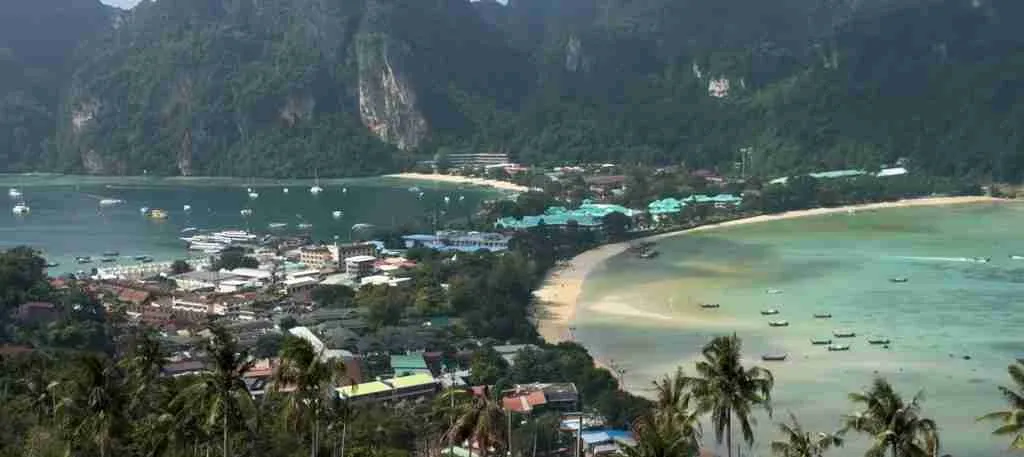
10 days
Phuket 10-Day Complete Adventure
- ✓ Comprehensive Phuket experience
- ✓ Expert local guides included
- ✓ All accommodation included
- ✓ Transportation provided
Multi-day tour packages powered by TourRadar. Prices and availability subject to change.
Introduction: Phuket Budget Planning for 2026
Phuket’s transformation from quiet fishing community to Thailand’s premier island destination created a dual-pricing ecosystem where backpackers and luxury travelers coexist within kilometers, with Patong Beach five-star resorts charging ฿15,000+ nightly while Phuket Town hostels offer ฿400 dormitory beds, and Michelin-starred restaurants serve ฿3,000 tasting menus blocks away from ฿60 street food stalls. This pricing diversity stems from Phuket’s 40+ year tourism development attracting international hotel chains, global restaurant brands, and luxury residential developments alongside preservation of traditional Thai markets, family-owned guesthouses, and authentic local eateries serving residents and budget-conscious travelers.
The 2026 budget landscape requires understanding Phuket’s geographic pricing zones, with premium beachfront areas (Patong, Kata, Karon, Bang Tao) commanding 40-80% higher costs for accommodation and dining than inland Phuket Town, southern Rawai, or northern Thalang districts offering identical quality at substantially reduced rates due to reduced beach proximity and tourist density. Seasonal variations compound geographic pricing with November-April high season seeing 25-40% cost increases across accommodation, tours, and even restaurant pricing as demand peaks during Northern Hemisphere winter when European and Asian visitors flood the island seeking tropical warmth, while May-October monsoon season brings 25-35% discounts on hotels and 30-40% tour reductions trading cost savings for weather unpredictability and occasional rain disruptions.
Daily budget requirements span enormous ranges depending on travel style choices: ultra-budget backpackers survive on ฿800-1,000 daily sleeping in hostel dormitories (฿400-600), eating exclusively street food (฿250-350), walking or using public buses (฿50-100), and limiting paid activities to free beaches and temples. Budget travelers at ฿1,100-1,500 upgrade to private hostel rooms or basic hotels (฿600-1,000), mix street food with budget restaurant meals (฿300-500), use Grab ride-hailing selectively (฿150-300), and allocate modest funds for occasional paid activities. Mid-range visitors spending ฿2,500-4,000 enjoy comfortable beachside hotels (฿1,500-2,500), dine at mix of Thai and Western restaurants (฿800-1,200), rent scooters or use Grab freely (฿300-500), and participate in group tours and activities (฿500-1,000). Upper mid-range travelers at ฿4,000-8,000 book boutique hotels or resort properties (฿3,000-6,000), eat at upscale restaurants with wine (฿1,500-2,500), use private transport or taxis without cost concern (฿500-1,000), and book premium tours or spa treatments (฿1,000-2,000). Luxury visitors exceeding ฿8,000-15,000 daily stay at five-star beachfront resorts (฿8,000-25,000), dine at fine dining establishments (฿2,000-5,000), arrange private tours and drivers (฿2,000-4,000), and indulge in luxury spa treatments and shopping.
Cost optimization strategies enable quality experiences at reduced expense through informed choices about location (staying Phuket Town and traveling to beaches daily versus paying beachfront premiums), dining patterns (eating Thai cuisine at local venues versus Western food at tourist restaurants), transportation modes (renting scooters versus hiring tuk-tuks for each journey), and activity selection (prioritizing free beaches, temples, viewpoints, and Old Town walks versus paid attractions). Geographic arbitrage moving between budget zones for sleeping and eating while enjoying free premium beach access during daylight hours allows mid-range budgets to sustain extended Phuket stays maintaining comfort and quality.
This comprehensive guide provides verified 2026 costs across all expense categories including accommodation by location and quality tier, food options from street vendors to fine dining, transportation alternatives and per-journey pricing, activity costs for paid attractions and free alternatives, plus complete daily budget breakdowns for each travel style showing realistic expense allocations and money-saving strategies enabling informed financial planning for Phuket trips across all budget levels from shoestring backpacking to luxury indulgence.
Accommodation Costs by Zone and Quality in Phuket 2026
Patong Beach accommodation ranges ฿600-15,000+ nightly as Phuket’s most developed tourist zone with highest density of hotels, restaurants, nightlife, and beach activities creating premium pricing. Budget options ฿600-1,500 include hostels like Lub d Phuket Patong (฿600-800 dormitories, ฿1,200-1,500 private rooms with modern design, rooftop pool, central location), BYD Lofts Boutique Hotel (฿800-1,200 for compact rooms near beach and Bangla Road nightlife), and older guesthouses 5-10 minute walks from beachfront offering basic clean rooms with air conditioning and WiFi. Mid-range properties ฿2,000-4,000 include Patong Beach Hotel (฿2,200-3,200 with direct beach access, pools, breakfast buffet), APK Resort (฿2,500-3,500 hillside location with sea views, multiple pools, shuttle to beach), and Burasari Phuket (฿3,000-4,000 boutique resort with superior service, spa, beachfront dining). Upper mid-range ฿4,000-8,000 features Holiday Inn Resort Phuket (฿4,500-6,500 family-friendly with kids club, water slides, beachfront), Amari Phuket (฿5,000-7,500 premium beachfront position, multiple restaurants, extensive facilities). Luxury tier ฿8,000-15,000+ includes Wyndham Grand Phuket Kalim Bay (฿8,000-12,000 clifftop infinity pools, contemporary design), The Kee Resort & Spa (฿10,000-15,000 adults-only luxury, private beach access, gourmet dining).
Kata and Karon beaches offer better value than Patong with quieter atmosphere and family appeal at ฿500-12,000 nightly. Budget accommodations ฿500-1,200 include Kata Beach Studio (฿500-800 basic clean rooms 10-minute walk to beach), Peach Hill Resort (฿700-1,000 affordable pool, gardens, breakfast, popular with families), Sugar Palm Resort (฿900-1,200 Karon location, pools, reasonable facilities). Mid-range ฿1,500-3,500 properties include Kata Beach Resort (฿1,800-2,800 beachfront location, multiple pools, restaurants), Beyond Resort Karon (฿2,200-3,200 adults-only, excellent breakfast, modern rooms, near beach), Centara Karon Resort (฿2,500-3,500 large resort complex, family facilities, beachfront access). Upper options ฿3,500-8,000 feature Katathani Phuket Beach Resort (฿4,500-7,000 extensive beachfront property, multiple restaurants, excellent family amenities), Movenpick Resort & Spa Karon Beach (฿5,000-8,000 premium international brand, extensive facilities, spa).
Phuket Town provides maximum value ฿400-3,000 with authentic local atmosphere, excellent food scene, and easy access to entire island via scooter or car rental. Budget choices ฿400-1,000 include Bodega Phuket (฿400-600 dormitories, ฿800-1,000 private rooms in historic building, trendy design, social atmosphere), Old Town Hostel (฿400-700 central location, basic facilities, backpacker focus), Book a Bed Poshtel (฿500-900 modern pod-style dormitories, private capsules). Mid-range ฿1,000-2,000 includes Sino House (฿1,200-1,800 restored Sino-Portuguese building, atmospheric courtyards, boutique character), Memory at On On Hotel (฿1,000-1,500 historic property featured in “The Beach” film, renovated rooms, Old Town location), Vintage Inn (฿1,200-1,800 heritage building, contemporary amenities, central position). Boutique options ฿2,000-3,000 feature Tints of Blue (฿2,000-2,800 luxury heritage hotel, gourmet breakfast, intimate atmosphere), The Rommanee Classic Guesthouse (฿1,800-2,500 restored shophouse, traditional Thai hospitality).
Bang Tao and Surin areas represent luxury zone ฿2,000-30,000+ with 6-kilometer beach, upscale resorts, beach clubs, and minimal budget options. Mid-range starting ฿2,000-4,000 includes Sunwing Kamala Beach (฿2,200-3,500 family resort, water slides, kids club, good value), Twin Palms Phuket (฿3,500-5,500 stylish design, excellent pool, restaurant scene). Luxury tier dominates ฿6,000-30,000 with Banyan Tree Phuket (฿12,000-25,000 private pool villas, world-class spa, golf course), Amanpuri (฿30,000-80,000+ ultra-luxury pavilions and villas, legendary service, exclusive beach), Trisara (฿25,000-60,000 private pool villas, Michelin-starred restaurant PRU, pristine beachfront).
Rawai and Nai Harn southern areas provide excellent value ฿600-8,000 with less tourist development, authentic atmosphere, beautiful beaches, and proximity to viewpoints. Budget ฿600-1,500 options include Friendship Beach Resort (฿800-1,200 beachfront bungalows, basic facilities, local vibe), The Nap Patong (฿600-1,000 hostel-style, social atmosphere). Mid-range ฿1,500-3,500 includes The Nai Harn (฿3,000-5,000 renovated historic hotel, beachfront location, excellent restaurant), Nai Harn Beach Resort (฿2,000-3,500 hillside position, sea views, pool, near beach). Upper options ฿4,000-8,000 feature luxury villas and boutique properties with privacy and tranquility.
Booking strategies optimize costs through direct hotel websites often offering 10-15% discounts versus online travel agencies plus room upgrades and perks, advance booking 30-90 days securing early bird rates 15-25% below last-minute pricing, low season travel May-October achieving 25-35% reductions, extended stays negotiating weekly or monthly rates (7+ nights reducing nightly costs 15-20%, 30+ nights securing 30-40% discounts), and flexible date searching comparing weekend versus weekday rates showing Thursday-Sunday premium pricing 10-20% above Monday-Wednesday in high season.
Food and Dining Costs Phuket 2026
Street food and food stalls ฿60-150 per meal represent Phuket’s best value combining authentic Thai flavors with budget pricing at locations throughout the island. Breakfast options ฿50-100 include rice porridge (jok) ฿40-60, Thai omelet with rice ฿50-80, pork or chicken noodle soup ฿60-90, roti pancakes ฿40-70 (plain), ฿60-100 (banana, egg, chocolate). Lunch and dinner mains ฿60-150 feature pad thai ฿60-90, fried rice with chicken/pork/shrimp ฿60-100, pad krapow (basil stir-fry) ฿70-100, green or red curry with rice ฿80-120, tom yum soup ฿80-150, som tam (papaya salad) ฿50-80, grilled chicken (gai yang) ฿80-150 for half chicken. Fresh fruit ฿40-80 includes pineapple ฿40-60, mango ฿50-100/kg, watermelon ฿30-50, papaya ฿40-70, dragon fruit ฿60-100. Drinks ฿20-60 cover water bottles ฿10-20, fresh coconut ฿60-100, sugarcane juice ฿30-50, iced tea/coffee ฿30-60. Prime street food locations include Naka Weekend Market (Saturday-Sunday evening, 200+ stalls), local morning markets throughout Phuket Town and Rawai, beachside vendors at Patong, Kata, Karon beaches, and neighborhood food courts near residential areas offering authentic local pricing below tourist zone markups.
Budget Thai restaurants ฿100-250 per person provide sit-down dining with air conditioning, menus in English, and slightly upgraded ambiance while maintaining reasonable costs. Typical meals ฿150-250 include appetizer or soup, main course, rice, and drink. Recommended dishes: massaman curry ฿120-180, pad see ew (stir-fried noodles) ฿100-150, tom kha gai (coconut chicken soup) ฿120-180, fried fish with garlic ฿150-250, morning glory stir-fry ฿80-120. Notable budget restaurants: No. 6 Restaurant Patong (generous portions, local favorite), Raya Restaurant Phuket Town (historic building, traditional recipes ฿150-280), Local Food Court in Central Festival Mall Phuket Town (mall pricing significantly cheaper than Jungceylon Patong, complete meals ฿100-180). One Chun Café Phuket Town (coffee shop with excellent Thai breakfast/lunch ฿100-180).
Mid-range Thai and fusion restaurants ฿300-600 per person deliver quality ingredients, attractive presentation, and comfortable settings popular with both tourists and affluent locals. Meal expectations ฿350-600 include shared appetizers, individual mains, rice or noodles, and beverages in air-conditioned dining rooms with attentive service. Recommended venues: Kan Eang @ Pier Chalong (seafood specialist, waterfront setting, ฿400-700 per person), Baan Rim Pa Patong (cliff-top Thai fine dining, stunning Patong Bay views, ฿500-800), Ka Jok See Phuket Town (legendary dinner theater, Thai cuisine with live music, ฿600-900 including entertainment), Blue Elephant Phuket Town (Royal Thai cuisine, colonial mansion setting, ฿680-1,100 per dish, ฿1,500-2,500 per person with wine).
International and Western restaurants ฿400-900 per person cater to tourists seeking familiar cuisines often at premium pricing reflecting import costs and tourist demand. Italian restaurants ฿450-800 (pasta ฿280-450, pizza ฿350-550, mains ฿450-800), steakhouses ฿800-1,500 (imported beef steaks ฿900-1,800, sides ฿180-300), burger restaurants ฿350-600 (gourmet burgers ฿280-450 with fries), seafood restaurants ฿600-1,200 per person (fresh fish priced by weight ฿400-800/kg, lobster ฿1,200-2,000/kg, king prawns ฿600-1,000). Beach club dining ฿800-1,500+ combines food, drinks, pool/beach access with premium ambiance at Catch Beach Club Bang Tao, Xana Beach Club Bang Tao, Café del Mar Kamala featuring international menus, cocktails ฿300-500, and DJ entertainment.
Fine dining ฿1,200-3,000+ per person delivers Michelin-quality experiences with imported ingredients, professional sommelier service, and sophisticated presentations. PRU at Trisara Resort (Michelin one-star, farm-to-table philosophy, tasting menu ฿3,800-5,800 plus wine pairing ฿2,500-4,000), Siam Supper Club Phuket Town (refined Thai haute cuisine, tasting menus ฿1,800-2,800), Mom Tri’s Kitchen Kata Noi (beachfront fine dining, seafood focus, ฿1,200-2,500 per person). International hotel restaurants at Banyan Tree, Amanpuri, and other luxury properties serve ฿2,000-4,000 multi-course dinners with extensive wine lists.
Supermarket and self-catering options reduce food costs 40-60% below restaurant dining through Tesco Lotus (island-wide locations, local and imported products), Big C (Phuket Town and Patong, bulk pricing), Villa Market (expat-focused, imported goods, premium pricing), Makro (wholesale pricing, membership required, ideal for extended stays), and local markets (Banzaan Fresh Market Patong, Talad Tai Rod Phuket Town, weekend markets) offering fresh produce ฿40-100/kg, cooked rice ฿10-15/portion, prepared curry dishes ฿80-150/container, and beverages at supermarket pricing below convenience store markups. Apartment or condo rentals with kitchen facilities enable breakfast and simple meal preparation reducing daily food costs from ฿500-800 restaurant dining to ฿200-350 self-catering.
Transportation Costs and Options Phuket 2026
Scooter rental ฿200-300 daily provides maximum flexibility and best value for independent travelers comfortable operating motorcycles in tropical conditions. Standard automatic scooters (Honda Click, Yamaha Fino) rent ฿200-250/day, ฿1,200-1,500/week, ฿3,500-5,000/month through rental shops throughout Patong, Kata, Karon, Phuket Town offering passport copy plus ฿3,000-5,000 deposit. Premium scooters (Honda PCX, Yamaha NMAX) cost ฿250-350 daily with superior comfort for longer rides. Fuel expenses add ฿100-150 weekly for typical usage (gasoline ฿35-40/liter, 3-4 liter weekly average). Insurance coverage rarely included requires purchasing separate policies ฿100-200 daily or accepting liability risk with most renters opting to self-insure given Thailand’s affordable medical costs. Safety considerations include mandatory helmet usage (฿500 fine if caught without), left-side driving adaptation, steep hills in various island locations, heavy rain reducing visibility and traction, and significant accident rates requiring defensive driving and appropriate skill levels. International Driving Permit legally required though rarely checked except during police checkpoints (฿500 fine without proper license).
Grab and Bolt ride-hailing apps offer transparent pricing ฿50-350 per journey eliminating negotiation hassle and providing air-conditioned comfort with GPS tracking and cashless payment options. Typical fares: Patong Beach to Kata Beach ฿180-220, Phuket Town to Patong ฿250-300, Kata to Karon ฿80-120, Airport to Patong ฿450-550, Airport to Phuket Town ฿350-400. Service availability varies by location with excellent coverage in Patong, Kata, Karon, Phuket Town, Bang Tao but limited options in remote areas like northern beaches or rural inland zones. Surge pricing during peak hours (8-10 AM, 5-8 PM) and rain storms increases costs 20-50% above base rates. Driver acceptance rates higher in central areas versus pickup requests from isolated locations. Credit card payment through apps eliminates cash requirement though most drivers accept cash with preference for exact change. Grab also offers GrabBike motorcycle taxi service ฿40-150 for solo travelers seeking fastest point-to-point transit during traffic congestion.
Tuk-tuks ฿200-800 represent Phuket’s most controversial transportation option combining iconic experience with infamous overpricing and aggressive negotiation tactics. Standard journeys cost ฿200-400 for short trips under 5km (Patong to Karon ฿300-400, within Patong ฿200-300, beach to restaurant ฿200), ฿400-600 for medium distances 5-10km (Kata to Phuket Town ฿500-600, Patong to Airport ฿700-800), and ฿600-800+ for long cross-island trips. “Mafia-style” pricing coordination among tuk-tuk cooperatives prevents competitive price reduction maintaining inflated rates compared to metered taxis or Grab alternatives offering identical routes at 50-70% lower cost. Negotiation requirements before boarding create uncomfortable interactions with drivers quoting tourist prices 2-3x above fair value expecting bargaining to reach reasonable middle ground. Group travel (4+ passengers) makes tuk-tuks more economical than multiple Grab cars, though comfort limitations (bench seating, exposure to weather, rough ride quality) reduce appeal for journeys exceeding 20-30 minutes. Evening and late-night pricing increases 50-100% with drivers charging ฿400-600 for short trips costing ฿150-200 via daytime Grab.
Phuket Smart Bus ฿100 per ride operates air-conditioned coaches along fixed west coast route connecting Airport-Mai Khao-Nai Yang-Surin-Kamala-Patong-Karon-Kata-Kata Noi-Rawai with 40+ stops and 60-90 minute end-to-end transit time. Multi-day passes offer better value at ฿300 for 1-day unlimited, ฿499 for 3-day pass, ฿1,000 for 10-day pass ideal for extended stays relying on public transit. Service operates 6:30 AM-10:30 PM with 30-60 minute frequencies depending on time and route section. Limitations include no east coast service (no direct access to Phuket Town or Chalong), slow travel times due to frequent stops, and inflexible routing preventing exploration of interior attractions or beaches between major stops. Luggage space available but limited during peak periods when buses fill with tourists and local workers.
Songthaew blue buses ฿30-50 per ride operate limited routes primarily between Phuket Town and major beaches (Patong, Kata, Karon, Rawai) with departures from Ranong Road area in Phuket Town center when sufficient passengers board (no fixed schedule). Flag down from roadside or congregate at informal stations near markets and beaches. Pay upon exit directly to driver. Service operates approximately 7 AM-6 PM with reduced frequency after 4 PM. Seats 10-15 passengers on bench seating in open-air truck bed with sun canopy but no air conditioning. Popular with local workers and budget travelers willing to accept unpredictable timing and basic comfort for significant cost savings versus tuk-tuks or Grab.
Metered taxis remain rare in Phuket compared to Bangkok with most airport-based taxis operating meters plus ฿100 surcharge. Airport official taxi counter charges fixed rates ฿600-800 to Patong, ฿450-550 to Phuket Town, ฿800-1,000 to Bang Tao/Surin providing reliable service avoiding negotiation. Private car hire with driver ฿2,000-3,500 for full day (8 hours) suits groups or families wanting flexible touring without driving stress, arranged through hotels or tour agencies with English-speaking drivers familiar with island attractions.
Tour and Activity Costs Phuket 2026
Island-hopping day tours ฿1,200-4,500 per person constitute most popular paid activities visiting Phi Phi Islands, James Bond Island, or Similan Islands via speedboat, big boat, or catamaran departures. Phi Phi Islands tours ฿1,500-4,000 include hotel transfers, boat transportation, Maya Bay visit (exterior viewing only, swimming prohibited), Pileh Lagoon, Viking Cave, Monkey Beach, lunch at Phi Phi Don, snorkeling equipment, guide, and insurance. James Bond Island tours ฿1,200-4,500 feature Phang Nga Bay limestone karsts, sea kayaking through caves and lagoons, Ko Panyi floating village lunch, Khao Phing Kan beach photo stop, and iconic Ko Ta Pu needle rock viewing. Similan Islands tours ฿3,500-5,500 (seasonal November-April only) provide premium snorkeling and diving at Thailand’s best marine park with pristine coral reefs, diverse fish populations, and white sand beaches. All tours exclude national park fees (฿300-500 per person) paid separately in cash at entry points.
Water activities and beach sports include jet ski rental ฿800-1,500 for 30 minutes, parasailing ฿1,200-1,800 for 10-15 minute flight, banana boat rides ฿600-800 per person for group ride, speedboat rental ฿2,500-4,000 per hour for groups, stand-up paddleboard rental ฿300-500 per hour, kayak rental ฿200-400 per hour for double kayak. Scuba diving costs ฿3,500-4,500 for two-dive day trips to local sites (King Cruiser wreck, Shark Point, Racha Islands) including equipment, instruction, lunch, and transfers. PADI Open Water certification courses ฿14,000-18,000 cover 3-4 day programs with classroom, pool, and open water training. Snorkeling tours ฿1,200-2,500 visit coral reefs around Phuket’s southern islands with equipment, guide, and lunch included.
Cultural experiences and shows range ฿800-2,500 per person with Phuket FantaSea (฿1,800-2,500 including buffet dinner and Vegas-style theatrical performance featuring elephants, acrobatics, and Thai mythology), Simon Cabaret (฿700-900 for transgender cabaret show with elaborate costumes and production), Siam Niramit Phuket (฿1,500-2,000 for cultural extravaganza showcasing Thai history and traditions), and Muay Thai boxing matches (฿1,000-1,500 at Patong Boxing Stadium or Bangla Boxing Stadium for authentic matches). Thai cooking classes ฿1,200-2,500 include market tour, hands-on instruction preparing 4-6 dishes, recipe booklet, and lunch consuming creations at schools like Phuket Thai Cookery School or Blue Elephant Cooking School.
Spa and wellness treatments cost ฿800-8,000+ depending on venue luxury level and treatment type. Budget Thai massage ฿300-500 per hour at beach massage shacks or neighborhood shops, mid-range spa packages ฿1,200-2,500 at hotel spas for 90-120 minute treatments combining massage, scrub, and facial, luxury resort spas ฿3,000-8,000 for signature treatments at Banyan Tree Spa, Amanpuri, or Trisara incorporating premium products and extensive facilities. Foot massage ฿250-400 per hour provides affordable relaxation option. Yoga classes ฿400-800 per session at studios throughout island with drop-in options and package discounts for multiple classes.
Adventure activities include ATV tours ฿1,800-2,500 for 2-hour jungle trails, zipline canopy courses ฿1,500-2,800 at Hanuman World or Flying Hanuman featuring 15-20 platforms through rainforest, bungee jumping ฿2,500-3,000 at Patong or Kata locations. Elephant experiences range ฿2,500-4,500 at ethical sanctuaries (Phuket Elephant Sanctuary, Elephant Retirement Park) offering observation, bathing, and feeding without riding activities respecting animal welfare versus cheaper ฿1,500-2,000 traditional riding camps facing criticism for exploitation. Waterpark admission costs ฿1,190-1,690 at Andamanda Phuket (newest and largest, 100,000 square meters with 25 attractions) and ฿1,290-1,590 at Splash Jungle Water Park Mai Khao (family-focused near airport).
Complete Daily Budget Breakdowns by Travel Style 2026
Ultra-budget backpacker ฿900-1,200 daily requires strict cost discipline accepting basic accommodation, street food exclusively, walking or public bus transport, and free activities only. Accommodation ฿400-600 hostel dormitory in Phuket Town or Patong (8-12 bed mixed dorms, lockers, WiFi, shared bathrooms). Food ฿250-350 covers street food breakfast ฿50-80 (rice porridge or roti), lunch ฿80-120 (fried rice or noodles), dinner ฿100-150 (curry with rice or pad thai), water and snacks ฿20-50 from convenience stores buying large bottles and refilling. Transportation ฿50-100 uses walking for local movements, Phuket Smart Bus ฿100 for occasional beach transfers, or songthaew ฿30-50 between Phuket Town and beaches. Activities ฿0-100 focuses entirely on free beaches, temple visits, Old Town walking, viewpoint sunsets with occasional splurge on beach activities or tour if budget allows. Total daily ฿900-1,200 enables extended Phuket stays on minimal budget accepting trade-offs in comfort and dining variety. Monthly cost ฿27,000-36,000 permits long-term budget living popular with digital nomads and extended travelers.
Budget traveler ฿1,500-2,200 daily upgrades to private accommodation, mixes street food with budget restaurants, uses Grab selectively, and affords occasional tours or activities. Accommodation ฿800-1,200 private room in Phuket Town guesthouse or Patong budget hotel (air conditioning, WiFi, basic breakfast or kitchen access). Food ฿400-600 combines street food breakfast ฿60-100, lunch at budget Thai restaurant ฿120-180, dinner at local venue ฿150-250, fresh fruit and snacks ฿70-120. Transportation ฿200-350 mixes walking short distances, Grab rides for 1-2 daily journeys ฿80-150 each, occasional Phuket Smart Bus ฿100 for beach hopping. Activities and miscellaneous ฿300-500 covers beach days (free), temple visits (free), one paid activity weekly (฿1,500-2,000 tours spread across 7 days = ฿200-300 daily), drinks ฿100-200. Total ฿1,500-2,200 daily or ฿45,000-66,000 monthly enables comfortable budget travel with quality experiences, diverse dining, and regular activities while maintaining cost consciousness.
Mid-range traveler ฿3,000-5,000 daily enjoys comfortable hotels near beaches, mix of Thai and international dining, convenient transportation without budget concern, and regular tours and paid activities. Accommodation ฿1,800-3,000 three-star beachside hotel in Kata, Karon, or Kamala (pool, breakfast buffet, modern rooms, beach proximity). Food ฿900-1,500 includes hotel breakfast (included), lunch at beachfront restaurant ฿300-500, dinner at mid-range Thai or international venue ฿400-700, coffee and drinks ฿200-300. Transportation ฿400-700 through scooter rental ฿250 providing unlimited daily travel or Grab/taxi rides 3-4 times daily ฿80-150 each without cost stress. Activities ฿500-1,200 permits regular tours every 3-4 days (฿1,500-4,000 tours = ฿400-1,000 daily average), water sports ฿500-800, spa treatments ฿300-500, shopping and miscellaneous ฿200-400. Total ฿3,000-5,000 daily represents comfortable Phuket experience balancing quality accommodation, diverse dining, convenient transport, and regular activities typical of mainstream tourists seeking stress-free tropical vacation.
Upper mid-range traveler ฿6,000-9,000 daily books boutique properties or four-star resorts, dines at upscale restaurants and beach clubs, uses private transport without concern, and indulges in premium activities and spa treatments. Accommodation ฿4,000-6,500 four-star resort or boutique hotel (beachfront or sea view, multiple pools, excellent facilities, superior service). Food ฿1,800-2,800 covers hotel breakfast (included), lunch at beach club or upscale restaurant ฿600-1,000, dinner at fine dining or premium venue ฿900-1,500, cocktails and premium drinks ฿300-500. Transportation ฿600-1,000 uses private car rental with driver ฿2,500-3,500 daily spread across needs or unlimited Grab/taxi usage without budget monitoring. Activities and experiences ฿1,500-2,500 includes regular premium tours, spa treatments 2-3 times weekly, water sports, cultural shows, shopping at designer boutiques, and luxury experiences. Total ฿6,000-9,000 daily delivers premium Phuket experience with near-luxury accommodation, excellent dining, effortless transport, and regular indulgent activities maintaining high comfort and quality throughout stay.
Luxury traveler ฿12,000-25,000+ daily stays five-star beachfront resorts, dines at Michelin-quality restaurants, arranges private tours and drivers, and enjoys unlimited spa treatments and premium experiences. Accommodation ฿8,000-20,000 five-star resort or private pool villa (Banyan Tree, Amanpuri, Trisara, Anantara) with direct beach access, butler service, extensive facilities, world-class dining, luxury spa. Food and dining ฿3,000-6,000 includes gourmet resort breakfast (included), lunch at exclusive beach club or hotel restaurant ฿1,200-2,000, dinner at Michelin-starred or top fine dining venue ฿1,500-3,500, premium wine and cocktails ฿300-1,000. Transportation ฿1,500-3,000 through private drivers, luxury car rental, or resort transfers without cost consideration, helicopter transfers to nearby islands occasionally. Activities and luxury experiences ฿3,000-8,000 encompasses private yacht charters, exclusive island tours, premium spa packages, shopping at luxury boutiques, private diving or snorkeling guides, golf at premium courses, and customized experiences. Total ฿12,000-25,000+ daily enables ultra-luxury Phuket experience rivaling world’s top beach destinations with impeccable service, exceptional dining, exclusive access, and unlimited indulgence maintaining highest standards throughout stay.
15 Best Free Things to Do in Phuket 2026
Patong Beach swimming, sunbathing, and people-watching costs nothing accessing Phuket’s most famous 3-kilometer crescent of golden sand fronting turquoise Andaman Sea waters. The beach remains fully public despite surrounding high-rise hotels and commercial development, with free access at all hours and beachside vendors selling coconuts ฿60-100, fresh pineapple ฿40-60, and drinks ฿30-50. Activities available include swimming in designated safe zones (lifeguards on duty 9 AM-6 PM), walking the entire beach length for exercise and sunset viewing, and observing vibrant beach culture mixing international tourists, local vendors, water sports operators, and evening performers. Early morning visits 6-8 AM provide peaceful atmosphere before crowds arrive, while sunset hours 5:30-7 PM offer spectacular photo opportunities and cooler temperatures.
Kata Noi Beach delivers Phuket’s most picturesque swimming cove combining intimate scale (600-meter length versus Patong’s 3 kilometers) with pristine white sand, clear turquoise water ideal for swimming and snorkeling, dramatic rocky headlands providing shade and photography backdrops, and relatively light tourist crowds maintaining peaceful atmosphere. The beach sits between Kata Beach (north) and Kata Viewpoint (south) requiring short walk or scooter ride from main Kata area. Facilities include free public bathrooms, shower stations, and plenty of shade under casuarina trees. Snorkeling directly from beach reveals coral formations and tropical fish near southern rocks especially during calm season November-April. Surf breaks at beach center attract beginners during southwest monsoon May-October with waves suitable for learning.
Freedom Beach accessed via steep jungle trail or longtail boat ฿100 round-trip from Patong offers Phuket’s most pristine beach setting combining powdery white sand, crystal-clear water, excellent snorkeling over coral formations, minimal crowds due to limited access, and dramatic jungle backdrop. The 300-meter beach features no development beyond small beverage stall selling drinks ฿60-100, maintaining natural beauty absent from more accessible beaches. Trail access begins south of Patong Beach requiring 30-minute hike over steep rocky path with rope assists on difficult sections (proper footwear essential, flip-flops dangerous). Longtail boats depart Patong Beach offering easier access ideal for families or those avoiding challenging hike. Optimal visiting times are mornings 9-11 AM arriving before longtail boat tour groups, with afternoons seeing increased crowds as day trips include Freedom Beach in multi-stop itineraries.
Wat Chalong temple complex entrance costs nothing exploring Phuket’s largest and most important Buddhist temple featuring elaborate golden spires, ornate prayer halls housing statues of three revered monks (Luang Por Chaem, Luang Por Gluam, Luang Por Chuang who helped suppress Chinese rebellion in 1876), colorful wall murals depicting Buddhist teachings, and Grand Pagoda containing fragment of Buddha bone relic. The temple welcomes visitors daily approximately 6 AM-6 PM expecting respectful behavior including covered shoulders and knees (sarongs available for borrowing if needed), shoe removal before entering prayer halls, quiet demeanor, and modest donations appreciated but not required. Architecturally significant structures include Main Prayer Hall (Ubosot), Grand Pagoda standing 60 meters tall with interior staircases providing elevated views, and several smaller prayer pavilions scattered across manicured grounds. Cultural significance stems from the temple’s role in Phuket’s history and continued function as active worship site where locals pray, make offerings, and seek blessings from resident monks.
Big Buddha viewpoint remains accessible free despite interior closure for renovations, offering panoramic views from Nakkerd Hill summit 400 meters above sea level overlooking Phuket’s southern coasts, Chalong Bay, and distant islands. The 45-meter tall white marble Buddha statue visible throughout southern Phuket stands at hillside parking area providing photo opportunities though interior grounds remain closed pending completion of multi-year renovation project with uncertain reopening date. Accessing viewpoint requires driving or riding scooter up winding mountain road from Chalong approximately 20-minute journey, or hiking steep 3-kilometer trail from Karon Beach taking 60-90 minutes for fit hikers. Sunset timing 5:30-7 PM offers best photography light and coolest temperatures though morning visits 7-9 AM avoid midday heat and afternoon haze. Respectful dress (covered shoulders and knees) remains required even with interior closure, and donation boxes accept voluntary contributions toward ongoing restoration work.
Phuket Old Town walking tour self-guided through historic Sino-Portuguese architecture explores colorful 19th-century shophouses, street art murals, temples, and cafes concentrated along Thalang Road, Dibuk Road, Phang Nga Road, Yaowarat Road, and Krabi Road. Distinctive pastel-colored buildings feature Portuguese-influenced facades with decorative tiles, shuttered windows, and ornate doorways housing contemporary cafes, boutiques, galleries, and restaurants blending heritage preservation with modern commerce. Notable landmarks include Thai Hua Museum (former Chinese school teaching Phuket’s Chinese-Thai heritage), Shrine of the Serene Light (Jui Tui Shrine, important Chinese temple active during Vegetarian Festival), Old Phuket Town murals created by local and international artists covering building walls with cultural and historical themes, and heritage shophouse hotels allowing glimpses into interior renovation transforming century-old buildings into boutique accommodations. Sunday Walking Street Market (Lard Yai Market) operates Sunday evenings 4-10 PM transforming Thalang Road into pedestrian street with handicraft vendors, street food stalls, live music performances, and family-friendly atmosphere combining shopping, dining, and entertainment opportunities.
Promthep Cape viewpoint entrance charges nothing offering Phuket’s most famous sunset viewing location from southernmost island point providing panoramic vistas across Andaman Sea, Nai Harn Bay, distant islands including Koh Kaew, Koh Man, and Koh Raet, lighthouse structure, and elephant shrine. The clifftop location attracts hundreds of daily visitors especially 30 minutes before and after sunset (approximately 6-7 PM year-round with seasonal variation) creating crowded but festive atmosphere with street vendors selling drinks and snacks, parking area accommodating cars and scooters, and small cafe serving refreshments. Photography opportunities include classic sunset shots with silhouetted islands, lighthouse building, couples posing at viewpoint railing, and wide-angle coastal panoramas. Visit timing strategies include arriving 45-60 minutes pre-sunset securing prime viewing positions before crowds, or coming early morning 7-9 AM enjoying peaceful atmosphere and clear visibility without sunset drama but avoiding tourist masses.
Karon Viewpoint (Kata Viewpoint) provides elevated perspective simultaneously viewing three beaches (Karon, Kata, Kata Noi) from roadside pullout on coastal road between Kata and Nai Harn approximately 10-minute scooter ride south of Kata Beach. The viewpoint features covered pavilion protecting from sun and rain, benches for comfortable viewing, refreshment vendors selling drinks ฿30-60 and snacks, and carefully maintained grounds with landscaping framing beach views. Optimal photography timing includes mid-morning 9-11 AM when sun illuminates beaches from east creating vibrant turquoise water colors, or late afternoon 4-6 PM for softer golden hour lighting and reduced haze. Sunset viewing possible but viewpoint faces east-northeast reducing direct sunset visibility compared to west-facing locations like Promthep Cape. Combining viewpoint stop with beach visits to all three beaches visible from overlook creates efficient day itinerary experiencing varied beach characters from family-friendly Karon to intimate Kata Noi.
Naka Weekend Market (Naka Market) operates Saturday-Sunday evenings 4-11 PM offering Phuket’s largest night market with 300+ vendor stalls selling clothing, handicrafts, souvenirs, accessories, and diverse street food without entrance fees or obligatory purchases. Food section dominates market center featuring Thai classics (pad thai ฿60-90, grilled seafood skewers ฿60-150, som tam ฿60-80, fresh fruit ฿40-100, Thai desserts ฿30-80), regional specialties, fresh coconuts ฿60-100, and international options including Indian roti, Japanese takoyaki, Korean street food. Shopping stalls surround food area offering budget clothing ฿100-500, handmade jewelry ฿150-800, home decor items ฿200-1,000, elephant-print pants ฿150-300, bags and accessories ฿200-800, and tourist souvenirs ฿100-500. Live music performances, street entertainers, and family-friendly atmosphere create vibrant evening destination combining dining, shopping, and cultural immersion. Location on bypass road north of Phuket Town requires scooter or taxi access (Grab from Patong ฿250-300, from Phuket Town ฿100-150).
Mai Khao Beach plane spotting costs nothing watching commercial aircraft descend directly overhead during landing approaches to Phuket International Airport located beach’s northern end. The 11-kilometer beach (Phuket’s longest) sees limited tourist development maintaining natural quiet atmosphere except during high season November-May when prevailing winds position runway approach over beach enabling spectacular low-altitude aircraft viewing as planes descend final meters to touchdown. Landing frequency averages 15-25 daily flights during peak season with international widebody aircraft (Boeing 777, Airbus A330, Airbus A350) creating most dramatic experiences passing 50-100 meters above beach at slow speeds with landing gear deployed. Timing requires checking flight schedules or arriving mid-morning through late afternoon when most international arrivals occur. Safety note: aircraft noise extremely loud requiring covering ears during closest approaches, and jet blast dangerous if standing too close during rare takeoffs over beach (reverse runway direction during low season). Beach access points include public parking areas, beachfront restaurants, and several luxury resorts (JW Marriott, Renaissance, Anantara) fronting beach with public right-of-way maintained along waterline.
Chillva Market Phuket Town operates nightly except Sunday 5-11 PM featuring hip container-style development with trendy street food, craft vendors, live music, and beer garden atmosphere attracting younger crowds and expats. The market occupies two connected lots on Kra Road near Phuket Town center featuring repurposed shipping containers housing food vendors selling Thai fusion dishes ฿80-180, international cuisine including Mexican tacos, American burgers, Japanese ramen, craft cocktails ฿150-250, and local craft beers ฿80-150. Shopping section offers handmade jewelry, vintage clothing, local art, home goods, and unique accessories at higher quality and prices than tourist markets though still reasonable ฿200-1,000 range. Browsing costs nothing with purchases optional, and atmosphere provides authentic local scene versus pure tourist markets. Walking distance from Phuket Town accommodation or short Grab ride ฿60-100 from city center.
Monkey Hill (Khao Toh Sae) climbing offers free panoramic Phuket Town views from 150-meter hill accessible via paved road suitable for driving, scooter riding, or walking steep 30-40 minute uphill hike. Wild long-tailed macaque monkeys inhabit hillside and summit area creating both attraction and caution with animals habituated to tourist feeding becoming aggressive if approached too closely or without food offerings (feeding discouraged by authorities but commonly practiced). Summit viewpoint provides 360-degree vistas over Phuket Town, eastern coastal waters, mountains, and partial ocean views through trees. Visiting early morning 6-8 AM or late afternoon 4-6 PM avoids midday heat and offers best photography light. Monkey interaction safety requires maintaining 2-3 meter distance, securing bags and phones (monkeys grab loose items), avoiding direct eye contact interpreted as aggression, and never feeding animals despite begging behavior.
Rawai Beach sunset watching costs nothing enjoying less-crowded alternative to Promthep Cape or Patong with direct west-facing orientation, beachfront restaurants offering seating without purchase pressure, longtail boat fleets creating photographic foreground interest, and local fishing village atmosphere. The 2-kilometer beach serves primarily as fishing boat anchorage rather than swimming beach (shallow rocky bottom unsuitable for comfortable swimming) making it ideal contemplative sunset location without active beach crowds. Beachfront seafood restaurants line coastal road offering tables with sunset views, fresh catches displayed on ice for selection and market-price purchase, cooking fees ฿50-80 per dish if bringing own seafood, or menu ordering if preferring convenience. Sunset timing year-round approximately 6-7 PM varying by season with clear views across to offshore islands and distant Phi Phi silhouettes on clear days.
Kamala Beach relaxation provides peaceful alternative to Patong or Kata maintaining village atmosphere, calm swimming conditions, beachside massage services ฿300-400 per hour, and sunset views without entrance fees or commercial pressure. The 2-kilometer beach attracts families and mature travelers seeking quieter environment while maintaining full facilities including restaurants, minimarts, beach chair rentals (฿100-200 daily optional), and easy access. Low season surfing May-October brings learner-friendly waves attracting surf schools and independent riders. Northern end features luxury resorts (Andara, Hyatt Regency) creating upscale backdrop while maintaining public beach access legally required preventing privatization. Walking beach length takes 20-30 minutes providing gentle exercise and beachcombing opportunities.
Windmill Viewpoint (Laem Phromthep Viewpoint alternative) situated on hilltop above Nai Harn Beach and Ya Nui Beach costs nothing providing 360-degree coastal panoramas, windmill turbine structures creating distinctive landmarks, and relative seclusion compared to crowded Promthep Cape. Accessing viewpoint requires scooter or car up steep winding road from Nai Harn approximately 10-minute drive, with parking area and short walk to viewpoint platform. Views encompass Nai Harn Bay, Ya Nui Beach, Phromthep Cape, surrounding mountains, and Andaman Sea horizon creating comprehensive perspective of Phuket’s southern geography. Sunset viewing possible though Promthep Cape remains more popular creating quieter Windmill Viewpoint alternative for those avoiding crowds. Photography opportunities include windmill structures as foreground interest, coastal panoramas, and distant island silhouettes on clear visibility days.
Money-Saving Strategies for Phuket 2026
Accommodation location selection saves 30-50% choosing Phuket Town or Rawai over Patong, Kata, Karon premium beach zones where identical room quality costs ฿1,200 versus ฿2,500-3,000 in tourist areas. Phuket Town provides authentic Thai atmosphere, excellent food scene, central island position for scooter exploration to any beach within 20-40 minutes, and best-value accommodation from ฿400 hostel dormitories to ฿2,500 boutique heritage hotels. Rawai offers southern location near Nai Harn Beach, Ya Nui Beach, and Promthep Cape viewpoint with lower prices than west coast beaches and authentic fishing village character. Daily commuting to beaches via scooter ฿200-250 rental providing unlimited travel costs less than single night premium paid for beachfront location, making inland accommodation financially sensible for independent travelers comfortable with 20-40 minute beach transit times.
Direct hotel booking typically yields 10-15% discounts versus online travel agencies (OTA) like Booking.com or Agoda through hotel websites offering best rate guarantees, exclusive perks including room upgrades, late checkout, welcome drinks, and elimination of OTA commission margins. Email hotels directly requesting quotes for extended stays often securing 20-30% reductions for week-long bookings or 30-40% discounts for monthly reservations unavailable through online channels. Last-minute bookings during low season May-October sometimes achieve 50%+ discounts from standard rates though requiring flexible travel dates and accepting weather uncertainty. Membership programs like IHG Rewards, Marriott Bonvoy, or Accor Live Limitless provide status benefits including free breakfast, room upgrades, and points toward future stays for frequent travelers.
Food cost reduction of 50-70% requires eating exclusively at Thai restaurants, street food vendors, and local markets avoiding Western tourist restaurants charging premium prices. Street food breakfast ฿50-80 (rice porridge, omelet with rice) versus hotel breakfast ฿300-500, local Thai lunch ฿80-150 (fried rice, curry, noodles) versus tourist restaurant ฿400-600, street dinner ฿100-150 versus beachfront dining ฿600-1,200 demonstrates dramatic savings maintaining quality and authentic flavors. Shopping fresh produce at markets (Banzaan Market Patong, Talad Tai Rod Phuket Town) costs ฿40-80/kg fruits versus ฿150-200/kg hotel shops or convenience stores. Self-catering breakfast and simple meals in accommodations with kitchen facilities reduces daily food costs from ฿500-800 dining out to ฿200-350 self-prepared including supermarket purchases of bread, eggs, fruit, yogurt, prepared salads, and beverages. Refillable water bottles eliminating ฿20 individual bottle purchases saves ฿100-150 daily for families, with filtered water available at most accommodations or 6-liter bottles ฿25 at supermarkets.
Transportation optimization through scooter rental ฿200-300 daily provides unlimited island exploration breaking even versus 1-2 tuk-tuk rides ฿200-400 each, with weekly rental ฿1,200-1,500 reducing daily cost to ฿170-215 and monthly rates ฿3,500-5,000 dropping to ฿115-165 daily making scooters overwhelmingly economical choice for extended stays. Grab and Bolt ride-hailing replacing tuk-tuks saves 50-70% (typical journey ฿80-150 versus tuk-tuk ฿300-400) while providing air-conditioned comfort, transparent pricing, and GPS tracking. Walking short distances under 2 kilometers rather than defaulting to paid transport saves ฿200-400 daily easily adding to ฿6,000-12,000 monthly savings. Phuket Smart Bus multi-day passes ฿499 for 3-day unlimited travel versus ฿300 daily single rides benefits multiple beach days along west coast route.
Activity prioritization emphasizes free beaches, temples, viewpoints, and Old Town exploration over paid attractions delivering identical tropical beach experiences without cost. Beaches offering world-class swimming, sunbathing, and water activities free versus ฿1,500-4,500 paid island tours to similar beaches on day trips. Temple visits providing cultural education and architectural beauty free versus ฿1,500-2,000 cultural shows presenting commercialized performances. Sunset viewpoints at Promthep Cape or Karon Viewpoint delivering spectacular coastal panoramas free versus ฿800-1,500 paid sunset cruises viewing same scenery from water. When selecting paid activities, group tours ฿1,500-2,400 per person offer better value than private charters ฿15,000-25,000 for 2-10 people, and booking directly with beach operators or local tour agencies provides 20-30% discounts versus hotel concierge bookings including commission markups.
Seasonal timing traveling low season May-October secures 25-35% accommodation discounts, 30-40% tour price reductions, and less-crowded beach experiences trading cost savings for increased rain probability and rougher seas limiting some activities. Shoulder months May and October provide best value balancing improving/deteriorating weather with maintained discounts, while deep monsoon July-August sees maximum savings but highest cancellation rates and weather disruptions. Advance booking flights and accommodation 60-90 days secures early bird rates 15-25% below last-minute pricing especially during high season November-April when demand peaks. Flexible date searching comparing Monday-Thursday versus Friday-Sunday arrivals shows 10-20% weekend premium pricing in high season with midweek travel offering better value.
Frequently Asked Questions About Phuket Budget 2026
What is the cheapest month to visit Phuket?
September represents Phuket’s cheapest month combining deepest accommodation discounts (30-40% below high season), lowest tour pricing (35-45% reductions), minimal tourist crowds, and off-season restaurant promotions, though tradeoffs include highest rainfall probability (15-20 rainy days monthly), roughest seas limiting island tours and water sports, increased tour cancellations (40-50% of scheduled departures), reduced service levels as some restaurants and shops close for annual holidays, and elevated humidity making outdoor activities uncomfortable during midday heat. Hotels desperate for business during monsoon nadir offer aggressive discounting including half-price promotions, free night bonuses (stay 3 pay 2), room upgrades, and negotiable walk-in rates below published prices. Tours operate weather-dependent with last-minute confirmations required and frequent cancellations frustrating tight itineraries though successful departures enjoy empty boats and beaches. Budget travelers accepting weather uncertainty achieve maximum value during September saving 35-50% versus high season costs, while risk-averse visitors preferring reliable weather should avoid this month despite financial appeal. May and October shoulder months provide better compromise balancing 20-30% discounts with improving (May) or degrading (October) weather and moderate rain probability.
How much cash should I bring to Phuket?
Cash requirements for Phuket 2026 depend on intended spending patterns and payment acceptance, with conservative approach bringing ฿10,000-15,000 ($280-420) covering 3-5 days typical mid-range travel including accommodation deposits if booking last-minute without advance online payment, street food and local restaurant meals paid cash only, tuk-tuk and songthaew transport requiring bills, market shopping and souvenir purchases, national park entrance fees ฿300-400 per person per trip collected in cash at entry points, tour supplements and gratuities, and emergency buffer for unexpected expenses or card failures. ATM availability extensive throughout Phuket with machines in Patong, Kata, Karon, Phuket Town, and major shopping centers dispensing ฿1,000-30,000 per transaction charging ฿220 flat fee (฿200 Thai bank fee + ฿20 international network fee) making larger withdrawals more economical (฿220 fee on ฿30,000 = 0.7% versus ฿220 on ฿5,000 = 4.4%). Credit cards widely accepted at hotels, upscale restaurants, shopping malls, tour agencies, and international businesses but refused at street food stalls, local markets, tuk-tuks, songthaews, small shops, and budget accommodations requiring cash backup. Optimal strategy mixes credit cards for major expenses (hotel bills, restaurant dinners, tour bookings, shopping) minimizing cash handling and providing fraud protection with cash for daily spending (breakfast, transport, snacks, tips, small purchases) and situations requiring immediate payment without card infrastructure. Currency exchange rates better at authorized money changers (SuperRich, Vasu Exchange) than hotels or airport exchange counters showing 2-4% spreads, though ATM withdrawal rates typically competitive despite flat fees.
Is Phuket cheaper than Bali?
Phuket costs 15-30% more than Bali across most expense categories in 2026, with mid-range hotel rooms averaging ฿2,500-3,500 ($70-98) in Phuket versus $45-70 equivalent properties in Bali, restaurant meals ฿400-600 ($11-17) per person versus $6-12 in Bali, and scooter rental ฿200-300 ($6-8) daily versus $4-6 in Bali reflecting Thailand’s higher development costs, stronger tourism infrastructure pricing power, and island logistics premium. Specific comparisons show budget accommodation ฿600-1,200 Phuket hostel/guesthouse rooms versus $8-18 Bali equivalents, street food ฿60-120 Thai dishes versus $2-4 Indonesian warung meals, and island day tours ฿1,500-4,000 Phuket trips versus $25-60 Bali excursions. However, Phuket delivers superior beach quality with finer sand and clearer water than most Bali beaches (excluding Nusa islands), more developed tourism infrastructure with better roads and transport options, and higher English proficiency among service staff and tour operators. Budget travelers achieve better value in Bali managing ฿700-1,000 ($20-28) daily versus ฿1,100-1,500 ($31-42) minimum comfortable Phuket budget, while mid-range and luxury travelers find smaller percentage differences as both destinations offer premium properties and experiences at comparable international resort pricing. Value assessment depends on priorities: Bali wins for budget consciousness and cultural immersion (temples, rice terraces, ceremonies), Phuket excels for beach quality, island-hopping tours, and polished tourism infrastructure with less hassle navigating services.
Can you drink tap water in Phuket?
Tap water in Phuket remains unsafe for drinking in 2026 despite improved municipal treatment systems, with locals and long-term expats universally avoiding direct consumption due to unreliable filtration, aging pipe infrastructure introducing contaminants during distribution, inconsistent chlorination levels, and risk of waterborne bacteria causing stomach upset in visitors unaccustomed to local water characteristics. Hotels and resorts provide complimentary bottled water (1-2 bottles daily refreshed by housekeeping) or filtered drinking water stations in lobbies and common areas suitable for refilling personal bottles. Purchasing bottled water costs ฿10-20 for 600ml single bottles at 7-Eleven and convenience stores or ฿25-35 for 6-liter bottles at supermarkets providing better value for daily consumption and refilling smaller containers. Water filters and purification options include LifeStraw personal filters (฿800-1,200 one-time purchase providing 1,000+ liters filtration), SteriPEN UV purifiers (฿1,500-2,500 treating 1-liter quantities in 90 seconds), or accommodation-based filters if staying apartments or condos with kitchen facilities. Tap water safety extends to tooth brushing and face washing without concern, while ice in restaurants and cafes typically uses filtered or commercial ice plants rather than tap water making consumption safe in established venues though questionable at street stalls and beach vendors. Conservative approach uses bottled water exclusively for drinking while accepting tap water for brushing teeth and washing, with budget-conscious travelers using 6-liter bottles refilling smaller containers reducing daily costs to ฿15-25 versus ฿60-100 buying individual bottles throughout day.
What should I budget for shopping in Phuket?
Shopping budgets for Phuket souvenirs, clothing, and gifts range ฿1,000-10,000+ depending on purchase volume and quality preferences, with typical mid-range traveler allocating ฿2,000-4,000 covering elephant-print pants ฿150-300, Thai silk scarves ฿300-800, handicraft items ฿200-600, jewelry and accessories ฿500-2,000, local snacks and treats ฿300-800 (dried mango, Thai tea, curry pastes), and miscellaneous souvenirs ฿500-1,500. Budget shoppers minimize spending ฿500-1,500 selecting small items (keychains ฿50-100, magnets ฿80-150, postcards ฿20-40, local snacks ฿200-500) from night markets offering best negotiation opportunities and lowest base prices. High-end shoppers seeking quality Thai silk garments ฿2,000-8,000, custom-tailored suits ฿8,000-20,000, gemstones and jewelry ฿5,000-50,000+, or designer brands at premium malls budget ฿10,000-50,000+ for luxury purchases. Shopping venues by budget level include: Budget ฿500-2,000 – night markets (Naka Weekend Market, Chillva Market, Sunday Walking Street) offering clothing ฿100-500, accessories ฿150-600, handicrafts ฿200-800 with aggressive bargaining expected reducing asking prices 20-40%. Mid-range ฿2,000-8,000 – Old Town boutiques, Central Festival mall, Jungceylon shopping center stocking Thai designer brands, quality handicrafts ฿500-2,000, silk products ฿800-3,000, and jewelry ฿1,000-8,000 with fixed pricing or minimal negotiation. Luxury ฿8,000-50,000+ – premium malls (Central Floresta, Central Phuket), hotel boutiques, and tailor shops providing custom suits, designer fashions, fine jewelry, and exclusive Thai silk with international price points. Bargaining essential at markets and beach vendors (start 40-50% below asking price, negotiate to 60-70% asking through friendly persistence), while fixed prices prevail at malls, hotel shops, and established boutiques prohibiting negotiation attempts.
How much should I tip in Phuket?
Tipping culture in Phuket 2026 follows Thai custom where gratuities optional but appreciated for good service, with different standards for various service contexts. Restaurants with table service merit ฿20-50 tips for inexpensive meals under ฿200, ฿50-100 for mid-range dining ฿300-800, and 10% of bill for upscale restaurants exceeding ฿1,000 especially when service charge not already included (check bill bottom for “service charge 10%” indicating gratuity pre-added). Street food vendors and food courts expect no tipping with payment at market prices considered complete transaction. Hotel staff appreciate ฿20-40 daily for housekeeping left in envelope or on pillow, ฿50-100 for bellhops assisting with luggage, ฿100-200 for concierge providing exceptional tour arrangements or restaurant bookings, and ฿50-100 for room service delivery. Tour guides and drivers receive ฿200-500 per person for full-day tours with good service, ฿100-200 for half-day trips, and ฿500-1,000 for multi-day tour leaders providing exceptional experiences. Spa and massage therapists earn ฿100-200 tips for standard Thai massage, ฿200-400 for premium treatments and spa packages, left in provided tip envelope or handed directly to therapist. Taxi and Grab drivers expect no tipping with exact fare payment standard, though rounding up ฿20-40 or leaving small change appreciated for particularly helpful service. Tuk-tuk drivers receive no tips beyond negotiated fare given already-inflated pricing. Bar and nightlife venues follow cocktail culture with ฿20-50 per drink or 10-15% of bar tab for exceptional bartender service. Conservative approach tips only for genuinely good service rather than obligatory gratuities, with modest amounts ฿20-100 maintaining local standards versus Western percentage-based calculations creating over-tipping exceeding Thai norms.
Is Phuket safe for solo travelers?
Phuket ranks as safe destination for solo travelers in 2026 with low violent crime rates, tourist-oriented infrastructure providing support services, and millions of annual solo visitors navigating island without incident, though standard precautions against petty theft, scams, and tourist-targeted opportunistic crime remain essential for problem-free stays. Primary safety concerns include scooter rental accidents (Phuket’s leading tourist injury cause) requiring defensive driving skills, appropriate licensing, and helmet usage; jet ski scams where operators claim damage requiring ฿20,000-50,000 deposits and threaten police involvement to extort payment (avoid jet ski rentals or use only clearly reputable operators with transparent damage inspection); drink spiking and theft in Bangla Road nightlife zone requiring vigilance with beverages and belongings; bag snatching and phone theft by motorcycle riders particularly in Patong tourist areas (secure bags across body, avoid walking while using phones near roadside); and tourist-targeted scams including gem investment schemes, timeshare presentations, and transport overcharging. Solo female travelers report generally positive experiences with respectful treatment, though evening caution in Patong nightlife zones advisable and covering clothing appropriate when visiting temples or conservative areas. Accommodation safety varies by property quality with budget hostels and guesthouses sometimes lacking secure storage for valuables (carry lockable luggage or use hotel safes), while mid-range and upscale properties provide in-room safes, 24-hour security, and keycard access systems. Transportation safety favors Grab and established taxis over tuk-tuks for solo travelers especially at night, with scooter rental requiring honest assessment of riding skills given challenging hills, aggressive traffic, and left-side driving. Emergency services include tourist police hotline 1155 (English-speaking officers assisting with theft, scams, disputes), general emergency number 191 for police, and hospital emergency rooms at Bangkok Hospital Phuket and Phuket International Hospital providing international-standard care with English-speaking staff. Travel insurance essential covering medical emergencies, scooter accidents requiring hospital treatment, and theft reimbursement for electronics and valuables.
What’s the best area to stay in Phuket on a budget?
Phuket Town represents best budget accommodation area combining lowest prices ฿400-1,200 for quality hostels and guesthouses versus ฿800-2,500 equivalent properties in beach zones, authentic Thai atmosphere with local restaurants charging ฿80-200 meals versus ฿400-800 tourist restaurant pricing, central island location enabling scooter day trips to any beach within 20-40 minutes, excellent food scene with street food, markets, and cafes, free Old Town architecture exploration and temple visits, and Sunday Walking Street Market providing evening entertainment. Budget travelers saving 40-60% daily accommodation costs staying Phuket Town versus beachfront areas use ฿200-300 scooter rental traveling to different beaches daily for swimming, sunbathing, and activities while sleeping in comfortable air-conditioned rooms with WiFi, breakfast, and modern facilities at inland rates. Recommended budget areas within Phuket Town include: Historic Old Town (Thalang Road, Dibuk Road vicinity) featuring heritage guesthouses ฿800-1,500 in restored shophouses, modern hostels ฿400-800 with social atmosphere, walkable restaurants and cafes, and photogenic architecture; Pearasarn Road area slightly east of Old Town offering local guesthouses ฿500-1,000 with minimal tourist development and authentic Thai neighborhood character; and roads surrounding Central Festival mall combining shopping mall proximity, food court budget dining, and guesthouses ฿600-1,200 serving Asian tour groups at lower pricing than Western-oriented beach properties. Alternatives to Phuket Town include Rawai southern area with budget guesthouses ฿600-1,200 near Nai Harn Beach, Ya Nui Beach, and Promthep Cape providing beach proximity at prices below west coast tourist zones, and Kathu inland from Patong with local pricing ฿700-1,400 for accommodations serving Thai families and workers rather than international tourists. Avoiding expensive areas saves dramatically: Patong beachfront ฿2,000-5,000 for rooms costing ฿800-1,500 in Phuket Town; Kata/Karon beach hotels ฿1,800-3,500 versus ฿1,000-2,000 equivalent quality inland; Bang Tao/Surin luxury zone ฿3,000-8,000 for mid-range properties available ฿1,500-2,500 elsewhere. Budget strategy combines Phuket Town sleeping with daily beach exploration via scooter maximizing value while maintaining quality experiences.
How much does a week in Phuket cost?
Week-long Phuket stays cost ฿7,700-56,000+ ($216-1,570+) depending on travel style, with budget backpackers managing ฿7,700-10,500 (฿1,100-1,500 daily × 7), budget travelers spending ฿10,500-15,400 (฿1,500-2,200 daily × 7), mid-range visitors allocating ฿21,000-35,000 (฿3,000-5,000 daily × 7), upper mid-range travelers budgeting ฿42,000-63,000 (฿6,000-9,000 daily × 7), and luxury guests exceeding ฿84,000 (฿12,000+ daily × 7). These estimates exclude international flights but include all on-island expenses: accommodation 7 nights, three meals daily, local transportation, tours and activities, miscellaneous spending on drinks and shopping. Detailed weekly breakdown for mid-range traveler totaling ฿28,000 ($784): Accommodation ฿15,750 (฿2,250 nightly × 7 nights mid-range hotel with pool, breakfast, good location), Food ฿8,400 (฿1,200 daily covering lunch ฿400, dinner ฿600, snacks and drinks ฿200 × 7 days), Transportation ฿3,150 (scooter rental ฿1,400 weekly + fuel ฿350 + occasional Grab rides ฿1,400), Activities ฿5,600 (2× island tours ฿3,000 each = ฿6,000 ÷ 7 days = ฿850 daily + beach days and free activities), Miscellaneous ฿1,750 (souvenirs, spa treatment, unexpected expenses ฿250 daily). Cost optimization strategies for weekly stays include: booking accommodation directly for 7+ night discounts reducing nightly rates 15-25% (฿2,250 to ฿1,700-1,900 saves ฿2,450-3,850 weekly), eating Thai food exclusively rather than Western tourist restaurants (฿600 daily to ฿350 saves ฿1,750 weekly), renting scooter full week ฿1,200-1,500 instead of daily Grab rides ฿400-600 (saves ฿1,500-2,700), prioritizing free beaches and temples over paid activities (reduce activity budget ฿5,600 to ฿2,800 saves ฿2,800), and shopping at supermarkets for breakfast and snacks versus hotel minibar and convenience stores (saves ฿700-1,400). Aggressive budget optimization reduces mid-range weekly cost from ฿28,000 to ฿18,000-20,000 maintaining comfort through informed choices about accommodation location, food sourcing, and activity prioritization.
What credit cards are accepted in Phuket?
Visa and Mastercard achieve near-universal acceptance in Phuket 2026 at hotels, upscale restaurants, shopping malls, tour agencies, car rental companies, major retailers, and international businesses, while American Express receives limited acceptance primarily at luxury hotels and high-end establishments with Diners Club rarely accepted beyond a few premium properties. Specific acceptance patterns show: Hotels and resorts 99% acceptance for Visa/Mastercard with 60-70% accepting Amex at four-star and above properties, while budget guesthouses and hostels often cash-only or accepting Thai payment apps. Restaurants accept cards at mid-range and upscale venues ฿400+ per person but street food stalls, local Thai restaurants, and budget eateries remain cash-only requiring bills for ฿80-300 meals. Shopping malls (Central Festival, Jungceylon, Central Floresta) accept all major cards with contactless payment terminals, while night markets and street vendors require cash for ฿100-1,000 purchases. Tour agencies and booking offices accept cards for ฿1,500+ tours though often adding 3-4% processing fees encouraging cash payment at discounted rates. Transportation remains predominantly cash-based with Grab app accepting credit cards but tuk-tuks, songthaews, scooter rentals, and longtail boats requiring cash payment. Credit card benefits for Phuket travel include fraud protection reversing unauthorized charges, travel insurance included with many premium cards, no foreign transaction fees on select cards (Capital One, Discover, some Chase cards), and rewards points/cashback on spending. Foreign transaction fees typically 2-3% on most US cards add hidden costs (฿3,000 hotel bill incurs ฿60-90 fee) making no-foreign-fee cards valuable for international travel. Notify card issuers before international travel preventing fraud blocks when Phuket purchases trigger security alerts. Carry backup card from different issuer (Visa + Mastercard) ensuring payment capability if primary card fails, gets stolen, or encounters acceptance issues. EMV chip and PIN technology standard in Thailand with magstripe-only cards sometimes rejected at modern terminals though major tourist businesses maintain magstripe capability accommodating older international cards.