
Phoenix Travel Tips 2026: Essential Planning & Practical Advice
Phoenix beckons travelers with over 300 days of annual sunshine, dramatic Sonoran Desert landscapes, and a thriving cultural scene that spans world-class museums, championship golf courses, and authentic Southwestern dining. Understanding the city’s unique desert climate, sprawling metropolitan layout, and seasonal pricing patterns transforms a good visit into an exceptional one.
Key Takeaways for Phoenix Travel 2026
- Seasonal Timing Matters: Visit November through April for ideal weather with temperatures in the 60s-80s°F. Summer (June-August) brings extreme heat above 100°F but dramatic monsoon storms and significantly lower hotel rates. March and November offer the best balance of perfect weather and manageable crowds.
- Budget Planning 2026: Daily costs per person (two sharing hotel accommodation) range from $85-160 for budget travelers, $215-305 for mid-range comfort, and $440-750 for luxury experiences. Summer months offer hotel savings of 40-60% compared to peak winter season.
- Transportation Strategy: Phoenix requires advance planning for mobility. Valley Metro light rail connects downtown, Tempe, and Mesa for $2 per ride or $4 daily. However, the city’s sprawling layout makes rental cars practical for exploring beyond the central corridor. Reserve vehicles early for winter peak season.
- Heat Safety Protocol: Summer visitors must plan outdoor activities before 10 AM or after 5 PM. Carry water constantly, apply sunscreen every two hours, and recognize heat exhaustion symptoms. Many attractions offer indoor alternatives during the hottest months.
- Free and Low-Cost Opportunities: Desert Botanical Garden offers free admission every second Tuesday. Hiking trails throughout the Phoenix Mountain Preserves cost nothing. Culture Pass through metro Phoenix libraries provides free entry to major museums. Strategic planning reduces attraction costs substantially.
- Booking Timeline 2026: Reserve winter (December-March) accommodations 3-4 months ahead. Spring Training baseball (February-March) creates premium pricing and limited availability. Summer bookings can wait until 2-4 weeks before arrival for best rates.
People Also Ask About Phoenix Travel 2026
What is the best month to visit Phoenix in 2026?
March and November stand out as the optimal months for Phoenix visits in 2026. March delivers perfect weather with highs in the 70s-80s°F, blooming desert wildflowers, and Spring Training baseball creating vibrant energy throughout the metropolitan area. November offers similarly ideal temperatures as fall arrives, with fewer crowds than peak winter season and hotel rates 20-30% below February-March levels. Both months provide comfortable conditions for hiking, golf, and outdoor dining without summer’s extreme heat or winter’s peak-season pricing. October and April serve as excellent alternatives with slightly warmer temperatures and good availability.
How much does a trip to Phoenix cost in 2026?
A week in Phoenix costs approximately $595-1,120 per person for budget travelers, $1,505-2,135 for mid-range comfort, and $3,080-5,250 for luxury experiences, assuming two sharing hotel accommodation. These estimates include lodging, meals, local transportation, and attraction admissions. Budget travelers staying in economy hotels, eating at casual restaurants, using public transit, and focusing on free activities reach the lower range. Mid-range visitors booking comfortable hotels, dining at quality restaurants, mixing transit with occasional rideshares, and visiting paid attractions fall in the middle range. Luxury travelers at resort properties with upscale dining and private transportation reach the upper range. Summer visits reduce costs 30-50% through dramatically lower hotel rates.
Is Phoenix expensive to visit in 2026?
Phoenix costs less than major West Coast cities like Los Angeles or San Francisco, with mid-range daily expenses of $215-305 per person compared to $280-400 in coastal California destinations. Budget-conscious travelers find excellent value through the city’s extensive free hiking trails, monthly free museum days, affordable Southwestern dining, and competitive hotel rates outside peak season. Summer months (June-August) transform Phoenix into one of America’s most affordable major city destinations, with luxury resort rooms dropping to mid-range prices. Transportation costs remain moderate with $2 light rail fares and $4 all-day passes. The city’s sprawling layout necessitates rental car expenses for comprehensive exploration, though downtown and Tempe remain walkable with transit access.
What should I pack for Phoenix in 2026?
Phoenix packing requirements vary dramatically by season. Winter visitors (December-March) need layers including light jackets for morning and evening temperatures in the 45-55°F range, but afternoons in the 65-75°F range require short sleeves. Spring and fall travelers pack primarily warm-weather clothing with one light sweater for cooler evenings. Summer visitors bring only lightweight, breathable fabrics, wide-brimmed hats, and maximum sun protection. Year-round essentials include sunscreen (SPF 50+), sunglasses with UV protection, refillable water bottles, and comfortable walking shoes suitable for rocky desert terrain. Resort guests need swimwear for pool areas. Hikers require closed-toe trail shoes with good traction for the region’s rugged paths.
Extended multi-day tours – 5+ days
Featured Southwest Usa Multi-Day Tour Packages
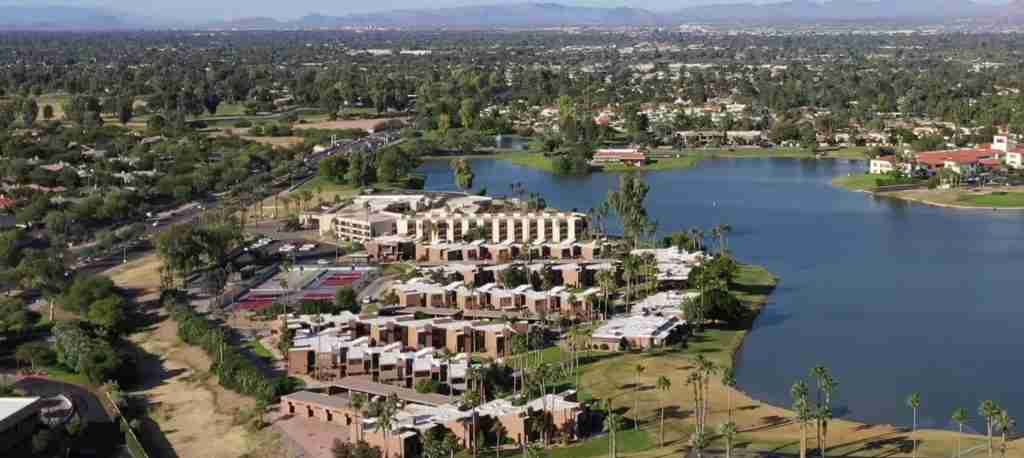
3 days
Southwest Usa 3-Day Discovery Tour
- ✓ Comprehensive Southwest Usa experience
- ✓ Expert local guides included
- ✓ All accommodation included
- ✓ Transportation provided
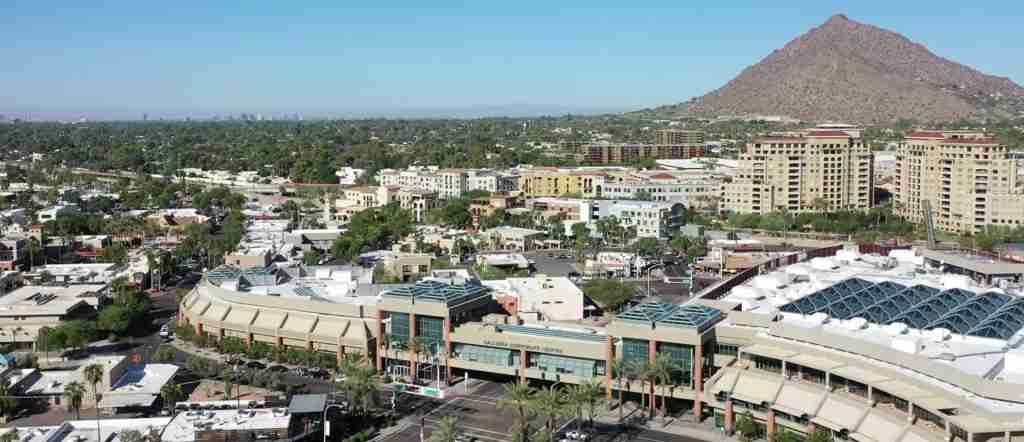
5 days
Southwest Usa 5-Day Highlights Experience
- ✓ Comprehensive Southwest Usa experience
- ✓ Expert local guides included
- ✓ All accommodation included
- ✓ Transportation provided
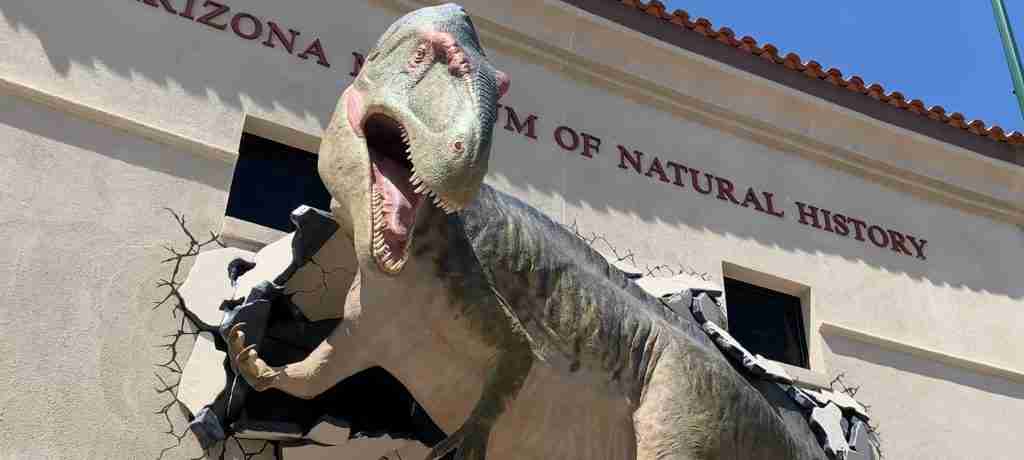
7 days
Southwest Usa 7-Day Cultural Journey
- ✓ Comprehensive Southwest Usa experience
- ✓ Expert local guides included
- ✓ All accommodation included
- ✓ Transportation provided
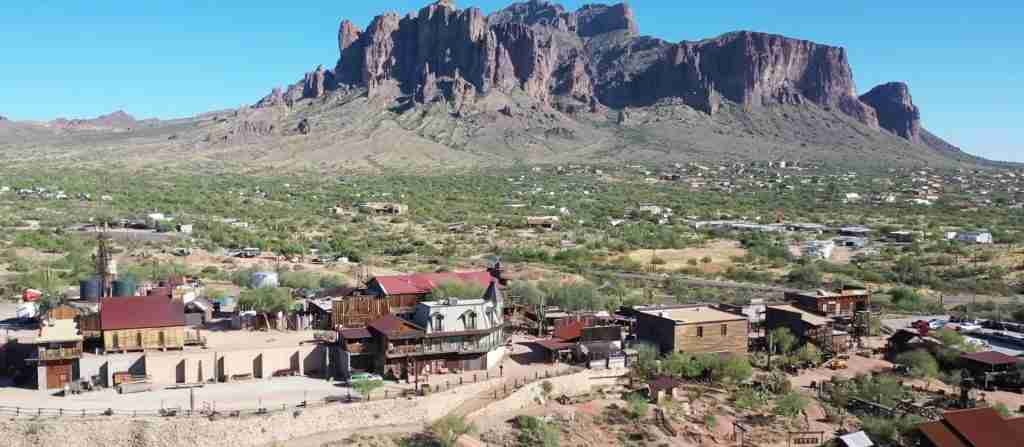
10 days
Southwest Usa 10-Day Complete Adventure
- ✓ Comprehensive Southwest Usa experience
- ✓ Expert local guides included
- ✓ All accommodation included
- ✓ Transportation provided
Multi-day tour packages powered by TourRadar. Prices and availability subject to change.
Introduction: Planning Your Phoenix Visit in 2026
Phoenix challenges conventional travel wisdom. The nation’s fifth-largest city sprawls across 517 square miles of Sonoran Desert, creating a metropolitan area where summer temperatures regularly exceed 110°F yet winter weather rivals Mediterranean climates. This paradox defines the Phoenix experience: a destination where timing determines whether you’ll find paradise or endurance test, bargain rates or premium prices, empty trails or crowded attractions.
The city’s appeal extends beyond its famous sunshine. Phoenix anchors a cultural corridor encompassing world-renowned museums, professional sports franchises in all major leagues, over 200 golf courses, and a dining scene that elevated Southwestern cuisine to national prominence. The surrounding Sonoran Desert provides the dramatic backdrop: towering saguaro cacti, rust-red mountain ranges, and hiking trails that wind through landscapes found nowhere else on Earth.
Understanding Phoenix requires recognizing its dual nature. The metropolitan area functions as both a winter destination for visitors escaping cold climates and a summer home base for residents who’ve adapted to extreme heat through strategic scheduling and ubiquitous air conditioning. Tourism patterns reflect this dichotomy: peak season runs November through April when temperatures hover in the ideal 60s-80s°F range, while summer months see hotel occupancy drop and rates plummet despite the season’s unique beauty.
Geographic layout presents the second major planning consideration. Phoenix doesn’t conform to compact urban models. Downtown anchors the central core, but major attractions scatter across the sprawling metropolitan area encompassing Scottsdale, Tempe, Mesa, Glendale, and surrounding communities. The Valley Metro light rail connects key corridors, yet comprehensive exploration typically requires rental cars. This distributed model means visitors choose between staying centrally with longer drives to outlying attractions, or selecting accommodation near specific destinations.
The 2026 travel landscape brings both consistency and change. Core attractions remain stable: Desert Botanical Garden, Heard Museum, Musical Instrument Museum, and Phoenix Art Museum continue anchoring the cultural scene. Hiking destinations like Camelback Mountain and South Mountain Park draw crowds year-round. However, hotel rates adjust annually, new restaurants reshape dining districts, and seasonal events create fluctuating demand patterns. Spring Training baseball maintains its February-March hold on hotel availability and pricing.
This guide addresses the practical realities shaping Phoenix visits in 2026. From navigating extreme summer heat to maximizing winter peak season, from budget-friendly strategies to luxury resort experiences, from public transit limitations to rental car logistics—these insights help travelers avoid common pitfalls while discovering what makes Phoenix one of America’s most distinctive urban destinations. The following sections provide detailed planning frameworks for timing, budgeting, transportation, accommodation, and activities across all seasons and travel styles.
Understanding Phoenix Seasons and Weather 2026
Phoenix operates on an inverted seasonal calendar where winter attracts visitors and summer tests residents’ commitment to desert living. The city experiences four distinct seasons, though none resemble traditional temperate climate patterns. Temperature swings of 40-50 degrees between day and night occur regularly, and the region’s extreme aridity means stated temperatures feel different than equivalent readings in humid climates.
Winter Season 2026 (December through February)
Winter transforms Phoenix into a Mediterranean paradise. Daytime highs settle into the comfortable 65-75°F range while nights cool to 45-55°F. Clear skies dominate with minimal precipitation—the season averages just 2-3 inches of rain spread across occasional storm systems. Mornings start crisp enough to warrant light jackets, but afternoons warm sufficiently for shorts and t-shirts. This weather pattern explains why winter serves as peak tourism season despite being the “cold” months.
December brings holiday events and manageable crowds until Christmas week, when visitors flood the city. January and February see sustained high occupancy as “snowbirds”—winter residents escaping colder climates—settle in for extended stays. Spring Training baseball begins in late February, creating additional demand that peaks hotel prices. Winter conditions prove ideal for hiking, golf, and outdoor dining. Resort pools often feature heating for comfortable swimming despite cooler air temperatures.
The season’s main drawback centers on cost rather than weather. Hotel rates reach annual peaks, restaurants book solid for prime dinner hours, and popular hiking trails see morning traffic jams. Visitors planning winter trips in 2026 should reserve accommodations 3-4 months ahead and accept premium pricing as the trade-off for perfect weather.
Spring Season 2026 (March through May)
Spring represents Phoenix at its most spectacular. March temperatures climb into the 75-85°F range with desert wildflowers painting hillsides in yellow, purple, and orange. Brittlebush, Mexican gold poppies, and lupine create displays that peak in late March through early April following winter rains. The famous saguaro cacti bloom with white flowers crowning their arms in late April and May.
March remains peak season with Spring Training baseball, college spring breaks, and ideal weather converging to create maximum demand. Hotels maintain high rates through mid-March before prices begin gradual descent. April transitions into shoulder season with temperatures reaching 85-95°F range—still comfortable for most outdoor activities but warm enough to clear some crowds. May crosses into early summer territory with highs approaching 100°F by month’s end. Pool season shifts into high gear, and hikers move start times earlier to avoid midday heat.
Spring 2026 visitors should plan outdoor activities for mornings when temperatures remain moderate. Afternoons suit museum visits, shopping, or pool time. The season offers Phoenix’s best all-around conditions: beautiful weather, blooming desert, manageable crowds after mid-March, and declining hotel rates as summer approaches.
Summer Season 2026 (June through August)
Summer in Phoenix means extreme heat that defines the city’s character. Temperatures regularly exceed 105°F with highs reaching 110-115°F during peak heat waves. The region averages 111 days annually above 100°F, most occurring June through September. Overnight lows drop only to 80-90°F, providing minimal relief. Asphalt parking lots, metal surfaces, and car interiors become dangerous to touch. This isn’t hyperbole—summer heat presents genuine safety risks requiring constant vigilance.
Yet summer brings unique beauty. The North American monsoon arrives mid-June, officially running June 15 through September 30. Dramatic thunderstorms build over mountains in late afternoon, creating towering clouds, lightning displays, and brief but intense downpours. Flash floods form quickly in washes and low-lying areas. Humidity rises from typical 10-20% to 40-60% during active monsoon periods, making the heat feel more oppressive. However, these storms bring spectacular desert sunsets and temporary temperature drops.
Summer 2026 visitors need strategic planning. Schedule outdoor activities exclusively before 10 AM or after 6 PM. Midday hours belong indoors: museums, shopping, restaurants, or hotel pools (though pool decks can be uncomfortable in peak afternoon heat). Many resorts dramatically reduce rates—luxury properties that cost $400-600 nightly in winter drop to $150-250 in summer. The city essentially empties of tourists, creating an entirely different experience with no crowds, instant restaurant seating, and locals-only atmosphere.
Fall Season 2026 (September through November)
Fall arrives gradually in Phoenix. September remains essentially summer with temperatures still reaching 100-105°F and monsoon storms continuing through month’s end. October marks the true transition as highs drop to 85-95°F range and humidity returns to desert-dry levels. By November, pleasant 70-80°F days return along with cool 50-60°F nights. This progression makes October and November increasingly attractive months for visiting.
September offers summer rates without summer’s peak heat—a sweet spot for budget-conscious visitors who can tolerate warm weather. October brings comfortable conditions and rising hotel rates as the season transitions toward winter peak. November delivers near-perfect weather similar to March but with fewer crowds and lower costs. The month sees gradual occupancy increases as snowbird season begins, but rates remain 20-30% below winter peaks until Thanksgiving week.
Fall 2026 presents excellent value for visitors flexible on travel dates. Early fall captures summer’s affordability with moderating temperatures. Late fall provides ideal weather before winter’s premium pricing arrives. The Arizona State Fair runs throughout October, adding entertainment options. Desert hiking reaches peak conditions as vegetation benefits from summer monsoon moisture.
Getting Around Phoenix 2026: Transportation Guide
Phoenix’s sprawling 517-square-mile footprint creates transportation challenges distinct from compact urban destinations. The metropolitan area lacks the transit density of older East Coast cities, instead reflecting Sun Belt development patterns favoring automobiles. Understanding these realities shapes practical planning for navigating the city effectively.
Valley Metro Light Rail System
The Valley Metro Rail provides the backbone of Phoenix’s public transit network. This 38-mile light rail system connects Downtown Phoenix, Tempe, and Mesa along a primarily north-south corridor with extensions reaching Phoenix Sky Harbor Airport via the PHX Sky Train connection at 44th Street/Washington station. Trains operate 18-22 hours daily depending on day of week, with average wait times between 12-20 minutes.
Fares remain affordable and straightforward: $2 for a single ride covering any distance on the system, or $4 for an all-day pass allowing unlimited rides. A 30-day pass costs $64 for regular commuters. Purchase tickets from vending machines at all stations using cash or cards. The system shares fare structure with Valley Metro buses, allowing seamless transfers. Reduced fares apply for seniors, students, and persons with disabilities.
The light rail effectively serves specific corridors. Visitors staying downtown can easily reach Tempe’s Mill Avenue entertainment district, Arizona State University campus, or Mesa Arts Center. Airport connections work smoothly via the automated Sky Train. Key attractions along the route include Phoenix Art Museum, Heard Museum, Chase Field, and Footprint Center for sporting events. However, the rail doesn’t reach major destinations like Desert Botanical Garden, Phoenix Zoo, Scottsdale’s Old Town, Camelback Mountain, or most resort areas.
Valley Metro Bus Network
Valley Metro operates an extensive bus network covering the broader metropolitan area. Routes reach neighborhoods and destinations beyond the light rail corridor, though service frequency varies significantly. Express routes and RAPID lines offer faster service on major corridors, while local routes provide neighborhood coverage with more stops and longer travel times.
Bus fares match light rail pricing at $2 per ride or $4 daily. Transfers between buses and rail work seamlessly within the fare structure. However, practical bus use requires research and patience. Routes can be circuitous, wait times extend to 30-60 minutes on many lines, and trip planning complexity increases significantly compared to compact-city transit systems. The Valley Metro website and mobile app provide route planning and real-time tracking essential for efficient bus travel.
Rental Cars and Driving in Phoenix 2026
Rental cars provide the most practical solution for comprehensive Phoenix exploration. The city’s layout favors automobile travel with wide streets, ample parking, and attractions distributed across the sprawling metropolitan area. Major rental companies operate at Phoenix Sky Harbor Airport and throughout the metro area. Reserve vehicles well ahead for winter peak season (December-March) when demand pushes rates up and availability down. Summer months offer more competitive pricing and better selection.
Phoenix driving conditions generally prove straightforward. Streets follow primarily grid patterns in most areas. Major freeways include I-10 (east-west through central Phoenix), I-17 (north toward Flagstaff), and Loop 101/Loop 202 circumferential routes connecting outlying areas. Rush hour congestion affects freeways 7-9 AM and 4-6:30 PM weekdays. Downtown street parking requires payment 8 AM-6 PM weekdays via meters or mobile apps. Most attractions and restaurants offer free parking lots.
Summer driving presents specific challenges. Interior car temperatures can reach 150-170°F when parked in direct sunlight. Use sunshades for windshields, park in covered structures when possible, and run air conditioning several minutes before driving to cool steering wheels and seat surfaces enough to touch safely. Carry water bottles in vehicles always. Never leave children or pets in cars even briefly—interior temperatures become deadly within minutes.
Rideshare and Taxi Services 2026
Uber and Lyft operate throughout Phoenix with good coverage in central areas and major destination zones. Rideshare prices vary by demand, typically ranging $12-25 for trips within central Phoenix/Tempe corridor, $20-40 for longer cross-metro journeys, and $25-35 for airport connections. Peak pricing surges during major events, weekend evenings, and airport rush periods. Traditional taxis serve primarily the airport and major hotels at regulated metered rates typically 20-30% higher than standard rideshare pricing.
Rideshare works well for evening dining and entertainment when parking creates hassles, airport transfers when not renting cars, or occasional trips for visitors primarily using light rail. However, costs add up quickly for multiple daily trips across the sprawling metro area. A week of rideshare-dependent travel can easily exceed $200-300 per person, making rental cars more economical for visitors planning diverse itineraries.
Biking and Walking in Phoenix 2026
Phoenix presents mixed conditions for pedestrians and cyclists. Downtown Phoenix, Tempe’s Mill Avenue area, and Old Town Scottsdale offer genuinely walkable districts with sidewalks, crosswalks, and concentrations of restaurants, shops, and attractions within reasonable distances. Summer heat limits practical walking to early morning and evening hours. The city maintains an expanding network of multi-use paths and bike lanes, with particularly good connections along light rail corridors and through Tempe.
However, most of Phoenix remains automobile-oriented with significant distances between destinations, limited sidewalk connectivity in suburban areas, and summer temperatures making extended outdoor activity uncomfortable or unsafe. Bike-share programs operate in central areas for short-distance travel. Serious cyclists enjoy excellent mountain biking on desert trails year-round (mornings only in summer) and road cycling on quieter suburban routes.
Where to Stay in Phoenix 2026: Accommodation Guide
Phoenix accommodation options span from budget motels to luxury desert resorts, with location choices carrying significant implications for transportation, dining access, and overall experience. Understanding neighborhood characteristics and seasonal rate fluctuations helps travelers select lodging matching their priorities and budgets.
Downtown Phoenix Accommodation 2026
Downtown Phoenix offers urban convenience with walkability, light rail access, and proximity to sports venues, museums, and entertainment districts. The neighborhood centers on Chase Field, Footprint Center, and the growing Roosevelt Row arts district. Hotels here range from business-oriented chains to boutique properties, typically priced $140-280 per night for mid-range options during peak season, dropping to $90-180 in summer.
Downtown works well for visitors without cars who rely on light rail and rideshares, attendees of sporting events or conventions, and travelers seeking nightlife and restaurant scenes within walking distance. The area lacks the resort amenities and scenic views found in other Phoenix neighborhoods. Street parking can be challenging evenings and weekends. However, central location and transit access compensate for these limitations for urban-focused visitors.
Scottsdale and Paradise Valley Resorts 2026
Scottsdale anchors Phoenix’s resort district with dozens of upscale properties offering championship golf courses, full-service spas, elaborate pool complexes, and fine dining. These resorts epitomize the Phoenix luxury experience with desert landscaping, mountain views, and comprehensive on-site amenities. Winter rates typically run $300-600 per night for mid-range resort rooms, reaching $600-1,200 for luxury properties. Summer transforms pricing dramatically with rates dropping 40-60% to $150-350 range at many resorts.
Resort stays suit visitors prioritizing relaxation, golf, spa treatments, and resort dining over extensive off-property exploration. Many guests spend entire days on resort grounds. However, Scottsdale also offers excellent restaurant scenes, shopping districts like Old Town Scottsdale and Scottsdale Fashion Square, and easy access to hiking at Camelback Mountain and McDowell Sonoran Preserve. Rental cars prove essential as resorts sit several miles apart and transit options remain limited.
Tempe Accommodation 2026
Tempe provides middle-ground positioning between downtown Phoenix and Scottsdale, anchored by Arizona State University and Mill Avenue entertainment district. Hotels here serve primarily university visitors, business travelers, and tourists seeking moderate pricing with good access to both Phoenix and Scottsdale attractions. Light rail runs directly through Tempe, connecting to Phoenix Sky Harbor Airport, downtown Phoenix, and downtown Mesa.
Tempe accommodation rates typically run $110-200 per night for comfortable chain hotels during peak season, with summer rates dropping to $80-140. The area offers numerous restaurants concentrated around Mill Avenue, college-town nightlife, and Sun Devil Stadium sports events. Tempe Town Lake provides waterfront trails and activities. The neighborhood attracts younger travelers and families seeking value over resort luxury.
North Phoenix and Scottsdale Foothills 2026
North Phoenix and Scottsdale’s northern reaches offer resort experiences at somewhat lower rates than central Scottsdale, with excellent access to hiking destinations like Pinnacle Peak and Cave Creek regional parks. Hotels and resorts here range $160-450 per night in winter, dropping to $100-250 in summer. The area provides quieter settings removed from central Phoenix activity while maintaining resort amenities like golf and spas.
This region works well for outdoor enthusiasts prioritizing hiking access, visitors seeking resort comfort without central Scottsdale’s premium pricing, and travelers content with 20-30 minute drives to reach downtown Phoenix or central Scottsdale attractions. Desert landscapes and mountain views prove particularly impressive in northern areas.
Budget Accommodation Options 2026
Phoenix offers numerous budget hotel and motel chains throughout the metropolitan area, typically priced $75-110 per night in winter peak season and $60-90 in summer. These properties concentrate near major freeway corridors, providing basic clean rooms with standard amenities but minimal character. Budget chains like La Quinta, Best Western, Holiday Inn Express, and similar properties maintain consistent standards across multiple locations.
Budget accommodation works well for road-trippers passing through Phoenix, visitors spending minimal time at hotels while maximizing attraction time, and travelers allocating budget toward activities rather than lodging. Location selection matters significantly in this category—properties near attractions reduce driving time and costs, while more distant options may offer lower rates but add transportation complexity.
Seasonal Rate Patterns 2026
Phoenix accommodation pricing follows clear seasonal patterns. Peak rates run mid-December through mid-April, peaking in February-March during Spring Training baseball. Rates begin declining in late April, drop significantly by June, and bottom out July-August when luxury resorts become surprisingly affordable. September maintains summer rates with gradual increases through October. November represents a sweet spot with good weather and rates still 20-30% below winter peaks.
Advance booking proves essential for winter peak season—3-4 months ahead for best selection, particularly during Spring Training. Summer allows more spontaneous planning with bookings as late as 2-4 weeks before arrival often yielding good rates. Many hotels implement minimum stay requirements during peak weekends and major events.
Top Phoenix Attractions and Costs 2026
Phoenix’s attraction landscape divides between natural desert experiences, cultural institutions, and entertainment venues. Strategic planning maximizes value through free activities, timed admissions, and combination passes where available.
Desert Botanical Garden
The Desert Botanical Garden showcases 50,000 desert plants across 140 acres in Papago Park, providing comprehensive introduction to Sonoran Desert flora including towering saguaros, colorful barrel cacti, and rare desert plants from around the world. Five walking trails wind through themed gardens demonstrating desert ecosystems, ethnobotany, and conservation efforts. The garden schedules special exhibitions throughout the year including butterfly displays and art installations.
Adult admission costs approximately $30 in 2026, with reduced rates for seniors, students, and children (check official website for current pricing as rates may vary). However, the garden offers free admission every second Tuesday of each month on Community Day, requiring advance online reservations. Metro Phoenix public library cardholders can “check out” Culture Passes providing two free admissions. Annual memberships cost roughly three times single admission, making them worthwhile for visitors planning multiple trips or returning to Phoenix regularly.
Visit timing matters significantly. Summer months (June-September) feature special extended evening hours allowing visits during cooler temperatures. Winter and spring see peak crowds, particularly weekends. Early morning visits provide best light for photography and comfortable temperatures. Plan 2-3 hours for comprehensive exploration of all trails.
Musical Instrument Museum
The Musical Instrument Museum displays over 15,000 instruments from 200+ countries and territories, representing the world’s most comprehensive collection. Visitors receive wireless headsets that automatically play music as they approach exhibits, creating an immersive experience spanning classical, folk, popular, and traditional music from every continent. The Artist Gallery features instruments played by famous musicians including guitars from Elvis Presley, John Lennon, and contemporary artists.
General admission runs approximately $20 for adults in 2026 with reduced rates for teens, children, and seniors (verify current pricing at official website). The extensive collection requires 3-4 hours for thorough exploration. The museum operates daily 9 AM-5 PM with no extended evening hours. Culture Pass from metro Phoenix libraries provides free entry for two people, making this a valuable resource for budget-conscious visitors.
Heard Museum
The Heard Museum specializes in Native American art and culture, particularly Southwest tribes including Hopi, Navajo, and Apache peoples. The collection includes historic and contemporary pottery, textiles, jewelry, kachina dolls, and basketry alongside rotating exhibitions addressing indigenous perspectives and contemporary issues. The museum’s commitment to presenting Native voices rather than outside interpretations distinguishes it from many anthropological collections.
Adult admission costs range around $20-25 (check official website for current rates). The museum opens daily 9:30 AM-5 PM. Plan 2-3 hours for comprehensive viewing. The museum offers free admission on certain days—verify schedule on their website. Location in the central Phoenix corridor makes it accessible via light rail from the nearest station.
Phoenix Zoo
Phoenix Zoo houses over 3,000 animals across 125 acres in Papago Park, featuring four themed trails: Africa Trail, Tropics Trail, Arizona Trail, and Children’s Trail. The collection emphasizes species from desert and tropical regions. Special exhibits rotate seasonally, and the zoo hosts nighttime events during cooler months. The facility invests heavily in conservation programs and educational initiatives.
Adult admission runs approximately $30-35 (verify current pricing online). The zoo operates year-round with hours varying seasonally—typically 9 AM-5 PM October through May, 7 AM-2 PM June through September to avoid peak heat. Summer morning visits prove most comfortable. Winter weekends see significant crowds, particularly during holiday events. Plan 3-4 hours for comprehensive visits.
Phoenix Art Museum
Phoenix Art Museum presents the region’s most comprehensive art collection spanning American, European, Latin American, Asian, and contemporary art. Holdings include significant works by Georgia O’Keeffe, Frederic Remington, and extensive fashion design collections. Rotating exhibitions bring traveling shows from major institutions. The museum occupies an architecturally significant building with recent expansions adding contemporary gallery space.
General admission costs approximately $20-25 (check official site for current rates). The museum opens Tuesday-Sunday with extended hours certain evenings. Free admission days occur periodically—check website for schedule. Culture Pass provides free entry. Light rail stops nearby make it accessible without cars for visitors staying along the rail corridor.
Hiking and Natural Areas 2026
Phoenix’s most valuable attractions cost nothing—thousands of acres of mountain preserves providing free access to hundreds of miles of hiking trails. Camelback Mountain’s Echo Canyon and Cholla Trails challenge hikers with steep ascents to summit views. South Mountain Park spans 16,000 acres with trails ranging from easy nature walks to advanced summit climbs. Piestewa Peak offers another popular summit hike with spectacular city views. McDowell Sonoran Preserve in north Scottsdale provides dozens of trails through pristine desert.
All major trailheads require parking but charge no admission fees. Popular trails see crowding, particularly weekend mornings during peak season. Arrive before 7 AM at major destinations or choose weekday visits. Summer hiking requires starting before 6 AM to avoid dangerous heat—temperatures on exposed trails can exceed 120°F by midday. Carry abundant water (minimum 1 liter per hour of hiking), wear sun protection, and inform someone of your plans.
Papago Park and Hole-in-the-Rock
Papago Park offers easy access to distinctive desert landscapes including the famous Hole-in-the-Rock formation—a natural opening in red sandstone buttes providing frame-perfect views of downtown Phoenix skyline. The short 10-minute hike to the opening requires minimal effort while delivering impressive photography opportunities, particularly at sunset. The park also contains Desert Botanical Garden and Phoenix Zoo, making it a convenient area for combining multiple attractions.
Papago Park charges no admission. Parking fills quickly weekend afternoons and during sunset hours. The rock formation trail presents minimal difficulty suitable for all ages and fitness levels, though the final scramble to the opening itself requires some agility on uneven rock surfaces.
Old Town Scottsdale
Old Town Scottsdale combines art galleries, western heritage, boutique shopping, and restaurants in a walkable downtown district. Art walks occur Thursday evenings year-round when galleries stay open late and streets fill with visitors browsing collections. The district includes both high-end galleries representing nationally known artists and more accessible tourist-oriented shops. Western-themed stores sell cowboy boots, hats, jewelry, and Native American crafts.
Browsing Old Town costs nothing, though galleries and shops naturally encourage purchases. Parking runs $1-2 per hour at public lots and garages with free street parking farther from central blocks. The area works well for afternoon and evening strolls with numerous restaurant options. Weekend evenings see crowds and entertainment spilling onto sidewalks.
Dining and Food Budget 2026
Phoenix’s dining scene reflects its position as major Sun Belt city with strong Southwestern, Mexican, and Native American culinary influences mixed with international options and chef-driven contemporary restaurants. Food costs span enormous range depending on dining choices and willingness to venture beyond tourist districts.
Budget Dining Strategies 2026
Budget-conscious diners find excellent value at authentic Mexican restaurants throughout Phoenix, where substantial meals cost $8-15 per person including drinks. Taco shops, family-run restaurants, and local chains like Los Favoritos and Carolina’s deliver generous portions of tacos, burritos, tamales, and combination plates. Asian cuisines including Vietnamese pho, Thai, and Chinese offer similar value with $10-18 meals at casual restaurants.
Chain restaurants provide predictable options with appetizers $8-12, entrees $12-20, and total meal costs $15-25 per person including non-alcoholic beverages. Breakfast proves particularly affordable at diners and cafes with $8-14 full breakfast plates. Grocery stores and markets enable self-catering—Southwestern specialties like fresh tortillas, salsas, and produce cost far less than restaurants while providing authentic flavors. Budget travelers eating primarily at casual restaurants and preparing some meals themselves spend $45-65 daily per person.
Mid-Range Dining Options 2026
Mid-range restaurants dominate Phoenix’s dining landscape with numerous options in the $15-30 per entree range. Southwestern restaurants specializing in elevated versions of regional classics—think upscale tacos, chile-forward cuisine, and creative takes on traditional ingredients—populate every neighborhood. Italian, steakhouse, seafood, and contemporary American restaurants fill this category with appetizers $12-18, entrees $20-38, and desserts $8-12.
Happy hours provide significant value at mid-range establishments, typically 3-6 PM with half-price appetizers, discounted drinks, and occasional entree specials. Many restaurants offer these deals at bar seating only. Wine by the glass runs $10-15, cocktails $12-16, craft beers $7-10. Mid-range diners allocating breakfast $12-18, lunch $18-28, and dinner $35-55 spend approximately $80-110 daily per person including beverages and occasional splurges.
Fine Dining and Culinary Experiences 2026
Phoenix’s fine dining scene features nationally recognized chefs, resort restaurants, and innovative contemporary concepts. Restaurants like Kai at Sheraton Grand (Arizona’s only AAA Five Diamond restaurant), The Mission (Latin-inspired fine dining), and FnB (farm-to-table Arizona cuisine) represent the upper tier with tasting menus $95-150 per person before drinks. Upscale steakhouses charge $50-85 for premium cuts. Resort dining rooms blend elegant settings with Southwestern ingredients and creative preparations.
Wine pairings add $65-95 to tasting menus, individual wine bottles start $60-80, and cocktail programs at top restaurants charge $16-22 per drink. Luxury diners enjoying fine dining multiple times per trip allocate $150-220 daily per person for meals. Many top restaurants require advance reservations, particularly during winter peak season—book 2-4 weeks ahead for weekend prime-time slots.
Neighborhood Dining Districts 2026
Roosevelt Row in downtown Phoenix anchors the arts district dining scene with casual restaurants, coffee shops, and breweries attracting younger crowds. Prices run moderate with entrees $14-26 and creative atmospheres. Arcadia neighborhood east of central Phoenix concentrates numerous quality restaurants in walkable blocks with styles spanning casual to upscale. Old Town Scottsdale offers the densest restaurant concentration with options for every budget, though tourist-focused locations near main squares charge premium prices compared to restaurants a few blocks off main drags.
Tempe’s Mill Avenue caters to university students and young professionals with numerous affordable options including ethnic restaurants, pizza places, and casual chains. North Scottsdale near resort areas features upscale dining but limited budget options. Phoenix suburbs like Gilbert and Mesa increasingly offer strong independent restaurant scenes at better value than central locations.
Southwestern Specialties Worth Seeking 2026
Phoenix culinary identity centers on Southwestern and Mexican influences that distinguish it from other major cities. Green and red chile sauces define New Mexico-style cooking found at restaurants like Richardson’s and Los Dos Molinos—expect heat levels that challenge uninitiated diners. Sonoran hot dogs (bacon-wrapped dogs with beans, onions, tomatoes, and condiments in bolillo rolls) represent a Phoenix street food classic available at numerous taco shops. Prickly pear cactus appears in everything from margaritas to ice cream to vinaigrettes. Chimichangas allegedly originated in Arizona and remain menu staples at Mexican restaurants. Native American fry bread—deep-fried dough served sweet or savory—offers unique cultural experience at establishments like Fry Bread House.
Planning Your Budget 2026: Daily Cost Breakdown
Phoenix accommodates travelers across the budget spectrum from backpackers to luxury seekers. Understanding typical daily costs for different travel styles helps visitors plan realistic budgets and make strategic choices about where to splurge and where to save.
Budget Travel in Phoenix 2026
Budget-conscious travelers focusing on free activities, affordable dining, and basic accommodation spend approximately $85-160 per person daily assuming two sharing a hotel room. This budget tier breaks down as follows: economy hotel or motel accommodation runs $75-110 per room ($38-55 per person sharing), meals at casual restaurants with some self-catering cost $45-65 daily, public transportation or minimal rideshares add $4-10, and activities focusing on free hiking and attractions with occasional paid admissions contribute $0-30. Total daily costs per person (two sharing hotel) range $85-160.
Budget travelers maximize value by visiting during summer shoulder months (May and September) when hotel rates drop but weather remains tolerable, focusing on Phoenix’s extensive free hiking trails and natural areas, taking advantage of free museum days and Culture Pass programs, eating primarily at authentic Mexican and ethnic restaurants, using Valley Metro light rail and buses for transportation along served corridors, and choosing accommodation near attractions to minimize transportation needs.
Mid-Range Comfort in Phoenix 2026
Mid-range travelers balancing comfort, quality dining, and comprehensive attraction visits spend approximately $215-305 per person daily assuming two sharing hotel accommodation. This experience level breaks down as comfortable chain hotel or modest resort accommodation costing $185-230 per room ($93-115 per person sharing), varied dining including sit-down restaurants for most meals totaling $80-110 daily, mixed public transit and rideshare services adding $10-20, and admission to major attractions plus occasional tours contributing $30-60. Total daily costs per person (two sharing hotel) reach $215-305.
Mid-range travelers optimize experience by booking hotels with pools and breakfast included to reduce meal costs, visiting during shoulder seasons (May, September, October, early November) for moderate rates and weather, mixing free hiking days with paid museum and attraction visits, using rental cars to access diverse attractions efficiently, and making dining reservations for desired restaurants rather than settling for convenience.
Luxury Experience in Phoenix 2026
Luxury travelers staying at resort properties, dining at fine restaurants, and arranging private experiences spend approximately $440-750 per person daily assuming two sharing resort accommodation. This premium level encompasses luxury resort stays with full amenities running $400-700 per room ($200-350 per person sharing), upscale dining at acclaimed restaurants totaling $150-220 daily, private transportation via rental cars or rideshares adding $30-60, and premium experiences including spa treatments, private tours, and resort activities contributing $60-120. Total daily costs per person (two sharing resort) range $440-750.
Luxury travelers achieve best value by booking resorts during summer months when rates drop 40-60% while maintaining full amenities, making advance reservations at top restaurants particularly during peak season, scheduling spa services mid-week when availability improves, considering resort packages that bundle rooms with spa credits or golf, and exploring destinations beyond crowded central areas where fewer visitors discover exceptional experiences.
Seasonal Budget Adjustments 2026
Phoenix hotel rates vary dramatically by season, creating significant budget implications. A mid-range hotel costing $210 per night in February drops to $120 in August—a 43% reduction. Luxury resorts show even more dramatic swings from $550 winter rates to $250 summer rates—a 55% drop. These variations mean a week-long visit shifts from $2,135 in February to $1,505 in August for mid-range travelers, or from $5,250 to $3,080 for luxury travelers—purely from hotel rate changes.
Attraction costs remain stable year-round, so summer heat trades off against hotel savings. Visitors tolerating 100°F+ temperatures who schedule outdoor activities early mornings achieve substantial savings while still experiencing Phoenix’s key attractions. March and November offer best overall value balance—reasonable hotel rates, ideal weather, and manageable crowds.
Essential Safety Tips for Phoenix 2026
Phoenix presents specific safety considerations distinct from other travel destinations, primarily related to extreme heat, desert environment, and metropolitan sprawl. Understanding these factors prevents serious problems while enabling visitors to enjoy the destination safely.
Heat Safety Protocol
Summer heat in Phoenix kills people every year—this isn’t exaggeration but documented fact requiring serious respect. Temperatures regularly exceeding 110°F create genuine danger within 30 minutes of exposure, particularly for children, elderly visitors, and anyone unaccustomed to extreme heat. Heat exhaustion symptoms include heavy sweating, weakness, dizziness, nausea, and headache. Heat stroke—the life-threatening stage—presents with hot dry skin, rapid pulse, confusion, and loss of consciousness. Both require immediate medical attention.
Preventing heat illness demands multiple strategies working together. Carry water constantly and drink before feeling thirsty—dehydration begins before thirst signals develop. Plan outdoor activities exclusively before 10 AM or after 6 PM during summer months (June through September). Wear lightweight, light-colored, loose-fitting clothing and wide-brimmed hats. Apply sunscreen rated SPF 50+ every two hours, more frequently when sweating. Recognize that air conditioning in vehicles, buildings, and malls provides essential relief, not optional comfort. Never leave children or pets in vehicles even briefly—interior temperatures reach 150-170°F within minutes regardless of outside temperature.
Hydration requirements exceed intuition. Hiking in summer desert heat requires one liter of water per hour of activity—a three-hour morning hike demands three liters minimum. Sports drinks replace electrolytes lost through heavy sweating. Many experienced desert hikers start hikes before dawn, complete them by 9 AM, and avoid outdoor exposure until evening. This isn’t overcaution but reasonable response to genuine danger.
Hiking Safety in Desert Environment
Desert hiking presents hazards beyond heat. Rocky terrain causes frequent ankle injuries on uneven surfaces. Rattlesnakes inhabit desert areas throughout Phoenix, though they generally avoid human contact if given space. Watch where you place hands and feet, particularly on rock scrambles. Wear closed-toe hiking shoes with good ankle support and traction. Trekking poles help stability on steep or rocky sections.
Flash flooding occurs rapidly during monsoon season (June 15 through September 30) when storms develop miles away then funnel water through desert washes in walls of water arriving within minutes. Never enter washes or low-lying areas when storms appear anywhere in the surrounding mountains. Weather can change dramatically in 30 minutes during active monsoon periods. Check forecasts before hiking and turn back if clouds build.
Cell phone service varies significantly on desert trails. Popular trailheads near developed areas maintain coverage, but remote locations may lack signals. Inform someone of your planned route and expected return time. Carry basic first aid supplies including bandages, athletic tape, pain relievers, and any personal medications. Know your limits—many popular trails like Camelback Mountain’s Echo Canyon present legitimately strenuous challenges with elevation gain of 1,000-1,400 feet in 1-2 miles on rocky, exposed paths.
Urban Safety Considerations 2026
Phoenix follows typical large-city safety patterns with crime concentrated in specific neighborhoods while most visitor areas remain safe. Downtown Phoenix, Scottsdale, Tempe, and major resort areas present minimal safety concerns for tourists exercising normal urban awareness. Keep vehicles locked, don’t leave valuables visible in parked cars, and maintain awareness of surroundings particularly late night.
Certain neighborhoods west and south of downtown Phoenix experience higher crime rates and offer limited attractions for visitors, making them easy to avoid naturally. Rental cars increasingly target for break-ins at trailhead parking areas—take valuables with you or leave nothing visible in vehicles. Most hiking trails see regular foot traffic during morning hours, providing safety in numbers.
Wildlife Encounters
Desert wildlife includes potentially dangerous species requiring respect and distance. Rattlesnakes appear most commonly April through October, particularly early mornings and evenings when they hunt. They rattle warnings when disturbed but may strike if cornered or accidentally stepped on. Give snakes wide berth—six feet minimum—and never attempt to handle or provoke them. Africanized honeybees nest in desert areas and occasionally swarm when disturbed, requiring rapid departure from the area rather than attempting to fight bees.
Coyotes inhabit urban Phoenix and may approach humans seeking food. Don’t feed wildlife, keep food secured, and maintain distance if encountering coyotes. They rarely pose danger to adults but can threaten small dogs left unsupervised. Gila monsters—large venomous lizards—appear occasionally but move slowly and avoid contact. Scorpions live throughout Phoenix including in developed areas. Shake out shoes and clothing before wearing, particularly when camping. Most scorpion stings cause pain but not medical emergencies except for children or individuals with allergies.
Packing Essentials for Phoenix 2026
Phoenix’s desert climate and temperature extremes create specific packing requirements varying dramatically by season. Proper preparation prevents discomfort and enables full enjoyment of the destination’s outdoor attractions and resort amenities.
Year-Round Packing Essentials
Several items prove essential regardless of visit timing. Sun protection ranks first: bring sunscreen rated SPF 50+ (physical blockers with zinc oxide work better than chemical sunscreens in intense desert sun), wide-brimmed hats providing face and neck coverage, and quality sunglasses with UV 400 protection. Eyes suffer damage from intense desert sunlight exposure. Lip balm with SPF prevents cracked lips in low-humidity environment.
Reusable water bottles enable constant hydration—insulated bottles keep water cooler longer. Hotels, restaurants, and public buildings have water fountains for refilling. Comfortable walking shoes with good support suit urban exploration and light trails. If planning significant hiking, bring dedicated hiking boots or trail shoes with ankle support and grippy soles. Phoenix’s rocky terrain punishes improper footwear with twisted ankles and foot fatigue.
Phone chargers and portable power banks ensure devices remain functional for navigation, photography, and communication. Rental car GPS works for some visitors, but smartphone mapping apps provide real-time traffic and updated information. Cameras and photography equipment warrant bringing—desert landscapes, mountain vistas, and resort settings offer endless photo opportunities.
Winter Packing (December through February)
Winter visitors need layering systems addressing 40-50 degree daily temperature swings. Morning and evening temperatures drop to 45-55°F requiring light jackets, long pants, and closed-toe shoes. However, afternoon highs reach 65-75°F where shorts and t-shirts prove comfortable. Pack sweaters or fleece layers that easily shed as days warm. Long-sleeve shirts provide sun protection while hiking.
Swimwear remains relevant as many resort pools feature heating, making swimming pleasant even during winter. Evening activities may require slightly dressier attire—nice jeans and collared shirts or casual dresses suit most restaurant and entertainment venues. Resort areas and fine dining restaurants maintain business-casual standards. Bring light rain jacket as occasional winter storms bring precipitation, though accumulations remain minimal.
Spring and Fall Packing (March-May, September-November)
Shoulder season visitors focus on warm-weather clothing with single light layer for cooler mornings and evenings. Shorts, t-shirts, sundresses, and sandals comprise daytime wear. Pack one light sweater or long-sleeve shirt for occasional cooler moments. Temperatures in these seasons typically range 70s-90s°F with comfortable conditions most of the day.
Hiking clothing should emphasize moisture-wicking fabrics that dry quickly when sweating. Light-colored clothing reflects heat better than dark colors. Swimwear sees heavy use as pools reach ideal temperatures. Evening activities require minimal layering—most spring and fall evenings remain mild enough for shorts and t-shirts. March visitors should pack one slightly warmer layer as early spring can bring cooler periods.
Summer Packing (June through August)
Summer visitors pack exclusively for extreme heat with lightweight, breathable fabrics in light colors. Natural fibers like cotton and linen breathe better than synthetics in 110°F temperatures. Loose-fitting clothing allows air circulation. Bring multiple changes of clothes as sweat-soaked garments dry quickly but feel uncomfortable. Wide-brimmed hats provide essential sun and heat protection—baseball caps leave neck and ears exposed.
Swimwear becomes daily wear as pools offer primary daytime activity during peak heat hours. Resort guests essentially live in swimwear from late morning through early evening. Hiking requires very early morning starts, so pack clothes suitable for pre-dawn departures. Evening wear can be casual as most venues maintain relaxed standards during oppressive heat. Sunscreen supply should be abundant—reapplication every two hours in intense sun means one person can use entire bottles during week-long stays.
Special Activity Packing
Golfers need appropriate course attire meeting dress codes (collared shirts, appropriate shoes) along with gloves, balls, and accessories. Many resorts provide club rentals if traveling without equipment. Serious hikers bring trekking poles, proper boots, hydration packs, trail snacks, basic first aid kits, and navigation tools. Spa visitors should bring swimwear if facilities include pools, hot tubs, or wet treatments. Most resorts provide robes and slippers.
Photography enthusiasts benefit from bringing polarizing filters to cut glare in intense sunlight, spare batteries (heat drains them faster), and extra memory cards. Drone pilots should research current regulations as rules change periodically and certain areas prohibit flights. Cyclists bringing bikes should consider shipping them ahead or confirming rental car companies can accommodate bike racks.
Best Day Trips from Phoenix 2026
Phoenix’s central Arizona location enables diverse day trips ranging from red rock landscapes to mountain forests to historic mining towns. Understanding distances and driving times helps visitors plan realistic itineraries maximizing time at destinations rather than vehicles.
Sedona Day Trip
Sedona sits 120 miles north of Phoenix, requiring approximately 2 hours driving via I-17 then State Route 179, or 2.5 hours via scenic Oak Creek Canyon route through Flagstaff. The town nestles among striking red rock formations that dominate every vista. Visitors hike accessible trails like Devil’s Bridge, Cathedral Rock, or Airport Mesa, explore New Age shops and art galleries in uptown Sedona, photograph iconic Chapel of the Holy Cross, and drive scenic routes providing endless photo opportunities.
Start early morning to arrive by 9 AM when temperatures remain moderate and trailhead parking sits available. Popular trails fill by mid-morning year-round. Sedona requires entrance fees for many trailheads—Red Rock Pass costs $5 daily or $15 weekly. Numerous restaurants serve lunch, though expect higher prices than Phoenix. Summer temperatures in Sedona run 10-15 degrees cooler than Phoenix valley, providing relief while still requiring heat precautions. Winter can bring snow to higher elevations. Budget full day including driving time, hiking, lunch, and browsing shops.
Grand Canyon South Rim Day Trip
Grand Canyon South Rim lies 230 miles north of Phoenix requiring 4-4.5 hours driving each direction via I-17 and I-40 through Flagstaff, then north on Highway 180/64. Day trips prove feasible but demanding with 8-9 hours of driving bracketing 4-5 hours at the canyon. Depart Phoenix before 6 AM to arrive at South Rim by 10-10:30 AM, allowing time for viewpoint stops along Desert View Drive, lunch at canyon village, short rim walks, and visitor center before beginning return drive by 3 PM to reach Phoenix by 8 PM.
Grand Canyon entrance fees cost $35 per vehicle (valid seven days), though many travelers consider multi-day visits more satisfying than rushed day trips. South Rim elevation reaches 7,000 feet, bringing cooler temperatures year-round—expect 20-30 degree drops compared to Phoenix. Winter brings snow and ice requiring chains or winter tires. Alternatives include guided tour companies offering day trips with transportation, though these long days in buses may not suit all travelers.
Jerome and Verde Valley
Jerome perches on mountainsides 100 miles north of Phoenix (2 hour drive), offering historic mining town architecture clinging to steep slopes, art galleries filling former commercial buildings, restaurants with panoramic valley views, and nearby wine tasting at Verde Valley vineyards. The ghost town turned artist colony combines history, shopping, and scenery in compact walkable area. Nearby Tuzigoot National Monument preserves ancient pueblo ruins overlooking Verde River.
Combine Jerome with Verde Valley wine region for full day trip. Tasting rooms cluster in Cornville, Cottonwood, and Clarkdale areas producing Arizona wines gaining national recognition. The region’s moderate climate supports varietals including Syrah, Viognier, and Malvasia. Plan stops at 2-3 wineries plus Jerome exploration and lunch. Old Town Cottonwood offers additional dining and shopping. Return via Camp Verde and I-17 completing roughly 220-mile loop from Phoenix.
Tucson and Saguaro National Park
Tucson lies 115 miles southeast of Phoenix via I-10, requiring 2 hours driving to Arizona’s second-largest city. Saguaro National Park’s two districts flank Tucson, protecting forests of giant saguaro cacti reaching 40-50 feet tall. West district (Tucson Mountain District) offers paved scenic loop drive and shorter hiking trails suitable for half-day visits. East district (Rincon Mountain District) features more developed visitor facilities and longer backcountry trails. Tucson proper adds Arizona-Sonora Desert Museum (combination zoo-botanical garden-museum), Mission San Xavier del Bac (historic Spanish mission), and distinctive cuisine.
Saguaro National Park entrance fees cost $25 per vehicle (valid seven days). Arizona-Sonora Desert Museum charges separate admission around $30 per adult. Tucson temperatures run 5-10 degrees cooler than Phoenix but still require full heat precautions in summer. Plan full day for comprehensive visit including park, museum, and lunch. Focus either on Saguaro West plus Desert Museum, or Saguaro East plus Mission San Xavier, as attempting all sites creates rushed experience.
Apache Trail Scenic Drive
Apache Trail loops east from Apache Junction through Superstition Mountains, passing Canyon Lake, Tortilla Flat, and Theodore Roosevelt Lake before returning via Globe—roughly 180-mile circuit requiring 5-6 hours with stops. The route features dramatic desert mountain scenery, narrow cliff-hugging roads (partially unpaved), historic sites, lake views, and authentic Old West atmosphere at tiny Tortilla Flat settlement.
Drive clockwise from Apache Junction for easier navigation of narrow sections. Canyon Lake offers boat tours and waterside dining. Tortilla Flat’s population of six operates restaurant and gift shop popular with motorcyclists. Road conditions vary seasonally—check current status particularly after storms as unpaved sections can deteriorate. Not recommended for large RVs or trailers. Pack water, snacks, and ensure full fuel tank as services exist only at endpoints. This ranks among Arizona’s most scenic drives with constantly changing landscapes.
Events and Festivals in Phoenix 2026
Phoenix’s event calendar provides year-round entertainment, though major festivals concentrate in cooler months when outdoor events prove comfortable. Understanding event timing helps visitors either target specific festivals or avoid premium pricing and crowds.
Spring Training Baseball 2026
Cactus League Spring Training brings Major League Baseball to Phoenix metro area every February and March, with 15 teams training at 10 valley stadiums. Games run late February through late March with relaxed atmosphere, affordable tickets, and close player access distinguishing spring training from regular season. Teams include Arizona Diamondbacks, Chicago Cubs, Los Angeles Dodgers, San Francisco Giants, Oakland Athletics, and others.
Ticket prices range $15-40 depending on seating location and opponent matchup. Popular games sell out, particularly weekends and Cubs games. Most stadiums seat 8,000-12,000 creating intimate atmosphere. Arrive early to watch batting practice when players interact with fans. Spring Training creates peak accommodation demand—hotels raise rates and require longer minimum stays. Book accommodations 3-4 months ahead if attending games. Games occur afternoon and evening slots, allowing morning activities before heading to stadiums.
Arizona State Fair 2026
Arizona State Fair runs entire month of October at Arizona State Fairgrounds, offering traditional state fair attractions including carnival rides, livestock competitions, agricultural exhibits, live entertainment, and quintessential fair food. The fair draws substantial crowds providing economical family entertainment during Phoenix’s pleasant fall weather. Past performers include country, rock, and pop acts performing at included stages plus ticketed concert venue.
Admission runs approximately $12-15 per adult with ride wristbands costing additional $30-40. Children’s admission and rides cost less. Parking adds $10-15. Plan 3-4 hours for comprehensive fair visit. Weekdays draw lighter crowds than weekends. Evening visits provide cooler temperatures and carnival atmosphere as rides light up. Traditional fair foods from funnel cakes to corn dogs to various deep-fried novelties tempt attendees.
Barrett-Jackson Collector Car Auction 2026
Barrett-Jackson Collector Car Auction brings automotive enthusiasts to WestWorld of Scottsdale each January for week-long event featuring hundreds of classic, collector, and custom automobiles crossing auction block. Beyond bidding, the event includes automotive exhibits, car displays, celebrity guests, and marketplace with automotive memorabilia and parts. Spectators watch millions of dollars in vehicles sell while browsing extensive automotive culture celebration.
General admission tickets cost approximately $25-35 daily or $75-100 for week-long access. Specific auction sessions and VIP areas require premium tickets. The event draws massive crowds—30,000+ daily attendees common. Parking and shuttle services operate from remote lots. Car collectors, automotive enthusiasts, and curious visitors all find entertainment. January timing coincides with pleasant winter weather and peak Phoenix tourism season.
Phoenix Open Golf Tournament 2026
The WM Phoenix Open (formerly Waste Management Phoenix Open) brings PGA Tour golf to TPC Scottsdale each February, creating the tour’s most raucous atmosphere with enormous crowds surrounding the famous 16th hole stadium setup. The tournament blends serious golf competition with party atmosphere, particularly the 16th where fans cheer and jeer every shot. General tournament rounds occur Thursday-Sunday with pro-am and practice rounds earlier in the week.
Ticket prices vary significantly: grounds passes cost $40-60 for weekday rounds, $75-100 for weekend rounds. Stadium seating at 16th hole requires separate tickets or seat licenses selling out far ahead. Practice round tickets run $25-35 offering best value for casual golf fans. The event draws 500,000+ fans across the week, creating traffic and hotel premium in north Scottsdale area. Book accommodations early and expect surge pricing.
Phoenix Film Festival 2026
Phoenix Film Festival runs 10 days each April, screening independent films, documentaries, and international features across multiple valley theaters. The festival provides platform for emerging filmmakers while bringing celebrity guests for premieres and discussions. Venues typically include Harkins Scottsdale 101 and other area theaters. Programming includes features, shorts, animated films, and virtual reality experiences.
Ticket options include single screenings ($10-15), day passes ($30-40), and festival passes ($150-300) covering multiple days. Opening night galas and special events cost more. The festival attracts film enthusiasts, industry professionals, and curious moviegoers. Phoenix’s spring weather creates ideal timing for festival activities. Check festival schedule online for specific films and screening times.
Family Travel in Phoenix 2026
Phoenix accommodates families with diverse attractions, outdoor activities, and entertainment options suiting various age groups. Strategic planning addresses heat management, activity pacing, and child-friendly venues creating successful family vacations.
Top Family Attractions
Children’s Museum of Phoenix provides interactive exhibits designed for children ages 10 and under, featuring climbing structures, art spaces, and educational play areas. The museum occupies former grocery store with three floors of activities keeping children engaged for 2-3 hours. Arizona Science Center offers hands-on exhibits covering physics, biology, and technology with planetarium shows and IMAX theater adding structured programming. OdySea Aquarium in north Scottsdale displays marine life in walk-through tunnels and touch pools.
Phoenix Zoo’s extensive grounds and animal collection appeal to all ages with special children’s area featuring petting zoo and playground. SEA LIFE Arizona Aquarium at Arizona Mills mall provides indoor activity option with underwater tunnels and touch pools. LEGOLAND Discovery Center at same location targets younger children with LEGO building zones and rides. Castles N’ Coasters amusement park offers rides and mini golf suitable for middle school ages.
Family-Friendly Hiking Options
Desert hiking with children requires careful trail selection matching ages and abilities. Papago Park’s Hole-in-the-Rock trail offers easy 10-minute walk to rock formation with minimal elevation gain suitable for preschool ages. South Mountain Park’s Mormon Loop Trail provides moderate 2.5-mile hike with minimal exposure. Desert Botanical Garden combines nature exposure with paved paths accessible for strollers and young children. Riparian Preserve at Water Ranch in Gilbert features flat trails around ponds attracting birds and offering shade.
Summer hiking with children demands extreme caution. Limit outdoor exposure to pre-8 AM only when temperatures remain below 90°F. Carry abundant water, apply frequent sunscreen, and watch children closely for heat distress symptoms. Winter and spring provide ideal hiking weather with comfortable temperatures all day. Always bring snacks, water exceeding estimated needs, and sun protection.
Resort Pools and Water Parks
Resort pools serve as primary summer activity for families, with many properties featuring elaborate water complexes including waterslides, lazy rivers, and children’s splash areas. Arizona Grand Resort’s water park offers extensive slides and wave pool included with hotel stay. Many Scottsdale resorts maintain family-friendly pool areas with shallow sections and activities. Hurricane Harbor Phoenix water park north of Phoenix provides traditional water park experience with numerous slides and attractions operating May through September.
Dining with Children
Phoenix’s casual restaurant culture accommodates families well. Southwestern restaurants offer kid-friendly options like quesadillas, tacos, and chips with salsa alongside adult entrees. Chain restaurants provide expected menus with children’s portions. Pizza restaurants, burger joints, and casual cafes appear throughout the valley. Many restaurants feature outdoor patios suitable for children during moderate weather months. Resort restaurants often provide children’s menus at family-friendly properties.
Solo Travel in Phoenix 2026
Phoenix welcomes solo travelers with safe neighborhoods, walkable districts, and diverse activities suiting independent exploration. Understanding transportation limitations and strategic planning enables rewarding solo experiences.
Safety Considerations for Solo Travelers
Phoenix maintains generally safe conditions for solo travelers in tourist areas and major neighborhoods. Downtown Phoenix, Scottsdale, Tempe, and resort areas see regular foot traffic and maintain visible security. Standard urban awareness applies: keep valuables secured, avoid isolated areas late night, and maintain awareness of surroundings. Hiking solo requires extra caution—inform hotel staff or friends of planned routes and expected return times. Stick to popular trails during morning hours when other hikers provide company and assistance if problems arise.
Solo-Friendly Neighborhoods and Activities
Downtown Phoenix and Tempe’s Mill Avenue offer walkable districts with restaurants, coffee shops, and entertainment venues where solo travelers comfortably spend time. Roosevelt Row arts district features galleries and cafes with welcoming atmosphere. Scottsdale’s Old Town combines shopping, dining, and art viewing suitable for solo exploration. Museums including Heard Museum, Phoenix Art Museum, and Musical Instrument Museum provide engaging solo activities requiring several hours of focused attention.
Group tours and activities connect solo travelers with others while exploring the destination. Hiking groups organized through Meetup and recreation organizations provide social hiking experiences. Food tours in various neighborhoods combine dining and socialization. Brewery tours and wine tastings create natural conversation opportunities. Resort properties offer fitness classes, golf clinics, and social activities where solo guests mix with others.
Accommodation for Solo Travelers 2026
Phoenix lacks the hostel culture of budget European destinations, though few hostels exist in Tempe near university. Most solo travelers book standard hotel rooms, with pricing structures favoring two guests sharing making solo travel relatively expensive per person. Budget chains offer rooms $75-110 nightly, mid-range hotels run $140-220, and resorts charge $250-600. Consider accommodations with included breakfast to reduce meal costs and provide morning social opportunities. Downtown or Tempe locations maximize walkability for car-free travelers.
Accessibility in Phoenix 2026
Phoenix generally accommodates visitors with mobility limitations through accessible public facilities, transportation options, and attraction compliance with ADA standards, though the city’s sprawling layout creates some challenges requiring advance planning.
Public Transportation Accessibility
Valley Metro light rail maintains full wheelchair accessibility with level boarding at all stations and designated wheelchair spaces on trains. Station platforms feature tactile warning strips and audio announcements. Valley Metro buses include wheelchair lifts or ramps with designated seating areas. However, limited route coverage means accessible public transit reaches fewer destinations than in more compact cities. Paratransit services through Valley Metro Dial-a-Ride provide door-to-door service for certified individuals with disabilities, requiring advance reservations.
Accessible Attractions and Activities
Major Phoenix attractions comply with accessibility standards. Desert Botanical Garden offers paved paths throughout with wheelchair rentals available. Phoenix Art Museum, Heard Museum, and Musical Instrument Museum provide accessible entrances, elevators, and exhibit spaces. Phoenix Zoo maintains paved pathways with wheelchair and mobility scooter rentals. Most hiking trails present challenges for wheelchair users, though Papago Park’s Hole-in-the-Rock trail and some South Mountain Park paths offer relatively accessible options.
Accessible Accommodation Options 2026
Hotels and resorts provide accessible rooms meeting ADA standards with roll-in showers, grab bars, wider doorways, and other accommodations. Request accessible rooms when booking and confirm specific features needed. Resort properties generally offer better accessibility throughout facilities including pools, restaurants, and grounds. Downtown and Tempe hotels provide better walkability reducing reliance on vehicles. Parking at attractions typically includes designated accessible spaces near entrances.
Frequently Asked Questions About Phoenix Travel 2026
How hot does Phoenix really get in summer?
Phoenix summer temperatures regularly exceed 105°F with daily highs of 110-115°F common June through August. The region averages 111 days annually above 100°F. Record temperatures reach 122°F. Overnight lows drop only to 80-90°F providing minimal relief. This heat presents genuine danger requiring constant hydration, limited outdoor exposure during peak hours (10 AM-6 PM), and recognition of heat exhaustion and heat stroke symptoms. However, extremely low humidity means the heat feels less oppressive than equivalent temperatures in humid climates. Air conditioning universally available in vehicles, buildings, and hotels makes summer living manageable for residents and tolerable for strategic visitors willing to schedule around heat.
Do I need a car to visit Phoenix in 2026?
Phoenix strongly favors automobile travel, though car-free visits remain possible with limitations. Valley Metro light rail effectively connects downtown Phoenix, Tempe, and Mesa including airport access via Sky Train. Visitors staying along this corridor and focusing on nearby attractions manage without cars using combination of light rail, buses, and rideshares. However, major destinations including Desert Botanical Garden, Phoenix Zoo, most hiking trailheads, Scottsdale’s resort areas, and outlying attractions require either rental cars or expensive rideshare costs. A week of rideshare-dependent travel easily totals $200-300 per person, making rental cars economical for visitors planning comprehensive exploration. Car-free visitors should choose accommodation in downtown Phoenix or Tempe and accept limited attraction access or higher transportation costs.
What is monsoon season and should I avoid it?
Monsoon season runs officially June 15 through September 30, bringing afternoon and evening thunderstorms with dramatic lightning, brief intense rainfall, and occasional dust storms. Rather than constant rain, monsoons produce spectacular weather events most days seeing no precipitation while active storm days deliver short-duration downpours. These storms create dangerous flash flooding in washes and low-lying areas, haboob dust storms reducing visibility to near zero, and lightning posing genuine risk in exposed areas. However, monsoons also generate spectacular cloud formations, dramatic sunsets, temporary temperature drops, and unique desert beauty as rain transforms arid landscapes. Visitors shouldn’t avoid monsoon season but should monitor weather closely, avoid hiking during storm development, never enter washes when storms threaten, and pull off roads completely during dust storms. The storms typically build late afternoon and pass within 30-60 minutes.
Are there dangerous animals I should worry about?
Desert wildlife includes several potentially dangerous species requiring respectful distance. Rattlesnakes inhabit hiking trails and natural areas, most commonly seen April through October during morning and evening hours when they hunt. They typically rattle warnings but may strike if cornered or stepped on—maintain six-foot distance and never attempt to handle them. Scorpions live throughout Phoenix including urban areas; shake out shoes and clothing before wearing. Most stings cause pain but not medical emergencies except for young children. Africanized honeybees nest in desert and sometimes swarm when disturbed, requiring rapid departure rather than attempting to fight bees. Coyotes appear regularly including in developed areas but rarely threaten humans, though they may approach seeking food. Don’t feed wildlife and maintain distance. Gila monsters (large venomous lizards) move slowly and avoid contact. Wildlife encounters occur regularly on desert hikes but rarely result in problems for hikers maintaining awareness and distance.
Can I visit Grand Canyon as a day trip from Phoenix?
Grand Canyon South Rim lies 230 miles north of Phoenix requiring 4-4.5 hours driving each direction, making day trips feasible but exhausting. Depart Phoenix before 6 AM to arrive at canyon by 10-10:30 AM, allowing 4-5 hours at destination before beginning return drive by 3 PM to reach Phoenix by 8 PM. This schedule provides time for rim viewpoints, short walks, lunch, and visitor center but feels rushed compared to overnight visits allowing sunrise and sunset viewing, longer hikes, and more relaxed exploration. Many travelers find day trips leave them more tired than satisfied. Guided tour companies offer day trips handling driving, though long bus hours appeal only to those strongly preferring not to drive. Consider whether 8-9 hours of driving for 4-5 hours at canyon delivers worthwhile experience versus either skipping Grand Canyon on this trip or planning separate overnight visit.
What’s the best neighborhood to stay in Phoenix?
Best neighborhood depends on travel priorities and style. Downtown Phoenix offers urban convenience, light rail access, and proximity to museums, sports venues, and restaurants—ideal for visitors without cars focusing on cultural attractions. Scottsdale and north Phoenix provide resort experiences with golf, spas, and upscale amenities—perfect for relaxation-focused trips and luxury travelers. Tempe balances moderate pricing with good location between Phoenix and Scottsdale plus light rail access—suitable for budget-conscious visitors and families. Paradise Valley and Scottsdale foothills deliver stunning desert and mountain views with resort options at somewhat lower rates than central Scottsdale—appealing to outdoor enthusiasts prioritizing hiking access. Hotel selection matters more than specific neighborhood as Phoenix’s sprawl means driving reaches most destinations regardless of base location. Match accommodation choice to transportation plans: car-free visitors need downtown/Tempe, drivers can select any area, resort-focused travelers suit Scottsdale.
Is Phoenix affordable compared to other major cities?
Phoenix costs less than major West Coast cities like Los Angeles, San Francisco, or Seattle, with mid-range daily expenses of $215-305 per person compared to $280-400+ in coastal California destinations. Budget travelers find excellent value at $85-160 daily, and summer months transform Phoenix into one of America’s most affordable major city destinations when luxury resort rooms drop 40-60% from winter rates. However, Phoenix costs more than Southwestern cities like Albuquerque or Tucson. Transportation expenses add up as sprawling layout often necessitates rental cars. Dining ranges from very affordable Mexican and ethnic restaurants ($8-15 meals) to expensive fine dining ($75-150+ per person). Peak season hotel rates (December-April) reach premium levels, particularly during Spring Training. Overall affordability varies dramatically by season and travel choices—summer visits and budget-conscious dining/activities create genuine bargains, while winter resort stays and upscale dining rival expensive markets.
What should I do if I get caught in extreme heat?
Heat exhaustion and heat stroke kill people every Phoenix summer, making recognition and response critical. Early symptoms include heavy sweating, weakness, dizziness, nausea, headache, and muscle cramps—this is heat exhaustion requiring immediate action. Move to air-conditioned environment immediately, drink cool water, remove excess clothing, and apply cool wet cloths to skin. If symptoms don’t improve within 30 minutes, seek medical attention. Heat stroke presents with hot dry skin (sweating stops), rapid pulse, confusion, and loss of consciousness—this is life-threatening emergency requiring immediate 911 call. While waiting for help, move victim to shade, remove excess clothing, apply cool water to skin, and fan to lower body temperature. Prevention proves far easier than treatment: drink water constantly before feeling thirsty, schedule outdoor activities before 10 AM or after 6 PM during summer, wear light-colored loose clothing and hats, apply sunscreen every two hours, and take breaks in air conditioning. Recognize that children, elderly individuals, and those unaccustomed to heat face higher risk. Never underestimate desert heat.
Are there free things to do in Phoenix?
Phoenix offers extensive free activities reducing trip costs substantially. Hiking trails throughout Phoenix Mountain Preserves, South Mountain Park (16,000 acres), McDowell Sonoran Preserve, and other open spaces cost nothing beyond parking. Thousands of acres of desert mountains with hundreds of miles of trails provide unlimited free outdoor recreation. Desert Botanical Garden offers free admission every second Tuesday via Community Day. Many museums schedule periodic free days—verify schedules on websites. Culture Pass through metro Phoenix libraries provides free admission to major museums for cardholders. Papago Park and Hole-in-the-Rock require no fees. Downtown Phoenix and Scottsdale’s Old Town cost nothing to explore on foot, browsing galleries and shops. Roosevelt Row arts district features street art and galleries with Thursday evening art walks. City parks including Encanto Park offer playgrounds, fishing, and picnic areas. Many restaurants run happy hour specials 3-6 PM with half-price appetizers and drink discounts. Budget travelers prioritizing free activities and adding occasional paid attractions experience Phoenix affordably.
How far in advance should I book for peak season?
Winter peak season (December-April) requires 3-4 month advance booking for best hotel selection and rates, particularly for Spring Training period (late February-March) when premium pricing and limited availability affect entire metro area. Major events like Barrett-Jackson auction, Phoenix Open golf tournament, and spring training weekends sell out hotels months ahead. February-March represents absolute peak demand with hotels commanding highest rates and filling earliest. December holidays and January snowbird season also require advance planning. Rental cars during peak season benefit from 2-3 month advance reservations preventing rate surges and sell-outs. Restaurant reservations at popular establishments should be made 2-4 weeks ahead for weekend prime times, longer for highest-rated restaurants. Shoulder seasons (May, September, October, November) allow booking 4-8 weeks ahead. Summer months (June-August) permit last-minute planning with bookings 2-4 weeks before arrival often yielding best rates as hotels compete for limited summer demand.