
Acadia National Park Travel Guide 2026: Ultimate Planning Resource
Acadia National Park rises from the Atlantic coast as New England’s only national park, where granite peaks meet crashing waves and 45 miles of historic carriage roads wind through forests painted in autumn gold. This comprehensive 2026 guide unlocks everything you need to experience Maine’s crown jewel, from sunrise atop Cadillac Mountain to hidden coves accessible only by sea kayak.
Key Takeaways for Visiting Acadia National Park in 2026
- New 2026 Entrance Fee Structure: U.S. residents pay $35 per vehicle for 7-day access, while international visitors face a new $100-per-person surcharge on top of standard fees. Annual passes offer better value for visits exceeding 10 days.
- Cadillac Mountain Reservations Mandatory: Vehicle reservations ($6) required for Cadillac Summit Road from May 20 through October 25, 2026. Book 90 days in advance as slots sell out quickly. Hiking and biking to the summit remain free without reservations.
- Budget Planning Ranges: Budget travelers spend $95-140 per person daily camping and cooking, mid-range visitors invest $210-295 daily staying in hotels with restaurant meals, while luxury travelers allocate $380-550+ daily for premium accommodations and guided experiences.
- Free Island Explorer Bus System: Fare-free propane-powered shuttles connect Bar Harbor, campgrounds, trailheads, and park attractions from May 20 through October 12, 2026. Eliminate parking stress and contribute to sustainable tourism by leaving your car behind.
- Optimal Visit Windows: June-August offers warmest weather but peak crowds and highest prices. September-October delivers spectacular fall foliage, mild temperatures, and reduced visitor numbers. May and November provide budget savings and solitude despite cooler conditions.
- Year-Round Park Access: Unlike many national parks, Acadia requires entrance passes year-round. Winter transforms the landscape for cross-country skiing and snowshoeing, with dramatically reduced crowds from November through April.
People Also Ask About Acadia National Park 2026
How much does it cost to visit Acadia National Park in 2026?
U.S. residents pay $35 per vehicle or $20 per person for 7-day park access in 2026. Starting January 1, 2026, international visitors pay an additional $100 per person (age 16+) on top of standard entrance fees. For a family of four international visitors, total entrance costs reach $435 for one vehicle ($35 base fee plus $400 for four people). Cadillac Summit Road requires separate vehicle reservations at $6 during peak season. Budget travelers spend $95-140 per person daily including camping, meals, and activities, while mid-range visitors allocate $210-295 daily for hotel accommodations and restaurant dining.
Do I need reservations for Acadia National Park in 2026?
Cadillac Summit Road requires advance vehicle reservations from May 20 through October 25, 2026, costing $6 per vehicle. Thirty percent of daily slots release 90 days in advance at 10 AM Eastern Time, with remaining inventory available two days prior. Hiking or biking to Cadillac summit requires no reservation. Campground reservations at Blackwoods and Seawall must be booked online months ahead for summer dates. The park itself requires no general entry reservation beyond the standard entrance pass, though high-demand trailhead parking fills by 8 AM during July and August.
When is the best time to visit Acadia National Park in 2026?
September and early October represent the optimal visiting window for Acadia in 2026, combining spectacular fall foliage, temperatures averaging 55-65°F, reduced crowds, and lower accommodation prices. Late June through August delivers warmest weather (60-75°F) perfect for swimming and ocean activities, but brings peak crowds, highest prices, and advance booking requirements. May and late October through November offer budget-friendly rates and solitude despite cooler temperatures (45-55°F). Winter visitors from December through March experience dramatic coastal beauty with minimal crowds, though most facilities and roads close.
Is Acadia National Park worth visiting in 2026?
Acadia National Park absolutely merits visiting in 2026, ranking as the fifth-most-visited national park in America with 3.9 million annual visitors drawn to its unique combination of mountain and ocean landscapes. The park offers 158 miles of hiking trails ranging from easy coastal walks to challenging granite summits, 45 miles of historic car-free carriage roads perfect for cycling, and dramatic granite cliffs meeting the Atlantic Ocean. At $35 per vehicle for seven days, Acadia delivers exceptional value compared to entrance fees at other major parks. The new 2026 Cadillac Mountain reservation system actually improves the summit experience by reducing overcrowding that previously marred visits.
Extended multi-day tours – 5+ days
Featured Boston Multi-Day Tour Packages

3 days
Boston 3-Day Discovery Tour
- ✓ Comprehensive Boston experience
- ✓ Expert local guides included
- ✓ All accommodation included
- ✓ Transportation provided

5 days
Boston 5-Day Highlights Experience
- ✓ Comprehensive Boston experience
- ✓ Expert local guides included
- ✓ All accommodation included
- ✓ Transportation provided
7 days
Boston 7-Day Cultural Journey
- ✓ Comprehensive Boston experience
- ✓ Expert local guides included
- ✓ All accommodation included
- ✓ Transportation provided

10 days
Boston 10-Day Complete Adventure
- ✓ Comprehensive Boston experience
- ✓ Expert local guides included
- ✓ All accommodation included
- ✓ Transportation provided
Multi-day tour packages powered by TourRadar. Prices and availability subject to change.
Introduction to Acadia National Park 2026
Acadia National Park occupies 49,000 acres along Maine’s Mount Desert Island, the Schoodic Peninsula, and several smaller islands, creating the only national park in New England and one of the oldest in the United States. Established in 1916 as Sieur de Monts National Monument and redesignated as Lafayette National Park in 1919, the park received its current name in 1929. Acadia’s landscape emerged from massive glaciers that carved the island 20,000 years ago, leaving behind the pink granite mountains, U-shaped valleys, and fjord-like Somes Sound that define the park’s character today.
The park’s crown jewel, Cadillac Mountain, rises 1,530 feet as the highest point along the North Atlantic seaboard. From October through early March, Cadillac’s summit captures the first sunrise in the United States, a distinction that draws thousands of early-morning visitors annually. The mountain’s bare granite summit provides 360-degree views across Frenchman Bay, the Porcupine Islands, and on clear days, all the way to Canada’s Mount Katahdin 100 miles north.
Beyond dramatic mountain vistas, Acadia protects 45 miles of historic carriage roads built by philanthropist John D. Rockefeller Jr. between 1913 and 1940. These gravel paths, designed for horse-drawn carriages and now perfect for cycling and walking, feature 17 stunning stone bridges and wind through forests of pine, spruce, and birch. The carriage roads represent one of America’s finest examples of landscape architecture, deliberately routed to showcase natural beauty while maintaining gentle grades accessible to all fitness levels.
Acadia’s biodiversity reflects its position at the meeting point of northern boreal and temperate deciduous forests. The park shelters more than 40 mammal species including white-tailed deer, red fox, beaver, and occasional moose. Coastal waters support harbor seals, porpoises, and seasonal whale species, while 338 bird species have been documented including peregrine falcons that nest on the park’s dramatic cliffs. Intertidal zones reveal starfish, sea urchins, and tide pool ecosystems during the twice-daily low tides that expose hundreds of acres of ocean floor.
The gateway town of Bar Harbor, situated on Mount Desert Island’s eastern shore, serves as the primary base for park visitors. This former summer retreat for America’s wealthiest families in the Gilded Age now offers restaurants, lodging, outfitters, and services catering to three million annual park visitors. Bar Harbor’s walkable downtown, located just three miles from the park’s Hulls Cove Visitor Center, provides easy access to park entrances while maintaining its character as a working coastal Maine community.
Acadia’s 2026 season brings important changes including the continuation of the Cadillac Mountain vehicle reservation system, new fee structures for international visitors, and enhanced Island Explorer bus service. These modifications aim to preserve visitor experiences while protecting the park’s fragile ecosystems from overuse. Understanding these changes proves essential for planning a successful 2026 visit to this extraordinary intersection of mountains, forests, and ocean.
Understanding Acadia’s New 2026 Entrance Fee Structure
Acadia National Park implemented significant entrance fee changes effective January 1, 2026, creating a two-tiered pricing structure based on visitor residency. U.S. citizens and permanent residents continue paying $35 per private vehicle for 7-day access, $30 for motorcycles, or $20 per person for those entering on foot, bicycle, or non-commercial group transport. These base rates remain consistent with 2025 pricing and represent exceptional value compared to daily costs at other major national parks.
The substantial 2026 change affects international visitors, who now pay a $100 surcharge per person age 16 and older in addition to standard vehicle entrance fees. This means a family of four international visitors arriving by rental car pays $435 total: the $35 base vehicle fee plus $400 for four individuals. The surcharge applies to 11 of America’s most-visited national parks including Acadia, Grand Canyon, Yellowstone, Yosemite, and Zion. International visitors under age 16 enter free beyond the base vehicle fee.
Annual pass options provide significant savings for visitors planning multiple trips or extended stays. The Acadia-specific annual pass costs $70 for U.S. residents and provides unlimited 7-day visits for 12 months from purchase date. International visitors face substantially higher annual costs at $250 per person for Acadia-specific passes. The America the Beautiful annual pass, priced at $80 for U.S. residents, grants access to all 400+ national park sites and 2,000 federal recreation areas, making it the superior choice for visitors exploring multiple parks during 2026.
Senior citizens age 62 and older qualify for special lifetime passes at $80, while active military personnel, veterans, and fourth-grade students enter free with appropriate documentation. Individuals with permanent disabilities receive free lifetime access passes. These passes cover the passholder plus three additional adults in the same vehicle, creating exceptional value for families and groups.
Entrance passes can be purchased online through Recreation.gov before arrival, at entrance stations upon entering the park, or at the Hulls Cove Visitor Center and other staffed facilities. Pre-purchasing online and displaying the digital or printed pass on your windshield streamlines entry and avoids entrance station queues during peak summer mornings when lines extend 30-45 minutes. The park requires entrance passes year-round, unlike many national parks that waive fees during winter months.
The park offers five fee-free entrance days in 2026 for U.S. residents: January 20 (Inauguration Day), April 19 (First Day of National Park Week), August 4 (Great American Outdoors Act Anniversary), September 28 (National Public Lands Day), and November 11 (Veterans Day). International visitors must still pay the $100-per-person surcharge on these dates. These free days create significant crowding, particularly during summer and fall weekends, so advance planning becomes essential.
Eighty percent of entrance fee revenue remains at Acadia, funding critical projects including trail maintenance, carriage road rehabilitation, campground improvements, and historic building restoration. Your entrance fee directly supports preservation of the resources you came to enjoy, making it an investment in Acadia’s long-term sustainability rather than just an admission charge.
Cadillac Mountain Vehicle Reservation System 2026
Cadillac Mountain’s 3.5-mile Summit Road requires advance vehicle reservations from May 20 through October 25, 2026, a system implemented to reduce overcrowding that previously created unsafe conditions and damaged summit vegetation. Reservations cost $6 per vehicle and operate sunrise to sunset, with each reservation providing timed entry access for a two-hour window. This $6 reservation fee remains separate from the park entrance pass, which all visitors must also possess.
The reservation system releases tickets through two separate windows. Thirty percent of daily capacity becomes available 90 days in advance at exactly 10 AM Eastern Time, selling out within minutes for popular sunrise slots during peak summer months. The remaining 70 percent of tickets release two days before each date, also at 10 AM Eastern Time, providing last-minute booking opportunities though these disappear rapidly for July and August weekends.
Booking strategy significantly impacts reservation success. For summer sunrise visits (5-7 AM slots), log into Recreation.gov at 9:59 AM Eastern Time exactly 90 days before your target date, with payment information pre-loaded and multiple party members attempting simultaneous bookings. Weekday reservations prove substantially easier to secure than weekends. Late afternoon and sunset slots (4-8 PM windows) typically remain available even during peak season, offering equally spectacular views with reduced competition.
The reservation provides timed entry only, not guaranteed parking, though parking rarely fills to capacity under the new system. Once you enter during your two-hour window, you may remain at the summit as long as desired until the 10 PM road closure. Re-entry is not permitted if you leave the summit area, so plan to spend sufficient time enjoying the 360-degree views, walking the summit loop trail, and visiting the gift shop before departing.
Several alternative access methods avoid the reservation requirement entirely. Hiking to Cadillac summit via the South Ridge, North Ridge, or Cadillac West Face trails requires no reservation and costs only the park entrance fee. The moderate 7-mile roundtrip South Ridge Trail from the Blackwoods Campground entrance provides the gentlest gradient, while the 4.4-mile North Ridge Trail offers steeper climbing with superior views. Cycling up Cadillac Summit Road is technically permitted though strongly discouraged due to steep grades, narrow shoulders, and heavy vehicle traffic.
The Island Explorer bus system does not service Cadillac Summit Road, requiring either a personal vehicle, rental car, or commercial tour operator for motorized access. Several Bar Harbor tour companies offer Cadillac Mountain trips with pre-secured reservations included in package prices, eliminating booking stress though at premium costs typically ranging $60-90 per person.
Vehicles exceeding 21 feet in length including bike racks and hitch attachments face Summit Road prohibition, as do all recreational vehicles and trailers. These restrictions eliminate the previous unsafe practice of oversized vehicles attempting to navigate the narrow, winding mountain road. Motorcycle riders must still secure vehicle reservations despite entering on two wheels rather than four.
The reservation requirement applies only to Cadillac Summit Road. All other park roads, trails, and facilities remain accessible without advance reservations beyond the standard entrance pass. Jordan Pond, Thunder Hole, Sand Beach, and the Park Loop Road require no reservations, though parking at these popular destinations fills early during summer mornings regardless of the Cadillac system.
Getting to Acadia National Park in 2026
Acadia National Park’s location on Mount Desert Island, three hours northeast of Portland, requires deliberate transportation planning as no direct air service reaches Bar Harbor. Most visitors arrive via rental car from major airports, creating flexibility for exploring the park’s distributed attractions across the island. The journey itself offers spectacular coastal scenery, making the drive an integral part of the Acadia experience rather than merely access logistics.
Bangor International Airport, located 50 miles northwest of Bar Harbor, serves as the closest major airport with daily flights from Boston, New York, Philadelphia, and seasonal service from additional East Coast cities. The 75-minute drive from Bangor follows Route 1A through Ellsworth before joining Route 3 onto Mount Desert Island. Car rental costs at Bangor range $40-80 daily depending on vehicle type and booking timing, with compact and intermediate sedans representing the most economical choices for park access.
Portland International Jetport, 180 miles southwest of Acadia, offers more extensive flight options including direct service from major cities nationwide. The three-hour coastal drive via I-295 and Route 1 passes through Camden, Rockport, and other picturesque Maine towns worth brief exploration stops. Portland rentals typically cost $35-70 daily, often $5-10 cheaper than Bangor rates particularly during peak summer months when island demand drives prices higher.
Boston Logan International Airport, 280 miles south of Acadia, serves as the most common gateway for international visitors and those unable to secure convenient connections through Maine airports. The 5-6 hour drive follows I-95 north through New Hampshire and coastal Maine, offering opportunities to break the journey in Portland, Freeport, or Camden. Boston rental rates range $40-90 daily, with significant savings available for advance bookings and weekend rates versus weekday pricing.
Driving from major Eastern cities proves viable for visitors seeking to avoid rental fees or traveling with extensive outdoor gear. New York City lies 450 miles and 8 hours southwest, Philadelphia 550 miles and 10 hours, and Washington DC 680 miles and 12 hours. Interstate 95 provides the primary north-south corridor through New England, with Route 1 offering a slower but more scenic coastal alternative through dozens of historic villages and harbor towns.
Once on Mount Desert Island, most visitors rely on personal vehicles despite the excellent Island Explorer bus system, as car access provides flexibility for dawn photography sessions, sunset viewing at remote locations, and exploring the island’s western “quiet side” where bus service remains limited. Parking at popular attractions fills by 8-9 AM during July and August, necessitating arrival before 7:30 AM or patience waiting for departing vehicles to free spaces.
The Island Explorer bus system offers a compelling car-free alternative for environmentally conscious visitors staying in Bar Harbor or near bus routes. Eight fare-free routes connect downtown Bar Harbor, major hotels and campgrounds, the Hulls Cove Visitor Center, and most park attractions including Jordan Pond, Sand Beach, and the Loop Road. Buses operate from May 20 through October 12, 2026, with 15-30 minute frequencies during peak summer season. Each bus accommodates six bicycles on external racks, enabling multi-modal exploration combining bus transit with cycling on carriage roads.
Accommodation Options Around Acadia National Park 2026
Accommodation costs around Acadia National Park vary dramatically by season, location, and comfort level, ranging from $22 campground sites to $500+ luxury hotel suites. Understanding the full spectrum of lodging options enables budget optimization while ensuring proximity to park entrances and desired amenities. Most visitors base themselves in Bar Harbor due to its central location, extensive restaurant options, and walkable downtown, though alternative villages offer quieter settings at reduced costs.
Blackwoods Campground, Acadia’s largest and most centrally located camping facility, offers 280 sites just five miles south of Bar Harbor at $30 per night. Sites accommodate tents and RVs up to 35 feet, providing picnic tables, fire rings, and access to restrooms with running water but no showers (fee showers available 0.5 miles away). Blackwoods operates year-round, with May-October requiring advance reservations through Recreation.gov often booked six months ahead for summer weekends. Winter camping from November-April costs $10 nightly and operates first-come first-served, offering solitude and snow-covered coastal beauty for hardy adventurers.
Seawall Campground on Mount Desert Island’s quieter western shore provides 214 sites ranging $22-30 nightly depending on site type and proximity to the ocean. Seawall’s location requires 25-minute drives to Bar Harbor and popular eastern park attractions, but delivers uncrowded access to Bass Harbor Head Lighthouse, Ship Harbor Nature Trail, and the dramatic Seawall coastline. Half the sites operate first-come first-served even during peak season, creating last-minute camping possibilities when Blackwoods fills completely.
Private campgrounds surrounding Mount Desert Island offer full-service RV sites, hot showers, WiFi, and camp stores at $45-75 nightly. These facilities suit travelers requiring electrical hookups, laundry facilities, or proximity to Bar Harbor’s restaurants and shops. Notable options include Hadley’s Point Campground, Bar Harbor Campground, and Mount Desert Narrows, all located 2-4 miles from park entrances with Island Explorer bus stops at or near their entrances.
Budget motels and basic hotels in Bar Harbor range $90-140 per night during shoulder seasons (May-June, September-October) and $130-180 during peak July-August weeks. These properties typically occupy older buildings away from the waterfront, offering clean rooms, parking, and continental breakfast without luxury amenities. Popular budget choices include the Highbrook Motel, Atlantic Eyrie Lodge, and Edenbrook Motel, all within two miles of downtown and park entrances. Book these properties 3-4 months ahead for summer dates as the limited inventory sells out completely.
Mid-range hotels and inns in Bar Harbor provide more comfortable accommodations at $160-250 nightly during peak season, $120-180 during shoulder months. These properties feature better locations near downtown, superior room quality, pools, and often complimentary breakfast. The Acadia Hotel, Bar Harbor Manor, Wonder View Inn, and Atlantic Oceanside Hotel represent solid mid-range choices offering reliable comfort without luxury pricing. Many include free parking, substantial savings given downtown’s $2-4 hourly meter rates.
Upscale and luxury accommodations in Bar Harbor command $220-350 nightly for standard rooms, $400-600 for oceanfront suites. The Bar Harbor Inn, Harborside Hotel, and Balance Rock Inn deliver waterfront locations, fine dining, spa services, and impeccable hospitality befitting their premium pricing. These properties suit travelers prioritizing location, amenities, and service over budget considerations, particularly couples celebrating special occasions or multigenerational families seeking hassle-free comfort.
Bed and breakfasts scatter throughout Bar Harbor and Mount Desert Island villages, typically charging $180-300 nightly with included gourmet breakfasts, afternoon tea, and personalized hospitality. Notable inns include Primrose Place, Saltair Inn, and Black Friar Inn, each offering unique historic character and innkeeper expertise about local trails, restaurants, and hidden attractions. B&Bs suit couples over families with young children due to common area noise concerns and breakable antique furnishings.
Vacation rentals through VRBO and Airbnb provide full kitchens enabling meal preparation that significantly reduces daily food costs. Houses accommodating 6-8 people range $250-450 nightly ($30-60 per person), delivering better per-person value than hotels for groups willing to share space. Rentals typically require 3-7 night minimum stays during summer, with Saturday-Saturday weekly bookings common. Location matters substantially, as properties in Ellsworth or Trenton offer budget savings but require 20-30 minute drives to park entrances.
Alternative lodging bases include Northeast Harbor and Southwest Harbor on Mount Desert Island’s western shore, offering reduced crowds and prices 15-25% below Bar Harbor rates. These villages provide adequate restaurant selections, grocery stores, and direct park access via less-traveled roads. Ellsworth, 15 miles north of Bar Harbor, delivers hotel rates $40-80 below island pricing, suitable for budget-conscious visitors accepting daily commute tradeoffs. The Schoodic Peninsula, a mainland section of Acadia 45 minutes from Bar Harbor, offers dramatic solitude and budget accommodations for those prioritizing uncrowded hiking over convenience to main park areas.
Daily Budget Breakdown for Acadia National Park 2026
Understanding realistic daily costs enables effective trip budgeting and prevents financial surprises during your Acadia visit. The following comprehensive breakdowns reflect 2026 pricing for three distinct budget tiers, with all amounts calculated per person daily assuming two sharing hotel accommodations. Seasonal variation affects costs significantly, with June-August representing peak pricing and November-March delivering substantial savings at reduced service availability.
Budget Tier: Camping and Self-Catering ($95-140 Per Person Daily)
Budget-conscious travelers visiting Acadia can experience the park’s full beauty while spending $95-140 per person daily by camping and preparing most meals themselves. This tier requires planning, cooking equipment, and comfort with basic facilities, but delivers authentic outdoor immersion at exceptional value.
Accommodation costs $15-22 per person nightly at park campgrounds (two people splitting a $30-45 site fee). Blackwoods Campground at $30 nightly provides the most convenient access to popular eastern park attractions, while Seawall at $22-30 offers budget savings on the quieter western side. Private campgrounds charging $45-75 nightly raise per-person accommodation to $23-38 but include hot showers, WiFi, and electrical hookups valuable for extended stays. Camping eliminates resort fees, parking charges, and the environmental impact of hotel operations.
Food expenses range $30-45 daily preparing breakfast, lunch, and dinner at your campsite plus snacks for trail consumption. Grocery shopping in Bar Harbor’s Hannaford Supermarket or Ellsworth’s larger stores provides everything needed at mainland Maine prices rather than island markup. Budget menus emphasize oatmeal and coffee for breakfast ($4-6), sandwiches and fruit for trail lunches ($8-12), and simple hot dinners like pasta, rice dishes, or grilled chicken ($15-22). Include one restaurant meal every 2-3 days for variety and social experience, adding $15-25 per meal.
Transportation costs zero dollars utilizing the free Island Explorer bus system exclusively. Budget travelers stay at Blackwoods or another campground on bus routes, relying entirely on fare-free shuttles to reach trailheads, beaches, and attractions throughout the park. This eliminates rental car costs ($45-80 daily), parking fees, and gasoline while reducing environmental impact. Visitors requiring greater flexibility or planning dawn/dusk excursions beyond bus hours need rental vehicles, adding $7-11 per person daily when split between two.
Park entrance fees contribute $5-10 per person daily depending on visit length. The $35 vehicle pass divided across seven days equals $5 daily per person for two sharing. Visitors staying 5+ days should purchase the $70 Acadia annual pass ($10 daily cost for seven-day trips, declining to $2 daily for month-long visits). Budget travelers arriving by bus without personal vehicles pay the $20 pedestrian entrance fee, costing $3 daily over a week.
Activity expenses range $20-40 daily for bike rentals, guided programs, or admission to attractions beyond park boundaries. Renting bicycles for carriage road exploration costs $25-40 per day at Bar Harbor bike shops, providing access to Acadia’s 45-mile car-free road network. Many budget activities cost nothing including ranger-led programs, swimming at Sand Beach and Echo Lake, tidal exploration, and 150+ miles of hiking trails spanning all difficulty levels.
Miscellaneous costs including firewood ($8-12 per bundle), camp shower fees ($3-5 per use), laundry ($6-10 per load), and convenience store purchases add $15-25 daily to baseline budgets. Budget travelers minimize these expenses collecting driftwood for campfires where permitted, showering every other day, and planning laundry around accommodation changes rather than daily washing.
Total daily costs for budget camping and self-catering travelers range $95-140 per person. A couple spending seven days at Acadia investing in this budget tier allocates approximately $1,330-1,960 total ($665-980 each), enabling a full week of coastal mountain adventures at less than many single-night luxury hotel rates.
Mid-Range Tier: Hotels and Restaurant Meals ($210-295 Per Person Daily)
Mid-range visitors balancing comfort with value spend $210-295 per person daily staying in hotels and eating most meals at restaurants. This tier delivers private bathrooms, comfortable beds, convenient locations, and flexibility to explore without meal preparation responsibilities, representing the most common visitor approach to Acadia.
Accommodation costs $80-125 per person nightly for mid-range Bar Harbor hotels when two share a room. Properties in this range include Wonder View Inn, Atlantic Oceanside Hotel, and Highbrook Motel, offering pools, parking, breakfast, and locations within two miles of downtown and park entrances. Summer peak season (July-August) drives rates toward the high end ($220-250 per room, $110-125 per person), while shoulder seasons (May-June, September-October) deliver better value ($160-200 per room, $80-100 per person). Book 90-120 days ahead for summer availability at preferred properties.
Restaurant meals total $75-105 daily including breakfast, lunch, dinner, and coffee/snacks. Breakfast at Bar Harbor cafes ranges $12-22 for eggs, pancakes, or breakfast sandwiches plus coffee. Lunch at casual restaurants costs $15-25 for sandwiches, fish tacos, or lobster rolls, while dinner at mid-range establishments runs $30-45 for entrees plus drinks. Include snacks and afternoon coffee adding $8-15 daily. One weekly splurge dinner at upscale restaurants like Havana or Mache Bistro shifts budget toward the higher range, as does ordering Maine lobster frequently at $25-40 per pound market price.
Transportation expenses contribute $15-25 per person daily for rental car costs divided between two travelers. Intermediate sedan rentals range $50-70 daily from Bangor or Portland airports during peak summer season, dropping to $40-55 during shoulder months. Gasoline adds $8-12 daily for typical Acadia driving patterns including morning trailhead visits, afternoon beach access, and evening sunset drives. Parking remains free at hotels and most park locations, though downtown Bar Harbor meters cost $2-4 hourly during business hours.
Park entrance and Cadillac Mountain reservation fees average $6-8 per person daily across a seven-day visit. The $35 vehicle entrance pass plus $6 Cadillac reservation totals $41 divided across two people over seven days, equaling $3 per person daily. Visitors booking the $80 America the Beautiful annual pass planning multiple national park visits in 2026 invest $6 per person daily for Acadia alone, though this cost spreads across all parks visited.
Activity and entertainment expenses range $35-50 daily for guided tours, boat cruises, bike rentals, and admission to attractions. A three-hour sea kayaking tour costs $70-90 per person, bike rentals for carriage roads $30-45 daily, and lobster boat nature cruises $40-60 per person. Mid-range visitors typically invest in 2-3 paid activities during a week-long visit rather than daily excursions, averaging these costs across their stay. Free activities including hiking, swimming, ranger programs, and scenic drives fill remaining days without additional expense.
Miscellaneous costs including souvenirs, ice cream, wine for hotel rooms, tip money, and convenience purchases add $15-25 daily to base budgets. Bar Harbor’s shopping district tempts with Maine-made goods, jewelry, and outdoor gear, while blueberry ice cream cones at Ben & Bill’s or afternoon popovers at Jordan Pond House become mandatory cultural experiences for many visitors.
Total daily costs for mid-range hotel and restaurant travelers range $210-295 per person. A couple spending seven days at Acadia in this comfort tier allocates approximately $2,945-4,130 total ($1,470-2,065 each), delivering relaxed exploration with ample flexibility for spontaneous decisions and weather-driven plan changes.
Luxury Tier: Premium Hotels and Guided Experiences ($380-550+ Per Person Daily)
Luxury travelers prioritizing exceptional accommodations, fine dining, and professionally guided experiences invest $380-550+ per person daily at Acadia. This tier eliminates logistical concerns, provides expert interpretation, and delivers refined comfort after active outdoor days, suited to couples celebrating special occasions or travelers valuing service over cost considerations.
Luxury accommodation costs $190-280+ per person nightly at Bar Harbor’s finest properties when two share waterfront rooms or suites. The Bar Harbor Inn, Harborside Hotel, Balance Rock Inn, and West Street Hotel provide panoramic ocean views, upscale dining, spa services, afternoon refreshments, and concierge assistance with reservations and activity planning. Oceanfront suites at these properties reach $500-700 nightly ($250-350 per person), while upgraded accommodations incorporating multiple rooms, private balconies, or historic mansion settings exceed $800 nightly. These rates include parking, WiFi, premium breakfast, and access to pools, fitness centers, and other resort amenities.
Fine dining and quality restaurant meals total $115-160 daily spanning three meals plus drinks, coffee, and snacks. Breakfast at hotel dining rooms costs $20-35 per person for chef-prepared plates and premium coffee. Lunch at quality casual restaurants runs $25-40 including appetizers or upgraded entrees like fresh lobster salads or seared scallops. Dinner at Bar Harbor’s finest establishments including Miche Bistro, Havana, or The Reading Room at Bar Harbor Inn costs $60-90 per person including entrees, appetizers, and wine or cocktails. Premium Maine ingredients including fresh-caught fish, local oysters, and heritage beef drive luxury dining costs alongside elevated preparation and service standards.
Private tour and activity expenses represent the largest luxury tier variable, ranging $100-180+ daily per person for guided sea kayaking, private boat charters, rock climbing instruction, photography workshops, or multi-activity packages. Private half-day guided hikes cost $150-250 per person, while private boat charters for wildlife viewing or island exploration range $300-600 for 2-4 people ($75-150 per person). Scenic floatplane flights over Acadia and surrounding islands cost $200-300 per person for 30-45 minute excursions. Luxury travelers typically invest in 3-4 premium guided experiences during a week-long visit rather than daily tours, averaging these costs across their stay.
Premium transportation including luxury vehicle rentals, SUVs for weather and road conditions, or hired drivers adds $30-50 per person daily. Full-size SUV rentals at Bangor or Portland airports range $80-120 daily during summer peak season, providing comfort, capacity for luggage and outdoor gear, and capability for exploring unpaved roads accessing remote trailheads. Some luxury travelers employ private drivers at $60-90 per hour for stress-free park touring with expert local knowledge, though multi-day costs become substantial.
Park fees, passes, and equipment rentals contribute minimal expense relative to overall luxury budgets, averaging $10-15 per person daily. Premium bike rentals at high-end shops offering carbon fiber road bikes or top-spec mountain bikes cost $60-100 daily, while standard quality rentals suit most visitors at half that price.
Shopping, spa services, and discretionary spending add $40-80+ daily to luxury budgets. Spa treatments at the Bar Harbor Inn or Balance Rock Inn range $100-200 per service, fine wine purchases $40-80 per bottle, and premium outdoor gear or Maine-made gifts easily reach hundreds of dollars for quality pieces. Luxury travelers embracing full resort experiences including spa days, shopping excursions, and relaxation time allocate more toward these categories than adventure-focused visitors.
Total daily costs for luxury premium-service travelers range $380-550+ per person, with some exceeding $700 daily incorporating private air tours, extended spa treatments, or premium multi-activity package days. A couple spending seven days at Acadia in this luxury tier allocates approximately $5,320-7,700+ total ($2,660-3,850+ each), delivering seamless experiences with expert guides, refined accommodations, and freedom from any logistical concerns or compromises.
Dining and Food Options Around Acadia 2026
Bar Harbor and surrounding Mount Desert Island communities offer dining spanning budget-friendly lobster pounds to refined New England cuisine, with virtually all establishments emphasizing fresh Maine seafood, local produce, and ingredients sourced from island farms and waters. Understanding the dining landscape enables strategic meal planning that balances culinary adventure with budget constraints while experiencing authentic coastal Maine food culture.
Budget dining options provide satisfying meals at $8-18 per person through food trucks, casual counters, and self-service establishments. Jordan’s Restaurant on Cottage Street has served wild Maine blueberry pancakes since early morning for decades, delivering hearty breakfasts at $10-15 with efficient service enabling quick starts to hiking days. Downeast Taco serves creative fish tacos and burritos at $10-14, while Side Street Café offers comfort food and local atmosphere at prices appealing to budget travelers. These establishments emphasize value and efficiency over ambiance, perfect for fueling outdoor adventures without ceremony.
Mid-range restaurants charging $15-30 per entree dominate Bar Harbor’s dining scene, delivering quality seafood, American favorites, and international cuisines in casual atmospheres. West Street Cafe serves breakfast and lunch focusing on local ingredients and creative preparations at $12-24 per plate. Galyn’s Restaurant, a Bar Harbor institution since 1986, offers reliable seafood, steaks, and pasta in a relaxed waterfront setting with entrees running $22-38. Thirsty Whale Tavern provides harbor views alongside burgers, seafood baskets, and Maine craft beer at $16-28 per meal, while Paddy’s Irish Pub delivers Guinness, whiskey selections, and Irish-American comfort food at similar pricing.
Lobster pounds and seafood shacks represent quintessential Maine dining experiences at surprisingly reasonable costs. Beal’s Lobster Pier in Southwest Harbor, a working lobster wharf turned casual restaurant, serves fresh-caught lobster at market prices typically $25-40 per pound plus sides of coleslaw and corn at $3-6 each. Thurston’s Lobster Pound on nearby Bernard offers similar pricing with picnic table seating overlooking Bass Harbor. Abel’s Lobster Pound and Trenton Bridge Lobster Pound just off Mount Desert Island serve shore dinners including whole lobsters, steamers, and corn for $35-55 total, delivering authentic Maine experiences impossible to replicate elsewhere.
Upscale dining establishments elevate Maine ingredients through refined technique and sophisticated presentations at $35-70 per entree before drinks and desserts. Havana fuses Latin flavors with Maine seafood in an energetic bar atmosphere, with signature dishes running $32-48. Mache Bistro emphasizes farm-to-table preparations and seasonal creativity at $36-54 per entree, while Burning Tree in Otter Creek serves seafood-focused fare featuring unusual preparations and Asian influences at $32-48. The Reading Room at the Bar Harbor Inn provides the island’s most formal dining with sweeping ocean views and entrees reaching $45-75, suited to special occasions rather than casual dinners.
Quick service and grab-and-go options enable efficient meal solutions between activities. A1 Diner serves classic American breakfast and lunch in a vintage dining car atmosphere at $10-18 per meal. Coffee Hound Coffee Company provides excellent espresso drinks, pastries, and light breakfast at $8-15, with WiFi attracting remote workers alongside tourists. Mount Desert Island Ice Cream crafts unique flavors from local ingredients including Maine sea salt caramel and wild blueberry crisp, with single scoops costing $5-7 but feeling mandatory during summer visits.
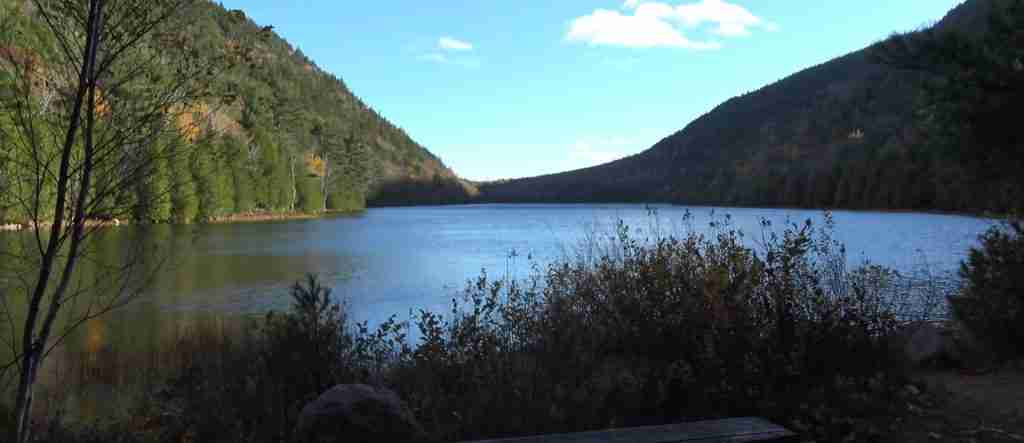
Jordan Pond House, Acadia’s only restaurant located within park boundaries, offers afternoon tea service featuring popovers with strawberry jam and butter alongside sweeping views of Jordan Pond and the Bubble Mountains. This tradition dating to the 1890s costs $16-24 per person including two popovers, tea or coffee, and small sides. Full lunch and dinner menus emphasize seafood and American comfort food at $18-38 per entree. Expect crowds during peak summer afternoons, with 60-90 minute waits common unless arriving before 11 AM or after 3 PM.
Grocery shopping for self-catering enables significant dining cost savings while providing flexibility for trail lunches and campsite meals. Bar Harbor’s Hannaford Supermarket offers comprehensive selection at standard mainland prices, while The Natural Market provides organic produce and specialty items at 15-25% markups. Ellsworth’s larger supermarkets including Walmart and Shaw’s deliver better prices but require 15-mile roundtrips from Bar Harbor accommodations. Weekly grocery budgets range $150-250 for two people emphasizing self-prepared breakfasts and lunches with occasional restaurant dinners.
Farmers markets operate several days weekly during summer months, connecting visitors with island farms producing organic vegetables, artisan cheeses, fresh-baked breads, and locally produced honey and preserves. Bar Harbor’s market runs Friday mornings on the Village Green, while Southwest Harbor hosts Wednesday afternoon markets. Prices approximate supermarket rates for superior quality and direct farm connections, making markets worthwhile both for ingredients and cultural experience.
Alcohol purchases face Maine’s strict regulations with beer and wine available at grocery stores and specialized wine shops, while spirits require state liquor stores operating limited hours. Bar Harbor restaurants serve wine, beer, and cocktails with most establishments emphasizing Maine craft breweries including Bar Harbor Real Ale Company and Atlantic Brewing Company. A pint of local draft beer costs $7-10, cocktails $12-16, and wine by the glass $10-18 at typical Bar Harbor establishments.
Best Time to Visit Acadia National Park 2026
Acadia National Park’s seasonal personality changes profoundly across the calendar year, with each season delivering distinct advantages and challenges affecting visitor experiences, costs, and access to facilities. Understanding seasonal patterns enables strategic timing that aligns weather, crowds, and pricing with individual preferences and priorities.
Summer Season: Late June Through August 2026
Summer represents Acadia’s peak season, delivering warmest weather with average temperatures ranging 60-75°F, longest daylight hours enabling extended outdoor activity, and complete facility availability including all park roads, campgrounds, restaurants, and tour operators. Ocean water temperatures reach 55-60°F, comfortable enough for hardy swimmers willing to brave Maine’s characteristically cold Atlantic. This season attracts maximum visitor numbers with July and August weekends creating intense crowding at popular attractions including Jordan Pond, Thunder Hole, and Cadillac Mountain.
Summer advantages include reliable weather minimizing trip-disrupting rain, warm temperatures enabling comfortable camping, all Island Explorer bus routes operating at peak frequency, and full availability of guided tours, boat cruises, and activity providers. Sunrise arrives around 5 AM with sunset near 8:15 PM in late June, providing nearly 16 hours of potential daylight for hiking, photography, and exploration. Ocean-based activities including kayaking, swimming, and tidal exploration reach peak enjoyment during summer’s warmest water temperatures.
Summer disadvantages center on intense crowding requiring advance planning for accommodations, reservations, and parking strategies. Popular trailhead parking lots fill completely by 8 AM, requiring either pre-dawn arrival or willingness to wait 30-60 minutes for departing vehicles to free spaces. Accommodation costs peak $40-80 higher than shoulder season rates, with many properties requiring 2-3 night minimum stays and Saturday-Saturday weekly bookings. The Cadillac Mountain vehicle reservation system reduces summit crowding but adds complexity requiring advance booking. Blackflies and mosquitoes emerge in June, necessitating insect repellent for forest hiking and camping.
Summer proves ideal for families constrained by school schedules, visitors prioritizing warm weather beach activities, and those seeking full access to commercial tours and services. Budget-conscious travelers face challenges during summer peak, with costs 30-50% higher than shoulder seasons and advance booking requirements limiting flexibility. Active outdoor enthusiasts willing to start hikes by 6-7 AM avoid crowds while still enjoying summer’s long daylight and warm temperatures.
Fall Season: September and October 2026
Fall emerges as Acadia’s optimal visiting window for many travelers, combining spectacular foliage, reduced crowds, pleasant temperatures averaging 50-65°F, and accommodation pricing 20-35% below summer peaks. Autumn colors typically peak between October 5-20, creating dramatic displays as sugar maples turn crimson, birches glow golden, and oak leaves shift to burgundy against evergreen pine and spruce backdrops. This natural spectacle draws significant visitor numbers though substantially fewer than July-August crowds.
September advantages include lingering warmth from summer with ocean temperatures still reaching 58-62°F in early September, significantly reduced crowds versus peak season, immediate availability for most accommodations and campsites beyond Columbus Day weekend, and lower overall costs. The Island Explorer operates through October 12, providing continued bus access to popular attractions. Weather remains generally stable during September with only occasional nor’easters bringing rain and wind, while September’s crisp mornings and warm afternoons create ideal hiking conditions.
October transforms Acadia into a photographer’s paradise, with peak foliage combining with autumn’s golden light for extraordinary image opportunities. Mid-October weekends attract significant crowds drawn by foliage displays, though weekday visits remain relatively uncrowded. Sunrise occurs progressively later in October, shifting from 6:15 AM early month to 7:15 AM by month’s end, reducing pre-dawn hiking starts required to catch sunrise light.
Fall disadvantages include reduced facility availability as many restaurants close after Columbus Day, limited Island Explorer service ending October 12, and campground closures (Seawall closes September 30, Blackwoods transitions to primitive camping). Ocean swimming becomes challenging as water temperatures drop into the 52-55°F range. October weather grows increasingly unpredictable with nor’easters potentially delivering 1-2 days of heavy rain and wind, requiring flexible itineraries and rain gear. Accommodation availability tightens during peak foliage weeks (typically October 8-18), necessitating bookings 60-90 days ahead.
Fall proves optimal for visitors prioritizing spectacular scenery, comfortable hiking temperatures, and reduced costs and crowds compared to summer. Photographers consider October Acadia’s finest month for landscape work. The season suits flexible travelers comfortable adjusting plans around occasional stormy weather and visitors willing to dine at a reduced restaurant selection as seasonal establishments close.
Spring Season: May Through Early June 2026
Spring delivers Acadia’s most variable conditions, with May temperatures ranging 45-60°F and early June warming to 55-68°F, making shoulder season a gamble between delightful mild weather and cold rain. The park reopens from winter closure with the Loop Road clearing of snow by mid-April, though weather remains unpredictable through late May. Blackflies emerge in late May and early June, creating annoyance particularly in forests and near wetlands, though coastal breezes minimize their impact at shoreline locations.
Spring advantages include dramatic cost savings with accommodation rates 40-55% below summer peaks, virtually guaranteed campsite availability at Blackwoods and Seawall without reservations before Memorial Day weekend, and emerging wildflowers including pink lady’s slippers, rhodora, and mountain ash blossoms. Bird migration brings 300+ species through Acadia during May, attracting serious birders seeking warblers, thrushes, and other neotropical migrants. The Island Explorer begins limited service May 20, expanding to full routes by late June. Ocean kayaking becomes viable by mid-May as water temperatures climb above 50°F, though wetsuits remain advisable.
Spring disadvantages center on weather unpredictability requiring flexible planning and layered clothing. May delivers mix of sunny 65°F days and cold 45°F drizzle, with nor’easters capable of dropping temperatures to 38-42°F with wind and rain lasting 1-2 days. Ocean remains too cold for comfortable swimming until late June at 50-55°F. Many restaurants and tour operators remain closed until mid-June, limiting dining variety and activity options. Blackflies peak in early June, requiring mesh head nets for woodland hiking during dawn and dusk hours when these insects become most aggressive.
Spring suits budget travelers accepting weather variability tradeoffs for 40-55% cost savings, birding enthusiasts targeting spring migration, and visitors avoiding summer crowds. The season rewards flexibility with delightful hiking during sunny intervals while requiring indoor backup plans for inevitable rainy days. Families with school-age children face challenges as May falls during academic terms.
Winter Season: November Through April 2026
Winter transforms Acadia into a dramatically different park, with average temperatures ranging 20-38°F, snow accumulation reaching 50-70 inches annually, and reduced facility availability as most businesses close November through April. The Park Loop Road closes to vehicles, Blackwoods Campground operates primitively at $10 nightly without running water, and the Island Explorer suspends all service. Winter recreation centers on cross-country skiing the Park Loop Road and carriage roads, snowshoeing across snow-covered granite summits, and winter hiking requiring microspikes or crampons for icy trails.
Winter advantages include absolute solitude with daily visitor numbers in dozens rather than thousands, dramatic coastal scenery as ocean spray creates massive ice formations along shorelines, and exceptional value accommodation when Bar Harbor properties drop rates 60-75% below summer peaks. Cross-country skiing 45 miles of carriage roads and the unplowed Park Loop Road provides extraordinary winter recreation without crowds or lift tickets. Clear winter days deliver visibility exceeding 100 miles from Cadillac Mountain, with Canadian mountains visible on horizon. Some hardy visitors specifically target winter for isolation and raw beauty impossible during warmer months.
Winter disadvantages include severely limited facilities with most restaurants, hotels, and services closed, challenging conditions requiring winter camping experience or willingness to drive 30-45 minutes to Ellsworth or Bangor for accommodation, and significant clothing and equipment requirements including warm layers, winter boots, snowshoes or cross-country skis, and potentially ice cleats for trail hiking. Daylight hours shrink dramatically with sunrise around 7 AM and sunset by 4:15 PM in December and January, limiting outdoor activity windows. Coastal nor’easters deliver challenging conditions including sub-zero wind chills, whiteout snow, and power outages occasionally lasting days.
Winter proves ideal for adventurous visitors seeking solitude and winter recreation expertise, cold-weather photographers drawn to ice formations and snow-covered coastal granite, and budget minimalists willing to camp primitively or stay outside Bar Harbor for maximum accommodation savings. The season requires self-sufficiency, winter outdoor skills, and comfort with isolation as most visitor services suspend operations until April.
Transportation Within Acadia National Park 2026
Movement within and around Acadia National Park requires strategic planning as the park’s geography spans multiple areas across Mount Desert Island with no single circuit connecting all attractions. Transportation choices profoundly impact visitor experience, budget, environmental impact, and ability to access dawn and dusk opportunities beyond public transit schedules. Understanding options enables optimization for individual priorities and circumstances.
Island Explorer Free Shuttle Bus System
The Island Explorer represents Acadia’s most environmentally sustainable transportation option, providing completely free propane-powered bus service connecting Bar Harbor, major hotels and campgrounds, the Hulls Cove Visitor Center, and nearly all significant park attractions. Eight routes operate from May 20 through October 12, 2026, with frequencies ranging 15-30 minutes during peak summer season depending on route and time of day. The system represents a legitimate car-free alternative for visitors staying near bus routes, eliminating parking stress, reducing traffic congestion, and cutting per-person transportation costs substantially versus rental vehicles.
Route 3 (Sand Beach) serves the park’s most popular eastern attractions including Sand Beach, Thunder Hole, Otter Cliff, Jordan Pond House, and Seal Harbor, operating every 15 minutes during peak hours. Route 4 (Loop Road) provides the only bus access to Cadillac Mountain base parking (not the summit road), Sieur de Monts Spring, and Bear Brook Picnic Area. Route 6 (Brown Mountain) connects downtown Bar Harbor with Brown Mountain Gatehouse providing direct carriage road access. The Bicycle Express shuttle runs continuously between Bar Harbor’s Village Green and Eagle Lake, accommodating bikes for easy carriage road access without cycling uphill from town.
Island Explorer advantages include complete cost savings ($0 versus $45-80 daily rental car costs), elimination of parking stress, environmental benefits, and opportunities for social interaction with other visitors and knowledgeable bus drivers who often share trail recommendations and local history. Buses accommodate six bicycles per bus on front and rear racks, enabling combination bus-bike excursions. Leashed pets travel free on buses, making the system suitable for visitors hiking with dogs. The shuttle eliminates designated driver concerns for visitors enjoying afternoon beers or wine at Jordan Pond House or Bar Harbor restaurants.
Island Explorer limitations include seasonal operation ending October 12 (no service November-May), inability to reach Cadillac summit or various western “quiet side” attractions with limited service, and schedule constraints preventing pre-dawn photography or post-sunset activities. First buses begin routes around 6:30-7 AM, too late for serious sunrise photography, while last buses complete routes by 8-9 PM, eliminating after-dark stargazing or sunset lingering. Weekend frequencies reduce slightly versus weekdays, and weather delays occasionally impact schedules during heavy fog or rain. The system remains impractical for visitors requiring morning flexibility, staying outside bus routes, or planning extensive western-side exploration.
Personal Vehicle or Rental Car
Private vehicles provide maximum flexibility for Acadia exploration, enabling dawn departures for sunrise photography, dusk visits for wildlife viewing, access to western “quiet side” trails and villages receiving limited or no bus service, and capacity to carry substantial outdoor gear, coolers, and supplies. Rental costs range $40-80 daily depending on vehicle type and booking timing, with compact and intermediate sedans proving adequate for all paved park roads and most gravel carriage road parking areas.
Vehicle advantages include complete schedule flexibility independent of bus timetables, capacity for 5-6 AM trailhead arrivals securing parking before crowds, ability to shift plans instantly based on weather or interests, and convenient gear storage for multiple activities in single days. Vehicles enable exploration beyond Mount Desert Island including the Schoodic Peninsula (45 minutes), Blue Hill (30 minutes), or Camden (90 minutes) for day trips. Families with young children particularly benefit from vehicles, eliminating challenges of bus waiting with tired kids and enabling nap time flexibility.
Vehicle disadvantages center on parking difficulties during peak summer season, when popular trailheads including Precipice, Beehive, and Gorham Mountain fill completely by 7:30-8 AM. Afternoon arrivals at Jordan Pond, Sand Beach, and Thunder Hole often require 20-40 minute waits for departing vehicles to free spaces, with no guarantee of success. Gasoline costs add $8-15 daily to rental fees depending on driving distances, while downtown Bar Harbor parking meters charge $2-4 hourly during business hours. Vehicle renters face deposit holds typically $200-300 on credit cards and must refuel before returning to avoid premium fuel charges.
Optimal vehicle strategy combines private car usage for early morning and evening flexibility with strategic Island Explorer use for popular midday attractions where parking proves challenging. Drive to dawn hikes and sunrise viewpoints, return to hotel/campground for breakfast and bus map review, then catch shuttles to crowded destinations like Jordan Pond or Sand Beach for afternoon visits. This hybrid approach maximizes both flexibility and parking success.
Bicycles and E-Bikes for Carriage Road Exploration
Acadia’s 45-mile historic carriage road network provides exceptional car-free cycling on gentle grades over packed gravel surfaces suitable for hybrid bikes, touring bikes, and mountain bikes. Bike rentals in downtown Bar Harbor cost $25-45 daily for standard bikes, $55-75 for e-bikes, with full-day, multi-day, and weekly rates available. The carriage roads connect major attractions including Jordan Pond, Eagle Lake, and Bubble Pond while passing through diverse forests, crossing 17 historic stone bridges, and delivering peaceful woodland experiences impossible on motorized roads.
Cycling advantages include car-free recreation on traffic-free routes, peaceful immersion in forest and mountain environments, moderate exercise suitable for casual cyclists due to gentle grades, and connection to trails and swimming areas inaccessible by vehicle. The Bicycle Express Island Explorer shuttle provides free transportation from Bar Harbor to Eagle Lake with bikes mounted on bus racks, eliminating the uphill ride from town while still enabling 15-20 mile downhill carriage road loops returning to Bar Harbor. E-bikes recently permitted on carriage roads (Class 1 pedal-assist only) enable less-fit riders to enjoy the system comfortably.
Cycling limitations include carriage roads’ separation from must-see coastal attractions including Thunder Hole, Otter Cliff, and Sand Beach, requiring either bus connections or vehicle support to combine carriage road cycling with coastal exploration on the same day. Carriage roads serve best as dedicated half-day or full-day cycling adventures rather than efficient transportation between dispersed park areas. Heavy bike traffic during summer weekends requires patience and caution, particularly near Jordan Pond where hundreds of casual riders congregate daily.
Serious road cyclists also explore Park Loop Road and surrounding Mount Desert Island paved roads, though narrow shoulders and heavy summer vehicle traffic create safety concerns. Cadillac Mountain’s steep 3.5-mile summit road attracts ambitious cyclists willing to tackle 8-12% grades, though park rangers discourage summit road cycling due to minimal shoulders and distracted drivers.
Top Hiking Trails and Outdoor Activities in Acadia 2026
Acadia National Park protects 158 miles of hiking trails ranging from wheelchair-accessible coastal paths to technical rock scrambles requiring iron rung ladders and exposed ledge climbing. Understanding trail characteristics, difficulty ratings, and optimal timing enables selecting hikes matching fitness levels, time availability, and experience preferences while avoiding overcrowded trails during peak visitation windows.
Iconic Summit Hikes for Panoramic Views
The Precipice Trail represents Acadia’s most thrilling summit route, ascending 1,000 vertical feet in less than a mile via iron rungs, exposed ledges, and sheer cliff faces to reach Champlain Mountain’s 1,058-foot summit. This trail closes entirely mid-April through mid-August during peregrine falcon nesting season, reopening only when young falcons successfully fledge. The exposed nature and technical challenges render Precipice unsuitable for children, those afraid of heights, or anyone uncomfortable with exposure on narrow ledges. Perfect weather conditions prove essential as wet rock becomes dangerously slippery. Trailhead parking fills by 7 AM during open season.
Beehive Trail offers similar iron rung climbing on a shorter but steeper route, ascending 520 vertical feet in 0.8 miles with spectacular exposure and cliff-edge traversing. Beehive remains open year-round, creating an alternative when Precipice closes for falcon protection. The trail’s difficulty comes from vertical climbing sections requiring upper body strength to pull up iron rungs rather than sustained aerobic challenge. Parking at Sand Beach lot fills by 7:30-8 AM during summer, so arrive early or use Island Explorer Route 3.
Cadillac South Ridge Trail provides the most accessible summit experience, climbing 1,350 feet over 3.5 miles on well-maintained trail with steady moderate grades. The treeless summit delivers 360-degree views encompassing the Atlantic Ocean, Frenchman Bay, surrounding islands, and on clear days, Mount Katahdin 130 miles north. Starting from Route 3 near Blackwoods Campground, this trail experiences moderate use even during peak season due to its length. Strong hikers complete the roundtrip in 2.5-3 hours.
Pemetic Mountain’s north and south ridge trails combine to create satisfying 3.2-mile loops with 1,000 feet elevation gain, delivering expansive views from the 1,248-foot summit with significantly fewer crowds than Cadillac. The exposed granite summit provides equally impressive vistas while enabling quiet contemplation impossible on crowded Cadillac. Parking at Bubble Pond or Jordan Pond provides access, with both lots filling by 8 AM during summer weekends.
Coastal Trails and Ocean Shoreline Explorations
Ocean Path stretches 2.1 miles along Acadia’s dramatic eastern shore from Sand Beach to Otter Point, following easily-walked gravel and granite paths with minimal elevation change. This trail passes Thunder Hole, where incoming swells compress into a narrow chasm creating explosive booms and spray reaching 40 feet during optimal tide and swell conditions (check tide predictions and visit 1-2 hours before high tide). Monument Cove’s cobblestone beach and Otter Cliff’s 110-foot granite precipice dropping directly to ocean rank among the park’s most photographed features. Island Explorer Route 3 provides convenient access to multiple trailhead points, enabling one-way walks returning via bus.
Ship Harbor Nature Trail on Mount Desert Island’s quiet western side creates gentle 1.3-mile loops through coastal forest to rocky shoreline and protected harbor. This wheelchair-accessible trail showcases different coastal ecology than eastern sections, with quieter atmosphere and abundant wildlife including seals, seabirds, and occasional eagles. The trail proves ideal for families with young children and visitors seeking solitude away from eastern crowds. Interpretive signs explain coastal ecology, tidal processes, and maritime history.
Great Head Trail forms 1.8-mile loops around a dramatic headland extending into the Atlantic, starting from Sand Beach parking area. This moderate trail climbs 145 feet to cliff-top views overlooking Sand Beach, Frenchman Bay, and the offshore Egg Rock Lighthouse. Exposed clifftop sections require caution during windy conditions, but gentle grades and well-maintained trail surfaces enable access for most fitness levels. The loop direction matters little as both clockwise and counterclockwise routes deliver exceptional vistas.
Waterfall and Forest Trail Networks
Jordan Pond Shore Trail circles the park’s clearest glacial lake on 3.3-mile loops combining boardwalk sections, rocky shoreline, and forest paths. The relatively flat trail (140 feet total elevation) suits all fitness levels while delivering reflective views of the Bubbles twin peaks rising directly from Jordan Pond’s northern shore. Autumn colors reflected in still water create extraordinary photography opportunities during early October. Jordan Pond House sits at the trail’s southern terminus, enabling reward popovers and tea after completing the circuit.
Dorr Mountain Ladder Trail combines sustained elevation gain (1,270 feet over 1.5 miles) with technical scrambling on iron rung ladders ascending smooth granite slabs. This trail represents a middle ground between standard hiking and Precipice’s extreme exposure, offering challenge without Precipice’s terrifying drops. Strong hikers ascend in 60-90 minutes, with the summit providing views across Frenchman Bay to Schoodic Peninsula. Descend via easier Dorr Mountain East Face Trail or Homans Path for complete loop options.
Beech Mountain Trail on the western quiet side climbs 800 feet over 1.1 miles to a 839-foot summit featuring a fire tower providing 360-degree views across the island. This uncrowded alternative to eastern peaks delivers similar summit experiences with parking readily available even during peak season. The tower adds unique perspective, enabling views over treetops to distant mountains and ocean beyond. Beech Cliff Trail provides alternative access from Echo Lake.
Sea Kayaking and Paddling Adventures
Sea kayaking reveals Acadia’s coastline from perspectives impossible via land trails, gliding past granite cliffs rising 60-80 feet directly from ocean, entering sea caves carved by millennia of wave action, and approaching harbor seals hauled out on offshore ledges. Multiple Bar Harbor outfitters offer guided tours ranging from 2.5-hour sunset paddles at $70-90 per person to full-day excursions exploring the Porcupine Islands at $110-140 per person. Kayak rentals for experienced paddlers cost $55-75 daily for singles, $75-95 for tandems, with safety equipment included.
Popular kayaking routes include the Porcupine Islands just offshore from Bar Harbor, offering 2-3 hour circuits around several islands with seal colonies, nesting seabirds, and protected channels providing calmer water for novice paddlers. More exposed routes along Otter Cliffs and Great Head require advanced skills as ocean swells, tide currents, and afternoon sea breezes create challenging conditions. Western side locations including Seal Cove and Southwest Harbor deliver gentler paddling conditions with extensive shoreline to explore.
Guided trips provide expert instruction, safety supervision, local knowledge about wildlife locations and tidal considerations, and equipment including kayaks, paddles, personal flotation devices, spray skirts, and dry bags. Most outfitters require participants age 12+ with reasonable fitness, though weight and physical limitations vary by operator. Morning tours typically encounter calmer conditions than afternoon when sea breezes develop, while evening paddles offer spectacular sunset photography opportunities.
Rock Climbing and Mountaineering
Acadia’s pink granite cliffs attract rock climbers to 200+ established routes ranging from beginner-friendly cracks to world-class multi-pitch traditional climbs. Otter Cliffs contains the greatest concentration of quality routes including classic like Gunks Route and CMC Wall, featuring immaculate granite with excellent protection opportunities. The cliff’s ocean exposure provides dramatic atmosphere though increases consequences of falls. South Bubble’s ice routes draw ice climbers during winter when seepage creates vertical columns suitable for technical climbing.
Multiple guiding services offer instruction and guided climbing at $150-250 per person for half-day programs, $250-400 for full days. Atlantic Climbing School and Acadia Mountain Guides provide comprehensive beginner programs teaching fundamental skills on moderate routes, plus advanced guiding for experienced climbers seeking classic routes or new challenges. All equipment except personal climbing shoes included in guided rates.
Wildlife Viewing and Nature Photography in Acadia 2026
Acadia National Park shelters remarkable biodiversity despite its relatively small size, with strategic timing and location knowledge dramatically increasing wildlife encounter opportunities. Understanding species patterns, optimal viewing times, and ethical observation practices enables memorable wildlife experiences while protecting park animals from disturbance and habituation.
White-tailed deer represent Acadia’s most commonly observed large mammal, with populations thriving throughout the park due to forest habitat, ample browse, and limited predation. Early morning and dusk hours from May through November provide optimal viewing as deer emerge to feed in meadows, along road edges, and in campground areas. Blackwoods and Seawall Campgrounds regularly host deer wandering between campsites, offering close observation opportunities though feeding them violates federal regulations risking $500 fines. Deer become scarce during deep snow winter months when limited browse forces them to forage in lowland areas outside park boundaries.
Harbor seals populate Acadia’s offshore ledges and protected coves, hauling out during low tide to rest between feeding periods. The Porcupine Islands near Bar Harbor support colonies visible from shore or better observed via kayaking tours passing within 50-100 yards of haul-out ledges. Seals demonstrate curiosity toward kayakers, often approaching to investigate while maintaining safe distances. Boat tours specifically targeting seal viewing depart Bar Harbor daily, costing $40-60 per person for 2-hour wildlife cruises. May through October provides consistent seal viewing, with numbers declining during winter as seals disperse across wider territories.
Birdwatching attracts serious ornithologists year-round, with 338 documented species including 23 breeding warbler species, nesting peregrine falcons, bald eagles, and seasonal migrations. Spring migration from late April through early June brings warblers, thrushes, vireos, and flycatchers in waves of colorful diversity as birds pass through Maine heading to northern breeding grounds. Beech Mountain, Wonderland Trail, and Ship Harbor produce reliable warbler sightings during May when morning choruses create cacophonous dawn soundscapes.
Peregrine falcons, which nest on Precipice and Champlain Mountain cliffs from April through August, represent conservation success stories with populations recovering from near-extinction in the 1970s. Rangers post spotting scopes at Precipice parking areas during nesting season, enabling safe observation of adults delivering prey to clifftop nests and young falcons taking first flights. The Precipice Trail closure protects these nests from human disturbance during critical reproductive periods. Jordan Pond area supports nesting bald eagles visible from shore trails when adults make feeding flights across the pond.
Marine mammals including porpoises, minke whales, and occasional humpback whales appear in Frenchman Bay and surrounding waters during summer months when fish populations attract these predators. Whale watching tours departing Bar Harbor target feeding grounds 10-20 miles offshore where deeper waters concentrate fish schools, costing $60-90 per person for 3-4 hour excursions. Sightings occur on 75-85% of trips during peak June-September season.
Photography opportunities abound throughout Acadia, with landscapes and wildlife presenting different technical challenges and optimal timing. Sunrise photography from Cadillac Mountain’s summit requires pre-dawn arrival (vehicle reservations available for sunrise windows May-October), with spectacular alpenglow coloring granite and ocean during the 30 minutes before sunrise. Otter Cliff and Thunder Hole provide dramatic wave action photography, particularly during incoming high tides with easterly swell conditions creating explosive spray.
Autumn foliage photography peaks between October 5-20, with vibrant color displays best captured during soft morning and evening light rather than harsh midday conditions. Jordan Pond reflections of the Bubbles mountains create classic New England scenes, requiring completely calm water conditions typically occurring early morning before breezes develop. Long Pond on the western quiet side delivers similar reflective opportunities with fewer photographers competing for positions.
Wildlife photography demands telephoto lenses (300mm minimum, 400-600mm preferable), patience, and ethical practices maintaining adequate distance from subjects. Federal regulations prohibit approaching wildlife within distances causing behavioral changes including stopping feeding, fleeing, or displaying agitation. A good field rule maintains 100+ yards from large mammals and 25+ yards from birds, using telephoto lenses to fill frames rather than physically approaching closer.
Family-Friendly Activities and Experiences in Acadia 2026
Acadia National Park accommodates families with children of all ages, offering ranger-led programs, easy trails, beach activities, and educational opportunities that engage young visitors while enabling parents to experience the park’s beauty. Strategic activity selection matching children’s ages, energy levels, and interests transforms potential hiking resistance into enthusiastic outdoor participation.
Sand Beach provides the park’s most popular family swimming destination, with a 300-yard crescent of golden sand backed by forested mountains delivering classic Maine coastal scenery. The beach’s protected cove position moderates wave action, creating relatively gentle surf suitable for children though water temperatures rarely exceed 55-60°F even during peak summer. Most visitors venture only ankle-deep or wade waist-high during brief intervals before returning to warmer sand. Arrive before 9 AM during summer to secure parking in the beach lot, or use Island Explorer Route 3 arriving mid-morning when vehicle parking fills completely.
Echo Lake offers warmer freshwater swimming at a glacially-carved lake with small beach areas and calm water perfect for younger children learning to swim. Water temperatures reach 68-72°F during late July and August, dramatically more comfortable than ocean options. The lake’s location on the western quiet side provides parking even during peak season when eastern beaches overflow. Lifeguards do not patrol any park swimming areas, placing supervision responsibility entirely on parents.
Tide pooling during low tide reveals starfish, sea urchins, periwinkles, barnacles, green crabs, and occasional small fish trapped in rocky depressions when ocean recedes. The Bar Island land bridge accessible during low tide from Bar Harbor creates extraordinary tide pool opportunities as half-mile walk across ocean floor exposes thousands of pools teeming with marine life. Check tide tables online and plan arrival 1-2 hours before low tide, departing before incoming tide covers the land bridge. Bring buckets and magnifying glasses for close examination, always returning animals to original pools after gentle observation.
Easy family-friendly trails include Jordan Pond Shore Trail (3.3 miles, mostly flat), Ship Harbor Nature Trail (1.3 miles, wheelchair accessible), and Wonderland Trail (1.4 miles, gentle grades). These routes provide natural beauty and wildlife opportunities without strenuous climbing or exposure hazards concerning parents. The Ocean Path from Sand Beach to Otter Point (2.1 miles) combines easy walking with dramatic ocean views, Thunder Hole’s explosive waves, and cobblestone Monument Cove beaches fascinating to children exploring tide line discoveries.
Junior Ranger programs engage children ages 5-12 through activity booklets covering park ecology, history, and conservation, available free at any visitor center. Children completing age-appropriate activities and attending ranger programs receive official Junior Ranger badges during brief ceremonies, creating proud memories connecting kids to national park stewardship. Programs typically require 2-3 hours to complete depending on child’s age and activity pace.
Ranger-led programs scheduled throughout summer months provide expert-guided walks, campfire talks, tide pool explorations, and star-gazing sessions perfect for family participation. Programs typically run 45-90 minutes, free to all park entrance pass holders, covering topics from peregrine falcon ecology to Wabanaki indigenous history. Check visitor center schedules upon arrival to align family plans with program timing.
Carriage road biking suits families with children able to ride independently, offering 45 miles of car-free gravel roads with gentle grades perfect for novice cyclists. Bike shops in Bar Harbor rent children’s bikes, tag-alongs, and child trailer options enabling families with varying ability levels to ride together. The Bicycle Express Island Explorer shuttle carries bikes from Bar Harbor to Eagle Lake, enabling families to begin rides from that convenient carriage road hub rather than cycling uphill from town.
Boat tours and cruises provide ocean adventures without hiking demands, perfect for families with very young children or those desiring marine experiences over mountain summits. Lobster boat tours include demonstrations of trap hauling, Maine lobster industry explanations, and opportunities to handle lobsters and other creatures briefly before returning them to ocean. Two-hour nature cruises focusing on seals, seabirds, and lighthouses cost $40-60 per person (children under 12 typically receive discounts), while extended whale watching trips run $60-90 per person targeting deeper offshore feeding grounds where minke and humpback whales concentrate during summer.
Practical Tips and Essential Information for Acadia 2026
Successfully navigating Acadia National Park requires understanding operational details, safety considerations, and practical logistics that transform good intentions into accomplished adventures. These essential guidelines address common visitor questions while preventing frustrating surprises that undermine vacation enjoyment.
Cell phone service varies dramatically across Mount Desert Island, with reliable coverage in Bar Harbor, Southwest Harbor, and along major roads, but dropping to no service in many interior park areas. Verizon provides the most comprehensive coverage followed by AT&T, while T-Mobile and Sprint show significant gaps throughout the island. Download offline maps, trail information, and tide tables before departing WiFi-enabled hotels or campgrounds, as unexpected service loss prevents accessing crucial navigation or safety information. Emergency calls sometimes connect via any available carrier even when your specific provider shows no signal.
Weather patterns shift rapidly along Maine’s coast, with morning sun transitioning to afternoon fog or isolated thunderstorms within hours. Layered clothing proves essential year-round, carrying rain shells even during sunny forecasts. Temperatures drop 10-15°F from inland areas to exposed coastal locations, while summit temperatures run 8-12°F cooler than valleys with wind chill creating additional cooling. Summer highs reach 75-80°F but ocean breezes keep coastal areas comfortable, while evenings cool to 55-60°F requiring light fleece or jackets after sunset.
Water supplies along trails remain non-existent at most Acadia locations, requiring visitors to carry adequate hydration for planned activity durations. Standard recommendations suggest one liter per person for 2-3 hour hikes, 1.5-2 liters for half-day adventures, with additional reserves for hot weather or strenuous climbs. Campground water taps provide safe drinking water for bottle filling. The Jordan Pond House sells bottled water though at premium prices, while no commercial sources exist along most trail systems.
Black bears inhabit Mount Desert Island at low densities, with sightings rare but possible throughout forested areas. Store all food in vehicles or approved bear-proof storage at campgrounds rather than tents, hang scented items including toiletries at least 12 feet high and 6 feet from tree trunks, and never approach bears if encountered. Make noise while hiking through dense forest to avoid surprise encounters, and carry bear spray for peace of mind though attacks remain extraordinarily rare. More concerning are aggressive raccoons at campgrounds, which demonstrate surprising persistence raiding unsecured food supplies.
Ticks carrying Lyme disease populate Acadia’s forests and grasslands from April through November, requiring vigilant prevention and daily inspection. Wear long pants tucked into socks when hiking through brush or tall grass, apply DEET-based insect repellent to clothing and exposed skin, and conduct thorough body checks after each day outdoors. Prompt tick removal within 24-36 hours dramatically reduces Lyme transmission risk. Blackflies and mosquitoes peak during June, necessitating head nets for woodland hiking during dawn and dusk hours.
Poison ivy grows throughout Mount Desert Island including along many trails, with three-leaflet clusters on ground vines or climbing plants causing severe allergic reactions in sensitive individuals. Learn to identify the plant’s appearance during different seasons, staying on maintained trails rather than bushwhacking through vegetation, and washing exposed skin with soap within hours of potential contact to remove urushiol oil before rash develops.
Park regulations prohibit drones throughout Acadia, pets on ladder trails or Sand Beach, and camping outside designated campgrounds. Dogs must remain leashed at all times on all trails, with owners responsible for waste removal. Swimming remains permitted at your own risk with no lifeguard supervision at any location. Glass containers face prohibition on all carriage roads though permitted elsewhere. Collecting rocks, plants, shells, or any natural objects violates federal law, with $500+ fines possible.
Accessibility features include wheelchair-accessible trails at Ship Harbor, Wonderland, and portions of Ocean Path, plus accessible picnic areas, restrooms, and visitor centers. Jordan Pond House restaurant provides full accessibility including ramps, wide doorways, and accessible restrooms. Blackwoods and Seawall Campgrounds each offer several accessible campsites with paved parking and level tent areas. The park’s accessibility guide available at visitor centers details specific amenities and challenges at each location.
Medical facilities include Mount Desert Island Hospital in Bar Harbor providing 24-hour emergency services, plus urgent care clinics in Bar Harbor and Ellsworth for non-emergency treatment. The nearest trauma center operates 50 miles away in Bangor. Cell 911 connects to emergency services across most of the island, though response times range 15-30 minutes to remote locations. Carry basic first aid supplies including adhesive bandages, pain relievers, antihistamines, and any personal medications as pharmacies close early evening with no 24-hour options on Mount Desert Island.
Frequently Asked Questions About Visiting Acadia National Park 2026
Can you drive through Acadia National Park without paying an entrance fee?
No, Acadia National Park requires entrance passes year-round regardless of how you enter. All visitors including those walking, cycling, using the free Island Explorer bus, or driving through park roads must display valid entrance passes. The $35 vehicle pass, $20 pedestrian/cyclist pass, or annual pass options apply to all park access. Park rangers staff entrance stations along primary approach roads during peak season, checking passes and selling them to visitors without advance purchases. The park offers five fee-free days in 2026 for U.S. residents, though international visitors still pay the $100-per-person surcharge on these dates.
How many days do you need to see Acadia National Park?
Three to five days provides adequate time to experience Acadia’s highlights including Cadillac Mountain sunrise, several major hikes, coastal exploration, carriage road cycling, and Bar Harbor dining without feeling rushed. A single-day visit enables Cadillac summit, one major hike, and Ocean Path coastal trail but necessitates choosing between numerous worthy experiences. Seven to ten days allows comprehensive exploration of both eastern and western park areas, multiple summit hikes, several guided tours, day trips to surrounding coastal communities, and flexibility to wait for optimal weather for photography or ocean kayaking. Weekend warriors investing two days accomplish Cadillac sunrise, two moderate hikes, Jordan Pond circuit, and Sand Beach, creating satisfying introductions to the park’s diversity while inevitably leaving major attractions unvisited.
What is the most scenic drive in Acadia National Park?
Park Loop Road represents Acadia’s most scenic drive, traversing 27 miles of one-way coastal road with pullouts at Thunder Hole, Otter Cliff, Sand Beach, and numerous vista points overlooking the Atlantic Ocean and offshore islands. The road climbs from sea level to mountain forests before descending back to Bar Harbor, with the entire circuit requiring 90-120 minutes without stops, 3-4 hours allowing time for major attraction visits. Cadillac Summit Road provides equally spectacular views via its 3.5-mile ascent to the highest peak on the Atlantic seaboard, though vehicle reservations cost $6 during peak season May-October. The western quiet side’s Route 102A from Seal Harbor through Southwest Harbor to Bass Harbor Head Lighthouse delivers uncrowded coastal scenery with fishing villages, protected harbors, and the iconic Bass Harbor lighthouse perched atop granite cliffs.
Are there bears in Acadia National Park?
Yes, black bears inhabit Mount Desert Island at low population densities, though sightings remain relatively rare with most visitors never encountering bears during typical park visits. The park’s limited size and proximity to human development keeps bear numbers modest compared to larger wilderness parks. Proper food storage remains essential at campgrounds, storing all food and scented items in vehicles or bear-proof lockers rather than tents. Bears demonstrate no aggression toward humans when given appropriate space, with no recorded bear attacks in Acadia’s history. Make noise while hiking through dense forest to avoid surprising bears, and never approach them for photographs regardless of apparent docility. Report all bear sightings to rangers to help track population movements and prevent habituation.
Can you swim in the ocean at Acadia National Park?
Yes, ocean swimming is permitted at Sand Beach and other coastal access points throughout Acadia, though water temperatures rarely exceed 55-60°F even during peak summer months. Most visitors wade or briefly immerse rather than extended swimming due to cold temperatures. Sand Beach provides the most accessible ocean swimming location with protected cove position moderating wave action, though no lifeguard supervision operates at any park beach. Currents and undertow create hazards during high tide and storm conditions, requiring cautious assessment before entering. Echo Lake on the park’s western side offers substantially warmer freshwater swimming at 68-72°F during July-August, more suitable for extended swimming and children’s play. Always swim with companions rather than alone, and exit water immediately if feeling numbness or coordination loss from cold exposure.
What should I pack for a day at Acadia National Park?
Essential day-hiking items include sturdy hiking boots or trail shoes, layered clothing with rain jacket, sun protection (hat, sunscreen, sunglasses), 1-2 liters water per person, energy-dense snacks or trail lunch, basic first aid kit, trail map or downloaded GPS tracks, and fully charged phone for emergency contact despite limited cell coverage. Optional but valuable items include trekking poles for stability on rocky terrain, binoculars for wildlife viewing, camera or smartphone for photography, insect repellent during June-September, and small backpack to carry everything comfortably. Leave cotton clothing at hotels in favor of synthetic or wool materials that retain warmth when wet and dry quickly after rain or perspiration. Pack extra layers even during summer as summit temperatures run 10-15°F cooler than valleys with wind chill creating additional cooling.
Is Acadia National Park crowded in 2026?
Yes, Acadia experiences significant crowding during peak summer season (July-August) and fall foliage weeks (October 5-20), ranking as the fifth-most-visited national park in America with 3.9 million annual visitors. Popular trailhead parking lots including Precipice, Beehive, and Jordan Pond fill by 7:30-8 AM during summer weekends, requiring either pre-dawn arrival or patience waiting for departing vehicles. The Cadillac Mountain vehicle reservation system implemented in 2021 substantially improved summit crowding by limiting vehicular access, though foot traffic remains heavy during peak hours. Shoulder seasons (May-June, September-early October) deliver significantly reduced crowds with accommodation availability and parking finding substantially easier. Winter transforms Acadia into near-solitude with daily visitor counts in dozens rather than thousands.
Do I need a car to visit Acadia National Park?
No, the free Island Explorer bus system provides legitimate car-free access to major park attractions from late May through mid-October, eliminating rental car expenses while reducing traffic congestion and environmental impact. Eight bus routes connect Bar Harbor, Blackwoods and Seawall Campgrounds, and nearly all popular eastern park attractions including Sand Beach, Thunder Hole, Jordan Pond, and carriage road access points. However, vehicle access enables pre-dawn arrival for sunrise photography, post-sunset wildlife viewing, exploration of western quiet side trails receiving limited bus service, and flexibility to adjust plans based on weather or interests. Visitors staying in Bar Harbor on bus routes planning typical daytime activities succeed completely without vehicles, while those desiring maximum flexibility or staying outside bus routes benefit substantially from rental cars.
When does Acadia National Park get foliage in 2026?
Autumn foliage typically peaks in Acadia between October 5-20, with exact timing varying 7-10 days based on September and early October temperatures. Unusually warm autumns delay peak color while early frosts accelerate the transition, making precise prediction impossible more than 10 days in advance. Sugar maples provide the most dramatic color displays with brilliant scarlet and orange hues, while birches turn golden yellow and oak species shift to deep burgundy. The park’s mix of deciduous and evergreen trees creates striking contrast as colorful hardwoods stand against dark green pine and spruce backgrounds. Late September shows initial color changes at higher elevations, progressing to valley locations by mid-October. By October 25, most deciduous trees have dropped leaves, though persistent oak leaves remain into November.
What is the best hike in Acadia National Park for beginners?
Jordan Pond Shore Trail represents the optimal beginner hike, circling the park’s clearest glacial pond on 3.3-mile loops combining boardwalk sections, rocky shoreline, and forest paths with only 140 feet total elevation change. The relatively flat trail delivers spectacular mountain and lake views including the iconic Bubbles twin peaks reflected in still water, passing through diverse forest habitats while remaining accessible to most fitness levels. Ocean Path from Sand Beach to Otter Point provides an equally beginner-friendly 2.1-mile coastal option showcasing Acadia’s dramatic shoreline including Thunder Hole’s explosive waves and Monument Cove’s cobblestone beach, with minimal elevation change and well-maintained surfaces. Both trails offer numerous access points enabling shorter out-and-back segments for visitors with limited time or stamina, plus connections to Island Explorer bus routes eliminating parking challenges.