Phoenix Day Trips 2026: Best Excursions & Planning
Phoenix’s central location in the Sonoran Desert positions visitors within easy reach of Arizona’s most spectacular natural wonders, historic mining towns, ancient Native American sites, and diverse landscapes ranging from red rock canyons to high-altitude pine forests. Whether exploring independently by car or joining guided tours, day trips from Phoenix reveal the extraordinary geographic and cultural diversity packed within a three-hour radius of the Valley of the Sun.
Key Takeaways About Phoenix Day Trips 2026
- Top Destinations 2026: Sedona’s red rocks (2 hours north), Grand Canyon South Rim (3.5 hours), Tucson and Saguaro National Park (2 hours south), Prescott’s Victorian downtown (1.5 hours northwest), Jerome ghost town (2 hours), and Flagstaff mountain retreat (2.5 hours) represent the premier day trip options from Phoenix.
- Self-Drive Daily Costs 2026: Independent day trips cost $75-165 per person including gas, park entrance fees, and meals—Sedona runs $75-105, Tucson/Saguaro $85-115, Grand Canyon $135-165, with costs varying by group size, vehicle fuel efficiency, and dining choices.
- Guided Tour Investment 2026: Organized day tours range $160-290 per person with transportation, guides, and entrance fees included—Sedona tours $160-230, Grand Canyon excursions $180-260, combined Sedona-Grand Canyon adventures $220-290 for comprehensive 13-14 hour experiences.
- Pass Value Strategy 2026: America the Beautiful Annual Pass ($80) pays for itself after visiting three national park sites, covering Grand Canyon entrance, Red Rock Pass areas around Sedona, and Saguaro National Park for travelers planning multiple federal recreation area visits throughout the year.
- Seasonal Timing Advantage 2026: March-May and September-November offer optimal day trip conditions with comfortable 65-85°F temperatures, manageable crowds, and full facility operations, while summer heat exceeds 105°F in Phoenix requiring very early departures and winter brings occasional snow to higher elevations affecting Grand Canyon and Flagstaff access.
- Distance Reality Check 2026: Most premier destinations require 4-7 hours minimum for meaningful visits—attempting Grand Canyon plus Sedona in one day from Phoenix (550+ miles, 14+ hours) sacrifices quality at both locations, making dedicated single-destination days or overnight stays the superior strategy for memorable experiences.
People Also Ask About Phoenix Day Trips 2026
What Is the Best Day Trip from Phoenix in 2026?
Sedona ranks as the best overall day trip from Phoenix in 2026, combining manageable 2-hour drive time, spectacular red rock scenery, diverse activity options from hiking to arts galleries, and reasonable costs of $75-105 for self-drive visits or $160-230 for guided tours. The destination offers maximum visual impact with minimum travel commitment, making it ideal for first-time Arizona visitors or travelers with limited time who want dramatic landscapes without the 7-hour round trip commitment required for Grand Canyon excursions.
How Much Does a Day Trip from Phoenix Cost in 2026?
Self-drive day trips from Phoenix cost $75-165 per person in 2026 depending on destination distance, park entrance fees, and meal selections—closer destinations like Sedona and Tucson run $75-115 while Grand Canyon reaches $135-165 including gas, park admission, and dining. Guided tours eliminate driving responsibilities but increase costs to $160-290 per person with transportation, professional guides, and entrance fees included, representing worthwhile investment for travelers without rental cars or those preferring expert narration and logistical convenience.
Can You Do Grand Canyon and Sedona in One Day from Phoenix in 2026?
Visiting both Grand Canyon and Sedona in one day from Phoenix remains technically possible but practically inadvisable in 2026, requiring 550+ total miles, 13-14 hours commitment, and rushed experiences at both destinations that sacrifice the contemplative time these natural wonders deserve. Combined tours costing $220-290 per person exist for travelers with severe time constraints, but superior strategy dedicates separate full days to each location or bases overnight in Sedona or Flagstaff, allowing proper exploration of both destinations without exhausting marathon drives.
Do I Need a Car for Phoenix Day Trips in 2026?
Personal vehicle or rental car provides maximum flexibility and cost efficiency for Phoenix day trips in 2026, especially for groups of 2-4 travelers where per-person gas costs drop to $15-40 depending on destination versus $160-290 for guided tour alternatives. Solo travelers or those uncomfortable with desert highway driving benefit from organized tours offering hotel pickup, professional guides, air-conditioned transportation, and elimination of navigation concerns, though sacrificing spontaneity and schedule control inherent in independent exploration.
Extended multi-day tours – 5+ days
Featured Southwest Usa Multi-Day Tour Packages
3 days
Southwest Usa 3-Day Discovery Tour
- ✓ Comprehensive Southwest Usa experience
- ✓ Expert local guides included
- ✓ All accommodation included
- ✓ Transportation provided
5 days
Southwest Usa 5-Day Highlights Experience
- ✓ Comprehensive Southwest Usa experience
- ✓ Expert local guides included
- ✓ All accommodation included
- ✓ Transportation provided

7 days
Southwest Usa 7-Day Cultural Journey
- ✓ Comprehensive Southwest Usa experience
- ✓ Expert local guides included
- ✓ All accommodation included
- ✓ Transportation provided
10 days
Southwest Usa 10-Day Complete Adventure
- ✓ Comprehensive Southwest Usa experience
- ✓ Expert local guides included
- ✓ All accommodation included
- ✓ Transportation provided
Multi-day tour packages powered by TourRadar. Prices and availability subject to change.
Introduction to Phoenix Day Trips 2026
Phoenix’s geographic position in Arizona’s heart transforms the metropolitan area into an ideal base for exploring the state’s extraordinary natural and cultural diversity. Within a three-hour radius, travelers access landscapes spanning five distinct ecological zones—from low Sonoran Desert dotted with iconic saguaro cacti through transition zones of grasslands and scrublands to high-altitude ponderosa pine forests approaching 9,000 feet elevation. This dramatic vertical relief creates temperature differentials exceeding 30°F between Phoenix and higher elevation destinations like Flagstaff, offering summer heat escape and winter snow access within the same day trip radius.
The 2026 travel season brings updated pricing structures across Arizona’s most visited attractions, including the new $100 non-resident surcharge at Grand Canyon National Park affecting international travelers, adjusted Red Rock Pass fees around Sedona, and evolving tour operator costs reflecting fuel price volatility. Understanding current entrance fees, optimal departure timing for specific destinations, seasonal weather patterns affecting road access, and realistic time requirements for meaningful experiences versus rushed checklist visits becomes essential for maximizing day trip value and satisfaction.
Day trip planning from Phoenix in 2026 requires balancing distance feasibility against experience quality—destinations under two hours away like Sedona, Prescott, and Tucson allow leisurely full-day exploration with comfortable departure times, while Grand Canyon’s 3.5-hour distance demands very early starts for sufficient rim time before sunset return drives. The choice between independent driving offering schedule flexibility and cost efficiency for groups versus guided tours providing expert narration and logistical convenience depends on traveler priorities, group size, comfort with desert highway navigation, and willingness to manage trip details versus surrendering control for curated experiences.
Arizona’s day trip destinations cluster into distinct categories serving different interests—natural wonders like Grand Canyon and Saguaro National Park for landscape photography and geological appreciation, historic mining towns including Jerome and Bisbee for Old West atmosphere and Victorian architecture, Native American heritage sites such as Montezuma Castle and Casa Grande Ruins for archaeological insight, recreational destinations like Sedona combining hiking with metaphysical vortex sites, and mountain retreats like Flagstaff and Prescott offering cooler temperatures and pine forest environments contrasting dramatically with Phoenix’s desert floor.
Understanding Phoenix’s Day Trip Geography 2026
Phoenix occupies the Valley of the Sun at approximately 1,100 feet elevation, creating a geographic anchor point from which all day trip distances and drive times radiate. The metropolitan area’s central position within Arizona places major attractions in every cardinal direction—Sedona and Grand Canyon dominate the northern corridor along Interstate 17 and Highway 89, Tucson and the Mexican border region extend south via Interstate 10, Prescott and Jerome occupy the northwest quadrant accessed through Wickenburg, while Apache Trail and Superior mining country stretch eastward into the Superstition Mountains.
Drive time calculations from Phoenix require understanding that stated durations assume ideal traffic conditions departing central Phoenix—travelers staying in Scottsdale, Tempe, or outlying areas may add 15-45 minutes to reach interstate highways, while weekend morning departures generally move faster than weekday rush hour exits. The 2-hour published drive time to Sedona reflects clear highway conditions on Interstate 17 followed by the scenic but slower Highway 179 approach, while Grand Canyon’s 3.5-hour estimate includes the final 60-mile stretch from Flagstaff on Highway 180 through progressively thinner traffic as elevation increases.
Elevation changes dramatically affect both drive times and weather conditions throughout Phoenix’s day trip radius. Sedona sits at 4,350 feet requiring modest elevation gain that adds gradual braking on return descents, Flagstaff peaks at 7,000 feet with temperatures running 20-30°F cooler than Phoenix year-round, and Grand Canyon’s South Rim at 7,000 feet can experience snow November through April while Phoenix basks in 70°F sunshine. These elevation differentials create microclimates requiring layered clothing even on warm-weather trips, as morning departures in 80°F Phoenix heat transition to 50°F rim temperatures by afternoon arrival.
Interstate 17 serves as Phoenix’s primary day trip corridor, carrying traffic north toward Sedona, Flagstaff, and Grand Canyon while passing through progressively dramatic terrain shifts—the first hour traverses flat desert punctuated by isolated buttes, the second hour climbs through Sunset Point and Bumble Bee with increasing scrubland vegetation, and Sedona exits reveal red rock formations that intensify as travelers approach their destination. Interstate 10 east toward Tucson maintains desert character throughout its 116-mile length with gradual elevation decrease to Tucson’s 2,600 feet, while western routes toward California cross progressively more arid landscapes approaching Yuma and the Colorado River.
Sedona Red Rock Country Day Trip 2026
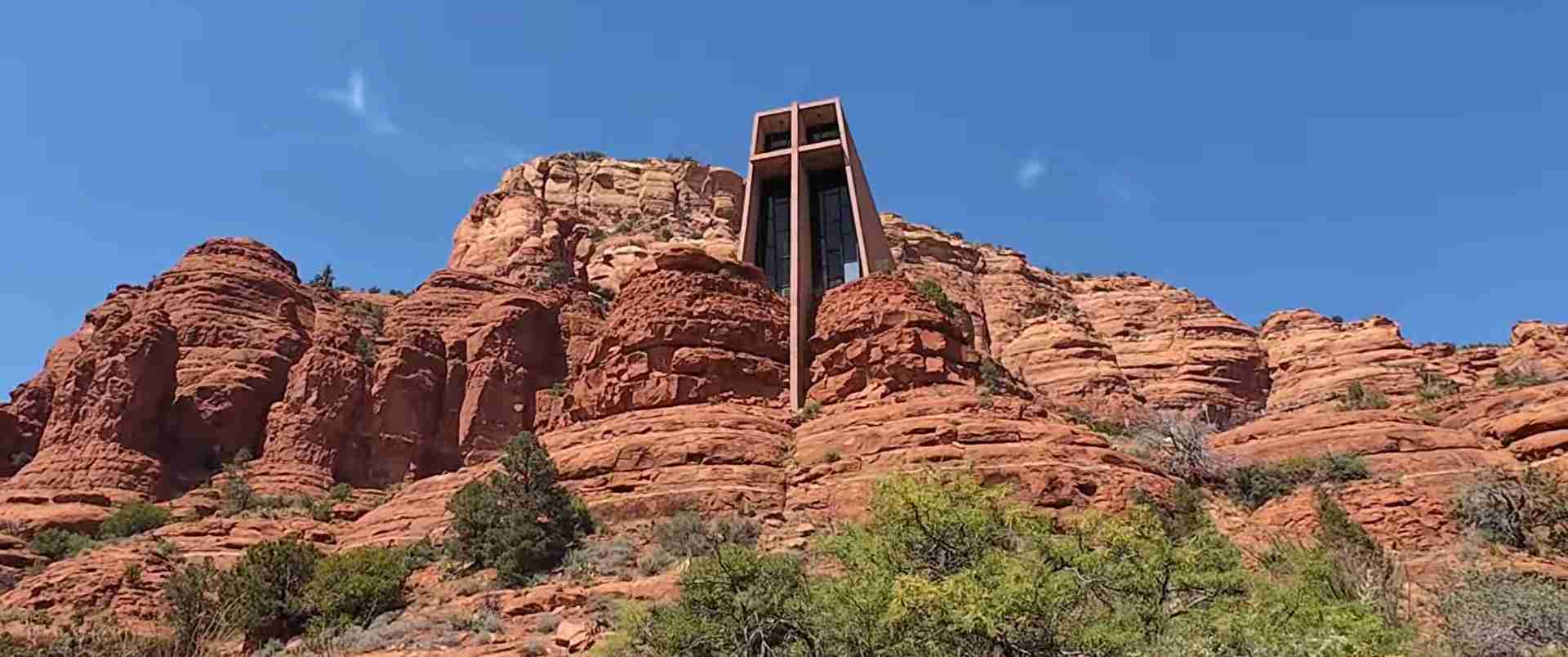
Sedona commands recognition as Phoenix’s most popular and accessible day trip destination in 2026, combining manageable 120-mile distance requiring 2-hour drive time with spectacular red rock formations, diverse activity options, and reasonable daily costs making it ideal for first-time Arizona visitors. The destination’s compact geography concentrates major attractions within 15-mile radius, allowing travelers to experience iconic sites like Cathedral Rock, Bell Rock, Chapel of the Holy Cross, and Uptown galleries within single day visits without the rushed pacing that compromises more distant destinations.
Self-drive Sedona visits in 2026 cost $75-105 per person assuming two travelers sharing expenses—gas for the 240-mile round trip runs $38-48 depending on vehicle fuel efficiency and current pump prices averaging $3.50-4.50 per gallon, Red Rock Pass for trailhead parking adds $5 daily, breakfast or lunch in Sedona ranges $15-25, with optional activities like Pink Jeep tours ($85-165 per person) or wine tastings ($30-60) increasing budgets substantially. Groups of 3-4 reduce per-person gas costs to $12-16, making self-drive overwhelmingly more economical than guided tour alternatives costing $160-230 per person.
Guided Sedona day tours from Phoenix operate 10-11 hours including pickup from Phoenix-area hotels around 7:00-8:00 AM with return by 5:00-6:00 PM, typically stopping at Montezuma Castle National Monument en route to break the drive while showcasing 12th-century Sinagua cliff dwellings. Tour prices of $160-230 per person in 2026 include air-conditioned van transportation accommodating 12-14 passengers, professional guide narration covering geology and local history, all park entrance fees, and 3-4 hours free time in Uptown Sedona for shopping, gallery browsing, or independent exploration of Chapel of the Holy Cross built dramatically into red rock cliffs.
Red Rock Pass regulations require all vehicles parked at Coconino National Forest trailheads around Sedona to display either daily pass ($5), weekly pass ($15), annual pass ($20), or America the Beautiful Annual Pass ($80) covering nationwide federal recreation sites. Popular trailheads accessing Devil’s Bridge, Cathedral Rock, Soldier Pass, and Airport Mesa vortex sites fall under pass requirements, while some locations like Slide Rock State Park ($10-20 vehicle entry) and Red Rock State Park ($10 adult admission) charge separate state park fees not covered by federal passes. Visitors planning multiple Sedona trips annually or combining with Grand Canyon and other federal sites benefit from America the Beautiful Pass investment.
Optimal Sedona day trip timing balances traffic patterns, weather conditions, and activity scheduling—early 6:00-7:00 AM Phoenix departures arrive Sedona by 8:00-9:00 AM securing prime trailhead parking before weekend crowds fill lots, allowing morning hikes during cooler temperatures followed by afternoon gallery browsing and dining as heat peaks. Spring (March-May) and fall (September-November) offer ideal 65-80°F Sedona temperatures with wildflower blooms or autumn foliage, while summer brings intense heat requiring dawn trail starts and winter occasionally delivers snow dusting red rocks creating dramatic photography though limiting hiking comfort.
Sedona’s geography divides into five distinct areas affecting day trip planning—Uptown Sedona concentrates galleries, restaurants, and tourist services along Highway 89A with walkable blocks, Village of Oak Creek to the south provides budget lodging options and Bell Rock access, West Sedona offers more affordable dining and local character, Oak Creek Canyon extends north through dramatic gorge scenery toward Flagstaff, and Dry Creek Road area northwest of town accesses vortex sites and backcountry trails popular with metaphysical seekers. Day trippers typically focus on Uptown’s commercial core plus 2-3 major natural sites like Chapel of the Holy Cross, Bell Rock, and Airport Mesa viewpoint, leaving comprehensive exploration for overnight stays.
Grand Canyon South Rim Day Trip 2026
Grand Canyon South Rim represents Arizona’s ultimate natural wonder but demands significant time investment for day trips from Phoenix—the 230-mile journey requires 3.5-4 hours one-way depending on traffic and stops, creating 7-8 hour minimum round-trip driving commitment before accounting for any rim exploration time. This distance reality means Grand Canyon day trips necessitate very early 5:00-6:00 AM Phoenix departures to secure 3-4 hours at the canyon before sunset return drives, making it Phoenix’s most challenging but rewarding same-day excursion option.
Self-drive Grand Canyon visits from Phoenix cost $135-165 per person in 2026 assuming two travelers sharing expenses—gas for the 460-mile round trip totals $74-92 based on 25 mpg fuel efficiency and $4 per gallon average pricing, Grand Canyon National Park entrance of $35 per vehicle divides to $18 per person, with rim dining adding $35-50 for lunch at El Tovar, Bright Angel Lodge, or packed meals from Tusayan gateway town. International non-residents face additional $100 per person surcharge implemented January 1, 2026, substantially increasing total costs to $235-265 for foreign visitors versus U.S. resident pricing.
Guided Grand Canyon day tours from Phoenix operate 13-15 hours including early morning hotel pickup around 5:00-6:00 AM with return by 7:00-9:00 PM, offering air-conditioned transportation, professional geological and historical narration, national park entrance fees, and typically 2.5-3 hours rim time visiting multiple viewpoints along Desert View Drive or Hermit Road. Tour prices range $180-260 per person for Grand Canyon-only excursions, with combined Sedona-Grand Canyon itineraries reaching $220-290 including brief Sedona stops on route but sacrificing depth at both locations for geographic coverage.
Grand Canyon entrance fees in 2026 follow tiered structure—private vehicles pay $35 valid seven consecutive days accessing both South and North Rims, motorcycles $30, individual entry by foot or bicycle $20 per person, with America the Beautiful Annual Pass ($80) covering all visits throughout the year. The new non-resident surcharge applies exclusively to international visitors aged 16 and older, adding $100 per person regardless of entry method, making the America the Beautiful Non-Resident Annual Pass ($250) worthwhile for foreign travelers planning multiple national park visits during extended U.S. trips.
South Rim infrastructure concentrates visitor services within Grand Canyon Village—parking lots at Mather Point, Yavapai Geology Museum, and Market Plaza fill rapidly during peak season mornings requiring arrival before 9:00 AM or acceptance of shuttle-only access from overflow lots. Free park shuttle buses operate three color-coded routes accessing all major viewpoints, Bright Angel and South Kaibab trailheads, and village facilities, eliminating parking hassles once visitors reach the park but adding 10-15 minute wait times during busy periods. Rim Trail offers paved wheelchair-accessible walking between viewpoints for those unable to manage steep trail descents.
Realistic Grand Canyon day trip timing from Phoenix requires honest assessment of driving tolerance and time expectations—the 3.5-hour approach allows minimal rim exploration before 3:00 PM departure deadline ensuring Phoenix arrival before 7:00-8:00 PM avoiding fatigue-related driving risks. Day trippers typically visit 3-5 viewpoints (Mather Point, Yavapai, Grandview, Desert View) plus Grand Canyon Visitor Center, attempt short rim walks, and grab quick meals rather than experiencing the contemplative time this natural wonder deserves. Travelers seeking deeper engagement benefit from overnight stays in Tusayan, Flagstaff, or Williams allowing sunset, sunrise, and full-day canyon experiences.
Grand Canyon day trips from Phoenix prove most successful during shoulder seasons (March-May, September-November) when cooler rim temperatures, reduced crowds, and full facility operations combine with manageable Phoenix heat—summer creates challenging situation of 105°F+ Phoenix mornings transitioning to 85°F canyon temperatures with intense sun exposure and afternoon thunderstorms, while winter brings potential snow impacting Highway 180 access though creating dramatic white-dusted canyon vistas for hardy travelers accepting weather risks.
Tucson and Saguaro National Park Day Trip 2026
Tucson anchors Phoenix’s southern day trip corridor at 116 miles requiring approximately 2 hours via Interstate 10, offering distinct desert character featuring massive saguaro cacti forests, Spanish colonial heritage, university culture, and Mexican culinary influence contrasting with Phoenix’s metropolitan sprawl. The destination proves especially appealing for travelers seeking authentic Southwestern atmosphere without the tourist commercialization prevalent in Sedona, plus Saguaro National Park’s two districts flanking the city provide world-class desert hiking and photography accessible within single day visits.
Self-drive Tucson-Saguaro day trips cost $85-115 per person in 2026 assuming two travelers sharing expenses—gas for the 230-mile round trip totals $37-46 based on fuel efficiency and current pricing, Saguaro National Park entrance of $25 per vehicle valid seven days at both East and West districts divides to $13 per person, with Tucson dining ranging $25-45 for lunch at acclaimed Mexican restaurants like Café Poca Cosa or El Charro. Groups of 3-4 reduce per-person costs to $70-95, while solo travelers absorb full vehicle expenses reaching $110-140 including gas and entrance fees.
Saguaro National Park divides into two separate districts on opposite sides of Tucson approximately 30 miles apart requiring one-hour drive between them—Rincon Mountain District (East) features Cactus Forest Loop Drive, extensive hiking trails accessing higher elevations approaching 8,600 feet, and dense saguaro concentrations perfect for photography, while Tucson Mountain District (West) offers Bajada Loop Drive through classic Sonoran Desert landscape, petroglyphs at Signal Hill, and closer proximity to Arizona-Sonora Desert Museum. Day trippers typically choose one district for depth versus attempting both for superficial coverage, though committed travelers can experience both by dedicating 6-7 hours to the combined visit.
Tucson day trip timing proves flexible compared to Grand Canyon’s early departure demands—comfortable 7:00-8:00 AM Phoenix starts arrive Tucson by 9:00-10:00 AM allowing morning Saguaro exploration during cooler temperatures followed by downtown Tucson lunch and afternoon activities like Barrio Histórico walking or Mission San Xavier del Bac visits before 4:00-5:00 PM return drives reaching Phoenix by dinner time. This relaxed pacing makes Tucson ideal for travelers uncomfortable with 5:00 AM Grand Canyon departures or seeking less rushed experiences than Sedona weekend crowds often create.
Tucson’s culinary scene represents major draw independent of natural attractions—the city earned UNESCO City of Gastronomy designation recognizing its Mexican food heritage spanning Sonoran hot dogs, carne asada, and regional specialties unavailable in Phoenix chain restaurant landscape. Budget lunches at El Güero Canelo or BK Tacos run $12-18, mid-range sit-down restaurants like Café Poca Cosa or Mi Nidito charge $20-35, while upscale options including Downtown Kitchen + Cocktails reach $45-70, allowing day trippers to calibrate dining investment against overall budget constraints.
Arizona-Sonora Desert Museum located in Tucson Mountain District near Saguaro West entrance deserves special mention as hybrid zoo-botanical garden-natural history museum showcasing regional desert ecology through indoor-outdoor exhibits featuring mountain lions, Mexican wolves, bighorn sheep, hummingbird aviaries, and extensive native plant collections. The museum requires 2-3 hours for thorough exploration and charges $27 adult admission (2026 rates, check official site for current pricing), making it valuable addition for families or travelers interested in comprehensive desert education complementing Saguaro’s pure wilderness experience.
Prescott Historic Mining Town Day Trip 2026
Prescott occupies Arizona’s central highlands 105 miles northwest of Phoenix at 5,400 feet elevation, offering Victorian-era architecture, Whiskey Row saloons, courthouse square charm, and pine forest surroundings creating dramatic contrast to Phoenix’s desert floor. The destination appeals to travelers seeking small-town atmosphere, Old West history, and cooler temperatures running 15-25°F below Phoenix year-round, making it especially popular for summer escapes when Phoenix heat exceeds 110°F while Prescott maintains comfortable 85-90°F highs.
Self-drive Prescott day trips cost $70-95 per person in 2026 assuming two travelers—gas for the 210-mile round trip via Highway 69 through Cordes Junction totals $34-42, with no entrance fees required for downtown exploration though optional activities like Sharlot Hall Museum ($10 adults) or Phippen Museum ($10 adults) add modest costs. Prescott’s affordable dining ranges $12-25 for lunch at historic saloons like Palace Restaurant or modern cafes around courthouse square, keeping total daily investment well below Sedona or Grand Canyon equivalents while delivering equally memorable experiences for history enthusiasts.
Prescott day trip highlights concentrate within walkable downtown core surrounding Yavapai County Courthouse square—Whiskey Row’s preserved saloon facades line Montezuma Street offering atmospheric photo opportunities and casual dining, antique stores and galleries occupy historic buildings perfect for browsing, and Sharlot Hall Museum complex preserves territorial Arizona history through original structures including Governor’s Mansion and Fort Misery log cabin. The compact geography allows 3-4 hours comprehensive downtown coverage before expanding to peripheral attractions like Watson Lake’s granite boulder formations and Thumb Butte hiking trails.
Drive time from Phoenix to Prescott requires 1.5-2 hours via Highway 69 northwest through Black Canyon City and Cordes Junction, passing through increasingly mountainous terrain with elevation gain creating noticeable temperature drops—the route offers scenic variety with desert-to-pine forest transition visible through vehicle windows, though winding mountain sections demand attentive driving especially on return descents. Alternative routes via Wickenburg and Highway 89 add 15-30 minutes but provide ghost town stops at Congress and additional historic mining district scenery for travelers prioritizing exploration over efficiency.
Optimal Prescott timing targets shoulder seasons (March-May, September-November) when temperatures moderate to pleasant 65-80°F ranges ideal for downtown walking and outdoor activities, though summer remains viable as mountain elevation keeps heat manageable compared to Phoenix inferno. Winter brings occasional snow transforming courthouse square into postcard scenes but potentially complicating return drives if storms intensify, requiring weather monitoring and flexibility for day trip scheduling. Weekends feature enhanced downtown activity with courthouse square events, farmers markets, and increased gallery hours, though also bringing larger crowds to popular restaurants requiring reservations.
Prescott’s economy historically centered on gold and silver mining during territorial Arizona era, with landmarks including Palace Saloon (Arizona’s oldest continuously operating bar established 1877) preserving frontier atmosphere minus manufactured tourist trappings common in purpose-built heritage attractions. The authentic Western character appeals to travelers seeking genuine historic environments rather than theme park interpretations, though this authenticity means facilities maintain period charm sometimes at expense of modern conveniences expected in resort destinations like Sedona.
Jerome Ghost Town Day Trip 2026
Jerome clings to Cleopatra Hill’s eastern slope at 5,066 feet elevation 120 miles north of Phoenix, earning designation as “America’s Most Vertical City” with streets stacked in switchbacks climbing 1,500 vertical feet from lower town to upper hillside neighborhoods. The former copper mining boomtown transformed into thriving artists’ colony and quirky tourist destination preserves Victorian-era buildings now housing galleries, tasting rooms, eclectic shops, and restaurants with sweeping Verde Valley views stretching toward Sedona’s red rocks.
Self-drive Jerome visits cost $65-90 per person in 2026 assuming two travelers—gas for the 240-mile round trip totals $38-48 depending on fuel prices, Jerome State Historic Park charges $7 adults for mansion museum access, with lunch at Spirit Room or Asylum Restaurant running $15-30 keeping total daily expenses modest compared to other Phoenix day trips. The destination works exceptionally well combined with Sedona as Highway 89A connects both locations via spectacular 45-minute drive through Oak Creek Canyon, creating comprehensive red rock and mining history itinerary within single extended day though requiring 8-9 hours total commitment.
Jerome’s compact hillside geography requires minimal walking for main attractions concentrated along Highway 89A as it switchbacks through town—galleries and shops cluster in former commercial buildings with galleries representing local artists working in media from painting and sculpture to jewelry and photography, wine tasting rooms occupy repurposed structures offering Arizona vintages from nearby Verde Valley vineyards, and restaurants provide inside seating plus outdoor decks maximizing panoramic views. Parking proves challenging on busy weekends as street spaces fill quickly, requiring patience and acceptance of walking uphill from lower available spots.
Jerome State Historic Park operates from Douglas Mansion on lower hillside, featuring exhibits documenting mining history, mineral displays, period furnishings, and outdoor trails overlooking historic mine sites descending the mountainside. The modest $7 admission provides context for understanding how Jerome’s population surged to 15,000 residents during 1920s copper boom before declining to near-ghost-town status reaching 50 souls in 1950s, with current population around 400 representing artists, vintners, and free spirits attracted to the unique vertical townscape and creative community.
Drive time from Phoenix to Jerome requires 2-2.5 hours via Interstate 17 north to Highway 260 west through Cottonwood, with final ascent up Highway 89A featuring dramatic switchbacks and narrow lanes requiring cautious driving especially for large vehicles or those uncomfortable with mountain roads. The alternative approach from Sedona via Oak Creek Canyon and Highway 89A through Jerome to Prescott creates spectacular loop itinerary for travelers with full day availability, though the 350+ total miles and 6-7 hours driving time stretches day trip feasibility for all but most committed road warriors.
Optimal Jerome timing targets spring and fall when moderate temperatures make hillside walking comfortable and tourist crowds remain manageable compared to summer high season—weekends bring enhanced gallery hours and tasting room activity plus potential live music at venues like Spirit Room, though also creating parking challenges and restaurant wait times. Winter occasionally delivers snow dusting creating dramatic photography opportunities but potentially complicating access via Highway 89A switchbacks if storms intensify, requiring weather monitoring similar to Prescott winter considerations.
Flagstaff Mountain Retreat Day Trip 2026
Flagstaff sits at 7,000 feet elevation 145 miles north of Phoenix, offering alpine environment, Route 66 heritage, university culture, and gateway access to both Grand Canyon and Sedona within 90-minute drives. The city’s high-altitude pine forests, ski resort proximity, historic downtown district, and craft brewery concentration create mountain town atmosphere dramatically contrasting Phoenix’s desert character, with temperatures running 20-30°F cooler year-round making it popular summer escape destination.
Self-drive Flagstaff day trips cost $75-100 per person in 2026 assuming two travelers—gas for the 290-mile round trip totals $46-58, with no entrance fees for downtown exploration though optional activities like Lowell Observatory ($18-25 adults) or Arizona Snowbowl scenic chairlift rides ($22-32 adults summer operation) add to budgets. Flagstaff’s dining scene ranges from budget-friendly Macy’s European Coffee House ($10-18 lunches) to craft breweries like Mother Road and Wanderlust ($15-30 meals with beer), keeping total daily costs reasonable while delivering authentic mountain town experiences.
Flagstaff’s compact historic downtown concentrates along Route 66 (also Santa Fe Avenue) within walkable six-block core—vintage neon signs preserve mid-century motor court heritage, locally-owned shops occupy brick commercial buildings avoiding chain store homogenization common in resort towns, and multiple craft breweries offer tasting room experiences showcasing Arizona’s burgeoning beer culture. Downtown exploration requires 2-3 hours for thorough coverage before expanding to peripheral attractions like Lowell Observatory where Pluto was discovered in 1930 or San Francisco Peaks viewpoints accessing Arizona’s highest summit at 12,633 feet.
Drive time from Phoenix to Flagstaff requires 2.5 hours via Interstate 17 north through gradually elevating terrain transitioning from saguaro desert through grasslands to ponderosa pine forests marking approach to Colorado Plateau edge. The route passes Sunset Point rest area offering dramatic views back toward Phoenix basin, Montezuma Castle turnoffs for travelers combining destinations, and Camp Verde exits accessing Verde Valley wine country, creating opportunities for multiple-stop itineraries extending basic Flagstaff visits into comprehensive northern Arizona explorations.
Lowell Observatory perches on Mars Hill overlooking downtown Flagstaff, operating as active research facility plus public attraction featuring historic telescopes, interactive exhibits explaining astronomical research, and evening stargazing programs leveraging Flagstaff’s designation as first International Dark Sky City. Daytime visits cost $18-25 adults (2026 rates, check official site) requiring 1.5-2 hours for thorough exploration, while evening programs add $25-35 premium for telescope viewing sessions weather permitting. The observatory appeals especially to families with science-interested children or astronomy enthusiasts wanting context beyond Grand Canyon geological focus.
Flagstaff timing considerations center on elevation-driven seasonal extremes—summer (June-September) delivers ideal 75-85°F temperatures when Phoenix swelters above 110°F making it premium escape destination though creating hotel booking challenges requiring advance reservations, fall (September-November) provides brilliant aspen color in surrounding mountains and comfortable hiking weather, spring (March-May) brings unpredictable conditions mixing warm days with sudden snowstorms, and winter (December-February) transforms the area into ski destination with Arizona Snowbowl operating December through April though day trip viability depends on road conditions and winter driving comfort.
Antelope Canyon and Horseshoe Bend Day Trip 2026
Antelope Canyon and Horseshoe Bend occupy Navajo Nation and Glen Canyon National Recreation Area near Page, Arizona, at 275 miles from Phoenix requiring 4.5-5 hours one-way drive creating full-day 10-11 hour commitment for both driving and site visits. The slot canyon’s otherworldly light beams and Colorado River’s dramatic horseshoe bend represent Instagram-famous destinations demanding significant time investment but delivering photographic opportunities unavailable anywhere else in Arizona’s day trip radius.
Antelope Canyon access requires authorized Navajo guides as the site lies entirely on tribal land—independent entry remains prohibited with all visitors joining commercial tours costing $75-120 per person in 2026 depending on Upper Antelope versus Lower Antelope selection and time slot, with photography-focused tours reaching $200-250 for extended access during optimal light beam periods. Horseshoe Bend requires separate Glen Canyon Recreation Area entrance fee of $10 per vehicle covering seven-day access, with half-mile paved trail leading to cliff-edge viewpoint overlooking the Colorado River’s 270-degree bend 1,000 feet below.
Guided Antelope Canyon day tours from Phoenix operate 14-16 hours including early morning departure around 4:00-5:00 AM with return by 7:00-9:00 PM, eliminating independent driving burden while including round-trip transportation, Navajo-guided canyon tour, Horseshoe Bend visit, lunch stop, and often additional stops at Cameron Trading Post or Navajo Bridge. Tour prices range $260-320 per person representing premium investment justified by logistical complexity, restricted canyon access requiring commercial operators, and comprehensive coverage maximizing limited time at remote destinations.
The extreme distance from Phoenix makes Antelope Canyon-Horseshoe Bend among the most challenging same-day excursions—the 550+ total miles create 9-10 hours driving time before accounting for actual site visits, rest stops, and meals, pushing total trip duration to 14-16 hours requiring very early departures and late returns testing endurance limits. Travelers seeking quality experiences rather than exhausting marathons benefit from overnight stays in Page, Flagstaff, or Sedona converting single grueling day into comfortable two-day itinerary allowing sunset at Horseshoe Bend, sunrise canyon tours capturing optimal light, and Grand Canyon additions without crushing time pressure.
Antelope Canyon divides into Upper and Lower sections accessed via separate tour operators—Upper Antelope features ground-level entry, wider passages accommodating easier navigation for mobility-limited visitors, and famous light beam phenomena occurring March through October when sun angles permit, while Lower Antelope requires ladder descents and stair climbing through narrower passages but offers equally stunning formations at slightly lower pricing. Both sections experience heavy visitation requiring advance reservations 3-7 days minimum during peak season, with same-day availability essentially impossible March through October.
Horseshoe Bend parking lot fills rapidly during spring and fall peak seasons, with overflow situations common 9:00 AM through 4:00 PM requiring shuttle access from remote lots adding 20-30 minutes to visit times. The half-mile paved trail to viewpoint features minimal shade and significant sun exposure demanding sun protection, with cliff-edge viewing areas protected by railings though requiring caution especially with children. Sunrise and sunset deliver optimal lighting conditions transforming the scene’s color palette, though day trippers from Phoenix rarely manage sunrise timing given the 4:00-5:00 AM departure requirement for 9:00 AM arrival.
Montezuma Castle and Verde Valley Day Trip 2026
Montezuma Castle National Monument preserves 12th-century Sinagua cliff dwelling 90 miles north of Phoenix along Interstate 17, offering accessible archaeological site perfect for travelers interested in pre-Columbian Native American cultures without Grand Canyon’s time commitment. The 20-room structure built into limestone cliff 100 feet above Beaver Creek represents one of North America’s best-preserved cliff dwellings, viewed via paved half-mile trail requiring 30-45 minutes for comprehensive visit including visitor center exhibits.
Self-drive Montezuma Castle visits cost $55-75 per person in 2026 assuming two travelers—gas for the 180-mile round trip totals $29-36, monument entrance of $15 adults (2026 rates, check official site) covers seven-day access, with Verde Valley dining in Cottonwood or Camp Verde adding $15-25 for lunch keeping total daily expenses modest. The site combines effectively with Jerome explorations 25 miles northwest via Highway 260, or extends into comprehensive Verde Valley wine country tours visiting 4-5 tasting rooms in Cottonwood, Cornville, and Page Springs areas for travelers interested in Arizona’s emerging viticulture scene.
Montezuma Castle’s compact size and paved accessibility make it ideal for families with young children, seniors with mobility limitations, or travelers wanting archaeological experiences without strenuous hiking—the entire visit including parking, visitor center orientation, trail walk, and cliff dwelling viewing requires just 1-1.5 hours, allowing combination with other Verde Valley attractions rather than consuming full day as standalone destination. The monument’s name reflects early European settlers’ mistaken attribution to Aztec emperor Montezuma despite the structure predating his era by 200+ years and being built by ancestral Pueblo peoples completely unrelated to Mesoamerican civilizations.
Verde Valley wine country surrounding Montezuma Castle represents Arizona’s premier viticultural region with 25+ tasting rooms across Cottonwood, Cornville, Jerome, Clarkdale, and Page Springs representing 19 commercial wineries cultivating 136+ acres of wine grapes. Tasting room fees range $12-20 per flight typically offering 4-5 wines, with most operations occupying casual settings lacking the pretense of Napa or Sonoma while delivering surprisingly quality vintages leveraging high-elevation terroir. Self-guided wine tours require designated drivers, while organized tours from Sedona costing $90-150 per person eliminate driving concerns while visiting 4-5 wineries over 4-6 hours with transportation and tasting fees included.
Drive time from Phoenix to Montezuma Castle requires 1.5 hours via Interstate 17 north to Exit 289, with clearly marked access road leading directly to monument parking. The straightforward routing and proximity to interstate make this among Phoenix’s easiest day trips navigationally, appealing to travelers uncomfortable with winding mountain roads required for Jerome or extended highway miles necessary for Grand Canyon. Return drives pass Camp Verde exits accessing Fort Verde State Historic Park ($7 adults) preserving 1870s cavalry post offering additional historical context for travelers interested in territorial Arizona military history.
Optimal Montezuma Castle timing proves flexible year-round given the monument’s modest elevation at 3,100 feet keeping temperatures moderate even during summer when extreme Phoenix heat makes other destinations uncomfortable—spring wildflowers enhance the Verde Valley landscape March through May, while fall colors October through November create photogenic backdrops though these seasonal bonuses represent minor enhancements rather than essential timing considerations. The site’s accessibility and quick visit duration make it valuable morning stop en route to Jerome or Sedona for travelers maximizing single-day geographic coverage, though this rushed approach sacrifices opportunities for Verde Valley wine exploration and regional cultural immersion.
Casa Grande Ruins and South Phoenix Corridor Day Trip 2026
Casa Grande Ruins National Monument preserves massive four-story Hohokam structure built circa 1350 CE located 60 miles south of Phoenix along Interstate 10, offering easily accessible archaeological experience requiring minimal time investment while revealing ancient desert farming civilization that vanished before European contact. The monument’s proximity and quick visit duration make it ideal brief escape or morning stop en route to Tucson, though limited interpretive depth and restricted site access mean it functions better as supplemental attraction rather than standalone day trip destination.
Self-drive Casa Grande visits cost $45-60 per person in 2026 assuming two travelers—gas for the 120-mile round trip totals $19-24, monument entrance of $15 adults (2026 rates, check official site) covers seven-day access, with basic dining in Casa Grande town adding $12-18 for fast-casual meals. The monument requires just 45-60 minutes for complete visit including orientation film, paved trail around Great House viewing platform, and museum exhibits, creating opportunities for combination with other south Phoenix corridor attractions like Picacho Peak State Park ($15 vehicle entry) halfway to Tucson or Rooster Cogburn Ostrich Ranch quirky roadside stop.
Casa Grande’s Great House represents architectural achievement predating Spanish arrival by 150 years, constructed from desert caliche mud walls reaching 35 feet height with roof timbers sourced from mountains 60 miles distant revealing sophisticated trade networks and engineering knowledge. The structure’s astronomical alignments suggest ceremonial or calendar function, though Hohokam civilization’s mysterious collapse around 1450 CE left no written records explaining the building’s purpose or the culture’s disappearance. Modern protective shelter erected over ruins in 1932 preserves fragile walls from desert weather while creating awkward visual intrusion that divides visitor opinions between preservation necessity and aesthetic compromise.
Drive time from Phoenix to Casa Grande requires approximately 1 hour via Interstate 10 south through Chandler and Casa Grande exits, with monument access clearly signed from highway making navigation straightforward. The route traverses classic Sonoran Desert landscape dotted with saguaro cacti and dramatic isolated peaks like Picacho Peak rising 1,500 feet above surrounding plains, offering photogenic vistas especially during golden hour lighting morning and evening. Traffic flows generally smooth except during Phoenix rush hours 7:00-9:00 AM and 4:00-6:00 PM when commuter congestion slows southern interstate segments.
Picacho Peak State Park located halfway between Phoenix and Casa Grande along Interstate 10 offers dramatic hiking and wildflower viewing March through April when desert blooms transform hillsides into vivid orange and yellow carpets attracting photographers statewide. The park’s Summit Trail climbs 2,000 vertical feet over 2 miles featuring cable-assisted scrambling sections requiring moderate fitness and comfort with exposure, while easier Nature Trail and Calloway Trail provide desert landscape access for families and casual walkers. Park entrance costs $15 per vehicle (2026 rates), with facilities including shaded ramadas and restrooms making it viable picnic stop for travelers combining with Casa Grande or Tucson destinations.
Casa Grande town itself offers limited tourist appeal beyond basic highway services—the agricultural community serves as gateway to monument rather than destination unto itself, with dining options concentrated around fast-food chains and Mexican restaurants serving local workers rather than upscale establishments targeting travelers. Visitors seeking authentic Mexican food experiences fare better continuing to Tucson’s superior restaurant scene or returning to Phoenix for dinner, using Casa Grande primarily as archaeological education stop rather than comprehensive day trip destination requiring extended time investment.
Apache Trail Scenic Drive Day Trip 2026
Apache Trail follows Highway 88 east from Apache Junction into the Superstition Mountains, combining paved and unpaved sections through dramatic desert-mountain terrain featuring Canyon Lake, Tortilla Flat ghost town, Theodore Roosevelt Dam, and Tonto National Monument cliff dwellings. The 120-mile loop returning via Globe and Highway 60 requires 6-8 hours including stops, delivering one of Arizona’s most spectacular drives accessible as Phoenix day trip without extreme distances required for Grand Canyon or Antelope Canyon.
Self-drive Apache Trail costs $70-90 per person in 2026 assuming two travelers—gas for the 240-mile loop totals $38-48, Tonto National Monument entrance of $15 adults covers cliff dwelling access, with dining at Tortilla Flat’s quirky saloon ($12-20) and Roosevelt Lake Marina ($15-30) keeping total expenses moderate. The route requires high-clearance vehicle or acceptance of rough road conditions on 22-mile unpaved section between Tortilla Flat and Roosevelt Lake, with passenger cars managing cautiously but RVs and low-clearance vehicles restricted to turning back at Tortilla Flat for out-and-back paved access only.
Apache Trail highlights begin at Canyon Lake offering boat tours ($28-35 adults) through Sonoran Desert waterway created by Mormon Flat Dam, with lunch at Canyon Lake Marina providing lakeside dining before continuing to Tortilla Flat—the ghost town’s population hovers around six permanent residents operating restaurant, saloon, and gift shop catering to Apache Trail travelers in buildings papered with dollar bills left by thousands of visitors. Beyond Tortilla Flat, road surfaces transition to maintained gravel requiring reduced speeds and careful navigation, with dramatic elevation changes and narrow passages creating thrilling driving experience rewarding adventurous travelers willing to accept slower progress and dusty conditions.
Theodore Roosevelt Dam anchors Apache Trail’s midpoint, representing engineering achievement completed 1911 as world’s highest masonry dam at the time creating Roosevelt Lake behind 280-foot structure. The bridge crossing offers photo opportunities showcasing dam’s massive cyclopean masonry walls, with visitor center providing historical context though requiring detour from main loop routing. Tonto National Monument preserves Salado culture cliff dwellings built 700 years ago, accessed via steep paved trail climbing 350 feet requiring 45-60 minutes round trip with ranger-guided tours available for Upper Cliff Dwelling requiring advance reservations and strenuous 3-mile round trip hike.
Drive time for complete Apache Trail loop requires minimum 6 hours assuming ideal conditions and no significant stops, with realistic full-day commitment reaching 7-8 hours including Canyon Lake activities, Tortilla Flat lunch, monument visits, and Globe exploration before Highway 60 return to Phoenix through Superior copper mining district. The challenging dirt sections slow progress substantially compared to paved interstate alternatives, making this among Phoenix’s more demanding day trips physically despite relatively modest 120-mile total distance. Travelers uncomfortable with unpaved mountain roads can execute partial out-and-back route from Apache Junction to Tortilla Flat returning same way, maintaining paved access while experiencing Canyon Lake and ghost town highlights within more comfortable 4-hour commitment.
Optimal Apache Trail timing targets cooler months (October-April) when desert temperatures moderate to comfortable 65-85°F ranges ideal for hiking Tonto National Monument trails and enjoying outdoor activities without summer heat exceeding 105°F making exposed sections uncomfortable. Spring wildflower blooms March through April enhance desert landscapes especially following wet winters, while fall colors October through November highlight riparian zones along Salt River watershed. Summer monsoon season July through September brings afternoon thunderstorm risks potentially creating hazardous conditions on unpaved sections, with flash flood dangers requiring weather monitoring and willingness to postpone if forecast threatens.
Organized Tour Options from Phoenix 2026
Guided day tours from Phoenix eliminate driving responsibilities, navigation concerns, and trip planning logistics while adding professional narration, guaranteed park access, and social experiences traveling with small groups of 10-14 passengers. Tour pricing in 2026 ranges $160-290 per person depending on destination distance and inclusions, representing worthwhile investment for solo travelers avoiding rental car costs, groups prioritizing convenience over budget optimization, or anyone uncomfortable with desert highway driving and preferring to surrender schedule control for curated expertise.
Sedona day tours from Phoenix operate 10-11 hours typically departing hotels 7:00-8:00 AM with return by 5:00-6:00 PM, including round-trip transportation in air-conditioned vans, professional guide narration covering geology and local history, stops at Bell Rock and Chapel of the Holy Cross, 2.5-3 hours free time in Uptown Sedona for shopping and dining, and Montezuma Castle visit en route. Tour prices range $160-230 per person including all entrance fees, with higher-priced options offering smaller group sizes (6-8 passengers versus 12-14), upgraded vehicles with enhanced viewing windows, or additional stops like Jerome mining town adding 2-3 hours to itinerary.
Grand Canyon day tours require 13-15 hours given the 230-mile distance each way, departing Phoenix 5:00-6:00 AM with return by 7:00-9:00 PM including breakfast stop in Flagstaff, 2.5-3 hours rim time visiting multiple South Rim viewpoints, lunch at canyon restaurants or provided box meals, and guided interpretation of geological history and Native American connections. Tour pricing reaches $180-260 per person for Grand Canyon-only itineraries, with combined Sedona-Grand Canyon marathons costing $220-290 but sacrificing depth at both locations for geographic breadth appealing primarily to travelers with severe time constraints accepting rushed experiences over contemplative engagement.
Tour operator selection considerations include group size affecting personal attention and flexibility—premium operators cap groups at 6-8 passengers in luxury SUVs charging $250-320 per person, standard tours accommodate 12-14 in high-roof vans priced $160-230, while budget options pack 25+ onto motor coaches at $120-180 with reduced comfort and pace flexibility. Vehicle amenities vary from basic air conditioning and reclining seats to enhanced features including USB charging ports, panoramic windows, premium audio systems, and complimentary beverages, with these upgrades justifying higher pricing for comfort-focused travelers. Guide quality proves highly variable with best operators employing geology degrees or decades of Arizona experience versus basic script readers, making review research essential for optimizing tour investment.
Pickup logistics require attention to location restrictions—most operators service Phoenix, Scottsdale, and Tempe hotels within 15-mile city center radius, with outlying accommodations in Glendale, Mesa, or Surprise often excluded requiring self-transport to designated meeting points. Private residences including vacation rentals typically fall outside pickup zones, with guests directed to nearby hotels for departure. Tour confirmation emails specify exact pickup times in 15-minute windows requiring lobby presence 10 minutes early, with no-show or late arrival policies potentially forfeiting full payment depending on operator terms and conditions.
Tour cancellation policies vary by operator and seasonality—most require 24-72 hours advance notice for full refunds, with shorter notice incurring percentage penalties or complete forfeitures. Weather cancellations remain rare except during winter snow events affecting Grand Canyon access, with operators generally proceeding in rain or summer heat leaving decision-making to individual participants. Travel insurance covering tour costs proves worthwhile for travelers with uncertain schedules or health concerns, though reading policy fine print regarding covered cancellation reasons prevents disappointment when excluded circumstances arise.
Self-Drive Day Trip Logistics 2026
Independent day trippers from Phoenix require rental cars or personal vehicles suited to Arizona’s highway driving conditions and distances—compact sedans prove adequate for paved routes to Sedona, Tucson, and Prescott, while high-clearance vehicles or SUVs enhance comfort on Apache Trail’s unpaved sections though not absolutely required with cautious driving. Rental car selection balances fuel economy against passenger comfort for extended highway hours, with mid-size sedans or compact SUVs offering optimal compromise for 2-4 travelers sharing costs and maximizing per-person efficiency.
Fuel planning requires understanding gas station distribution along routes—Interstate 17 to Flagstaff and Grand Canyon features regular service stations at Black Canyon City, Cordes Junction, Camp Verde, and Flagstaff with competitive pricing, while more remote destinations like Apache Trail or Highway 89 to Prescott present extended gaps between fuel sources demanding Phoenix-area fill-ups before departure. Gas prices in 2026 fluctuate between $3.50-4.50 per gallon depending on crude oil market conditions and regional refinery dynamics, with Arizona’s unique summer blend and California refinery dependence occasionally creating price spikes $0.50-1.00 above national averages during supply disruptions.
Vehicle preparation essentials for Phoenix day trips include full gas tank before departure, spare tire verification and jack accessibility, adequate water supply (1 gallon per person minimum) for emergency roadside situations, basic tool kit including flashlight and jumper cables, and phone chargers maintaining communication capability throughout drive. Desert breakdown scenarios prove more serious than urban equivalents given extreme heat, limited shade, and extended response times for roadside assistance, making preventive maintenance checking fluid levels, tire pressure, and battery condition worthwhile investments preventing avoidable problems during trips.
Navigation tools in 2026 leverage smartphone GPS applications providing real-time traffic updates and route optimization, though cellular coverage gaps exist on remote stretches of Apache Trail, Highway 89 between Prescott and Wickenburg, and Highway 180 approaching Grand Canyon requiring offline map downloads or paper backup navigation materials. Google Maps, Apple Maps, and Waze generally perform reliably on major routes to Sedona, Tucson, and Flagstaff, with voice guidance eliminating need for co-pilot navigation assistance and rerouting around traffic incidents or construction delays optimizing drive times.
Parking logistics vary dramatically by destination—Sedona’s Uptown parking fills rapidly by 10:00 AM weekends requiring patience and walking tolerance from remote spaces, while trailhead lots at popular sites like Cathedral Rock and Devil’s Bridge reach capacity by 8:00-9:00 AM necessitating very early arrivals or shuttle access. Grand Canyon Village parking presents similar challenges during peak season with Visitor Center lot filled by 9:00 AM forcing overflow parking and shuttle dependence. Tucson, Prescott, and Jerome offer more manageable parking though still experiencing weekend congestion at popular downtown blocks, while Casa Grande and Montezuma Castle provide ample dedicated parking eliminating concerns.
Day trip timing optimization balances departure schedules against destination arrival goals—early 6:00-7:00 AM starts from Phoenix avoid morning commuter traffic while securing prime parking and trail access at destinations before crowds arrive, though requiring predawn wakeups testing vacation enthusiasm. Mid-morning 8:00-9:00 AM departures deliver more civilized schedules while accepting reduced parking availability and increased crowds at popular sites, trading convenience for suboptimal conditions. Return drives timing 4:00-5:00 PM departures from destinations allow full-day experiences but create potential Phoenix rush hour conflicts 6:00-7:00 PM, versus earlier 2:00-3:00 PM returns sacrificing destination time for smooth highway runs.
Seasonal Considerations for Phoenix Day Trips 2026
Spring (March-May) represents optimal Phoenix day trip season combining comfortable temperatures, wildflower blooms, and manageable crowds before summer heat and peak tourism converge—Phoenix mornings start pleasantly at 65-75°F transitioning to warm 80-90°F afternoons, while Sedona runs 10-15°F cooler and Grand Canyon maintains crisp 50-70°F ranges ideal for hiking. Wildflower blooms peak March through April following wet winters, transforming desert landscapes and mountainsides into vivid displays of Mexican gold poppies, lupines, and palo verde blossoms attracting photographers statewide.
Summer (June-September) challenges day trippers with extreme Phoenix heat exceeding 110°F creating dangerous conditions for vehicle breakdowns and limiting outdoor activity comfort, though higher-elevation destinations like Flagstaff and Grand Canyon offer escape with temperatures remaining below 90°F. Successful summer day trips require very early departures departing Phoenix by 5:00-6:00 AM maximizing cooler morning hours for driving and arriving destinations before afternoon heat peaks, with adequate vehicle air conditioning, abundant water supplies, and flexible schedules allowing indoor refuge during temperature extremes proving essential for safety and enjoyment.
Monsoon season July through September brings afternoon thunderstorm risks particularly dangerous on exposed routes like Apache Trail or remote highways, with flash flooding creating hazardous conditions within minutes and lightning strikes threatening hikers on ridgelines and rim trails. Weather monitoring via smartphone apps and National Weather Service alerts becomes critical during monsoon months, with willingness to postpone trips or seek shelter when threatening conditions develop preventing tragedy. The dramatic storms also deliver spectacular cloud formations, intense lighting, and desert bloom bursts following rains, rewarding flexible travelers accepting weather-dependent scheduling with unique photographic opportunities.
Fall (September-November) rivals spring as premium day trip season offering moderate temperatures, autumn color displays in higher elevations, and reduced summer crowds as vacation season ends—Phoenix temperatures moderate to comfortable 75-95°F September through October dropping to pleasant 65-80°F November, while mountain destinations experience brilliant aspen and oak color transformations creating golden hillsides. Grand Canyon experiences reduced visitation September through October before holiday crowds return Thanksgiving weekend, making this window ideal for contemplative rim experiences without summer throngs or winter weather uncertainties.
Winter (December-February) creates mixed day trip conditions with comfortable Phoenix temperatures ranging 60-75°F contrasting sharply with potential snow at Grand Canyon, Flagstaff, and Prescott complicating access and activity options. Grand Canyon South Rim remains open year-round with dramatic snow-dusted landscapes creating stunning photography, though requiring winter driving skills, tire chains during active storms, and acceptance of limited restaurant hours and closed facilities. Lower-elevation destinations like Tucson, Sedona, and Casa Grande remain accessible and comfortable throughout winter, offering reliable options when northern routes face weather challenges.
Holiday periods (Memorial Day, Fourth of July, Labor Day, Thanksgiving, Christmas-New Year) bring increased visitation straining parking capacity, lodging availability in gateway towns, and restaurant seating at popular destinations—travelers planning day trips during these windows benefit from early departures securing parking and reducing crowd exposure, plus advance reservations for guided tours filling rapidly weeks before major holidays. Prices for accommodations and tours often increase 20-40% during holiday weekends, with some operators implementing dynamic pricing adjusting rates based on demand fluctuations.
Day Trip Photography Strategies 2026
Golden hour lighting delivers optimal conditions for Arizona landscape photography occurring first two hours after sunrise and final two hours before sunset when low sun angles create warm color temperatures, long shadows emphasizing terrain texture, and reduced contrast ranges allowing cameras to capture detail in highlights and shadows simultaneously. Planning day trips around these critical windows requires early departures reaching destinations by sunrise or late morning arrivals targeting sunset return drives, with midday hours allocated to indoor activities, driving, or rest avoiding harsh overhead light creating unflattering conditions for landscape work.
Sedona’s red rocks photograph best during golden hour when warm light intensifies natural ochre, orange, and crimson tones in sandstone formations—sunrise illuminates eastern faces of Cathedral Rock and Bell Rock while sunset favors Airport Mesa and western formations, creating strategic timing decisions for photographers prioritizing specific locations. Cloudy conditions prove surprisingly effective for Sedona photography eliminating harsh shadows and creating even diffused lighting accentuating rock texture and color saturation, challenging conventional wisdom requiring blue skies for compelling imagery.
Grand Canyon presents unique challenges requiring understanding of rim orientation and seasonal sun paths—South Rim viewpoints face north overlooking canyon depths receiving direct sunrise illumination on far North Rim cliffs while near canyon walls remain shadowed, creating high contrast situations testing camera dynamic range. Sunset delivers more even lighting conditions with western sun illuminating South Rim viewpoints photographers occupy while opposite walls glow warmly, though this popularity creates crowding at premier locations like Mather Point and Yavapai requiring early positioning for optimal vantage points.
Wide-angle lenses in 16-35mm range capture expansive Arizona landscapes encompassing foreground-to-background depth, while telephoto zooms 70-200mm compress distant features isolating specific formations or highlighting details invisible to naked eye. Polarizing filters reduce sky glare, deepen blue saturation, and manage reflections on water surfaces, though requiring rotation adjustments as sun angle changes throughout day. Tripods prove essential for low-light work during golden hour extending shutter speeds for optimal image quality, plus enabling long-exposure techniques creating silky water effects at Canyon Lake or Roosevelt Lake.
Desert heat affects camera equipment creating challenges requiring awareness—extreme temperatures exceeding 110°F summer afternoons can damage LCD screens, drain batteries rapidly, and cause temporary autofocus malfunctions requiring cooling periods before functionality returns. Storing equipment in insulated camera bags inside air-conditioned vehicles between shooting sessions prevents heat damage, while carrying spare batteries proves essential as heat accelerates power drain. Lens changes in dusty desert conditions risk sensor contamination requiring careful technique or commitment to single lens throughout shooting sessions minimizing exposure to airborne particulates.
Family-Friendly Day Trip Considerations 2026
Casa Grande Ruins National Monument represents ideal first day trip for families with young children combining short drive time (1 hour from Phoenix), paved accessible trails requiring minimal walking, quick 45-60 minute visit duration matching shorter attention spans, and affordable entrance fees ($15 adults, children under 16 free) keeping family costs manageable. The monument’s compact size prevents exhaustion while delivering genuine archaeological experience and educational value, with visitor center exhibits providing age-appropriate context for understanding ancient Hohokam culture.
Sedona day trips accommodate families effectively through diverse activity options balancing interests—energetic children enjoy easy trails like Bell Rock Pathway (2 miles round trip, minimal elevation gain) or Airport Mesa Loop (3.5 miles, moderate), while Uptown galleries and Tlaquepaque Arts Village offer browsing for less outdoors-inclined family members. Pink Jeep tours ($85-165 per person, check minimum age requirements) deliver exciting off-road experiences thrilling adventurous children while covering significant ground without hiking demands, though bumpy rides may prove uncomfortable for very young passengers or those prone to motion sickness.
Grand Canyon challenges families with extended drive times testing children’s vehicle tolerance—the 7-8 hour round trip plus rim time creates long day requiring entertainment planning including tablet devices, audiobooks, games, and strategic rest stops breaking monotony. Rim Trail offers paved wheelchair-accessible segments allowing stroller use for families with toddlers, though rim-edge exposure requires constant vigilance and hand-holding preventing dangerous situations. Junior Ranger programs engage children ages 4-14 through activity booklets completed during visits earning certificates and badges from park rangers, creating educational framework transforming sightseeing into interactive learning experiences.
Dining logistics for family day trips require planning as many destinations offer limited child-friendly options—Sedona’s restaurants skew toward upscale establishments less accommodating to young diners, making packed lunches and snacks practical alternatives reducing costs and stress. Tucson provides family-friendly Mexican restaurants like El Güero Canelo and BK Tacos offering affordable casual dining, while Prescott’s courthouse square features ice cream shops and cafes with kid menus. Convenience stores and fast-food options exist in gateway towns like Tusayan near Grand Canyon and Camp Verde near Montezuma Castle, though selections remain basic compared to Phoenix suburban variety.
Restroom access varies dramatically by destination creating challenges for families with young children—Interstate 17 offers rest areas with facilities at Sunset Point and Badger Springs plus gas stations at Black Canyon City and Cordes Junction, while Sedona’s trailhead facilities remain basic portable toilets with Uptown commercial establishments providing better options. Grand Canyon Village features modern restrooms at visitor center and throughout the village, though long waits during peak hours test bladder capacity. Apache Trail presents most challenging scenario with extremely limited facilities between Apache Junction and Roosevelt Lake requiring advance planning and strategic stops.
Money-Saving Strategies for Phoenix Day Trips 2026
America the Beautiful Annual Pass ($80) delivers exceptional value for travelers planning 3+ day trips including federal recreation areas—the pass covers Grand Canyon entrance ($35 per vehicle), Saguaro National Park ($25 per vehicle), and Red Rock Pass areas around Sedona (daily $5, weekly $15, annual $20), paying for itself after three visits while providing unlimited access to 2,000+ federal sites nationwide throughout calendar year. Couples or families benefit maximally as single pass admits vehicle occupants at per-vehicle fee sites, making per-person cost negligible for groups splitting investment.
Fuel cost optimization requires understanding that gas prices vary $0.30-0.60 per gallon between Phoenix metro area and destination gateway towns—filling tanks in Phoenix suburbs before departure saves $5-15 per tank versus purchasing in Sedona, Flagstaff, or Tusayan where limited competition and tourist traffic inflate pricing. Fuel efficiency maximizes savings through cruise control maintaining steady speeds on interstate segments, avoiding rapid acceleration and braking cycles, and ensuring proper tire inflation reducing rolling resistance, collectively improving mileage 10-20% versus aggressive driving habits.
Packed meals eliminate restaurant costs ranging $12-30 per person for day trip lunches—grocery store preparations costing $5-8 per person for sandwiches, fruit, snacks, and beverages save $50-90 for family of four across single day trip, with coolers maintaining food safety during transport and creating picnic opportunities at scenic roadside locations. Arizona’s public lands generally permit picnicking at non-developed areas, allowing spontaneous stops at pullouts with dramatic views transforming meals into memorable experiences exceeding restaurant equivalents while saving substantial money.
Weekday day trips often reduce costs through lower fuel prices, smaller crowds requiring less competitive parking fee structures, and occasional weekday discounts at attractions and tour operators—Sedona’s Pink Jeep tours sometimes offer Tuesday-Thursday reduced rates, while lodging in gateway towns runs 20-40% below weekend pricing for travelers converting day trips into overnight adventures. The trade-off involves using vacation days or accepting reduced weekend availability, though retirees and remote workers enjoy maximum flexibility optimizing schedules around value timing.
Group size optimization dramatically affects per-person costs for self-drive trips—couples splitting gas and entrance fees achieve modest savings versus solo travelers absorbing full expenses, while groups of 3-4 drop per-person costs 40-60% making self-drive overwhelmingly more economical than guided tour alternatives. Rideshare arrangements with friends or family members visiting Phoenix concurrently create win-win scenarios reducing everyone’s expenses while adding social dimension to experiences, though requiring coordination on departure timing, destination selection, and activity pacing potentially creating conflicts requiring compromise.
Safety and Emergency Preparedness 2026
Desert heat creates serious health risks during Phoenix day trips especially summer months when temperatures exceed 110°F—vehicle breakdowns on exposed highway segments without shade can become life-threatening situations within 30-60 minutes if adequate water supplies and cooling strategies prove unavailable. Every vehicle should carry minimum 1 gallon water per passenger plus emergency supplies including first aid kit, flashlight, basic tools, jumper cables, and phone chargers maintaining communication capability during roadside emergencies.
Cell phone coverage varies dramatically across Phoenix day trip routes—Interstate 17 to Flagstaff and Interstate 10 to Tucson maintain generally reliable signals allowing emergency calls throughout, while Apache Trail loses coverage for extended segments between Canyon Lake and Roosevelt Lake requiring offline navigation and increased self-reliance. Download offline maps for destinations before departure, inform someone of travel plans including expected return times, and carry paper backup maps preventing complete dependency on electronic navigation potentially failing when most needed.
Altitude effects impact visitors ascending rapidly from Phoenix’s 1,100 feet to Grand Canyon’s 7,000 feet or Flagstaff’s similar elevation—mild symptoms including headache, fatigue, and shortness of breath affect some travelers unaccustomed to elevation, with adequate hydration, slow acclimatization, and avoiding overexertion during first hours at altitude mitigating discomfort. Children and elderly passengers prove most susceptible to altitude effects requiring additional monitoring and willingness to adjust activity intensity if symptoms develop beyond minor inconvenience.
Wildlife encounters along Phoenix day trip routes require awareness and appropriate responses—javelina, coyotes, and occasional mountain lions inhabit areas around Sedona and Apache Trail with attacks extremely rare but requiring distance maintenance and food securing. Rattlesnakes become active March through October posing genuine danger during hiking, with trail vigilance watching ground surfaces and avoiding hand placement in unseen spaces preventing most strikes. Never approach wildlife for photographs regardless of apparent tameness, as desert animals defend territories aggressively when feeling threatened by human proximity.
Vehicle maintenance becomes critical given extended highway miles and extreme temperature swings—check tire pressure, fluid levels, battery condition, and cooling system functionality before departure reducing breakdown likelihood during trips. Carry spare tire verification and jack accessibility, as roadside assistance response times on remote segments can exceed 2-3 hours creating extended waits in uncomfortable conditions. Emergency services dial 911 maintains functionality even without cellular coverage using any available tower signals, though GPS coordinates may not transmit requiring ability to describe location using highway mile markers or landmark references.
Frequently Asked Questions About Phoenix Day Trips 2026
What Is the Closest National Park to Phoenix in 2026?
Saguaro National Park located outside Tucson sits 116 miles from Phoenix requiring approximately 2 hours via Interstate 10, making it the closest national park site for day trips. The park’s two districts flanking Tucson showcase classic Sonoran Desert landscape dominated by iconic saguaro cacti forests, with entrance fees of $25 per vehicle valid seven days covering access to both Rincon Mountain District and Tucson Mountain District. Alternative closer options include Montezuma Castle National Monument at 90 miles (1.5 hours) and Casa Grande Ruins National Monument at 60 miles (1 hour), though these smaller sites require just 45-60 minutes versus Saguaro’s half-day to full-day potential.
Can You Visit Sedona and Grand Canyon in One Day from Phoenix in 2026?
Visiting both Sedona and Grand Canyon from Phoenix in single day remains possible but inadvisable, requiring 550+ total miles, 13-14 hours commitment including driving and site visits, and rushed experiences sacrificing the contemplative engagement these destinations deserve. Combined tour packages costing $220-290 per person exist for travelers with severe time constraints, departing Phoenix 5:00-6:00 AM and returning 7:00-9:00 PM while allocating approximately 2 hours Sedona and 2-3 hours Grand Canyon creating superficial exposure to both locations. Superior strategy dedicates separate full days to each destination or bases overnight in Sedona or Flagstaff, allowing proper exploration without exhausting marathon drives.
How Much Should I Budget for a Self-Drive Day Trip from Phoenix in 2026?
Budget $75-165 per person for self-drive day trips from Phoenix in 2026 depending on destination distance, entrance fees, and dining choices—nearby destinations like Sedona and Tucson run $75-115 including gas, park admission, and meals, while Grand Canyon reaches $135-165 due to extended driving distance and higher fuel consumption. Groups of 2-4 sharing vehicle costs reduce per-person expenses substantially compared to solo travelers absorbing full gas and parking charges, with America the Beautiful Annual Pass ($80) proving worthwhile investment for travelers planning multiple federal recreation area visits throughout the year.
What Is the Best Time of Year for Phoenix Day Trips in 2026?
Spring (March-May) and fall (September-November) represent optimal Phoenix day trip seasons combining comfortable temperatures ranging 65-85°F, manageable crowds before and after peak summer tourism, wildflower displays during spring months, and autumn color at higher elevations during fall. Summer (June-September) brings extreme Phoenix heat exceeding 110°F requiring very early departures and careful heat management, though higher-elevation destinations like Flagstaff and Grand Canyon remain pleasant escapes. Winter (December-February) delivers comfortable conditions for lower-elevation destinations like Tucson and Sedona while potentially complicating Grand Canyon and Flagstaff access with snow affecting road conditions.
Do I Need a High-Clearance Vehicle for Phoenix Day Trips in 2026?
Standard passenger cars prove adequate for most Phoenix day trips including paved routes to Sedona, Grand Canyon, Tucson, Prescott, and Flagstaff, with high-clearance vehicles or SUVs only necessary for Apache Trail’s 22-mile unpaved section between Tortilla Flat and Roosevelt Lake. Compact sedans manage Apache Trail’s gravel segments cautiously though at reduced speeds and with increased dust exposure, while RVs and vehicles with trailers should avoid unpaved portions entirely due to narrow passages and rough conditions. Rental car agreements typically exclude coverage for unpaved road damage, requiring verification of policy terms before attempting off-pavement routes.
Are Guided Tours Worth the Extra Cost for Phoenix Day Trips in 2026?
Guided tours justify $160-290 per person pricing for solo travelers avoiding rental car costs, groups prioritizing convenience over budget optimization, travelers uncomfortable with desert highway driving, or anyone valuing professional narration and logistical elimination over schedule flexibility. Self-drive remains substantially more economical for couples and groups where per-person gas costs drop to $15-40 depending on destination versus tour equivalents, though requiring rental car expenses, navigation responsibilities, and trip planning burden that some travelers prefer outsourcing. The decision balances cost savings against convenience preferences, with neither approach universally superior across all traveler profiles and priorities.
How Early Should I Leave Phoenix for Day Trips in 2026?
Early 6:00-7:00 AM departures from Phoenix optimize day trip experiences by avoiding morning commuter traffic, securing prime parking at destinations before crowds arrive, and allowing full-day exploration before comfortable return drives by 5:00-6:00 PM. Grand Canyon trips require especially early 5:00-6:00 AM starts given 3.5-4 hour drive time each way, while closer destinations like Sedona and Tucson accommodate more leisurely 7:00-8:00 AM departures arriving by mid-morning. Summer months demand earliest possible starts departing by 5:00-6:00 AM maximizing cooler morning hours for driving and arriving destinations before temperatures peak, with midday heat requiring indoor refuge or vehicle air conditioning breaks.
What Should I Pack for Phoenix Day Trips in 2026?
Essential day trip packing includes abundant water (1 gallon per person minimum), sunscreen (SPF 30+ for desert sun exposure), wide-brimmed hat and sunglasses protecting face and eyes, layered clothing accommodating temperature swings between Phoenix heat and cooler mountain destinations, comfortable walking shoes suitable for uneven terrain, and phone chargers maintaining communication capability. Additional recommended items include snacks or packed lunch reducing restaurant expenses, basic first aid supplies, vehicle emergency kit with flashlight and jumper cables, camera equipment for photography opportunities, and cash backup as some remote locations lack ATM or credit card acceptance.
Can I Visit Multiple Destinations in One Day Trip from Phoenix in 2026?
Combining nearby destinations proves feasible for Sedona-Jerome (45 minutes apart), Montezuma Castle-Verde Valley wineries (20-30 minutes between sites), or Tucson-Saguaro National Park (integrated same area), creating comprehensive regional experiences within single extended day trips requiring 8-10 hours total commitment. Attempting distant combinations like Grand Canyon-Sedona or Flagstaff-Prescott sacrifices quality at both locations for geographic coverage, with the extended driving creating exhausting marathons rather than enjoyable explorations. Realistic multi-destination planning requires honest assessment of drive times, site visit durations, and personal tolerance for vehicle hours, with overnight stays converting rushed single days into comfortable two-day itineraries allowing proper destination engagement.
What Are the Most Photogenic Phoenix Day Trip Destinations in 2026?
Sedona’s red rock formations deliver Arizona’s most photographically spectacular day trip combining Cathedral Rock, Bell Rock, Chapel of the Holy Cross, and Airport Mesa viewpoints within compact area allowing multiple location visits during optimal golden hour lighting. Grand Canyon provides unmatched scale and geological drama with South Rim viewpoints offering endless composition possibilities, though distance and time constraints often prevent photographers from experiencing ideal sunrise or sunset lighting requiring overnight stays for premium conditions. Apache Trail’s Canyon Lake, Tortilla Flat, and Superstition Mountain vistas reward adventurous photographers willing to navigate unpaved sections, while Antelope Canyon’s light beams create otherworldly slot canyon imagery justifying the extreme distance and extended commitment from Phoenix.