Philadelphia Travel Guide 2026: Ultimate Planning Resource
Philadelphia stands as America’s birthplace, where the Declaration of Independence and Constitution were born, and today thrives as a dynamic cultural powerhouse blending Revolutionary War history with world-class museums, diverse neighborhoods, and an electrifying food scene. This comprehensive guide delivers everything you need to plan your 2026 Philadelphia adventure, from budget-conscious strategies and neighborhood insights to museum admission details and transportation navigation across the City of Brotherly Love.
Key Takeaways for Philadelphia 2026
- Budget Planning 2026: Daily costs range $90-140 per person for budget travelers (two sharing budget hotels), $185-270 for mid-range comfort, and $305-515 for luxury experiences, with accommodation accounting for the largest expense category across all tiers.
- Free Historic Core: Philadelphia’s most iconic attractions including the Liberty Bell, Independence Hall (free with $1 reservation fee), and Elfreth’s Alley cost nothing to visit, making Revolutionary history accessible to all budgets while premium museums like the Philadelphia Museum of Art charge $30 admission.
- Transportation Efficiency 2026: SEPTA’s comprehensive network charges $2.90 per ride with free transfers within two hours, while monthly unlimited passes cost $96, making public transit the most economical option for extended stays versus daily parking fees reaching $20-35 in Center City.
- Seasonal Advantages: Spring (March-May) and fall (September-November) deliver ideal weather, vibrant festivals, and moderate hotel rates $150-200 per night, while winter offers the steepest discounts with rooms dropping to $120-160 though some outdoor attractions operate reduced hours.
- Neighborhood Strategy 2026: Center City provides walkable access to major attractions with hotels $180-280 nightly, Rittenhouse Square offers upscale dining and shopping, while University City and Northern Liberties deliver authentic local flavor with accommodations $120-180 per night and emerging restaurant scenes.
- CityPASS Value: Multi-attraction passes save up to 54% on admission to Philadelphia’s top museums and experiences, breaking even after visiting three included attractions compared to individual ticket purchases at full price.
People Also Ask About Philadelphia Travel 2026
How much does a trip to Philadelphia cost per day in 2026?
Philadelphia daily costs range $90-140 per person for budget travelers sharing budget hotels, $185-270 for mid-range comfort sharing mid-range hotels, and $305-515 for luxury experiences sharing luxury hotels. Budget travelers stay in hostels ($25-35 per bed) or budget hotels ($45-63 per person when sharing), eat at food trucks and casual spots ($38-55 daily), use SEPTA public transit ($6-9 daily), and visit free attractions. Mid-range visitors stay in three-star hotels ($75-100 per person sharing), dine at neighborhood restaurants ($67-98 daily), mix public transit with occasional rideshares ($12-20 daily), and visit paid museums and tours ($30-50 daily). Luxury travelers book four and five-star hotels ($115-215 per person sharing), dine at upscale establishments ($115-175 daily), use rideshare and private transportation ($25-45 daily), and enjoy premium experiences ($50-80 daily). These figures assume two people sharing hotel accommodation, with the nightly room rate divided by two before calculating daily per-person totals.
What are the best free things to do in Philadelphia in 2026?
Philadelphia offers exceptional free experiences throughout the city. The Liberty Bell, Independence Hall (free admission with $1 reservation processing fee), and Independence National Historical Park anchor the historic district with no admission charges. Elfreth’s Alley, America’s oldest continuously inhabited residential street, welcomes visitors without fees except for the museum house. Reading Terminal Market provides free browsing through over 80 vendors selling everything from Pennsylvania Dutch specialties to international cuisine. The Italian Market along 9th Street delivers authentic Philadelphia character without admission costs. Fairmount Park encompasses over 2,000 acres including the Schuylkill River Trail for walking and cycling. The Philadelphia Museum of Art offers pay-what-you-wish admission Friday evenings 5:00-8:45 PM and first Sundays of each month. Rittenhouse Square, Washington Square, and Love Park provide beautiful public spaces for relaxation. Self-guided walking tours through Old City, Society Hill, and the Mural Arts Program’s outdoor gallery cost nothing beyond comfortable shoes.
How many days do you need in Philadelphia in 2026?
Three to four days provides sufficient time to experience Philadelphia’s essential attractions without rushing. First-time visitors allocate one day to the historic district including Independence Hall, Liberty Bell, National Constitution Center, and Museum of the American Revolution. A second day covers the Benjamin Franklin Parkway’s museum district featuring the Philadelphia Museum of Art, Rodin Museum, Barnes Foundation, and Franklin Institute. Day three explores distinct neighborhoods like Reading Terminal Market, Italian Market, South Street, and Fishtown plus an evening game at Citizens Bank Park. A fourth day allows day trips to Valley Forge National Historical Park, Longwood Gardens, or exploring additional museums and cultural sites. Two-day weekend trips work for repeat visitors or those focusing on specific interests, while five to seven days enables deeper neighborhood exploration, multiple museum visits, day trips, and experiencing Philadelphia’s restaurant scene without constant rushing. The compact, walkable downtown means efficient sightseeing, though art museum enthusiasts could easily spend entire days in single institutions given the depth of collections.
Is Philadelphia expensive to visit compared to other major US cities in 2026?
Philadelphia ranks as moderately priced compared to major US cities, significantly more affordable than New York, Boston, San Francisco, or Washington DC while comparable to cities like Nashville, Chicago, and Denver. Hotel rates average $150-200 per night in mid-range properties versus $250-350 in coastal cities, with budget options starting around $90 compared to $180+ elsewhere. Restaurant prices remain reasonable with excellent cheesesteaks $12-15, quality sit-down dinners $25-45 per person, and upscale dining $60-95 versus coastal city premiums 30-50% higher. Public transportation costs $2.90 per ride with generous transfer policies, substantially less than New York’s $2.90 with no free transfers or San Francisco’s $3.00 base fare. Many premier attractions including Liberty Bell and Independence Hall charge no admission, while major museums at $20-30 cost less than equivalent institutions in other major cities. The combination of free historic sites, moderate dining costs, efficient public transit, and competitive hotel rates makes Philadelphia one of the most budget-friendly major city destinations in the United States for experiencing world-class cultural attractions and historical significance.
Extended multi-day tours – 5+ days
Featured Philadelphia Multi-Day Tour Packages
3 days
Philadelphia 3-Day Discovery Tour
- ✓ Comprehensive Philadelphia experience
- ✓ Expert local guides included
- ✓ All accommodation included
- ✓ Transportation provided
5 days
Philadelphia 5-Day Highlights Experience
- ✓ Comprehensive Philadelphia experience
- ✓ Expert local guides included
- ✓ All accommodation included
- ✓ Transportation provided
7 days
Philadelphia 7-Day Cultural Journey
- ✓ Comprehensive Philadelphia experience
- ✓ Expert local guides included
- ✓ All accommodation included
- ✓ Transportation provided
10 days
Philadelphia 10-Day Complete Adventure
- ✓ Comprehensive Philadelphia experience
- ✓ Expert local guides included
- ✓ All accommodation included
- ✓ Transportation provided
Multi-day tour packages powered by TourRadar. Prices and availability subject to change.
Introduction: Discovering Philadelphia in 2026
Philadelphia pulses with contradictions that define its unique character as America’s sixth-largest city and the birthplace of the nation. Cobblestone streets from the 1700s lead to gleaming contemporary skyscrapers. Revolutionary War landmarks stand blocks from cutting-edge biotechnology research centers. Traditional Italian bakeries in South Philadelphia neighbor Vietnamese restaurants and modern craft breweries. This dynamic tension between preservation and innovation creates a city that honors its profound historical legacy while charging enthusiastically into the future.
The city’s founding in 1682 by William Penn as a haven for religious tolerance established patterns that continue shaping Philadelphia today. Penn’s “greene countrie towne” layout with its grid system and public squares created North America’s first planned city, a design visitors still navigate through Center City’s numbered streets running north-south and tree-named streets extending east-west. That same spirit of careful planning transformed Philadelphia into the Continental Congress’s meeting place, where delegates debated independence in 1776 and drafted the Constitution in 1787, conversations whose echoes resonate through Independence Hall’s preserved chambers.
Modern Philadelphia extends far beyond its Revolutionary credentials into contemporary cultural achievements that rival any American metropolis. The Philadelphia Museum of Art houses over 240,000 works spanning 2,000 years across 200 galleries, from Renaissance masterpieces to contemporary installations. The Barnes Foundation displays the world’s largest collection of Renoir paintings plus crucial works by Cézanne, Matisse, and Picasso in galleries designed according to founder Albert Barnes’s innovative principles. Reading Terminal Market, operating since 1893, brings together Pennsylvania Dutch vendors, international food stalls, and local artisans under a single bustling roof. The restaurant scene explodes with James Beard Award winners, innovative chefs reimagining traditional dishes, and neighborhoods like Fishtown and Passyunk Avenue emerging as dining destinations.
Philadelphia’s neighborhoods function as distinct communities, each contributing unique character to the metropolitan whole. Rittenhouse Square radiates upscale sophistication with tree-lined streets, luxury boutiques, and fine dining surrounding its central park. Old City preserves Revolutionary War heritage while nurturing contemporary art galleries and nightlife. University City pulses with academic energy from the University of Pennsylvania and Drexel University campuses. South Philadelphia maintains Italian-American traditions along 9th Street’s Italian Market while Passyunk Avenue showcases the city’s restaurant renaissance. Northern Liberties and Fishtown attract artists and young professionals with converted warehouses, craft breweries, and independent shops. Chestnut Hill offers suburban charm within city limits with cobblestone Germantown Avenue lined with boutiques and cafes.
The 2026 travel landscape presents Philadelphia at a crossroads of infrastructure renewal and budget pressures. SEPTA implemented a 21.5% fare increase in September 2025, raising base transit fares from $2.50 to $2.90 while restoring service cuts after budget crisis negotiations. This makes understanding current transportation costs crucial for 2026 planning. Hotel development continues along the Benjamin Franklin Parkway and in emerging neighborhoods, expanding accommodation options across price points. The restaurant industry rebounds from pandemic disruptions with innovative concepts opening throughout 2025 and into 2026, though rising food and energy costs push menu prices upward at 3-4% annually. Major museums complete renovation projects improving visitor facilities while maintaining core collections and temporary exhibitions that justify Philadelphia’s reputation as a cultural powerhouse.
Planning a 2026 Philadelphia visit requires balancing the city’s abundance of attractions against realistic time constraints and budget considerations. First-time visitors face difficult choices between must-see Revolutionary sites, world-class museums, diverse neighborhoods, and unique Philadelphia experiences like running the Rocky Steps or sampling authentic cheesesteaks. This guide provides the detailed information necessary to craft personalized itineraries matching individual interests, from history enthusiasts spending multiple days exploring Independence National Historical Park to foodies building trips around Reading Terminal Market and neighborhood restaurants to families seeking child-friendly museums and attractions.
Philadelphia’s compact downtown geography favors efficient exploration. The historic district concentrates around Independence Hall within a half-mile radius walkable in fifteen minutes. The Benjamin Franklin Parkway connects City Hall to the Philadelphia Museum of Art along a mile-long boulevard dubbed the “Champs-Élysées of Philadelphia” with multiple museums accessible on foot. SEPTA’s Broad Street and Market-Frankford subway lines plus extensive bus network enable quick travel between neighborhoods without rental car expenses or parking frustrations. This walkability and public transit accessibility distinguish Philadelphia from sprawling sunbelt cities where cars are mandatory, making it particularly appealing for travelers preferring urban exploration on foot or via transit.
The city’s cultural calendar fills 2026 with festivals, exhibitions, and special events beyond permanent attractions. The Philadelphia Flower Show transforms the Pennsylvania Convention Center each March with stunning horticultural displays. Philly Beer Week celebrates the region’s craft brewing heritage each spring with tastings and special releases. Fourth of July festivities honor the Declaration of Independence anniversary with concerts and fireworks on Independence Mall. Fall brings the Philadelphia Film Festival showcasing independent cinema. Center City Restaurant Week in January and September offers prix fixe menus at over 100 restaurants. Checking event calendars when planning ensures visitors can align trips with festivals matching their interests or avoid peak crowds during major conventions and sporting events.
Philadelphia delivers exceptional value among major American cities when measuring cultural offerings against costs. No other US city combines such significant historical importance, museum quality, culinary diversity, and neighborhood character at comparatively moderate prices. While New York offers more of everything at premium rates and Washington DC provides similar historical gravitas with tourist-focused expenses, Philadelphia maintains authentic urban character accessible to travelers across budget ranges. This combination of affordability and cultural depth makes Philadelphia particularly attractive for 2026 travelers seeking substantive experiences without luxury resort price tags.
Understanding Philadelphia Costs in 2026
Philadelphia’s cost structure in 2026 reflects broader economic trends affecting American cities: moderate hotel rate increases, restaurant menu price growth driven by ingredient and energy cost inflation, and public transportation fare adjustments following budget shortfalls. Understanding these cost patterns enables realistic budget planning and identifies opportunities for savings through advance booking, off-season travel, and strategic use of multi-attraction passes.
Accommodation represents the largest expense category for most Philadelphia visitors, typically consuming 40-50% of total trip budgets. Budget travelers sharing budget hotels allocate $45-63 per person nightly when dividing room costs by two, mid-range visitors sharing mid-range properties spend $75-100 per person, and luxury travelers sharing upscale hotels invest $115-215 per person. Solo travelers face full room rates without cost-sharing benefits, effectively doubling accommodation expenses or necessitating hostel dormitories at $25-35 per bed. These figures reflect 2026 market conditions with budget hotels defined as basic chain properties or independent motels offering clean rooms with limited amenities, mid-range as three-star hotels with good locations and standard services, and luxury as four and five-star properties with premium locations and comprehensive facilities.
Dining costs vary dramatically based on meal choices and restaurant selections. Budget-conscious travelers eating food truck lunches, casual ethnic restaurants, and pizza or cheesesteak dinners spend $38-55 daily for three meals. Mid-range diners choosing sit-down breakfast spots, neighborhood lunch restaurants, and quality dinner establishments allocate $67-98 daily. Upscale dining at acclaimed restaurants for dinner with premium breakfast and lunch options reaches $115-175 daily. Philadelphia’s food scene accommodates all these price points, from $8 breakfast sandwiches at Reading Terminal Market to $95 tasting menus at Rittenhouse Square fine dining establishments. The city’s strength lies in excellent mid-range options where $25-45 delivers creative cuisine in comfortable settings, making quality dining accessible without luxury budgets.
Transportation expenses depend heavily on duration and travel patterns. Short weekend visits using SEPTA for all movement cost $6-9 daily based on two to three one-way trips at $2.90 per ride with free transfers. Week-long stays justify the $96 monthly unlimited pass, reducing daily costs to approximately $14 for seven-day visits or less for longer trips. Rideshare services like Uber or Lyft cost $12-25 for typical Center City to nearby neighborhood trips, making them economical for late-night returns or traveling with multiple people splitting fares but expensive for all transportation needs. Rental cars add $50-75 daily for vehicle and insurance plus $20-35 parking at most Center City hotels, making them poor value for travelers staying in downtown areas with good transit access but potentially useful for day trips to Valley Forge or Longwood Gardens.
Attraction admission costs vary from free historic sites to premium museum experiences. The Liberty Bell, Independence Hall, and multiple other Revolutionary War sites charge nothing beyond the $1 processing fee for timed Independence Hall reservations. Major museums including Philadelphia Museum of Art ($30), Barnes Foundation ($28), Franklin Institute ($30), and National Constitution Center ($18) add up quickly when visiting multiple institutions. The Philadelphia CityPASS at $69 for adults includes five attractions, saving up to 54% compared to individual admission while Go City Philadelphia passes offer 1, 2, 3, or 5-day options with over 30 included attractions. Budget travelers prioritizing free sites can experience substantial Philadelphia history without admission fees, while museum enthusiasts should factor $30-50 daily for paid attractions or invest in multi-attraction passes for extended stays.
Hidden costs and additional expenses often catch unprepared travelers. Hotel parking fees of $25-45 nightly at downtown properties exceed daily public transit passes, making parking a significant add-on for drivers. Restaurant bills include 8% Pennsylvania sales tax on meals plus 15-20% gratuity expectations. Many attractions charge $5-8 for audio guides beyond base admission. Checked bags at museums cost $2-5. Some popular restaurants accept only limited reservations, creating spontaneous spending on alternative dining when first choices are fully booked. ATM fees, impulse purchases at Reading Terminal Market, and souvenir costs add incremental expenses. Budgeting an additional 15-20% beyond calculated accommodation, dining, transit, and attraction costs covers these supplementary expenses without financial stress.
Philadelphia Accommodation Guide 2026
Philadelphia’s hotel market in 2026 offers extensive options across neighborhoods and price points, from $25 hostel beds to $500+ luxury suites. Understanding neighborhood characteristics, seasonal rate variations, and booking strategies enables finding appropriate accommodation matching budgets and location preferences.
Budget Accommodation in Philadelphia ($90-125 Per Room)
Budget hotels and hostels cluster in strategic locations providing basic comfortable rooms at economical rates. Apple Hostels of Philadelphia in Old City offers dormitory beds $25-35 nightly plus private rooms $90-110, placing budget travelers steps from Independence Hall and Reading Terminal Market. Chain budget hotels including Holiday Inn Express, Hampton Inn, and Best Western properties operate throughout University City, near the airport, and in outer neighborhoods at $90-125 per room, delivering clean accommodations with breakfast included though requiring transit rides to major attractions. Independent budget motels along Roosevelt Boulevard and in Northeast Philadelphia cost $85-110 but lack walkable attraction access, suitable primarily for road-trippers needing only overnight stops.
Budget accommodation trade-offs involve location versus price. Properties under $100 nightly generally sit beyond walking distance of major attractions, necessitating SEPTA rides adding $6-9 daily transportation costs and travel time. Downtown budget options like Rodeway Inn Center City at $110-140 sacrifice amenities and room size for central locations. Travelers should calculate total costs including transit when comparing distant budget properties against moderately priced downtown hotels, as the $20-30 nightly savings may disappear in transportation expenses and lost sightseeing time. Many budget properties lack parking, saving the $25-35 daily fee but requiring use of public transit or rideshare services. Continental breakfast included at chain properties adds $15-20 per person daily value versus purchasing breakfast elsewhere.
Mid-Range Hotels in Philadelphia ($150-200 Per Room)
Mid-range hotels concentrate in Center City, Rittenhouse Square, and the Benjamin Franklin Parkway, offering comfortable three-star properties with good locations and standard amenities. The Windsor Suites on Benjamin Franklin Parkway provides all-suite accommodations with kitchens at $160-195 nightly, ideal for families or extended stays. Hampton Inn Philadelphia Center City Convention Center at $150-180 delivers reliable quality within walking distance of Reading Terminal Market and the historic district. Homewood Suites by Hilton Philadelphia Convention Center offers suite-style rooms with kitchens at $165-210, particularly valuable for families preparing some meals in-room to control dining costs.
Rittenhouse Square mid-range options including the Rittenhouse Hotel’s standard rooms at $180-220 place visitors in Philadelphia’s most prestigious neighborhood surrounded by upscale dining and shopping. University City properties near Penn and Drexel campuses cost $140-175 nightly with easy SEPTA access to Center City while offering quieter evening environments than downtown hotels. Northern Liberties and Fishtown boutique hotels at $155-190 provide neighborhood character and emerging restaurant scenes though requiring transit to major museums and historic sites. Location choice in mid-range category significantly impacts vacation experience, with Center City maximizing walkability to attractions while neighborhood properties offer authentic local flavor and potentially lower nightly rates.
Mid-range hotels typically include fitness centers, business centers with printing services, and complimentary WiFi. Many offer on-site restaurants or partner with nearby establishments for discounted dining. Valet parking costs $30-40 nightly while self-parking where available runs $25-35. Some properties include continental breakfast while others charge $12-18 per person for breakfast buffets. Loyalty program members at Marriott, Hilton, and IHG chains often receive free breakfast, room upgrades, or late checkout, adding value beyond published rates. Booking directly through hotel websites sometimes yields better rates than third-party sites and ensures loyalty program benefits apply.
Luxury Hotels in Philadelphia ($230-430+ Per Room)
Philadelphia’s luxury hotel sector delivers sophisticated accommodations, premium locations, and comprehensive services justifying higher rates. Four Seasons Hotel Philadelphia at Comcast Center, the city’s newest luxury property opened in 2019, occupies floors 48-60 of the tallest building in Philadelphia with rooms from $380-550 nightly featuring floor-to-ceiling windows overlooking the city. The Rittenhouse Hotel, a Philadelphia institution since 1989, offers rooms $320-480 and suites $550-850 on Rittenhouse Square with Lacroix restaurant and rooftop lounge. The Ritz-Carlton Philadelphia in a 1908 neoclassical bank building provides rooms $350-495 with dramatic architectural details and central location near City Hall.
Historic luxury properties including the Bellevue Hotel in a 1904 beaux-arts landmark offer rooms $280-420 combining vintage elegance with modern amenities. The Logan Philadelphia, Curio Collection by Hilton occupies a 1904 building on Logan Square with rooms $300-450 and easy walk to the Benjamin Franklin Parkway museums. Boutique luxury options like The Independent Hotel in Midtown Village provide contemporary design and neighborhood character at $260-380 nightly, appealing to travelers seeking intimate properties over large hotel brands.
Luxury hotel services distinguish these properties from mid-range options through 24-hour concierge assistance, upscale dining options, full-service spas, rooftop bars and lounges, turndown service, premium bedding and bath products, and often dramatic architectural or design elements. Valet parking costs $45-65 nightly. Some properties charge resort fees of $25-35 daily covering WiFi, fitness center access, and other amenities. The tangible benefits of luxury hotels include superior locations enabling walking to attractions, enhanced comfort after full sightseeing days, and concierge services providing restaurant reservations and insider recommendations, though whether these justify the $150-300 nightly premium over mid-range properties depends on individual priorities and budgets.
Neighborhood Accommodation Strategies 2026
Center City hotels maximize proximity to Independence National Historical Park, Reading Terminal Market, City Hall, and the Parkway museums, enabling visitors to walk to major attractions while sacrificing evening neighborhood character as downtown quiets after business hours. Rittenhouse Square properties place visitors in Philadelphia’s most sophisticated neighborhood with exceptional dining and shopping but at premium rates reflecting the prestigious location. University City accommodations offer moderate pricing near Penn Museum and good transit access to downtown while providing quieter evenings than Center City. Old City hotels immerse visitors in colonial architecture and cobblestone streets with immediate access to historic sites though limited dining options after museums close.
Emerging neighborhoods like Northern Liberties and Fishtown provide authentic Philadelphia character, innovative restaurant scenes, and moderate hotel rates while requiring 15-20 minute transit rides to major museums and Independence Hall. These areas appeal to repeat visitors seeking deeper neighborhood exploration or travelers prioritizing dining and nightlife over intensive museum visits. South Philadelphia locations near the sports complex suit visitors attending games at Citizens Bank Park or Wells Fargo Center while sitting distant from cultural attractions and requiring transit or rideshare for downtown sightseeing.
Seasonal rate variations significantly impact accommodation costs. Summer months (June-August) see highest rates at $180-280 for mid-range properties as families vacation and convention season peaks. Fall (September-November) maintains moderate rates $150-220 with pleasant weather and lower crowds. Winter (December-February) offers steepest discounts with mid-range hotels dropping to $120-160 though some outdoor attractions operate reduced hours and weather can disrupt plans. Spring (March-May) brings rising rates $160-240 as cherry blossoms bloom and tourists return, with the Philadelphia Flower Show in early March creating particular demand spikes. Booking 60-90 days in advance typically yields best rates and room selection, while last-minute deals sometimes emerge for unsold inventory though risking limited options during peak periods.
Food and Dining in Philadelphia 2026
Philadelphia’s culinary landscape in 2026 reflects centuries of immigrant traditions, contemporary innovation, and authentic neighborhood character creating one of America’s most exciting and accessible food cities. From legendary cheesesteaks and Italian hoagies to James Beard Award-winning fine dining and Reading Terminal Market’s abundant offerings, the city satisfies every appetite and budget.
Philadelphia Signature Foods and Where to Find Them
The Philly cheesesteak dominates the city’s culinary identity, with passionate debates surrounding proper preparation and optimal purveyors. Pat’s King of Steaks and Geno’s Steaks face each other at 9th Street and Passyunk Avenue in South Philadelphia, operating 24 hours with cheesesteaks $12-14. Jim’s Steaks on South Street serves cheesesteaks $13-15 in a more comfortable interior environment with seating. Dalessandro’s in the Roxborough neighborhood and John’s Roast Pork near the stadiums earn loyal followings from locals who consider tourist-heavy Pat’s and Geno’s overrated. Proper ordering etiquette requests “whiz wit” for Cheez Whiz with onions or “provolone witout” for provolone cheese without onions, spoken quickly at the ordering window.
Roast pork sandwiches with broccoli rabe and sharp provolone represent Philadelphia’s other iconic sandwich, often considered superior to cheesesteaks by discerning locals. John’s Roast Pork, a James Beard America’s Classics winner, serves the definitive version for $13-15 from a small shack near the stadiums with limited hours. DiNic’s at Reading Terminal Market offers excellent roast pork sandwiches $14-16 with longer hours and indoor seating. Hoagies, submarine sandwiches loaded with Italian meats, cheeses, lettuce, tomatoes, onions, and oil-vinegar dressing, come best from Paesano’s with creative varieties $13-16 or classic versions from Primo Hoagies at $11-14.
Soft pretzels sold from street carts throughout downtown cost $2-3 and make essential Philadelphia snacks, best enjoyed warm with yellow mustard. Federal Donuts combines fried chicken and donuts in unusual but beloved combinations with locations throughout the city, chicken sandwiches $10-12 and donuts $3-4. Water ice, Philadelphia’s answer to Italian ice, provides summer refreshment from Rita’s Water Ice and John’s Water Ice at $4-6. Scrapple, a pork product unique to the Mid-Atlantic region, appears on breakfast menus at diners and traditional restaurants for $8-11.
Reading Terminal Market: Philadelphia’s Food Hall
Reading Terminal Market, operating since 1893 beneath the former Reading Railroad terminal, brings together over 80 vendors selling fresh produce, meats, cheese, baked goods, prepared foods, and specialty items under one bustling roof. Pennsylvania Dutch vendors including Beiler’s Bakery (donuts $2-4, whoopie pies $3), Beiler’s Doughnuts, and Dutch Eating Place (breakfast platters $10-14) operate Tuesday through Saturday following traditional Amish and Mennonite practices. DiNic’s roast pork sandwiches draw permanent lines of customers. Bassetts Ice Cream, America’s oldest ice cream company founded in 1861, scoops traditional and creative flavors $5-8.
International vendors provide authentic cuisine from dozens of cultures. Sang Kee Peking Duck House serves Chinese roasted meats and noodle soups $12-18. El Merkury specializes in Mexican tacos and tortas $8-14. Burma Superstar offers Burmese tea leaf salad and curries $14-18. The Market’s breakfast options include Beiler’s donuts, Dutch Eating Place’s Pennsylvania Dutch platters, Down Home Diner’s soul food breakfast $11-16, and Beck’s Cajun Cafe’s beignets and jambalaya $10-15. Lunch crowds peak 11:30 AM-1:30 PM when finding seating becomes challenging, making early or late visits more comfortable. Market hours run Monday-Saturday 8:00 AM-6:00 PM, with most vendors closed Sundays.
Budget Dining Strategies in Philadelphia 2026
Budget travelers eating three meals daily for $38-55 combine street food, ethnic restaurants, and occasional mid-range splurges. Breakfast options include Reading Terminal Market donuts and coffee $5-8, bagel shops $7-10 for bagel sandwiches, or saving money through hotel continental breakfast when included. Lunch at food trucks throughout Center City costs $8-12 for varied options including halal carts, taco trucks, and sandwich vendors. Chinatown restaurants serve excellent lunch specials $10-15 with generous portions. South Philadelphia’s Italian Market along 9th Street features bakeries selling sandwiches $8-11 and produce stands for picnic supplies.
Dinner strategies include pizza by the slice $3-5 or whole pies $15-22 from excellent pizzerias like Pizzeria Beddia and Santucci’s. Ethnic restaurants in diverse neighborhoods serve authentic cuisine at moderate prices: Vietnamese pho in South Philadelphia $12-15, Middle Eastern restaurants along Chestnut Street $10-16, Mexican taquerias $9-14. BYOB restaurants common throughout Philadelphia allow bringing wine or beer, saving $20-40 over restaurant markups. Happy hour specials at bars and casual restaurants offer discounted appetizers and drinks typically 4:00-7:00 PM weekdays.
Mid-Range Dining in Philadelphia 2026
Mid-range dining spans neighborhood restaurants, casual upscale establishments, and beloved local institutions at $25-45 per person for dinner before drinks and gratuity. Zahav, chef Michael Solomonov’s Israeli restaurant, serves mezze and grilled meats in Society Hill with dinner typically $55-75 per person. Vernick Food & Drink in Rittenhouse Square offers contemporary American cuisine in a sleek setting at $45-65 per person. Friday Saturday Sunday, Stephen Starr’s latest project, delivers modern American comfort food $35-55 per person in Rittenhouse Square. Talula’s Garden in Washington Square provides farm-to-table dining focused on seasonal ingredients at $40-60 per person.
Neighborhood gems deliver exceptional quality at more accessible prices. Palizzi Social Club, a members-only Italian restaurant in South Philadelphia that sometimes admits visitors with advance planning, serves traditional red-sauce Italian $30-45 per person. Ambra in Queen Village offers contemporary Italian sharing plates $35-50 per person in an intimate setting. Laser Wolf, Solomonov’s Israeli shipudiya (grill restaurant), features meat and vegetable skewers with mezze salads at $55 per person set menu. South Philadelphia’s Passyunk Avenue corridor concentrates innovative restaurants including Bok Bar rooftop dining with city views and Le Virtu’s regional Italian cuisine both in the $30-50 per person range.
Lunch at these quality establishments often costs 30-40% less than dinner with similar food quality, making midday meals an excellent value strategy. Many restaurants offer prix fixe lunch menus $20-30 delivering multiple courses. Center City Restaurant Week in January and September provides fixed-price menus of $20 for two-course lunch or $45-60 for three-course dinner at over 100 participating restaurants including establishments typically more expensive, creating opportunities to experience upscale dining at reduced costs.
Upscale Dining Experiences 2026
Philadelphia’s fine dining scene rivals major coastal cities with James Beard Award winners and Michelin-recognized establishments. Vetri Cucina, Marc Vetri’s flagship Italian restaurant, offers tasting menus $155-185 per person in an intimate townhouse setting in Midtown Village. The Olde Bar at The Olde Towne building serves seafood-focused tasting menus $95-125 per person. Jean-Georges Philadelphia at Four Seasons Hotel provides contemporary French cuisine with skyline views, tasting menus $145-175 per person. Friday Saturday Sunday’s chef’s counter experience reaches $150 per person for multi-course tasting.
The Restaurant at Talula’s Garden offers seasonal tasting menus $95-115 per person highlighting Pennsylvania farm products. Alma del Mar in Rittenhouse Square specializes in Spanish coastal cuisine with dinner averaging $75-95 per person. Barclay Prime in Rittenhouse Square serves luxury steakhouse fare including a $120 Kobe beef cheesesteak marketed as the world’s most expensive, with typical dinner reaching $95-125 per person before wine. Wine pairings at fine dining establishments add $65-95 per person, while cocktail programs at these restaurants craft drinks $15-22.
Fine dining reservations require advance planning, with popular restaurants booking 30-60 days ahead for weekend tables. OpenTable and Resy facilitate reservations though some restaurants maintain reservation policies on their own systems. Dress codes at upscale establishments request business casual or smart casual attire, with athletic wear and baseball caps generally discouraged though not strictly prohibited at most Philadelphia restaurants. Tasting menus typically require entire table participation, making them unsuitable for groups with varying appetites or dietary restrictions unless restaurants accommodate advance notice.
Transportation in Philadelphia 2026
Philadelphia’s transportation network combines comprehensive public transit, walkable downtown geography, and occasional rideshare or taxi needs, creating efficient movement options without requiring rental cars for visitors staying in central areas. Understanding SEPTA’s system, neighborhood walkability, and strategic use of alternative transport enables cost-effective navigation throughout the metropolitan region.
SEPTA Public Transportation System 2026
The Southeastern Pennsylvania Transportation Authority operates buses, subways, trolleys, and regional rail serving Philadelphia and surrounding counties. Following budget crisis negotiations and fare increases in September 2025, SEPTA’s 2026 pricing structure charges $2.90 per ride for bus, subway, and trolley using SEPTA Key card or contactless payment (credit/debit cards, mobile wallets). Cash payments on buses cost $3.00 with exact change required and no transfers available. SEPTA Key cards purchased at any subway station or regional rail ticket office for $5 (fully refundable) enable loading value for pay-per-ride or purchasing passes.
Free transfers allow up to two additional rides within two hours of initial tap when using SEPTA Key or contactless payment, making the effective cost per journey $2.90 for trips requiring bus-to-subway or subway-to-bus transfers. Riders must use the same payment method for all segments to receive free transfers. This policy creates significant value for exploring multiple neighborhoods in single outings, as riding the Market-Frankford Line to Old City, transferring to a bus to Society Hill, then transferring to another bus to South Philadelphia costs only $2.90 total versus $8.70 without transfer benefits.
Weekly and monthly passes provide better value for extended stays. The Weekly TransPass costs $29.50 covering unlimited bus, subway, and trolley rides for seven consecutive days, breaking even after 11 one-way trips. The Monthly TransPass at $96 covers a calendar month’s unlimited travel, equivalent to 34 one-way trips. Visitors staying five or more days should calculate whether the Weekly Pass saves money based on anticipated daily transit usage, with tourists typically taking 4-6 one-way trips daily when actively sightseeing ($11.60-17.40 in individual fares versus $29.50 weekly pass).
The Market-Frankford Line (MFL or “El”) runs east-west from 69th Street Terminal through University City, Center City, and Old City to Frankford, providing 24-hour service on the city’s primary subway line. Key stops for visitors include 69th Street for connections to western suburbs, 30th Street Station for Amtrak and regional rail connections, Suburban Station and City Hall for Center City, and 2nd Street for Old City and Independence Mall. The Broad Street Line (BSL or “Orange Line”) runs north-south from Fern Rock through Center City to the sports stadiums, with key visitor stops at City Hall, Walnut-Locust for Rittenhouse Square, Lombard-South for South Street, and AT&T/NRG Stations for Citizens Bank Park and Wells Fargo Center.
SEPTA buses serve neighborhoods beyond subway coverage with extensive route network. Routes 47 and 21 connect Center City to South Philadelphia’s Italian Market and sports stadiums. Route 43 travels the Benjamin Franklin Parkway serving the museum district. The Phlash seasonal downtown circulator operated weekends and holidays provides loops connecting major tourist attractions for $2 per ride or $5 all-day pass. Regional Rail connects Center City to suburbs, the airport, and regional destinations like Valley Forge and Longwood Gardens, with zones determining fares from $3.75 to $9.25 one-way. Airport Line costs $7 one-way between Center City stations and Philadelphia International Airport, substantially cheaper than rideshare at $25-35 though requiring stairs or elevators with luggage.
Walking Philadelphia’s Neighborhoods
Center City Philadelphia measures approximately two miles east-west from the Schuylkill River to the Delaware River and one mile north-south from Spring Garden Street to South Street, making the entire downtown core walkable for reasonably fit visitors. Independence National Historical Park concentrates historic sites within a half-mile radius, enabling visits to Independence Hall, Liberty Bell, National Constitution Center, Museum of the American Revolution, and historic houses on foot in a single morning or afternoon. The Benjamin Franklin Parkway extends one mile from City Hall to the Philadelphia Museum of Art, creating a pleasant walk past Swann Memorial Fountain, Logan Square, and parkway museums though SEPTA buses serve the route for tired legs.
Rittenhouse Square to Old City spans approximately 1.3 miles requiring 25-30 minutes walking east along Walnut or Chestnut Streets, a manageable distance connecting these neighborhoods without transit. South Street’s entertainment district sits 0.8 miles south of Independence Hall, walkable in 15-20 minutes through Society Hill’s historic townhouses. Reading Terminal Market at 12th and Arch Streets positions equidistant between City Hall and Old City at 0.5 miles from each, placing it at the heart of walkable Center City.
Comfortable walking shoes become essential equipment given Philadelphia’s brick sidewalks and cobblestone streets in historic areas. Old City and Society Hill preserve 18th and 19th century paving creating uneven surfaces that challenge flip-flops and dress shoes. Summer heat and humidity make morning or evening walks more comfortable than midday treks. Winter cold and occasional snow require appropriate outerwear and awareness that some brick sidewalks become slippery when wet. Philadelphia’s grid system with numbered streets north-south and named streets east-west simplifies navigation, with most visitors learning the basic layout within hours of arrival.
Rideshare, Taxis, and Alternative Transportation
Uber and Lyft operate throughout Philadelphia with typical rides from Center City to nearby neighborhoods costing $12-18 and trips to Philadelphia International Airport running $25-35 depending on surge pricing. Rideshare makes sense for late-night returns when SEPTA operates reduced frequency, traveling with multiple passengers splitting costs, or reaching destinations poorly served by transit. Four passengers splitting a $16 Uber ride pay $4 each, competitive with SEPTA’s $2.90 per person while offering door-to-door convenience. Solo travelers taking multiple daily rideshare trips quickly accumulate $40-60 daily costs exceeding rental car rates.
Traditional taxis operate from stands at hotels, 30th Street Station, and the airport, plus hail on Center City streets during business hours. Fares follow meter rates with similar pricing to rideshare before tips, though availability varies by location and time of day. Pre-arranged taxi service through PHL Taxi and other providers ensures pickup for early airport trips or late-night returns when Uber/Lyft surge pricing spikes.
Indego bikeshare operates 140+ stations throughout Center City, University City, South Philadelphia, and Northern Liberties with single rides $4.50 for 60 minutes or $17 day passes for unlimited 60-minute rides. The 30-minute minimum trip time between stations necessitates planning routes as excursions over half-hour incur $4 per additional 30 minutes. Bikeshare works well for one-way trips between neighborhoods like Center City to Fishtown or University City to South Philadelphia when weather cooperates and riders feel comfortable cycling in urban traffic. The Schuylkill River Trail provides protected bike path from Center City through Fairmount Park, popular for recreational cycling and running.
Rental Cars and Driving in Philadelphia
Rental cars prove unnecessary and often counterproductive for visitors staying in Center City or neighborhoods with good SEPTA access. Daily rental rates run $50-75 for economy cars, with parking at Center City hotels adding $25-45 nightly. Public parking garages charge $20-35 daily, while metered street parking costs $2-4 per hour with 2-hour maximums in high-demand areas. The combination of rental fees, parking costs, potential parking tickets, and navigating unfamiliar streets makes cars expensive and stressful compared to walking and transit.
Cars become useful for day trips to Valley Forge National Historical Park, Longwood Gardens, Brandywine Valley, or Lancaster County Amish Country, destinations 30-60 minutes from downtown without practical transit connections. Weekend rental rates sometimes drop below weekday prices, making Friday-Sunday rentals more economical than Thursday-Monday periods. Airport rental car locations typically offer better rates and availability than downtown offices, though require transit rides to retrieve vehicles. National chains including Enterprise, Hertz, and Budget operate multiple locations throughout Philadelphia.
Philadelphia’s street grid simplifies navigation compared to cities with winding roads and complex highway interchanges. Broad Street runs north-south dividing the city into east and west addresses. Market Street runs east-west dividing north and south addresses. This perpendicular layout means addresses at “1500 Walnut Street” sit 15 blocks from City Hall, providing inherent location information. The Schuylkill Expressway (I-76) and Delaware Expressway (I-95) handle interstate traffic, though rush hour congestion from 7:00-9:30 AM and 4:00-6:30 PM makes these highways slow-moving. Parking regulations vary by block with permit zones, metered spaces, and no-parking zones requiring careful attention to signage to avoid $36-51 parking tickets.
Philadelphia Major Attractions and Museums 2026
Philadelphia’s attraction landscape divides between free Revolutionary War historic sites and paid museums housing world-class collections across art, science, and American history. Understanding admission costs, reservation requirements, and strategic visit planning maximizes attraction value while controlling expenses.
Independence National Historical Park
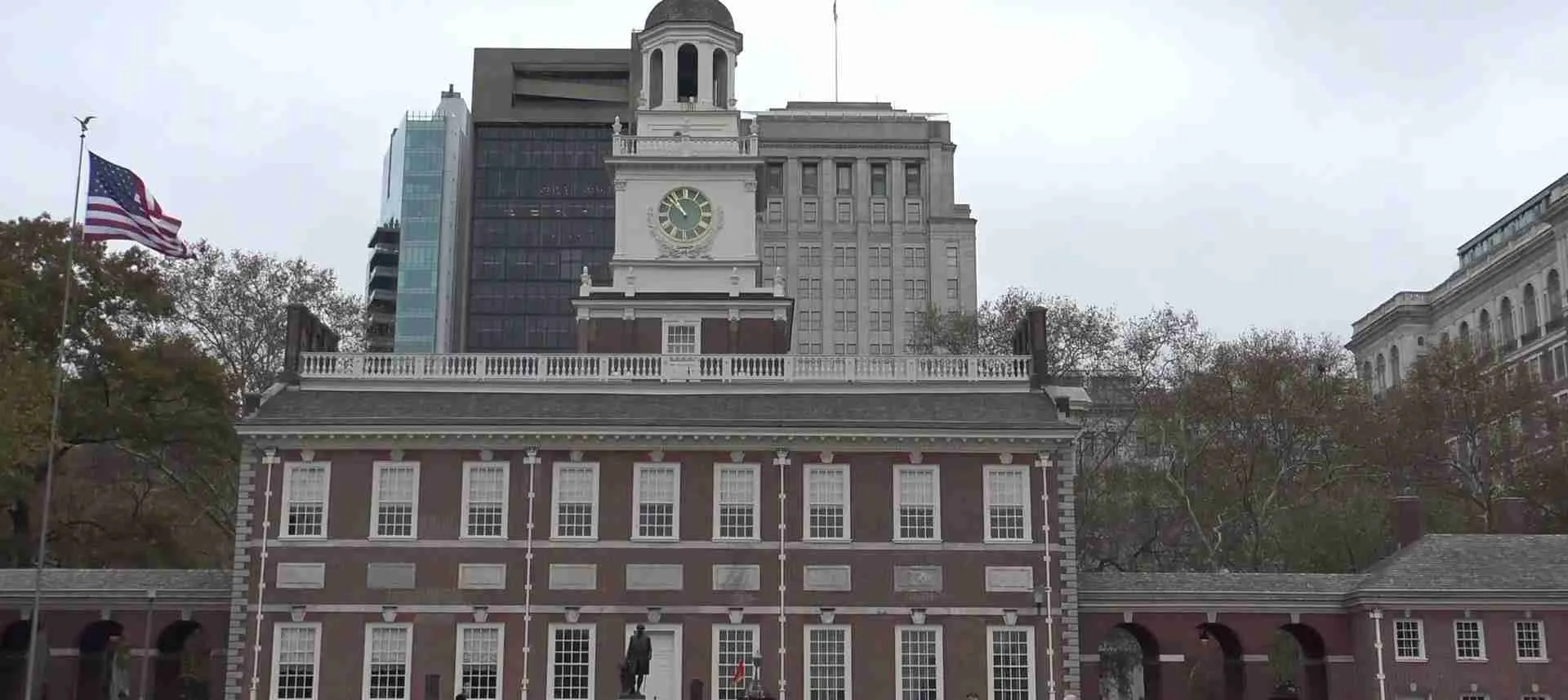
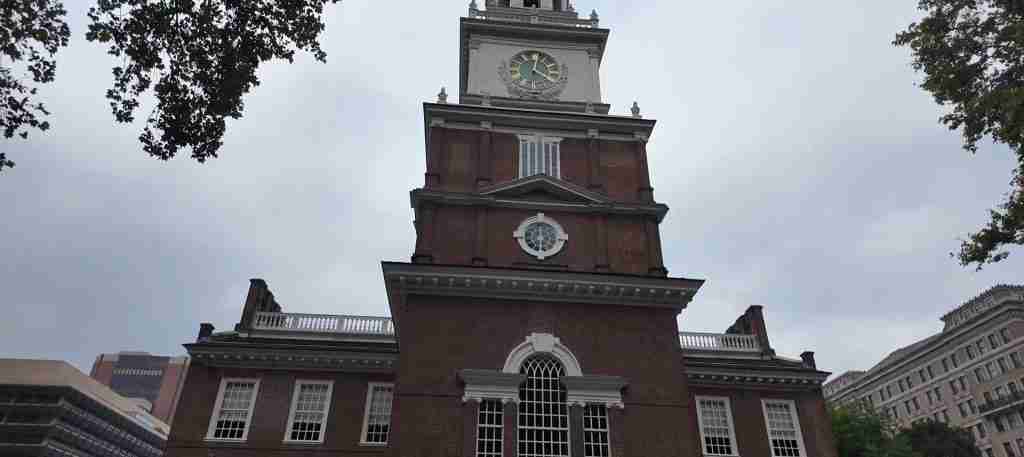
Independence National Historical Park preserves the birthplace of American democracy across 55 acres including Independence Hall where the Declaration of Independence and Constitution were debated and signed, the Liberty Bell symbolizing American freedom, and numerous 18th-century structures. The park operates year-round with no general admission fee, making it accessible to all visitors regardless of budget. Independence Hall tours require free timed-entry tickets obtained through Recreation.gov up to 14 days in advance or same-day at the Independence Visitor Center beginning at 8:30 AM, with a $1 non-refundable processing fee per ticket for advance reservations. Same-day tickets available while supplies last make early arrival at the Visitor Center essential during peak summer and weekend periods.
Liberty Bell Center displays the iconic cracked bell in a glass chamber with Independence Hall visible in the background, creating Philadelphia’s most photographed view. Entry requires passing through airport-style security screening but charges no admission fee. Lines form throughout the day with typical waits 15-30 minutes, shortest early morning when the center opens at 9:00 AM or late afternoon after tour groups depart. The exhibits preceding the bell viewing explain the Liberty Bell’s history from colonial signal bell to abolition movement symbol to worldwide icon of liberty, providing historical context worth the brief wait.
National Constitution Center, the only museum dedicated to the U.S. Constitution, charges $18 adult admission, $15 seniors, $12 students, free for children 5 and under. The dramatic “Freedom Rising” multimedia presentation brings Constitution history to life through innovative staging and video. Signers’ Hall features life-size bronze statues of the 39 Constitution signers and three dissenters, enabling visitors to pose with founding fathers. Interactive exhibits explain constitutional principles, Supreme Court cases, and ongoing debates about constitutional interpretation, making abstract civics tangible and engaging. The museum allocates 2-3 hours for comprehensive visits.
Museum of the American Revolution explores the Revolutionary War’s complete story through immersive galleries, theater presentations, and interactive exhibits. Adult admission costs $21, seniors 65+ pay $19, students with ID and youth 6-17 $13, children under 6 free. The centerpiece displays George Washington’s headquarters tent used throughout the Revolutionary War, an incredibly rare artifact shown in climate-controlled preservation conditions. The museum opened in 2017 bringing contemporary museology to Revolutionary War history, creating engaging experiences through first-person accounts, replica environments, and multimedia presentations. Allocate 2-3 hours for thorough exploration.
Additional Independence National Historical Park sites including Carpenter’s Hall where the First Continental Congress met, the Second Bank Portrait Gallery featuring early American portraits, Franklin Court’s underground museum honoring Benjamin Franklin, and the President’s House site marking where George Washington and John Adams lived as presidents all charge no admission. National Park Service rangers lead free walking tours explaining Revolutionary Philadelphia’s history, meeting at the Independence Visitor Center at posted times throughout the day. The compact geography concentrates these sites within a half-mile radius, enabling comprehensive Revolutionary history immersion in a single day.
Philadelphia Museum of Art and Parkway Museums
The Philadelphia Museum of Art houses over 240,000 artworks spanning 2,000 years across 200 galleries in the iconic building at the top of the “Rocky Steps.” Adult general admission costs $30 including two consecutive days’ access to the main building, Perelman Building, and Rodin Museum. Youth 18 and under enter free with valid ID. Students with ID pay $14. Seniors 65+ pay $27. Pay-what-you-wish admission operates Friday evenings 5:00-8:45 PM and first Sundays of each month, creating budget-friendly options though with larger crowds than regular admission periods.
The museum’s collection includes Impressionist masterpieces by Monet, Renoir, and Cézanne; Renaissance works by Rubens and Van Dyck; the world’s largest Marcel Duchamp collection; important American paintings by Eakins and Homer; and comprehensive Asian art galleries. Period rooms transport visitors to a Japanese teahouse, Parisian salon, and medieval cloister. The museum’s architectural galleries display entire structures moved from original locations. Special exhibitions require separate tickets typically $5-10 beyond general admission. The scale demands 3-4 hours minimum for meaningful exploration, with art enthusiasts easily spending full days across multiple visits.
Running the Rocky Steps and photographing the Rocky statue at the base creates obligatory Philadelphia experiences unrelated to art appreciation but providing fun and memorable moments. The steps number 72 from bottom to top, a moderate cardio workout rewarded by panoramic views toward City Hall and the Schuylkill River. Early morning or evening hours avoid peak tourist crowds for clearer statue photos.
Barnes Foundation displays one of the world’s finest private art collections assembled by Dr. Albert Barnes between 1912-1951, featuring 181 Renoirs, 69 Cézannes, 59 Matisses, and important works by Picasso, Modigliani, and other modern masters. Adult admission costs $28, seniors 65+ $26, students with ID $18, youth 5-17 $10, under 5 free. The collection hangs according to Barnes’s unique “ensemble” arrangements mixing masterpieces with decorative arts and ethnographic objects, creating visual relationships rather than traditional chronological or stylistic groupings. Advance tickets required, available online 30 days prior. The intimate galleries limit daily visitors preserving the collection’s original character, making advance booking essential especially for weekend visits. Allocate 2-3 hours for comprehensive viewing.
Rodin Museum houses the largest collection of Auguste Rodin sculptures outside Paris, featuring bronze casts of “The Thinker,” “The Gates of Hell,” and other masterworks in a beautiful Beaux-Arts building with contemplative garden. General admission to Philadelphia Museum of Art includes free access to the Rodin Museum, making it an excellent addition to Museum of Art visits. The compact size enables 45-60 minute visits appreciating Rodin’s sculptural achievements.
Franklin Institute, Philadelphia’s premier science museum, charges $30 adult admission, $27 seniors 62+, $26 children 3-11. The museum features interactive exhibits on physics, astronomy, biology, and engineering including the Giant Heart visitors walk through, Electricity exhibit, Space exploration galleries, and impressive Fels Planetarium. Touring exhibitions on topics like Escher’s optical illusions or LEGO architecture require additional ticket fees typically $8-12. The museum particularly appeals to families with children and science enthusiasts, allocating 3-4 hours for comprehensive exploration. Combination tickets bundling Franklin Institute with other attractions through CityPASS or Go City passes often provide better value than individual admission.
CityPASS and Multi-Attraction Passes
Philadelphia CityPASS costs $69 for adults, $49 for children 3-12, including admission to five attractions selected from Franklin Institute, Adventure Aquarium, Philadelphia Zoo, Big Bus Company hop-on-hop-off tours, Eastern State Penitentiary, Battleship New Jersey, Museum of the American Revolution, Academy of Natural Sciences, National Constitution Center, and Barnes Foundation. The pass saves up to 54% compared to individual full-price admission at these attractions, breaking even after visiting three included sites. Passes activate on first use and remain valid for nine consecutive days, providing flexibility for extended visits.
Go City Philadelphia All-Inclusive Pass offers 1, 2, 3, or 5-day options with over 30 included attractions, charging daily rates $99-139 for adults depending on duration selected, with longer passes providing better daily value. This model suits intensive sightseeing itineraries visiting multiple attractions daily, particularly when including activities beyond museums such as brewery tours, food tours, or specialty experiences. The breakeven calculation requires visiting sufficient attractions to exceed the daily pass rate, typically 2-3 major museums or 4-5 smaller attractions per day.
Individual attraction tickets purchased separately provide better value for selective visitors focusing on specific interests. Travelers prioritizing Revolutionary history visiting Independence Hall (free), Liberty Bell (free), and Museum of the American Revolution ($21) pay $21 total versus $69 for CityPASS. Art enthusiasts visiting Philadelphia Museum of Art ($30), Barnes Foundation ($28), and Rodin Museum (included with PMA ticket) pay $58 compared to $69 CityPASS but without the rushed pressure to visit additional attractions justifying pass costs. Multi-attraction passes reward intensive sightseeing schedules while potentially creating pressure to visit marginal attractions reaching the breakeven threshold.
Additional Notable Philadelphia Attractions
Eastern State Penitentiary, a revolutionary prison operating 1829-1971 pioneering solitary confinement, offers self-guided audio tours exploring the imposing Gothic Revival structure and its controversial history. Adult admission $19, seniors 62+ $17, students with ID $15, youth 7-12 $13. Al Capone’s restored cell and artist installations examining incarceration add contemporary perspectives to historical interpretation. The Halloween haunted house “Terror Behind the Walls” operates September-November as separate ticketed event. Allocate 1.5-2 hours for thorough exploration.
Philadelphia Zoo, America’s first zoo founded in 1874, features over 2,100 animals across 42 acres with innovative exhibits including Big Cat Falls, PECO Primate Reserve, and Zoo360 overhead animal trails. Adult admission $28, seniors 65+ $25, children 2-11 $23. The zoo particularly suits families with young children, allocating 3-4 hours for comprehensive animal viewing. Combination with CityPASS or Go City passes often provides better value than individual admission.
Mütter Museum at the College of Physicians displays medical oddities, anatomical specimens, and historic medical instruments in a Victorian-era collection both fascinating and unsettling. Adult admission $20, seniors and students $18, youth 13-17 $15, children 6-12 $13. The museum’s graphic nature requires mature visitors comfortable with preserved human remains and medical specimens. Photography prohibited to respect human remains on display. Allocate 1-2 hours for viewing the compact but dense collection.
Please Touch Museum, Philadelphia’s children’s museum, creates interactive exhibits for kids 7 and under including a carousel, water play area, and imaginative play environments. Admission $20 per person ages 1+, infants under 12 months free. The museum occupies Memorial Hall, a survivor of the 1876 Centennial Exhibition in Fairmount Park. Families with young children allocate 2-3 hours for play-based learning.
Philadelphia Neighborhoods and Districts 2026
Philadelphia’s neighborhood system creates distinct communities each contributing unique character, historical significance, dining options, and visitor attractions. Understanding neighborhood personalities enables targeted exploration beyond conventional tourist circuits while appreciating Philadelphia’s authentic diversity.
Old City and Historic District
Old City preserves Philadelphia’s colonial heritage through cobblestone streets, 18th-century architecture, and Independence National Historical Park’s Revolutionary sites. The neighborhood concentrates between Front and 6th Streets, Market and Vine Streets, placing Independence Hall, Liberty Bell, Betsy Ross House, and Elfreth’s Alley within compact walkable area. Daytime visitors explore historic attractions, while evening transforms Old City into dining and nightlife destination as restaurants, bars, and clubs activate the historic streets. First Friday art gallery openings attract crowds the first Friday of each month 5:00-9:00 PM with galleries serving wine and opening new exhibitions.
Elfreth’s Alley, America’s oldest continuously inhabited residential street dating to 1702, maintains 32 colonial-era houses still serving as private residences. The Elfreth’s Alley Museum charges $5 adult admission to tour two historic houses, while walking the cobblestone alley costs nothing. Christ Church, where Benjamin Franklin and George Washington worshipped, opens for tours Monday-Saturday 10:00 AM-5:00 PM, Sunday 12:00-5:00 PM with $5 suggested donation. The Betsy Ross House, traditional home of the flag maker though historical evidence remains debated, offers self-guided tours $5 adults, $4 seniors and students, free for youth under 12.
Old City dining ranges from historic taverns like City Tavern offering colonial-era recipes to contemporary restaurants like Zahav (Israeli), Amada (Spanish tapas), and The Olde Bar (seafood). Moderate pricing predominates with dinner $30-50 per person at quality establishments. Nightlife concentrates along 2nd Street with bars and clubs operating late Thursday-Saturday. The neighborhood’s compact size enables walking from dinner to drinks without transit or rideshare.
Rittenhouse Square and Center City West
Rittenhouse Square represents Philadelphia’s most prestigious address, surrounding the leafy 19th-century park with luxury condos, upscale boutiques, and fine dining. The neighborhood extends roughly from Broad Street west to the Schuylkill River, Market Street south to South Street, creating Philadelphia’s prime retail and restaurant district. Window shopping along Walnut Street from Broad to 21st Streets passes national retailers, local boutiques, and high-end brands. The square itself provides beautiful people-watching and relaxation surrounded by stately townhouses and modern high-rises.
Dining options span the full quality spectrum from casual cafes to James Beard Award winners. Parc replicates Parisian brasserie atmosphere with outdoor seating facing Rittenhouse Square, serving French classics $25-45 per person. Vedge pioneered upscale vegetable-focused cuisine at $35-55 per person. Barclay Prime serves luxury steakhouse fare $95-125 per person. The neighborhood rewards culinary exploration through side streets where established restaurants operate alongside innovative newcomers.
The area lacks major tourist attractions beyond elegant urban character and shopping, making it supplementary to Independence Hall and museum visits rather than primary destination. Visitors staying in Rittenhouse Square hotels appreciate the sophisticated neighborhood environment, walkable access to Center City attractions, and exceptional dining density. The square hosts seasonal events including outdoor movie nights summer evenings and a Christmas tree lighting ceremony in December.
South Philadelphia: Italian Market and Sports Complex
South Philadelphia encompasses diverse communities from the historic Italian Market along 9th Street to the sports stadium complex, spreading south from South Street to the city boundary. The Italian Market, operating since the 1880s, brings together traditional Italian vendors selling imported products alongside Mexican, Vietnamese, and other immigrant merchants in a vibrant open-air market atmosphere. Di Bruno Bros. cheese shop anchors the north end with impressive selections and prepared foods. Numerous bakeries, butchers, produce stands, and specialty food shops line 9th Street from Fitzwater to Wharton, with most operating Tuesday-Saturday 9:00 AM-5:00 PM.
The Passyunk Avenue corridor from Broad Street to 12th Street emerged as Philadelphia’s hottest restaurant neighborhood with diverse concepts opening regularly. Laurel specializes in contemporary French cuisine with natural wine pairings, Le Virtu serves regional Italian focusing on Abruzzo, and Fond features contemporary New American sharing plates. Most restaurants operate as BYOB, allowing diners to bring wine and beer without corkage fees, reducing total meal costs significantly. Reservations essential for weekend dinners at popular spots.
The South Philadelphia Sports Complex houses Citizens Bank Park (Phillies baseball), Wells Fargo Center (76ers basketball, Flyers hockey), and Lincoln Financial Field (Eagles football), drawing crowds for games and concerts. SEPTA Broad Street Line provides direct service to NRG Station for games, the most convenient and economical access method. Xfinity Live! entertainment complex adjacent to the stadiums offers bars and restaurants for pre-game and post-game gathering. Game day parking costs $20-40 at official lots, with residential streets offering occasional free parking several blocks distant though requiring careful attention to parking signage.
University City
University City centers on the University of Pennsylvania and Drexel University campuses west of the Schuylkill River from Market Street to Baltimore Avenue. The neighborhood combines academic institutions, medical centers, and residential communities creating vibrant college town atmosphere within Philadelphia proper. Students, faculty, and hospital workers populate restaurants, cafes, and bars making the area energetic throughout weekdays and academic calendar.
The Penn Museum (University of Pennsylvania Museum of Archaeology and Anthropology) houses extensive Egyptian, Mesopotamian, and other ancient civilization collections in a grand 1899 building. Adult admission $18, seniors 65+ $16, students with ID $13, youth 6-17 $13, children under 6 free. The museum particularly excels in Near Eastern archaeology with important artifacts from Egyptian, Sumerian, and Assyrian excavations. Allocate 2-3 hours for comprehensive viewing. Penn campus itself offers pleasant walking through collegiate Gothic architecture and landscaped quadrangles, free and open to visitors.
Dining in University City reflects the student population with budget-friendly options abundant. Food trucks along 34th and Walnut Streets serve $8-12 lunches and dinners. Ethnic restaurants offer authentic Chinese, Korean, Thai, Indian, and Middle Eastern cuisine at $12-20 per person. White Dog Cafe pioneered farm-to-table dining in Philadelphia with moderate upscale pricing $30-45 per person. The neighborhood lacks major tourist attractions beyond the Penn Museum but provides convenient accommodation base with SEPTA access to downtown attractions and more affordable hotel rates than Center City.
Northern Liberties and Fishtown
Northern Liberties and Fishtown evolved from working-class industrial neighborhoods into Philadelphia’s hippest districts through artist migration, brewery openings, and restaurant innovation over the past two decades. The areas extend north of Spring Garden Street between Front Street and the Delaware River, creating distinct neighborhood character attracting young professionals and creative industries. Former factories convert to loft apartments and commercial spaces housing craft breweries, music venues, and independent retail.
Frankford Avenue serves as Fishtown’s main commercial corridor with Sardine Bar, Loco Pez, Pizza Brain, and numerous other dining and drinking establishments creating active nightlife scene. Liberty Point provides waterfront park access along the Delaware River with seasonal festivals and concerts. Northern Liberties centers on 2nd Street with Yards Brewing Company, Standard Tap gastropub, and Liberty Point Boardwalk. The neighborhoods reward evening exploration more than daytime tourist activities, with bar-hopping and restaurant discovery being primary visitor activities.
These neighborhoods sit 15-20 minutes from Center City via SEPTA bus or Market-Frankford Line, accessible but requiring intentional travel from downtown hotels. Visitors interested in Philadelphia’s contemporary culture, craft beer scene, or emerging restaurant trends appreciate these neighborhoods’ authentic character removed from tourist circuits. Accommodation options remain limited compared to Center City though several boutique hotels operate in the area at moderate rates $155-190 per night.
Day Trips from Philadelphia 2026
Philadelphia’s strategic location enables excellent day trips exploring Revolutionary War sites, Amish Country, gardens, and nearby cities, expanding visit possibilities beyond urban attractions while returning to Philadelphia accommodation each evening.
Valley Forge National Historical Park
Valley Forge National Historical Park preserves the Continental Army’s 1777-1778 winter encampment site where George Washington’s forces endured brutal conditions before emerging as disciplined fighting force. The park located 18 miles northwest of Philadelphia requires 30-40 minute drives via I-76 Schuylkill Expressway, with no practical public transit access necessitating rental cars or organized tours. Park admission costs nothing, with Washington’s Headquarters charging $7 adults, $5 seniors 62+, $4 youth 6-17, children under 6 free for interior tours.
The 3,500-acre park allows driving the encampment tour road visiting reconstructed soldier huts, artillery positions, and historic structures. Walking and cycling trails traverse the park with bike rentals available seasonally. The park allocates 3-4 hours for comprehensive exploration including visitor center exhibits, Washington’s Headquarters tour, and driving or walking the encampment area. Combining Valley Forge with King of Prussia Mall shopping creates full-day excursions, as the massive mall sits adjacent to the park.
Lancaster County Amish Country
Lancaster County, heart of Pennsylvania Dutch Country, lies 60 miles west of Philadelphia requiring 90-minute drives via Pennsylvania Turnpike and Route 30. The region’s Old Order Amish communities maintain traditional farming and craftwork while welcoming tourism through farm tours, markets, restaurants, and heritage sites. The Amish Farm and House offers guided tours $13.95 adults, $9.95 children 5-11 explaining Amish lifestyle and traditions. Kitchen Kettle Village provides shopping for Amish-made jams, jellies, crafts, and baked goods with free admission. Bird-in-Hand Farmers Market operates Friday-Saturday featuring Amish vendors selling produce, meats, baked goods, and crafts.
Strasburg Rail Road, America’s oldest operating railroad, offers steam train excursions through farmland $21 adults, $15 children 3-11 for basic 45-minute trips with premium dining and first-class upgrades available at higher costs. The Railroad Museum of Pennsylvania adjacent to Strasburg Rail Road displays historic locomotives and railcars, admission $12 adults, $10 seniors 65+, $9 youth 3-11. Combined tickets for railroad and museum provide modest savings.
Lancaster day trips require full days given drive times, with departures by 9:00 AM enabling arrival mid-morning and returns by 7:00-8:00 PM. Many tour companies operate Lancaster day trips from Philadelphia including Amish farm visits, buggy rides, and shopping for $85-125 per person including transportation and admission, eliminating rental car needs for non-drivers or those preferring organized experiences. Authentic Amish restaurants serve family-style meals with traditional dishes like chicken pot pie, roast beef, and shoofly pie at moderate prices $18-28 per person.
Longwood Gardens
Longwood Gardens ranks among America’s premier horticultural displays across 1,077 acres featuring themed gardens, spectacular fountains, and elaborate conservatory spaces 30 miles southwest of Philadelphia in Kennett Square. Adult admission costs $26, seniors 62+ $23, students with ID $18, youth 5-18 $13, children under 5 free. Peak seasons including spring tulips and summer fountains see higher admission while winter and fall charge reduced rates. Advance online tickets recommended as the garden limits daily visitors during peak periods, with same-day tickets subject to availability.
The conservatory alone spans 4.5 acres under glass with tropical plants, orchids, bonsai, seasonal displays, and special exhibitions year-round. Outdoor gardens peak in different seasons: spring bulbs April-May, summer perennials June-August, autumn colors October-November, with the conservatory maintaining beauty even in winter. The Main Fountain Garden operates illuminated fountain shows summer evenings Tuesday, Thursday, Saturday with thousands of jets choreographed to music, requiring separate timed tickets beyond general admission. The gardens allocate 3-5 hours for comprehensive exploration depending on season and visitor walking pace.
Public transit reaches Longwood Gardens via SEPTA Regional Rail to Wilmington, Delaware followed by taxi or rideshare for the final 15 miles, a cumbersome connection making rental cars more practical. Many tour operators offer Longwood Gardens day trips from Philadelphia for $75-95 per person including transportation and admission, solving logistics while costing more than driving independently but less than separate car rental and admission.
Brandywine Valley and Winterthur Museum
The Brandywine Valley’s rolling hills 25 miles southwest of Philadelphia along the Pennsylvania-Delaware border harbor significant cultural attractions including Winterthur Museum, Brandywine River Museum of Art, and Nemours Estate. Winterthur displays Henry Francis du Pont’s decorative arts collection across a 175-room mansion and 60-acre garden. Adult admission $22, seniors 62+ and students $20, youth 2-11 $8, including house tours and garden access. The collection emphasizes American furniture, silver, textiles, and ceramics from 1640-1860 in period room displays showcasing different American design periods.
Brandywine River Museum of Art specializes in American art with extensive N.C. Wyeth, Andrew Wyeth, and Jamie Wyeth collections plus American illustration and still life painting. Adult admission $18, seniors 65+ and students $15, youth 6-12 $6, children under 6 free. The museum occupies a converted 19th-century mill with contemporary additions providing natural lighting for gallery displays. Combined visits to Winterthur and Brandywine Museum create full-day excursions requiring 6-7 hours including drive time.
Nemours Estate, the du Pont family’s 300-acre estate and mansion, offers guided tours of the 77-room château and extensive French-style gardens. Tours require advance reservations with ticket costs $20 adults, $15 youth 6-16. The estate operates seasonally May-December. Longwood Gardens, Winterthur, and Brandywine River Museum create a “Brandywine Valley Gardens and Museums” region marketable to horticulture and decorative arts enthusiasts, though attempting all in single days creates rushed experiences better split across multiple visits.
Sample Philadelphia Itineraries 2026
These itineraries demonstrate different approaches to Philadelphia exploration, from intensive first-time visitor schedules to specialized interest trips, providing frameworks visitors can adapt to personal preferences and time constraints.
Three-Day First-Time Visitor Itinerary
Day 1 – Revolutionary Philadelphia: Begin at Independence Visitor Center 8:30 AM collecting same-day Independence Hall tickets and orientation information. Tour Independence Hall 10:00 AM experiencing the Assembly Room where the Declaration of Independence and Constitution were debated. Visit Liberty Bell Center examining the iconic symbol and historical exhibits. Walk to Elfreth’s Alley photographing America’s oldest continuously inhabited street. Lunch at Reading Terminal Market sampling from diverse vendors, budget $12-18 per person. Afternoon visits to National Constitution Center exploring interactive civics exhibits and Signers’ Hall, admission $18. Museum of the American Revolution brings Revolutionary War to life through immersive galleries, admission $21. Dinner in Old City at City Tavern ($35-50 per person) or budget option at Shane’s Confectionery for ice cream and historic candy shop ambiance. Total day cost approximately $65-95 per person including meals, attractions, minimal transit.
Day 2 – Museums and Culture: Start early at Philadelphia Museum of Art 9:00 AM when galleries open before crowds, admission $30 covering two consecutive days. Run or walk the Rocky Steps for obligatory photographs. Spend 3-4 hours exploring highlights including Impressionist galleries, period rooms, and special exhibitions. Lunch at museum cafe or nearby food trucks $12-18. Afternoon visit to Rodin Museum (included with PMA ticket) appreciating sculpture collection and garden. Walk Benjamin Franklin Parkway past Swann Fountain and Logan Square to Barnes Foundation for afternoon viewing of Impressionist and Post-Impressionist masterworks, admission $28. Dinner in Rittenhouse Square at neighborhood restaurant $30-50 per person. Total day cost approximately $100-130 per person.
Day 3 – Neighborhoods and Markets: Morning at Reading Terminal Market for breakfast and shopping Pennsylvania Dutch baked goods, prepared foods, and specialty items, breakfast $10-15. Walk through Chinatown observing architecture and culture. SEPTA to South Philadelphia’s Italian Market exploring food vendors, bakeries, and produce stands, free browsing. Lunch at Italian Market restaurant or street food $12-18. Afternoon in Rittenhouse Square relaxing in the park and window shopping Walnut Street. Explore South Street’s eclectic shops, vintage stores, and street character. Dinner on Passyunk Avenue at innovative BYOB restaurant bringing own wine, dinner $30-45 per person plus wine from retail shop $15-25. Evening walk through Washington Square or return to Old City for nightlife. Total day cost approximately $70-105 per person.
Five-Day Philadelphia Deep Dive
Days 1-3 follow the three-day itinerary above. Day 4 adds Eastern State Penitentiary tour exploring prison architecture and history, admission $19, followed by Fairmount neighborhood lunch and afternoon at Please Touch Museum for families or Mütter Museum for adults interested in medical history. Day 5 enables day trip to Valley Forge National Historical Park, Longwood Gardens, or Lancaster Amish Country, or dedicates to attractions missed earlier including Franklin Institute, Penn Museum, Academy of Natural Sciences, or neighborhood exploration in Northern Liberties and Fishtown with brewery visits. Daily costs follow similar patterns as Days 1-3 depending on attraction choices and dining selections.
Budget Weekend in Philadelphia
Saturday: Free walking tour of Independence National Historical Park visiting Liberty Bell, Independence Hall (advance free tickets required), Elfreth’s Alley, and Franklin Court. Lunch at Reading Terminal Market sampling diverse vendors $10-15. Afternoon at Philadelphia Museum of Art pay-what-you-wish first Saturday of month or pay full $30 admission and budget extra time for comprehensive viewing. Dinner at budget ethnic restaurant in Chinatown or South Philadelphia $12-18. SEPTA day travel $6-9. Total approximately $28-52 per person.
Sunday: Morning at Rittenhouse Square Farmers Market (seasonal Saturdays) or Italian Market browsing free. Lunch at neighborhood pizza or cheesesteak spot $12-15. Afternoon walking tour through Society Hill historic district, Washington Square, and South Street shopping, all free. Early dinner at BYOB restaurant bringing wine from retail shop, dinner $25-35 plus wine $12-18. SEPTA transit $6-9. Total approximately $55-77 per person. Weekend accommodation in budget hotel or hostel $45-63 per person sharing hotel or $25-35 for hostel bed. Total weekend cost $175-255 per person including accommodation, meals, attractions, and transit.
Seasonal Considerations for Philadelphia Travel 2026
Philadelphia’s four distinct seasons create varying travel experiences through weather fluctuations, crowd patterns, hotel pricing, and seasonal attractions, influencing optimal visit timing for different traveler priorities.
Spring in Philadelphia (March-May 2026)
Spring delivers Philadelphia’s most pleasant weather with temperatures rising from March’s 40-55°F to May’s 60-75°F, making outdoor exploration comfortable. Cherry blossoms bloom late March through early April along Kelly Drive and throughout Fairmount Park, creating beautiful photographic opportunities. The Philadelphia Flower Show at the Pennsylvania Convention Center typically occurs early March, bringing elaborate horticultural displays to the nation’s oldest and largest flower show, admission $40-50 depending on day and advance purchase. College graduation ceremonies throughout May fill hotels near universities driving rates upward, while Mother’s Day weekend sees hotel and restaurant premium pricing.
Spring break (typically late March-early April) brings family crowds to museums and attractions with longer wait times at popular sites. Hotel rates average $160-240 per night for mid-range properties, moderate compared to summer peaks but elevated above winter lows. Restaurant patio seating reopens as weather warms, particularly pleasant in Rittenhouse Square and along the Schuylkill River Trail. Spring rain occurs frequently requiring umbrella and rain jacket preparedness, though rarely disrupting outdoor plans for extended periods. May offers perhaps ideal conditions with warm weather, spring flowers, and manageable crowds before summer tourist season peaks.
Summer in Philadelphia (June-August 2026)
Summer brings hot, humid weather with temperatures typically 80-90°F and occasional heat waves exceeding 95°F. High humidity makes midday outdoor exploration uncomfortable, with morning and evening activities more pleasant than afternoon sightseeing. Philadelphia celebrates Fourth of July with Wawa Welcome America festival including free concerts on Benjamin Franklin Parkway and fireworks over the Art Museum, creating massive crowds downtown July 3-4 requiring advance hotel reservations and patience with congestion. Hotel rates peak June-August at $180-280 for mid-range properties as families vacation and convention season maximizes.
Summer advantages include longest daylight hours enabling extensive sightseeing, outdoor festivals and concerts throughout neighborhoods, baseball games at Citizens Bank Park, and rooftop bars and outdoor dining creating pleasant evening entertainment. Spruce Street Harbor Park opens seasonally along the Delaware River waterfront with hammocks, floating gardens, food vendors, and beer garden, free access with food and drink purchases. Disadvantages include larger crowds at major attractions, higher costs across accommodation and sometimes dining, and heat requiring air-conditioned breaks during afternoon hours. Budget travelers benefit from university-area hotel discounts when students leave for summer, though overall summer represents Philadelphia’s most expensive season.
Fall in Philadelphia (September-November 2026)
Fall rivals spring as optimal visit season with comfortable temperatures 60-75°F September declining to 45-60°F November, colorful foliage throughout parks, and festival calendar highlighting seasonal events. Center City Restaurant Week returns mid-September offering prix fixe menus at over 100 restaurants, creating dining value opportunities. Philadelphia Film Festival showcases independent cinema in October. Eagles football season energizes the city Sunday afternoons and occasional Monday/Thursday nights. Fairmount Park and Wissahickon Valley Park display autumn colors October-November with peak foliage typically mid-October.
Hotel rates moderate to $150-220 for mid-range properties September-October, dropping further in November to $140-190 as tourism declines heading toward winter. September maintains summer warmth without extreme humidity, while November previews winter cold requiring warmer clothing. Thanksgiving week sees hotel demand spike as residents host visiting family though many tourists avoid the holiday period. Fall delivers excellent balance of pleasant weather, moderate crowds, and reasonable pricing making it preferred season for many Philadelphia visitors.
Winter in Philadelphia (December-February 2026)
Winter brings Philadelphia’s coldest weather with temperatures typically 30-45°F and occasional snow accumulation 10-20 inches annually, concentrated January-March. Christmas season decorates Center City with lights and decorations, Dilworth Park ice skating rink at City Hall operates November-February charging $3-5 skating plus skate rentals, and holiday markets appear at various locations. Hotel rates drop to yearly lows at $120-160 for mid-range properties making winter the most budget-friendly season, with post-holiday January particularly discounted. Museums and indoor attractions operate normal schedules without weather disruptions, actually benefiting from smaller crowds enabling leisurely viewing.
Winter disadvantages include cold weather limiting outdoor walking comfort, occasional snow or ice storms disrupting travel plans, and some attractions like Longwood Gardens and outdoor markets operating reduced hours or closing entirely. Restaurant Week returns mid-January providing dining value. Winter suits travelers prioritizing museums and indoor cultural activities over outdoor exploration, with museums operating comfortably regardless of exterior temperatures. Proper cold-weather clothing including insulated coat, hat, gloves, and warm boots enables comfortable winter exploration, with SEPTA transit providing warmth between outdoor walking segments.
Money-Saving Strategies for Philadelphia 2026
Strategic planning and informed decisions reduce Philadelphia trip costs substantially without sacrificing experience quality, from attraction pass purchases to dining choices to accommodation timing.
Free Attraction Maximization
Philadelphia’s free attractions provide substantial historical and cultural experiences without admission costs. Independence Hall, Liberty Bell, and Independence National Historical Park sites form the core free offering, justifying 4-6 hours of exploration. Free walking tours led by National Park Service rangers depart Independence Visitor Center at scheduled times explaining Revolutionary history. The First Bank of the United States, Second Bank Portrait Gallery, Franklin Court underground museum, and numerous historic houses charge nothing. Elfreth’s Alley walking access costs nothing though the museum house charges $5.
Philadelphia Museum of Art pay-what-you-wish admission Friday evenings 5:00-8:45 PM and first Sundays provides access to world-class collections for any amount visitors choose, from $1 to the full $30 suggested admission. Lines form early for these popular times with waits potentially exceeding 30 minutes, but the savings justify patience for budget travelers. Reading Terminal Market, Italian Market, and neighborhood exploration throughout Philadelphia cost nothing beyond purchases visitors choose to make, with window shopping and cultural observation free activities.
Free seasonal events include Fourth of July Wawa Welcome America concerts and fireworks, neighborhood festivals throughout summer and fall, Mural Arts Program outdoor gallery tours, and Schuylkill River Trail walking and cycling along the river. Rittenhouse Square, Washington Square, Franklin Square, and Logan Square provide free relaxation spaces. The total value of free Philadelphia attractions easily exceeds $100 per person when calculated against paid admission alternatives, making budget travel entirely feasible through careful itinerary planning.
Multi-Attraction Pass Economics
CityPASS at $69 adults including five attractions saves significant money when visiting included sites. Individual admission to Franklin Institute ($30), National Constitution Center ($18), and Philadelphia Zoo ($28) totals $76, exceeding CityPASS cost with two additional attractions remaining. Visitors planning three or more paid museum visits should purchase CityPASS, while those prioritizing free historic sites or visiting fewer museums save money through individual tickets. The nine-day validity provides flexibility spreading visits across extended trips.
Go City Philadelphia passes suit intensive sightseers visiting multiple attractions daily. The 2-day pass at approximately $119 breaks even when visiting 3-4 major attractions daily including museums, tours, and specialty experiences. Calculate specific planned attractions against pass cost, as selective visitors focusing on specific interests often save more through individual tickets. The psychological pressure to “get money’s worth” from passes sometimes creates rushed experiences prioritizing quantity over quality, counterproductive when goal is meaningful cultural engagement.
Dining Cost Control
Lunch at quality restaurants costs 30-40% less than dinner at the same establishments with similar food quality, making midday main meals economical strategies. Center City Restaurant Week’s $20 two-course lunch or $45-60 three-course dinner creates access to upscale dining at reduced costs, occurring mid-January and mid-September. BYOB restaurants common throughout Philadelphia eliminate alcohol markups, with retail wine shops selling bottles $10-25 that would cost $40-80 on restaurant wine lists. The wine savings alone of $30-55 per bottle at BYOB establishments can exceed the food cost difference between budget and mid-range restaurants.
Reading Terminal Market enables assembling picnic lunches from various vendors for $10-15 per person, eaten in nearby parks or squares. Food trucks throughout Center City deliver varied lunch options $8-12 versus $18-28 at sit-down restaurants. Ethnic restaurants in Chinatown, South Philadelphia, and West Philadelphia neighborhoods serve authentic cuisine at moderate prices reflecting local customer bases rather than tourist premium pricing. Pizza, cheesesteaks, and hoagies provide affordable dinner options $12-18 per person when counter-balanced against budget-straining fine dining.
Accommodation Booking Strategies
Booking 60-90 days in advance typically yields best hotel rates and room selection before dynamic pricing increases rates for remaining inventory. Last-minute deals sometimes emerge 1-2 weeks before arrival for unsold rooms, though risking limited availability particularly during peak seasons or major events. Comparison shopping across booking sites including Hotels.com, Booking.com, Expedia, and direct hotel websites identifies best available rates, with occasional benefits from direct bookings including loyalty points, room upgrades, or flexible cancellation.
University City hotels near Penn and Drexel campuses charge 15-25% less than equivalent quality downtown properties, with SEPTA providing 10-15 minute rides to Center City attractions. The geographic trade-off of evening neighborhood character versus saving $30-50 nightly depends on individual priorities. Extended-stay hotels with kitchenettes enable preparing some meals in-room, reducing dining expenses $20-40 daily. Hostels at $25-35 per bed provide extreme budget accommodation though sacrificing privacy and often limiting age ranges to younger travelers.
Winter travel, particularly January-February excluding holiday periods, yields steepest hotel discounts with mid-range properties dropping 30-40% below summer rates. The trade-off of cold weather and shorter daylight hours against $60-100 nightly savings on accommodation suits budget travelers willing to bundle properly and plan indoor-focused itineraries. Weekend rates sometimes exceed weekday pricing at downtown hotels, while university-area properties reverse this pattern, creating opportunities matching accommodation location to rate fluctuations.
Transportation Savings
SEPTA weekly TransPass at $29.50 breaks even after 11 one-way trips versus paying $2.90 per ride, with tourists typically using transit 4-6 times daily when actively sightseeing. Five-day trips making 4-6 daily transit trips save $8-15 with weekly passes versus individual fares. Monthly passes at $96 provide value for visits exceeding one week. Walking maximizes savings while enabling neighborhood character appreciation and serendipitous discoveries impossible from vehicles, with most downtown attractions within 0.5-1.5 mile walking distances requiring 10-30 minutes between destinations.
Avoiding rental cars eliminates $50-75 daily rental costs plus $25-45 parking at downtown hotels, saving $75-120 daily compared to driving and parking. Rideshare splitting among three-four passengers costs $3-5 per person for typical trips versus $2.90 SEPTA fares, negligible differences for convenience benefits. However, solo travelers taking multiple daily rideshares quickly accumulate $30-50 costs exceeding rental car economics, making transit and walking essential for budget travelers.
Philadelphia International Airport SEPTA service costs $7 one-way compared to $25-35 rideshare, saving $18-28 per person each direction though requiring 25-30 minutes versus 20 minutes driving, plus managing luggage on transit. The savings of $36-56 per person roundtrip justify the minor inconvenience for budget travelers, while luxury travelers or those with significant luggage reasonably prefer rideshare convenience.
Philadelphia with Kids and Families 2026
Philadelphia’s family-friendly attractions, educational experiences, and practical infrastructure accommodate traveling with children across ages from toddlers to teenagers, with strategic planning ensuring enjoyable multi-generational trips.
Age-Appropriate Attraction Selection
Please Touch Museum serves children under 7 with interactive exhibits encouraging learning through play. Admission $20 per person ages 1+ includes imaginative play environments, water play area, Alice in Wonderland exhibit, and vintage carousel. Families allocate 2-3 hours for young children to explore and engage. The Franklin Institute appeals to school-age children through interactive science exhibits including the Giant Heart, Sports Challenge, and changing exhibitions on topics resonating with kids. Admission $30 adults, $26 children 3-11, with 3-4 hours needed for comprehensive exploration. The Philadelphia Zoo’s 2,100 animals across 42 acres captivate children of all ages, with Big Cat Falls and Zoo360 overhead animal trails providing distinctive viewing experiences. Admission $28 adults, $23 children 2-11, allocating 3-4 hours for thorough animal viewing.
Adventure Aquarium across the Delaware River in Camden, New Jersey features shark tunnel, hippo habitat, and penguin exhibit engaging children. Admission $35 adults, $25 children 2-12, with SEPTA RiverLink Ferry connecting Penn’s Landing to the aquarium $7 adults, $3 children providing transportation adventure before the attraction. Sesame Place Philadelphia theme park in Langhorne, 30 minutes north of Philadelphia, offers rides, shows, and character meet-and-greets for preschool through elementary age children, admission $75-100 depending on advance purchase and season.
Teenagers appreciate Philadelphia’s Revolutionary history when presented through engaging interpretation at Independence Hall and Museum of the American Revolution. The Eastern State Penitentiary’s dramatic Gothic architecture and audio tour narrated by actor Steve Buscemi attracts teen interest. The Philadelphia Museum of Art’s period rooms and armor collection engage diverse interests. Reading Terminal Market allows teens to choose meals from dozens of vendors accommodating varying tastes and dietary preferences. Mural Arts Program walking tours or bike tours through Philadelphia’s extensive outdoor art gallery appeal to creative teenagers.
Practical Family Travel Considerations
Stroller accessibility varies across Philadelphia attractions and neighborhoods. Modern museums including Franklin Institute and Please Touch Museum provide elevators and wide pathways accommodating strollers easily. Independence National Historical Park’s historic structures include steps and narrow doorways sometimes requiring folding strollers or baby carriers. Old City’s cobblestone streets create bumpy stroller rides though remaining navigable with sturdy wheels. SEPTA subway stations include elevators at most locations enabling stroller access, though some stations require carrying strollers up stairs particularly at older facilities.
Family dining strategies emphasize Reading Terminal Market where diverse vendor options accommodate varying preferences, children’s portions available at most stalls, and casual seating environment tolerates childhood energy levels. Chain restaurants familiar to children operate throughout Philadelphia including in the Fashion District and near major attractions, providing predictable menus when adventurous dining fails. Many upscale Philadelphia restaurants welcome children and provide high chairs, though reservations should note children in party as some intimate establishments better suit adult diners. BYOB restaurants enable bringing kid-friendly beverages alongside adult wine selections.
Hotel suite accommodations with separate sleeping areas for children and kitchenettes for preparing breakfast or snacks reduce dining costs while improving family comfort compared to standard hotel rooms with everyone in single space. Extended-stay properties and suite hotels throughout Philadelphia charge premiums versus standard rooms though savings from reduced dining and improved sleep quality often justify the incremental costs. Pools and family-friendly amenities vary by property with advance research identifying kid-friendly hotels.
Educational Travel Approaches
Philadelphia’s Revolutionary War sites enable experiential history learning beyond textbook reading. Advance preparation including age-appropriate books about the Declaration of Independence, Constitution, or Revolutionary War creates context making visits more meaningful. National Park Service junior ranger programs at Independence National Historical Park engage children through activity books and ranger-led programs earning badges upon completion. The programs adapt to different age groups from kindergarten through middle school.
The Franklin Institute’s hands-on science exhibits encourage inquiry and experimentation, with thoughtful parents asking open-ended questions helping children engage deeply rather than rushing exhibit-to-exhibit. The Please Touch Museum’s philosophy of learning through play aligns with early childhood development principles, with parental participation in imaginative play environments enhancing educational value. The Academy of Natural Sciences’ dinosaur hall and live animal center combine entertainment and learning through engaging presentation of natural history concepts.
Museum fatigue affects children faster than adults, necessitating breaks, snacks, and realistic time allocation. Planning two major attractions daily with breaks rather than attempting comprehensive sightseeing maintains family morale. Parks including Rittenhouse Square, Franklin Square with playground and miniature golf, and Schuylkill River Trail provide outdoor play between cultural activities. The Liberty Bell viewing requires patience through security lines and crowded viewing area, best attempted when children are rested and fed rather than at day’s end when energy flags.
Solo Travel in Philadelphia 2026
Philadelphia accommodates solo travelers through walkable geography, comprehensive public transit, and mix of social and solitary activities, with specific considerations around safety, costs, and solo dining enabling confident independent exploration.
Safety Considerations for Solo Travelers
Philadelphia combines very safe tourist-focused areas with neighborhoods requiring awareness and caution. The Independence National Historical Park area, Rittenhouse Square, and museum district along Benjamin Franklin Parkway maintain heavy daytime and evening foot traffic with minimal safety concerns. Well-lit streets and consistent police presence in tourist zones create secure environments for walking after dark. SEPTA Market-Frankford and Broad Street subway lines operate 24 hours though late-night travel sometimes encounters intoxicated passengers or uncomfortable situations, with daytime and evening transit remaining consistently safe.
Solo travelers should exercise normal urban caution including avoiding isolated areas after dark, staying aware of surroundings particularly when using phones or cameras, keeping valuables concealed, and trusting instincts when situations feel uncomfortable. Some neighborhoods north and west of Center City experience higher crime rates though typical tourist itineraries rarely venture into these areas. Reading Terminal Market, while generally safe, attracts occasional pickpockets in crowded conditions during peak lunch periods, warranting wallet and phone security awareness. Hotel concierges and hostel staff provide neighborhood-specific safety guidance when exploring beyond conventional tourist areas.
Solo Traveler Cost Realities
Solo travelers face hotel cost challenges as standard rooms priced per room rather than per person effectively double accommodation expenses versus couples sharing. Budget hotel rooms at $90-125 cost the full amount for single occupancy, while mid-range hotels $150-200 likewise charge full rates. Hostel dormitory beds at $25-35 eliminate this solo travel penalty, though sacrificing privacy and sometimes limiting age ranges to younger travelers. Some hotels offer smaller single rooms at modestly reduced rates, though availability remains limited and savings typically only 15-20% versus standard double rooms.
Dining solo eliminates cost-sharing benefits when ordering multiple dishes or bottles of wine, though also enables budget flexibility ordering exactly preferred items. Solo diners at upscale restaurants sometimes face unwelcoming attitudes or less desirable table assignments, though Philadelphia’s casual dining culture generally accommodates solo diners without discrimination. Counter seating at restaurants provides social atmosphere and opportunities for conversation with staff and other diners. Reading Terminal Market’s communal seating naturally accommodates solo diners among crowds.
Attraction admission, SEPTA fares, and most other expenses charge per person regardless of group size, creating no solo travel penalties beyond accommodation. Walking tours, museum visits, and neighborhood exploration work equally well solo or in groups. Some activities including food tours, brewery tours, or organized day trips create social opportunities meeting fellow travelers when desired.
Social and Solitary Balance
Solo travelers balancing solitary exploration with social interaction find opportunities through free walking tours departing Independence Visitor Center where meeting fellow travelers occurs naturally, hostel common areas facilitating conversation with international visitors, bar seating at restaurants and breweries creating casual social environments, and organized tours including food tours, bike tours, or specialty interest tours attracting solo travelers and small groups open to interaction.
Solo museum visits allow personal pacing spending hours with favorite artworks or quickly browsing galleries of lesser interest without compromising group preferences. Reading in Rittenhouse Square or coffee shops provides pleasant solitary activities between sightseeing. Solo dining enables scheduling flexibility eating whenever hungry rather than coordinating group meal times. The freedom to change plans spontaneously based on weather, energy levels, or unexpected discoveries represents solo travel’s fundamental advantage.
Loneliness occasionally affects solo travelers particularly during evening hours or after full days without conversation. Strategies include video calls with friends and family, writing travel journals processing experiences, utilizing hostel social spaces when staying in hostels, or attending evening events like First Friday art gallery openings in Old City creating social atmospheres without requiring group attendance. Solo travel’s challenges of increased costs and occasional isolation balance against freedoms of complete schedule control and self-directed exploration pacing.
Practical Philadelphia Travel Tips 2026
Successful Philadelphia visits depend on understanding practical details beyond attractions and dining, from weather preparedness to tipping expectations to emergency resources.
Weather and Packing
Philadelphia’s four-season climate requires season-appropriate packing with particular attention to temperature fluctuations. Summer demands lightweight breathable clothing, sunscreen, sunglasses, and reusable water bottle as temperatures reach 85-95°F with high humidity. Air-conditioned museums provide relief during peak afternoon heat. Spring and fall require layering with light jacket or sweater for morning and evening cool periods while midday may reach 70-75°F. Comfortable walking shoes become essential given brick sidewalks, cobblestone streets, and typical daily walking distances of 4-6 miles when actively sightseeing. Winter necessitates warm coat, hat, gloves, scarf, and insulated waterproof boots as temperatures drop to 30-45°F with occasional snow and ice.
Rain occurs year-round averaging 3-4 inches monthly, making compact umbrella or rain jacket valuable packing items. Philadelphia’s urban density means buildings provide shelter during downpours though walking between attractions requires rain protection. Weather apps enable checking forecasts and radar adjusting plans when storms approach. The city rarely closes attractions for weather except during rare snowstorms exceeding 10-12 inches, with museums operating normally regardless of precipitation.
Technology and Connectivity
Free WiFi operates at most hotels, restaurants, coffee shops, and many attractions including Philadelphia Museum of Art and Franklin Institute. SEPTA provides free WiFi at subway stations though not on moving trains or buses. Reading Terminal Market offers free WiFi throughout. Coffee shops including Starbucks, La Colombe, and independent cafes provide reliable WiFi for trip planning or work. The Independence Visitor Center offers free WiFi and charging stations for device power.
Mobile phone coverage from major carriers (Verizon, AT&T, T-Mobile) maintains consistent service throughout Philadelphia including subway tunnels on major lines. International visitors using phones should verify roaming charges or purchase temporary SIM cards, with T-Mobile stores and wireless kiosks at the airport providing prepaid options. Google Maps navigates Philadelphia’s grid system effectively both walking and on transit. Transit apps including SEPTA’s official app, Transit, and Google Maps provide real-time SEPTA schedules and trip planning. Uber and Lyft apps function normally throughout the metropolitan region.
Tipping and Service Expectations
Philadelphia follows American tipping customs expecting 15-20% gratuity at table-service restaurants, with 18-20% standard for good service and 15% for adequate service. The 8% Pennsylvania restaurant tax appears on bills separate from gratuity. Many restaurants include suggested tip amounts on receipt bottoms calculating 18%, 20%, and 22% based on pre-tax totals. Counter-service restaurants, food trucks, and quick-service establishments include tip jars though tipping remains optional, with $1-2 for coffee or $2-3 for more substantial orders representing typical contributions.
Bartenders receive $1-2 per drink or 15-20% on bar tabs. Hotel bellhops receive $2-3 per bag, housekeeping $3-5 per night left daily as housekeeping staff change, valet parking attendants $2-5 when retrieving cars. Tour guides receive $5-10 per person for walking tours, $10-20 for full-day tours depending on group size and service quality. Rideshare and taxi drivers receive 15-20% tips through apps or cash. No tipping occurs at museums, attractions, or National Park Service facilities where rangers operate as federal employees.
Health, Safety, and Emergency Information
Emergency services respond to 911 calls for police, fire, or medical emergencies. Thomas Jefferson University Hospital, Pennsylvania Hospital, and Hospital of the University of Pennsylvania provide full-service emergency departments in Center City and University City. CVS, Walgreens, and Rite Aid pharmacies operate throughout Philadelphia with many 24-hour locations for prescription and over-the-counter medication needs. Urgent care centers including Patient First and Penn Medicine locations treat non-emergency medical issues with shorter waits than emergency departments.
Philadelphia tap water meets federal safety standards and tastes acceptable for drinking, though some visitors prefer bottled water. Restaurants and hotels serve tap water by default. Public restrooms operate at Independence Visitor Center, Reading Terminal Market, museums, restaurants, and the Fashion District shopping center, with fast-food restaurants and coffee shops providing restroom access with purchase. Some establishments restrict restrooms to paying customers.
Crime statistics show Philadelphia experiencing property crime at rates above national averages though concentrated in residential neighborhoods beyond typical tourist circuits. Violent crime affects tourists rarely, with Independence National Historical Park, Rittenhouse Square, and museum areas maintaining good safety records. The Philadelphia Police Department operates a district system with Center City’s 9th and 6th Districts covering primary tourist areas. Tourist scams remain minimal compared to larger cities like New York or Los Angeles, though typical urban caution about street vendors selling counterfeit goods or unofficial tour guides applies.
Frequently Asked Questions About Philadelphia Travel 2026
How far in advance should I book Philadelphia hotels?
Book 60-90 days in advance for best rates and selection during peak summer months and major event weekends. Off-season winter travel permits shorter booking windows of 30-45 days while maintaining good options. Major events including Fourth of July, Philadelphia Marathon in November, and graduation weekends in May create hotel demand requiring earlier reservations. Last-minute deals occasionally emerge 1-2 weeks before arrival when hotels discount unsold inventory, though risking limited availability and poor location options. Direct hotel website booking sometimes yields better rates than third-party sites and ensures loyalty program benefits apply. Extended-stay visits or groups needing multiple rooms benefit from earlier booking securing desired room configurations and locations.
What’s the best way to get from the airport to Center City Philadelphia?
SEPTA Airport Line regional rail provides direct service from Philadelphia International Airport to Center City stations including Jefferson Station, Suburban Station, and 30th Street Station for $7 one-way, operating every 30 minutes from approximately 5:00 AM to midnight. The 25-30 minute journey requires navigating stairs or elevators with luggage and making connections to final destinations via SEPTA subway, bus, or walking. Rideshare services (Uber/Lyft) cost $25-35 for the 20-25 minute drive to downtown hotels, offering door-to-door convenience justifying higher cost particularly for late arrivals, groups of 3-4 splitting fares, or travelers with significant luggage. Taxis maintain flat-rate zones to Center City destinations at rates comparable to rideshare. Rental cars involve navigating airport exit procedures and potentially expensive downtown hotel parking, making them poor value for Center City stays but useful when proceeding directly to suburban destinations or planning day trips outside Philadelphia.
Do I need a car in Philadelphia?
Cars prove unnecessary and often counterproductive for visitors staying in Center City or neighborhoods with good SEPTA access. Philadelphia’s compact downtown geography enables walking to Independence National Historical Park, Reading Terminal Market, Rittenhouse Square, and many attractions without vehicles. SEPTA’s comprehensive bus and subway network connects neighborhoods and attractions efficiently at $2.90 per ride. Hotel parking fees of $25-45 nightly plus public parking costs $20-35 daily exceed weekly SEPTA passes at $29.50. Street parking requires careful attention to regulations with $36-51 tickets for violations common. Rental cars become useful for day trips to Valley Forge, Longwood Gardens, or Lancaster County Amish Country where public transit proves impractical. Weekend car rentals enable suburban excursions while avoiding weekday downtown parking costs.
What should I definitely eat in Philadelphia besides cheesesteaks?
Philadelphia’s culinary diversity extends well beyond cheesesteaks. Roast pork sandwiches with broccoli rabe and sharp provolone from John’s Roast Pork or DiNic’s at Reading Terminal Market represent the city’s other iconic sandwich, often preferred by locals over cheesesteaks. Soft pretzels from street carts provide authentic Philadelphia snacks for $2-3. Italian hoagies from Paesano’s or Primo Hoagies showcase the Italian-American deli tradition. Water ice from Rita’s or John’s Water Ice refreshes on summer days. Reading Terminal Market vendors serve Pennsylvania Dutch baked goods, Amish breakfast platters, Bassetts Ice Cream, and diverse international cuisine under one roof. The restaurant scene includes James Beard Award-winning chefs operating Israeli restaurants (Zahav, Laser Wolf), Italian fine dining (Vetri Cucina), contemporary American cuisine (Vernick Food & Drink), and innovative neighborhood spots throughout South Philadelphia’s Passyunk Avenue corridor and Northern Liberties. Federal Donuts combines fried chicken and donuts in beloved Philadelphia combinations. The diversity of cuisines from Vietnamese in South Philadelphia to Middle Eastern along Chestnut Street provides options for every palate and budget.
Are Philadelphia museums crowded in summer?
Summer months (June-August) bring the largest crowds to Philadelphia museums as families vacation and tourist season peaks. The Franklin Institute and Please Touch Museum see particularly heavy family traffic while Philadelphia Museum of Art and Barnes Foundation maintain steady visitor levels across seasons given their adult-focused collections. Independence Hall requires advance timed-entry reservations year-round though summer dates book earliest often requiring 7-14 days advance reservations versus same-day availability off-season. Liberty Bell wait times peak summer afternoons at 30-45 minutes versus 10-15 minutes winter. Strategic timing helps avoid worst crowding: arrive at museum openings before tour groups, visit Tuesday-Thursday when weekend visitors absent, or schedule summer trips in June or late August avoiding July peak. Pay-what-you-wish admission periods including Friday evenings and first Sundays draw larger crowds than regular admission times. Some visitors prefer spring (April-May) or fall (September-October) balancing pleasant weather with moderate crowds and competitive hotel rates.
How much should I budget for a week in Philadelphia in 2026?
A week in Philadelphia costs $630-980 per person for budget travelers sharing budget hotels, $1,295-1,890 for mid-range comfort sharing mid-range hotels, and $2,135-3,605 for luxury experiences sharing luxury hotels. Budget travelers stay in hostels or budget hotels ($45-63 per person nightly sharing), eat at food trucks and casual restaurants ($38-55 daily), use SEPTA public transit ($29.50 weekly pass), and visit free attractions or select few paid museums. Mid-range visitors stay in three-star downtown hotels ($75-100 per person sharing), dine at neighborhood restaurants and select upscale establishments ($67-98 daily), use SEPTA with occasional rideshare ($12-20 daily), and visit multiple paid museums potentially using CityPASS. Luxury travelers book four and five-star hotels ($115-215 per person sharing), dine at acclaimed restaurants ($115-175 daily), use rideshare and private transportation ($25-45 daily), and visit premium attractions and tours. These figures assume two people sharing hotel accommodation. Solo travelers face higher accommodation costs as hotel rooms price per room rather than per person, effectively doubling the accommodation portion of budgets or necessitating hostel dormitories. Additional budget flexibility of 15-20% accommodates souvenirs, unplanned expenses, and contingencies.
What’s the best neighborhood to stay in for first-time visitors?
Center City provides optimal location for first-time Philadelphia visitors, maximizing walkable access to Independence National Historical Park, Reading Terminal Market, Benjamin Franklin Parkway museums, Rittenhouse Square, and Chinatown. Hotels between City Hall and Independence Hall place visitors at the heart of attractions enabling walking to major sites while offering convenient SEPTA connections to neighborhoods and attractions requiring transit. The geographic trade-off involves higher hotel rates $180-280 for mid-range properties versus University City alternatives at $140-175, though saved transit time and enhanced walkability often justify the premium. Old City hotels immerse visitors in colonial architecture with immediate historic site access though limited dining diversity after museums close. Rittenhouse Square offers sophisticated neighborhood character with exceptional restaurants and shopping at premium rates reflecting prestigious location. University City provides moderate pricing with good transit access though sacrificing evening neighborhood vibrancy and requiring 10-15 minute SEPTA rides to downtown attractions. First-time visitors prioritizing comprehensive sightseeing benefit from Center City locations despite higher nightly costs, while repeat visitors or budget travelers may prefer neighborhood properties offering authentic local character and moderate rates.
Is Philadelphia safe for tourists?
Philadelphia’s major tourist areas including Independence National Historical Park, Rittenhouse Square, Benjamin Franklin Parkway museums, and Center City shopping districts maintain good safety records with heavy foot traffic, police presence, and well-lit streets creating secure environments day and night. Solo travelers, families, and couples visit these areas without significant safety concerns when exercising normal urban caution including staying aware of surroundings, keeping valuables concealed, avoiding isolated areas after dark, and trusting instincts when situations feel uncomfortable. SEPTA transit operates safely during daytime and evening hours though late-night travel after midnight sometimes encounters intoxicated passengers or uncomfortable situations. Some Philadelphia neighborhoods north and west of Center City experience higher crime rates though typical tourist itineraries rarely venture into these areas. Crime statistics show property crime (theft, pickpocketing) affecting tourists more commonly than violent crime. Reading Terminal Market’s crowded conditions during peak hours attract occasional pickpockets warranting wallet security. Hotel concierges provide neighborhood-specific safety guidance when planning evening activities or exploring beyond conventional tourist zones. Philadelphia compares favorably to major cities like Los Angeles, Chicago, or Miami in tourist area safety while requiring more caution than smaller cities or resort destinations.
Can I visit Philadelphia’s major attractions in one day?
Visiting Philadelphia’s major attractions in a single day requires selective prioritization rather than comprehensive coverage. A focused one-day itinerary beginning at Independence Hall 9:00 AM (advance tickets required), viewing Liberty Bell by 11:00 AM, exploring National Constitution Center 11:30 AM-1:00 PM, lunch at Reading Terminal Market 1:00-2:00 PM, afternoon at Philadelphia Museum of Art 2:30-5:00 PM, and early dinner in Rittenhouse Square enables hitting primary highlights though necessarily superficial. This schedule omits Museum of the American Revolution, Barnes Foundation, Franklin Institute, neighborhood exploration, and detailed historic site interpretation, sacrificing depth for breadth. Two-day visits allow morning Independence Hall and Liberty Bell, afternoon Museum of the American Revolution Day 1, then Philadelphia Museum of Art and Barnes Foundation Day 2 with time for meaningful engagement. Three days enables thorough Revolutionary history immersion, comprehensive museum visits, and neighborhood exploration without constant rushing. The compact geography facilitates efficient movement between attractions though quality engagement requires adequate time allocation. First-time visitors benefit from realistic expectations recognizing Philadelphia’s cultural depth cannot be comprehensively experienced in single days, while efficient one-day visits provide satisfying introductions before potential return trips.
What’s the legal drinking age and alcohol purchasing rules in Philadelphia?
Pennsylvania’s legal drinking age is 21 years with strict enforcement requiring government-issued photo identification (driver’s license, passport) to purchase alcohol or enter bars. Some establishments check ID regardless of apparent age. Pennsylvania’s complex alcohol laws restrict beer sales to distributors, bottle shops, and select grocery stores, while wine and liquor sell only at state-operated Fine Wine & Good Spirits stores. Many Philadelphia restaurants operate as BYOB (bring your own bottle/beer) allowing patrons to bring wine or beer purchased elsewhere without paying restaurant markups or corkage fees, creating significant savings. Wine stores located near BYOB restaurant districts stock bottles at retail prices $10-40 versus restaurant prices $40-120 for equivalent wines. Beer distributors sell cases while bottle shops sell six-packs and individual bottles, a distinction requiring attention when purchasing beer. Bars and restaurants with liquor licenses serve alcohol during standard hours though individual establishment policies vary. Pennsylvania’s Sunday alcohol sales expanded in recent years with many retail locations operating limited Sunday hours. The BYOB culture represents Philadelphia’s distinctive characteristic enabling affordable fine dining through eliminating alcohol markups that typically double restaurant bills.