Philadelphia Museums & Galleries 2026: Complete Cultural Guide
Philadelphia houses one of America’s densest concentrations of world-class museums and galleries, from the iconic Philadelphia Museum of Art to the Barnes Foundation’s unparalleled Impressionist collection. This guide covers admission strategies, multi-museum passes, neighborhood-by-neighborhood cultural districts, and daily budget planning for experiencing Philadelphia’s extraordinary cultural landscape in 2026.
Key Takeaways for Philadelphia Museums 2026
- Budget Museum Days 2026: Plan cultural visits around free admission opportunities including Philadelphia Museum of Art pay-what-you-wish (first Sunday monthly plus Friday evenings 5-8:45 PM), Barnes Foundation free first Sundays, and Rodin Museum always pay-what-you-wish to experience major collections for $5-15 total per person daily.
- Multi-Museum Pass Economics 2026: CityPASS 3-attraction option costs $66 per adult versus $90-110 buying separately, while 5-attraction passes at $98 deliver $185-200 in individual admission value, making passes worthwhile for visitors planning 3+ major museums over nine consecutive days.
- Benjamin Franklin Parkway Museum Corridor 2026: Philadelphia Museum of Art, Barnes Foundation, Rodin Museum, and Franklin Institute cluster along a 1.5-mile walkable corridor, enabling efficient 2-3 museum days with $30-95 in combined admissions depending on pass strategy and free-day timing.
- Specialized Collection Strengths 2026: Barnes Foundation holds the world’s largest Renoir collection with 181 paintings plus 69 Cézannes, Philadelphia Museum of Art houses the world’s largest Duchamp collection, PAFA showcases America’s premier American art from 1760-present, and the Mütter Museum presents medical history found nowhere else globally.
- Daily Cultural Budget 2026: Budget-focused visitors invest $8-25 per person daily leveraging free admission days and pay-what-you-wish options, mid-range museum enthusiasts spend $40-70 per person daily for 2-3 major museums with lunch, while comprehensive cultural immersion with premium exhibitions and dining reaches $85-130 per person daily.
- 2026 Major Exhibitions: Franklin Institute features Universal Theme Parks: The Exhibition through September 2026 with separate $47 admission, while rotating exhibitions at Philadelphia Museum of Art, Barnes Foundation, and PAFA require checking current schedules as special exhibitions may carry additional fees beyond general admission.
People Also Ask About Philadelphia Museums 2026
How much does it cost to visit Philadelphia museums per day in 2026?
Philadelphia museum costs range $8-130 per person daily in 2026 depending on strategy and venue selection. Budget-conscious visitors spending $8-25 per person daily time visits around free admission opportunities including Philadelphia Museum of Art’s pay-what-you-wish Fridays 5-8:45 PM and first Sundays, Barnes Foundation free first Sundays, and Rodin Museum’s always pay-what-you-wish policy. Mid-range cultural enthusiasts investing $40-70 per person daily visit 2-3 major museums at standard admission rates of $18-30 each plus casual lunch at museum cafés. Comprehensive cultural immersion reaching $85-130 per person daily includes premium special exhibitions like Franklin Institute’s Universal Theme Parks at $47, multiple museum admissions, guided tours at $19-49, and upscale dining at museum restaurants.
Are Philadelphia museum passes worth buying in 2026?
Philadelphia museum passes deliver significant value for visitors planning 3+ major attractions over 9 consecutive days in 2026. CityPASS 3-attraction option costs $66 adult ($54 child) versus $90-110 buying tickets separately for venues like Franklin Institute $30-47, Barnes Foundation $30, and Academy of Natural Sciences $20, saving $24-44 per adult. The 5-attraction CityPASS at $98 adult provides access worth $185-200 individually, saving $87-102 per person. Go City all-inclusive daily passes work best for aggressive sightseers visiting 4+ attractions daily, while casual visitors attending 1-2 museums over extended stays save more buying individual tickets and leveraging free admission days rather than pass activation pressure.
What are the best free museum days in Philadelphia 2026?
Philadelphia offers exceptional free museum access in 2026 through strategic timing. Philadelphia Museum of Art provides pay-what-you-wish admission every Friday evening 5-8:45 PM and first Sunday of each month 10 AM-5 PM, granting access to one of America’s largest art museums for as little as one cent. Barnes Foundation opens free to all visitors first Sunday monthly, providing complimentary access to 181 Renoirs and 69 Cézannes worth $30 regular admission. Rodin Museum maintains pay-what-you-wish admission year-round during all operating hours with garden free access, enabling sculpture appreciation for nominal contributions. Multiple museums offer free admission to ACCESS/EBT cardholders including up to 4 adults at Philadelphia Museum of Art and Barnes Foundation, while military families receive free entry Memorial Day through Labor Day via Blue Star Museums program.
How many days do you need for Philadelphia museums in 2026?
Philadelphia requires 3-7 days for comprehensive museum coverage in 2026 depending on depth and specialization preferences. Focused art enthusiasts need minimum 3 days dedicating full days to Philadelphia Museum of Art’s 240,000-object collection spanning 2,000 years, Barnes Foundation’s unique Impressionist ensemble arrangements requiring 2-3 hours, and Rodin Museum’s 140+ sculptures in 30-90 minutes. Science and history additions expand itineraries to 5 days incorporating Franklin Institute’s 4-6 hour interactive experiences, Museum of the American Revolution’s 2-3 hour Revolutionary War immersion, and Academy of Natural Sciences’ dinosaur halls. Completist cultural explorers investing 7 days cover specialized collections including PAFA’s American art legacy, Mütter Museum’s medical oddities, National Constitution Center’s founding document exhibitions, Institute of Contemporary Art’s cutting-edge installations, plus neighborhood galleries in Old City, Fishtown, and South Philadelphia.
Extended multi-day tours – 5+ days
Featured Philadelphia Multi-Day Tour Packages
3 days
Philadelphia 3-Day Discovery Tour
- ✓ Comprehensive Philadelphia experience
- ✓ Expert local guides included
- ✓ All accommodation included
- ✓ Transportation provided
5 days
Philadelphia 5-Day Highlights Experience
- ✓ Comprehensive Philadelphia experience
- ✓ Expert local guides included
- ✓ All accommodation included
- ✓ Transportation provided

7 days
Philadelphia 7-Day Cultural Journey
- ✓ Comprehensive Philadelphia experience
- ✓ Expert local guides included
- ✓ All accommodation included
- ✓ Transportation provided
10 days
Philadelphia 10-Day Complete Adventure
- ✓ Comprehensive Philadelphia experience
- ✓ Expert local guides included
- ✓ All accommodation included
- ✓ Transportation provided
Multi-day tour packages powered by TourRadar. Prices and availability subject to change.
Introduction: Philadelphia’s World-Class Cultural Landscape 2026
Philadelphia stands as one of America’s premier cultural destinations with over 80 museums and galleries concentrated in walkable neighborhoods, housing collections that rival and often surpass institutions in larger cities. The city’s museum landscape extends far beyond typical tourist circuits, offering specialized collections found nowhere else globally alongside encyclopedic holdings that span millennia and continents. From the Barnes Foundation’s revolutionary approach to displaying Impressionist masterworks to the Philadelphia Museum of Art’s massive Asian collections housed in reconstructed temple rooms, the city’s cultural institutions deliver experiences that justify dedicated multi-day itineraries focused exclusively on museum exploration.
The 2026 museum season brings both continuity and evolution to Philadelphia’s cultural offerings. Major institutions maintain their world-renowned permanent collections while rotating special exhibitions that draw international attention. The Franklin Institute presents Universal Theme Parks: The Exhibition through September 2026, creating unique opportunities to explore theme park design alongside permanent science galleries. Construction projects at several venues including National Constitution Center’s new galleries opening for America’s 250th anniversary in 2026 mean some spaces face temporary closures, making advance research essential for visitors targeting specific collections or exhibitions.
Strategic planning transforms Philadelphia museum visits from expensive cultural sampling into comprehensive yet affordable immersion. The concentration of premier museums along Benjamin Franklin Parkway creates natural multi-museum days requiring minimal transportation between venues. Free admission programs, pay-what-you-wish policies, and multi-attraction passes substantially reduce costs for budget-conscious visitors willing to time visits strategically. Understanding each institution’s strengths, optimal visiting duration, and relationship to surrounding neighborhoods enables travelers to construct personalized itineraries matching interests, energy levels, and cultural priorities while maximizing value from admission investments.
This guide provides comprehensive coverage of Philadelphia’s museum landscape organized by collection type, neighborhood clusters, and practical visiting considerations for 2026. Detailed admission breakdowns, pass comparison analyses, daily budget calculations, and neighborhood-by-neighborhood cultural district guides equip visitors to navigate Philadelphia’s dense museum ecosystem efficiently. Whether targeting specific artistic movements, exploring family-friendly science institutions, or pursuing specialized interests from medical history to contemporary art, this resource delivers the planning framework needed to experience Philadelphia’s cultural treasures at optimal value and appropriate depth.
Major Art Museums Philadelphia 2026
Philadelphia Museum of Art Collection and Experience 2026
Philadelphia Museum of Art ranks among America’s largest and most distinguished art museums with over 240,000 objects spanning 2,000 years across 200 galleries housed in the iconic Beaux-Arts building overlooking Benjamin Franklin Parkway. General admission costs $30 for adults in 2026, providing two consecutive days of access to the main building, Perelman Building, Rodin Museum, and historic houses Cedar Grove and Mount Pleasant. Students with valid ID pay $14, seniors 65+ pay $23, while all visitors 18 and under enter free, making the museum accessible for families. Pay-what-you-wish admission operates every Friday evening 5-8:45 PM and first Sunday of each month 10 AM-5 PM, enabling budget-conscious visitors to experience the collection for as little as one cent, though suggested amounts range $7-12.
The museum’s encyclopedic holdings justify full-day visits for serious art enthusiasts, with world-class strengths in multiple collecting areas. European painting galleries house exceptional Impressionist and Post-Impressionist works including major pieces by Monet, Renoir, Degas, Cézanne, and Van Gogh, complementing rather than duplicating the Barnes Foundation’s nearby holdings. The museum possesses the world’s largest Marcel Duchamp collection with over 30 works documenting the artist’s revolutionary contributions to 20th-century art. American art galleries showcase comprehensive coverage from Colonial portraiture through Hudson River School landscapes to contemporary installations, featuring extensive Thomas Eakins holdings that establish Philadelphia’s importance in American painting history.
Asian art collections occupy entire wings with immersive period room installations including a fully reconstructed Japanese teahouse, Chinese palace hall, and Indian temple chamber that transport visitors to original architectural contexts. Medieval armor galleries display one of America’s premier collections of European arms and armor spanning five centuries, while decorative arts sections present period rooms from American, European, and Asian contexts that demonstrate evolving domestic aesthetics. The museum’s contemporary galleries rotate frequently, ensuring return visitors encounter fresh content even within permanent collection spaces.
Practical visiting considerations shape Philadelphia Museum of Art experiences significantly in 2026. The iconic front steps made famous by Rocky films attract constant tourist traffic, with the Rocky statue relocated to the east side creating photo opportunity congestion. North entrance via underground garage provides less crowded access for visitors prioritizing art over selfies. Large-scale maintenance projects continue in 2026 as part of the Core Project renovation, meaning certain galleries may close temporarily while individual artworks rotate off view, making the museum’s website essential for checking current gallery status before visits. Museum parking garage charges $12 for first four hours with $2 each additional hour, while SEPTA bus routes 7, 32, 38, 43, 48, and 49 all stop at the museum, providing public transit alternatives.
Time allocation depends on visitor interests and energy levels. First-time visitors spending 3-4 hours see collection highlights using the museum’s suggested tour routes and mobile app guides available in seven languages. Comprehensive exploration of major galleries requires 5-7 hours across the two-day admission window, breaking visits into focused sessions on European painting, American art, Asian collections, and special exhibitions. The museum’s cafeteria and café offer lunch options $12-18 for sandwiches and salads, while the museum store tempts with high-quality art books, exhibition catalogs, and design objects spanning $5-500 price ranges.
Barnes Foundation Unique Collection and Display Philosophy 2026
Barnes Foundation presents one of the world’s most remarkable art collections through a revolutionary display method that defies conventional museum practices, housing 181 Renoirs, 69 Cézannes, 59 Matisses, and 46 Picassos alongside African sculpture, Native American pottery, and Pennsylvania German furniture arranged in dense ensemble installations. Adult admission costs $30 in 2026 for access Thursday through Monday 11 AM-5 PM, with first Sunday of each month offering free admission to all visitors. The foundation’s current location at 2025 Benjamin Franklin Parkway opened in 2012, replicating the original Merion gallery layout in a modern building designed by Tod Williams and Billie Tsien that balances Dr. Albert Barnes’s vision with contemporary museum standards.
The Barnes’s display philosophy separates it fundamentally from traditional museums. Rather than organizing art chronologically or by school, works hang in carefully composed ensembles emphasizing visual relationships of light, line, color, and form across cultures and periods. A 15th-century African sculpture might hang beside a Matisse painting and Pennsylvania German chest, creating dialogues based on formal similarities rather than art historical narratives. No individual wall labels identify works; instead, visitors use mobile gallery guides or guided tours to learn about specific pieces, encouraging direct visual engagement before intellectual analysis. This arrangement, maintained exactly as Dr. Barnes installed it in the 1920s, demands different viewing approaches than conventional museums, rewarding contemplative observation over hurried highlight-seeking.
The collection’s depth in French Impressionist and Post-Impressionist painting exceeds most museums globally. The 181 Renoirs represent the largest holding anywhere, spanning the artist’s career from early Impressionist works through late nudes and portraits. Sixty-nine Cézannes outnumber the total holdings in all of France, documenting the artist’s revolutionary approach to form and color. Fifty-nine Matisses trace the master’s evolution from Fauve experimentation through late cut-outs, while Picasso holdings concentrate in transitional periods between major styles. Beyond these marquee names, substantial Modigliani, Soutine, and de Chirico collections plus lesser-known early modernists create comprehensive coverage of late 19th and early 20th-century French painting.
Guided tours enhance Barnes experiences significantly for first-time visitors unfamiliar with the ensemble approach. Highlights tours operate Thursday-Monday at 11:30 AM and 1:30 PM, costing $39 weekdays and $49 weekends for adults, with members paying $19-24. These 60-minute tours introduce the collection’s history, explain Dr. Barnes’s display philosophy, and highlight key works while demonstrating how to read the ensemble arrangements. Spotlight tours focusing on specific artists or themes run at 1 PM Thursday-Monday, providing deeper engagement with particular collection strengths. Tours book in advance, especially weekends and holidays, making online reservation essential rather than walk-up chance.
Visiting strategy for the Barnes differs from larger museums due to gallery size and viewing density. The collection occupies just 23 galleries across two floors, enabling complete viewing in 2-3 hours for most visitors. However, the visual density and lack of labels encourage slower contemplation than typical museum pacing. Morning visits Thursday-Friday before 1 PM avoid peak crowds, while late afternoon Sunday slots after 3 PM provide quieter experiences. First Friday events from 5-8 PM monthly combine gallery access with live music, cocktails, and special talks for $35, creating social museum-going alternatives to standard daytime visits.
The Barnes Garden Restaurant operates Thursday-Monday 11 AM-3 PM serving lunch, brunch, and cocktails with both indoor and garden seating. Reservations through Resy strongly recommended for weekend brunch slots. Menu pricing runs $15-28 for entrées with seasonal focus and local sourcing. Reflections Café provides lighter fare including salads, sandwiches, and beverages $8-16 without requiring advance reservations. The Barnes Shop offers exhibition catalogs, Dr. Barnes biography books, reproduction prints, and design objects related to collection strengths, with members receiving 10% discounts.
Rodin Museum Sculpture Garden Experience 2026
Rodin Museum houses the largest collection of Auguste Rodin’s work outside Paris with over 140 bronzes, marbles, and plasters representing every phase of the sculptor’s career, displayed in an elegant Beaux-Arts building and formal French garden designed specifically for the collection. Admission operates pay-what-you-wish year-round with suggested amounts of $7 students, $11 seniors, and $12 adults, though any contribution from one cent upward grants entry. The garden remains free and accessible to all visitors regardless of museum admission. Philadelphia Museum of Art general admission tickets include Rodin Museum access for two consecutive days, creating natural combination visits for art-focused itineraries.
The museum’s compact size enables complete viewing in 30-90 minutes depending on contemplation depth and garden time. Interior galleries display iconic works including The Thinker in bronze, The Kiss in marble, and multiple versions of The Burghers of Calais that demonstrate Rodin’s working process through different materials and scales. The collection documents Rodin’s revolutionary approach to sculpture that broke from academic tradition, with works showing unfinished surfaces, fragmented forms, and expressive distortions that influenced generations of modern sculptors. Interpretive materials throughout galleries provide context for Rodin’s technical innovations and artistic philosophy without overwhelming the direct sculptural experience.
The formal French garden designed by Jacques Gréber creates contemplative outdoor space for sculpture viewing across four seasons. The Gates of Hell dominates the approach path, presenting Rodin’s monumental bronze portal conceived as entrance to an imagined museum but becoming one of his most influential works. The Thinker appears both indoors and in the garden, enabling comparison of indoor and outdoor viewing experiences. Seasonal plantings and mature trees create changing backdrops for bronzes positioned throughout the garden, making spring bloom and autumn color periods particularly photogenic for sculpture photography.
Operating hours run Monday and Friday through Sunday 10 AM-5 PM with Tuesday through Thursday closures in 2026. The limited schedule concentrates weekend and prime weekday visiting, creating potential crowding Friday afternoons and all day Saturday-Sunday during peak tourism months May-September. Early Monday morning and Friday late afternoon slots typically offer quieter experiences. Summer Friday evenings feature the Rodin Garden Bar serving cocktails and light fare in the garden setting, extending the museum’s cultural role beyond daytime sculpture viewing into social outdoor gathering space.
The museum’s proximity to other Benjamin Franklin Parkway institutions enables efficient multi-museum itineraries. The Barnes Foundation sits three blocks away at 20th and the Parkway, creating natural pairing for Impressionist painting plus Rodin sculpture days. Philadelphia Museum of Art stands 15 minutes walking distance, making three-museum days achievable for energetic visitors using the Art Museum ticket that includes Rodin access. Limited metered parking lines the Parkway and side streets, while Philadelphia Museum of Art’s parking garage accepts Rodin visitors with validated parking reducing cost to same $12-14 rates.
Pennsylvania Academy of the Fine Arts American Art Legacy 2026
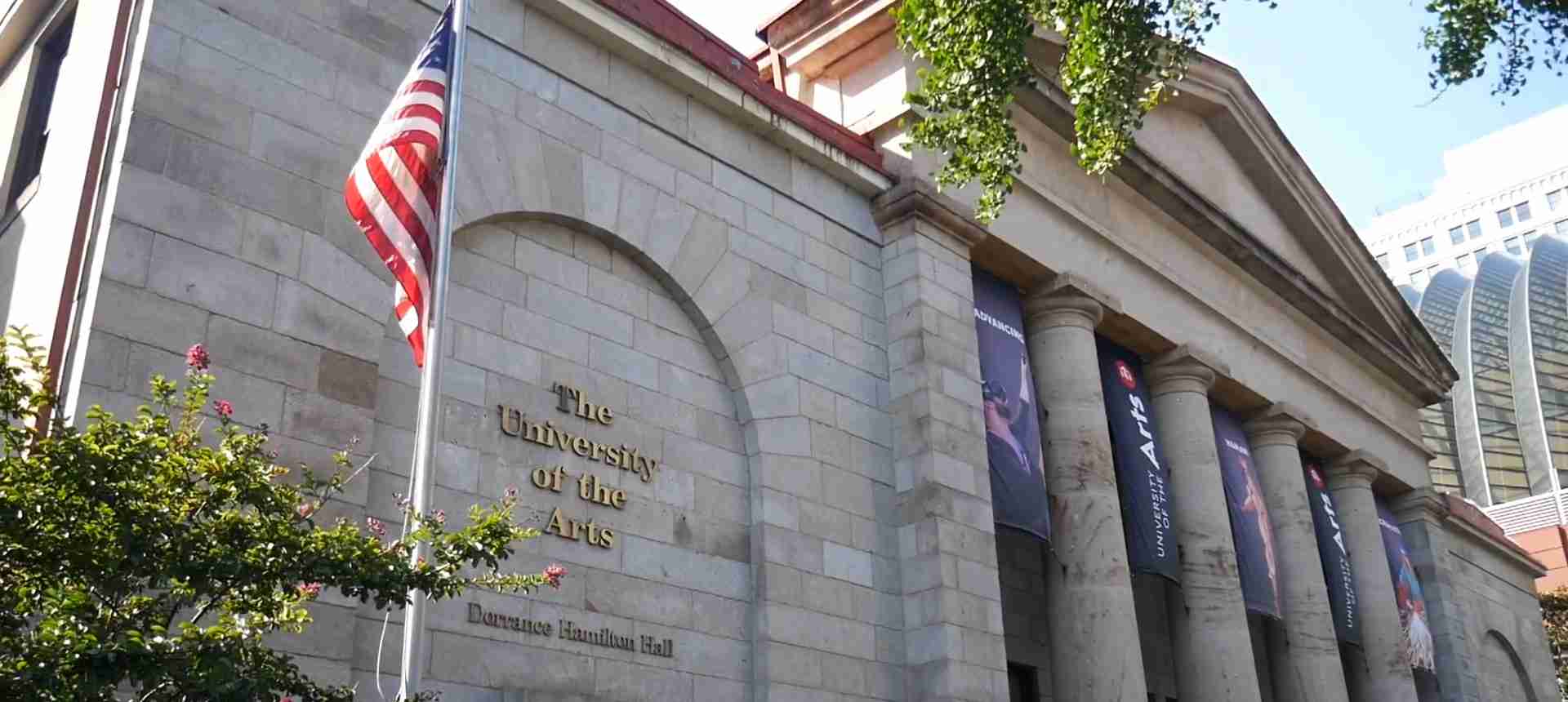
Pennsylvania Academy of the Fine Arts operates as America’s first art museum and school, founded 1805, housing exceptional American art collections from 1760-present in two architecturally significant buildings. The Historic Landmark Building designed by Frank Furness exemplifies Victorian Gothic style with polychrome exterior and ornate interior spaces, while the Samuel M.V. Hamilton Building adds contemporary exhibition galleries. Adult admission costs $18 in 2026, with student admission free for multiple local universities including Penn, Temple, Saint Joseph’s, and University of the Arts. PAFA opens Monday, Thursday, Saturday, and Sunday 10 AM-5 PM, with Friday extended hours 10 AM-8 PM and discounted admission after 5 PM starting April 2026.
The collection’s strength lies in comprehensive coverage of American painting, sculpture, and works on paper across 260 years. Major holdings include significant Charles Willson Peale family works documenting early American portraiture, extensive Thomas Eakins paintings and sculptures revealing Philadelphia’s greatest artist across his career, and substantial late 19th-century American Impressionist works. Twentieth-century galleries showcase American Scene painting, Abstract Expressionism, and contemporary works that trace evolving national artistic identity. The collection fills gaps between Philadelphia Museum of Art’s encyclopedic approach and specialized contemporary institutions, providing focused American art narrative from Colonial origins through present-day practices.
Student work exhibitions add unique dimension to PAFA’s programming as the nation’s oldest continuously operating art school. Annual student exhibition each spring showcases emerging talent across painting, sculpture, printmaking, and mixed media, while senior thesis exhibitions rotate throughout the academic year. These student shows provide insight into contemporary art education and emerging artistic directions while complementing historical collection galleries, creating dialogues between past masters and future practitioners that distinguish PAFA from non-teaching museums.
The Brodsky Center Gallery within PAFA presents limited-edition prints and works on paper created through the academy’s renowned artist-in-residence printmaking program. Over 150 works by leading contemporary artists appear for sale with prices starting $500, offering museum visitors opportunities to acquire original works by established names at accessible entry points. The printmaking focus connects to PAFA’s educational mission while providing collecting access rarely available in museum settings.
Practical visiting information includes location in Center City at Broad and Cherry Streets, several blocks from Benjamin Franklin Parkway museum cluster but easily walkable or reachable via SEPTA Broad Street Line subway to City Hall station. Allow 1.5-2.5 hours for comprehensive collection viewing plus temporary exhibition galleries. The museum store stocks exhibition catalogs, American art history books, and student-made works at various price points. A 15% museum store discount accompanies admission, adding value to purchases. Limited nearby street parking meters operate 8 AM-6 PM weekdays, while paid lots several blocks away charge $15-25 daily rates.
Science and Natural History Museums Philadelphia 2026
Franklin Institute Interactive Science Experiences 2026
Franklin Institute ranks among America’s premier science museums with hands-on exhibits spanning four floors dedicated to physics, astronomy, biology, engineering, and emerging technologies housed in a 1934 neoclassical building on Benjamin Franklin Parkway. General admission includes three floors of permanent exhibits, one Fels Planetarium show, and observatory access, with adult tickets priced according to day and time. Special exhibitions require separate admission, with Universal Theme Parks: The Exhibition running through September 2026 at $47 adults, $43 teens 13-17, and $41 children 3-12 for daytime access, or reduced $25 evening-only tickets Thursday-Saturday 5-8 PM excluding general museum galleries.
Permanent exhibition highlights demonstrate scientific principles through interactive experiences designed for all ages. The Giant Heart installation allows visitors to walk through a two-story heart model exploring cardiovascular systems at dramatically enlarged scale. Your Brain exhibition investigates neuroscience through hands-on activities examining perception, memory, and decision-making processes. Wondrous Space fills two stories with immersive cosmic exploration including moon rock samples, space suit displays, and interactive demonstrations of orbital mechanics. SportsZone connects athletic performance to physics, biology, and technology through activities testing speed, accuracy, and strategic thinking against athletic benchmarks.
The Fels Planetarium presents multiple shows daily under a 60-foot dome utilizing 8K projection technology for astronomical visualization. Show options include Celestial Sights exploring telescope history in 17 minutes, The Sky Tonight providing live constellation and planet tours in 25 minutes, and Encounters in the Milky Way documenting solar system evolution in 25 minutes. Planetarium shows operate on published schedules with limited seating, making morning arrival advisable for securing preferred time slots. Members and general admission ticket holders reserve planetarium seats at check-in without additional cost, while add-on planetarium experiences for special exhibition-only tickets cost $5 extra.
Live science demonstrations throughout the day add educational entertainment to self-guided exhibit exploration. Demonstration Theater hosts shows featuring liquid nitrogen experiments and combustion science, while special dissections including cow eye dissection provide authentic biological investigation opportunities. Daily program schedules vary by season and day of week, with weekends and school vacation periods offering expanded programming. Checking the daily schedule upon arrival or via the museum’s website before visiting ensures catching preferred demonstrations.
Time requirements vary significantly based on visitor interests and age groups. Families with elementary-age children typically spend 4-6 hours exploring permanent exhibits, watching one planetarium show, and attending live demonstrations. Teenagers and adults interested in specific exhibit areas complete focused visits in 2-3 hours targeting select galleries plus planetarium. Comprehensive exploration of all permanent exhibits, multiple planetarium shows, and full demonstration schedule extends visits to full days especially during Universal Theme Parks exhibition periods when special exhibition adds 90+ minutes to typical itineraries.
Operating hours run daily 9:30 AM-5 PM with extended Universal Theme Parks exhibition hours Thursday-Saturday evenings until 8 PM. Weekday mornings before 2 PM see increased group visit volume from school field trips, making post-2 PM arrivals quieter for independent visitors. Parking on-site costs $25 daily in the museum garage at 21st and Winter Streets, while SEPTA bus routes 7, 32, 33, 38, 48, and 49 stop at the museum, providing public transit alternatives. The Philly PHLASH seasonal shuttle service includes Franklin Institute as Stop 5 on its cultural destination loop.
Museum membership starts at $99 annually providing unlimited free admission, planetarium access, special exhibition discounts, $10 parking garage discount, and reciprocal free admission at 300+ ASTC science museums worldwide located 90+ miles from Philadelphia. Families visiting multiple times annually or planning science museum trips to other cities break even on membership after two visits when accounting for parking and special exhibition savings. The museum store offers extensive science toys, books, and educational materials with members receiving additional discounts.
Academy of Natural Sciences Dinosaur Halls and Dioramas 2026
Academy of Natural Sciences of Drexel University operates as America’s oldest natural history museum, founded 1812, housing dinosaur fossils, extensive natural history dioramas, live animal exhibits, and hands-on discovery centers. Adult admission costs $20 in 2026 with teens under 18 paying $13 and children under 6 entering free. The museum opens Wednesday-Sunday 10 AM-4:30 PM with weekend hours extending to 5 PM, concentrating visiting into five days weekly that creates potential weekend crowding during family-heavy periods.
Dinosaur Hall anchors the museum’s permanent exhibitions with mounted skeletons including Tyrannosaurus rex and Giganotosaurus that tower above visitors, accompanied by interpretive materials explaining paleontological research and evolutionary biology. Hands-on paleontology activities allow visitors to touch real fossils and examine casts of dinosaur bones, creating tactile learning opportunities beyond passive observation. The museum’s paleontology collections extend beyond displayed specimens, with active research programs adding scientific legitimacy to public galleries.
Historic dioramas throughout the museum present ecosystems from North American habitats to African savannas through meticulously detailed painted backgrounds and preserved specimens positioned in naturalistic poses. These dioramas, some dating to early 20th century, combine artistic craft with scientific accuracy, documenting both natural history and the history of natural history museum display practices. Rotating special exhibitions supplement permanent dioramas with contemporary environmental topics and emerging research in ecology and conservation biology.
Outside Beyond exhibit presents live butterflies, birds, and small mammals in naturalistic enclosures allowing close observation of living animals complementing mounted specimens elsewhere in the museum. Seasonal butterfly releases and animal encounters scheduled throughout operating days add interactive programming to self-guided exploration. The museum’s central location at 1900 Benjamin Franklin Parkway enables combination visits with art museums along the same cultural corridor.
Practical considerations include 2-3 hour visit duration for comprehensive gallery viewing including dinosaur halls, dioramas, live animals, and hands-on discovery centers. Families with young children often extend visits to 3-4 hours utilizing activity stations and outdoor spaces. Limited street parking around the museum requires paid lot backup options or SEPTA public transit access via same bus routes serving Franklin Institute and art museums. Museum members receive free admission, early access to special programs, and reciprocal benefits at natural history museums nationwide through NARM and ROAM networks.
History and Specialized Museums Philadelphia 2026
Museum of the American Revolution Revolutionary War Immersion 2026
Museum of the American Revolution opened 2017 in Old City Philadelphia, two blocks from Independence Hall, presenting Revolutionary War history through artifacts, immersive environments, and theatrical experiences that bring the founding era to life. Adult admission costs $21 in 2026, with students, seniors, and military receiving discounted rates. The museum operates daily with hours varying seasonally, making website confirmation essential before visiting. Revolutionary-era artifacts include George Washington’s headquarters tent, original battle flags, weapons, uniforms, and personal items that document the war’s human experiences alongside military campaigns and political developments.
The museum’s signature experience, a theatrical film and multi-sensory environment depicting the crossing of the Delaware, provides emotional engagement exceeding typical history museum displays. Additional gallery theaters present short films contextualizing specific periods and themes, while costumed historical interpreters throughout galleries answer questions and demonstrate 18th-century material culture. The museum’s design emphasizes narrative storytelling over chronological object display, creating accessible historical understanding for visitors without deep Revolutionary War background knowledge.
Collection highlights include extensive displays examining the Revolution’s impact on different populations including enslaved people, Native Americans, women, and Loyalists, providing more nuanced historical perspective than traditional patriotic narratives. Gallery sections address the war’s global dimensions, exploring French, Spanish, and Dutch involvement that expanded the conflict beyond colonial rebellion into international war. The museum concludes with galleries examining the Revolution’s continuing influence and contested memory, connecting founding events to contemporary civic debates.
Time allocation for Museum of the American Revolution visits typically spans 2-3 hours for thorough gallery exploration including all film presentations and interactive elements. Visitors with deep Revolutionary War interest or those reading all exhibit text extend visits to 3-4 hours. The museum’s location in the heart of Independence National Historical Park enables natural combination with Liberty Bell, Independence Hall tours, and Carpenters’ Hall visits within walkable Old City area. Cross Street Market nearby provides lunch options $12-20 while numerous historic taverns offer atmospheric dining experiences $20-35 per person.
The museum store stocks extensive American history books, Revolutionary War-themed gifts, reproduction items, and educational materials for all ages. Admission tickets purchased through CityPASS or Go City Philadelphia passes include Museum of the American Revolution among attraction choices, enabling pass holders to allocate this historical experience within multi-day cultural itineraries combining art, science, and history institutions.
National Constitution Center Founding Document Exhibitions 2026
National Constitution Center serves as the museum dedicated to the United States Constitution, presenting interactive exhibits, live theatrical performances, and original document displays that explore American founding principles and ongoing constitutional debates. Adult admission costs approximately $18-20 in 2026, with students and children receiving discounted rates. The center offers free admission on Martin Luther King Jr. Day, Presidents Day, Juneteenth, Independence Day, and Constitution Day, providing multiple opportunities for complimentary experiences throughout the year.
Freedom Rising, the center’s signature live theatrical production, runs throughout operating days presenting the Constitution’s story through 360-degree multimedia and live narration that inspires audiences with founding ideals while acknowledging historical conflicts and ongoing interpretation challenges. This 17-minute performance serves as powerful introduction to subsequent gallery exploration, creating emotional connection before intellectual engagement. Signers’ Hall features life-size bronze statues of all 39 Constitution signers plus three non-signers present at the Constitutional Convention, enabling visitors to stand among founders and contemplate the diverse personalities who created the governing framework.
Construction underway in 2026 for two new galleries opening in time for America’s 250th anniversary affects some museum experiences. Signers’ Hall closed July 9-September 3, 2025 for construction work, with potential additional closures in 2026 as gallery completion approaches. The new galleries will examine America’s founding period and separation of powers principle, expanding the center’s permanent exhibition space significantly. Advance checking of current exhibits and closures before visiting prevents disappointment from temporarily unavailable signature experiences.
Interactive exhibits throughout the center engage visitors in constitutional interpretation through voting simulations, debate forums, and comparison activities examining how constitutional principles apply to contemporary issues. These hands-on elements distinguish the Constitution Center from traditional history museums, creating active civic education rather than passive document observation. The center’s nonpartisan approach presents multiple perspectives on constitutional questions without advocating specific interpretations, enabling visitors from diverse political viewpoints to engage with founding principles.
Allow approximately 2 hours for comprehensive Constitution Center experience including Freedom Rising performance, main exhibition galleries, and interactive elements. Visitors particularly interested in constitutional history or those engaging deeply with interactive exhibits extend visits to 2.5-3 hours. The center’s location adjacent to Independence Mall integrates naturally with historic site visits to Liberty Bell and Independence Hall, creating focused American history days concentrated in Old City’s compact walkable area. SEPTA Market-Frankford Line subway serves nearby stations while multiple bus routes stop at Independence Hall, providing extensive public transit access to the museum district.
Mütter Museum Medical Oddities Collection 2026
Mütter Museum presents medical history through anatomical specimens, medical instruments, and pathological curiosities housed within the College of Physicians of Philadelphia. The museum’s 25,000-object collection includes Albert Einstein’s brain, one of the tallest skeletons on display in North America, extensive anatomical models, preserved organs demonstrating various diseases, and historical medical instruments that document the evolution of surgical practice. Adult admission prices in 2026 require direct website confirmation as rates vary by season and special exhibitions.
The museum’s macabre reputation attracts visitors seeking unusual experiences, yet the collection serves serious medical education purposes beyond shock value. Displays examine the history of medicine, document rare pathological conditions, and demonstrate anatomical variations with scientific rigor alongside their undeniable visual impact. The collection’s age and comprehensiveness make it valuable resource for medical professionals, students, and researchers alongside general public visitors seeking to understand human biology through preserved specimens unavailable in most museum contexts.
Exhibition highlights include the Hyrtl Skull Collection displaying 139 human skulls with demographic information, the Soap Lady and other preserved bodies demonstrating rare preservation phenomena, conjoined twin specimens, and extensive collections of anatomical wax models created for medical instruction before modern imaging technology. The museum’s dense Victorian-era display style packs specimens into cabinets and cases that reflect 19th-century cabinet of curiosities approaches rather than modern minimalist museum design, creating atmospheres of scholarly accumulation and scientific wonder.
Time requirements for Mütter Museum visits typically span 1-2 hours for thorough examination of major displays and careful reading of interpretive materials explaining medical contexts. The museum’s relatively compact size in the College of Physicians building concentrates the collection into limited gallery spaces, making comprehensive viewing achievable within shorter time frames than larger encyclopedic institutions. The museum’s location in Center City Philadelphia near Rittenhouse Square, several blocks south of Benjamin Franklin Parkway museum corridor, requires deliberate transportation planning when combining with Parkway institutions during same-day itineraries.
Visitor experience considerations include the graphic nature of preserved human remains and pathological specimens that may disturb sensitive visitors or children. The museum maintains professional medical tone throughout displays, avoiding exploitation while acknowledging the collection’s inherent intensity. Photography policies allow personal photography without flash in most galleries, enabling documentation of unique specimens. The museum gift shop stocks anatomy-themed merchandise, medical history books, and curiosity items ranging from tasteful educational materials to deliberately provocative novelties.
Eastern State Penitentiary Historic Site and Audio Tour 2026
Eastern State Penitentiary operates as historic site preserving America’s most famous and influential prison, operational 1829-1971, now offering daytime tours of the massive stone fortress and cellblocks that pioneered solitary confinement system later adopted worldwide. Admission costs approximately $19 adults in 2026, with reduced rates for students, seniors, and children. The penitentiary opens daily 10 AM-5 PM with last entry at 4 PM, though seasonal schedule variations require website confirmation before visiting. Award-winning audio tour narrated by actor Steve Buscemi guides visitors through the prison’s history, conditions, and notable inmates including Al Capone, whose restored cell appears as it existed during his incarceration.
The site’s architecture exemplifies early 19th-century prison reform philosophy with radial cellblock design emanating from central rotunda, enabling guards to observe all corridors simultaneously. Visitors explore cellblocks in various states of preservation from carefully conserved sections to deliberately maintained ruin areas showing the building’s decay process. The contrast between reformist intentions of solitary reflection and the harsh reality of long-term isolation creates powerful examination of punishment philosophy and system evolution. Contemporary art installations throughout the site address incarceration themes and criminal justice issues, connecting historic institution to present-day prison debates.
Hands-On History programs allow visitors to experience aspects of prison life through activities demonstrating daily routines, while artisan demonstrations show traditional crafts practiced by inmates. Special exhibitions rotate seasonally, with Terror Behind the Walls Halloween programming transforming the site into theatrical haunted attraction during autumn evenings, operating as separate ticketed event distinct from daytime historic tours. Daytime and nighttime experiences serve entirely different purposes, with educational historic interpretation during days versus entertainment-focused scares during Halloween season evenings.
Allow 90 minutes to 2 hours for audio tour completion with time to explore cellblocks, read interpretive materials, and examine art installations. Visitors particularly interested in prison history, criminal justice, or architectural preservation extend visits to 2.5 hours through detailed exploration of multiple cellblocks and careful attention to exhibition content. The penitentiary’s location in Fairmount neighborhood slightly north of Benjamin Franklin Parkway museum district requires taxi, rideshare, or SEPTA bus access, with Route 48 providing direct service from Parkway area. Limited street parking surrounds the site with meters operating standard Center City hours and rates.
Neighborhood Cultural Districts Philadelphia 2026
Benjamin Franklin Parkway Museum Mile 2026
Benjamin Franklin Parkway functions as Philadelphia’s museum mile, a 1.5-mile boulevard modeled on Paris’s Champs-Élysées connecting City Hall to the Philadelphia Museum of Art while passing major cultural institutions in landscaped parkland setting. The Parkway’s concentrated museum cluster enables efficient multi-institution days covering world-class collections within comfortable walking distances. Philadelphia Museum of Art anchors the northwest terminus, Barnes Foundation and Rodin Museum occupy mid-Parkway positions at 20th-21st Streets, Franklin Institute sits at 20th Street, Academy of Natural Sciences appears at 19th Street, and smaller institutions including the Free Library of Philadelphia and Cathedral Basilica of Saints Peter and Paul add cultural diversity to the corridor.
Walking the Parkway’s full length requires 25-30 minutes at moderate pace without museum stops, making three-museum days physically achievable for energetic visitors willing to walk between institutions rather than using transit. The Philly PHLASH seasonal shuttle service provides hop-on-hop-off transportation between Parkway museums for reduced-mobility visitors, operating late May through early September with stops at all major institutions. SEPTA buses 7, 32, 38, and 48 traverse the Parkway regularly year-round, offering frequent public transit links between museum entrances. The relative flatness of Parkway terrain compared to other Philadelphia neighborhoods makes walking preferable to navigation of bus schedules for able-bodied visitors comfortable with 2-3 miles total daily walking.
Strategic museum pairing optimizes Parkway cultural days based on collection strengths and time requirements. Philadelphia Museum of Art plus Rodin Museum represents natural combination given shared ticketing, enabling 3.5-5 hours of sculpture and painting across both sites. Barnes Foundation and Philadelphia Museum of Art create comprehensive Impressionist and Post-Impressionist immersion combining Barnes’s ensemble displays with Art Museum’s conventional galleries, though both institutions justify full days independently. Franklin Institute and Academy of Natural Sciences pair for science-focused family days spanning interactive physics through natural history, totaling 5-7 hours with lunch break.
Dining options along the Parkway range from museum cafés to independent restaurants concentrated near Logan Square and 20th-21st Street clusters. Museum cafeterias at Philadelphia Museum of Art, Barnes Foundation, and Franklin Institute serve lunch $12-18 for sandwiches, salads, and hot entrées with indoor and seasonal outdoor seating. The Barnes Garden Restaurant at the high end operates by reservation with $15-28 entrées emphasizing seasonal local ingredients. Off-Parkway restaurants within 2-3 blocks offer greater variety and value, with Reading Terminal Market 15 minutes walking distance providing extensive food hall options $8-18 per meal.
Parking strategy impacts Parkway museum day logistics significantly. Philadelphia Museum of Art’s parking garage at $12 for four hours serves as base for visits to Art Museum and Rodin Museum with validated tickets, while street metered parking along the Parkway and side streets costs $2-4 per hour with 2-hour maximums enforced 8 AM-8 PM daily. Paid lots near Logan Square charge $15-20 daily rates, positioned centrally for Barnes Foundation and Franklin Institute access. Visitors planning three-museum days combining Art Museum, Barnes, and Franklin often find public transit or rideshare between sites more economical than moving cars and paying multiple parking fees, especially when factoring validation complexities and time spent relocating vehicles.
Old City Historic District Museums and Galleries 2026
Old City combines Revolutionary War historic sites with contemporary art galleries, creating Philadelphia’s densest cultural district concentrated in compact walkable blocks bordered by Front Street, 6th Street, Walnut Street, and Vine Street. Museum of the American Revolution anchors the cultural scene alongside National Constitution Center, Betsy Ross House, and other historic properties within Independence National Historical Park’s boundaries. First Friday Art Walk transforms the district monthly into gallery crawl with exhibitions opening 5-9 PM featuring contemporary art across 40+ galleries housed in converted 18th and 19th-century commercial buildings.
Historic sites dominate Old City tourism with Liberty Bell, Independence Hall, Congress Hall, and Carpenters’ Hall concentrated within Independence National Historical Park’s borders, all offering free admission though Independence Hall requires timed entry tickets distributed same-day or reserved in advance for $1 fee. Museum of the American Revolution’s $21 admission and National Constitution Center’s $18-20 entry represent major paid cultural attractions within the district, while Christ Church and Betsy Ross House charge modest fees $5-8 for self-guided access. The concentration of free historic sites with two major paid museums enables flexible budget allocation based on historical interests and time availability.
Contemporary art galleries concentrate on 2nd and 3rd Streets between Market and Race, presenting emerging and established artists in various media. Most galleries operate Wednesday-Sunday schedules with Thursday-Saturday evening hours, making First Friday the optimal gallery-hopping opportunity when all venues extend hours and often provide opening receptions with light refreshments. Gallery admission remains free, enabling art exploration without museum-level expense. The district’s gallery scene emphasizes contemporary painting, sculpture, photography, and mixed media, creating distinct offerings from museum collections while maintaining accessible price points for collectors at various levels.
Dining in Old City spans casual lunch spots to upscale restaurants accommodating museum visitors and business clientele. Historic City Tavern recreates 18th-century atmosphere with period-accurate menu items $20-35 per entrée, while modern restaurants along 2nd and 3rd Streets offer contemporary American, Italian, Mexican, and Asian cuisines $15-30 per person for dinner. Market Street corridor provides quick lunch options including Reading Terminal Market’s food hall 10 minutes walking distance. Numerous coffee shops and bakeries throughout the district enable caffeine and pastry breaks between museum visits.
Old City’s compact geography and flat terrain make walking the primary transportation mode, with most historic sites within 5-10 minute walks of each other. SEPTA Market-Frankford Line subway serves 2nd Street station for district access from Center City, while multiple bus routes stop at Independence Hall and surrounding blocks. Limited street parking with 2-hour meters operates throughout the district, though enforcement intensity and scarcity make paid lots at $15-25 daily rates more reliable for full-day visits. Many visitors combine Old City historic museum days with Parkway art museum days using SEPTA or rideshare to connect the districts separated by 15-20 minutes transit time.
University City Museum Quarter Penn and Drexel Campuses 2026
University City west of the Schuylkill River houses museum and cultural attractions concentrated around University of Pennsylvania and Drexel University campuses, creating distinct cultural district accessible via public transit from Center City. Penn Museum (University of Pennsylvania Museum of Archaeology and Anthropology) anchors the area with encyclopedic archaeological collections spanning ancient Egypt, Mesopotamia, Asia, Africa, and the Americas housed in 1899 Beaux-Arts building. Adult admission costs $18 in 2026, with free admission for teens 13-19 Tuesday-Friday 3-5 PM and all day weekends, plus free entry for Penn students, faculty, and staff with ID.
Penn Museum’s collection strengths include the largest ancient Egyptian sphinx in the Western Hemisphere, extensive Mesopotamian artifacts from the museum’s groundbreaking excavations at Ur and Nippur, comprehensive Chinese rotunda galleries with Buddhist sculpture, and significant Native American holdings. The museum combines encyclopedic scope with research depth as an active archaeological institution conducting fieldwork and publishing scholarly research, creating exhibitions based on original objects excavated by Penn archaeologists rather than assembled through art market purchases. This research connection enables rotating exhibitions presenting new discoveries and ongoing interpretation of classic holdings.
Institute of Contemporary Art at Penn operates with free admission year-round, presenting cutting-edge contemporary art exhibitions featuring emerging artists, experimental media, and conceptual work challenging conventional museum practices. The ICA’s small scale and focused programming create intimate encounters with adventurous contemporary practice, contrasting with more conservative approaches at larger institutions. Exhibition schedules rotate frequently with major installations changing 3-4 times annually, making website checking essential for current offerings before visiting. Allow 1-2 hours for ICA visits given the relatively compact gallery spaces.
Arthur Ross Gallery within Penn’s Fisher Fine Arts Library presents rotating exhibitions drawing from university collections and loaned works, operating with free admission Tuesday-Sunday on academic year schedule. The gallery’s focus on works on paper, photography, and smaller-scale objects creates exhibitions appropriate for serious study alongside casual viewing. University city location and free admission make the Ross Gallery worthwhile addition to Penn Museum visits for travelers already in the neighborhood.
Practical access to University City museums utilizes SEPTA Market-Frankford Line subway to 34th Street station, positioned between Penn and Drexel campuses with Penn Museum 10 minutes walking distance south. SEPTA trolley routes 11, 13, 34, and 36 also serve the university area, providing multiple public transit options from Center City. Limited visitor parking appears on Penn campus with hourly garage rates $3-6, while street parking throughout University City operates on residential permit system restricting non-permit vehicles to 2-hour limits weekdays. Allow 30-40 minutes total transit time from Center City hotels to University City museum zone including walking from subway stations to institution entrances.
Multi-Museum Pass Comparison Philadelphia 2026
Philadelphia CityPASS Structure and Value Analysis 2026
Philadelphia CityPASS operates as choose-your-own-adventure pass enabling selection of 3, 4, or 5 attractions from a menu of 10 venues with tickets valid for 9 consecutive days from first use. The C3 option costs $66 adult and $54 child ages 2-12, C4 runs $84 adult and $66 child, while C5 reaches $98 adult and $78 child in 2026. Included attractions comprise Franklin Institute, Barnes Foundation, Eastern State Penitentiary, Adventure Aquarium, Philadelphia Zoo, Big Bus Company and Philadelphia Trolley Works, Battleship New Jersey, Museum of the American Revolution, Academy of Natural Sciences, and National Constitution Center. Notable exclusions include Philadelphia Museum of Art and Rodin Museum, which operate independent admission outside pass systems.
Value calculation for CityPASS requires comparing pass cost against individual admission prices for planned attractions. Franklin Institute general admission costs approximately $30-35, Barnes Foundation $30, Museum of the American Revolution $21, Academy of Natural Sciences $20, and National Constitution Center $18-20 at standard rates. A visitor selecting Franklin Institute, Barnes Foundation, and Academy of Natural Sciences for C3 pass at $66 saves $14-19 versus $84-85 individual ticket total. Expanding to C5 with addition of Museum of the American Revolution and National Constitution Center creates $98 pass cost versus $183-195 individual total, saving $85-97 per adult. Children’s passes deliver similar percentage savings against child admission rates.
CityPASS convenience extends beyond financial savings to practical visit facilitation. Pass holders avoid ticket purchase lines at most attractions, proceeding directly to entrance queues or designated pass holder access points. Mobile app integration enables paperless pass usage, attraction information access, and reservation management for venues requiring timed entry. The 9-day validity window accommodates both focused museum trips condensing multiple attractions into 3-4 intensive days and relaxed itineraries spreading attractions across week-long Philadelphia stays.
Strategic CityPASS usage maximizes value through deliberate attraction selection and scheduling. Visitors prioritizing art and culture select Barnes Foundation, Museum of the American Revolution, and Academy of Natural Sciences for focused cultural programming, while family groups incorporate Philadelphia Zoo and Adventure Aquarium for child-friendly experiences. The pass excludes most major Parkway museums, requiring supplemental Philadelphia Museum of Art and Rodin tickets for comprehensive art coverage. Savvy pass users combine CityPASS attractions with free admission opportunities at Philadelphia Museum of Art pay-what-you-wish times and Rodin Museum’s always pay-what-you-wish policy, creating comprehensive museum coverage at optimal costs.
Go City Philadelphia All-Inclusive Pass Options 2026
Go City Philadelphia operates all-inclusive model charging daily rates for unlimited attraction access rather than per-attraction selection, offering 1, 2, 3, and 5-day options. Daily passes grant admission to 30+ attractions including many CityPASS venues plus Philadelphia Museum of Art, National Liberty Museum, Betsy Ross House, and various tours and experiences beyond traditional museums. The pass activates upon first attraction visit, providing calendar-day access until expiration. Pricing varies by package length with multi-day passes offering per-day savings compared to single-day rates.
All-inclusive pass value depends entirely on daily attraction volume and individual attraction costs. Aggressive sightseers visiting 4-5 attractions daily maximize savings by accessing $100+ worth of individual admissions for fixed daily pass cost, while leisurely travelers visiting 1-2 attractions daily often pay more for pass than they would for separate tickets. The economics favor intensive itineraries cramming maximum attractions into limited Philadelphia time, making Go City optimal for first-time visitors attempting comprehensive coverage versus return travelers focusing on specific interests.
Attraction selection within Go City includes heavy museum concentration alongside historic sites, food tours, and specialized experiences. Major museums available through the pass include Philadelphia Museum of Art $30, Franklin Institute $30-35, Academy of Natural Sciences $20, National Constitution Center $18-20, and various smaller institutions. Historic sites include Betsy Ross House, National Liberty Museum, African American Museum in Philadelphia, and other specialized venues often bypassed by mainstream tourists. The pass breadth enables customized itineraries mixing major museums with niche attractions based on individual interests.
Practical Go City usage requires strategic planning to achieve value. Visitors create daily itineraries clustering geographically proximate attractions to minimize transit time between venues, typically building days around Old City historic sites, Parkway museums, or University City institutions rather than zigzagging across the city. Mobile app functionality provides attraction information, current operating hours, and navigation assistance while tracking pass usage and remaining validity. The app’s reservation system handles timed-entry attractions requiring advance booking, though last-minute same-day access depends on availability.
Individual Admission Versus Pass Decision Framework 2026
Choosing between multi-museum passes and individual admission tickets requires analyzing planned attractions, visit duration, daily pace preferences, and budget priorities. Passes deliver clear savings for visitors planning 3+ major museums over several days who value convenience and reservation assistance alongside cost reduction. Individual tickets optimize value for selective museum visitors targeting 1-2 specific institutions, travelers with extended Philadelphia stays enabling free admission day timing, and return visitors revisiting particular collections rather than surveying broad cultural landscape.
The mathematical break-even analysis starts with listing must-visit attractions and their individual admission costs. A visitor planning Philadelphia Museum of Art $30, Barnes Foundation $30, Franklin Institute $35, and Museum of the American Revolution $21 totals $116 individual admission. CityPASS excludes Philadelphia Museum of Art but covers the other three for $66 with one attraction slot remaining, reducing cost to $96 total ($66 pass plus $30 Art Museum ticket) versus $116 separate, saving $20 while providing flexibility for additional attraction within pass validity. Go City 2-day pass enabling all four museums plus additional sites spreads cost across multiple days with savings depending on exact pass pricing and additional venue utilization.
Free admission opportunities significantly impact pass versus individual ticket calculations. Visitors timing Philadelphia Museum of Art visits to Friday evenings or first Sundays eliminate $30 admission, reducing the four-museum example to $86 individual cost ($30 Barnes, $35 Franklin, $21 Revolution, $0 Art Museum) versus $66 CityPASS plus separate Art Museum free visit totaling $66. Strategic free-day timing combined with selective paid admissions often undercuts pass costs for flexible travelers without time pressure. However, free admission days attract larger crowds and limited operating hours compared to standard days, trading cost savings for potentially compromised experiences.
Convenience factors beyond pure economics influence pass decisions. Multi-museum passes eliminate mental transaction costs of repeated ticket purchases, provide mobile-enabled access reducing check-in friction, and often include reservation assistance for timed-entry venues. These soft benefits matter more to some travelers than others, with efficiency-minded visitors valuing streamlined logistics while budget purists prioritize mathematical cost minimization regardless of process complexity. Family groups with multiple adults and children benefit from simplified accounting when each traveler holds unified pass rather than tracking diverse individual tickets across varying child age thresholds.
The optimal decision synthesizes quantitative value analysis with qualitative trip parameters. Intensive first-time visitors cramming maximum museums into 3-4 days favor passes for cost savings and logistical simplicity. Relaxed repeat visitors spending week-long stays targeting specific exhibitions purchase individual tickets and leverage free admission programs for substantial savings. Families with diverse interests spanning museums, zoos, and historic sites select CityPASS or Go City for breadth accommodating varied preferences, while art-focused couples buy individual Art Museum, Barnes, and Rodin tickets for concentrated excellence. No universal answer exists; pass selection requires personalized analysis matching specific itinerary plans and individual priorities.
Daily Museum Budget Breakdown Philadelphia 2026
Budget-Focused Cultural Days 2026
Budget-conscious museum visitors invest $8-25 per person daily in Philadelphia leveraging free admission programs, pay-what-you-wish policies, and strategic timing to experience world-class collections at minimal cost. This approach requires schedule flexibility planning visits around specific free-day calendars, comfortable crowds accepting higher visitor volumes during complimentary admission periods, and willingness to forgo certain premium special exhibitions requiring supplemental fees beyond general admission.
A sample budget cultural day begins Friday evening at Philadelphia Museum of Art during pay-what-you-wish hours 5-8:45 PM, suggesting $5-10 contribution for access to one of America’s premier encyclopedic collections. The extended hours enable 2-3 hour exploration of collection highlights including Impressionist galleries, American painting, Asian art, and special exhibitions. Saturday morning continues at Barnes Foundation first Sunday of the month for free admission, though Friday-Saturday sequences require month-end timing when first Sunday falls within days of previous Friday. Alternative Saturday budget programming utilizes Rodin Museum’s always pay-what-you-wish admission suggesting $5-7 contribution for sculpture garden and indoor galleries requiring 30-90 minutes. Lunch from packed provisions or budget takeout $8-12 keeps meal costs minimal. Saturday afternoon exploration of Old City’s free historic sites including Liberty Bell, Independence Hall tour, and Christ Church grounds adds cultural depth without admission fees.
This budget approach totals $8-25 per person daily including $5-17 in museum contributions plus $8-12 lunch budget, accessing approximately $60-75 worth of standard admission value. The strategy sacrifices flexibility in timing and venue selection, requires accepting larger weekend crowds at free-admission programs, and excludes certain premium experiences like Franklin Institute special exhibitions or guided museum tours. However, for travelers prioritizing collection access over crowd avoidance and willing to plan around specific calendars, Philadelphia’s generous free-admission programs enable authentic world-class cultural immersion at hostel-budget pricing.
Additional budget enhancement strategies include utilizing university campus museums with free admission (Institute of Contemporary Art at Penn), exploring First Friday Old City gallery walks for complimentary contemporary art exposure, and attending free programs at public libraries and cultural centers. Brown-bag lunch approaches replacing restaurant meals save $6-10 per meal, while evening museum visits eliminate full-day schedule demands enabling morning and afternoon allocation to free outdoor activities in Fairmount Park or along the Schuylkill River Trail.
Mid-Range Museum Experiences 2026
Mid-range museum visitors allocate $40-70 per person daily for admission to 2-3 major museums at standard rates plus casual dining at museum cafés or nearby restaurants. This budget level enables flexibility in scheduling without dependence on free admission calendars, access to all permanent collections and most special exhibitions, and comfortable dining rather than packed lunches or budget takeout.
A representative mid-range museum day targets Philadelphia Museum of Art and Barnes Foundation, Philadelphia’s two premier art institutions. Philadelphia Museum of Art general admission costs $30 adult providing two consecutive days of access including Rodin Museum, while Barnes Foundation charges $30 adult for Thursday-Monday access. Combined admission totals $60 per person, though smart scheduling spreads Art Museum ticket across two days visiting main galleries one day and returning for Rodin Museum plus Perelman Building the next, effectively halving per-day allocation. Lunch at Barnes Garden Restaurant or Philadelphia Museum of Art café runs $15-22 for salads, sandwiches, or light entrées. Mid-afternoon coffee and pastry break adds $6-8. Total daily investment reaches $60-70 per person for comprehensive art immersion across two world-class institutions with relaxed meal pacing.
Alternative mid-range configurations emphasize science and natural history through Franklin Institute and Academy of Natural Sciences combination. Franklin Institute general admission averages $30-35 including planetarium show, while Academy of Natural Sciences costs $20 adult. Combined $50-55 admission plus lunch at Franklin Institute café $12-18 and afternoon snack totals $65-75 per person daily. This pairing provides full-day programming particularly suitable for families with school-age children balancing interactive science exhibits with natural history displays and live animal encounters.
Mid-range flexibility enables spontaneous exhibition viewing, guided tour participation, and special program attendance without pre-budgeting constraints. Barnes Foundation guided tours add $19-24 for members and $39-49 for non-members, enhancing collection understanding for first-time visitors. Franklin Institute special exhibitions like Universal Theme Parks command $47 adults beyond general admission, accessible within mid-range budgets though consuming majority of daily allocation. The mid-range approach balances authentic cultural access with reasonable comfort, avoiding both budget extremes requiring intrusive planning and luxury pricing delivering marginal experience improvements.
Comprehensive Cultural Immersion 2026
Premium museum experiences investing $85-130 per person daily unlock comprehensive cultural access including special exhibitions, guided tours, upscale museum dining, and multiple premium institutions without schedule compromise or crowd management requirements. This budget tier supports intensive cultural tourism where museum visiting constitutes primary vacation purpose rather than sightseeing element within broader itinerary.
An immersive cultural day begins at Franklin Institute with Universal Theme Parks special exhibition admission $47 adult including general museum access and planetarium show. Three to four hours exploring permanent exhibits, special exhibition, and live demonstrations extend to lunch at nearby restaurant $18-28 per entrée. Afternoon continues at Barnes Foundation $30 admission with 1 PM guided tour adding $39 weekday or $49 weekend, providing expert interpretation of ensemble display philosophy and collection highlights during 60-minute experience. Following 2-3 hours of independent gallery time post-tour, late afternoon tea or coffee at Garden Restaurant adds $8-12. Total daily investment reaches $120-145 per person for intensive science and art programming spanning 7-9 hours with expert guidance and quality dining.
Alternative premium programming emphasizes depth over breadth through single-institution extended engagement. Philadelphia Museum of Art all-day immersion with $30 admission, 11:30 AM guided tour $15 (included with admission), lunch at museum restaurant $18-30, afternoon return to galleries for targeted collection study, and 4 PM tea service with pastries $12-18 creates $60-78 per person cultural day exploring one world-class institution thoroughly rather than surveying multiple venues superficially. Adding private gallery guide services or specialized tours increases investment further while delivering unprecedented access to curatorial expertise and behind-scenes collection areas.
Premium museum days combine financial resources with time abundance, enabling unhurried contemplation, comfortable dining, expert interpretation, and complete exhibition coverage without crowds-driven compromise. This approach suits serious collectors, returning visitors deepening previous shallow encounters, art students conducting research, and affluent cultural tourists valuing quality over quantity. The premium tier’s marginal cost increases buy meaningful experience enhancements including reduced crowding on weekday mornings, access to special exhibition content unavailable through general admission, tour guide insights unavailable from labels alone, and dining quality elevating museum visits into holistic cultural events rather than rushed gallery sprints.
Museum Visiting Strategies and Practical Tips 2026
Optimal Timing and Crowd Management 2026
Philadelphia museum crowding patterns follow predictable weekly and seasonal rhythms enabling strategic visit timing for enhanced experiences. Weekday mornings Tuesday-Thursday before 2 PM generally offer quietest conditions at major museums, though Franklin Institute notes increased school group volumes during these periods, making post-2 PM weekday slots optimal for independent adult visitors. Weekend mornings particularly Saturdays attract heaviest crowds at popular institutions like Philadelphia Museum of Art and Barnes Foundation, with Sunday mornings slightly calmer though still busy compared to weekdays. Late Friday afternoons and evenings provide balanced experiences combining quieter galleries with extended hours, though pay-what-you-wish programs at Philadelphia Museum of Art concentrate budget-conscious visitors during these specific time slots.
Seasonal patterns concentrate tourism May through September during peak Philadelphia visiting months when favorable weather and school vacation schedules drive higher attendance. Museums experience particular density around major holidays including Memorial Day, Independence Day, and Labor Day weekends when cultural institutions become focus for holiday tourism. Shoulder seasons April and October deliver moderate crowding with pleasant weather supporting comfortable walking between Parkway museums, while winter months November through March provide emptiest galleries though occasional weather disruptions and reduced operating hours at some institutions complicate planning.
First-entry timing significantly impacts museum experience quality. Visitors arriving at opening time access galleries before crowds build, enabling unobstructed viewing of popular works and intimate experiences in spaces that become congested by midday. Philadelphia Museum of Art opens 10 AM most days, with early arrivals claiming North entrance parking before garage capacity fills and securing prime gallery access before tour groups arrive mid-morning. Barnes Foundation’s 11 AM opening and Thursday-Monday schedule concentrates visitors into five days weekly, making Thursday and Monday first-entry arrivals strategically valuable for avoiding weekend crowds.
Special exhibition timing requires additional consideration as blockbuster shows attract crowds exceeding regular attendance levels. Universal Theme Parks exhibition at Franklin Institute through September 2026 drives increased visitation requiring timed-entry reservations and creating congestion in exhibition gallery alongside adjacent permanent exhibits. Exhibition final weeks typically see surge attendance from procrastinators realizing limited remaining opportunity, making early exhibition periods or mid-run weekday visits optimal for manageable crowds. Checking exhibition-specific crowd calendars and booking timed tickets well in advance prevents disappointment during sold-out periods.
Photography Policies and Etiquette 2026
Photography policies vary significantly across Philadelphia museums, requiring advance research for visitors prioritizing documentation. Philadelphia Museum of Art permits personal photography without flash or tripods throughout most galleries for non-commercial purposes, though certain special exhibitions and loaned works display no-photography signage requiring respect. Barnes Foundation takes more restrictive approach allowing photography only when galleries remain uncrowded, with staff requesting cessation during peak periods to maintain visitor movement and contemplation space. Rodin Museum encourages photography in both galleries and garden, recognizing social media sharing’s promotional value for the institution.
Flash photography prohibition extends across virtually all Philadelphia museums protecting light-sensitive works including paintings, textiles, and works on paper from cumulative exposure damage. Visitors using phone cameras should disable automatic flash to prevent inadvertent violations triggering staff intervention. Tripod and selfie stick restrictions reflect crowd management and artwork safety priorities, as equipment extending into gallery space creates collision hazards and viewing obstructions for other visitors. Handheld smartphone and compact camera use generally encounters no objection assuming flash remains disabled and equipment stays within personal space bubble.
Photography etiquette extends beyond formal policy compliance to considerate behavior respecting fellow visitors. Positioning oneself in front of popular works for extended photography sessions blocks views for others attempting observation, making quick capture and considerate movement essential. Group selfie arrangements occupying substantial floor space while companions arrange perfect composition frustrate other visitors, requiring awareness of surrounding viewers and willingness to defer to those quietly observing. Museums exist primarily for artwork engagement rather than social media content production, positioning photography as supplemental documentation rather than primary visit purpose.
Sketching and note-taking receive universal welcome across Philadelphia museums as traditional art study methods, with graphite pencil required rather than ink that could damage artworks through accidental marking. Most institutions provide benches and seating encouraging extended contemplation and study, though crowded periods may limit sitting availability. Folding stools remain prohibited as tripping hazards and space consumption, while sketchbooks require size restrictions typically capping at 9×12 inches at Barnes Foundation and similar dimensions elsewhere. Art students conducting formal study programs often receive special access or permissions unavailable to general visitors, making institutional contact before extensive research visits worthwhile for serious study projects.
Accessibility and Family Visiting Considerations 2026
Philadelphia museums maintain generally strong accessibility compliance with wheelchair access to major galleries, though specific building ages and architectural features create occasional limitations. Philadelphia Museum of Art provides wheelchairs at no charge on first-come first-served basis at visitor services desks, with elevator access to all public floor levels though some historic house installations within the museum replicate period architecture incompatible with modern accessibility standards. Barnes Foundation’s contemporary building design incorporates full wheelchair access throughout galleries, restaurants, and support facilities, though dense ensemble display arrangements create narrow viewing paths that may challenge larger mobility devices in certain rooms.
Visual impairment accommodations include audio description guides, tactile experiences where available, and large-print materials providing enhanced access to museum content beyond standard visual engagement. Philadelphia Museum of Art offers audio guides in multiple languages with standard and enhanced description tracks, while special touch tours by advance arrangement enable tactile exploration of select sculpture works normally protected by no-touch policies. Braille materials and advance notice requests to PAFA ensure three-week lead time for document preparation, demonstrating accessible visit planning requires earlier communication than standard visits.
Family visiting with young children faces institution-specific welcome varying from explicitly child-friendly venues to spaces preferring mature audiences. Franklin Institute targets families as core constituency with interactive exhibits designed for elementary through middle school ages, providing extensive hands-on activities requiring minimal reading ability. Please Touch Museum specifically serves children under 7 with exhibits encouraging physical manipulation and imaginative play. Philadelphia Museum of Art and Barnes Foundation operate as adult-focused fine art museums where young children’s natural energy and noise levels conflict with contemplative gallery atmospheres, making family visits more successful with older school-age children capable of extended quiet observation.
Stroller policies acknowledge family access while managing gallery congestion and artwork protection. Most museums permit standard-size strollers in galleries with recommendations to use baby carriers during peak periods when crowding makes maneuvering difficult. Large jogging strollers and double-wide models face restrictions or prohibitions at compact institutions like Barnes Foundation where gallery dimensions physically cannot accommodate oversized equipment. Museum coat checks provide stroller parking enabling parents to switch to baby carriers during gallery time, though checking availability before visits prevents last-minute complications.
Nursing rooms and family facilities appear at major museums supporting visitor comfort during extended visits. Franklin Institute and Philadelphia Museum of Art maintain dedicated family restrooms with changing tables and private nursing spaces, while smaller institutions often lack purpose-built facilities but welcome discreet nursing in gallery seating areas. Museum cafés generally accommodate families with children’s menu options and high chair availability, though upscale museum restaurants like Barnes Garden Restaurant create atmospheres better suited to adult dining than active young children.
Museum Membership Benefits Philadelphia 2026
Individual Museum Membership Value Analysis
Individual museum memberships provide annual unlimited admission plus additional benefits including exhibition discounts, special program access, and reciprocal admission at peer institutions nationwide and internationally. Philadelphia Museum of Art membership starts at basic levels providing free general admission for one year, with higher tiers adding guest privileges, exhibition discounts, and special events access. The break-even calculation for single museum membership requires two paid visits annually at $30 admission equaling $60 minimum value versus $75-100 entry membership levels, making membership worthwhile for residents and frequent visitors but questionable value for tourists visiting once annually or less.
Barnes Foundation membership similarly provides unlimited free admission, though the institution’s unique ensemble display encouraging repeat visits to notice new relationships creates stronger membership case than encyclopedic museums where comprehensive one-time viewing satisfies most visitors. Members receive significant guided tour discounts at $19-24 versus non-member $39-49, adding substantial value for visitors interested in expert interpretation. First Friday evening events with cocktails, music, and extended hours exclusively for members create social cultural programming unavailable through standard admission.
Franklin Institute membership delivers family-focused value with unlimited admission to general galleries and planetarium shows plus discounts on special exhibitions, parking, and museum store purchases. Families visiting multiple times annually for children’s entertainment break even within 2-3 visits given $30+ individual admission rates. The museum’s ASTC membership reciprocity extends free admission to 300+ science museums worldwide located 90+ miles from Philadelphia, creating unexpected value for families traveling to other cities where science museums would otherwise require paid admission.
Specialized museum memberships at institutions like PAFA, Mütter Museum, and smaller venues deliver value primarily for dedicated enthusiasts or researchers requiring regular access. The relatively lower membership costs at smaller institutions make joining supportable for donors interested in institutional support beyond personal use frequency, positioning membership as charitable contribution with admission benefits rather than pure economic exchange. Tax deductibility of membership portions exceeding fair market admission value provides additional incentive for high-income members itemizing deductions.
Reciprocal Admission Networks and Cross-Museum Benefits
Museum membership reciprocal admission networks extend single institutional membership value through free or discounted access at hundreds of peer museums nationwide. The North American Reciprocal Museums (NARM) program connects art museums across the United States and Canada, enabling Philadelphia Museum of Art members to receive free admission at participating institutions located 90+ miles from Philadelphia. This 90-mile radius exclusion prevents local museum cannibalization but enables travel-based value when visiting other cities, with major participating museums in New York, Washington DC, Boston, Chicago, Los Angeles, and international locations.
ASTC (Association of Science and Technology Centers) reciprocal program operates similarly for science museums, connecting Franklin Institute membership to 300+ science centers globally with same 90-mile exclusion radius. Families planning multi-city travel visiting science museums in multiple destinations realize substantial value from single Franklin Institute membership replacing individual admission fees at each location. The program requires presenting physical membership card and matching photo ID at host institutions, making digital-only memberships insufficient for reciprocal access at many locations.
ROAM (Reciprocal Organization of Associated Museums) network provides additional cross-museum access for qualifying memberships, expanding reciprocity beyond specific museum type networks. PAFA membership at Friend level and above includes ROAM benefits alongside NARM access, enabling members to access diverse institution types during travel rather than limiting reciprocity to art museums exclusively. The multi-network approach maximizes travel value for members visiting various museums during trips rather than focusing exclusively on art or science institutions.
Practical reciprocal admission usage requires advance research confirming host museum participation and specific benefit levels, as each institution sets independent policies within network parameters. Some museums provide full free admission to reciprocal members, others offer discounted rates rather than free entry, while certain premium museums or special exhibitions carry surcharges even for reciprocal members. Calling ahead or checking museum websites before visits prevents surprise charges and clarifies whether reciprocal benefits extend to current special exhibitions or apply only to permanent collections.
Seasonal Considerations and Special Events Philadelphia Museums 2026
Spring and Summer Museum Programming 2026
Spring months April through June bring peak programming to Philadelphia museums with special exhibitions timed to favorable weather enabling extended Parkway walking between institutions. Philadelphia Museum of Art often launches major traveling exhibitions during spring, while Barnes Foundation refreshes temporary exhibition galleries in Roberts Gallery. Franklin Institute’s spring break programming March 28-April 10 2026 increases daily demonstrations and extends Universal Theme Parks exhibition hours, creating family-friendly vacation week activities. Academy of Natural Sciences emerges from winter with butterfly exhibits and outdoor programming connecting natural history collections to warming weather and emerging local ecosystems.
Summer cultural festivals punctuate museum regular operations with extended hours, free admission days, and special programming. Wawa Welcome America festival late June or early July traditionally includes free Barnes Foundation admission day and discounted rates at multiple institutions, creating exceptional value opportunities requiring advance planning as specific dates vary annually. Museums participate in summer Fridays programs extending evening hours beyond standard closings, with Philadelphia Museum of Art’s Friday 5-8:45 PM pay-what-you-wish combining extended access with reduced admission creating natural summer weekend cultural kickoffs.
Outdoor museum spaces gain prominence during summer months as gardens, sculpture terraces, and exterior installations become primary attractions. Rodin Museum garden operates as outdoor sculpture gallery with free access separate from indoor building admission, while Philadelphia Museum of Art’s exterior terraces host events and enable outdoor breaks during gallery visiting. Summer evening events at multiple institutions including Barnes Foundation’s First Friday programming and Franklin Institute’s outdoor demonstrations leverage pleasant weather for programming impossible during winter months.
Summer tourism peaks create crowding challenges requiring strategic timing for optimal experiences. June-August visitor volumes exceed spring and fall levels, particularly weekends and holidays when tourism combines with local recreational visiting. Early morning and late afternoon time slots avoid mid-day concentration, while weekday visiting Tuesday-Thursday provides emptiest galleries. Memorial Day, Independence Day, and Labor Day long weekends drive exceptional crowding requiring either advance planning embracing crowds as cultural event atmosphere or deliberate avoidance scheduling museum days outside holiday periods.
Fall and Winter Museum Experiences 2026
Autumn months September through November deliver optimal museum visiting conditions combining moderate crowding, pleasant outdoor weather for Parkway walking, and strong programming as institutions launch fall exhibition seasons. September represents sweet spot with school resumption reducing family tourism while weather remains comfortable for extensive walking days between museums. October introduces autumn color to museum gardens and surrounding parks, creating photogenic contexts for sculpture viewing at Rodin Museum and Philadelphia Museum of Art terraces.
Halloween programming transforms some institutions during October, with Eastern State Penitentiary’s Terror Behind the Walls operating as separate ticketed evening event distinct from daytime historic tours. Family Halloween events at Franklin Institute provide child-friendly seasonal programming combining science themes with holiday traditions. Most art museums avoid Halloween programming maintaining year-round contemplative atmospheres, though special exhibitions may coincidentally address macabre themes creating unintentional seasonal resonance.
Winter months November through March present lowest tourist volumes enabling intimate gallery experiences at major museums, though reduced operating hours at some institutions and occasional weather-related closures complicate planning. Philadelphia Museum of Art, Barnes Foundation, and Franklin Institute maintain consistent year-round schedules, while smaller institutions may reduce weekly days or shorten hours. Winter precipitation occasionally disrupts Benjamin Franklin Parkway accessibility as snow and ice accumulation make walking between museums hazardous, requiring transit alternatives or consolidated single-museum days rather than multi-institution itineraries.
Holiday season December brings festive programming to family-oriented museums while art institutions maintain regular operations. Franklin Institute creates holiday-themed demonstrations and special programming December through early January, while Please Touch Museum presents extensive holiday activities for young children. Art museums largely avoid holiday decoration and programming maintaining universal cultural accessibility rather than Christian holiday focus, though City Hall and surrounding Parkway areas feature holiday lighting creating festive atmospheres approaching museum districts. Museums close Thanksgiving, Christmas Eve, and Christmas Day while operating normal schedules New Year’s Day through early January.
Frequently Asked Questions Philadelphia Museums 2026
What is the best museum pass for Philadelphia in 2026?
The best Philadelphia museum pass depends on planned attractions and visiting intensity. CityPASS offers optimal value for visitors focusing on 3-5 specific major museums over 9 consecutive days, with C3 option at $66 adult ($54 child) covering Franklin Institute, Barnes Foundation, and one additional choice saving $24-44 versus individual tickets, while C5 at $98 adult provides access to five attractions worth $185-200 individually saving $87-102 per person. Go City all-inclusive daily passes work best for aggressive sightseers planning 4+ attractions daily across multiple days, though require intensive scheduling to achieve value. Visitors targeting primarily Philadelphia Museum of Art, Barnes Foundation, and Rodin Museum find individual tickets more economical than passes since Art Museum admission includes Rodin access and CityPASS excludes Art Museum entirely, making separate $30 Art Museum plus $30 Barnes tickets total $60 versus $66 CityPASS covering only Barnes from these three institutions. Strategic free admission timing on Philadelphia Museum of Art pay-what-you-wish Fridays and first Sundays plus Barnes Foundation free first Sundays eliminates need for passes entirely for flexible budget travelers.
How much time do you need at Philadelphia Museum of Art in 2026?
Philadelphia Museum of Art requires 3-7 hours depending on visitor interests and collection depth preferences. First-time visitors spending 3-4 hours see major highlights using museum mobile app guides and suggested tour routes covering Impressionist galleries, American painting, Asian art, and medieval armor across approximately 100 galleries representing collection strengths. Art enthusiasts with deeper interests in specific collecting areas allocate 5-7 hours across the two-day admission window, breaking visits into focused sessions on European Old Masters one day and modern/contemporary works the next, or dividing by geographic regions. Comprehensive collection viewing attempting to see all 200 public galleries requires multiple full-day visits across separate trips, as even energetic museum-goers experience fatigue after 6-7 hours of concentrated viewing. The museum’s two-day admission policy encourages returning next day for fresh engagement rather than marathon single-day attempts. Rodin Museum included with admission adds 30-90 minutes depending on garden time allocation and sculpture contemplation depth, positioning combined Art Museum plus Rodin visits at 4-8 hours total across one or two days.
Are Philadelphia museums free on Sundays in 2026?
Philadelphia Museum of Art offers pay-what-you-wish admission first Sunday of each month 10 AM-5 PM, enabling visitors to access the museum for any contribution from one cent upward though suggested amounts run $7-12. Barnes Foundation provides completely free admission first Sunday monthly with no contribution required, granting complimentary access to one of the world’s premier Impressionist collections. Rodin Museum maintains pay-what-you-wish admission every Sunday plus all other operating days, making Sunday visits no different from other days regarding admission policy. Most other Philadelphia museums charge standard admission Sundays without general free admission programs, though specific populations including military families during summer months via Blue Star Museums, ACCESS/EBT cardholders year-round, and various other groups receive free or discounted access on any day including Sundays. First Sunday free programs at Art Museum and Barnes Foundation create crowded conditions exceeding typical Sunday attendance, making early arrival advisable for visitors prioritizing manageable crowds alongside free admission.
Can you visit Philadelphia Museum of Art and Barnes Foundation same day in 2026?
Visiting Philadelphia Museum of Art and Barnes Foundation the same day remains physically possible though artistically exhausting given both institutions’ scale and quality demanding extended contemplation. The museums sit three blocks apart along Benjamin Franklin Parkway enabling 10-minute walking between entrances, while separate admission tickets required at each institution total $60 per adult ($30 each) in 2026 unless utilizing multi-museum passes or free admission days. A practical same-day itinerary begins early at whichever museum opens first, typically Art Museum at 10 AM, spending 3-4 hours viewing collection highlights before lunch break. Afternoon continues at the second museum for 2-3 hours of focused viewing targeting specific collecting areas rather than comprehensive exploration. This schedule totals 5-7 hours of active museum time plus meals and transit, representing substantial commitment feasible for dedicated art enthusiasts but overwhelming for casual visitors. Most travelers find separate-day allocation more satisfying, dedicating full days to each museum enabling thorough exploration without fatigue-driven rushing. Philadelphia Museum of Art’s two-day admission window enables visiting Art Museum one day, Barnes Foundation the next, and returning to Art Museum’s Rodin Museum or Perelman Building on the second day, spreading three world-class collections across 48 hours at $60 total versus cramming two major museums into single exhausting day.
What are the best free museums in Philadelphia 2026?
Philadelphia’s best free museums include Rodin Museum offering pay-what-you-wish admission with suggested $7-12 amounts enabling sculpture viewing for minimal contributions, Institute of Contemporary Art at Penn providing completely free admission to cutting-edge contemporary art exhibitions year-round, and National Constitution Center opening free on Martin Luther King Jr. Day, Presidents Day, Juneteenth, Independence Day, and Constitution Day creating multiple zero-cost access opportunities. Historic sites within Independence National Historical Park including Liberty Bell, Independence Hall tours, Congress Hall, and various historic houses operate with free admission daily though Independence Hall requires advance timed-entry tickets with optional $1 reservation fee for guaranteed slots. Philadelphia Museum of Art and Barnes Foundation pay-what-you-wish programs first Sunday monthly plus Art Museum Friday evenings enable major museum access for nominal one-cent minimum contributions, functioning as effectively free for budget-conscious visitors contributing token amounts. University campus museums including Arthur Ross Gallery at Penn and various Drexel galleries provide free admission during operating hours, offering quality art viewing in academic contexts. Reading free museum landscapes broadly to include perpetually no-cost institutions alongside strategic free-day utilization at normally paid venues enables comprehensive Philadelphia cultural access approaching zero cash outlay for determined budget travelers willing to plan around specific calendars and accept limited operating hours.
Do Philadelphia museum passes include special exhibitions in 2026?
Philadelphia museum pass inclusion of special exhibitions varies by institution, pass type, and specific exhibition. CityPASS general admission tickets cover permanent collections at all included venues plus rotating exhibitions at most institutions except when exhibitions carry separate admission surcharges, notably Franklin Institute’s Universal Theme Parks exhibition requiring separate $47 daytime or $25 evening ticket beyond CityPASS general admission. Go City Philadelphia passes similarly include standard exhibitions while excluding premium ticketed exhibitions commanding supplemental fees. Barnes Foundation’s Roberts Gallery temporary exhibitions include in general admission covered by passes, while Philadelphia Museum of Art’s special exhibition policies vary with major traveling shows sometimes requiring timed tickets and modest supplements above general admission. The safest approach involves checking specific exhibition admission requirements during trip planning rather than assuming pass coverage, as blockbuster exhibitions increasingly operate under premium pricing models extracting additional revenue from high-demand content. Museum websites and pass provider apps clearly indicate when exhibitions require supplements, enabling advance budgeting for premium content versus free exhibition access with standard admission.
Are children free at Philadelphia museums in 2026?
Children’s admission policies vary significantly across Philadelphia museums with age thresholds and family program structures creating institution-specific approaches. Philadelphia Museum of Art admits all visitors 18 and under free regardless of adult accompaniment, while Barnes Foundation follows same policy providing complimentary access for youth through age 18. Franklin Institute’s child admission starts age 3 with discounted youth pricing through age 12 approximately $8-10 below adult rates but not completely free, while children under 3 enter free. Academy of Natural Sciences charges reduced youth rates for ages 2-12 with children under 2 free. PAFA admits children 12 and under free with teens 13-18 paying $10. Rodin Museum’s pay-what-you-wish policy applies regardless of age, making children effectively free when adults contribute sufficient amounts to cover family groups. Museums with completely free children’s admission policies substantially reduce family visiting costs, with two adults and two children paying $60 combined at Philadelphia Museum of Art or Barnes Foundation versus $120-140 at institutions charging full family rates. Family visiting Philadelphia’s major art museums enjoys significant advantages over cities where premier institutions charge full child admission, positioning Philadelphia as particularly family-friendly destination for cultural tourism with school-age children.
What is unique about Barnes Foundation compared to other museums in 2026?
Barnes Foundation distinguishes itself fundamentally through ensemble display methodology arranging 181 Renoirs, 69 Cézannes, 59 Matisses, and 46 Picassos alongside African sculpture, Native American pottery, and Pennsylvania German furniture in dense wall compositions emphasizing visual relationships of light, line, color, and form rather than chronological or school-based organization used by conventional museums. This approach, maintained exactly as founder Dr. Albert Barnes installed ensembles in the 1920s, creates viewing experiences impossible at traditional institutions where similar works hang separately in period rooms or artistic movement galleries. The absence of individual wall labels identifying works encourages direct visual engagement before intellectual analysis, positioning mobile guides and docent tours as optional supplements rather than necessary navigation tools. The collection’s extraordinary depth in French Impressionist and Post-Impressionist painting exceeds most museums globally, with Renoir holdings surpassing anywhere, Cézanne collection exceeding all of France, and Matisse plus Picasso quantities rivaling museums dedicated specifically to these artists. The ensemble philosophy demands different viewing approaches rewarding contemplative observation and repeat visits revealing relationships invisible during initial encounters, making Barnes Foundation intellectually challenging in ways purely aesthetic or art historical museums avoid. Visitors seeking conventional museum experiences with clear labels, chronological organization, and comprehensive audio guides find Barnes frustrating, while those embracing alternative display philosophies discover revolutionary approach to experiencing art transcending traditional museum practices.
How early should you arrive at Philadelphia museums in 2026?
Arrival timing at Philadelphia museums depends on crowd tolerance, photography priorities, and specific daily schedules. First-entry arrival at museum opening times provides emptiest galleries with popular works accessible for unobstructed viewing and photography before tourist groups arrive mid-morning typically 10:30 AM-12 PM. Philadelphia Museum of Art opens 10 AM most days, with 10-10:30 AM arrival securing North entrance parking before garage capacity fills and enabling quiet gallery access before crowds build. Barnes Foundation’s 11 AM Thursday-Monday opening makes 11-11:15 AM arrival optimal for securing entry before lines form at popular free admission first Sundays or during sold-out timed-ticket periods. Franklin Institute opens 9:30 AM daily, with 9:30-10 AM entry enabling planetarium show reservations for preferred times and exhibits viewing before school groups occupy interactive stations from 10:30 AM-2 PM. Museums requiring timed entry tickets including certain special exhibitions make specific arrival windows mandatory, with late arrival potentially forfeiting reserved slots. Visitors prioritizing crowd avoidance over first-entry ambition find 2-3 PM late afternoon arrival effective, as morning crowds thin while museums maintain 3-4 hours remaining before closing. The optimal arrival balances personal energy patterns with institutional crowding rhythms, recognizing early birds encounter emptiest spaces while afternoon arrivals enjoy more relaxed pacing without morning urgency.
Can you eat at Philadelphia museums in 2026?
Philadelphia museums offer diverse dining options from cafeterias serving lunch $12-18 to upscale restaurants requiring reservations with entrées $15-28. Philadelphia Museum of Art operates cafeteria providing sandwiches, salads, and hot entrées with both indoor and outdoor terrace seating overlooking sculpture garden, serving lunch Tuesday-Sunday during museum operating hours without requiring museum admission for café access. Barnes Foundation’s Garden Restaurant delivers elevated seasonal cuisine $15-28 per entrée Thursday-Monday 11 AM-3 PM with reservations strongly recommended through Resy, while adjacent Reflections Café offers lighter fare including sandwiches and salads $8-16 without reservations. Franklin Institute’s café serves family-friendly lunch options pizza, burgers, sandwiches $10-15 with extensive seating accommodating school groups alongside independent visitors. Museums generally permit bringing outside food for consumption in designated areas including outdoor spaces and dedicated lunch rooms, with Philadelphia Museum of Art providing coat check storage for packed lunches enabling visitors to retrieve meals from storage during midday breaks. Nearby off-museum dining throughout Benjamin Franklin Parkway area includes fast-casual chains, independent restaurants, and Reading Terminal Market 15 minutes walking distance, providing more economical and diverse options than museum cafeterias for budget-conscious visitors or those seeking specific cuisines unavailable in museum dining. Most museums prohibit food and beverages in galleries protecting artworks from spills and pest attraction, restricting eating to designated dining areas while allowing bottled water in many spaces.