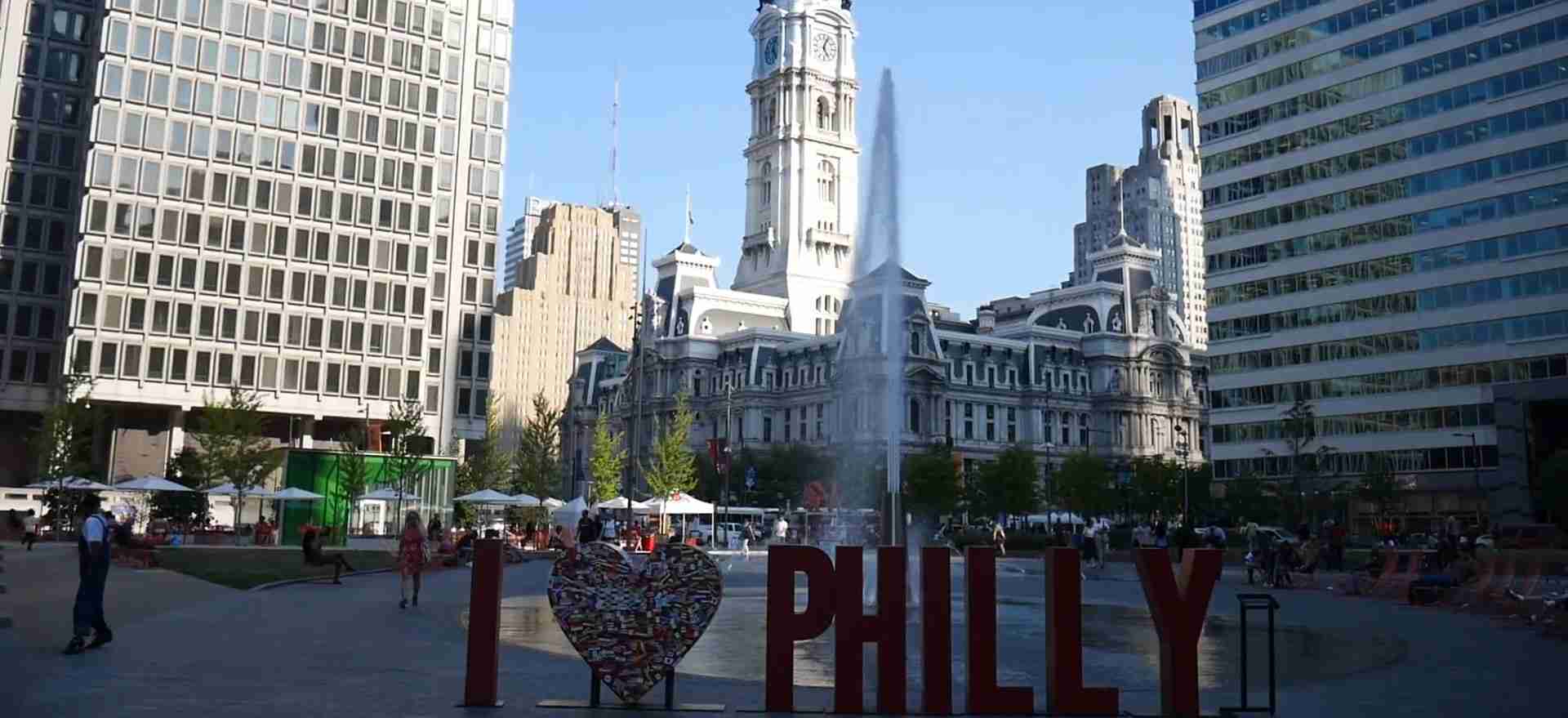
Philadelphia 3-Day Itinerary 2026: First-Time Visitor Guide
Philadelphia rewards first-time visitors with an extraordinary blend of founding-father history, world-class museums, vibrant neighborhoods, and America’s most iconic sandwich. This three-day itinerary balances Independence Hall and the Liberty Bell with the Philadelphia Museum of Art’s Rocky Steps, Reading Terminal Market’s culinary treasures, and Eastern State Penitentiary’s haunting cellblocks, creating a comprehensive introduction to the City of Brotherly Love that feels both educational and genuinely fun.
Key Takeaways for Philadelphia 3-Day Itinerary 2026
- Budget-Conscious Excellence: Three days in Philadelphia costs $95-140 per person daily for budget travelers sharing accommodations, totaling $285-420 for the entire trip including hostel stays, cheesesteaks at legendary spots, SEPTA transit passes, and strategic use of free attractions like Independence Hall and the Liberty Bell.
- Mid-Range Comfort and Convenience: Mid-range travelers spend $210-310 per person daily, reaching $630-930 for three days with comfortable Center City hotels, diverse dining from Reading Terminal Market to Rittenhouse Square restaurants, efficient SEPTA transportation, and admission to premier museums and attractions.
- Luxury Immersion Experience: Luxury visitors invest $425-650 per person daily, totaling $1,275-1,950 for three days with Four Seasons or Rittenhouse Hotel accommodations, chef-driven restaurants, private transportation, and exclusive behind-the-scenes museum experiences.
- Strategic Timing Advantage: Philadelphia’s 2026 Semiquincentennial celebrations honoring America’s 250th birthday bring enhanced programming across historic sites, special exhibitions at major museums, and extended hours at Independence National Historical Park through summer and fall, making 2026 an exceptional year to visit.
- Compact Walkability Factor: Philadelphia’s major attractions cluster in remarkably walkable zones—Old City’s historic sites within six blocks, Museum Mile along Benjamin Franklin Parkway, and South Philadelphia’s Italian Market and sports complex—reducing transportation costs and maximizing sightseeing time across all three days.
- Free Attraction Foundation: Independence Hall (free with $1 reservation fee), Liberty Bell Center (completely free), and numerous National Park Service sites provide world-class historical experiences at minimal cost, allowing budget-conscious travelers to allocate funds toward Philadelphia Museum of Art admission ($30), Eastern State Penitentiary ($21), and memorable dining experiences.
People Also Ask About Philadelphia 3-Day Itinerary 2026
How much does a 3-day trip to Philadelphia cost per person in 2026?
A three-day Philadelphia trip costs $285-420 per person for budget travelers, $630-930 for mid-range visitors, and $1,275-1,950 for luxury experiences, all assuming two people sharing hotel accommodations. Budget travelers stay in hostels or budget hotels at $45-55 per person nightly, eat cheesesteaks and Reading Terminal Market meals for $35-55 daily, use SEPTA public transit for $5-8, and prioritize free historic sites with selective paid museum visits totaling $10-20 daily. Mid-range travelers book Center City hotels at $100-140 per person, dine at diverse restaurants spending $70-100 daily, combine SEPTA with occasional rideshares for $10-20, and visit major museums and attractions costing $30-50 daily. Luxury visitors select premium hotels like Four Seasons at $200-300 per person, enjoy upscale dining at $150-230 daily, use private transportation at $25-40, and access exclusive museum experiences and premium tours at $50-80 daily.
What are the must-see attractions for a first-time visitor to Philadelphia in 2026?
First-time Philadelphia visitors should prioritize Independence Hall where the Declaration of Independence and Constitution were signed (free tours with $1 reservation fee), the Liberty Bell Center showcasing America’s iconic symbol of freedom (completely free), Philadelphia Museum of Art with its famous Rocky Steps and world-renowned art collections ($30 admission), Reading Terminal Market for authentic Philly cheesesteaks and diverse culinary experiences (free to enter, food costs vary), and Eastern State Penitentiary where Al Capone was imprisoned ($21 admission). These five experiences provide comprehensive exposure to Philadelphia’s revolutionary history, cultural significance, culinary identity, and architectural heritage. The 2026 Semiquincentennial programming adds special exhibitions and extended hours at Independence National Historical Park sites, making this year particularly significant for historic attractions.
Is 3 days enough time to see Philadelphia’s main attractions in 2026?
Three days provides sufficient time to experience Philadelphia’s essential attractions with a well-structured itinerary balancing historic sites, museums, neighborhoods, and dining experiences. Day one covers Independence National Historical Park’s core sites including Independence Hall, Liberty Bell, and Constitution Center. Day two explores Museum Mile with Philadelphia Museum of Art, Barnes Foundation or Rodin Museum, and Benjamin Franklin Parkway. Day three ventures to Eastern State Penitentiary, Reading Terminal Market, and neighborhood exploration in Rittenhouse Square or South Philadelphia’s Italian Market. This pace allows 2-3 hours per major museum, eliminates rushing, includes meal breaks at signature Philadelphia establishments, and leaves evening time for entertainment in neighborhoods like Old City or Midtown Village. Travelers wanting deeper museum immersion, day trips to Valley Forge or Brandywine Valley, or comprehensive neighborhood tours would benefit from 4-5 days.
What’s the best way to get around Philadelphia during a 3-day visit in 2026?
SEPTA’s subway, bus, and trolley network provides the most cost-effective transportation for Philadelphia’s three-day itinerary at $2.50 per ride (potentially increasing to $2.90 in 2026) with free transfers within two hours, making most trips across the compact downtown core feasible for $5-8 daily. The Market-Frankford Line connects Old City historic sites to Museum Mile, the Broad Street Line serves South Philadelphia and sports complex areas, and buses fill coverage gaps to neighborhoods like Fairmount and Fishtown. Walking remains highly practical within zones—Old City’s six-block historic core, Museum Mile’s two-mile parkway, and Center City’s grid pattern encourage pedestrian exploration. Budget travelers rely entirely on SEPTA and walking, mid-range visitors supplement SEPTA with occasional Uber or Lyft rides ($10-15 per trip) for convenience or late-night returns, and luxury travelers prefer private car services or rideshares for door-to-door comfort at $25-40 daily.
Extended multi-day tours – 5+ days
Featured Philadelphia Multi-Day Tour Packages
2 days
Philadelphia, Amish Country and Washington DC – 2 Days
- ✓ Comprehensive Philadelphia tour
- ✓ Expert local guides included
- ✓ All accommodation arranged
- ✓ Transportation provided
2 days
USA – Tour to Philadelphia, Washington DC and Amish Country – 2 days
- ✓ Comprehensive Philadelphia tour
- ✓ Expert local guides included
- ✓ All accommodation arranged
- ✓ Transportation provided
3 days
Special Washington end NY (5 destinations)
- ✓ Comprehensive Philadelphia tour
- ✓ Expert local guides included
- ✓ All accommodation arranged
- ✓ Transportation provided
7 days
America's East Coast Highlights
- ✓ Comprehensive Philadelphia tour
- ✓ Expert local guides included
- ✓ All accommodation arranged
- ✓ Transportation provided
Multi-day tour packages powered by TourRadar. Prices and availability subject to change.
Introduction: Planning Your Philadelphia 3-Day Adventure 2026
Philadelphia stands as America’s most historically significant city while simultaneously offering world-class museums, James Beard Award-winning restaurants, vibrant immigrant neighborhoods, and genuine urban authenticity that larger coastal cities often sacrifice to tourism. Your three days will immerse you in the rooms where independence was debated, the steps where Rocky Balboa trained, the markets where immigrant communities share culinary traditions, and the prison cells where criminal justice reform began. This isn’t a city performing history for tourists—Philadelphia lives its past while embracing contemporary culture, creating an experience that feels both educational and genuinely enjoyable.
The 2026 Semiquincentennial celebrations marking America’s 250th birthday transform Philadelphia’s already rich historical landscape into an extraordinary commemorative experience. Independence National Historical Park expands programming with special ranger-led tours exploring lesser-known founding figures, evening illumination events at Independence Hall, and interactive exhibits connecting 1776’s revolutionary ideals to contemporary democracy. Major museums including the Museum of the American Revolution and National Constitution Center debut anniversary exhibitions examining how founding principles evolved across 250 years. Historic Germantown offers 26 weeks of specialized walking tours highlighting Revolutionary War battlegrounds and Underground Railroad sites. The Philadelphia Museum of Art presents “A Nation of Artists” featuring American masterworks spanning colonial times to contemporary movements.
Philadelphia’s compact geography makes three-day itineraries remarkably efficient compared to sprawling cities requiring constant transportation logistics. Independence National Historical Park concentrates within six walkable blocks bordered by 2nd and 6th Streets, Walnut and Arch Streets—you’ll visit Independence Hall, Liberty Bell, Carpenter’s Hall, Franklin Court, and the First Bank of the United States without boarding transit. Museum Mile along Benjamin Franklin Parkway stretches two miles from City Hall to the Philadelphia Museum of Art, accessible via single SEPTA bus routes or pleasant 30-minute walks past Swann Fountain, Logan Square, and the Free Library. South Philadelphia’s Italian Market and Reading Terminal Market anchor distinct culinary districts requiring minimal navigation. This walkability reduces transportation costs while maximizing authentic neighborhood immersion.
Your three days balance indoor museum experiences with outdoor historic site exploration, formal attractions with spontaneous market wandering, cheesesteak pilgrimage with upscale dining, and scheduled tours with free-flowing neighborhood discovery. Day one establishes historical foundation through Independence Hall and surrounding revolutionary sites. Day two shifts cultural focus to art museums, Rodin sculptures, and architectural landmarks. Day three explores Philadelphia’s grittier, more contemporary character through Eastern State Penitentiary’s prison reform legacy and Reading Terminal Market’s immigrant food culture. Each day concludes in different neighborhoods—Old City’s colonial streets, Rittenhouse Square’s elegant dining scene, or South Philadelphia’s authentic Italian-American community—ensuring varied evening experiences beyond standard tourist circuits.
Philadelphia rewards spontaneous exploration while requiring strategic planning for specific experiences. Independence Hall tours operate on timed-entry reservations booked weeks in advance through Recreation.gov during peak 2026 Semiquincentennial months (March through November). The Philadelphia Museum of Art and Barnes Foundation recommend advance tickets during special exhibition periods to avoid sold-out time slots. Reading Terminal Market vendors sell out by early afternoon, particularly Saturday morning when Amish farmers arrive with fresh products. Eastern State Penitentiary’s audio tour narrated by Steve Buscemi accommodates walk-ups but guide-led tours fill quickly on weekends. This itinerary balances advance-booking necessities with flexible wandering time, ensuring you experience highlights while discovering unexpected neighborhood gems.
Day 1: Revolutionary History and Old City Exploration 2026
Morning: Independence National Historical Park Core Sites
Begin your Philadelphia adventure at Independence Visitor Center (6th and Market Streets) opening at 9:00 AM for orientation, park ranger recommendations, and same-day ticket distribution for spontaneous Independence Hall tours during off-peak winter months (late January through early February 2026). The visitor center provides comprehensive maps, mobile app downloads for self-guided tours, and current information about 2026 Semiquincentennial special programming. Pick up your reserved Independence Hall tickets if you booked advance through Recreation.gov, which remains mandatory March through December 2026. Arrive 30 minutes before your scheduled Independence Hall tour time to clear security screening at the 5th Street entrance between Chestnut and Walnut Streets.
Your Independence Hall tour begins in the Assembly Room where the Declaration of Independence was debated and signed in July 1776, then moves to the chamber where the Constitutional Convention convened in summer 1787. Park Service rangers provide 20-minute guided narratives connecting these rooms to contemporary democracy while highlighting original artifacts including the Assembly Room’s Rising Sun chair where George Washington presided over constitutional debates. The 2026 programming emphasizes how revolutionary ideals of liberty and equality collided with the reality of slavery—six enslaved individuals worked in the President’s House across the street from Independence Hall, a tension rangers address directly rather than sanitizing 18th-century contradictions.
After Independence Hall, walk one block north to the Liberty Bell Center at 6th and Market Streets for self-guided exploration of America’s most iconic symbol (completely free admission, no reservations required). The center’s exhibits trace how the Liberty Bell’s image evolved from Pennsylvania State House bell to abolitionist symbol to civil rights icon, emphasizing how different movements appropriated its “Proclaim Liberty” inscription across centuries. View the bell itself in the glass chamber with Independence Hall visible through the backdrop windows. Morning visits (9:00-11:00 AM) avoid afternoon crowds that create 20-30 minute wait times during peak summer and Semiquincentennial celebration weekends.
Cross Chestnut Street to Carpenter’s Hall where the First Continental Congress met in 1774, two years before independence (free admission). This restored Georgian building feels more intimate than Independence Hall’s grandeur, offering perspective on how revolutionary organizing began in private guild halls before graduating to state assembly chambers. Walk one block west to the First Bank of the United States at 3rd and Chestnut Streets, architect Stephen Girard’s neoclassical temple representing Alexander Hamilton’s controversial financial vision (exterior viewing only, interior closed for preservation).
Midday: Historic District Immersion and Lunch Planning
Explore Franklin Court at 314-322 Market Street, the archaeological site where Benjamin Franklin’s house once stood, now marked by steel “ghost structure” framing where rooms existed. Underground museum exhibits explore Franklin’s printing business, postal service innovations, and scientific experiments through interactive displays that children and adults equally enjoy (free admission). The postal museum in Franklin Court operates as functioning post office where you can mail letters with commemorative 2026 Semiquincentennial cancellation stamps.
Walk three blocks north to Christ Church at 2nd Street above Market, where Benjamin Franklin, George Washington, and Betsy Ross worshiped in colonial Philadelphia’s most prestigious Anglican congregation ($5 suggested donation). The 1727 building retains original box pews, wine-glass pulpit, and Palladian window that influenced American religious architecture for generations. Christ Church Burial Ground two blocks south holds Franklin’s grave where visitors continue the tradition of leaving pennies on his tombstone honoring his “A penny saved is a penny earned” wisdom.
Lunch options span budget to upscale within walking distance. Budget travelers head to Reading Terminal Market (12th and Arch Streets, 10-minute walk from Christ Church) for authentic Philly cheesesteaks at Spataro’s ($13) or Carmen’s Famous Roast Pork ($14), Amish soft pretzels at Beiler’s Bakery ($3), and Pennsylvania Dutch baked goods at Fisher’s ($5-8 range). Mid-range diners choose City Tavern at 138 South 2nd Street for colonial-era dining experience with period recipes including West Indies pepperpot soup, ale-battered fish, and Thomas Jefferson’s favorite sweet potato biscuits ($25-40 per person with beverage). Luxury lunch unfolds at Talula’s Garden in Washington Square at 210 West Washington Square serving farm-to-table seasonal cuisine in greenhouse-inspired dining room ($45-65 per person).
Afternoon: Expanded Historic Sites and Museum Exploration
After lunch, visit the National Constitution Center at 525 Arch Street, the nation’s only museum dedicated exclusively to the U.S. Constitution ($17 general admission, $13 students). The dramatic “Freedom Rising” multimedia theater production traces constitutional history through 17 minutes of projections across 360-degree screen wrapping the circular theater. The main exhibit hall features “The Story of We the People” exploring how constitutional interpretation evolved across slavery abolition, women’s suffrage, civil rights, and contemporary debates. Interactive exhibits let you take presidential oath of office in replica Oval Office and debate constitutional amendments with touchscreen Supreme Court justices.
Cross to the Museum of the American Revolution at 101 South 3rd Street for comprehensive exploration of revolutionary period from 1760s protests through 1783 Treaty of Paris ($21 general admission, $17 students, children under 6 free). The museum’s collection includes George Washington’s headquarters tent where he strategized victories and negotiated with Continental Congress, muskets carried at Bunker Hill and Yorktown, and personal items from ordinary soldiers revealing revolutionary experience beyond famous founders. The 2026 Semiquincentennial special exhibition “Road to Independence: 250 Years of American Democracy” examines how 1776’s revolutionary ideals influenced global democratic movements across 2.5 centuries.
Budget-conscious visitors substitute free National Park Service sites for paid museums. The Second Bank of the United States at 420 Chestnut Street houses portrait gallery featuring Gilbert Stuart paintings of founding fathers and early republic figures (free admission). Philosophical Hall at 104 South 5th Street, headquarters of American Philosophical Society founded by Franklin in 1743, offers rotating exhibitions on science, natural history, and intellectual exchange (free admission). The President’s House site at 6th and Market Streets presents outdoor exhibition confronting George Washington’s slave ownership, including archaeological foundations of servant quarters where enslaved individuals Oney Judge and Hercules labored (completely free, always accessible).
Evening: Old City Dining and Neighborhood Atmosphere
Old City transforms from historic tourist district to vibrant dining and gallery neighborhood after 5:00 PM as restaurants fill with locals and art galleries host First Friday receptions monthly. Walk north on 2nd Street through the restaurant corridor between Market and Race Streets lined with options spanning casual to upscale.
Budget dinner choices include Sonny’s Famous Steaks at 228 Market Street for authentic cheesesteaks away from tourist-trap pricing ($12-14), Han Dynasty at 123 Chestnut Street for Sichuan cuisine with dan dan noodles and dry pot specialties ($15-25 per person), or Positano Coast at 212 Walnut Street for brick-oven pizza and pasta ($18-28 per person). Mid-range diners select Fork at 306 Market Street serving New American cuisine emphasizing local ingredients in restored 19th-century building ($35-50 per person), or Zahav at Society Hill’s 237 St. James Place where James Beard Award-winner Michael Solomonov serves modern Israeli mezze and grilled meats ($55-75 per person). Luxury evening unfolds at Vetri Cucina at 1312 Spruce Street in Midtown Village where tasting menus explore regional Italian techniques through seasonal Mid-Atlantic ingredients ($155 per person before beverage pairings).
After dinner, explore Old City’s gallery district along 2nd and 3rd Streets where contemporary art spaces stay open until 9:00 PM on First Fridays (first Friday of each month). Alternatively, walk to Race Street Pier extending into Delaware River for skyline views and Ben Franklin Bridge illumination, or visit Franklin Square at 6th and Race Streets where miniature golf course and carousel offer family-friendly evening entertainment ($8-12 per attraction).
Return to your accommodation via SEPTA. The Market-Frankford Line’s 2nd Street Station at Market Street provides direct subway access to Center City hotels, while multiple bus routes serve Old City from stops along Market, Chestnut, and Arch Streets. Budget travelers in hostels or budget hotels along Benjamin Franklin Parkway take Route 38 bus directly to Museum area. Mid-range and luxury hotel guests in Rittenhouse Square neighborhood walk 15-20 minutes west through Washington Square to reach accommodations, or catch any westbound bus along Market or Chestnut Streets.
Day 2: Museum Mile and Cultural Institutions 2026
Morning: Benjamin Franklin Parkway Museum District
Start Day 2 at the Philadelphia Museum of Art opening at 10:00 AM, allocating 3-4 hours for one of America’s finest encyclopedic art collections ($30 general admission, free for visitors 18 and under, includes Rodin Museum admission valid for two consecutive days). Before entering, photograph the famous “Rocky Steps” leading to the museum’s neoclassical facade, then locate the Rocky statue at base of steps for authentic movie-moment recreation. The museum houses over 240,000 works spanning ancient Greek and Roman galleries, Renaissance masterpieces, French Impressionist galleries, American Wing, Asian art collections, and modern/contemporary installations.
Focus your visit on signature galleries matching personal interests. Art history enthusiasts prioritize the European galleries featuring works by Van Gogh, Monet, Cézanne, Picasso, and Matisse, including Van Gogh’s “Sunflowers” and Cézanne’s “Large Bathers.” American art devotees explore Thomas Eakins collection including “The Gross Clinic,” Charles Willson Peale family portraits, and contemporary works by Philadelphia artists. Architecture admirers examine period room installations including Japanese teahouse, Chinese palace hall, and Indian temple hall transported and reconstructed within museum galleries. Contemporary art fans visit modern wing featuring Duchamp collection (Philadelphia holds largest Duchamp holdings globally), alongside works by Jasper Johns, Andy Warhol, and Agnes Martin.
The 2026 special exhibition “A Nation of Artists: American Art from the Middleton Collection” presents American masterworks from colonial portraiture through contemporary movements, examining how artistic expression evolved alongside national identity over 250 years. This Semiquincentennial exhibition runs through September 2026, requiring timed-entry tickets during peak summer weekends.
The museum’s outdoor terrace behind the building offers spectacular views across Fairmount Park to Schuylkill River boathouses and Philadelphia skyline. The Anne d’Harnoncourt Café inside museum serves lunch ($15-25 per person) but budget-conscious visitors pack sandwiches for outdoor terrace picnics, permitted in designated areas.
Midday: Rodin Museum and Parkway Sculpture Walk
Walk 10 minutes east down Benjamin Franklin Parkway to Rodin Museum at 2151 Benjamin Franklin Parkway, America’s largest collection of Auguste Rodin sculptures outside Paris (free admission, $10 suggested donation, included with Philadelphia Museum of Art ticket). The intimate museum houses over 140 bronzes, marbles, and plasters including iconic works like “The Thinker” (bronze cast in entry courtyard), “The Gates of Hell,” “The Kiss,” and “Burghers of Calais.” The museum’s French Renaissance-style garden provides contemplative setting for outdoor sculpture viewing, particularly beautiful during spring tulip blooms and fall foliage.
Continue walking east along Benjamin Franklin Parkway’s sculpture garden featuring monumental works by Alexander Calder, Claes Oldenburg, and Robert Indiana’s “LOVE” sculpture at JFK Plaza (15th Street and JFK Boulevard), Philadelphia’s most photographed public art after Rocky statue. The parkway’s diagonal boulevard design by Jacques Gréber mimics Champs-Élysées, creating dramatic sightlines from City Hall to Philadelphia Museum of Art.
Lunch options cluster around Logan Square and Parkway museums. Budget choices include food trucks parked along 18th Street and Benjamin Franklin Parkway serving cheesesteaks, halal platters, and tacos ($10-15 per person), or Reading Terminal Market reached via 10-minute walk down Arch Street for diverse vendor options. Mid-range diners select Parc at Rittenhouse Square (227 South 18th Street) for French bistro classics including croque monsieur, steak frites, and moules marinières in Parisian-café atmosphere ($25-40 per person). Luxury lunch unfolds at Vernick Food & Drink at 2031 Walnut Street where chef Gregory Vernick serves contemporary American cuisine emphasizing wood-fire cooking and seasonal ingredients ($45-65 per person).
Afternoon: Barnes Foundation or Franklin Institute
Choose afternoon museum based on interests and energy levels. Art enthusiasts visit Barnes Foundation at 2025 Benjamin Franklin Parkway showcasing Albert Barnes’ extraordinary collection of Post-Impressionist and early Modernist paintings ($30 general admission, $10 students, advance timed-entry tickets recommended). The collection includes 181 Renoirs, 69 Cézannes, 59 Matisses, and significant works by Picasso, Modigliani, and Soutine arranged in Barnes’ idiosyncratic “ensembles” grouping paintings with African sculptures, decorative metalwork, and furniture according to aesthetic principles rather than chronology or artistic movement. The controversial display methodology makes Barnes Foundation unlike any traditional art museum, emphasizing relationships between objects across cultures and time periods.
Families with children or science enthusiasts choose Franklin Institute at 222 North 20th Street, hands-on science museum featuring walk-through human heart, aviation exhibition with Wright Brothers artifacts, planetarium shows, and temporary exhibitions on space exploration and technology ($30 general admission, $27 children 3-11, often included in Philadelphia CityPASS). The Giant Heart exhibition remains signature experience where visitors walk through chambers observing how blood circulates through 220-beat-per-minute rhythm. The Fels Planetarium presents shows on astronomy, space exploration, and cosmic phenomena in immersive dome theater. The 2026 special exhibition “Universal Orlando Resort Presents: The Art of the Theme Park” features authentic props, costumes, and artifacts from Universal’s attractions, exploring creative design behind immersive entertainment environments.
Budget-conscious alternative: Academy of Natural Sciences at 1900 Benjamin Franklin Parkway presents dinosaur exhibitions, live butterfly pavilion, and dioramas featuring taxidermied animals in habitat settings ($22 general admission, $19 children, significantly less expensive than Barnes or Franklin Institute). The museum’s Dinosaur Hall showcases mounted Tyrannosaurus rex and Giganotosaurus skeletons in dramatic predator-versus-prey confrontation, while Outside In exhibition explores Philadelphia region’s ecology through 100 taxidermied specimens from local ecosystems.
Evening: Rittenhouse Square Dining and Urban Park Atmosphere
Spend evening in Rittenhouse Square, Philadelphia’s most elegant residential neighborhood surrounding 19th-century park designed by Paul Cret. The square attracts locals for evening strolls, dogs socializing in designated runs, and outdoor dining at restaurants ringing the perimeter. The neighborhood’s residential character creates genuine Philadelphia atmosphere beyond tourist zones, with students from nearby University of the Arts mixing with professionals unwinding after work.
Budget dinner options include Dizengoff at 1625 Sansom Street serving Israeli hummus bowls and laffa wraps ($12-18 per person), or Wawa at 1908 Chestnut Street for Philadelphia’s beloved convenience-store hoagies and soft pretzils ($8-12 per person, genuinely embraced by locals not just tourists). Mid-range choices include Parc at 227 South 18th Street directly on Rittenhouse Square for French bistro dining with prime people-watching ($35-50 per person), or Sampan at 124 South 13th Street in Midtown Village for modern Asian fusion small plates ($30-45 per person). Luxury dinner unfolds at Barclay Prime at 237 South 18th Street serving dry-aged steaks, fresh seafood, and tableside Caesar salad preparation in Art Deco-inspired dining room ($85-120 per person before wine).
After dinner, walk through Rittenhouse Square observing evening park atmosphere, then explore surrounding streets lined with boutiques, galleries, and architectural landmarks. Architectural enthusiasts detour to view Rittenhouse Square residential buildings including Philadelphian condominium tower by Horace Trumbauer and Dorchester apartment building featuring Art Deco details. Evening entertainment options include Curtis Institute of Music at 1726 Locust Street offering free student recitals most weeknights during academic year (September through May, check schedule online), or Kimmel Center for the Performing Arts at Broad and Spruce Streets hosting Philadelphia Orchestra performances, chamber music series, and touring Broadway productions (ticket prices vary $35-150).
Day 3: Eastern State Penitentiary and Neighborhood Exploration 2026
Morning: Eastern State Penitentiary Historic Site
Begin Day 3 at Eastern State Penitentiary opening at 10:00 AM, allocating 2-3 hours for self-guided audio tour and Mini Tours ($21 general admission online, $23 at door, $19 seniors online, $17 students ages 7-12 online). This revolutionary 1829 prison pioneered solitary confinement philosophy emphasizing “penitence” through isolation rather than corporal punishment, influencing prison design globally before closing in 1971. The castle-like Gothic Revival facade by John Haviland creates imposing street presence, while radial cellblock design allowed guards in central rotunda to observe all seven wings simultaneously.
Collect audio tour headphones narrated by Steve Buscemi featuring interviews with former guards, inmates, and historians explaining daily prison life and criminal justice evolution. The audio tour guides you through crumbling cellblocks, solitary punishment cells, Al Capone’s Cell furnished with cabinet radio and Oriental rug reflecting his privileged status, and Death Row where Pennsylvania executed inmates until abolishing capital punishment. The preserved-ruin aesthetic (no Disney-style restoration) maintains haunting authenticity as vaulted ceilings collapse and nature reclaims abandoned wings.
Mini Tours led by Eastern State educators explore otherwise-restricted areas like hospital block, baseball yard, and guard towers throughout morning at 15-minute intervals. Join “Prisons Today: Questions in the Age of Mass Incarceration” Mini Tour examining contemporary criminal justice issues through artifacts, data, and personal narratives connecting Eastern State’s historical reform mission to current debates about incarceration alternatives. The 2026 special programming includes “A Time for Liberty” series exploring how Eastern State’s founding principle of reforming rather than simply punishing inmates relates to contemporary ideas about rehabilitation and second chances.
The prison’s art installations by contemporary artists address themes of justice, liberty, and human dignity through site-specific sculptures and multimedia works scattered across cellblocks. The award-winning interactive exhibit “Prisons Today” features listening stations with formerly incarcerated individuals sharing re-entry experiences, statistics comparing U.S. incarceration rates globally, and opportunities to write letters to current inmates participating in correspondence programs.
Midday: Fairmount Neighborhood and Reading Terminal Market
Exit Eastern State at 22nd Street and Fairmount Avenue into gentrified Fairmount neighborhood surrounding the former prison. Walk two blocks to Jack’s Firehouse at 2130 Fairmount Avenue, restaurant inside restored 1892 firehouse serving burgers, sandwiches, and craft beer in quirky atmosphere with firefighting memorabilia ($18-28 per person). Alternatively, continue south to Mugshots Coffeehouse & Café at 1925 Fairmount Avenue for casual lunch and excellent coffee in relaxed neighborhood spot frequented by locals ($12-18 per person).
After lunch, board SEPTA bus Route 7 southbound at 22nd and Fairmount traveling to Center City, alighting at 11th and Market Streets for Reading Terminal Market arrival around 1:00-2:00 PM. Reading Terminal Market operates as Philadelphia’s premier public market since 1893 under train shed protecting 80+ vendors selling fresh produce, Pennsylvania Dutch specialties, prepared foods, baked goods, and artisanal products (free entry, individual vendor prices vary). The market’s authenticity distinguishes it from sanitized food halls—Amish farmers arrive Saturday mornings selling produce and baked goods, butchers cut custom orders, fishmongers shuck oysters, and cheesesteak vendors grill beef on flattops while crowds gather at lunch counters.
Navigate the market systematically exploring different vendor categories. Produce section features Iovine Brothers with seasonal vegetables, mushrooms, and specialty fruits. Meat section includes Godshall’s Pennsylvania Dutch Meats for scrapple, sausages, and Lebanon bologna. Baked goods cluster around Beiler’s Donuts (Amish tradition), Metropolitan Bakery (artisanal breads), and Flying Monkey Bakery (French pastries). Prepared food vendors include DiNic’s Roast Pork for legendary Italian-style pork sandwiches with broccoli rabe ($14), Spataro’s for cheesesteaks ($13), Bassetts Ice Cream operating since 1861 serving hand-dipped flavors ($5-6 per scoop), and numerous international vendors representing Cambodian, Thai, Chinese, Middle Eastern, and African cuisines.
Sample strategically rather than attempting full meals. Purchase Amish soft pretzel from Beiler’s Bakery ($3), walk to Bassetts for ice cream scoop, browse Pennsylvania Dutch candies at Fisher’s Baked Goods, and select ingredients for evening picnic if planning outdoor dining. Saturday mornings bring largest Amish vendor presence but densest crowds, while Tuesday through Thursday afternoons offer relaxed browsing. Many vendors close by 5:00 PM and market closes entirely Sundays except for occasional special events.
Afternoon: South Philadelphia’s Italian Market or Alternative Museum
Choose afternoon activity based on interests and remaining energy. Food enthusiasts take SEPTA Broad Street Line southbound from City Hall station to Ellsworth-Federal station for South Philadelphia’s Italian Market exploration (completely free, individual vendor prices vary). The 9th Street corridor between Fitzwater and Wharton Streets operates as America’s oldest outdoor market established by Italian immigrants in early 20th century, now diversified with Mexican, Vietnamese, and Indonesian vendors alongside traditional Italian businesses.
Walk north along 9th Street from Ellsworth Street observing open-air produce stands, butcher shops with hanging prosciutto, cheese vendors, bakeries, and specialty importers. Stop at D’Angelo Brothers Italian Meats for imported salumi and fresh mozzarella, Isgro’s Pastries for cannoli and sfogliatelle (operating since 1904), Fante’s Kitchen Shop for professional-grade cookware and unique utensils since 1906, and Claudio’s Specialty Foods for olive oils, vinegars, and Italian pantry staples. The market operates Tuesday through Sunday, closed Mondays, with peak activity Saturday mornings when crowds make navigation challenging.
The market area includes culinary landmarks beyond Italian vendors. Villa di Roma at 936 South 9th Street serves red-gravy Italian-American classics in vinyl-booth atmosphere unchanged since 1964 ($18-28 per person). Famous 4th Street Cookie Company at 1501 South 4th Street produces chocolate chip and walnut cookies by the pound that locals gift during holidays. Pat’s King of Steaks and Geno’s Steaks compete across Passyunk Avenue intersection at 9th Street for cheesesteak supremacy (both open 24 hours, sandwiches $12-15).
Alternative afternoon: The African American Museum in Philadelphia at 701 Arch Street explores Black experiences through slavery, Great Migration, civil rights, and contemporary achievements ($18 general admission). The Mütter Museum at 19 South 22nd Street presents medical curiosities including preserved organs, skeletal specimens, and historical medical instruments in College of Physicians’ collection ($20 general admission, not recommended for squeamish visitors or young children). Pennsylvania Academy of the Fine Arts at 118-128 North Broad Street showcases American art from 18th century through contemporary works in stunning Victorian Gothic building by Frank Furness ($18 general admission).
Evening: Neighborhood Dining and Departure Preparation
Select evening neighborhood based on accommodation location and departure logistics. Travelers departing Philadelphia next morning from Center City hotels choose Midtown Village along 13th Street corridor between Chestnut and Pine Streets for final dinner, an LGBTQ-friendly district packed with restaurants, bars, and entertainment. Budget options include Dizengoff at 1625 Sansom Street ($12-18), Goldie for falafel and tehina shakes ($15-20), or Reading Terminal Market final visit before 6:00 PM closing. Mid-range dining includes Barbuzzo at 110 South 13th Street for Mediterranean small plates ($35-50 per person), or Zahav at 237 St. James Place for modern Israeli cuisine ($55-75 per person). Luxury finale unfolds at Vetri Cucina at 1312 Spruce Street for tasting menu celebrating regional Italian techniques ($155 per person before beverages).
Travelers staying in Fishtown or Northern Liberties neighborhoods north of Center City conclude Philadelphia visit in these former industrial zones transformed into arts districts and nightlife hubs. Frankford Avenue through Fishtown offers dozens of restaurants, craft breweries, and music venues in converted factories and row houses. Budget dinner includes Philly Style Bagels at 1301 Frankford Avenue ($8-12), Pizza Brain at 2313 Frankford Avenue claiming world’s largest pizza memorabilia collection ($15-20), or Suraya at 1528 Frankford Avenue for Lebanese street food ($18-25). Mid-range options include Wm. Mulherin’s Sons at 1355 North Front Street serving Italian-American cuisine in restored 1890s whiskey distillery with stunning dining room ($40-60 per person). Luxury choice: Kensington Quarters at 1310 Frankford Avenue offers whole-animal butchery and wood-fire cooking in industrial-chic space ($65-85 per person).
Pack souvenirs and gifts purchased during market visits, confirm transportation for morning departure, and review memories from three packed days exploring revolutionary history, world-class museums, diverse culinary traditions, and authentic neighborhoods. Philadelphia reveals American identity through founding-father ideals, immigrant perseverance, artistic innovation, and contemporary urban resilience—a genuinely rewarding three-day introduction to the City of Brotherly Love.
Accommodation Options Philadelphia 2026: Budget, Mid-Range, and Luxury
Philadelphia’s accommodation landscape spans hostel dormitories to historic luxury hotels, with strategic location selection significantly impacting transportation costs and sightseeing efficiency across three-day itineraries. Center City hotels between City Hall and Rittenhouse Square place travelers within walking distance of most attractions, reducing SEPTA dependence. Old City accommodations immerse visitors in colonial atmosphere near Independence Hall. University City options near University of Pennsylvania and Drexel University offer lower rates with quick subway access to downtown attractions.
Budget Accommodations in Philadelphia ($90-110 per room, $45-55 per person sharing)
Apple Hostels of Philadelphia at 32 South Bank Street provides hostel dormitory beds starting at $45-55 per night in shared 6-8 person rooms, with private rooms available $90-110 for couples. The hostel occupies restored historic building in Old City two blocks from Independence Hall, offering kitchen facilities, common lounge, and organized pub crawls connecting budget travelers. Chamounix Mansion International Hostel in Fairmount Park operates in 1802 country estate providing dormitory-style lodging at $45-60 per night (cash only, closed December through February), requiring bus commute to downtown but offering peaceful park surroundings.
Budget hotel chains cluster along Roosevelt Boulevard and near Philadelphia International Airport in lower-cost neighborhoods requiring longer SEPTA commutes. Sleep Inn Airport at 8980 Bartram Avenue offers rooms $95-115 per night with free airport shuttle, continental breakfast, and parking, suitable for car-dependent travelers avoiding Center City parking fees. Hotel rates increase $20-40 during peak Semiquincentennial event weekends (July 4th, Independence Day celebrations, major museum exhibition openings).
Mid-Range Hotels in Philadelphia ($200-280 per room, $100-140 per person sharing)
Mid-range hotels balance location, comfort, and value for majority of Philadelphia visitors. The Independent Hotel at 1234 Locust Street occupies converted historic building in Midtown Village with boutique styling, complimentary wine hour, and rooms $210-260 per night including continental breakfast. Hampton Inn Philadelphia Center City Convention Center at 1301 Race Street provides standard chain reliability at $195-240 per night with locations one block from Reading Terminal Market and direct subway access to all attractions.
Kimpton Hotel Monaco Philadelphia at 433 Chestnut Street offers boutique experience in restored 1907 Lafayette Building with evening wine receptions, pet-friendly policies, and rooms $240-295 per night in prime Old City location. The Logan Philadelphia at 1 Logan Square sits on Benjamin Franklin Parkway facing Museum District with modern rooms $230-280 per night, rooftop pool, and Assembly restaurant serving locally-sourced American cuisine. Holiday Inn Express Philadelphia-Midtown at 1305 Walnut Street provides practical mid-range option at $190-235 per night with breakfast included and central Midtown Village location.
Luxury Hotels in Philadelphia ($400-600+ per room, $200-300+ per person sharing)
Four Seasons Hotel Philadelphia at Comcast Center at 1 North 19th Street occupies 48th through 60th floors of Philadelphia’s tallest building with floor-to-ceiling windows framing skyline views, rooms starting $475-625 per night. The hotel’s Jean-Georges Philadelphia restaurant serves French-influenced contemporary cuisine, while Vernick Fish offers seafood-focused menu from James Beard Award winner Greg Vernick. Spa and fitness facilities on 57th floor provide elevated urban retreat.
The Rittenhouse Hotel at 210 West Rittenhouse Square delivers classic luxury on Philadelphia’s most prestigious park with rooms $450-575 per night, Scarpetta Italian restaurant, Library Bar serving craft cocktails, and gracious service maintaining Forbes Five-Star status. Suites feature marble bathrooms, separate living areas, and Rittenhouse Square views through oversized windows. The hotel’s location enables walking to major museums, restaurants, and theaters without transportation logistics.
The Bellevue Hotel at 200 South Broad Street occupies historic 1904 building originally operating as Philadelphia’s grand hotel during Gilded Age, now restored with rooms $395-525 per night blending period architecture with contemporary amenities. Morris House Hotel at 225 South 8th Street offers boutique luxury in restored 1787 colonial townhouse with just 15 rooms ($375-475 per night) providing intimate historical atmosphere near Washington Square and Society Hill.
Transportation Guide Philadelphia 2026: SEPTA, Walking, and Strategic Navigation
Philadelphia’s compact downtown geography and comprehensive SEPTA public transit system make three-day itineraries remarkably efficient compared to sprawling cities requiring constant driving or expensive rideshare logistics. The Market-Frankford Line subway connects Old City historic sites to Museum Mile in 15 minutes, the Broad Street Line serves South Philadelphia’s Italian Market and sports complex, and extensive bus network fills coverage gaps to neighborhoods beyond subway corridors. Strategic use of walking combined with selective SEPTA trips minimizes transportation costs while maximizing authentic neighborhood immersion.
SEPTA Fare Structure and Payment Options 2026
SEPTA operates bus, subway, trolley, and Regional Rail service throughout Philadelphia and surrounding counties at $2.50 per ride for bus/subway/trolley (potentially increasing to $2.90 in 2026 pending budget negotiations). Riders using SEPTA Key card, contactless credit/debit card, or SEPTA Key Tix mobile app receive free transfers within two hours, allowing round-trips or connections at no additional cost. Cash riders pay $2.50 but forfeit free transfer benefit, while Quick Trip paper tickets purchased from station kiosks cost $2.50 with single free transfer.
Daily and weekly passes offer savings for intensive SEPTA users. One-day Independence Pass costs $15 providing unlimited bus, subway, and trolley rides calendar day (midnight to midnight), breaking even after six trips but offering convenience of unlimited hop-on/hop-off exploration. Weekly TransPass costs $27.50 for unlimited bus/subway/trolley access Monday through Sunday, suitable for extended stays or locals but excessive for three-day tourist itineraries. Most three-day visitors spend $5-8 daily on SEPTA using pay-per-ride with free transfers rather than purchasing passes.
Regional Rail operates on separate fare structure with zone-based pricing. Center City to Airport on Regional Rail costs $5.00 SEPTA Key/$7.00 onboard. Regional Rail stations include 30th Street Station (major Amtrak hub), Suburban Station (16th and JFK Boulevard under City Hall), and Jefferson Station (10th and Market Streets), all interconnected by underground walkways. Most three-day itineraries avoid Regional Rail entirely, using it only for airport connections.
Strategic Walking Zones and Transit Connections
Philadelphia’s street grid and cluster-based attraction distribution create distinct walking zones connected by brief SEPTA trips. Independence National Historical Park concentrates within six blocks (2nd to 6th Streets, Walnut to Arch Streets) entirely walkable without transit. Walk Old City’s colonial streets, visit all founding-father sites, explore museums and churches, and reach Delaware River waterfront without boarding bus or subway.
Museum Mile along Benjamin Franklin Parkway spans 1.7 miles from City Hall to Philadelphia Museum of Art, creating 30-35 minute walks or 8-minute SEPTA bus rides on Routes 7, 32, 33, 38, 43, or 48. Walking rewards architectural photography opportunities, Logan Square fountain views, and Free Library exploration. Taking bus accelerates museum-to-museum movement preserving energy for extensive gallery time. Most visitors walk downhill from Philadelphia Museum of Art to City Hall after morning museum visits, taking bus uphill for return trips.
Rittenhouse Square to Reading Terminal Market spans 10 blocks (approximately 15-minute walk east on Chestnut or Market Streets), while South Philadelphia’s Italian Market requires SEPTA Broad Street Line to Ellsworth-Federal station then 3-block walk to 9th Street market corridor. Eastern State Penitentiary sits 2 miles northwest of City Hall, accessible via SEPTA bus Route 7, 32, or 33 (20-minute ride), or brisk 45-minute walk through Fairmount neighborhood.
Budget, Mid-Range, and Luxury Transportation Strategies
Budget travelers rely exclusively on SEPTA and walking, spending $5-8 daily on subway/bus fares with strategic route planning. Purchase SEPTA Key card at any station kiosk for $5 card fee plus initial load value, enabling contactless tap-on/tap-off with free transfers. Download SEPTA mobile app for real-time arrival predictions, route planning, and service alerts. Budget accommodation selection prioritizes SEPTA proximity—hostels near Market-Frankford Line or Broad Street Line stations eliminate walking with luggage through unfamiliar neighborhoods.
Mid-range travelers combine SEPTA base transportation with occasional Uber or Lyft rides for convenience, late-night returns, or luggage transport, spending $10-20 daily. Use SEPTA during daytime sightseeing when buses run frequently and neighborhoods feel comfortable, switching to rideshare for evening restaurant returns or rainy weather. Rideshare trips within Center City cost $8-15 for 2-mile journeys, while longer trips to Eastern State Penitentiary or South Philadelphia reach $12-18.
Luxury travelers prefer rideshare or hotel car services for door-to-door comfort, spending $25-40 daily on private transportation. Book black car service through hotel concierge for airport transfers ($75-95) and restaurant reservations ($30-50 per trip). Some luxury hotels including Four Seasons and Rittenhouse offer complimentary town car service within Center City radius, reducing transportation costs while maintaining premium experience. Luxury travelers still use SEPTA selectively for Museum Mile or Old City exploration when walking feels impractical but rideshare seems excessive.
Dining Budget Planning Philadelphia 2026: Cheesesteaks to Fine Dining
Philadelphia’s culinary landscape spans legendary cheesesteak joints to James Beard Award-winning restaurants, with Reading Terminal Market and Italian Market providing exceptional value between extremes. Strategic meal planning balances bucket-list dining experiences (authentic cheesesteak at Pat’s or Geno’s, roast pork at DiNic’s, Israeli cuisine at Zahav) with practical budget considerations across three days of intensive sightseeing.
Budget Dining Strategy in Philadelphia ($35-55 per person daily)
Budget-conscious travelers eat breakfast at accommodations (hostel kitchens, hotel continental spreads, or Wawa hoagies from convenience stores), making lunch the substantial meal at Reading Terminal Market or Italian Market vendors, and choosing casual dinner options in neighborhoods beyond tourist zones. Breakfast from Wawa costs $5-8 for hoagie, coffee, and fruit, or prepare eggs and toast in hostel kitchen for $3-5. Skip hotel breakfasts charging $15-20 unless included in room rate.
Lunch at Reading Terminal Market provides best value combining variety and authenticity. Cheesesteaks at Spataro’s or Carmen’s cost $13-14, roast pork sandwiches at DiNic’s run $14-15, and diverse international options span $10-18 per person. Purchase sides from Amish vendors (soft pretzel $3, baked goods $4-6) creating complete lunch under $20. Italian Market vendors along 9th Street offer similar value with fresh mozzarella and tomato sandwiches $8-10, imported deli items by weight, and bakery treats under $5.
Budget dinner options cluster in residential neighborhoods away from tourist-trap pricing. South Philadelphia pizza places charge $12-18 for personal pies or $3-4 per slice. Chinatown along 10th and Race Streets offers dim sum, noodle soups, and rice plates $10-16 per person. Mexican taquerias in South Philadelphia serve authentic tacos $3-4 each, with three tacos plus drink totaling $12-15. University City near Penn campus provides student-friendly pricing with falafel shops, Vietnamese pho restaurants, and pizza joints charging $12-18 per person.
Mid-Range Dining Experience in Philadelphia ($70-100 per person daily)
Mid-range budgets accommodate sit-down restaurant breakfasts, diverse lunch options, and quality dinner experiences without chef-tasting-menu pricing. Breakfast at Sam’s Morning Glory Diner in South Philadelphia or Sabrina’s Café with multiple locations costs $15-22 per person for omelets, pancakes, or breakfast sandwiches with coffee. Alternatively, visit Reading Terminal Market’s Dutch Eating Place for Pennsylvania Dutch breakfast ($12-15) or grab pastries and coffee from Metropolitan Bakery ($8-12).
Lunch expands beyond market vendors to neighborhood restaurants offering greater comfort and service. City Tavern in Old City provides colonial-era dining at $25-35 per person, Parc at Rittenhouse Square serves French bistro classics $28-40, and neighborhood trattorias throughout South Philadelphia offer pasta and pizza $20-30 per person. These sit-down lunches add $10-15 versus market vendor options but create dining experiences versus functional refueling.
Mid-range dinner explores Philadelphia’s diverse restaurant scene beyond tourist-circuit establishments. Fork in Old City serves New American cuisine $35-50 per person, Han Dynasty offers Sichuan specialties $25-35, and Zahav’s modern Israeli mezze runs $55-75 per person before beverage. Budget one signature dining experience across three days ($75-100 per person at Zahav or Vernick Food & Drink) balanced by casual neighborhood options other evenings. Alcohol significantly impacts bills—wine by glass adds $12-18, cocktails run $14-18, and beer ranges $7-10, potentially doubling meal costs if ordering multiple drinks.
Luxury Dining Indulgence in Philadelphia ($150-230 per person daily)
Luxury dining budgets support upscale breakfast, leisurely lunch, and chef-driven tasting menu dinners across three days. Breakfast at Four Seasons hotel restaurants, Rittenhouse Hotel’s Library Bar, or Parc at Rittenhouse Square costs $25-40 per person for refined preparations, fresh juices, and elegant service. Alternatively, reserve table at Talula’s Garden for farm-to-table breakfast showcasing seasonal ingredients $30-45 per person.
Lunch at museums (Philadelphia Museum of Art Café, Barnes Foundation restaurant) or upscale neighborhood spots runs $35-55 per person. Vernick Food & Drink’s lunch service offers wood-fire cooking $40-60, while Friday Saturday Sunday in Rittenhouse Square serves Mediterranean-inspired cuisine $45-65. These lunch experiences balance sightseeing logistics with culinary quality, avoiding 2-hour dinner commitments when museum time feels precious.
Luxury dinner reservations target Philadelphia’s James Beard Award winners and Michelin-worthy establishments. Vetri Cucina’s Italian tasting menu costs $155 per person before wine pairings (add $95-165 for sommelier selections). Zahav’s multi-course mezze experience runs $155 per person with beverage pairings reaching $75-95. Friday Saturday Sunday offers flexible tasting menus $95-135 per person. Talula’s Garden provides seasonal tasting experience $115 per person. These dinners require advance reservations (2-4 weeks minimum for weekend tables) and occupy 2.5-3 hours, positioning them as evening’s primary activity rather than merely dinner before entertainment.
Luxury beverage programs enhance dining through sommelier wine pairings, craft cocktails from renowned bartenders, and rare spirit selections. Philadelphia’s cocktail scene includes Franklin Mortgage & Investment Company (speakeasy behind unmarked door), The Love (Art Deco cocktail lounge), and hotel bars at Rittenhouse and Four Seasons serving classics and contemporary creations $16-22 per cocktail. Budget $50-100 per person for drinks across dinner including wine, cocktails, or digestifs.
Money-Saving Strategies Philadelphia 2026: Free Attractions and Smart Planning
Philadelphia provides exceptional value compared to coastal cities through abundant free attractions, affordable public transit, and reasonable restaurant pricing outside tourist traps. Strategic planning maximizes experiences while minimizing unnecessary spending, particularly important for 2026 Semiquincentennial year when hotel rates and popular restaurant reservations face increased demand.
Free Historic Sites and Cultural Attractions
Independence National Historical Park offers world-class historical experiences at minimal or zero cost. Liberty Bell Center requires no admission and no reservation, operating first-come-first-served with morning visits avoiding lines. Independence Hall tours remain free but require $1 administrative fee per online reservation through Recreation.gov, or free same-day tickets distributed at Independence Visitor Center during winter off-season (late January through mid-February 2026). Second Bank of the United States portrait gallery, Philosophical Hall exhibitions, and President’s House archaeological site all provide free access year-round.
Philadelphia Museum of Art offers pay-what-you-wish admission every Friday evening 5:00-8:45 PM and first Sunday monthly 10:00 AM-5:00 PM throughout 2026, allowing budget-conscious visitors to experience one of America’s finest art collections for suggested donation rather than $30 full admission. These free-admission periods attract crowds but enable strategic planning—visit Friday evening after day of free historic sites, enjoying museum during extended hours when full-price visitors depart.
University of Pennsylvania campus in West Philadelphia provides free architecture tour highlighting Gothic Revival dormitories, contemporary additions by Frank Gehry and Eero Saarinen, and outdoor sculpture collection. The Penn Museum at 3260 South Street offers pay-what-you-wish admission first Wednesday monthly and free admission for Pennsylvania residents with ID showing Philadelphia address. Fairmount Park includes hundreds of acres of woodlands, trails, historic mansions, and outdoor sculpture at no charge, with Japanese House and Garden in West Fairmount Park requesting $5 suggested donation.
Philadelphia CityPASS and Multi-Attraction Passes
Philadelphia CityPASS bundles admission to 3, 4, or 5 attractions from 10-attraction menu at discounted rates, potentially saving 40-50% versus individual ticket purchases for visitors planning intensive museum itineraries. Three-attraction pass costs $66 adults/$54 children ages 2-12, four-attraction pass runs $79/$65, and five-attraction pass reaches $89/$75. Included attractions: Philadelphia Museum of Art, Franklin Institute, Adventure Aquarium (Camden, New Jersey), Big Bus Philadelphia hop-on-hop-off tours, Eastern State Penitentiary, Battleship New Jersey, Museum of the American Revolution, Academy of Natural Sciences, National Constitution Center, and Barnes Foundation.
CityPASS proves economical when visiting at least three paid attractions across itinerary. Example savings: Philadelphia Museum of Art ($30) + Eastern State Penitentiary ($21) + Franklin Institute ($30) totals $81 individual admission versus $66 three-attraction CityPASS, saving $15 per person. Four-attraction pass including Museum of the American Revolution ($21) saves $23 per person. CityPASS expires nine days from first use, accommodating three-day itineraries with buffer for schedule changes. Purchase online before arrival for contactless mobile entry at attractions.
Go City Philadelphia Pass offers all-inclusive or flexible-days options covering 30+ attractions including those in CityPASS plus additional experiences like Longwood Gardens, Please Touch Museum, and various tours. Pricing structure varies by days selected (1-day to 7-day options) with potential savings for visitors planning aggressive daily schedules visiting 4+ attractions per day. Compare CityPASS versus Go City based on specific itinerary—CityPASS suits museum-focused visitors hitting major sites, while Go City benefits families maximizing attractions daily.
Advance Planning and Seasonal Timing
Book accommodations 2-3 months in advance for optimal rates and selection, particularly during 2026 Semiquincentennial peak periods (April through October). Philadelphia hotel rates vary dramatically by season and event calendar—$150 mid-range room in February increases to $240 during July 4th celebrations or Museum of the American Revolution special exhibition opening weekends. Flexible travel dates avoiding major holidays and signature events reduce accommodation costs 25-40%.
Restaurant reservations for signature dining experiences (Zahav, Vetri Cucina, Friday Saturday Sunday) require 3-4 weeks advance booking for weekend tables, with weeknight availability providing greater flexibility. OpenTable frequently offers points toward dining credits for restaurants participating in rewards program. Some high-demand restaurants release tables at midnight 30 days before reservation date—setting calendar alerts for exact release time improves booking success.
Purchase SEPTA weekly TransPass only if staying 5+ days and making 11+ trips, otherwise pay-per-ride with free transfers proves more economical. Load SEPTA Key card with exact amounts needed based on itinerary rather than purchasing excessive value that goes unused. Many visitors waste $10-15 on unused SEPTA Key balances when leaving Philadelphia.
Pack reusable water bottles and snacks from grocery stores or Reading Terminal Market for museum visits, avoiding $4 water bottles and $8 snack bar items at attractions. Philadelphia Museum of Art and Barnes Foundation allow outside food in designated areas, enabling picnic lunch on outdoor terraces saving $15-25 per person versus museum cafés. Most attractions prohibit large backpacks requiring coat check fees, but small daypacks pass security screening without additional charges.
Sample Budget Breakdowns Philadelphia 3-Day Itinerary 2026
These detailed budget examples illustrate actual daily costs across three different spending tiers, helping travelers set realistic budgets based on preferences and priorities. All calculations assume two people sharing hotel accommodations with per-person costs reflecting hotel rates divided by two.
Budget Traveler: 3-Day Total $285-420 Per Person
Day 1 costs $95-140 per person: Apple Hostels dormitory bed $45-55, breakfast from Wawa $6, Reading Terminal Market cheesesteak lunch $14, Spataro’s cheesesteak dinner $13, SEPTA day pass $15 (6+ trips), Independence Hall reservation fee $1, snacks $6-8. Free attractions include Liberty Bell Center, Franklin Court, Christ Church Burial Ground, and President’s House site, totaling zero admission charges while delivering comprehensive historical experience.
Day 2 costs $95-140 per person: hostel bed $45-55, breakfast from hostel kitchen $4, Reading Terminal Market lunch $15, South Philadelphia pizza dinner $16, SEPTA fares $7 (three trips with transfers), Philadelphia Museum of Art admission during pay-what-you-wish Friday evening (suggested $10 donation), Rodin Museum suggested donation $5, snacks $8. Walking Benjamin Franklin Parkway and photographing Rocky Steps adds signature experiences without admission charges.
Day 3 costs $95-140 per person: hostel bed $45-55, Wawa breakfast $6, Jack’s Firehouse lunch near Eastern State $18, Reading Terminal Market final dinner $14, SEPTA fares $6, Eastern State Penitentiary admission $21, Italian Market exploration (free entry, vendor purchases $10). Total three-day costs approximately $285-420 per person covering lodging, meals, transportation, and selective paid attractions while prioritizing free historic sites and markets.
Mid-Range Traveler: 3-Day Total $630-930 Per Person
Day 1 costs $210-310 per person: Hampton Inn room $195-240 (÷2 = $98-120 per person), breakfast included at hotel, City Tavern lunch $32, Fork dinner $48, SEPTA day pass $15, Independence Hall reservation $1, National Constitution Center admission $17, Museum of the American Revolution admission $21, coffee and snacks $10. Comfortable hotel location eliminates walking with luggage while included breakfast saves $15-20 versus restaurant meal.
Day 2 costs $210-310 per person: hotel room $98-120 per person, hotel breakfast included, Parc lunch $35, Zahav dinner $72 including beverage, SEPTA fares $8, Philadelphia Museum of Art admission $30, Barnes Foundation admission $30, afternoon coffee $8, dessert at Bassetts Ice Cream $7. Premium museum experiences and signature restaurant reservation create memorable cultural immersion justifying mid-range investment.
Day 3 costs $210-310 per person: hotel room $98-120 per person, Sabrina’s Café breakfast $18, Reading Terminal Market lunch $20, Vernick Food & Drink dinner $58, SEPTA/Uber combination $15, Eastern State Penitentiary admission $21, Italian Market vendor purchases $12, drinks and snacks $10. Total three-day costs approximately $630-930 per person balancing comfort, convenience, and quality dining across comprehensive itinerary.
Luxury Traveler: 3-Day Total $1,275-1,950 Per Person
Day 1 costs $425-650 per person: Rittenhouse Hotel room $450-575 (÷2 = $225-288 per person), Four Seasons breakfast $38, Talula’s Garden lunch $55, Vetri Cucina tasting menu dinner $155 plus wine pairing $95, private car service $35, National Constitution Center admission $17, Museum of the American Revolution admission $21, afternoon tea service $45, evening cocktails $35. Luxurious accommodations and chef-driven dining create indulgent Philadelphia experience.
Day 2 costs $425-650 per person: hotel room $225-288 per person, hotel breakfast $35, museum café lunch $45, Friday Saturday Sunday tasting menu dinner $135 plus beverages $85, private car service $40, Philadelphia Museum of Art admission $30, Barnes Foundation admission $30, Rodin Museum donation $10, afternoon museum café $25, cocktails at Rittenhouse Hotel Library Bar $40. Premium museum experiences combined with award-winning restaurants justify luxury investment.
Day 3 costs $425-650 per person: hotel room $225-288 per person, Parc breakfast $32, Vernick Food & Drink lunch $62, Barclay Prime dinner $108 plus wine $55, private car service $35, Eastern State Penitentiary admission $21, Reading Terminal Market gourmet purchases $35, afternoon coffee $15, farewell drinks $40. Total three-day costs approximately $1,275-1,950 per person delivering comprehensive luxury Philadelphia immersion with finest accommodations, dining, and experiences available.
Practical Planning Considerations Philadelphia 2026
Advance Reservations Required for 2026 Semiquincentennial
Independence Hall tours require advance timed-entry reservations through Recreation.gov (recreation.gov) from March through December 2026, with tickets released 60 days before visit date. Monitor website at midnight Eastern Time exactly 60 days before desired date as popular time slots (10:00 AM-2:00 PM) sell out within hours during peak Semiquincentennial summer months. Alternative: visit late January through mid-February when walk-up tickets distribute same-day at Independence Visitor Center without advance reservations, or attend evening programs during summer when extended hours reduce demand pressure.
Philadelphia Museum of Art and Barnes Foundation strongly recommend advance timed-entry tickets during special exhibition periods, particularly 2026’s “A Nation of Artists” Semiquincentennial show running through September. Weekend time slots sell out 1-2 weeks in advance while weekday mornings maintain availability. Purchase tickets online via museum websites with contactless mobile entry eliminating will-call lines.
Restaurant reservations for Zahav, Vetri Cucina, Friday Saturday Sunday, and Vernick Food & Drink require OpenTable or Resy bookings 3-4 weeks minimum for weekend dinner slots. These James Beard Award-winner establishments fill completely, particularly during 2026 anniversary celebrations driving increased Philadelphia tourism. Set calendar reminders for exact 30-day booking windows when tables release at midnight, improving reservation success rates.
Weather Considerations and Seasonal Clothing
Philadelphia experiences distinct four-season climate requiring weather-appropriate planning across 2026 travel dates. Spring (March-May) brings mild temperatures 50-70°F with unpredictable rain showers—pack layers, waterproof jacket, and umbrella for outdoor historic site touring. Summer (June-August) reaches humid 85-95°F requiring lightweight breathable clothing, sun protection, and hydration for extensive walking. Museum Mile’s 1.7-mile parkway stretch lacks shade, making morning visits preferable before afternoon heat peaks.
Fall (September-November) provides ideal touring weather 60-75°F with lower humidity and stunning foliage in Fairmount Park, though temperatures drop rapidly after sunset requiring jacket for evening dining. Winter (December-February) brings cold 30-45°F with occasional snow and ice creating challenging walking conditions on brick sidewalks throughout Old City. Museums maintain comfortable climate control but outdoor historic sites including Eastern State Penitentiary lack heating, requiring winter coats for extended exploration.
Philadelphia’s brick sidewalks and historic cobblestones throughout Old City demand comfortable walking shoes rather than fashion footwear. Three-day itineraries involve 5-7 miles daily walking between attractions even with strategic SEPTA use, making supportive sneakers or walking shoes essential. Women’s heels prove impractical navigating uneven colonial-era streets and museum gallery marathons.
Mobile Technology and Apps
Download essential Philadelphia apps before arrival: SEPTA mobile app for real-time transit arrival predictions and route planning, OpenTable for restaurant reservations and wait-list management, Uber or Lyft for rideshare backup, and individual museum apps for audio tours and exhibition information. Philadelphia Museum of Art and Eastern State Penitentiary offer enhanced mobile guides with artwork commentary and historical narratives replacing separate audio tour rentals.
Purchase SEPTA Key Tix through SEPTA mobile app enabling contactless fare payment via smartphone, eliminating need to purchase physical SEPTA Key card at station kiosks. The app allows balance reloading and trip history tracking. Alternatively, tap contactless credit or debit cards directly on SEPTA readers for seamless pay-per-ride access with automatic free transfers.
Google Maps provides accurate walking directions throughout Philadelphia but occasionally suggests impractical pedestrian shortcuts through construction zones or private property. Cross-reference suggested routes against SEPTA system map when combining walking and transit, ensuring recommended paths access actual bus stops and subway stations rather than routing through closed neighborhoods.
Safety and Neighborhood Awareness
Philadelphia maintains generally safe downtown core (Market Street to South Street, riverfront to Broad Street) where most tourist attractions cluster, with standard urban precautions applying. Stay aware of surroundings when using smartphones on streets, secure belongings in crowds, and avoid displaying expensive jewelry or electronics unnecessarily. Old City, Center City, Rittenhouse Square, and Museum District neighborhoods accommodate comfortable evening walking and dining.
Exercise caution in Kensington neighborhood north of Center City and certain West Philadelphia corridors away from University of Pennsylvania campus, where drug-related activity persists despite ongoing revitalization efforts. These areas fall outside typical three-day tourist itineraries but warrant awareness if exploring beyond standard routes. SEPTA subway feels safe during daytime hours with regular service, while late-night (after 11:00 PM) subway riding requires greater vigilance particularly on less-crowded lines.
Emergency services operate via 911 calls, with Philadelphia Police, Fire, and Medical services responding throughout city. Tourist-friendly police presence concentrates around Independence Hall, Liberty Bell, and major museums. Independence Visitor Center maintains updated information about neighborhood conditions, construction detours, and any temporary security concerns affecting tourist areas.
Beyond the Basics: Hidden Gems and Alternative Experiences
Magic Gardens and South Street Arts District
Philadelphia’s Magic Gardens at 1020-1026 South Street presents Isaiah Zagar’s extraordinary mosaic environment covering half-block outdoor lot and adjoining indoor galleries with found-object sculptures, mirror shards, bicycle wheels, and ceramic tiles creating immersive folk art experience ($15 admission). The installation represents 30+ years of artistic obsession, with Zagar’s public murals decorating walls throughout South Philadelphia neighborhoods. Combine Magic Gardens with South Street shopping exploring vintage boutiques, record stores, tattoo parlors, and counterculture shops reflecting Philadelphia’s alternative arts scene beyond mainstream cultural institutions.
Fabric Workshop and Museum
The Fabric Workshop and Museum at 1214 Arch Street operates as nation’s only museum devoted to fabric and new materials in contemporary art, presenting experimental textile works, fiber sculptures, and artist residency programs (free admission). Rotating exhibitions feature internationally recognized artists working in unconventional mediums alongside emerging practitioners pushing boundaries of what constitutes art material. The museum’s industrial Old City neighborhood location positions it between Independence Hall and Reading Terminal Market for convenient inclusion in Day 1 or Day 3 itineraries.
Boathouse Row and Fairmount Park
Boathouse Row along Kelly Drive features 19th-century Victorian boathouses housing Philadelphia’s rowing clubs, illuminated nightly with thousands of lights outlining architectural details creating iconic skyline reflection in Schuylkill River. Walk, jog, or bike the Schuylkill River Trail connecting Boathouse Row to Philadelphia Museum of Art to Lloyd Hall recreational facility offering bike rentals and café. Fairmount Park surrounds this corridor with 2,000+ acres of woodlands, trails, and historic mansions including Cedar Grove (April-December) and Laurel Hill Cemetery’s Victorian garden cemetery architecture.
Night Markets and Special Events
Chinatown Night Market operates select Friday evenings (check visitphilly.com for 2026 schedule) transforming 10th Street into outdoor food festival with dim sum vendors, bubble tea stands, crafts, and live performances celebrating Asian-American culture. The event attracts diverse crowds sampling authentic cuisine beyond standard restaurant menus. Similarly, South Street Spring Festival and Rittenhouse Row Spring Festival bring outdoor markets, live music, and vendor booths to respective neighborhoods during May celebrations.
Frequently Asked Questions About Philadelphia 3-Day Itinerary 2026
Can I visit Philadelphia’s main attractions without a car in 2026?
Philadelphia’s compact downtown core and comprehensive SEPTA public transit system make car-free visits not only feasible but preferable for three-day itineraries focused on historic sites, museums, and Center City neighborhoods. Independence National Historical Park, Liberty Bell, Old City restaurants, Reading Terminal Market, Museum Mile, and Rittenhouse Square all cluster within walkable zones or single SEPTA subway/bus rides from one another. Car ownership adds parking fees ($25-45 daily at Center City hotels), navigation challenges on colonial-era one-way streets, and traffic congestion without providing meaningful transportation advantages for tourist itineraries. Budget travelers rely entirely on walking and SEPTA at $5-8 daily, mid-range visitors supplement with occasional Uber rides for convenience, and only visitors planning day trips to Valley Forge, Brandywine Valley, or Longwood Gardens benefit from rental cars.
How much should I budget for meals during 3 days in Philadelphia in 2026?
Daily meal budgets range $35-55 per person for budget travelers eating breakfast from Wawa or hostel kitchens, lunch at Reading Terminal Market vendors, and casual neighborhood dinners; $70-100 per person for mid-range travelers enjoying sit-down restaurant breakfasts, diverse lunch options, and quality dinner experiences; and $150-230 per person for luxury visitors supporting upscale breakfast, leisurely lunch, and chef-driven tasting menu dinners. Three-day meal totals reach $105-165 for budget tier, $210-300 for mid-range tier, and $450-690 for luxury tier. Signature dining experiences at Zahav ($155 per person with wine pairing) or Vetri Cucina ($155 plus $95-165 beverage pairing) significantly impact daily averages, while strategic Reading Terminal Market meals and neighborhood pizza/tacos reduce costs. Alcohol consumption dramatically affects totals—wine by glass adds $12-18, cocktails run $14-18—potentially doubling restaurant bills if ordering multiple drinks per meal.
What are the best neighborhoods to stay in Philadelphia for first-time visitors in 2026?
Center City between City Hall and Rittenhouse Square provides optimal first-visit location balancing walkability to major attractions, abundant dining options, and safe evening atmosphere. Hotels in this zone enable walking to Reading Terminal Market, Museum Mile, Old City historic sites, and Rittenhouse Square restaurants while maintaining proximity to SEPTA subway stations for trips requiring transit. Midtown Village and Washington Square areas offer particularly strong restaurant concentrations and nightlife access. Old City accommodations immerse visitors in colonial atmosphere within blocks of Independence Hall and Liberty Bell but feel quieter evenings when daytime tourist crowds depart. Rittenhouse Square delivers upscale residential neighborhood character with elegant dining and boutique shopping, requiring 15-minute walks or brief SEPTA rides to historic sites. Budget travelers consider University City near University of Pennsylvania campus for lower hotel rates with Market-Frankford Line subway providing 10-minute rides to Center City attractions, though neighborhood caters more to students than tourists with limited evening dining beyond campus eateries.
Is the Philadelphia CityPASS worth purchasing for a 3-day visit in 2026?
Philadelphia CityPASS proves economical when visiting at least three paid attractions from the 10-attraction menu, with three-attraction pass at $66 adults saving money versus individual admission totaling $81 for Philadelphia Museum of Art ($30), Eastern State Penitentiary ($21), and Franklin Institute ($30). Four-attraction pass at $79 adding Museum of the American Revolution ($21) saves $23 per person, while five-attraction pass at $89 saves $32+ depending on selections. CityPASS suits museum-focused itineraries prioritizing major paid attractions, whereas visitors emphasizing free historic sites (Liberty Bell, Independence Hall, Franklin Court, Christ Church) and strategic pay-what-you-wish museum visits derive minimal value. The pass expires nine days from first use, accommodating three-day trips with scheduling flexibility. Purchase CityPASS when planning intensive museum days visiting 2-3 paid attractions daily; skip it when budgeting only 1-2 paid museums across entire three-day stay. Calculate specific itinerary admission costs versus CityPASS pricing before committing, as individual visitors’ attraction selections determine whether pass delivers actual savings or merely perceived value.
What should I prioritize if I only have 3 days in Philadelphia in 2026?
Three-day Philadelphia priorities balance founding-father history, cultural institutions, culinary experiences, and neighborhood exploration through strategic sequencing. Day 1 must include Independence Hall and Liberty Bell as non-negotiable revolutionary history experiences defining Philadelphia’s national significance, complemented by National Constitution Center or Museum of the American Revolution for comprehensive founding-era context. Day 2 prioritizes Philadelphia Museum of Art for world-class collections and iconic Rocky Steps, with Barnes Foundation or Rodin Museum extending art immersion, plus Reading Terminal Market for authentic culinary diversity. Day 3 explores Eastern State Penitentiary’s prison reform legacy contrasting with previous days’ triumphalist history, followed by South Philadelphia’s Italian Market or neighborhood wandering revealing contemporary Philadelphia character beyond tourist circuits. Essential food experiences: authentic cheesesteak at Pat’s, Geno’s, or Spataro’s; roast pork sandwich at DiNic’s Reading Terminal Market; and one upscale restaurant (Zahav, Vetri Cucina, or Friday Saturday Sunday) showcasing James Beard-caliber Philadelphia dining. Skip attractions lacking unique Philadelphia identity—generic children’s museums, aquariums, or zoo visits available in any major city—focusing instead on experiences deliverable only in America’s birthplace.
How does 2026’s Semiquincentennial celebration affect Philadelphia travel planning?
The 2026 Semiquincentennial marking America’s 250th birthday transforms Philadelphia’s already rich historical landscape through enhanced programming, special exhibitions, and extended public access at Independence National Historical Park sites. Plan for increased crowds at Independence Hall, Liberty Bell, and revolutionary-era attractions during peak celebration months (April through October), requiring advance timed-entry reservations 60 days before visit dates as popular time slots sell out rapidly. Major museums debut anniversary exhibitions including Philadelphia Museum of Art’s “A Nation of Artists” and Museum of the American Revolution’s “Road to Independence” requiring timed-entry tickets during weekend peak hours. Hotel rates increase 20-40% during signature event weekends (July 4th, Independence Day celebrations, major museum exhibition openings) with accommodations in Center City and Old City neighborhoods reaching capacity months in advance. Positive impacts include extended Independence Hall hours, special ranger-led programs, and Historic Germantown’s 26 weeks of walking tours providing enhanced experiences unavailable other years. Book accommodations 3-4 months in advance, secure Independence Hall reservations exactly 60 days before desired visit, and maintain flexible scheduling allowing attraction visits during weekday mornings when Semiquincentennial crowds concentrate at historic sites during peak weekend afternoons.
What are the must-try foods in Philadelphia beyond cheesesteaks in 2026?
Philadelphia’s culinary identity extends far beyond cheesesteaks through roast pork sandwiches at DiNic’s Reading Terminal Market featuring slow-roasted pork, sharp provolone, and broccoli rabe creating juicy, savory alternative to beef-and-cheese standard; Pennsylvania Dutch specialties including scrapple (pork mush sliced and fried until crispy), shoofly pie (molasses crumb cake), and soft pretzels from Amish vendors at Reading Terminal Market; Italian Market specialties like cannoli from Isgro’s Pastries (operating since 1904), fresh mozzarella from D’Angelo Brothers, and hoagies showcasing Italian-American deli meats and sharp provolone; water ice from Rita’s or John’s Water Ice providing intensely flavored frozen dessert distinct from Italian ice through finer texture and bolder fruit flavors; tomato pie from South Philadelphia bakeries serving rectangular focaccia-style pizza topped with tangy tomato sauce sans cheese, served room temperature; and Bassetts Ice Cream at Reading Terminal Market producing hand-dipped flavors since 1861 including rum raisin, vanilla bean, and seasonal specialties. Contemporary additions include modern Israeli cuisine at Zahav featuring salatim mezze spreads, grilled lamb shoulder, and tehina-based sauces; Vietnamese sandwiches and pho in South Philadelphia’s immigrant communities; and James Beard Award-winning chefs elevating Mid-Atlantic ingredients through innovative techniques at restaurants like Vernick Food & Drink and Friday Saturday Sunday. Budget one signature food experience daily—cheesesteak Day 1, roast pork sandwich Day 2, Italian Market cannoli Day 3—ensuring comprehensive Philadelphia culinary immersion without meal-budget exhaustion.
How walkable is Philadelphia for a 3-day itinerary in 2026?
Philadelphia ranks among America’s most walkable major cities for tourist itineraries through compact downtown geography clustering attractions in defined zones connected by pedestrian-friendly streets. Independence National Historical Park concentrates entirely within six walkable blocks (2nd to 6th Streets, Walnut to Arch Streets) enabling complete revolutionary history exploration without boarding transit. Museum Mile along Benjamin Franklin Parkway spans 1.7 miles from City Hall to Philadelphia Museum of Art, creating pleasant 30-35 minute walks past Logan Square, Free Library, and Rodin Museum or quick 8-minute SEPTA bus rides for visitors preferring transit. Center City’s grid pattern simplifies navigation with numbered streets running north-south and named streets running east-west, eliminating navigation confusion plaguing cities with irregular layouts. Three-day itineraries involve 5-7 miles daily walking even with strategic SEPTA use, requiring comfortable supportive shoes rather than fashion footwear. Old City’s brick sidewalks and historic cobblestones create charming atmosphere but uneven surfaces challenging for mobility-impaired visitors or those wearing heels. Fairmount Park, Schuylkill River Trail, and neighborhood wandering through Rittenhouse Square or South Philadelphia reward pedestrian exploration revealing authentic Philadelphia character beyond standard tourist circuits. Budget travelers maximize walking reducing SEPTA costs to essential trips, mid-range visitors combine walking within zones with transit between districts, and visitors with mobility limitations rely more heavily on SEPTA and rideshare maintaining comfortable daily distances.
What day trips from Philadelphia work well with a 3-day itinerary in 2026?
Three-day Philadelphia itineraries rarely accommodate full day trips without sacrificing essential city attractions, but half-day excursions or 4-5 day extended stays enable Valley Forge National Historical Park (30 minutes west via car, limited SEPTA access) exploring Washington’s Continental Army winter encampment with reconstructed soldier huts, Washington’s headquarters, and 20 miles of trails through 3,500-acre park (free admission, open daily); Longwood Gardens (40 minutes southwest via car, no public transit) presenting 1,000+ acres of formal gardens, conservatory displays, fountain shows, and seasonal exhibitions designed by Pierre du Pont ($25 general admission, advance timed-entry tickets required peak seasons); Brandywine Valley including Winterthur Museum showcasing American decorative arts in du Pont estate (45 minutes southwest via car, $20 admission) and Brandywine River Museum featuring Wyeth family artwork in converted grist mill ($18 admission); or Lancaster County Amish Country (90 minutes west via car) observing traditional agricultural communities, farmers markets, and Pennsylvania Dutch cuisine through self-drive touring or organized bus tours from Philadelphia. These destinations require rental cars or organized tour bookings, making them impractical for car-free three-day itineraries already packed with Independence Hall, museums, and neighborhood exploration. Consider extending Philadelphia stay to 4-5 days if day-trip destinations appeal, allocating Day 4 to Valley Forge or Longwood Gardens while maintaining Days 1-3 for essential city attractions. Alternatively, prioritize urban Philadelphia experiences across full three days, skipping day trips requiring transportation logistics detracting from walkable city immersion.
How should I structure a 3-day Philadelphia itinerary if traveling with children in 2026?
Family-friendly three-day Philadelphia itineraries balance educational historic sites with interactive museums and outdoor activities maintaining children’s engagement across full days. Day 1 morning at Independence Hall requires advance reservation timing matching children’s attention spans (avoid afternoon tours when younger kids tire), followed by Liberty Bell Center’s 10-minute self-guided viewing perfect for brief attention windows, Franklin Square (6th and Race Streets) featuring playground, carousel ($3 per ride), mini-golf course ($8 adults, $6 children), and SquareBurger restaurant serving kid-friendly meals. Afternoon shift to National Constitution Center’s interactive exhibits where children debate amendments touchscreen-style and take presidential oath in replica Oval Office proves more engaging than traditional museum galleries. Day 2 prioritizes Franklin Institute’s hands-on science exhibits including walk-through Giant Heart, sports physics demonstrations, and planetarium shows captivating children 6-12 years old, followed by Please Touch Museum (4231 Avenue of the Republic in Fairmount Park) specifically designed for children under 7 with construction zones, water play, and Alice in Wonderland themed rooms ($19 admission, $18 children over 1). Day 3 explores Philadelphia Zoo (3400 West Girard Avenue, America’s first zoo established 1874) featuring 1,300+ animals, KidZooU interactive area, and Big Cat Falls habitat ($27 adults, $23 children 2-11), alternatively Adventure Aquarium across Delaware River in Camden featuring sharks, hippos, penguins, and touch tanks ($35 adults, $27 children 2-12). Reading Terminal Market works excellently for family meals offering diverse options pleasing picky eaters while parents sample interesting cuisine. Franklin Court’s underground postal museum and print shop demonstrations educate children about colonial life through interactive exhibits. Avoid extended museum gallery time at Philadelphia Museum of Art or Barnes Foundation unless children demonstrate genuine art interest—substitute Please Touch Museum, Franklin Institute, or zoo visits maintaining engagement through participation rather than passive observation.