Philadelphia Travel Tips 2026: Essential Planning Guide
Philadelphia combines Revolutionary history with vibrant neighborhoods, world-class museums, and an exceptional food scene in America’s fifth-largest city. Planning ahead saves money, avoids crowds at Independence Hall, and unlocks insider experiences beyond the typical tourist path.
Key Takeaways About Visiting Philadelphia in 2026
- Reserve Independence Hall Early: Free timed-entry tickets (with $1 administrative fee) book weeks ahead during peak season March through October, while Liberty Bell requires no reservation
- SEPTA Transit Offers Best Value: The $2.90 base fare with free two-hour transfers makes public transportation far more economical than parking, which costs $20-35 daily in Center City
- Friday Evenings Save Significantly: Philadelphia Museum of Art offers pay-what-you-wish admission Friday evenings and first Sunday monthly, compared to standard $30 admission
- Spring and Fall Provide Ideal Conditions: April-May and September-October combine comfortable weather, manageable crowds, and moderate hotel rates before summer peak pricing
- Neighborhoods Define Experience: Old City centers on history, Rittenhouse offers upscale dining, Fishtown delivers art and nightlife, while University City provides budget-friendly options near Penn campus
- Cell Phone Coverage Requires Preparation: Major carriers work well throughout Center City and tourist areas, but purchasing a local SIM or confirming international roaming prevents connectivity surprises
People Also Ask About Philadelphia Travel Tips 2026
Is Philadelphia safe for tourists in 2026?
Center City Philadelphia, Old City, Rittenhouse Square, and the museum district remain safe for tourists exercising standard urban awareness. Stay in well-lit areas after dark, use rideshare services for late-night transportation, and keep valuables secured. Certain neighborhoods outside the main tourist corridor experience higher crime rates, so research specific areas before venturing beyond Center City. The 250th Anniversary celebrations bring increased security presence around Independence National Historical Park throughout 2026. Tourist-focused areas see regular police patrols, and millions of visitors explore Philadelphia safely each year.
Do I need a car to visit Philadelphia in 2026?
Most Philadelphia visitors manage perfectly without cars using SEPTA’s comprehensive public transit network. The Broad Street Line connects South Philadelphia sports venues to Center City in 15 minutes, while the Market-Frankford Line links West Philadelphia to Old City. Regional Rail serves suburbs and the airport for $9 one-way. Parking costs $20-35 daily in Center City, with street parking extremely limited and strictly enforced. However, day trips to Valley Forge, Longwood Gardens, or Brandywine Valley warrant car rentals, available from $45-75 daily. Rideshare services cost $8-15 for typical Center City trips.
What is the best time to visit Philadelphia in 2026?
April through May and September through October provide Philadelphia’s best weather without summer heat or winter cold. Spring brings blooming cherry blossoms around the Art Museum and temperatures in the comfortable 60-70°F range. Fall showcases colorful foliage in Fairmount Park with similar pleasant temperatures. These shoulder seasons avoid July-August humidity and crowds while offering hotel rates $50-80 lower than summer peaks. Winter (December-February) sees the fewest tourists and lowest prices but requires cold-weather clothing for temperatures often below freezing. The 250th Independence anniversary celebrations peak during summer 2026, bringing special events but maximum crowds.
How many days should I spend in Philadelphia in 2026?
Three to four days allows comprehensive Philadelphia exploration including Independence Hall, Liberty Bell, Museum of Art, Reading Terminal Market, and multiple neighborhoods. First-time visitors typically allocate one day for Independence National Historical Park, one for museums, one for neighborhood exploration and dining, plus a fourth day for Eastern State Penitentiary or a day trip. Weekend visitors can cover highlights in two full days focusing on Old City historic sites and one major museum. Five to seven days permits deeper dives into specialized museums, multiple neighborhoods, day trips to Valley Forge or Brandywine Valley, and leisurely exploration without rushing.
Extended multi-day tours – 5+ days
Featured Philadelphia Multi-Day Tour Packages
3 days
Philadelphia 3-Day Discovery Tour
- ✓ Comprehensive Philadelphia experience
- ✓ Expert local guides included
- ✓ All accommodation included
- ✓ Transportation provided
5 days
Philadelphia 5-Day Highlights Experience
- ✓ Comprehensive Philadelphia experience
- ✓ Expert local guides included
- ✓ All accommodation included
- ✓ Transportation provided
7 days
Philadelphia 7-Day Cultural Journey
- ✓ Comprehensive Philadelphia experience
- ✓ Expert local guides included
- ✓ All accommodation included
- ✓ Transportation provided
10 days
Philadelphia 10-Day Complete Adventure
- ✓ Comprehensive Philadelphia experience
- ✓ Expert local guides included
- ✓ All accommodation included
- ✓ Transportation provided
Multi-day tour packages powered by TourRadar. Prices and availability subject to change.
Introduction: Planning Your Philadelphia Visit in 2026
Philadelphia stands at a historic crossroads in 2026 as the nation celebrates its 250th anniversary of independence with the city serving as the symbolic heart of the semiseptcentennial celebrations. Beyond the Revolutionary sites that define its global reputation, Philadelphia has evolved into a dynamic metropolitan center blending colonial architecture with contemporary culture, James Beard Award-winning restaurants with iconic cheesesteaks, and world-class museums with vibrant street art across diverse neighborhoods from Fishtown to University City.
The city’s compact core makes it exceptionally walkable—Independence Hall sits just one mile from City Hall, the Museum of Art two miles beyond that along the Benjamin Franklin Parkway. Yet this geographic accessibility masks Philadelphia’s complexity as a city of distinct neighborhoods, each offering different experiences, dining scenes, and atmospheres. Understanding these variations, knowing when to book tickets versus arriving spontaneously, and mastering the surprisingly comprehensive public transit system transforms a good Philadelphia visit into an exceptional one.
Philadelphia operates differently than many American cities. Timed-entry reservations control Independence Hall access during peak season, protecting both the historic structure and visitor experience. Museums cluster along the Parkway but maintain varied schedules and discount days. The food scene extends far beyond Reading Terminal Market into neighborhood trattorias, Vietnamese cafes, and innovative restaurants that never advertise. Public transit reaches virtually every tourist destination, yet many visitors default to expensive parking. These nuances, plus seasonal variations in weather, crowds, and pricing, reward advance planning.
This guide addresses the practical questions that determine visitor satisfaction: when should you book Independence Hall tickets, which transit pass saves money, where do locals actually eat, how do neighborhoods differ, what weather requires which clothing, and which common mistakes drain budgets unnecessarily. The advice draws from current 2026 conditions including SEPTA’s September 2025 fare increase to $2.90 base rates, the Museum of Art’s restored pay-what-you-wish Friday evenings, and the 250th anniversary events that bring both opportunities and crowd challenges throughout the year.
Understanding Philadelphia’s Neighborhood Geography
Philadelphia’s neighborhood system confuses first-time visitors who assume Center City encompasses everything tourists see. In reality, the city divides into distinct districts, each with different character, pricing, safety levels, and visitor appeal. Knowing these distinctions prevents booking hotels in inconvenient areas or missing exceptional experiences concentrated in specific neighborhoods.
Center City forms Philadelphia’s downtown core, roughly bounded by the Schuylkill River west, Vine Street north, Front Street east, and South Street south. Within Center City, further subdivisions matter. The Rittenhouse Square area offers upscale dining, luxury hotels, and sophisticated nightlife. Washington Square West (the Gayborhood) centers LGBTQ+ culture and nightlife. Market East contains the Convention Center and Reading Terminal Market. Each maintains distinct atmospheres despite proximity.
Old City, east of Center City between Front and 6th Streets, concentrates Revolutionary history including Independence Hall, Liberty Bell, Betsy Ross House, and the Museum of the American Revolution. Cobblestone streets, 18th-century architecture, and historic taverns create a distinctly colonial atmosphere. The neighborhood transforms Friday and Saturday nights when galleries open and bars fill with young professionals, creating jarring juxtaposition between daytime historic tourism and nighttime club scene.
South Philadelphia extends below South Street through the Italian Market corridor and sports complex. The traditional Italian-American neighborhood around 9th Street offers authentic red-gravy restaurants, sandwich shops, and specialty food vendors in the outdoor Italian Market. Sports fans gravitate to the stadium district housing Wells Fargo Center, Lincoln Financial Field, and Citizens Bank Park. East Passyunk Avenue has emerged as a restaurant destination with James Beard-recognized chefs opening innovative concepts alongside traditional red-sauce establishments.
Fishtown, Northern Liberties, and Kensington represent Philadelphia’s artistic revival neighborhoods north of Center City. Fishtown particularly attracts younger visitors with craft breweries, music venues, vintage shops, and experimental restaurants at prices well below Rittenhouse. Street art murals cover entire building facades. The area feels Brooklyn-adjacent with industrial-chic aesthetic and creative energy, though gentrification remains incomplete with block-by-block variation in development and safety.
University City, west across the Schuylkill River, encompasses the University of Pennsylvania and Drexel University campuses. Budget-conscious visitors find lower accommodation and dining prices here, with excellent SEPTA access to Center City attractions. The area offers international cuisine reflecting student populations, particularly along Baltimore Avenue’s West Philadelphia corridor. The Penn Museum and Institute of Contemporary Art provide cultural attractions beyond campus boundaries.
Fairmount and the museum district stretch northwest from Center City along the Benjamin Franklin Parkway, anchored by the Philadelphia Museum of Art, Rodin Museum, Barnes Foundation, and Franklin Institute. Residential Fairmount neighborhood offers charming rowhouses, local cafes, and easy Parkway access. Boathouse Row along the Schuylkill provides iconic nighttime photo opportunities when historic rowing clubs illuminate.
Chestnut Hill, Manayunk, and other outer neighborhoods require more deliberate transit planning but reward visitors seeking local experience beyond tourist corridors. Chestnut Hill offers upscale boutique shopping in a walkable village setting. Manayunk’s Main Street features restaurants, bars, and shops along the Schuylkill, popular for weekend brunch and evening dining. These areas feel separate from Center City despite technical city limits, requiring 30-45 minute transit or rideshare journeys.
Booking Independence Hall Tickets for 2026
Independence Hall requires timed-entry tickets from mid-February through December, with free tickets (plus $1 administrative fee) available through Recreation.gov. Understanding the booking system prevents the common frustration of traveling to Philadelphia only to find tours fully reserved weeks in advance.
Tickets become available approximately six months ahead, releasing in batches as the National Park Service finalizes tour schedules. Peak season (April through October) sees tours selling out within hours of release, particularly for mid-morning and early afternoon time slots. Summer weekends often completely book one to two months in advance. The 250th anniversary celebrations during summer 2026 intensify demand beyond typical patterns, making early booking essential for June through August visits.
The Recreation.gov website and phone system (1-877-444-6777) both accept reservations. The $1 administrative fee per ticket is non-refundable, and changes must be requested before the tour date by contacting Recreation.gov directly. No-shows forfeit reservations completely, so adjust plans if schedules change rather than simply missing tours.
Arriving 30 minutes before your scheduled tour time is mandatory, not suggested. Security screening at the 5th Street entrance between Chestnut and Walnut Streets takes 10-15 minutes during busy periods, and late arrivals miss their tours without refund or rescheduling options. Tours depart every 30 minutes throughout the day, lasting approximately 30-35 minutes with park rangers guiding groups through the Assembly Room where the Declaration of Independence and Constitution were debated and signed.
Alternative access exists during limited periods. Morning open house hours (typically 9:00 AM to noon when available) allow self-guided entry without timed tickets, though rangers are not present for interpretation. During the annual closure from mid-November through late January for preservation work, no tours operate at all—a crucial consideration for winter visitors.
Walk-up availability occasionally exists for same-day tours during off-season weekdays (November-March excluding holidays). The Independence Visitor Center at 6th and Market Streets distributes these remaining tickets on a first-come basis, but relying on walk-up access risks wasted time and disappointment. The Liberty Bell Center next door requires no tickets ever, offering a viable backup for visitors unable to secure Independence Hall reservations.
The 250th anniversary brings special programming and extended hours during summer 2026, with additional evening tours and special presentations scheduled around July 4th week. These commemorative programs require separate ticketing through the National Park Service’s special events system, distinct from regular tour reservations. Monitor the Independence National Historical Park website for 250th-specific programming announcements released throughout spring 2026.
Navigating Philadelphia’s SEPTA Transit System in 2026
SEPTA (Southeastern Pennsylvania Transportation Authority) operates buses, subways, trolleys, and regional rail throughout the Philadelphia region. The system underwent significant changes in 2025 including a 21.5% fare increase to $2.90 base rate and temporary service cuts later restored, making current knowledge essential for 2026 visitors.
The base fare for buses, subways, and trolleys is $2.90 per ride when using SEPTA Key card or contactless payment with credit/debit cards. Cash payment on buses costs $2.90 exact change, but cash provides no transfer privileges. Quick Trip paper tickets also cost $2.90 but offer no free transfers and limited convenience.
Free transfers represent SEPTA’s best value for visitors. Riders using SEPTA Key cards or contactless bank cards receive up to two free transfers within a two-hour window from initial tap, effectively enabling three-segment journeys for a single $2.90 fare. This makes exploring multiple neighborhoods or combining transit modes highly economical. The same payment method must be used throughout all segments to qualify for free transfers.
SEPTA Key cards cost $5 initially (which loads as transit value) and can be purchased from fare kiosks at any subway station. Loading money onto Key cards in advance saves transaction time and enables the free transfer benefit. Cards remain valid indefinitely and can be reloaded online, at kiosks, or at retail partners throughout the city. Visitors staying multiple days should acquire SEPTA Key cards immediately upon arrival.
Weekly and monthly passes offer unlimited rides for frequent users. The $96 monthly pass breaks even at approximately 34 rides, making it worthwhile for visitors staying extended periods or taking multiple daily trips. Weekly passes provide proportional value. Passes work on all bus, subway, and trolley routes (excluding Regional Rail premium zones) without the two-hour transfer window restriction.
Regional Rail connects Philadelphia International Airport to Center City stations in 25 minutes for $9 one-way (Zone 1 fare plus airport supplement). The Airport Line runs every 30 minutes throughout the day and evening, stopping at University City, Penn Medicine, 30th Street Station, Suburban Station, and Jefferson Station. This route provides the most economical airport access compared to $30-40 rideshare costs or $40-50 taxi fares.
The Broad Street Line (orange) runs north-south through Center City, connecting sports stadiums in South Philadelphia to Temple University in North Philadelphia. The Market-Frankford Line (blue) runs east-west from West Philadelphia through Center City to Frankford in Northeast Philadelphia. These two subway lines form the core rapid transit network, intersecting at City Hall station where free transfers enable system-wide connectivity.
Bus routes fill gaps between subway lines, with key routes including the 33 (crosstown service), 42 (connects University City to Port Richmond), and 23 (Chestnut Street corridor). SEPTA’s app and Google Maps accurately show real-time arrivals and route planning, though service frequency varies significantly by route and time of day. Major corridors see buses every 10-15 minutes during peak hours, while outer routes might run hourly or less frequent.
Service operates around the clock on major routes, but frequency drops dramatically after 11 PM. Night Owl routes serve late-night travelers on limited corridors, typically running every 30-60 minutes. Weekend service generally matches weekday evening schedules rather than peak-hour frequency. Visitors planning late-night returns from restaurants or events should verify specific route schedules rather than assuming frequent service.
The Philly Phlash seasonal downtown circulator (operating May-September) provides tourist-friendly service connecting major attractions for $5 all-day passes. The purple buses stop at Independence Hall, Reading Terminal Market, the Museum of Art, and other key sites every 15 minutes. While more expensive than standard SEPTA, the Phlash simplifies navigation for visitors unfamiliar with the larger system.
Where to Stay in Philadelphia: Neighborhood and Price Strategy 2026
Philadelphia accommodation ranges from $50 budget hostels to $340+ luxury hotels, with neighborhood choice affecting both pricing and visitor experience significantly. Strategic selection based on itinerary priorities and budget category saves money while optimizing convenience.
Rittenhouse Square commands Philadelphia’s highest hotel rates, with mid-range properties starting around $180-230 per night and luxury hotels reaching $280-400 nightly. The neighborhood justifies premium pricing through walkable access to upscale dining, sophisticated bars, and easy Broad Street Line subway connections. Couples seeking romantic ambiance and food-focused itineraries find Rittenhouse worth the expense. Budget travelers should look elsewhere unless finding exceptional deals during winter low season.
Old City hotels center visitors directly within Independence National Historical Park walking distance, eliminating transit needs for the Liberty Bell, Independence Hall, Betsy Ross House, and Revolution Museum. Mid-range Old City options run $160-220 nightly, providing colonial atmosphere in converted historic buildings. The neighborhood’s transformation into nightlife destination means weekend noise from bars and clubs, though weeknight stays remain quiet. First-time visitors prioritizing Revolutionary history benefit most from Old City accommodation.
Center City East near the Convention Center and Reading Terminal Market offers mid-range chain hotels at $150-200 per night, positioned for easy access to both Old City history and Parkway museums via short subway rides or 20-minute walks. The area feels more business-oriented and less charming than Rittenhouse or Old City, but delivers excellent value for visitors prioritizing location over neighborhood character. Multiple major hotel chains maintain properties here with predictable quality and loyalty program integration.
University City across the Schuylkill River provides Philadelphia’s best budget accommodation values, with hotels starting around $110-150 nightly for decent mid-range quality. The Penn and Drexel campuses support numerous affordable options serving visiting families and academic travelers. The Market-Frankford Line connects University City to Center City in 10 minutes, making the western location barely inconvenient while saving $40-80 nightly compared to equivalent downtown hotels. International cuisine restaurants abound at student-friendly prices.
South Philadelphia near the stadiums attracts sports fans and offers lower rates ($130-180 for mid-range) with easy Broad Street Line access to Center City. The area lacks walkable dining and attractions beyond game-day energy, making it suitable primarily for visitors attending events at Wells Fargo Center, Citizens Bank Park, or Lincoln Financial Field. Non-sports visitors generally find better value and convenience in University City or Center City East.
Fishtown and Northern Liberties have limited hotel inventory but several boutique properties and Airbnb options attracting younger visitors seeking nightlife and artistic atmosphere. Prices run $140-190 for boutique hotels, competitive with Center City but requiring the Market-Frankford Line or rideshare for reaching major attractions. The neighborhood’s brewery scene, music venues, and restaurant innovation reward visitors willing to base themselves in a more local setting, though first-time tourists might prefer central locations.
The Philadelphia hostel scene centers on Apple Hostels of Philadelphia (Old City) and Philly Hostel (Fairmount), offering dormitory beds for $40-65 nightly. Facilities include typical hostel amenities like shared kitchens, common areas, and organized activities attracting international backpackers. Private hostel rooms cost $90-130, overlapping budget hotel pricing but with more social atmosphere and fewer amenities.
Booking timing significantly affects rates. Philadelphia hotel prices drop 20-35% during winter months (January-March) compared to summer peaks. Booking 2-3 months ahead typically secures better rates than last-minute reservations, though flash sales occasionally favor spontaneous bookers. The 250th anniversary summer 2026 celebrations will inflate hotel rates 25-40% above typical summer pricing during June-July peak weeks, making early booking essential or shoulder-season timing preferable for budget-conscious visitors.
Philadelphia Weather and What to Pack for 2026
Philadelphia experiences four distinct seasons with temperature ranges from winter lows around 25°F to summer peaks near 90°F. Understanding seasonal weather patterns and packing appropriately prevents discomfort and wardrobe surprises.
Spring (March-May) brings variable conditions from cold rain in March to pleasant 65-75°F days by May. Cherry blossoms bloom around the Art Museum in early April, creating spectacular Parkway scenery but requiring layers as temperatures fluctuate 20-30 degrees between morning chill and afternoon warmth. Pack a waterproof jacket, sweaters for layering, comfortable walking shoes that handle rain, and both long pants and lighter options for warmer afternoons. Spring showers occur frequently, making compact umbrellas essential.
Summer (June-August) delivers hot, humid conditions with temperatures routinely reaching 85-92°F and heat indices pushing 95-100°F during peak afternoon hours. The humidity makes the heat feel more oppressive than dry-climate cities at similar temperatures. Light, breathable clothing is essential, along with sunscreen, sunglasses, and hats for outdoor touring. Many historic sites lack air conditioning, with Independence Hall particularly warm during afternoon tours. Museums provide climate-controlled relief. Sudden thunderstorms develop on humid afternoons, so having rain protection despite clear morning skies proves wise.
Fall (September-November) offers Philadelphia’s most comfortable weather with September extending summer warmth (70-80°F) before October and November bring crisp, pleasant conditions in the 55-70°F range. Foliage peaks in late October across Fairmount Park and surrounding regions. Pack layers including light sweaters, jeans, and a medium-weight jacket. Rain remains possible but less frequent than spring. November turns colder with some days requiring winter coats, particularly for evening activities.
Winter (December-February) brings cold temperatures averaging 30-45°F with regular freezing nights and occasional snow. Nor’easter storms can dump 6-12 inches of snow, though the city typically sees 3-4 significant snowfalls per winter rather than constant cover. Heavy winter coats, gloves, scarves, and waterproof boots are essential for comfort. Many visitors underestimate Philadelphia’s winter cold, arriving with inadequate layering. Indoor attractions like museums become more appealing than extended outdoor touring during January-February cold snaps.
The city experiences precipitation year-round at fairly consistent levels, averaging 3-4 inches monthly. No true dry season exists, making rain gear advisable regardless of travel dates. Philadelphia’s continental climate creates more weather variability than coastal cities, with cold fronts, warm fronts, and occasional severe thunderstorms causing rapid condition changes.
Walking dominates Philadelphia tourism—the compact downtown and concentration of attractions within 1-2 miles means most visitors walk 4-7 miles daily across cobblestone streets in Old City, museum stairs, and uneven brick sidewalks. Comfortable, broken-in walking shoes are non-negotiable. Fashionable but unsupportive footwear leads to miserable afternoons and blisters. Choose shoes that handle both indoor museum floors and outdoor pavement equally well.
Electrical outlets use standard US 120V plugs. International visitors need plug adapters and potentially voltage converters depending on device specifications. Most hotels provide hairdryers and basic amenities, but European or Asian visitors should verify voltage compatibility before plugging in personal electronics.
Money-Saving Strategies for Philadelphia in 2026
Philadelphia offers numerous opportunities to reduce expenses without sacrificing experience quality, from free attractions to strategic timing of museum visits and dining choices that deliver exceptional value.
Free attractions provide full-day itineraries without admission costs. The Liberty Bell Center charges nothing, offering the same iconic experience tourists pay hundreds of dollars reaching other cities to see. Independence National Historical Park encompasses numerous free sites beyond the Liberty Bell, including Franklin Court, Carpenters’ Hall, and the Second Bank Portrait Gallery. The First Friday arts scene in Old City galleries opens to the public free from 5-9 PM monthly, combining art viewing with neighborhood exploration.
Pay-what-you-wish museum days dramatically reduce cultural costs. The Philadelphia Museum of Art implements pay-what-you-wish admission every Friday evening (5:00-8:45 PM) and the first Sunday monthly, saving the standard $30 admission. The Pennsylvania Academy of Fine Arts offers similar programs on select dates. The Institute of Contemporary Art at Penn maintains free admission always. Strategic scheduling of museum visits around these programs saves $30-90 for couples or families compared to regular admission days.
SEPTA transit passes save money compared to rideshare services for visitors taking multiple daily trips. Three daily round-trips (six rides at $2.90 equals $17.40) over a week totals approximately $122, while a $96 monthly pass saves $26. More importantly, SEPTA costs remain predictable while rideshare surge pricing during peak hours or events can double base fares. The airport Regional Rail connection at $9 one-way saves $21-31 per direction compared to $30-40 rideshare costs.
Reading Terminal Market enables budget dining with exceptional quality. Vendors sell complete meals for $10-15 including Amish pretzels, Bassetts ice cream, roast pork sandwiches, and international cuisine from Middle Eastern to Asian. Eating one daily meal at Reading Terminal while splurging on dinner elsewhere balances budget consciousness with culinary adventure. The market opens 8 AM, allowing breakfast there before museum touring.
Restaurant Week (January and September typically) offers three-course dinners for $45-60 at restaurants normally charging $80-120 for equivalent meals. Over 100 Center City restaurants participate, providing opportunities to experience upscale dining at 40-50% discounts. Reservations fill quickly for popular restaurants, requiring booking weeks ahead when the program launches. Two-course lunches at $20 during Restaurant Week deliver even better value for midday meals.
BYO (bring your own) restaurants throughout Philadelphia charge no corkage fees, allowing diners to purchase wine from retail stores at $12-20 bottles rather than $40-60 restaurant markups. Rittenhouse and South Philadelphia neighborhoods particularly embrace BYO culture. A $50 dinner for two plus $15 wine from a corner store totals $65 compared to $85-100 with restaurant wine pricing.
City pass programs require careful calculation. The Philadelphia Pass includes 30+ attractions for $89 (1-day) up to $269 (5-day), potentially saving money for visitors planning intensive museum touring. However, the pass only proves economical when visiting 4+ paid attractions daily, which exhausts most travelers. Casual visitors focusing on 1-2 major museums daily plus free sites fare better paying individual admissions. Calculate your specific planned attractions against pass pricing before purchasing.
Accommodation timing makes dramatic differences. Weekend rates in Center City run $60-90 higher than Sunday-Thursday rates at the same properties. Visiting Monday-Thursday saves substantially while enabling the same attraction access. Summer 250th anniversary rates will peak 30-50% above shoulder seasons, making April-May or September-October visits far more economical for budget-conscious travelers.
Lunch specials at upscale restaurants offer the same kitchens and quality as dinner at 40-50% lower prices. Restaurants like Zahav, Vedge, and Parc serve lunch menus at $18-28 per entrée compared to $32-48 dinner pricing. Making the main meal lunch instead of dinner while eating casual dinners at Reading Terminal or neighborhood spots maximizes culinary quality per dollar spent.
Philadelphia’s Food Scene: From Cheesesteaks to Fine Dining
Philadelphia has evolved far beyond its cheesesteak reputation into a James Beard Award-winning culinary destination, though classic sandwiches remain essential experiences. Understanding where and what to eat across price categories and neighborhoods enhances any Philadelphia visit.
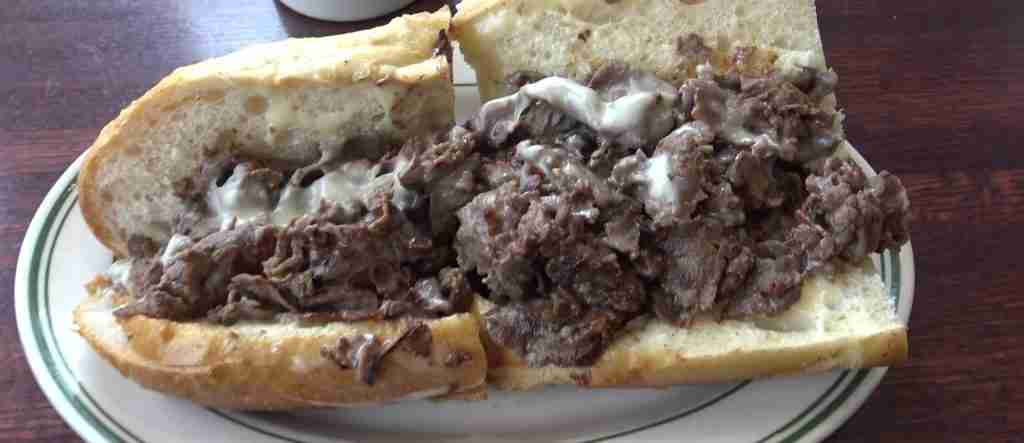
The cheesesteak debate centers on Pat’s versus Geno’s, tourist-trap rivals at 9th and Passyunk facing each other with neon signs and 24-hour service. Locals generally prefer other spots: Jim’s Steaks on South Street, John’s Roast Pork in South Philadelphia, or Dalessandro’s in Roxborough deliver superior quality without tourist markup and lines. Order properly: specify cheese (whiz, provolone, or American), onions (wit’ or wit’out), and pay attention since cheesesteak shops maintain rapid-fire efficiency that intimidates hesitant tourists.
Reading Terminal Market functions as Philadelphia’s culinary crossroads, housing 80+ vendors under one historic roof at 12th and Arch Streets. Amish vendors sell fresh pretzels, donuts, and baked goods Wednesday-Saturday. Bassetts Ice Cream, America’s oldest ice cream company, offers classic flavors. DiNic’s roast pork sandwich frequently ranks among America’s best sandwiches. Beiler’s donuts, Spataro’s cheesesteaks, and dozens of international food stalls create overwhelming choice. The market opens at 8 AM, with Wednesday-Saturday offering full vendor participation.
The Italian Market along 9th Street from Wharton to Christian Streets maintains Philadelphia’s most authentic ethnic food shopping, with butchers, produce stands, pasta shops, and specialty grocers operating since the early 1900s. Surrounding restaurants include red-sauce Italian classics alongside modern interpretations. The market operates Tuesday-Sunday mornings, with Saturday seeing peak activity and crowds. Villa di Roma, Ralph’s, and Dante & Luigi’s represent traditional Italian-American dining, while Monsu and Le Virtu offer contemporary approaches.
Rittenhouse Square concentrates Philadelphia’s upscale dining, with James Beard Award winners like Zahav (Israeli), Vernick Food & Drink (contemporary American), and Vedge (vegan fine dining) commanding national attention. Reservations for these restaurants require booking 2-4 weeks ahead for prime dining times, though bar seating sometimes accommodates walk-ins. Prix fixe menus at Zahav run $63 per person before drinks, while à la carte dining pushes $75-100 per person easily.
The BYO scene thrives throughout residential neighborhoods, allowing diners to bring wine without corkage fees. South Philadelphia’s East Passyunk Avenue features numerous BYO restaurants including Le Virtu, Fond, and Brigantessa. The practice saves $25-40 per bottle compared to restaurant wine pricing, making upscale dining more accessible. Wine and liquor stores operate throughout the city, though Pennsylvania’s state-controlled system means spirits sell only at state stores while grocery stores cannot sell wine.
Chinatown, centered around 10th and Race Streets, offers authentic Chinese, Vietnamese, Thai, and Malaysian cuisine at affordable prices. Dim sum at Ocean Harbor or Ocean City runs $15-25 per person for filling meals. Pho at Vietnam Restaurant or Pho 75 costs $12-15 for large bowls. Late-night dining thrives here, with many restaurants serving until midnight or 1 AM when most Center City kitchens have closed.
Fishtown’s restaurant evolution has created a food destination distinct from Center City, with inventive casual spots like Wm. Mulherin’s Sons (Italian), Suraya (Lebanese), and Kitty’s Cocktail Bar (Tiki). Frankford Avenue and Girard Avenue concentrate the action, requiring the Market-Frankford Line or 15-minute rideshare from Center City. Prices run 20-30% below equivalent Rittenhouse quality, attracting food-focused locals and visitors willing to venture beyond downtown.
Food halls beyond Reading Terminal include Bourse Food Hall near Independence Hall and Fashion District Food Hall at 8th and Market, offering curated vendor collections in climate-controlled settings. Quality varies by vendor, but these modern markets provide dining variety under single roofs when traveling with groups holding different preferences.
Tipping in Philadelphia follows standard American practices: 18-20% for table service restaurants, $1-2 per drink at bars, and 15-18% for food delivery. Some restaurants include automatic gratuity for parties of six or more, so check bills carefully before adding additional tips. Counter-service restaurants often present tip prompts on payment terminals, though 10-15% suffices when staff merely hand food across counters rather than providing table service.
Dietary restrictions find accommodation across Philadelphia’s diverse restaurant scene. Vedge and Bar Bombon lead vegan fine dining. Dizengoff serves exceptional vegetarian Israeli food. Halal carts operate throughout Center City. Most restaurants mark vegetarian options clearly and accommodate gluten-free requests, though traditional Italian-American and cheesesteak shops offer limited flexibility. The university presence and cultural diversity create more dietary-restriction awareness than many American cities.
Philadelphia Museum Strategies for 2026
Philadelphia’s museums rank among America’s finest, but maximizing time and minimizing costs requires understanding each institution’s strengths, special programs, and visitor flow patterns.
The Philadelphia Museum of Art anchors the cultural landscape with over 240,000 artworks spanning medieval armor to contemporary installations. General admission costs $30 for adults with two consecutive days access including the Rodin Museum. The pay-what-you-wish program Friday evenings (5:00-8:45 PM) and first Sundays eliminates cost while adding ambient energy from crowds and live music. Allow minimum three hours for cursory coverage or full days for comprehensive exploration. The museum underwent extensive renovations, so verify gallery availability for specific collections before visiting.
Running the “Rocky Steps” precedes most Art Museum visits, with the bronze Rocky statue positioned for selfies at the base. Morning light provides better photography than harsh afternoon sun. The steps themselves contain 72 stairs, and tourists of all fitness levels attempt the run daily. Weekend mornings see dozens of people simultaneously recreating the famous training montage, creating both atmosphere and photography challenges.
The Barnes Foundation houses one of the world’s premier Impressionist and Post-Impressionist collections including 181 Renoirs, 69 Cézannes, and 59 Matisses displayed in Dr. Albert Barnes’s idiosyncratic salon-style arrangements. Timed-entry tickets cost $30 and must be booked online ahead for weekend visits. The collection’s density rewards multiple visits—attempting to absorb hundreds of masterpieces in a single afternoon overwhelms most visitors. The Foundation maintains strict photography policies prohibiting photos of artwork, enforced by vigilant guards.
The Franklin Institute, Philadelphia’s science museum, appeals to families and anyone interested in interactive exhibits on physics, astronomy, and Franklin’s inventions. Admission runs $30 for adults with additional charges for special exhibitions and planetarium shows. The giant walk-through heart remains the signature exhibit, allowing visitors to climb through a 10,000-square-foot model of the human heart. Allow 3-4 hours for comprehensive exploration.
The Museum of the American Revolution near Independence Hall focuses specifically on the Revolutionary War period with immersive exhibits and Washington’s field tent as the centerpiece artifact. Standard admission costs $21, with the focused scope allowing thorough visits in 2-3 hours. The museum pairs naturally with Independence Hall visits, providing deeper context for the historic sites visited earlier or later the same day.
Eastern State Penitentiary, the world’s first true penitentiary, offers haunting tours through cell blocks where Al Capone once lived and the concept of solitary confinement originated. Daytime tours cost $19 for adults, with audio guides included. The crumbling structure maintains deliberately decayed atmosphere, showcasing prison architecture and criminal justice history. Terror Behind the Walls Halloween events transform the site into an elaborate haunted house autumn evenings, requiring separate tickets and appealing to different audiences than history-focused daytime tours.
Smaller specialized museums provide depth in specific areas. The Rodin Museum houses the largest collection of Rodin’s work outside Paris with pay-what-you-wish admission always. The Pennsylvania Academy of Fine Arts showcases American art in a National Historic Landmark building. The Mütter Museum displays medical oddities including the Soap Lady and conjoined liver of Chang and Eng Bunker, appealing to visitors comfortable with graphic medical specimens.
Museum fatigue strikes most visitors attempting too many institutions in too few days. Alternating museum days with outdoor activities, neighborhood exploration, and lighter cultural experiences prevents exhaustion. Major museums like the Art Museum warrant full-day visits rather than cramming multiple museums daily. Philadelphia’s museums reward depth over breadth—seeing fewer institutions thoroughly beats superficial passes through many collections.
Day Trips from Philadelphia in 2026
Philadelphia’s location enables numerous day trips to historic sites, gardens, and rural landscapes within 45-90 minutes’ drive, though most require car rentals since public transit serves limited destinations beyond city boundaries.
Valley Forge National Historical Park, where Washington’s Continental Army endured the brutal winter of 1777-78, sits 25 miles northwest of Center City. The 3,500-acre park features reconstructed log cabins, Washington’s headquarters, monuments, and miles of trails. Admission is free, and the visitor center provides orientation and exhibits. SEPTA Regional Rail reaches King of Prussia, requiring a short taxi or rideshare connection to the park. Driving from Center City takes 35-45 minutes via I-76 and Route 422. Allow 3-4 hours for comprehensive touring including driving the encampment loop and visiting major monuments.
Longwood Gardens, one of America’s premier horticultural displays, features 1,077 acres of gardens, woodlands, and meadows in Kennett Square, Pennsylvania. Spring tulips, summer fountains, and conservatory displays attract visitors year-round, with Christmas light displays particularly spectacular. Admission costs $30 for adults with timed-entry tickets required for peak dates. The 45-mile drive from Philadelphia takes 60 minutes via Route 1. No public transit serves Longwood, making car rental essential. Budget minimum four hours, though garden enthusiasts easily spend full days.
The Brandywine Valley, straddling the Pennsylvania-Delaware border southwest of Philadelphia, combines art museums, historic estates, and scenic countryside. The Brandywine River Museum displays American art including three generations of Wyeth family works. Winterthur mansion showcases American decorative arts in a 175-room estate. Hagley Museum preserves the DuPont gunpowder works and estate. The valley requires car access, with museums spaced 10-20 minutes apart. A comprehensive day trip hits two museums plus lunch in the historic town of Chadds Ford.
Lancaster County’s Amish Country lies 60 miles west, offering scenic farmland, roadside produce stands, and insights into Plain community life. Tourist-oriented attractions like Amish Village and buggy rides operate alongside authentic working farms. The Kitchen Kettle Village in Intercourse provides shopping and dining. Reaching Lancaster requires driving Route 30 west for 75-90 minutes. Some bus tours operate from Philadelphia, eliminating driving concerns but reducing schedule flexibility. Respect Amish privacy by avoiding photographing people without permission and supporting legitimate Amish businesses rather than tourist traps.
Princeton, New Jersey, sits 45 miles northeast, featuring Ivy League campus architecture, the Princeton University Art Museum (free admission), and charming downtown shopping and dining along Nassau Street. NJ Transit trains connect Philadelphia to Princeton Junction in 50 minutes for $11-15, with local shuttles continuing to campus. The walkable downtown enables car-free visits. Allow 4-5 hours for campus touring, museum visits, and lunch.
Gettysburg National Military Park, site of the Civil War’s turning point battle, lies 125 miles west requiring two hours’ driving. The battlefield spans 6,000 acres with monuments, memorials, and interpretive programs. The museum and visitor center charges $15 admission with additional costs for guided tours and cyclorama. Comprehensive battlefield touring requires full days given the site’s scale and historical significance. Some bus tours operate from Philadelphia, though independent driving provides better control over pacing and site selection.
Atlantic City beaches and casinos lie 60 miles southeast, reachable in 75-90 minutes via the Atlantic City Expressway. The NJ Transit bus serves Atlantic City from Philadelphia in two hours for $15-20 round-trip, eliminating parking concerns and enabling drinking at casinos. The beach boardwalk, casinos, and restaurants provide entertainment distinct from Philadelphia’s cultural offerings, appealing to visitors seeking variety during longer stays.
Safety and Security Tips for Philadelphia 2026
Philadelphia experiences urban crime challenges common to major American cities, but tourist-focused areas remain generally safe with appropriate awareness and precautions. Understanding neighborhood variations, transportation safety, and common-sense practices enables comfortable exploration.
Center City, Old City, Rittenhouse Square, University City, and the museum district see regular police presence and cater to tourist populations, maintaining safety levels comparable to other major American cities. The compact downtown area feels safe for walking during daylight hours and early evening, with populated streets and active businesses providing natural surveillance. Late-night walking (after 11 PM) warrants more caution, particularly on less-trafficked side streets, though major corridors like Market Street and Walnut Street remain active later.
Certain neighborhoods outside the primary tourist corridor experience higher crime rates requiring additional awareness. North Philadelphia, Kensington, and parts of West Philadelphia beyond University City have higher incidents of property crime and violent crime. These areas generally sit beyond typical tourist itineraries, but visitors venturing to murals, specific restaurants, or event venues should research specific blocks rather than assuming entire neighborhoods uniformly safe or dangerous.
Public transportation remains safe during daytime and evening hours, with SEPTA maintaining security presence at major stations. Subway cars can feel isolated during very late hours (after midnight), particularly on less-traveled lines. Sitting in cars near the conductor position or in populated cars reduces vulnerability. The Market-Frankford Line connects safe neighborhoods (University City, Center City, Old City) but passes through rougher areas between 52nd Street and Frankford, where late-night awareness intensifies.
Rideshare services (Uber, Lyft) provide safe late-night transportation alternative to walking or waiting for buses. Verify vehicle and driver details before entering, and share trip details with friends or family. Rideshares cost $8-15 for typical Center City trips, $12-20 to outer neighborhoods, representing affordable safety investment for late-night returns from restaurants or events.
Bag security matters in crowded tourist areas, particularly Reading Terminal Market, SEPTA stations, and major attractions. Keep valuables concealed, wear bags/backpacks in front in dense crowds, and maintain awareness of surroundings. Pickpocketing remains relatively rare compared to European tourist destinations, but distraction theft from restaurant tables or bags occurs occasionally.
Car break-ins plague certain neighborhoods, particularly Fishtown and Northern Liberties where street parking dominates. Never leave visible valuables in vehicles, even temporarily. Use secure garage parking when available, particularly overnight. Rental cars with out-of-state plates attract more attention from potential thieves.
ATM safety follows standard urban practices: use machines inside banks or busy retail locations rather than isolated street units, cover keypads when entering PINs, and remain aware of surroundings. Center City maintains numerous bank branches with 24-hour indoor ATM access, eliminating need for vulnerable street machines.
Emergency services operate at 911 for police, fire, and medical emergencies. Jefferson University Hospital and Penn Presbyterian Medical Center handle major trauma. Numerous urgent care centers provide non-emergency medical attention throughout the city. Pharmacies including CVS and Walgreens operate 24 hours at multiple Center City locations.
The 250th anniversary celebrations bring increased security presence at Independence National Historical Park and major events throughout summer 2026. Bag searches, metal detectors, and security screenings will intensify beyond normal procedures. Allow extra time for security processing at major attractions and events.
Philadelphia’s 250th Anniversary: Special Events and Considerations
The year 2026 marks 250 years since the Declaration of Independence, positioning Philadelphia at the center of semiseptcentennial celebrations affecting virtually every aspect of visiting from crowd levels to hotel availability and special programming throughout the year.
Independence National Historical Park serves as the symbolic heart of celebrations, with special ceremonies, exhibits, and programs planned throughout the year with particular intensity around July 4th week. The National Park Service has scheduled extended hours, additional tour capacity, and commemorative programming beyond standard operations. These enhancements provide unique opportunities to experience historic sites with special context but also bring unprecedented crowd levels to normally manageable attractions.
Hotel availability and pricing face significant pressure during peak 250th anniversary periods, particularly June 15-July 15 when celebrations climax around Independence Day. Many hotels sold out or imposed minimum-night stays for July 4th week by early 2026, with remaining inventory priced 40-60% above typical summer rates. Visitors planning July visits should book accommodations immediately or consider staying outside Center City with SEPTA access to avoid astronomical prices and total unavailability.
Museum programming includes special exhibitions tied to American independence, revolution, and founding themes. The Philadelphia Museum of Art’s “A Nation of Artists” exhibition spans both the main museum and Pennsylvania Academy of Fine Arts, showcasing American art around the independence narrative. The Museum of the American Revolution expanded programs with additional guided tours, special lectures, and hands-on activities. Verify specific exhibition dates and ticketing requirements, as some programs require advance reservations separate from general admission.
Street festivals, concerts, and public gatherings occur throughout Center City during summer 2026, with the Wawa Welcome America festival expanding from its typical week-long July run into extended programming. Benjamin Franklin Parkway hosts major concerts and ceremonies requiring street closures and transit detours. These events create festive atmosphere but also complicate navigation and create crowd density challenging for visitors preferring quieter exploration.
Security measures intensify during anniversary celebrations, with bag checks, metal detectors, and restricted access areas around Independence Hall, the Liberty Bell, and major events. The Secret Service and federal law enforcement supplement Philadelphia police presence, creating visible security infrastructure particularly during high-profile ceremonies. Allow additional time for security screening beyond normal procedures.
Positive aspects of visiting during the 250th anniversary include unique programming unlikely to repeat, enhanced interpretation at historic sites, special concerts and cultural programs, and the energetic atmosphere of national celebration. Negative aspects include severe crowding, inflated prices, required advance planning for virtually everything, and difficulty finding last-minute accommodations or reservations.
Shoulder-season alternatives (April-May or September-October 2026) enable participation in anniversary year without peak-summer intensity. Many commemorative programs extend throughout the year rather than concentrating exclusively around July 4th. Museums, historic sites, and cultural institutions maintain anniversary-themed programming into fall, allowing visitors to experience the celebratory atmosphere with better weather, lower prices, and manageable crowds.
Cell Phones, Internet, and Staying Connected in 2026
Philadelphia provides comprehensive cell coverage and internet access, though international visitors need specific preparation for seamless connectivity, and even domestic travelers benefit from understanding local options and typical costs.
Major U.S. carriers (Verizon, AT&T, T-Mobile) maintain strong coverage throughout Center City, tourist areas, and major neighborhoods. 5G networks operate across downtown with 4G LTE backup. Subway stations and tunnels generally lack cell service except at select major stations like City Hall and 30th Street where limited connectivity exists on platforms.
International visitors using phones from outside the United States need to address roaming or local SIM options. T-Mobile offers international roaming included in many plans, allowing phones from Canada, Mexico, and many other countries to work immediately. Verizon and AT&T charge international roaming fees, potentially accumulating hundreds of dollars in data charges over multi-day visits. Verify roaming rates before arrival or purchase U.S. SIM cards upon landing.
Philadelphia International Airport maintains phone stores for all major carriers plus prepaid MVNO options. A temporary U.S. SIM card with data typically costs $30-60 for week-long visits with 5-10GB data, far cheaper than international roaming charges. Ensure phones are unlocked before traveling to enable SIM card switching.
WiFi access exists throughout Philadelphia, though quality varies significantly. Hotels universally provide WiFi, though budget properties sometimes charge $10-15 daily fees that mid-range and luxury hotels include free. Coffee shops including Starbucks, La Colombe, and local cafes offer free WiFi with purchase. Reading Terminal Market provides free public WiFi, as do many museums and tourist attractions.
Free public WiFi through “PhillyWiFi” operates in select outdoor areas including Love Park, Rittenhouse Square, and along Market Street. Coverage quality varies and security remains questionable—avoid financial transactions or password entry on public networks without VPN protection. The network functions for basic map access and messaging but lacks reliability for video calls or large file transfers.
Download offline maps through Google Maps before relying on walking navigation in subway tunnels or areas with spotty coverage. The Philadelphia portion downloads in under 50MB, enabling full offline navigation throughout tourist areas when connectivity drops. This single preparation prevents most navigation difficulties when WiFi and cell signals disappear.
Popular messaging apps (WhatsApp, Signal, Telegram) work normally on both WiFi and cellular data. Voice-over-IP calling through WhatsApp, FaceTime, or Skype enables free international calling from WiFi, bypassing international calling charges. Most restaurants, hotels, and attractions accept international credit cards without issue, reducing need for extensive cash or currency exchange.
Tipping and Service Expectations in Philadelphia
Philadelphia follows standard American tipping practices, but understanding specific expectations prevents awkward encounters and ensures appropriate compensation for service workers.
Restaurant table service commands 18-20% gratuity on pre-tax totals. Some restaurants include automatic gratuity for parties of six or more, clearly noted on bills. Always verify whether gratuity is included before adding additional tip to avoid double-tipping. Counter-service restaurants (where you order at a register and collect food yourself) present tip prompts on electronic payment terminals, but 10-15% suffices since full table service isn’t provided. Some customers tip nothing for pure counter service, though small tips are appreciated.
Bartenders expect $1-2 per drink for beer and standard cocktails, $2-3 for complex craft cocktails. Running a tab and tipping 18-20% on the total bill also works. Never leave without tipping bartenders—this represents serious breach of etiquette in American bar culture.
Rideshare drivers (Uber, Lyft) expect 15-20% tips added through apps. Cash tips also work, though most transactions occur digitally. Drivers appreciate tips for helping with luggage, providing excellent conversation, or navigating difficult hotel pickup zones. Tipping is customary but not mandatory—passengers can choose not to tip without confrontation.
Hotel staff expectations vary by service level. Bellhops receive $2-3 per bag, housekeeping deserves $3-5 per night left in the room (preferably daily rather than all at checkout), concierges warrant $5-20 depending on service complexity (dinner reservations at available restaurants merit $5-10, securing impossible-to-get tickets deserves $20+). Valet parking runs $2-5 when retrieving cars beyond the parking fee itself.
Tour guides for paid tours expect 15-20% of tour cost, particularly for walking tours and guided experiences. Free walking tours that rely on tips should receive $10-20 per person for quality tours. Museum audio guides require no tips—they’re included in admission.
Taxi drivers receive 15-18% of fare plus $1-2 for heavy luggage assistance. Round up to the nearest dollar for small fares. Philadelphia taxi drivers sometimes expect higher tips from airport runs, but 15-18% remains standard regardless of distance.
Food delivery (Grubhub, DoorDash, Uber Eats) warrants 15-18% for standard service, with additional consideration for difficult weather, multiple flights of stairs, or going above basic delivery. The apps suggest tips, but adjusting based on service quality is acceptable.
Pennsylvania law allows restaurants to pay tipped workers below minimum wage ($2.83 per hour) with tips making up the difference. This system means service workers genuinely rely on tips as primary income rather than supplementary bonuses. Undertipping doesn’t just express displeasure with poor service—it directly reduces workers’ income below minimum wage.
Common Mistakes Visitors Make in Philadelphia
Avoiding these frequent errors improves Philadelphia visits significantly, preventing wasted time, unnecessary expenses, and missed opportunities that diminish experiences.
Failing to book Independence Hall tickets ahead represents the single most common planning error, particularly during April-October peak season. Visitors arrive assuming walk-up access exists like the Liberty Bell, only discovering tours fully booked weeks in advance. The $1 administrative fee and advance planning requirement catch unprepared tourists, forcing either complete schedule changes or missing Independence Hall entirely despite being primary trip motivation.
Overpaying for parking or renting unnecessary cars wastes hundreds of dollars when SEPTA provides comprehensive coverage. Center City parking runs $20-35 daily with limited availability and confusing regulations. Tourists rent cars at $60-90 daily plus $25-35 parking, spending $85-125 for mobility that SEPTA provides for $2.90 per trip. The exception is day trips beyond the city, but even airport transportation costs less via Regional Rail ($9) than rental car pickup fees and parking.
Eating exclusively in tourist areas misses Philadelphia’s genuine food culture concentrated in neighborhoods beyond Old City. Visitors often eat mediocre overpriced meals near Independence Hall when better options exist 10 minutes away in Chinatown, Reading Terminal Market, or Italian Market. Pat’s and Geno’s cheesesteaks charge tourist premiums for inferior quality compared to Jim’s, John’s, or Dalessandro’s preferred by locals.
Attempting too many museums in too few days creates exhausting schedules preventing proper appreciation. The Philadelphia Museum of Art alone warrants 3-4 hours minimum, yet visitors often allocate 90 minutes before rushing to the Barnes Foundation and Franklin Institute the same day. Museum fatigue reduces everything to blur of impressions rather than memorable experiences. Better to see fewer institutions thoroughly than many superficially.
Underestimating walking distances between attractions strains unprepared visitors. Independence Hall to the Museum of Art spans 2.3 miles—pleasant walk in good weather with comfortable shoes, miserable trek in summer heat or winter cold without proper footwear. Many tourists plan walking itineraries on maps without considering Philadelphia’s grid doesn’t account for hills, weather, or physical conditioning differences.
Ignoring pay-what-you-wish days costs families $60-120 unnecessarily. The Philadelphia Museum of Art charges $30 regular admission but offers pay-what-you-wish every Friday evening and first Sunday monthly. Barnes Foundation, Franklin Institute, and other museums maintain similar programs. Strategic planning around these schedules reduces cultural costs dramatically.
Visiting only Independence National Historical Park misses modern Philadelphia’s vibrancy. The city offers world-class museums, exceptional restaurants, diverse neighborhoods, and contemporary culture beyond Revolutionary sites. Visitors who allocate entire trips to 18th-century history leave without experiencing why Philadelphians actually love their city—the food scene, universities, arts, and neighborhood character developed in the subsequent 250 years.
Dressing inappropriately for weather causes discomfort, particularly underestimating winter cold or summer humidity. Philadelphia winters require serious coats, not light jackets. Summer heat and humidity demand different clothing than dry-climate destinations at similar temperatures. The weather varies dramatically seasonally, and tourists often pack for moderate conditions that don’t exist during their specific travel dates.
Assuming Philadelphia closes early surprises visitors from cities with later dining and nightlife. Many restaurants stop seating by 9:30-10:00 PM weeknights, earlier than New York or Los Angeles. Museums typically close 5:00-6:00 PM except special evening programs. Planning dinner at 10:00 PM works in some cities but leaves limited options in Philadelphia outside Chinatown and select neighborhoods.
Skipping Reading Terminal Market eliminates Philadelphia’s most authentic food experience. The market functions as central hub for local specialties, Amish goods, international cuisine, and people-watching. Visitors who eat chain restaurants instead miss the vendor variety, quality, and value concentrated under one historic roof operating since 1893.
Frequently Asked Questions About Philadelphia Travel Tips 2026
What is the best way to get from Philadelphia airport to Center City in 2026?
SEPTA Regional Rail provides the most economical airport transportation, with trains departing every 30 minutes throughout the day for $9 one-way, reaching Center City in 25 minutes with stops at University City, 30th Street Station, Suburban Station, and Jefferson Station. Trains run from early morning until midnight, accommodating most flight schedules. Rideshare services cost $30-40 and take similar time outside rush hour traffic. Taxis charge $40-50 metered fares plus tip. Hotel shuttles serve some properties but run on limited schedules, requiring advance confirmation.
How much does a typical meal cost in Philadelphia in 2026?
Meal costs vary dramatically by restaurant type and neighborhood. Reading Terminal Market vendors serve complete meals for $10-15, while mid-range restaurants charge $18-28 per entrée at lunch, $28-45 at dinner. Upscale dining at James Beard-recognized restaurants runs $75-120 per person before drinks. Cheesesteaks cost $12-15, Chinatown meals average $15-25 per person, and pizza slices run $3-4. Budget travelers eating primarily counter-service and market vendors spend $35-50 daily, while mid-range diners allocating sit-down lunches and dinners invest $75-95 per person daily.
Is Philadelphia crowded during the 250th anniversary in 2026?
Summer 2026 brings significantly higher crowds than typical years, particularly around July 4th week when anniversary celebrations peak. Independence National Historical Park experiences maximum capacity crowds requiring extended wait times even with timed-entry tickets. Hotels book months ahead for July dates at premium rates. However, shoulder seasons (April-May and September-October) maintain moderate crowd levels despite ongoing anniversary programming throughout the year. Visitors seeking anniversary participation without extreme crowding should target spring or fall rather than midsummer peak weeks.
Do I need to speak English to visit Philadelphia in 2026?
English dominates Philadelphia, but the city’s immigrant populations create multilingual pockets. Chinatown businesses operate in Mandarin and Cantonese, Italian Market vendors speak Italian, and Spanish appears throughout South Philadelphia. Major tourist attractions provide multilingual signage and materials in Spanish, French, German, and Chinese. Translation apps enable basic communication, though restaurant servers and hotel staff outside major chains may lack foreign language skills. European and Asian visitors manage without fluent English but face more communication challenges than in more internationally-oriented American cities.
What items should I absolutely not forget when visiting Philadelphia?
Comfortable, broken-in walking shoes rank as the single most important item, with cobblestone Old City streets and 4-7 daily walking miles destroying unprepared feet in unsupportive footwear. Weather-appropriate layering for Philadelphia’s variable conditions prevents discomfort, particularly winter coats for December-February cold or light clothing for July-August humidity. Smartphone chargers and portable batteries keep navigation and photography functioning. Modest cash enables Reading Terminal Market purchases and tips since some vendors don’t accept cards. Photocopied or digital backup of passport and credit cards provides security if originals are lost or stolen.
Can I drink tap water in Philadelphia safely?
Philadelphia tap water meets federal safety standards and flows safely from restaurant and hotel taps. The water quality occasionally shows slight taste variations from treatment processes, but health concerns don’t exist for tourists drinking municipal water. Some visitors prefer bottled water for taste preferences, available at corner stores for $1-2. Hotels provide ice machines with filtered water. Restaurants serve tap water free upon request. No boiling or purification requirements exist as with developing countries.
How accessible is Philadelphia for visitors with disabilities in 2026?
Philadelphia accessibility varies significantly by neighborhood and building age. Modern hotels and new museums provide full ADA compliance with elevators, ramps, and accessible restrooms. Historic sites including Independence Hall face structural limitations in 18th-century buildings, though the National Park Service provides accessible routes and accommodations where physically possible. SEPTA Key buses feature wheelchair lifts and priority seating. Subway stations built before ADA regulations lack elevators at many stops, though major stations like City Hall, 30th Street, and Jefferson provide accessible access. Sidewalks in Old City feature uneven cobblestones and brick challenging for wheelchairs. Call attractions ahead regarding specific accessibility needs and accommodations.
What is the best Philadelphia neighborhood for first-time visitors to stay in 2026?
Old City provides optimal first-time visitor accommodation, placing Independence Hall, Liberty Bell, and colonial sites within walking distance while offering restaurants, bars, and easy access to Reading Terminal Market and museums via short transit rides. Center City East near the Convention Center offers similar proximity with chain hotel reliability at slightly lower rates. Rittenhouse Square appeals to visitors prioritizing dining quality and upscale atmosphere over budget considerations. University City suits budget-conscious travelers willing to take 10-minute subway rides to attractions in exchange for $40-60 nightly savings.
Are there free activities in Philadelphia worth visiting in 2026?
The Liberty Bell Center provides completely free access to one of America’s most iconic symbols with no tickets or fees. Independence National Historical Park encompasses numerous free sites including Franklin Court, Carpenters’ Hall, and the Second Bank Portrait Gallery. First Friday gallery nights in Old City open dozens of galleries free from 5-9 PM monthly. Fairmount Park offers 2,000+ acres of green space, trails, and scenic Schuylkill River views without admission. The Institute of Contemporary Art at Penn maintains free admission always. Pay-what-you-wish museum days enable cultural experiences at any price point. Street murals throughout the city create a free outdoor art gallery requiring only walking to appreciate.
How far ahead should I book Philadelphia hotels for 2026?
Standard travel periods (September-May excluding holidays) allow booking 1-2 months ahead for good selection and reasonable rates. Summer travel (June-August) warrants 2-3 months advance booking for preferred properties and neighborhoods. The 250th anniversary intensifies competition for July 2026, with many hotels fully booked six months ahead for July 4th week. Book immediately for July 1-7 if planning visits during peak anniversary celebrations. Last-minute travelers find availability but limited selection and higher prices, particularly weekends and major events. Booking early provides better cancellation flexibility, as most hotels allow free cancellation until 24-48 hours before arrival.