
Petra Travel Guide 2026: Ultimate Planning Resource
Key Takeaways
- Petra admission costs 50 JOD for 1-day, 55 JOD for 2-day, and 60 JOD for 3-day tickets, check visitpetra.jo for current official rates as pricing may vary
- Jordan Pass (70-80 JOD) bundles visa waiver with Petra admission saving 20-40 JOD while providing access to 40+ Jordan attractions
- JETT bus connects Amman to Petra (10 JOD one-way, 3-hour journey) operating daily 6:30 AM departures with 5:00 PM returns
- Wadi Musa accommodation ranges budget hostels (15-25 JOD/night), mid-range hotels (50-80 JOD), to luxury resorts (120-180+ JOD)
- Comprehensive Petra exploration requires 8-10 hours covering Siq, Treasury, Street of Facades, Royal Tombs, and either Monastery or High Place of Sacrifice
- Optimal visit timing spans March-May and September-November with comfortable temperatures 18-30°C (64-86°F) and moderate tourist volumes
Introduction: Your Comprehensive Petra Planning Foundation for 2026
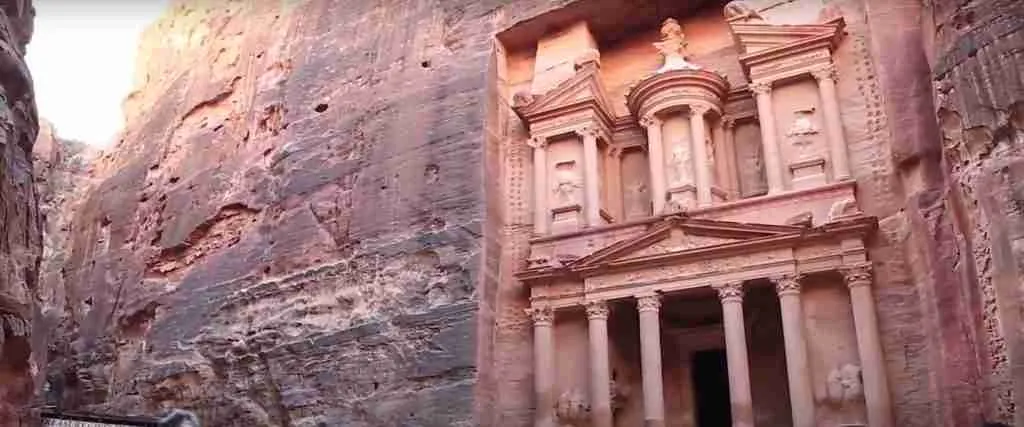
Petra stands as Jordan’s crown jewel and one of the world’s most magnificent archaeological treasures, where ancient Nabataean architects carved an entire city into rose-red sandstone cliffs creating architectural wonders that have captivated visitors for centuries. The challenge facing 2026 travelers involves transforming the overwhelming complexity of planning a Petra visit – encompassing ticket logistics, transportation coordination, accommodation selection, itinerary design, and budget management – into a coherent strategy that maximizes this extraordinary UNESCO World Heritage site’s potential while avoiding common pitfalls that diminish countless visitor experiences.
This complete guide provides the definitive planning resource for 2026 Petra visits, systematically addressing every critical decision from initial budget considerations through detailed day-by-day itinerary structures. Unlike fragmented advice scattered across multiple sources, this comprehensive approach connects logistical planning with on-site strategies, financial management with cultural immersion, and practical survival knowledge with deep archaeological appreciation. The objective extends beyond basic logistics to empower travelers with the insider knowledge that separates mediocre visits from transformative experiences that justify Petra’s status among humanity’s most significant historical sites.
Whether planning first-time discoveries or return visits seeking deeper exploration, independent travelers coordinating every detail or tour participants wanting context beyond guide narratives, budget backpackers or luxury travelers, this guide delivers the complete information foundation enabling confident Petra planning. The systematic organization progresses from fundamental overview through detailed operational specifics, ensuring travelers understand both the big picture strategic decisions and the granular tactical details that determine real-world experience quality at this remote archaeological wonder in Jordan’s southern desert.
People Also Ask About Petra Complete Planning 2026
How many days should I spend at Petra in 2026?
Allocate 2-3 days for comprehensive Petra exploration in 2026, with first-day focusing on main monuments (Siq, Treasury, Street of Facades, Royal Tombs, Colonnaded Street) requiring 8-10 hours, second day tackling the Monastery trail ascent (3-4 hours round-trip) and either High Place of Sacrifice or back-trail explorations, and optional third day revisiting favorite areas, experiencing Petra By Night, or exploring Little Petra and surrounding archaeological zones. Single-day visits prove feasible for time-constrained travelers but force rushed pacing that sacrifices photographic opportunities and deep archaeological engagement. The 2-day Petra Pass (55 JOD) offers optimal value balancing comprehensive coverage against time and budget constraints.
What is the total cost to visit Petra in 2026?
Budget $150-250 USD per person for comprehensive single-day Petra visits in 2026 including admission (50 JOD/$70), round-trip transportation from Amman (JETT bus 20 JOD/$28 or private transport share 90 JOD/$127), meals and snacks (20-30 JOD/$28-42), and optional guide services (60-100 JOD/$85-141). Multi-day visits with overnight accommodation add $50-150 per night depending on hotel category, plus additional admission for second/third days. The Jordan Pass (70-80 JOD) reduces costs by $20-40 through visa waiver and bundled admission, making it valuable for virtually all international visitors. Luxury travelers with private transport, premium guides, and upscale accommodation reach $400-600 per person for comprehensive 2-day experiences.
Is Petra worth visiting in 2026?
Absolutely, Petra deserves its status among the world’s must-visit archaeological sites through its unique combination of architectural brilliance, dramatic natural setting, historical significance, and the sheer scale of Nabataean achievement carved into living rock. The Treasury alone justifies the journey, while comprehensive exploration reveals dozens of elaborate tombs, temples, theaters, and ceremonial structures demonstrating sophisticated engineering and artistic mastery from 2,000+ years ago. Despite requiring significant time, financial investment, and physical effort to visit properly, Petra delivers transformative experiences that fulfill its reputation as one of the New Seven Wonders of the World and a premier UNESCO World Heritage destination.
What is the best way to get to Petra from Amman in 2026?
JETT bus provides the most economical Petra access from Amman (10 JOD one-way, 20 JOD round-trip) with daily 6:30 AM departures from Abdali and 7th Circle stations, arriving Petra around 9:30 AM after 3-hour journey including rest stop. Return service departs Petra 5:00 PM. Private transport offers superior flexibility through customized departure times and itinerary control, costing $70-100 per person for group tours or $200-300 per vehicle for exclusive service. Rental cars provide maximum independence at $40-60 daily plus fuel costs ($25-30 Amman-Petra), though navigation and parking logistics require attention. Choose based on budget constraints, group size, and desire for scheduling flexibility.
Extended multi-day tours – 5+ days
Featured Petra Multi-Day Tour Packages
3 days
Petra 3-Day Discovery Tour
- ✓ Comprehensive Petra experience
- ✓ Expert local guides included
- ✓ All accommodation included
- ✓ Transportation provided
5 days
Petra 5-Day Highlights Experience
- ✓ Comprehensive Petra experience
- ✓ Expert local guides included
- ✓ All accommodation included
- ✓ Transportation provided

7 days
Petra 7-Day Cultural Journey
- ✓ Comprehensive Petra experience
- ✓ Expert local guides included
- ✓ All accommodation included
- ✓ Transportation provided

10 days
Petra 10-Day Complete Adventure
- ✓ Comprehensive Petra experience
- ✓ Expert local guides included
- ✓ All accommodation included
- ✓ Transportation provided
Multi-day tour packages powered by TourRadar. Prices and availability subject to change.
Essential Planning Information 2026
Understanding Petra: Historical Context and Archaeological Significance 2026
Petra emerged as the capital of the Nabataean Kingdom around the 4th century BCE, when Arab traders established this strategic location controlling crucial trade routes connecting Arabia, Egypt, Syria, and the Mediterranean. The Nabataeans mastered desert survival through sophisticated water management systems, channeling seasonal flash floods into cisterns that sustained populations in this arid environment while enabling agriculture and urban development. Their economic prosperity derived from controlling the frankincense and myrrh trade, luxury goods traveling from southern Arabia to Mediterranean markets generating enormous wealth visible in Petra’s elaborate tomb architecture and monumental structures.
The city reached its zenith during the 1st century BCE through 1st century CE, when Nabataean kings commissioned the Treasury, Royal Tombs, and other major monuments demonstrating architectural sophistication blending local traditions with Hellenistic, Egyptian, and Mesopotamian influences absorbed through trade contacts. Roman annexation in 106 CE transformed Petra into a provincial city maintaining importance through the Byzantine period before gradual abandonment following trade route shifts and devastating earthquakes. Crusader interest briefly revived the site in the 12th century, but Petra disappeared from Western consciousness until Swiss explorer Johann Ludwig Burckhardt’s 1812 rediscovery introduced this lost city to the modern world.
UNESCO designated Petra a World Heritage Site in 1985, recognizing its outstanding universal value as exceptional testimony to ancient Near Eastern civilization and architectural achievement. The archaeological zone covers over 250 square kilometers containing 800+ registered monuments, though only a fraction receive systematic excavation and conservation. Ongoing archaeological research continues revealing new discoveries about Nabataean religion, social structure, trade networks, and engineering capabilities, making Petra a living laboratory for understanding ancient civilization’s remarkable achievements in one of the world’s most challenging environments.
Petra Geography and Climate Patterns 2026
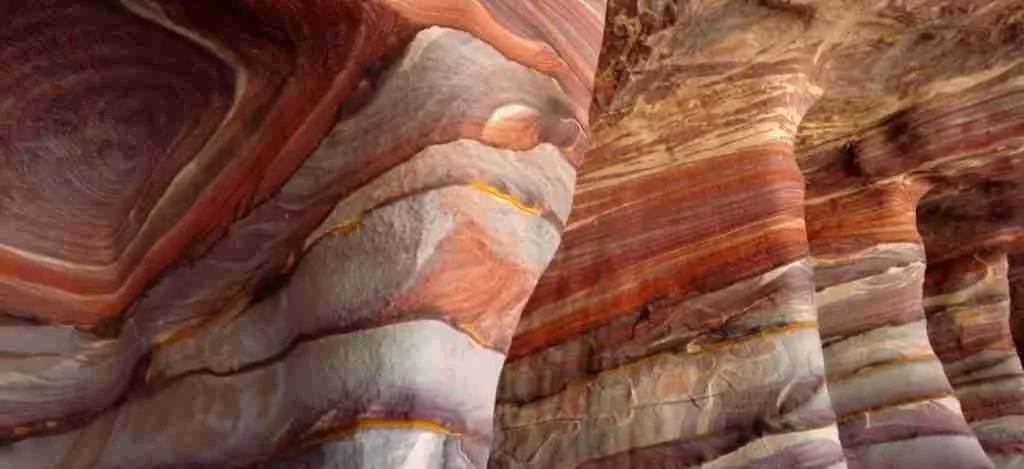
Petra occupies a dramatic landscape in Jordan’s southern desert highlands, positioned 250 kilometers south of Amman at an elevation around 900-1,350 meters (2,950-4,430 feet) above sea level. The archaeological zone nestles within steep sandstone mountains and narrow wadis (dry riverbeds), with monuments carved directly into multi-colored cliff faces displaying spectacular rose-red, pink, white, and yellow stone layers. This unique geology enabled Nabataean architects to carve elaborate facades, tombs, and ceremonial spaces directly into living rock rather than constructing traditional freestanding buildings.
The climate demonstrates typical desert patterns with hot summers (June-August) reaching 38-42°C (100-108°F), mild springs and autumns (March-May, September-November) averaging 20-30°C (68-86°F), and cool winters (December-February) dropping to 8-18°C (46-64°F) with occasional rainfall. Precipitation concentrates in winter months (November-March) averaging 100-200mm annually, sufficient for seasonal wildflowers and vegetation but requiring sophisticated water management for permanent habitation. The dramatic temperature variations between day and night – often 15-20°C (27-36°F) differentials – reflect desert altitude effects and clear skies enabling rapid radiative heat loss after sunset.
These geographic and climatic factors directly impact visit planning, with spring and autumn offering optimal weather conditions, summer requiring strategic heat management, and winter presenting mild daytime temperatures occasionally interrupted by rain events. The elevation moderates summer heat somewhat compared to lower-lying Jordan regions, though midday temperatures still reach challenging levels. Understanding these patterns enables strategic visit timing that maximizes comfort while minimizing weather-related disruptions to outdoor archaeological exploration.
Tickets, Passes, and Admission Logistics 2026
Petra Entrance Fees and Ticket Options 2026
Standard Petra admission costs 50 JOD ($70 USD) for 1-day tickets, 55 JOD ($77) for 2-day passes, and 60 JOD ($85) for 3-day access in 2026, check visitpetra.jo for current official rates as pricing may vary. These rates apply to “accommodated visitors” staying at least one night in Jordan, while same-day visitors entering and exiting Jordan without overnight stays pay higher rates (90 JOD for 1-day). Children under 12 enter free, while Jordanian nationals and residents pay dramatically reduced fees (1-10 JOD). Multi-day passes must be used on consecutive days, and tickets remain non-refundable and non-transferable once purchased.
Purchase tickets directly at Petra Visitor Center ticket office accepting cash (Jordanian Dinars, US Dollars, Euros) and major credit cards, or online through the official PetraPass system (petrapass.pdtra.gov.jo) enabling advance booking and digital ticket delivery. Online purchasing proves convenient for avoiding ticket office queues during busy periods, though most travelers find on-site purchase straightforward given absence of capacity limits or sellout risks. Ticket prices include complimentary horse transport from Visitor Center to Siq entrance, though horse operators aggressively solicit tips (5-10 JOD) making this “free” service effectively a paid optional upgrade many visitors decline.
The Petra By Night experience operates separately from standard admission, costing 17 JOD ($24) for the Sunday-Thursday 20:30-22:30 candlelit procession through the Siq to Treasury illumination with Bedouin music performances. This special event requires standard daytime admission tickets for site access and can be booked online through PetraPass or purchased at Visitor Center, though advance reservations prove wise during peak seasons when limited capacity fills 2-3 weeks ahead. Children under 10 enter Petra By Night free, making it appealing for families seeking unique evening experiences.
Jordan Pass Benefits and Strategic Value Analysis 2026
The Jordan Pass represents the most significant cost-saving opportunity for Petra visitors, bundling visa waiver (40 JOD value) with admission to 40+ Jordan attractions at substantial discounts. Three pass tiers exist: Wanderer (70 JOD) includes 1-day Petra access, Explorer (75 JOD) covers 2-day Petra visits, and Expert (80 JOD) provides 3-day Petra admission. Each tier waives the Jordan visa fee while granting entry to major sites including Jerash Roman ruins, Wadi Rum, Kerak Castle, Madaba mosaics, and numerous museums, archaeological zones, and natural reserves across the country.
The value proposition proves compelling even for visitors focused solely on Petra. The Wanderer Pass (70 JOD) costs 20 JOD less than separate visa (40 JOD) plus 1-day Petra admission (50 JOD), providing immediate 20 JOD ($28) savings before considering additional site access. Travelers visiting multiple Jordan attractions accumulate dramatic savings: a typical 4-day itinerary covering Petra (50 JOD), Jerash (10 JOD), Wadi Rum (5 JOD), and Kerak Castle (3 JOD) totals 68 JOD admission fees plus 40 JOD visa = 108 JOD, versus 70 JOD Jordan Pass creating 38 JOD ($53) savings per person.
Purchase the Jordan Pass online before arrival through jordanpass.jo official website (beware scam copycat sites), receive digital pass via email, activate upon Jordan entry at airport or land borders by presenting digital pass to immigration officials, and present the pass at attraction ticket offices for admission. The pass requires staying at least one night in Jordan to qualify for visa waiver benefits, making it ideal for standard tourist itineraries but less valuable for same-day border-crossing visits. Ensure purchasing the pass at least 48-72 hours before travel to allow processing time and digital delivery before departure.
Transportation to Petra: Comprehensive Options 2026
JETT Bus Service: Routes, Schedules, and Booking 2026
JETT (Jordan Express Tourist Transport) operates Jordan’s premier intercity bus service, providing comfortable, reliable transportation between Amman and Petra at economical rates ideal for budget travelers and solo visitors. Daily service departs Amman from two stations – Abdali (downtown) and 7th Circle (western Amman) – at 6:30 AM, arriving Petra around 9:30-10:00 AM after 3-hour journey including 30-minute rest stop at midway restaurant. Return service departs Petra at 5:00 PM from the Visitor Center parking area, arriving Amman 8:00-8:30 PM depending on traffic and final station destination.
Tickets cost 10 JOD ($14) one-way or 20 JOD ($28) round-trip when purchased through the JETT website (jett.com.jo) or in person at station offices. Book online 1-2 weeks ahead during peak seasons (March-May, September-November) when buses occasionally fill, though last-minute availability exists most periods. Arrive stations 20-30 minutes before departure to locate correct boarding bay, secure seat selection, and load baggage in hold compartments. Buses feature air-conditioning, reclining seats, overhead storage, and onboard restrooms (often locked, hence the scheduled rest stop), providing comfortable transport for the 235-kilometer journey.
JETT advantages include reliable schedules, comfortable buses, economical pricing, and simplified logistics eliminating rental car or private transport coordination. Disadvantages involve fixed departure times preventing ultra-early Petra arrivals for optimal lighting and flexible scheduling, rushed single-day visits with only 6-7 hours on-site before mandatory return departure, and limited personal space for groups wanting private conversations or flexible itinerary adjustments. The service works excellently for budget-conscious solo travelers and small groups accepting schedule constraints, while families and travelers prioritizing flexibility find private transport worth the investment.
Private Transport and Rental Car Options 2026
Private transport from Amman to Petra costs $70-100 per person for group tours (4-8 participants sharing costs) or $200-300 per vehicle for exclusive private service in comfortable cars or minivans. This option delivers superior flexibility through customized departure times (enabling 6:00-7:00 AM Petra arrivals for optimal conditions), hotel pickup convenience, adaptive scheduling allowing extended site time or early departures, and personalized pacing without group coordination requirements. Reputable operators include Jordan Private Tours, Petra Moon Tourism, and Experience Jordan, all maintaining English-speaking drivers, modern vehicles, and responsive customer service.
Private transport proves particularly valuable for groups of 3-4+ travelers where per-person costs approach JETT pricing while delivering dramatically enhanced convenience and flexibility. Families with young children benefit from private space, flexible rest stops, and ability to adjust schedules around nap times or fatigue. Photographers prioritizing ultra-early arrivals for optimal Treasury lighting find private transport essential, as JETT’s 9:30 AM arrival misses morning’s best light. The investment increases total trip costs by $50-80 per person compared to JETT buses but transforms experience quality through scheduling control and personalized service.
Rental cars provide maximum independence at $40-60 daily for economy-compact vehicles plus fuel costs around $25-30 for the Amman-Petra round-trip. The Desert Highway (Route 15) offers straightforward navigation with clear signage, taking approximately 3 hours from Amman to Wadi Musa. However, rental considerations include one-way drop-off fees if continuing to Aqaba rather than returning Amman, parking logistics at Petra Visitor Center (currently free but limited spaces during peak periods), driving fatigue after full exploration days, and navigation challenges for travelers uncomfortable with Middle Eastern driving conditions. Most visitors find organized transport superior value when accounting for time, stress, and driving fatigue considerations.
Accommodation Strategies and Hotel Selection 2026
Wadi Musa Hotel Overview: Budget to Luxury Options 2026
Wadi Musa, the modern town surrounding Petra, offers 100+ accommodation options spanning budget hostels through luxury resorts. Budget properties (15-25 JOD/$21-35 per night) cluster in town center locations 15-20 minute taxi rides (3-5 JOD) from Petra Visitor Center, providing basic but clean rooms with shared or private bathrooms, free WiFi, and simple breakfast. Mid-range hotels (50-80 JOD/$70-113) deliver private bathrooms, air-conditioning, comfortable beds, breakfast buffets, and often swimming pools or rooftop terraces with Petra mountain views. Luxury properties (120-180+ JOD/$169-254+) include the Mövenpick Resort Petra and Petra Marriott Hotel offering resort amenities, multiple restaurants, spa services, and proximity to Petra entrance.
Location relative to Petra Visitor Center dramatically impacts convenience for multi-day visits and ultra-early morning starts. Properties within walking distance (10-15 minutes) include Petra Guest House (literally at Visitor Center entrance), Mövenpick Resort Petra, and several mid-range hotels along Tourism Street, enabling easy early access without taxi coordination. Town center hotels offer superior restaurant variety and local atmosphere but require morning taxi rides to Petra entrance. Consider location priorities based on visit duration, mobility levels, and willingness to arrange transport versus walking convenience.
Peak season (March-May, September-November) booking requires 2-4 week advance reservations for preferred properties and room categories, with last-minute availability limited to basic options. Summer and winter periods offer greater flexibility with discounted rates (20-30% below peak pricing) and last-minute booking possibilities. Use booking platforms (Booking.com, Hotels.com) for rate comparison and review research, but consider direct hotel booking for best rates and flexible policies. Many properties offer multi-night packages bundling accommodation with tours, guides, or Petra tickets at modest discounts worth investigating during planning phases.
Alternative Accommodation: Bedouin Camps and Unique Experiences 2026
Bedouin camp experiences near Petra provide cultural immersion alternatives to standard hotels, combining basic accommodation with traditional meals, music performances, and anthropological insights into desert lifestyles. Options range from authentic family-operated camps (40-60 JOD/$56-85 per person including meals) featuring basic tents, shared facilities, and genuine cultural exchange, to semi-luxurious “glamping” operations (100-140 JOD/$141-197) offering private tents with proper beds, ensuite bathrooms, and gourmet dining while maintaining desert atmosphere.
Specialized properties like Petra Bubble Luxotel provide transparent geodesic dome accommodation with panoramic views, comfortable beds, ensuite facilities, and dramatic stargazing opportunities through dome roofs. These unique options cost 120-160 JOD ($169-225) per night and appeal to travelers seeking Instagram-worthy experiences without full camping roughness. Seven Wonders Bedouin Camp, Ammarin Bedouin Camp, and similar operations offer varying comfort-authenticity balances, requiring careful research regarding included facilities, meals, transportation from Wadi Musa (camps often locate 5-15 km from town), and cultural program quality.
Book camp experiences 3-4 weeks ahead during peak seasons as limited capacity fills quickly, and verify exactly what facilities, meals, transportation, and cultural activities come included given significant variation between operators marketing similar “Bedouin experience” concepts. Consider camp stays for second-night accommodation after establishing Wadi Musa base, enabling secure luggage storage at town hotel while experiencing overnight desert immersion without full backpacking logistics.
Comprehensive Petra Itineraries for 2026
Single-Day Intensive Itinerary: Maximizing Limited Time 2026
This compressed schedule suits time-constrained travelers accepting that single-day visits provide monument overviews rather than deep exploration. Arrival 6:00 AM at Petra Visitor Center, ticket purchase and entrance processing 6:00-6:30 AM, Siq approach 6:30-7:00 AM appreciating the narrow canyon’s engineering and morning light, Treasury arrival and photography 7:00-8:00 AM during optimal illumination, Street of Facades exploration 8:00-9:00 AM covering tomb architecture and viewing platforms, Royal Tombs visit 9:00-10:30 AM including interior examination and cliff-side photography, Colonnaded Street 10:30-11:00 AM understanding city center layout.
Lunch break 11:00 AM-12:00 PM at Basin Restaurant with air-conditioning respite, Monastery trail ascent 12:00 PM-2:30 PM (800+ steps requiring 1.5-2 hours up, 1 hour down) arriving at Ad Deir for facade appreciation and viewpoint photography, descent and return 2:30-3:30 PM, Great Temple and surrounding areas 3:30-4:30 PM if energy permits, Siq return walk 4:30-5:00 PM, exit Visitor Center 5:00-5:30 PM. This intensive schedule covers primary monuments but forces brisk pacing, limited photography time, and physical endurance challenges. Lunch at Basin Restaurant 15 JOD, snacks and water 8 JOD. Total day activity time: 11-12 hours with moderate rest breaks.
Two-Day Comprehensive Itinerary: Optimal Coverage 2026
This balanced approach provides thorough monument coverage while maintaining comfortable pacing and photographic opportunities. Day 1 arrival 6:00 AM, Siq approach appreciating morning light and architectural details (40 minutes), Treasury extended photography session during optimal 7:00-8:30 AM illumination with facade detail examination and surrounding viewpoints, Street of Facades systematic tomb exploration (1.5 hours) including interior visits and architectural analysis, Royal Tombs comprehensive coverage (2 hours) including Urn Tomb Byzantine church, Palace Tomb Roman influences, and Silk Tomb color variations.
Day 1 continues with Colonnaded Street exploration (45 minutes) understanding city center layout, lunch break 12:00-1:00 PM, Great Temple and surrounding structures (1.5 hours) including theater, residential areas, and lesser-known tombs, return through Siq appreciating afternoon light (40 minutes), exit 3:30-4:00 PM. Optional Petra By Night experience 8:30-10:30 PM if visiting Sunday-Thursday. Day 1 totals 8-9 hours active exploration with comfortable pacing and extensive photography opportunities. Accommodation €120-180 per night (mid-range double occupancy), lunch 15 JOD, snacks and water 8 JOD.
Day 2 early start 6:30 AM focusing on Monastery trail, dedicated ascent 7:00-9:00 AM via main route or longer back-trail alternative, extended Monastery appreciation (1.5 hours) including facade photography, viewpoint climbs, and surrounding cave exploration, descent 10:30 AM-12:00 PM, lunch break 12:00-1:00 PM. Afternoon options include High Place of Sacrifice ascent (2-3 hours round-trip) for panoramic photography, Wadi Farasa trail to Garden Temple and Roman Soldier Tomb (2-3 hours), or returning to favorite Day 1 locations for improved photography or detailed examination. Exit 3:00-4:00 PM after 8-9 hours second-day exploration. Museum €15, lunch €20-30, snacks €8-12, transportation included in day pass. Total 2-day cost: €153-197 per person (excluding accommodation).
Three-Day In-Depth Exploration: Complete Petra Experience 2026
This comprehensive approach enables thorough main monument coverage plus extensive off-trail exploration, optimal photography at different times, and cultural program participation. Day 1 and 2 follow the two-day itinerary above with main monuments and Monastery trail. Day 3 begins 6:00 AM for alternative route explorations: back-trail Monastery approach via Nabataean carved steps (3-4 hours) accessing dramatically reduced tourist density and spectacular valley views, Wadi Muthlim alternative route to Treasury (2-3 hours) through narrow water channel requiring some scrambling, or extended High Place of Sacrifice exploration (3-4 hours) including multiple ceremonial platforms and panoramic viewpoints.
Day 3 afternoon options include Little Petra visit (30-minute taxi ride, 1-2 hours exploration) covering Nabataean Siq al-Barid with well-preserved frescoes and smaller-scale carved facades, Beidha archaeological site (Neolithic village 1 km from Little Petra) for Bronze Age context, or specialized programs like traditional craft workshops, Bedouin tea ceremonies, or archaeological lecture series. Evening concludes with sunset viewpoint photography from optimal positions identified during earlier exploration. Museum entry 15 JOD, taxi to Little Petra 25-30 JOD round-trip, lunch 18 JOD, snacks 10 JOD. Total day cost: 68-78 JOD per person.
Three-day exploration enables relaxed pacing accommodating extensive photography sessions, detailed monument examination, guide-led interpretation of complex architectural and historical elements, and immersive cultural programs creating comprehensive Petra understanding impossible during compressed visits. Total 3-day costs: Petra 3-day pass 60 JOD, accommodation 240-360 JOD (2 nights mid-range), meals 60-90 JOD, optional guide 140 JOD, miscellaneous 40 JOD. Total: 540-690 JOD ($760-971 USD) per person for independent comprehensive experience.
Detailed Cost Breakdowns for 2026 Planning
Budget Single-Day Visit from Amman 2026
This economical approach minimizes costs while providing solid Petra exposure suitable for backpackers and budget-conscious travelers. JETT bus round-trip 20 JOD, Petra 1-day admission 50 JOD (or Jordan Pass 70 JOD saving 20 JOD), packed lunch from Amman 0 JOD, purchased lunch in Petra 15 JOD, snacks and water 8 JOD, no guide (self-exploration using downloaded maps and guidebooks) 0 JOD, tips for services 5-8 JOD. Total day cost: 98-101 JOD ($138-142 USD) per person without Jordan Pass, or 78-81 JOD ($110-114) with pass.
This budget enables comprehensive monument coverage through self-guided exploration, relying on printed guides, downloaded maps, and information boards at major sites for historical context. The trade-off involves missing expert interpretation that unlocks deeper archaeological understanding and architectural appreciation, though determined travelers with good preparation can achieve satisfying experiences through diligent research and self-education. Budget approaches work best for younger travelers comfortable with independent exploration and those who have already visited similar archaeological sites developing interpretive skills.
Mid-Range Two-Day Experience with Guide 2026
This balanced approach provides professional interpretation, comfortable accommodation, and quality meals while maintaining reasonable costs. Private transport from Amman (4-person group share) 90 JOD per person, Petra 2-day admission 55 JOD (or Jordan Pass Explorer 75 JOD), certified guide Day 1 (half-day) 70 JOD split 4 ways = 17.50 JOD per person, accommodation Wadi Musa mid-range hotel 70 JOD (double occupancy) = 35 JOD per person, breakfast included, lunch Day 1 at Basin Restaurant 18 JOD, lunch Day 2 packed from hotel 10 JOD, dinner Day 1 at Wadi Musa restaurant 25 JOD, snacks and water both days 16 JOD, miscellaneous (tips, incidentals) 15 JOD.
Total 2-day cost: 341.50 JOD ($480 USD) per person with standard admission, or 361.50 JOD ($508) with Jordan Pass (pass adds 20 JOD but provides future attraction access justifying investment). This mid-range budget delivers professional archaeological interpretation on Day 1 establishing historical context and site navigation skills applied independently on Day 2, comfortable modern accommodation enabling proper rest between exploration days, quality meals maintaining energy for strenuous hiking, and flexibility for photography and personal pacing within structured itinerary framework.
Luxury Three-Day Complete Petra Package 2026
This premium experience maximizes comfort, expertise, and comprehensive coverage through high-end services and accommodations. Private exclusive transport throughout 180 JOD per person (2-person group), Petra 3-day admission 60 JOD (or Jordan Pass Expert 80 JOD), Master Tour Guide 3 days at 220 JOD per day = 660 JOD split 2 ways = 330 JOD per person, Mövenpick Resort Petra 2 nights at 180 JOD per night = 360 JOD (double occupancy) = 180 JOD per person, all meals at resort and quality restaurants 180 JOD per person, Petra By Night experience 17 JOD, Little Petra excursion with guide 40 JOD per person, miscellaneous and tips 60 JOD.
Total 3-day luxury cost: 1,067 JOD ($1,501 USD) per person with standard admission, or 1,087 JOD ($1,529) with Jordan Pass. This premium investment delivers Master Tour Guide expertise accessing restricted areas and providing graduate-level archaeological interpretation, luxury resort accommodation with spa services and rooftop dining, private vehicle convenience and scheduling flexibility, comprehensive monument coverage including specialized explorations, and maximized photography opportunities through expert guidance and optimal timing. Luxury experiences suit travelers prioritizing comfort and educational depth over budget constraints, particularly appropriate for milestone trips or serious archaeological enthusiasts seeking comprehensive understanding.
Essential Practical Information 2026
Petra Operating Hours and Seasonal Variations 2026
Petra opens daily 6:00 AM to 6:00 PM during summer months (April-October) and 6:00 AM to 4:00 PM during winter (November-March), with last entry accepted one hour before closing. These hours accommodate full-day exploration enabling comprehensive monument coverage from sunrise through late afternoon optimal lighting conditions. Ultra-early arrivals before 6:00 AM face closed gates and ticket office, though travelers with multi-day passes can enter at opening for spectacular dawn light at the Treasury. Evening closures occur strictly, with security personnel sweeping the site ensuring all visitors exit before darkness for safety and monument protection.
Petra By Night operates separately Sunday through Thursday at 20:30, requiring advance booking and different entrance procedures through special evening ticketing. Friday and Saturday see no evening programs as standard weekend patterns in Jordan emphasize family time and reduced tourism operations. Public holidays (Eid festivals, Jordanian Independence Day May 25, Ramadan observance) may affect hours or create crowd surges requiring advance verification of standard operations. Check official Petra Archaeological Park announcements (visitpetra.jo) before travel confirming standard hours remain in effect during your planned visit dates.
Mobile Coverage, WiFi Access, and Communication 2026
Mobile phone coverage inside Petra varies dramatically by location and carrier, with strong signals at Visitor Center and main monument zones degrading significantly in remote back trails, narrow canyon sections, and elevated viewpoints. Jordanian carriers (Zain, Orange, Umniah) provide superior in-country coverage compared to international roaming plans, though even local SIMs experience spotty connectivity in Petra’s challenging topography. Download offline maps, guidebooks, and essential information before entering Petra, and avoid relying on real-time navigation or communication during exploration.
WiFi exists at Visitor Center and Basin Restaurant (limited speeds, unreliable connections), and most Wadi Musa hotels provide free WiFi in rooms and public areas. However, bandwidth limitations during high-occupancy periods cause slow speeds frustrating uploads of Petra photos or video calls home. Plan communication with travel companions before entering Petra, establishing meeting points and time windows rather than depending on mobile coordination. Portable battery packs prove essential for maintaining device power during long exploration days when photography drains batteries and charging opportunities prove limited.
Restroom Facilities and Hygiene Considerations 2026
Public restrooms exist at strategic locations: Visitor Center (clean, modern facilities before entering), Siq midpoint (basic but functional), Basin Restaurant complex (clean, Western-style with running water), and scattered along main trails (variable quality, often basic pit toilets). Expect Turkish-style squat toilets at some locations though Western toilets exist at major facilities, and bring tissues or toilet paper as supply proves unreliable. Hand sanitizer proves essential given limited handwashing facilities at remote locations and universal advice about avoiding touching faces with unwashed hands in dusty outdoor environments.
Women should plan restroom strategies accounting for modest dress and privacy limitations at basic facilities, and consider using facilities at Visitor Center or Basin Restaurant given superior privacy and cleanliness compared to trail options. Hydration needs versus restroom access creates planning tensions, though proper hydration takes clear priority and most visitors adapt to available facilities without major issues. Plan major restroom stops at known facilities rather than assuming availability along trails, and communicate discreetly with guides regarding needs for scheduled breaks.
Beyond Petra: Complementary Attractions 2026
Little Petra (Siq al-Barid): Underrated Nabataean Site 2026
Little Petra (Siq al-Barid – “Cold Canyon” in Arabic) sits 9 kilometers north of Petra providing fascinating complementary exploration of Nabataean civilization without crowds, admission fees, or physical demands of main Petra. This smaller canyon site contains well-preserved carved facades, water channels, meeting halls, and remarkably intact frescoes depicting grape vines, birds, and floral patterns – the best-preserved Nabataean paintings surviving anywhere. The site likely functioned as caravan station and commercial hub where traders gathered before entering Petra’s city center, with storage rooms, dining halls, and overnight accommodation carved into canyon walls.
Visit Little Petra requires 30-minute taxi rides from Wadi Musa (25-30 JOD round-trip including wait time), with 1-2 hours sufficient for comprehensive exploration through the narrow siq, examination of major carved spaces including the Painted House with exceptional frescoes, and scrambling to elevated viewpoints. Free admission and minimal tourist density create relaxed exploration atmosphere contrasting dramatically with main Petra’s crowds and commercial pressure. Combine Little Petra with nearby Beidha Neolithic village (1 km distance) for 9,000-year-old archaeological context predating Petra by millennia.
Wadi Rum: Desert Landscape and Bedouin Culture 2026
Wadi Rum Protected Area, 90 minutes south of Petra, offers spectacular desert landscapes of towering sandstone mountains, red sand dunes, and rock formations that served as backdrops for Lawrence of Arabia and numerous modern films. The area combines natural beauty with Bedouin cultural experiences through jeep tours to major landmarks (Lawrence’s Spring, natural arches, prehistoric rock art), camel rides through dune fields, traditional meals prepared in underground ovens, and overnight camping beneath star-filled skies free from light pollution.
Standard day trips from Petra cost 60-90 JOD per person including transport, 2-3 hour jeep tour, and lunch, while overnight camping packages range 100-150 JOD adding dinner, breakfast, and Bedouin tent or open-air sleeping arrangements. The dramatic landscape contrasts beautifully with Petra’s archaeological focus, and many travelers find 2-day Petra-Wadi Rum combinations create satisfying desert heritage experiences balancing historical tourism with natural beauty and contemporary Bedouin culture. Transportation between Petra and Wadi Rum requires 1.5-2 hours via private vehicle or organized tour transport.
FAQ: Petra Complete Planning 2026
Can I visit Petra independently without a guide?
Yes, independent Petra visits prove entirely feasible with adequate preparation through guidebooks, downloaded maps, and information boards at major monuments. The site layout follows logical progression from Visitor Center through Siq to Treasury, with main monuments clearly visible and accessible without specialized navigation skills. However, guides dramatically enhance experiences through archaeological interpretation, architectural analysis, historical context, and efficient routing maximizing time and monument coverage. Consider half-day guide services for initial orientation on Day 1 of multi-day visits, applying learned navigation and historical context independently on subsequent days.
Is Petra safe for solo female travelers in 2026?
Yes, Petra maintains excellent safety standards with negligible violent crime and comprehensive security infrastructure. Female solo travelers report generally positive experiences, though modest dress covering shoulders and knees, assertive boundary-setting with vendors, and joining other travelers for company during extended exploration prove wise strategies. Tourist police stationed throughout Petra assist with any harassment issues, and hotel staff provide reliable guidance on appropriate behaviors. The overwhelming majority of visits proceed without incidents beyond minor annoyances from persistent vendors.
What is the minimum fitness level required for Petra?
Standard Petra circuits require ability to walk 8-10 kilometers on uneven terrain with modest elevation changes, comfortable standing and walking continuously for 2-3 hours between rest opportunities, and reasonable heat tolerance. Regular walkers maintaining 3-4 weekly exercise sessions and capable of urban sightseeing days covering 10,000+ steps find Petra manageable with strategic pacing. Monastery trail and High Place of Sacrifice demand good cardiovascular fitness for sustained steep climbing (800+ steps, 200-300 meter elevation gains), while modified itineraries focusing on lower monument zones accommodate limited mobility.
When is the best time to visit Petra in 2026?
March-May and September-November offer optimal conditions combining comfortable temperatures 18-30°C (64-86°F), moderate tourist volumes, and reliable weather patterns. April and October represent premium months with perfect temperatures and spectacular lighting for photography, though Easter week (April 13-20) brings peak crowds requiring ultra-early arrivals. Summer (June-August) suits heat-tolerant travelers willing to make ultra-early starts and accept midday breaks, while winter (December-February) provides coolest conditions with occasional rain but significantly reduced crowds and hotel rates.
Do I need advance reservations for Petra in 2026?
Standard Petra admission requires no advance reservations, with tickets purchased on-site without capacity limits or sellout risks. However, booking accommodations 2-4 weeks ahead during peak seasons (March-May, September-November) secures preferred hotels and room categories, while guides should be reserved 2-3 weeks ahead for certified professionals during busy periods. Petra By Night limited capacity benefits from advance booking 1-2 weeks ahead, and the Jordan Pass should be purchased online 48-72 hours before travel allowing digital delivery processing time.
Can I bring food and water into Petra?
Yes, bringing outside food and water faces no restrictions and proves highly recommended for better quality, value, and dietary control. Pack substantial lunches from Wadi Musa hotels or supermarkets, bring 3-4 liters water per person purchased at supermarkets (0.50 JOD vs. 3-4 JOD on-site), include energy snacks for sustained consumption, and dispose of all trash in designated bins respecting UNESCO World Heritage preservation. On-site options exist but offer limited variety at inflated prices compared to pre-packed provisions.
How long does it take to see Petra completely?
Comprehensive Petra exploration requires 2-3 full days covering main monuments, Monastery trail, High Place of Sacrifice, off-trail areas, and complementary sites like Little Petra. Single-day visits enable rushed coverage of primary highlights (Treasury, Royal Tombs, either Monastery or High Place) but sacrifice photographic opportunities and archaeological depth. Budget 8-10 hours for single intensive days, or comfortable 6-8 hour days across multi-day visits allowing relaxed pacing and extensive photography.
What should I wear to Petra?
Wear lightweight, breathable long pants or long skirts covering knees, paired with long-sleeve shirts covering shoulders for sun protection and cultural respect. Sturdy hiking shoes with ankle support and aggressive tread prove essential for uneven surfaces, loose gravel, and steep carved steps. Bring wide-brim sun hats, quality sunglasses, and apply high-SPF sunscreen liberally. Avoid shorts, tank tops, and revealing clothing out of respect for Jordanian cultural norms, though Petra tolerates tourist attire more flexibly than conservative urban areas or religious sites.
Are there ATMs near Petra in 2026?
Yes, Wadi Musa contains multiple ATMs (Arab Bank, Cairo Amman Bank) dispensing Jordanian Dinars in town center locations. However, bring sufficient cash from Amman or airport exchanges as ATMs occasionally experience outages, and most Petra vendors, guides, and small businesses operate cash-only. Carry 80-120 JOD daily in small denominations (1, 5, 10 JOD notes) for vendor purchases, tips, and incidental expenses. Credit cards work at Visitor Center ticket office and major hotels but face limited acceptance elsewhere.
Can I visit Petra during Ramadan?
Yes, Petra remains open during Ramadan (March 1-30, 2026) with standard hours maintained for tourist access. However, restaurant options in Wadi Musa operate limited daytime hours with many closed until sunset, making packed lunches essential. Local guides and workers may fast during daylight hours potentially affecting energy levels and flexibility, though professional tourism services continue operating normally. Respectful behavior includes avoiding eating, drinking, or smoking in public view during fasting hours, and understanding that evening hours after sunset feature increased local activity and celebration.
Conclusion: Implementing Your 2026 Petra Strategy
Successful Petra visits in 2026 emerge from systematic planning that addresses tickets, transportation, accommodation, itineraries, and budgets while maintaining flexibility for spontaneous discoveries and adaptive strategies based on weather, energy levels, and unexpected opportunities. The fundamental framework involves securing the Jordan Pass before departure for visa waiver and admission savings, booking quality Wadi Musa accommodation 2-4 weeks ahead during peak seasons, arranging reliable transportation matching your budget and flexibility priorities, designing realistic itineraries accounting for physical demands and heat management, and preparing adequate hydration, sun protection, and appropriate footwear for extended desert hiking.
The distinction between mediocre visits and transformative experiences comes down to informed decision-making guided by understanding Petra’s scale, complexity, and environmental challenges. Knowing that ultra-early arrivals deliver dramatically superior conditions compared to mid-morning starts, that 2-day passes provide optimal value for comprehensive coverage, that private guides unlock archaeological depth invisible to independent visitors, and that summer visits demand strategic heat management shapes planning decisions that determine real-world experience quality. This complete guide provides the knowledge foundation enabling confident choices aligned with individual priorities, whether emphasizing budget economy, photography excellence, historical education, or comfortable luxury.
Petra rewards prepared travelers who invest time understanding logistics, respect the physical demands of desert archaeology, embrace cultural etiquette, and maintain realistic expectations about what single or multi-day visits can accomplish. The extraordinary privilege of exploring one of the world’s most magnificent archaeological sites – where ancient Nabataean genius carved an entire city into living rock creating architectural wonders surviving 2,000+ years – justifies the substantial planning investment required. With comprehensive preparation guided by this complete 2026 resource, travelers can confidently approach Petra ready to maximize every aspect of this once-in-a-lifetime experience at one of UNESCO’s most spectacular World Heritage treasures.