
Petra Travel Tips 2026: Essential Planning & Practical Advice
Key Takeaways
- Arrive Petra Visitor Center 6:00-7:00 AM for optimal Treasury lighting conditions and 60-70% fewer crowds compared to 10 AM-2 PM peak periods
- Bring 3-4 liters of water per person for full-day visits, as on-site vendors charge 3-4 JOD per bottle versus 0.50 JOD at supermarkets
- Wear sturdy hiking shoes with ankle support and grippy soles for 8-12 km walking on uneven surfaces with loose gravel and steep sections
- Dress modestly covering shoulders and knees out of respect for Jordanian cultural norms, though Petra itself permits standard tourist attire
- Download offline maps before arrival as mobile data proves unreliable inside Petra’s canyon environment with limited cell tower coverage
- Budget 8-10 hours for comprehensive Petra exploration including Treasury, Royal Tombs, Monastery trail, and High Place of Sacrifice
Introduction: Maximizing Your 2026 Petra Experience Through Strategic Planning
Successful Petra visits in 2026 depend far less on financial investment than on strategic preparation and informed decision-making. The difference between mediocre experiences characterized by heat exhaustion, missed monuments, and crowded photography versus transformative archaeological encounters comes down to advance planning, appropriate physical preparation, and understanding the practical logistics that govern this vast UNESCO World Heritage site. First-time visitors consistently underestimate Petra’s scale, physical demands, and environmental challenges, leading to abbreviated experiences that barely scratch the surface of this architectural wonder.
The fundamental challenge facing 2026 travelers involves balancing comprehensive site coverage against physical limitations, weather extremes, and time constraints. Petra spans over 250 square kilometers of mountainous terrain, with primary monuments distributed across 8-12 kilometer walking circuits that involve significant elevation changes, exposed canyon environments, and minimal infrastructure beyond main tourist routes. Without proper planning regarding timing, hydration, sun protection, and itinerary sequencing, even physically fit travelers find themselves defeated by heat, exhaustion, or poor time management that forces monument skipping.
This comprehensive guide distills essential practical knowledge for 2026 Petra visitors, covering everything from optimal arrival timing and physical preparation through cultural etiquette, photography strategies, and emergency protocols. The objective extends beyond basic logistics to provide the insider knowledge that transforms casual tourism into informed exploration. Whether planning first-time visits or return trips seeking deeper archaeological engagement, these practical tips enable travelers to navigate Petra’s challenges while maximizing the extraordinary opportunities this ancient city offers.
People Also Ask About Petra Travel Tips 2026
What is the best time to arrive at Petra in 2026?
Arrive at Petra Visitor Center between 6:00-7:00 AM for optimal conditions combining excellent Treasury lighting, comfortable temperatures, and minimal crowds. The Treasury facade faces east, receiving spectacular morning light between 7:00-9:00 AM that illuminates intricate architectural details while keeping photographers in comfortable shade. Early arrival also avoids the 10 AM-2 PM peak congestion when tour buses flood major monuments with hundreds of simultaneous visitors. Summer months (June-August) require even earlier 5:30-6:00 AM arrivals before extreme temperatures develop, while winter permits slightly later 7:00-8:00 AM starts when morning chill moderates.
How much water should I bring to Petra in 2026?
Bring 3-4 liters of water per person for full-day Petra exploration in 2026, particularly during warm months (April-October) when temperatures exceed 25-30°C (77-86°F). On-site vendors charge 3-4 JOD ($4-6 USD) per 500ml bottle versus 0.50 JOD at Wadi Musa supermarkets, making pre-purchase essential for budget management. Hydration requirements increase dramatically for Monastery trail ascents, High Place of Sacrifice climbs, and summer visits when temperatures reach 38-42°C (100-108°F). Consider collapsible water bottles or hydration bladders for convenient carrying, and refill opportunities exist at scattered vendor stands along main routes though prices remain inflated.
What should I wear to Petra in 2026?
Wear lightweight, breathable long pants or long skirts covering knees, paired with long-sleeve shirts or high-coverage tops for optimal sun protection and cultural respect in 2026. Sturdy hiking shoes with ankle support and aggressive tread patterns prove essential for 8-12 km walks on uneven surfaces including loose gravel, polished rock, and steep carved steps. Avoid shorts, tank tops, and revealing clothing out of respect for Jordanian cultural norms, though Petra itself tolerates tourist attire more flexibly than mosques or conservative urban areas. Bring wide-brim sun hats, quality sunglasses, and consider sun-protective clothing with UPF ratings for maximum comfort during extended exposure.
Do I need advance tickets for Petra in 2026?
Advance tickets prove unnecessary for standard Petra admission in 2026, as tickets purchase on-site at Petra Visitor Center without capacity restrictions or sellout risks. However, purchasing the Jordan Pass online before arrival (70-80 JOD depending on Petra days) provides significant savings by bundling visa fees with admission tickets and grants access to 40+ Jordan attractions. The Petra By Night experience (Sunday-Thursday, 20:30) operates with limited capacity and benefits from advance booking through official channels or reputable tour operators, particularly during peak spring and autumn seasons when sellouts occur 2-3 weeks ahead.
Extended multi-day tours – 5+ days
Featured Petra Multi-Day Tour Packages
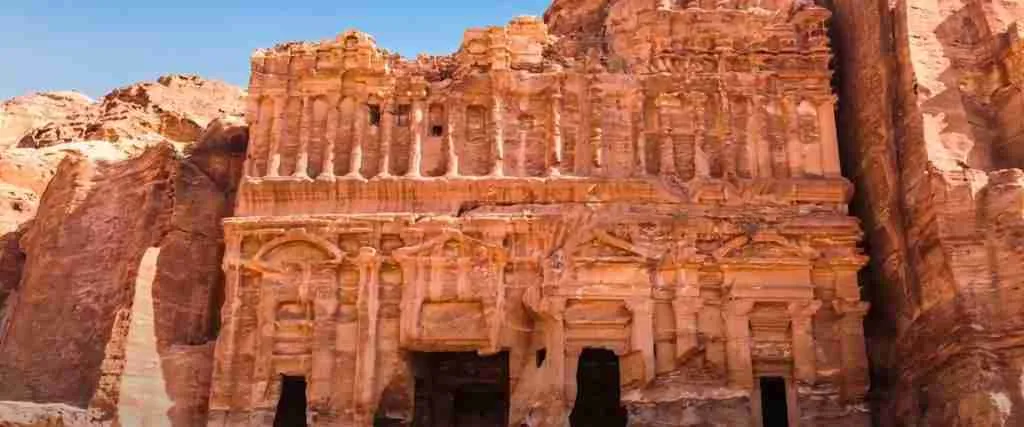
3 days
Petra 3-Day Discovery Tour
- ✓ Comprehensive Petra experience
- ✓ Expert local guides included
- ✓ All accommodation included
- ✓ Transportation provided

5 days
Petra 5-Day Highlights Experience
- ✓ Comprehensive Petra experience
- ✓ Expert local guides included
- ✓ All accommodation included
- ✓ Transportation provided
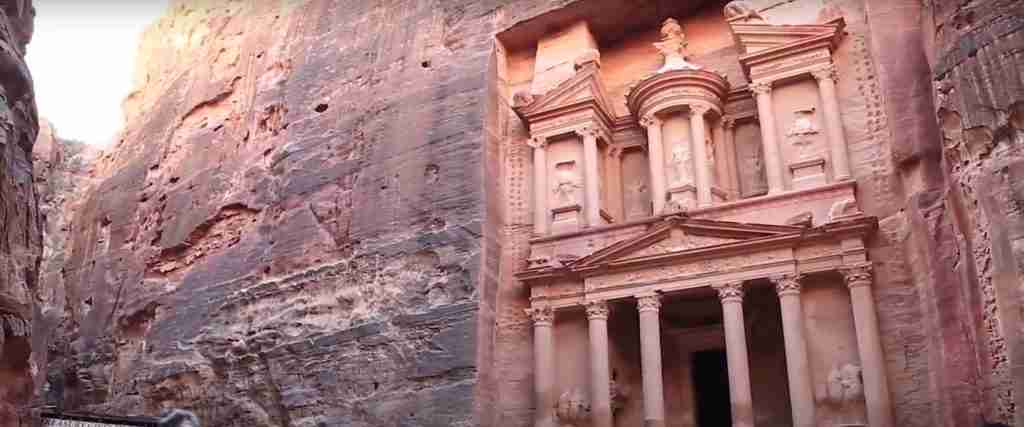
7 days
Petra 7-Day Cultural Journey
- ✓ Comprehensive Petra experience
- ✓ Expert local guides included
- ✓ All accommodation included
- ✓ Transportation provided
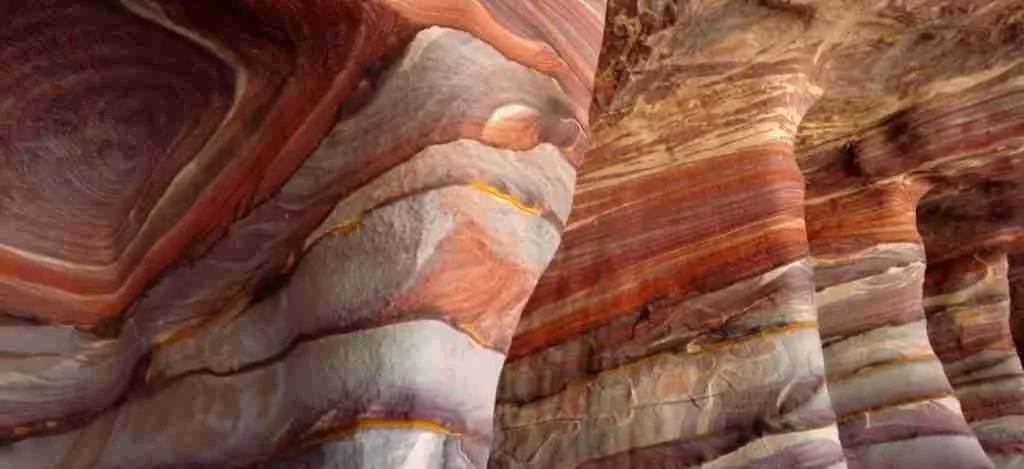
10 days
Petra 10-Day Complete Adventure
- ✓ Comprehensive Petra experience
- ✓ Expert local guides included
- ✓ All accommodation included
- ✓ Transportation provided
Multi-day tour packages powered by TourRadar. Prices and availability subject to change.
Optimal Timing Strategies for 2026 Visits
Daily Timing and Crowd Management 2026
Petra’s opening hours run 6:00 AM to 6:00 PM daily during summer months (April-October) and 6:00 AM to 4:00 PM during winter (November-March), with last entry accepted one hour before closing. The critical timing decision involves arrival windows that dramatically impact experience quality through crowd density variations, temperature management, and photographic lighting conditions. The 6:00-7:00 AM arrival window delivers optimal conditions across all metrics, with Treasury receiving spectacular morning light, temperatures remaining comfortable for strenuous hiking, and tourist density 60-70% lower than midday peaks.
Mid-morning arrivals (9:00-10:00 AM) coincide with tour bus influx that floods major monuments with hundreds of visitors simultaneously. The Treasury becomes a chaotic photography nightmare with constant human traffic disrupting compositions, Royal Tombs suffer similar congestion, and popular trails experience bottlenecks where narrow passages force single-file waiting. These conditions persist through 2:00-3:00 PM before moderating as tour groups depart for scheduled bus returns. Photographers seeking quality images of monuments without crowd interference must arrive early or time afternoon return visits after 3:30 PM when major congestion clears.
Split-day strategies work excellently for multi-day Petra Pass holders, dedicating morning sessions (6:00 AM-11:00 AM) to Treasury, lower monuments, and photography-intensive locations while avoiding midday heat and crowds. Afternoon sessions (3:00 PM-6:00 PM summer, 2:00 PM-4:00 PM winter) tackle Monastery trail ascents or High Place of Sacrifice when angled sunlight creates dramatic conditions and temperatures moderate. This approach requires overnight accommodation in Wadi Musa but delivers vastly superior experience quality compared to single-day marathon visits attempting comprehensive coverage during challenging midday conditions.
Seasonal Considerations for 2026 Travel
Seasonal selection dramatically influences Petra experience comfort, crowd levels, and practical logistics. Spring (March-May) offers ideal weather with temperatures 18-28°C (64-82°F), wildflower blooms transforming desert landscapes, and comfortable hiking conditions. However, Easter week (April 13-20, 2026) brings peak visitation requiring ultra-early arrivals or acceptance of significant crowds. March retains occasional rain possibilities that enhance colors but complicate hiking on slippery rock surfaces, while May transitions toward summer heat reaching 30-35°C (86-95°F) by month end.
Summer (June-August) demands strategic adaptations around extreme temperatures of 38-42°C (100-108°F) but rewards heat-tolerant travelers with 40-50% reduced crowds and enhanced guide availability. Successful summer visits require ultra-early 5:30-6:00 AM starts, extended midday breaks in air-conditioned environments, and late afternoon return sessions when temperatures moderate to 32-35°C (90-95°F). Bring double water capacity compared to spring-autumn needs, maximize sun protection, and accept that comprehensive single-day coverage proves challenging when midday heat forces 3-4 hour indoor retreats.
Autumn (September-November) rivals spring for optimal conditions, offering comfortable temperatures 20-30°C (68-86°F), spectacular angled sunlight ideal for photography, and stable weather patterns. October represents the premium month with perfect temperatures, autumn light quality enhancing Petra’s rose-red sandstone, and moderate tourist volumes. November transitions toward winter with cooler mornings requiring layered clothing but providing crisp visibility and comfortable hiking. Winter (December-February) delivers coolest conditions (8-18°C/46-64°F) with occasional rain disrupting outdoor activities, but tourist volumes drop significantly and hotel rates decrease 30-40% compared to peak seasons.
Physical Preparation and Fitness Requirements 2026
Understanding Petra’s Physical Demands 2026
Petra’s comprehensive exploration involves 8-12 kilometers of walking on highly variable terrain including smooth paved sections, uneven rock surfaces, loose gravel paths, polished stone with limited traction, and 800+ carved steps to the Monastery. Elevation changes total 200-300 meters for main circuit routes, with Monastery ascent adding another 200 meters and High Place of Sacrifice requiring similar climbs. These distances and elevation gains occur in exposed environments with minimal shade, high sun intensity, and summer temperatures reaching extremes that intensify physical demands exponentially.
Standard fitness levels require ability to walk 8-10 kilometers on varied terrain while managing modest elevation changes, comfortable standing and walking continuously for 2-3 hour periods between rest opportunities, and reasonable heat tolerance for outdoor exposure during warm months. Travelers maintaining regular walking habits (3-4 times weekly) and capable of urban sightseeing days covering 10,000+ steps find Petra manageable with strategic pacing and adequate hydration. However, sedentary individuals or those with cardiovascular limitations may struggle with sustained distances, particularly when combined with heat stress and altitude effects.
Pre-trip conditioning programs dramatically improve Petra experience quality and prevent exhaustion that ruins comprehensive exploration plans. Begin 4-6 weeks before travel with graduated walking programs, starting at 30-45 minutes daily on flat surfaces and progressively adding distance, terrain variation, and hill work. By 2 weeks before departure, comfortable completion of 2-hour walks with modest elevation gains (100-150 meters) on uneven paths indicates adequate preparation. Incorporate stair climbing, light strength training for leg endurance, and heat acclimatization through outdoor exercise during warm conditions if traveling during summer months.
Managing Heat and Sun Exposure 2026
Heat management separates successful Petra exploration from miserable experiences characterized by exhaustion, dehydration, and premature monument skipping. The combination of high ambient temperatures, intense direct sunlight, radiant heat from surrounding rock surfaces, and minimal shade creates challenging conditions even during spring and autumn moderate weather. Summer conditions (June-August) intensify these factors to potentially dangerous levels, with surface temperatures exceeding 50°C (122°F) and heat exhaustion risks escalating rapidly without proper precautions.
Essential heat management strategies include comprehensive sun protection through wide-brim hats with neck coverage, high-SPF sunscreen (SPF 50+) applied liberally and reapplied every 2 hours, quality sunglasses with UV protection, and lightweight long-sleeve sun-protective clothing with UPF ratings. Light colors reflect heat better than dark clothing, and breathable fabrics with moisture-wicking properties enhance comfort compared to cotton that retains perspiration. Consider sun umbrellas or parasols that provide mobile shade during extended photography sessions or rest breaks in exposed locations.
Hydration protocols prove critical for preventing heat-related illness. Consume water continuously throughout the day rather than waiting for thirst signals that indicate existing dehydration. Target 250ml (8oz) every 30-45 minutes during active exploration, increasing to 15-20 minute intervals during strenuous climbs or summer visits. Supplement with electrolyte tablets or sports drinks to replace salts lost through perspiration, and avoid alcohol or caffeine that accelerate dehydration. Monitor urine color as hydration indicator: pale yellow indicates adequate hydration, while dark yellow signals insufficient water intake requiring immediate correction.
Essential Packing List for 2026 Petra Visits
Critical Items for All Seasons 2026
Water capacity represents the single most important packing consideration, requiring 3-4 liter total capacity per person through combination of water bottles, hydration bladders, or collapsible containers. Sturdy hiking shoes with ankle support, aggressive tread patterns, and broken-in comfort prove essential for preventing ankle injuries on uneven surfaces and providing traction on smooth rock sections. Avoid new shoes causing blisters, and never attempt Petra in sandals, flip-flops, or casual sneakers lacking proper support and traction.
Sun protection equipment includes wide-brim hats with chin straps preventing wind loss, quality sunglasses with 100% UV protection and wrap-around designs minimizing reflection, and broad-spectrum sunscreen SPF 50+ in quantities sufficient for multiple applications. Lightweight long-sleeve shirts and long pants provide mechanical sun protection while allowing breathability, with light colors reflecting heat more effectively than dark fabrics. Consider sun-protective clothing with built-in UPF ratings for maximum protection without chemical sunscreen reapplication.
Practical accessories include small daypacks (20-30 liters) with comfortable straps for hands-free carrying, microfiber towels for sweat management, portable phone chargers maintaining device power for photography and navigation, and small first-aid kits containing blister treatments, pain relievers, and basic wound care supplies. Bring Jordanian cash (small denominations) for vendor purchases, tips, and services, as credit card acceptance remains limited beyond major hotels and tourist facilities. Energy snacks like trail mix, energy bars, dried fruit, and nuts provide quick calories during strenuous sections.
Photography Equipment Essentials 2026
Photography enthusiasts require specialized equipment considerations beyond standard tourist snapshots. Wide-angle lenses (16-35mm full-frame equivalent) prove essential for capturing Treasury facade and narrow Siq passages, while standard zooms (24-70mm) handle general monument documentation. Telephoto lenses (70-200mm) enable detailed architectural element isolation and distant viewpoint captures. Bring extra batteries (cold conditions drain power faster) and multiple high-capacity memory cards, as comprehensive Petra coverage generates 500-1000+ images for serious photographers.
Protective equipment includes UV filters preventing dust and sand infiltration to lens elements, lens cleaning kits removing inevitable dust accumulation, and weather-sealed camera bags protecting gear from sun, dust, and occasional rain. Lightweight tripods benefit from stability for low-light Siq photography and long-exposure creative effects, though compact travel tripods balance portability against setup flexibility. Polarizing filters enhance color saturation and reduce glare from rock surfaces, particularly effective during midday lighting when direct filters might otherwise prove less useful.
Seasonal Packing Variations 2026
Spring and autumn packing requires layering systems accommodating morning chill (10-15°C/50-59°F) transitioning to afternoon warmth (25-30°C/77-86°F). Lightweight fleece jackets or windbreakers provide morning comfort, easily stowing in daypacks once temperatures rise. Rain shells protect against occasional spring showers, particularly during March when precipitation probabilities remain elevated. Evening wear for Wadi Musa restaurants and hotels benefits from smart-casual options, though formality proves minimal in this tourist-oriented town.
Summer packing emphasizes maximum sun protection and heat management through lightest-weight clothing, increased water capacity (4+ liters), cooling accessories like dampened bandanas or cooling towels, and electrolyte supplements replacing salts lost through heavy perspiration. Consider sun umbrellas providing mobile shade during photography sessions, and bring indoor retreat options like books or tablets for mandatory midday heat avoidance periods. Evening temperatures remain pleasant (25-30°C/77-86°F), making heavy clothing unnecessary even for late dining.
Winter packing requires warmer layers for morning chill and potential cold spells when temperatures drop to 5-10°C (41-50°F). Insulated jackets, long underwear for early starts, gloves and warm hats prove valuable during November-February coldest periods. Waterproof hiking boots and rain gear become essential given increased precipitation probabilities, and quick-dry clothing helps manage unexpected showers. However, midday temperatures still reach 15-20°C (59-68°F), requiring layer-removal flexibility and avoiding over-packing heavy winter gear unnecessary for most winter days.
Cultural Etiquette and Local Customs 2026
Dress Code and Modesty Standards 2026
Jordan maintains conservative cultural norms rooted in Islamic traditions, though tourist areas like Petra demonstrate greater flexibility compared to religious sites or conservative urban neighborhoods. Respectful dress covers shoulders and knees for both men and women, avoiding revealing clothing, tight-fitting garments, or excessive skin exposure. Women benefit from lightweight scarves providing additional shoulder coverage when needed, though full head covering remains unnecessary at Petra unlike mosque visits. Men should avoid shorts and sleeveless shirts when interacting with local Bedouin families or dining at Wadi Musa restaurants, though these items prove acceptable within Petra’s archaeological zone during hot weather.
The practical rationale for modest dress extends beyond cultural respect to include sun protection benefits and reduced unwanted attention. Conservative attire demonstrates cultural awareness and facilitates positive interactions with local guides, vendors, and Bedouin families maintaining traditional relationships with Petra. Western tourists in revealing clothing occasionally experience verbal harassment or uncomfortable staring, particularly from younger local men, situations largely avoidable through modest dress choices aligned with Jordanian cultural expectations.
Photography Etiquette and Permission Protocols 2026
Photograph monuments, landscapes, and archaeological features freely throughout Petra, but always request permission before photographing local Bedouin people, vendors, or their animals. Many Bedouins working at Petra (offering donkey rides, selling souvenirs, or providing tea services) expect small tips (1-2 JOD) in exchange for photography permissions, a reasonable arrangement supporting local livelihoods. Surreptitious photography without permission proves disrespectful and occasionally triggers angry confrontations, particularly when photographing Bedouin women or children.
Drone photography requires advance permits from Jordan Civil Aviation Regulatory Commission and Petra Archaeological Park authorities, with applications processed 2-4 weeks ahead through official channels. Unauthorized drone flights result in equipment confiscation and substantial fines (200-500 JOD), making advance legal compliance essential for aerial photography ambitions. Professional photography for commercial purposes (publications, advertising, film production) requires separate permits and fees negotiated with park authorities, though amateur photography for personal use faces no restrictions.
Vendor Interactions and Tipping Culture 2026
Petra hosts numerous Bedouin vendors selling traditional crafts, offering tea services, operating donkey and camel rides, and providing informal guide services. Vendors exercise significant pressure on tourists, but firm polite refusals (“La shukran” – no thank you) prove effective without requiring rudeness or aggressive responses. Avoid engaging extensively with vendors unless genuinely interested in purchases, as prolonged interaction signals purchasing intent intensifying sales pressure. Many vendors speak excellent English and use friendly conversation as sales strategy, making clear purchasing disinterest important for avoiding uncomfortable situations.
Tipping culture in Jordan follows modest standards compared to Western expectations. Restaurant servers receive 10% of bill totals when service charges aren’t included, while hotel porters expect 1-2 JOD per bag. Tour guides merit 10-15 JOD per person per day depending on service quality and group size, with driver-guides receiving 5-8 JOD daily when guide and driver represent separate individuals. Small services like assistance with directions, photography help, or brief information provision merit 1-2 JOD tips. Avoid over-tipping that inflates expectations for subsequent tourists while ensuring fair compensation for legitimate services rendered.
Safety Considerations and Emergency Protocols 2026
Health Risks and Medical Preparedness 2026
Primary health risks at Petra include dehydration, heat exhaustion, sun exposure injuries, falls on uneven terrain, and altitude effects for visitors arriving from sea level. Dehydration and heat-related illness present greatest dangers during warm months, with symptoms progressing from mild (thirst, fatigue, headache) through moderate (dizziness, nausea, confusion) to severe heat stroke (loss of consciousness, requiring emergency evacuation). Prevention involves aggressive hydration, frequent rest breaks in shade, conservative pacing during temperature extremes, and immediate retreat from exposure when symptoms develop.
Carry comprehensive first-aid supplies including blister treatments for inevitable friction injuries from extensive walking, pain relievers (ibuprofen) for muscular soreness, antihistamines for insect stings or allergic reactions, antiseptic wipes for wound cleaning, and adhesive bandages for minor cuts. Include any personal prescription medications in original containers with sufficient quantities for trip duration plus 3-4 day buffer for unexpected delays. Travel insurance with emergency medical evacuation coverage provides critical protection given Petra’s remote location and limited immediate medical facilities.
The nearest comprehensive medical facilities exist in Wadi Musa town (Queen Rania Hospital) providing basic emergency services, with serious medical emergencies requiring evacuation to Amman hospitals 3 hours north. Mobile phone coverage proves spotty inside Petra’s canyon environment, making emergency communication potentially problematic in remote zones. Travel with companions rather than solo exploration for safety redundancy, inform hotel staff of daily plans, and carry emergency contact numbers including your embassy, travel insurance provider, and local emergency services (Jordan emergency number: 911).
Security Considerations and Crime Prevention 2026
Jordan maintains exceptional tourism safety standards with negligible violent crime rates against international visitors. Petra specifically operates comprehensive security infrastructure including entrance screening, regular patrols, and tourist police presence throughout major monument zones. However, petty theft opportunistically targets distracted tourists, particularly in crowded areas where bags, phones, or cameras left unattended create easy targets. Maintain awareness of belongings, use hotel safes for passports and extra cash, and carry only daily-necessary funds while exploring.
Female travelers report generally positive experiences throughout Jordan including Petra, though modest dress and assertive boundary-setting prevent occasional harassment situations. Travel with companions when possible, particularly for evening activities in Wadi Musa, and trust instincts when interactions feel uncomfortable. Tourist police stationed throughout Petra assist with any harassment issues, and hotel staff provide reliable guidance on appropriate local behaviors and situations requiring caution. The overwhelming majority of Jordan visits proceed without security incidents beyond minor annoyances from overly persistent vendors.
Navigation and Orientation Strategies 2026
Petra Layout and Main Routes 2026
Petra’s primary tourist circuit follows logical progression from Visitor Center through the Siq (1.2 km narrow canyon approach), emerging at the Treasury (Al-Khazneh), continuing through Street of Facades tomb complexes, reaching the Colonnaded Street ancient city center, branching to Royal Tombs along the eastern cliff face, and ultimately the choice between Monastery trail northwest or High Place of Sacrifice ascent east. This main circuit totals 8-10 kilometers round-trip depending on selected branches, with Monastery adding 4-5 kilometers and significant elevation gain.
Secondary trails access less-visited monuments including Wadi Farasa route to the Garden Temple and Roman Soldier Tomb, back-trail Monastery approaches through Nabataean carved paths, and challenging climbs to Ad-Deir viewpoints offering spectacular aerial perspectives. These routes require good fitness, comfortable navigation in minimally marked terrain, and willingness to accept reduced tourist density in exchange for route-finding challenges. Hiring guides proves valuable for accessing these secondary areas safely while understanding their archaeological significance.
Download offline maps before arrival, as mobile data proves unreliable inside Petra’s canyon environment with limited cell tower coverage. The Maps.me application provides excellent offline navigation with detailed Petra trail networks, monument locations, and user-generated points of interest. However, physical map backup from Visitor Center proves wise given device battery depletion risks during full-day explorations. Trail junctions feature occasional signage indicating major monuments and estimated distances, though quality varies and some remote zones lack markers entirely.
Strategic Route Planning for Maximum Efficiency 2026
Optimal routing sequences major monuments to balance morning optimal conditions, logical geographic progression, and strategic crowd avoidance. The ideal sequence begins with early Treasury viewing during spectacular morning light (7:00-8:30 AM), continues through Street of Facades while crowds remain light, tackles Royal Tombs during mid-morning moderate temperatures (9:00-10:30 AM), and reserves major climbs (Monastery or High Place of Sacrifice) for late morning when cooler air moderates before extreme midday heat.
Monastery versus High Place of Sacrifice presents strategic choice questions based on fitness levels, time availability, and photographic priorities. The Monastery trail requires 2-3 hours round-trip with 800+ step ascent but delivers Petra’s most impressive individual monument in relative crowd-free environment. High Place of Sacrifice offers shorter climbing time (1.5-2 hours round-trip) with spectacular panoramic views spanning entire archaeological zone and photographic perspectives unavailable from ground level. Physical fitness and heat tolerance determine which option proves more suitable, with Monastery generally considered the superior single-choice monument while High Place provides better photographic diversity.
Midday strategy during warm months emphasizes retreat to shaded areas, Petra Museum air-conditioned respite, or return to Wadi Musa hotels for extended breaks before afternoon return sessions. Fighting through midday heat produces marginal additional monument coverage while generating exhaustion that ruins afternoon exploration quality. Strategic 2-3 hour midday breaks enable comfortable afternoon return visits when shadows lengthen, temperatures moderate, and major crowds depart on scheduled tour buses.
Food, Water, and Sustenance Strategies 2026
Hydration Management and Water Sources 2026
Water remains the single most critical consumable for Petra visits, with adult hydration requirements reaching 3-4 liters during full-day exploration under warm conditions. Purchase water at Wadi Musa supermarkets (0.50 JOD per 1.5-liter bottle) before entering Petra, avoiding on-site vendor prices of 3-4 JOD per 500ml bottle representing 600-800% markups. Bring sufficient capacity through multiple bottles, hydration bladders, or collapsible containers, recognizing that weight increases linearly with water volume but dehydration risks far exceed carrying inconvenience.
Limited water refill opportunities exist at Basin Restaurant near the Colonnaded Street and scattered vendor stands along main routes, though costs remain inflated and availability proves inconsistent. The Petra Museum offers free water fountains and air-conditioned rest facilities, valuable resources for midday respite during summer visits. Consider water purification tablets or filters for refilling from occasional springs and water channels within Petra, though most tourists find pre-purchase and carrying proves simpler than field purification efforts.
Food Options and Meal Planning 2026
Petra offers limited on-site dining concentrated at the Basin Restaurant near Colonnaded Street (buffet meals 15-18 JOD, adequate quality but institutional character) and scattered Bedouin tea stands selling basic snacks. The buffet provides reliable midday refueling with air-conditioned seating and restroom facilities, though serious food enthusiasts find quality mediocre and prices elevated. Tea stands offer welcome rest opportunities with basic items like chips, cookies, and canned drinks at 2-3x normal prices but convenient when energy flags.
Pack substantial portable lunches from Wadi Musa hotels or supermarkets for better quality and value compared to on-site options. Sandwiches, fresh fruit, trail mix, energy bars, nuts, and packaged snacks provide reliable nutrition without requiring utensils or preparation. Avoid foods requiring refrigeration given extended outdoor exposure in warm conditions, and pack items in sealed containers preventing crushing in daypacks during active hiking. Strategic snacking throughout the day maintains energy levels more effectively than single large midday meals that induce lethargy during afternoon exploration.
Money Management and Practical Finances 2026
Cash Requirements and ATM Access 2026
Carry 80-120 JOD cash daily for Petra visits covering vendor purchases, tips, food, and incidental expenses, with smaller denominations (1, 5, 10 JOD notes) facilitating transactions and preventing change-making difficulties. Credit card acceptance remains limited to major hotels, established restaurants, and the Visitor Center ticket office, with most vendors, guides, and small businesses operating cash-only. ATMs exist in Wadi Musa town (Arab Bank, Cairo Amman Bank) dispensing Jordanian Dinars, though bringing sufficient cash from Amman or airport currency exchange proves wise given occasional ATM outages.
Currency exchange occurs at Visitor Center offices though rates prove less favorable than Amman bank exchanges. US Dollars and Euros receive wide acceptance from vendors at approximately current exchange rates (1 JOD = $1.41 USD, 1 JOD = €1.33 EUR as of 2026), though paying in local currency ensures accurate rates without vendor-favorable conversions. Avoid changing large amounts through hotels where rates typically run 5-8% worse than banks, and keep small denomination bills separate for convenient access during frequent minor transactions.
Bargaining Culture and Fair Pricing 2026
Bargaining remains expected practice for souvenir purchases, camel rides, and informal services, with vendors initially quoting 150-200% of acceptable final prices. Standard negotiation involves friendly interaction expressing interest without excessive enthusiasm, making counteroffers at 40-50% of quoted prices, and willingness to walk away when terms prove unacceptable. Most transactions settle at 60-70% of initial quotes, though experienced bargainers achieve better results through patience and shopping comparison across multiple vendors.
Fair pricing for common items: traditional Bedouin scarves (keffiyeh) 5-8 JOD, small decorative items 3-5 JOD, traditional coffee 8-12 JOD, carved stone items 15-25 JOD depending on size and quality. Camel and horse rides operate somewhat fixed pricing (short rides 10-15 JOD, longer excursions 25-35 JOD), though negotiation remains possible. Tourist police assist with aggressive vendor situations or grossly inflated pricing, and reasonable compromise respecting vendor livelihoods while avoiding exploitation serves everyone’s interests.
Accommodation Strategies for Extended Visits 2026
Wadi Musa Hotel Selection and Location Considerations 2026
Wadi Musa offers 100+ accommodation options ranging from budget hostels (15-25 JOD per night) through mid-range hotels (50-80 JOD) to luxury properties (120-180+ JOD). Location relative to Petra Visitor Center (walking distance versus requiring taxi transport) dramatically impacts convenience for multiple-day visits and ultra-early morning starts. Properties within 10-15 minute walking distance (Petra Guest House, Mövenpick Resort Petra, several mid-range hotels) provide maximum flexibility for split-day touring and early starts without taxi coordination hassles.
Budget accommodations cluster in Wadi Musa town center 15-20 minute taxi ride from Visitor Center (3-5 JOD each way), offering basic but clean rooms with breakfast included. Mid-range properties balance comfort, amenities, and value with private bathrooms, air-conditioning, WiFi, and breakfast buffets. Luxury hotels deliver swimming pools, spa services, multiple restaurants, and superior views but represent marginal value unless prioritizing resort amenities over archaeological exploration. Peak season (March-May, September-November) requires 2-3 week advance bookings, while summer and winter periods offer last-minute availability and negotiated rate reductions.
Alternative Accommodation: Bedouin Camps and Desert Experiences 2026
Bedouin camp experiences in Petra vicinity provide cultural immersion unavailable through standard hotels, combining basic accommodation with traditional meals, music performances, and anthropological insights into desert lifestyles. Camps range from authentic family-operated setups (40-60 JOD per person including meals) to semi-luxurious “glamping” operations (100-140 JOD) offering private tents with proper beds, ensuite bathrooms, and gourmet dining. The trade-off involves basic facilities and isolation from modern conveniences in exchange for unique cultural engagement and spectacular desert night skies.
Petra Bubble Luxotel and similar properties offer transparent geodesic dome accommodation with panoramic views, comfortable beds, and dramatic stargazing opportunities while maintaining bathroom facilities and reasonable comfort levels. These specialized options cost 120-160 JOD per night and appeal to travelers seeking unique experiences without full camping roughness. Book 3-4 weeks ahead during peak seasons as limited capacity fills quickly, and verify exactly what facilities, meals, and services come included given significant variation between operators marketing similar “Bedouin experience” concepts.
FAQ: Petra Travel Tips 2026
Is Petra safe for solo travelers in 2026?
Yes, Petra maintains excellent safety standards for solo travelers with negligible violent crime, comprehensive security infrastructure, and tourist police presence throughout major zones. Female solo travelers report generally positive experiences, though modest dress and assertive boundary-setting prevent occasional vendor harassment. The main risks involve heat exhaustion, dehydration, falls on uneven terrain, and getting disoriented in remote zones – all manageable through proper preparation, conservative pacing, and informing hotel staff of daily plans. Consider joining small group tours or connecting with other travelers for companionship during extended exploration.
Can I visit Petra with young children in 2026?
Yes, though extensive walking distances, uneven terrain, and heat exposure create challenges requiring realistic expectations and strategic planning. Focus on Treasury, Street of Facades, and lower monument zones (4-6 km round-trip) rather than attempting full circuits with Monastery or High Place climbs. Bring strollers only for youngest children and accept limited usefulness on uneven surfaces, with baby carriers proving more practical. Schedule ultra-early starts before heat develops, pack extra water and snacks, plan frequent rest breaks, and accept that comprehensive site coverage proves unrealistic with young children requiring regular attention and abbreviated endurance.
What if I have mobility limitations?
Petra presents significant accessibility challenges through uneven surfaces, lengthy walking distances, steep ascents, and minimal infrastructure adaptations for mobility limitations. However, horse transport from Visitor Center to Siq entrance (included in admission) and horse-drawn carriages through Siq to Treasury (20 JOD round-trip) provide assistance for initial access. Focus itineraries on lower monument zones reachable via these transport options, accept that Monastery and High Place remain inaccessible without full mobility, and hire guides who can customize routes maximizing accessible monument coverage while minimizing physical demands. Wheelchair access remains extremely limited and realistically infeasible beyond immediate Visitor Center vicinity.
How do I handle aggressive vendors?
Respond to vendor approaches with firm polite refusals using basic Arabic “La shukran” (no thank you) and continue walking without extensive engagement. Prolonged conversation signals potential purchasing interest intensifying sales pressure, so brief acknowledgment followed by disengagement proves most effective. Tourist police stationed throughout Petra assist with genuinely aggressive situations, though most vendors accept reasonable refusals without excessive persistence. Avoid rudeness or aggressive responses that create confrontational situations, and recognize that vendor livelihoods depend on tourist sales making some initial persistence understandable even if occasionally annoying.
What emergency contacts should I have for 2026?
Program these essential contacts: Jordan emergency services 911 (police, ambulance, fire), Petra Archaeological Park office +962-3-215-6060, Queen Rania Hospital Wadi Musa +962-3-215-6777, your embassy in Amman, travel insurance emergency line, hotel front desk, and tour operator emergency number. Share daily plans with hotel staff including expected return times, carry backup emergency contact information in waterproof container separate from phone, and ensure someone back home has copies of your itinerary, passport details, and insurance information for emergencies requiring assistance coordination.
Can I bring food into Petra in 2026?
Yes, bringing outside food and water into Petra faces no restrictions and proves highly recommended for better quality, value, and dietary control compared to limited on-site options. Pack substantial lunches from Wadi Musa hotels or supermarkets in sealed containers preventing crushing or spoilage, include energy snacks for sustained consumption throughout the day, and bring 3-4 liters water per person purchased at supermarkets (0.50 JOD vs. 3-4 JOD on-site). Dispose of all trash in designated bins or carry out to prevent littering this UNESCO World Heritage site, respecting preservation efforts maintaining Petra’s pristine archaeological environment.
What should I do if I get lost in Petra?
Remain calm, stay on established paths rather than bushwhacking, and recognize that main trails eventually lead back to central monument zones or Visitor Center. Consult offline maps on phone if battery permits, ask other tourists or security personnel for directions, and head downhill/downstream when genuinely disoriented as water flow ultimately leads toward main wadi and central archaeological zone. Tourist police patrol major areas and provide assistance with navigation problems. Avoid remote trails without guides if uncomfortable with navigation, stick to main circuit routes clearly marked with signage, and carry offline map backup given unreliable mobile coverage inside canyon environments.
Is tap water safe to drink in Wadi Musa hotels?
Hotel tap water in Wadi Musa generally meets safety standards for brushing teeth and basic hygiene, though most travelers prefer bottled water for drinking to avoid potential stomach sensitivity from different mineral content and treatment systems. Hotels typically provide complimentary bottled water in rooms, and purchasing additional bottles at nearby supermarkets (0.50 JOD per 1.5 liters) proves economical. Ice in hotel restaurants comes from purified water sources and poses minimal risk. The main concern involves not water safety per se but individual sensitivity to different water compositions that can cause mild digestive upset during travel even with technically potable water sources.
What’s the best way to handle the heat during summer 2026 visits?
Summer heat management requires comprehensive strategies: arrive Petra 5:30-6:00 AM before temperatures escalate, retreat to air-conditioned environments (Petra Museum, Basin Restaurant, Wadi Musa hotels) during 11:00 AM-3:00 PM extreme heat, return for late afternoon sessions 3:30-6:00 PM when temperatures moderate, bring 4+ liters water per person, maximize sun protection through hats/sunscreen/long clothing, consume electrolyte supplements, and accept that single-day comprehensive coverage proves unrealistic when midday heat forces extended breaks. Consider splitting exploration across two half-days with overnight accommodation, or visit during spring/autumn/winter avoiding summer extremes entirely if heat intolerance presents concerns.
Do I need travel insurance for Petra visits in 2026?
Yes, comprehensive travel insurance with medical coverage and emergency evacuation protection provides critical safety net given Petra’s remote location, limited local medical facilities, and potential for injuries or heat-related illness. Policies should cover medical treatment, emergency helicopter evacuation to Amman hospitals (costs reach $10,000-15,000 without insurance), trip cancellation for pre-departure emergencies, and lost/stolen belongings. Standard policy costs run $50-100 for week-long Jordan trips with coverage limits of $50,000-100,000 medical and $250,000-500,000 evacuation. Given evacuation costs alone, insurance proves wise investment for peace of mind during adventure travel in developing nations with limited immediate medical infrastructure.
Conclusion: Implementing Practical Knowledge for Optimal 2026 Experiences
Successful Petra visits in 2026 depend fundamentally on proper preparation, strategic timing, physical readiness, and realistic expectations regarding the site’s scale and environmental challenges. The travelers who derive maximum value from this extraordinary UNESCO World Heritage site share common characteristics: early arrival capitalizing on optimal morning conditions, adequate hydration maintained throughout exploration, appropriate footwear and clothing providing comfort during extended walking, and flexible itineraries adapting to physical capabilities and weather conditions rather than forcing unrealistic comprehensive coverage.
The practical knowledge outlined in this guide transforms abstract travel planning into concrete strategies enabling confident navigation of Petra’s logistical complexities. Understanding that 3-4 liters of water per person proves necessary, not optional, prevents dangerous dehydration. Recognizing that 6:00-7:00 AM arrivals deliver dramatically superior experiences compared to 10:00 AM starts enables strategic scheduling. Accepting that summer visits require ultra-early starts and midday breaks prevents heat exhaustion ruining exploration quality. These practical insights, accumulated through experienced traveler feedback and local knowledge, provide the foundation for memorable Petra experiences rather than uncomfortable ordeals.
The investment in advance preparation – physical conditioning, appropriate gear acquisition, route planning, cultural etiquette research – pays dividends through enhanced comfort, safety, and archaeological comprehension during actual visits. Petra rewards prepared travelers with transformative experiences combining physical adventure, cultural immersion, and historical education unavailable at more developed tourist sites offering greater convenience but less authenticity. The effort required to maximize Petra’s potential proves entirely worthwhile when standing before the Treasury at dawn, climbing to the Monastery through carved Nabataean paths, or experiencing sunset light transforming the rose-red sandstone facades into glowing architectural masterpieces. With proper preparation guided by these practical tips, 2026 visitors can confidently approach Petra ready to extract maximum value from one of humanity’s most extraordinary archaeological treasures.