
Perugia Travel Guide 2026: Ultimate Planning Resource
Key Takeaways
- Perugia combines medieval architecture, Etruscan heritage, and vibrant university culture in Umbria’s hilltop capital
- Daily costs range €75-140 per person excluding accommodation, with budget-conscious strategies reducing expenses significantly in 2026
- Spring (April-May) and early fall (September-October) offer optimal weather, manageable crowds, and competitive pricing for 2026 visits
- The city center remains pedestrian-friendly with free escalators (Minimetrò) connecting lower parking areas to the historic core
- Book accommodation 2-3 months ahead for spring and fall 2026, especially during Umbria Jazz Festival and Eurochocolate events
- Perugia serves as an excellent base for exploring Umbrian hill towns including Assisi, Gubbio, Spoleto, and Orvieto within day-trip distance
Introduction to Planning Your Perugia Experience in 2026
Perugia stands as one of Italy’s most enchanting medieval hill towns, a city where Etruscan foundations support Renaissance palaces, and where modern university life pulses through ancient stone streets. As the capital of Umbria, this hilltop city combines extraordinary artistic heritage with contemporary cultural vitality, making it an essential destination for travelers seeking authentic Italian experiences beyond the standard tourist circuits.
Planning your 2026 visit to Perugia requires understanding the city’s unique character as both a living medieval center and a vibrant university town hosting students from around the world. The historic center, remarkably preserved and entirely pedestrian, winds along a ridgeline offering spectacular views across the Umbrian countryside. The city’s strategic location makes it an ideal base for exploring central Italy’s cultural treasures, with Assisi just 20 minutes away and other significant destinations within easy reach.
This comprehensive guide provides the essential planning information you need for a successful 2026 visit. Perugia rewards travelers who invest time exploring its layered history, from underground Etruscan wells to Perugino’s Renaissance frescoes, from medieval guild halls to contemporary art installations. The city’s manageable size allows thorough exploration on foot, while its sophisticated dining scene, chocolate heritage, and festival calendar provide rich cultural experiences throughout the year.
Understanding Perugia’s seasonal patterns, accommodation options, and transportation logistics ensures you maximize your experience while managing costs effectively. The city offers excellent value compared to Tuscany’s tourist centers, with high-quality accommodations, exceptional dining, and world-class art at significantly lower prices. Whether you’re planning a focused weekend exploring Perugia’s artistic treasures or using the city as a base for extended Umbrian exploration, proper advance planning optimizes both your budget and experience quality.
People Also Ask About Perugia 2026
How much does it cost to visit Perugia in 2026?
Daily costs in Perugia range €75-140 per person excluding accommodation in 2026. Budget travelers spend €75-95 daily with hostel stays (€25-35), market meals, and free attractions. Mid-range visitors budget €110-140 with €80-120 hotels, restaurant dining, and paid museums. Check official museum websites for current rates as pricing may vary. Accommodation adds €60-180 per night depending on season and category, with spring and fall offering the best value-to-experience ratio.
When is the best time to visit Perugia in 2026?
April-May and September-October provide optimal conditions for visiting Perugia in 2026. Spring brings comfortable 15-22°C temperatures, blooming landscapes, and manageable crowds before summer peaks. Early fall offers harvest season experiences, wine festivals, and pleasant weather with fewer tourists. Avoid mid-July through August when temperatures exceed 30°C and Italian vacation crowds peak. Winter (November-March) sees reduced tourism and lower prices but shorter daylight hours and occasional cold rain limit outdoor exploration.
Do you need advance bookings for Perugia attractions in 2026?
Most Perugia attractions accept walk-in visitors without advance reservations in 2026. The National Gallery of Umbria, Palazzo dei Priori, and San Lorenzo Cathedral rarely sell out. However, book accommodation 2-3 months ahead for April-May and September-October visits, especially during Umbria Jazz Festival (July) and Eurochocolate (October) when hotels fill completely. Guided tours of underground Perugia and culinary experiences require 1-2 week advance booking during peak seasons to secure English-language options.
Is Perugia a good base for exploring Umbria in 2026?
Perugia serves as an excellent central base for Umbrian exploration in 2026. The city’s location provides easy access to Assisi (30 minutes), Gubbio (40 minutes), Spoleto (1 hour), and Orvieto (1.5 hours) by regional train or bus. Staying in Perugia eliminates daily hotel changes while accessing diverse experiences. The city offers superior accommodation variety, dining options, and evening activities compared to smaller Umbrian towns. Public transportation connects major destinations efficiently, while rental cars enable flexible exploration of hilltop villages and wine regions between larger centers.
Extended multi-day tours – 5+ days
Featured Umbria Multi-Day Tour Packages
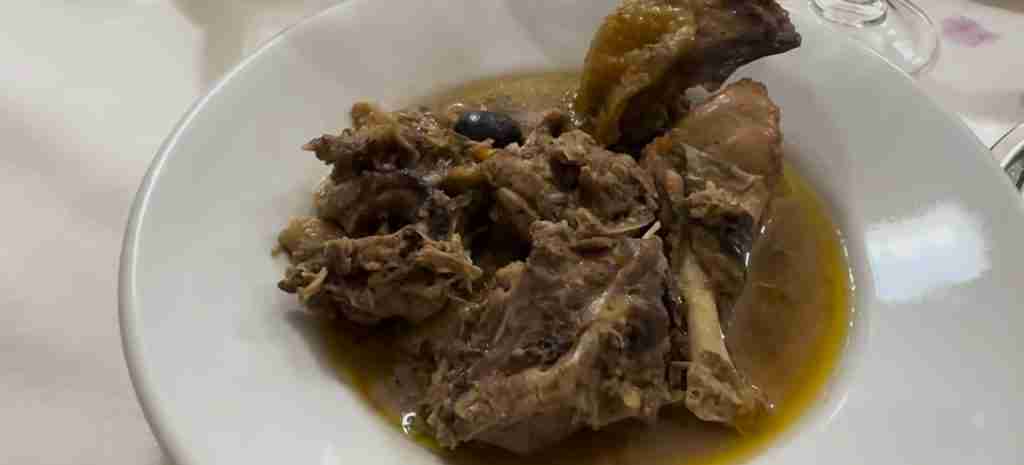
3 days
Umbria 3-Day Discovery Tour
- ✓ Comprehensive Umbria experience
- ✓ Expert local guides included
- ✓ All accommodation included
- ✓ Transportation provided
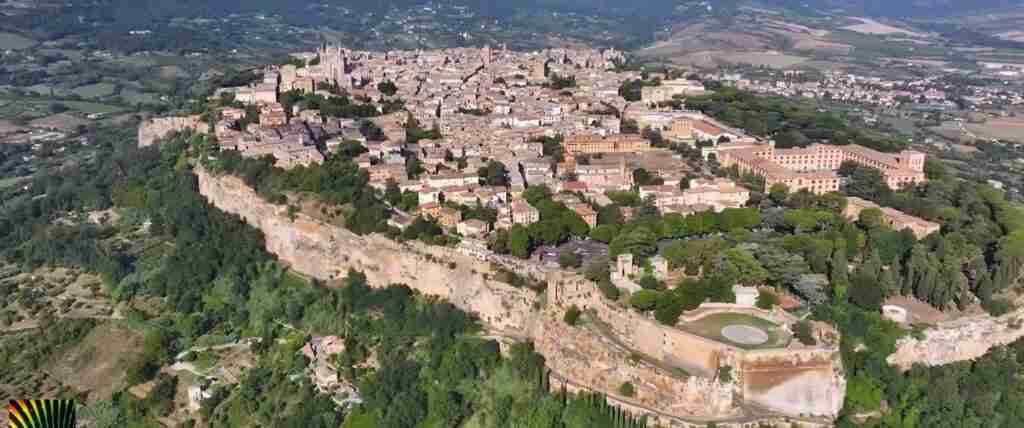
5 days
Umbria 5-Day Highlights Experience
- ✓ Comprehensive Umbria experience
- ✓ Expert local guides included
- ✓ All accommodation included
- ✓ Transportation provided
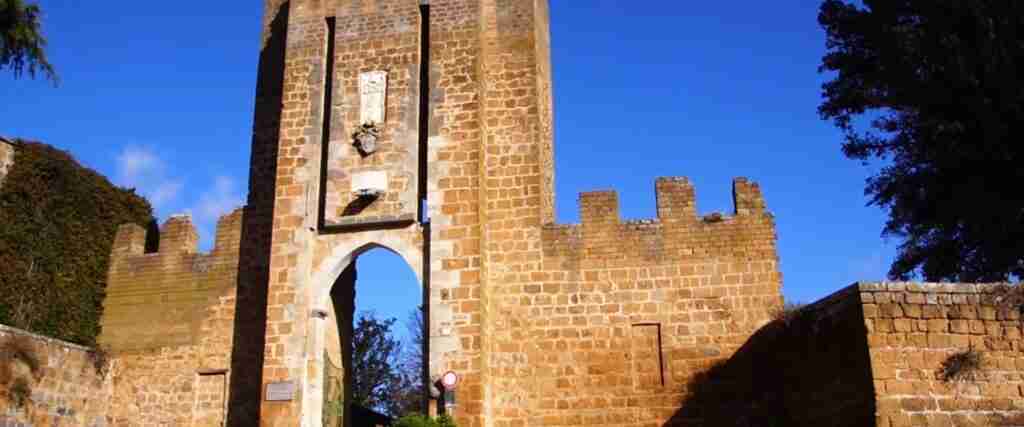
7 days
Umbria 7-Day Cultural Journey
- ✓ Comprehensive Umbria experience
- ✓ Expert local guides included
- ✓ All accommodation included
- ✓ Transportation provided
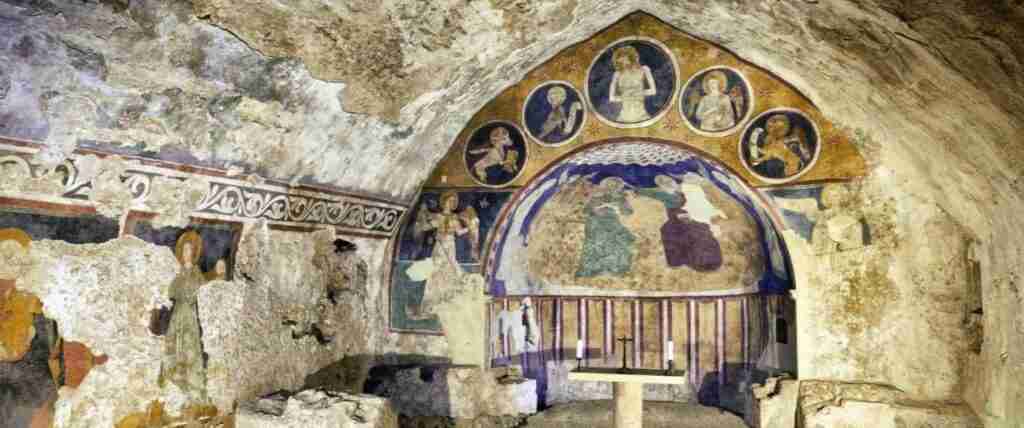
10 days
Umbria 10-Day Complete Adventure
- ✓ Comprehensive Umbria experience
- ✓ Expert local guides included
- ✓ All accommodation included
- ✓ Transportation provided
Multi-day tour packages powered by TourRadar. Prices and availability subject to change.
Essential Planning Information 2026
Understanding Perugia’s Current Costs and Pricing
Perugia offers exceptional value among Italian art cities, with costs substantially lower than Florence or Rome while maintaining comparable quality. Museum entry to the National Gallery of Umbria costs €8, with the Collegio del Cambio at €4.50 and Palazzo dei Priori’s rooms at €3-5 in 2026. Check official museum websites for current rates as pricing may vary. The cumulative Perugia Museum Card provides access to five major sites for €15, representing significant savings for comprehensive visits.
Dining costs remain remarkably reasonable in Perugia’s historic center. Lunch at traditional trattorias ranges €12-18 for pasta and wine, while dinner menus cost €25-40 per person including house wine. The city’s student population supports numerous affordable options, with pizza slices at €3-5, panini at €4-7, and aperitivo buffets offering substantial evening meals for €8-12 drink purchases. Market shopping at the covered Mercato Coperto provides fresh produce, cheese, and prepared foods at prices 30-40% below restaurant rates.
Accommodation pricing varies significantly by season and location. Budget hostels and guesthouses charge €25-40 for dorm beds, €50-75 for private rooms with shared baths. Mid-range three-star hotels in the historic center cost €80-120 per night for doubles, while four-star properties range €120-180. Apartments sleeping 4-6 people run €90-150 nightly, providing excellent value for families or small groups. Booking directly with smaller properties often yields 10-15% discounts compared to booking platforms.
Transportation costs within Perugia remain minimal. The Minimetrò system connecting parking areas to the city center operates on a flat €1.50 fare, with 10-ride cards at €13.70 offering savings. Walking covers most tourist needs once you reach the historic center, as the entire core remains pedestrian-only. Regional trains to nearby destinations cost €3-8 for Assisi, €5-10 for Spoleto, and €8-12 for Orvieto, making day trips affordable. Local Umbria Mobilità buses serve regional towns at similar rates, with day passes at €8 providing unlimited travel.
Essential Logistics and Practical Considerations
Perugia’s hilltop location creates unique access considerations. The city center sits 450 meters above surrounding valleys, connected to lower parking areas by escalator systems (scale mobili) and the automated Minimetrò train. Drivers use Parcheggio Pellini or Parcheggio Plaza, both offering all-day parking at €1-1.50 per hour with direct escalator access to Piazza Italia. The historic center prohibits vehicle traffic, with limited taxi access only. This car-free environment enhances exploration but requires understanding access points when arriving with luggage.
The city operates on a compact, walkable scale once you reach the center. The main axis runs along Corso Vannucci from Piazza Italia to the cathedral, covering approximately 600 meters of level pedestrian street. Branching lanes descend steeply to lower neighborhoods, with staircases and ramps connecting different levels. Comfortable walking shoes prove essential given cobblestone surfaces and frequent stairs. The entire historic core measures roughly 1.5 kilometers end-to-end, making thorough exploration feasible in 2-3 days of focused walking.
Practical infrastructure serves visitors well throughout the city center. Free public restrooms operate at Piazza Italia and near San Lorenzo Cathedral. ATMs appear frequently along main streets, with most accepting international cards without issues. Free WiFi functions in major piazzas and many cafés, though signal strength varies in thick-walled medieval buildings. Mobile phone coverage proves excellent throughout the city, with major Italian carriers providing strong 4G/5G signals. Tourist information offices at Piazza Matteotti and the train station provide maps, event schedules, and booking assistance.
Language considerations affect visitor experiences moderately in Perugia. The Università per Stranieri (University for Foreigners) creates an internationally oriented environment with reasonable English comprehension among service staff compared to smaller Italian towns. However, restaurants, shops, and museums outside major tourist zones operate primarily in Italian. Learning basic Italian phrases enhances interactions significantly, particularly in neighborhood trattorias and markets where authentic experiences await beyond the Corso Vannucci tourist circuit.
Best Time to Visit Perugia 2026
Spring Season Analysis for 2026
April and May provide ideal conditions for Perugia visits in 2026. Temperatures range 15-22°C with minimal rainfall, creating comfortable walking weather without summer heat stress. The Umbrian countryside explodes with wildflowers and fresh greenery, making day trips to surrounding valleys particularly rewarding. Spring produces moderate tourist levels that fill restaurants and museums without overwhelming the city’s intimate scale. Hotels maintain shoulder-season pricing 20-30% below summer peaks while offering full service and availability.
Early spring (late March-early April) captures Perugia at its most peaceful, with university students on break and pre-season pricing. However, weather variability increases during this period, with occasional cold days and rain showers requiring flexible planning. Easter week (March 30-April 6 in 2026) brings religious celebrations and increased Italian tourism, particularly for Holy Week processions and services. Book accommodation well ahead for Easter as domestic travelers fill available rooms.
Late spring (mid-May) transitions toward summer conditions with warmer temperatures and longer daylight extending to 8:30 PM. This period coincides with university exam schedules, creating a quieter student district but maintaining vibrant cultural programming. Local food festivals celebrate spring produce, particularly asparagus and fresh pecorino cheese. Regional wine estates open for tastings as new vintage evaluations begin. The combination of excellent weather, manageable crowds, and full cultural activity makes late spring optimal for first-time visitors seeking comprehensive Perugia experiences.
Summer Season Considerations for 2026
June provides a transition period with excellent weather but increasing temperatures reaching 28-30°C during afternoon hours. The month sees moderate tourism as European school holidays haven’t yet peaked. Cultural programming intensifies with outdoor concerts and evening events taking advantage of late sunsets around 9 PM. Accommodation prices increase 15-25% above spring rates but remain below July-August peaks. Early June offers the best summer compromise of weather, availability, and pricing.
July and August present challenges for Perugia visitors. Daytime temperatures frequently exceed 30°C, making afternoon exploration uncomfortable despite the city’s hilltop breezes. The Umbria Jazz Festival (July 11-20, 2026) transforms the city with world-class performances but creates extreme accommodation pressure. Hotels book months ahead for festival dates, with prices doubling or tripling normal rates. Mid-August sees Italian vacation peaks when many local businesses close for annual holidays. However, those accepting summer heat find nearly empty museums and authentic local atmosphere as international tourists thin out post-festival.
Summer visitors should plan morning and evening exploration schedules, retreating to air-conditioned museums or shaded restaurants during 2-5 PM heat peaks. The stone architecture radiates stored heat into evening hours, making outdoor dining particularly pleasant after 7 PM when temperatures drop to comfortable levels. Evening passeggiata (strolling) along Corso Vannucci captures local social life as Perugians emerge from afternoon rest periods. Summer requires advance booking for popular restaurants, particularly those with terrace seating offering views and breezes.
Fall and Winter Planning for 2026
September and October deliver exceptional conditions rivaling spring appeal. Early fall maintains warm temperatures (18-25°C) with decreasing humidity and crowd levels. The Eurochocolate Festival (October 16-25, 2026) celebrates Perugia’s chocolate heritage with demonstrations, tastings, and cultural events throughout the historic center. This period requires advance accommodation booking as the festival attracts significant regional tourism. Harvest season brings wine festivals, truffle markets, and autumn produce to local restaurants and markets.
Mid-fall (late October-November) sees rapidly declining temperatures and increasing rain frequency. However, this period offers the best accommodation values of the year, with rates 30-40% below peak season. Museums and attractions maintain full hours without crowds, enabling unhurried appreciation of major works. Truffles reach peak season, dominating restaurant menus with both white and black varieties. Fall colors transform the Umbrian countryside, making scenic drives and countryside walks particularly rewarding. Pack layers and rain gear but expect substantial cost savings and authentic local atmosphere.
Winter (December-February) brings Perugia’s quietest tourism period and lowest accommodation rates. Temperatures range 3-10°C with occasional snow dusting medieval rooftops. Museums, restaurants, and cultural venues maintain full operations, though some countryside agriturismi close January-February. Christmas markets and New Year’s celebrations provide festive atmosphere during holiday weeks. January-February offer remarkable value for budget travelers willing to accept short daylight hours (sunset around 5:30 PM) and occasional cold rain. Winter reveals Perugia’s authentic character as a living city rather than tourist destination, with university life and local culture taking precedence over visitor services.
Accommodation Strategies for 2026
Historic Center Options and Booking Strategies
Staying within Perugia’s historic center provides immersive medieval atmosphere and walking access to all major attractions. However, accessibility considerations affect accommodation choices. Most historic center properties occupy multi-story buildings without elevators, requiring stair climbing with luggage. Check specific property descriptions for floor levels and lift availability. The pedestrian-only zone means taxis drop passengers at designated entry points, sometimes requiring 5-10 minute walks through lanes to reach your accommodation.
Three-star hotels in the historic center charge €80-120 per night for standard doubles in spring and fall 2026. Properties like Hotel Fortuna Perugia and Hotel Rosalba offer central Corso Vannucci locations with traditional décor and breakfast included. Most rooms occupy historic buildings with high ceilings, original architectural details, and occasional noise from street activity. Request rooms facing internal courtyards for quieter nights, though street-facing rooms provide better natural light and views. Air conditioning appears standard in most hotels, essential for summer visits though unnecessary in shoulder seasons.
Four-star properties elevate comfort and services while maintaining historic character. Hotels range €120-180 per night with superior rooms, modern bathrooms, and professional concierge services. Palazzo Gallenga Stuart combines 17th-century architecture with contemporary amenities including rooftop terraces offering spectacular Umbrian views. Breakfast buffets at four-star properties provide substantial meal value, often eliminating lunch needs after hearty morning spreads. These hotels offer luggage assistance, restaurant reservations, and tour booking services that streamline visitor experiences.
Apartment rentals provide excellent value for stays beyond 3-4 nights, particularly for families or groups. Two-bedroom apartments sleeping 4-5 guests cost €90-150 nightly in the historic center, offering full kitchens, washing machines, and multiple bathrooms. Properties through platforms like Booking.com or direct rental agencies provide authentic residential experiences. Cooking some meals using market ingredients reduces dining costs substantially while providing flexibility for families with children. Apartments require minimum 3-7 night stays depending on season, with cleaning fees of €50-80 added to total costs.
Alternative Accommodation Areas and Cost Savings
Budget accommodations cluster in the area below the historic center, accessible via Minimetrò or escalators. Hostel beds cost €25-35 in shared dormitories, with private rooms at €50-70 including shared bathrooms and kitchen access. Ostello Perugia and Perugia Backpackers provide social atmosphere, organized activities, and budget-conscious services. These properties attract younger travelers and students, creating vibrant communal spaces but potentially noisy environments. Budget accommodations typically exclude breakfast, adding €5-8 for nearby café options.
Guesthouses and bed-and-breakfasts in residential neighborhoods offer mid-range alternatives at lower costs than historic center hotels. Properties in San Sisto, Monteluce, or Elce neighborhoods charge €60-90 for doubles with private baths and substantial breakfasts. These locations require 10-15 minute walks or short bus rides to reach the historic center but provide quieter evenings and authentic residential atmosphere. Family-run establishments often include personal attention, local recommendations, and flexible check-in times that hotels cannot match.
Countryside agriturismi within 10-15 minutes of Perugia provide rural alternatives combining accommodation with farm experiences. Working farms offer rooms at €70-100 per night including breakfast featuring farm-fresh products. Many properties include dinner options showcasing organic ingredients and traditional Umbrian cuisine at €25-35 per person. Agriturismi require personal vehicles for convenient access but deliver authentic rural experiences, cooking classes, and farm tours. These properties work best for travelers planning countryside exploration rather than focused city sightseeing.
Booking timing significantly affects 2026 accommodation costs and availability. Reserve historic center hotels 2-3 months ahead for April-May and September-October visits, 4-6 months for Umbria Jazz Festival (July) and Eurochocolate (October). Winter and late-fall visits support booking 2-4 weeks ahead with substantial last-minute discounts available. Direct booking with smaller properties often yields better rates than platforms, particularly for extended stays. Many hotels offer 10-15% early booking discounts for reservations made 90+ days ahead with full payment.
Transportation Guide for 2026
Reaching Perugia from Major Hubs
Rome and Florence provide the primary gateway cities for Perugia access. Trenitalia regional trains connect Rome Termini to Perugia Fontivegge station in 2.5-3 hours with fares at €12-18 depending on booking timing and train type. Direct trains depart hourly throughout the day, with early morning and late evening services less frequent. Book tickets through Trenitalia’s website or app, or purchase at station automated machines accepting credit cards. No seat reservations apply for regional trains, allowing flexible travel on any scheduled departure.
Florence to Perugia requires one connection at Terontola or Arezzo, with total journey times of 2-2.5 hours and costs of €15-22. Direct buses operated by Sulga provide alternative service in 2 hours for €12-16. Buses depart Florence’s main station several times daily, arriving at Perugia’s Piazza Partigiani below the historic center. The bus option eliminates train connections but offers limited departure schedules. Both train and bus tickets should be purchased online 1-2 weeks ahead for lowest fares, though walk-up purchases remain available at modest premiums.
Flying into Perugia’s San Francesco d’Assisi Airport serves limited European connections, primarily Ryanair routes from London, Brussels, and other secondary cities. Airport buses connect to the city center in 30 minutes for €3-5. Rome Fiumicino and Florence airports offer substantially more international connections. From Rome Fiumicino, take the Leonardo Express to Roma Termini (€14, 30 minutes), then connect to Perugia regional trains. From Florence airport, use the T2 tram to Santa Maria Novella station (€1.50, 25 minutes) before boarding Perugia-bound trains. Total journey times from either major airport to Perugia center range 3-4 hours including connections.
Local Transportation and City Access
Perugia’s Minimetrò automated people-mover connects Pian di Massiano parking area to the city center via intermediate stops at Cupa, Case Bruciate, and Madonna Alta before terminating at Pincetto near Piazza Italia. The system operates 6:30 AM-9:30 PM on weekdays, reduced hours on weekends. Tickets cost €1.50 for 70 minutes unlimited use, with 10-ride carnets at €13.70 providing savings. Purchase tickets at automated machines accepting coins, bills, and credit cards. The journey from Pian di Massiano to city center takes approximately 15 minutes, departing every 1-3 minutes during peak periods.
The historic center’s pedestrian-only status eliminates most vehicle traffic, with residents holding special permits for limited access. Scale mobili (escalators) connect lower parking areas to the upper town at multiple points. The Rocca Paolina escalator system ascends through Renaissance fortress remains, providing both transportation and historical experience. These escalators operate continuously during daylight hours at no charge, serving as Perugia’s public elevators for navigating the dramatic elevation changes between parking areas and the historic core.
City buses operated by Umbria Mobilità serve residential neighborhoods and some regional destinations. Route maps and schedules appear at major stops and online at umbriamobilita.it. Single-ride tickets cost €1.50, day passes €3.50, with tickets purchased at tabacchi shops displaying Umbria Mobilità signs or from automated machines at major stops. However, most visitors find walking sufficient for historic center exploration, using buses only for specific destinations like the National Archaeological Museum of Umbria in the lower town or reaching countryside properties.
Day Trip Transportation Options
Regional train service connects Perugia to major Umbrian destinations efficiently and economically. Assisi sits 30 minutes away at €3 each way, with trains departing every 1-2 hours. Spoleto requires 1 hour at €5-8, Foligno 40 minutes at €4-6. However, Gubbio, Orvieto, and many smaller hill towns require bus connections. Umbria Mobilità operates comprehensive regional bus networks from Perugia’s Piazza Partigiani station. Gubbio buses run 6-8 times daily (40 minutes, €4), Orvieto buses depart 3-4 times daily via Todi (1.5 hours, €8-10).
Rental cars expand access to Umbrian countryside, hill towns, and wine regions inaccessible by public transit. Major rental agencies (Hertz, Europcar, Avis) operate at Perugia train station and airport. Compact cars cost €35-55 daily including mandatory insurance, with weekly rentals at €200-300 providing better value for extended exploration. Automatic transmissions add €15-20 daily to standard rates. Book rentals 2-4 weeks ahead during spring and fall for best availability and pricing. Note that many Umbrian town centers prohibit non-resident vehicle access (ZTL zones), requiring use of peripheral parking and escalators or buses.
Organized day tours provide hassle-free access to multiple destinations without driving. Local operators offer Assisi half-day tours at €45-60 including transportation and guide. Full-day tours combining Assisi, Spello, and Bevagna cost €80-100 with lunch options. Wine region tours featuring tastings at 2-3 estates range €90-120 per person. Tours typically include 6-8 person groups, hotel pickup, and English-speaking guides. Book through tourism offices, hotel concierges, or directly with operators 1-2 weeks ahead. Private tours for 2-4 people start at €250-350 per group, providing flexibility in timing and destinations.
Money-Saving Strategies for 2026
Advance Planning and Booking Tactics
Accommodation represents your largest variable cost, with strategic booking yielding substantial savings. Hotels offer 10-15% early booking discounts for reservations made 90+ days ahead with prepayment. However, winter and late fall sees last-minute rates drop 20-30% for bookings within 2 weeks of arrival as properties attempt filling inventory. Book summer and prime shoulder season stays early, but wait for deals during off-peak periods. Apartment rentals provide better weekly rates than hotels for stays exceeding 4-5 nights, particularly when sharing costs among multiple travelers.
Transportation costs decrease significantly with advance purchase. Trenitalia offers economy fares as low as €9 from Rome when booked 2-4 weeks ahead versus €18 walk-up rates. The same principle applies to bus services from Florence. Regional trains and buses within Umbria offer minimal advance purchase benefits, allowing walk-up purchasing without penalty. However, rental cars show substantial booking advantages, with rates 30-40% lower for reservations made a month ahead compared to last-minute rentals.
The Perugia Museum Card bundles five major museums (National Gallery, Collegio del Cambio, Palazzo dei Priori, Cappella di San Severo, and Oratorio di San Bernardino) for €15 versus €24.50 purchasing separately. The card remains valid 48 hours from first use, sufficient for unhurried museum visits. Purchase the card at any included museum. Additional free attractions include the Rocca Paolina fortress, numerous churches with significant artworks, and Etruscan gates and walls. Budget-conscious visitors can see substantial art and history without paying admission by strategic church visits and walking tours.
Dining Cost Reduction Without Quality Loss
Lunch provides Perugia’s best dining value, with many restaurants offering prix-fixe menus at €12-15 including pasta, main course, side dish, water, and house wine. These worker’s lunches (pranzo di lavoro) deliver the same quality as evening à la carte options at 40% lower cost. Arrive by 12:30 PM for best selection before dishes sell out. Evening aperitivo culture offers another value opportunity, with €8-12 drinks including substantial buffets of cheeses, cured meats, vegetables, pasta salads, and pizza that constitute complete meals.
The Mercato Coperto (covered market) at Piazza Matteotti provides ingredients for self-catering at fraction of restaurant costs. Fresh pasta costs €3-5 per pound, local cheeses €8-15 per pound, excellent wines €5-12 per bottle. The market’s prepared food stalls sell porchetta sandwiches at €5, rotisserie chickens at €8, and ready-made dishes at €6-10 per portion. Morning market visits supply picnic ingredients for countryside day trips, reducing daily food costs by 50% compared to restaurant dining while maintaining quality through fresh local products.
Pizzerias and street food vendors cluster in student neighborhoods around Via Oberdan and Via Bontempi. Pizza by the slice costs €3-5, substantial enough for light meals. Porchetta sandwiches run €5-7, focaccia with various toppings €4-6. These quick options suit lunch or light dinners, reserving restaurant budgets for special evenings. Supermarkets like Conad and Coop offer prepared foods, snacks, and beverages at prices 30-50% below tourist-area shops. Stock rooms with breakfast items, snacks, and beverages to minimize daily spending.
Free and Low-Cost Experiences
Perugia’s greatest asset—its medieval architecture and historic atmosphere—comes free through walking exploration. The Rocca Paolina fortress remains include underground Renaissance streets with no admission charge. Numerous churches showcase significant artworks free of charge, including San Domenico (Umbria’s second-largest church), Sant’Agostino, and San Bernardino with della Robbia sculptural façade. Etruscan gates and walls punctuate the historic center, representing 2,300 years of continuous habitation without requiring museum tickets.
The Corso Vannucci evening passeggiata costs nothing but provides essential Italian cultural experience. Join locals promenading the main street 6-8 PM, observing social rituals, people-watching, and absorbing the city’s living culture. Piazza IV Novembre’s fountain and cathedral façade create dramatic nighttime scenes under floodlights. The view from Porta Sole over the Umbrian plain delivers spectacular sunset vistas without admission fees. Simple presence in public spaces reveals Perugia’s authentic character more effectively than paid attractions.
Free events populate the cultural calendar, particularly summer months. Street performers entertain in Piazza IV Novembre most evenings during warm months. Churches host organ concerts, choral performances, and religious music at no charge. Local festivals like the Corciano Wine Festival or Torgiano Oil Festival celebrate regional products with free tastings and demonstrations. Check tourism office bulletin boards for current event schedules. University cultural programming (lectures, exhibitions, performances) often welcomes public attendance free or at minimal cost during academic terms.
Countryside exploration requires only regional bus or train fares of €3-8 to reach spectacular landscapes, smaller towns, and authentic rural experiences. The walk from Perugia to Sant’Egidio covers 6 kilometers through agricultural valleys with Apennine views. Lake Trasimeno lies 30 minutes by regional train at €3-5, offering waterfront promenades, island boat trips (€10-15), and beach access. These accessible excursions provide breaks from urban tourism without expensive tour costs.
Sample 2026 Itineraries
Three-Day First-Time Visitor Itinerary
Day 1: Historic Center Essentials
Begin at Piazza IV Novembre, Perugia’s heart, exploring the Fontana Maggiore (1278) with its medieval sculptural program and adjacent San Lorenzo Cathedral. Enter the cathedral free to see Signorelli’s Descent from the Cross and the Holy Ring chapel. Cross to Palazzo dei Priori, ascending to the third-floor Sala dei Notari (€3) to appreciate Perugia’s medieval civic power through frescoed halls. Continue to the National Gallery of Umbria (€8) occupying upper Palazzo dei Priori floors, housing extraordinary Umbrian Renaissance collections including Perugino and Piero della Francesca masterworks.
Lunch at a Corso Vannucci trattoria features local specialties: strangled priests (strangozzi) pasta with truffle or meat ragù runs €12-15, saltimbocca alla perugina €18-22. Afterward, visit the Collegio del Cambio (€4.50), the money-changers’ guild hall featuring Perugino’s finest fresco cycle. Walk Via dei Priori toward the Arco Etrusco (Etruscan Arch), a 2,300-year-old gate incorporating Etruscan, Roman, and Renaissance elements. Descend into the Rocca Paolina fortress remains via escalators, exploring underground Renaissance streets built by Pope Paul III.
Evening passeggiata along Corso Vannucci provides people-watching and cultural immersion. Aperitivo at Caffè Morlacchi or Caffè Sandri (drink €8-10 including buffet) transitions to dinner in the medieval quarter. Traditional osteria dinner costs €30-40 per person including house wine, featuring local dishes like pigeon in porchetta, wild boar, and torta al testo (flatbread). End with gelato from established gelaterias at €3-5 for two scoops.
Day 1 costs: Museum entries €15.50, lunch €15, aperitivo €10, dinner €35, gelato €4, incidentals €5. Total: €84.50 per person (excluding accommodation).
Day 2: Artistic Treasures and University Quarter
Start at San Domenico, Umbria’s second-largest church, free to enter and housing the National Archaeological Museum of Umbria (€6) in the adjacent cloister with Etruscan, Roman, and prehistoric collections. Walk to San Pietro’s church (free), a Benedictine foundation featuring elaborate inlaid choir stalls and paintings by Perugino. Return via Via Oberdan through the student quarter, observing university life and browsing bookshops.
The University for Foreigners campus occupies Palazzo Gallenga, a baroque palace with beautiful gardens open for strolling. Nearby Sant’Agostino church (free) preserves medieval frescoes and a peaceful cloister. Lunch in the student quarter costs €10-12 for substantial portions at neighborhood pizzerias and trattorias frequented by Italian students. The afternoon continues with the Oratorio di San Bernardino (€3), showcasing Agostino di Duccio’s Renaissance sculptural masterpiece on the façade.
The Pozzo Etrusco (Etruscan Well), a 35-meter-deep 3rd-century BCE engineering marvel, charges €3 admission. The adjacent Cappella di San Severo (€3) contains Raphael’s only fresco in Umbria, completed by his teacher Perugino after Raphael’s death. Walk to Porta Sole neighborhood for sunset views across the Umbrian plain toward Assisi. Evening dining explores neighborhood trattorias in Via Baldeschi or Via Oberdan, with menus at €25-35 per person.
Day 2 costs: Museum entries €15, lunch €12, snacks €5, dinner €30, coffee/gelato €6, incidentals €4. Total: €72 per person (excluding accommodation).
Day 3: Assisi Day Trip
Regional train to Assisi departs Perugia Fontivegge at 8:30-9:30 AM depending on season (€3, 30 minutes). Arrive Assisi Santa Maria degli Angeli station, take connecting bus to historic center (€1.50, 10 minutes) or walk uphill 20-30 minutes. Begin at the Basilica of San Francesco (free, donations appreciated), spending 2-3 hours with the lower church’s Giotto frescoes and upper church’s Cimabue works.
Assisi’s medieval streets lead to Piazza del Comune with the Temple of Minerva (Roman temple converted to church, free). Lunch features Umbrian specialties at tourist trattorias (€15-20) or local spots slightly off main routes (€10-15). Visit Santa Chiara basilica (free) containing St. Clare’s preserved body and the original crucifix that spoke to St. Francis. The Rocca Maggiore fortress (€5) offers commanding views worth the steep 15-minute climb.
Afternoon exploration includes San Rufino Cathedral (free), Sant’Angelo in Panzo (free), or simply wandering medieval lanes absorbing Assisi’s spiritual atmosphere. Return trains to Perugia depart approximately every two hours through evening. Dinner back in Perugia features relaxed pizzeria or trattoria meals (€20-25 per person) after the day’s travels.
Day 3 costs: Round-trip train €6, Assisi bus €3, lunch €15, Rocca entry €5, snacks €5, dinner €22, incidentals €4. Total: €60 per person (excluding accommodation).
Three-Day Total: €216.50 per person (excluding accommodation €180-360 for three nights depending on category).
Five-Day Comprehensive Umbrian Experience
Days 1-2: Repeat Three-Day Itinerary Days 1-2
Follow the same comprehensive Perugia exploration covering historic center essentials and artistic treasures as outlined above. This foundation establishes understanding of Perugia’s layered history and artistic significance while providing thorough city orientation.
Day 3: Gubbio Day Trip
Umbria Mobilità bus departs Perugia Piazza Partigiani for Gubbio (40 minutes, €4). This spectacularly preserved medieval town clings to Monte Ingino’s slopes. The Palazzo dei Consoli (€8) houses the Eugubine Tablets, ancient religious texts in Umbrian language. The Roman theater (free) and medieval quarter reveal continuous habitation from pre-Roman times. The funivia (cable car, €7 round-trip) ascends to the Basilica of Sant’Ubaldo with mountain views.
Gubbio’s compact center allows thorough exploration on foot. Lunch at traditional restaurants costs €15-20 for pasta and local wine. The cathedral (free), San Francesco (free), and Palazzo Ducale (€5) represent different architectural periods. Afternoon shopping features local ceramics, a Gubbio specialty for six centuries. Return buses to Perugia depart late afternoon/early evening. Simple dinner in Perugia at neighborhood pizzeria costs €15-20.
Day 3 costs: Bus round-trip €8, Palazzo dei Consoli €8, cable car €7, lunch €18, Palazzo Ducale €5, dinner €18, snacks €5. Total: €69 per person (excluding accommodation).
Day 4: Spoleto and Wine Country
Regional train to Spoleto (1 hour, €5-8) reaches this dramatically sited medieval city crowned by a fortress. The Ponte delle Torri, a 230-meter-long, 80-meter-high medieval aqueduct-bridge, provides spectacular engineering and views (free access). The cathedral (free) houses Filippo Lippi frescoes and Bernini’s bust. Rocca Albornoziana fortress (€8) commands the hilltop. Explore Roman and medieval layers throughout the historic center.
Lunch in Spoleto features tartufo nero (black truffle) specialties at €18-25 per dish. Return to Perugia mid-afternoon, then take local bus or rental car to Torgiano wine region (20 minutes, €2 bus or included in rental). The Lungarotti Wine Museum (€6) explains Umbrian viticulture, with estate tastings at €15-25 for 4-5 wines with snacks. Return to Perugia for dinner at an enoteche offering regional wines (€35-45 per person).
Day 4 costs: Train round-trip €16, Rocca entry €8, lunch €20, wine museum €6, tasting €20, dinner €40, bus/transport €4. Total: €114 per person (excluding accommodation).
Day 5: Market Day and Cultural Immersion
Saturday morning brings Perugia’s largest market to Pian di Massiano (accessible via Minimetrò, €1.50). The sprawling market sells clothing, housewares, and food products at bargain prices. Return to the Mercato Coperto for food shopping and lunch ingredients (€10-15). Prepare picnic lunch in accommodation or dine at market food stalls.
The afternoon explores neighborhoods beyond tourist circuits. Walk to Sant’Angelo church (free), Perugia’s oldest Christian structure with 5th-6th century origins. The Orto Botanico (botanical garden, free) offers peaceful green spaces. Alternative options include the Museo del Giocattolo (toy museum, €5) or the modern Perugia Concert Hall’s architecture. Evening includes final dinner splurge at upscale restaurant (€45-60 per person) featuring refined Umbrian cuisine with wine pairings.
Day 5 costs: Transport €3, market purchases €15, museum €5, afternoon snacks €8, upscale dinner €55. Total: €86 per person (excluding accommodation).
Five-Day Total: €560 per person (excluding accommodation €300-600 for five nights depending on category).
Booking and Reservations 2026
Essential Advance Bookings
Perugia’s accommodation requires the most critical advance planning. Hotels in the historic center book 2-3 months ahead for April-May and September-October shoulder seasons when weather and cultural programming peak. The Umbria Jazz Festival (July 11-20, 2026) requires 4-6 months advance booking with prices doubling or tripling during festival dates. Eurochocolate Festival (October 16-25, 2026) similarly impacts accommodation availability with 2-3 month advance booking essential. Winter and late fall support more flexible booking 2-4 weeks ahead with last-minute discounts available.
Restaurant reservations prove unnecessary except for top-rated establishments and Saturday evenings during peak seasons. Most trattorias accept walk-in diners throughout the week, with arrivals by 7:30-8 PM securing tables without waits. However, restaurants with terrace dining or views (Cesarino, Bottega del Vino) benefit from day-ahead reservations during April-October. Call directly or ask hotel concierge for reservation assistance. Many establishments don’t use online booking systems, requiring phone calls in Italian for reservations.
Tour and Experience Reservations
Guided tours of Perugia operate through local agencies, tourism offices, and private guides. Walking tours with English-speaking guides cost €15-25 per person for 2-hour city center tours. Underground Perugia tours exploring the Rocca Paolina, Etruscan wells, and subterranean passages run €20-30 with specialized guides. Book 1-2 weeks ahead during spring and fall to secure English-language tours, as most default to Italian without sufficient advance notice. Small group sizes (6-8 people) characterize most tours, with some requiring minimum participant numbers to operate.
Culinary experiences including cooking classes, wine tastings, and food tours require advance booking. Half-day cooking classes cost €80-120 per person including market visits, hands-on instruction, and lunch featuring prepared dishes. Wine region tours with transportation and tastings at 2-3 estates run €90-120. Truffle hunting experiences (October-December for black truffles, November-March for white) cost €100-150 including hunt, lunch, and wine. Book these experiences 2-3 weeks ahead through tourism offices, specialty tour operators, or directly with providers for best availability.
Day trip transportation requires minimal advance booking except rental cars. Regional trains and buses operate walk-up ticketing, though purchasing train tickets online 1-2 weeks ahead saves 20-30% on some routes. Organized day tours to Assisi, Gubbio, or wine regions benefit from 1-week advance booking to ensure English-speaking guides and confirm minimum participant numbers. Private tours for 2-4 people require 2-3 week notice for tour operators to arrange appropriate guides and vehicles.
Official Booking Channels and Reliable Resources
The Perugia tourism office (turismo.comune.perugia.it) provides official information on attractions, events, and practical guidance. The website offers limited English translation but includes museum hours, contact information, and event calendars. Visit the physical tourism office at Piazza Matteotti for maps, brochures, and booking assistance in English. Staff provides unbiased recommendations and can arrange guided tours, cooking classes, and transportation.
Hotel booking through major platforms (Booking.com, Hotels.com) or direct booking with property websites both work reliably. Compare prices across platforms as some properties offer best rates on their own websites with direct booking benefits like late checkout or breakfast upgrades. Read recent reviews focusing on location details (floor level, elevator access, noise), as historic center properties vary significantly in accessibility and comfort despite similar star ratings.
Transportation bookings flow through official channels: Trenitalia (trenitalia.com) for trains, Umbria Mobilità (umbriamobilita.it) for regional buses, and major rental agencies (Hertz, Europcar, Avis) for cars. Purchase train tickets online or at station automated machines, not from third-party resellers adding markup. Bus tickets purchase at tabacchi shops displaying Umbria Mobilità signage or from drivers with slight surcharge. Rental car bookings through aggregators like Auto Europe sometimes yield better rates than direct agency booking, but verify insurance coverage details before finalizing.
Planning Your 2026 Visit: Practical Considerations
Documentation and Entry Requirements
EU citizens need only valid national ID cards for Perugia visits. Non-EU visitors require passports valid at least six months beyond travel dates. US, Canadian, Australian, and New Zealand citizens enter Italy visa-free for stays up to 90 days within 180-day periods under Schengen Agreement rules. Starting 2025, the European Travel Information and Authorization System (ETIAS) requires online pre-registration before travel for visa-exempt nationalities, costing approximately €7 with three-year validity. Apply through the official ETIAS website at least 72 hours before departure.
Travel insurance, while not required, provides essential protection for medical emergencies, trip cancellations, and luggage issues. EU citizens use European Health Insurance Cards (EHIC) for basic healthcare access, though private insurance covers additional services and repatriation. Non-EU travelers should purchase comprehensive travel insurance including medical coverage to €100,000+, as Italian healthcare costs burden uninsured foreigners significantly. Policies cost €50-100 for week-long trips with coverage proportional to age and trip cost.
Health and Safety Considerations
Perugia poses minimal safety concerns, with violent crime exceptionally rare and petty theft limited primarily to crowded tourist areas and transport hubs. Standard precautions—securing valuables, watching personal items in restaurants, and avoiding isolated areas after dark—prove sufficient. The city’s small scale and active nightlife create safe evening environments throughout the historic center. Police maintain visible presence in main squares without reflecting security problems.
Medical facilities serve Perugia adequately for most visitor needs. The Silvestrini Hospital provides emergency services, with pharmacies (farmacia) marked by green crosses appearing throughout the city center. Pharmacies rotate emergency overnight service, with schedules posted on pharmacy doors and available through hotel concierges. Over-the-counter medications for common ailments (headaches, upset stomach, minor injuries) purchase easily from pharmacies with English-speaking staff in central locations. Bring adequate supplies of prescription medications as Italian prescriptions cannot substitute for foreign ones.
The hilltop location and historic architecture create accessibility challenges for mobility-impaired visitors. Cobblestone streets, stairs, and elevational changes characterize the historic center. However, the Minimetrò and escalator systems provide accessible vertical transportation from parking areas to the main historic level. Most hotels offer at least some accessible rooms, though availability limited and early booking essential. Major museums (National Gallery, Palazzo dei Priori) maintain elevator access, while churches and smaller sites often lack accessibility accommodations. Contact specific properties and attractions directly regarding accessibility before finalizing travel plans.
Communication and Connectivity
Mobile phone coverage throughout Perugia proves excellent, with all major Italian carriers (TIM, Vodafone, Wind) providing strong 4G/5G signals. EU visitors use phones under EU roaming agreements without additional charges. Non-EU travelers should activate international roaming before departure or purchase Italian SIM cards at tabacchi shops or carrier stores. Prepaid SIM cards with 15-30GB data and domestic calls cost €15-25 for 30-day validity, requiring passport presentation for registration.
WiFi access appears throughout the city center, with free public networks in major piazzas (Piazza Italia, Piazza IV Novembre) and most hotels, restaurants, and cafés. Connection quality varies, with hotels generally providing reliable service. The University for Foreigners operates WiFi that sometimes extends to nearby public areas. Coffee shop WiFi typically requires beverage purchase and password request. Download offline maps and essential information before traveling as mobile data proves most reliable.
ATMs appear frequently throughout the historic center, accepting major international debit and credit cards. Daily withdrawal limits typically range €250-500 depending on card issuer. Notify banks of travel dates to prevent fraud-related card blocks. Credit cards (especially Visa and Mastercard) function widely at hotels, restaurants, and shops, though smaller establishments prefer cash. Carry €50-100 cash for small purchases, taxis, and businesses not accepting cards. Currency exchange offices charge higher fees than ATM withdrawals; avoid airport and train station exchange bureaus with inflated rates.
Packing Essentials for 2026 Visits
Footwear dominates packing priorities given cobblestone surfaces and extensive walking. Comfortable walking shoes with good support and traction prove essential—leave dress shoes and heels at home. Perugia’s medieval streets include substantial elevation changes with stairs and ramps, requiring appropriate footwear beyond simple city walking. Pack at least two pairs of comfortable shoes for alternating to prevent blisters during multi-day exploration.
Clothing choices depend entirely on season. Spring and fall require layers: light base layers, medium-weight pants or skirts, sweaters or light jackets, and rain jackets or umbrellas for occasional showers. Summer needs sun protection with hats, sunglasses, and sunscreen for afternoon heat, plus light evening layers for cooler hilltop temperatures. Winter demands warm coats, scarves, gloves, and waterproof layers for cold rain. Italian dress codes lean conservative for church visits—cover shoulders and knees for cathedral and basilica entry.
Technology and practical items include power adapters (Italy uses Type F/L plugs, 230V), portable phone chargers for heavy map and camera usage, and reusable water bottles for public fountains throughout the city center. Cameras or phones with good low-light performance capture Perugia’s atmospheric medieval interiors and evening scenes. Small daypacks carry water, snacks, layers, and purchases during day trips. Medical kits with common over-the-counter remedies, prescription medications, and blister treatment prove useful for minor issues.
2026 Updates and Current Information
Recent Developments and Changes
Perugia’s tourism infrastructure continues gradual modernization while preserving historic character. Recent elevator installations at key sites improve accessibility without compromising architectural integrity. The National Gallery of Umbria completed climate control upgrades in 2024 protecting delicate artworks while maintaining visitor comfort. Digital payment acceptance expands among smaller businesses, though cash remains preferred for small transactions. Museum websites improve English translations and online ticketing functionality, though reservation systems remain less sophisticated than major Italian art cities.
The city’s commitment to sustainable tourism drives recent policy changes. Limited traffic zones (ZTL) expand in residential neighborhoods surrounding the historic center, reducing vehicle access and encouraging walking. The Minimetrò system receives regular maintenance and scheduling improvements, making parking-to-center transportation more reliable. Bicycle infrastructure develops slowly given terrain challenges, though electric bike sharing appears in flat neighborhoods. These initiatives aim to preserve Perugia’s livability for residents while accommodating growing tourism.
Cultural Calendar Highlights for 2026
Umbria Jazz Festival (July 11-20, 2026) transforms Perugia into an international jazz capital. World-renowned performers occupy stages throughout the historic center, with free concerts in piazzas and paid performances at major venues. The festival attracts 200,000+ visitors, creating vibrant atmosphere but extreme accommodation pressure. Book hotels 4-6 months ahead and expect prices double normal summer rates. Individual concert tickets cost €30-80, full festival passes €300-500 depending on access levels. Free events provide substantial programming without paid admission.
Eurochocolate Festival (October 16-25, 2026) celebrates Perugia’s chocolate heritage with demonstrations, tastings, workshops, and cultural events. The historic center fills with chocolate sculptures, artisan producers, and major manufacturers including local Perugina brand. Most events carry no admission charge beyond chocolate purchase costs. The festival attracts significant regional tourism requiring 2-3 month advance accommodation booking. Temperatures remain pleasant for October, making this an ideal combination of cultural event and fall shoulder-season visit.
Perugia’s academic calendar influences city character significantly. The University for Foreigners brings international students September-June, creating multilingual atmosphere in student neighborhoods. Summer sees reduced student presence but increased festival and tourism activity. Academic term breaks (Christmas, Easter, August) affect restaurant and shop hours as students depart and some businesses close for holidays. This rhythm creates distinct seasonal characters worth considering when planning visits—busy academic energy versus quieter summer holiday atmosphere.
Staying Informed About Current Conditions
Official tourism information updates through turismo.comune.perugia.it with event calendars, attraction hours, and practical guidance. The website’s English sections provide basic information, though Italian sections contain more comprehensive details. Follow Perugia tourism social media accounts for current announcements, though updates appear primarily in Italian. Major hotels and tourism offices maintain current event information and can assist with reservations for recent additions to cultural programming.
Weather forecasting through standard services (Weather.com, local Italian meteorology sites) provides accurate short-term predictions essential for daily planning. Umbria’s hilltop locations experience variable conditions with rapid changes, particularly during spring and fall. Check forecasts daily and pack accordingly for temperature swings between morning chill and afternoon warmth. Summer heat warnings occasionally affect elderly and sensitive visitors—monitor conditions and plan indoor activities during afternoon peaks.
Transportation disruptions receive advance notice through Trenitalia and Umbria Mobilità websites and apps. Regional train service occasionally faces maintenance delays or cancellations, with substitute bus service provided. The Minimetrò system maintains reliable operations but announces maintenance closures weeks ahead. Follow official transportation sources and maintain backup plans for essential connections, particularly if catching flights or continuing to other destinations on fixed schedules.
Frequently Asked Questions About Perugia 2026
Is Perugia safe for solo travelers?
Perugia provides safe environment for solo travelers with low violent crime and manageable petty theft risks. The compact city center, active evening life, and substantial student population create social atmosphere where solo travelers blend comfortably. Women traveling alone report feeling secure throughout the historic center even late evening. Standard urban precautions—watching belongings, avoiding isolated areas after dark, staying aware in crowded transport areas—prove sufficient. The pedestrian-only center eliminates vehicle concerns while the university’s international character creates welcoming atmosphere for foreign visitors alone.
How many days do you need in Perugia?
Thorough Perugia exploration requires 2-3 full days. Day one covers historic center essentials (Piazza IV Novembre, National Gallery, Palazzo dei Priori). Day two explores artistic treasures and neighborhoods (San Domenico, archaeological museum, university quarter). Day three enables Assisi day trip or deeper neighborhood exploration. Extended stays of 4-7 days support day trips to Gubbio, Spoleto, wine regions, and smaller Umbrian towns while maintaining Perugia as base. The city’s scale suits 2-3 night stays focused purely on Perugia, or week-long visits using the city as regional exploration base.
Can you get by with English in Perugia?
English comprehension in Perugia exceeds most Italian cities of comparable size thanks to the University for Foreigners. Hotels, major restaurants, and tourist-oriented businesses maintain English-speaking staff. However, neighborhood trattorias, markets, and shops in residential areas operate primarily in Italian. Learning basic Italian phrases (greetings, please/thank you, numbers, food terms) enhances experiences significantly and shows respect for local culture. Younger Italians generally speak some English, older residents less so. The university environment creates international awareness that helps bridge language gaps even in challenging situations.
What’s the best way to reach Assisi from Perugia?
Regional trains provide the most convenient Perugia-Assisi connection, departing Fontivegge station every 1-2 hours (30 minutes, €3 each way). Trains arrive at Assisi Santa Maria degli Angeli station below the historic center, requiring connecting bus (€1.50, 10 minutes) or uphill walk (20-30 minutes) to reach central attractions. Purchase train tickets at station automated machines or online through Trenitalia. Buses operate directly to Assisi’s historic center from Perugia’s Piazza Partigiani several times daily but take longer (40-50 minutes) and run less frequently than trains. Both options support easy day trips without requiring rental cars.
Does Perugia have good restaurant options?
Perugia’s dining scene delivers exceptional quality and variety at reasonable prices. Traditional Umbrian cuisine emphasizes truffles, wild game, hand-rolled pasta, and slow-cooked meats. The student population supports diverse international options including pizza, Middle Eastern, Asian, and contemporary Italian restaurants. Food quality remains high even in tourist areas given local dining culture and competition. Neighborhood trattorias in Via Oberdan, Via Baldeschi, and side streets off Corso Vannucci provide authentic experiences at lower costs than main square establishments. The city’s compact scale means excellent restaurants appear throughout the center within short walking distances.
What souvenirs should you buy in Perugia?
Perugina chocolates represent Perugia’s most famous products, particularly the Baci candies with love notes inside wrapping. Purchase directly from the Perugina factory outlet in San Sisto for best selection and prices. Local ceramics following traditional Umbrian designs make distinctive gifts—look for hand-painted pieces in shops along Corso Vannucci. Truffles and truffle products (oils, pastes, salts) package regional flavors, though quality varies significantly. Wine from local estates (Torgiano, Montefalco) provides drinkable memories. Food products like lentils from Castelluccio, dried porcini mushrooms, and cold-pressed olive oils represent regional agriculture well.
Can you visit Perugia as a day trip from Florence or Rome?
Day trips from Florence work reasonably well given 2-2.5 hour train journeys each direction. Depart Florence early morning (7-8 AM), explore Perugia’s highlights 10 AM-6 PM, return evening. This provides sufficient time for Piazza IV Novembre, National Gallery, key churches, and lunch but eliminates depth or relaxation. Rome day trips prove more challenging with 2.5-3 hour trains making the day too transportation-heavy for satisfying visits. Both cities better support overnight stays enabling proper Perugia exploration plus potential Assisi combination. Consider 2-night Perugia visits when traveling between Florence and Rome to break journeys while experiencing Umbria properly.
What makes Perugia different from other Italian hill towns?
Perugia combines medieval preservation with living city energy unlike smaller Umbrian towns. The substantial population (170,000), major university, and regional capital status create contemporary urban vitality within medieval architecture. This distinguishes Perugia from museum-town atmospheres in places like San Gimignano or Montepulciano. The city maintains authentic character with residents outnumbering tourists, genuine neighborhood life, and full municipal services. Simultaneously, Perugia preserves extraordinary artistic heritage including one of Italy’s finest regional art museums and exceptional Renaissance frescoes rivaling Tuscany’s better-known sites.
How does Perugia’s climate affect visit planning?
Perugia’s hilltop location (450m elevation) creates cooler temperatures than valley cities, pleasant in summer but chilly in winter. Spring and fall experience variable weather with both sunny days and rainy periods requiring flexible clothing. Summer heat peaks in July-August but remains more comfortable than Rome or Florence thanks to elevation and breezes. However, intense sun requires protection during afternoon hours. Winter brings occasional snow and frequent cold rain with temperatures occasionally below freezing. The dramatic elevational changes within the city mean weather conditions can shift noticeably between upper historic center and lower neighborhoods, affecting appropriate clothing choices throughout single days.
Should you rent a car for a Perugia visit?
Rental cars prove unnecessary for Perugia-focused visits given pedestrian historic center and good public transportation. The city’s ZTL restrictions prohibit tourist vehicles in most areas anyway. However, cars enable flexible countryside exploration accessing hill towns, wine estates, and scenic routes difficult to reach by public transit. Consider hybrid approaches: arrive by train, explore Perugia car-free 2-3 days, then rent car for countryside day trips before departure. This eliminates parking hassles while maintaining exploration flexibility. If renting, use peripheral parking (Pian di Massiano, Pellini) and take Minimetrò to avoid driving in restricted zones.
Conclusion: Making the Most of Your 2026 Perugia Experience
Perugia rewards travelers who approach the city with curiosity and patience to explore beyond obvious tourist circuits. The medieval streets, world-class art, and authentic cultural life create experiences rivaling Tuscany’s famous destinations without the overwhelming crowds and inflated prices. Planning your 2026 visit around shoulder seasons (April-May, September-October) optimizes weather, costs, and availability while supporting thorough exploration at comfortable pace.
Understanding Perugia’s dual character as both historic treasure and living city enhances appreciation. This isn’t a preserved museum town but a functioning regional capital where medieval architecture houses contemporary life. The university population creates international atmosphere and affordable services unusual in Italian art cities. This combination enables authentic experiences—sharing aperitivo with Italian students, shopping at neighborhood markets, witnessing daily life in Renaissance piazzas—while accessing extraordinary artistic heritage and cultural programming.
Budget-conscious planning makes Perugia accessible to diverse travelers. Accommodation ranges from budget hostels to luxury hotels with apartment options for longer stays. Dining costs remain reasonable with excellent trattorias, pizzerias, and self-catering options. Free or low-cost attractions provide substantial experiences without expensive admission charges. Strategic advance booking for peak seasons and leveraging money-saving opportunities (lunch menus, aperitivo, museum cards) further control costs without compromising quality.
The city’s location facilitates broader Umbrian exploration, serving as ideal base for day trips to Assisi, Gubbio, Spoleto, and wine regions. Public transportation reaches major destinations efficiently while rental cars enable flexible countryside touring. This regional accessibility combined with Perugia’s own attractions supports visits ranging from focused weekend city breaks to week-long Umbrian explorations using a single accommodation base.
Practical preparation—booking accommodation 2-3 months ahead for shoulder seasons, arranging transportation tickets in advance for best fares, packing appropriate clothing and footwear for cobblestone walking—ensures smooth experiences. However, maintaining flexibility for spontaneous discoveries and unhurried exploration captures Perugia’s essential character better than rigid itineraries. The city reveals itself through wandering medieval lanes, lingering in piazza cafés, observing daily rituals, and allowing time to absorb the layered atmosphere accumulated across millennia.
Your 2026 Perugia visit promises memorable experiences combining artistic treasures, authentic culture, and genuine Italian life away from mass tourism circuits. Whether focusing exclusively on the city’s medieval and Renaissance heritage or using Perugia as base for comprehensive Umbrian exploration, careful planning optimizes both practical logistics and experiential quality. The investment of time in this remarkable hilltop city rewards travelers with profound appreciation for Italian cultural depth, artistic achievement, and contemporary vitality continuing in one of the peninsula’s most enduring urban centers.